Historical Jewelry Artifacts

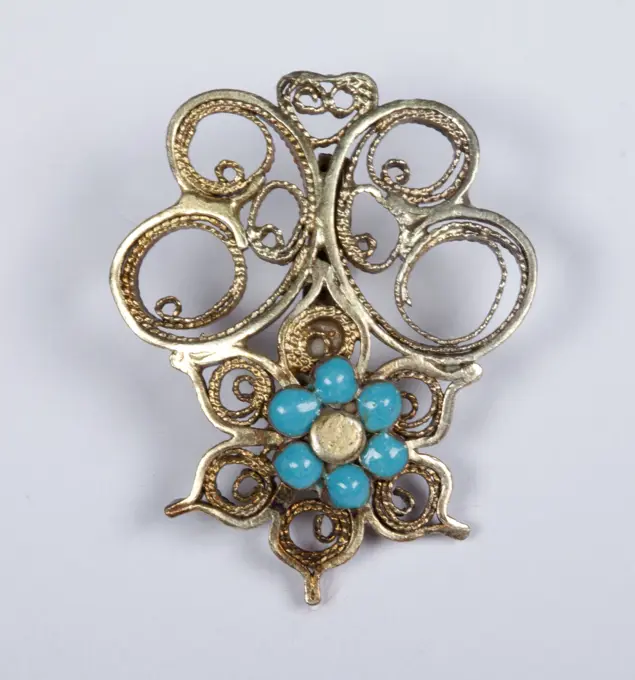
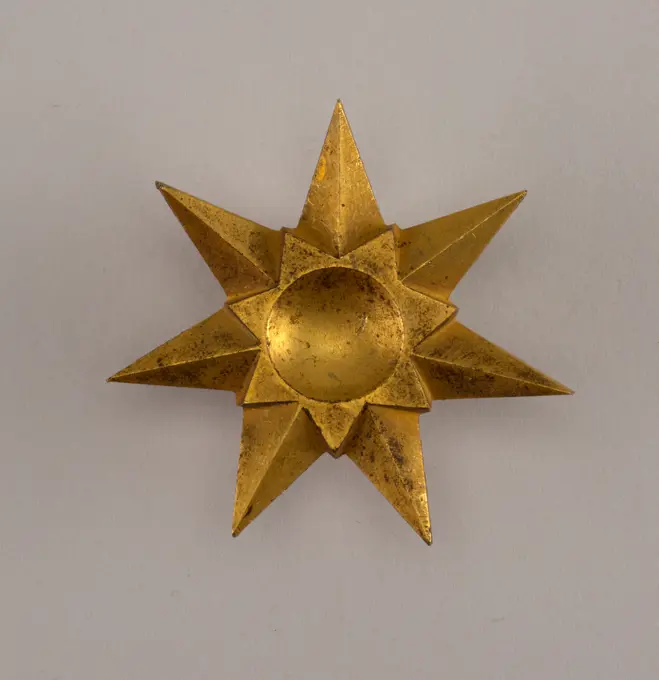
Intricately designed antique jewelry pieces, including belt buckles and decorative elements, showcasing craftsmanship and historical significance.
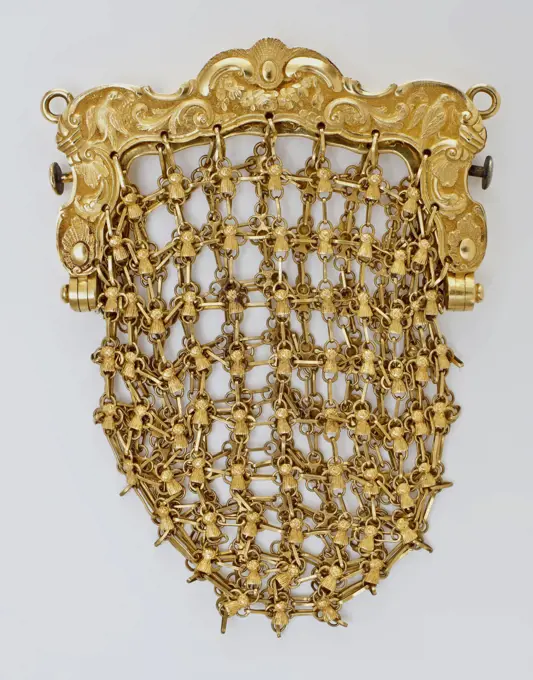
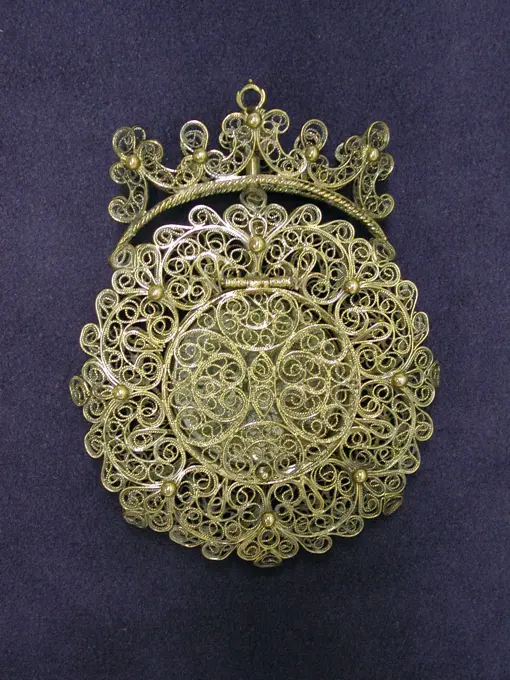
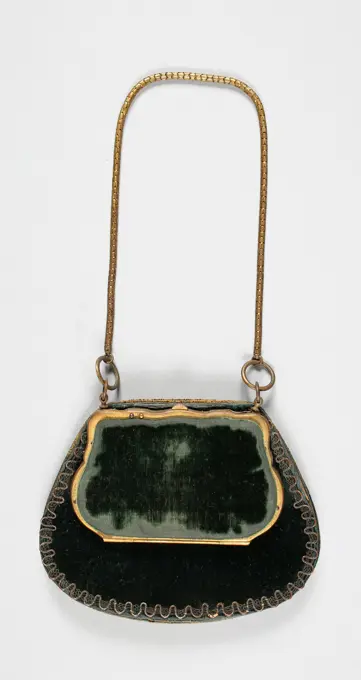
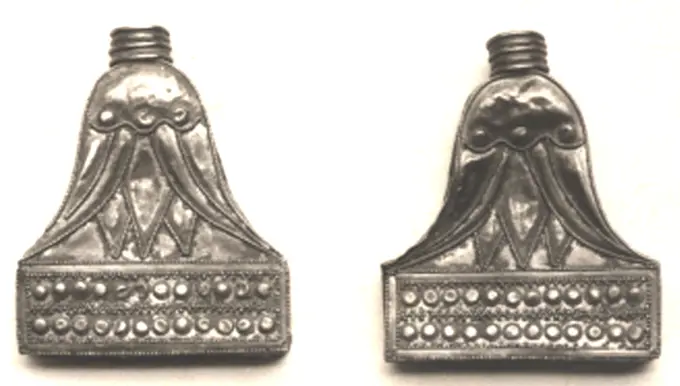
Golden braid bag, clamp bag bag clothing accessory clothing gold, d 1.0
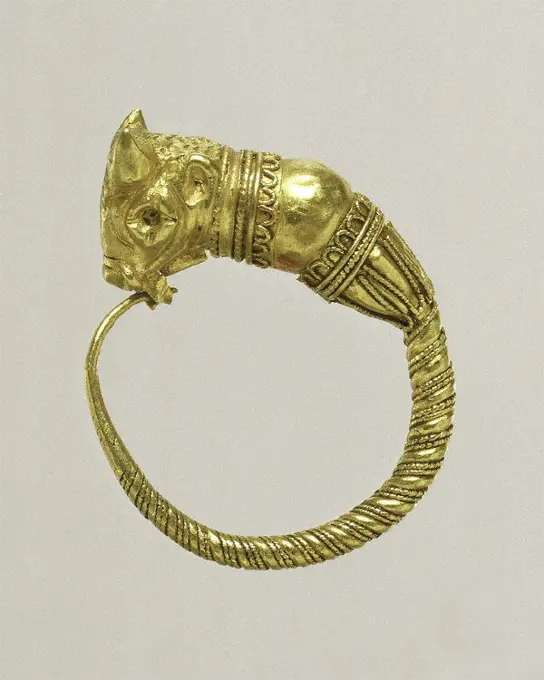
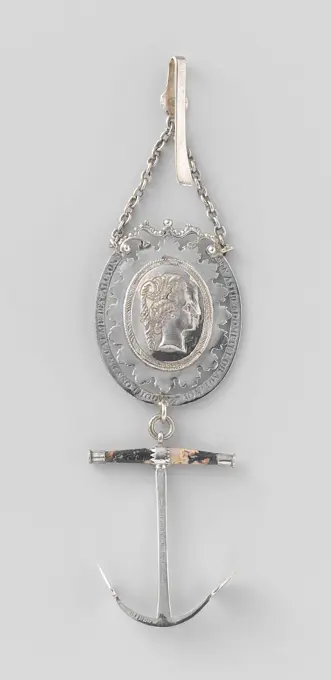
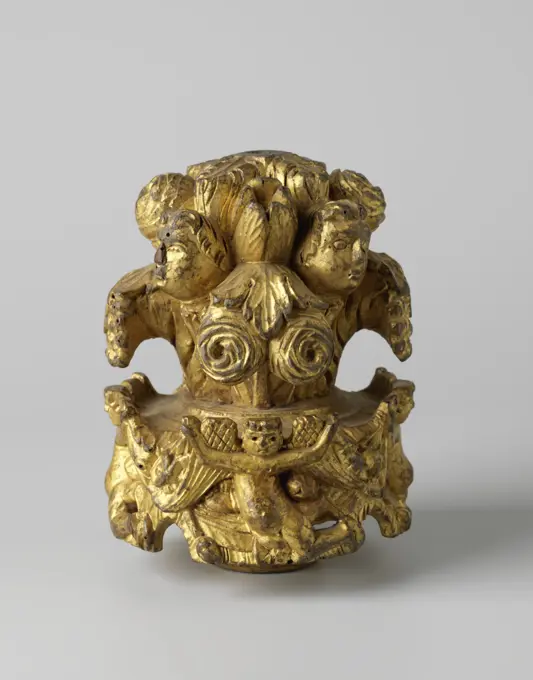
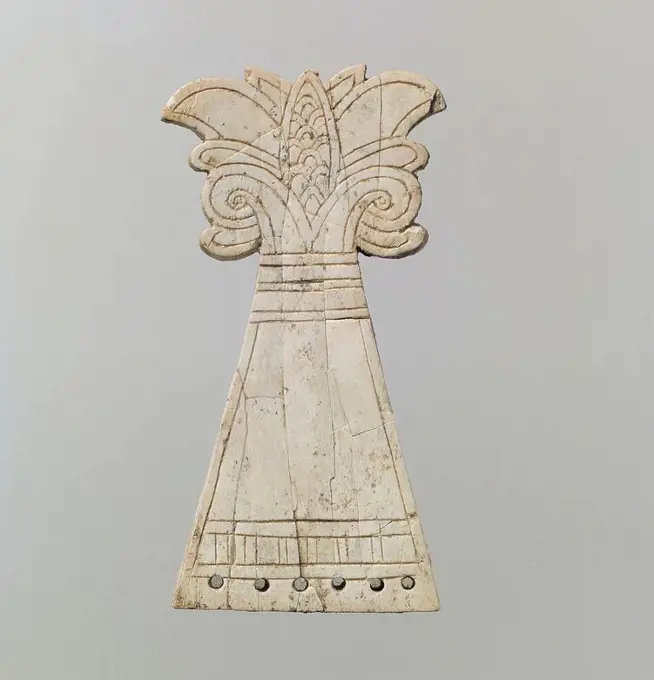
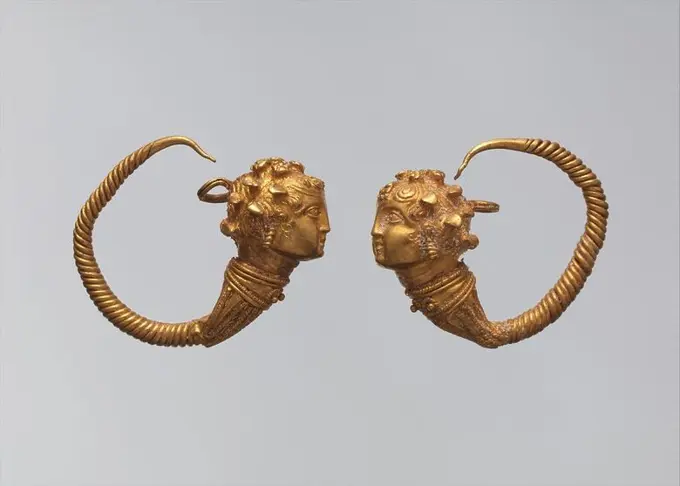
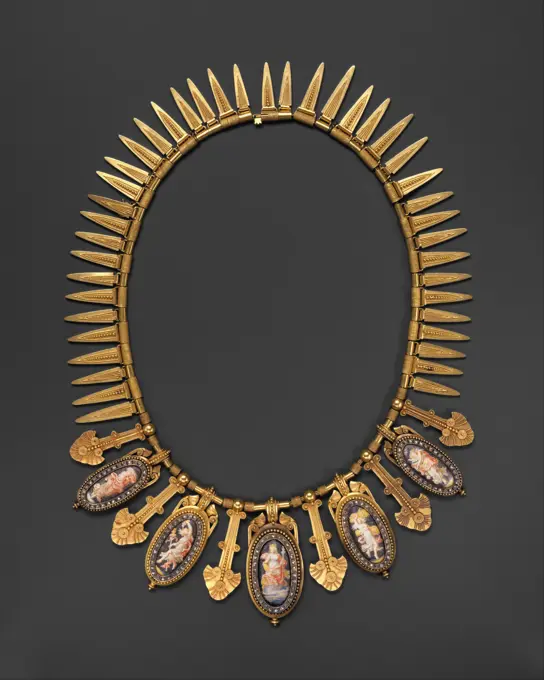
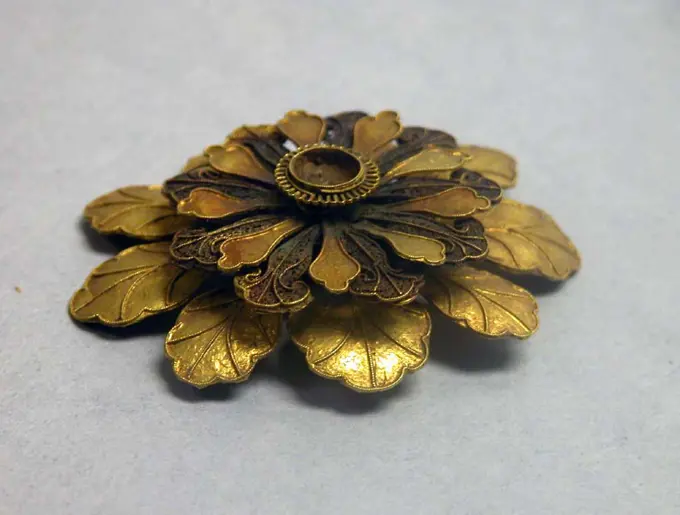
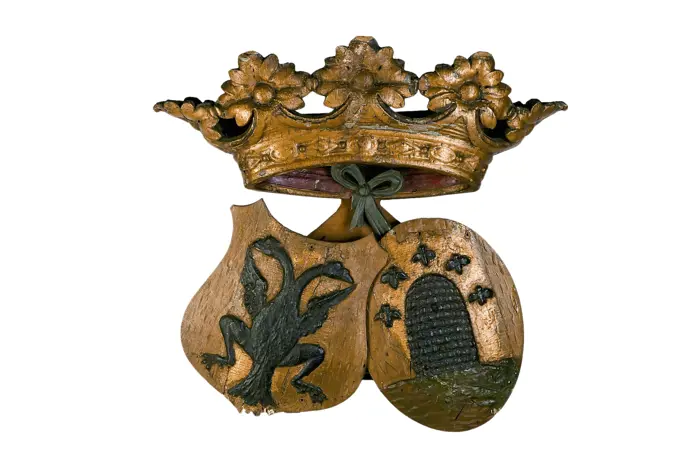
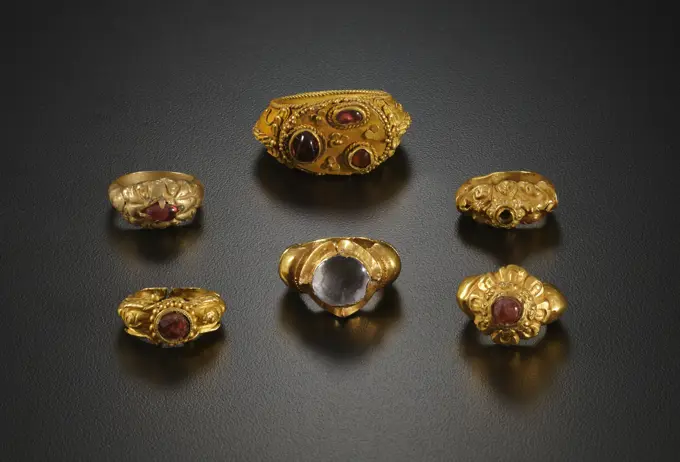
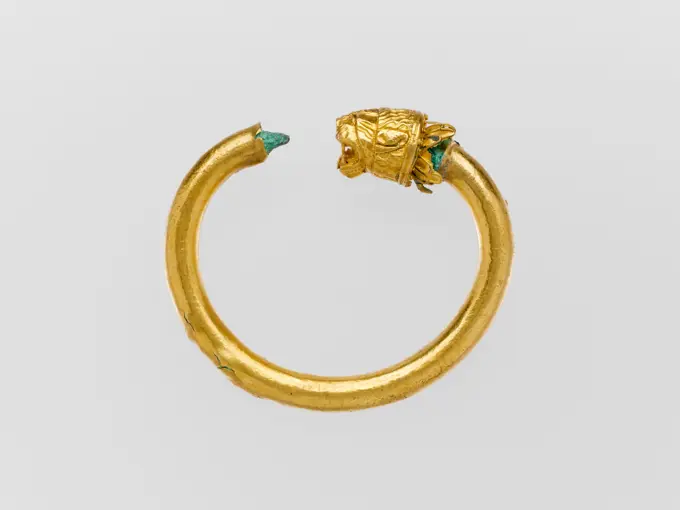
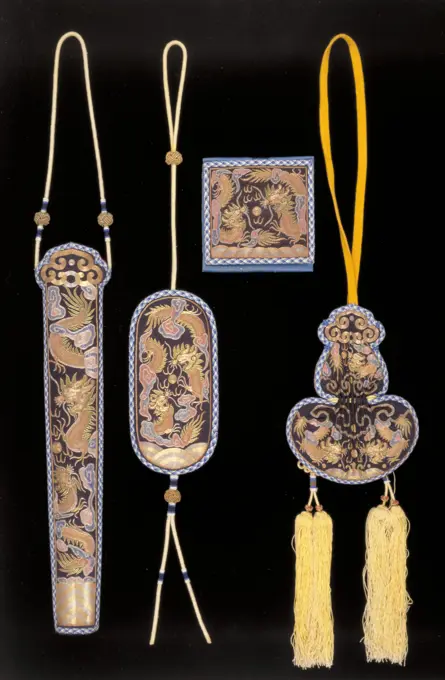
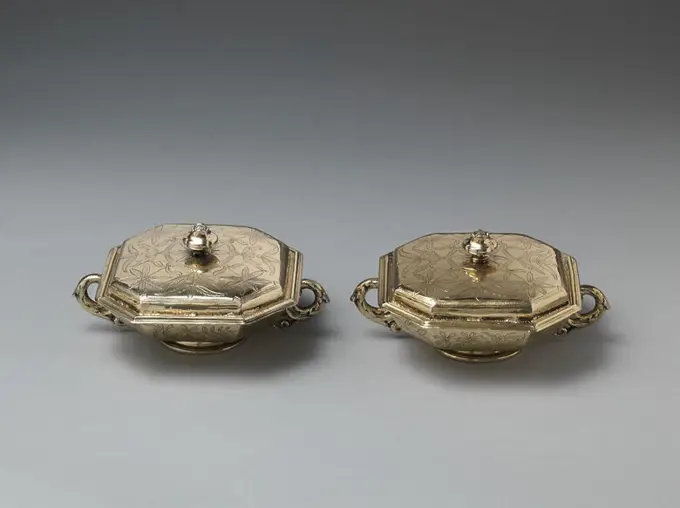
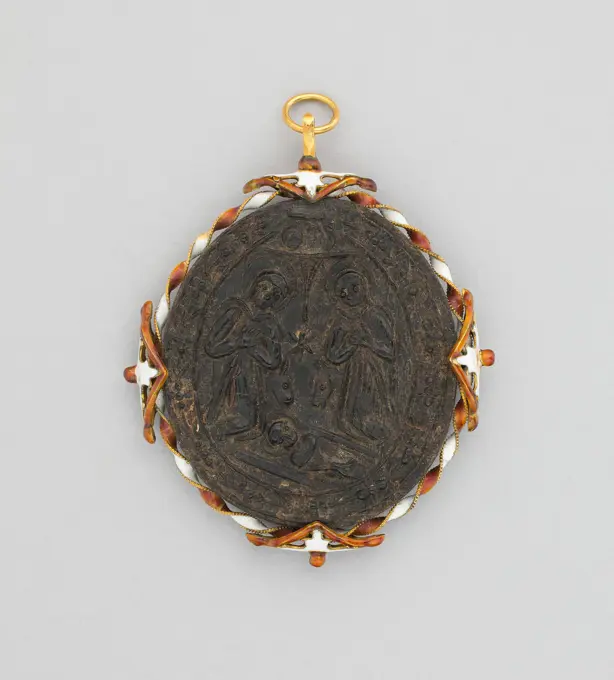
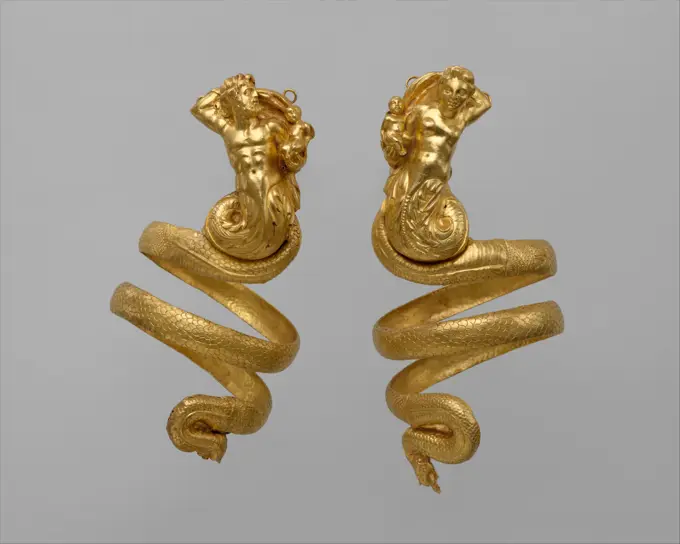
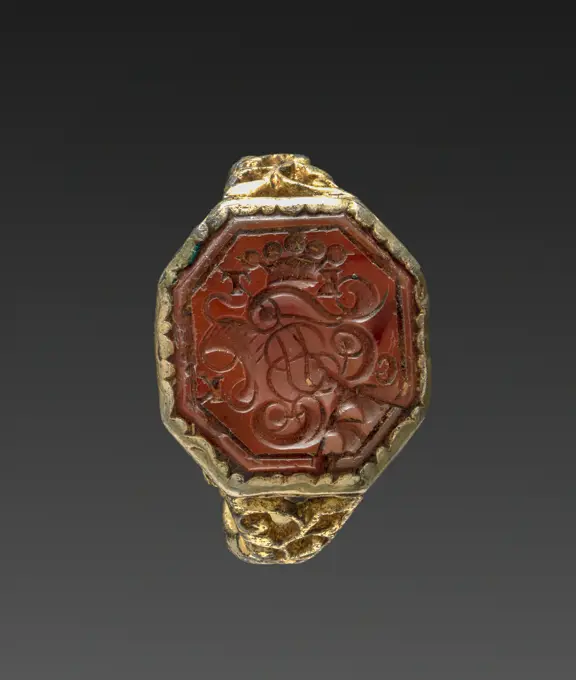
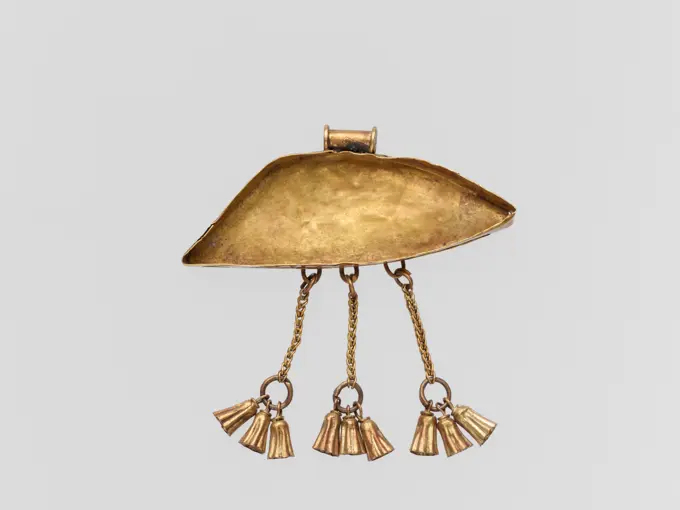
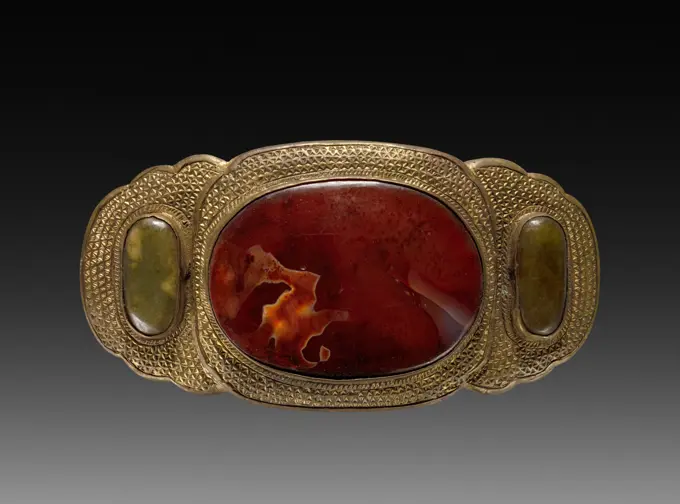
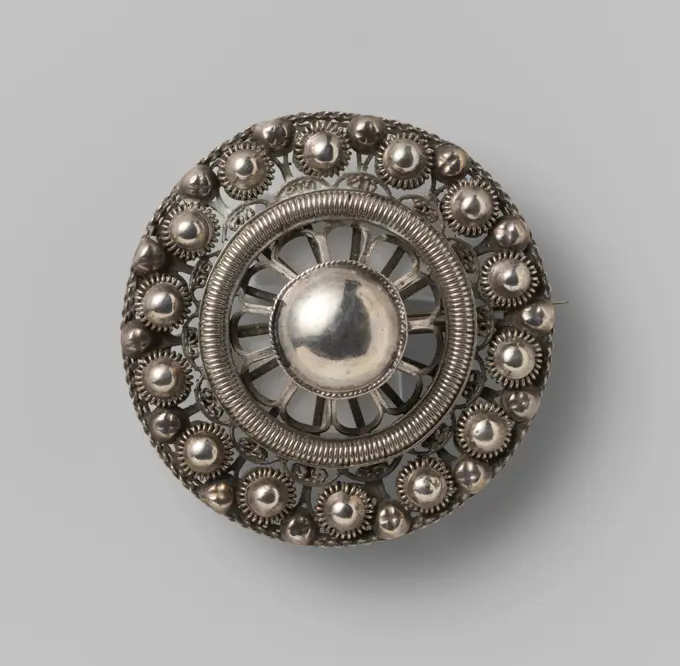
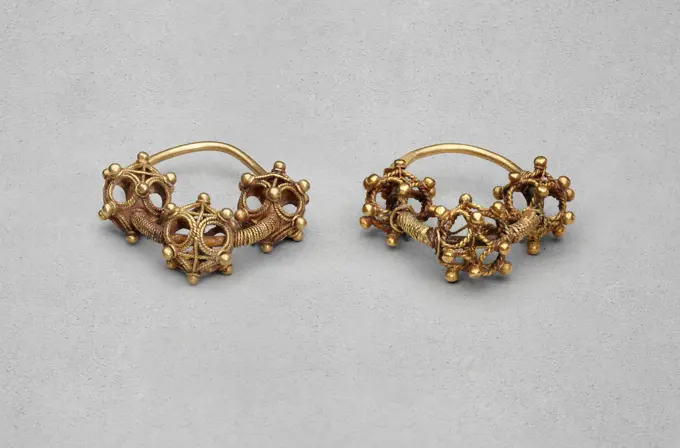
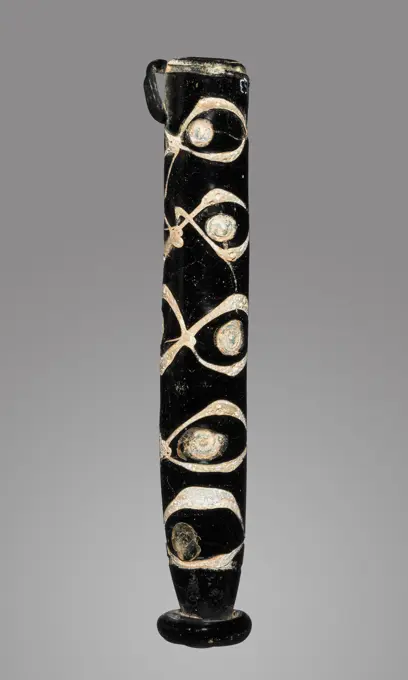
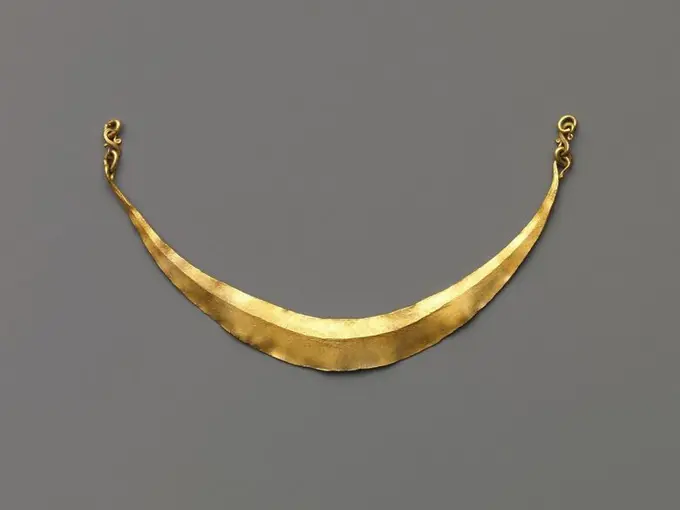
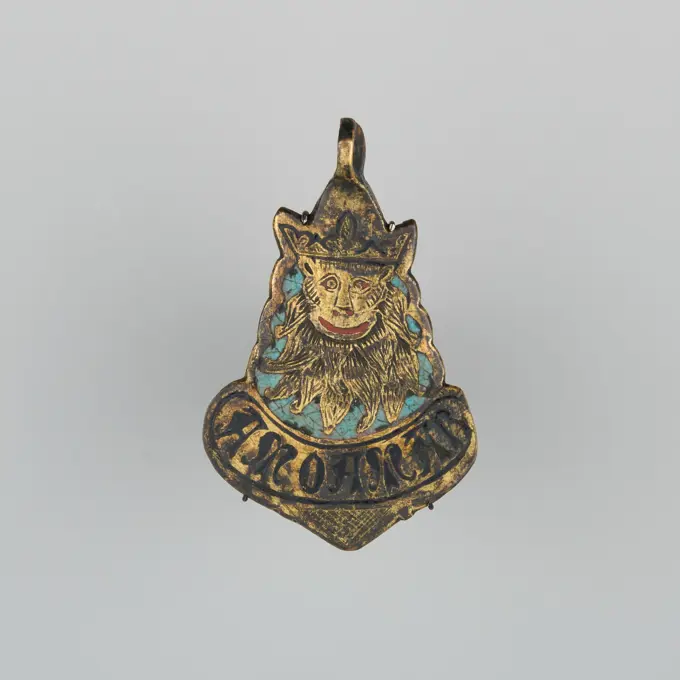
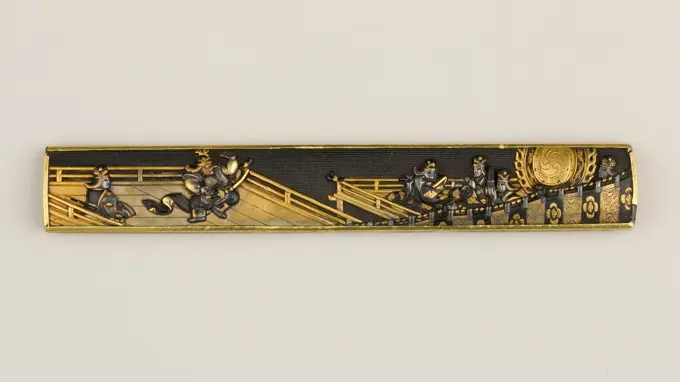
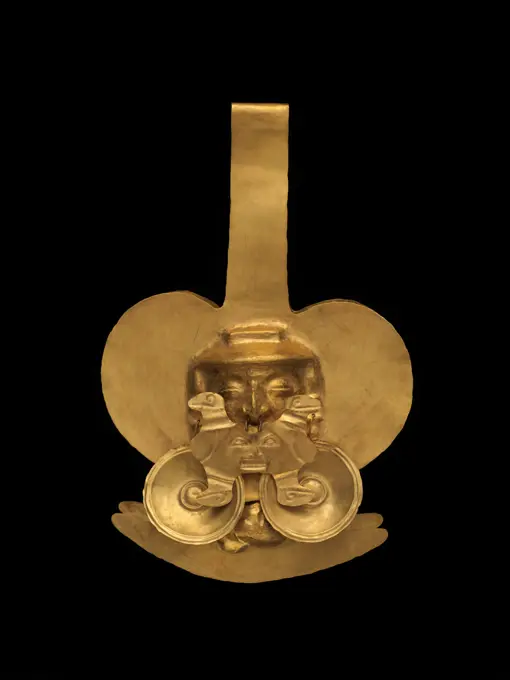
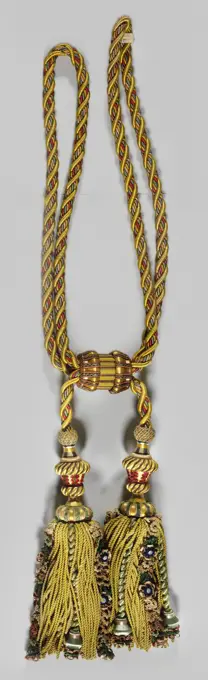
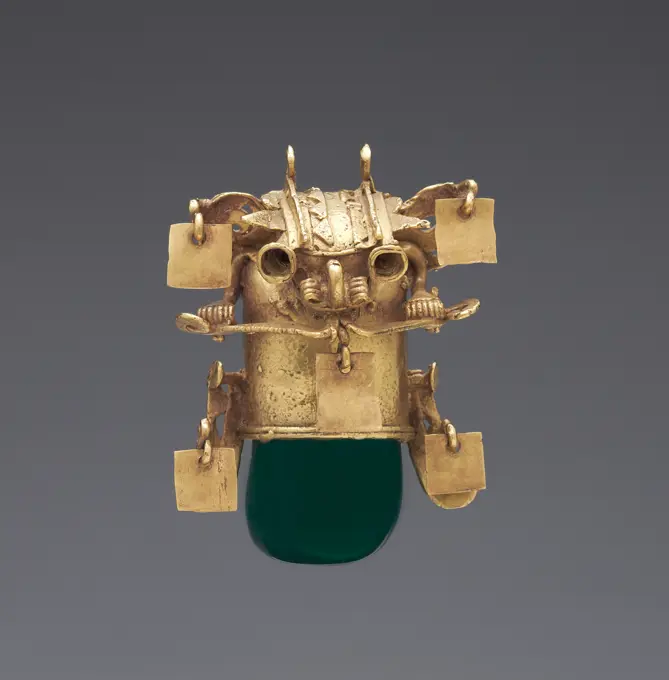
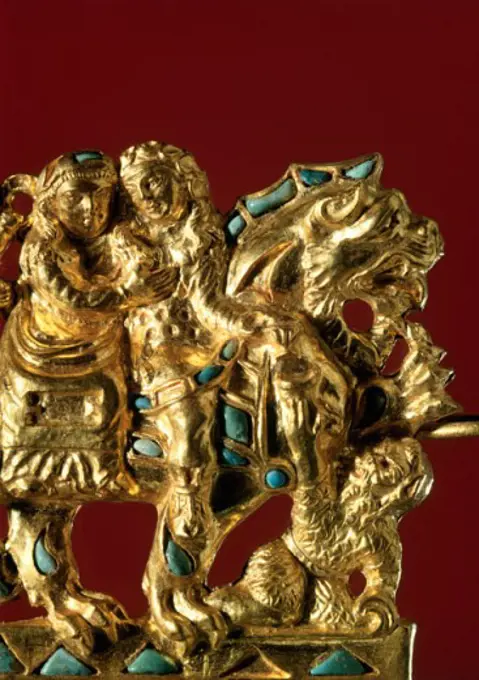
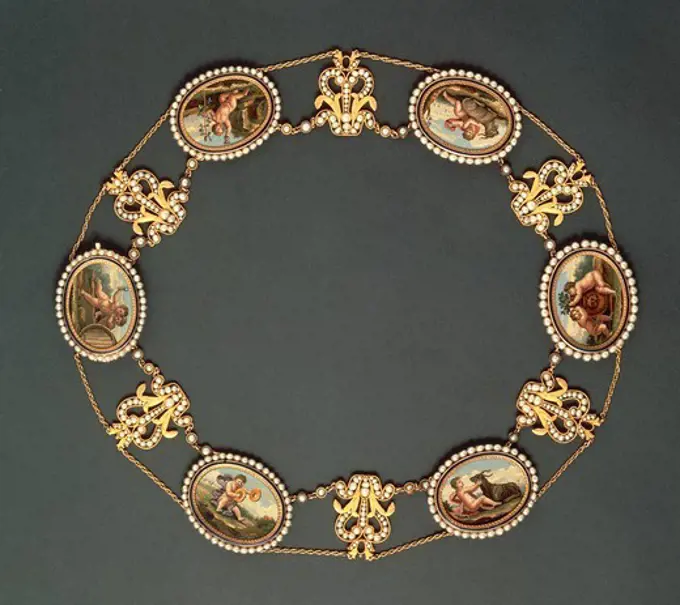
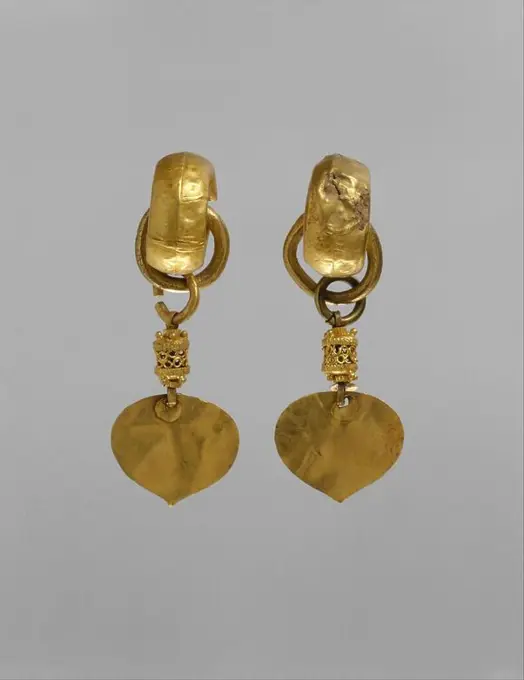
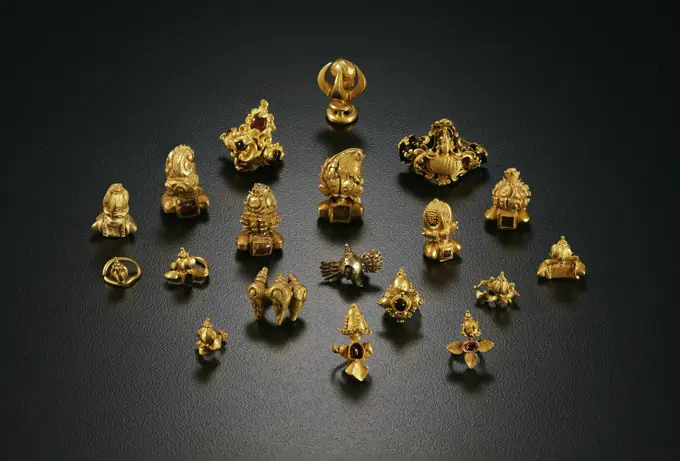
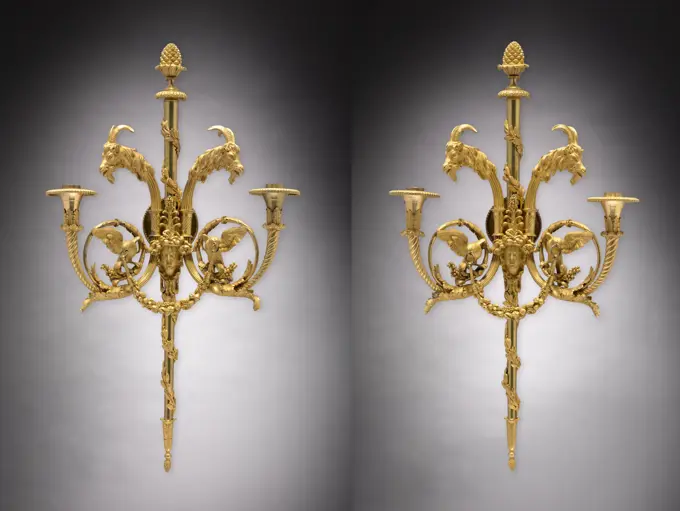
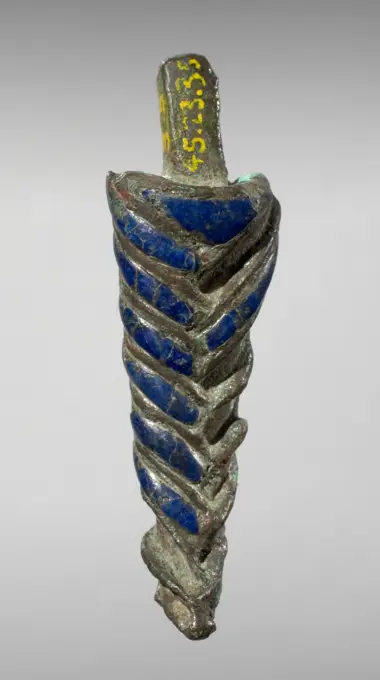
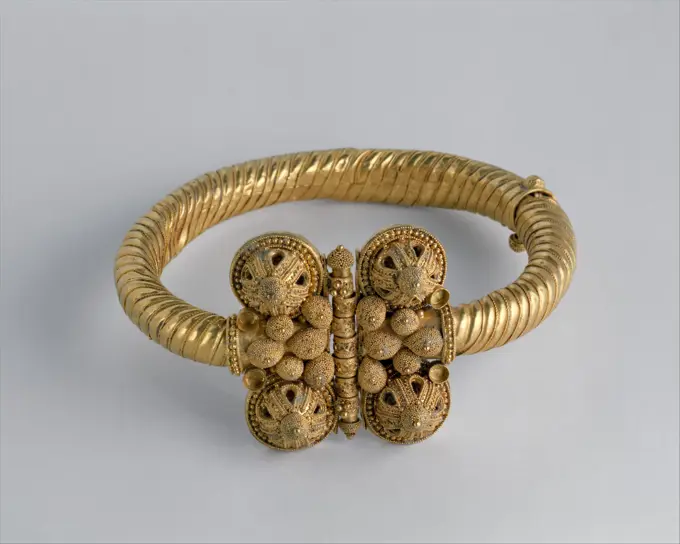
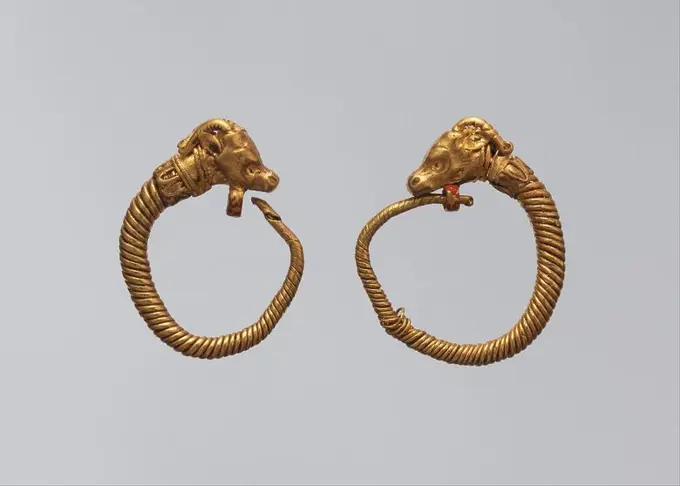
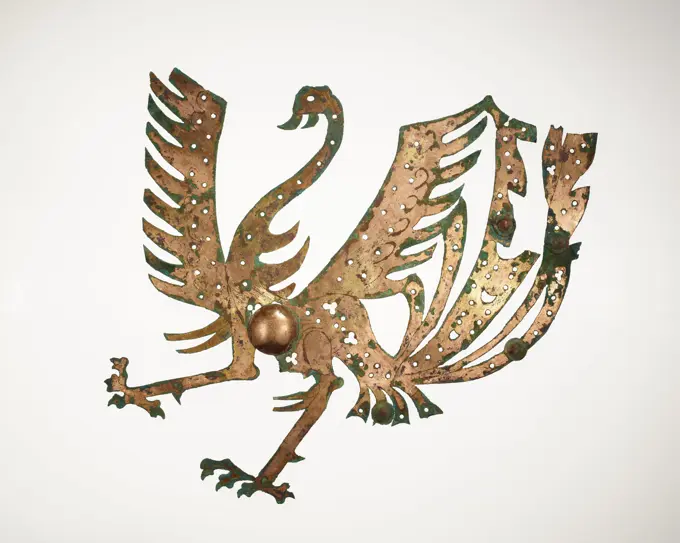
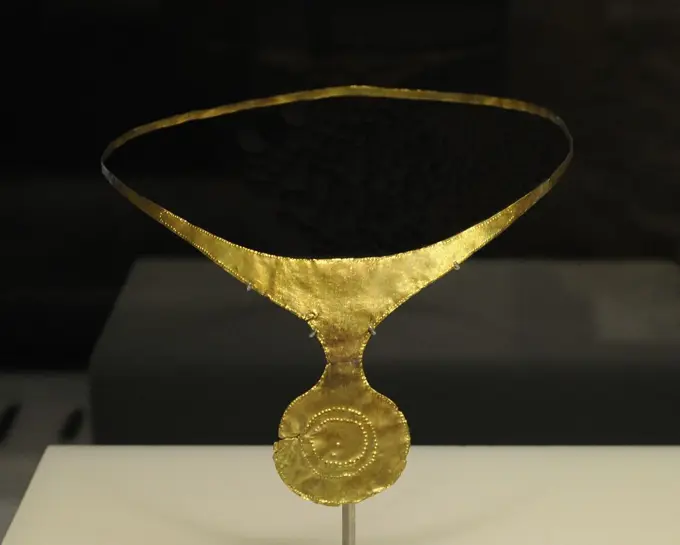
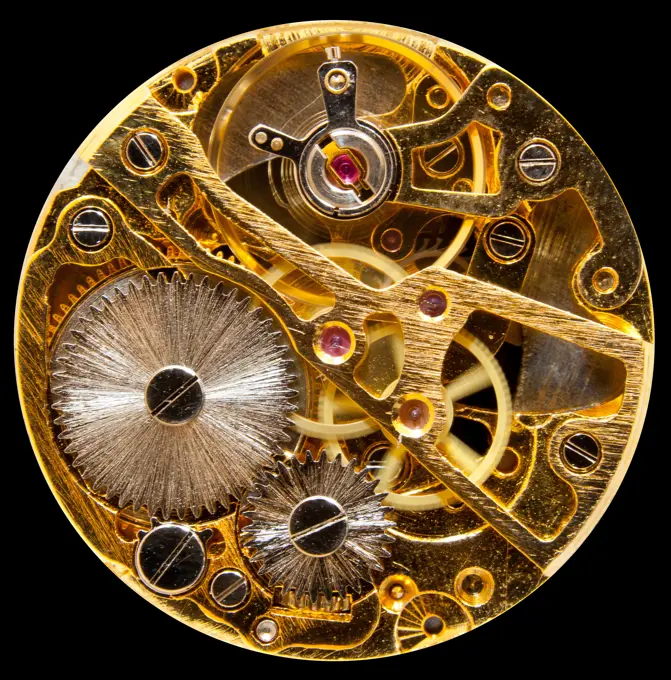
Mirror 17th century German or Dutch. Mirror 196733Necklace Cypriot. Necklace 242824Earring cast with Mount Meru 8th-12th century Indonesia (Central Java). Earring cast with Mount Meru 64355Gold earring with head of a bull late 4th-3rd century B.C. Cypriot Circlet of twisted gold wire, which tapers from the bull's head at the front end to a hooked point which passes through a loop below the animal's throat.. Gold earring with head of a bull 242865Mummy amulet, Spatzeit 746-332Inr with God of Longevity (Jurjin) and a Stag (obverse) and Long-Tailed Turtle (Minogame) under Bamboo (reverse) late 18th-early 19th century Somada School Artist. Inr with God of Longevity (Jurjin) and a Stag (obverse) and Long-Tailed Turtle (Minogame) under Bamboo (reverse). Somada School Artist (Japanese). Japan. late 18th-early 19th century. Four cases; lacquered wood with gold hiramaki-e, togidashimaki-e, nashiji (“pear-skin ground”), gold foil cutouts, and mother-of-pearl inlay on black lacquer ground Netsuke: manju type, basket with chrysanthemums; lacquered wood with mother-of-pearl inlay Ojime: carved red lacquer bead. Edo period (1615-1868). InrGold elephant found in the crypt of Wat Ratburanaa, Ayutthaya, dating from the 15th century, National Museum, Ayutthaya, Thailand, Southeast Asia, Asi...Willem V en Wilhelmina van Pruisen, prins en prinses van Oranje-Nassau.Willem V and Wilhelmina van Prussen, Prins and Princess of Oranje-Nassau. Silver carrying sign built up from oval medallion inside scalloped inside and smooth outer edge, topped with crown, attached to a clip with two chains; At the bottom of medallion wearing eye, to which anchor hangs; medallion. Front: brisket man inside shaded edge. Downside: breastpiece woman inside shaded edge; On the front and downside of outer edge: inscription; On front of shaft from anchor: signature; On the inside of anchor sheet: Left: arrows bundle, right: two crossed keys; On the outside of anchor sheet; Left and right: a coat of arms; On bottom and both sides of anchor arc: inscriptions.Decorated flagstick button, Anonymous, 1600 - 1800  Wooden gilt button from Vlagstok; upper part in the form of budding flower, consisting of four heads around which twice a grape vine and twice a rose drink; On top of a cross shape in leaf motif and four floral buttons; lower edge four angels against the background of rugs around; Under hole for stick with roset -like decoration around it. Below is a longer part of polychrome wood with tendrils and roses on a dark background. Probably used on Amsterdam's ship. Netherlands wood (plant material) cutting / gildingPendant carried by George Sand. Paris, Museum of Romantic Life. 35004-4 Jewel, French writer, pendantIncised horse frontlet carved into the shape of a flowering, volute palmette tree. Culture: Assyrian. Dimensions: 4.21 x 2.2 x 2.09 in. (10.69 x 5.59 x 5.31 cm). Date: ca. 9th-8th century B.C..This ivory plaque is carved into the form of a flowering, voluted palmette emerging from a wide stalk. The crowning floral ornamentation includes volutes, leaves, and a central, oval bud, all outlined with incision. The stalk is ornamented with two blank bands just below the floral capital, with an additional, fringed band bordering the lower edge. The six holes drilled into the lower edge of this piece and suggest that it was fastened to another material, perhaps a textile or leather backing that has not survived. Originally, this piece was probably used as a frontlet, an equestrian bridle-harness ornament which adorned a horse's forehead. Over two hundred ivory and gypsum alabaster equestrian bridle-harness ornaments have been found at Nimrud. The majority, including this frontlet, were found Belt tongue of belt hanger or belt buckle with openwork motifs, centrally stylized eagle, belt accessory ground find copper metal, archeology Rotterdam rail tunnel Soil discovery: pour rail tunnel.Maenad-head earrings. Dimensions: a. As Worn: H. 2.5 × W. 2.9 cm (1 × 1 1/8 in.)b. As Worn: H. 2.4 × W. 2.7 cm (15/16 × 1 1/16 in.). Date: 1st century B.C..Earrings with heads of maenads (Dionysus's female followers) are rare in Egypt but occur in the Levant and Cyprus. The form is late Hellenistic. Museum: Metropolitan Museum of Art, New York, USA.Ear Ornament, Fertility Scroll 8th-12th century Indonesia (Central Java). Ear Ornament, Fertility Scroll 64408Ear Stud, 1800s. Burma. Gold and rubies; overall: 3 cm (1 3/16 in.).Necklace ca. 1870 Eugêne Fontenay French This gold chain has five oval enameled pendants depicting personifications of Europe and the Seasons. Each oval is framed in diamonds interspersed with long stylized palmette-shaped pendants, and forty-one leaf-shaped pendants, decorated with granulation and wirework suspended from alternately plain and coiled tubular links.The use of granulation and images of classical maidens, as well as the overall organization, demonstrate the designer's dependence upon ancient Greek gold jewelry for inspiration. Like the Castellani firm in Rome, Eugène Fontenay reproduced jewelry in ancient Greek, Roman, and other historical styles. However, not only did Fontenay copy period originals, he also took motifs from these styles and, with them, created original designs.. Necklace. Eugêne Fontenay (French, 1823-1887). French, Paris. ca. 1870. Gold, enamel and diamondsMountPair of Sword-Grip Ornaments (Menuki). Culture: Japanese. Dimensions: L. of each 1 13/16 in. (4.6 cm); Wt. of each 0.2 oz. (5.7 g). Date: 18th century. Museum: Metropolitan Museum of Art, New York, USA.Powder Horn Owned by Hetman Mikołaj Hieronim Sieniawski (1645-1683) unknownRosetteMount; bronze, giltWeighted Fastener Second half of the 8th-second half of the 10th century Indonesia (Java). Weighted Fastener 49744Flower Pendant withGemBourse. 1858. Gal1992.417.1Tiger Claw Pendant 8th-12th century Indonesia (Central Java). Tiger Claw Pendant 64283Brooch China. Brooch 60854Wooden carved facade decoration, with alliance arms of Barendregt and Zoeteman, together under crown, ornament coat of arms informative form carvings sculpture sculpture wood paint, carved painted gilded The man's arm of the family Barendregt has double eagle the coat of arms of the family coat of arms of the family Zoeteman shows black beehive in gold with five moths flying around the top of the hive heraldic craft Charloisse Kerksingel Oud-Charlois Charlois Rotterdam From house on the Kerksingel in Charlois.Snuffbox ca. 1760 probably Russian, Riga. Snuffbox 200396Ring with Claw setGemRing withGemJewellery. Talisman of Charlemagne, 9th cent. Gold pendant with jewels. FRANCE.Head in the shape of a demon;  XVIII-XIX century (1790-00-00-1810-00-00);Gold Thewa Brooch made from gold, enamel and glass, in India during the 19th CenturyGold and copper alloy bracelet with lion-head finials 5th century B.C. Cypriot With a head of a lion on the end.. Gold and copper alloy bracelet with lion-head finials. Cypriot. 5th century B.C.. Gold, bronze. Classical. Gold and SilverFan Case, 19th-20th century, L.12-1/2 in., satin, silk, embroidery, China, 19th-20th centuryPair of bowls with covers (part of a toilet service). Culture: British, London. Dimensions: Overall (confirmed): H. 2 3/4 x W. 5 1/2 x D. 4 1/2 in., 11 oz. 5 dwt. (7 x 14 x 11.4 cm, 0.35kg). Maker: William Fowle (1658-1684, active 1681-84). Date: 1683-84. Museum: Metropolitan Museum of Art, New York, USA.Two-Sided Pendant with Adoration and Baptism of Christ 1700-1799 Spain. Enameled gold and jet .Pair of gold armbands ca. 200 B.C. Greek These imposing serpentine armbands represent two tritons, male and female, each holding a small winged Eros. The hoops behind the tritons' heads were used to attach the armbands to the sleeves of a garment, for otherwise, their weight (each over 6 1/2 ounces) would have caused them to slip down the arms.. Pair of gold armbands 254842 Greek, Pair of gold armbands, ca. 200 B.C., Gold, Overall: 10 7/16in., 0.4lb. (26.5cm, 0.2kg) Other (height-triton armband): 9 13/16in. (25cm) Other (height-tritoness armband): 10 7/16in. (26.5cm). The Metropolitan Museum of Art, New York. Rogers Fund, 1956 (56.11.5, .6)Lluís Masriera / Colgante en forma de ave, siglo XX. Colección privada. Author: LLUÍS MASRIERA I ROSÉS.Silver loop 1st title 950/1000th from 1793.Goldsmith's art, 18th-19th century. Silver and gold bracelet set with diamonds, around 1800.Seal Ring, 1700s. Germany, 18th century. Gilded metal; diameter: 2.1 cm (13/16 in.).Goldsmith's art, 19th century. Diamonds and precious stones monogram brooch, part of Isabella II of Spain collection.Gold eye-shaped pendant with three tassels 6th-5th century B.C. Cypriot Alhough this object may have been made in Cyprus, the type probably originated in Egypt and the Levant. The inlay would have consisted of a semiprecious stone or glass paste.. Gold eye-shaped pendant with three tassels. Cypriot. 6th-5th century B.C.. Gold. Archaic-Classical. Gold and SilverBuckle, 1900s. China, 20th century. Brass set with agate and jade; overall: 9.3 cm (3 11/16 in.).Mount; bronze, giltPendant with Virgin and Child. Culture: German. Dimensions: Greatest Diameter: 2 5/16 in. (5.9 cm); with rings: 3 3/8 in.. Date: early 16th century.The design of this pendant served as the insignia for the Schwanenorden, or Order of the Swan, founded in 1443 by Friedrich II, elector of Brandenburg. Several contemporary portraits show similar pendants worn on chains around the neck with a large pearl or other ornament suspended from a loop. The image of the Virgin and Child on the crescent moon, inspired by Revelation, is similar in composition to woodcuts by Hans Baldung Grien, a protégé of Albrecht Dürer in Nuremberg. Museum: Metropolitan Museum of Art, New York, USA.Mount; gilt; 1911-16-1Goese button of silver, c. 1900 - c. 1940 Goese button of silver with a hook closure with base brochure. The ring was worn by Marjan Unger's mother. Netherlands silver (metal) Goese button of silver with a hook closure with base brochure. The ring was worn by Marjan Unger's mother. Netherlands silver (metal)Badge of the Order of Saint Michael 17th century French. Badge of the Order of Saint Michael. French. 17th century. Gold, enamel. Metalwork-Gold and PlatinumPair of GoldEarringsTinsel and metal thread 17th-18th century French. Tinsel and metal thread 214203Opaque Black Flask with white trails and blobs. UnknownMoon-Shaped Pendant. Culture: Indonesia (Java). Dimensions: H. (from base to tip of ends) 2 3/4 in. (7 cm); W. 5 1/4 in. (13.3 cm). Date: 8th-early 9th century or earlier. Museum: Metropolitan Museum of Art, New York, USA.Earring mid-1st century Sarmatian This earring is said to be from the ancient city of Olbia, long a colonial trading post of the ancient Greeks on the northern coast of the Black Sea. At the time these earrings were made, Olbia's local inhabitantsGreeks, Scythians, and Sarmatianswere flush with gold and silver received from the Romans in exchange for local goods, such as salt and grain.. Earring 466388Badge or Harness Pendant ca. 1400 Spanish Heraldry, or coat-of-arms, were vitally important in Europe throughout the Middle Ages and the Renaissance. Heraldic emblems were used to identify noble families, cities, regions, and even countries. In addition to being displayed on shields and flags, heraldry was incorporated into architectural decoration on the interior and the exterior of buildings, on furniture, works of art, clothing, and horse equipment. Harness pendants, like this example, would have been attached to a headstall, bridle, or other straps making up the tack of a horse ridden by a nobleman or noblewoman, or a member of their household. Many harness pendants also have decoration that is simply ornamental, or have symbols that are not specifically heraldic in nature.. Badge or Harness Pendant. Spanish. ca. 1400. Copper, gold, enamel. Miscellaneous-BadgesDisk Brooch. Culture: Frankish. Dimensions: Overall: 1 1/8 x 1 3/8 x 13/16 in. (2.9 x 3.5 x 2 cm). Date: first half 7th century. Museum: Metropolitan Museum of Art, New York, USA.Ear Clip with Lavender Stones Second half of the 8th-second half of the 10th century Indonesia (Java). Ear Clip with Lavender Stones 50018Knife Handle (Kozuka) late 18th-early 19th century Japanese A kozuka is a handle of a by-knife that is part of a sword mounting. It is kept in a slot on the reverse of a katana scabbard, often with a matching kōgai (hairdressing tool).. Knife Handle (Kozuka) 25186Eagle Pendant 11th-16th century Chiriqui. Eagle Pendant. Chiriqui. 11th-16th century. Gold (cast alloy). Costa Rica or Panama. Metal-OrnamentsArm Ornament 100 B.C.-A.D. 800 Calima-Yotoco Beginning in the last century before the Common Era, and continuing on until the ninth century, master metalsmiths in what is now southwestern Colombia created remarkable full-body regalia for powerful leaders to wear in life, and also in death. These included ear ornaments, headdress diadems, pectorals, and tweezer-like objects that are thought to have been worn suspended from a cord tied around the upper arm. Sometimes called brazeletes in Spanish, this impressive example boasts an embossed face, bilateral flanges, and a crescent-shaped blade at the base. The conventionalized visage rendered in high relief on this ornament, often called the Yotoco Face,” is characteristic of this period, and is also found on pectorals and diadems (see 1979.206.507). The face itself is adorned with other ornaments, including an H-shaped nose ornament—itself bearing a face rendered in low relief—and large, circular ear pendants. Yotoco (100 B.C. - A.D. 800)Embrasse belonging to a set of curtains with flower design on yellow fond, le mirepère et fils, 1850 - 1860 Embrasse belonging to a set of silk curtains with floral design on yellow stock from the small dance hall of Noordeinde Palace. manufacturer: LyonThe Hague silk. lampas (textile material) Embrasse belonging to a set of silk curtains with floral design on yellow stock from the small dance hall of Noordeinde Palace. manufacturer: LyonThe Hague silk. lampas (textile material)Kobako 18th century Japan. Kobako 57927Square Plaque mid-7th-9th century Northwest China/Eastern Central Asia. Square Plaque. Northwest China/Eastern Central Asia. mid-7th-9th century. Gold. period of Tibetan rule. MetalworkTwo-handled bowl. Culture: Hungarian, Kassa. Dimensions: Overall: 6 5/16 x 5 5/16 in. (16 x 13.5 cm). Maker: Pter W. Kecskemti (ca. 1663-ca. 1680). Date: ca. 1668.The engraved coat of arms in the center of this bowl is surrounded by an inscription that may refer to the membership of its owner to a religious or fraternal order. In Hungary, almost all members of a dynastic house used the same coat of arms. Therefore, individual heraldic crowns, conveying one's personal rank and title, were rarely added.LiteratureJzsef Mihalik. "Kecskemti tvs Pter."Archaeologiai rtestu, 2nd ser., 14 (1894), pp. 148-59.European Silver. Sale cat., Sotheby's, Geneva, November 10, 1987, p. 73, no. 201.Judit H. Kolba. Hungarian Silver: The Nicolas M. Salgo Collection. London, 1996, p. 74, no. 52.ReferencesElemr Koszeghy. Magyarorszgi tvsjegyek a kzpkortl 1867-ig / Merkzeichen der Goldschmiede Ungarns vom Mittelalter bis 1867. Budapest, 1936, nos. 818 town marCrocodile Pendant, 1000-1550. Panama, Azuero Peninsula, Parita style, 11th-16th century. Cast gold, modern greenstone; overall: 6.5 x 5.5 x 4.4 cm (2 9/16 x 2 3/16 x 1 3/4 in.). Of great importance in ancient Panama were beings that combined crocodile features, especially the mouth, with lizard traits, such as the iguanas head crest. This example also has a back-swept nose, perhaps that of the leaf-nosed bat. The greenstone is a modern replacement for a stone or shell that once completed the crocodiles body.Bactrian Gold: Clasps with Amorous Scene Artist Unknown Kabul Museum, Afghanistan Goldsmith's art, 19th century. Roman mosaic, gold and seed pearls necklace.Earring (One of a Pair). Culture: Korea. Dimensions: L. 2 1/2 in. (6.4 cm). Date: Silla Kingdom, 5th century.The beauty and sophisticated craftsmanship of these gold earrings--and of the personal adornments found in the tombs of the Silla and Gaya elite generally--attest to the esteem conferred upon them by both patron and artisan. Museum: Metropolitan Museum of Art, New York, USA.Lobed Ball BirdRingBird Ring withGemstonesCandle Bracket Pair , c. 1780. France, style of Louis XVI, 18th Century. Gilt bronze; overall: 63.5 x 34.3 cm (25 x 13 1/2 in.).Braided Divine Beard for Attachment to a Larger Figure. Egypt, Late Period - Ptolemaic Period (711 - 30 BCE). Sculpture. Bronze, lapis lazuli and gold inlayLotus shaped terminal for collar 332-30 B.C. Ptolemaic Period. Lotus shaped terminal for collar 560970Repeater watch and key. Culture: British. Dimensions: Diameter: 3 1/2 in. (8.9 cm). Maker: Watchmaker: Bartholomew Newsam (British, recorded 1565, died 1587). Date: ca. 1565. Museum: Metropolitan Museum of Art, New York, USA.Pearl button, 1775-1800. Carved in a fluted floral design with central moulded blue glass centre picked out with gilt. Drilled brass swaged-in shank.. Produced in Birmingham.Snaphaunce Lock. Culture: German. Dimensions: L. 6 1/2 in. (16.5 cm); Wt. 14.4 oz. (408.2 g). Date: 17th century. Museum: Metropolitan Museum of Art, New York, USA.Curb Bit. Culture: German. Dimensions: H. 7 in. (17.8 cm); W. 6 1/4 in. (15.9 cm); Wt. 1 lb. 4.9 oz. (592.5 g). Date: 18th century.This driving bit was used for horses pulling carriages and sleighs. The large rings prevent the bit from pulling through the horse's mouth. The triangular loops on the purchases attached the bearing reins, connected to the horse's collar. They were used to prevent the animal from lowering its head, and, for aesthetic reasons, to adjust all the horses' heads to the same level.Driving bits are usually more rigid compared to riding ones, as the voice and the hand are the only ways of communicating with the animal. Museum: Metropolitan Museum of Art, New York, USA.Golden frame isolated Gold luxury frame isolated included clipping path Copyright: xZoonar.com/Baloncicix 14643361Bracelet Rattle Possibly Borneo n. d.Sconce (one of a pair) 1700-1701 Joseph Ward. Sconce (one of a pair). British, London. 1700-1701. Silver. Metalwork-Silvervintage gold frame, isolated on white with clippin g pathFanière Frères, brooch (main title), 1855. Graphite, gouache, gold highlights on gray cartonet. Petit Palais, Museum of Fine Arts of the City of Paris.Armlet first half 11th century Pre-Islamic forms can be seen in bracelets such as this one, indicating traditionalism in the production of jewelry. At the back of each of the four hemispheres around the clasp there is a flat disk of gold decorated by pouncing it over a coin; the four stones originally on the front are now missing. The twisted decoration probably derives from Greek bracelets; Byzantine jewelry often incorporated coins.. Armlet. first half 11th century. Gold; filigree and granulation. Found Iran, Gurgan. JewelryBrazalete, obra de Ramon Teixé. Colección privada.Earring with head of ibex. Dimensions: As Worn: H. 1.6 × W. 1.7 cm (5/8 × 11/16 in.). Date: 3rd-2nd century BC.Hoops formed of wound wire with animal head terminals are the commonest type of Hellenistic earring. The heads on these earrings have been referred to as those of gazelles, but is now thought more likely to be an ibex. Ibex-head earrings are well-known in Egypt, but also Asia Minor and Cyprus. The gold bead that forms part of the collar behind the animal's head is scarcely rounded, pointing to a 3rd or probably 2nd century date. Museum: Metropolitan Museum of Art, New York, USA.Scarab Finger Ring Inscribed for Auserre (Apophis) ca. 1581-1541 B.C. Second Intermediate Period. Scarab Finger Ring Inscribed for Auserre (Apophis) 545722Pair of upper arm bracelets in the form of a coiled snake. UnknownEagle Ornament 7th-16th century Costa Rica. Eagle Ornament 309968Christs Passion relics at Notre Dame cathedral. The Crown of Thorns (detail).STRATY WOJENNE MNKPhoenix Plaque, 2nd century, 16 1/4 x 16 5/8 in. (41.28 x 42.23 cm), Gilt bronze, China, 2nd century, This plaque is from a remarkable group of twenty-six gilded plaques, most likely from Szechwan province, which includes silhouetted figures of animals, deities, pi discs, and huang arcs with twin dragon heads. Cut from bronze sheets and gilded, several plaques feature silver-plated highlights and engraved details. While Chinese archaeologists have verified that such plaques served as tomb decoration in expensive burials during the Eastern Han dynasty (25-220), it is not certain how they were arranged or to what they were affixed, possibly a wall of the tomb chamber or the sides of a lacquered wooden coffin.Button with portrait of a lady Button; France; painted paper, metal, glass; Bequest of Julia Hutchins Wolcott; 1959-66-46Fichu of application side with wrinkled strip. FICHU OF NATURAL APPLICATION Office, dick edge and single needle side applied to machine tulle. A smooth shoulder piece has a wide center and gradually tapered ends, where the wrinkled strip has been turned beyond the points. In the middle there is a symmetrically suitable bouquet, among other things with a chali flower and a carnation. Pretty flat shelters of grid work medallions run high as a golf jare to midfield. Both the strip and the inside of the FICHU display this edge and flower branches in a reduced form.Necklace, 1800s. India, Punjab. Silver; overall: 33 cm (13 in.).Scarf pin with dog portrait Tie Pin; England; gold, painted mother-of-pearl, glassEarring, 1800s. Burma. Silver gilt; diameter: 3 cm (1 3/16 in.).Diadem of Caravaca. Gold. Middle Bronze. 2000-1550 BC. From a burial. Argaric Culture. Estrecho de la Encarnacion (Strait of the Incarnation), Caravaca de la Cruz, Region of Murcia. National Archaeological Museum. Madrid. Spain.Interior of antique hand wown watch Macro shot of the interior of an old pocket watch with a hand-wown mechanical movement Copyright: xZoonar.com/StevexHeapx 2682090Collier, part of a demi-parding. Necklace of gold, diamond, pearl and email. Decorated with floral motifs and snakes.