Historical Jewelry Artifacts

An assortment of intricate jewelry pieces including earrings and rings, showcasing unique designs and materials from different cultural and historic backgrounds.

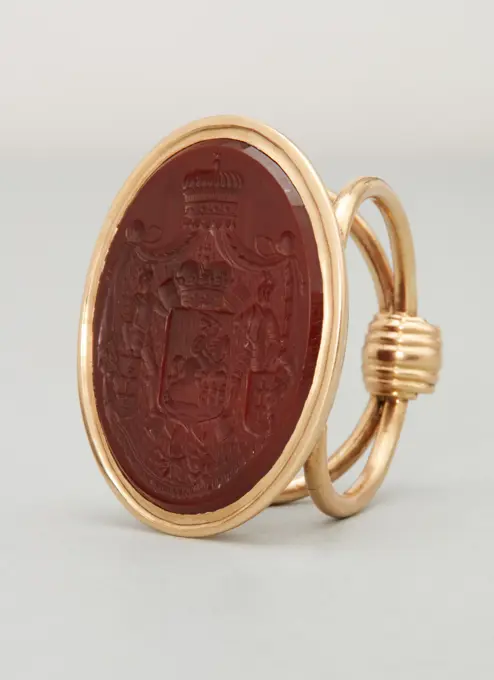
Escutcheon (England)
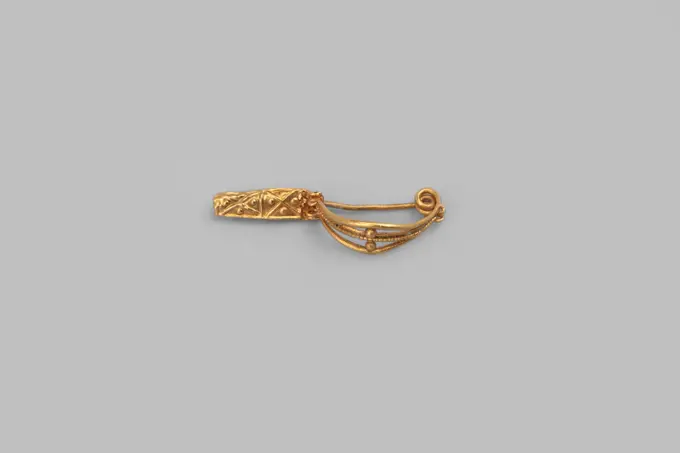
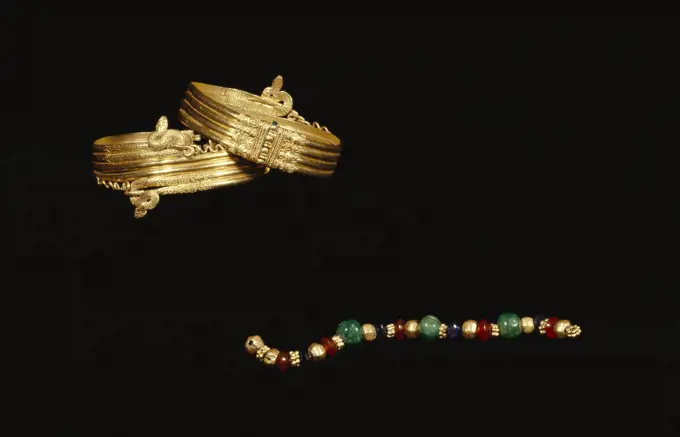
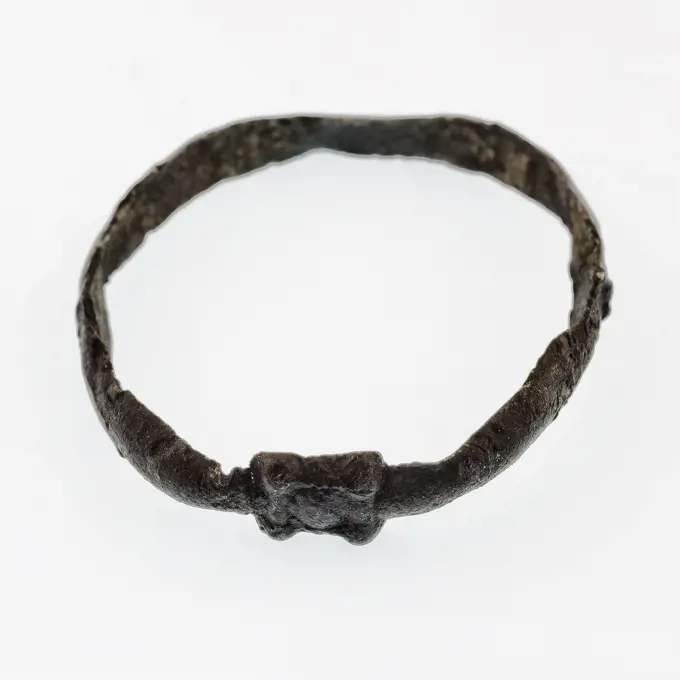
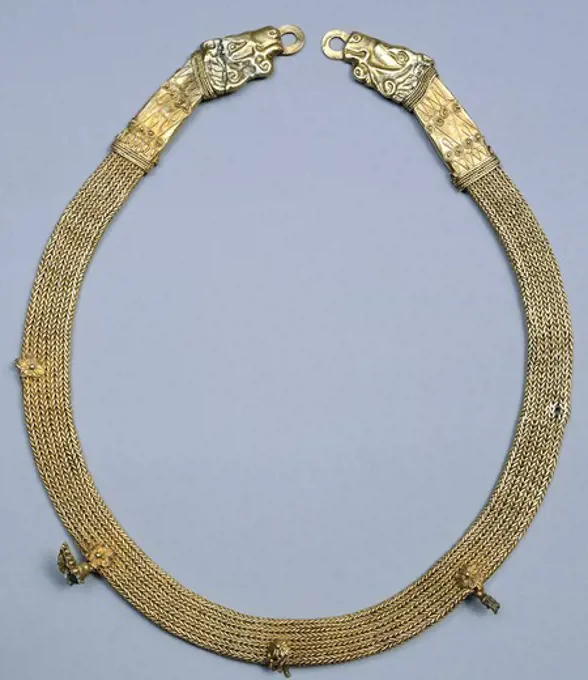
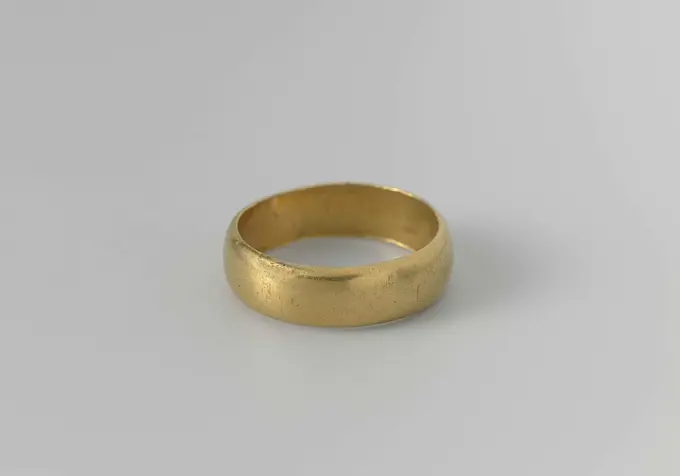
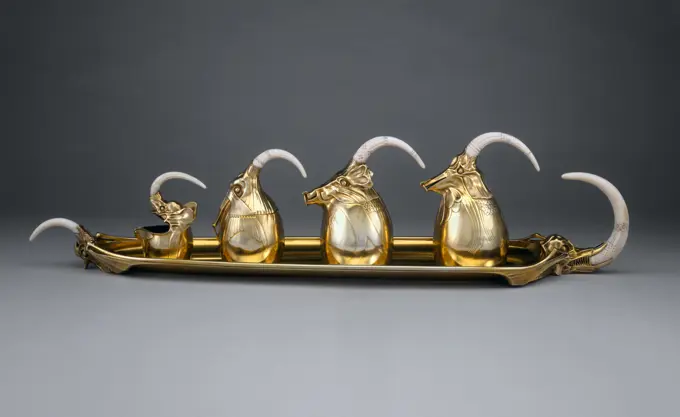
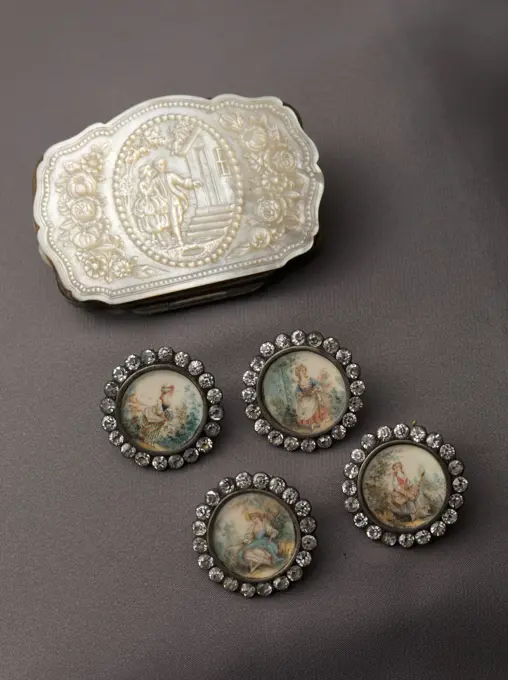
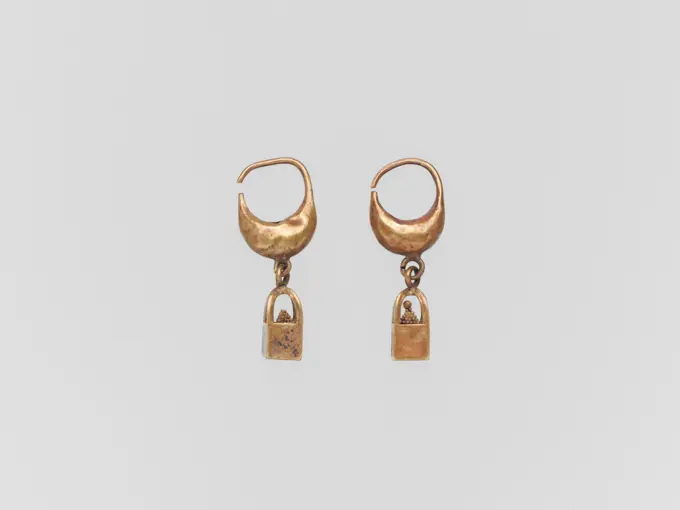
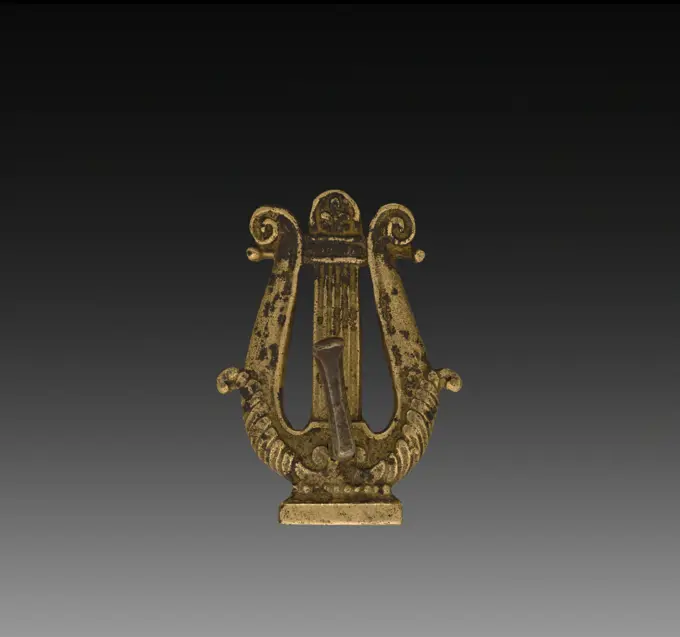
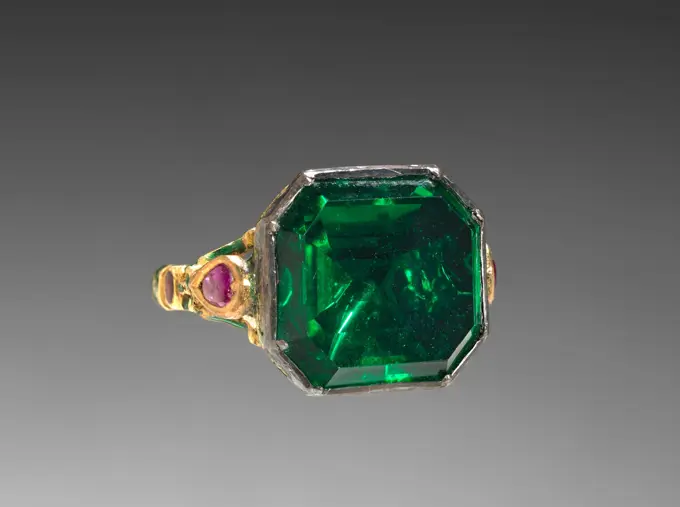
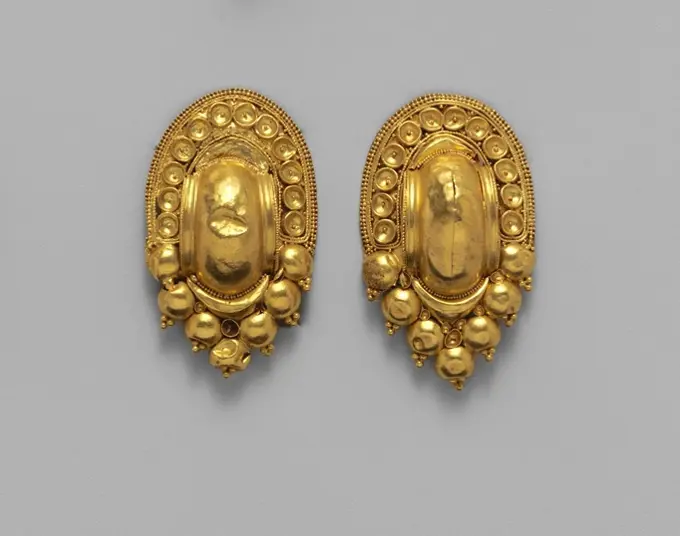
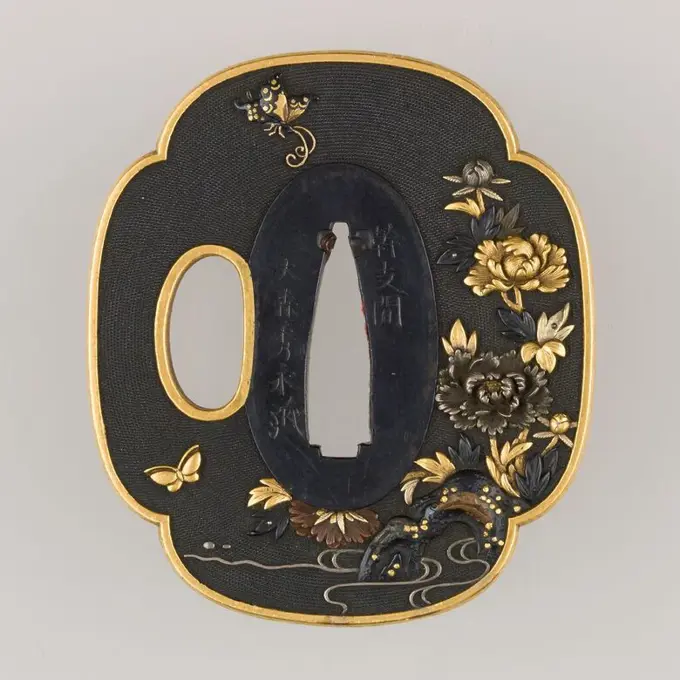
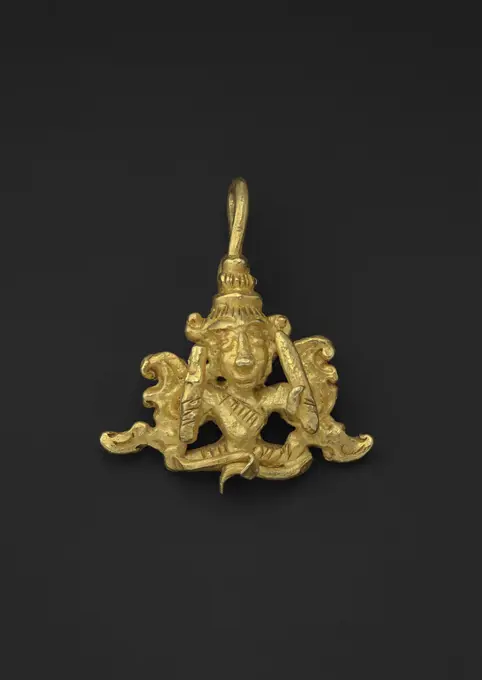
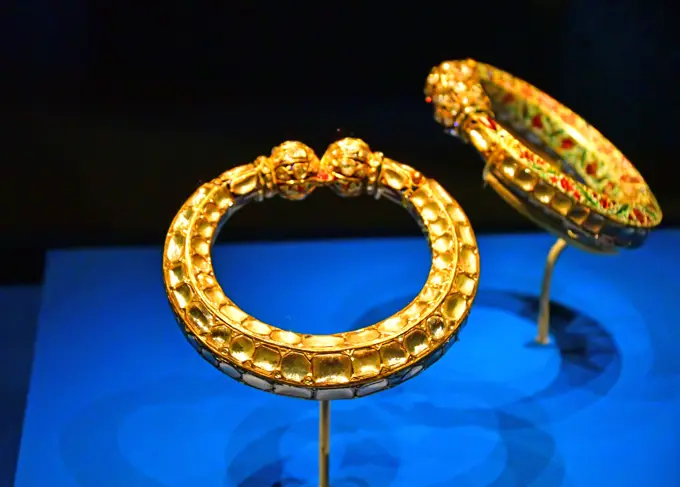
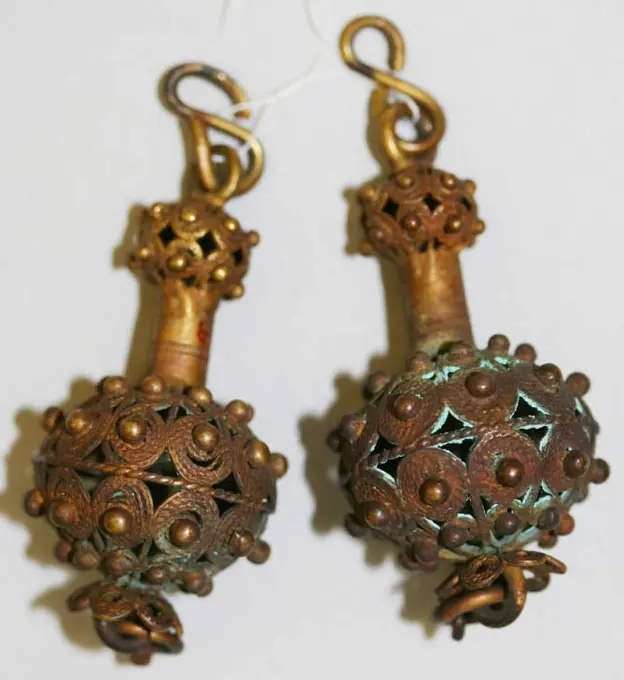
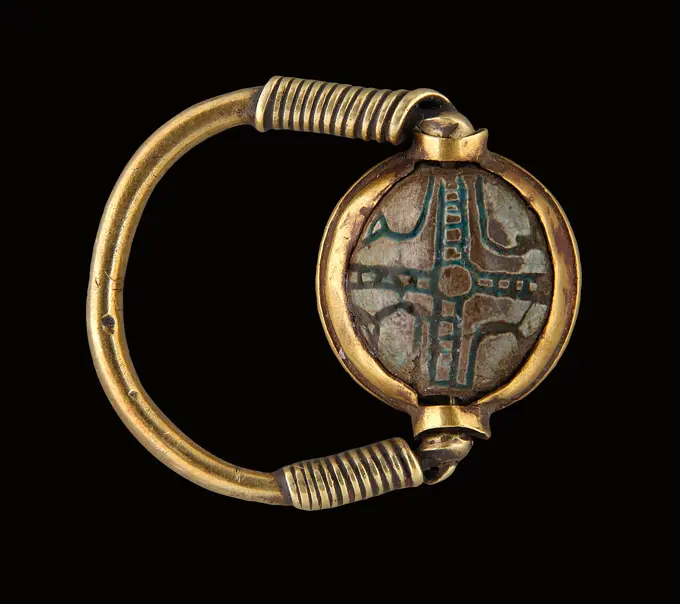
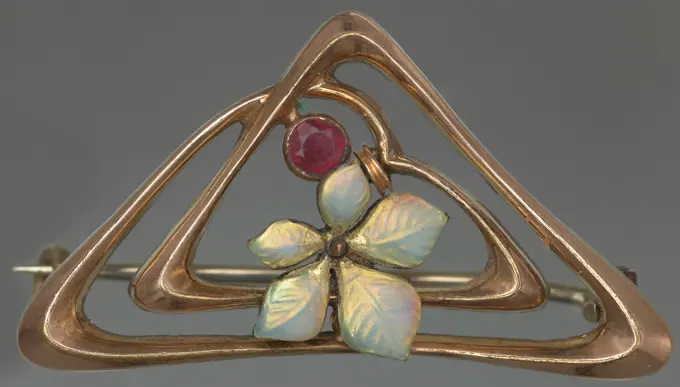
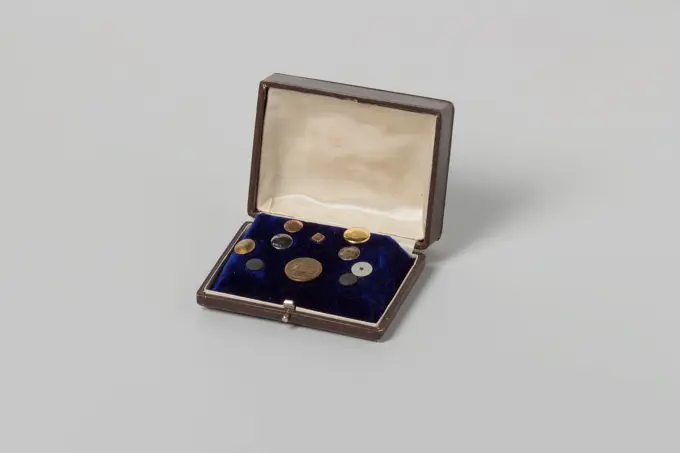
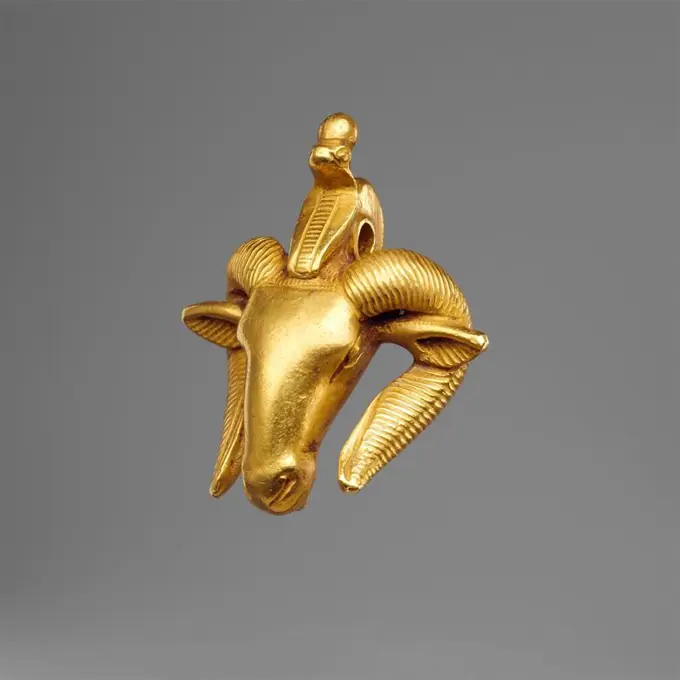
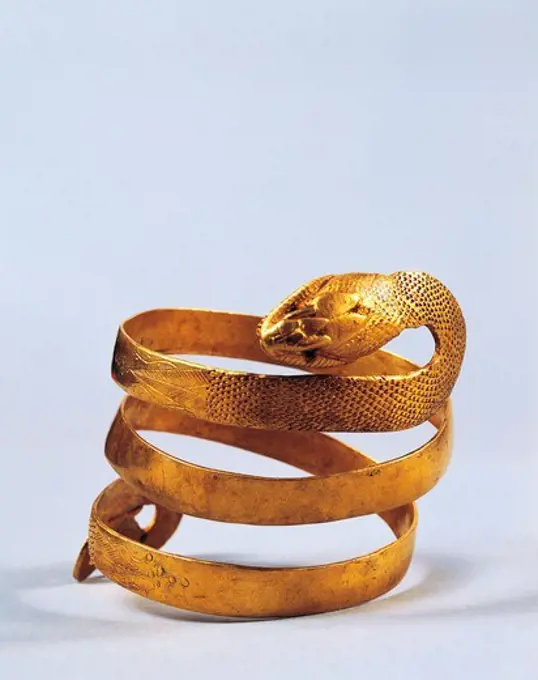
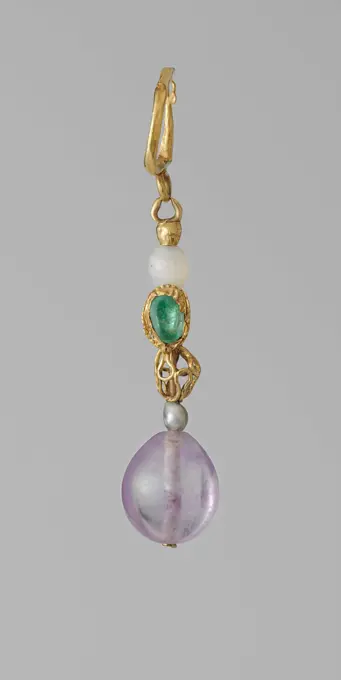
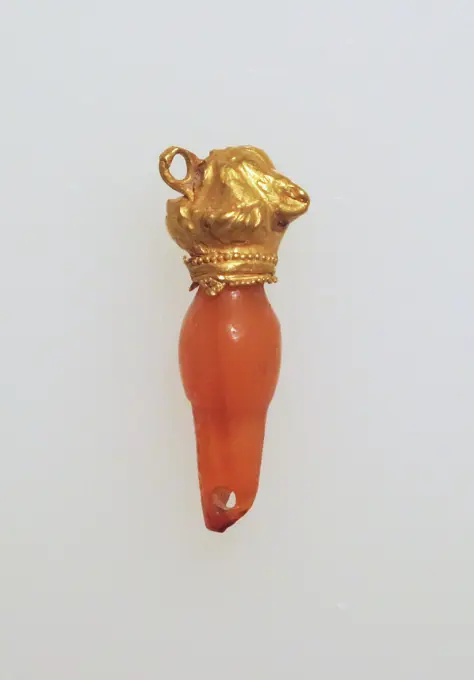
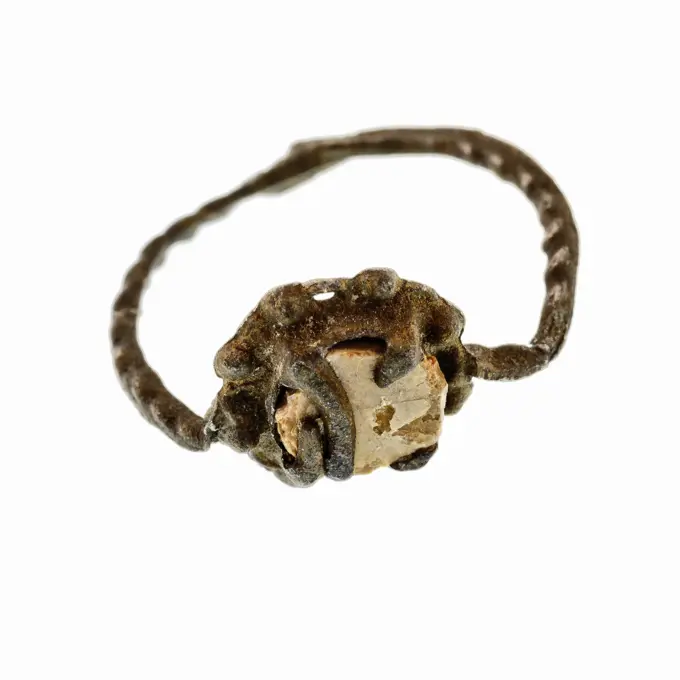
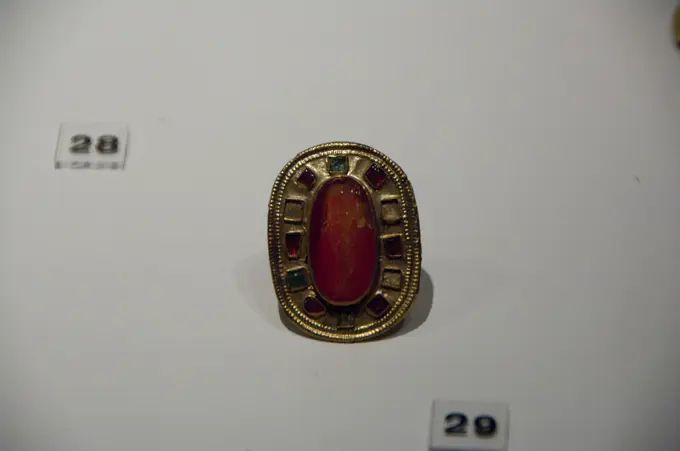
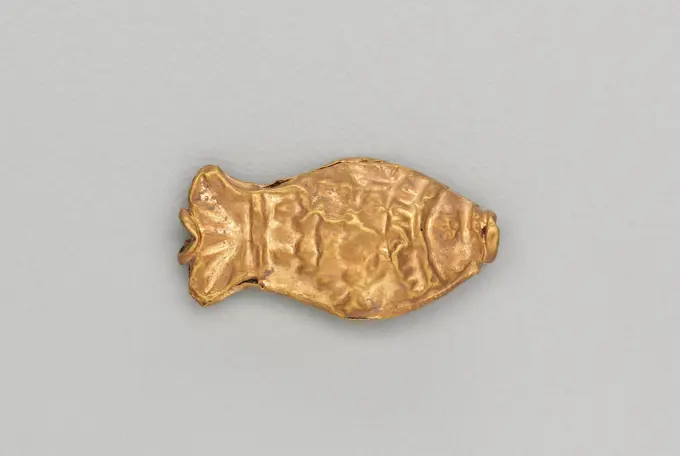
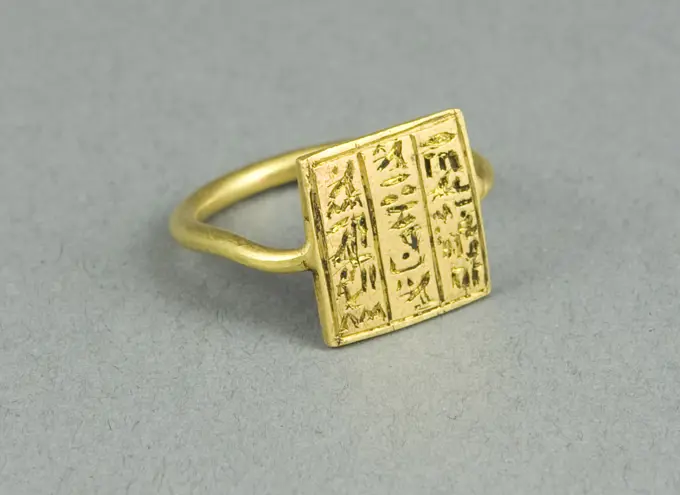
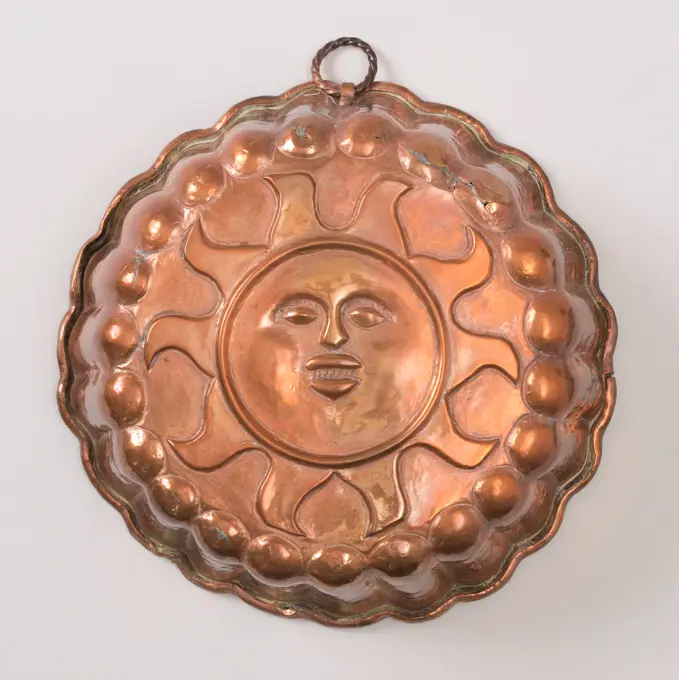
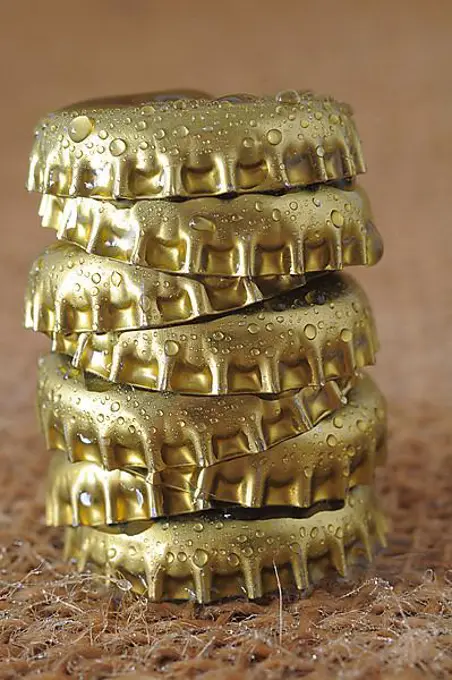
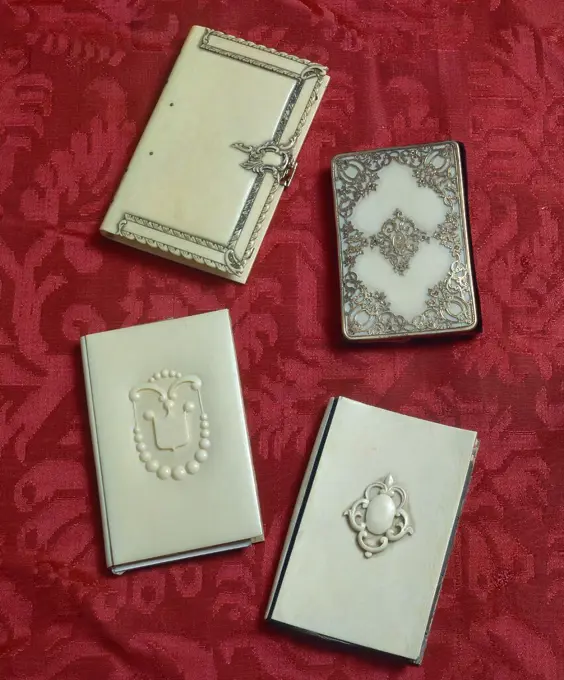
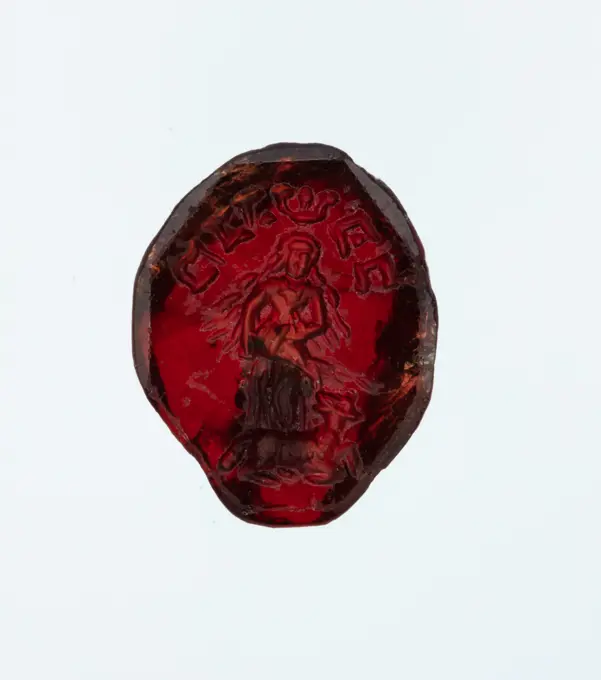
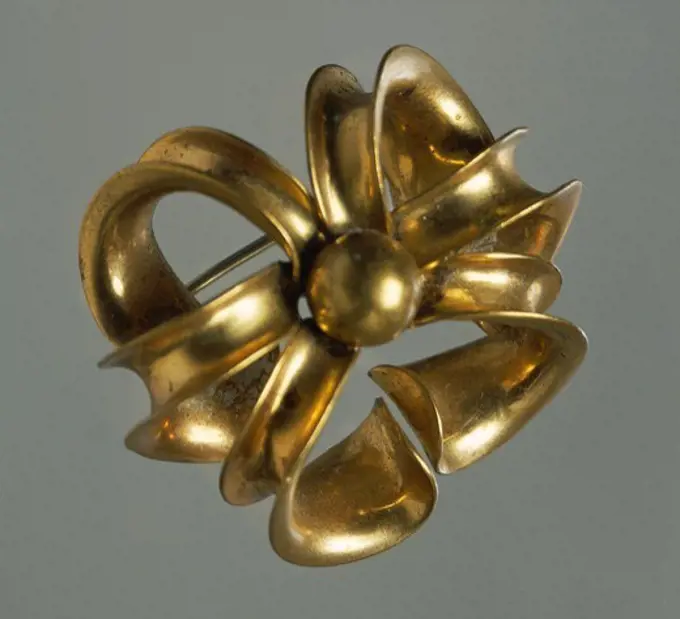
Goldsmith's art, Germany, 20th century. Bow knot gold brooch. Berlin, 1950s.Fibula łukowata z wydłużoną pochewką. unknown, authorSnake Bracelets; Alexandria, Egypt; 220 - 100 B.C; Bracelets: Gold; Fastening pin: Copper alloySignet ringTin ring with small pseudo-stone, ring ornament clothing accessory clothing soil find tin metal d 2,4, Pewter ring Curled over the outside. Equipped with small pseudo stone in square frame Vertical casting seams archeology Rotterdam rail tunnel carrying status prosperity Soil discovery: Railway tunnel 1988-1993.Golden Christmas hanging decoration isolated on white background.Gold collar. Gold and Civilization Scythian, 5th Century BC.Ring withGemRing. Intelior golden ring.Tea and Coffee Service, c. 1907. Carlo Bugatti (Italian, 1856-1940), Adrien-Aurélien Hebrard (French, 1866-1937). Gilt silver and ivory; This tea and coffee service, salver, and table, together with some now missing cups, were all designed by Carlo Bugatti as an ensemble and presented at the 1902 exposition devoted to decorative arts in Turin, Italy. The set was probably acquired from Bugatti's 1907 exhibition at the Galerie Hébrard in Paris by a wealthy South African widow, Anna Blake, who was living there at the time. Some of the animal and insect motifs suggest mythical beasts or the fossils of prehistoric animals. When Mrs. Blake returned to Cape Town, she took these and other pieces designed by Bugatti with her, and they remained in South Africa throughout her lifetime.Silver metal wallet and white mother-of-pearl, with floral decor and pearl central medallion representing a couple in the 18th century style. Gouache ivory buttons set back from shepherdesses and peasant women, circulated by twenty rhinestones. Dributing: White mother-of-pearl and silver metal. Buttons: ivory painted with gouache 20 rhinestones, glass, silver metal frame. 1850-1870. Galliera, fashion museum of the city of Paris. Peasant scene in the 18th century manner. Accessory, button, circle, female, gouache, painted ivory, silver metal, frame, white mother-of-pearl, wallet, champetre scene, rhinestone, 18th century centuryRingGold earring with cage and ball pendant 7th-6th century B.C. Cypriot or Phoenician This type of earring originated in the Levant and was widely distributed. It is unclear whether these examples were made in Cyprus or imported.. Gold earring with cage and ball pendant. Cypriot or Phoenician. 7th-6th century B.C.. Gold. Archaic. Gold and Silverpunic tetradrachm, head of Ceres crowned with ears, silver, Naples museo Archeologico Nazionale, The Coliseum , Rome, Lazio, Italy ,.Ornamental Hook, early 19th century. France, early 19th century, Empire Style. Gilt bronze; overall: 4.2 x 2.9 cm (1 5/8 x 1 1/8 in.).Gilt bronze ornament Buddhist style 6th-7th century AD ChineseRing, 1700s. India, Mughal, 18th century. Gold, colored glass, rubies, and enamel; diameter: 2.6 cm (1 in.).Gold earrings 4th-early 3rd century B.C. Etruscan The general shape of these earrings resemble a cluster of grapes. With repoussé and granulation attached to a plate.. Gold earrings. Etruscan. 4th-early 3rd century B.C.. Gold. Classical. Gold and SilverSword Guard (Tsuba). Culture: Japanese. Dimensions: H. 2 9/16 in. (6.5 cm); W. 2 5/16 in. (5.9 cm); thickness 1/4 in. (0.6 cm); Wt. 3.2 oz. (90.7 g). Maker: Omori Hidenaga (Japanese, active late 18th century). Date: 18th century.This tsuba features a design of peony and butterflies. Museum: Metropolitan Museum of Art, New York, USA.Parts. XIXth. GAL1985.122.1Ring with Hexagonal Bezel and "Sri" Inscription Second half of the 9th-first quarter of the 10th century Indonesia (Java). Ring with Hexagonal Bezel and "Sri" Inscription. Indonesia (Java). Second half of the 9th-first quarter of the 10th century. Gold. late Central Javanese period. JewelryLobed Ball BirdRingFruit-shapedOrnamentEagle Pendant 11th-16th century Veraguas. Eagle Pendant 309535Sinu figure pendant. Colombia.Pair of Earrings, Twisted Wire 8th-12th century Indonesia (Central Java). Pair of Earrings, Twisted Wire 64333Earrings with Foliate Decoration 8th-12th century Indonesia (Central Java). Earrings with Foliate Decoration 64442GuruPendant, mid-7th to 10thcentury, Gold, 4.03 × 3.4 cm, 21.54 g (1 9/16 × 1 5/16 in., 21.54g), Made in Wonosobo, Java, Indonesia, Java, 7th-10thcentury, JewelryGold bowls, from the so-called Attila treasure, found at Sannicolau Mare, Romania. Jewellery. Avar Civilization, ca. 6th Century.Jewelry from the Kingdom of Jodphur on display at the Royal Ontario Museum in TorontoClose up of old door. Using for layout or background.Earrings late 19th-early 20th century probably Spanish. Earrings 90229Przeszo Przyszoci unknownFart with a scales decorated with rosette;  around 1650-1550 BC ; 2nd transition period, 13-15 dynasty (-1655-00-00--1545-00-00);Scenes.gal.eg., geometric decorations, plant decorationsBRAZALETES DE ORO DEL TESORO DE LA ALISEDA - SIGLO VIII/VI AC - ARTE TARTESICO. Location: MUSEO ARQUEOLOGICO NACIONAL-COLECCION. MADRID. SPAIN.Bracelet, 3rd century, 3 1/2 in. (8.89 cm), Jade, China, 3rd centuryBarbarian civilizations, France, 5th century. Goldsmith's art. Treasure of Pouan, princely burial of a Germanic warrior. Gold collar, ring and bracelet. Detail with incised name Heva.Buckle, 1900s. China, 20th century. Brass, gilt and engraved and set with jade and quartz; overall: 12.8 cm (5 1/16 in.).Shoe buckles late 18th century British. Shoe buckles. British. late 18th century. paste, metalArt Nouveau BrochRound cufflink of copper, 1900 - 1925 Round cufflink of copper. West-Europa copper (metal) Round cufflink of copper. West-Europa copper (metal)Ram's-head Amulet. Dimensions: h. 4.2 cm (1 5/8 in); w. 3.6 cm (1 7/16 in); d. 2.0 cm (3/4 in); weight 65 grams. Dynasty: Dynasty 25. Date: ca. 712-664 B.C..This amulet was probably made for a necklace worn by one of the Kushite kings. Representations show these pharaohs wearing a ram's-head amulet tied around the neck on a thick cord, the ends of which fall forward over the shoulders. Sometimes a smaller ram's head is attached to each end. Rams were associated with the god Amun, particularly in Nubia, where he was especially revered. Museum: Metropolitan Museum of Art, New York, USA.Flat ended EarOrnamentGlass mosaic fragment late 1st century B.C.-early 1st century A.D. Roman Thin-walled body fragment.Translucent purple, cobalt blue, honey brown appearing yellow, opaque white, and colorless.Shallow convex curving side.Composite mosaic pattern formed from polygonal sections of four canes: one in a purple ground with a white circle and a central white rod; another in a brown ground with a white circle and a central white rod; a third in a colorless ground dotted with white rods around a white circle enclosing a blue ground with a central white rod, and the fourth in a blue ground with a white spiral or concentric white circles.Polished exterior; pitting of surface bubbles on exterior; deep pitting and iridescent weathering on interior and edges.. Glass mosaic fragment 257285Roman civilization, golden bracelet in shape of snake, from Pompei, ItalyBasket, 20th century, 3/4 x 1 3/8 x 2 5/8 in. (1.91 x 3.49 x 6.67 cm), Grass fibers, United States, 20th century, The supply and demand of the market that grew between the Euro-American tourists and the Akimel Oothom and Tohono Oodham basket makers demonstrate the tribes high level of ingenuity and productivity. Novelty items invented by Native artists include waste paper baskets, animal and human effigies, and miniatures of popular basket forms. The smallest basket here measures only one half inch in diameter. The use of animal and human figures in the basketry was another result of the tourist market, as consumers sought after designs that were easily recognizable. Yucca plant also replaced willow and cottontail in many instances because it grew in abundance in the desert surroundings and took little time to prepare for weaving.Oorhanger.Gold earring, with pendant. A pearl hangs on the pendant, an untrown emerald, a bead of threaded work, a pearl and an amethyst.Ring Menphetyre (Ramesses I) 1295 BCE-1186 BCE Egypt. Faience . Ancient EgyptianWatch ca. 1650 Watchmaker: Denis Bordier. Watch. Swiss, Geneva. ca. 1650. Silver, gilded brass, blued steel. HorologyPair of earrings, Hair, gold, A pair of earrings with leafs dangling oval globes, weaved in hair, set in gold., probably USA, 1860-70, jewelry, Decorative Arts, Pair of earringsPendant with goat's head. Pendant with goat's head 243060TORQUES DE ORO CELTAS. Location: MUSEO PROVINCIAL. LUGO. SPAIN.Tin ring with piece of glass in the setting, ring jewelry clothing accessory clothing soil find glass tin metal, d 0.1 cast Pewter ring with piece of glass as stone in the setting. Irregularly shaped piece of glass. Zetting consists of rosette embossed decorated with studs along the edge and one small eye. Four lips hold the piece of glass in its place, one of which is extremely long Rope decor over the ring itself. Horizontal casting seam archeology Rotterdam carrying rail tunnel adorn prosperity status Soil discovery: Railway tunnel 1988-1993.Germany, Cologne. Roman Germanic Museum (aka Romisch-Germanisches), ancient gold ring with colored stone.Bliżej Kultury Knedler, Jan (1867-1926)Fragment. Culture: European or Middle Eastern. Dimensions: L. 1 3/8 in. (3.5 cm). Date: ca. 1150-ca. 1250. Museum: Metropolitan Museum of Art, New York, USA.Necklace Bead in the Form of a Fish, 185-72 BC. India, Sunga Period (185-72 BC). Gold repoussé with granulation;Commemorative badge graduatesFinger Ring 305 BCE-30 BCE Egypt. Upon death, people who were thought to have lived moral lives were reborn in the afterlife as a form of the god Osiris. This ring is inscribed with the title ìOsiris,î followed by the ownerís names and titles, attesting to his faith that he would become one with the god after death.. Gold . Ancient EgyptianGold ornament produced by the Nias people, native to Nias, an island off the west coast of North Sumatra, Indonesia early 20th centuryScottish quaich isolated on the white backgroundRing with Cameo Portrait of Girolamo Savonarola 1500-1550 Italy. Gold and agate .Pendant 11th century. Pendant. 11th century. Earthenware; molded under turquoise glaze. Excavated in Iran, Nishapur. CeramicsCover for a Mustard Pot with Stand, c. 1775. Chantilly Porcelain Factory (French). Soft-paste porcelain; overall: 9.6 cm (3 3/4 in.).Medal of the Hibernian Society of Charleston S.C..  Subject: Hibernian Society of Charleston, S.C., founded 1799 Artist: UnknownMould (France); copper, tinStenotypists buttons, Switzerland (with long needle)Broad collar of Senebtisi ca. 1850-1775 B.C. Middle Kingdom. Broad collar of Senebtisi. ca. 1850-1775 B.C.. Faience, gold, carnelian, turquoise.Falcon heads and leaf pendants originally gilded plaster, restored in gilded silver. Eyes originally gilded beads restored in gilded plaster.. Middle Kingdom. From Egypt, Memphite Region, Lisht North, Tomb of Senwosret (758), Pit 763, burial of Senebtisi, MMA excavations, 1906-07. Dynasty 12, late-early 13Stacked bottle capsRingRoyal Air Force of Oman, rotated logo, white background BCARNET DE BAILE EN MARFIL. Location: PRIVATE COLLECTION. MADRID. SPAIN.Award medal: motorcycle competitionsBliżej KulturyPin. Manufacturer probably: Evans Case Company, North Attleboro, Mass., active ca. 1920-65