Historical Keys and Locks

A collection of ornate historical keys and locks from various periods, showcasing intricate designs and craftsmanship, highlighting medieval and Chimú influences.
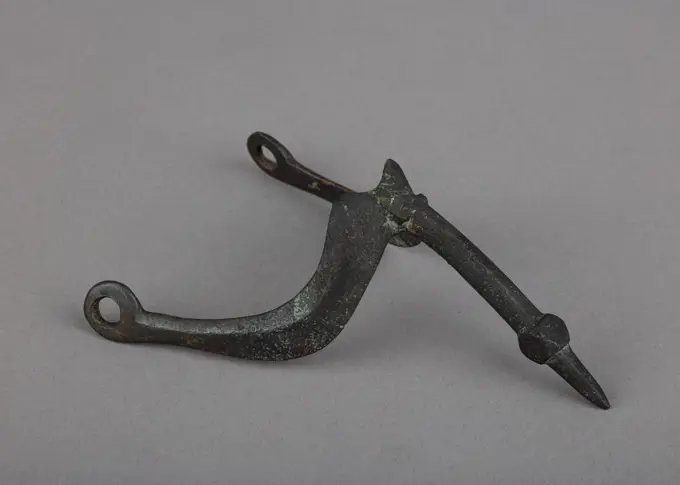
Prick Spur first half 14th century possibly Italian The prick spur was the first type of spur to be invented, and it consists of a goad or prick, more or less pointed, connected to side arms or a heel plate. The earliest spurs were probably simple thorns attached at the back of the heel, before they started to be made out of metal in antiquity. Prick spurs were the main type of spurs used in the Middle Ages until the mid-14th century, when they were supplanted by rowel spurs, which appeared in Europe a century before and with which they had cohabitated for a time. As a knights status was closely related to his horse, spurs became one of the symbols of chivalry, and one of the tokens given to him during his knighting.. Prick Spur. possibly Italian. first half 14th century. Copper alloy. Equestrian Equipment-Spurs
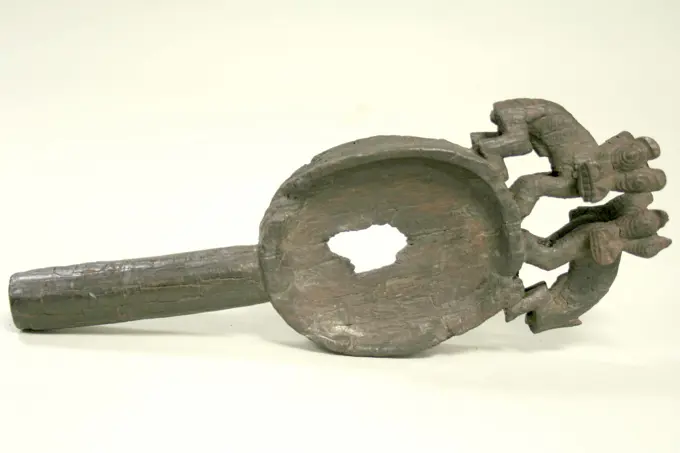
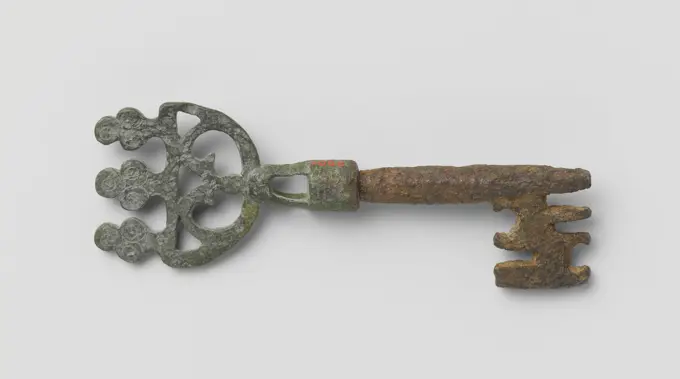
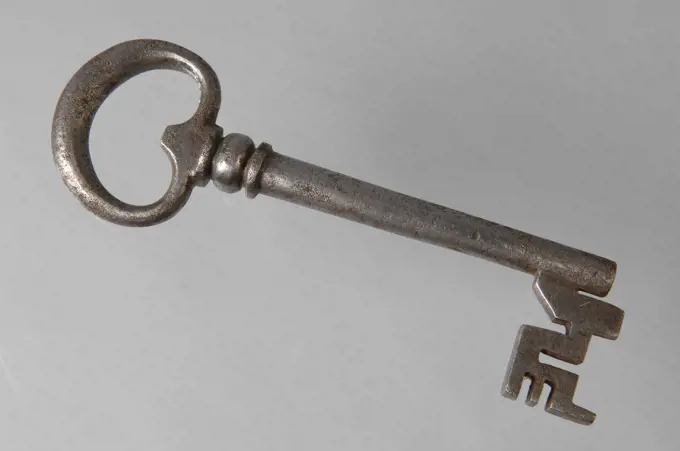
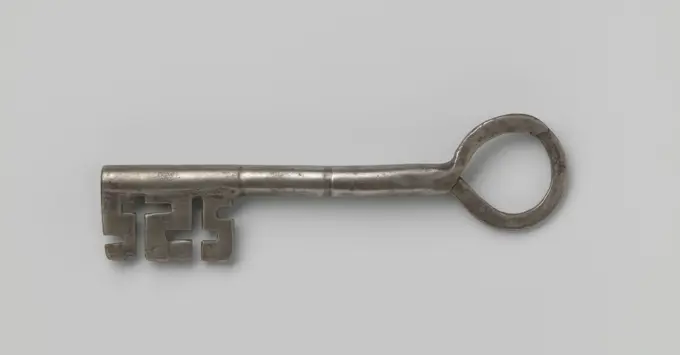
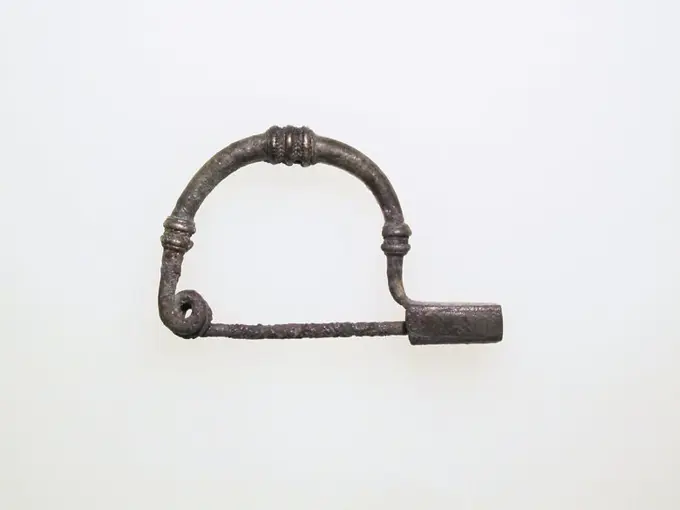
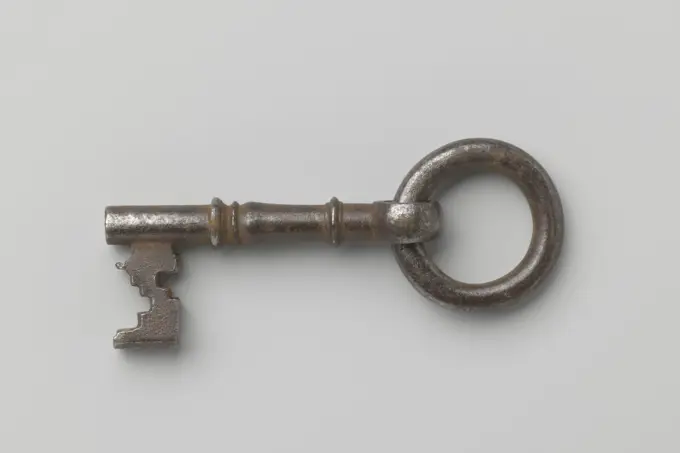
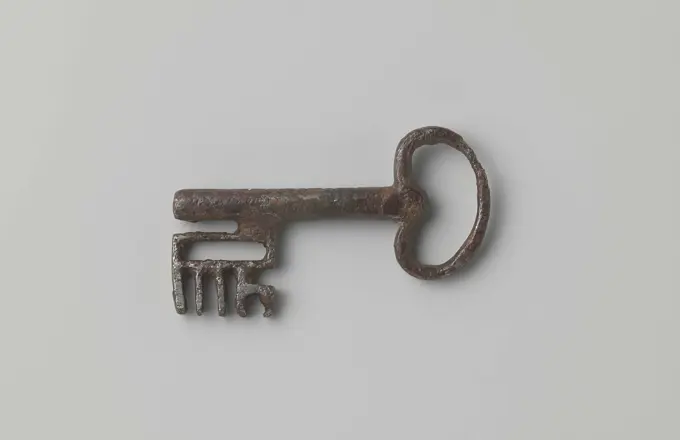
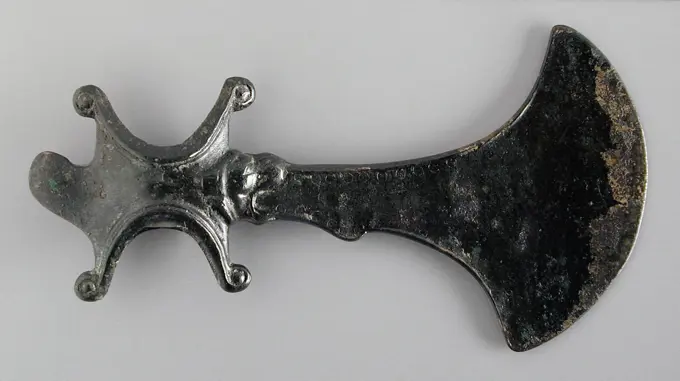
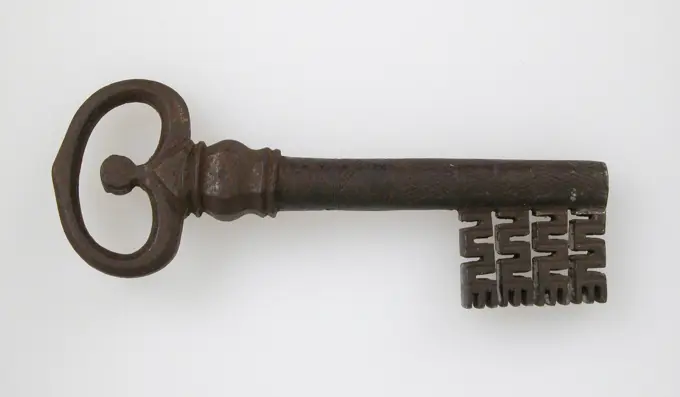
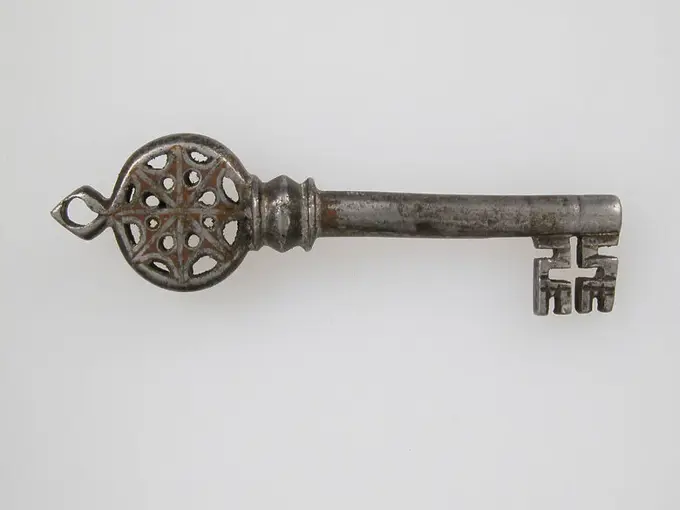
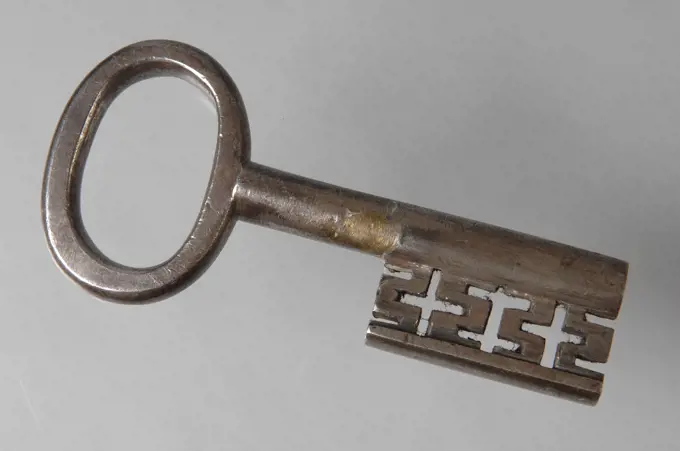
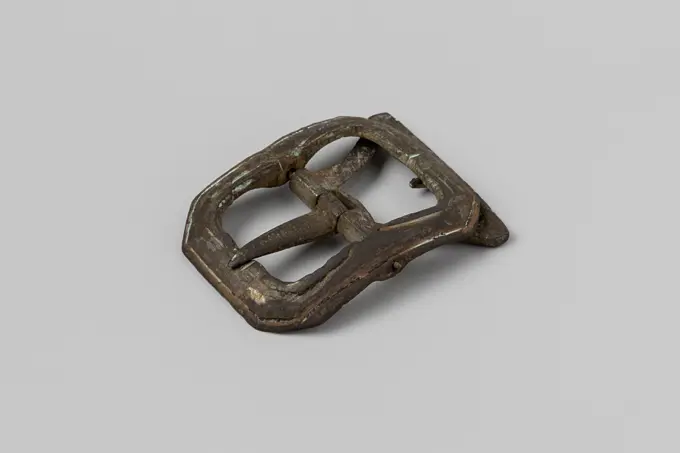
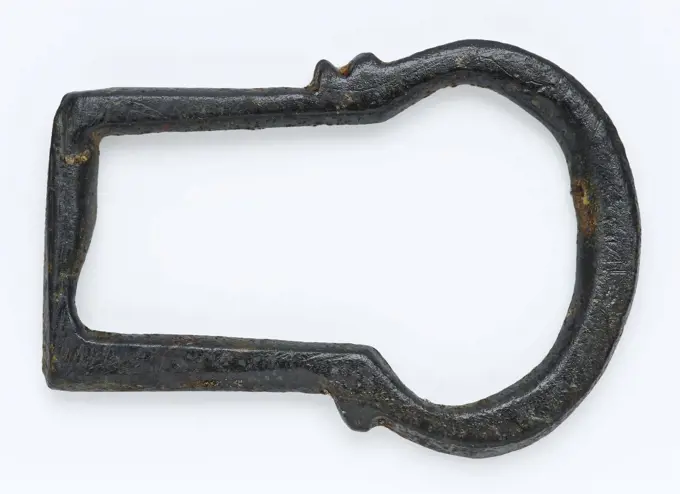
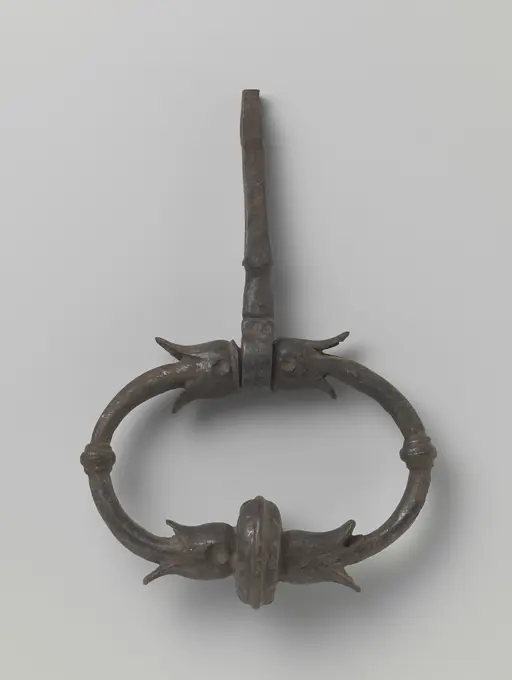
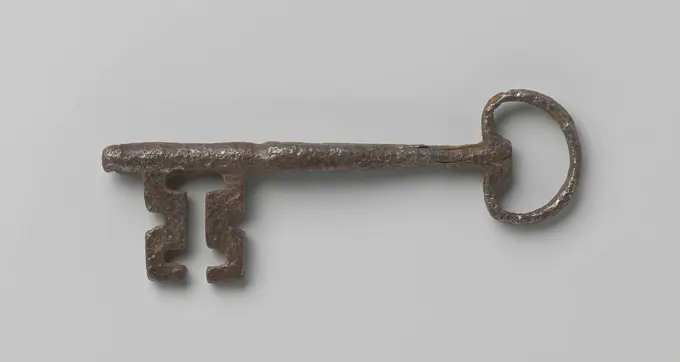
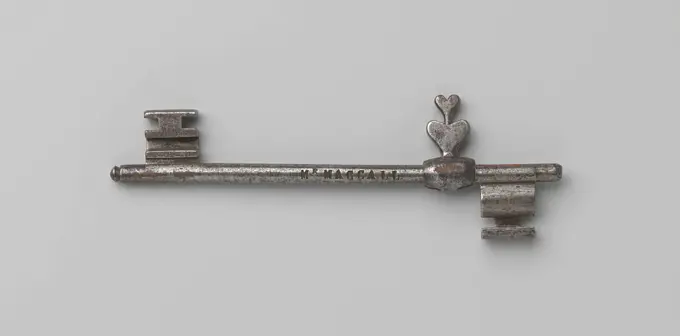
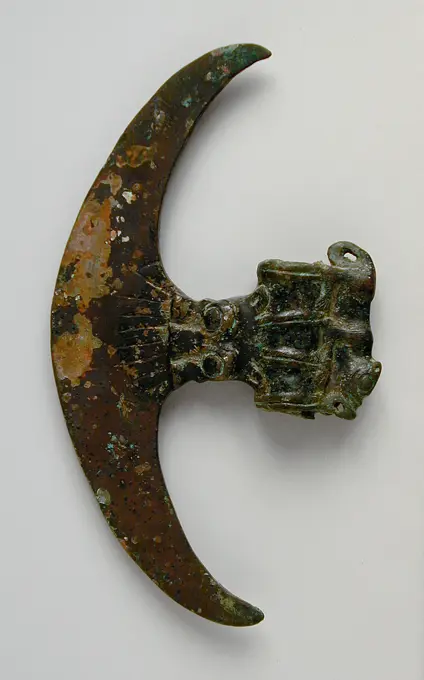
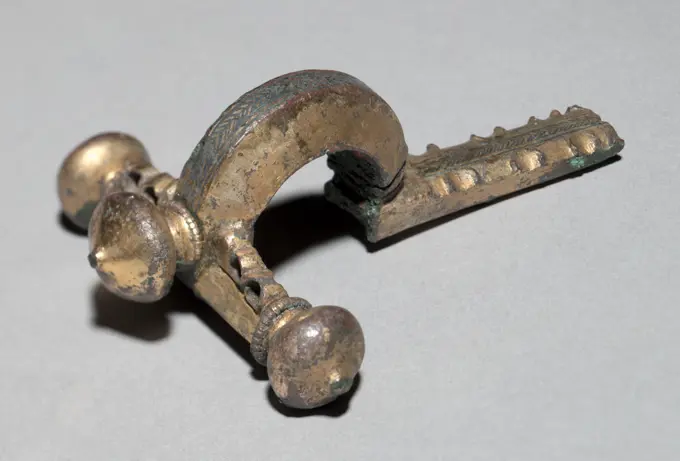
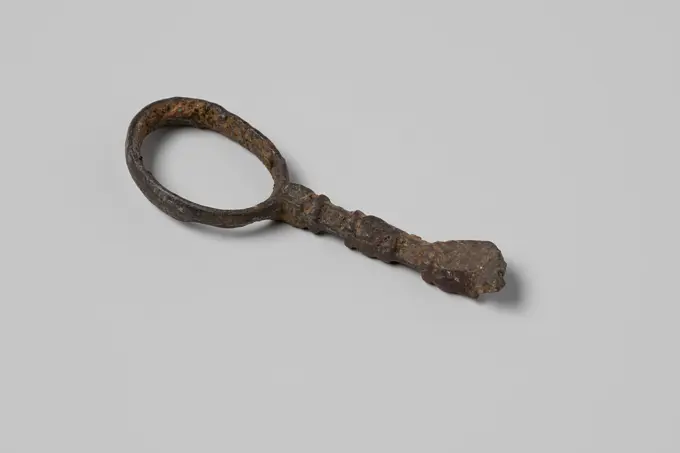
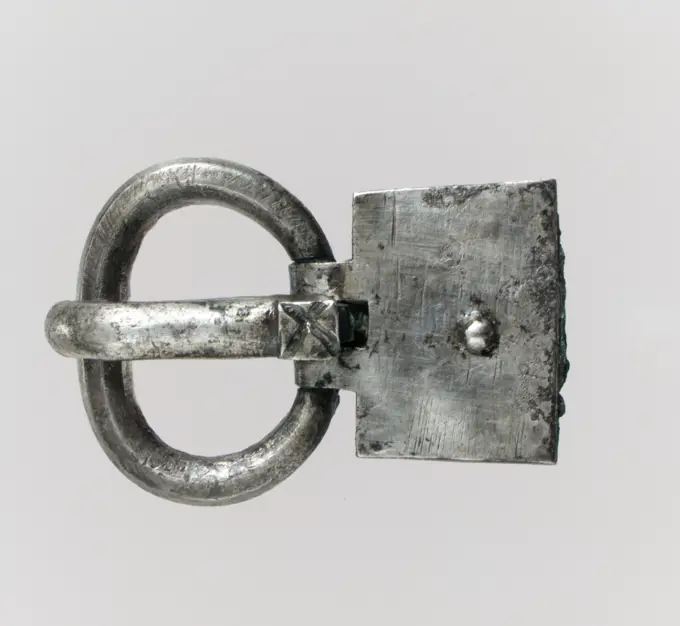
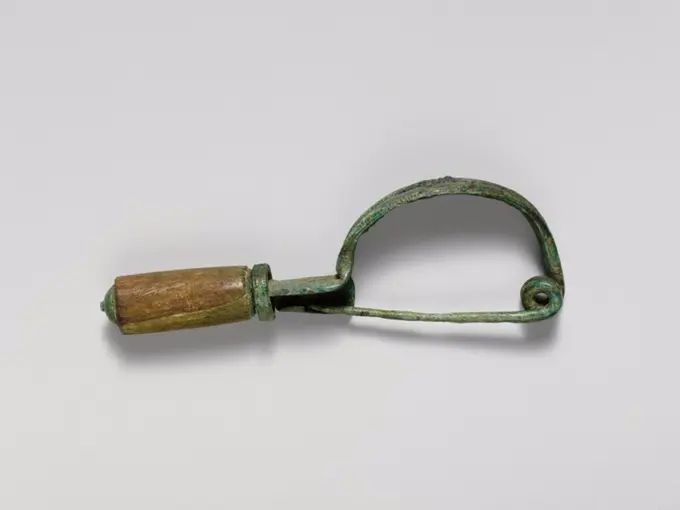
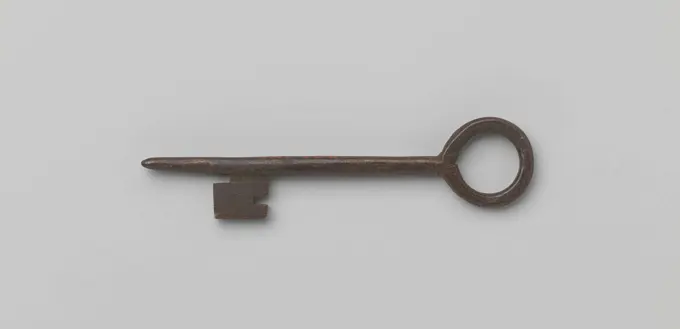
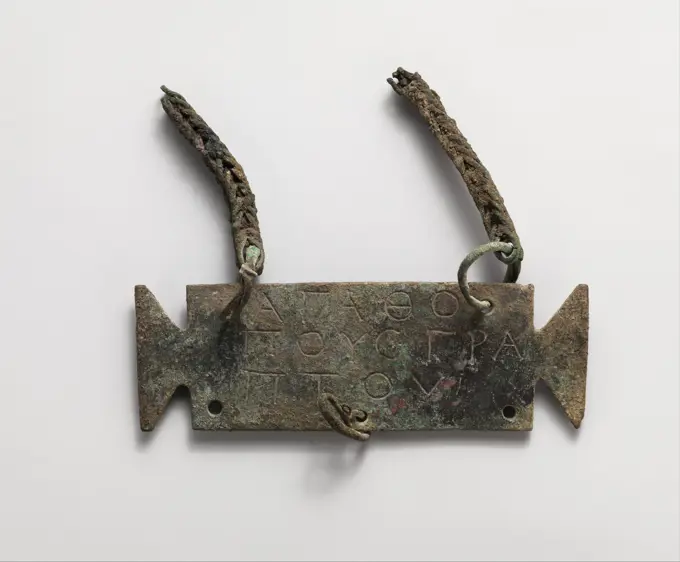
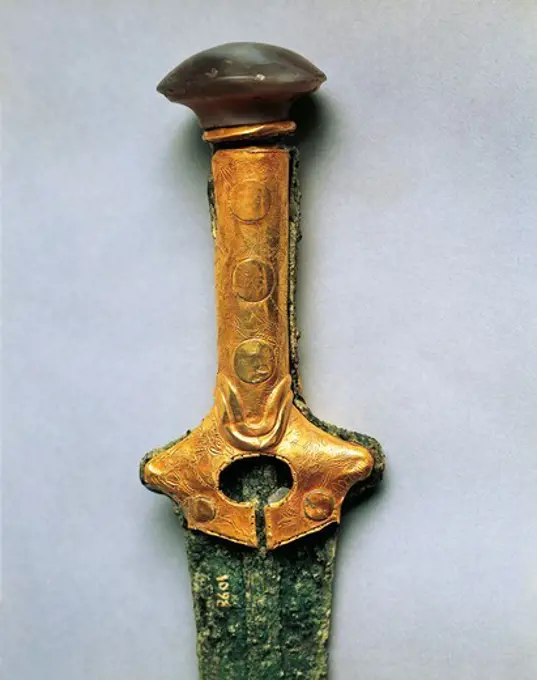
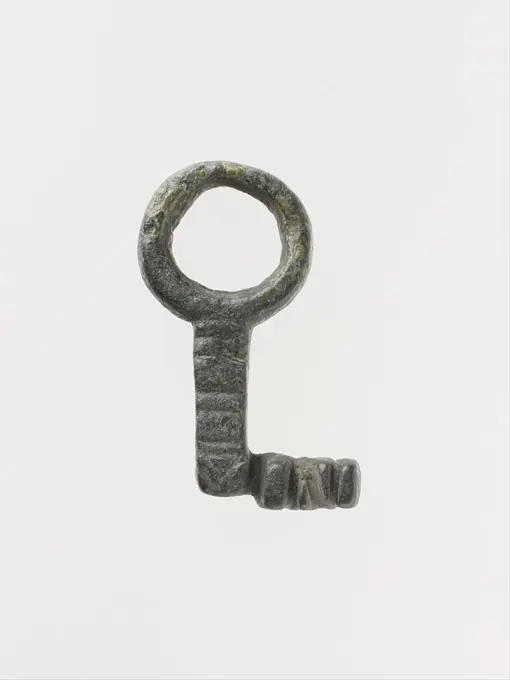
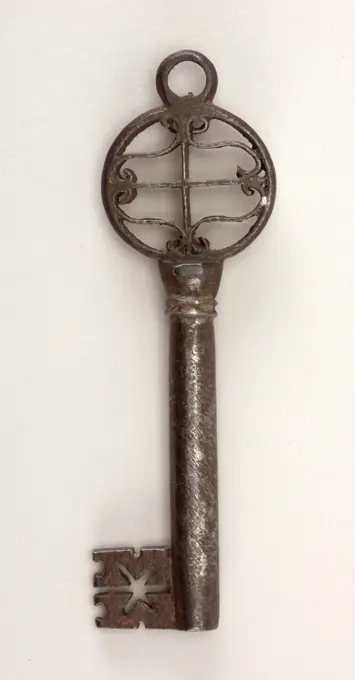
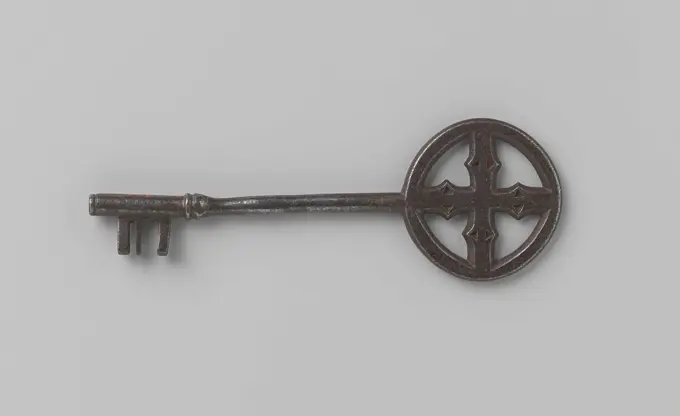
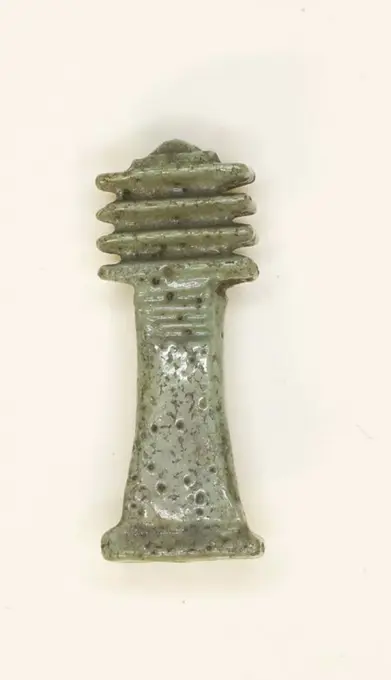
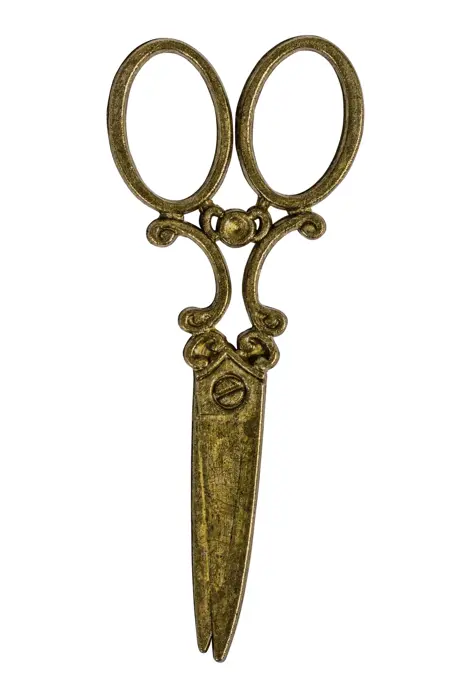
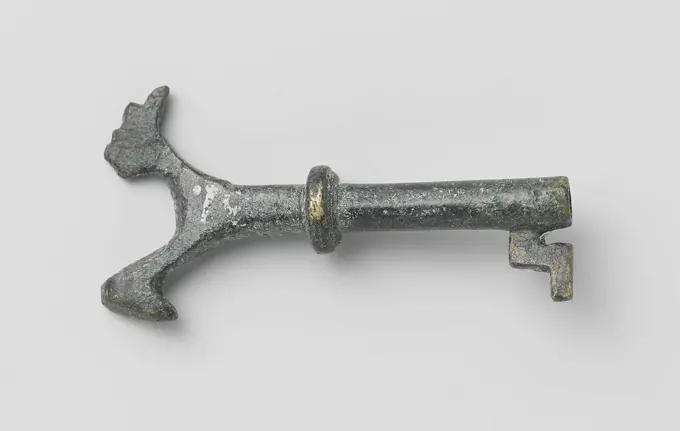
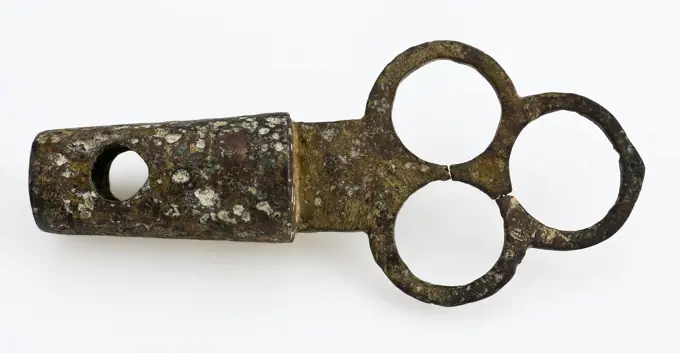
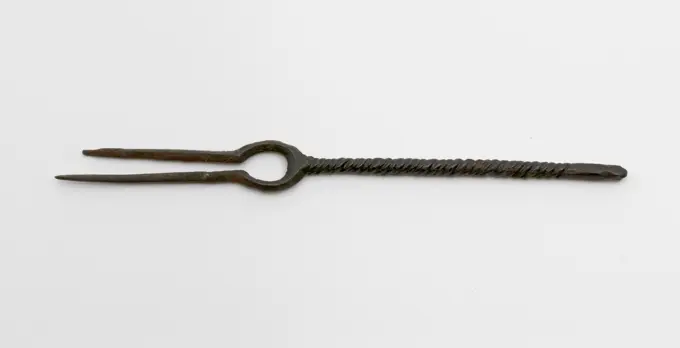
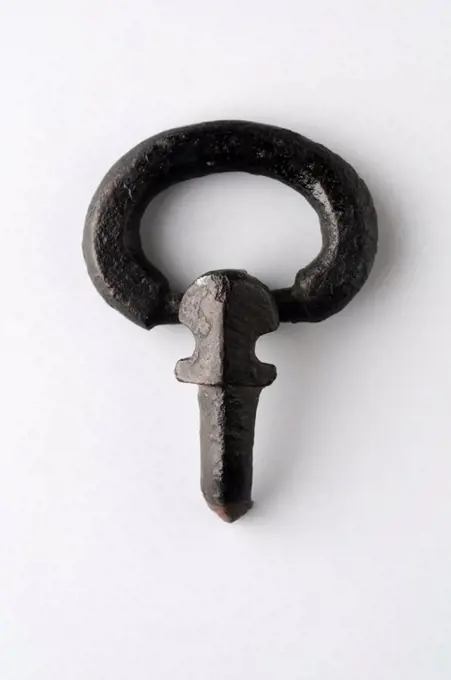
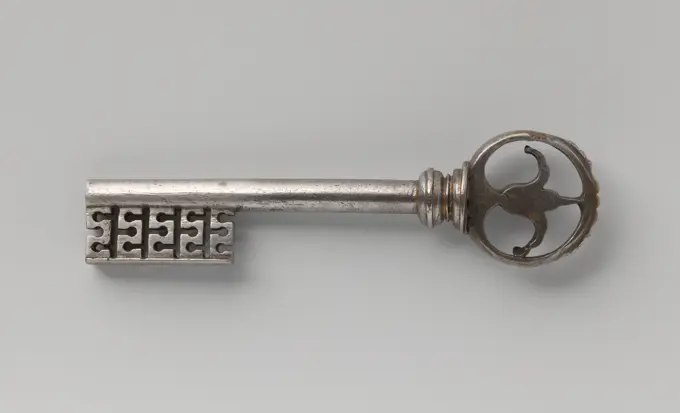
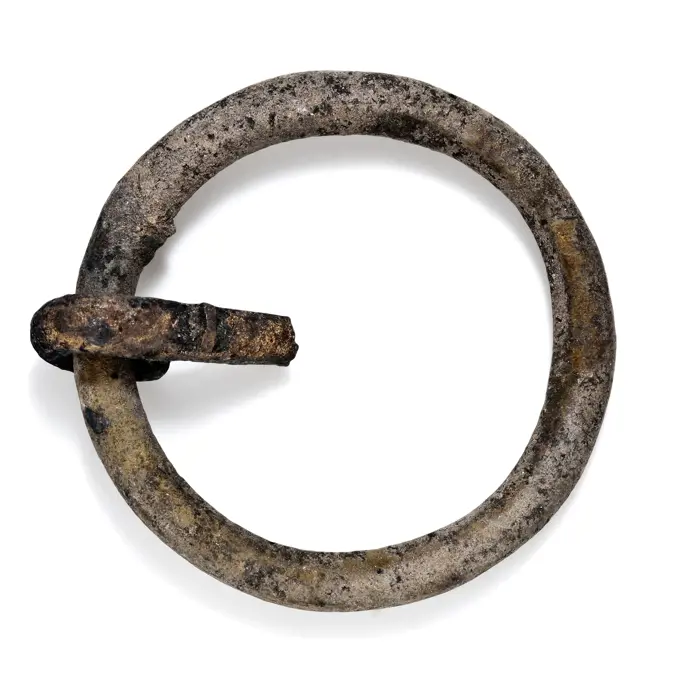
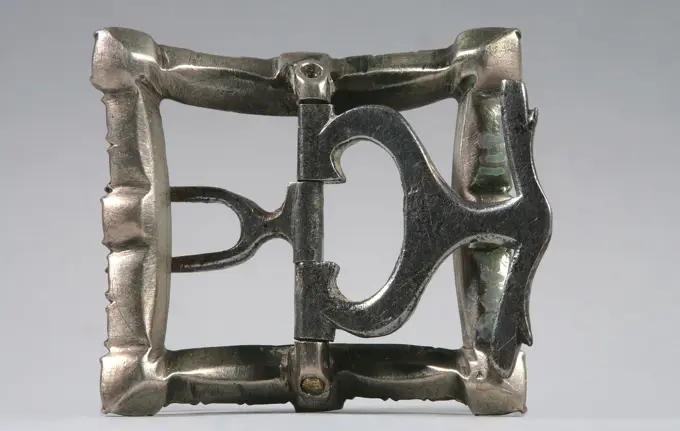
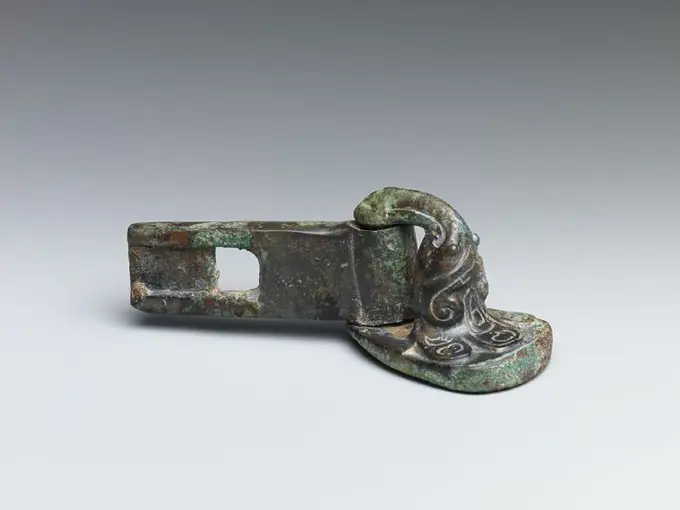
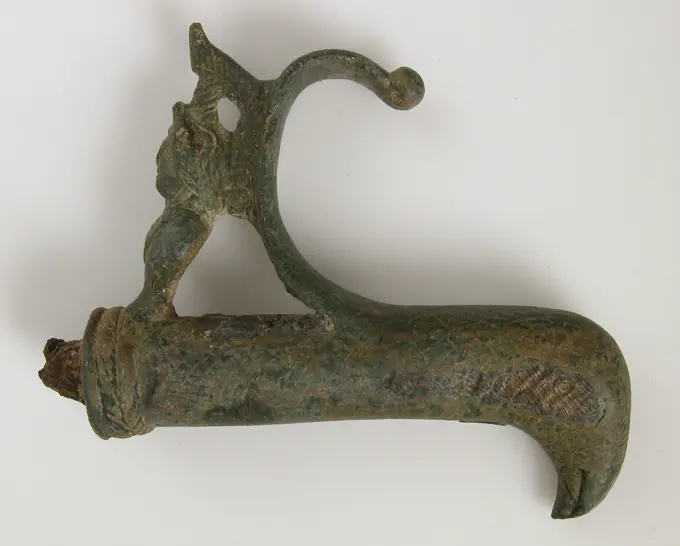
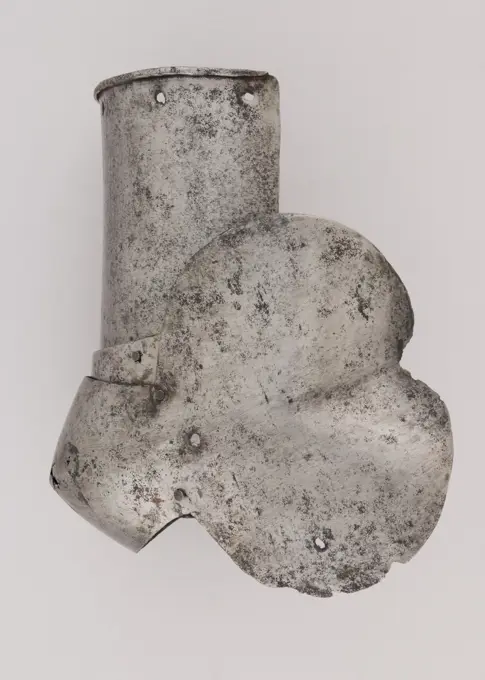
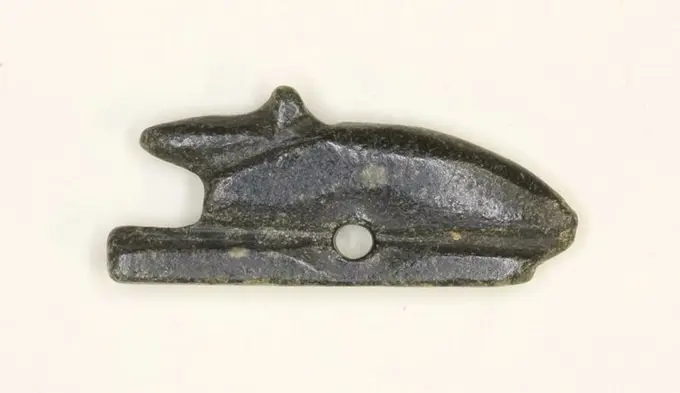
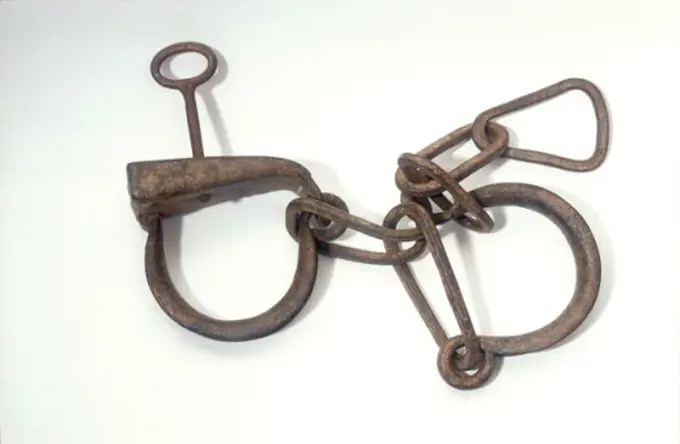
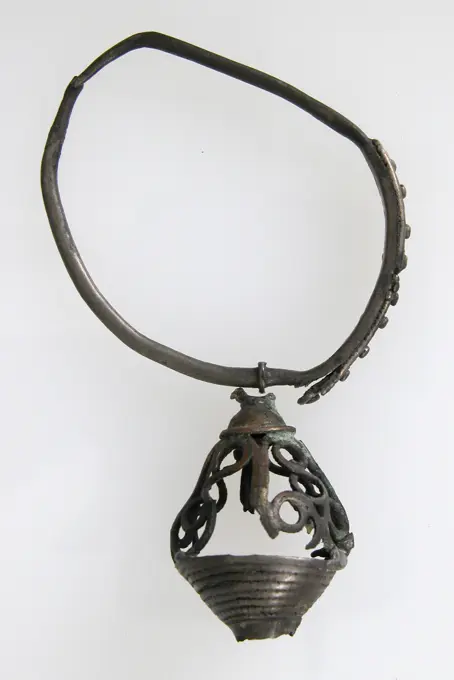
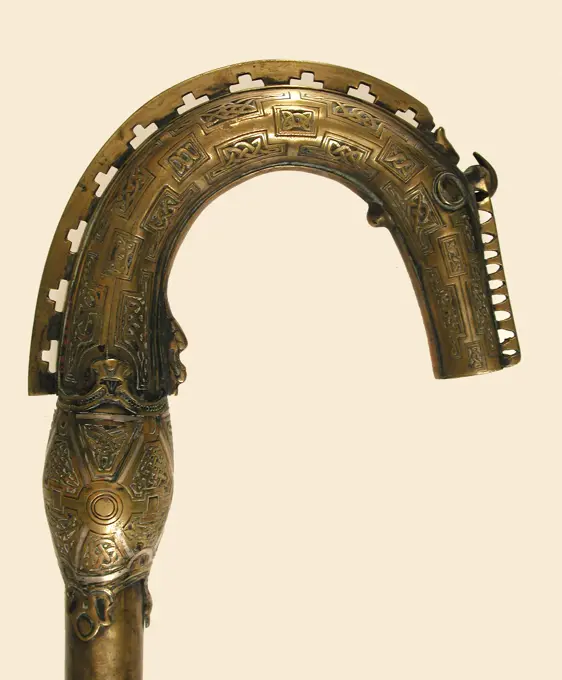
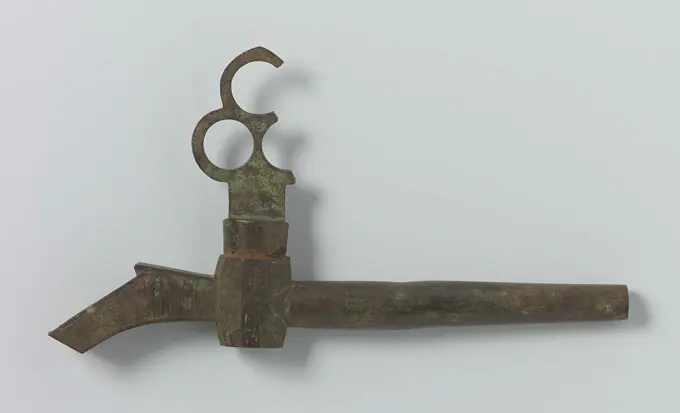
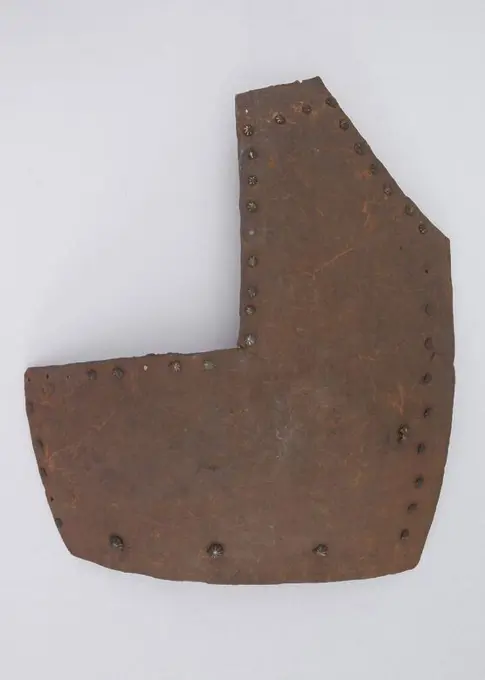
Key 15th century German The decoration of Gothic iron locks and keys was often elaborate and of the highest standard of workmanship. The motifs were frequently drawn from Gothic architecture, reproducing on a miniature scale complicated tracery patterns and even tiny statuettes. A number of these tiny locks were compound, with some of the mechanisms concealed from view, and required two or even three keys used in sequence to open them. It has been suggested that the greatly expanded use of locks on doors, or coffrets and other types of storage chests was a result of the increasing urbanization of life and the new emphasis on material wealth and private ownership which developed in the late Middle Ages.. Key 463318Mirror Frame 12th-15th century Chimú. Mirror Frame 313137. An staggered single cut.KeyHefsleutel, c. 1400 - c. 1950 Hef key whose beard consists of a double row of four teeth. The square handle broadens itself in the middle to the grip. This has two concave narrow sides with an eye at the top.  iron (metal) Hef key whose beard consists of a double row of four teeth. The square handle broadens itself in the middle to the grip. This has two concave narrow sides with an eye at the top.  iron (metal)Prick Spur first half 14th century possibly Italian The prick spur was the first type of spur to be invented, and it consists of a goad or prick, more or less pointed, connected to side arms or a heel plate. The earliest spurs were probably simple thorns attached at the back of the heel, before they started to be made out of metal in antiquity. Prick spurs were the main type of spurs used in the Middle Ages until the mid-14th century, when they were supplanted by rowel spurs, which appeared in Europe a century before and with which they had cohabitated for a time. As a knights status was closely related to his horse, spurs became one of the symbols of chivalry, and one of the tokens given to him during his knighting.. Prick Spur. possibly Italian. first half 14th century. Copper alloy. Equestrian Equipment-SpursElongated Buckle 7th century () Langobardic or Frankish. Elongated Buckle 465485 Langobardic or Frankish, Elongated Buckle, 7th century (), Copper alloy, Overall: 3 11/16 x 1 3/16 x 1/2 in. (9.3 x 3 x 1.3 cm). The Metropolitan Museum of Art, New York. Gift of J. Pierpont Morgan, 1917 (17.193.171a)Key 13th or 14th century () French () The decoration of Gothic locks and keys was often elaborate and of the highest standard of workmanship. These examples offer a glimpse of the creativity and inventiveness of medieval ironsmiths who forged such objects. Some scholars have suggested that the greatly expanded use of locks was the result of the increasing urbanization of life and the new emphasis on material wealth and private ownership that characterized the later Middle Ages.. Key 46297339 keys from the collection of Emmanuel Vita Israël, anonymous Key with openwork handle consisting of a semicircle in which there are two bends bending together. On the flat top, three palmets are decorated by the hammered house motifs. The round side of the handle is retained by an openwork keyboard. Handle and keyboard of bronze, shaft and iron beard.  iron (metal). bronze (metal) Key with openwork handle consisting of a semicircle in which there are two bends bending together. On the flat top, three palmets are decorated by the hammered house motifs. The round side of the handle is retained by an openwork keyboard. Handle and keyboard of bronze, shaft and iron beard.  iron (metal). bronze (metal)Key 1st-7th century Roman. Key. Roman. 1st-7th century. Copper alloy. Metalwork-BronzeFibula, bow-shaped 7th-6th century B.C. ETRUSCAN. Fibula, bow-shaped 245984Iron key with heart-shaped eye, solid key handle, collar and cruciform beards in beard, key iron iron, hand forged Key with heart-shaped eye (handle) solid keysteel collar with different profile edges cross-shaped notches (horizontal vertical and diagonal) in key beard and symmetrical keyhole cross-section hingesPipe key, c. 1300 - c. 1500 Pipe key with an eye; Forged from a piece.  iron (metal) forging Pipe key with an eye; Forged from a piece.  iron (metal) forgingFibula, bow-shaped. Culture: Etruscan. Dimensions: Other: 1 1/2 × 3/8 × 2 3/16 in. (3.8 × 0.9 × 5.6 cm). Date: 7th-6th century B.C.. Museum: Metropolitan Museum of Art, New York, USA.Buckle dated 1540 German. Buckle. German. dated 1540. Brass. Miscellaneous-Buckles & OrnamentOld obsolete iron C-clamp. Isolated on white.Candle holder consisting of a sleeve for a candle and two perpendicular pins, anonymous, c. 1590 - c. 1596  Candle holder consisting of a sleeve for a candle and two perpendicular pins. A piece of the candle shelter has been broken down. Amsterdam iron (metal) forging  Nova Zembla. Saving HuysKey, c. 1800 - c. 1900 Key with baluster -shaped shaft and small eye. This contains a loose ring.  iron (metal) Key with baluster -shaped shaft and small eye. This contains a loose ring.  iron (metal)Socket wrench of steel. Steel socket wrench with detailed and open-ended beard, ring bean-shaped bent.Bronze shaft-hole ax ca. 1800-1725 B.C. Cypriot Tools of this type are not common on Cyprus. This example was probably imported from Syria-Palestine.. Bronze shaft-hole ax 244268Shaft-hole Axehead. Iran, Luristan, circa 2100-1750 B.C.. Arms and Armor; axes. Bronze, castNail 15th-16th century European. Nail. European. 15th-16th century. Iron. Metalwork-IronBridle of horse. Bronze. Roman. From Valladolid. Episcopal Museum of Vic. Catalonia. Spain.Key 16th century Italian The decoration of Gothic iron locks and keys was often elaborate and of the highest standard of workmanship. The motifs were frequently drawn from Gothic architecture, reproducing on a miniature scale complicated tracery patterns and even tiny statuettes. A number of these tiny locks were compound, with some of the mechanisms concealed from view, and required two or even three keys used in sequence to open them. It has been suggested that the greatly expanded use of locks on doors, or coffrets and other types of storage chests was a result of the increasing urbanization of life and the new emphasis on material wealth and private ownership which developed in the late Middle Ages.. Key 468335Key. Culture: German. Dimensions: Overall: 3 1/4 x 1 x 7/16 in. (8.3 x 2.5 x 1.1 cm). Date: 15th century.The decoration of Gothic iron locks and keys was often elaborate and of the highest standard of workmanship. The motifs were frequently drawn from Gothic architecture, reproducing on a miniature scale complicated tracery patterns and even tiny statuettes. A number of these tiny locks were compound, with some of the mechanisms concealed from view, and required two or even three keys used in sequence to open them. It has been suggested that the greatly expanded use of locks on doors, or coffrets and other types of storage chests was a result of the increasing urbanization of life and the new emphasis on material wealth and private ownership which developed in the late Middle Ages. Museum: Metropolitan Museum of Art, New York, USA.Clock and key, bronze, gilding, France, 19th century, timepieces & measuring devices, Decorative Arts, Clock and keyIron key with oval eye, hollow key handle and cruciform beards in beard, key iron value iron, hand forged Key with oval eye (handle) hollow key handle cross-shaped notches (horizontal and vertical) in key beard and symmetrical keyhole cross-section hingesShoeSP from the wreck of the East India Hollandia.schoen SP. Buckle, Chape Buckle, Shoe Buckle; (3) Fragment (1): (1) Ring (3.9x2.9, 0.3T) Molded, Straight-Sided octagonal Outline, (1) Tongue, Pointed (1.81, 0.3T), (1) Single-pronged Loop ( 3W)Metal buckle without middle post, in the form of keyhole, buckle fastener component soil find copper metal, archeologyDoor knocker. A door knocker.Key 16th century Catalan The decoration of Gothic iron locks and keys was often elaborate and of the highest standard of workmanship. The motifs were frequently drawn from Gothic architecture, reproducing on a miniature scale complicated tracery patterns and even tiny statuettes. A number of these tiny locks were compound, with some of the mechanisms concealed from view, and required two or even three keys used in sequence to open them. It has been suggested that the greatly expanded use of locks on doors, or coffrets and other types of storage chests was a result of the increasing urbanization of life and the new emphasis on material wealth and private ownership which developed in the late Middle Ages.. Key 468856Ear of light green glass, curled with acorn shape on the base, vase drinking glass drinking utensils tableware holder soil find glass, w 1.8 free blown Curled ear of green tinted glass Irregularly curved shape. At the base of the ear small decoration in the form of an acorn At the top ending in whimsically shaped wire archeology Valckensteyn Poortugaal Albrandswaard decorate drink serve serve wine store Soil discovery: castle Valckensteyn in Poortugaal now Albrandswaard 1961-1962.Sleutel.Key with bean-shaped eye and dual beard. The four-sided shaft that broadens slightly downwards is about the beard in a thinner section.. The Amsterdam apothecary and art collector Emmanuel Vita Israël. He donated his collection, comprising keys dating from Roman antiquity to the 19th century, to the Koninklijk Oudheidkundig Genootschap (Royal Antiquarian Society) in 1937. Vita Israël claimed that his key collection had grown more or less by accident: being one of the few collectors of keys, dealers automatically made their way to him.Dubbele sleutel.Double key with a beard at both ends of the shaft. The sliding handle consists of a tonus-shaped cylinder with two patched hearts that slide around the shaft.Wheellock Spanner with Powder Measure and Screwdriver 1601-1700 Germany. Iron .Key. Key whose handle consists of two mutually, by means of a rod and two leaves, connected and closed to each other. The shaft consists at the top of two tori between discs and then becomes triangular.Axe with Animal and Tiger Masks. China, Luristan bronzes, Han dynasty, 206 B.C.-A.D. 220. Arms and Armor; axes. Cast bronzeCrossbow Fibula, c. 350-400. Gallo-Roman or Romano-British, Migration period, 4th century. Bronze, gilt-bronze, silver, and niello; overall: 10.2 x 7.1 x 3.8 cm (4 x 2 13/16 x 1 1/2 in.).Pole Top, 800-399 BCE, 7 1/8 x 3in. (18.1 x 7.6cm), Bronze, Persia (Iran), 8th-4th century BCEPin from the wreck of the East Indiesman Hollandia. Tools and Instruments, Sewing and Sailmaking, PIN; Fragm or Shaft With Bow, ID. NG 1980-27H3265.Sleutel.Key with two dolphins, shaping the ring.Door guide. A door mixtureHand Saw with Blade, 1700s. Europe, 18th century. overall: 13.7 x 58.5 cm (5 3/8 x 23 1/16 in.).Buckle 7th century Byzantine Bashford Dean (1867-1928), founding curator of the Department of Arms and Armor, frequently acquired works of art, which he called documents, if they included interesting depictions of armor and weapons, particularly rare or early types. Stephen V. Grancsay (1897-1980), Deans successor, followed the same practice, adding paintings, sculpture, works on paper, and stained glass to the collection. Both Dean and Granscay also believed that for armor to be fully understood, in addition to contextual works of art, armor itself must be studied piece by piece in exacting detail, including any surviving textile linings, rivets, leather or textile straps, and buckles. In an article published in 1921 Dean wrote, "…buckles are not merely art objects in little…[they are importantly diagnostic for the student or armor, for their design and details change with each decade." Many of the buckles in the museum were not necessarily made for use with armor, but entered the cGrasp of an hilt from the wreck of the East Indians Hollandia, Anonymous, 1700 - in Or Before 1743  Hilt, guard; fragm, guard-cross with double vestigial arms (pas d'ane), 2 straight quillons, knuckle-guard broken off (knuckle-guard NG 1980-27H588), quillon-block decorated with shell motif, rectangular front with (ricasso) washer, other end with oval rim, ass. grip NG 1979-173H542. Netherlands copper (metal)   SecondBronze bow-shaped fibula (safety pin) with bone cylinder. Culture: Italic. Dimensions: Other: 3 7/16 in. (8.7 cm). Date: 8th century B.C..A wide bone cylinder is fixed to the clasp . On the exposed bronze portion of the clasp are incised zigzags and a swastika. Museum: Metropolitan Museum of Art, New York, USA.Loop.Gun-Lock Hammer, c. 1800-1825. England, early 19th century. overall: 6.4 x 3.8 cm (2 1/2 x 1 1/2 in.).Sleutel.Key with circular eye. The shaft continues in a point past the beard.Bronze votive tablet ca. 2nd century A.D. Roman The tablet is in the form of a small tabula ansata, often used as the frame for dedicatory or funerary inscriptions. Here it is inscribed on both sides with a dedication in Greek to the Egyptian god Serapis.. Bronze votive tablet 251144Weapons, anonymous, c. 1590 - c. 1596 rapier Rapier excerpt consisting of an iron bracket fever with a fragment of the blade. The Iron Rilt is equipped with a conically faceted button and three fist brackets. The pare bar has decorative curls and the wooden handle shows traces of an original length. The lower brackets of the hilt are missing.  iron (metal). wood (plant material) forging / cutting  Nova Zembla. Saving HuysSword Hanger Made 1600-1700 Europe. Iron .Buckle 14th century French. Buckle. French. 14th century. Bronze. Miscellaneous-Buckles & OrnamentSword with gold hilt and bronze blade, from tomb 36, Necropolis of Zapher, Knossos, GreeceBronze ring key. Culture: Roman. Dimensions: Other: 5 11/16 in. (14.4 cm). Date: 3rd-4th century A.D..There are four teeth, of which two are triangular and two rectangular, a thick, quadrilateral shaft, and a ring handle. On the shaft are incised lines. Museum: Metropolitan Museum of Art, New York, USA.Pipe key, c. 1575 - c. 1600 Pipe key with Doric capital. This rests the circular grip that was compiled from two C-Voluten and rings was compiled in it. France iron (metal) Pipe key with Doric capital. This rests the circular grip that was compiled from two C-Voluten and rings was compiled in it. France iron (metal)Key; 1904-21-4Sleutel.Key with large, round handle with cross filling, in which triangular floor injections are smashed. The thin shaft has been profiled in one. One of the four teeth at the beard is missing.Amulet of a Djed Pillar. Egyptian. Date: 664 BC-332 BC. Dimensions: 2.25 x .75 x .5 cm (7/8 x 1/4 x 3/16 in.). Faience. Origin: Egypt. Museum: The Chicago Art Institute, Chicago, USA. Author: Ancient Egyptian.Key 1st-7th century Roman. Key. Roman. 1st-7th century. Copper alloy. Metalwork-BronzePin 4th century B.C. European. Pin 90130Candelabra BranchOstrogaScissors, element for scrapbooking, isolated on a white background, with clipping path Scissors, element for scrapbooking, isolated on a white background, with clipping path Copyright: xZoonar.com/OleksandrxKostiuchenkox 9756489The Amsterdam apothecary and art collector Emmanuel Vita Israël. He donated his collection, comprising keys dating from Roman antiquity to the 19th century, to the Koninklijk Oudheidkundig Genootschap (Royal Antiquarian Society) in 1937. Vita Israël claimed that his key collection had grown more or less by accident: being one of the few collectors of keys, dealers automatically made their way to him.Stop of tap with handle in three-step shape, stop closure part ground find copper brass bronze metal, cast Solid yellow-metal tapered rod in which hole grip in the form of tripod Probably marked on the base of the handle poorly visible archeology Valckensteyn Poortugaal Albrandswaard tap tap holder component barrel of beer Soil discovery: castle Valckensteyn.Forks ca. 6th-7th century A.D. Sasanian This bronze tool, or fork, has two long prongs and is attached to a twisted handle.The small town and fortress of Qasr-i Abu Nasr is located near Shiraz in southern Iran at a strategic point at the intersection of defensive mountains, available water sources, and along roads entering the Shiraz plain. The site was excavated by archaeologists from The Metropolitan Museum of Art for three seasons from 1932-1935. The town was occupied, at least intermittently, from the Parthian period (3rd century B.C.-3rd century A.D.) to the Muzaffarid period (13th-14th century A.D.). The major occupation, including the extensive fortress, dates to the Late Sasanian period (6th-7th century A.D.).The eastern part of Qasr-i Abu Nasr is a raised plateau of a roughly triangular shape. During the Sasanian period the plateau was fortified by a wall and densely occupied. Archaeological finds from the fortress show a wide range of defensive and administrative practices.. Belt buckle roman tradition. Length 33 mm Width 21 mm ( 4th- 5th CE ) - Visigoth period, from the "Afflicted Necropolis" -Archaeological site of Complutum in Alcalá de Henares ( Madrid ). SPAIN.Brass buckle, rectangular and processed leather fitting, buckle fastener part soil find brass metal, with handle molded engraved Buckle with rectangular bow and middle post Around the middle post an elongated decorated piece of leather furniture The decoration consists of twine decor along the perimeter in the middle field with arches left in hatching poorly identifiable archeology Rotterdam rail tunnel attaching fasten garments Soil discovery: trajectory Rotterdam rail tunnel.Key belonging to art locks of iron, 1600 - 1699  Netherlands (possibly) iron (metal)  Netherlands (possibly) iron (metal)Round buckle with machined angel, clasp fastener component soil find bronze copper metal, cast Large round clasp made of copper or bronze. Angel is decorated with small knob archeology Rotterdam railway tunnel fastening fastening closing closures Soil discovery: railway tunnel Rotterdam.Rusty metal nail, illustrationA large, old, rusty keyDagger (Katar) 18th century Indian. Dagger (Katar) 31508Fibula with bone bead 7th century B.C. Italic Strung with a small bone bead.. Fibula with bone bead 246340Loop .Key, c. 1700 - c. 1800 Key with an eye -like eye, resting on a vase -shaped capital. Button at the bottom of the shaft.  iron (metal) Key with an eye -like eye, resting on a vase -shaped capital. Button at the bottom of the shaft.  iron (metal)Fitting. Culture: China. Dimensions: H. 1 3/8 in. (3.5 cm); L. 3 5/8 in. (9.2 cm). Museum: Metropolitan Museum of Art, New York, USA.Sword. European. Date: 1400-1433. Dimensions: Overall L. 97.8 cm (38 1/2 in.)Blade L. 77.2 cm (30 3/8 in.)Width below quillions: 6.3 cm (2 1/2 in.)Wt. 2 lb. 14 oz. Iron, steel, wood, and cord. Origin: Europe. Museum: The Chicago Art Institute, USA.Eagle-Headed Hilt 4th century Byzantine Roman and, later, Byzantine officials carried large swords that terminatedin eagle-headed hilts. On this small sword, the hilt has a guard displaying a bust of the goddess Athena. The combination of motifs identifies the work as belonging to someone loyal to the classical heritage.. Eagle-Headed Hilt 468605Pendant. UnknownTools for pulling nails - old metal pliers. Tools for pulling nails - old metal pliers. Copyright: xZoonar.com/AlexeyxPopovx 18355645Luckenbooth brooch -Brass buckle of horse harness, buckle fastener component soil find copper metal, cast Copper buckle from horse harness Buckle is D-shaped with straight stile to which the sting was attached archeology Rotterdam rail tunnel fastening rigging horse horse riding Soil discovery: trajectory rail tunnel Rotterdam.Upper Arm Defense (Rerebrace) and Elbow Defense (Couter) ca. 1430-40 Italian This is part of a large find of medieval armor discovered in 1840 in the ruins of the fortress of Chalcis, on the Greek island of Euboea (then a Venetian colony called Negroponte). The fortress had been captured and destroyed by the Turks in 1470. Now divided largely between the Ethnological Museum, Athens, and The Metropolitan Museum of Art, the Chalcis hoard contains many rare and unusual elements of fourteenth- and fifteenth-century armor. Of particular importance are the variety of headpieces and the many fragments of brigandines (armor for the torso constructed of small plates riveted to layers of fabric), some of which retain portions of their original velvet covering. The Chalcis armor provides a unique picture of the armament used in the Aegean, one of the easternmost military outposts of the Venetian empire.. Upper Arm Defense (Rerebrace) and Elbow Defense (Couter) 23122Amulet of an Ichneumon (). Egyptian. Date: 700 BC-100 BC. Dimensions: 1.6 × 1.3 × 1.0 cm (5/8 × 1/2 × 3/8 in.). Stone. Origin: Egypt. Museum: The Chicago Art Institute, Chicago, USA. Author: Ancient Egyptian.An African Slave Traders Handcuffs Musee Africain, Lyon, FranceAmulet of the Harpoon of Horus 1070 BCE-332 BCE Egypt. Bronze . Ancient EgyptianEarring 8th-9th century Avar. Earring. Avar. 8th-9th century. Silver. Metalwork-SilverOrnement the char. Animal stylisé. Luristan. Icy-before milliary av. J.-c. Paris, Museum Causori. 35174-3 Bronze, tank, ornament, stylise, animalPin from the wreck of the East Indiesman Hollandia. Tools and Instruments, Sewing and Sailmaking, PIN; Fragm or Shaft With Bow, ID. NG 1980-27H3265.Crozier of Saint Mura, of Fahan, County Donegal early 20th century (original dated 7th century) Irish. Crozier of Saint Mura, of Fahan, County Donegal 463158Pipe key, c. 1400 - c. 1950 Pipe key with decorated handle, short shaft and block -shaped beard. Spain bronze (metal) Pipe key with decorated handle, short shaft and block -shaped beard. Spain bronze (metal)Vintage Key on gray backgroundKraan van koper met een uit drie 'ringen' samengesteld handvat.Copper crane with a handle composed of three 'rings'. A piece of two 'rings' has been broken down. The crane is identical to NM-7675.Emilia-Romagna Ferrara Ferrara Museo Civico di Schifanoia00. Hutzel, Max 1960-1990 General Notes: INCOMPLETE RECORD--NEGATIVES PROCESSED, PRINTS FILED German-born photographer and scholar Max Hutzel (1911-1988) photographed in Italy from the early 1960s until his death. The result of this project, referred to by Hutzel as Foto Arte Minore, is thorough documentation of art historical development in Italy up to the 18th century, including objects of the Etruscans and the Romans, as well as early Medieval, Romanesque, Gothic, Renaissance and Baroque monuments. Images are organized by geographic region in Italy, then by province, city, site complex and monument.Brigandine Plate. Culture: Italian. Dimensions: H. 11 3/8 in. (28.9 cm); W. 9 11/16 in. (24.6 cm); Wt. 1 lb. 12.7 oz. (813.6 g). Date: 1400-1450. Museum: Metropolitan Museum of Art, New York, USA.a pair of old brass rowlocks (oarlocks) isolated on whiteStangschaar van een paardenbit.The two-poured and signed objects each consist of five parts: the rod ending at one end in a loop, the two riveted fasteners on both sides of the place, where the actual bit was mounted, the rosette and the rosette mounted on these pieces and this rod part eye that has been applied at the end of the loop in the opening. A is a ring with A, to which the rein was confirmed, as well as the mounting link for the currently missing link chain, which covenants the two rods. This link is placed in the opening in the loop by two kruinden. In the long part of the rod there is another hole in which the second currently missing link chain was mounted. The slightly larger opening in the section where the rod makes a sharper angle can be served for the short lens (trens). The two large holes masked by the rosette have or for one chain or rod and for the belt under the chin of the horse. The kidney-shaped hole on the strange end above this section was the fixing point f