Historical Keys and Locks

A collection of ornate historical keys and locks from various periods, showcasing intricate designs and craftsmanship, highlighting medieval and Chimú influences.
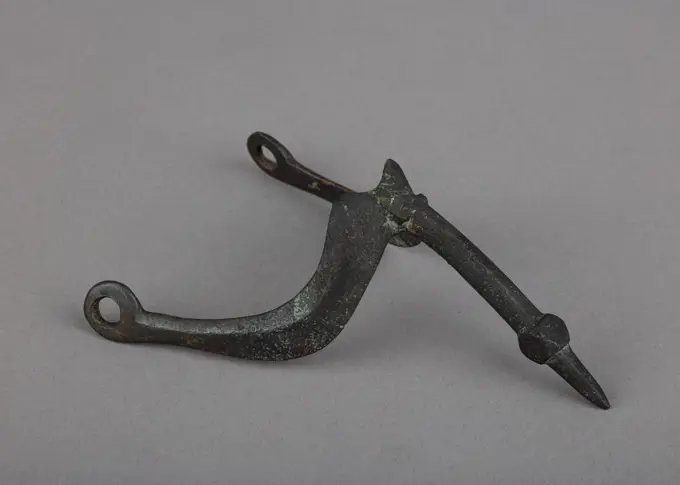
Prick Spur first half 14th century possibly Italian The prick spur was the first type of spur to be invented, and it consists of a goad or prick, more or less pointed, connected to side arms or a heel plate. The earliest spurs were probably simple thorns attached at the back of the heel, before they started to be made out of metal in antiquity. Prick spurs were the main type of spurs used in the Middle Ages until the mid-14th century, when they were supplanted by rowel spurs, which appeared in Europe a century before and with which they had cohabitated for a time. As a knights status was closely related to his horse, spurs became one of the symbols of chivalry, and one of the tokens given to him during his knighting.. Prick Spur. possibly Italian. first half 14th century. Copper alloy. Equestrian Equipment-Spurs
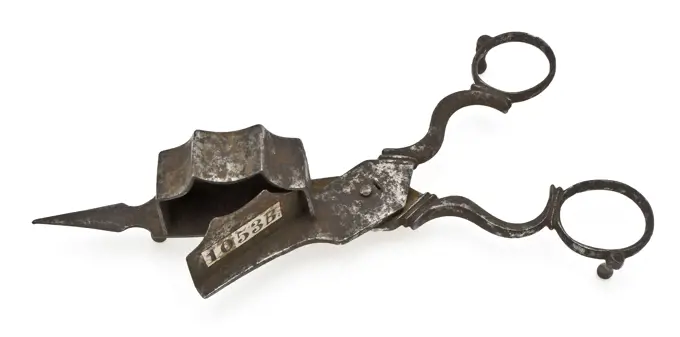
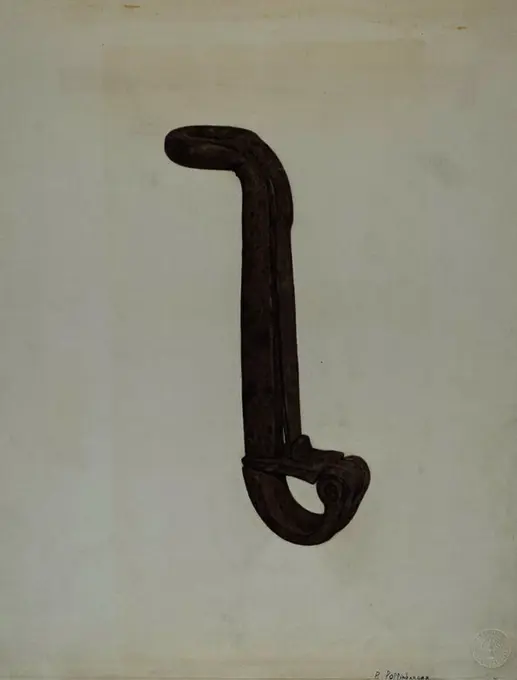
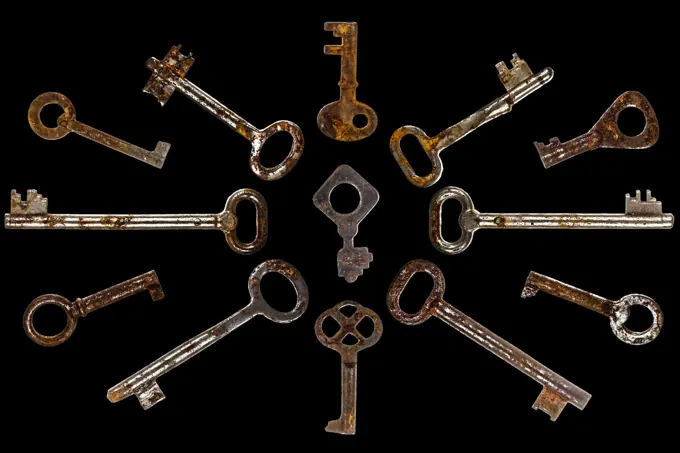
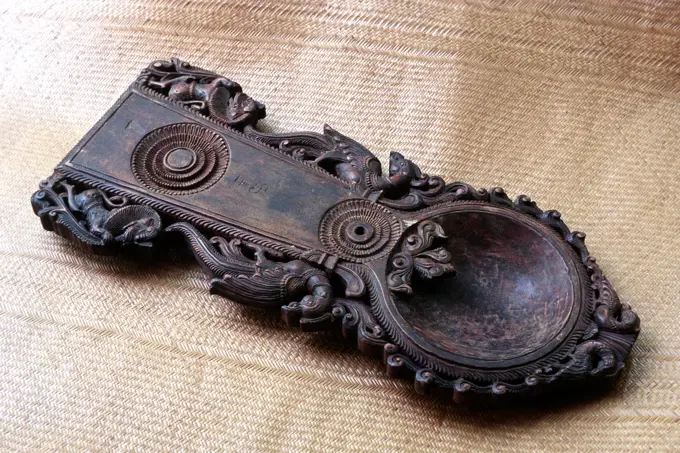
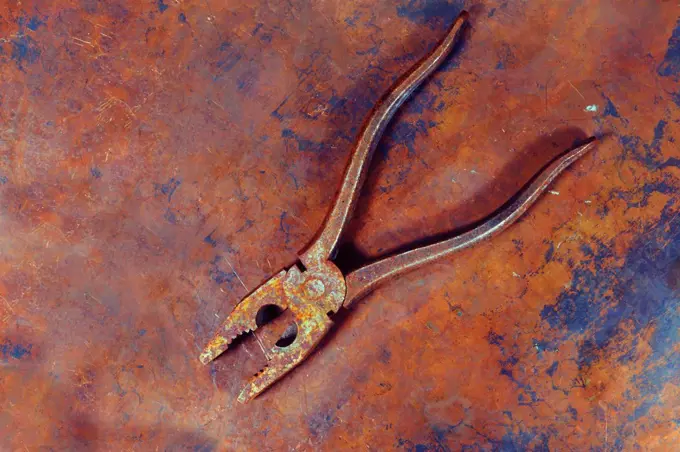
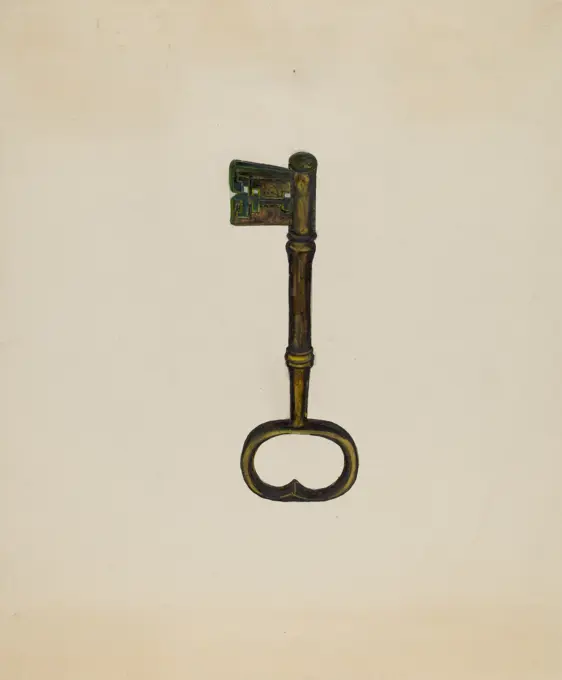
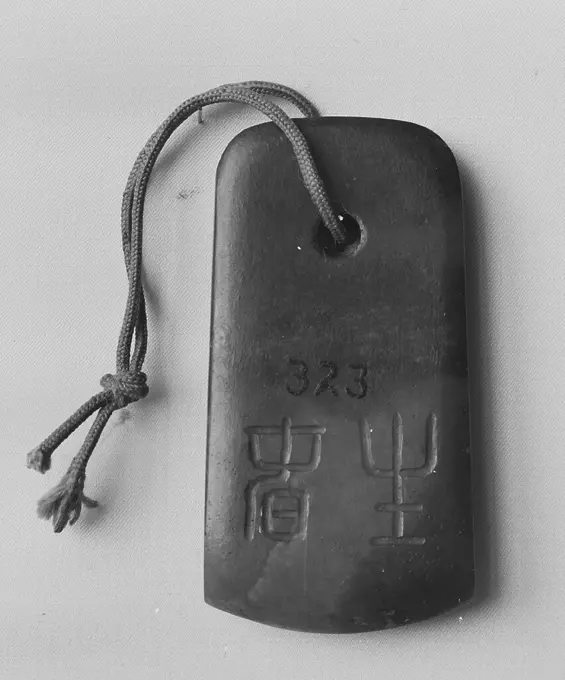
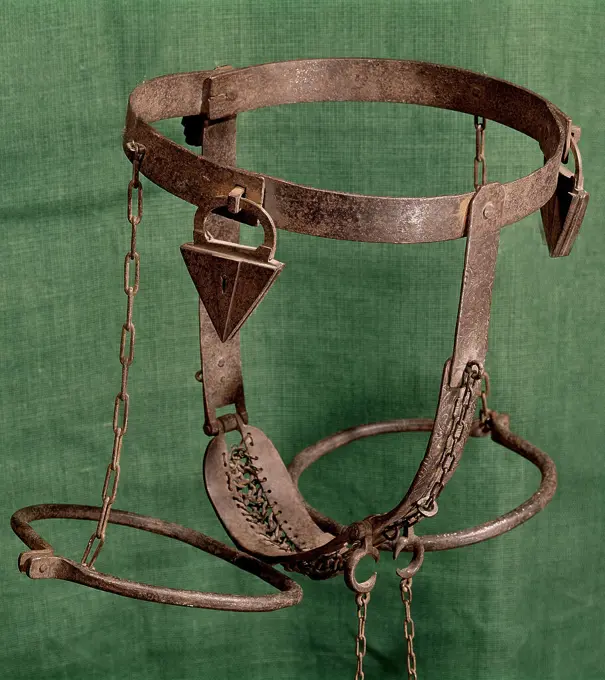
Metal shackles isolated on the whiteKnife from Board ofRevenue.  Mint: Board of Revenue Artist: UnknownOld cast iron weight isolated on whiteCandle snout or muzzle scissors, candle nippers muzzle scissors tool kit ground find iron metal, forged Muzzle Shears On one of the legs scalloped housing with standing flat in fits of the other leg between which the fuse is cut or extinguished. Ovals eyes. Three short legs at the bottom. Some grooves to decorate between the eye and the cutting blade, archeology candle blowing lighting eveningMagnifier and coins are isolated on a white backgroundBucket Hooks. Dated: c. 1938. Dimensions: overall: 37.7 x 29 cm (14 13/16 x 11 7/16 in.). Medium: watercolor, pen and ink, and graphite on paper. Museum: National Gallery of Art, Washington DC. Author: Paul Poffinbarger.Fragment Sampler from the wreck of the East Indieschief Hollandia. Divider; Fragment, Semicircular Ring, ID. NG 1980-27H1171, eroded.Meat wreath. A three-wearing meat wreath with 33 crochet, one of which is missing, others defective. With loose hook.Set of old keys, isolated on black background Set of old keys, isolated on black background Copyright: xZoonar.com/OleksandrxKostiuchenkox 9750043ESPUELAS - ACICATE. Location: PALACIO REAL-REAL ARMERIA DE MADRID. MADRID. SPANIEN.Diagonal pliers on woodNose Ornament with Birds 200 B.C.-A.D. 200 Peru or Ecuador. Nose Ornament with Birds 319486Ornamental coconut scrapper Chettinad Tamil Nadu INDIA Copyright: xMxAmirtham/DinodiaxPhotoxCoffin with Coiled Snake (Atum) on the Top 664 BCE-30 BCE Egypt. Bronze . Ancient EgyptianWatercolor tombstone with cracks. Hand Drawn halloween Illustration. Watercolor tombstone with cracks. Hand Drawn halloween Illustration Copyright: xZoonar.com/LiubovxPonomarchukx 18718208Roman gold bracelet, 1st century. Artist: UnknownArity very rusty old door lock isolated on whiteBronze serpentine-type fibula (safety pin) 8th century B.C. Etruscan Two spirals, both of one turn. The bow has a series of moulded beads.. Bronze serpentine-type fibula (safety pin) 246347Upholstery nails macro shot Upholstery sharp nails on a wooden surface board Copyright: xZoonar.com/SergeyxxIvashutinx 10423233Schuif Sleutel.Sliding key with somewhat flat up narrow ring around eye. The beard is somewhat pointed.Vouwsleutel, c. 1800 - c. 1900 Folding key whose handle folds over pipe and beard.  bronze (metal) Folding key whose handle folds over pipe and beard.  bronze (metal). This is the back of a lock, with the keyhole on the other side. Inserting the key into the lock introduces the key bit into the ward housing, the small iron dome in the centre. This contains the mechanism in which the key fits. When the key is turned, the long, horizontal bar retracts, allowing the door to open.Pair of Rowel Spurs 17th and 18th-19th century European These spurs reused the branches and the lower part of the neck of a 17th-century pair. In the late 18th or in the 19th century, they placed buttons in two of the terminals holes, bent the neck upward and added the long shaft and the enormous rowel. In this configuration these spurs are highly impractical and unbalanced. They were either made for the stage or to fool a 19th-century collector.. Pair of Rowel Spurs. European. 17th and 18th-19th century. Iron, gold. Equestrian Equipment-SpursJOYA CELTA DE ORO PROCEDENTE DE VIVERO. Location: MUSEO PROVINCIAL. LUGO. SPAIN.Juvenile Green tree phyton in black backgroundRusty pliersOld rusty horse shoe on whiteArmlet. Date: 19th century. Museum: Metropolitan Museum of Art, New York, USA.The Cuerdale Hoard, a hoard of more than 8,600 items, including silver coins, English and Carolingian jewellery, hack silver and ingots. Dated 9th CenturyBelt Clasp. Western Iran, about 1000-650 B.C.. Jewelry and Adornments; clasps. Bronze, hammeredEdna C Rex, Key, 1935 1942 KeyHammered Gold Ornament Fragment A.D. 900-1470 Peruvian. Hammered Gold Ornament Fragment 309068Ax Blade (Celt). Culture: China. Dimensions: H. 2 5/8 in. (6.7 cm); W. 1 3/8 in. (3.5 cm); L. 1/4 in. (0.7 cm). Museum: Metropolitan Museum of Art, New York, USA.steampunk old vintage metal keys backgroundCINTURON DE CASTIDAD. Location: MUSEO ARQUEOLOGICO NACIONAL-COLECCION. MADRID. SPANIEN.Bracelet with lion's-head terminals ca. 4th-3rd century B.C. Iran. Bracelet with lion's-head terminals 326055Stucco Fragment probably 8th-12th century. Stucco Fragment 740730Large mooring ring placed between stones. Large mooring ring placed between stones Copyright: xZoonar.com/TrygvexFinkelsenx 21522547Saxon chain mail. Saxons were a confederation of Germanic tribes which settled in large parts of Great Britain in the early Middle Ages 5th century Ad.Image 1 of Stone serpent handle, BCE 200-CE 200  | Library of CongressThe Buckle of Isis, 1923. Artist: Unknown39 keys from the collection of Emmanuel Vita Israël, anonymous Sliding key with a handle consisting of a down-plated C-Volute, above which an upstand that serves for an eye. The beard is attached to the flat key breast with a side connection and ends in an arrow. Beard damaged.  bronze (metal) Sliding key with a handle consisting of a down-plated C-Volute, above which an upstand that serves for an eye. The beard is attached to the flat key breast with a side connection and ends in an arrow. Beard damaged.  bronze (metal)Tiny figurine of man miniature and retro key