Historical Keys Collection

A collection of antique keys from various periods, showcasing detailed designs, unique handles, and different materials, reflecting historical craftsmanship.

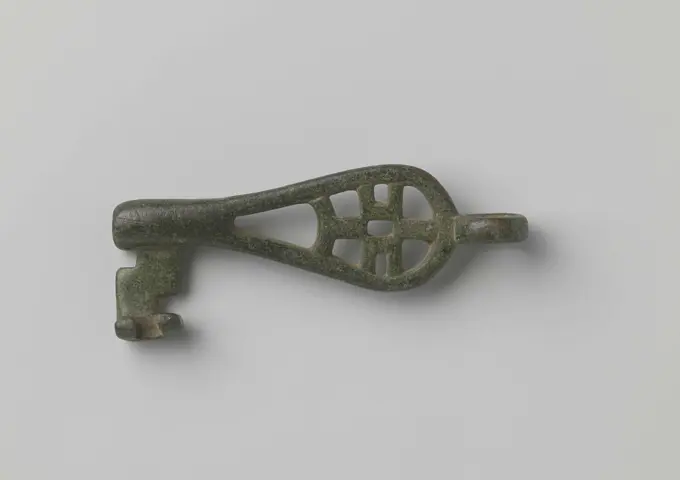
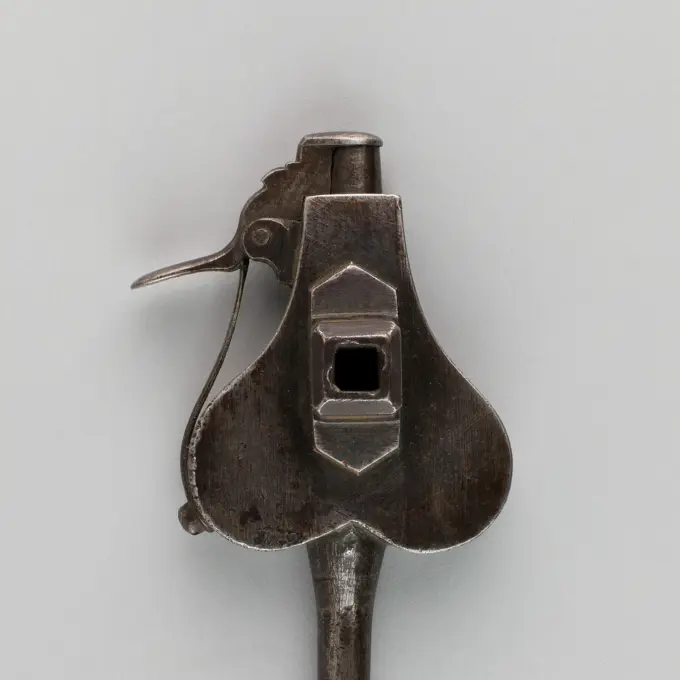
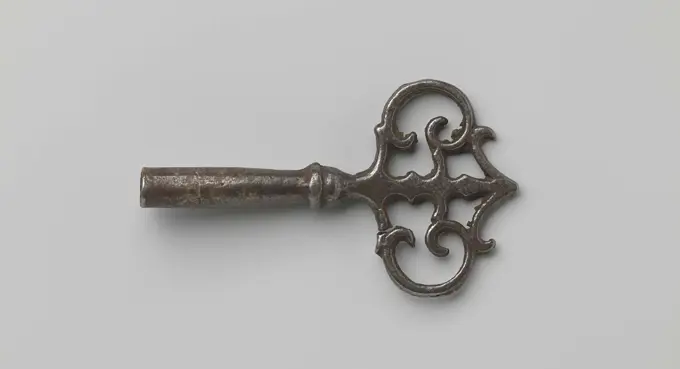
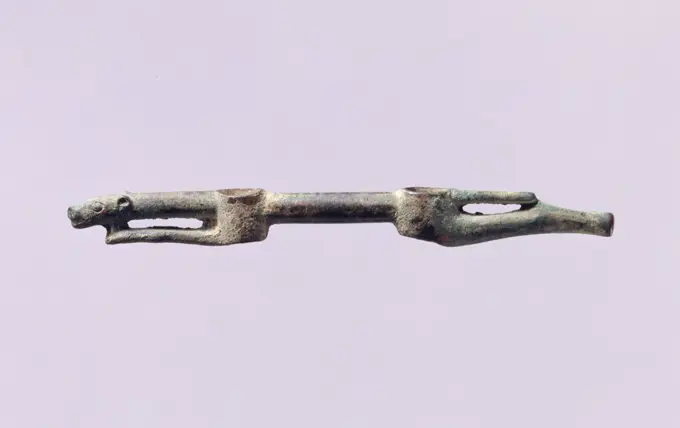
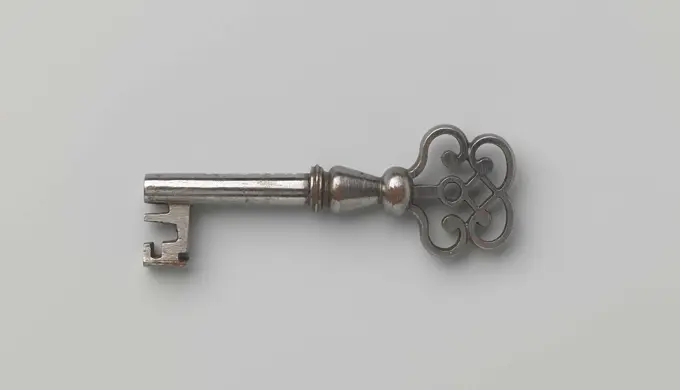
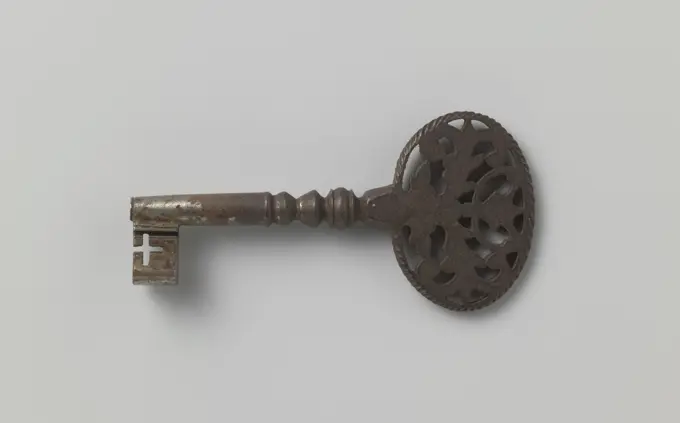
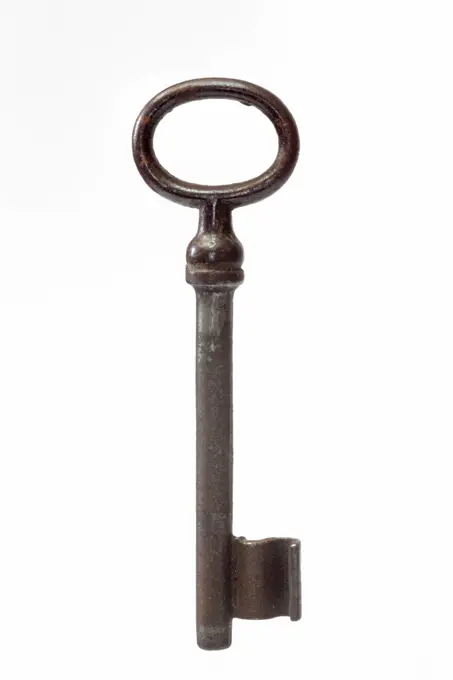
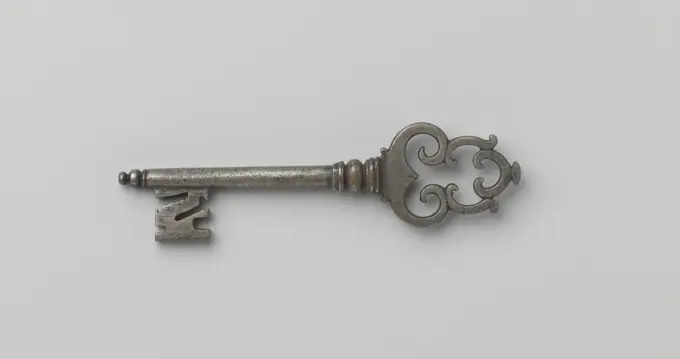
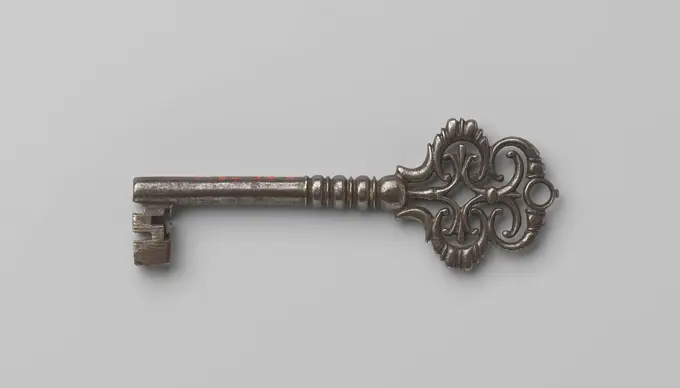
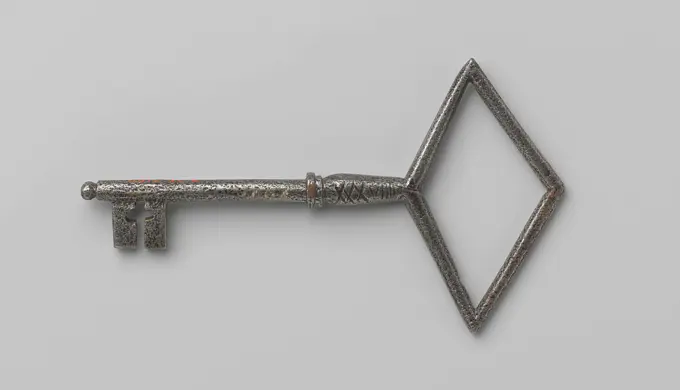
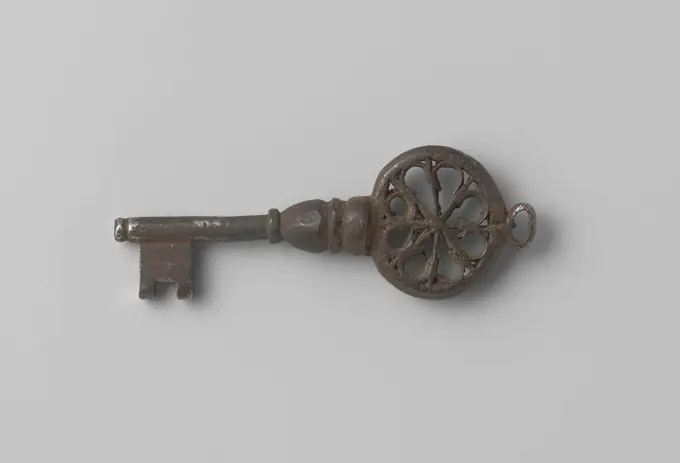
39 keys from the collection of Emmanuel Vita Israël, , c. 1400 - c. 1950 Key with palm -shaped handle on heavily grooved key breast. The shaft is four -sided. Rome bronze (metal) Key with palm -shaped handle on heavily grooved key breast. The shaft is four -sided. Rome bronze (metal)
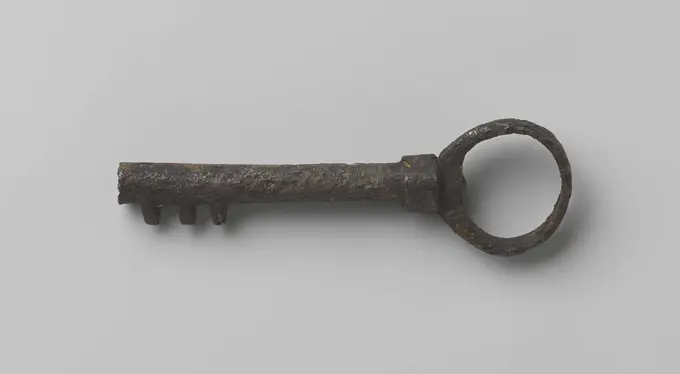
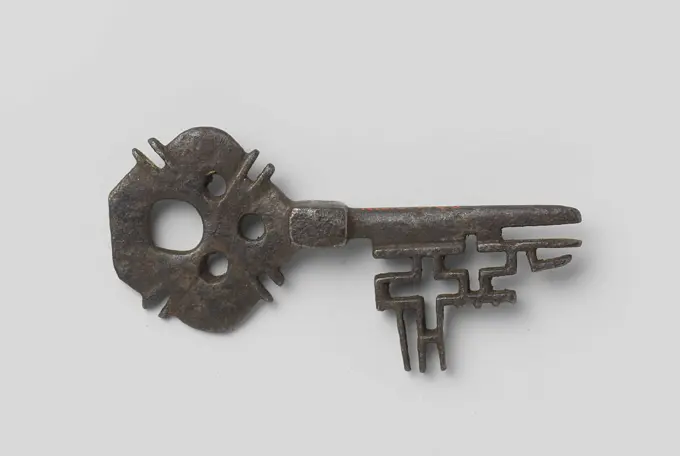
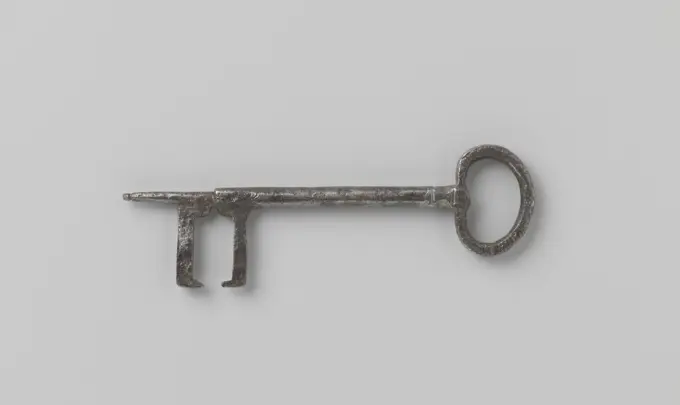
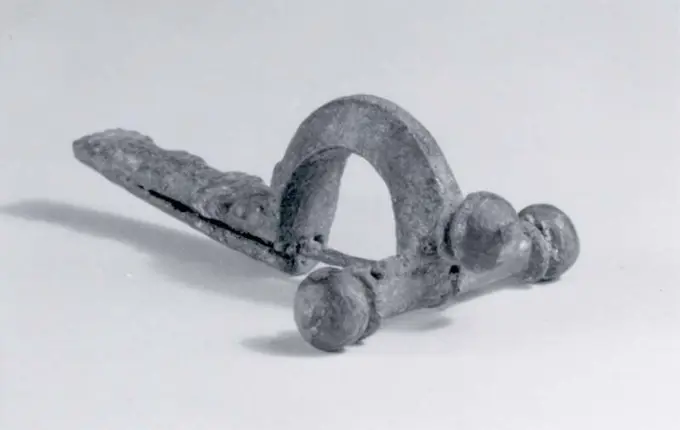
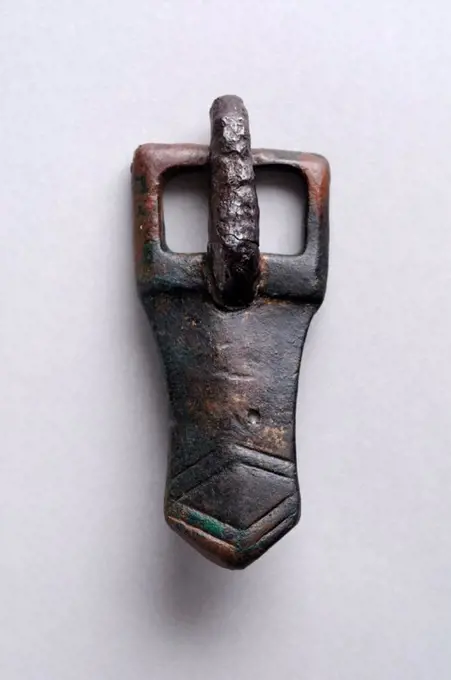
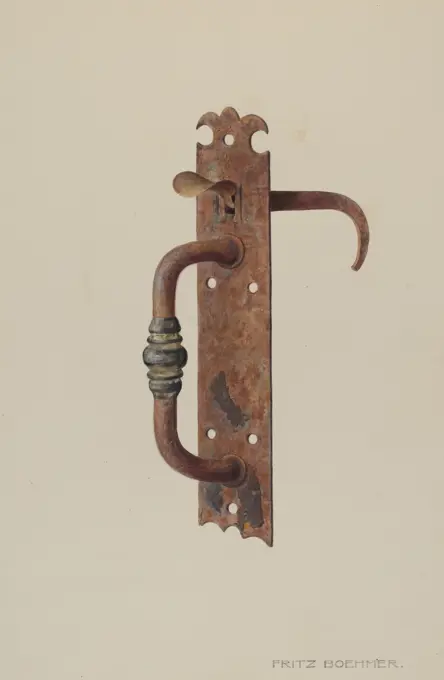
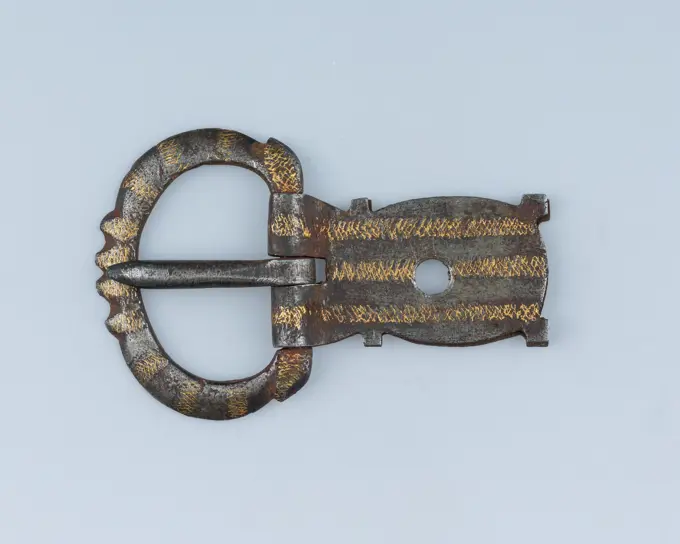
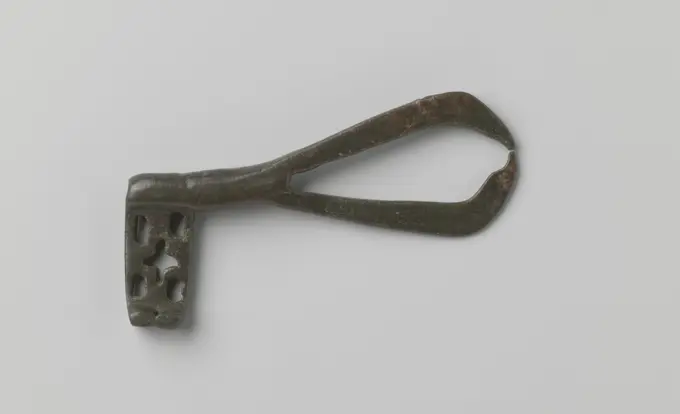
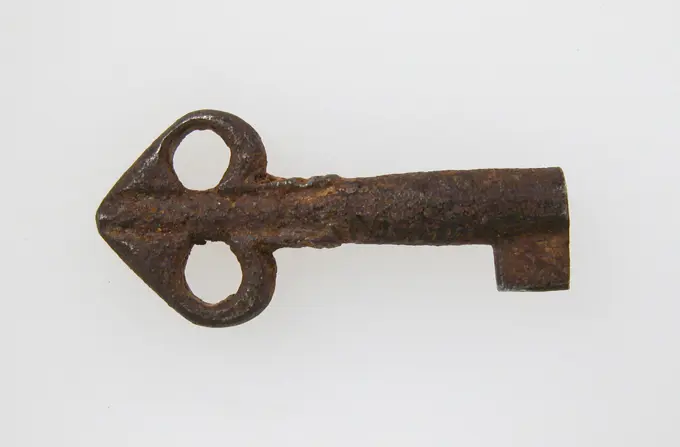
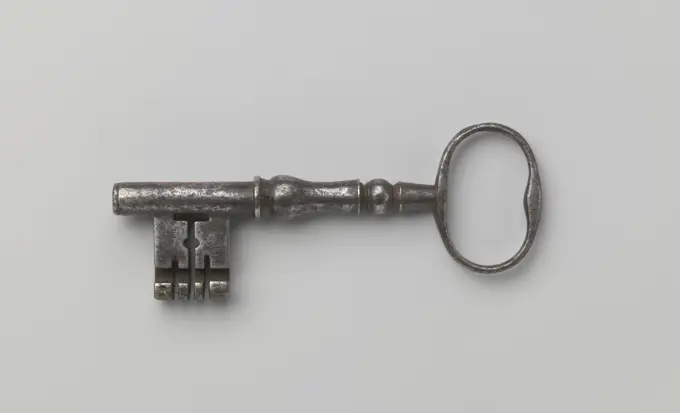
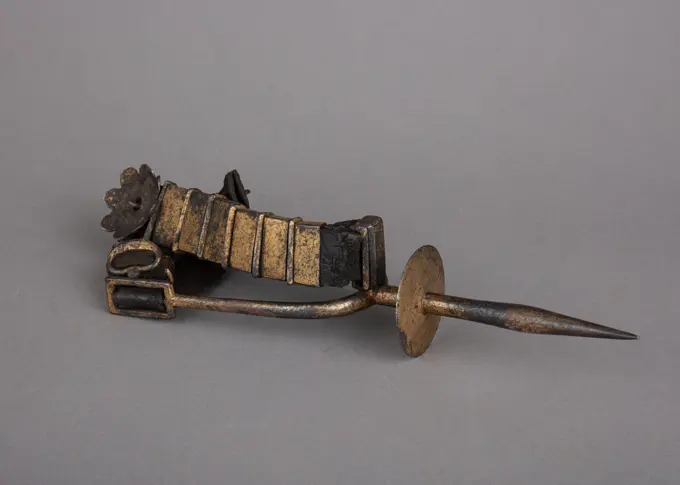
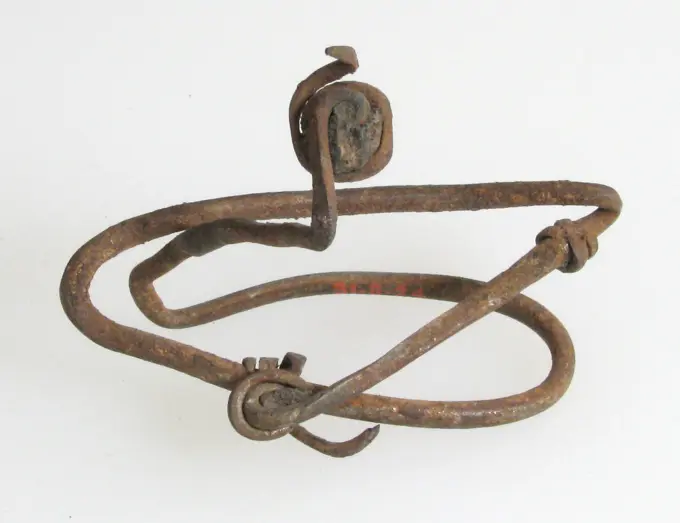
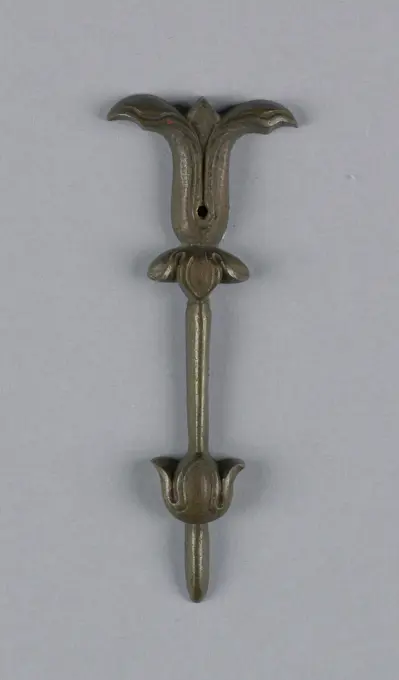
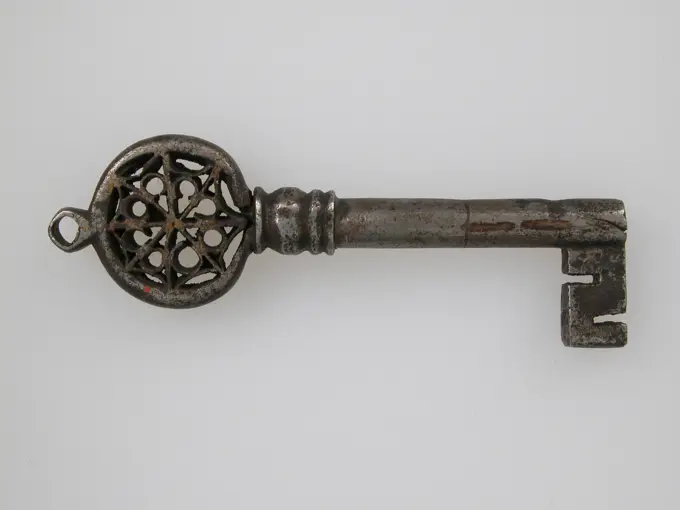
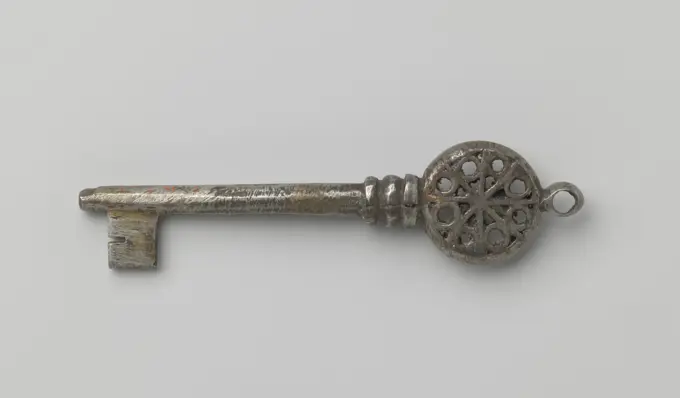
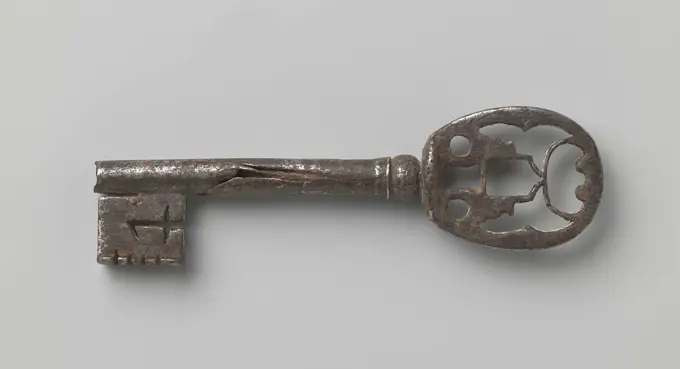
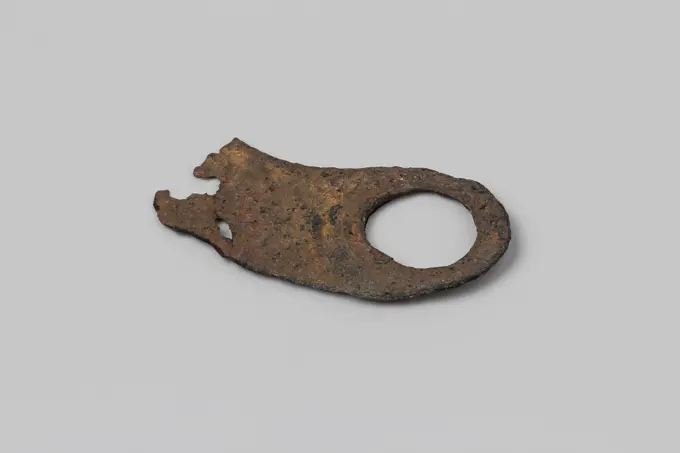
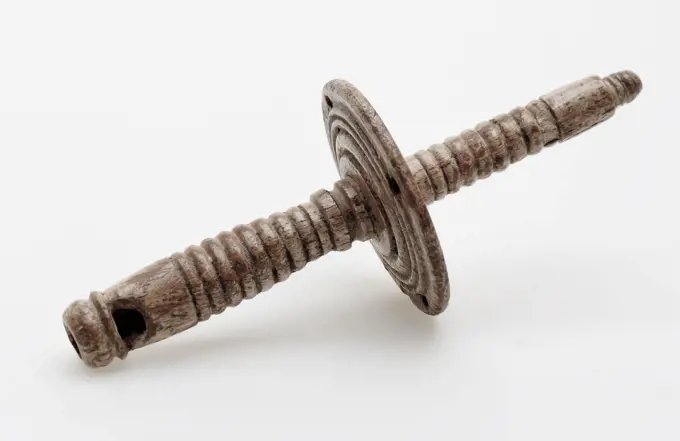
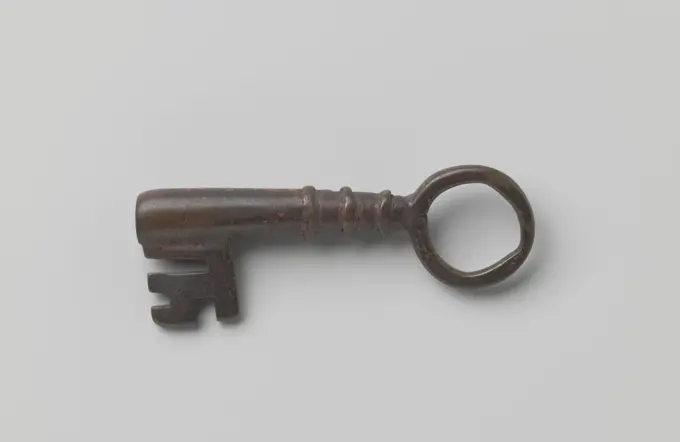
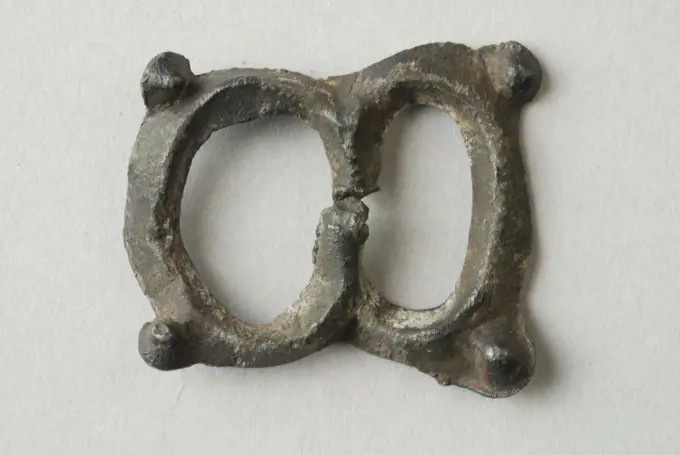
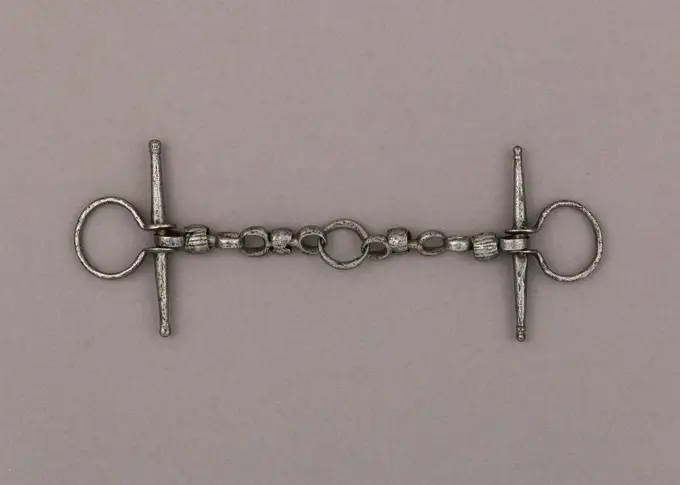
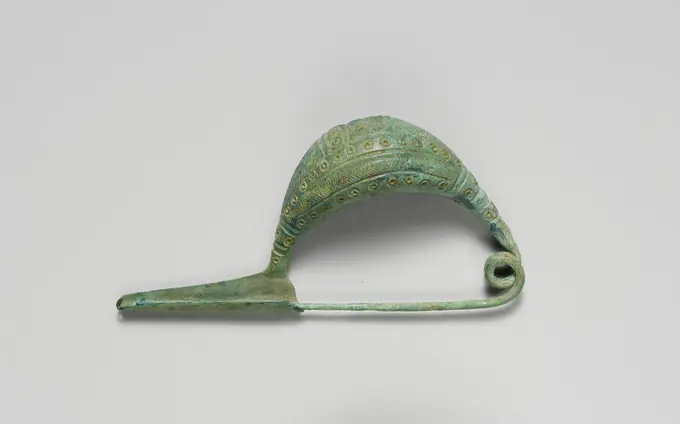
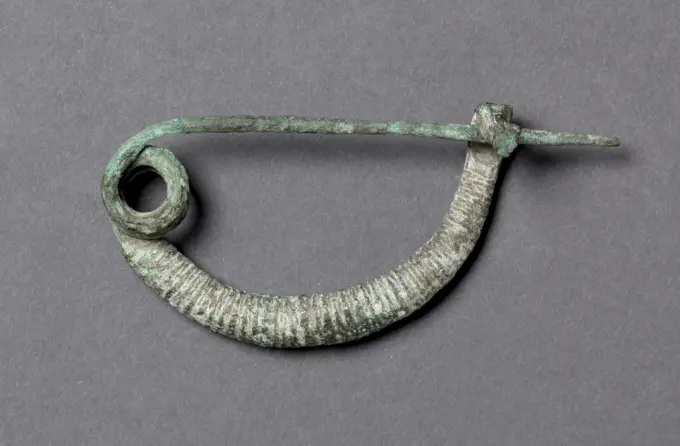
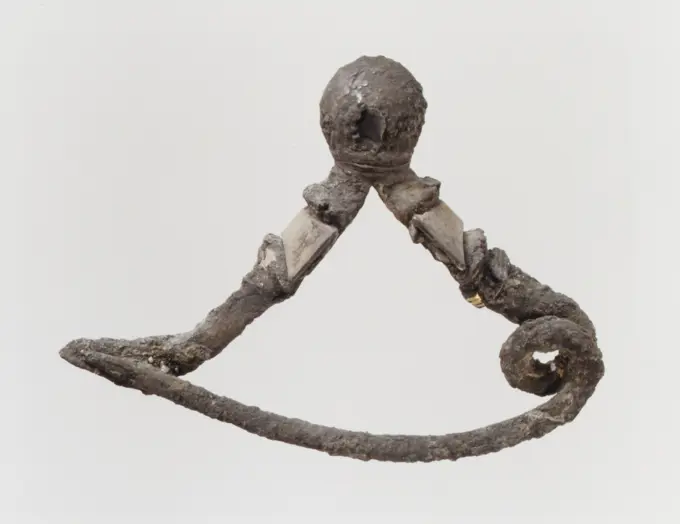
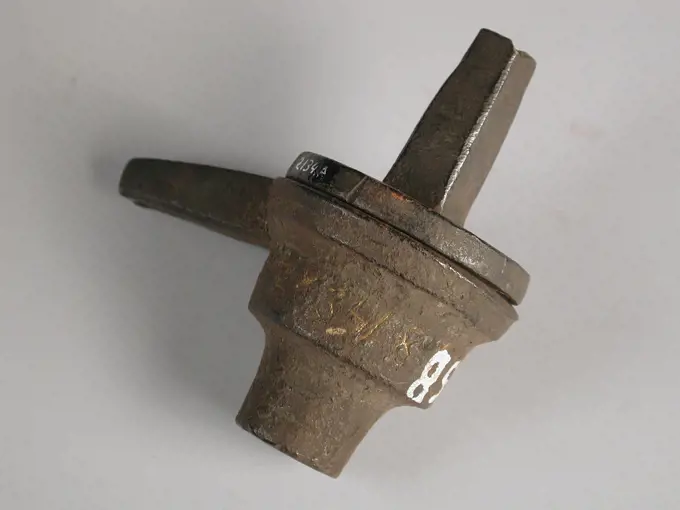
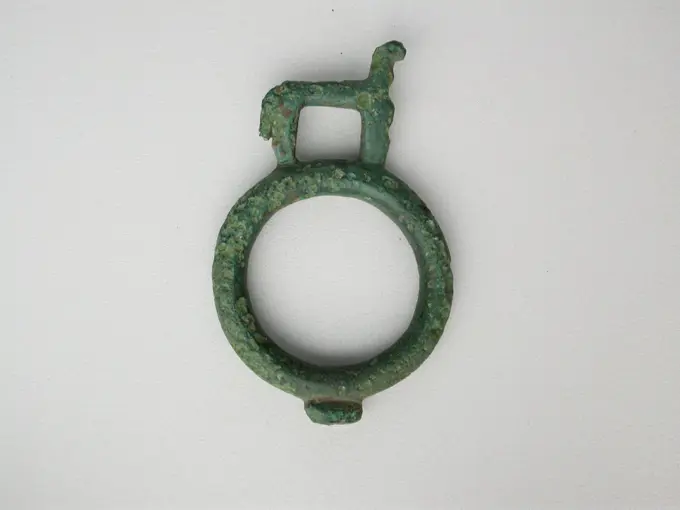
Key. Key with reverse pear-shaped handle, crowned by a cross-eyed eye.Sliding key, c. 1400 - c. 1950 Sliding key with eye similar to a heavy ring on a thin, flat key breast. The beard runs out in a leaf motif. Rome bronze (metal) Sliding key with eye similar to a heavy ring on a thin, flat key breast. The beard runs out in a leaf motif. Rome bronze (metal)Pijpsleutel.Pipe key with annular eye, wide shaft and threefold beard, consisting of small extraditions.. The Amsterdam apothecary and art collector Emmanuel Vita Israël. He donated his collection, comprising keys dating from Roman antiquity to the 19th century, to the Koninklijk Oudheidkundig Genootschap (Royal Antiquarian Society) in 1937. Vita Israël claimed that his key collection had grown more or less by accident: being one of the few collectors of keys, dealers automatically made their way to him.Knip, anonymous A sorner single cut. A sorner single cut.39 keys from the collection of Emmanuel Vita Israël, , c. 1400 - c. 1950 Key with palm -shaped handle on heavily grooved key breast. The shaft is four -sided. Rome bronze (metal) Key with palm -shaped handle on heavily grooved key breast. The shaft is four -sided. Rome bronze (metal)Key, c. 1700 - c. 1800 Key with bean -shaped eye and shaft that runs past the dual beard in a point. The beard is formed by two horizontally running hores. The ornament under the eye only applied with the file later.  iron (metal) Key with bean -shaped eye and shaft that runs past the dual beard in a point. The beard is formed by two horizontally running hores. The ornament under the eye only applied with the file later.  iron (metal)Crossbow fibula ca. 3rd-4th century A.D. Roman. Crossbow fibula 325948Belt buckle made of bronze with incised decoration and iron needle. Dimensions 5, 7 x 2 , 5 cm . ( 5 th - 8 th Ce ) - Visigoth period, from the " Equinox Necropolis " - Archaeological site of Complutum in Alcalá de Henares ( Madrid ). SPAIN.Fritz Boehmer, Door Latch, c 1939 Door LatchPipe key, c. 1400 - c. 1950 Pipe key with handle in the shape of a fist, a broken staff persist. Handle of bronze, beard and shaft of iron. Rome iron (metal). bronze (metal) Pipe key with handle in the shape of a fist, a broken staff persist. Handle of bronze, beard and shaft of iron. Rome iron (metal). bronze (metal)Buckle dated 1565 Italian. Buckle. Italian. dated 1565. Steel. Miscellaneous-Buckles & OrnamentPipe key, c. 1400 - c. 1950 Pipe key with reverse pear -shaped open handle that is cracked at the top. The beard shows a cross -shaped incision between four open quadries. Rome bronze (metal) Pipe key with reverse pear -shaped open handle that is cracked at the top. The beard shows a cross -shaped incision between four open quadries. Rome bronze (metal)39 keys from the collection of Emmanuel Vita Israël, anonymous, c. 1400 - c. 1500 Key whose handle is somewhat diamond -shaped, with concave sides. A St. Jacobs shell has been installed on the three corners. The shaft that has a nodus under the grip runs under the Beard Spitts.  iron (metal) Key whose handle is somewhat diamond -shaped, with concave sides. A St. Jacobs shell has been installed on the three corners. The shaft that has a nodus under the grip runs under the Beard Spitts.  iron (metal)Key 13th century () French (). Key 462971Key, c. 1600 - c. 1699 Key from which the shaft is baluster-shaped up to the key breast and continuously beyond the beard. The eye is oval with a thickening at the top.  iron (metal) Key from which the shaft is baluster-shaped up to the key breast and continuously beyond the beard. The eye is oval with a thickening at the top.  iron (metal)Key 14th century German The decoration of Gothic iron locks and keys was often elaborate and of the highest standard of workmanship. The motifs were frequently drawn from Gothic architecture, reproducing on a miniature scale complicated tracery patterns and even tiny statuettes. A number of these tiny locks were compound, with some of the mechanisms concealed from view, and required two or even three keys used in sequence to open them. It has been suggested that the greatly expanded use of locks on doors, or coffrets and other types of storage chests was a result of the increasing urbanization of life and the new emphasis on material wealth and private ownership which developed in the late Middle Ages.. Key 463345Prick Spur Moroccan 18th-19th century The prick spurs traditionally used in most of the Islamic world evolved directly from late Antique examples. They consist of straight U-shaped branches bearing a very long prick with a disc at its base. Here the original strap, partially preserved but reattached the wrong way, is adorned with gilded iron plaques. Traditionally, Moroccan riders take great pride in their horses and still frequently adorn them with shiny and colorful tack for parades and festivals. Wealthy riders would increase their prestige by covering their mount with luxurious material and equipping themselves with as luxurious matching accessories. View more. Prick Spur. Moroccan. 18th-19th century. Iron alloy, gold, leather, iron. Equestrian Equipment-SpursOnderdeel van een deurhengsel.Door batter of tinned iron, part of a door mixture, decorated with engravings. The batter is as follows from the hinge: a baluster-shaped start, delegating in a narrow, straight piece from which to the end steal some leaf motifs that curl as volutes. The whole ends in a pointed leaf.Candle holder consisting of a sleeve for the candle and two perpendicular pins, Anonymous, c. 1590 - c. 1596  Candle holder consisting of a sleeve for the candle and two perpendicular pins. The majority of Hert Kaarsenhuls has been demolished. Amsterdam iron (metal) forging  Nova Zembla. Saving HuysTwisted Wire 4th century Coptic. Twisted Wire 477766Mount; gilt bronzeKey 16th century Catalan The decoration of Gothic iron locks and keys was often elaborate and of the highest standard of workmanship. The motifs were frequently drawn from Gothic architecture, reproducing on a miniature scale complicated tracery patterns and even tiny statuettes. A number of these tiny locks were compound, with some of the mechanisms concealed from view, and required two or even three keys used in sequence to open them. It has been suggested that the greatly expanded use of locks on doors, or coffrets and other types of storage chests was a result of the increasing urbanization of life and the new emphasis on material wealth and private ownership which developed in the late Middle Ages.. Key. Catalan. 16th century. Iron. Made in Catalonia, Spain. Metalwork-IronLampka oliwna. warsztat Fortis, workshopDoor Knocker 15th-16th century European. Door Knocker. European. 15th-16th century. Iron. Metalwork-IronKey 15th century German The decoration of Gothic iron locks and keys was often elaborate and of the highest standard of workmanship. The motifs were frequently drawn from Gothic architecture, reproducing on a miniature scale complicated tracery patterns and even tiny statuettes. A number of these tiny locks were compound, with some of the mechanisms concealed from view, and required two or even three keys used in sequence to open them. It has been suggested that the greatly expanded use of locks on doors, or coffrets and other types of storage chests was a result of the increasing urbanization of life and the new emphasis on material wealth and private ownership which developed in the late Middle Ages.. Key 468859Key, c. 1500 - c. 1600 Venetian key "with rose in the round grip, crowned by an eye. The key must be added later and the beard is given a new shape.  iron (metal) Venetian key "with rose in the round grip, crowned by an eye. The key must be added later and the beard is given a new shape.  iron (metal)Pijpsleutel.Pipe key with egg-shaped openwork handle consisting of leaf raft. It is placed on an oval disk, which rests on a bullet and turns into the shaft after a profiling. The shaft has cracked longitudinally.Dagger-Ax (Ge) China. Dagger-Ax (Ge) 61102Twisted wooden bobbin, ornament artefact tools equipment soil finds wood, sawn turned wood Wooden spool or stick Fully decorated Twisted ornaments spheres and baluster Red paint remnants. Small round hole at the end in the side archeology Rotterdam City center Stadsdriehoek Oudehaven craft Soil discovery: Oude Haven Rotterdam.Combination Primer-Spanner-Ramrod Made 1600-1620 Germany. Steel .Key, 1500 - 1600 Key with openwork flat egg -shaped handle and with a dual beard.  iron (metal) Key with openwork flat egg -shaped handle and with a dual beard.  iron (metal)Steeksleutel.Spanner belonging to a clock. The handle consists of a six-armed strain to each other c-volutes.Fibula, c. 600 BC. Syria (), 1st Century BC. Bronze; overall: 5.1 x 11.3 x 2.2 cm (2 x 4 7/16 x 7/8 in.).Key, c. 1400 - c. 1950 Key with a handle with openwork and quoted fan -shaped leaf filling, resting on a ball -shaped capital. The baluster -shaped shaft ends beyond the dual beard in a flat button.  iron (metal) Key with a handle with openwork and quoted fan -shaped leaf filling, resting on a ball -shaped capital. The baluster -shaped shaft ends beyond the dual beard in a flat button.  iron (metal)Old key isolated on white backgroundCranequin (Winder) for a Crossbow 1500-1550 Europe. Iron, wood, and cord .Ballock Dagger 1490-1510 Northern Europe. Ivy root and steel .Cheekpiece for Bridle in the Shape of a Leopard 6th-4th century B.C. Northeast China. Cheekpiece for Bridle in the Shape of a Leopard 59468Key..vintage rusty cabinet lock key over white, clipping pathCornelius Christoffels, Hitching Post, c 1937 Hitching PostKey with oval handle, in or before 1746 Key of Tertind iron. The handle is oval and open with abstracted flower and rank motifs. Through three nodi the handle is connected to the key, which is hollow from the inside. West-Europa iron (metal). tin (metal) engraving Key of Tertind iron. The handle is oval and open with abstracted flower and rank motifs. Through three nodi the handle is connected to the key, which is hollow from the inside. West-Europa iron (metal). tin (metal) engravingCandle holder, Anonymous, 1625 - 1675 The object consists of the following loose parts: a mounting piece and a nut, one arm and two buttons, one turner, two fat catchers and two candle holders. The mounting item is partly tendered and partly quadrangular, transmitting into a screw. The rectangular arm swings up at the starting rectangular arm and is decorated with curls in pair. The onset has a round part that is inserted into the mounting piece, and a screw on which the round button is turned. In the thickened upper end of the arm is a threaded hole, to confirm the richly profiled button. The turner is decorated with curls. In the thickened ends, the round -profiled candle holders are screwed onto the fat -catchers profiled on the underside. The candle holders have one round opening in the wall. Probably the object was originally attached to a pulpit. Netherlands brass (alloy) casting The object consists of the following loose parts: a mounting piece and a nut, one arm and two buttonsKey old key - released on white background copyright: xzoonar.com/heikexbrauerx 1072221Fragment of a screw plate from a musket from the wreck of the East India Heart 't flying heart. Fragment with eye of a screw plate from a musket. Side plate.Bite-tip and handle of rattle, half-tip disk, one end whistle, other thread, bite marker rattle toy relaxation device soil find ivory, archeology Rotterdam City Triangle Groenendaal child toddler play baby archaeological find in the soil Groenendaal 1980 1981.Coffer or chest key 17th-18th century probably Italian The presence of initials, although crudely incised, appears to mean that this was intended to be a combination seal and key.. Coffer or chest key. probably Italian. 17th-18th century. Wrought iron. Metalwork-IronPipe key, c. 1600 - c. 1699 Pipe key with a narrowing shaft that is decorated under the circular eye with three rings.  iron (metal) Pipe key with a narrowing shaft that is decorated under the circular eye with three rings.  iron (metal)Key handle, c. 1400 - c. 1950 Key handle consisting of a quadrangle standing on its short side. The eye is applied at the top and there are three buttons on the sides (Steel and Beard are missing). Rome bronze (metal) Key handle consisting of a quadrangle standing on its short side. The eye is applied at the top and there are three buttons on the sides (Steel and Beard are missing). Rome bronze (metal)Historic garden tools, hand fork, clipping, objectRusty rat trap against white backgroundHandle, oval and twisted with two lisses of a coffin. Handle, oval of shape and chest with two lisses of a coffin.Key; 1904-19-1Crescentic Axehead of Anchor Shape. Northern Iran, circa 2350-2000 B.C.. Arms and Armor; axes. Bronze, castCeremonial Bow and Arrow, 20th century, 12 3/8 x 10 3/16 x 1 5/16 in. (31.43 x 25.88 x 3.33 cm), Brass, Benin, 20th centuryIron corkscrew, pin-shaped, sharply flared, corkscrew tool equipment founding iron metal, forged Iron corkscrew Long conical pen with round eye. Usually with slightly slanted little pronounced hook from the end of the pen archeology Rotterdam Stadscentrum Stadsdriehoek Spaarbankstraat Market Binnenrotte open wine drinking cork uncorking Soil discovery Inner rotte between former Spaarbank and Markt hoek Spaarbankstraat.Belt Buckle with a Griffin second half 6th century Frankish Belts were important features of early medieval dress. Not only did they serve the practical function of holding weapons and tools, but their fittings, which could vary in terms of material, decoration, and size, were also highly visible indicators of rank and status. Iron buckles, many imposing in size, were worn by both men and women. Their intricate decoration was achieved by squeezing narrow twisted strips of silver into patterns engraved on the surface of the prefabricated iron pieces. A complete belt would have consisted of a buckle, a counter plate that was placed opposite the buckle, and sometimes a rectangular plate placed in the middle of the belt at the back for decoration.. Belt Buckle with a Griffin. Frankish. second half 6th century. Copper alloy, "tinned" surface. Made in Burgundy. Metalwork-Copper alloyWheellock Spanner with Powder Measure and Screwdriver 1600-1700 Germany. Iron .Key, c. 1800 - c. 1900 Four gathering keys, the shafts of which were drilled to the four figures of the card game. The keys are numbered on the key breast by Middel van Putjes.  iron (metal) Four gathering keys, the shafts of which were drilled to the four figures of the card game. The keys are numbered on the key breast by Middel van Putjes.  iron (metal)Key, c. 1400 - c. 1950 Key of which the handle consists of a top desired C-Volute on which are two S-Voluten that enclose a smaller volute downwards. The capital is formed from a tonus between two discs. The shaft ends beyond the beard in a profiling.  iron (metal) Key of which the handle consists of a top desired C-Volute on which are two S-Voluten that enclose a smaller volute downwards. The capital is formed from a tonus between two discs. The shaft ends beyond the beard in a profiling.  iron (metal)Asymmetric Pediform Hafted Ax with Eye 500 B.C.-A.D. 300 Vietnam or Northern Thailand. Asymmetric Pediform Hafted Ax with Eye. Vietnam or Northern Thailand. 500 B.C.-A.D. 300. Bronze. Bronze and Iron Age period. MetalworkDoor Pull 15th-16th century European. Door Pull. European. 15th-16th century. Iron. Metalwork-IronPickaxe. Iran, Luristan, circa 2350-2100 B.C.. Arms and Armor; axes. Bronze, castBody Ornament. Culture: Japan. Dimensions: W. 2 in. (5.1 cm); L. 3 in. (7.6 cm). Museum: Metropolitan Museum of Art, New York, USA.Double-oval buckle with middle post and sting, small size, buckle fastener component soil find bronze copper metal, archeologyKey. UnknownPijpsleutel.Pipe key whose handle consists of incised half tubes and leaf motif, at the top of an eye. The upper half of the shaft consists of three tori between discs.Amulet of a Human Foot. Egypt, Roman Period (30 BCE - 395 CE) or later. Jewelry and Adornments; amulets. BronzeSleutel.Key with handle in shape of a large lying window. The shaft is marked XXVIIII.Strigil; Roman Empire; about 100; Bronze; 21 x 11 cm (8 1,4 x 4 5,16 in.)With button and a frieze with incisions. With knob to end and on a side a decoration that consists of a fries with incisions.Rowel Spur (Left) ca. 1630-1660 Netherlandish or German Despite its simple shape this spur, originally gilded overall, displays a particularly dynamic and sculptural aspect. Necks bent at an angle like this were popular in Europe between 1630 and 1660.. Rowel Spur (Left). Netherlandish or German. ca. 1630-1660. Iron alloy, gold. Equestrian Equipment-SpursKey. Key belonging to two bk-16959-α-TM-b ward doors. In the ring a star-shaped ornament filled with three-quarter circles.Knip, c. 1400 - c. 1950 A sorner single cut (telling).  iron (metal) A sorner single cut (telling).  iron (metal)Opened lock and keyExcerpt of shot and lock, c. 1400 - c. 1950  Rome bronze (metal)  Rome bronze (metal)Pewter fittings in the form of clasp, two oval holes and studs on the corners, buckle fastener strand soil find souvenir tin lead metal, w 1.9 molded Small pewter buckle. Leather fitting or decorative pin Two oval holes, middle post and rectangular frame with studs in the four corners. High pouring seam at the back archeology Rotterdam City Triangle Botersloot Binnenrotte decorate souvenir pilgrim pilgrimage Soil discovery Rotterdam collapses Binnenrotte behind the Botersloot.ElementSnaffle Bit late 16th - 17th century German This type of mouthpiece corresponds to the contemporary Waterford bit. It was used for horses that lean on the bit too much. The many mobile links in the mouthpiece prevent the horse from taking hold of it, but it was comfortable and fairly gentle in the mouth, not severe when in the hands of a good rider. The snaffle bit is the simplest type of horse bit, and has an effect on the bars (part of the horses jaw without teeth) and the corners of the lips. The rings on the sides would serve to hang the bit on the headstall and attach the reins. The cheekpieces press on the side of the mouth when a rein is pulled, helping indicate the intended direction to the horse and keeping the rings from pulling through the horse's mouth.According to contemporary equestrian manuals, this bit was probably used as a racing bit. It is virtually identical to some bits still used today.. Snaffle Bit. German. late 16th - 17th century. Iron alloy. Equestrian EquipmBuckle 15th-17th century European. Buckle. European. 15th-17th century. Steel. Miscellaneous-Buckles & OrnamentBronze sanguisuga-type fibula. Culture: Italic, Villanovan. Dimensions: Other: 4 3/4 in. (12 cm). Date: 8th-7th century B.C..Sanguisuga ("leech") fibulae have arched bows with closed undersides. Decorated with finely engraved geometric ornaments. Museum: Metropolitan Museum of Art, New York, USA.Key. Key with flat bell-shaped handle, decorated with ruled leaf motif and crowned by an eye.Fibula, c. 900-800 BC. Italy. Bronze; overall: 7 cm (2 3/4 in.).Silver-gilt fibula (safety pin) 8th-7th century B.C. Cypriot Silver fibula, with central knob and collar; axe-head ornaments on the bow.. Silver-gilt fibula (safety pin) 242642Fibula, boat-shaped type 8th-6th century B.C. Italic The bow is hollow and closed.. Fibula, boat-shaped type. Italic. 8th-6th century B.C.. Bronze. BronzesLoop.A key.Fibula, boat-shaped type 8th-6th century B.C. Italic The bow is hollow and open on the underside. The outer surface is decorated with incised bands.. Fibula, boat-shaped type 246365Two-piece bronze mold for screw cap of baby bottle, cast molding tool tools base metal bronze iron, cast Two-piece bronze mold for pouring screw top for feeding bottle top: 2834 85 Rotterdam tin foundry tin pewter Meeuws Druy craft Molds are from the originally 18th century Rotterdam tinnegieter J Druy. The large molds that were not signed or dated were the property of the tinker guild and were rented to the small tin caster.Hand mirrorKey, c. 1725 A beautifully processed key. France iron (metal) A beautifully processed key. France iron (metal)Earring 4th century Late Roman. Earring 465582 Late Roman, Earring, 4th century, Copper alloy, Overall: 1 3/4 x 1 7/8 x 1/2 in. (4.4 x 4.8 x 1.2 cm). The Metropolitan Museum of Art, New York. Gift of J. Pierpont Morgan, 1917 (17.193.257)Harness Ring with Quadruped 800 BCE-600 BCE Thessaly. This precious bronze object is a votive, or devotional gift, made as an offering to the gods. They come in many forms, such as animals, beads and brooches. Many seem once to have been attached to something else. Votives were hung from sacred trees or placed in sanctuaries around Greece. Once a shrine was full, the votives were ceremonially buried to make room for more offerings.. Bronze . Ancient GreekKey, c. 1600 - c. 1699 Key with oval handle in which there is a snake and that is crowned by an eye. The handle is grooved on the outside with sloping lines. The heavy baluster shaft has been cotted with leaf motif. The beard is two -fold.  iron (metal) Key with oval handle in which there is a snake and that is crowned by an eye. The handle is grooved on the outside with sloping lines. The heavy baluster shaft has been cotted with leaf motif. The beard is two -fold.  iron (metal)Profiled buckle with two oval eyes, with middle post leather fittings, buckle fastener part soil find copper brass metal, cast Buckle in the form of an eight with two oval-eyed middle post with folded piece of copper leather fittings. Profiled frame of the buckle raised along the inside archeology Rotterdam rail tunnel fastening fastening closing Soil discovery: trajectory rail tunnel Rotterdam.Hand guard, anonymous (possibly), 1800 - 1900 Ovale tsuba with openwork decoration of a Phoenix and a Paulownia in the midst of stylized tifles within a toothed edge. Japanchina iron (metal). gold (metal) Ovale tsuba with openwork decoration of a Phoenix and a Paulownia in the midst of stylized tifles within a toothed edge. Japanchina iron (metal). gold (metal)Gun-Lock Hammer, c. 1800-1825. England, early 19th century. overall: 6.4 x 3.8 cm (2 1/2 x 1 1/2 in.).Night heel ax. Bronze Age. Copper alloy, cast iron. Coming from: Lit de la Seine. Paris, Carnavalet museum. Bronze Age, Copper alloy, Arm, Axis, Weapon, Bronze Age, Copper Alloy, Fonte, Hache, Iron Cast, Tool, Protohistory, Protohistoric, Protohistorique, Prothistory, Short Head, Native heel, Tool, Shot, Sword, WeaponDoghouse. On an elongated plate with a engraved zig-zag line along the edge is a dog. The dog is on a chain that is attached to a doghouse. The image is marked with a dolphin twice.