Historical Keys Collection

A collection of antique keys from various periods, showcasing detailed designs, unique handles, and different materials, reflecting historical craftsmanship.

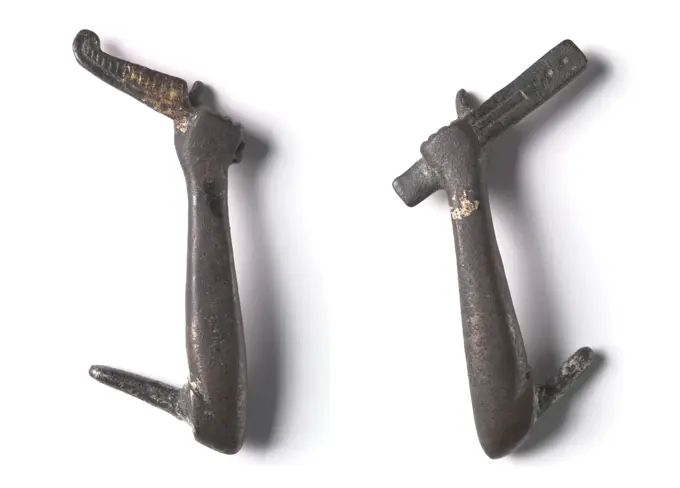
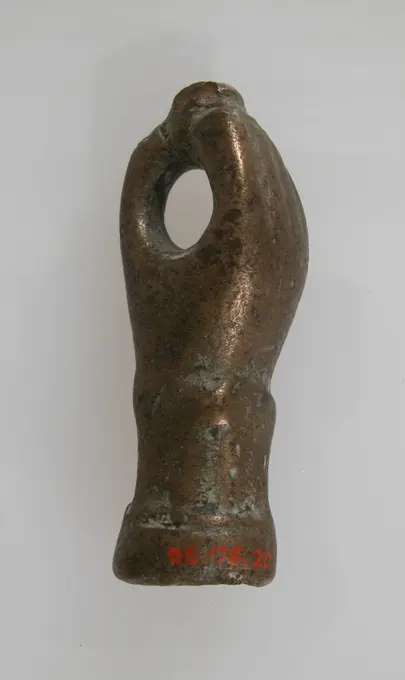
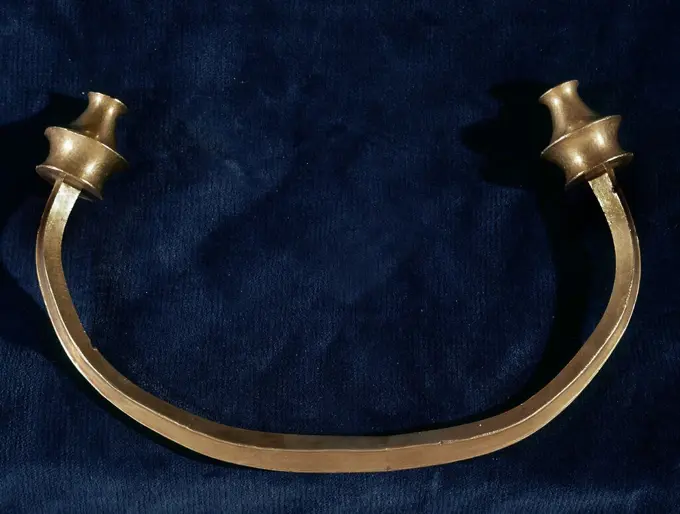
39 keys from the collection of Emmanuel Vita Israël, , c. 1400 - c. 1950 Key with palm -shaped handle on heavily grooved key breast. The shaft is four -sided. Rome bronze (metal) Key with palm -shaped handle on heavily grooved key breast. The shaft is four -sided. Rome bronze (metal)
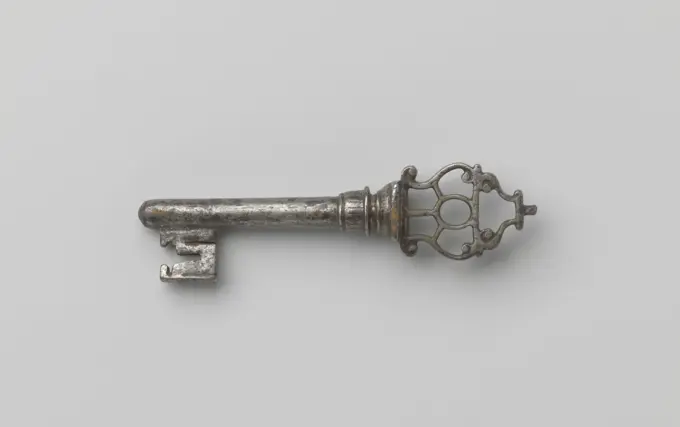
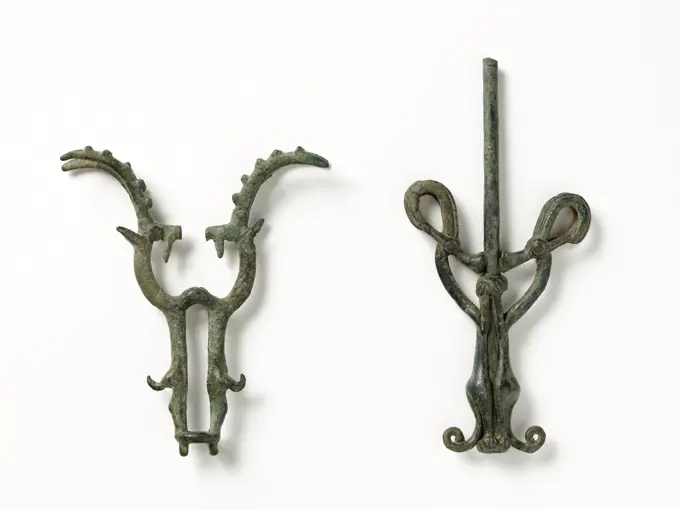
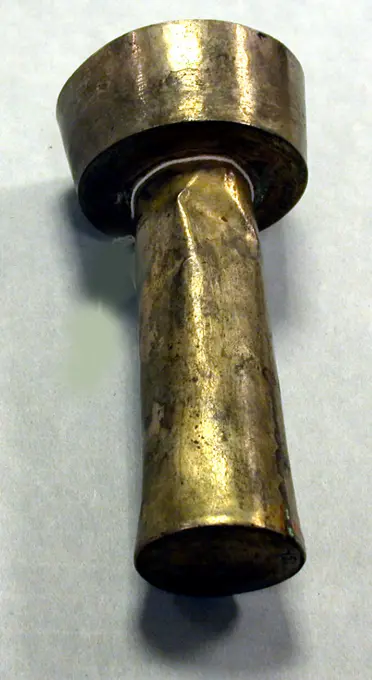
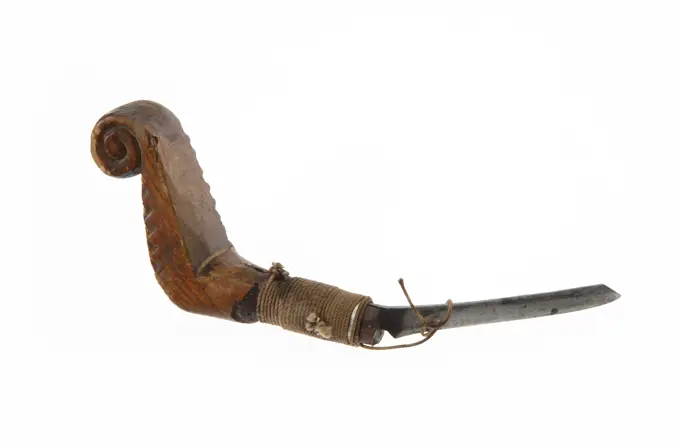
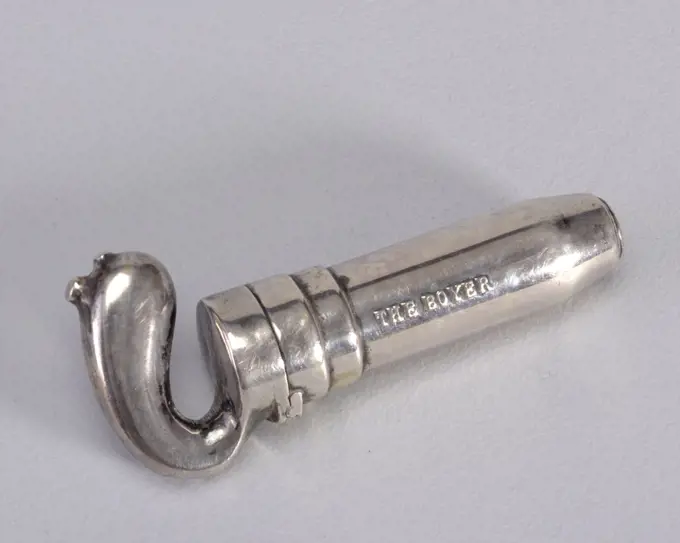
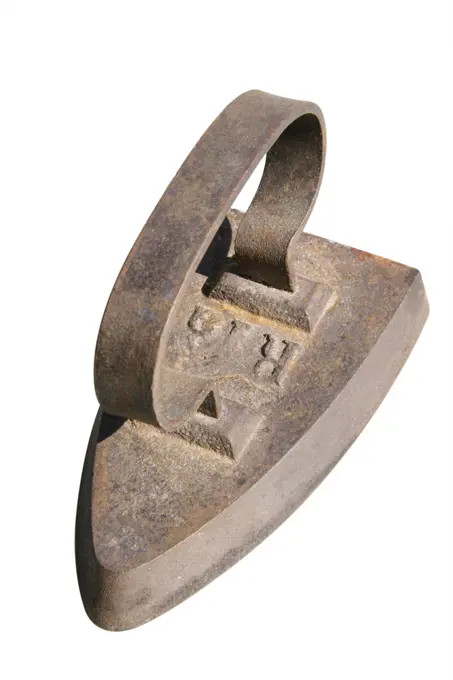
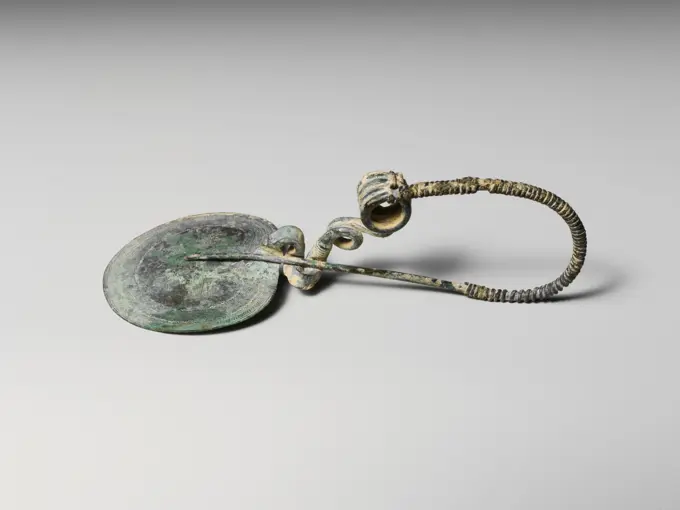
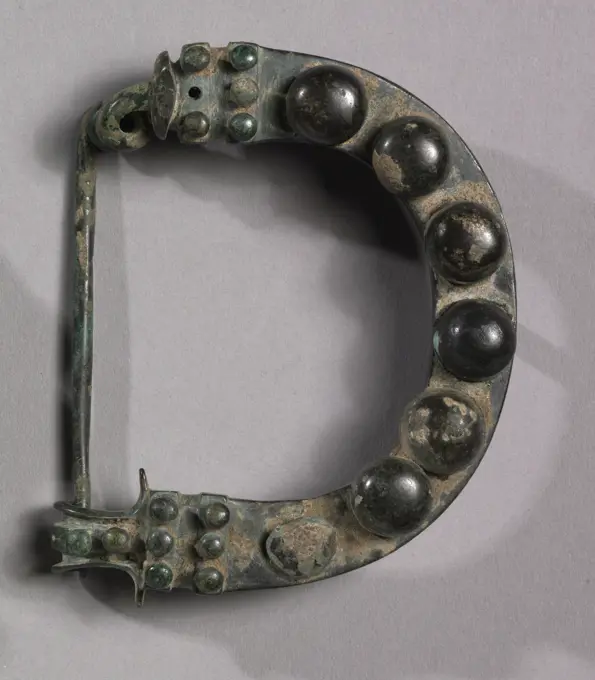
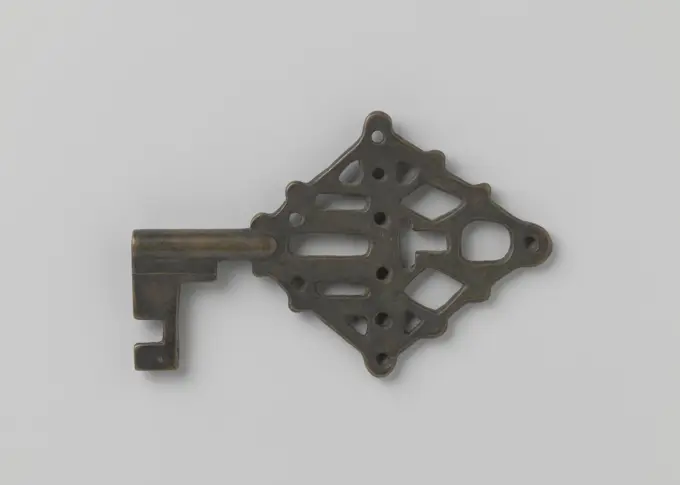
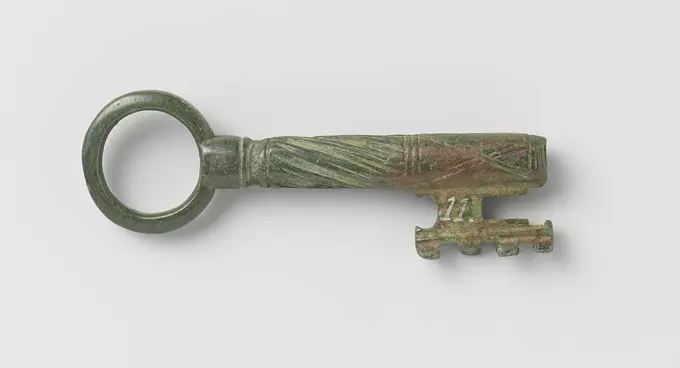
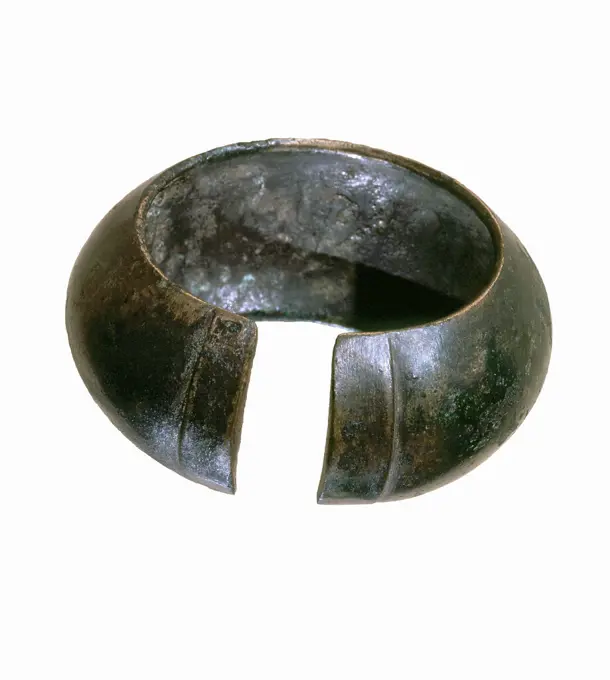
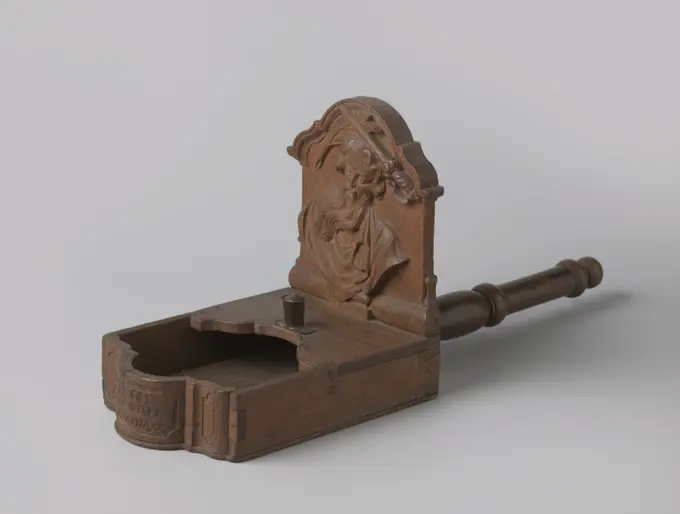
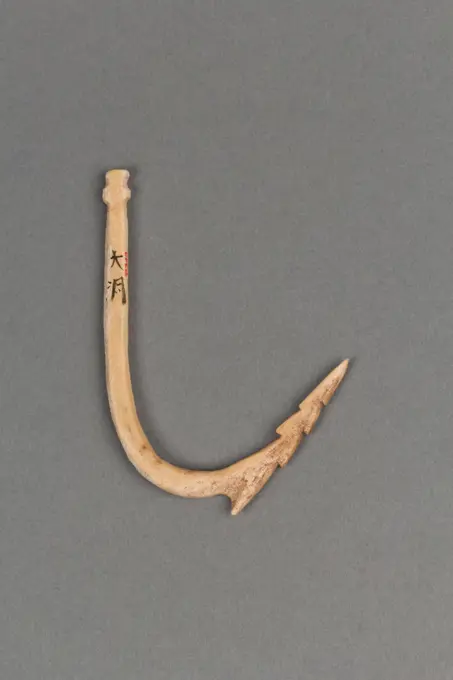
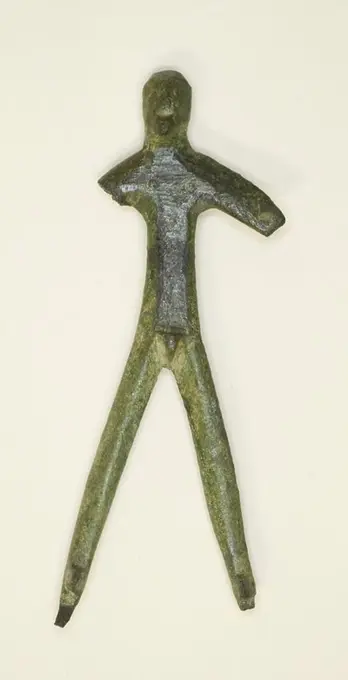
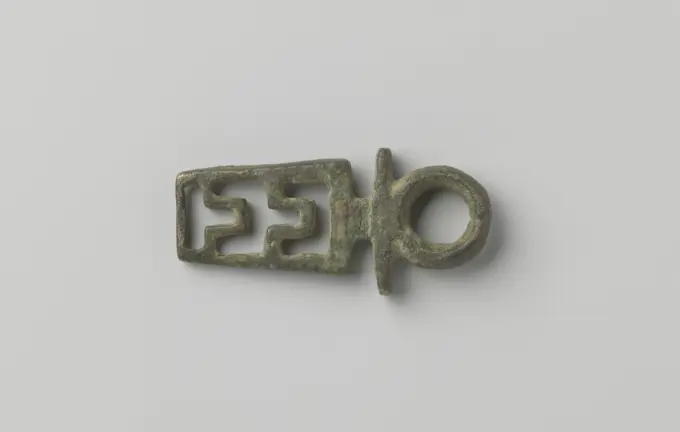
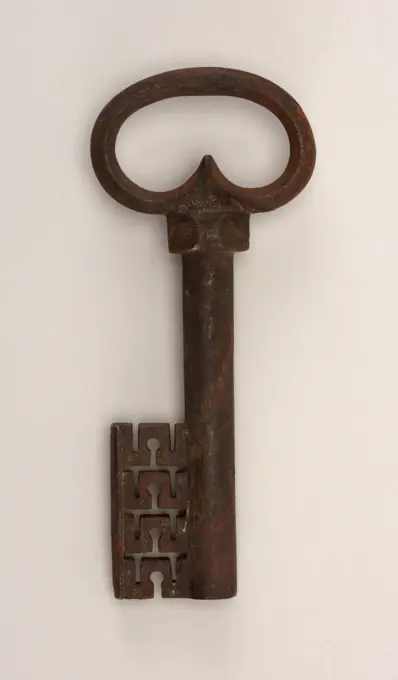
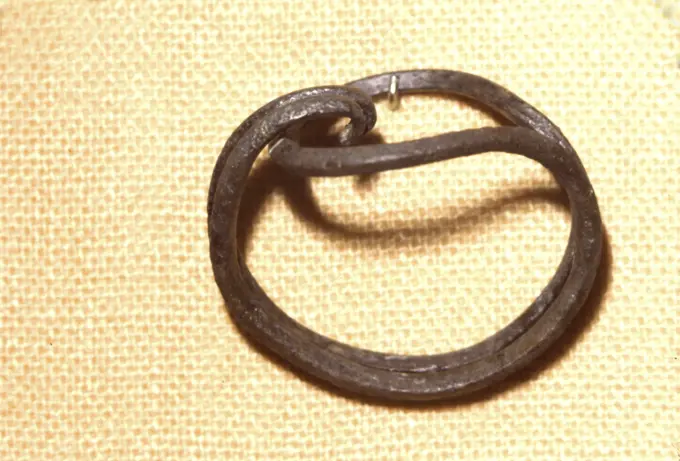
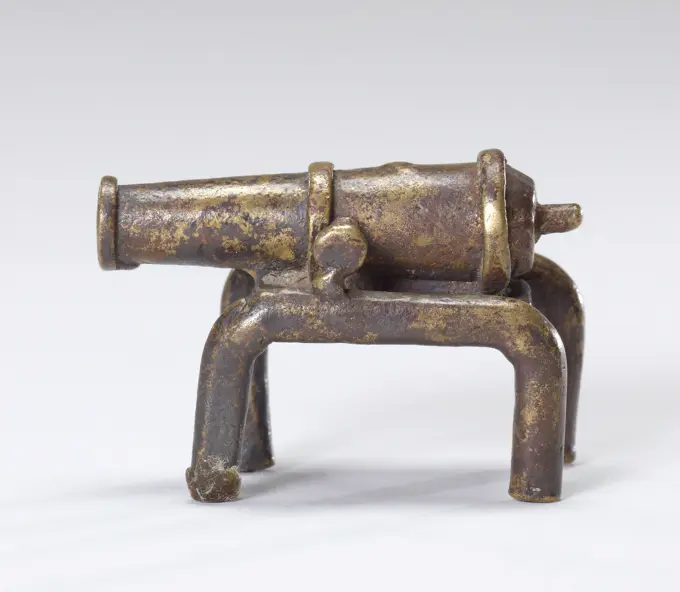
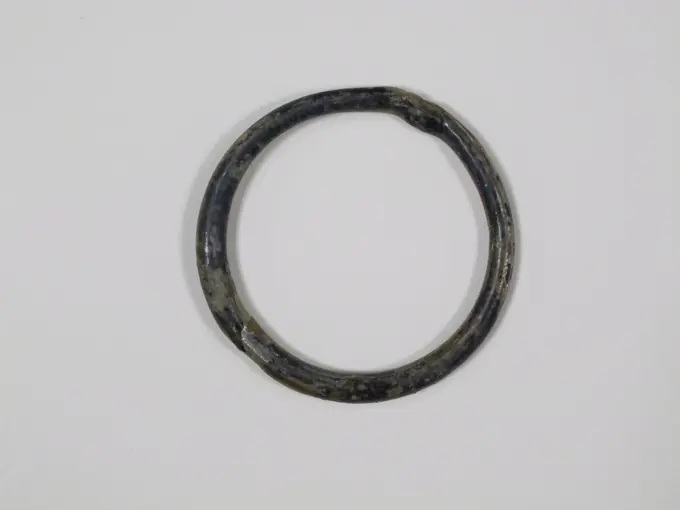
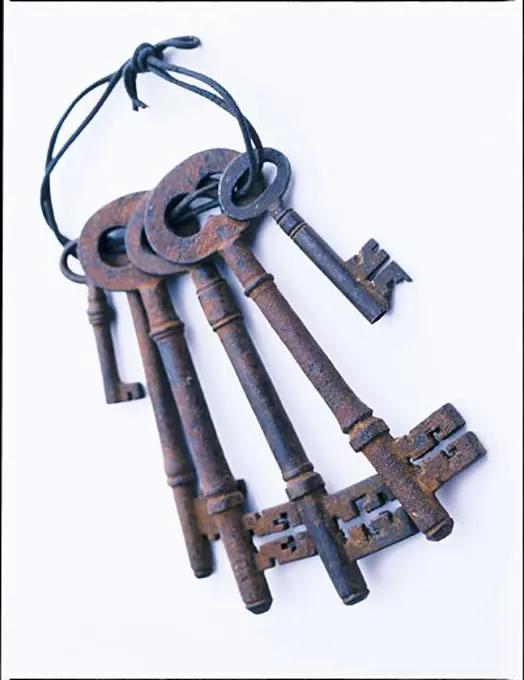
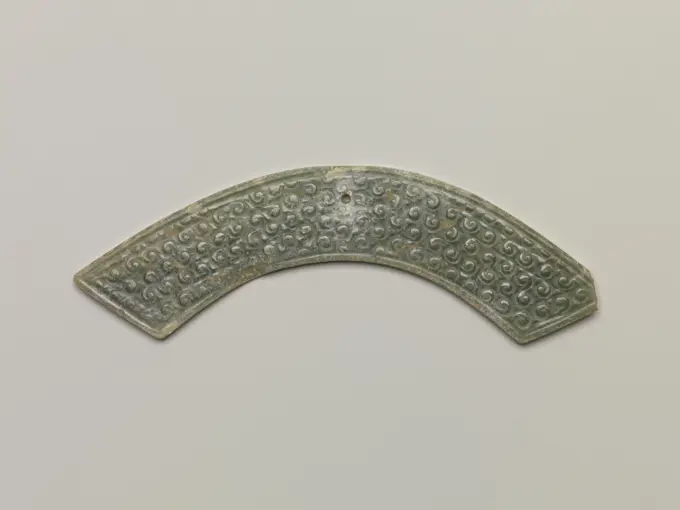
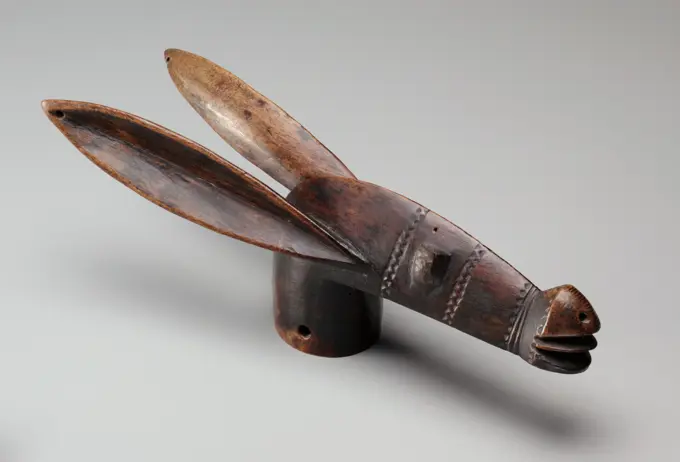
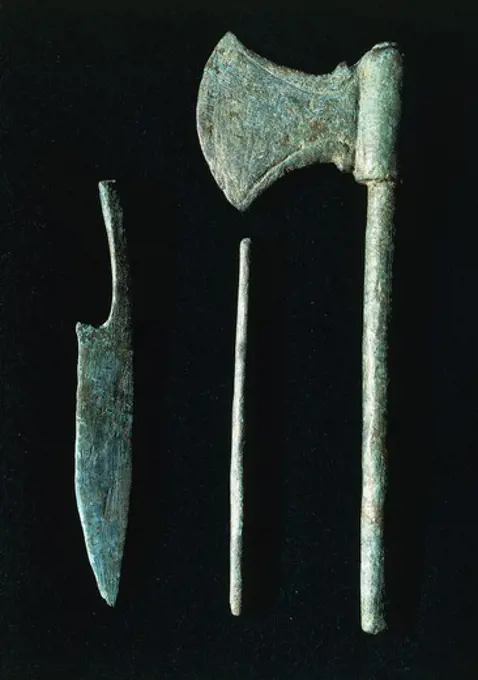
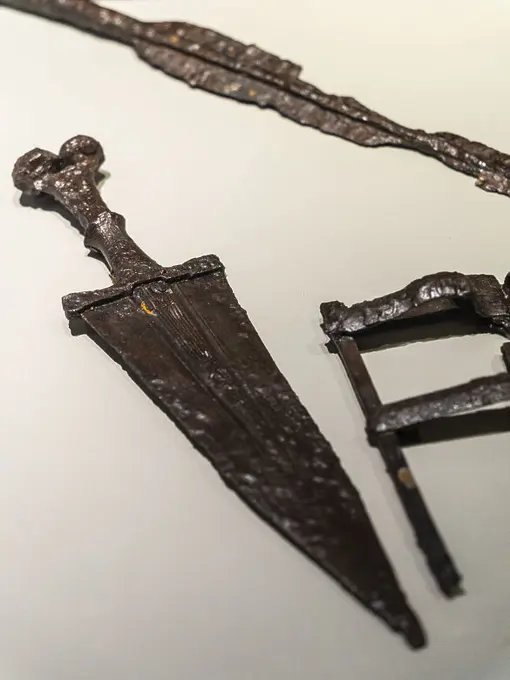
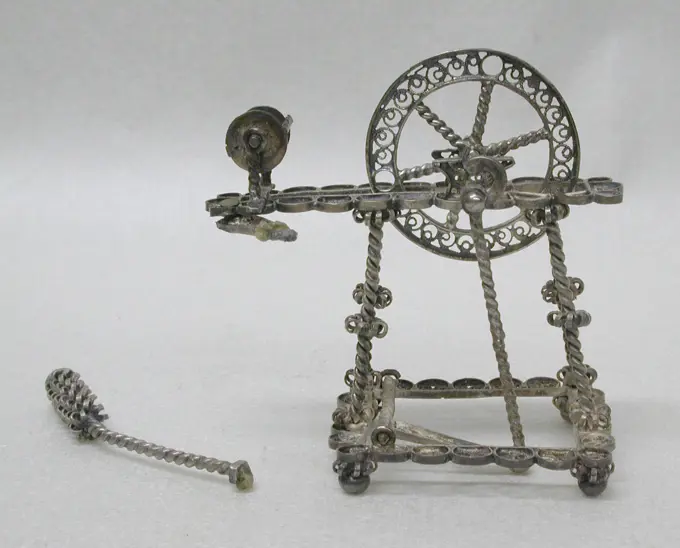
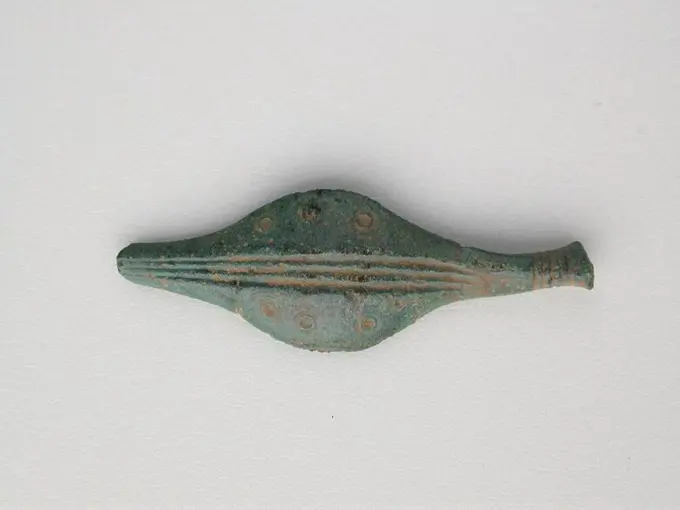
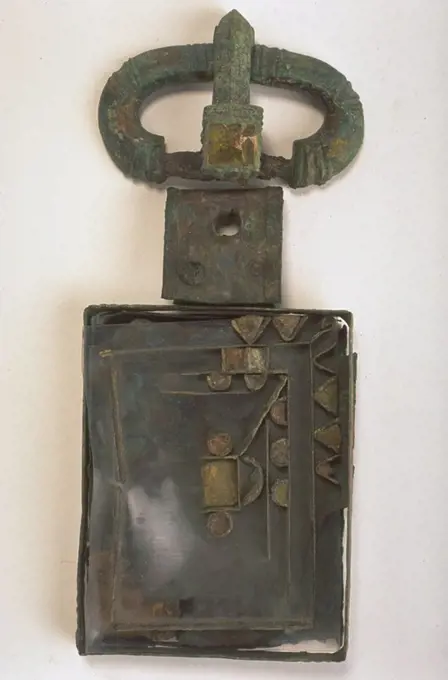
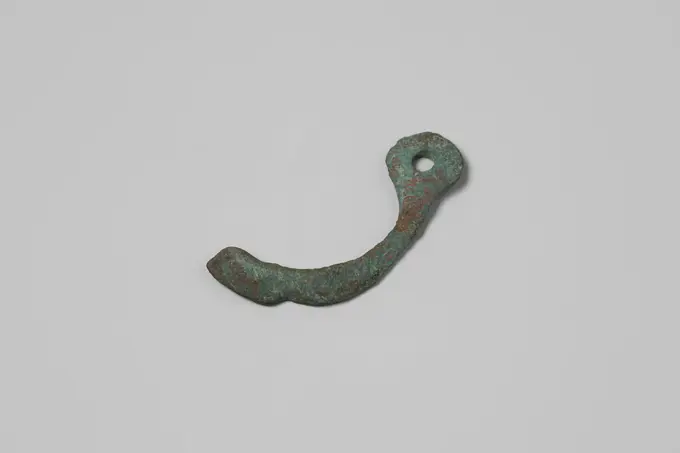
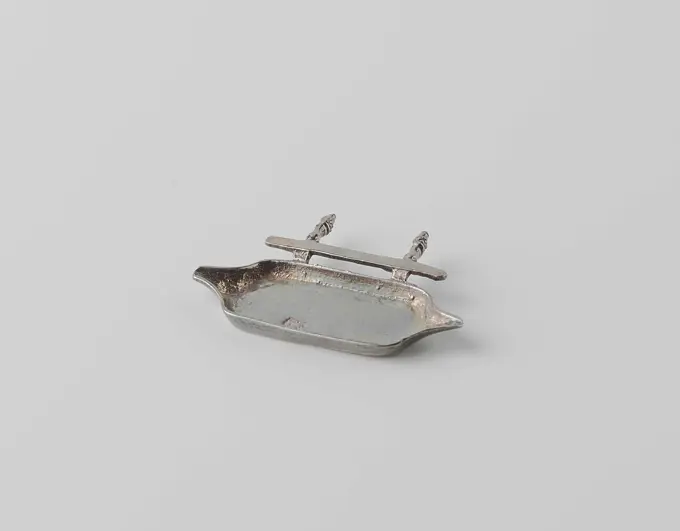
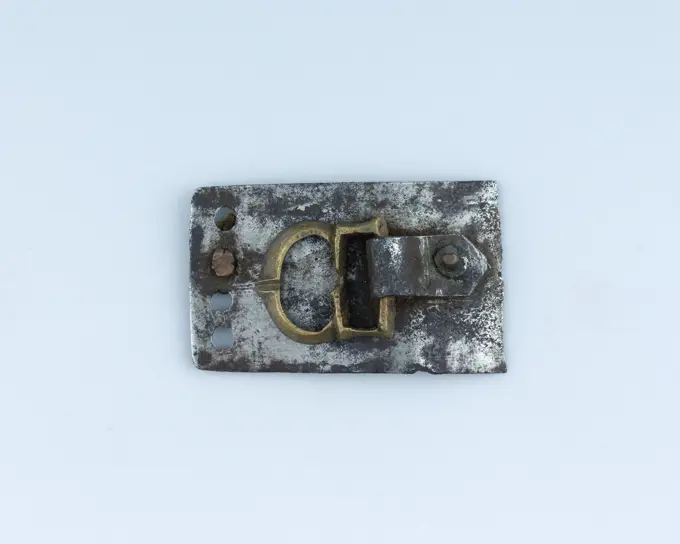
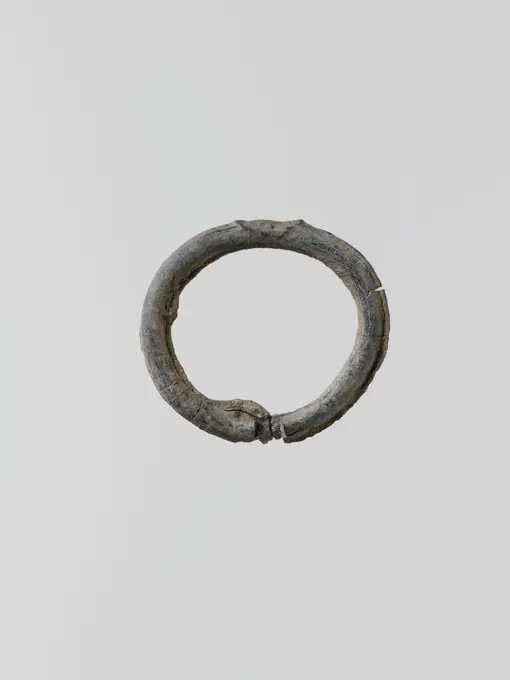
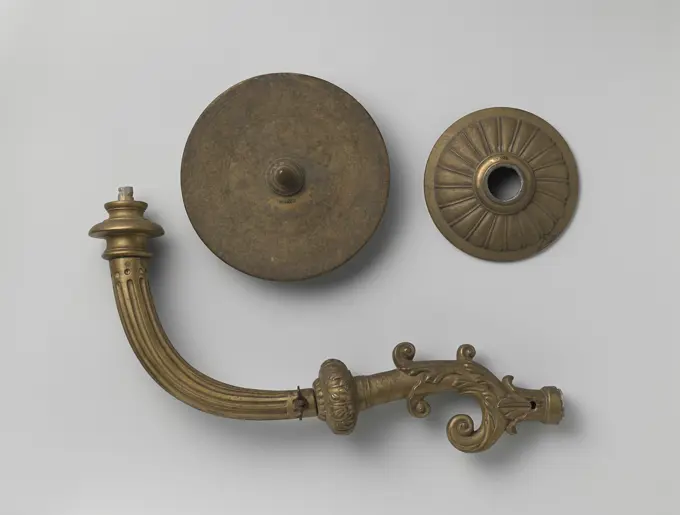
Vessel holder.; Unknown Roman workshop; I-II century (1-00-00-200-00-00);Hals with cork of a wine bottle from the wreck of the East Indians Hollandia, Anonymous, 1700 - in or before 1743  Wine bottle, continental production, neck, onion-shaped bottle or bottle with vertical side; eroded, vs-string rim, with cork Netherlands cork (bark)   SecondKey, Steel, France, 17th century, metalwork, Decorative Arts, KeyKey, c. 1400 - c. 1950 Key of which the handle consists of two S-Voluten, an oval and which are crowned together by a crossbar on which two small S-volutes cut tilted together and wear a final piece with point. The handle rests on a Doric capital under which there is a round capital with vertical grooved lines.  iron (metal) Key of which the handle consists of two S-Voluten, an oval and which are crowned together by a crossbar on which two small S-volutes cut tilted together and wear a final piece with point. The handle rests on a Doric capital under which there is a round capital with vertical grooved lines.  iron (metal)Hook out of the wreck of the East Indians Hollandia, Anonymous, 1700 - in or before 1743  Haakje. Hook; (1) double wire, looped, with 2 lateral circular fastening-loops at upper end. Netherlands copper (metal)   SecondTaught. Two ibexes faced. LURISTAN. 1150-900 BC. Paris, Cernuschi museum. 35174-6 Face, Iron Age, Bouquetin, Bronze, Brand, AnimalUnique antique coal iron isolated on white background. Close up. DetailCroatia, Zara, Votive bronze lampHammered Silver Rattle Beaker 8th-mid-16th century Peru; north coast (). Hammered Silver Rattle Beaker 309022Crooked knife -Pump, inscribed 'The Boyer. Chicago Pneumatic Tool Co.', Barstow & Williams, Silver, In the shape of a cylindrical pump, inscribed 'The Boyer' on one side, 'Chicago Pneumatic Tool Co., Chicago, Ill.' inscribed on the opposite side. Upper part or handle opens as lid, hinged on back. Small striker on bottom tip., ca. 1890, containers, Decorative Arts, Matchsafe, MatchsafeFibula Greek, Cypriot. Fibula 244426Key 1st-7th century Roman. Key 462956Metal shackles isolated on the whiteOld iron old rusty iron - free on white background copyright: xzoonar.com/heikexbrauerx 922284Three-armed fragment of a hanging or wall candlestick, anonymous, c. 1750 - c. 1850 An excerpt from an iron hinges or wall candlestick that is made in a whole. The twisted, broken trunk, which runs up in a bend, branches into three twisted arms ending in round candle holders who are curled. West-Europa iron (metal) forging An excerpt from an iron hinges or wall candlestick that is made in a whole. The twisted, broken trunk, which runs up in a bend, branches into three twisted arms ending in round candle holders who are curled. West-Europa iron (metal) forgingMitten Gauntlet for Left Hand with Rondel (Manifer) Italian ca. 1480-1500 View more. Mitten Gauntlet for Left Hand with Rondel (Manifer). Italian. ca. 1480-1500. Steel. Armor Parts-GauntletsHorse Trapping. Culture: Catalan. Dimensions: Overall: 1 1/8 x 1 7/8in. (2.9 x 4.8cm). Date: 14th-15th century. Museum: Metropolitan Museum of Art, New York, USA.Bronze disc-type fibula (safety pin) 9th-8th century B.C. Italic Serpentine type fibulae, with their distinctive coiled bows, are found mostly with male burials and are common throughout Italy.. Bronze disc-type fibula (safety pin) 251257 Italic, Bronze disc-type fibula (safety pin), 9th8th century B.C., Bronze, length 4 5/8in. (11.8cm). The Metropolitan Museum of Art, New York. Rogers Fund, 1922 (22.139.85)A large, old, rusty keyArched Fibulae (1 of 2), 725-675 BC. Asia Minor, Phrygia, late 8th-early 7th Century BC. Bronze; overall: 6 x 7.5 cm (2 3/8 x 2 15/16 in.). Dated to the time of King Midas, these fibulae may have been a matched pair. The type was popular and has been found throughout Anatolia and in Greece. In the 5th century BC the Greek historian Herodotus wrote that the Phrygian king Midas reigned in the late 8th century BC, and dedicated a throne to the oracle at Delphi. This is the earliest historical reference to the Phrygians, a name given them by the ancient Greeks. The passage in Herodotus, taken together with archaeological finds in the Ionian Greek city states and on the Greek mainland, shows that Phrygians and Greeks enjoyed close relations in the late 8th to early 7th century BC.Pipe key, c. 1400 - c. 1950 Pipe key, so -called "bishop's key", of which the flat diamond -shaped grip shows various forms of cut -outs.  bronze (metal) Pipe key, so -called "bishop's key", of which the flat diamond -shaped grip shows various forms of cut -outs.  bronze (metal)Bronze Mount from a "Shawabty Bundle": Pair of Arms, c. 1336-1256 BC. Egypt, Thebes, Wadi Qubbanet el-Qirud, New Kingdom, Late Dynasty 18 or early Dynasty 19. Bronze with traces of gilding;old key isolated on white backgroundBell 1st century A.D. () probably Roman. Bell 502509The Amsterdam apothecary and art collector Emmanuel Vita Israël. He donated his collection, comprising keys dating from Roman antiquity to the 19th century, to the Koninklijk Oudheidkundig Genootschap (Royal Antiquarian Society) in 1937. Vita Israël claimed that his key collection had grown more or less by accident: being one of the few collectors of keys, dealers automatically made their way to him.Buckle ca. 100 B.C.-ca. 500 A.D. Ibero-Roman. Buckle. Ibero-Roman. ca. 100 B.C.-ca. 500 A.D.. Bronze. Miscellaneous-Buckles & OrnamentKey, c. 1400 - c. 1950 Key with decorated ring.  iron (metal) Key with decorated ring.  iron (metal)CULTURA DE LOS CASTROS - BRAZALETE CELTA PROCEDENTE DEL CASTRO DE COAÑA. Location: MUSEO ARQUEOLOGICO-COLECCION. Oviedo. ASTURIAS. SPAIN.Foot Scraper 1750-75. Foot Scraper. 1750-75. Wrought ironRail of steel, anonymous, 1825 - 1832  Steel track with buckle, straight neck with a large toothed wheel. Netherlands steel (alloy)Silver bracelet ending in snake's heads. Culture: Greek. Dimensions: Diam.: 3 3/4 in. (9.5 cm). Date: 5th century B.C..The flattened ends are incised with lines representing stylized snakes' heads. Museum: Metropolitan Museum of Art, New York, USA.Eikhout cash box for church service, Anonymous, 1700 Oak cash box for the church service, collection tray, on which a short handle of nuthout () And a Blaker. On the standing plank behind the Blaker, a bust of Peter is sculpted in low relief. At the front is: "to maintain the = Godts". Northern Netherlands (possibly)Netherlands (possibly) wood (plant material). oak (wood). walnut (hardwood) Oak cash box for the church service, collection tray, on which a short handle of nuthout () And a Blaker. On the standing plank behind the Blaker, a bust of Peter is sculpted in low relief. At the front is: "to maintain the = Godts". Northern Netherlands (possibly)Netherlands (possibly) wood (plant material). oak (wood). walnut (hardwood)Key Handle 1st-7th century Roman. Key Handle 462903Fish hook Japan These implementsan arrowhead, fishhooks, needle, and harpoonwere skillfully carved from bone, a material worked by Japanese artisans since Paleolithic times. They were found in the Obara Shell Mound at Ofunato Bay in Iwate Prefecture. According to information gleaned from shell mounds, or middens, the people of the Jomon period relied on a variety of strategies to obtain food. The large number of fishhooks, fashioned with and without barbs, together with the rich array of marine remains found in these rubbish heaps since very early times indicate that some fifty species of fish and shellfish constituted an essential dietary staple. Toggle-head harpoons, a later innovation, facilitated the hunting of sea mammals. Attaching a line to the toggle allowed the hunter to draw in his prey once the toggle had broken away from the harpoon shaft. Further evidence gathered from these refuse dumps suggests that the Jomon people also relied heavily on nuts, collected most actively Statuette of a Male Figure. Italian, Umbria. Date: 499 BC-400 BC. Dimensions: 7 × 2.5 × .5 cm (2 3/4 × 1 × 3/16 in.). Bronze. Origin: Umbria. Museum: The Chicago Art Institute, Chicago, USA.Roman belt buckle made of bronze from the Archaeological site of Complutum in Alcalá de Henares ( Madrid ). SPAIN.Duckling Krakowiaki. Patron for the polychrome of the House of the Medical Society in Krakow Wyspiały, Stanis Aw (1869 1907)Sliding key, c. 1400 - c. 1950 Sliding key with ring -shaped eye and wide key cabinet. Rome bronze (metal) Sliding key with ring -shaped eye and wide key cabinet. Rome bronze (metal)Pin from the wreck of the East Indiesman Hollandia. Tools and Instruments, Sewing and Sailmaking, PIN; Fragm or Shaft with Blade-Mount, 3 Rivet-Holes, ID. NG 1980-27H3265L.Dagger-Axe with Abstract Decoration Dian. , 5th century B.C.E.-early 1st century C.E. Bronze, 10 1/4 x 3 in. (26.0 x 7.6 cm).   Asian Art 5th century B.C.E.-early 1st century C.E.Ceremonial Knife (Tumi) before 16th century Peruvian. Ceremonial Knife (Tumi) 315346Sword Guard (Tsuba) late 18th-early 19th century Japanese A tsuba is a sword guard and part of a sword mounting. It is mounted between the swords blade and grip to protect the users hands.. Sword Guard (Tsuba) 25965Key (Spain); iron ; 2.5x5.5x13.2 cmGRILLETE.Mirror with Papyriform Handle. Egypt, Early New Kingdom, 1550-1070 B.C.. Tools and Equipment. BronzeHACHAS DE TALON Y ANILLAS ERA DEL BRONCE. Location: MUSEO ARQUEOLOGICO-COLECCION. Oviedo. ASTURIAS. SPAIN.Bronze Age armring from Hollingbury Hill Barrow. ENGLAND.Belt Fitting 7th century Frankish. Belt Fitting 464803 Frankish, Belt Fitting, 7th century, Iron, silver inlay, Overall: 1 1/16 x 5/8 x 3/8 in. (2.7 x 1.6 x 1 cm). The Metropolitan Museum of Art, New York. Gift of J. Pierpont Morgan, 1917 (17.191.114)Combat ax, stuffer; Unknown, unknown Middle East workshop, unknown Lurista workshop; 2. PO. 3. thous. BC (-2500-00-00--2001-00-00), 1. PO. 2 thousand BC ; the period of the family (-2000-00-00-00-1501-00-00), 2. PO. 2. thous. BC (-1500-00-00--1001-00-00);Dziewanowski, Władysław (1822-1961), Dziewanowski, Władysław (1882-1961), Donor, Jarnuszkiewicz, Czesław (1888-1988), Jarnuszkiewicz, Czesław (1888-1988)-collection, Polish Army Museum, weapon, weapon, Kolfatta weapons, Brązy Luristanie, PYDziaki, central bronze period (approx. 2000-OK. 1500 BC), geometric ornament, axes, purchase (provenance)War axes of the Second Iron Age. From Pruneda, Requejo and Coru-a del Conde. Iron Age. Metals. SPAIN. MADRID (AUTONOMOUS COMMUNITY). Madrid. National Museum of Archaeology.Luckenbooth brooch -Portable writing set 19th century Indonesia. Portable writing set 37535Bronze handle of a bowl or basin late 6th-early 5th century B.C. Greek The handle would have been attached to the kind of bowl that is depicted in the representation of Theseus killing Skiron (41.162.101).. Bronze handle of a bowl or basin 254548 Greek, Bronze handle of a bowl or basin, late 6thearly 5th century B.C., Bronze, Other: 6 3/16 in. (15.7 cm). The Metropolitan Museum of Art, New York. Gift of Mr. and Mrs. Henri Seyrig, 1946 (46.12)Stone Temple Model 1st-8th century Mezcala. Stone Temple Model 317518Hoop-Shaped Brooch second half 2nd century Roman. Hoop-Shaped Brooch 464804 Roman, Hoop-Shaped Brooch, second half 2nd century, Copper Alloy, Overall: 1 13/16 x 3/8 x 1/2 in. (4.6 x 1 x 1.2 cm). The Metropolitan Museum of Art, New York. Gift of J. Pierpont Morgan, 1917 (17.191.115)Goldweight Cannon, 19th-20th century, 1 1/4 x 7/8 x 1 3/4 in. (3.18 x 2.22 x 4.45 cm), Brass, Ghana, 19th-20th centuryGlass bracelet ca. 2nd-4th century A.D. Roman Translucent cobalt blue, appearing black.Circular band; circular in section, thicker at center and tapering towards ends; ends of rod pressed together, one over the other; pontil scar on opposite side of band.Intact; dulling and iridescent weathering.. Glass bracelet. Roman. ca. 2nd-4th century A.D.. Glass; drawn and tooled. Imperial. GlassAmulet of a Headrest 664 BCE-332 BCE Egypt. Hematite . Ancient EgyptianProduct shot of antique rusty keys.Amulet of a Headrest 664 BCE-332 BCE Egypt. Hematite . Ancient EgyptianArc-shaped pendant (Huang) 5th century B.C. China. Arc-shaped pendant (Huang) 75282Head of a Hobbyhorse (korèdugaso), late 1800s-early 1900s. Africa, West Africa, Mali, Bamana blacksmith. Wood and iron; overall: 40.7 cm (16 in.).Mordant 15th-17th century European. Mordant. European. 15th-17th century. Bronze. Miscellaneous-Buckles & Ornamentdouble spring brooch, Iberian culture, Valladolid Museum - Provincial Museum of Antiquities, Autonomous Community of Castile and Leon, Spain.Bracelet 3rd-12th century. Bracelet 444944Prehistory, Italy. Weapons. From Bolsena, province of Viterbo.dagger with atrophied antennae and decorated sheath, 1st century BC, princely chamber from the necropolis of Piquia, Arjona, Iberian Museum of Jaén, Andalusia, Spain.Attachment. UnknownFibula. UnknownMiniature spinning wheel (part of a set) 1675-1700 Southern German Part of set of silver miniature furniture, 31.37.1-.22, and a box, 31.37.23.. Miniature spinning wheel (part of a set) 196822Fibula (leech type). Greek; Thessaly. Date: 800 BC-700 BC. Dimensions: 2.3 × 6.4 × 0.5 cm (7/8 × 2 1/2 × 1/4 in.). Bronze. Origin: Thessaly. Museum: The Chicago Art Institute, Chicago, USA. Author: ANCIENT GREEK.Fragment of ceramic insulator destroyed by exposure to short-circuit current. isolated on white backgroundBROCHE DE CINTURON. VISIGODO.(DEPOSITO: MUSEO ARQUEOLOGICO NACIONAL).Bucksaw. Dated: 1938. Dimensions: overall: 30.6 x 40.9 cm (12 1/16 x 16 1/8 in.). Medium: watercolor, graphite, and pen and ink on paperboard. Museum: National Gallery of Art, Washington DC. Author: Henry Waldeck.6th century golden sword hilt, from Nocera Umbra, Italy. Goldsmith's art, Longobard civilization.Fragment tobacco pipe. Fragment tobacco pipe with a crown and letters I v s and n pictured. Of the excavations at the Hofstede Arentsburg 1827-1831 under the supervision of professor Reuvens.Metal shackles isolated on the whiteBlack chain isolated against a white backgroundFragment Sampler from the wreck of the East Indieschief Hollandia. Divider; Fragment, Semicircular Ring, ID. NG 1980-27H1669, eroded.Key To Success With Red Bow isolated on blue backgroundPan with two handles and two spouts. Pan of silver, rectangular, with two handles and two spouts.Fragment Copper Steel from the wreck of the East Indians Hollandia, Anonymous, 1700 - in Or Before 1743  Varied parts or fragments, shafts; fragm, cylindrical, straight ends, ribbed, flattened knop in centre, one end with vertical slit, broken off. Netherlands copper (metal)   SecondScarier, c. 1400 - c. 1950   iron (metal)   iron (metal)Buckle 15th-17th century European. Buckle. European. 15th-17th century. Brass, steel plate, copper. Miscellaneous-Buckles & OrnamentKaichiliambu (vessel rattles) 19th century Indian Handheld bronze rattles are used in south India by Sahus (holy men) and in Mariamman temples. Similar ones occur in a secular context.. Kaichiliambu (vessel rattles) 504217Lead ring 6th-5th century B.C. Greek, Laconian Small flat votive figurines of cast lead have been found in great quantities at the ancient sanctuaries of Laconia; over one hundred thousand, dating from the seventh century B.C. to the Classical period, were dedicated to the goddess Artemis Orthia in Sparta.. Lead ring. Greek, Laconian. 6th-5th century B.C.. Lead. Archaic. Miscellaneous-LeadWall plate from light arm. Wall plate light arm of brass.JOYAS DE ORO DE EPOCA CALIFAL FECHADAS ENTRE FINALES DEL SIGLO X Y PRINCIPIOS DEL SIGLO XI - TESORO DE GARRUCHA O LOJA. Location: INSTITUTO VALENCIA DE DON JUAN-COLECCION. MADRID. SPAIN.Old water valve, isolated on white background Old water valve, isolated on white background Copyright: xZoonar.com/OleksandrxKostiuchenkox 8898789Old Iron Old metal iron on isolated studio white background Copyright: xZoonar.com/AndreyxSkatx 16439075Wings for voluntary hunter, ca. 1830-1831., C. 1830 - c. 1831  Wings of green wool with brown cotton laces, on which green Lakense shoulder patch, which is yellowed yellow. To confirm this to the shoulders of the skirt. Netherlands wool. cloth. metal   NetherlandsSet of old keys, isolated on white background Set of old keys, isolated on white background Copyright: xZoonar.com/OleksandrxKostiuchenkox 9750039. The Amsterdam apothecary and art collector Emmanuel Vita Israël. He donated his collection, comprising keys dating from Roman antiquity to the 19th century, to the Koninklijk Oudheidkundig Genootschap (Royal Antiquarian Society) in 1937. Vita Israël claimed that his key collection had grown more or less by accident: being one of the few collectors of keys, dealers automatically made their way to him.Hammered Silver Mirror Back () 11th-mid-16th century Peru; north or central coast (). Hammered Silver Mirror Back () 309203Tangent Sight, anonymous, c. 1845 - c. 1858 demonstration model. test model Intent or target that is mounted against the back of the closure of the closure or lock support; It follows that it was only usable for guns with a final support excellent outside the highest jewelry tape. The bracket of the setup fits around the rear end of the final support and is secured with a locking pin through the lock support. The set -up rod can move vertically back and forth, with different scales for different ammunition or cargo on each of the four sides. It can also be set horizontally. The visor on top is pyramid -shaped with grooves through the top. Scale 1: 1. Netherlands iron (metal). brass (alloy)MoldingInfant for a knife of wood and batter of tin and inscription. Wooden case for a knife, where the blade can be inserted into the sheath. The tin attachment at the top and bottom is decorated with cord motifs and has an impetus at the rear to get a cord through it. The wood is decorated with four pigeons and a caption.Prehistory, Italy, Iron Age. Proto-Villanovan razor.TORQUES CELTA DE ORO. Location: MUSEO PROVINCIAL. LUGO. SPAIN.