Historical Keys Collection

A collection of antique keys from various periods, showcasing detailed designs, unique handles, and different materials, reflecting historical craftsmanship.

39 keys from the collection of Emmanuel Vita Israël, , c. 1400 - c. 1950 Key with palm -shaped handle on heavily grooved key breast. The shaft is four -sided. Rome bronze (metal) Key with palm -shaped handle on heavily grooved key breast. The shaft is four -sided. Rome bronze (metal)
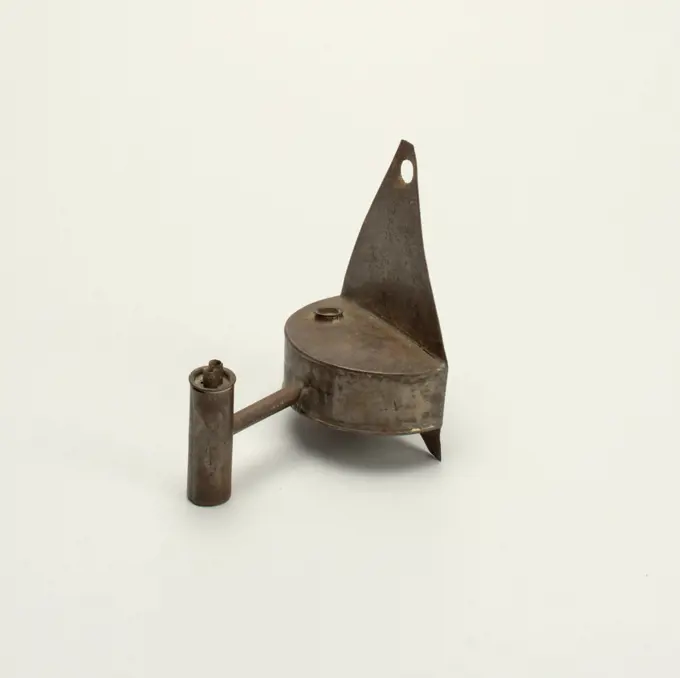
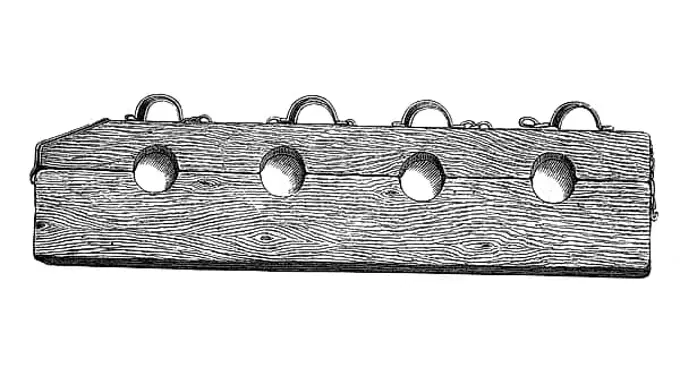
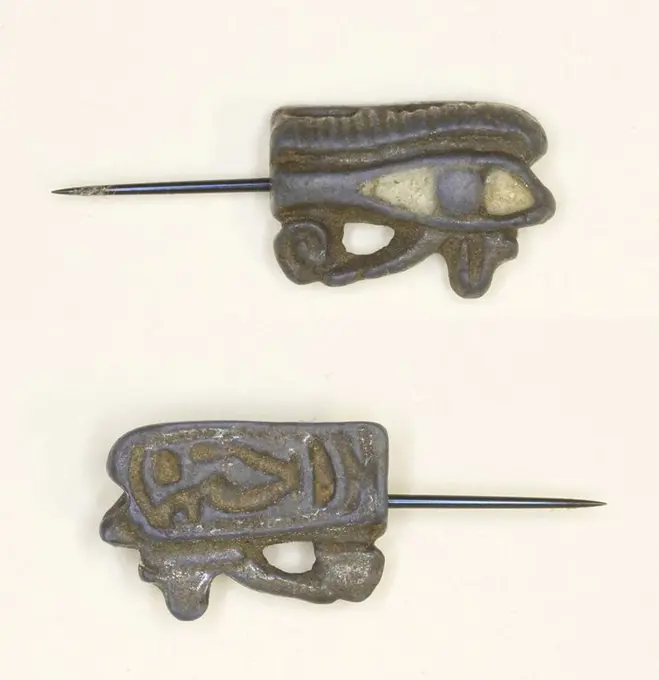
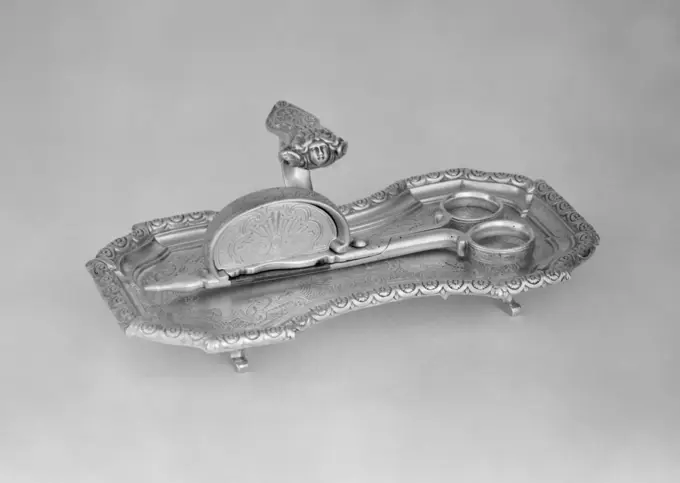
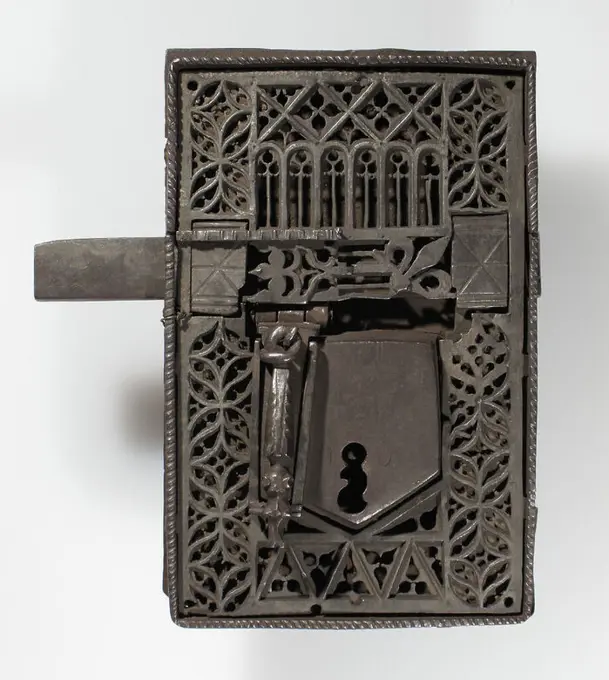
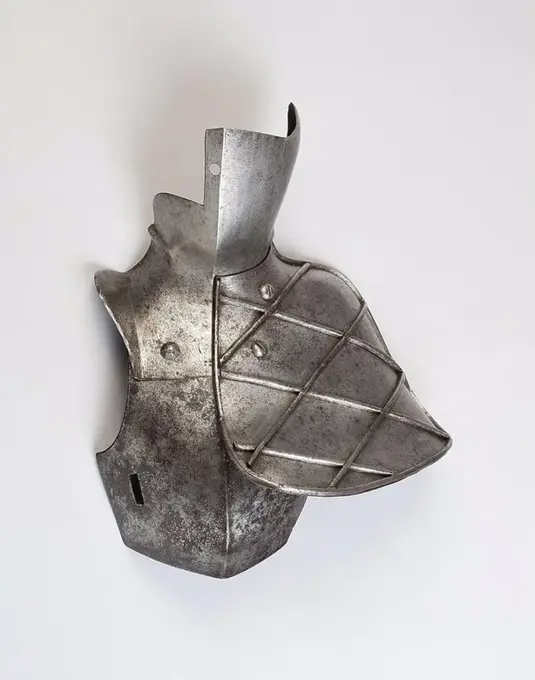
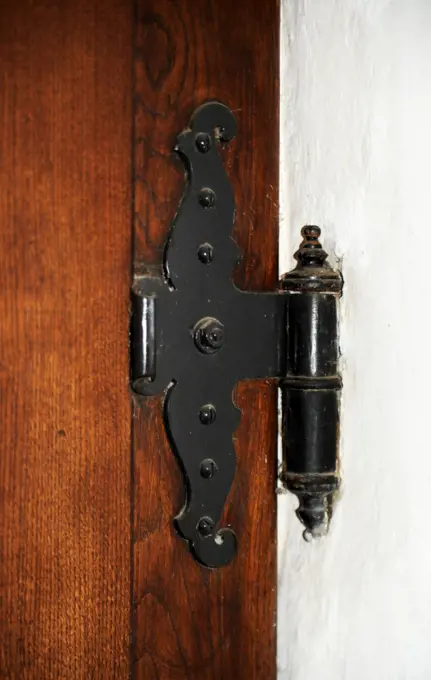
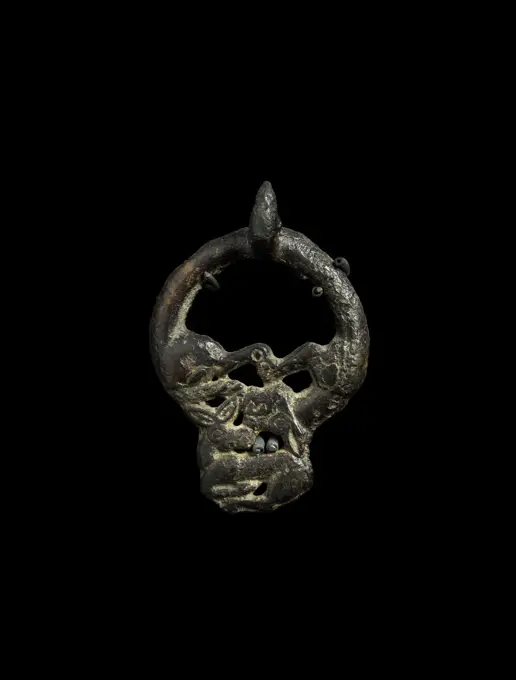
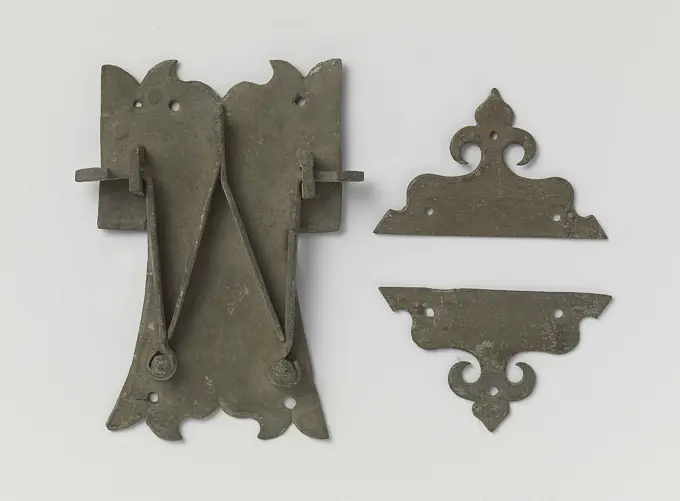
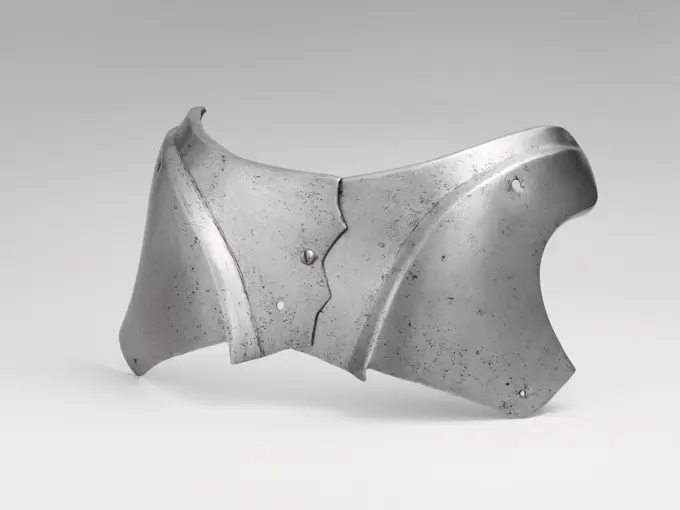
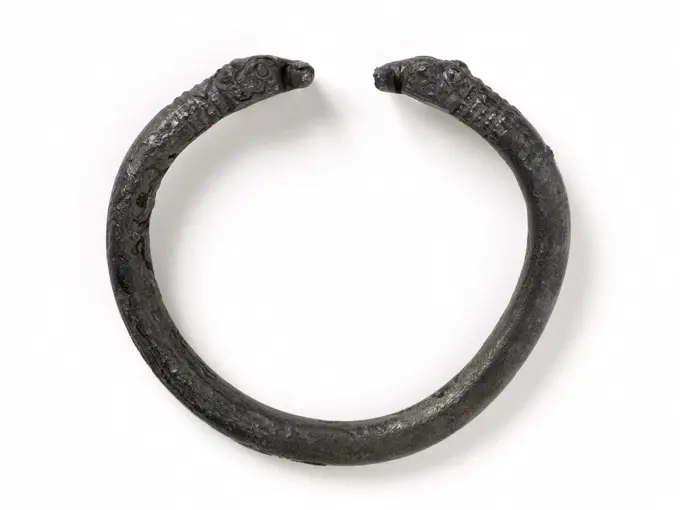
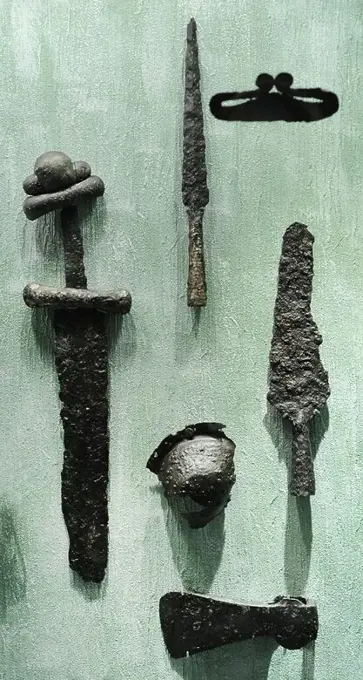
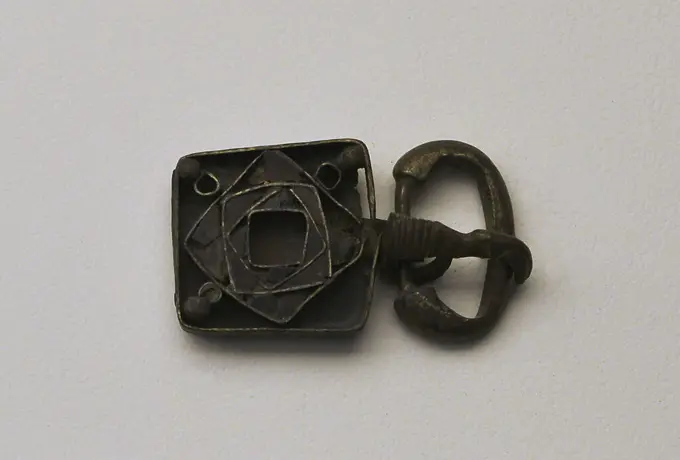
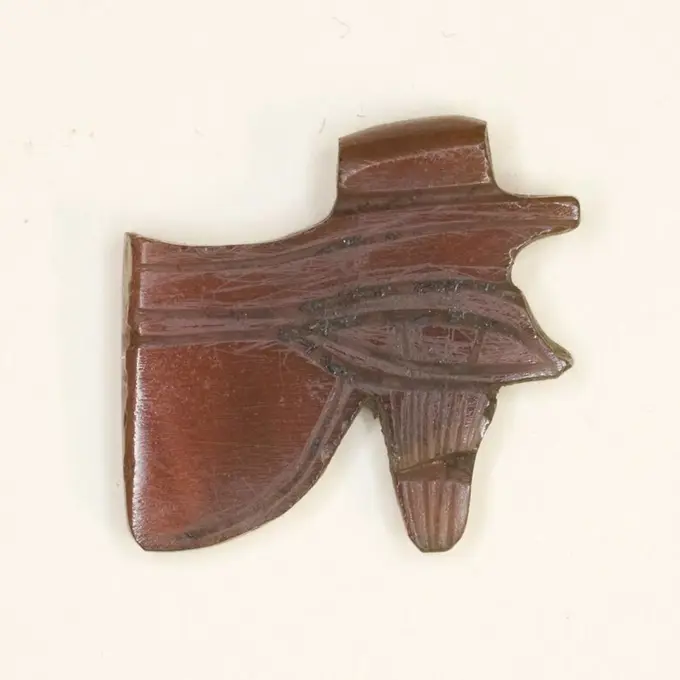
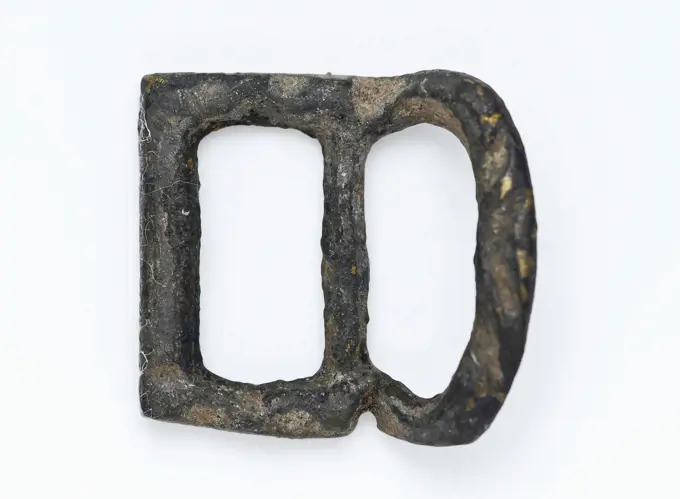
Small metal buckle, decorated frame, rectangular and oval in shape, buckle fastener component ground find copper metal, Combination shape bracket oval and rectangular archeology Rotterdam rail tunnel attachment Soil discovery: rail tunnel Rotterdam.Pilgrim's Badge 14th-16th century French. Pilgrim's Badge. French. 14th-16th century. Lead. Metalwork-LeadNose Ring, 20th Century. Indo-Chinese, made in France. Silver; overall: 9.9 cm (3 7/8 in.).whale oil lamp, Tin, brass, One of a pair of whale oil lamps. Flat semicircular container with brass cup over the filling hole; attached to a triangular piece of tin, arched below and with hole at top; at the front of the container a pipe connecting with upright cylinder which is fitted with two brass tubes and a brass plate. -a and -b are the same., early 19th century, lighting, Decorative Arts, whale oil lampLead wreath of lotus buds 6th-5th century B.C. Greek, Laconian Small flat votive figurines of cast lead have been found in great quantities at the ancient sanctuaries of Laconia; over one hundred thousand, dating from the seventh century B.C. to the Classical period, were dedicated to the goddess Artemis Orthia in Sparta.. Lead wreath of lotus buds 251745 Greek, Laconian, Lead wreath of lotus buds, 6th5th century B.C., Lead, Height: 3/8 in. (0.9 cm). The Metropolitan Museum of Art, New York. Gift of A. J. B. Wace, 1924 (24.195.179)Instrument of torture: The stick - The prisoner had to put his legs through the holes, his arms were pushed through two of the iron hoops. As a result, he was placed in a curved, pain-relieving position, woodcut from 1864Amulet of the Eye of Horus. Egyptian. Date: 1390 BC-1352 BC. Dimensions: 1.4 × 1 × 0.5 cm (9/16 × 3/8 × 3/16 in.). Ceramic. Origin: Egypt. Museum: The Chicago Art Institute, Chicago, USA. Author: Ancient Egyptian.Ear Piece of a Helmet, 1500s. Germany, 16th century. Steel, brass headed rivets; overall: 19.7 x 14.7 cm (7 3/4 x 5 13/16 in.).Hollow Bangle 300 B.C.-A.D. 400 Thailand or Vietnam. Hollow Bangle 53252Ring 3rd-12th century. Ring. 3rd-12th century. Silver. Found Egypt. Jewelryold open end wrenches old vintage retro used open-end wrenches on wooden table Copyright: xZoonar.com/FuroxLxFelixx 7106681Pin from the wreck of the East Indies Hollandia, Anonymous, 1700 - in Or Before 1743  Tools and instruments, sewing and sailmaking, pin; fragm of shaft with blade-mount, 3 rivet-holes, id. NG 1980-27H3265l. Netherlands copper (metal)   SecondHammered Copper Band A.D. 1450-1530 Peruvian. Hammered Copper Band 309090Vintage Key Anklet/Bracelet. Western Iran, circa 1000-650 B.C.. Jewelry and Adornments; bracelets. Bronze, castclose-up view on hanging hook isolated on whiteLead wreath. Culture: Greek, Laconian. Dimensions: Height: 15/16 in. (2.4 cm). Date: 6th-5th century B.C..Small flat votive figurines of cast lead have been found in great quantities at the ancient sanctuaries of Laconia; over one hundred thousand, dating from the seventh century B.C. to the Classical period, were dedicated to the goddess Artemis Orthia in Sparta. Museum: Metropolitan Museum of Art, New York, USA.Snuffers tray with snuffers 1734 Tray by Paul de Lamerie British. Snuffers tray with snuffers 205412Lock. Culture: European. Dimensions: 7 1/4 × 6 1/4 × 3 in. (18.4 × 15.9 × 7.6 cm). Date: 15th-16th century.The decoration of Gothic iron locks and keys was often elaborate and of the highest standard of workmanship. The motifs were frequently drawn from Gothic architecture, reproducing on a miniature scale complicated tracery patterns and even tiny statuettes. A number of these tiny locks were compound, with some of the mechanisms concealed from view, and required two or even three keys used in sequence to open them. It has been suggested that the greatly expanded use of locks on doors, or coffrets and other types of storage chests was a result of the increasing urbanization of life and the new emphasis on material wealth and private ownership which developed in the late Middle Ages. Museum: Metropolitan Museum of Art, New York, USA.LLAVES MATRIMONIALES. (EXPOSICION EL LEGADO CIENTIFICO DE AL-ANDALUS)(DEPOSITO: MUSEO ARQUEOLOGICO NACIONAL).Reinforcing Pieces for Tilt. German, Augsburg. Date: 1560. Dimensions: . Steel. Origin: Augsburg. Museum: The Chicago Art Institute, Chicago, USA.Lock with key, anonymous, 1600 - 1699 A lock with a clover -shaped wrapper. Low Countries (possibly) iron (metal) A lock with a clover -shaped wrapper. Low Countries (possibly) iron (metal)two side of furrier knife two side of furrier s knife isolated on white background Copyright: xZoonar.com/ValeryxVoennyyx 5456598Ojime 19th century Japan. Ojime. Japan. 19th century. Edo period (1615-1868). OjimeWide ring of red copper, ring jewelry clothing accessory clothing soil find copper metal d 0.6, cast Copper ring Red copper. Pretty wide. Smooth walled minimally curled over the outside. Rounded edges archeology Rotterdam rail tunnel wear adorn prosperity status Soil discovery: Railway tunnel 1988-1993.iron hinge of an old wooden doorAgrafe. Orders. Par musée musée malée. 35406-8 Staple, bronze, hetao, meridional Mongolia, ordos, prehistory, prehistoric, animal. A tinned double cut, with two plates.Cantle Plates ca. 1475-1525 possibly Flemish or British This two-piece cantle belongs to a style that appears to have been prevalent in Flanders in the late fifteenth and early sixteenth centuries and in England until the 1540s. Three key features distinguish the cantle plates of this Flemish/English style. First, the sides of the cantle extend forward in a narrow arm forming a sweeping, semicircular arc. Second, the upper edge of the arm is defined by an embossed ledge that falls in a gentle curve toward the bottom center of the cantle. Third, the top and side edges of the cantle plates are turned at a ninety-degree angle to form a strong but simple and well-defined border.Several saddles with cantles of this form are included in the Inventario Iluminado, an illustrated inventory of the personal armory of Emperor Charles V drawn up in Spain between 1544 and 1558, in which they are shown among a large group of older pieces of armor described as having come from Flanders. Some of these Iron lock, anonymous Slot of iron. Belonging to Key BK-NM-9042.  iron (metal) Slot of iron. Belonging to Key BK-NM-9042.  iron (metal)Section of a Hollow Stringer, Millwall Iron Works, c. 1868 ship fitting Diameter of a hollow iron longitudinal bandage, which must strengthen the armor filled with teak. It has the shape of a square omega. An image of a dog has been danced above the inscription. Millwall iron (metal)Candle snout. Candle snooper with curled eyes and profiled handles. The candle snooper has been marked: Mt. = Wessel Jansen and a boar cup.Bronze bracelet Ornamented with eight sets of three round bosses.. Bronze bracelet 256680Annaeau. Iran. End of viie Siecle av. J.-C. Par musée musée malée. 35168-1 Ring, moneyScandinavia. Viking. Male grave-find from Buskerud, Norwey. 10th century. Fire-steel. Spear. Shiel boss, axe. Historical Museum. Oslo. Norway.China, Shanghai, Shanghai Museum, Sword-Shaped Coins of the Warring States Period 475-221 BCFurniture lock Furniture lock Copyright: xZoonar.com/OleksandrxKostiuchenkox 9747020Mordant 15th-17th century European. Mordant. European. 15th-17th century. Bronze, patina. Miscellaneous-Buckles & OrnamentFurniture element ca. 18th century B.C. Old Assyrian Trading Colony. Furniture element 323521Belt buckle, type II. Bronze. From the Visigothic necropolis of El Carpio de Tajo. Grave 216. Province of Toledo, Spain. Museum of Visigoth Councils and Culture. Toledo, Castile-La Mancha, Spain.Horse Muzzle 1540-1560 Germany. Steel .one brown piece of jigsaw puzzle one brown piece of jigsaw puzzle isolated on white background Copyright: xZoonar.com/ValeryxVoennyyx 5843404Amulet of the Eye of Horus. Egyptian. Date: 1550 BC-664 BC. Dimensions: 1.6 × 1.9 × 0.6 cm (5/8 × 3/4 × 1/4 in.). Carnelian. Origin: Egypt. Museum: The Chicago Art Institute, Chicago, USA. Author: Ancient Egyptian.Green military helmet with a variety of scratches along the surface - path includedSilvester und Neujahr, Haarreif mit dem glitzernden Schriftzug Happy New Year und Glücksschwein *** New Year s Eve and New Year, Hairband with the glittering Logo Happy New Year and Lucky pig 1104401067