Historical Knives and Daggers

A collection of ornate knives and daggers from different cultures and centuries, highlighting craftsmanship and intricate designs.

Dagger (Chilanum) 17th century South India. Dagger (Chilanum) 31729
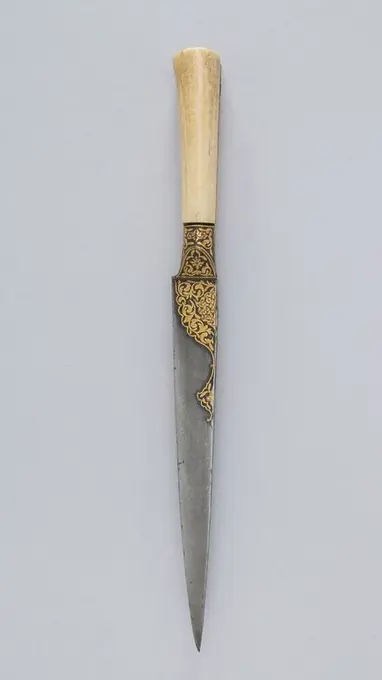
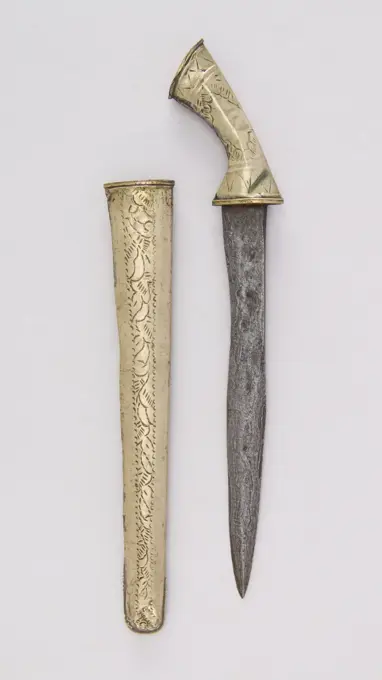
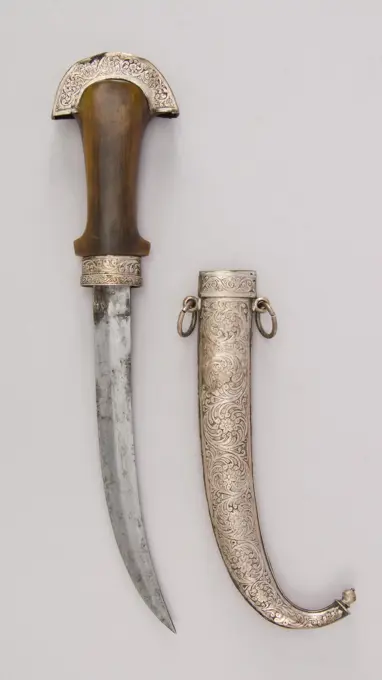
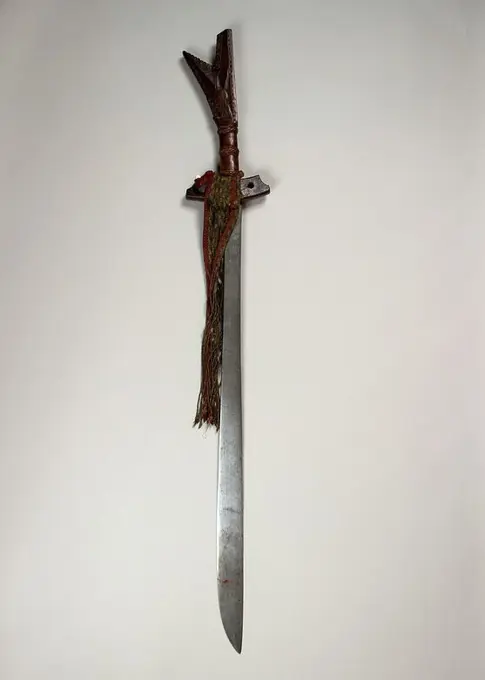
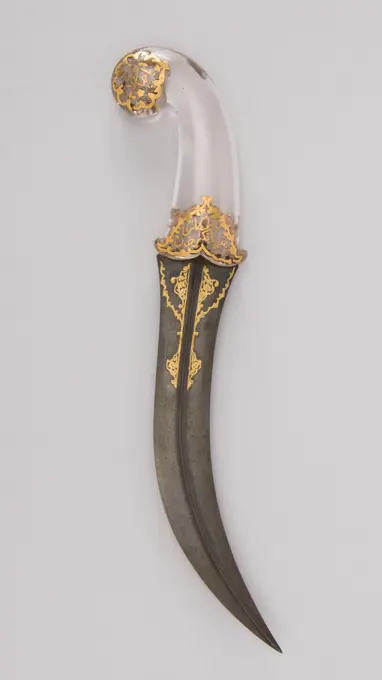
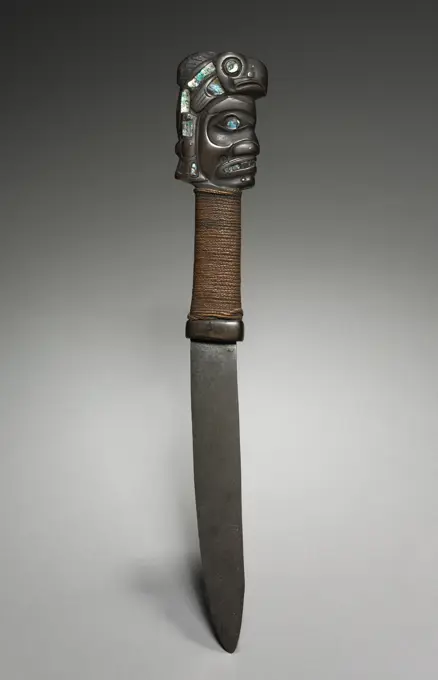
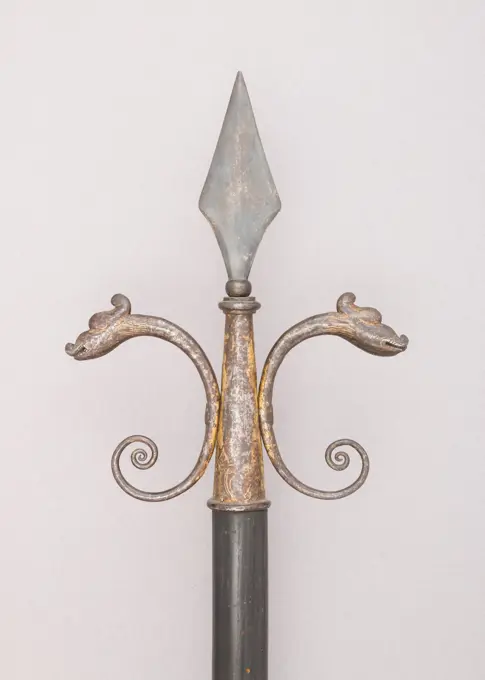
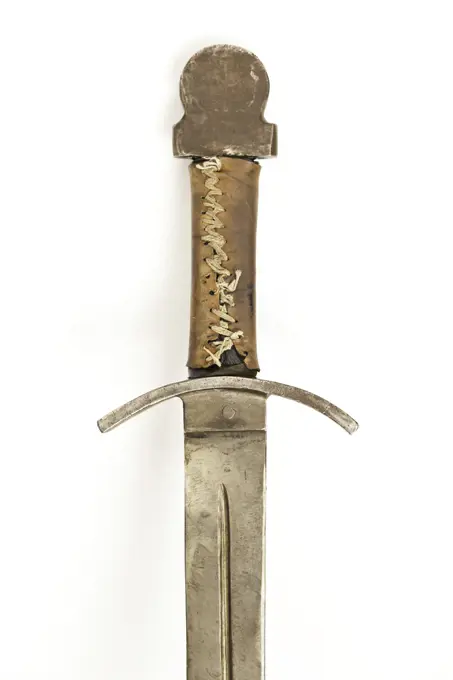
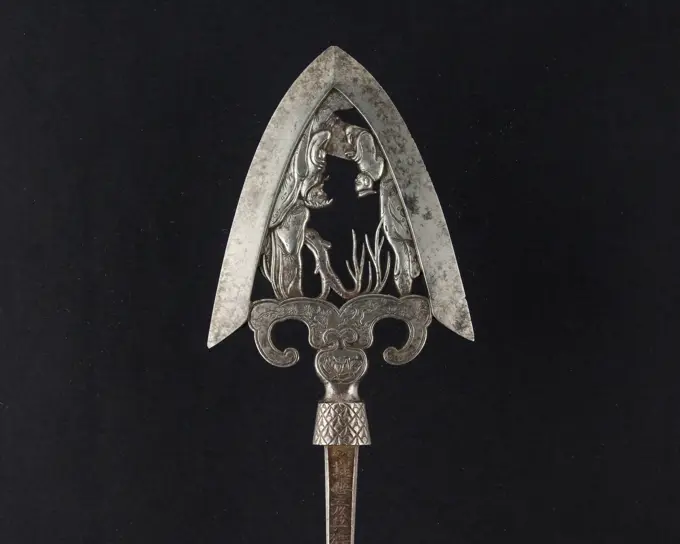
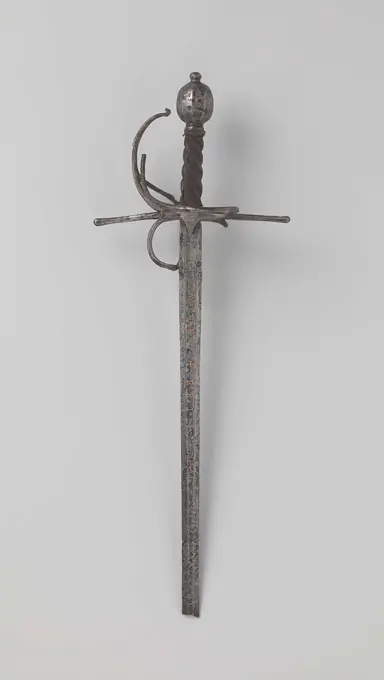
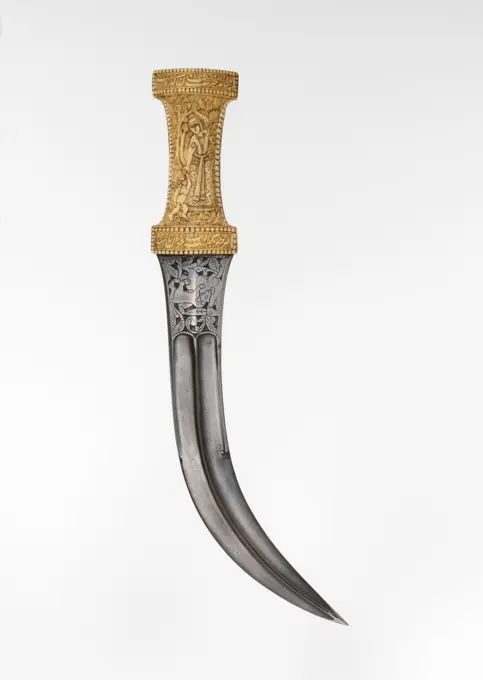
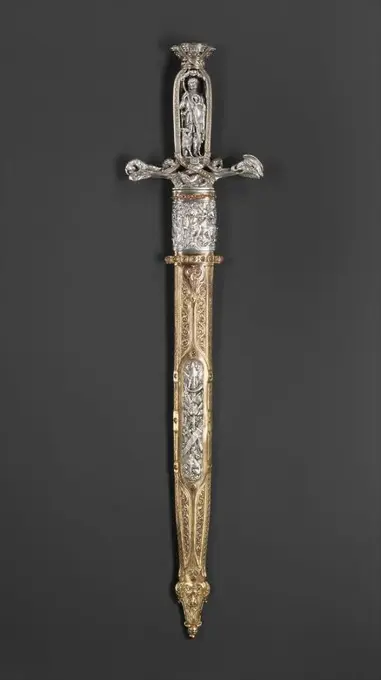
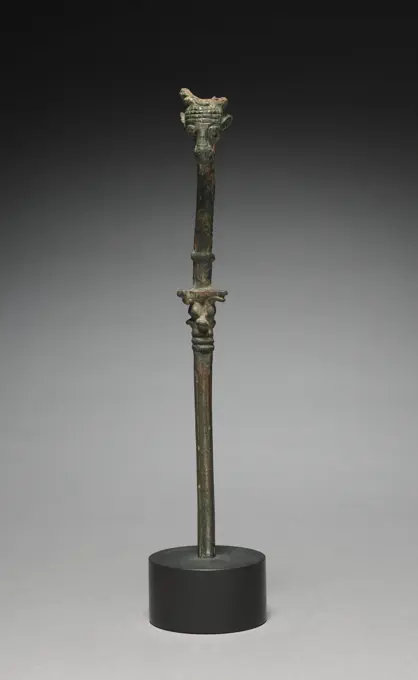
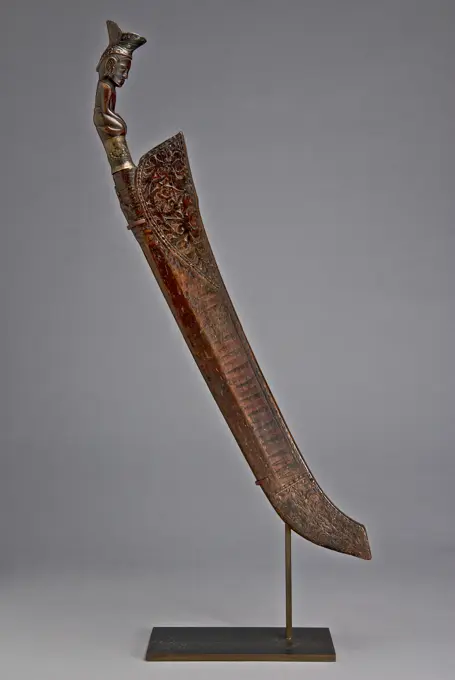
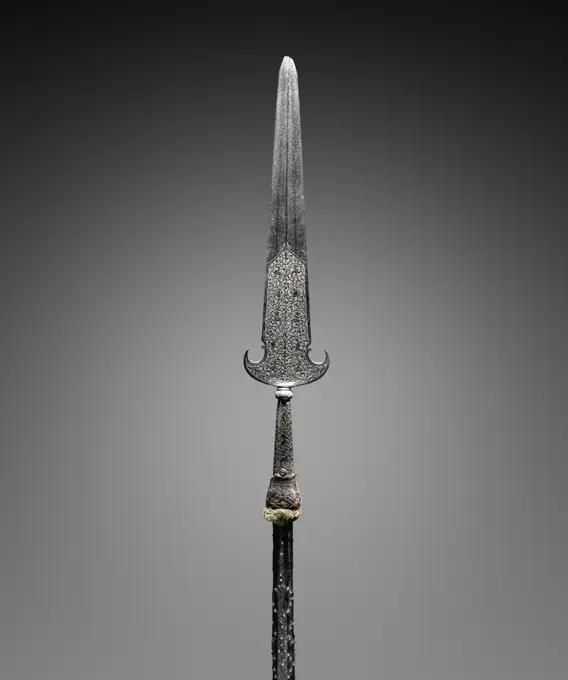
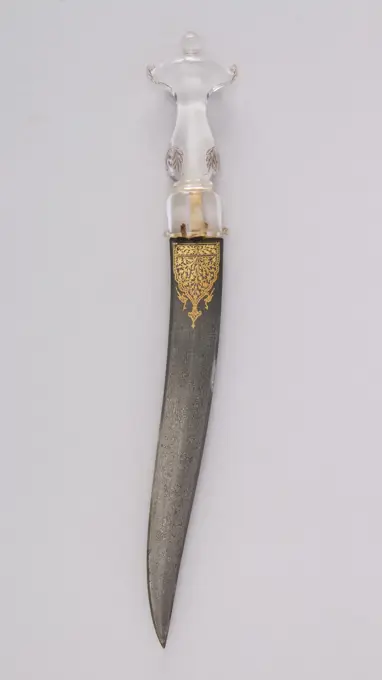
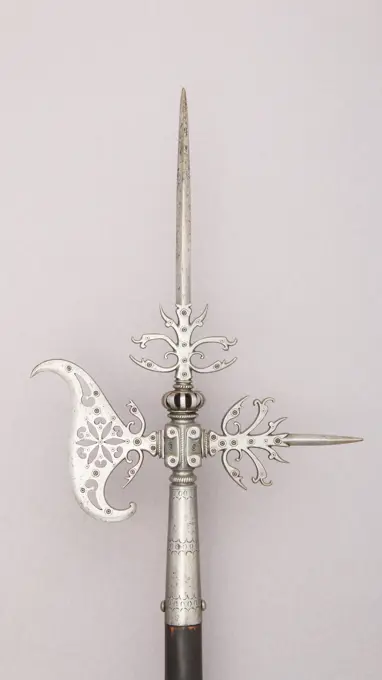
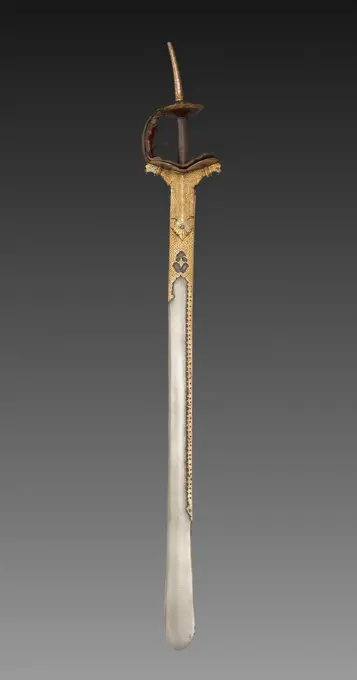
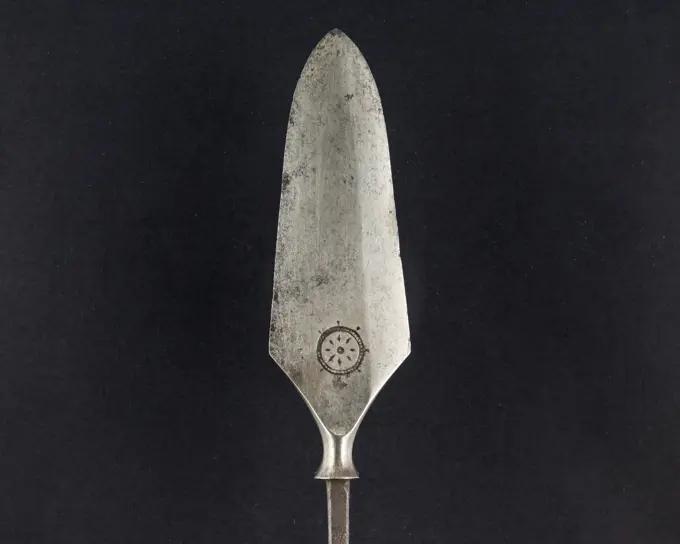
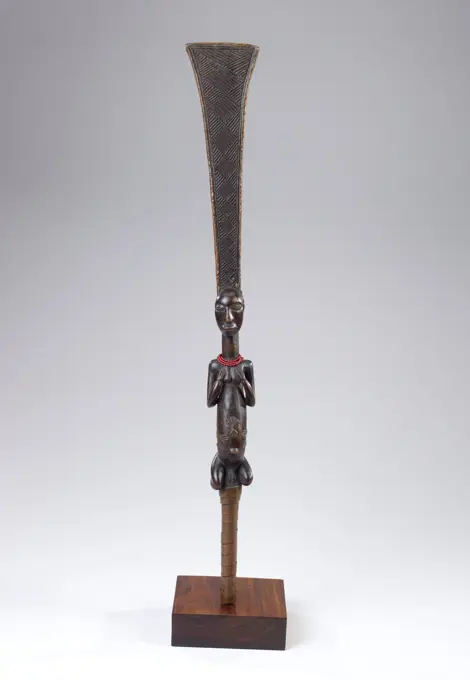
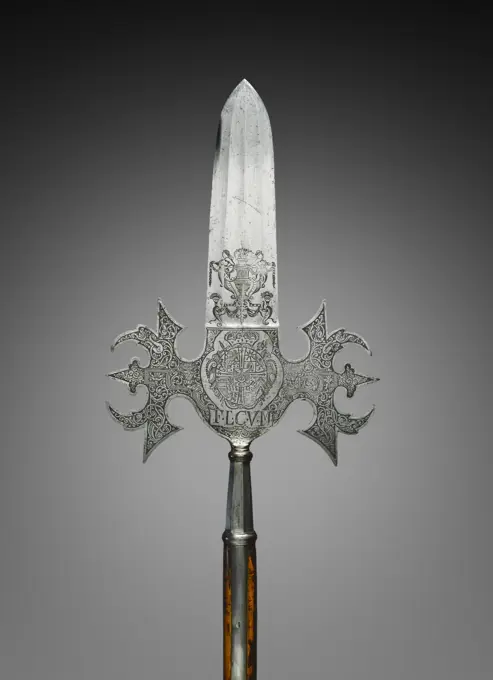
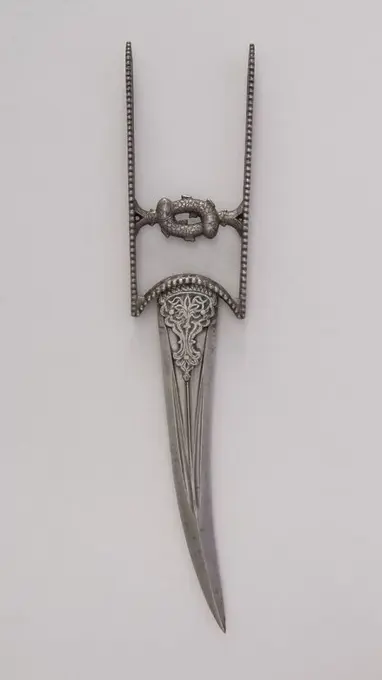
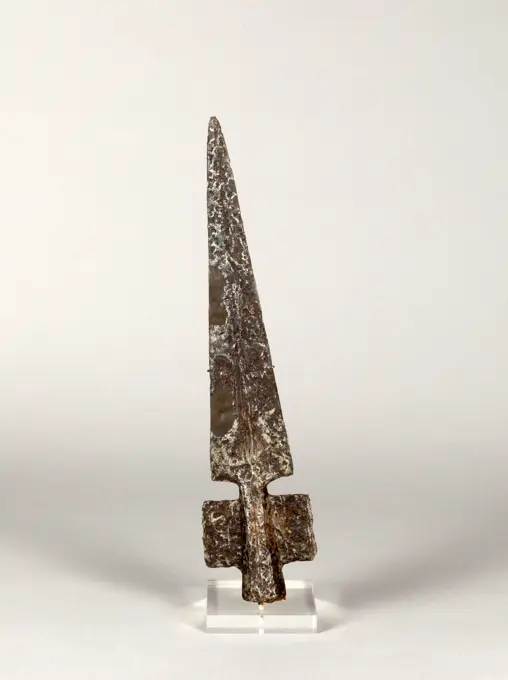
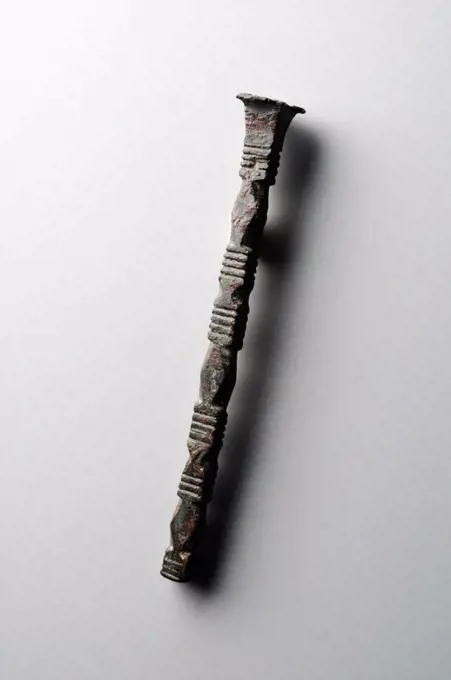
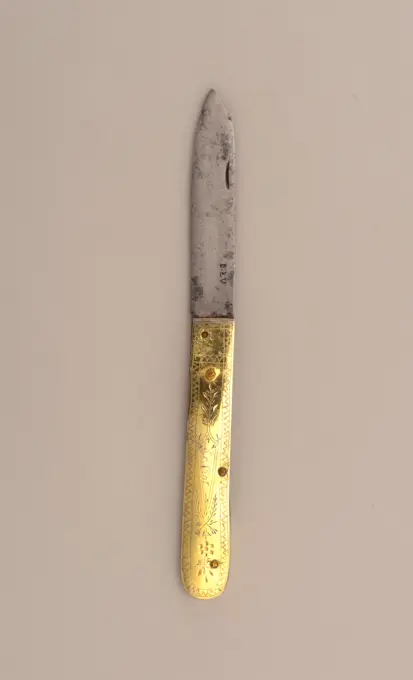
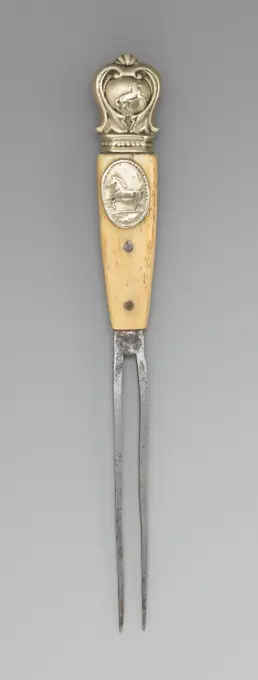
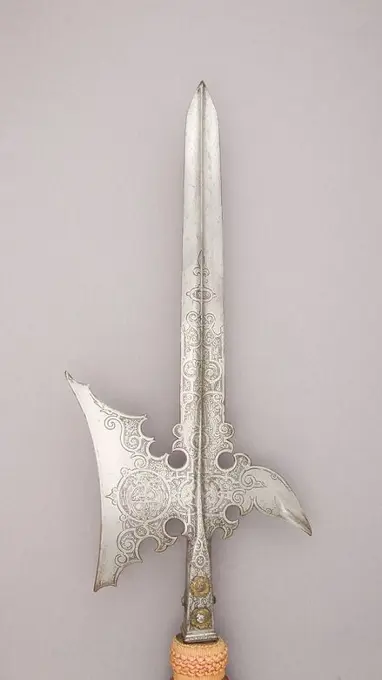
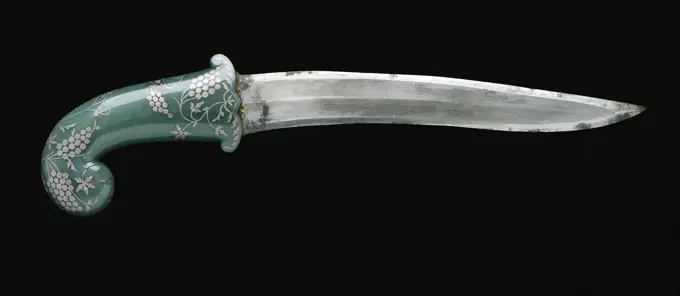
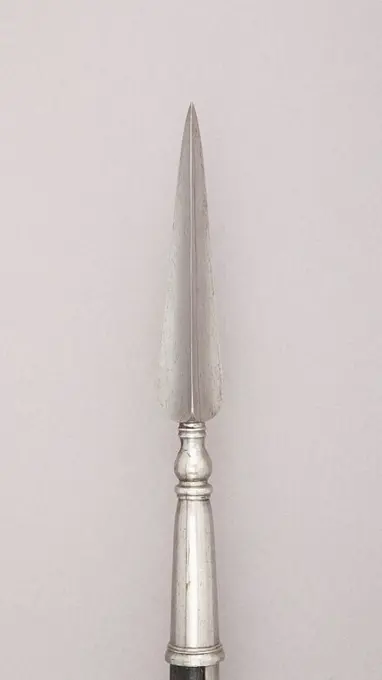
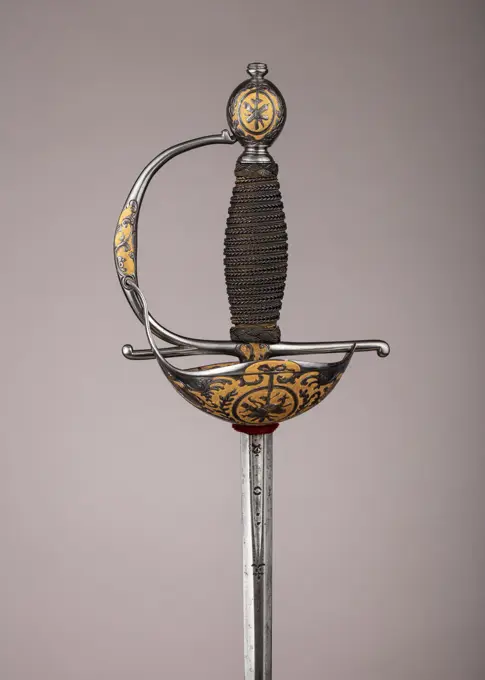
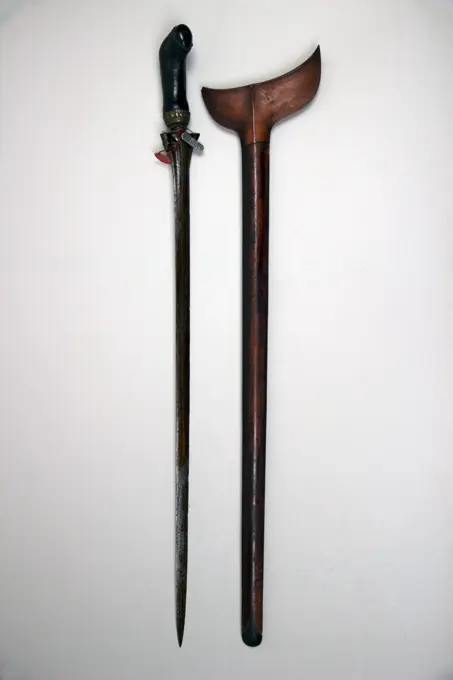
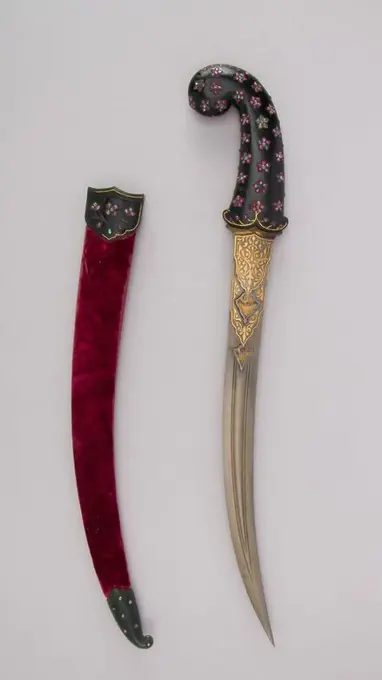
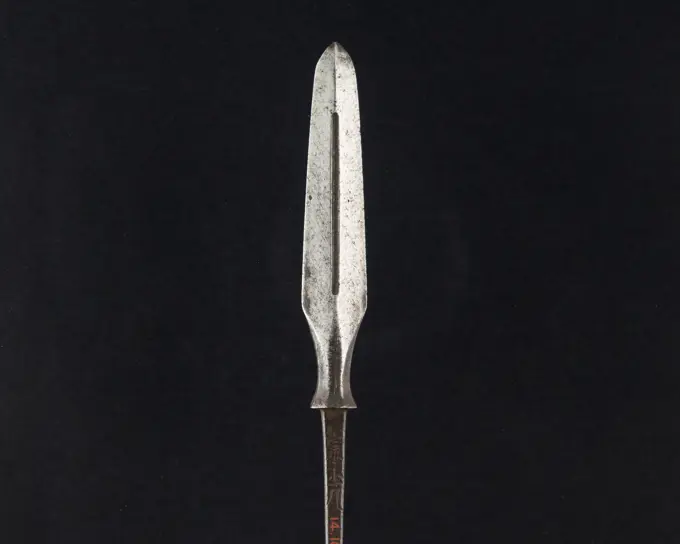
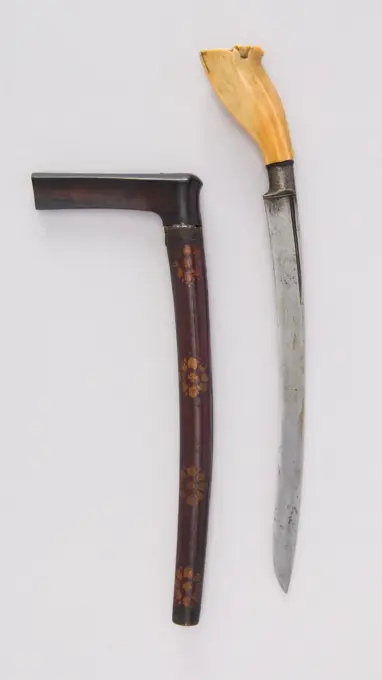
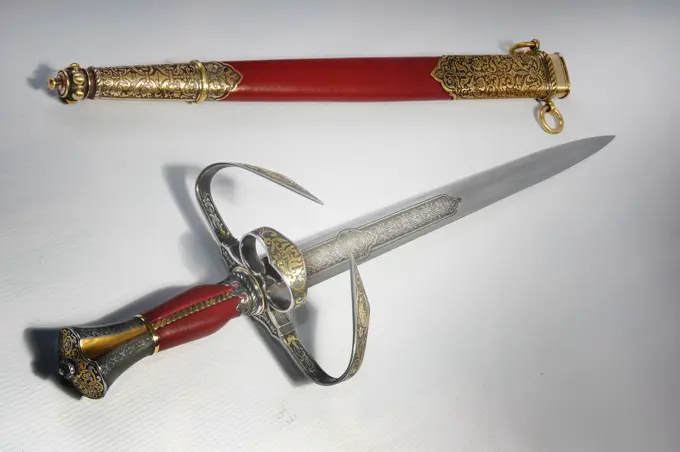
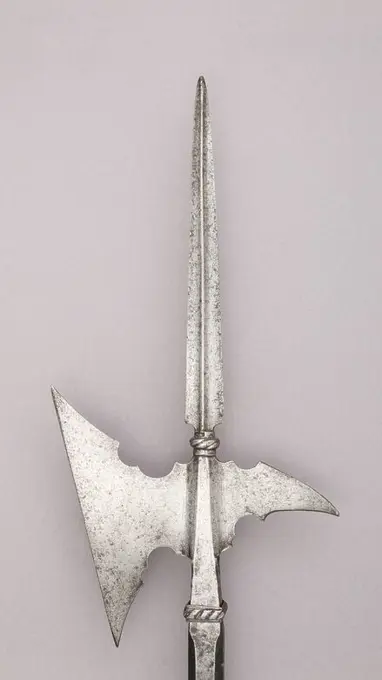
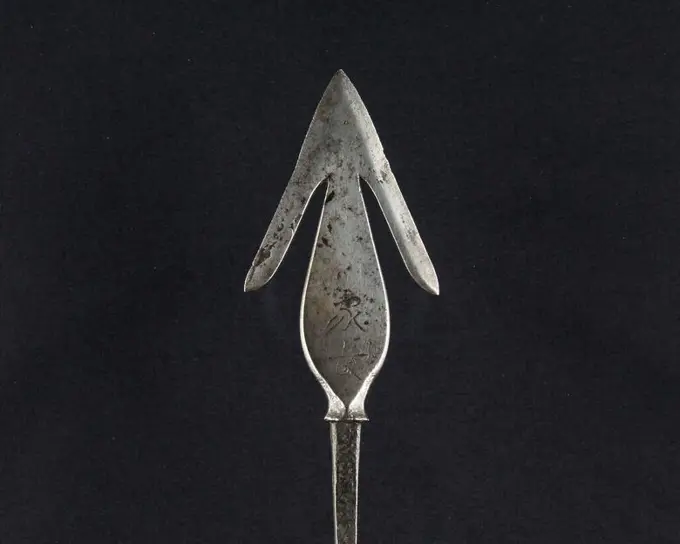
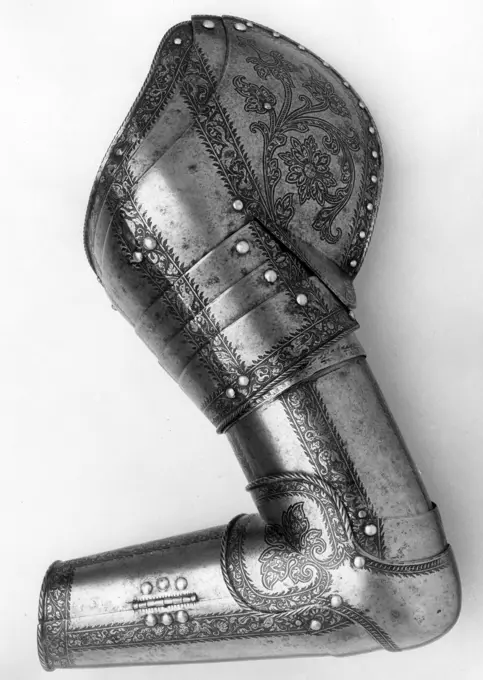
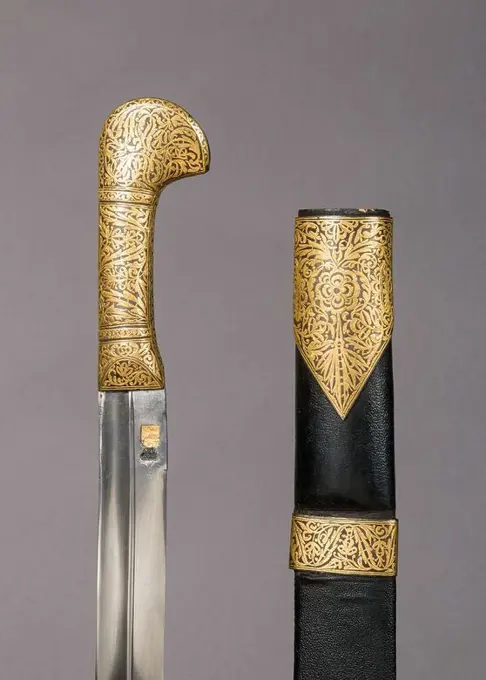
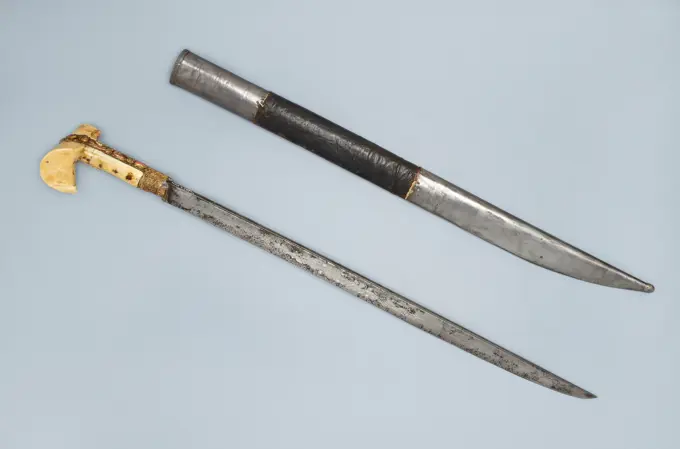
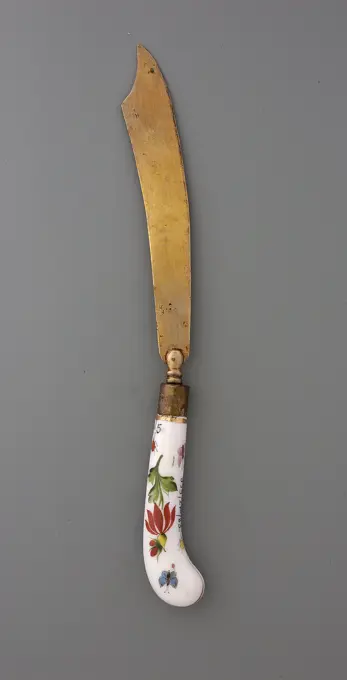
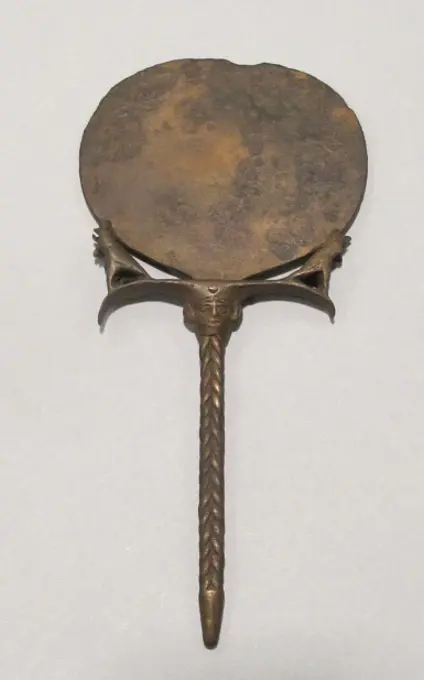
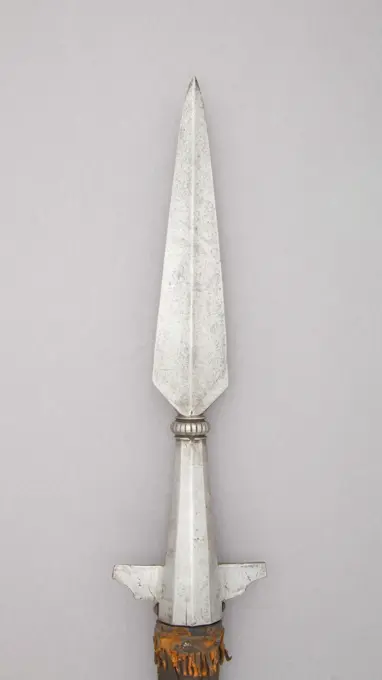
Boar Spear 17th century possibly French. Boar Spear. possibly French. 17th century. Steel, wood, leather. Shafted WeaponsKnife (Kard). Culture: Persian. Dimensions: L. 14 5/16 in. (36.4 cm); L. of blade 9 in. (22.9 cm); W. 1 1/8 in. (2.9 cm); Wt. 12.3 oz. (348.7 g). Date: ca. 1800. Museum: Metropolitan Museum of Art, New York, USA.Knife with Sheath 16th-19th century Javanese. Knife with Sheath 31661Dagger 18th-19th century Indian, Bhil. Dagger 31522Dagger (Katar). Culture: Indian. Dimensions: L. 12 3/8 in. (31.4 cm); L. of blade 6 1/2 in. (16.5 cm); W. 3 5/16 in. (8.4 cm); D. 1/2 in. (1.3 cm); Wt. 10..6 oz. (300.5 g). Date: 17th-18th century. Museum: Metropolitan Museum of Art, New York, USA.Dagger (Chilanum) 17th century South India. Dagger (Chilanum) 31729Dagger (Jambiya) and Sheath 19th century Moroccan. Dagger (Jambiya) and Sheath 31758Dagger (Pesh-kabz) 18th-19th century Indian or Persian. Dagger (Pesh-kabz). Indian or Persian. 18th-19th century. Steel, horn, turquoise. DaggersSword (Campilan). Culture: Malayan. Dimensions: L. 38 5/16 in. (97.3 cm); L. of blade 28 in. (71.1 cm); W. 5 1/4 in. (13.3 cm); Wt. 1 lb. 11.9 oz. (791 g). Date: 18th-19th century. Museum: Metropolitan Museum of Art, New York, USA.Halberd Made 1663-1681 Switzerland. Steel and wood . Lamprecht Koller (Maker)Dagger (Katar) with Sheath 18th century North Indian. Dagger (Katar) with Sheath 31494Dagger 19th century Indian Although intended for ceremonial use, this dagger features discretely carved talismanic inscriptions of the kind found on arms and armor that were designed for battle. The hilt includes gold inscriptions that call upon Ali and Allah.. Dagger 31832Parrying Dagger 1660-1700 Spain. Steel and wood .Table knife early 18th century possibly French. Table knife. possibly French. early 18th century. Steel, silver, white carnelian. Metalwork-SteelParrying Dagger. South Italian or Spanish. Date: 1650-1675. Dimensions: Overall L. 51.5 cm (20 1/4 in.) Blade L. 40 cm (13 3/4 in.) Wt. 1 lb. 2 oz. Steel, iron, and wood. Origin: Italy. Museum: The Chicago Art Institute, Chicago, USA.Knife; steel; L x W: 24 x 2.5 cm (9 7/16 x 1 in.); The Robert L. Metzenberg Collection, gift of Eleanor L. Metzenberg; 1985-103-17Sabel Officer Light Cavalerie Model No. 3, M.1814 with Schede, Wilkinson Ltd, c. 1830 - c. 1832 sabre Sabel with copper basket and black leather grip. With black tarragon and silver brush. With iron sheath with two rings. With a hinged button. Cling inscription: Wilkinson on the white. & Son. Gun & Sword Makers Pall Mall London. From C.J.J. Baron de Posson, in 1830-1832 Colonel Commander Regiment Lanciers nr. 10. London Kling: Iron (Metal). hilt: copper (metal). Silver (Metal). Handle: Leather. grip:Fighting Knife, late 1800s-early 1900s. Northwest Coast, Tlingit, 19th century. Steel. leather, cord, and horn inlaid with abalone shell; overall: 2.5 x 6 cm (1 x 2 3/8 in.); blade: 21 cm (8 1/4 in.).Linstock ca. 1625 Italian. Linstock 26718Old medieval sword, detail of a handle of a weapon of war and death, steel and leatherBrush with plum blossoms. Culture: China. Dimensions: L. incl. cover 9 in. (22.9 cm). Date: second half of the 16th century.The plum blossoms at various stages of flowering that decorate this brush are an apt choice for a scholar's implements. It is a theme often represented in literati painting and lauded in poetry. Museum: Metropolitan Museum of Art, New York, USA.Arrowhead (Yanone) dated 1645 Japanese Although today Japanese warriors are renowned most for their swordsmanship, archery, especially from horseback, has been an essential part of samurai warfare and culture for centuries. Arrows were fitted with heads of varying shape according to their intended use in war, the hunt, or target practice. Arrowheads made for use on the battlefield incorporated different designs intended for specialized purposes such as the piercing of armor or to cause maximum damage to horses and unarmored personnel.Large arrowheads, pierced and elaborately chiseled with landscapes, birds, flowers, dragons, and Buddhist divinities, were created to be admired for the beauty of their metalwork and design rather than for use in archery. Such highly elaborate examples may have been made for presentation or as a votive offerings to a shrine.. Arrowhead (Yanone). Japanese. dated 1645. Steel. Archery Equipment-ArrowheadsDegen.Degen. The narrow blade with six planes, which is probably only one third, is involved in the buyer, the inscription: 'Espaedro del Rei' and has been marked with a circle on which a cross. Hilt with greasing handle, previously woolened with steel wire, straight pearl rod with double short pairer bracket and down curved shack bracket (damaged). End of 16th or early 17th century. Length of broken blade: 0.41 m. Excavated at Leiden.Partisan. Culture: German. Dimensions: L. 72 3/8 in. (183.8 cm); L. of head 10 1/2 in. (26.7 cm); W. 4 1/2 in. (11.4 cm); Wt. 2 lbs. 11.2 oz. (1224.7 g). Date: 17th century. Museum: Metropolitan Museum of Art, New York, USA.Dagger (Zirah Bouk) 18th-19th century Persian. Dagger (Zirah Bouk). Persian. 18th-19th century. Steel, horn, iron, gold. DaggersSword (Shamshir) with Scabbard Chape and Sling Straps. Culture: Indian. Dimensions: Sword (a); H. 36 3/4 in. (93.3 cm); W. 3 13/16 in. (9.7 cm); Wt. 2 lb. 11 oz. (1219 g); chapes (b-d); Wt. 7 oz. (198.4 g). Date: 19th century. Museum: Metropolitan Museum of Art, New York, USA.Dagger (Jambiya) ca. 1825-50 Iranian While figural representations are uncommon in Islamic art outside of painting, human figures are regularly encountered in Iranian art from the Qajar period (1797-1925), which was strongly influenced by European models. The ivory grip of this dagger is carved with the figure of a Sufi mystic, who is identifiable from his pointed hat, staff topped with a hoopoe (an exotic bird mentioned in the Qur'an), and beggars bowl suspended on his arm. One of the carved inscriptions alludes to the weapons power: “The handle of your dagger is world-seizing.”. Dagger (Jambiya) 25032Partisan ca. 1600 French. Partisan 26691Arrow Point, 1700s. Japan, Edo period (1615-1868). Steel; overall: 12.4 cm (4 7/8 in.); head: 2.3 cm (7/8 in.).Pike ca. 1700 n.p.. Pike 26676Hunting Sword with Scabbard. Culture: French, Paris. Dimensions: L. with scabbard 23.8 in. (63 cm). Date: ca. 1851.This hunting sword is a masterpiece of the Gothic Revival style and a virtuoso demonstration of mid-nineteenth-century design and craftsmanship, which were greatly stimulated by the series of international exhibitions held in London and Paris in the 1840s-60s. It is virtually identical to one executed by an otherwise unrecorded craftsman, Marcet, for the Paris firm of silversmiths and jewelers Marrel Frères, which was shown at the Great Exhibition held at the Crystal Palace, London, in 1851. That sword was especially praised by the exhibition's jurors, who noted that its design "left nothing to be desired." As a measure of their success, Marrel Frères received a medal for their display, and no fewer than five of their objects were purchased by the English commissioners for the new Museum of Practical Art, the forerunner of the Victoria and Albert Museum. The hunting swordBallock Dagger. North European, possibly Flemish. Date: 1490-1510. Dimensions: L. 33 cm (13 in.)Blade L. 21 cm (8 1/4 in.)Wt. 10 oz. Ivy root and steel. Origin: Northern Europe. Museum: The Chicago Art Institute, Chicago, USA.Smallsword for a Child Made 1640-1710 France. Court culture dictated that young noble children were expected to be dressed like adults, and this led to the production of scaled-down fashion accessories like smallswords. The size of this sword suggests it was made for a boy of between four and six. A seemingly dangerous proposition, childrenís swords were often tied firmly into their scabbards so that they wouldnít hurt themselves or someone else.. Steel, iron, gold, silver, and wood .Facade anchor from a house in Groningen, c. 1400 - c. 1950 Facade anchor from a house in Groningen. Groningen iron (metal) forging Facade anchor from a house in Groningen. Groningen iron (metal) forgingSwordDagger with Sheath 19th century Caucasian, Cossack. Dagger with Sheath 31519Iron Persian crossbow headsPartisan. Culture: Italian. Dimensions: L. 96 1/4 in. (244.5 cm); L. of head 23 1/4 in. (59.1 cm); W. 4 5/8 in. (11.7 cm); Wt. 4 lbs. 13.7 oz. (2202.8 g). Date: ca. 1550. Museum: Metropolitan Museum of Art, New York, USA.Votive Pin, early 1st Milennium BC. Iran, Luristan. Bronze; overall: 22.7 x 2.4 x 4.8 cm (8 15/16 x 15/16 x 1 7/8 in.); with mount: 26 x 4.8 cm (10 1/4 x 1 7/8 in.).Descant Recorder, Abraham van Aardenberg, c. 1700 Soprano block flute, marked on a Banderolle Aardenberg, above which a deer and including a lily. Amsterdam maple (wood) Soprano block flute, marked on a Banderolle Aardenberg, above which a deer and including a lily. Amsterdam maple (wood)Sword (Kilij) with Scabbard 18th century Turkish. Sword (Kilij) with Scabbard. Turkish. 18th century. Steel, horn, brass. SwordsSword (PisoSanalenggam)Table knife 19th century Southern German. Table knife. Southern German. 19th century. Steel, ivory, silver. Metalwork-SteelSmallsword Made 1750-1770 France. Steel, iron, silver, and wood .Trident Head 16th-19th century Korean. Trident Head 30701Knife (France); mother-of-pearl, silver; L x W x D: 20 x 1.7 x 1 cm (7 7/8 x 11/16 x 3/8 in.)Iron Persian crossbow headsPartisan, c. 1600-50. France, 17th century. Steel, etched; octagonal wood haft with studs and leather; remnants of velvet tassel; overall: 217.2 cm (85 1/2 in.); blade: 57.2 cm (22 1/2 in.).Dagger (Khanjar) 18th-19th century Indian, Mughal or Deccan. Dagger (Khanjar) 31846Dagger with Brown Leather Case, 1700s-1800s. India. Silver inlay and leather; overall: 42 cm (16 9/16 in.).Halberd 17th century Flemish. Halberd. Flemish. 17th century. Steel, wood. Shafted WeaponsSword, 1700s-1800s. India, perhaps Deccan. Watered steel blade with iron hilt inlaid with gold; overall: 99 cm (39 in.). Straight swords were typical of those used among military and aristocratic circles in the southern regions of the Deccan, in contrast to the curved swords favored by Central Asian equestrians. Increased contact between the Mughal north and the Deccan south during the 1600s led to the appearance of the Deccan-style sword in courtly portraits made during the time of Jahangir and Shah Jahan, and later.Knife 1780-90 Jacob and Samuel Roberts. Knife. British. 1780-90. Sheffield plate. Metalwork-SilverplateArrowhead (Yanone) 18th century Japanese Although today Japanese warriors are renowned most for their swordsmanship, archery, especially from horseback, has been an essential part of samurai warfare and culture for centuries. Arrows were fitted with heads of varying shape according to their intended use in war, the hunt, or target practice. Arrowheads made for use on the battlefield incorporated different designs intended for specialized purposes such as the piercing of armor or to cause maximum damage to horses and unarmored personnel.Large arrowheads, pierced and elaborately chiseled with landscapes, birds, flowers, dragons, and Buddhist divinities, were created to be admired for the beauty of their metalwork and design rather than for use in archery. Such highly elaborate examples may have been made for presentation or as a votive offerings to a shrine.. Arrowhead (Yanone). Japanese. 18th century. Steel. Archery Equipment-ArrowheadsTable knife and fork 17th century possibly Flemish. Table knife and fork. possibly Flemish. 17th century. Steel. Metalwork-SteelKnife whose attaches ends in a lion's head, anonymous, c. 1750 - c. 1800 The object is composed of a cast lemmer, which sounded at the end of the attached. It is tight in diameter chamfered quadrangular and ends in a lion's head with two black stones as eyes. Germany heft: brass (alloy). lemmet: iron (metal) casting The object is composed of a cast lemmer, which sounded at the end of the attached. It is tight in diameter chamfered quadrangular and ends in a lion's head with two black stones as eyes. Germany heft: brass (alloy). lemmet: iron (metal) castingKnife (possibly England); porcelain, gold, metal; L x W: 19.5 x 1.8 cm (7 11/16 x 11/16 in.); The Robert L. Metzenberg Collection, gift of Eleanor L. Metzenberg; 1985-103-222Holo-Holo Staff, c. 1875-1900, 27-1/4 x 3-7/16 x 2-7/16 in. (69.2 x 8.7 x 6.2 cm), Wood, copper, beads, Democratic Republic of the Congo, 19th-20th centuryJavanese Kris, Anonymous, 1500 - 1900 Kris, blade in pamor technology, the ganja with gold initated as far as it concerns the side surfaces (floralistic ornament), seven diamonds on top surface. Java iron (metal). nickel (metal). white gold. diamond (mineral) Kris, blade in pamor technology, the ganja with gold initated as far as it concerns the side surfaces (floralistic ornament), seven diamonds on top surface. Java iron (metal). nickel (metal). white gold. diamond (mineral)Partisan, 1729-32. Germany, 18th century. Steel, etched, haft broken; overall: 29.1 cm (11 7/16 in.). The partisan, a staff weapon with a symmetrical head, was carried by infantry officers and members of princely bodyguards during the 1600s and 1700s. This one is inscribed with the coat of arms and letters F.L.C.V.M for Franz Ludwig Kurfurst von Mainz. Franz Ludwig (1664-1732) held the office from 1729-32.Dagger (Katar). Culture: Indian, Mughal. Dimensions: H. 16 1/4 in. (41.3 cm); W. 3 1/2 in. (8.9 cm); Wt. 1 lb. 3.1 oz. (541.5 g). Date: 18th century. Museum: Metropolitan Museum of Art, New York, USA.Candlestick 18th century () French (). Candlestick 461048Sword (Pulouar). Culture: Persian. Dimensions: L. 36 3/4 in. (93.3 cm); W. 4 3/4 in. (12.1 cm); Wt. 1 lb. 14 oz. (850.5 g). Date: 19th century. Museum: Metropolitan Museum of Art, New York, USA.Anonymous. Lancer with large fins. Damassed iron. VIII-1st century. Paris, Carnavalet museum. Aileron, weapon, iron, point, archeological vestige, launcherFront leg of jewelry box , nail-shaped with incised decoration and rhomboid . Length 8 cm Thickness 1 cm ( 1 st - 3 rd CE )- Roman period, from the archaeological site of Complutum in Alcalá de Henares ( Madrid ). SPAIN.Folding Knife (possibly Germany); silver, steel, gold; L x W (knife open): 18.8 x 1.8 cm (7 3/8 x 11/16 in.); The Robert L. Metzenberg Collection, gift of Eleanor L. Metzenberg; 1985-103-255Table fork second half 18th century German, possibly Westphalia. Table fork. German, possibly Westphalia. second half 18th century. Steel, bone, brass. Metalwork-SteelDagger with Sheath. Culture: Indian, Mughal; sheath, Tibetan. Dimensions: H. with sheath 20 in. (50.8 cm); H. without sheath 17 1/8 in. (43.5 cm); H. of blade 12 1/2 in. (31.8 cm); W. 3 1/2 in. (8.9 cm); Wt. 1 lb. 0.2 oz. (459.3 g); Wt. of sheath 13.5 oz. (382.7 g). Date: 19th century. Museum: Metropolitan Museum of Art, New York, USA.Dagger (Katar) 16th century Indian, Thanjavur; blade, European. Dagger (Katar) 31409Halberd of Wolf Dietrich von Raitenau, Prince-Archbishop of Salzburg (reigned 1587-1612). Culture: German. Dimensions: L. 8 ft. 6 7/8 in. (261.3 cm); L. of head 23 5/8 in. (60 cm); W. 10 1/4 in. (26 cm); Wt. 6 lbs. 13.6 oz. (3107.1 g). Date: dated 1589. Museum: Metropolitan Museum of Art, New York, USA.Dagger (Katar). Culture: Indian. Dimensions: H. 21 1/16 in. (53.5 cm); W. 3 3/4 in. (9.5 cm); Wt. 1 lb. 7.2 oz. (657.7 g). Date: 18th-19th century. Museum: Metropolitan Museum of Art, New York, USA.Dagger (Khanjar) and Sheath. India, Andhra Pradesh, Hyderabad, circa 1750. Arms and Armor; daggers. Green nephrite jade hilt inlaid with silver; steel blade with traces of gilding; wood sheath covered with leather, brass knobPike. Culture: n.p.. Dimensions: L. 8 ft. 6 1/8 in. (264.5 cm); L. of head 11 3/4 in. (29.8 cm); W. 1 3/8 in. (3.5 cm); Wt. 3 lbs. (1360.8 g). Date: ca. 1700. Museum: Metropolitan Museum of Art, New York, USA.Smallsword in the Spanish Style ca. 1775 Spanish By the early seventeenth century, the rapier, a long slender thrusting sword, began to dominate as the gentlemans weapon of choice. During the course of the century, however, as civilian fencing techniques became more specialized and refined, the rapier developed into a lighter, trimmed-down weapon known by about 1700 as the smallsword. Smallswords, often richly decorated, remained an integral part of a gentlemans wardrobe until the wearing of swords in civilian settings went out of fashion at the end of the eighteenth century, at which time pistols were replacing swords as arms most frequently used in personal duels. The majority of smallsword hilts are made of silver or steel, but many also employ a wide variety of luxurious materials, such as gold, porcelain, and enamel. At their best, smallswords combine the crafts of swordsmith, cutler, and jeweler to create an elegant weapon that was also a wearable work of art.. Smallsword in thExecutioner's Kris with Sheath 18th-19th century Malaysian, Johor. Executioner's Kris with Sheath 31242Dagger (Jambiya) with Sheath. Culture: Ottoman. Dimensions: H. with sheath 20 in. (50.8 cm); H. without sheath 18 1/2 in. (47 cm); H. of blade 13 1/4 in. (33.7 cm); W. 3 1/8 in. (7.9 cm); D. 15/16 in. (2.4 cm); Wt. 15.2 oz. (430.9 g); Wt. of sheath 4.6 oz (130.4 g). Date: 18th century. Museum: Metropolitan Museum of Art, New York, USA.Knife, c. 1900. Africa, Democratic Republic of the Congo, Ngbandi, late 19th-early 20th century. Iron and copper alloy; overall: 40.2 cm (15 13/16 in.); tang: 11.5 cm (4 1/2 in.); blade: 15.8 cm (6 1/4 in.).Arrowhead (Yanone) 15th-16th century Japanese Although today Japanese warriors are renowned most for their swordsmanship, archery, especially from horseback, has been an essential part of samurai warfare and culture for centuries. Arrows were fitted with heads of varying shape according to their intended use in war, the hunt, or target practice. Arrowheads made for use on the battlefield incorporated different designs intended for specialized purposes such as the piercing of armor or to cause maximum damage to horses and unarmored personnel.Large arrowheads, pierced and elaborately chiseled with landscapes, birds, flowers, dragons, and Buddhist divinities, were created to be admired for the beauty of their metalwork and design rather than for use in archery. Such highly elaborate examples may have been made for presentation or as a votive offerings to a shrine.. Arrowhead (Yanone). Japanese. 15th-16th century. Steel. Archery Equipment-ArrowheadsLetter opener with wooden handle, Willem Rädecker (attributed to), c. 1925 - c. 1950 Letter opener of wood with metal blade. The wooden handle shows a head at the end.  Handle: Wood (plant material). blade: steel (alloy) Letter opener of wood with metal blade. The wooden handle shows a head at the end.  Handle: Wood (plant material). blade: steel (alloy)Knife (Bade-bade) with Sheath 18th-19th century Malayan. Knife (Bade-bade) with Sheath 31649Knife, earthenware, silver, steel, Straight steel blade with earthenware handle of yellow arabesque framed reserves enclosing pink flowers on a blue ground, all on white ground., France, possibly 18th century, cutlery, Decorative Arts, KnifeDagger (Katar) with Sheath 18th century North Indian. Dagger (Katar) with Sheath 31493smart dagger smart dagger of the medieval soldier. It was used for hunting Copyright: xZoonar.com/VALERY-SIBRIKOVx 14134268Dagger with a vaginaSword Made 1190-1210 Europe. Iron .Cup-Hilted Rapier Spanish ca. 1650 The rapier was the principal civilian sidearm throughout the sixteenth and seventeenth centuries. Designed for cut-and-thrust fencing of progressively complex techniques, the rapier is characterized by a double-edged blade with an acute point and an elaborate guard for the hand. The guards, usually of iron or steel, were subject to a variety of embellishment. They were engraved, chiseled, gilded, damascened, and encrusted in gold and silver in keeping with fashionable styles. Unless otherwise noted, the materials, attributions, and dating given here refer to the hilts. Rapier blades, invariably of steel, bear a variety of makers marks denoting their origin in the two principal centers of blademaking, Toledo in Spain and Solingen in Germany. View more. Cup-Hilted Rapier. Spanish. ca. 1650. Steel. SwordsHalberd. Culture: German. Dimensions: L. 88 1/2 in. (224.8 cm); L. of head 20 in. (50.8 cm); W. 10 1/2 in. (26.7 cm); Wt. 4 lbs. 15.7 oz. (2259.5 g). Date: 17th century. Museum: Metropolitan Museum of Art, New York, USA.Ancient sabre Ancient sabre. A smart variant of the fighting weapon Copyright: xZoonar.com/ValeryxxSibrikovx 2424040Arrowhead (Yanone). Culture: Japanese. Dimensions: L. 10 1/2 in. (26.7 cm); L. of head 3 1/2 in. (8.9 cm); W. 1 7/8 in. (4.8 cm); Wt. 2.4 oz. (68 g). Date: 18th century. Museum: Metropolitan Museum of Art, New York, USA.Left Shoulder and Arm Defense ca. 1555-60 Attributed to Wolfgang Grosschedel German. Left Shoulder and Arm Defense 690153Sword with Sheath. Culture: Caucasian. Dimensions: H. with scabbard 39 7/8 in. (101.3 cm); H. without scabbard 37 5/8 in. (95.6 cm); W. 2 1/2 in. (6.4 cm); Wt. 1 lb. 10.6 oz. (754.1 g); Wt. of scabbard 7.9 oz. (224 g); Wt. of strap (c); 4.2 oz. (119.1 g). Date: 19th century. Museum: Metropolitan Museum of Art, New York, USA.Wheellock Pistol (Pedrenyal) of King Louis XIII of France. Spanish, Ripoll. Date: 1605-1620. Dimensions: L. 55.9 cm (22 in.) Barrel L. 42.5 cm (16 3/4 in.)Wt. 3 lb. 9 oz.Caliber .44. Steel, iron, and walnut. Origin: Ripoll. Museum: The Chicago Art Institute, USA.Dagger (Jambiya) with Sheath and Belt 19th century Arabian. Dagger (Jambiya) with Sheath and Belt 31703Yataghan with a scabbardKnife with a Handle Representing a Nun with a Flaming Heart, anonymous, c. 1650 - c. 1700 The nun holds a book in her right hand. Northern Netherlands boxwood (hardwood) The nun holds a book in her right hand. Northern Netherlands boxwood (hardwood)Sword (Ral gri) 14th-16th century Tibetan or Chinese This is one of the best examples from a small group of rare early swords from Tibet. The hilt of this sword, including its grip, is made entirely of iron that has been embossed, chiseled, and then damascened in gold and silver. The guard, just below the grip, is in the form of a stylized mask with teeth and fangs, representing a protective deity or guardian figure. Straight double-edged blades of this type are seen more often on Chinese swords, but they were also used in Tibet.. Sword (Ral gri). Tibetan or Chinese. 14th-16th century. Iron, steel, gold, silver. SwordsKris with Sheath 16th-19th century Sumatran, Sumatera Selatan. Kris with Sheath 31253Fish knife. Korzec (manufaktura porcelany ; 1790-1832), factoryMiniature tongs (part of a set) ca. 1720-30 David Clayton British. Miniature tongs (part of a set). David Clayton (British, active 1689). British, London. ca. 1720-30. Silver. Metalwork-Silver-MiniatureMirror ca. 1550-1295 B.C. New Kingdom. Mirror. ca. 1550-1295 B.C.. Bronze or copper alloy. New Kingdom. From Egypt. Dynasty 18