Historical Knives and Daggers

A collection of ornate knives and daggers from different cultures and centuries, highlighting craftsmanship and intricate designs.

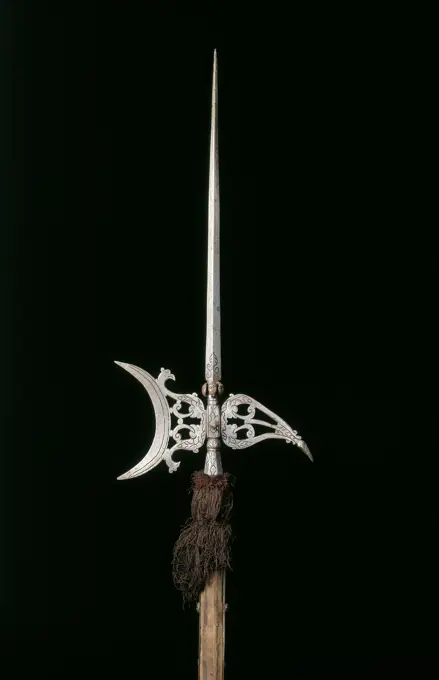
Dagger (Chilanum) 17th century South India. Dagger (Chilanum) 31729
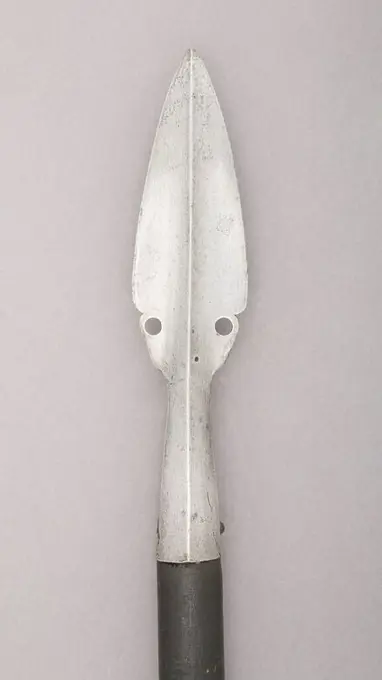
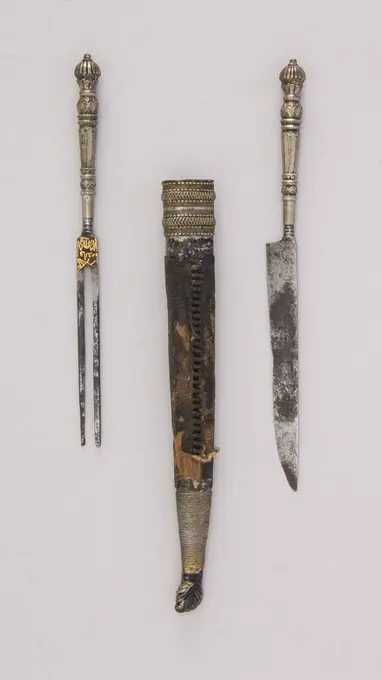
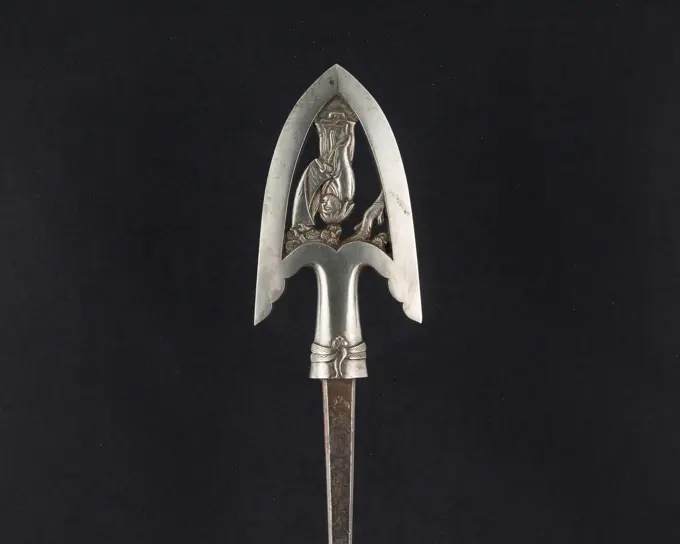
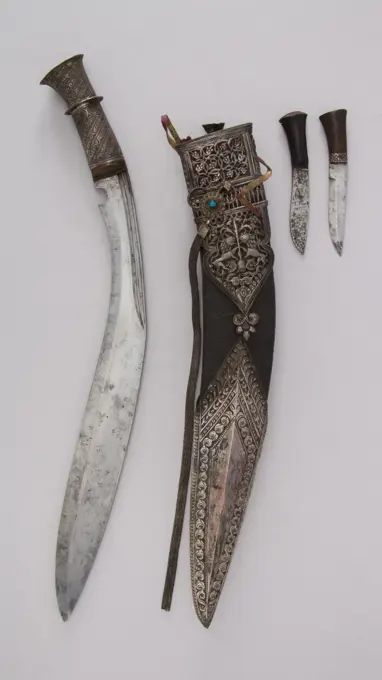
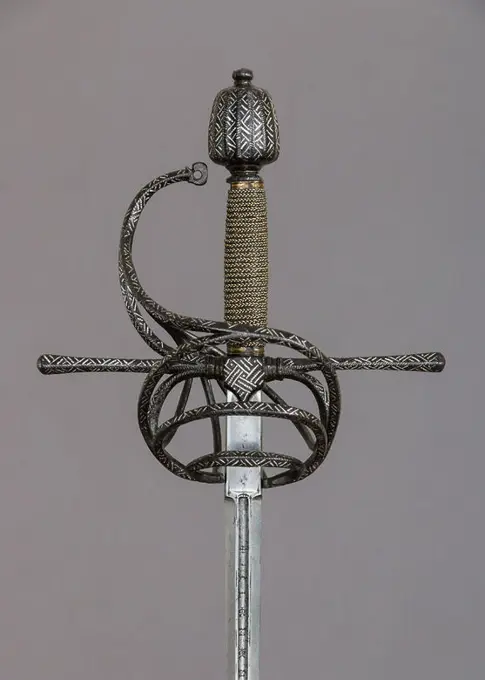
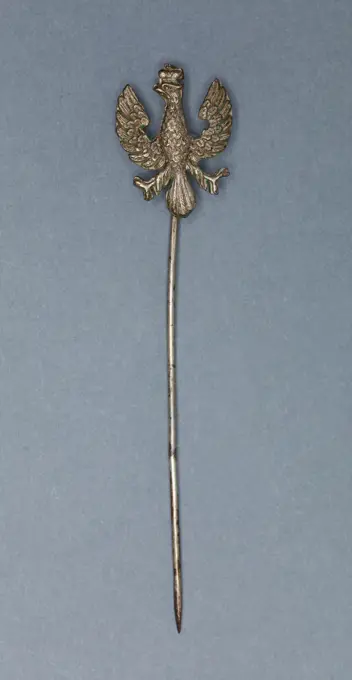
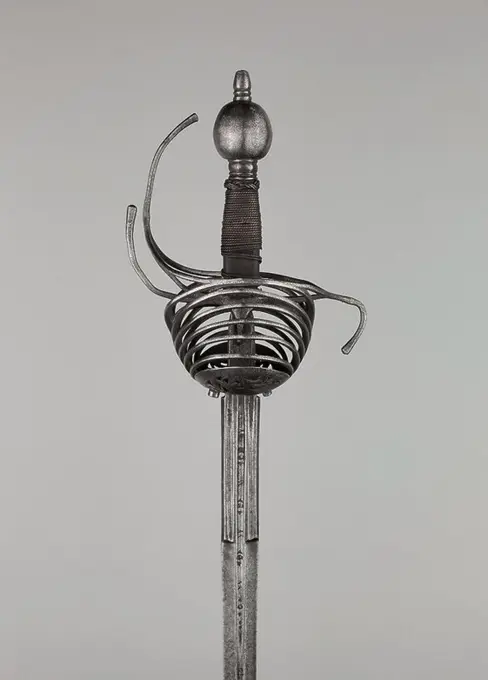
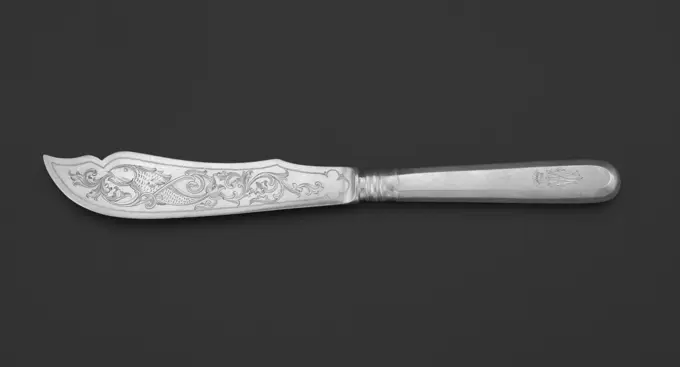
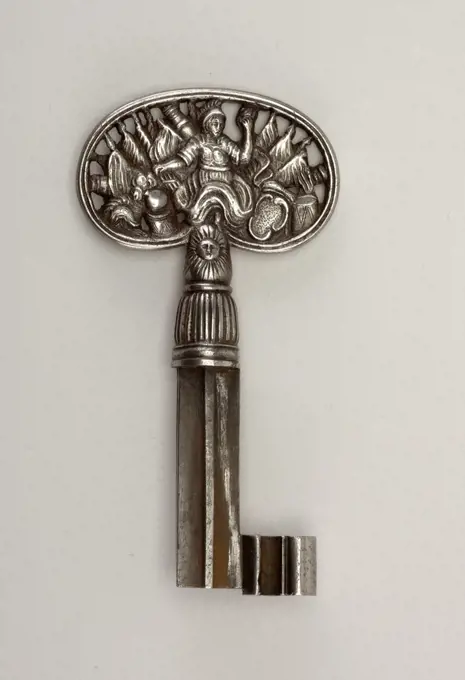
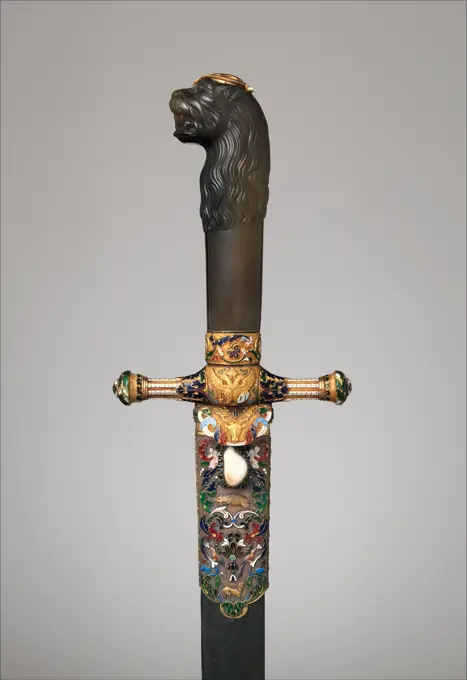
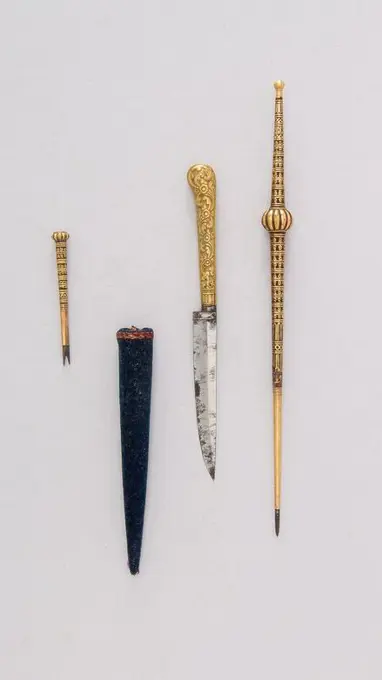
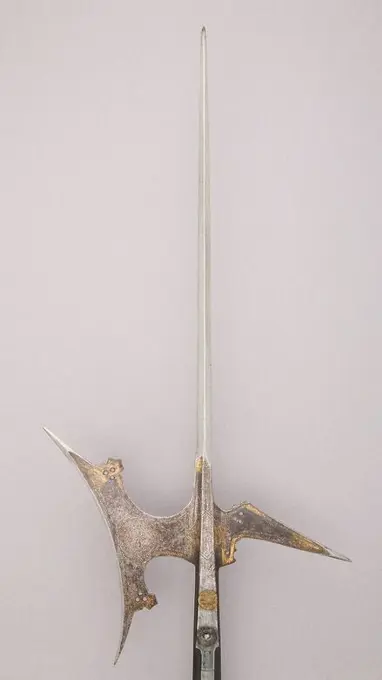
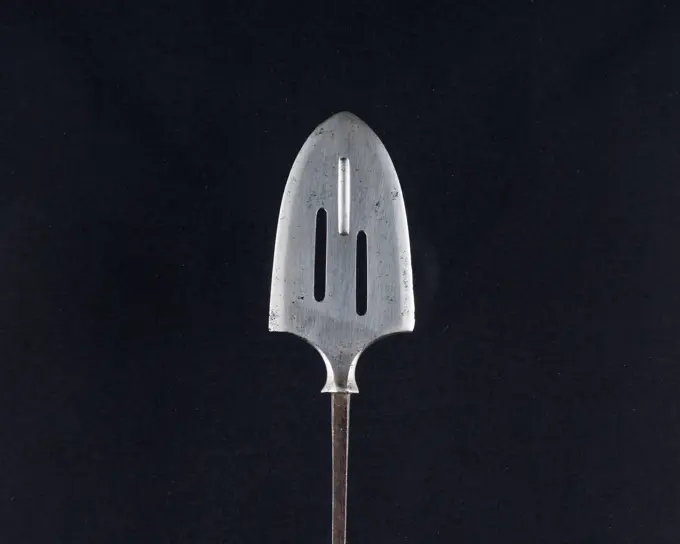
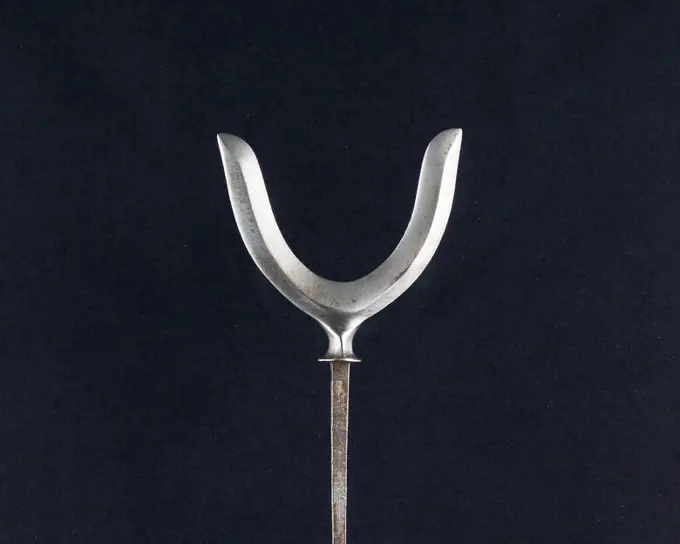
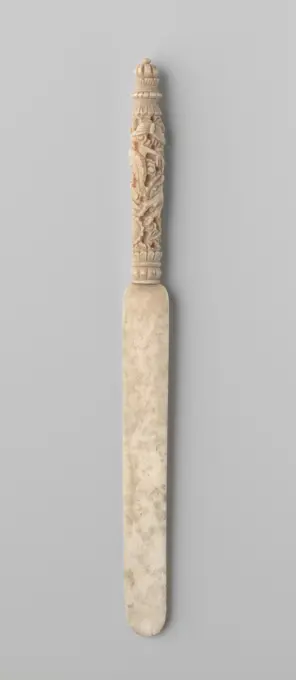
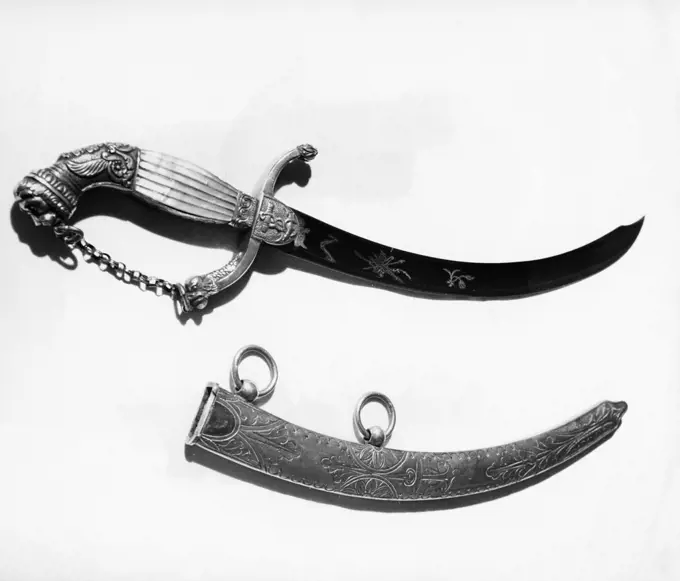
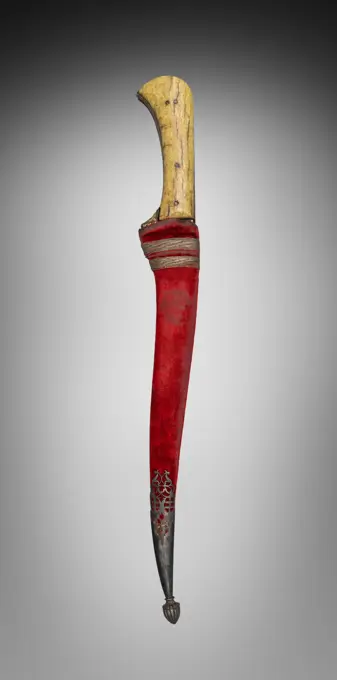
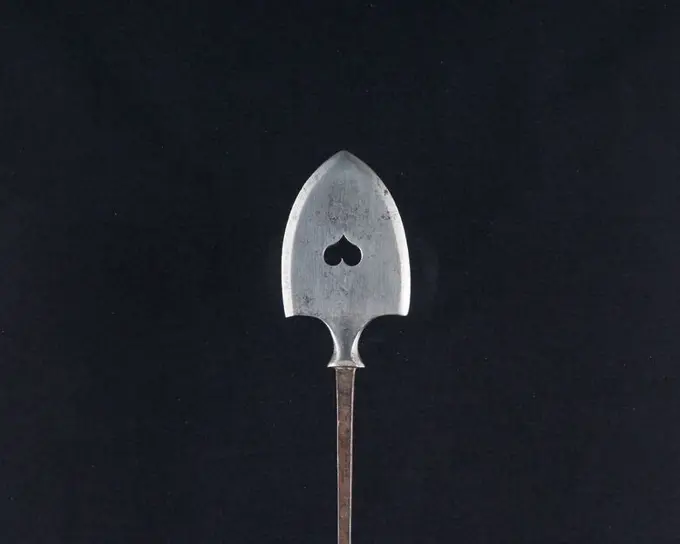
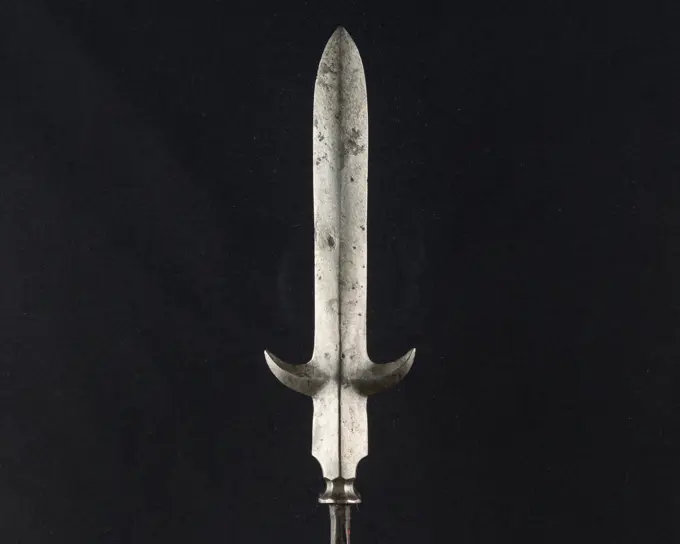
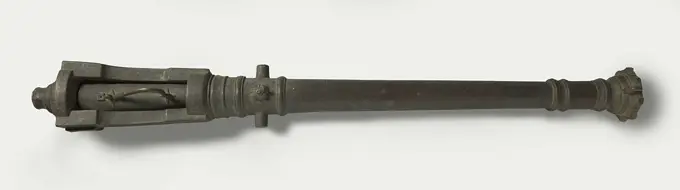
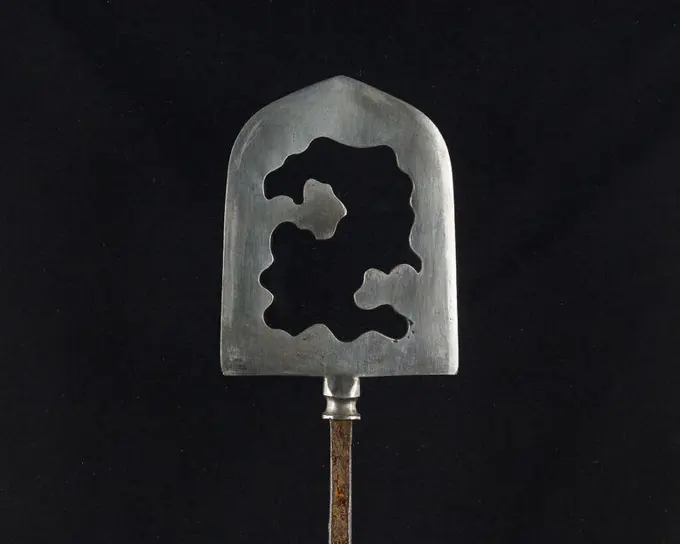
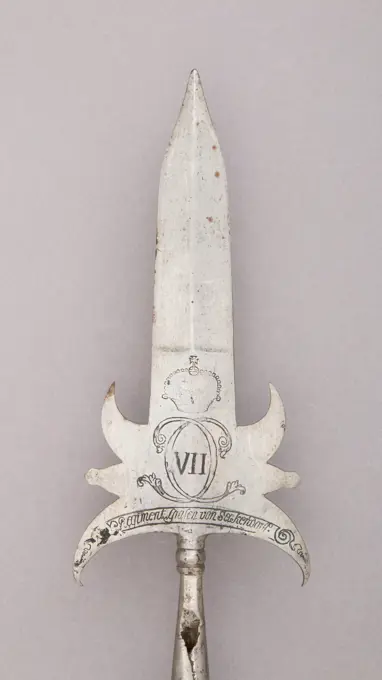
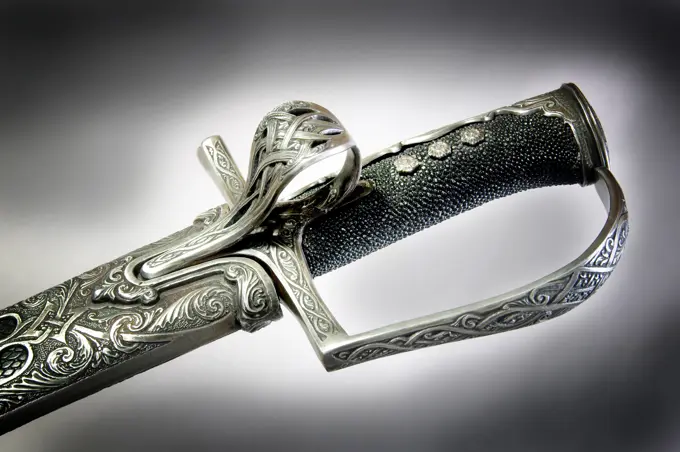
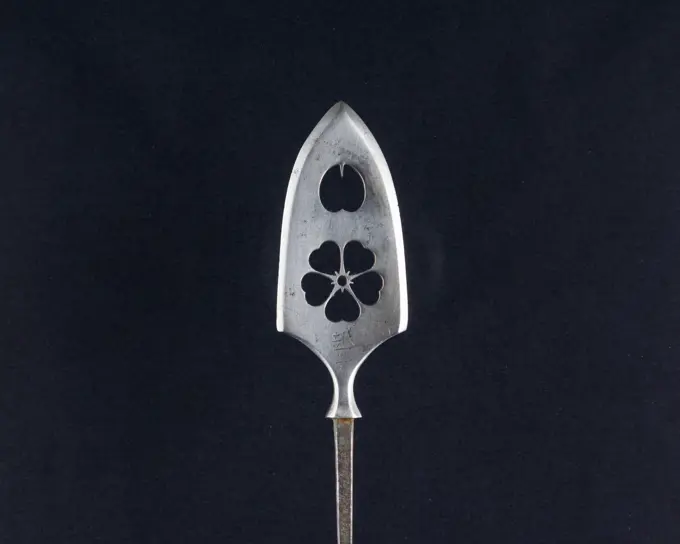
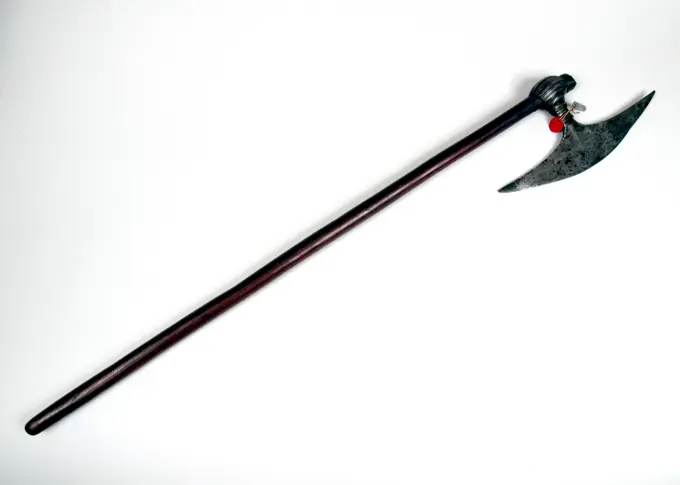
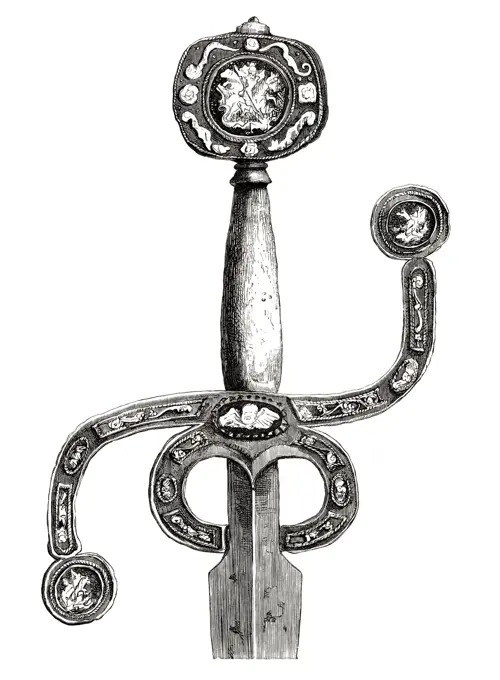
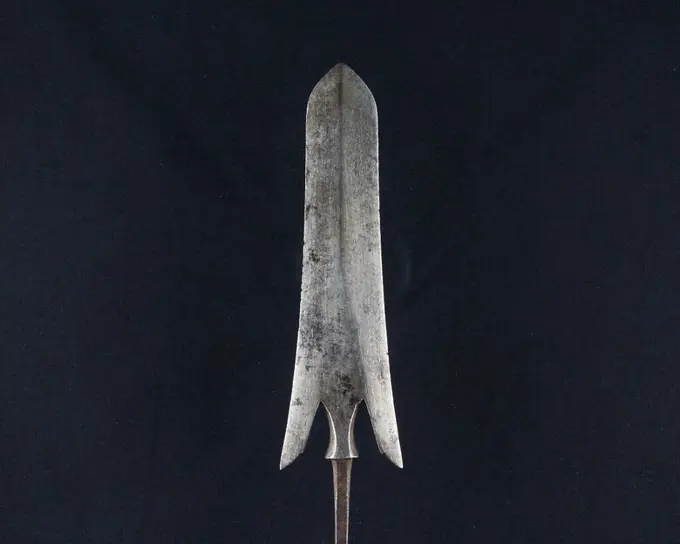
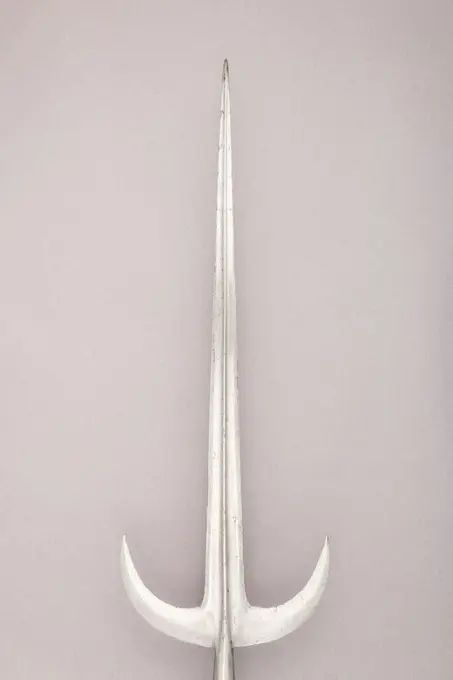
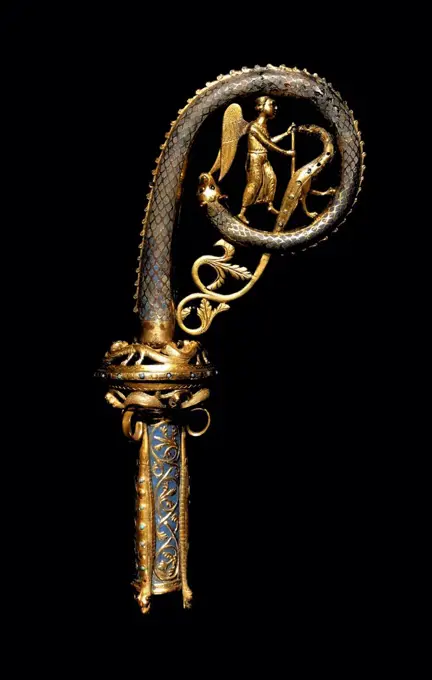
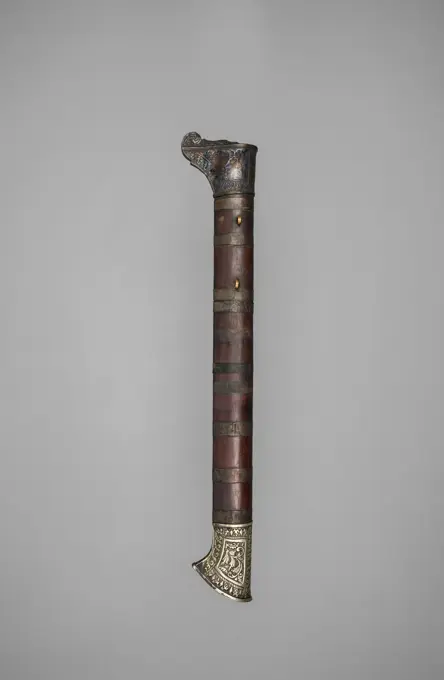
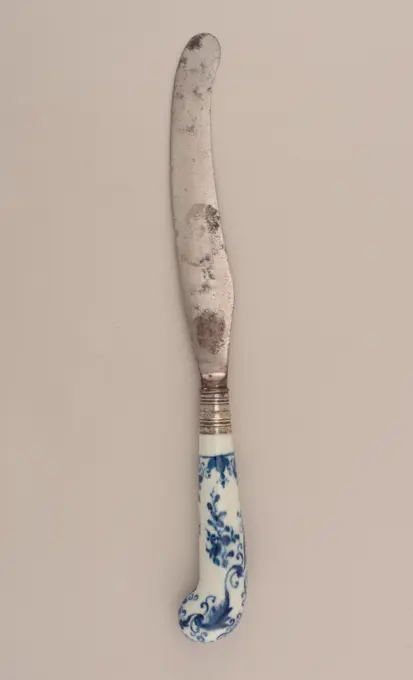
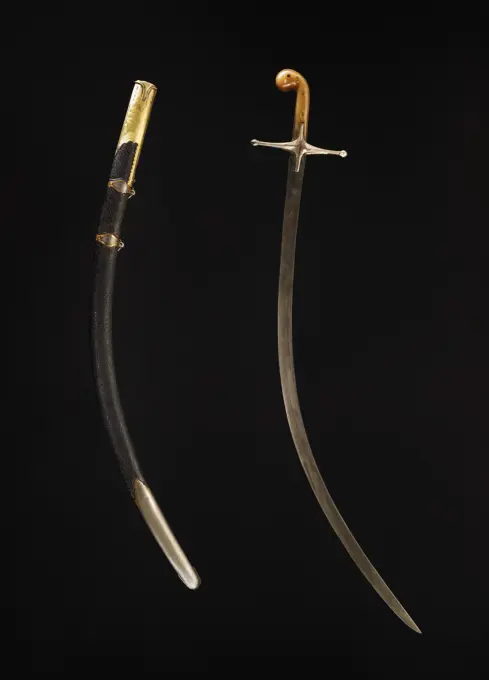
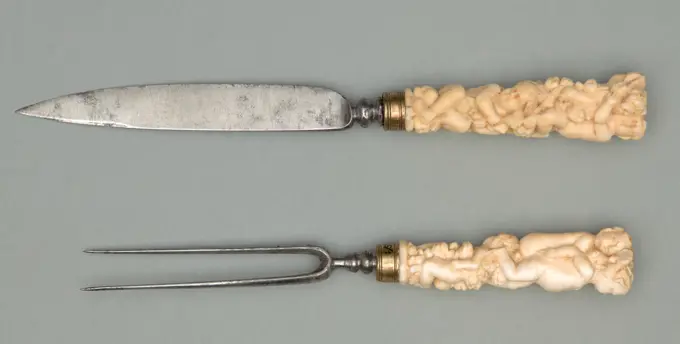
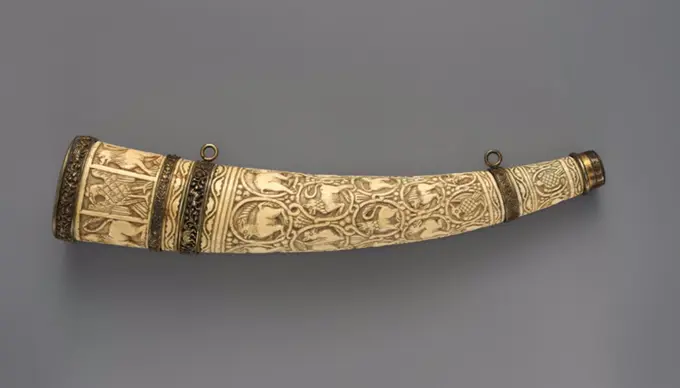
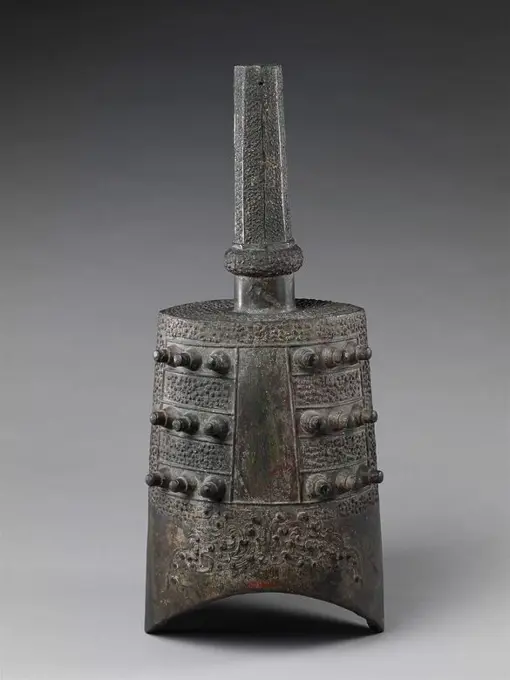
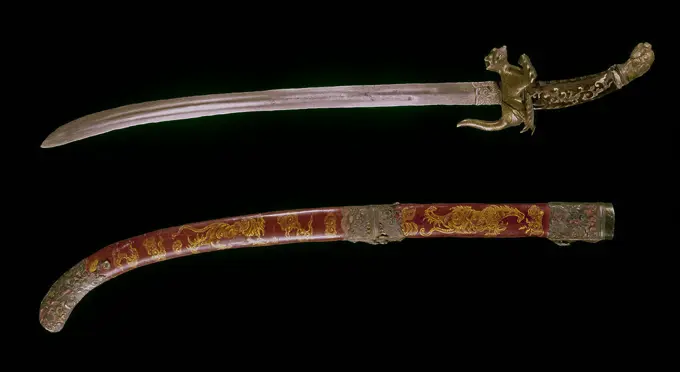
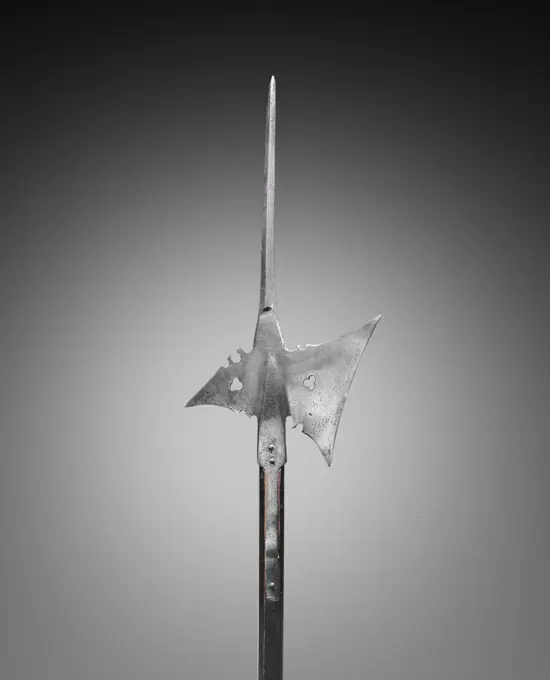
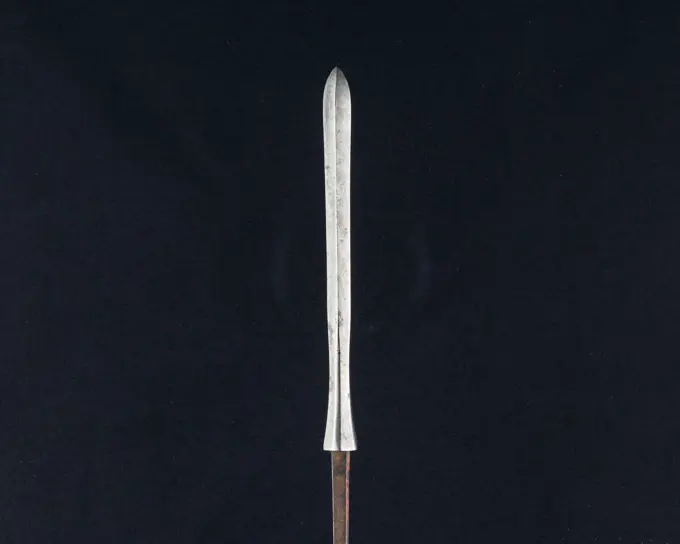
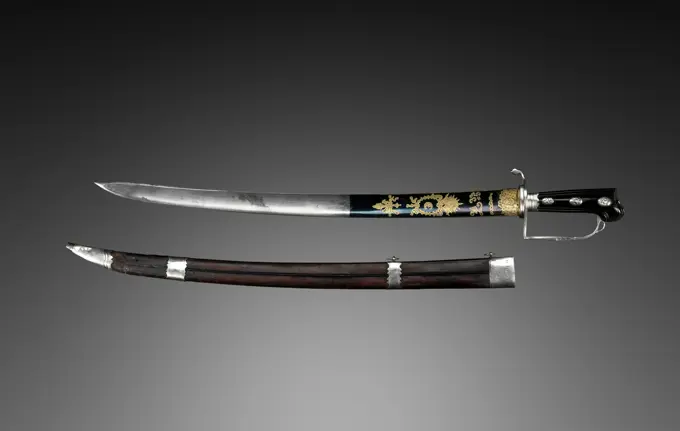
Table (carving) knife late 18th century German. Table (carving) knife. German. late 18th century. Steel, glass. Metalwork-SteelBoar Spear. Culture: German. Dimensions: L. 86 3/4 in. (220.4 cm); L. of head 12 7/8 in. (32.7 cm.); W. 3 in. (7.6 cm); Wt. 3 lb. 13 oz. (1729.3 g). Date: ca. 1550. Museum: Metropolitan Museum of Art, New York, USA.Knife; steel, niello, brass, enamel, emerald, gilding; L x W: 26.7 x 2.4 cm (10 1/2 x 15/16 in.); The Robert L. Metzenberg Collection, gift of Eleanor L. Metzenberg; 1985-103-44Knife and Fork with Sheath. Culture: Sri Lankan. Dimensions: L. with sheath 9 1/2 in. (24.1 cm); L. without sheath 7 1/16 in. (17.9 cm); L. of blade 4 1/8 in. (10.5 cm); W. 1/2 in. (1.3 cm); D. 7/16 in. (1.1 cm); Wt. 1.2 oz. (34 g); Wt. of sheath 2.6 oz. (73.7 g); fork (b); L. 6 7/16 in. (16.4 cm); L. of blade 3 3/8 in. (8.6 cm); W. 7/16 in. (1.1 cm); D. 7/16 in. (1.1 cm); Wt. 1.2 oz. (34 g). Date: 18th century. Museum: Metropolitan Museum of Art, New York, USA.Hair pin. Hair pin 243104Spoon, Brass, Circular bowl surmounted by thin cylindrical shaft with lion sejant at terminus., England, 1600-1650, cutlery, Decorative Arts, SpoonArrowhead (Yanone) dated 1645 Japanese Although today Japanese warriors are renowned most for their swordsmanship, archery, especially from horseback, has been an essential part of samurai warfare and culture for centuries. Arrows were fitted with heads of varying shape according to their intended use in war, the hunt, or target practice. Arrowheads made for use on the battlefield incorporated different designs intended for specialized purposes such as the piercing of armor or to cause maximum damage to horses and unarmored personnel.Large arrowheads, pierced and elaborately chiseled with landscapes, birds, flowers, dragons, and Buddhist divinities, were created to be admired for the beauty of their metalwork and design rather than for use in archery. Such highly elaborate examples may have been made for presentation or as a votive offerings to a shrine.. Arrowhead (Yanone). Japanese. dated 1645. Steel. Archery Equipment-ArrowheadsPolish Saxon Officer's SquadKnife (Kukri) with Sheath, Two Small Knives and Pouch 19th century Indian or Nepalese, Gurkha. Knife (Kukri) with Sheath, Two Small Knives and Pouch. Indian or Nepalese, Gurkha. 19th century. Steel, silver, wood, leather. KnivesRapier. Bladesmith: Blade by Clemens Hartkopf (German, Solingen, active ca. 1625). Culture: hilt, Italian; blade, German, Solingen. Dimensions: L. 49 1/2 in. (125.7 cm); L. of blade 43 in. (109.2 cm); W. 8 1/2 in. (21.6 cm); D. 5 in. (12.7 cm); Wt. 2 lb. 10 oz. (1190.7 g). Date: ca. 1625.This rapier is typical of the weapons that Valentin de Boulogne, the seventeenth-century painter, would have seen around him as a youth in France and during his maturity in Rome. Since rapiers were worn regularly by nobles, gentlemen, and professional soldiers as part of their daily dress and not only in battle, the swirling bars that make up the guard of a rapier hilt are designed to protect a gloved or bare hand. Museum: Metropolitan Museum of Art, New York, USA.Eagle shaped badge, on a pinDagger (Chilanum) 17th century South Indian. Dagger (Chilanum) 31728Sword (Yatagan) with Scabbard. Culture: Turkish. Dimensions: H. with scabbard 32 5/8 in. (82.9 cm); H. without scabbard 31 3/8 in. (79.7 cm); W. 1 3/4 in. (4.5 cm); Wt. 1 lb. 9.2 oz. (714.4 g); Wt. of scabbard 13 oz. (368.5 g). Date: 18th-19th century. Museum: Metropolitan Museum of Art, New York, USA.Rapier. Southern European, possibly Spanish. Date: 1620-1650. Dimensions: Overall L. 134.6 cm (53 in.). Steel. Origin: Spain. Museum: The Chicago Art Institute, Chicago, USA.Spanish sword collection detail, sigle XVISmallsword hallmarked 1747-48 British, London The silver hilt is decorated with an imaginative array of Rococo masks and shells. It is a fine example of the application of contemporary decorative styles to the design of sword hilts.. Smallsword 27135Handle for Rice HarvestingKnifeYeah - Opatat to fish; W Admimir, Niko Aj Gawri (Fl. 1898-1917); 1888 (1888-00-00-1888-00-00);Key, France, 18th century, metalwork, Decorative Arts, KeyHunting Sword ca. 1825 Emanuel Pioté Austrian This richly decorated sword was made for one of the counts Hoyos-Sprinzenstein. His enameled coat of arms surmounts the lion-headed pommel. The scabbard locket is inscribed "Pioté et Köchert," the leading Viennese jewelers of the nineteenth century.. Hunting Sword. Austrian, Vienna. ca. 1825. Steel, gold, enamel, agate, wood, leather. Vienna. SwordsPistoolholster of black leather, decorated with sliced praise and birds as an ornament, anonymous, c. 1600 - c. 1699  Pistoolholster of black leather, decorated with sliced praise as an ornament. Birds are depicted on the wide upper part on either side.  leather cuttingFishing hookKnife (Piha Kaetta) with Stylus, Pricker, and Sheath. Culture: Sri Lankan. Dimensions: Knife (a); H. with sheath 11 in. (27.9 cm); H. without sheath 6 5/8 in. (16.8 cm); W. 5/8 in. (1.6 cm); Wt. 1.3 oz. (36.9 g); sheath (b); Wt. 0.2 oz. (5.7 g); stylus (c); L. 9 1/2 in. (24.1 cm); W. 5/8 in. (1.6 cm); Wt. 2 oz. (56.7 g); pricker (d); L. 2 3/4 in. (7 cm); W. 3/8 in. (1 cm); Wt. 0.4 oz. (11.3 g)L. 6 5/8 in. (16.8 cm); Stylus L. 9 7/16 in. (24.0 cm); Pricker L. 2 3/4 in. (7.0 cm)H. with sheath in. (cm); H. without sheath in. (cm); W. in. (cm); Wt. oz. (g); Wt. of sheath oz. (g). Date: 18th-19th century. Museum: Metropolitan Museum of Art, New York, USA.Halberd. Culture: Italian. Dimensions: L. 87 7/8 in. (223.1 cm); L. of head 24 1/8 in. (61.3 cm); W. 10 11/16 in. (27.1 cm); Wt. 3 lbs. 13 oz. (1730 g). Date: ca. 1550. Museum: Metropolitan Museum of Art, New York, USA.Dagger (Katar) with Sheath 19th century Indian. Dagger (Katar) with Sheath 32367Knife (possibly Germany); ivory, silver, stainless steel; L: 19.5 cm (7 11/16 in.); The Robert L. Metzenberg Collection, gift of Eleanor L. Metzenberg; 1985-103-175Knife, steel, Integral. Tapered, curved, pointed triangular blade, straight cutting edge. Notched and engraved upper edge. Rectangular handle cut in geometric facets. Oval terminal with button. Brass mantle at bolster engraved with scrolls on both sides. Baluster neck, handle of three graduated knops of vertically ribbed horn and brass laminations, separated by deeply cut balusters., Algeria, ca. 1865, cutlery, Decorative Arts, KnifeBayonet wz. 88/90 for the mannlicher rifle with vaginaImage of cold weapon on black backgroundFruit Knife (France); Designed by F. Nicoud (French, active 1890); silver, steel, mother-of-pearl, gilding; L x W x D: 20 x 1 x 0.8 cm (7 7/8 x 3/8 x 5/16 in.)Arrowhead (Yanone) 18th century Japanese Although today Japanese warriors are renowned most for their swordsmanship, archery, especially from horseback, has been an essential part of samurai warfare and culture for centuries. Arrows were fitted with heads of varying shape according to their intended use in war, the hunt, or target practice. Arrowheads made for use on the battlefield incorporated different designs intended for specialized purposes such as the piercing of armor or to cause maximum damage to horses and unarmored personnel.Large arrowheads, pierced and elaborately chiseled with landscapes, birds, flowers, dragons, and Buddhist divinities, were created to be admired for the beauty of their metalwork and design rather than for use in archery. Such highly elaborate examples may have been made for presentation or as a votive offerings to a shrine.. Arrowhead (Yanone). Japanese. 18th century. Steel. Archery Equipment-ArrowheadsRapier ca. 1625 Blade by Clemens Hartkopf This rapier is typical of the weapons that Valentin de Boulogne, the seventeenth-century painter, would have seen around him as a youth in France and during his maturity in Rome. Since rapiers were worn regularly by nobles, gentlemen, and professional soldiers as part of their daily dress and not only in battle, the swirling bars that make up the guard of a rapier hilt are designed to protect a gloved or bare hand.. Rapier. hilt, Italian; blade, German, Solingen. ca. 1625. Steel, silver, wood, copper alloy. SwordsArrowhead (Yanone). Culture: Japanese. Dimensions: L. 10 1/4 in. (26 cm); L. of head 2 1/8 in. (5.4 cm); W. 2 5/16 in. (5.9 cm); Wt. 1.1 oz. (31.2 g). Date: 18th century. Museum: Metropolitan Museum of Art, New York, USA.Spoon (England); brass; L x W x D: 17.4 × 4.9 × 1.9 cm (6 7/8 × 1 15/16 × 3/4 in.)Folding Fork; brass, steel; L x W: 14.5 x 2.3 cm (5 11/16 x 7/8 in.); The Robert L. Metzenberg Collection, gift of Eleanor L. Metzenberg; 1985-103-103Briefopener, anonymous, 1800 - 1850 Letter opener, the handle decorated in relief with a fragment of a dragon body that winds around the handle. Furthermore, butterflies and rocks. Canton ivory Letter opener, the handle decorated in relief with a fragment of a dragon body that winds around the handle. Furthermore, butterflies and rocks. Canton ivoryClose-up of two daggers, US Naval Officer's Dirk, War of 1812Fruit knife, F. Nicoud, French, active 1890, Silver, steel, mother-of-pearl, gilding, One of twelve fruit knives with mother-of-pearl handles and engraved and gilt decoration on blades., ca. 1890, cutlery, Decorative Arts, Fruit knifeEMPUÑADURA DE LA ESPADA DE GALA DEL PRINCIPE CAMILO BORGHESE (CASADO CON PAULINA BONAPARTE HERMANA DE NAPOLEON) - SIGLO XIX. Location: MUSEO NAPOLEONICO. Rome. ITALIA.Ancient sabre Ancient sabre. A smart variant of the fighting weapon Copyright: xZoonar.com/ValeryxxSibrikovx 2424016Parade Halberd, c. 1600-50. Italy, 17th century. Steel, engraved; rectangular wood haft with planed corners; overall: 252 cm (99 3/16 in.); blade: 65.6 cm (25 13/16 in.). The halberd was a staff weapon favored by European infantries (foot soldiers) of the 1400s and 1500s for its versatility and deadly effect. The word halberd comes from the German words Halm (staff) and Barte (axe). The halberd is, in fact, an axe that served multiple functions: the axe blade was used for hacking, the spike for thrusting, and the beak for piercing plate armor or for pulling a knight from his saddle. The halberd was used by shock troops (those who lead an attack) and by Swiss and German mercenaries. After about 1550, the halberd gradually became less functional. Its large blade provided space for coats of arms and insignia. By the late 1500s, the parade halberd had become a ceremonial weapon for palace guards.Knife, 1700s-1800s. Afghanistan. Inlaid gold with ivory hilt; overall: 34.4 cm (13 9/16 in.).Fork van Zilver, Anonymous, 1600 - 1615 Fork of silver, with 3 teeth. It extends to the end, and has been awarded with open work motif. It is decorated with motifs in Bass telaille Émail.  silver (metal). gilding (material). gilding Fork of silver, with 3 teeth. It extends to the end, and has been awarded with open work motif. It is decorated with motifs in Bass telaille Émail.  silver (metal). gilding (material). gildingPair of corner shelves ca. 1760 Bernard II van Risenburgh Consists of three segmental shelves, with shaped fronts linked at back by a central vertical support, triangular in section, and along outside edges by elaborately pierced C-scrolls, alternately concave and convex, that join with central support at top and bottom; shelves of different sizes, smallest at bottom, largest in middle; distance between upper and middle shelves is greater than that between lower and middle; central support, with shaped ends, veneered on front with tulipwood inlaid with pendants of flowers and leaves in end-cut kingwood; pierced C-scrolls veneered on the front and sides with tulipwood.. Pair of corner shelves 205424Arrowhead (Yanone). Culture: Japanese. Dimensions: L. 10 in. (25.4 cm); L. of head 2 1/8 in. (5.4 cm); W. 1 1/4 in. (3.2 cm); Wt. 1.1 oz. (31.2 g). Date: 18th century. Museum: Metropolitan Museum of Art, New York, USA.Arrowhead (Yanone) 18th century Japanese Although today Japanese warriors are renowned most for their swordsmanship, archery, especially from horseback, has been an essential part of samurai warfare and culture for centuries. Arrows were fitted with heads of varying shape according to their intended use in war, the hunt, or target practice. Arrowheads made for use on the battlefield incorporated different designs intended for specialized purposes such as the piercing of armor or to cause maximum damage to horses and unarmored personnel.Large arrowheads, pierced and elaborately chiseled with landscapes, birds, flowers, dragons, and Buddhist divinities, were created to be admired for the beauty of their metalwork and design rather than for use in archery. Such highly elaborate examples may have been made for presentation or as a votive offerings to a shrine.. Arrowhead (Yanone). Japanese. 18th century. Steel. Archery Equipment-ArrowheadsSaber 10th-13th century Eurasian. Saber 25369Breech-Loading Swivel Gun with Two Chambers.Bronze back charger on Mik. The round walk has a flower-shaped mouth with flat front and a round loop. The taps are placed between two tires, and above the taps there is a directory in the form of a hose on a quadruped cushion. The eyes of the mik are completely forged around the taps, so that the piece cannot be lifted out of the mik. The piece has a lower-headed room part and a hollow tail in front of a wooden target stick. Two conical rooms with elegant handles (only one shown) belong to the piece; The rooms have a 4.5 cm caliber. The wedge is missing.Ritual Dagger (Phurpa). Central Tibet, 17th century. Arms and Armor; daggers. Gilt copper, iron, and coralCup-Hilted Rapier Spanish ca. 1650 The rapier was the principal civilian sidearm throughout the sixteenth and seventeenth centuries. Designed for cut-and-thrust fencing of progressively complex techniques, the rapier is characterized by a double-edged blade with an acute point and an elaborate guard for the hand. The guards, usually of iron or steel, were subject to a variety of embellishment. They were engraved, chiseled, gilded, damascened, and encrusted in gold and silver in keeping with fashionable styles. Unless otherwise noted, the materials, attributions, and dating given here refer to the hilts. Rapier blades, invariably of steel, bear a variety of makers marks denoting their origin in the two principal centers of blademaking, Toledo in Spain and Solingen in Germany. View more. Cup-Hilted Rapier. Spanish. ca. 1650. Steel. SwordsArrowhead (Yanone). Culture: Japanese. Dimensions: L. 16 1/8 in. (41 cm); L. of head 3 1/4 in. (8.3 cm); W. 2 1/2 in. (6.4 cm); Wt. 3.6 oz. (102.1 g). Date: 18th century. Museum: Metropolitan Museum of Art, New York, USA.Guisarme. Culture: Italian. Dimensions: L. 8 ft. 5 1/4 in. (257.2 cm); L. of head 33 7/16 in. (85 cm); W. 8 1/4 in. (21 cm); Wt. 5 lbs. 10.1 oz. (2554.3 g). Date: ca. 1500. Museum: Metropolitan Museum of Art, New York, USA.Persian dagger with sheath from Cornelis Tromp, Anonymous, 1600 - 1699 dagger A Persian dagger with sheath from Cornelis Tromp, also known as Persian Jambiya. Sheath with silver -silver exaggerated. The hurt easily from ivory. Curved blade. No brands or inscriptions. Persia Schede: Silver Leaf. hundred: IvoryDagger with Sheath 18th-19th century Philippine, Mindanao. Dagger with Sheath 31644Women's whisper in the shape of a slipper unknown labelHalberd ca. 1650 German. Halberd 25897Spontoon with Fanion fanion dated 1748, spontoon earlier German. Spontoon with Fanion 26952Ancient sabre Ancient sabre. A smart variant of the fighting weapon Copyright: xZoonar.com/VALERY-SIBRIKOVx 18520289Arrowhead (Yanone) 18th century Japanese Although today Japanese warriors are renowned most for their swordsmanship, archery, especially from horseback, has been an essential part of samurai warfare and culture for centuries. Arrows were fitted with heads of varying shape according to their intended use in war, the hunt, or target practice. Arrowheads made for use on the battlefield incorporated different designs intended for specialized purposes such as the piercing of armor or to cause maximum damage to horses and unarmored personnel.Large arrowheads, pierced and elaborately chiseled with landscapes, birds, flowers, dragons, and Buddhist divinities, were created to be admired for the beauty of their metalwork and design rather than for use in archery. Such highly elaborate examples may have been made for presentation or as a votive offerings to a shrine.. Arrowhead (Yanone). Japanese. 18th century. Steel. Archery Equipment-ArrowheadsAxe (Bullova) 18th-19th century Indian. Axe (Bullova). Indian. 18th-19th century. Steel, wood. Shafted WeaponsPowder Flask. Culture: German, possibly Nuremberg. Dimensions: H. excluding cord 7 in. (17.8 cm); W. 4 in. (10.2 cm). Date: late 16th century. Museum: Metropolitan Museum of Art, New York, USA.An English sword. circa 1580. with a very rare flat pommel and curved S-shaped grip. inlaid with silver. The pommel and the ends of the grip are inlaid with silver medallions depicting Saint George and the Dragon. From the book *The British Army*. 1868. Historical. digitally restored reproduction from a 19th-century originalKey (France)Spear 18th century Chinese. Spear. Chinese. 18th century. Steel, wood, pigment. Shafted WeaponsArrowhead (Yanone). Culture: Japanese. Dimensions: L. 15 5/8 in. (39.7 cm); L. of head 5 3/4 in. (14.6 cm); W. 1 3/4 in. (4.5 cm); Wt. 3.9 oz. (110.6 g). Date: 18th century. Museum: Metropolitan Museum of Art, New York, USA.Sword with Scabbard. Culture: Taiwanese. Dimensions: L. with scabbard 24 in. (61 cm); L. without scabbard 23 5/8 in. (60 cm); L. of blade 17.5 in. (44.5 cm); W. 1 1/2 in. (3.8 cm); Wt. 14.9 oz. (422.4 g); Wt. of scabbard 7 oz. (1984. g). Date: 19th century. Museum: Metropolitan Museum of Art, New York, USA.Runka. Culture: Italian. Dimensions: L. 8 ft. 5 in. (256.6 cm); L. of head 28 1/2 in. (72.4 cm); W. 9 in. (22.8 cm); Wt. 4 lbs. 2.8 oz. (1893.7 g). Date: ca. 1520. Museum: Metropolitan Museum of Art, New York, USA.Bishops staff or Crozier in gilded and enamel metalwork 13th Century; French from LimogesScabbard, Before 1918. Indonesia, Sulawesi (Celebes). overall: 58.5 cm (23 1/16 in.); blade: 45.8 cm (18 1/16 in.).Model of a dagger. Linked to the aristock of aristocrats, Knights at the dagger, 1791. (TF)Knife (England); Possibly by Royal Worcester (England, GB, United Kingdom); steel, silver, porcelain; L x W: 29.3 x 3 cm (11 9/16 x 1 3/16 in.); The Robert L. Metzenberg Collection, gift of Eleanor L. Metzenberg; 1985-103-192Scabbard scimitar Zolkiewski great general, preserves the treasury of Czestochowa, vintage engraved illustration. Magasin Pittoresque 1869.Scabbard scimitar Zolkiewski great general, preserves the treasury of Czestochowa, vintage engraved illustration. Magasin Pittoresque 1869Dagger (Katar) with Sheath 18th-19th century Indian. Dagger (Katar) with Sheath 31713Dagger (Jambiya) with Sheath and Belt 19th century Arabian. Dagger (Jambiya) with Sheath and Belt 31773Dagger with Scabbard 1605-27 Indian, Mughal The hilt of the dagger is constructed of heavy sections of gold over an iron core and its scabbard mounts are of solid gold. All the intricately engraved surfaces are set with gems and colored glass finely cut with floral forms. The designs closely parallel those in Mughal painting of the early seventeenth century, suggesting the dagger dates from the reign of Emperor Jahangir (1605-27), whose deep love of nature, especially flowers, is well documented in his memoirs, the "Tuzuk." The blade is forged of watered steel.. Dagger with Scabbard. Indian, Mughal. 1605-27. Steel, iron, gold, rubies, emeralds, glass, wood, textile. DaggersVaginal knowledgePrzeszo Przyszoci unknownOliphant. Dimensions: Overall: L. 17 1/8 (43.5 cm)W. 3 1/4 in. (8.2 cm)D. 2 5/8 in. (6.6 cm)Min. Diam. 1 3/16 in. (3 cm). Date: 12th-13th century. Museum: Metropolitan Museum of Art, New York, USA.Ball-Headed Club, late 1700s-early 1800s. Native North America, Woodlands, Great Lakes, Post-contact Period. Wood (maple); overall: 58.6 x 7.8 x 13.1 cm (23 1/16 x 3 1/16 x 5 3/16 in.).Pendant 19th century New Zealand. Pendant 44050Bell (Zhong). Culture: China. Dimensions: H. 24 in. (61 cm); W. 10 1/8 in. (25.7 cm). Date: 5th-3rd century B.C..Longer and narrower than the nao, with an upper section decorated with protruding nipples grouped in four sections of nine, the zhong first appeared during the Zhou dynasty. Like the nao, the zhong is found in odd-numbered sets of bells of graduated size and pitch. Struck with a long-stemmed, T-shaped beater, the bells have excellent musical qualities, such as a clear sound that decays rapidly and a defined and focused pitch. The melodies made by zhong accompanied ritual and entertainment. Museum: Metropolitan Museum of Art, New York, USA.Fork (Germany), ca. 1650; silver, enamel; L x W: 13.2 x 1.9 cm (5 3/16 x 3/4 in.); The Robert L. Metzenberg Collection, gift of Eleanor L. Metzenberg; 1985-103-62-cArtfully worked hunting rifles from 1855, France, digitally restored reproduction of a 19th century original, exact date unknown, Europecassowary dagger, 20th century, Indonesia, Álava Armory Museum, Vitoria, Basque Country, SpainQatar, Doha, Traditional curved dagger in Doha Museum.ALFANJE - CIMITARRA ESPADA. Location: PALACIO REAL-REAL ARMERIA DE MADRID. MADRID. SPANIEN.Pair of Elbow Gauntlets 16th century German. Pair of Elbow Gauntlets. German. 16th century. Steel. Armor Parts-Garde-reinHalberd early 15th century Swiss. Halberd 32350Ancient sabre Ancient sabre. A smart variant of the fighting weapon Copyright: xZoonar.com/ValeryxxSibrikovx 5893779Sword(Telögu)Navia KnifeArrowhead possibly 15th-17th century probably Tibetan. Arrowhead. probably Tibetan. possibly 15th-17th century. Iron. Ngari. Archery Equipment-ArrowheadsESPADA DE FERNANDO EL CATOLICO - EMPUÑADURA CHAPADA EN ORO - SIGLO XV - FOTOGRAFIA EN BLANCO Y NEGRO - AÑOS 60. Location: CATEDRAL-CAPILLA REAL-INTERIOR. GRANADA. SPAIN.Halberd, c. 1550. Germany, 16th century. Steel, with pierced trefoils; wood haft (rectangular with planed corners); overall: 200.7 cm (79 in.); blade: 25.4 cm (10 in.). The most effecient weapons used by the infantry (foot soldiers) during the 15th and 16th centuries were pole arms (or staff weapons). The halberd, like the examples shown here, was a weapon of great versatility. The word halberd comes from the German words Halm (a staff) and Barte (an axe). The halberd is, in fact, an axe mounted on a long pole with a very specialized shape and function: the axe blade was used for hacking, the spike for thrusting, and the beak either for piercing plate armor or for pulling a knight from his saddle. Used by shock troops, the halberd was the weapon of choice for Swiss and German mercenaries. From about 1550 onward, the halberd underwent major changes. Its distinctive outline became exaggerated and its functional elements evolved into purely ornamental shapes. The halberd's large blade coArrowhead (Yanone) 18th century Japanese Although today Japanese warriors are renowned most for their swordsmanship, archery, especially from horseback, has been an essential part of samurai warfare and culture for centuries. Arrows were fitted with heads of varying shape according to their intended use in war, the hunt, or target practice. Arrowheads made for use on the battlefield incorporated different designs intended for specialized purposes such as the piercing of armor or to cause maximum damage to horses and unarmored personnel.Large arrowheads, pierced and elaborately chiseled with landscapes, birds, flowers, dragons, and Buddhist divinities, were created to be admired for the beauty of their metalwork and design rather than for use in archery. Such highly elaborate examples may have been made for presentation or as a votive offerings to a shrine.. Arrowhead (Yanone). Japanese. 18th century. Steel. Archery Equipment-ArrowheadsSISTEMA DE DISPARO DE UNA ESCOPETA. Location: PALACIO REAL-MUSEO DE CAZA. Riofrío. SEGOVIA. SPAIN.Decorative Axe of the Manganja Region, Africa, Illustration, 1885Hunting Sword, 1778-79. William Kinman (British, 1724-1788). Blued, etched, and gilded steel; hilt: silver, wood; overall: 74.9 cm (29 1/2 in.); blade: 60.3 cm (23 3/4 in.); grip: 13.7 cm (5 3/8 in.); guard: 10.8 cm (4 1/4 in.).Arrowheads, needles, hooks and harpoons. Culture: Japan. Dimensions: W. 3/8 in. (1 cm); L. 2 1/2 in. (6.4 cm). Museum: Metropolitan Museum of Art, New York, USA.