Historical Knives and Weaponry

A collection of antique knives and weaponry, showcasing intricate designs, materials like steel and wood, and historical craftsmanship from various cultures.

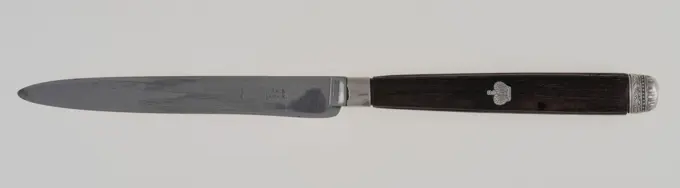
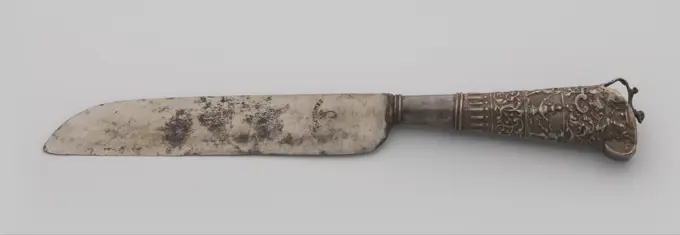
Knife, Wood, steel, Long flat leaf-shaped blade. Ribbed bolster. Almond-section handle, wood scales inlaid with metal wires in scrolls, trefoils and dots along length. Steel cap at terminal., Germany, ca. 1650, cutlery, Decorative Arts, Knife
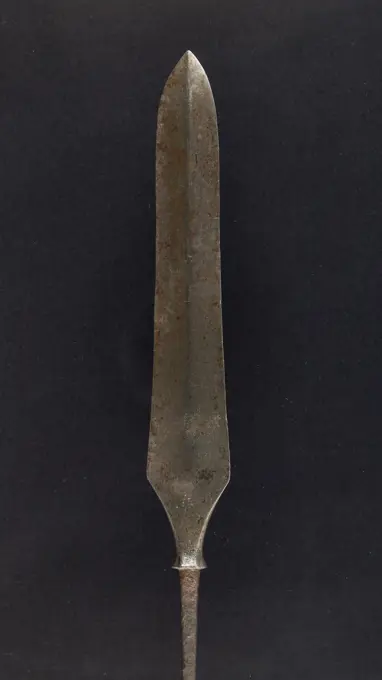
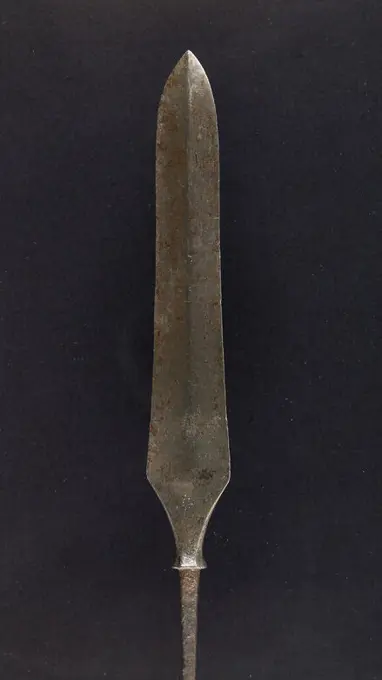
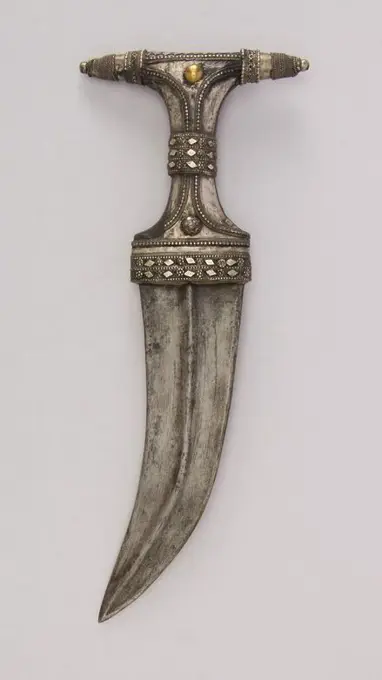
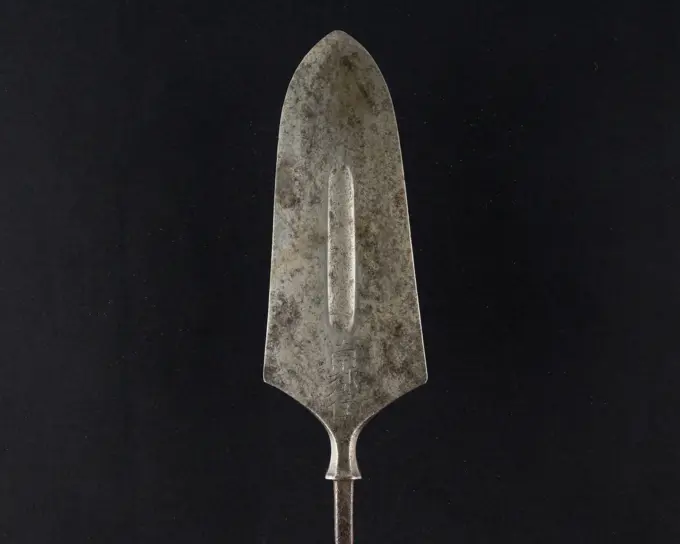
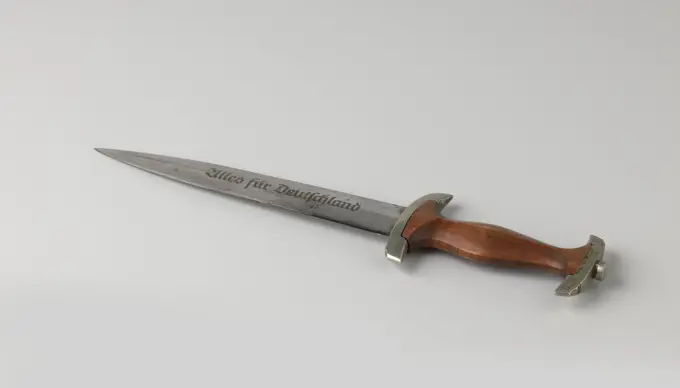
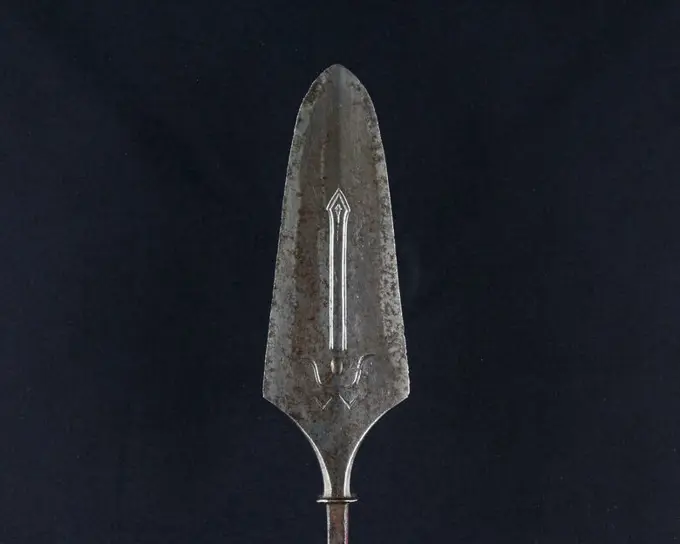
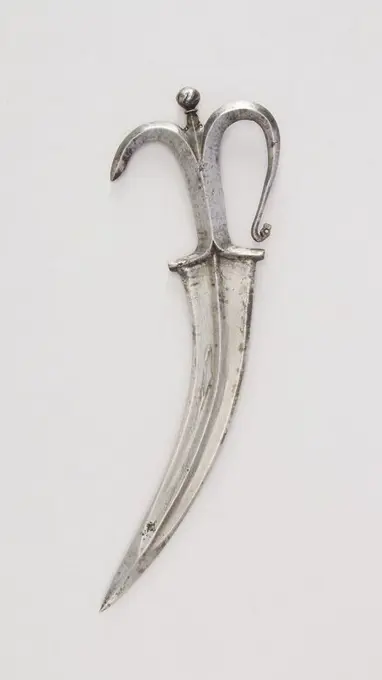
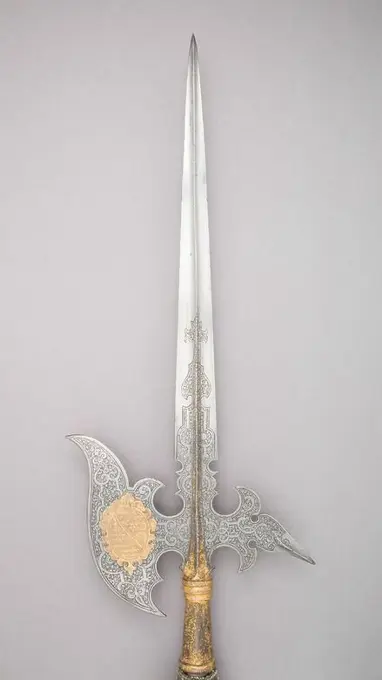
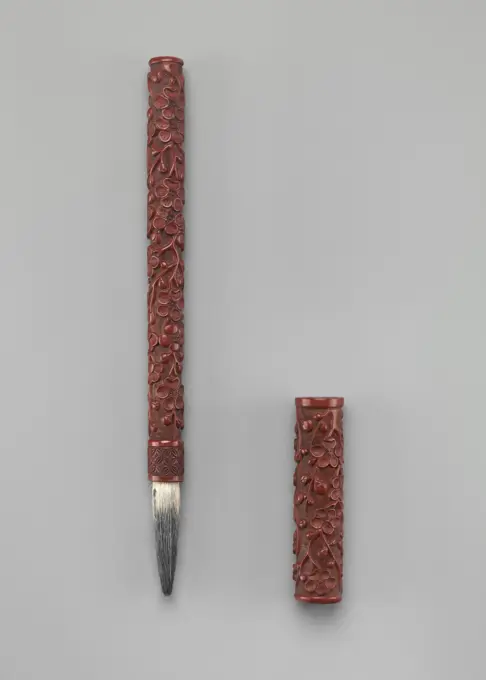
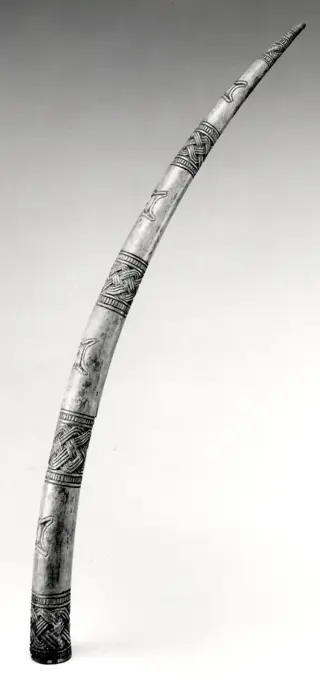
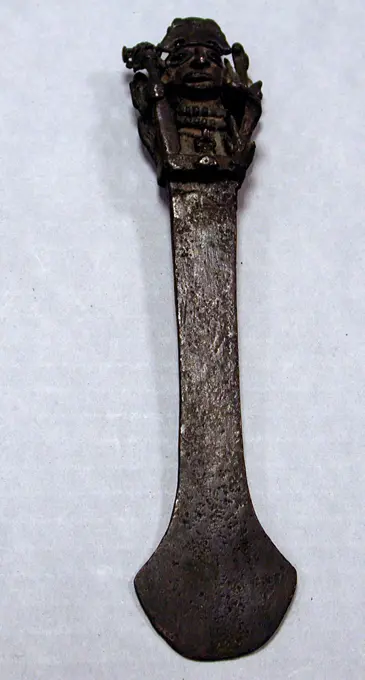
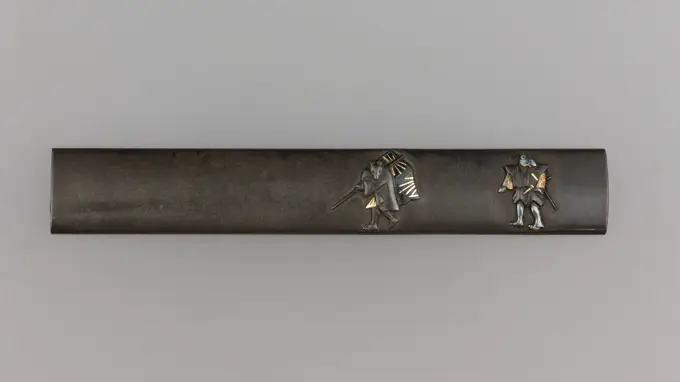
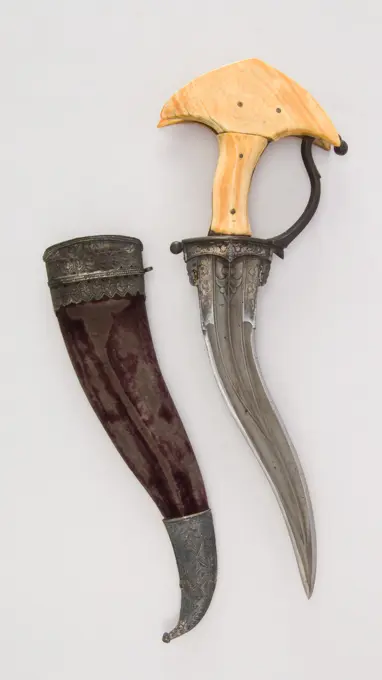
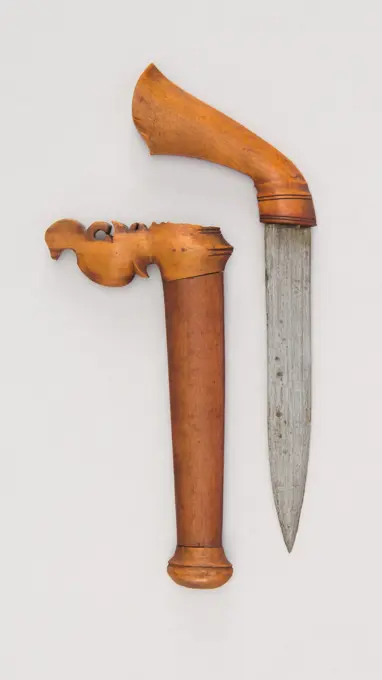
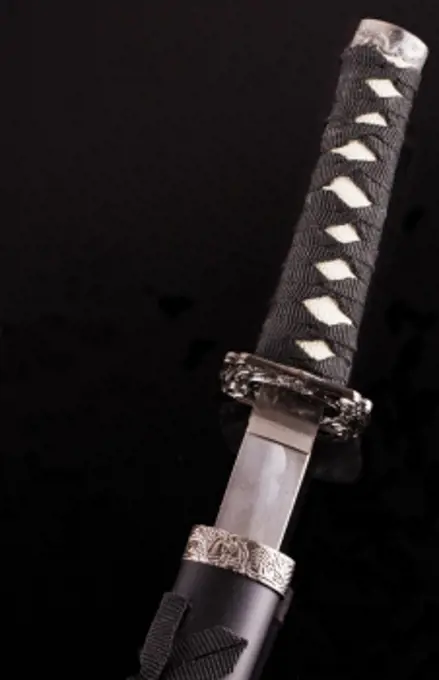
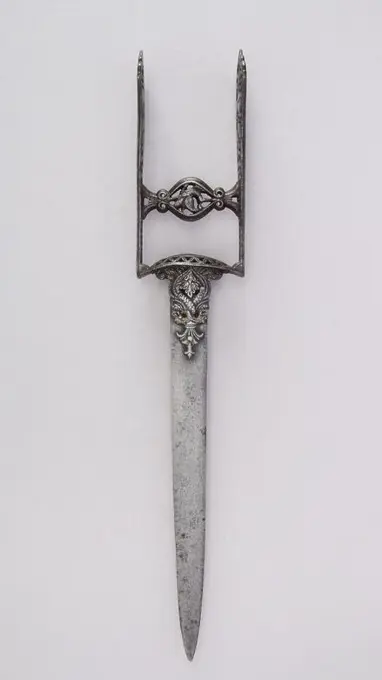
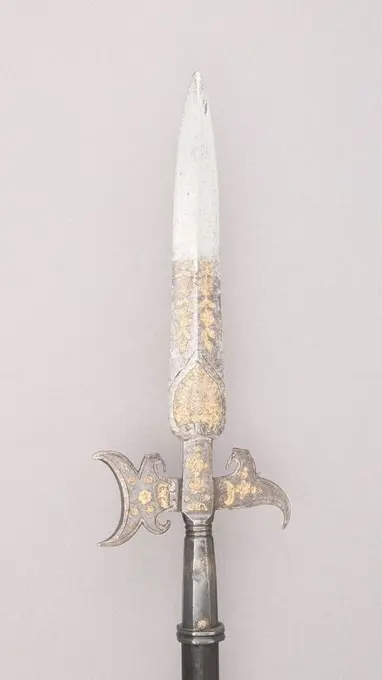
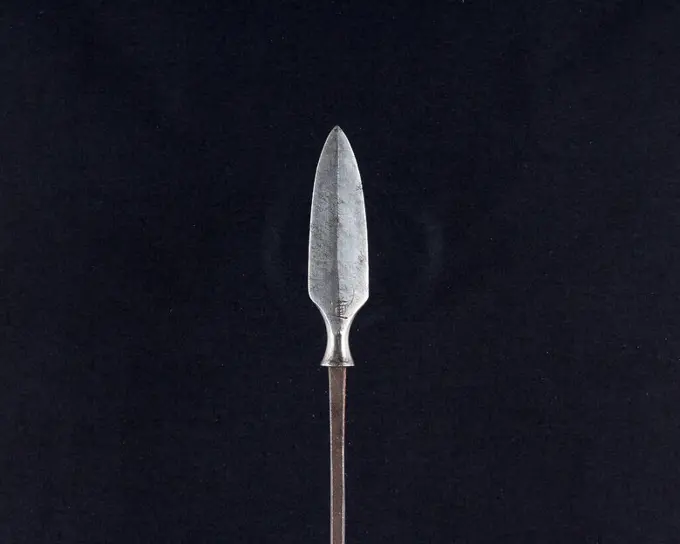
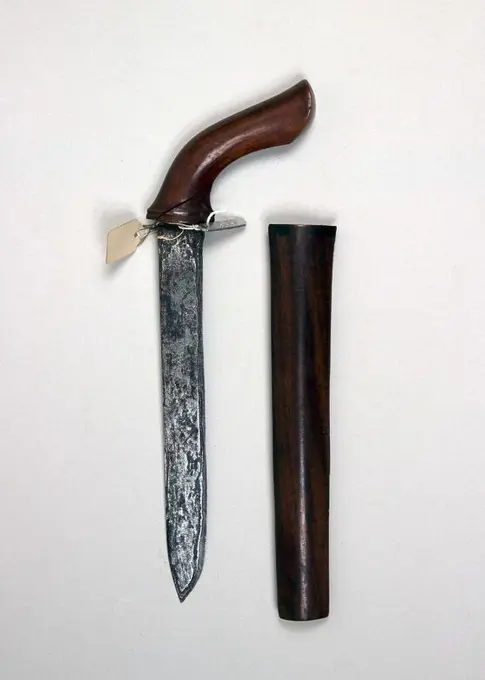
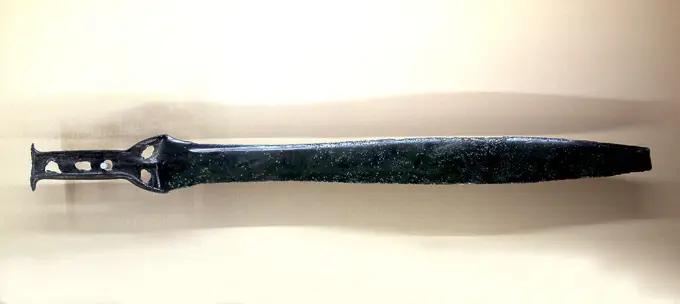
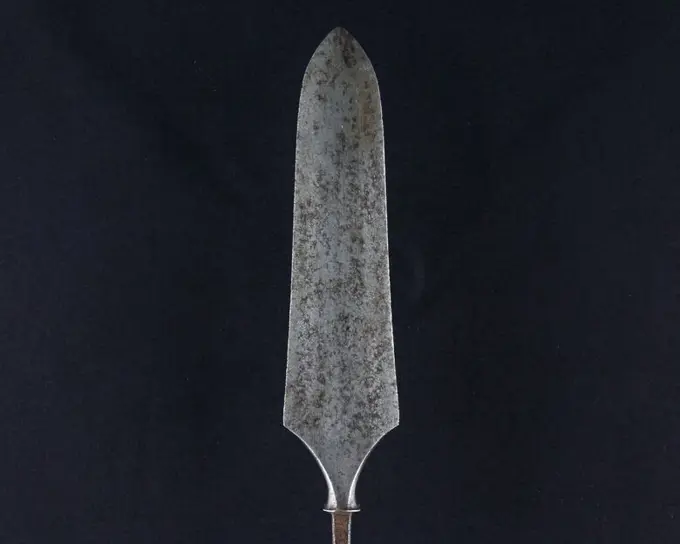
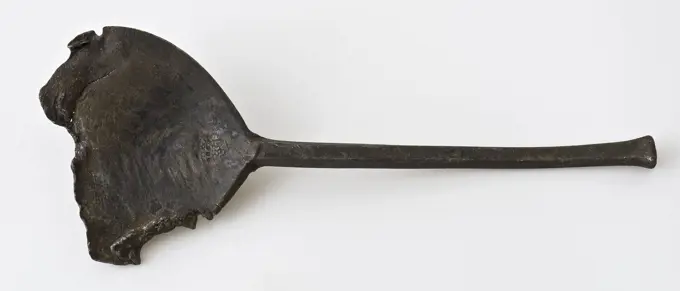
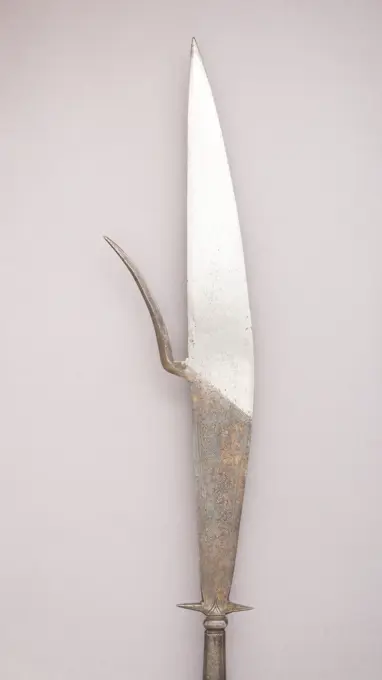
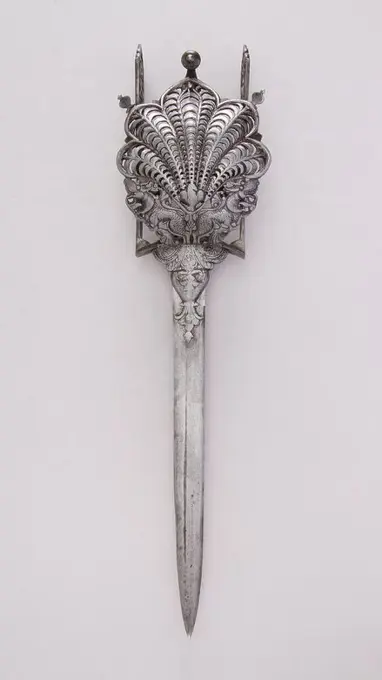
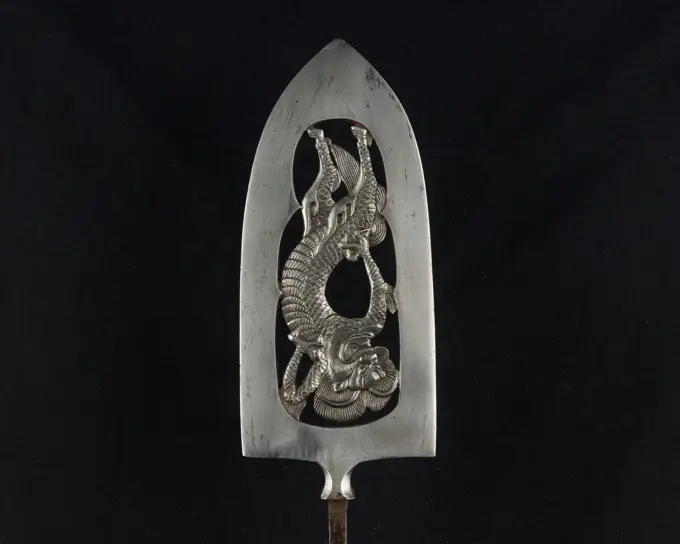
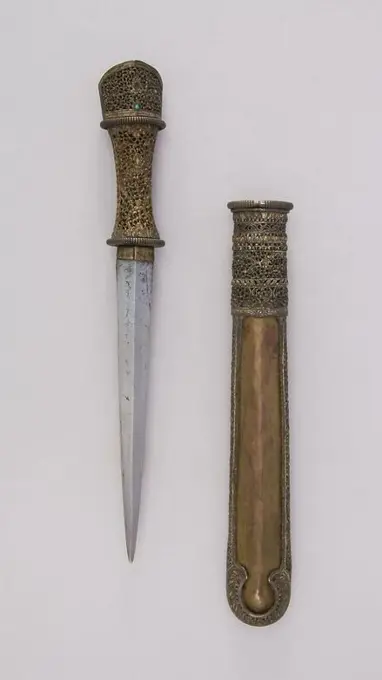
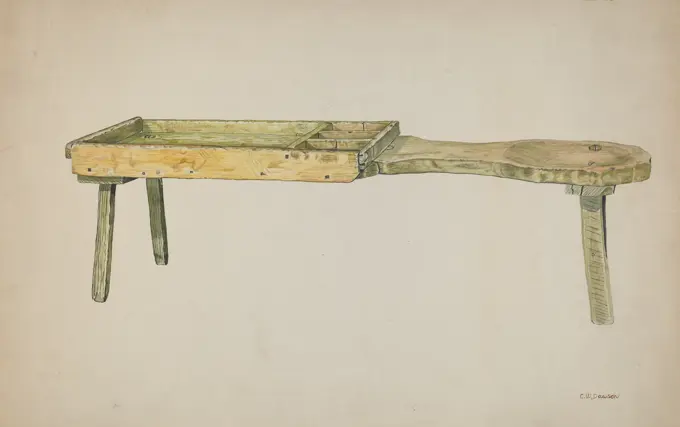
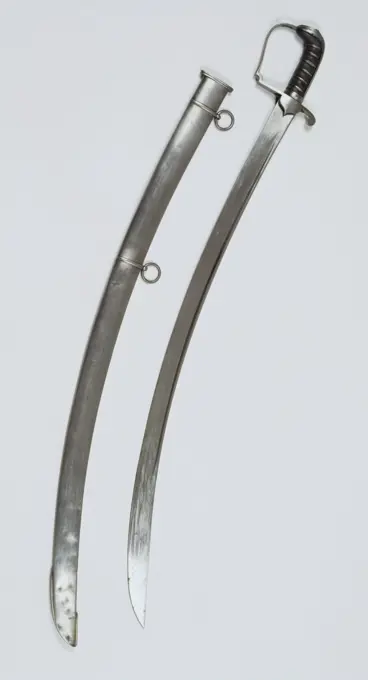
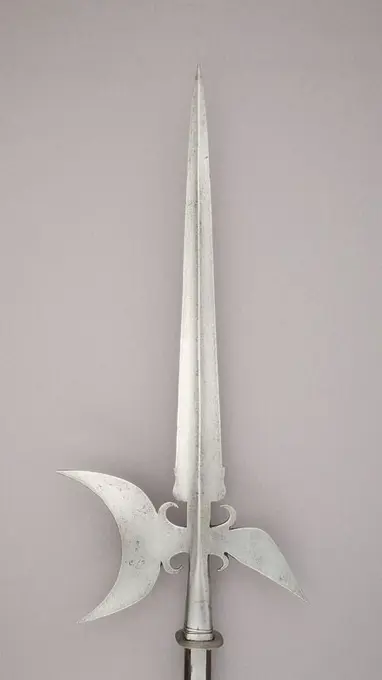
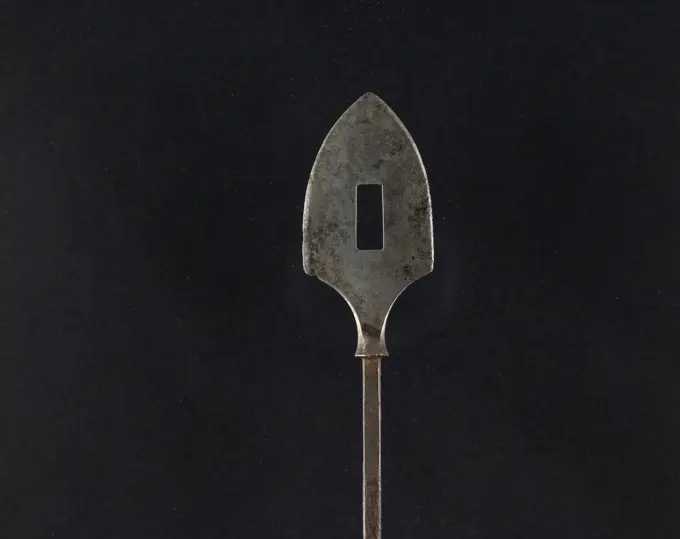
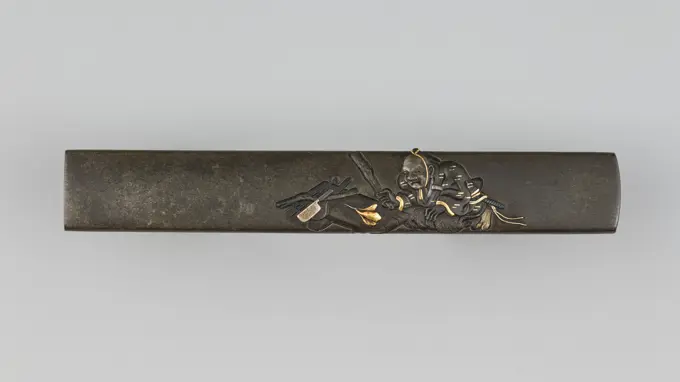
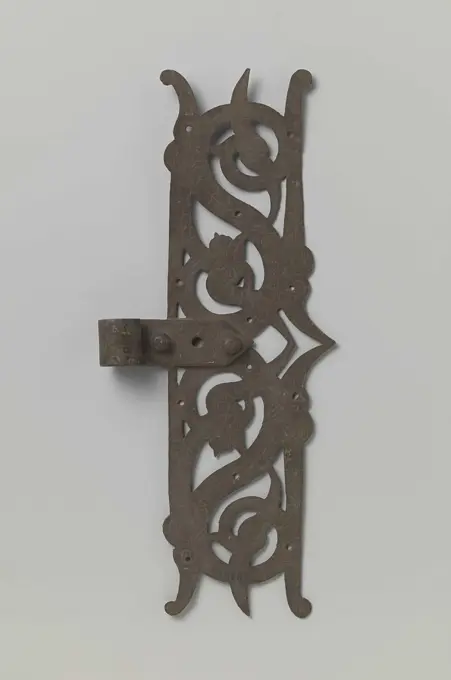
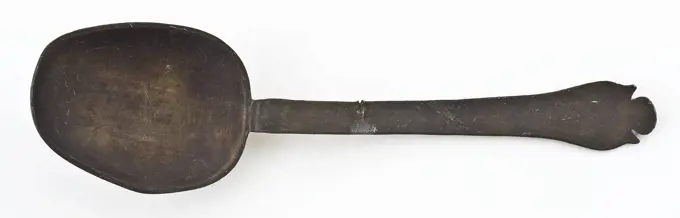
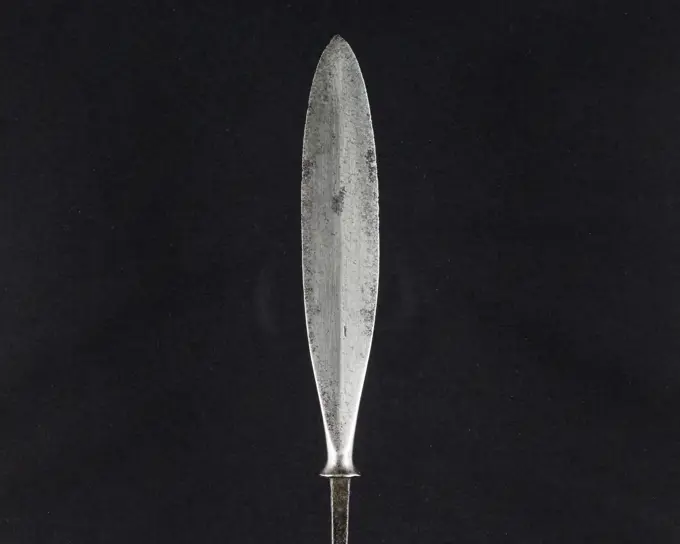
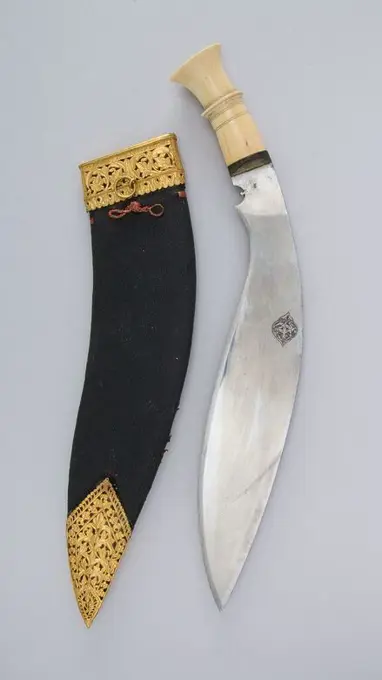
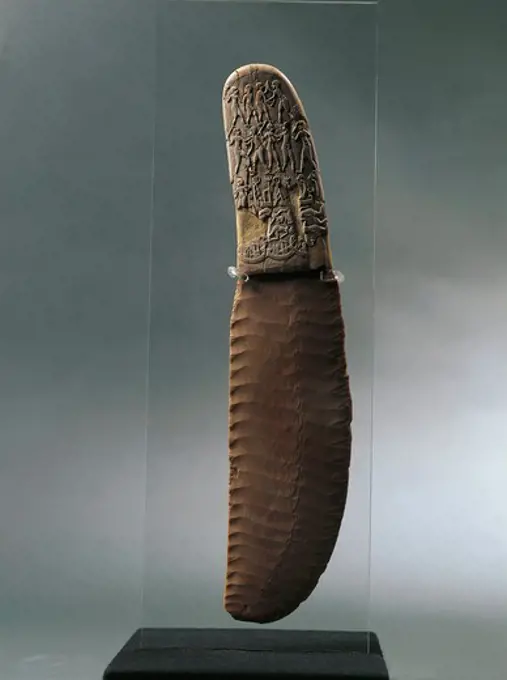
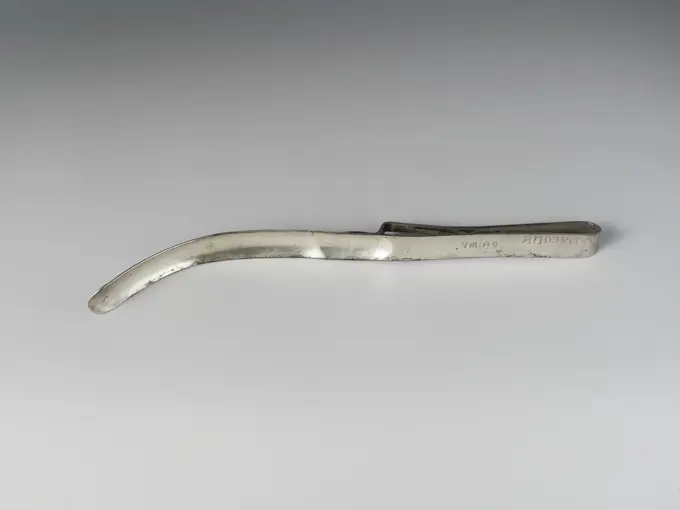
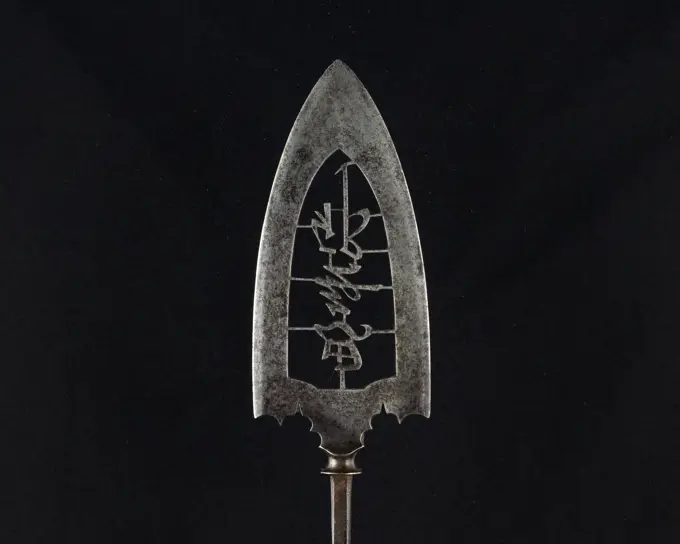
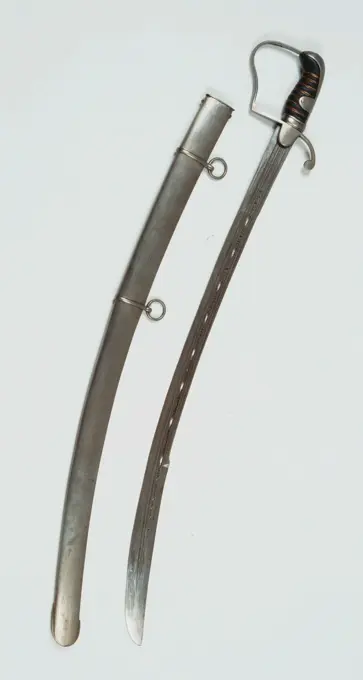
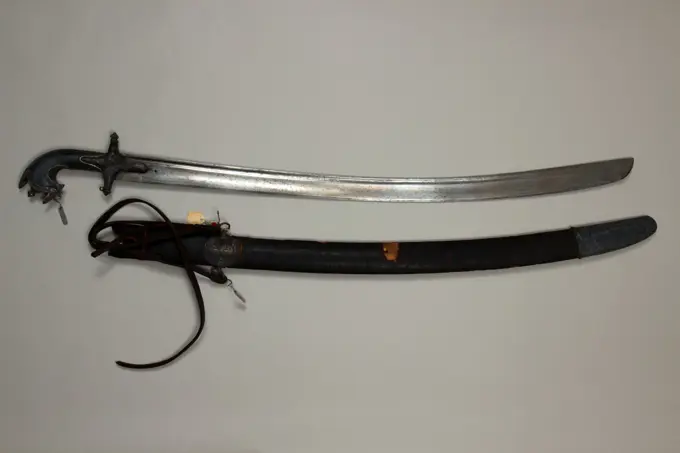
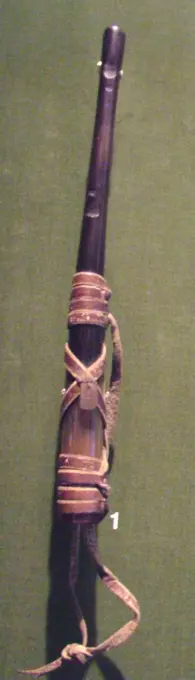
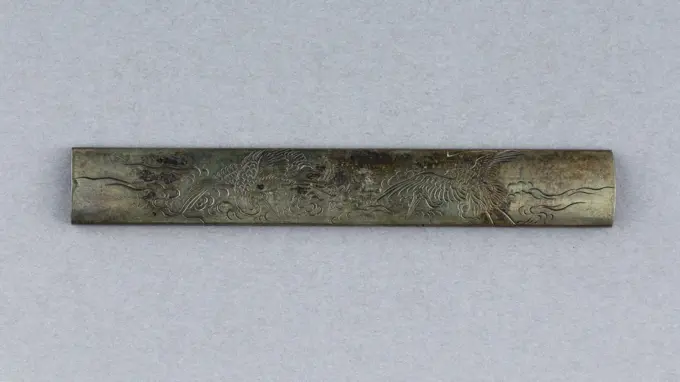
Knife, Horn, gold, mother-of-pearl, steel, Leaf-shaped blade, baluster bolster; facetted wooden handle similar to 1985-103-35; piqué with gold, steel and green-stained ivory in form of leafed-shaped motifs, dots, and rozettes. Handle inlaid with rozette at flat end., probably Central Europe, ca. 1630, cutlery, Decorative Arts, KnifeBill Made 1480-1520 Italy. Steel, wood, and brass .Arrowhead (Yanone) 18th century Japanese Although today Japanese warriors are renowned most for their swordsmanship, archery, especially from horseback, has been an essential part of samurai warfare and culture for centuries. Arrows were fitted with heads of varying shape according to their intended use in war, the hunt, or target practice. Arrowheads made for use on the battlefield incorporated different designs intended for specialized purposes such as the piercing of armor or to cause maximum damage to horses and unarmored personnel.Large arrowheads, pierced and elaborately chiseled with landscapes, birds, flowers, dragons, and Buddhist divinities, were created to be admired for the beauty of their metalwork and design rather than for use in archery. Such highly elaborate examples may have been made for presentation or as a votive offerings to a shrine.. Arrowhead (Yanone). Japanese. 18th century. Steel. Archery Equipment-ArrowheadsKnife, Wood, steel, Long flat leaf-shaped blade. Ribbed bolster. Almond-section handle, wood scales inlaid with metal wires in scrolls, trefoils and dots along length. Steel cap at terminal., Germany, ca. 1650, cutlery, Decorative Arts, KnifeKnife 18th-19th century Sri Lankan. Knife 31546Dagger (Katar) 17th century South Indian, Thanjavur. Dagger (Katar). South Indian, Thanjavur. 17th century. Steel. Thanjavur, Tamil Nadu. DaggersKnife (Bade-bade) with Sheath. Culture: Indonesian, Sulawesi. Dimensions: H. with sheath 13 3/16 in. (33.5 cm); H. without sheath 11 1/2 in. (29.2 cm); W. 2 in. (5.1 cm); Wt. 5.8 oz. (164.4 g); Wt. of sheath 2.6 oz. (73.7 g). Date: 18th-19th century. Museum: Metropolitan Museum of Art, New York, USA.ForkKnife (England), ca. 1610; steel, silver, gold, ivory, bone; L x W: 22.6 x 1.7 cm (8 7/8 x 11/16 in.); The Robert L. Metzenberg Collection, gift of Eleanor L. Metzenberg; 1985-103-88Arrowhead (Yanone). Culture: Japanese. Dimensions: L. 18 in. (45.7 cm); L. of head 6 1/2 in. (16.5 cm); W. 1 in. (2.5 cm); Wt. 2.9 oz. (82.2 g). Date: 18th century. Museum: Metropolitan Museum of Art, New York, USA.Dagger (Pesh-kabz) with Sheath. Culture: Indian. Dimensions: H. with sheath 9 3/8 in. (23.8 cm); H. without sheath 7 3/4 in. (19.7 cm); H. of blade 4 3/4 in. (12.1 cm); W. 1 3/4 in. (4.5 cm); Wt. 2.2 oz. (62.4 g); Wt. of sheath 1.7 oz. (48.2 g). Date: 18th-19th century. Museum: Metropolitan Museum of Art, New York, USA.Knife, ivory, silver, steel, Blade has straight upper edge, lower edge tapering towards the point. Blade is etched with floral pattern on front and back; plain bolster. Silver ferrule, round insection, decorated with floral pattern (stamped). Carved ivory handle: a man in costume with hat, playing a bagpipe. Attached to his belt a dagger, in sheath a knife in sheath and a horn., England, ca. 1700-1800, cutlery, Decorative Arts, KnifeKidney dagger with carved wooden hilt with iron and bronze inlay and baffle plate built up of layers of bronze and iron, along the sides with motif, long thin double-edged blade, kidney dagger dagger knife stabbing weapon weapon soil find iron wood metal, forged Kidney dagger with long narrow blade. The blade is double-edged and flat diamond-shaped. Kling both suitable for cutting work and for use as shocking weapon. The handle is made of wood and is richly decorated in shape with muscle-shaped wood carving iron and bronze inlays, baffle plate made of layers of bronze and iron and adorned at the edges. Parent bars cut out in the form of flower-with-leaves. The shape of the baffle plate runs into the base of the handle archeology Rotterdam klotendolk klootdolk kliodolk baldolk decoration status symbol personal equipment defense clothing accessory militaria gothic Soil discovery Rotterdam.Knife with Porcelain Handle, steel, silver; soft paste porcelain, vitreous enamel, Sabre-shaped blade, plain bolster. silver ferrule with scalloped edge. Pistol-shaped white porcelain handle, decorated in relief with floral sprays and a parrot's head at the top of the handle., England, ca. 1750, cutlery, Decorative Arts, knife, knifeKnife (Piha Kaetta) with Sheath. Culture: Sri Lankan. Dimensions: L. 10 3/4 in. (27.3 cm); W. 1 1/4 in. (3.2 cm); Wt. 5.2 oz. (147.4 g). Date: 18th-19th century. Museum: Metropolitan Museum of Art, New York, USA.Dagger (Jambiya). Culture: Arabian. Dimensions: H. 11 7/8 in. (30.2 cm); H. of blade 7 3/8 in. (18.7 cm); W. 4 3/4 in. (12.1 cm); Wt. 9.2 oz. (260.8 g). Date: 18th century. Museum: Metropolitan Museum of Art, New York, USA.Arrowhead (Yanone) 18th century Kanabo Masatsugu Japanese Although today Japanese warriors are renowned most for their swordsmanship, archery, especially from horseback, has been an essential part of samurai warfare and culture for centuries. Arrows were fitted with heads of varying shape according to their intended use in war, the hunt, or target practice. Arrowheads made for use on the battlefield incorporated different designs intended for specialized purposes such as the piercing of armor or to cause maximum damage to horses and unarmored personnel.Large arrowheads, pierced and elaborately chiseled with landscapes, birds, flowers, dragons, and Buddhist divinities, were created to be admired for the beauty of their metalwork and design rather than for use in archery. Such highly elaborate examples may have been made for presentation or as a votive offerings to a shrine.. Arrowhead (Yanone). Japanese. 18th century. Steel. Archery Equipment-ArrowheadsSA-dagger, epxs. The sunbathing, 1933 - 1940 dagger Dagger with chestnut wooden handle. Kling and batter are of various types of metal. On the blade inscription in Gothic letters: 'Everything für Deutschland'. On the bump plate inscription 'M'. There is a notch on the handle where previously an eagle was attached. Also on blade manufacture data, Solingen. The point has been demolished and later dragged. On the SA-Monogram hand button, weapon number '218865' and initials owner 'M. Sch. '' Germany metal. wood (plant material) forgingArrowhead (Yanone). Culture: Japanese. Dimensions: L. 12 1/4 in. (31.1 cm); L. of head 5 1/4 in. (13.3 cm); W. 1 3/4 in. (4.5 cm); Wt. 3.9 oz. (110.6 g). Date: 18th century. Museum: Metropolitan Museum of Art, New York, USA.Green Foedraal belonging to the Statitsiedegen, Anonymous, c. 1800 - c. 1900 Statementaltegen with mother -of -pearl grip and gilded copper hilt with reliachetes and the Dutch weapon.  wool. leather Statementaltegen with mother -of -pearl grip and gilded copper hilt with reliachetes and the Dutch weapon.  wool. leatherDagger. Culture: Indian. Dimensions: H. 13 7/8 in. (35.2 cm); H. of blade 9 3/4 in. (24.8 cm); W. 4 7/16 in. (11.3 cm); Wt. 10.9 oz. (309 g). Date: 16th-17th century. Museum: Metropolitan Museum of Art, New York, USA.Halberd of the Guard of the Electors of Saxony. Culture: German, Saxony. Dimensions: L. 8 ft. 8 1/2 in. (265.4 cm); L. of head 50 1/2 in. (128.3 cm); W. 11 1/2 in. (29.2 cm); Wt. 7 lbs. 2.2 oz. (3237.5 g). Date: ca. 1620. Museum: Metropolitan Museum of Art, New York, USA.Dagger with Sheath. Culture: Turkish. Dimensions: H. with sheath 21 7/8 in. (55.6 cm); H. without sheath 20 in. (50.8 cm); W. 2 13/16 in. (7.1 cm); Wt. 1 lb. 2.8 oz. (533 g); Wt. of sheath 11.3 oz. (320.3 g). Date: 19th century. Museum: Metropolitan Museum of Art, New York, USA.Couple, outdoor model, for infantry label no. 2 for a voluntary hunter or a hunter of '1829' (1st or 2nd bataillon), non -commissioned officer, C A 1830-1831, 1825 - 1830  Black leather belt. Inside brown leather. Two holes (for the missing brass hunterhoorn as holder with ample you). At the bottom a carrier with hole, for attaching the button of the saber. Above the carrier, at the bottom of the belt (with six holes) a yellow metal buckle.  leather. metalCosmetic Applicator or Pin. Afghanistan, 3rd century. Jewelry and Adornments; pins. IvorySword (Kilij) with Scabbard. Culture: Turkish. Dimensions: H. with scabbard 31 in. (78.7 cm); H. without scabbard 30 1/2 in. (77.5 cm); W. 7 in. (17.8 cm); Wt. 1 lb. 7.5 oz. (666.2 g); Wt. of scabbard 1 lb. 1.4 oz. (493.3 g). Date: 18th century. Museum: Metropolitan Museum of Art, New York, USA.Brush with plum blossoms second half of the 16th century China The plum blossoms at various stages of flowering that decorate this brush are an apt choice for a scholars implements. It is a theme often represented in literati painting and lauded in poetry.. Brush with plum blossoms. China. second half of the 16th century. Carved red lacquer. Ming dynasty (1368-1644). LacquerAltar Tusk 18th-19th century Edo peoples At its origins, the centralized city-state of Benin was founded by Edo-speaking peoples. The accounts by official court historians and descriptions provided by visitors evoke a vibrant cultural center continually redefined by its leadership through shifting internal and external power dynamics. According to oral tradition, circa 1300, Edo chiefs are reputed to have reached out to the leader of neighboring Ife, Oranmiyan, to establish a new divinely sanctioned royal dynasty. Since then, the investiture of Benins rulers to the title of obas has conferred upon them at once a role of chief priest officiating in important religious ceremonies and presiding over an elaborate structure of palace officials. During the fifteenth century reign of Oba Ewuare, Benins armies were formed and the fortification of its capital with a massive wall undertaken. In parallel, delegations of Portuguese traders assiduously sought to secure exclusive commercial treatiCeremonial Knife (Tumi) 2nd-7th century Moche. Ceremonial Knife (Tumi). Moche. 2nd-7th century. Copper (cast), silver (). Peru. Metal-ImplementsKnife Handle (Kozuka) 19th century Marukawa Hiroyoshi Japanese A kozuka is a handle of a by-knife that is part of a sword mounting. It is kept in a slot on the reverse of a katana scabbard, often with a matching kgai (hairdressing tool).. Knife Handle (Kozuka). Japanese. 19th century. Copper-silver alloy (shibuichi), silver, gold. Sword Furniture-KozukaDagger (Khanjarli) with Sheath 17th-18th century Indian. Dagger (Khanjarli) with Sheath 31461Rockledge Silver Service Luncheon Knife; Designed by George Washington Maher (American, 1864-1926); Manufactured by Gorham Manufacturing Company (United States); Client: Ernest L. and Grace King; USA; silver; L x W x D: 21.3 x 2.1 x 1.5 cm (8 3/8 x 13/16 x 9/16 in.)Partisan ca. 1525 Flemish. Partisan 25927Axe 18th-19th century Indian, Chota Nagpur. Axe. Indian, Chota Nagpur. 18th-19th century. Steel, wood, brass. Shafted WeaponsKnife with Sheath 18th-19th century Indonesian, Sulawesi (possibly Phillipine). Knife with Sheath 31464Knife. Culture: Thai. Dimensions: H. 32 1/4 in. (81.9 cm); W. 1 3/4 in. (4.5 cm); D. 3/4 in. (1.9 cm); Wt. 9.4 oz. (266.5 g). Date: 18th-19th century. Museum: Metropolitan Museum of Art, New York, USA.Hendrick van Duyveland (), Spoon with elongated oval bowl and flat handle with pointed end, spoon cutlery soil find tin metal, cast Oblong oblong dish rat tail wider end pointed pointed end. Provided with tin mark and stamped initials of the owner in front of the end of the handle: V T V archeology Rotterdam rail tunnel food Soil discovery: rail tunnel Rotterdam.Knife (Netherlands); agate, silver, steel; L x W: 20.9 x 1.9 cm (8 1/4 x 3/4 in.); The Robert L. Metzenberg Collection, gift of Eleanor L. Metzenberg; 1985-103-128Razor ca. 1550-1458 B.C. New Kingdom This razor is a type that was in use during the early Eighteenth Dynasty. It has two sharpened edges that were described as "still keen" by the excavator, Howard Carter, who also said that the ancient finger-marks were still visible upon its polished surface.The razor is part of a set of cosmetic implements (26.7.837a-d) that included a mirror, tweezers, a whetstone, and a kohl tube (26.7.1447), all found in a rush basket.. Razor. ca. 1550-1458 B.C.. Copper alloy. New Kingdom. From Egypt, Upper Egypt, Thebes, Asasif, Tomb CC 37, Hall (C), burial 16, inside oval basket, Carnarvon/Carter excavations, 1911. Dynasty 18, earlyKatana over black background, close up, vertical imageDagger (Katar). Culture: Indian, Thanjavur; blade, European. Dimensions: L. 18 9/16 in. (47.1 cm); W. 3 1/4 in. (8.3 cm); Wt. 1 lb. 0.5 oz. (467.8 g). Date: 17th century. Museum: Metropolitan Museum of Art, New York, USA.Halberd-Spontoon. Culture: French. Dimensions: L. 97 1/2 in. (247.7 cm); L. of head 13 1/2 in. (34.3 cm); W. 4 3/4 in. (12.1 cm); Wt. 2 lbs. 2 oz. (964 g). Date: ca. 1600. Museum: Metropolitan Museum of Art, New York, USA.Arrowhead (Yanone). Culture: Japanese. Dimensions: L. 7 in. (17.8 cm); L. of head 2 1/4 in. (5.7 cm); W. 1/2 in. (1.3 cm); Wt. 0.6 oz. (17 g). Date: 18th century. Museum: Metropolitan Museum of Art, New York, USA.Knife with Sheath. Culture: Malayan. Dimensions: L. with sheath 10 9/16 in. (26.8 cm); L. without sheath 10 1/4 in. (26 cm); L. of blade 7 1/2 in. (19 cm); W. 3 1/8 in. (7.9 cm); Wt. 3.2 oz. (90.7 g); Wt. of sheath 1.2 oz. (34 g). Date: 18th-19th century. Museum: Metropolitan Museum of Art, New York, USA.Bronze age sword, leaf shaped. 9th century BC. Bronze. Found in the province of Zaragoza. Archaeology Museum of Catalonia, Barcelona.Arrowhead (Yanone). Culture: Japanese. Dimensions: L. 16 3/4 in. (42.6 cm); L. of head 6 1/4 in. (15.9 cm); W. 1 1/2 in. (3.8 cm); Wt. 3.6 oz. (102.1 g). Date: 18th century. Museum: Metropolitan Museum of Art, New York, USA.Isaac Jans van Beusecom, Spoon with fig-shaped container and hexagonal container, spoon cutlery soil find tin metal, cast Figs bowl short rat tail hexagonal stem end trumpet shaped. Tin mark in the box for the attachment of the stem Front box smashed crowned rose in the crown IIB not sure archeology Rotterdam rail tunnel food Soil discovery: rail tunnel Rotterdam.Fruit Knife (France); Designed by F. Nicoud (French, active 1890); silver, steel, mother-of-pearl, gilding; L x W x D: 20 x 1 x 0.8 cm (7 7/8 x 3/8 x 5/16 in.)Foot Soldier's Axe 1700-1900 Northern Europe. Steel and wood (ash) .Partisan ca. 1690 Italian. Partisan 26086Ladle, Assyrian” pattern.  Manufacturer: Rogers Brothers, American, established 1847Clasp knife 18th century Italian, Savoy or French, Savoy. Clasp knife. Italian, Savoy or French, Savoy. 18th century. Steel, bronze, mother-of-pearl, silver. Metalwork-SteelFauchard ca. 1560 Italian, Venice. Fauchard 26768Axe (Berdiche). Culture: Turkish. Dimensions: L. 55 3/4 in. (141.6 cm). Date: A.H. 1197/ A.D. 1782-83. Museum: Metropolitan Museum of Art, New York, USA.Dagger (Katar). Culture: Indian, Thanjavur; blade, European. Dimensions: L. 18 9/16 in. (47.1 cm); W. 4 1/2 in. (11.4 cm); Wt. 1 lb. 9.4 oz. (720.1 g). Date: 17th century. Museum: Metropolitan Museum of Art, New York, USA.Arrowhead (Yanone) 16th century Japanese Although today Japanese warriors are renowned most for their swordsmanship, archery, especially from horseback, has been an essential part of samurai warfare and culture for centuries. Arrows were fitted with heads of varying shape according to their intended use in war, the hunt, or target practice. Arrowheads made for use on the battlefield incorporated different designs intended for specialized purposes such as the piercing of armor or to cause maximum damage to horses and unarmored personnel.Large arrowheads, pierced and elaborately chiseled with landscapes, birds, flowers, dragons, and Buddhist divinities, were created to be admired for the beauty of their metalwork and design rather than for use in archery. Such highly elaborate examples may have been made for presentation or as a votive offerings to a shrine.. Arrowhead (Yanone). Japanese. 16th century. Steel. Archery Equipment-ArrowheadsRoncone. Culture: Italian. Dimensions: H. 26 3/4 in. (68 cm); W. 5 29/32 in. (15.01 cm) of head only (not including shaft). Date: ca. 1525. Museum: Metropolitan Museum of Art, New York, USA.CHisel on woodDagger with Sheath. Culture: Indian, Sikkim or Bhutanese. Dimensions: L. with sheath 15 1/2 in. (39.4 cm); L. without sheath 12 3/4 in. (32.4 cm); L. of blade 8 in. (20.3 cm); W. 1 11/16 in. (4.3 cm); Wt. 8.9 oz. (252.3 g); Wt. of sheath 10.4 oz. (294.8 g). Date: 18th-19th century. Museum: Metropolitan Museum of Art, New York, USA.Clarence W Dawson, Shoe Bench, c 1941 Shoe BenchDagger 19th century Indian. Dagger 31619Iron blade with legs and brass handle with engraved saints, knife cutlery soil find iron copper brass metal leg, w 1.5 forged cast cut drilled engraved Iron knife. Legs has brass tip. Narrow blade Marked for the handle with an inlaid gold colored figure Engraved Pictured are two saints, one with raised sword. On top of the handle an eye or an abstract decoration marks on the blade: star and cloverleaf archeology cut food table devotion bible religionsaber with sheath, c. 1700 - c. 1900 sabre Sabel with a few sidewear bracket and a handle of fish skin. The sheath is equipped with two carrying rings.  metal.Halberd. Culture: possibly Flemish. Dimensions: L. 96 1/2 in. (245.1 cm); L. of head 26 in. (66 cm); W. 11 7/16 in. (29 cm); Wt. 6 lbs. 8.2 oz. (2954 g). Date: ca. 1600. Museum: Metropolitan Museum of Art, New York, USA.Halberd 18th century American. Halberd 27863DaggerHarpoon 1500-500 B.C. India. Harpoon 50605Yeah; Tauron-Parisot (couples; Factory; 1839-); XIX-XX century (1901-00-00-2000-00-00);Comb, 13 7/8 x 7 5/16 x 1 3/4 in. (35.24 x 18.57 x 4.45 cm), Wood, pigment, Papua New GuineaArrowhead (Yanone) 18th century Japanese Although today Japanese warriors are renowned most for their swordsmanship, archery, especially from horseback, has been an essential part of samurai warfare and culture for centuries. Arrows were fitted with heads of varying shape according to their intended use in war, the hunt, or target practice. Arrowheads made for use on the battlefield incorporated different designs intended for specialized purposes such as the piercing of armor or to cause maximum damage to horses and unarmored personnel.Large arrowheads, pierced and elaborately chiseled with landscapes, birds, flowers, dragons, and Buddhist divinities, were created to be admired for the beauty of their metalwork and design rather than for use in archery. Such highly elaborate examples may have been made for presentation or as a votive offerings to a shrine.. Arrowhead (Yanone). Japanese. 18th century. Steel. Archery Equipment-ArrowheadsPartisan ca. 1750 Austrian. Partisan 27045Fireplace Tool. Dated: c. 1940. Dimensions: overall: 26.5 x 51.1 cm (10 7/16 x 20 1/8 in.). Medium: watercolor, graphite, and colored pencil on paperboard. Museum: National Gallery of Art, Washington DC. Author: Sydney Roberts.Guisarme ca. 1480 Swiss. Guisarme 25838Yeah to fish; Korzec (Porcelain and faience manufacture; 1790-1832); 19th century (1801-00-00-1901-00-00);Knife Handle (Kozuka) late 18th-early 19th century Hamano Haruchika Japanese A kozuka is a handle of a by-knife that is part of a sword mounting. It is kept in a slot on the reverse of a katana scabbard, often with a matching kgai (hairdressing tool).. Knife Handle (Kozuka). Japanese. late 18th-early 19th century. Copper-silver alloy (shibuichi), gold, silver. Sword Furniture-KozukaWar 1939-1945. Together of Colonel Louis-Guy Warabiot (501st RCC). Semi-automatic pistol charger Colt 45. Metal. 1943-1945. General Leclerc Museum of Hauteclocque and the Liberation of Paris, Jean Moulin Museum. Firearm weapon, 1939-1945 war, war 39-45, pistol, Second World WarDagger (Jambiya) with Sheath 18th century Ottoman. Dagger (Jambiya) with Sheath. Ottoman. 18th century. Steel, jade, gold, velvet, gemstone. DaggersTraditional wooden pocket knife on a black background. Traditional wooden pocket knife on black backgroundKnife -Handle handle with rank motifs. Handle handle handle. At the bottom of a large, round opening of a hinge with a straight approach. Behind the starter is the openwork, symmetrical batter with ran motifs in full two right tracks. The upper course runs in the middle in a cut-away point.Mesje with handle inlaid with mother -of -pearl, anonymous, 1500 - 1700 Iron knife. The gold -plated lifted with mother -of -pearl is decorated with palm leaves and volutes. West-Europa iron (metal). heft: mother of pearl. heft: gilding (material) gilding / inlay (process) Iron knife. The gold -plated lifted with mother -of -pearl is decorated with palm leaves and volutes. West-Europa iron (metal). heft: mother of pearl. heft: gilding (material) gilding / inlay (process)Scissors cutting twine into piecesKnife with silver handle, F.W. Movies, c. 1400 - c. 1950 Knife with silver handle with driven decorations in 5 edges: (1) a grinding list, (2) turmoil orcherts, (3) dancing figures, (4) terres, (5) figures at a table and a barrel. As a crowning dog. Brand: F.W. Filmes, presumably Frisian. Friesland (possibly) silver (metal) Knife with silver handle with driven decorations in 5 edges: (1) a grinding list, (2) turmoil orcherts, (3) dancing figures, (4) terres, (5) figures at a table and a barrel. As a crowning dog. Brand: F.W. Filmes, presumably Frisian. Friesland (possibly) silver (metal)Hendrick van Duyveland, Pewter spoon with wide-oval bowl, rat tail and rump, handle end pied the biche, spoon cutlery soil find tin brass metal, cast Wide-oval bowl rat tail and rump end of the bar pied the biche Downside handle smashed mark representing winged figure with raised sword in an oval why the text: HENDRICK VAN DUIVELANT archeology Rotterdam eating railroads Soil discovery: rail tunnel Rotterdam.Honing steelArrowhead (Yanone) 18th century Japanese Although today Japanese warriors are renowned most for their swordsmanship, archery, especially from horseback, has been an essential part of samurai warfare and culture for centuries. Arrows were fitted with heads of varying shape according to their intended use in war, the hunt, or target practice. Arrowheads made for use on the battlefield incorporated different designs intended for specialized purposes such as the piercing of armor or to cause maximum damage to horses and unarmored personnel.Large arrowheads, pierced and elaborately chiseled with landscapes, birds, flowers, dragons, and Buddhist divinities, were created to be admired for the beauty of their metalwork and design rather than for use in archery. Such highly elaborate examples may have been made for presentation or as a votive offerings to a shrine.. Arrowhead (Yanone). Japanese. 18th century. Steel. Archery Equipment-ArrowheadsVaginal knowledgeKnife (Kukri) with Sheath. Culture: Indian or Nepalese, Gurkha. Dimensions: H. with sheath 18 1/4 in. (46.4 cm); H. without sheath 17 1/8 in. (43.5 cm); W. 2 1/8 in. (5.4 cm); Wt. 1 lb. 8.9 oz. (705.9 g); Wt. of sheath 8.2 oz. (232.5 g). Date: 19th century. Museum: Metropolitan Museum of Art, New York, USA.Dagger (Katar) 17th-18th century. Dagger (Katar) 31499Model of the old dagger with a white background, souvenirGebel el-Arak knife, late Predynastic period, flintstone and ivorySilver strigil (scraper) early 3rd century B.C. Possibly South Italian or Etruscan Strigils were used to scrape accumulated oil, dirt, and sweat gently from the body. In Greek and Roman society, they were exclusively used by men; both sexes are shown using them in Etruscan culture. A retrograde monogram reads DA:MV (Ra : Mu...) and probably refers to the owner, whose name might have been Ramtha Murcnas or Murinas. Ramtha was a common woman's name, and both family names are attested in the Bolsena region.. Silver strigil (scraper) 247078Arrowhead (Yanone) probably 17th century Japanese Although today Japanese warriors are renowned most for their swordsmanship, archery, especially from horseback, has been an essential part of samurai warfare and culture for centuries. Arrows were fitted with heads of varying shape according to their intended use in war, the hunt, or target practice. Arrowheads made for use on the battlefield incorporated different designs intended for specialized purposes such as the piercing of armor or to cause maximum damage to horses and unarmored personnel.Large arrowheads, pierced and elaborately chiseled with landscapes, birds, flowers, dragons, and Buddhist divinities, were created to be admired for the beauty of their metalwork and design rather than for use in archery. Such highly elaborate examples may have been made for presentation or as a votive offerings to a shrine.. Arrowhead (Yanone). Japanese. probably 17th century. Steel. Archery Equipment-ArrowheadsKnife (England); ivory, steel; L x W: 23.6 x 1.9 cm (9 5/16 x 3/4 in.); The Robert L. Metzenberg Collection, gift of Eleanor L. Metzenberg; 1985-103-171Sabel with sheath officers Light cavalry no. 1, M 1813.sabel Light cavalry no. 1, Model 1814. Risk of up to 8.5 cm. The blade is engraved and equipped with ajour work, à baguette. Two short and three long narrow cavities. Finished with reinforcements in the corner. Sheath has no brand.CHisel on woodSword (Saif) with Scabbard 18th-19th century Indian, Hyderabad or Arabian. Sword (Saif) with Scabbard 30999Falconer's Horn 16th-18th century German Although we usually think of horns as being made of brass, the oldest and simplest of these instruments were commonly made of animal horn. The conical shape of animal horns used as signal or ritual instruments was retained in more sophisticated horns of metal and wood. The term "cornetto" comes from the Latin, "cornu" (horn), while "shofar" is related to the Sumerian name for a male goat of ibex. The falconer's horn and shofar produce only a few pitches, while the fingerholes of the bukkehorn and cornetto allow melodic playing.. Falconer's Horn 503942Knife Handle (Kozuka) end of 18th century Japanese A kozuka is a handle of a by-knife that is part of a sword mounting. It is kept in a slot on the reverse of a katana scabbard, often with a matching kōgai (hairdressing tool).. Knife Handle (Kozuka) 32210Close up of a dovetail saw in a carpentry workshop.