Historical Knives and Weaponry

A collection of antique knives and weaponry, showcasing intricate designs, materials like steel and wood, and historical craftsmanship from various cultures.

Knife, Wood, steel, Long flat leaf-shaped blade. Ribbed bolster. Almond-section handle, wood scales inlaid with metal wires in scrolls, trefoils and dots along length. Steel cap at terminal., Germany, ca. 1650, cutlery, Decorative Arts, Knife
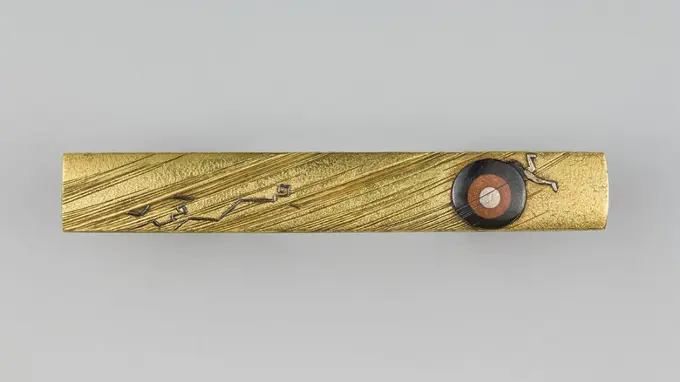
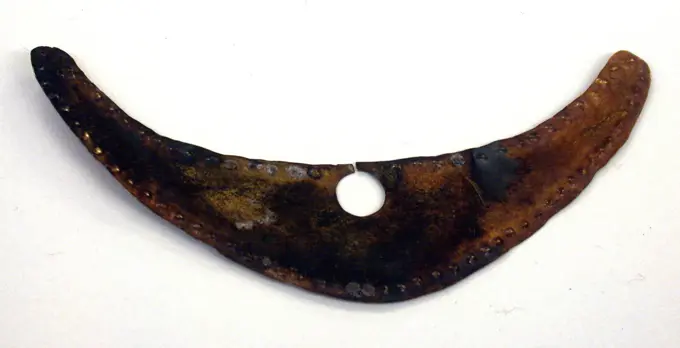
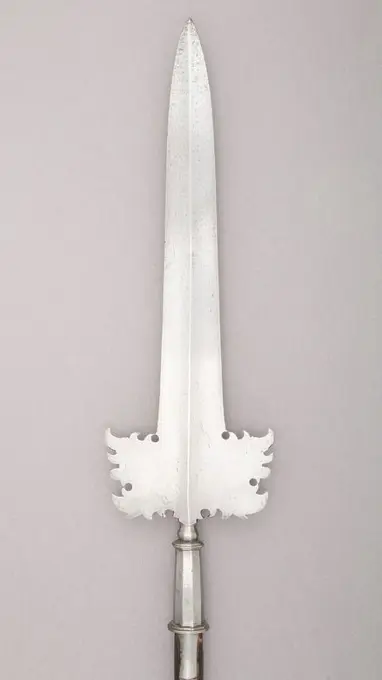
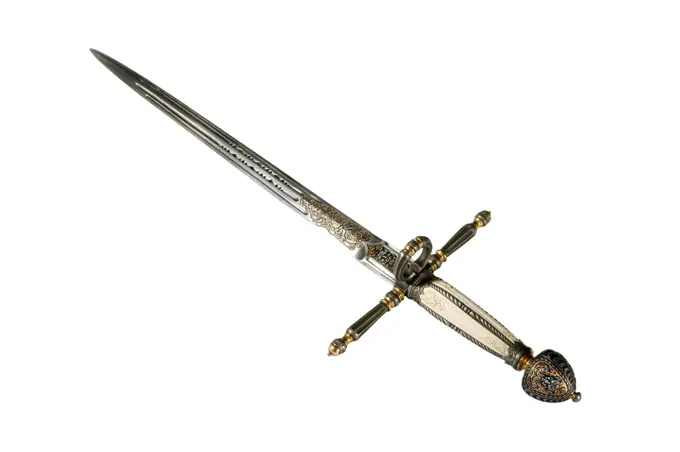
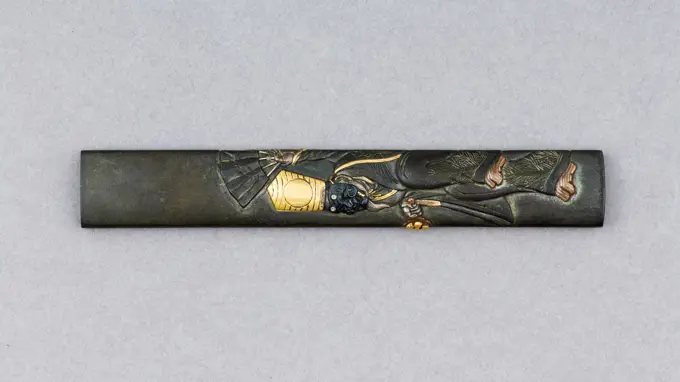
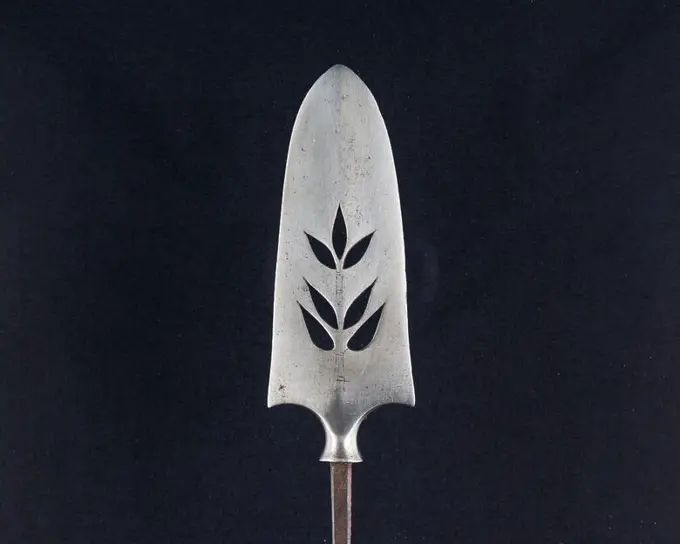
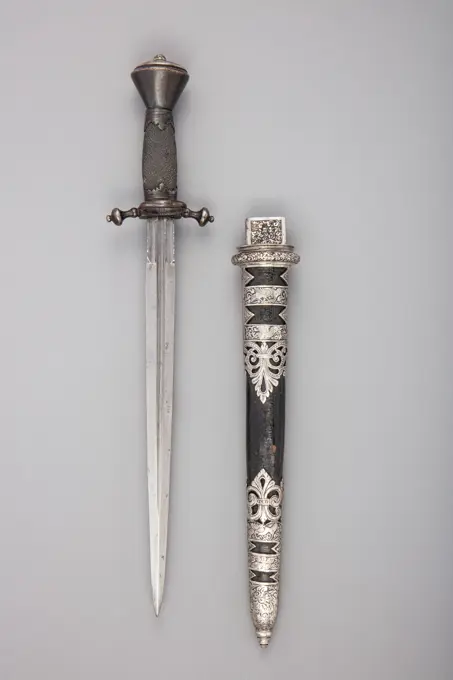
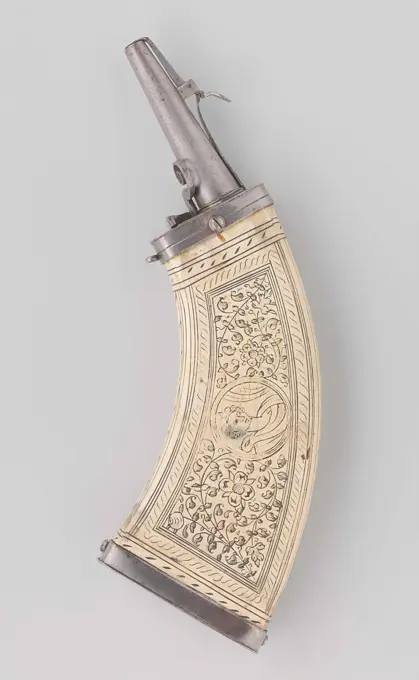
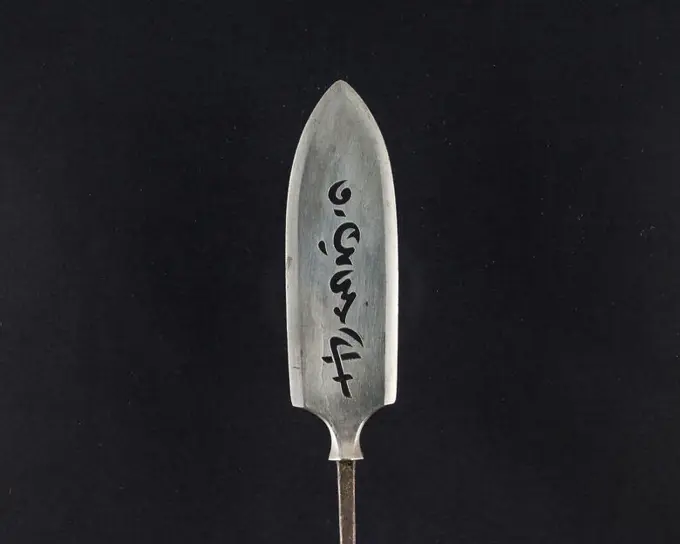
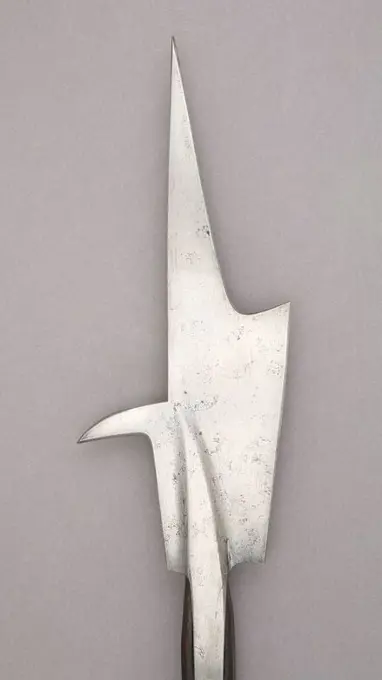
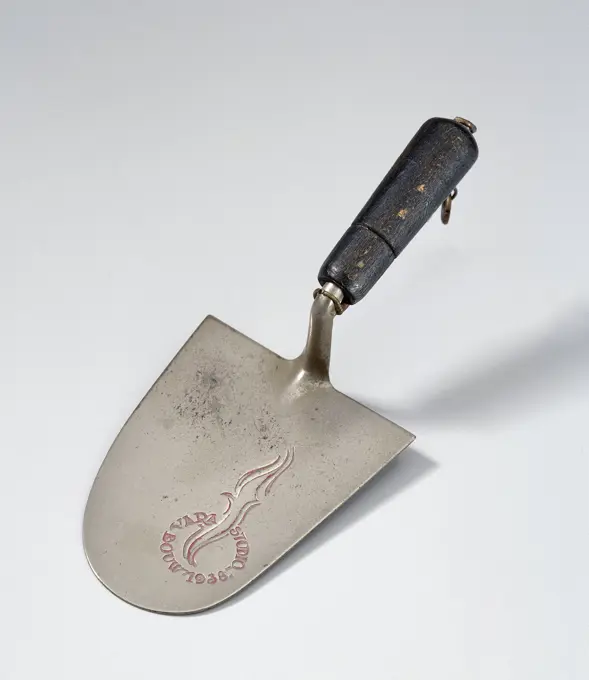
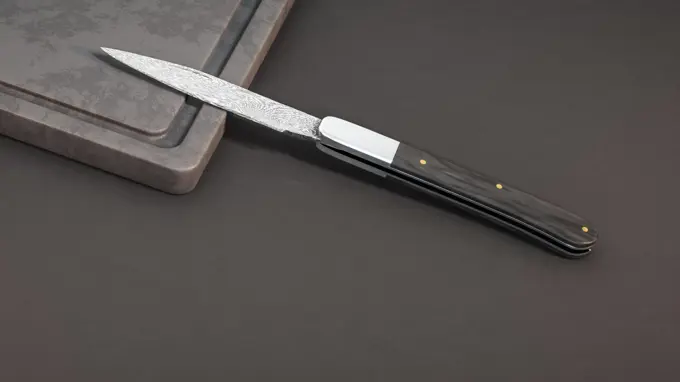
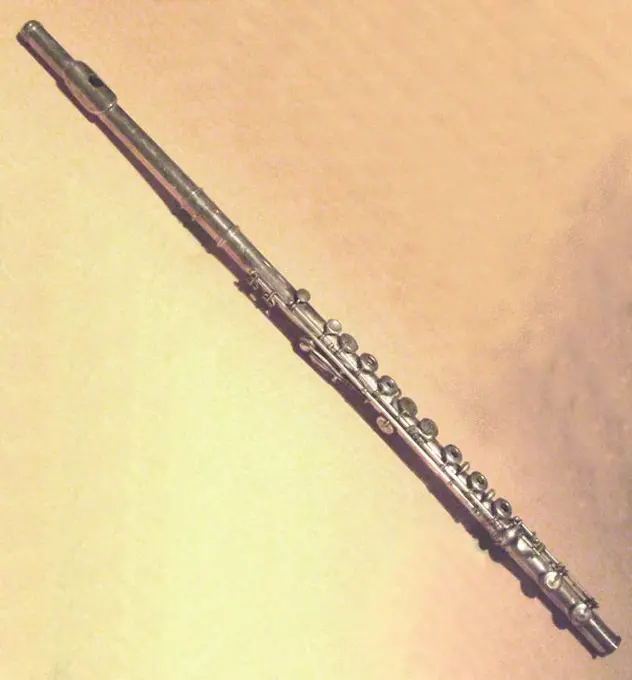
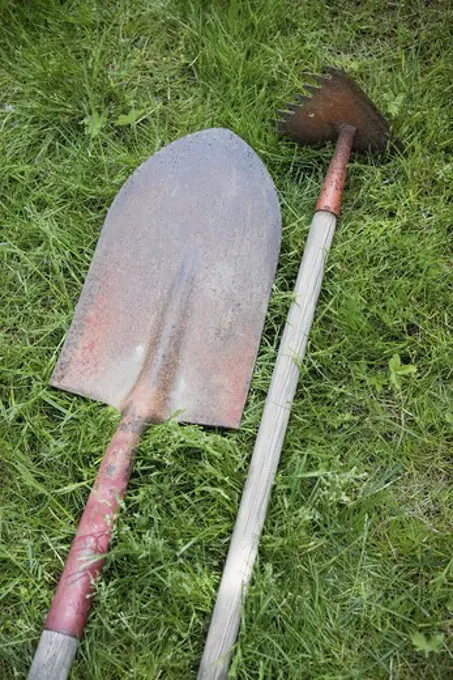
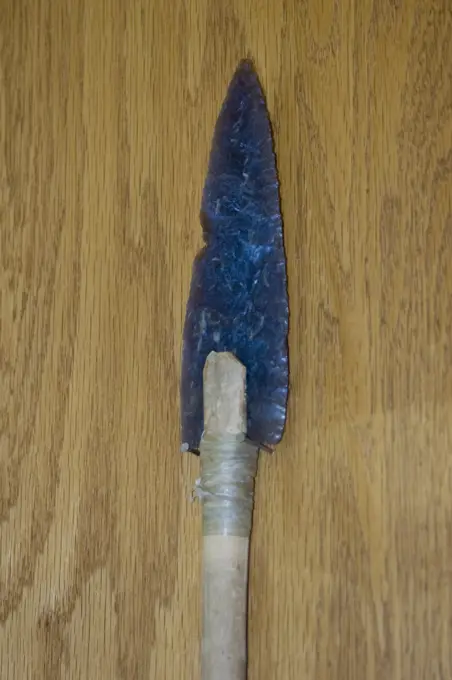
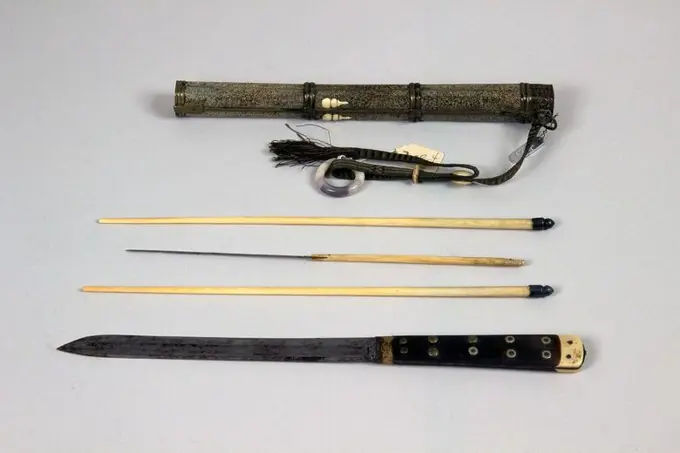
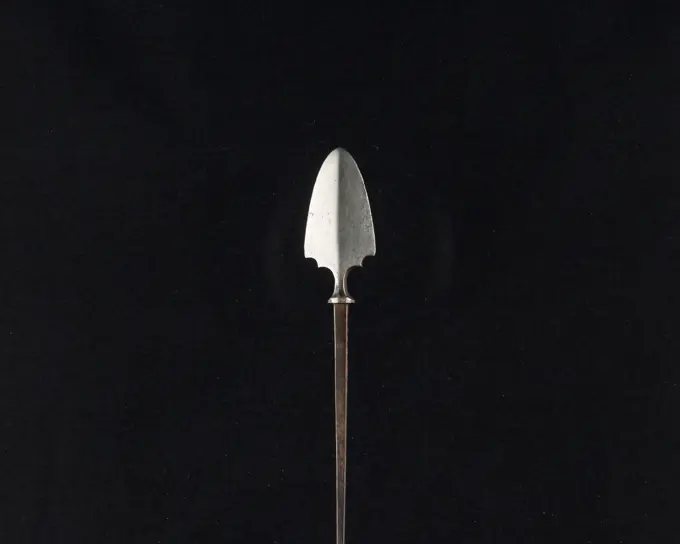
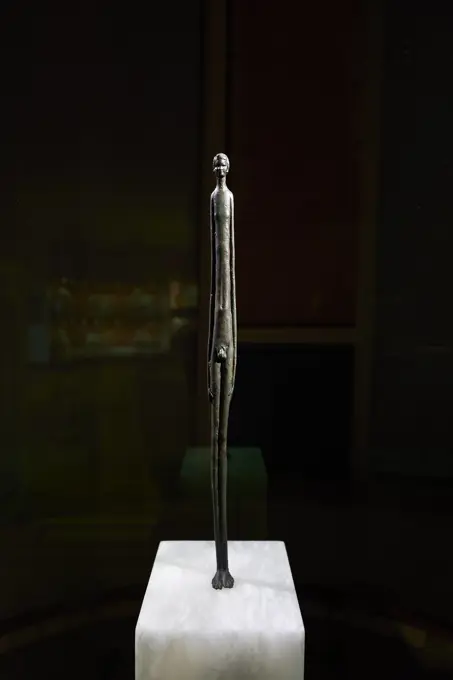
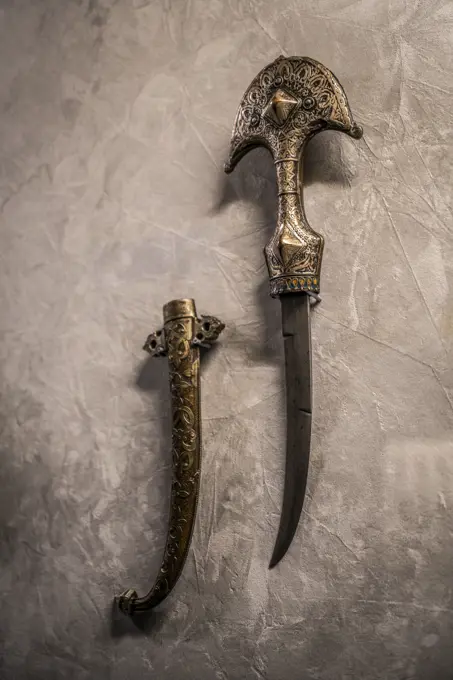
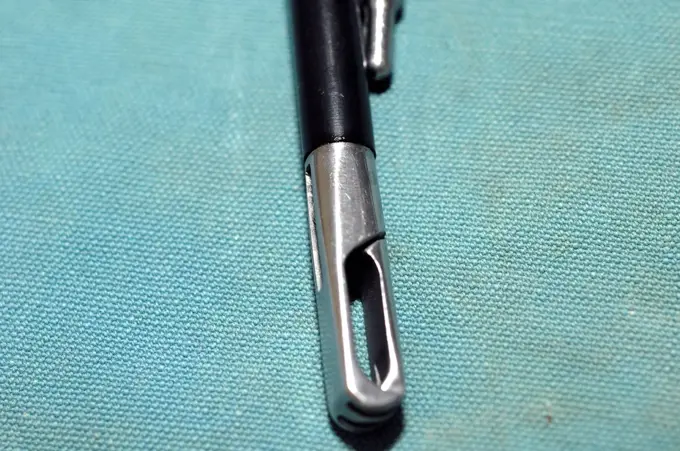
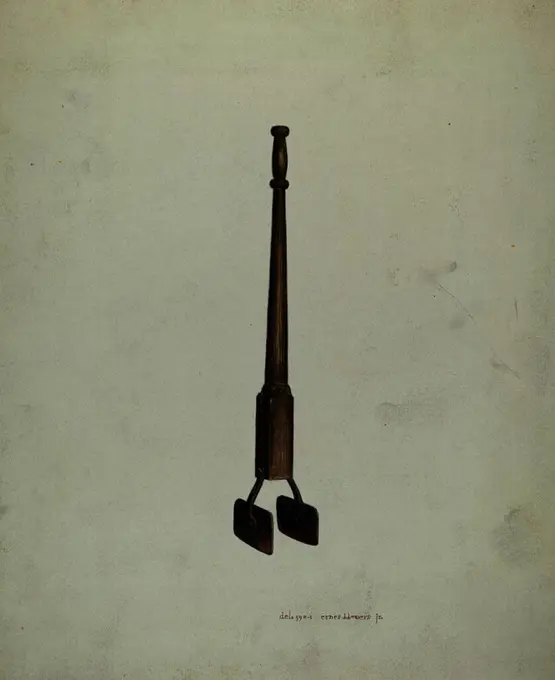
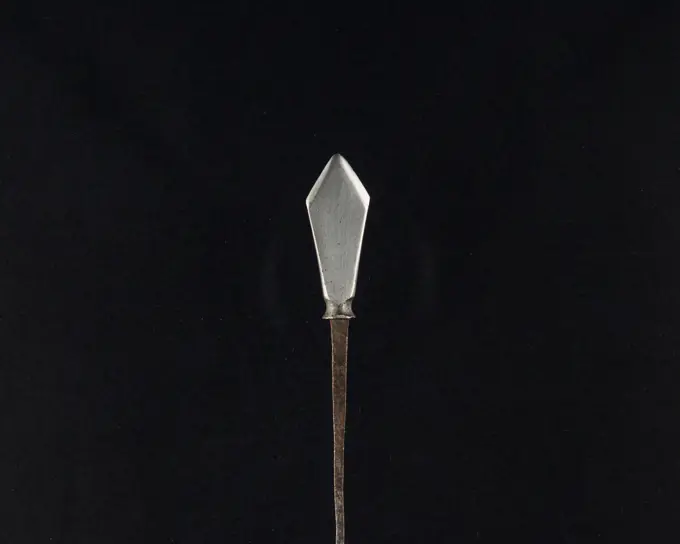
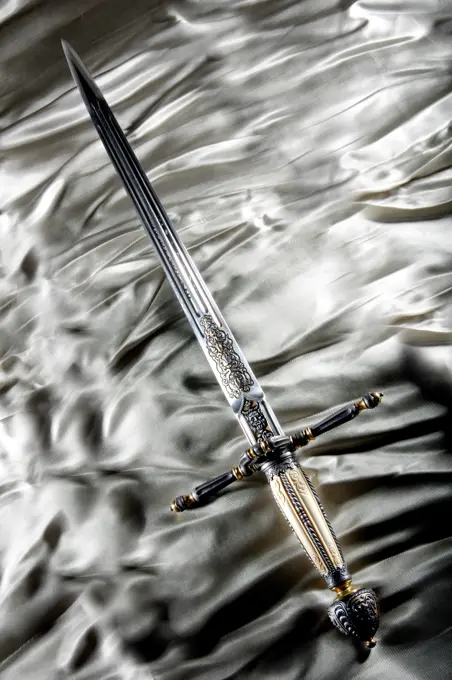
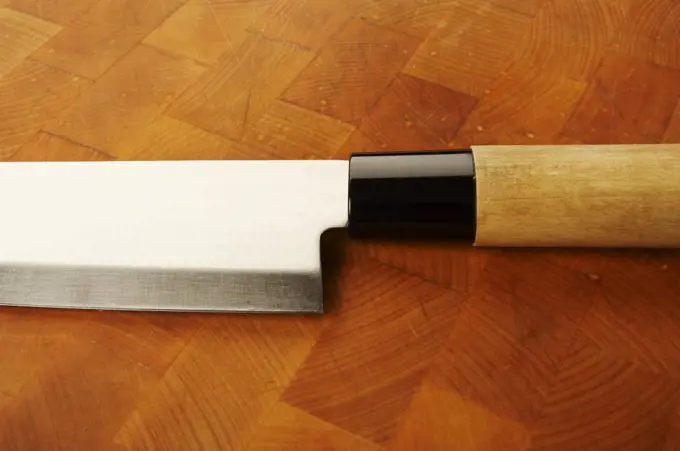
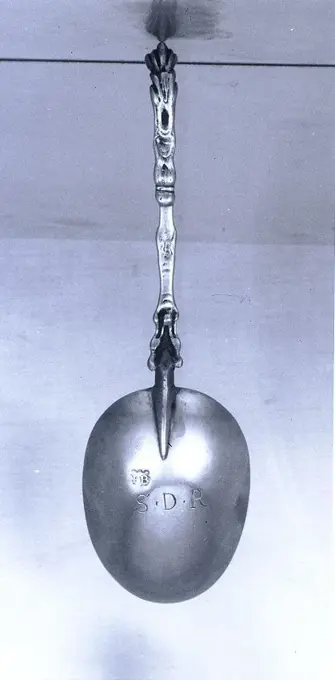
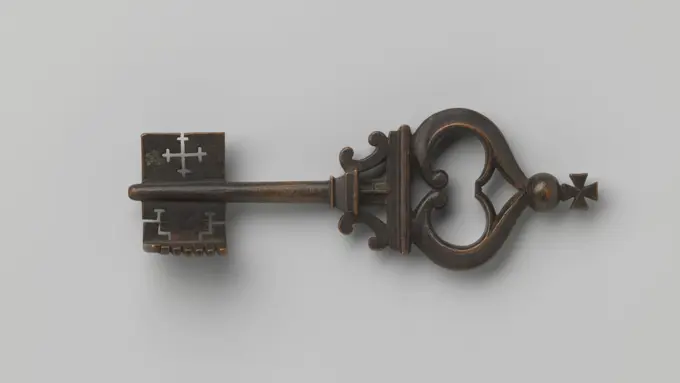
Janbiya dagger with a scabbardmetal on wall metal on wall made in 3D Copyright: xZoonar.com/OxanaxRishnyakx 4353190Knife Handle (Kozuka). Culture: Japanese. Dimensions: L. 3 3/4 in. (9.5 cm); W. 9/16 in. (1.4 cm); thickness 3/16 in. (0.5 cm); Wt. 0.9 oz. (25.5 g). Date: late 18th century. Museum: Metropolitan Museum of Art, New York, USA.Nose Ornament 6th-7th century Moche (Loma Negra). Nose Ornament 313499Partisan. Culture: German. Dimensions: L. 93 1/4 in. (236.9 cm); L. of head 23 5/16 in. (59.2 cm); W. 6 5/8 in. (16.8 cm); Wt. 4 lbs. 3.5 oz. (1913.6 g). Date: ca. 1650. Museum: Metropolitan Museum of Art, New York, USA.Knife Handle (Kozuka). Culture: Japanese. Dimensions: L. 3 13/16 in. (9.7 cm); W. 9/16 in. (1.4 cm); thickness 3/16 in. (0.5 cm); Wt. 1.2 oz. (34 g). Date: dated 1850. Museum: Metropolitan Museum of Art, New York, USA.Batter ..Knife Handle (Kozuka). Culture: Japanese. Dimensions: L. 3 13/16 in. (9.7 cm); W. 9/16 in. (1.4 cm); thickness 1/4 in. (0.6 cm); Wt. 0.9 oz. (25.5 g). Date: ca. 1615-1868. Museum: Metropolitan Museum of Art, New York, USA.Ancient sabre Ancient sabre. A smart variant of the fighting weapon Copyright: xZoonar.com/ValeryxxSibrikovx 5831881Posey Holder (USA); silverSmart dagger Smart dagger of the medieval soldier. It was used for hunting Copyright: xZoonar.com/VALERY-SIBRIKOVx 20002556Yeah one hundred; Tauron-Parisot (couples; Factory; 1839-); after 1880 (1901-00-00-2000-00-00);Ceremonial knife with sheath, anonymous, c. 1750 - c. 1800 Ornamental knife, blade rich edited, incustations with gold -plated bronze, gemsten stones in -tilted ivory grip, gilded rosettes. Sri Lanka steel (alloy). ivory. bronze (metal). gilding (material). precious stone (material) gilding Ornamental knife, blade rich edited, incustations with gold -plated bronze, gemsten stones in -tilted ivory grip, gilded rosettes. Sri Lanka steel (alloy). ivory. bronze (metal). gilding (material). precious stone (material) gildingMetal Door Lock. Dated: c. 1937. Dimensions: overall: 29.6 x 21.9 cm (11 5/8 x 8 5/8 in.) Original IAD Object: Handle: 5" long, 2" from door plane; Keyhole Plate: 6" long; inside door: 4 2/16 high, 4 1/2 wide and 2" deep.. Medium: watercolor, graphite, and colored pencil on paperboard. Museum: National Gallery of Art, Washington DC. Author: Earl Butlin.Knife Handle (Kozuka). Culture: Japanese. Dimensions: L. 3 13/16 in. (9.7 cm); W. 9/16 in. (1.4 cm); thickness 3/16 in. (0.5 cm); Wt. 1.1 oz. (31.2 g). Date: ca. 1615-1868. Museum: Metropolitan Museum of Art, New York, USA.Sword with scabbard, 18th cent. TURKEY.Knife Handle (Kozuka) ca. 1615-1868 Japanese A kozuka is a handle of a by-knife that is part of a sword mounting. It is kept in a slot on the reverse of a katana scabbard, often with a matching kōgai (hairdressing tool).. Knife Handle (Kozuka) 34566Roncone of the Bodyguard of the Gonzaga Family 1550-1600 Italian, Venice A similar staff weapon, with the arms of a member of the Gonzaga family, is in the Metropolitan Museum of Art. (accession number 04.3.84).. Roncone of the Bodyguard of the Gonzaga Family 22898Arrowhead (Yanone). Culture: Japanese. Dimensions: L. 11 7/8 in. (30.2 cm); L. of head 3 15/16 in. (10 cm); W. 1 7/16 in. (3.7 cm); Wt. 2 oz. (56.7 g). Date: 18th century. Museum: Metropolitan Museum of Art, New York, USA.Dagger with Scabbard Sword maker Wolf Paller German ca. 1575 View more. Dagger with Scabbard. German, Dresden. ca. 1575. Steel, silver, ray skin, leather, wood. Dresden. DaggersJapanese sashimi knife on gray stone slate background texturePlatte gebogen kruithoorn.Flat, curved Kruithoorn engraved at the front with a medallion in which the bust of a woman. Decoration with leaf and flower drinks within a framework of lines and dashes. Franceline engraved with three circular ornaments. Belt hook. Spout with closing mechanism. Similar object: ng-nm-576. Condition good.Arrowhead (Yanone). Culture: Japanese. Dimensions: L. 9 7/8 in. (25.1 cm); L. of head 4 in. (10.2 cm); W. 1 1/8 in. (2.9 cm); Wt. 1.2 oz. (34 g). Date: 18th century. Museum: Metropolitan Museum of Art, New York, USA.Halberd. Culture: Swiss. Dimensions: L. 82 in. (208.2 cm); L. of head 16 3/4 in. (42.5 cm); W. 6 3/4 in. (16.6 cm); Wt. 4 lbs. 3 oz. (1899.4 g). Date: ca. 1450. Museum: Metropolitan Museum of Art, New York, USA.Goldweight Cleaver, 19th-20th century, 1/4 x 2 3/4 x 5/8 in. (0.64 x 6.99 x 1.59 cm), Brass, Ghana, 19th-20th centuryDagger with Sheath late 18th century German, Munich. Dagger with Sheath. German, Munich. late 18th century. Steel, ivory, gold, leather, silver. Munich. KnivesDagger (Katar) with Sheath 18th-19th century Indian. Dagger (Katar) with Sheath 32741Knife Handle (Kozuka). Culture: Japanese. Dimensions: L. 3 13/16 in. (9.7 cm); W. 9/16 in. (1.4 cm); thickness 3/16 in. (0.5 cm); Wt. 0.9 oz. (25.5 g). Date: ca. 1615-1868. Museum: Metropolitan Museum of Art, New York, USA.VARA Studio Bouw 1938, VARA, 1938 trowel Silver -colored trowel with black wooden handle with 3 metal links and an eye. On the flat part of the trowel a flame with inscription in red. Netherlands Metal. Handle: Wood (Plant Material)Roman surgical instrument 1st century ADDagger (Katar). Dimensions: L. 37 9/16 in. (95.4 cm); W. 3 7/16 in. (8.7 cm); D. 1 7/16 in. (3.7 cm); Wt. 2 lbs. 6.8 oz. (1100 g). Date: 17th-18th century. Museum: Metropolitan Museum of Art, New York, USA.Lazio Viterbo Viterbo Museo Civico11. Hutzel, Max 1960-1990 Views of paintings (Middle Ages through 18th c.), frescoes, a tabernacle, coffin, sculpture reliefs, portal fragments, busts, sculpture, tapestry found in the Pinacoteca, Second floor gallery and Second floor cloister sequences. Antiquities: Many views of Etruscan and Roman fragments, sculpture, sarcophagi, pottery, masks, jewelry and other objects found in the Storeroom sequence (inventory numbers on back of prints), and the Cloister, Second floor Cloister, Valle Giulia, Sala Romana and Sala Etrusca sequences. General Notes: There are eight separate numerical sequences for this location. The cloister as an architectural structure, rather than museum site, is documented in the record and file for S. Maria della Verita, Cloister, all views of which are stored in Medieval core collection. Five views from the Museo Civico Second floor cloister sequence are stored in Medieval. German-born photographer and scholar Max Hutzel (1911-damask pocket knife A beautiful damask pocket knife, 3D illustration Copyright: xZoonar.com/magannx 16463213Ceremonial Blade. Mexico, Michoacán, 900-1200 CE. Stone. Mahogany obsidianKnife Handle (Kozuka) 18th century Japanese A kozuka is a handle of a by-knife that is part of a sword mounting. It is kept in a slot on the reverse of a katana scabbard, often with a matching kōgai (hairdressing tool).. Knife Handle (Kozuka) 33369Yeah one hundred; Malcz, Karol (1797-1867), Gerlach (Warsaw; 1760-), Silver Products Factory K.F. Malcza (Warsaw; Sreber label; 1828-1864); 1825-52 (1852-00-00-1860-00-00);Spoon.   Maker: Jacob Boelen, American, 1654-1729Ceremoniesleutel, , c. 1800 - c. 1900 Ceremony key with double beard, a beard of which has rectangular teeth. The handle, which rests on a square capital, is formed from two alternated C-Voluten, an hourglass. They terrain an architrave on which two more C-Voluten binded to each other are placed that are crowned by a globe with cross. Russia bronze (metal) Ceremony key with double beard, a beard of which has rectangular teeth. The handle, which rests on a square capital, is formed from two alternated C-Voluten, an hourglass. They terrain an architrave on which two more C-Voluten binded to each other are placed that are crowned by a globe with cross. Russia bronze (metal)Yeah one hundred; Tauron-Parisot (couples; Factory; 1839-); after 1880 (1901-00-00-2000-00-00);sword hilt with bridge garrison, 16th century, Álava Armory Museum, Vitoria, Basque Country, Spain.Knife Handle (Kozuka) ca. 1615-1868 Japanese A kozuka is a handle of a by-knife that is part of a sword mounting. It is kept in a slot on the reverse of a katana scabbard, often with a matching kōgai (hairdressing tool).. Knife Handle (Kozuka) 34656iron falcata, V before Christ to I after Christ, Iberian Peninsula, Álava Armory Museum, Vitoria, Basque Country, Spain.ShrineTransverse Flute ca. 1855 Clair Godfroy aine French. Transverse Flute 503988Butterknife.   Maker: Albert Coles & Company, active ca. 1835-75Display of jeans in clothing store. Taipei, Taiwan. 04/17/2010Shovel and hoe on grass, elevated viewMaker: P. M. (2), w.c. 1795, Maker, formerly attributed to: Peter Mood, Sr., 1766-1821, Teaspoon, ca.1790, Silver, 5 7/8 in. (15cm), Made in United States, American, 18thcentury, FlatwareKnife (probably Germany), early 18th century; steel, horn, gilding; L x W: 23.6 x 2.1 cm (9 5/16 x 13/16 in.); The Robert L. Metzenberg Collection, gift of Eleanor L. Metzenberg; 1985-103-283-fObsidian stone spear head tied with sinew onto a willow arrow shaft on display at the Three Affiliated Tribes Museum on the Fort Berthold Indian Reservation, NDKnife with Sheath, Chopsticks, Pickle Spear and Toothpicks. Culture: Chinese. Dimensions: Knife (a); L. with sheath 13 3/16 in. (33.5 cm); L. without sheath 11 1/4 in. (28.6 cm); W. 3/4 in. (1.9 cm); Wt. 3.1 oz. (87.9 g); sheath (b); Wt. 1.7 oz. (48.2 g); chopsticks (c, d); L. 10 5/16 in. (26.2 cm); W. 1/4 in. (0.6 cm); Wt. 0.4 oz. (11.3 g); pickle spear (e); L. 8 7/8 in. (22.5 cm); W. 3/16 in. (0.5 cm); Wt. 0.2 oz. (5.7 g); earspoon (f); L. 2 13/16 in. (7.1 cm); pick (g); L. 2 13/16 in. (7.1 cm); pick (h); L. 2 15/16 in. (7.5 cm). Date: 18th-19th century. Museum: Metropolitan Museum of Art, New York, USA.Arrowhead (Yanone) 18th century Japanese Although today Japanese warriors are renowned most for their swordsmanship, archery, especially from horseback, has been an essential part of samurai warfare and culture for centuries. Arrows were fitted with heads of varying shape according to their intended use in war, the hunt, or target practice. Arrowheads made for use on the battlefield incorporated different designs intended for specialized purposes such as the piercing of armor or to cause maximum damage to horses and unarmored personnel.Large arrowheads, pierced and elaborately chiseled with landscapes, birds, flowers, dragons, and Buddhist divinities, were created to be admired for the beauty of their metalwork and design rather than for use in archery. Such highly elaborate examples may have been made for presentation or as a votive offerings to a shrine.. Arrowhead (Yanone). Japanese. 18th century. Steel. Archery Equipment-ArrowheadsVolterra Tuscany Italy. Guarnacci Museum of Etruscan Artifacts. Ombra della sera Shadow of the evening Volterra Tuscany Italy. Guarnacci Museum of Etruscan Artifacts. Ombra della sera Shadow of the evening Copyright: xZoonar.com/MarcoxBriviox 21890477gumia and pod, 20th century, maghreb, Álava Armory Museum, Vitoria, Basque Country, SpainModel of the old dagger with a white background, souvenirOld saws for metal and woodEarthquake Fish. Kaigyokusai Masatsugu (Japan, 1813-1892). Japan, mid- to late 19th century. Costumes; Accessories. Ebony with inlays; sashi typeKnife Large kitchen knife vector with a wooden board background Copyright: xZoonar.com/GemmaxHesterx 3714356Close-up view of specially designed tool used duringLisbon, Portugal. Medieval knights armor.Chopper. Dated: c. 1939. Dimensions: overall: 27.9 x 22.8 cm (11 x 9 in.) Original IAD Object: overall: 36" long; blades: 3 1/2" high; 6" long. Medium: watercolor, graphite, and pen and ink on paperboard. Museum: National Gallery of Art, Washington DC. Author: John R. Towers.Stock Vector Cartoon stained machete on a white background. A tool for exploring the jungle 
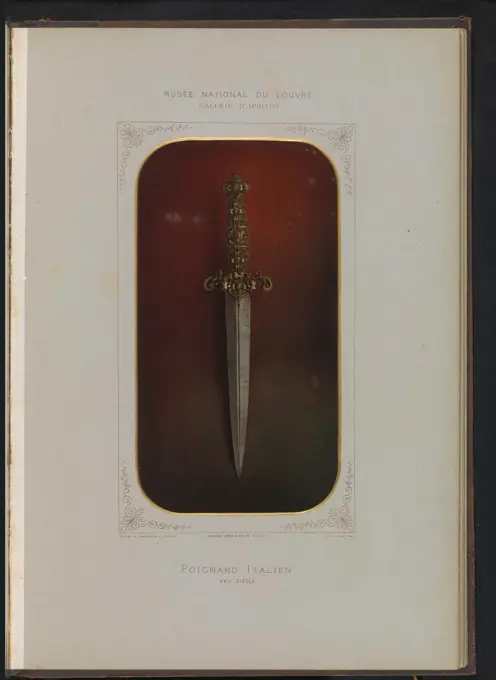
tropics. Stock vectorA pair of red chopsticks tied together on a red table clothArrowhead (Yanone) 18th century Japanese Although today Japanese warriors are renowned most for their swordsmanship, archery, especially from horseback, has been an essential part of samurai warfare and culture for centuries. Arrows were fitted with heads of varying shape according to their intended use in war, the hunt, or target practice. Arrowheads made for use on the battlefield incorporated different designs intended for specialized purposes such as the piercing of armor or to cause maximum damage to horses and unarmored personnel.Large arrowheads, pierced and elaborately chiseled with landscapes, birds, flowers, dragons, and Buddhist divinities, were created to be admired for the beauty of their metalwork and design rather than for use in archery. Such highly elaborate examples may have been made for presentation or as a votive offerings to a shrine.. Arrowhead (Yanone). Japanese. 18th century. Steel. Archery Equipment-ArrowheadsSmart dagger Smart dagger of the medieval soldier. It was used for hunting Copyright: xZoonar.com/VALERY-SIBRIKOVx 20007190Awaruite. minerals. New Zealand; Awaruavintage cutting board and knife with space for text on old metal background, close-upTarget Crossbow with Windlass crossbow, probably mid-18th century; windlass, dated 1741 probably Belgian or Dutch. Target Crossbow with Windlass 33744Madrid, 07/16/2024. Report from the Royal Collections museum. Royal armory of the Royal Palace. Photo: Ernesto Agudo. Archdc.Kitchen knifeItaliaanse Dolk; Italian dagger; National Museum of the Louvre Gallery of Apollo. .old glass inkwell with a quill pen and abacus on a wooden tablemetal on wall metal on wall Copyright: xZoonar.com/OxanaxRishnyakx 4453789karambit knife tactical fighter on white background, self defense Martial Arts Fightingcleaver, ivory, steel, Large blade with straight lower edge. Decorative upper edge rounded towards the lower edge. Steel ferrule has worn floral pattern and an extension to which the blade is attached. Ribbed ivory handle, round in section. On top of handle a decorated steel mount and finial. Blade folds towards the handle., possibly Germany, 16th century, cutlery, Decorative Arts, cleaverWood screw Bronze screw for wood work Copyright: xZoonar.com/ClaudioxDiviziax 7917994Decorative arrows indians and feather tip Vector Image