Historical Lamps

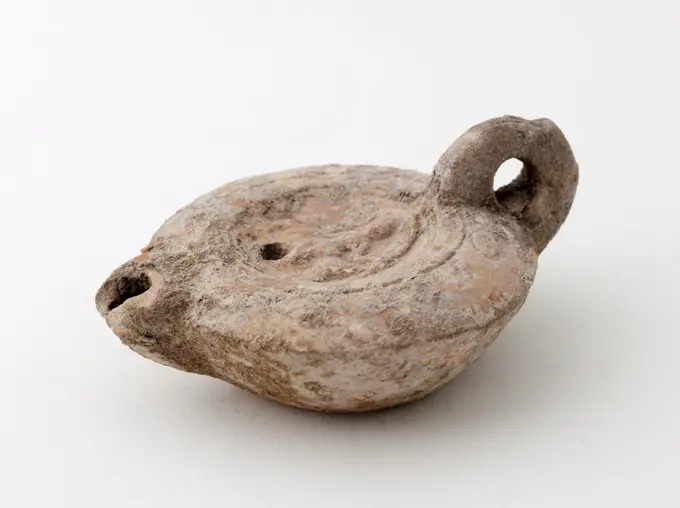
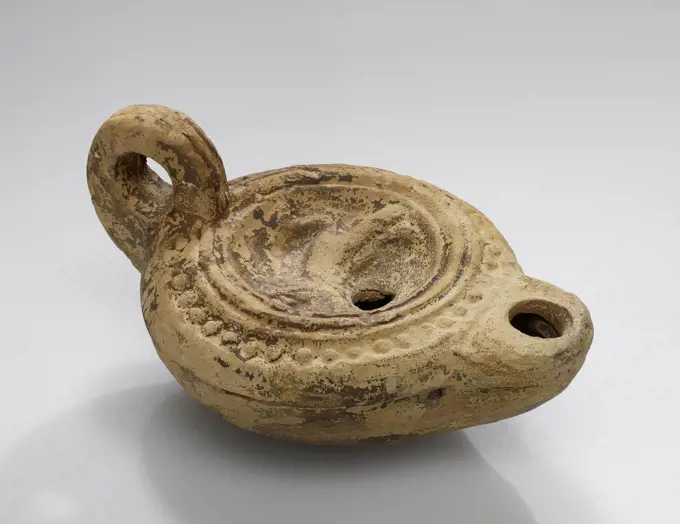
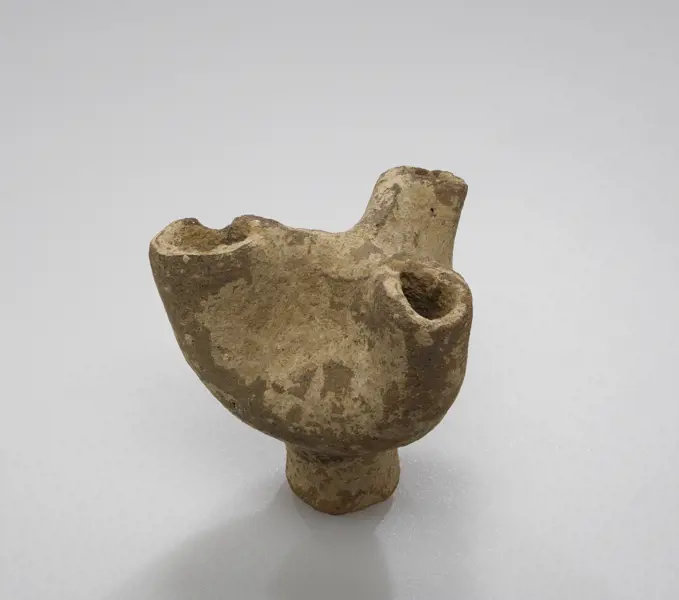
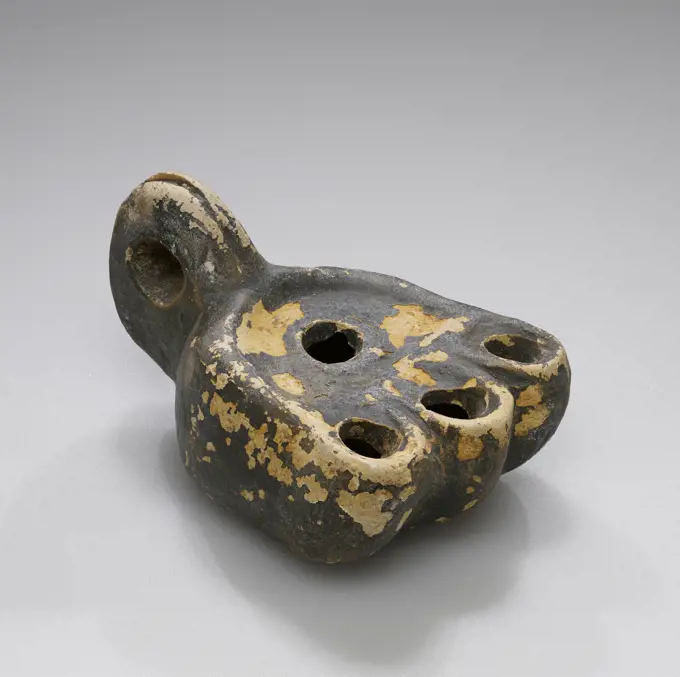
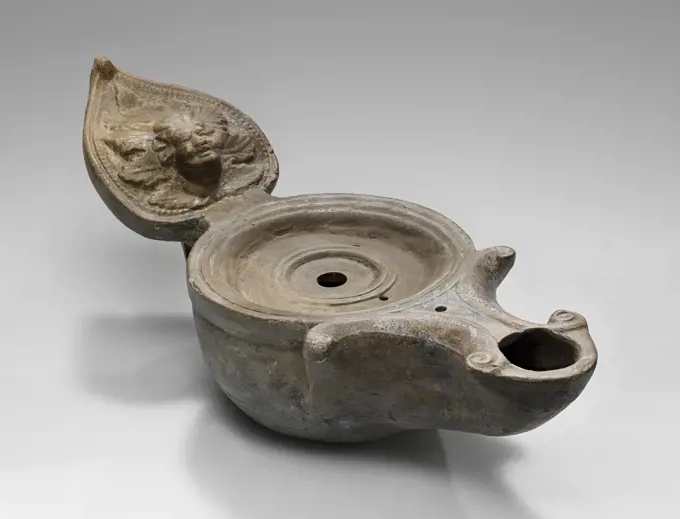
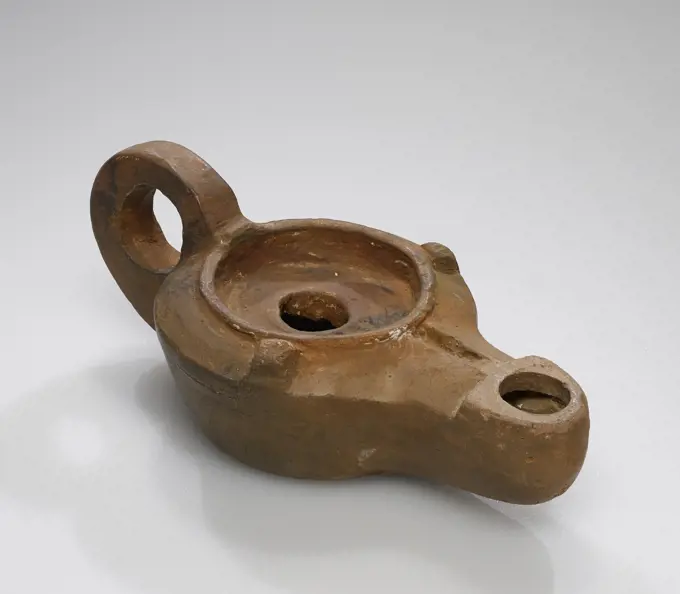
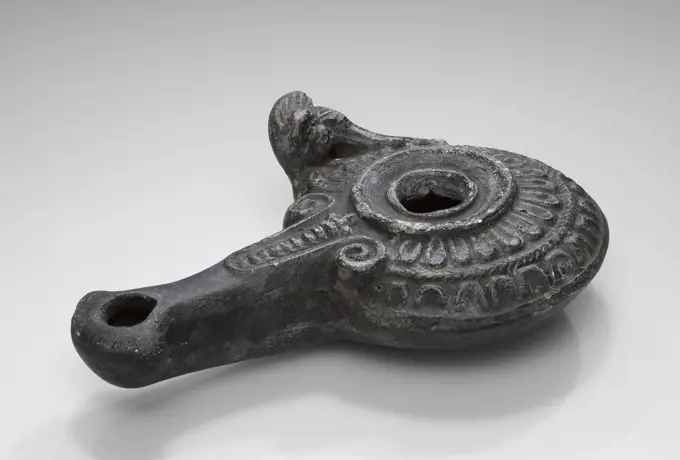
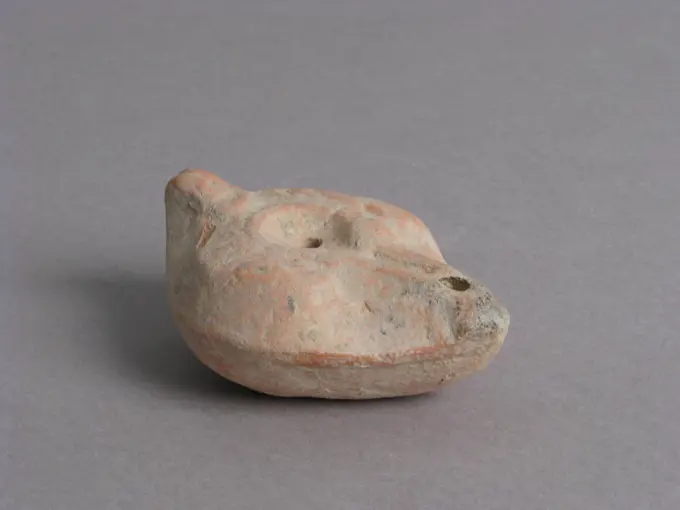
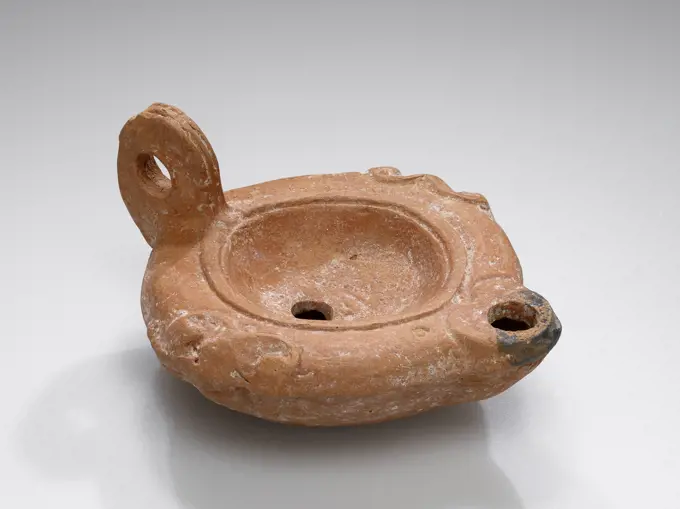
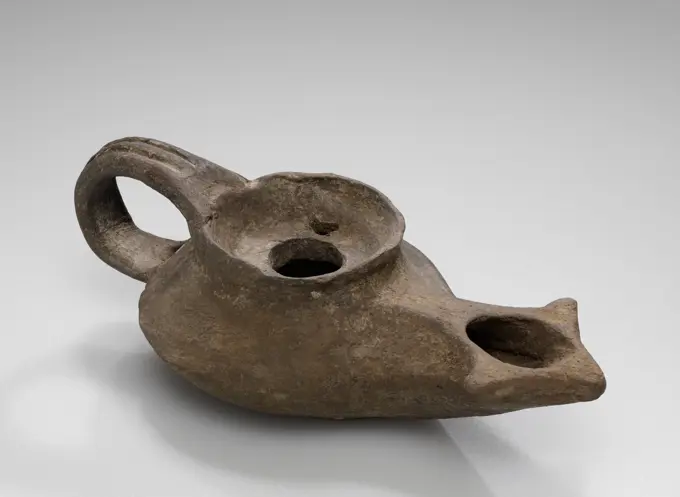
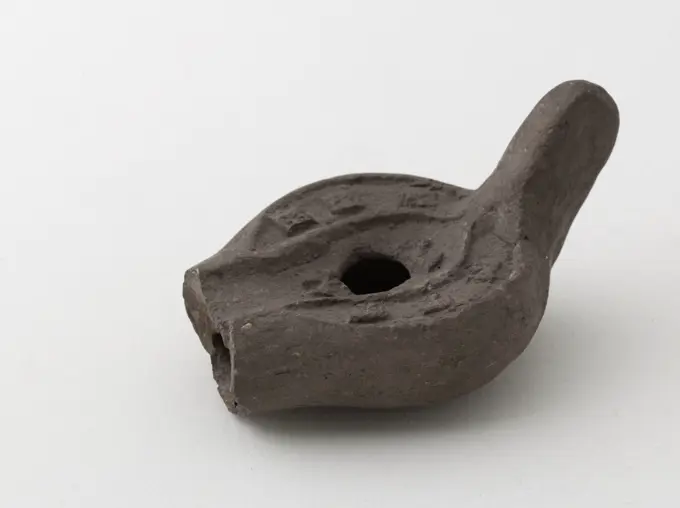
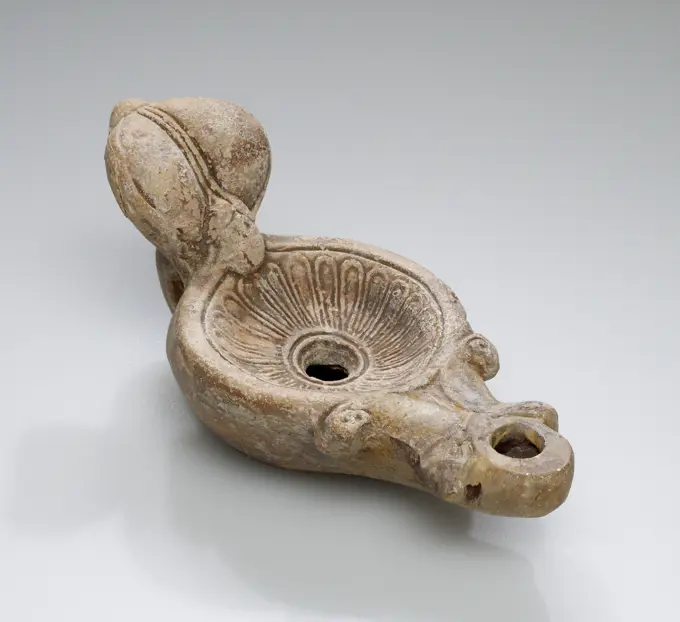
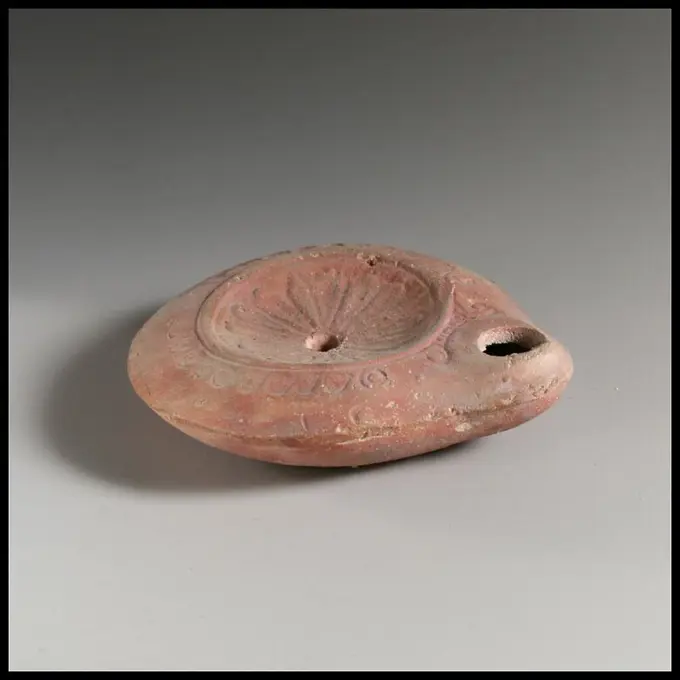
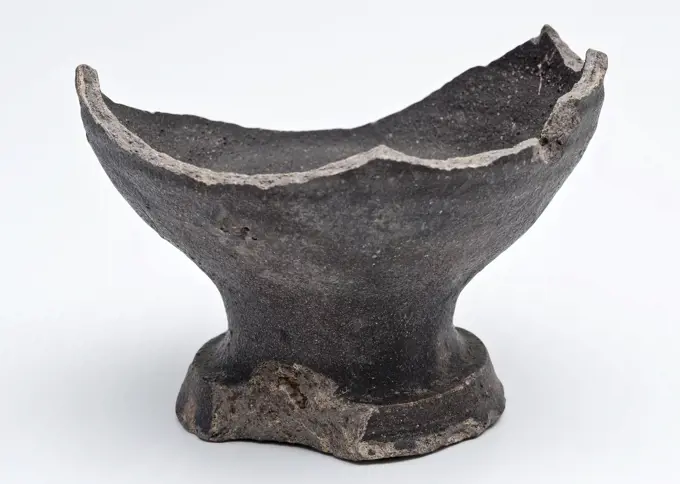
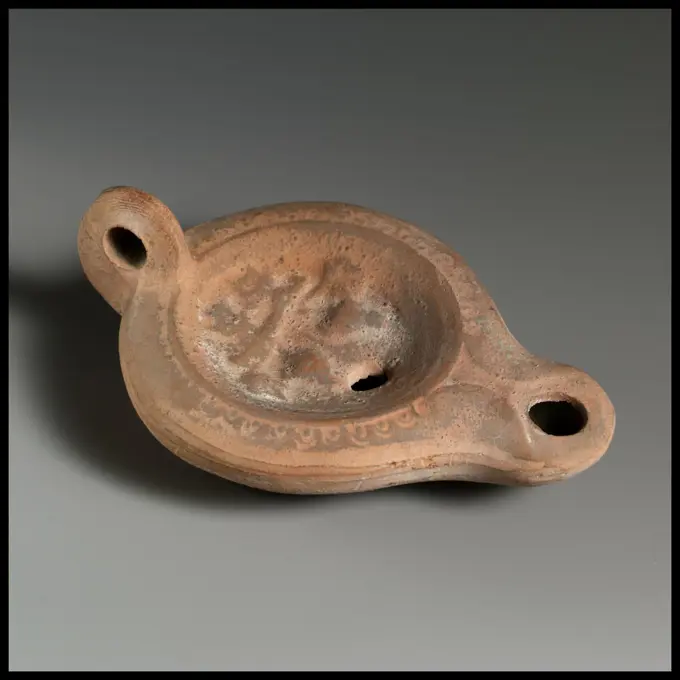
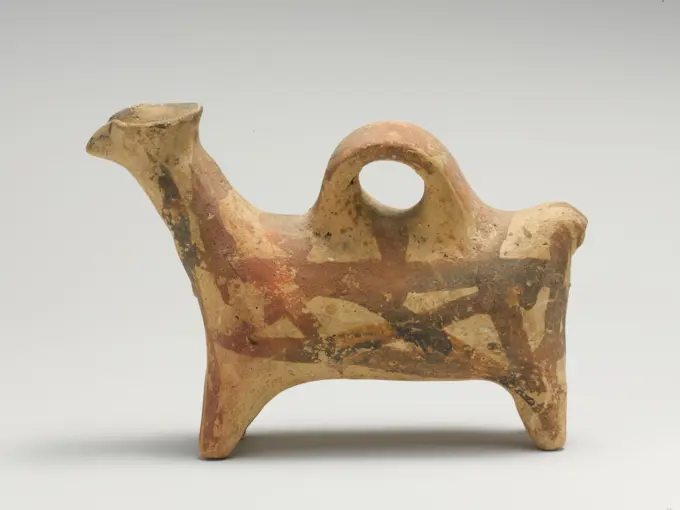
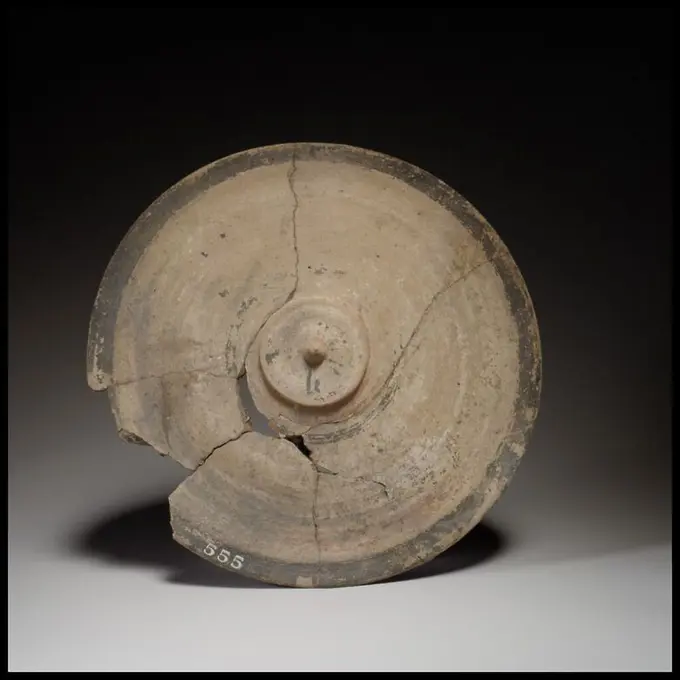
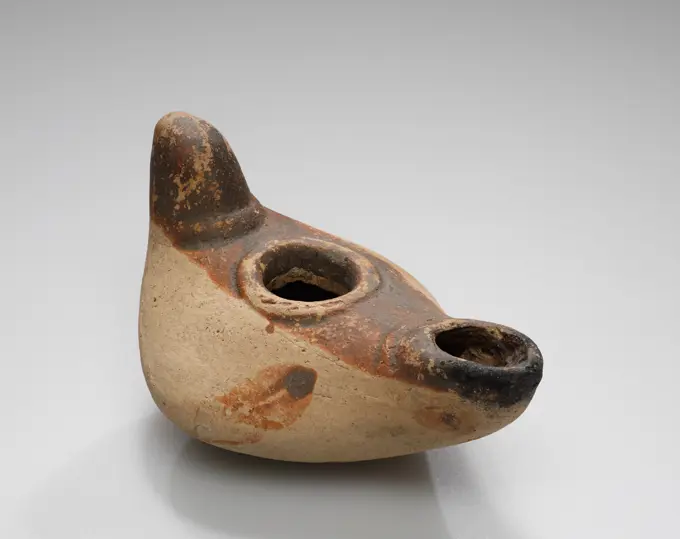
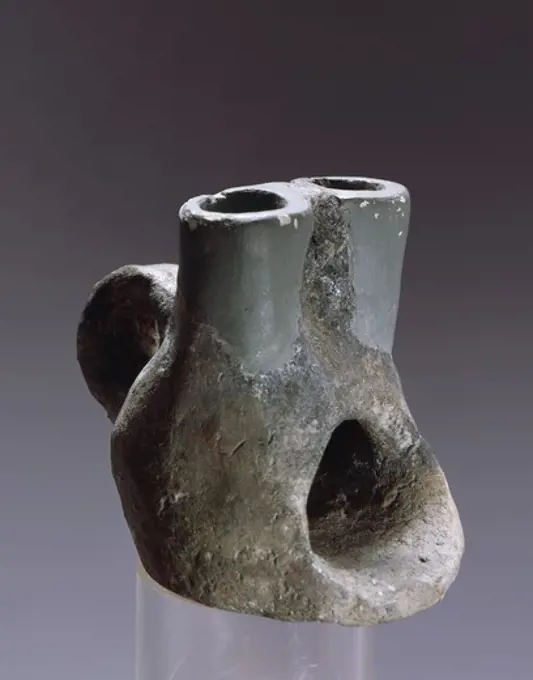
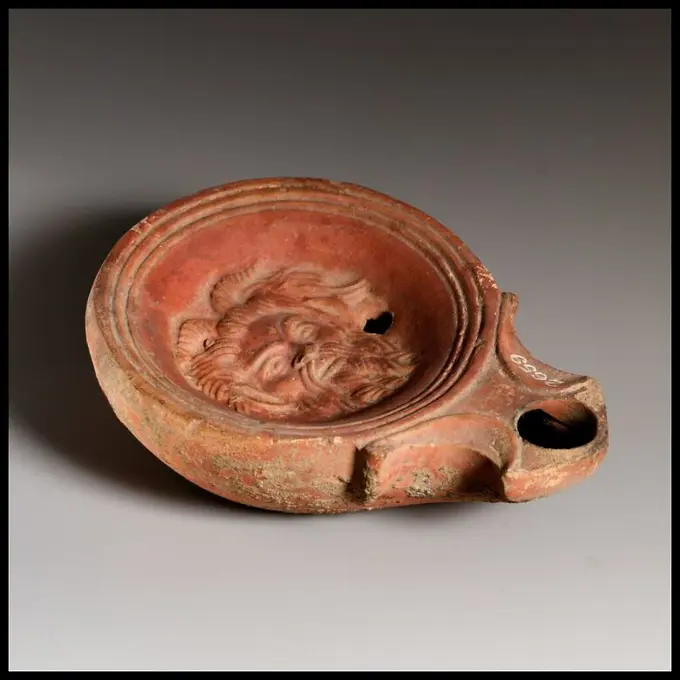
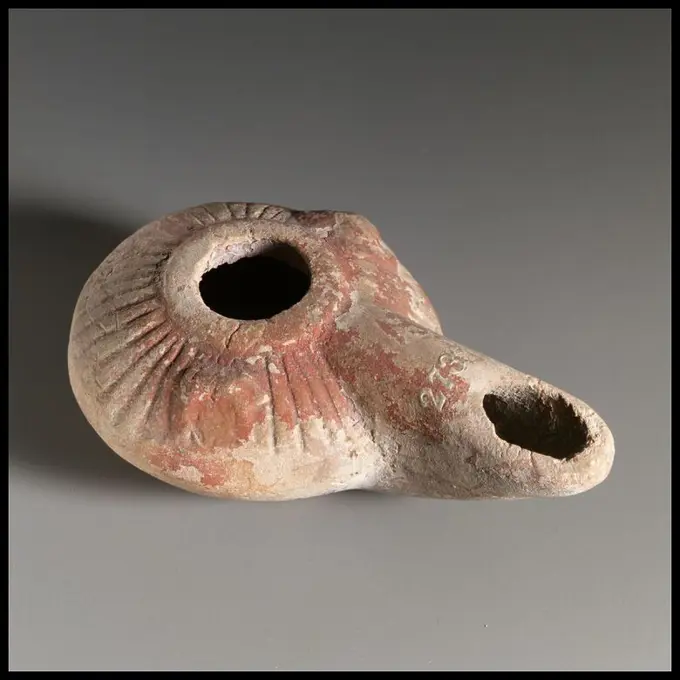
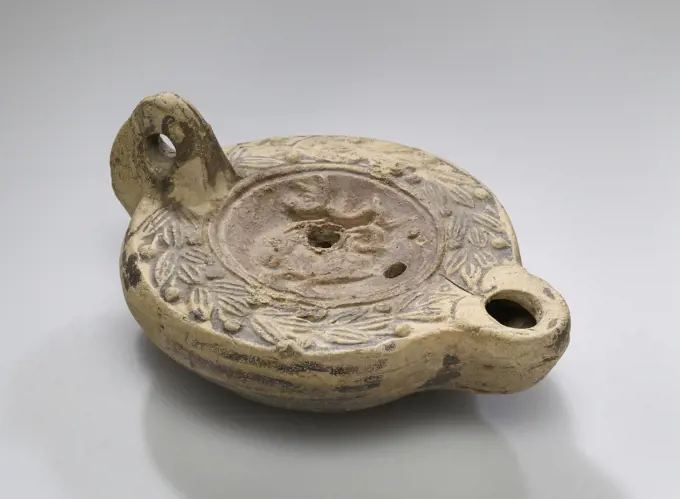
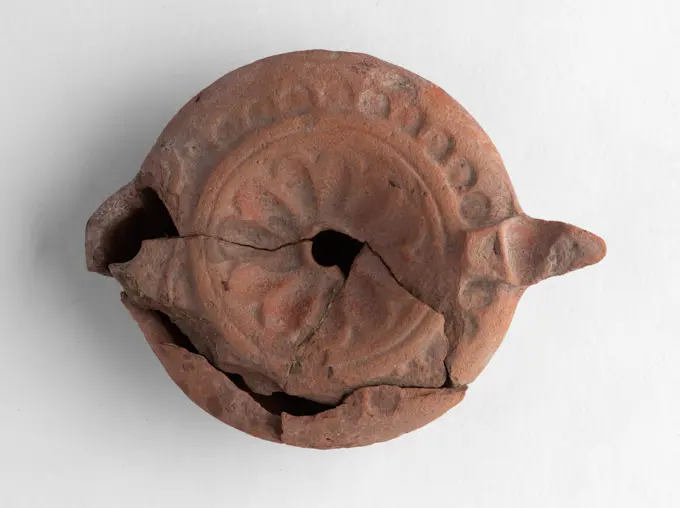
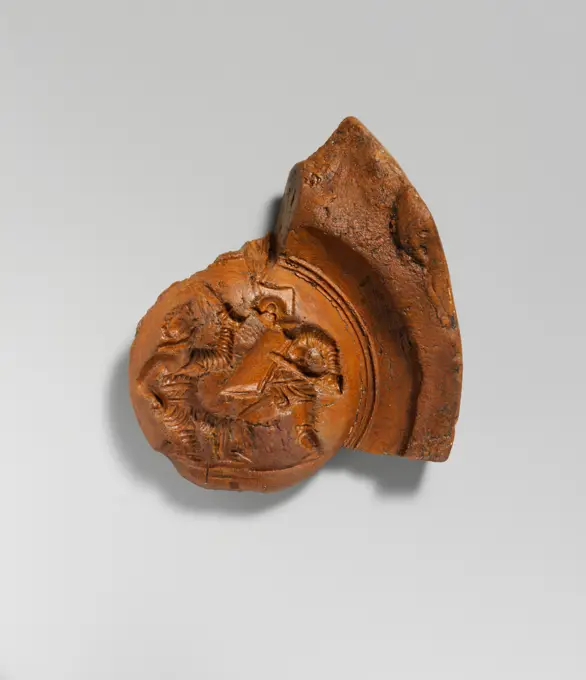
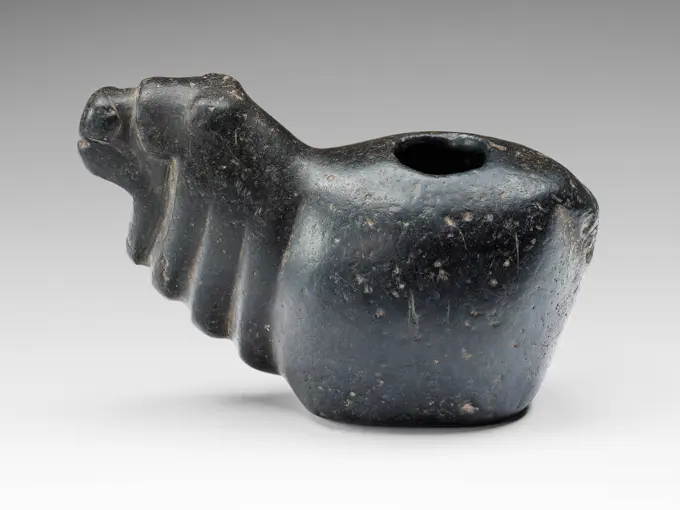
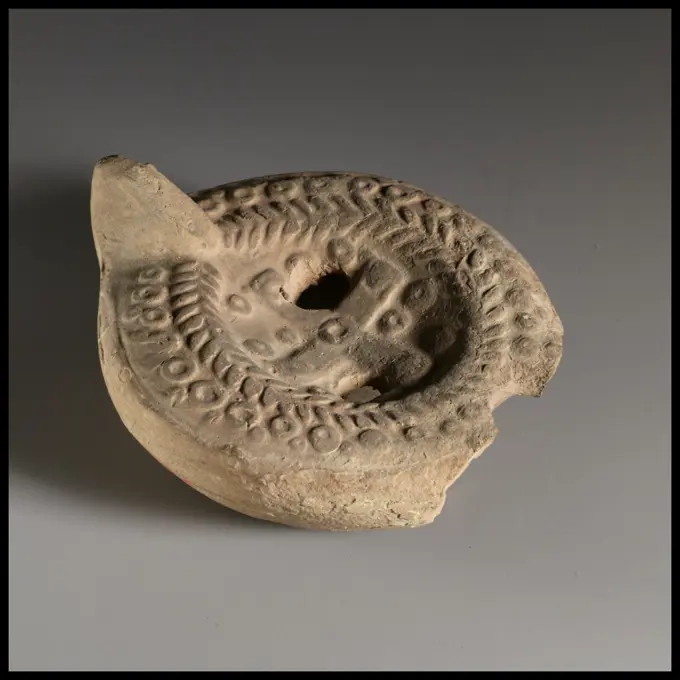
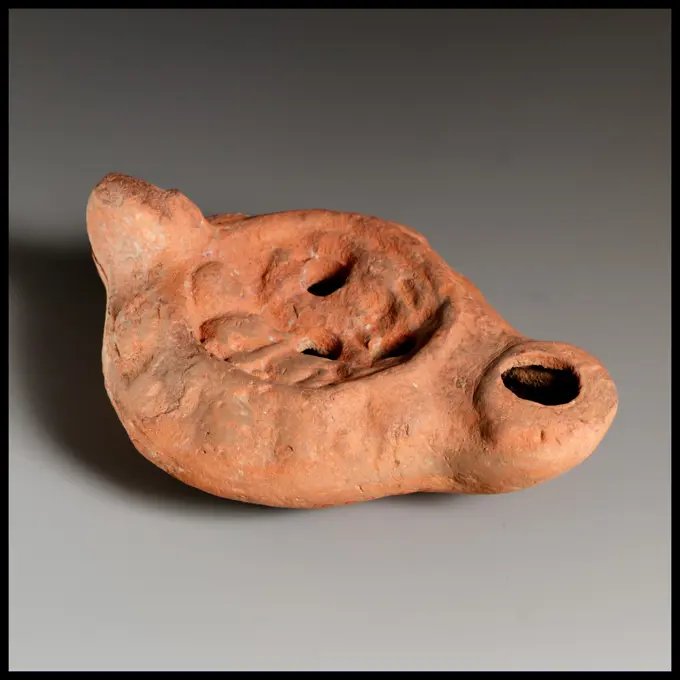
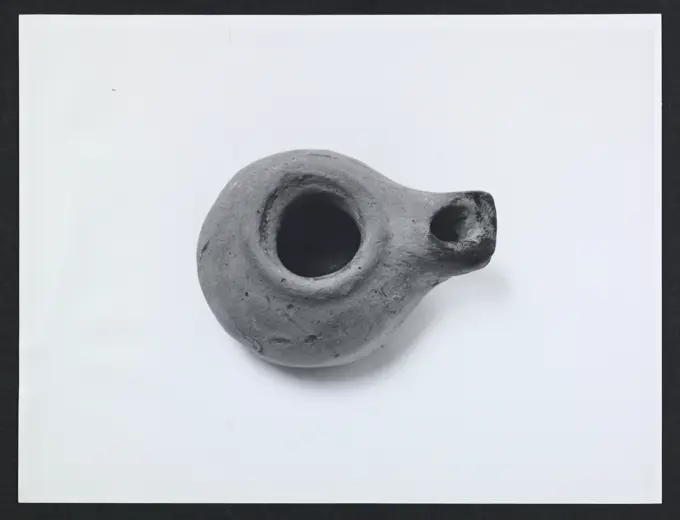
A series of ancient terracotta lamps from various cultures and eras, featuring different shapes and design elements, illustrating the evolution of lighting.

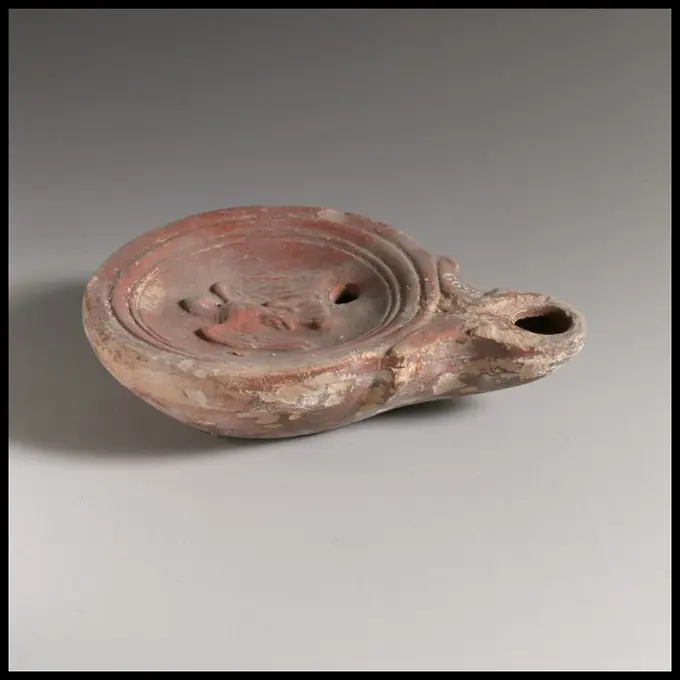
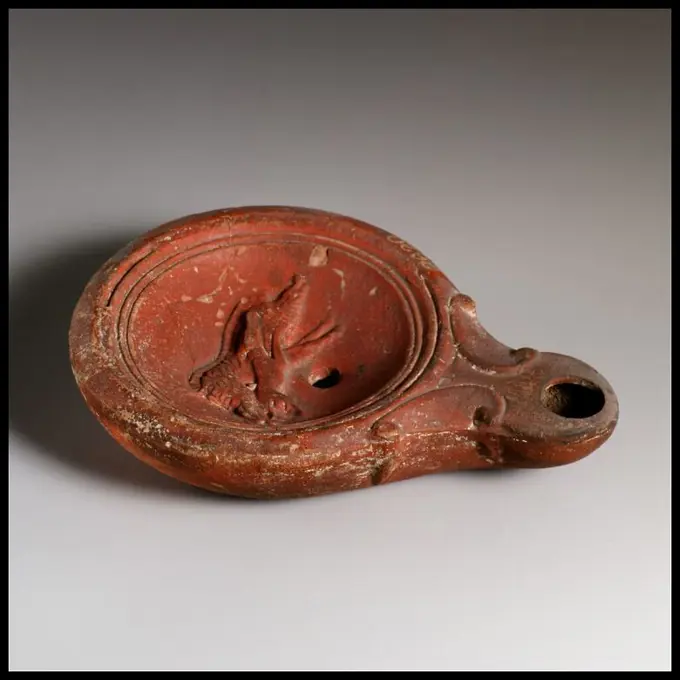
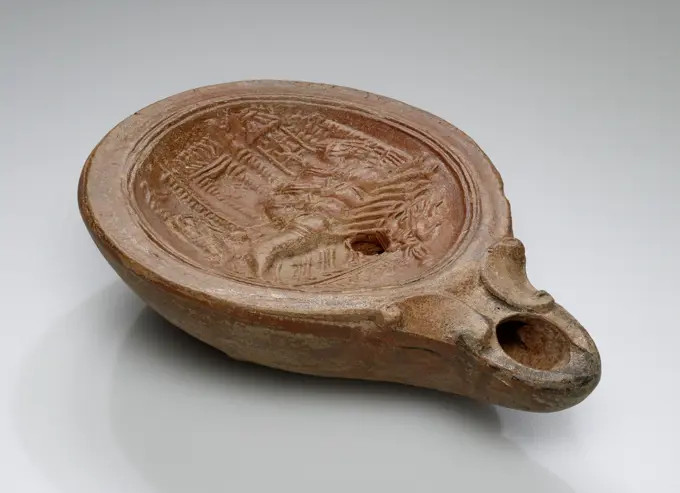
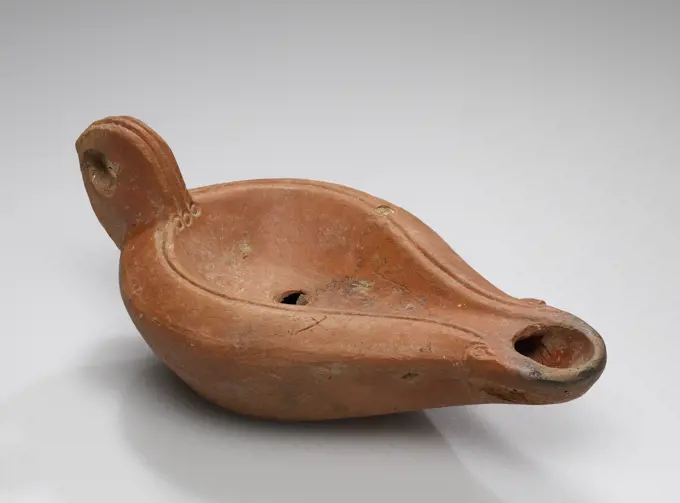
Lamp; Italy; first half of 2nd century; Terracotta; 3.5 × 7.4 × 10.6 cm (1 3,8 × 2 15,16 × 4 3,16 in.)
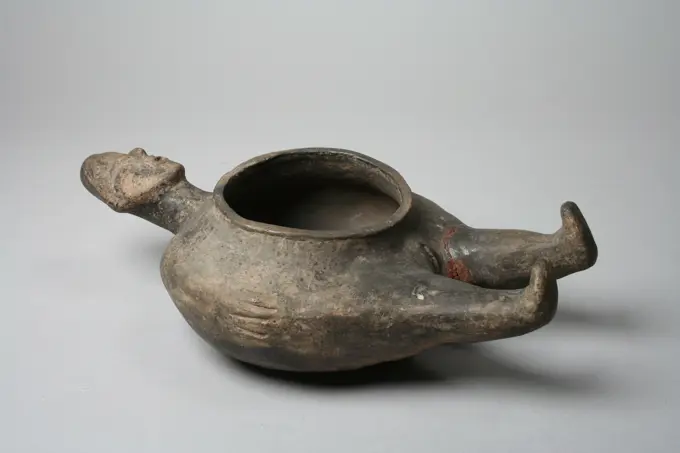
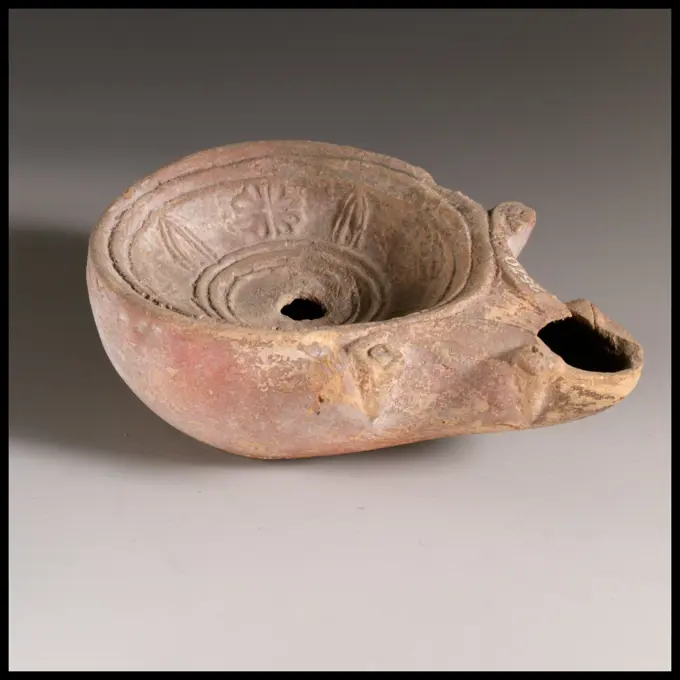
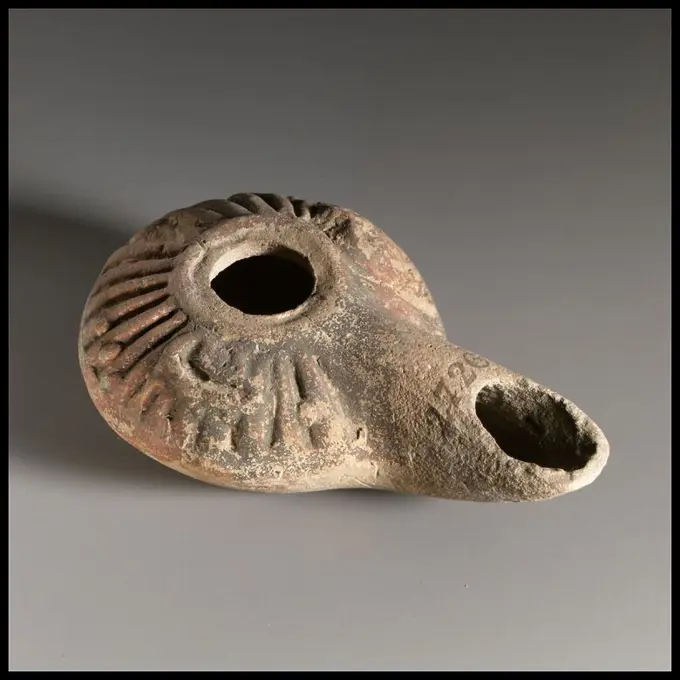
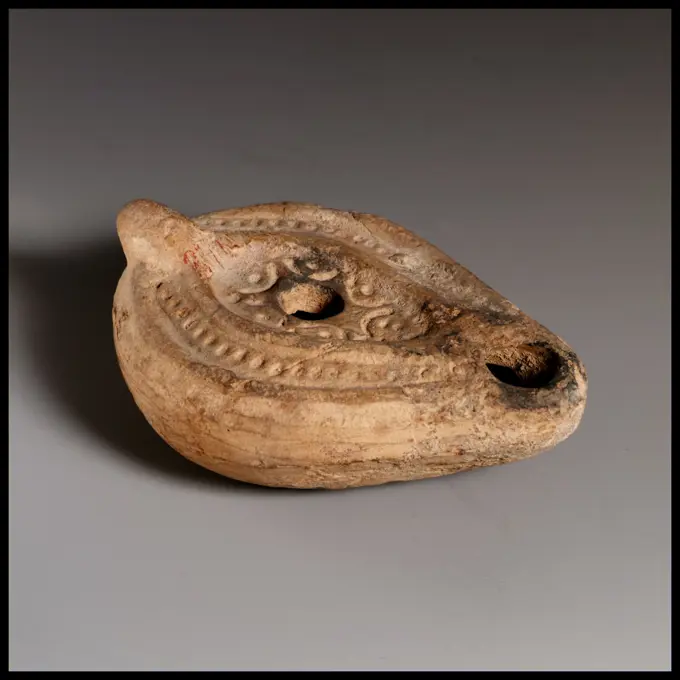
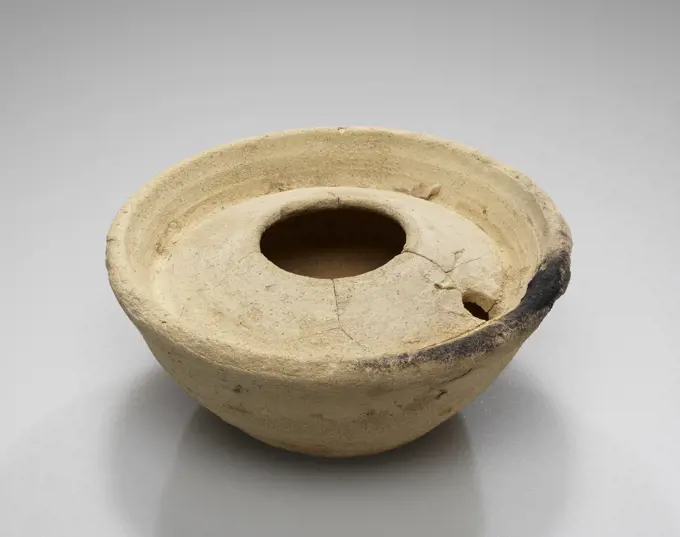
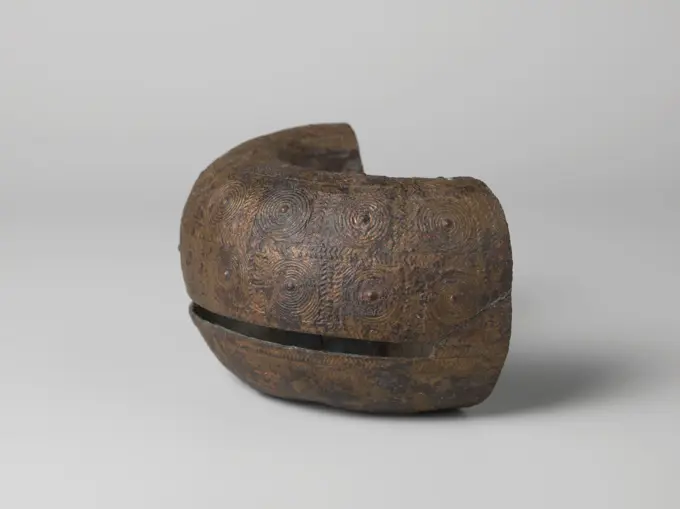
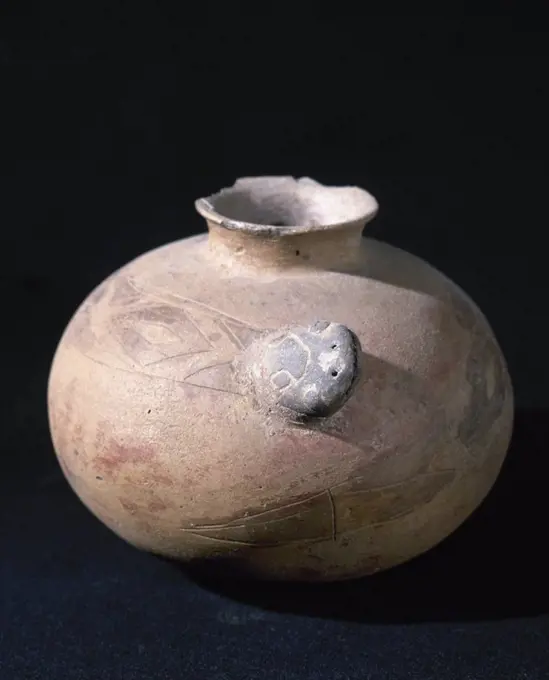
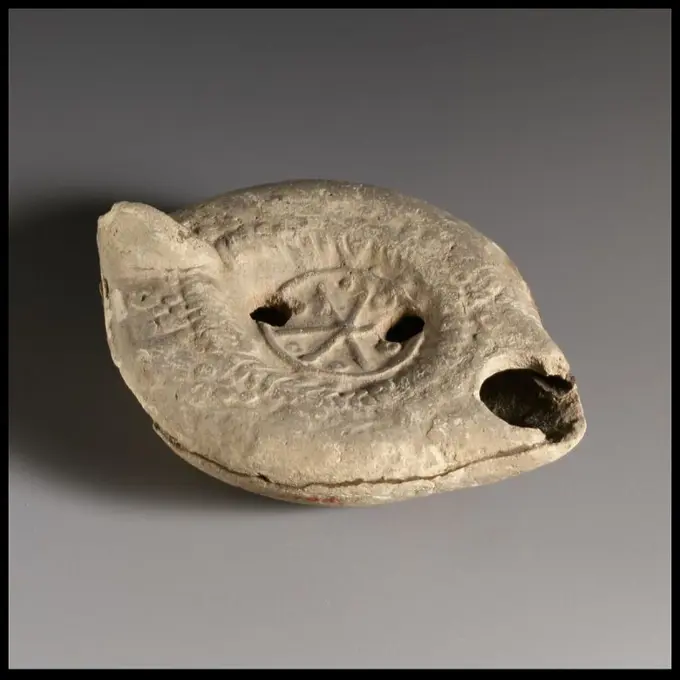
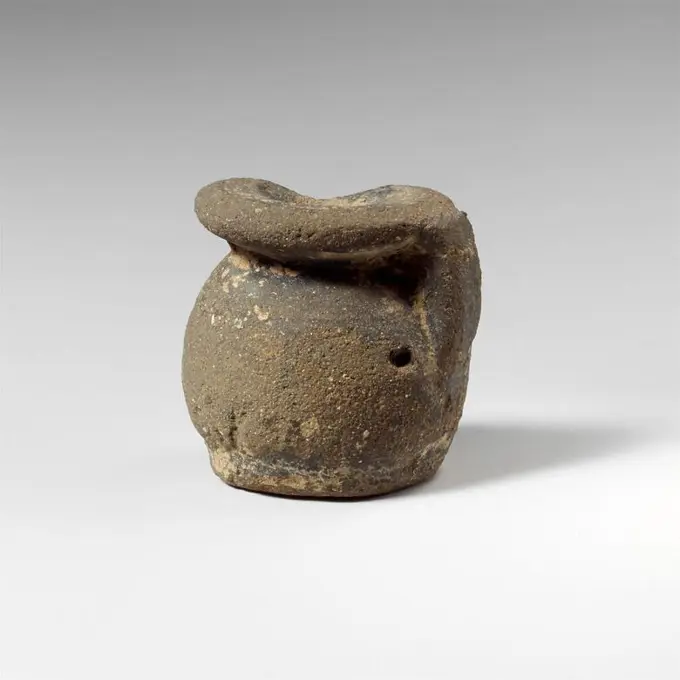
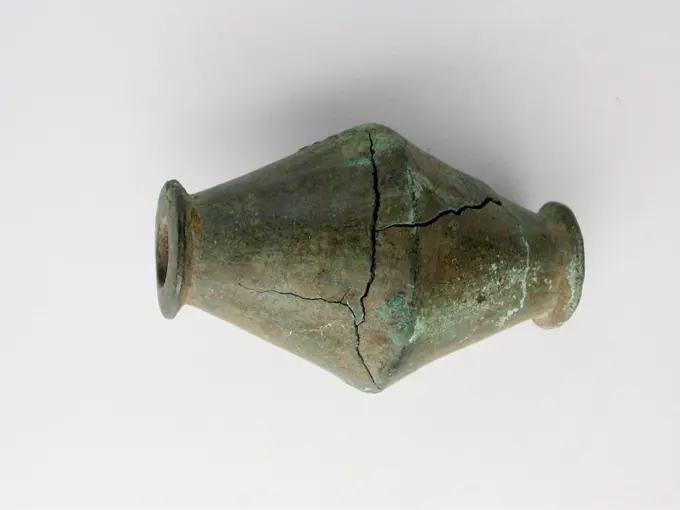
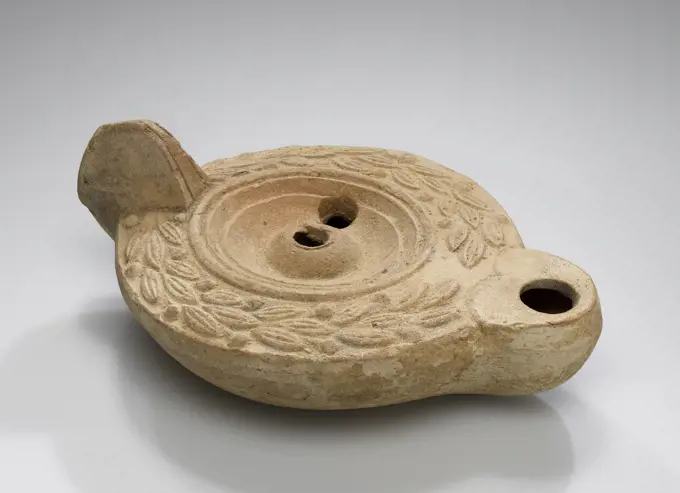
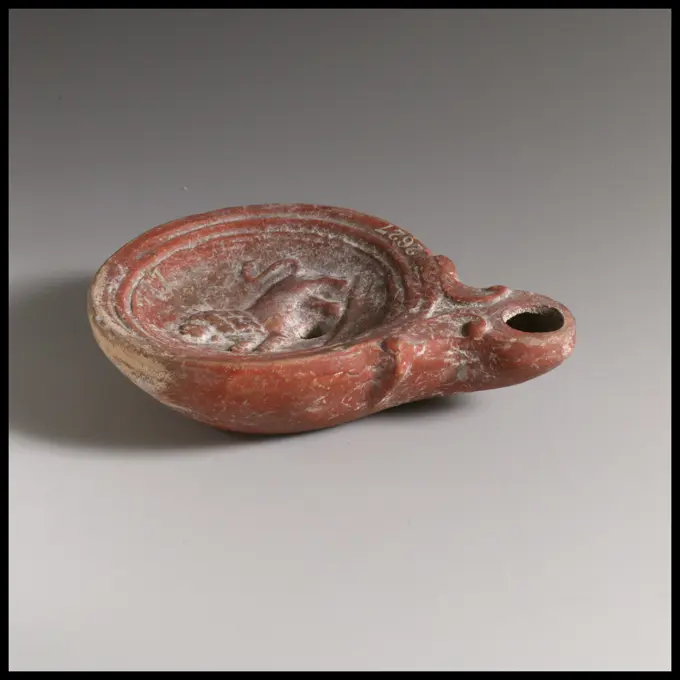
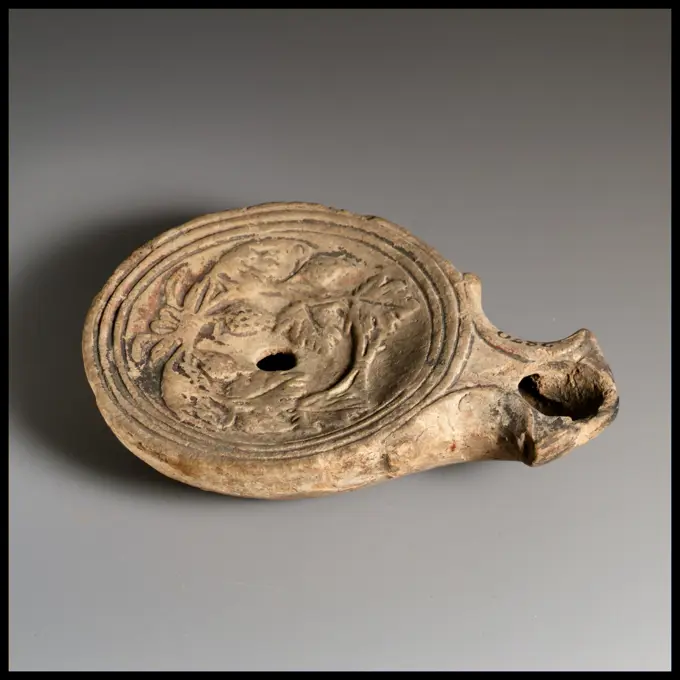
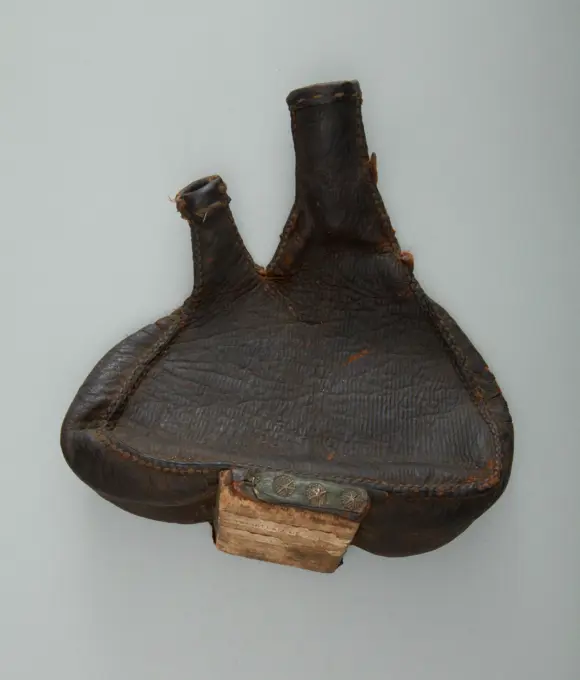
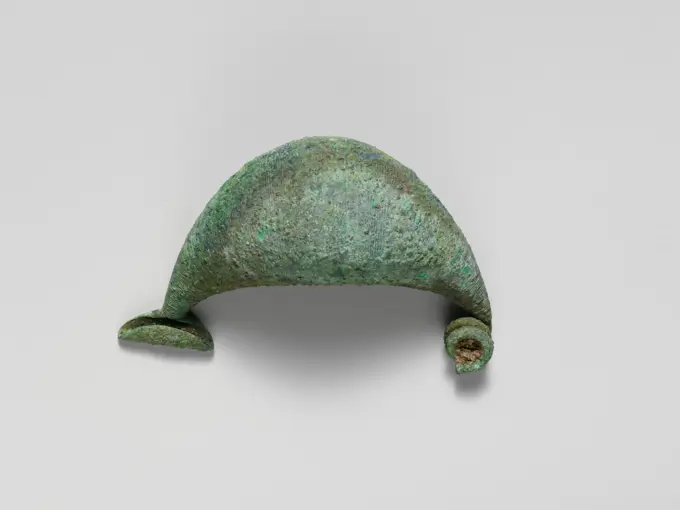
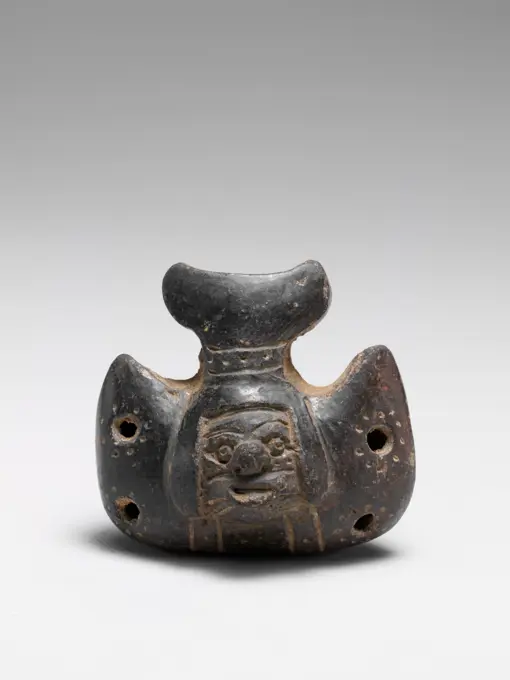
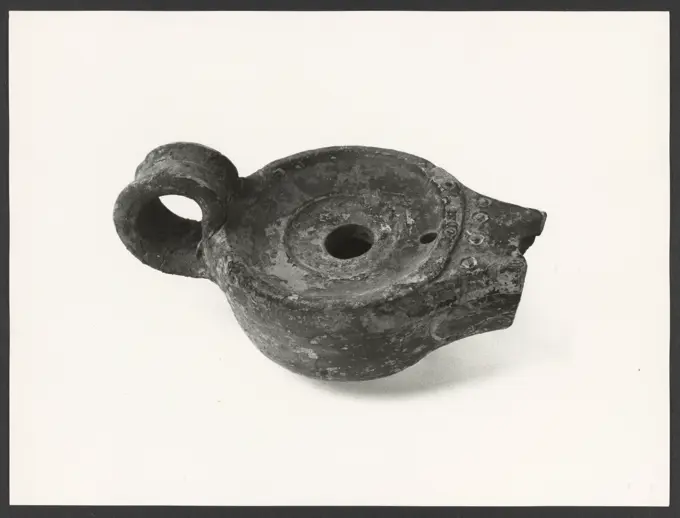
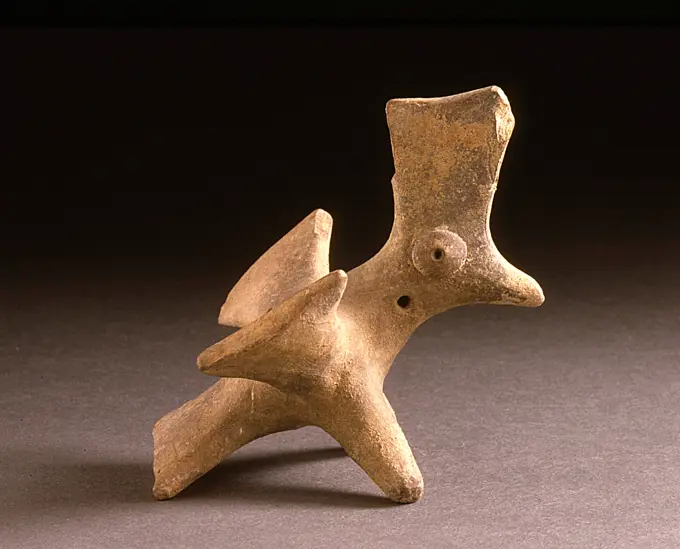
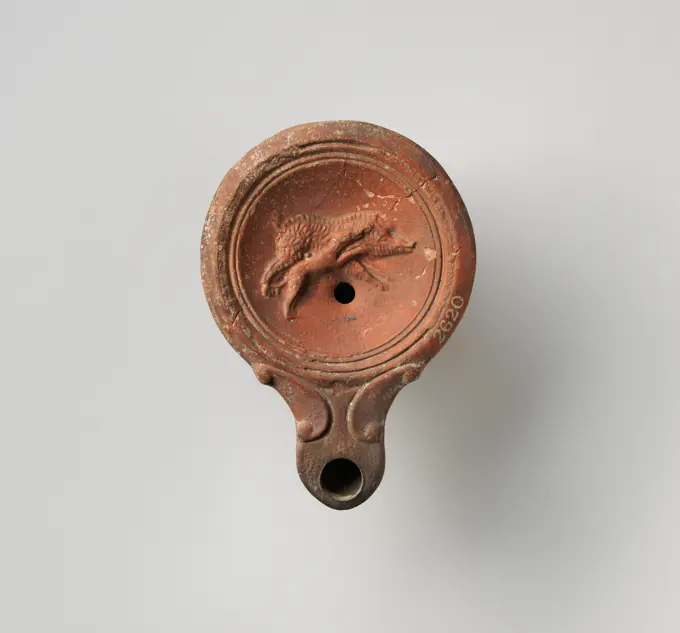
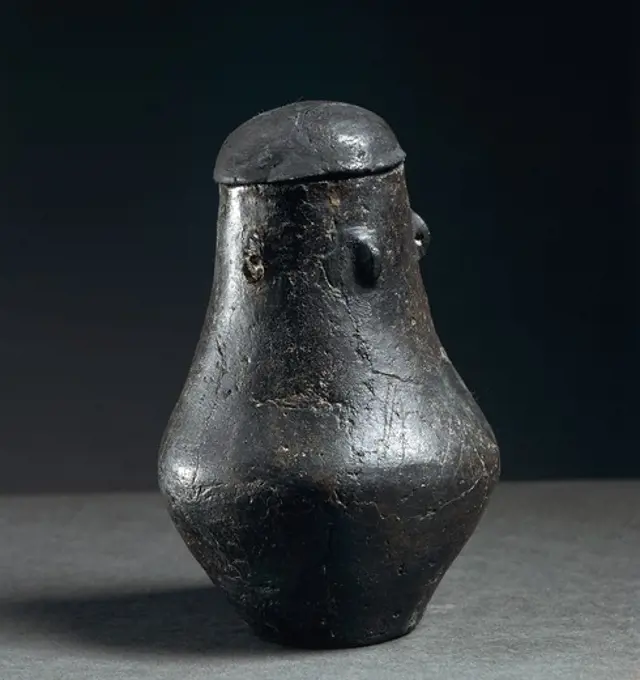
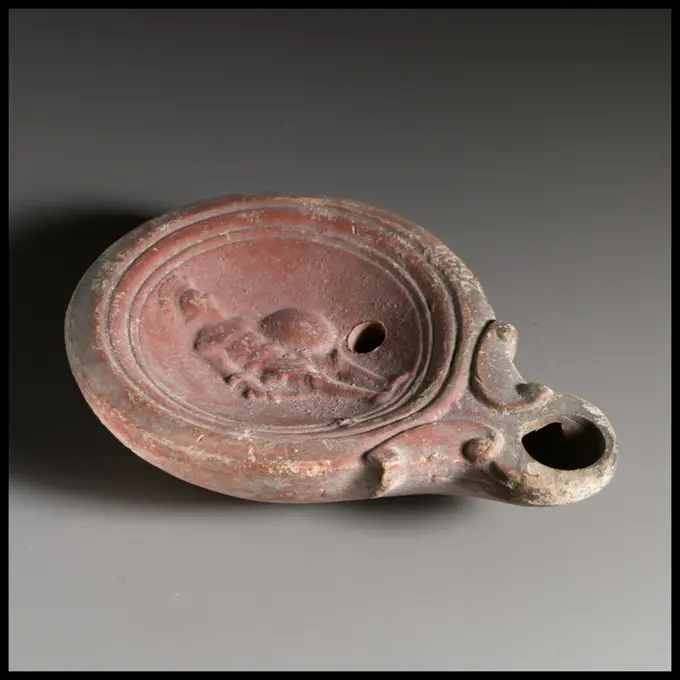
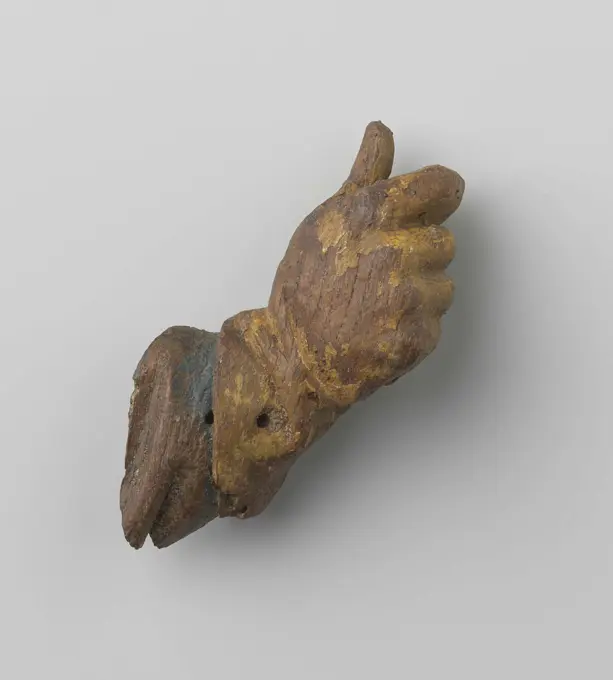
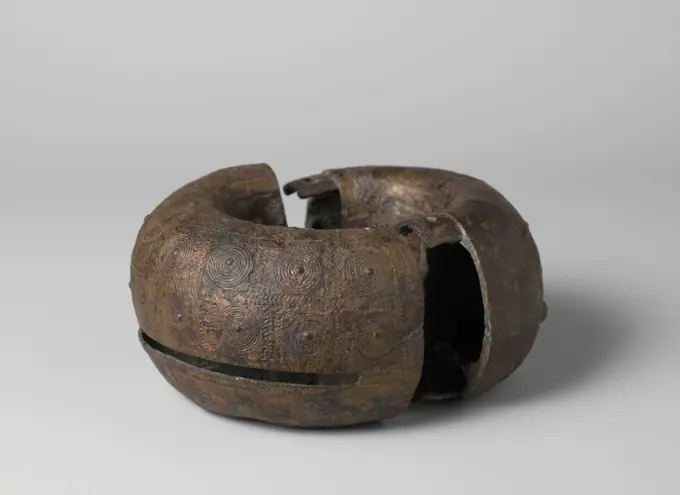
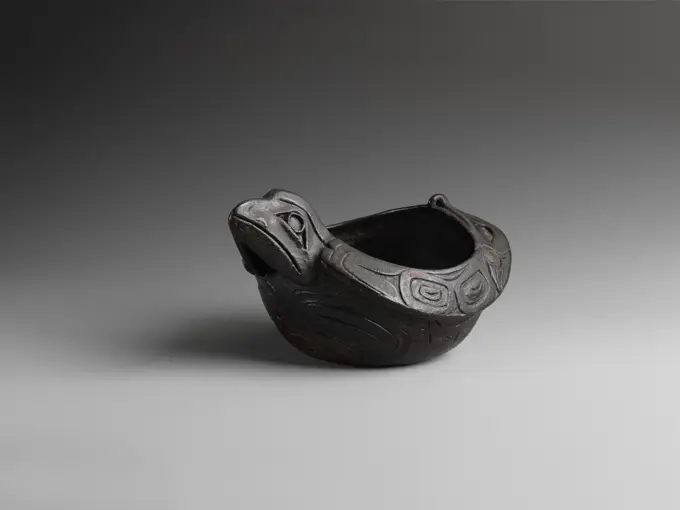
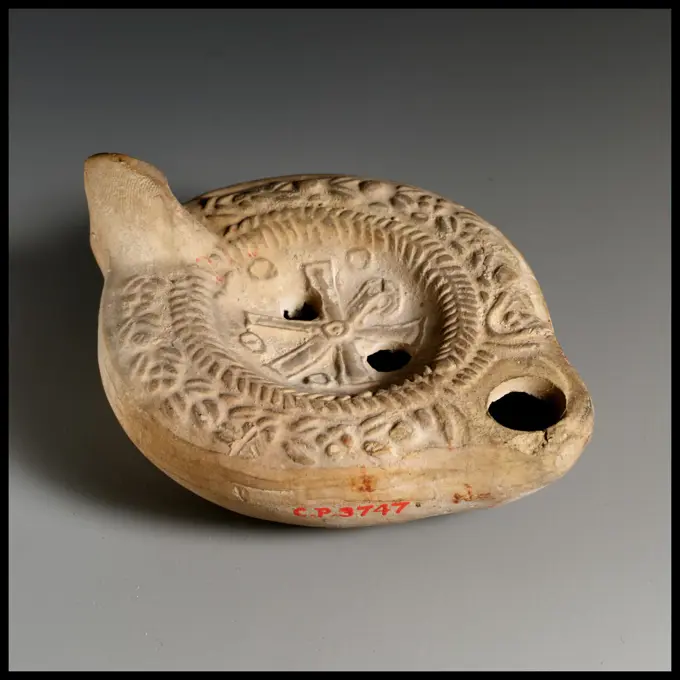
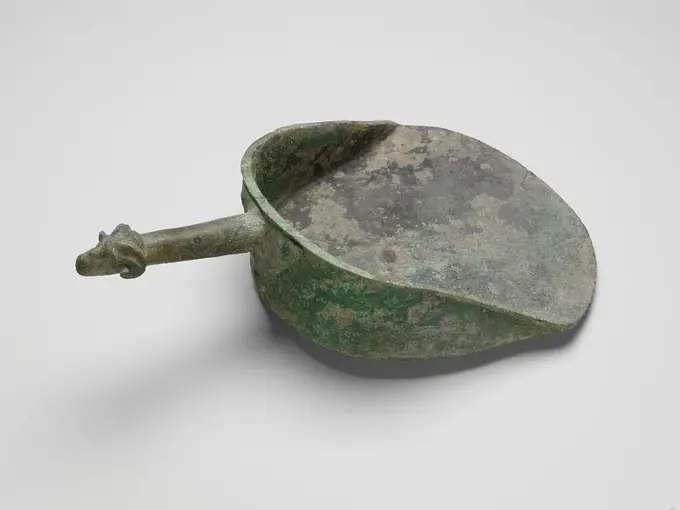
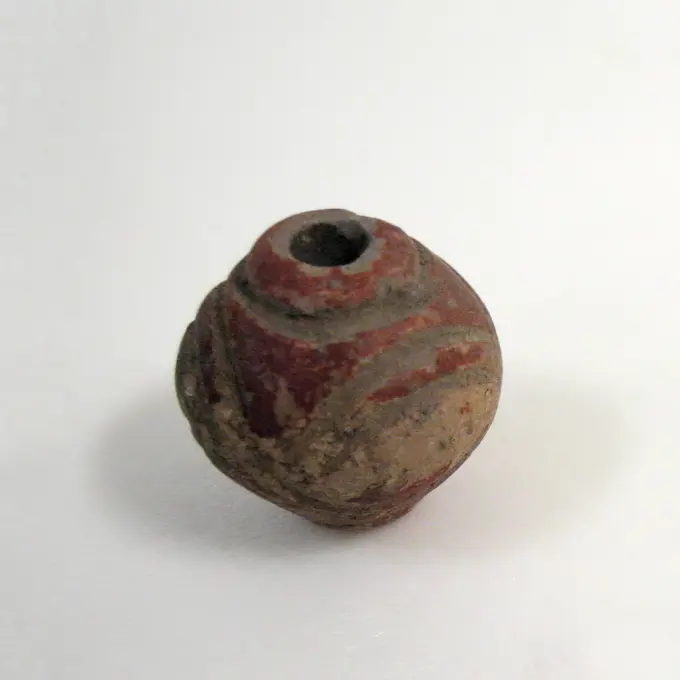
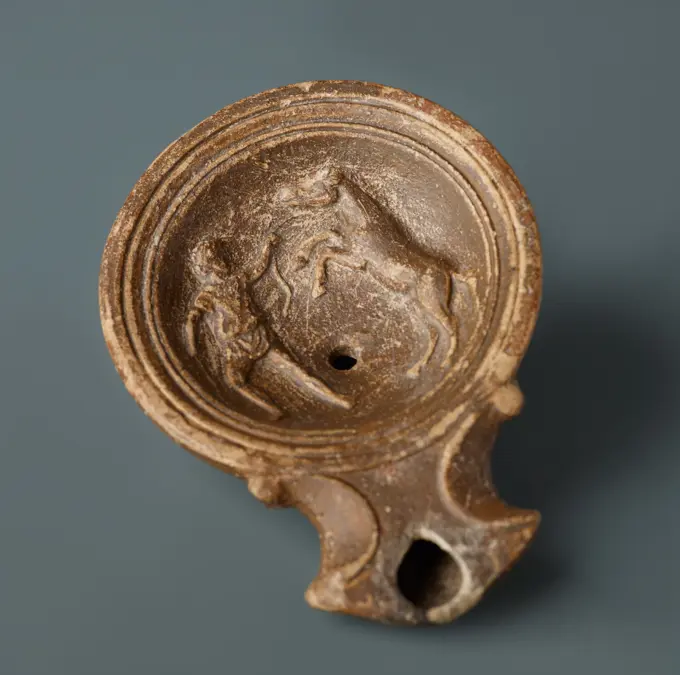
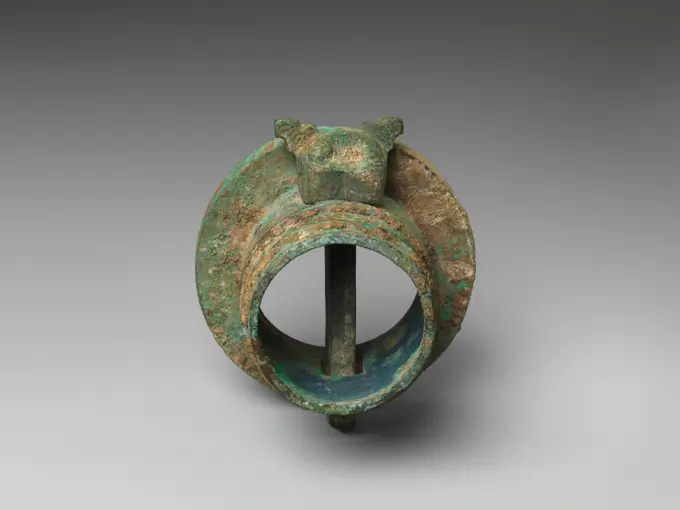
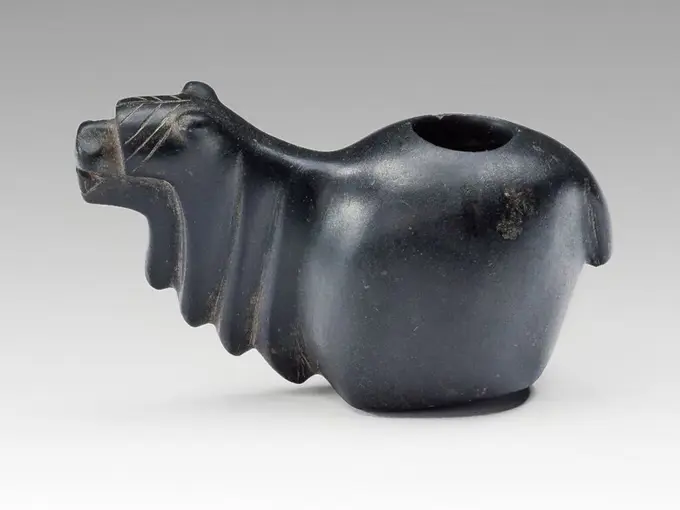
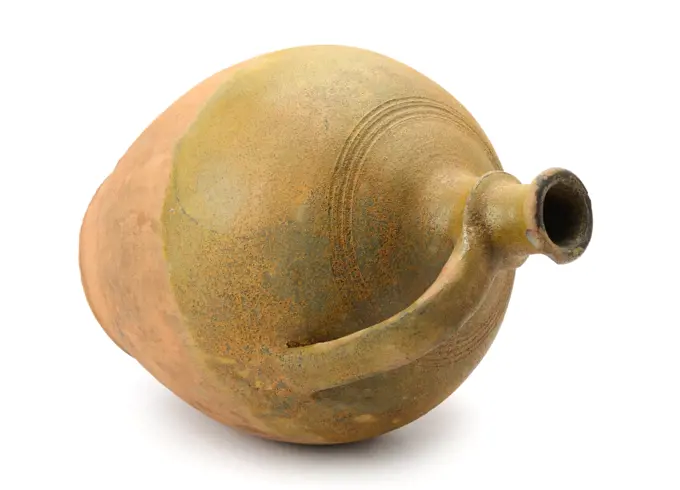
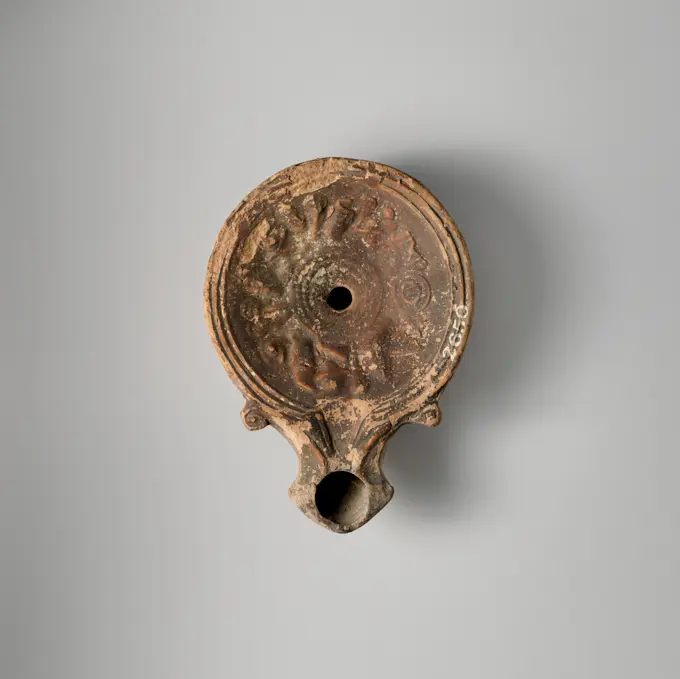
Lamp. UnknownOil lamp. Europe riding the bull. Terracotta. High Empire. Paris, Carnavalet museum. 50029-10 Ride, Roman divinity, High Empire, oil lamp, bull, terracotta, animal, sceneLamp; Italy; first half of 2nd century; Terracotta; 3.5 × 7.4 × 10.6 cm (1 3,8 × 2 15,16 × 4 3,16 in.)Lamp, Asia Minor; 1st - 4th century; Terracotta; 2 x 5.7 x 8 cm (13,16 x 2 1,4 x 3 1,8 in.)Lamp, Punic (), North Africa; 5th century B.C; Terracotta; 3.6 x 3.9 x 4 cm (1 7,16 x 1 9,16 x 1 9,16 in.)Lamp, Cologne, Germany; 2nd - 3rd century; Terracotta; 2.6 x 4.2 x 6.6 cm (1 x 1 5,8 x 2 5,8 in.)Figure Bowl 11th-14th century Mississippian. Figure Bowl 318294Lamp. UnknownTerracotta oil lamp 1st century A.D. Roman Mold-made. Deep body. Deep, concave discus: a central filling hole, surrounded by a band of raised circles; an outer band decorated with four alternating raised motifs, one a four-petalled rosette, the other a pointed leaf. Volutes flanking nozzle, with large wick hole. Raised base ring, and flat base.Intact, but one chip on right side of nozzle.. Terracotta oil lamp. Roman. 1st century A.D.. Terracotta. Early Imperial. TerracottasLamp. UnknownLamp, Central Anatolia, Anatolia; 1st century B.C. - 4th century A.D; Terracotta; 5.5 x 9 x 22.7 cm (2 3,16 x 3 9,16 x 8 15,16 in.)Lamp. Culture: Roman. Dimensions: Length: 3 7/16 in. (8.7 cm)Height: 1 3/16 in. (3 cm). Date: 1st century B.C.-1st century A.D.. Museum: Metropolitan Museum of Art, New York, USA.Lamp. UnknownLamp, Cologne, Germany; 2nd century; Terracotta; 2.6 x 4.8 x 9.5 cm (1 x 1 7,8 x 3 3,4 in.)Lamp. Culture: Roman. Dimensions: Length: 3 5/8 in. (9.2 cm)Height: 15/16 in. (2.4 cm). Date: 1st century B.C.-1st century A.D.. Museum: Metropolitan Museum of Art, New York, USA.Lamp. UnknownLamp. UnknownTerracotta oil lamp. Culture: Greek. Dimensions: Overall: 1 1/4 x 3 1/8 in. (3.2 cm). Museum: Metropolitan Museum of Art, New York, USA.Terracotta oil lamp 3rd century A.D. Roman Mold-made, with unpierced handle. Discus surrounded by a raised oval line that runs towards the wick hole; within, a crescent star pattern, with circles or squares interspersed. On shoulder, a narrow nband of lines, with another raised line running around the edge. Undefined base.Intact.. Terracotta oil lamp. Roman. 3rd century A.D.. Terracotta. Late Imperial. TerracottasLamp, Asia Minor; 1st - 4th century; Terracotta; 3.5 x 8.5 x 8.5 cm (1 3,8 x 3 3,8 x 3 3,8 in.)Lamp, Anatolia; 1st century B.C; Terracotta; 3.2 × 7.6 × 12.5 cm (1 1,4 × 3 × 4 15,16 in.)Oil Lamp 4th-7th century Coptic. Oil Lamp 478701Lamp, South Anatolia, Anatolia; 1st - 4th century; Terracotta; 2.4 x 7.5 x 8.5 cm (15,16 x 2 15,16 x 3 3,8 in.)Terracotta rim fragment of a bowl ca. 5700-3600 B.C. Cretan From Knossos, CreteFragment of a rim, gray ware.. Terracotta rim fragment of a bowl 248517Half of ankle strap, decorated with concentric circles, anonymous, -600 --100 Half of ankle strap, decorated with concentric circles. Ban Chiang bronze (metal) Half of ankle strap, decorated with concentric circles. Ban Chiang bronze (metal)South America. Chorrera culture. Late Formtive indigenous culture (1300 BC-300 BC in Ecuador). Ceramic vessel. 12 x 17 cm (diameter). From Ecuador. Private collection.Terracotta oil lamp. Culture: Roman, Cypriot. Dimensions: Overall: 1 1/8 x 3 in. (2.9 x 7.6 cm). Date: 3rd century A.D.. Museum: Metropolitan Museum of Art, New York, USA.Terracotta miniature vase with one handle. Culture: Greek, Laconian. Dimensions: H. 1 1/8 in. (2.8 cm). Date: 7th-6th century B.C..One handle and wide lip, traces of black paint. Museum: Metropolitan Museum of Art, New York, USA.Biconical Bead 800 BCE-600 BCE Greece. These precious bronzes objects are votives, or devotional gifts, made for gods. They come in many forms. Some are miniature sculptures of animals, mostly depicting horses, deer, and birds. Others are items of personal adornment, including beads and brooches. Quite a few seem once to have been attached to something else. This assemblage is characteristic of the thousands of votives that were hung from sacred trees or placed in sanctuaries around Greece. Once a shrine was full, the votives were gathered together and ceremonially buried to make room for more offerings. This comes from Thessaly in north-eastern Greece.. Bronze . Ancient GreekLamp. UnknownLamp. Lit de la Seine, 1874. Terracotta. High Empire. Patted rectangles and cross. Paris, Carnavalet museum. Pattee cross, High Empire, lamp, oil lamp, Seine bed, rectangle, terracottaLamp. UnknownTerracotta oil lamp. Culture: Roman. Dimensions: Overall: 1 5/16 x 3 1/16 in. (3.3 x 7.8 cm). Date: 4th-5th century A.D..Vessberg Type 18. Unpierced handle. Mold-made. Discus: poorly-executed naked man facing front but moving to right, holding large bulbous jar in right hand and with an amphora in raised left hand; around edge of discus, short radiating lines. Two filling holes. On broad shoulder, stylized vines with many grapes. Plain, slightly concave base. Front of nozzle missing. Museum: Metropolitan Museum of Art, New York, USA.Terracotta oil lamp. Culture: Roman. Dimensions: Length: 3 5/16 in. (8.4 cm)Height: 15/16 in. (2.4 cm). Date: 2nd century A.D.. Museum: Metropolitan Museum of Art, New York, USA.Terracotta oil lamp. Culture: Roman. Dimensions: Overall: 1 1/8 x 4 1/4 in. (2.9 x 10.8 cm). Date: 1st century B.C.-1st century A.D..Loeschcke Type 4. Mold-made. Deep concave discus: a boar, facing left, being attacked by a hunting dog; a single filling hole below, and a band of lines and grooves at edge. Volutes flanking nozzle. Incised base ring, and slightly uneven base.Broken and repaired, with many cracks. Museum: Metropolitan Museum of Art, New York, USA.Lamp, North Africa; 1st - 4th century; Terracotta; 3 x 8.5 x 12.4 cm (1 3,16 x 3 3,8 x 4 7,8 in.)Two-piece bronze mold for lid, mold casting tool tools base metal bronze, in 8.3 Two-piece bronze mold for making lid top: 2834 36 Rotterdam tin foundry tin stain tin Meeuws Druy craft Shapes originate from the 18th century Rotterdam tinnegieter J Druy. The large molds that were not signed or dated were the property of the tinker guild and were rented to the small tin caster.Terracotta oil lamp ca. A.D. 40-100 Roman Loeschcke Type 4. Mold-made. Discus: rearing lion, facing left; ground line below; a single filling hole at center below lion's body; band of lines and grooves towards edge. Volutes flanking nozzle. Incised base ring, and slightly concave base.Intact.. Terracotta oil lamp 241479Double-Chambered Vessel 100 CE-700 CE México. Ceramic . TeotihuacanTerracotta oil lamp 1st half of 1st century A.D. Roman, Cypriot Loeschcke Type 1B. Mold-made. Discus: vine wreath with bunches of grapes, arranged around a central filling hole, tied with taenia at top, with a band of lines and grooves at edge. Volutes flanking nozzle. Within raised base ring, a flat base, with irregular incised or impressed letters across center: FAVSTI.Intact.. Terracotta oil lamp. Roman, Cypriot. 1st half of 1st century A.D.. Terracotta. Early Imperial. TerracottasFoot of cup, ball-shaped model on foot, gray, proto-stoneware, cup drinking utensils tableware holder fragment soil found clay ceramic stoneware, hand turned hard baked Stonework gray shard interior and exterior dark gray flat bottom with traces of deduction. Ball-shaped shape on the base of the foot, deep constriction above the foot. Foot is diagonally cut archeology Capelle aan den IJssel House in Capelle castle of indigenous earthenware import drink beverage dinnerware Ground find: moat south side castle - house ± 1395 - ± 1500 Capelle aan den IJssel 1963.Terracotta oil lamp ca. A.D. 50-100 Roman, Cypriot Loeschcke Type 5. Ring handle. Mold-made. Discus: oak branch. Single filling hole towards nozzle. On narrow shoulder, ovules. Small volutes flanking nozzle. Within incised Broad base ring within incised lines; on flat base, impressed letter: I.Broken and repaired, with four small holes in discus and body.. Terracotta oil lamp 241732Lamp. UnknownTerracotta zoomorphic askos (vessel) 1900-1600 B.C. Cypriot Spout and ring-handle.. Terracotta zoomorphic askos (vessel). Cypriot. 1900-1600 B.C.. Terracotta; White painted ware. Middle Cypriot. VasesVotive shield. Culture: Cypriot. Dimensions: diameter 7 3/16 in. (18.3 cm). Date: ca. 600-480 B.C..The shield is wheel-made and shallow with a handle on the inside. Museum: Metropolitan Museum of Art, New York, USA.Lamp. UnknownPrehistory, Albania, Bronze Age. Model of a kiln in ceramic. From Maliqi.Terracotta oil lamp. Culture: Roman, Cypriot. Dimensions: Overall: 1 1/4 x 4 in. (3.2 x 10.2 cm). Date: 1st century B.C.-1st century A.D..Loeschcke Type 1A. Mold-made. Discus: head of Silenus, with beard, pointed ears, and horns. Single filling hole at lower right, with a band of lines and grooves around edge. Volutes flanking angular nozzle. Raised base ring, and flat base.Complete, except for large hole in base and finial of volute at right. Museum: Metropolitan Museum of Art, New York, USA.Terracotta oil lamp. Culture: Greek. Dimensions: Overall: 1 1/8 x 3 in. (2.9 x 7.6 cm). Museum: Metropolitan Museum of Art, New York, USA.Bottle 7th-8th century. Bottle 448711Lamp; North Africa, Tunisia; 2nd century; Terracotta; 10.9 x 4.6 x 7.6 cm (4 5,16 x 1 13,16 x 3 in.)Bell. Northeastern Thailand, Ban Chiang culture, 300 B.C.-A.D. 150. Tools and Equipment; musical instruments. Copper alloyLamp. UnknownOil lamp. Rosette and frieze of Oves. Terracotta. High Empire. 13, rue du Pot-de-Fer (1889). Magne collection. Paris, Carnavalet museum. Magne, frieze, High-Empire collection, oil lamp, ove, rosette, terracottaLeather water bottle for water Trinken FlascheOil lamp. unknown, craftsmanBronze sanguisuga-type fibula (safety pin) 8th-7th century B.C. Italic Like the navicella (little boat) fibula type, sanguisuga (leech) fibulae have arched bows.. Bronze sanguisuga-type fibula (safety pin) 255991Terracotta lamp mold 1st-2nd century A.D. Roman The fragment is from the upper half of the mold with the whole of the discus showing a scene of two gladiators fighting.. Terracotta lamp mold. Roman. 1st-2nd century A.D.. Terracotta. Imperial. TerracottasFragment Pijpenkop, Jan van Aten, 1750 - 1780 Fragment piping head with a crown and a fish and three waves, and the letters I v a. Of the excavations on the Hofstede Arentsburg 1827-1831 under the supervision of Professor Reuvens. Gorinchem pipe clay Fragment piping head with a crown and a fish and three waves, and the letters I v a. Of the excavations on the Hofstede Arentsburg 1827-1831 under the supervision of Professor Reuvens. Gorinchem pipe clayOffering Vessel in the Form of an Alpaca 1450-1532 Cuzco. Stone . IncaTerracotta oil lamp 5th century A.D. Roman Vessberg Type 18. Mold-made, with unpierced handle. Discus: cross, decorated with circles at center and ends of arms, with a pattern of three similar circles between the arms; two filling holes, at top right and bottom left. Shoulder: herringbone wreath surrounded by a row of hollow circles and smaller dots. Undefined, pushed-in base.Broken at front with nozzle and front half of wick hole missing.. Terracotta oil lamp 241596Standing mirror base;  1. PO. 5th century BC (-500-00-00--451-00-00);mirrorJug. Unglazed conical jug from stoneware, with two ears. The belly is decorated with concentric rings in relief.Kohl Jar and Stick ca. 1635-1458 B.C. Second Intermediate Period-Early New Kingdom. Kohl Jar and Stick 546884Fragment; (possibly) belonging to the retable of Soest, c. 1475 - c. 1499   wood (plant material)   wood (plant material)Ocarina 1300-1500 Tairona People; Gayraca style. Ocarina. Tairona People; Gayraca style. 1300-1500. Ceramic. Pre-Columbian. Sierra Nevada de Santa Marta, Colombia. Aerophone-Whistle Flute-vessel fluteVase in the form of an animal 1900-1600 B.C. Cypriot. Vase in the form of an animal. Cypriot. 1900-1600 B.C.. Terracotta. Middle Cypriot. VasesLamp. UnknownLazio Latina Sezze Antiquarium Comunale17. Hutzel, Max 1960-1990 German-born photographer and scholar Max Hutzel (1911-1988) photographed in Italy from the early 1960s until his death. The result of this project, referred to by Hutzel as Foto Arte Minore, is thorough documentation of art historical development in Italy up to the 18th century, including objects of the Etruscans and the Romans, as well as early Medieval, Romanesque, Gothic, Renaissance and Baroque monuments. Images are organized by geographic region in Italy, then by province, city, site complex and monument.Spindle Whorl, one of sixteen, 15th century, 1 1/8 x 1 1/2 in. (2.86 x 3.81 cm), Stone, Mexico, 15th centuryRoadrunner Ocarina Whistle. Mexico, Colima, Colima, 200 BCE-500 CE. Ceramics. Unslipped buff ceramicTerracotta oil lamp 1st century B.C.-1st century A.D. Roman Loeschcke Type 4. Mold-made. Deep concave discus: a boar, facing left, being attacked by a hunting dog; a single filling hole below, and a band of lines and grooves at edge. Volutes flanking nozzle. Incised base ring, and slightly uneven base.Broken and repaired, with many cracks.. Terracotta oil lamp. Roman. 1st century B.C.-1st century A.D.. Terracotta. Early Imperial. TerracottasPrehistory, Poland, Iron Age. Pomeranian culture. Anthropomorphic terracotta cinerary urn. From Borucino, Gdansk.Lamp, Anatolia; 1st - 4th century; Terracotta; 2.8 x 6.4 x 11.6 cm (1 1,8 x 2 1,2 x 4 9,16 in.)Lamp. UnknownTerracotta oil lamp late 1st century B.C.-early 1st century A.D. Roman Loeschcke Type 4. Mold-made. Discus: a gladiator standing to front, head turned to right, wearing crested helmet, greaves, and trunks, with arm at his sides, holding a round shield in his left and a sword in his right; a single filling hole at lower right; broad band of lines and grooves around edge of discus, with a narrow, sloping shoulder. Volutes flanking nozzle with large wick hole. Incised base ring, and flat base.. Terracotta oil lamp 241577Water pot in the shape of a bird 3rd-4th century China. Water pot in the shape of a bird 46269Pottery Fragment. Culture: Coptic. Dimensions: Overall: 2 13/16 x 6 3/8 in. (7.1 x 16.2 cm). Date: 4th-7th century. Museum: Metropolitan Museum of Art, New York, USA.Terracotta oil lamp 1st century B.C.-1st century A.D. Greek or Roman Mold-made. Small, shallow, carinated body. Central filling hole surrounded by a broad, horizontal band. Sloping shoulder, decorated with radiating bands of grooves and lines; at left, large S-shaped knob. Long, straight, tubular nozzle, with circular rim to wick hole. Incised base ring, and slightly concave base.Intact.. Terracotta oil lamp. Greek or Roman. 1st century B.C.-1st century A.D.. Terracotta. Hellenistic or Early Imperial. TerracottasModel Cultic Pot. Egypt, 6th - 8th Dynasties (2374 - 2165 BCE). Furnishings; Cookware. CopperTerracotta oil lamp 3rd century A.D. Roman Mold-made, with unpierced handle. Large discus: in high relief a figure standing at left, facing right holding spear () across body towards animal standing at right, facing left; raised circle around discus. Three filling holes, randomly placed. Circular nozzle. On shoulder, in relief a series of indistinct round objects. On underside of body, two grooves to either side of nozzle, and a pattern of curved grooves issuing from base of handle. Broad base ring, and impressed pattern on small base.One large hole in left side of body.. Terracotta oil lamp. Roman. 3rd century A.D.. Terracotta. Late Imperial. TerracottasSpindle Whorl 10th-early 16th century Mexican. Spindle Whorl 307550Fragment in the form of a hand; (possibly) belonging to the Retable of Soest. .Ankle strap, decorated with concentric circles, anonymous, -600 --100 Ankle strap, decorated with concentric circles. Consists of two parts. Ban Chiang bronze (metal) Ankle strap, decorated with concentric circles. Consists of two parts. Ban Chiang bronze (metal)Bowl ca. 1780-1810 Tsimshian, Native American One of the most prized products from a successful hunt was the fat from whales, seals, and fish, especially eulachon (candlefish). Used to give flavor and additional calories to foods, these oils remain an essential part of the Tsimshian culinary repertoire. This bowl once held eulachon oil and features the projecting head of a bird, possibly a raven. Such a finely detailed dish would have been reserved for important guests during a potlatch ceremony or other feasting occasion. The carver has imbued his quotidian creation with an otherworldly essence: a face, whose gaping mouth forms the rim, is apparent when viewed from above.. Bowl. Tsimshian, Native American. ca. 1780-1810. Wood. Made in British Columbia, CanadaTerracotta oil lamp 4th-5th century A.D. Roman, Cypriot Vessberg Type 18. Mold-made, with unpierced handle. Discus: chi-rho, with top at right, decorated with a central dot and circle, and similar circles between the arms. Two filling holes. Shoulder: herring-bone wreath surrounded by a vegetal pattern. Undefined, concave base.Intact.. Terracotta oil lamp. Roman, Cypriot. 4th-5th century A.D.. Terracotta; mold-made. Late Imperial. TerracottasBronze shovel with a handle terminating in a ram's head. Culture: Roman. Dimensions: 4 x 10 5/16 x 16 3/4 in. (10.2 x 26.2 x 42.6 cm). Date: 1st-2nd century A.D..Shovel ending in ram's head.. Museum: Metropolitan Museum of Art, New York, USA.Spindle Whorl, from a group of thirteen, 3/4 x 1 in. (1.91 x 2.54 cm), Earthenware, MexicoHandleless Oil LampRitual Tripod Cauldron with Cover (Ding) 7th-6th century B.C. China. Ritual Tripod Cauldron with Cover (Ding). China. 7th-6th century B.C.. Bronze. Eastern Zhou dynasty (770-256 B.C.). MetalworkPendant with Animal Head. China. Date: 1100 BC-900 BC. Dimensions: 7/8 × 9/16 × 1/4 in. Jade. Origin: China. Museum: The Chicago Art Institute, Chicago, USA.Toilet cup ca. 1981-1640 B.C. Middle Kingdom. Toilet cup 556901Appliqué for a funeral couch. UnknownTerracotta oil lamp 2nd century A.D. Roman Mold-made, with unpierced handle. Shallow discus: man, moving right, but looking down and back left, holding indistinct object in his left hand, and with his right arm around back on animal (dog or bear) at left, leaping up at him; two filling holes, one small hole at top left, the other larger at bottom right. Broad, horizontal shoulder: impressed herring bone pattern with central line of small dots. Undefined, concave base.Intact.. Terracotta oil lamp. Roman. 2nd century A.D.. Terracotta. Imperial. TerracottasEmilia-Romagna Ferrara Ferrara Museo Civico di Schifanoia14. Hutzel, Max 1960-1990 General Notes: INCOMPLETE RECORD--NEGATIVES PROCESSED, PRINTS FILED German-born photographer and scholar Max Hutzel (1911-1988) photographed in Italy from the early 1960s until his death. The result of this project, referred to by Hutzel as Foto Arte Minore, is thorough documentation of art historical development in Italy up to the 18th century, including objects of the Etruscans and the Romans, as well as early Medieval, Romanesque, Gothic, Renaissance and Baroque monuments. Images are organized by geographic region in Italy, then by province, city, site complex and monument.Chariot axle cap and linchpin 6th-5th century B.C. China. Chariot axle cap and linchpin 61058Limestone altar or pedestal with coiled snake 5th century B.C. Cypriot A snake, the head of which is missing, is coiled on the cover of a circular box.A snake, the head of which is missing, is coiled on the cover of a circular box (pyxis). There are traces of red paint on the snake, the cover, and the base of the box, which is partially missing.. Limestone altar or pedestal with coiled snake 242333Offering Vessel in the Form of an Alpaca. Inca; Probably vicinity of Cuzco, Peru. Date: 1450-1532. Dimensions: 7.3 × 11.4 cm (2 7/8 × 4 1/2 in.). Stone. Origin: Cuzco. Museum: The Chicago Art Institute, Chicago, USA.clay jug isolated on whiteTerracotta oil lamp ca. 20 B.C.-A.D. 25 Roman Loeschcke Type 1A. Mold-made. Deep concave discus: a circular frieze of gladiatorial weapons and armor, comprising helmets, shields, greaves, and breastplates; a single filling hole at center, surrounded by two concentric lines, with a narrow band of lines and grooves at edge. A funnel-shaped channel runs from the discus to the large wick hole. Volutes flanking angular nozzle. Raised base ring of three concentric lines, and a small, flat base, with a small impressed rosette at center.Intact, but some chipping of edge at back of discus.. Terracotta oil lamp. Roman. ca. 20 B.C.-A.D. 25. Terracotta. Early Imperial. Terracottas