Historical Lamps

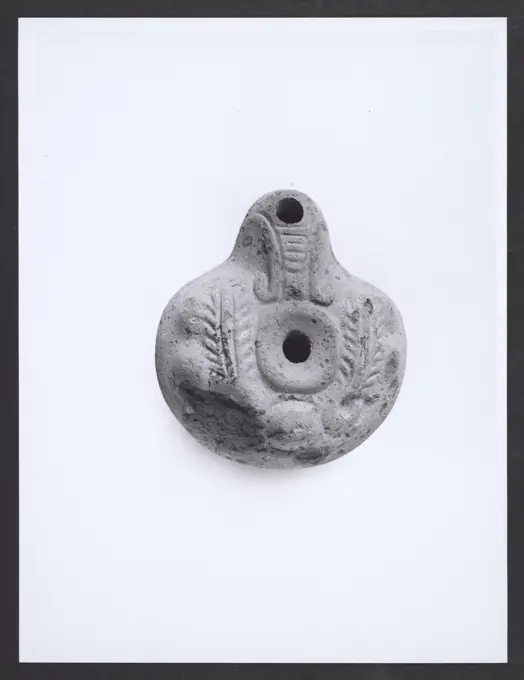
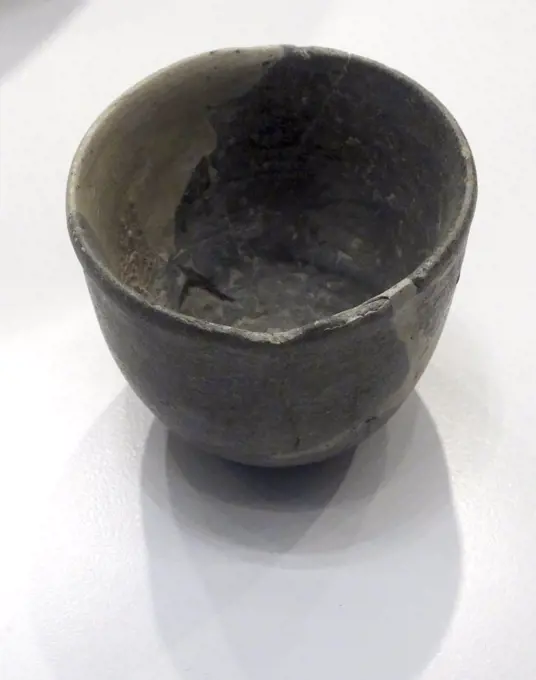
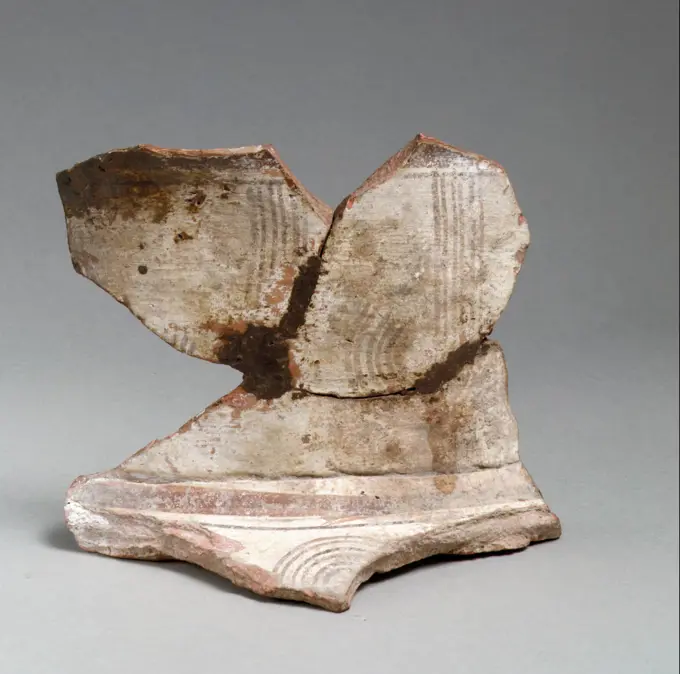
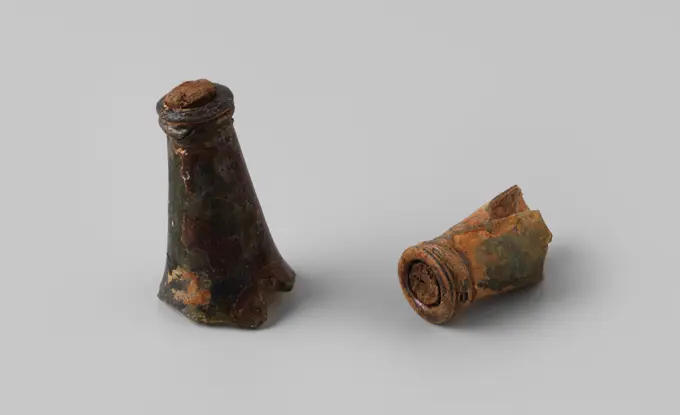
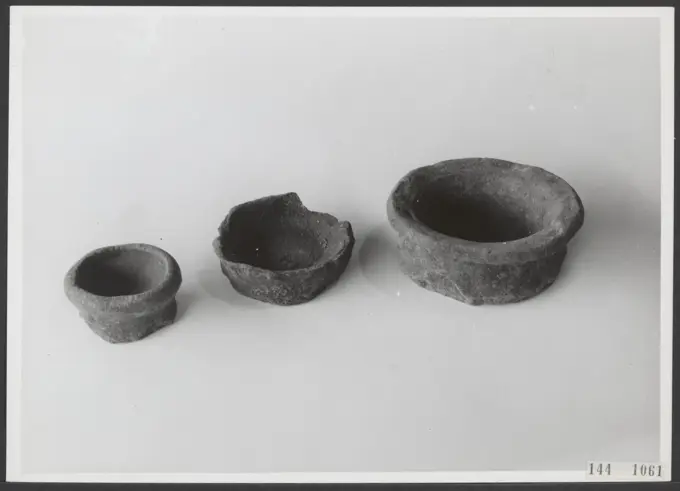
A series of ancient terracotta lamps from various cultures and eras, featuring different shapes and design elements, illustrating the evolution of lighting.

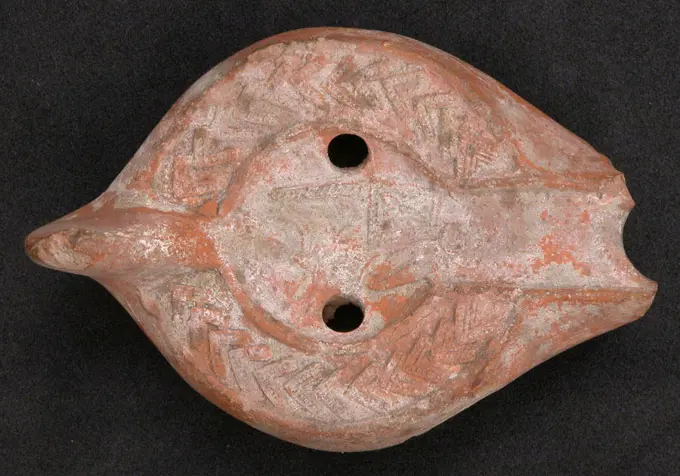
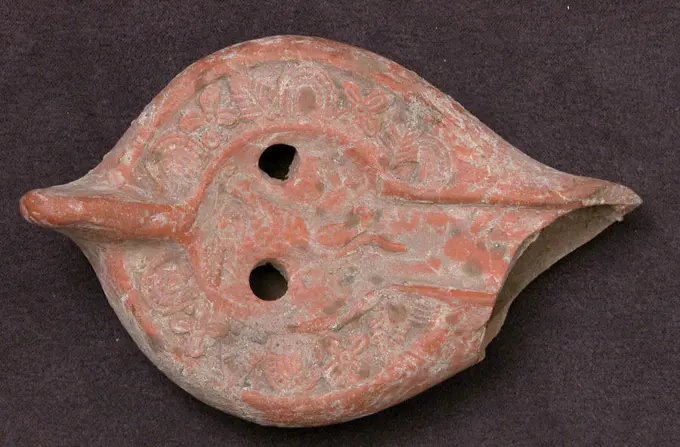
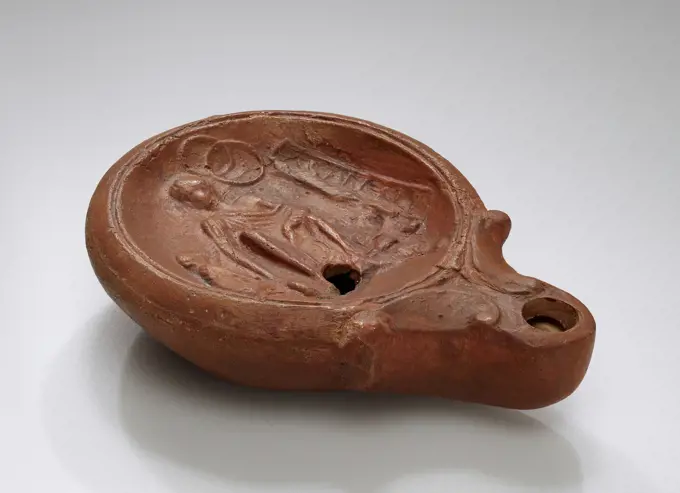
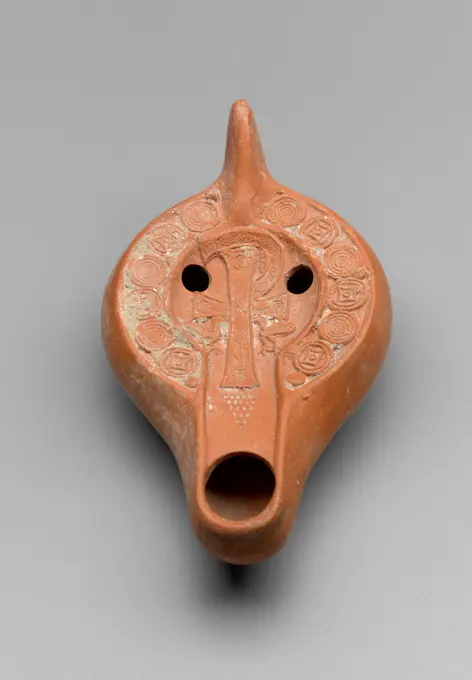
Lamp; Italy; first half of 2nd century; Terracotta; 3.5 × 7.4 × 10.6 cm (1 3,8 × 2 15,16 × 4 3,16 in.)
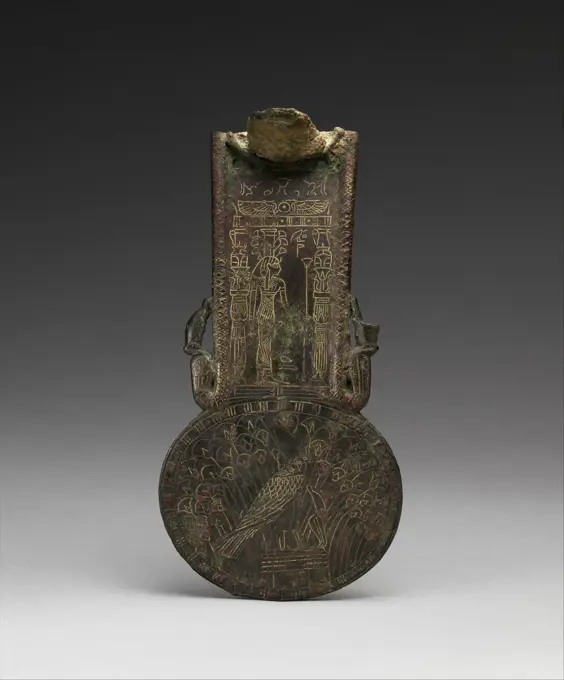
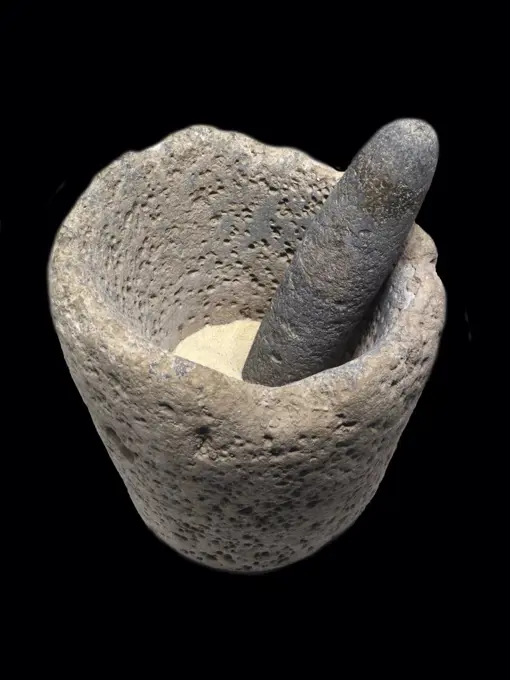
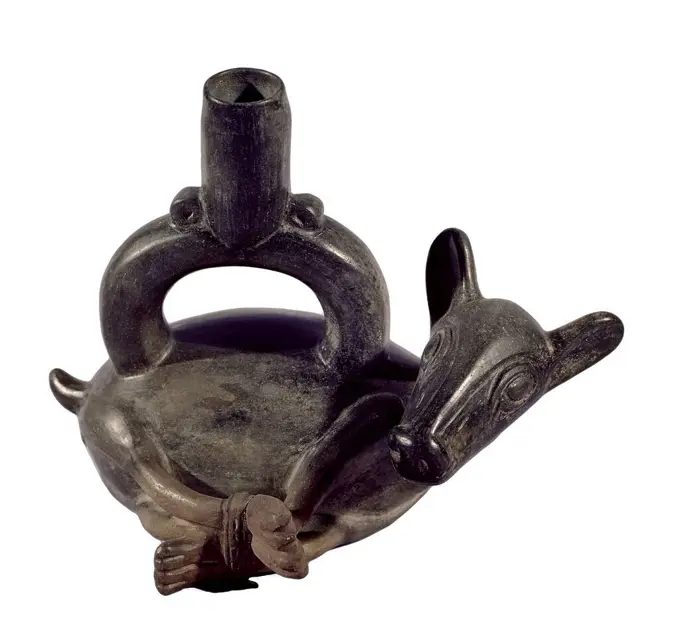
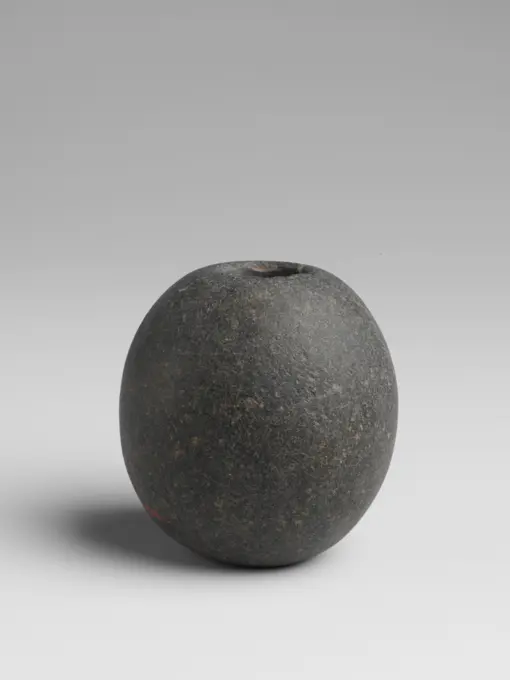
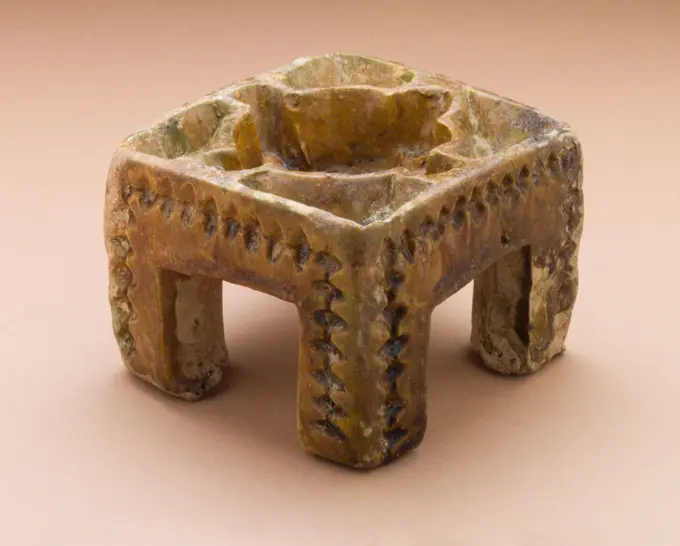
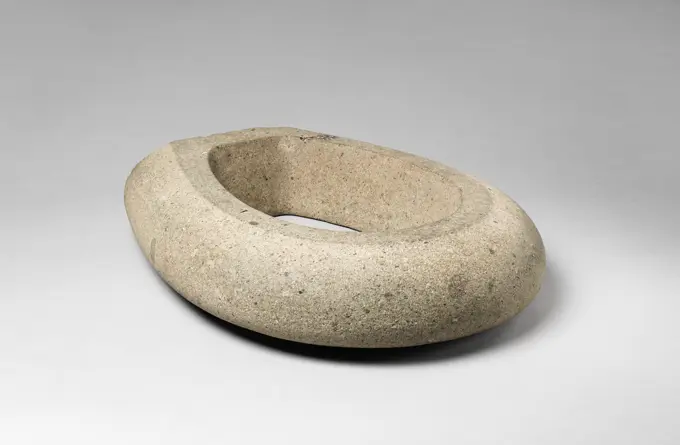
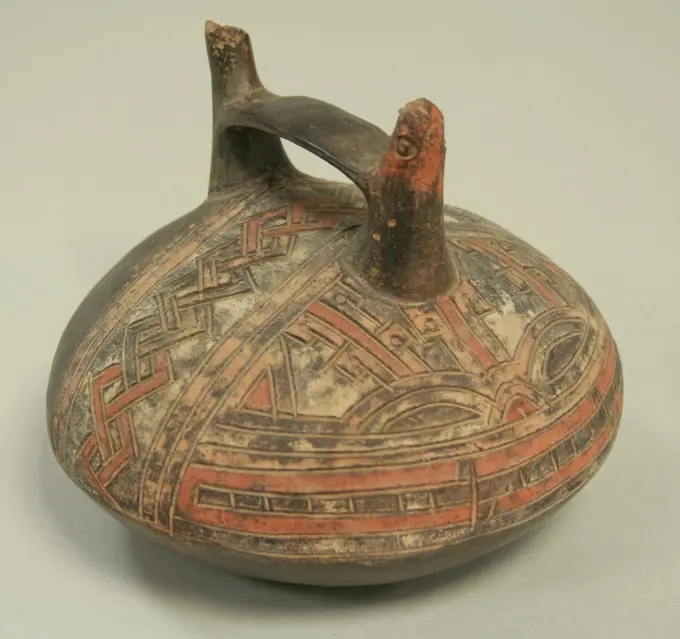
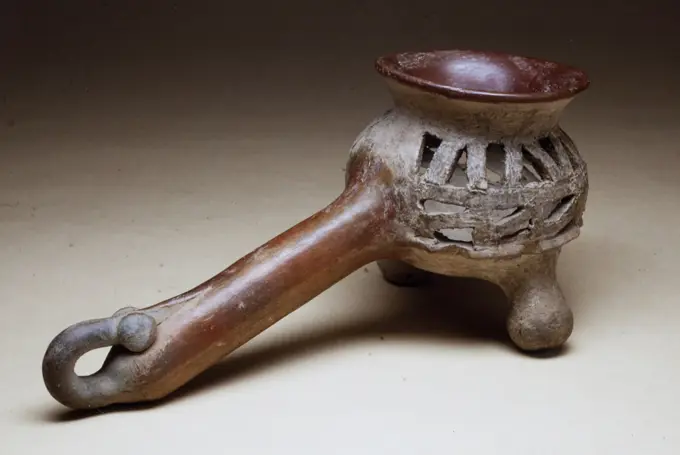
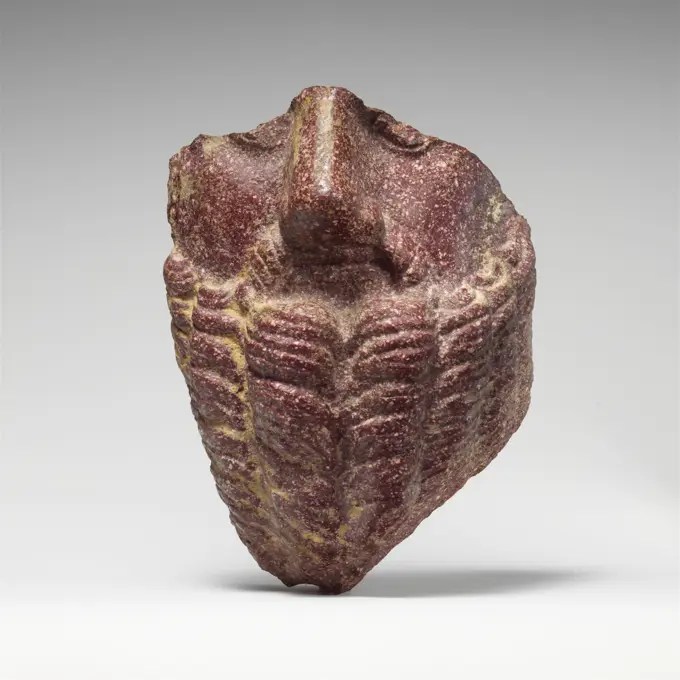
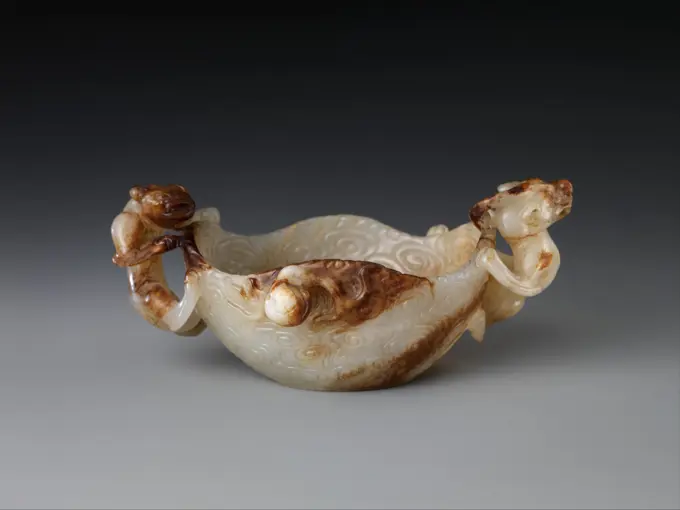
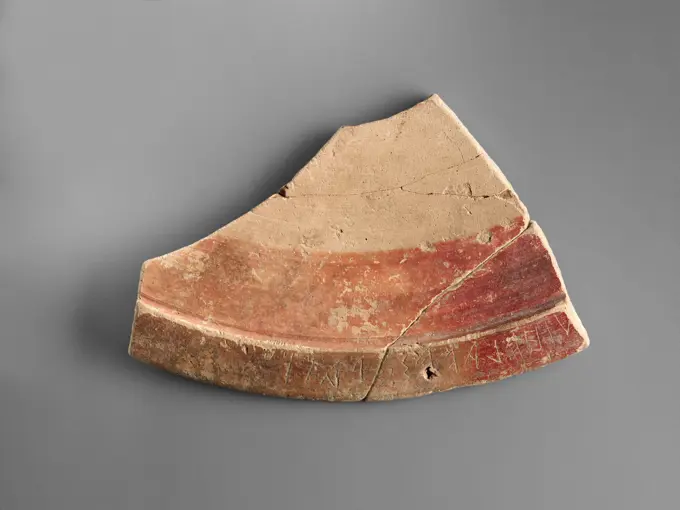
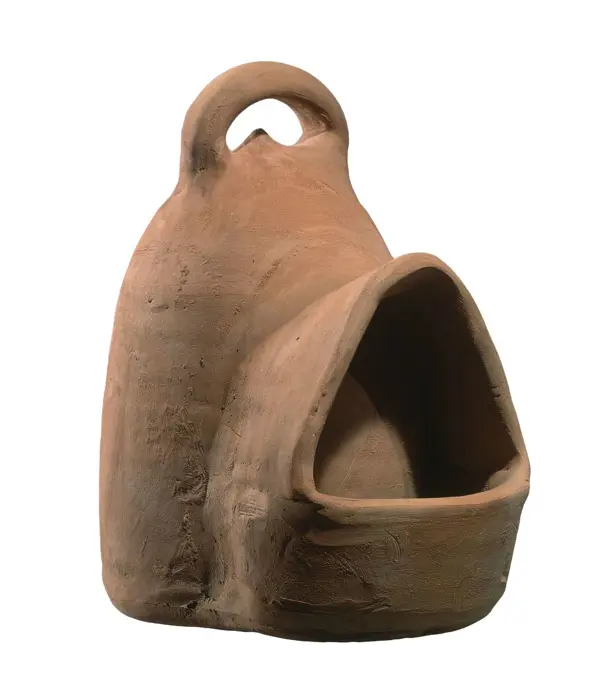
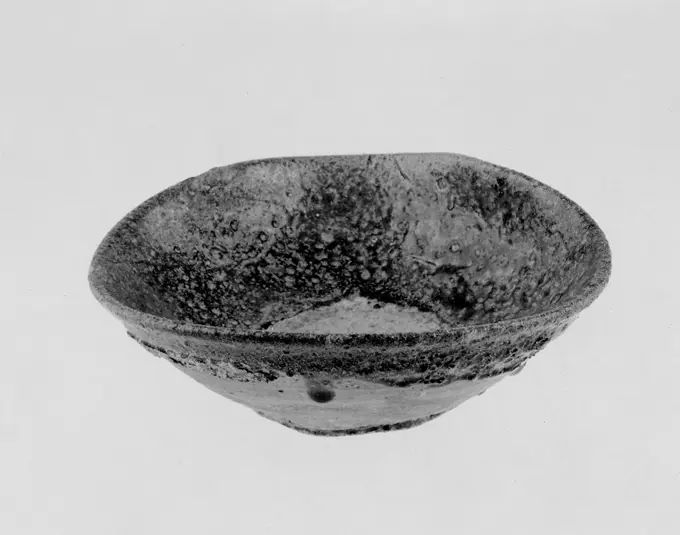
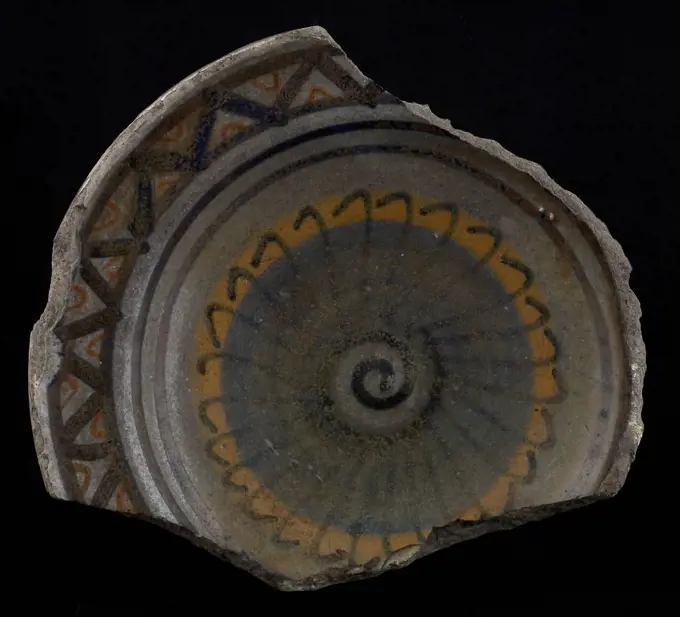
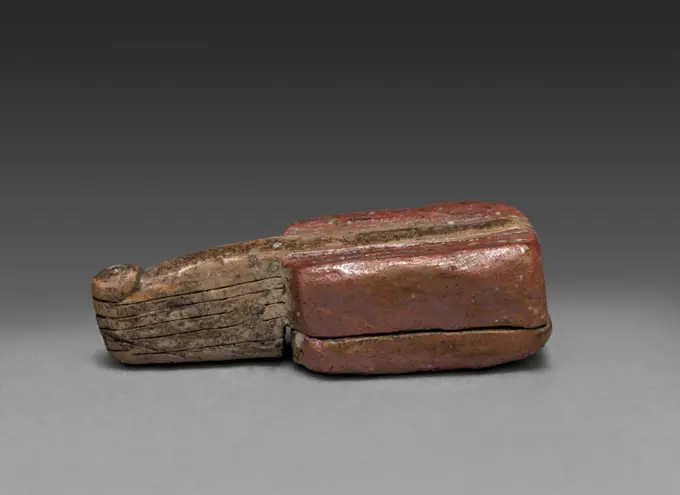
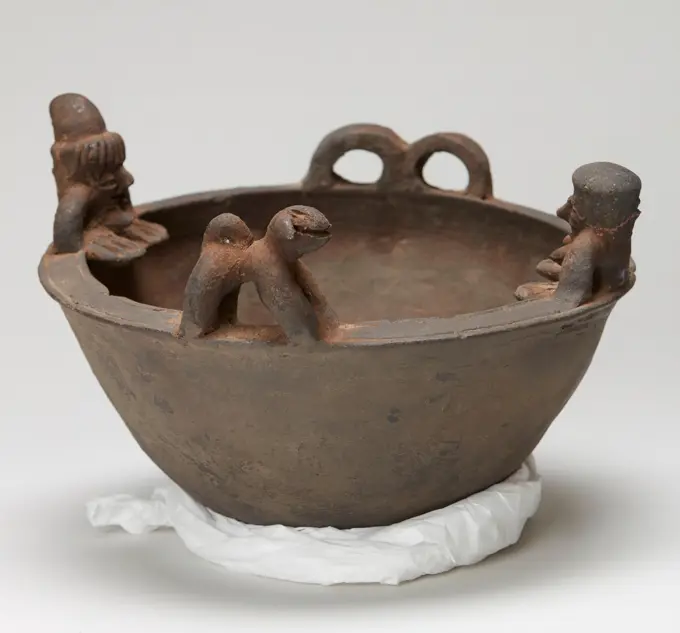
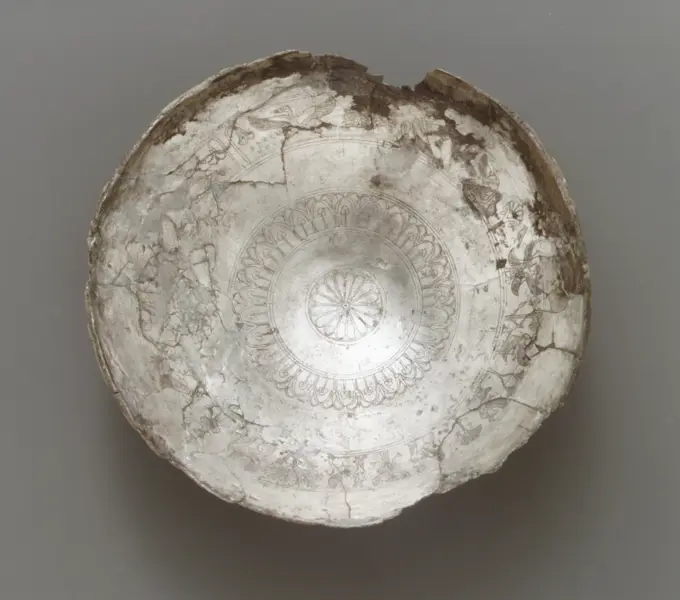
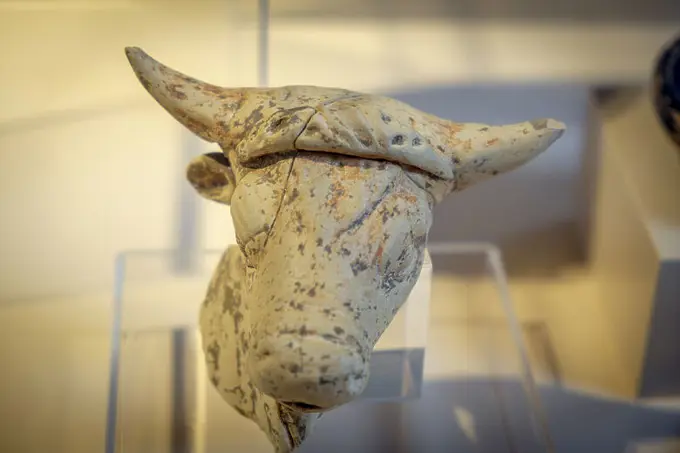
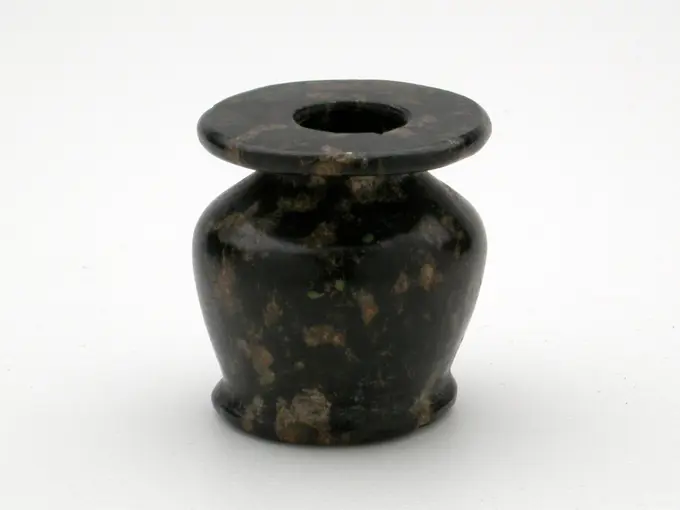
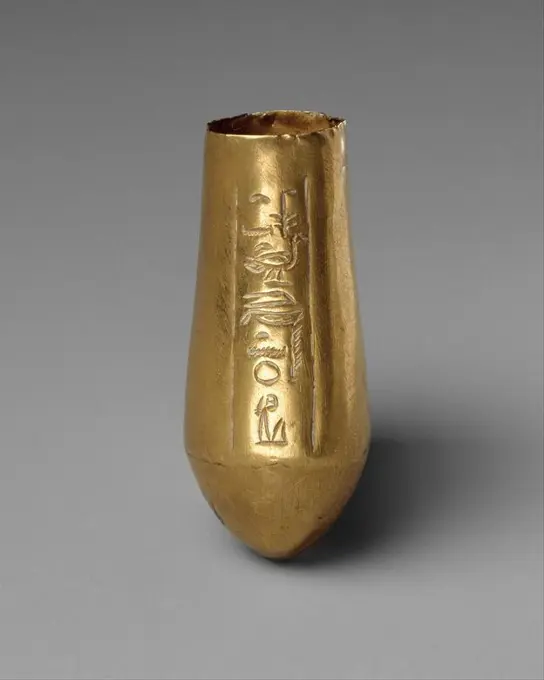
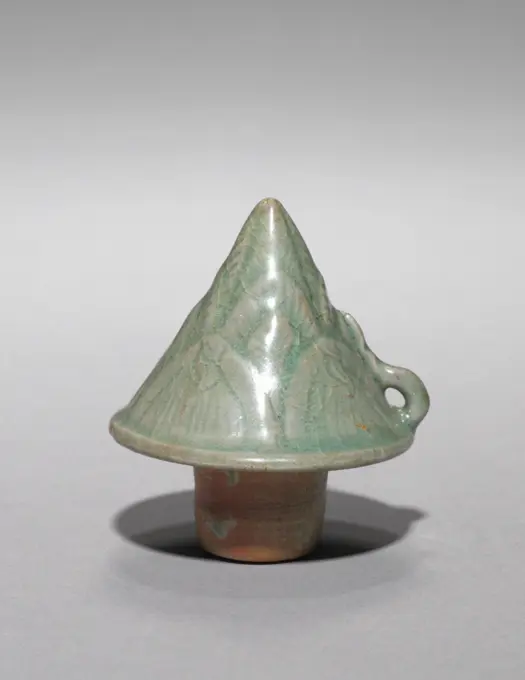
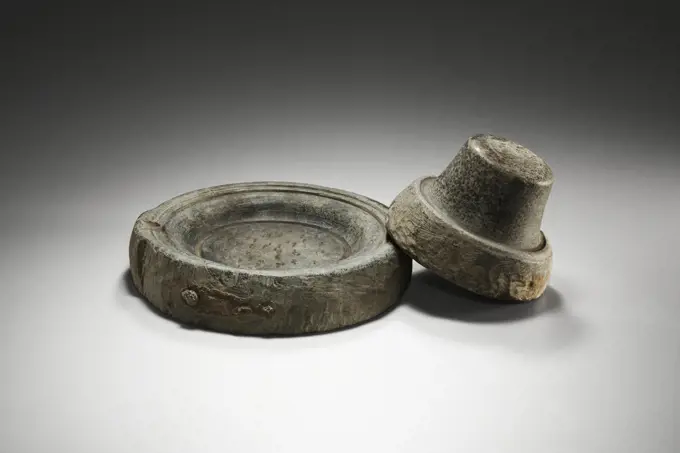
Mortar andPestle, ca. 113 B.C.-A.D.256, Stone, a-Mortar: 3.18 × 16.51 cm (1 1/4 × 6 1/2 in.), Yale-French Excavations atDura-Europos, Excavated in Dura-Europos, Syria, Syrian,Dura-Europos, Greco-Roman orParthian, SculptureLazio Latina Sezze Antiquarium Comunale78. Hutzel, Max 1960-1990 German-born photographer and scholar Max Hutzel (1911-1988) photographed in Italy from the early 1960s until his death. The result of this project, referred to by Hutzel as Foto Arte Minore, is thorough documentation of art historical development in Italy up to the 18th century, including objects of the Etruscans and the Romans, as well as early Medieval, Romanesque, Gothic, Renaissance and Baroque monuments. Images are organized by geographic region in Italy, then by province, city, site complex and monument.Coiled SerpentHead of a Female Figurine 4th-7th century Coptic This hand-molded object was found in Christian homes, but works like this continue a long history of Egyptian fertility figures. Decorated wall niches, thought to be domestic shrines, were found in the houses of the site. This figurine might have been used in one as a votive offering. For unknown reasons, it appears to have been deliberately destroyed.. Head of a Female Figurine 478471Spinsteen, , 1600 - 1699 Ocher -colored earthenware ball with ribbed surface. There is an opening upwards in which the spider can be tightened. Netherlands earthenware Ocher -colored earthenware ball with ribbed surface. There is an opening upwards in which the spider can be tightened. Netherlands earthenwareSpindle Whorl A.D.1-500 North coast (). Spindle Whorl 308910Insence box in the shape of a crane, anonymous, c. 1700 - before 1799 Incense box of stoneware, covered with a gray glaze. The box is in the form of a sitting crane, which protrudes his beak under its wing. BIBEN. Japan stoneware. glaze vitrification Incense box of stoneware, covered with a gray glaze. The box is in the form of a sitting crane, which protrudes his beak under its wing. BIBEN. Japan stoneware. glaze vitrificationStamp Seal, Scaraboid. Northern Syria, 10th-8th century B.C.. Tools and Equipment; seals. Greenish black serpentineFragment of a Bowl 14th-15th century. Fragment of a Bowl. 14th-15th century. Earthenware; slip-painted under transparent glaze. Made in Egypt. CeramicsRing China. Ring. China. Bronze. Qin dynasty (221-206 B.C.). MetalworkLamp 5th-6th century Small earthenware lamps, made from double molds, were the most commonly used source of light in daily Coptic life. A wick produced from plant fiber or linen fabric was placed in a reservoir filled with oil, generally castor or sesame oil, and illuminated. This red earthenware lamp depicts a bearded personage seated in a cathedra, enclosed by a rim decorated with chevrons.. Lamp 447994Menat counterpoise for attachment to the missing aegis of a goddess ca. 800-525 B.C. Third Intermediate Period-Late Period The upper part of this menat depicts an elaborate light shrine with a goddess inside in precious metal inlay. Two small columns formed from Hathor emblem capitals above an open lotus and papyrus-bundle half-column support the roof. Its cornice is emblazoned with a winged sun-disk, and above a frontal Hathor emblem and two seated cats may be seen. The goddess beneath the shrine is labeled "the god's mother" and described as "residing in Sedjem()." Her sistrum-box crown, unusually here with plant decoration, indicates she is Nebethetepet, associated with Hathor and a kind of personification of the original creative act performed by the god Atum. On the roundel of the menat the falcon Horus may be seen among in a clump of papyrus in the marshes where he was hidden by his mother, Isis and sometimes Hathor, for safety.This menat was part of a compound item that includeYi vessel;  19th century () (1801-00-00-1900-00-00);Knife lift from the wreck of the East India Hollandia. Knife, handle, cylindrical: tapering; Fragm, Lower End Broken: SIM. NG 1980-27H545, Variation in Wavy Line Pattern.Bell. Bronze. Cernuschi Museum, Asia Museum of Asia in the city of Paris.Incense Box (lid): Seto Ware, 1200s-1300s. Japan, Kamakura period (1185-1333). Glazed stoneware; diameter: 6 cm (2 3/8 in.); overall: 3.5 cm (1 3/8 in.). Old Seto, also called Koseto ware, was typically coated with an ash glaze in the mineral feldspar, which produced a yellow or grayish-green glaze. This palette appealed to medieval Buddhist priests and samurai alike. The practice of burning incense in religious, court, and domestic settings dates from the early 700s in Japan.Limestone grinding tool from the Natufian culture, from the Eastern Mediterranean region. Dated 9,800 B.CVASIJA - ARTE PERUANO PRECOLOMBINO. Location: MUSEO DE AMERICA-COLECCION. MADRID. SPAIN.Neck of a Bottle 4th-early 5th century Coptic. Neck of a Bottle 479138Gabbro mace head Cypriot ca. 2500-1900 BCE Spherical with a hole through the center. View more. Gabbro mace head. Cypriot. ca. 2500-1900 BCE. Gabbro. Early Bronze Age. Miscellaneous-StoneFour-Legged Vessel. Iraq, 9th century. Ceramics. Earthenware, carved, incised, and glazedSpindle Whorl 10th-16th century () Peruvian. Spindle Whorl 308369Lamp. UnknownEmilia-Romagna Ferrara Ferrara Museo Civico di Schifanoia53. Hutzel, Max 1960-1990 General Notes: INCOMPLETE RECORD--NEGATIVES PROCESSED, PRINTS FILED German-born photographer and scholar Max Hutzel (1911-1988) photographed in Italy from the early 1960s until his death. The result of this project, referred to by Hutzel as Foto Arte Minore, is thorough documentation of art historical development in Italy up to the 18th century, including objects of the Etruscans and the Romans, as well as early Medieval, Romanesque, Gothic, Renaissance and Baroque monuments. Images are organized by geographic region in Italy, then by province, city, site complex and monument.Closed Yoke 4th-7th century Veracruz In Mesoamerican art, ballplayers are identified by the thick belt worn around the waist. Referred to as a yoke, the name is derived from the similarity of the shape to that of the equipment used to manage work animals. Although a tradition of open-ended, elaborately carved stone yoke sculptures endured in parts of Mesoamerica for centuries, the earliest yokes are believed to be those of closed shape and smooth polished surface with no relief ornamentation. A flattened raised ridge surrounding the central opening of this yoke is its only surface elaboration. Later yokes are carved with imagery relating to sacrifice. Figures identified as earth monsters, for whom the sacrifices may have been intended, are among them. The shape of this yoke, with its space in the center, and as it is seen in this photograph, suggest a connection to the theme by its resemblance to a cave opening, as apertures in the earth were regarded as portals to the realm of the earScherf of a Martavaan from V.O.C. ship De 'Witte Leeuw', Before 1613  Scherf of a Martavaan from V.O.C. ship the 'Witte Leeuw'. southeast Asia porcelain. stoneware   Sint-HelenaDouble Spout and Bridge Bottle with Feline 5th-3rd century B.C. Paracas. Double Spout and Bridge Bottle with Feline 308609CERAMICA. Nº INV. 4436. (DIAMETRO 20 CM) MUSULMAN. (EXPOSICION :ARTE ISLAMICO ESPAÑOL)(DEPOSITO: MUSEO DE GRANADA ).Stirrup Spout Bottle: Frog 2nd-5th century Moche. Stirrup Spout Bottle: Frog 316720Lamp 5th-6th century Small earthenware lamps, made from double molds, were the most commonly used source of light in daily Coptic life. A wick produced from plant fiber or linen fabric was placed in a reservoir filled with oil, generally castor or sesame oil, and illuminated. The disc of this red earthenware lamp is decorated with a lion running with a palm and surrounded by a border of palm trees, quatrefoils, and arches.. Lamp 447978Censer, 4 3/4 x 4 1/4 x 9 3/4 in. (12.1 x 10.8 x 24.8 cm), Earthenware, MexicoTwo dogs;  332-30 BC ; Ptolemean period (-332-00-00--30-00-00);Dogs, Polish excavations in Tell ATRIB (Egypt)Animal Ornament 6th-7th century Moche (Loma Negra). Animal Ornament 314535Lamp 7th-11th century. Lamp. 7th-11th century. Earthenware; unglazed. Attributed to Palestine. CeramicsCosmetic Vessel (Cylinder Beaker), 1980-1801 BC. Egypt, Middle Kingdom, Dynasty 12, 1980-1801 BC. Travertine; diameter of mouth: 5.6 cm (2 3/16 in.); overall: 6.5 cm (2 9/16 in.).Spindle Whorl, one of sixteen, 15th century, 1 x 1 1/2 in. (2.54 x 3.81 cm), Stone, Mexico, 15th centuryButterfly Nose Ornament, 150-200. Central Mexico, Teotihuacán, Classic Period. Jadeite-albitite;Fragmentary porphyry head of a bearded man 2nd or 3rd century A.D. Roman Porphyry is a very hard stone and difficult to cut, as can be seen in the shallow, highly simplified curls of the beard. The head probably comes from the statue of a deity.. Fragmentary porphyry head of a bearded man 250904 Roman, Fragmentary porphyry head of a bearded man, 2nd or 3rd century A.D., Porphyry, H.: 8 1/4 in. (21 cm). The Metropolitan Museum of Art, New York. Rogers Fund, 1919 (19.192.90)Fragment of a Sculpture: Pomegranate. UnknownTerracotta zoomorphic askos (vessel). Culture: Cypriot. Dimensions: H. 4 3/16 in. (10.6 cm). Date: ca. 2000-1800 B.C..Fantastic vase with four feet, loop handle, spout, and serpent. Museum: Metropolitan Museum of Art, New York, USA.Miniature Bottle 11th-late 15th century Chimú or Chancay. Miniature Bottle 308938Oval cup with chi dragons amid clouds 12th-14th century China Two long, sinuous dragons, of a type known as chihulong, are carved along the edges of the cup. The incised pattern decorating the cup resembles an auspicious fungus known as a lingzhi that is symbolic of the granting of wishes.. Oval cup with chi dragons amid clouds 39834Heron Plate Fragment. UnknownStand, 1st-2nd century, 1/2 x 6 1/2 x 5in. (1.3 x 16.5 x 12.7cm), Bronze, China, 1st-2nd centuryCOMEDERO PARA GALLINAS -S XX-ARTE POPULAR. Location: ALFARERIA. Segorbe. Castellón. SPAIN.Toggle -Bowl 14th century Japan. Bowl. Japan. 14th century. Stoneware with ash glaze (Tokoname ware). Kamakura period (1185-1333). CeramicsFragment of the majolica salt bowl, polychrome, in the middle of rosette, large serrated edge on the edge, salt bowl salt barrel tableware holder majolica soil find ceramic earthenware glaze, majolica Cooked but not stacked: there are prune prints on the bottom of the stand ring. Bottom covered with clear lead glaze Polychrome Stand surface with soul archeology serving decorate food condiment saltInk Box, early to mid-1800s. Japan, Edo period (1615-1868). Pottery; overall: 7.7 cm (3 1/16 in.).Bowl, c. 1920, 7 3/4 x 11 5/16 x 10 11/16 in. (19.7 x 28.7 x 27.1 cm), Ceramic, Nigeria, 20th centuryLamp. UnknownKothon or pyxis 5th century B.C. Greek, Attic Tongue pattern and dots.. Kothon or pyxis. Greek, Attic. 5th century B.C.. Terracotta; black-glaze. Classical. VasesPilgrim's Flask with Saint Menas, 400-600. Egypt, Coptic, 400s-500s. Terracotta; overall: 6.7 x 7.2 cm (2 5/8 x 2 13/16 in.).Silver bowl ca. 675-625 B.C. Cypriot Executed entirely by chasing, without repoussé, the center of the bowl is ornamented with a rosette and a zone of papyrus. The outer frieze consists of predominantly Egyptianizing motifs: sphinxes and griffins flanking lotuses, hawks, winged snakes, a sphinx holding an ankh (the symbol of life), and varied flora. Below a large water bird with extended wings appears the Cypriot syllabic inscription"I am the bowl of Epiorwos, son of Dies.". Silver bowl. Cypriot. ca. 675-625 B.C.. Silver. Archaic. Gold and SilverTalaiotyc Bull's head, 650 - 123 B.C. Museo Municipal de Ciutadella,. Bastió de sa Font, Ciutadella, Menorca,balearic islands, Spain.Fragment of a Model Jar ca. 1550-1295 B.C. New Kingdom This is a "dummy" jar, made of solid stone with only a small depression at the top. Enough of the inscription is preserved to be able to say that it once named the Mayor of Thebes Sennefer and his wife, the Royal Nurse Senetnay. The original shape would have been similar to another jar in the collection that names Senetnay, and a complete version of the text may be seen on a third. The incised inscription still preserves much of the original pigment: the lines separating the columns of text were filled with red and the hieroglyphs with blue.The accession card for this jar records that it was discovered in the Valley of the Kings by Theodore M. Davis in 1913. During the 1912-13 season, Davies was funding excavations in and around the tomb of Siptah (KV 47). This tomb in the southern part of the Valley of the Kings, about fifty yards down hill from KV 42 where burial equipment of Senetnay had been discovered in 1900. It seems likely Fragment of an Architectural Model. Indonesia; Eastern Java. Date: 1301-1500. Dimensions: 9.8 × 8.2 × 8.6 cm (3 7/8 × 3 1/4 × 3 3/8 in.). Terracotta. Origin: Eastern Java. Museum: The Chicago Art Institute, Chicago, USA.Appliqué for a funeral couch. UnknownPedimis or bucket of lead glaze earthenware, fragment, anonymous, c. 1550 - c. 1600 Pedestment or pottery with lead glaze. On the bottom an image of the Lamb of God. Germany (possibly) earthenware. lead glaze Pedestment or pottery with lead glaze. On the bottom an image of the Lamb of God. Germany (possibly) earthenware. lead glazeArchitectural ModelAttic Red-Figure Oinochoe Fragment; Attributed to the Manner of the Berlin Painter (Greek (Attic), active about 500 - about 460 B.C.); Athens, Greece; 5th century B.C; Terracotta; 5.8 cm (2 5,16 in.)Kohl Jar 1550 BCE-1069 BCE Egypt. Stone . Ancient EgyptianSpindle Whorl A.D.1-500 Peruvian; north coast (). Spindle Whorl 308867Large BoneDieCup-shaped Miniature Ornament 8th-mid-16th century Peru; north coast (). Cup-shaped Miniature Ornament 308966Yellow round lid with ear, pottery, white shard, lid closure soil find ceramic earthenware glaze lead glaze, hand-turned glazed fired Inlying lid white shard slightly yellow glazed one ear - restoration in plaster. Arched form archeology Valckensteyn Poortugaal Albrandswaard indigenous pottery cooking close close tableware kitchenware tableware Soil discovery: castle Valckensteyn in Poortugaal now AlbrandswaardLamp, Anatolia; 1st - 4th century; Terracotta; 2.6 x 7.5 x 10 cm (1 x 2 15,16 x 3 15,16 in.)Parts of two male worshipers ca. 2600-2500 B.C. Sumerian. Parts of two male worshipers. Sumerian. ca. 2600-2500 B.C.. Limestone. Early Dynastic IIIa. Mesopotamia, NippurFrom a selection of stone vessels and other items from Kabri, Wadi Rabah culture from 7,500 years ago.Capital 15th century Spanish. Capital. Spanish. 15th century. Sandstone. Made in Spain. Sculpture-ArchitecturalVase fragment East Greek/Sardis, Lydian. Vase fragment 252813 East Greek/Sardis, Lydian, Vase fragment, Terracotta, Overall: 1 1/8 x 9/16in. (2.8 x 1.5cm). The Metropolitan Museum of Art, New York. Gift of The American Society for the Excavation of Sardis, 1926 (26.199.246)Lamp. UnknownHALDS WITH CREEK OF WINE BESSES From the wreck of the East Indians Hollandia, Anonymous, 1700 - in Or Before 1743  Wine bottle, continental production, neck, onion-shaped bottle or bottle with vertical side; fragm, eroded; broad f-string rim, cork level with mouth; vs-string rim, projecting cork Netherlands cork (bark)   SecondCopper pressed thimble, thimble sewing kit soil find copper metal, pressed Copper pressed thimble with holes without groove transition into the shank with two grooves on the edge archeology Rotterdam railway tunnel seamstress tailor sewing textile machining clothing needle and thread repair Soil discovery, Rotterdam tunnel trajectory.Old objects up childInformation office and radio broadcaster Dutch New Guinea. Three red-earth jars, which are found in Batanta. October 1957. New GuineaSpindle Whorl, from a group of thirteen, 3/4 x 1 in. (1.91 x 2.54 cm), Earthenware, MexicoBronze ritual vessel 'guang' for wine. Shang Dynasty. 13C BC.Terracotta oil lamp. Culture: Roman. Dimensions: Overall: 1 1/4 x 4 3/4 in. (3.2 x 12.1 cm).Large ring handle. Mold-made. Discus: uncertain design comprising raised dots and lines, surrounded by ridge that also forms a nozzle channel. Central filling hole. Short, raised lines radiating outwards onto shoulder from ridge. Shallow body and base.Most of handle missing; chipped around nozzle. Museum: Metropolitan Museum of Art, New York, USA.Lamp, Type IIA, with cross monogramdecorationRight Foot. Dated: possibly 1880. Dimensions: overall (greatest extension): 6.9 cm (2 11/16 in.). Medium: plaster. Museum: National Gallery of Art, Washington DC. Author: AUGUSTE RODIN.Miniature Stirrup-Spout Vessel 1100-1470 North Coast. Ceramic and pigment . ChimúTerminal, possibly for a scepter. Dimensions: h. 4.5 cm (1 3/4 in); diam. 1.5 cm (9/16 in). Dynasty: Dynasty 18. Reign: reign of Akhenaten. Date: ca. 1353-1336 BC.This small gold object is inscribed for the princess Maketaten, second daughter of Akhenaten. It has recently been pointed out that the object, historically termed a situla (a bucket-shaped ritual vessel), is more likely an end piece from another element, perhaps a scepter or some other insignia. The princess died before her father and was buried in a chamber of his tomb at Amarna. This object is likely to have originated there. Museum: Metropolitan Museum of Art, New York, USA.Fragment Pijpenkop, Jan van Wouw, 1760 - 1790 Fragment piping head with a crown, a peacock and the letters I v W, enclosed by flower vines. Of the excavations on the Hofstede Arentsburg 1827-1831 under the supervision of Professor Reuvens. Gorinchem pipe clay Fragment piping head with a crown, a peacock and the letters I v W, enclosed by flower vines. Of the excavations on the Hofstede Arentsburg 1827-1831 under the supervision of Professor Reuvens. Gorinchem pipe clayLamp ca. late 8th-7th century B.C. Israelite. Lamp 323171Arm Band. Culture: Huastec. Dimensions: H. 2 3/8 in. (6.1 cm). Date: 10th-13th century. Museum: Metropolitan Museum of Art, New York, USA.Marble, Inscribed. Egypt, 1st Dynasty (circa 3050 - 2850 BCE) (inscription likely modern). Tools and Equipment; marbles. MarbleBow Fibula. Greek; Thessaly. Date: 800 BC-700 BC. Dimensions: 5.1 x 8.9 x 2.3 cm (2 x 3 1/2 x 7/8 in.). Bronze. Origin: Greece. Museum: The Chicago Art Institute, Chicago, USA. Author: ANCIENT GREEK.Headdress Ornament 100 B.C.-A.D. 300 Siguas. Headdress Ornament 318732Earplug, one of 15, 15th century, 1 x 1 5/8 in. (2.54 x 4.13 cm), Jade, Mexico, 15th centuryLampTerracotta oil lamp. Culture: Roman, Cypriot. Dimensions: Overall: 7/8 x 3 1/2 in. (2.2 x 8.9 cm). Date: ca. A.D. 40-100.Loeschcke Type 4. Mold-made. Discus: at left, a slave, wearing a loin-cloth, kneeling to right with hands in a large basket or bowl; above to right, a goat's head; single filling hole below towards nozzle, with a band of lines and grooves towards edge. Volutes flanking nozzle. Incised base ring, and flat base.Right side of nozzle broken and missing; small hole in left underside of nozzle. Museum: Metropolitan Museum of Art, New York, USA.Stone Temple Model 1st-8th century Mezcala. Stone Temple Model 317524Silvered Crown 12th-15th century Chimú. Silvered Crown 315362Emilia-Romagna Ferrara Ferrara Museo Civico di Schifanoia91. Hutzel, Max 1960-1990 General Notes: INCOMPLETE RECORD--NEGATIVES PROCESSED, PRINTS FILED German-born photographer and scholar Max Hutzel (1911-1988) photographed in Italy from the early 1960s until his death. The result of this project, referred to by Hutzel as Foto Arte Minore, is thorough documentation of art historical development in Italy up to the 18th century, including objects of the Etruscans and the Romans, as well as early Medieval, Romanesque, Gothic, Renaissance and Baroque monuments. Images are organized by geographic region in Italy, then by province, city, site complex and monument.Shard ca. 4th-5th century Pakistan. Shard 50866Powder Flask. Culture: Tibetan or Mongolian. Dimensions: H. 10 1/2 in. (26.7 cm); W. 4 in. (10.2 cm); Wt. 3.1 oz. (87.9 g). Date: possibly 16th-17th century. Museum: Metropolitan Museum of Art, New York, USA.Bowl, foot. Bowl, foot 256665Duckling-shaped vase on two wheels, by Unknown, 6th - 5th Century b.C., pottery. Italy, Veneto, Este, Padua, Atestino National Museum. Whole artwork. Vase zoomorphous vessel duckling wheels line decoration ceramic.Lid for Bamboo Shoot-shaped Ewer, 1100s. Korea, Goryeo period (918-1392). Earthenware with carved designs and celadon glaze;