Historical Lamps

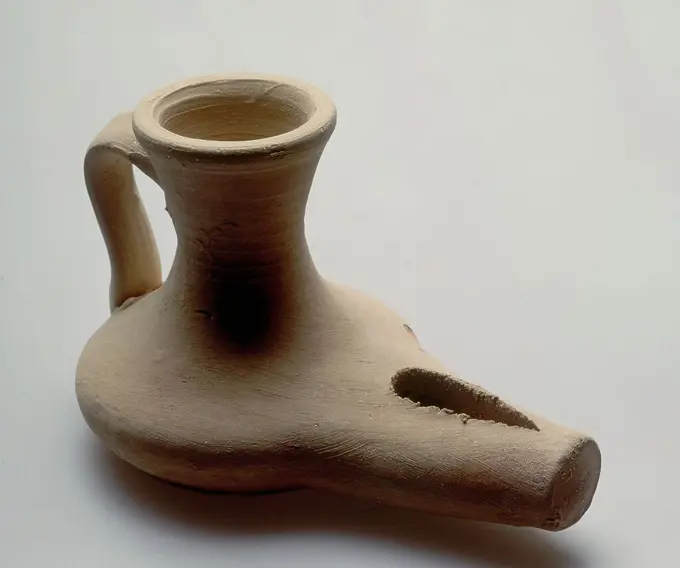
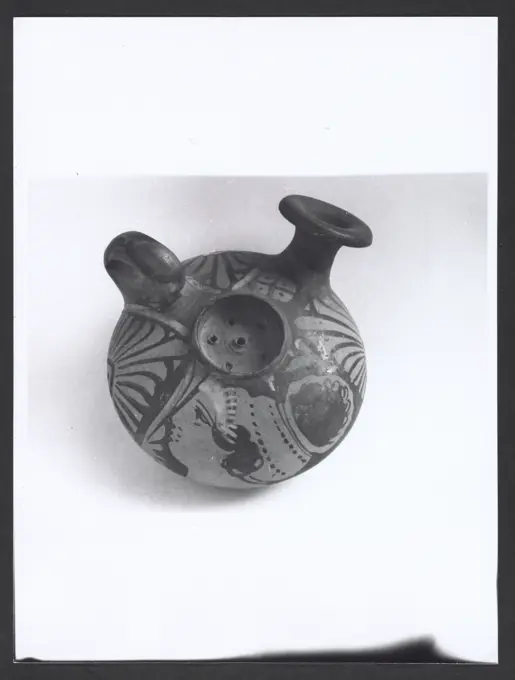
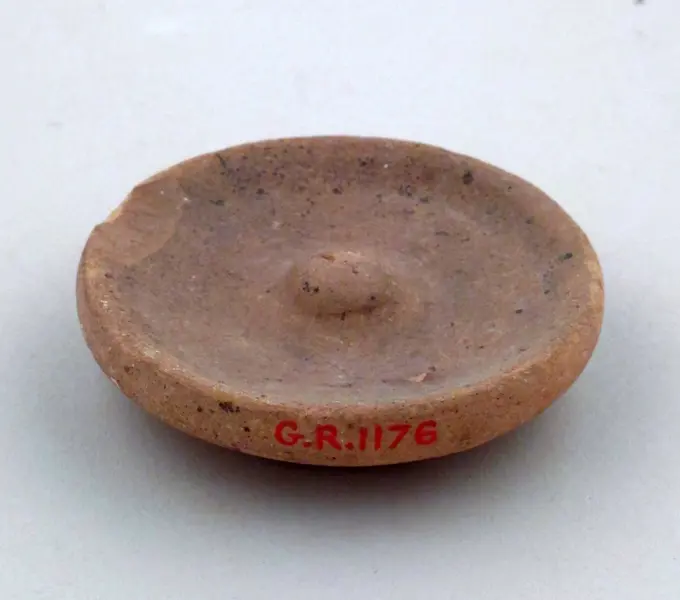
A series of ancient terracotta lamps from various cultures and eras, featuring different shapes and design elements, illustrating the evolution of lighting.

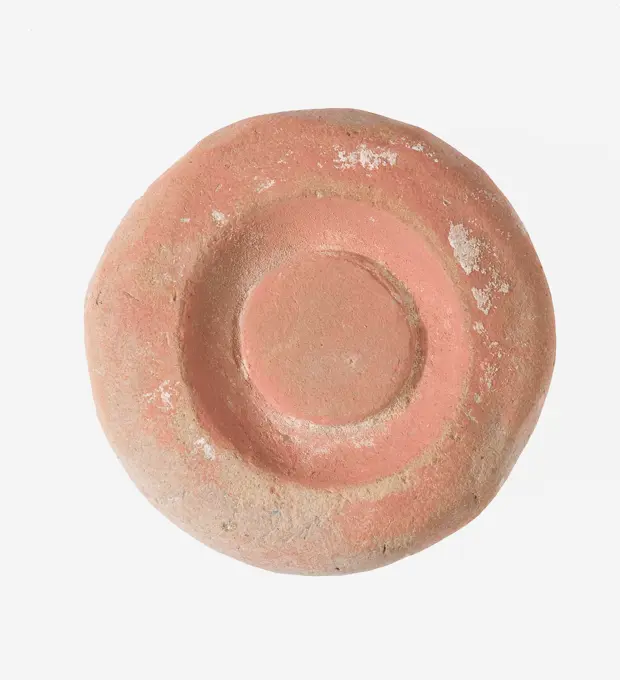
Lamp; Italy; first half of 2nd century; Terracotta; 3.5 × 7.4 × 10.6 cm (1 3,8 × 2 15,16 × 4 3,16 in.)
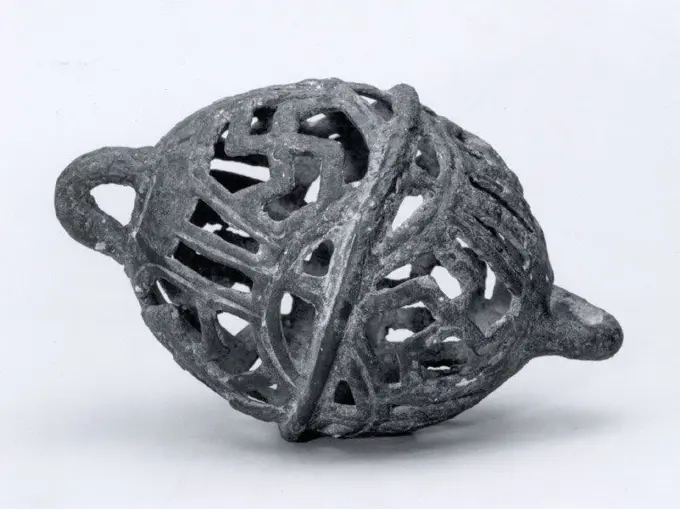
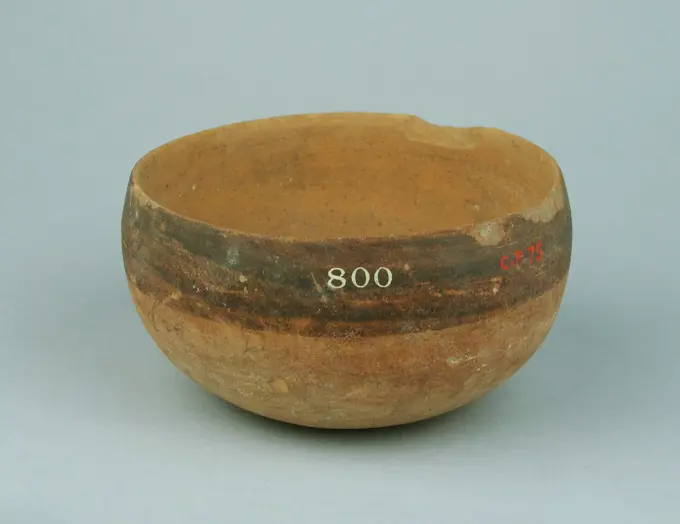
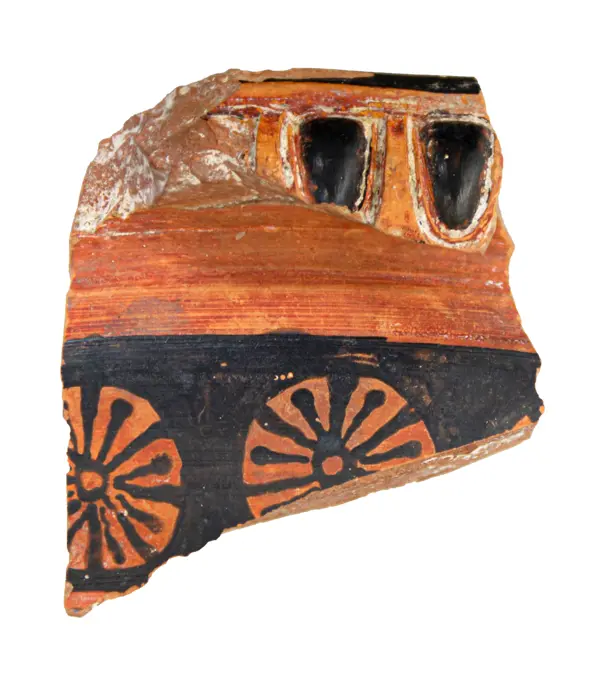
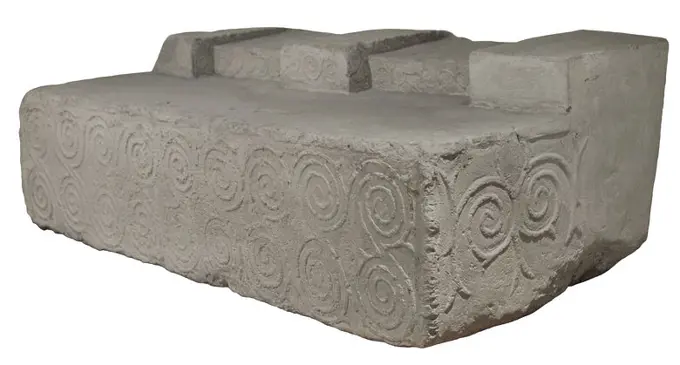
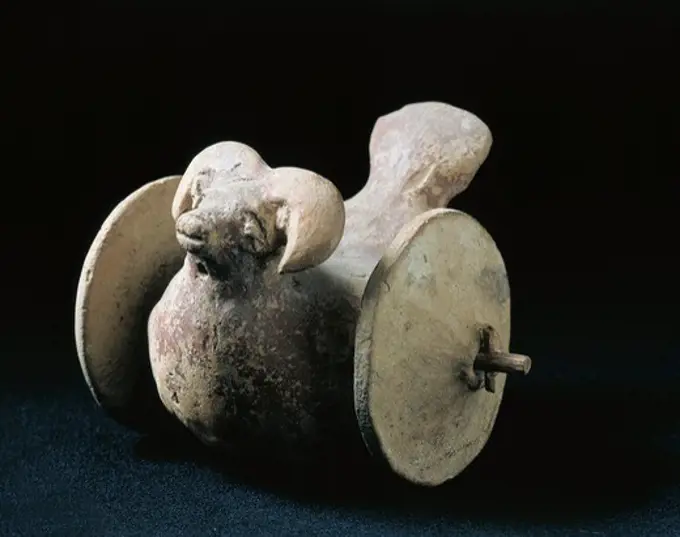
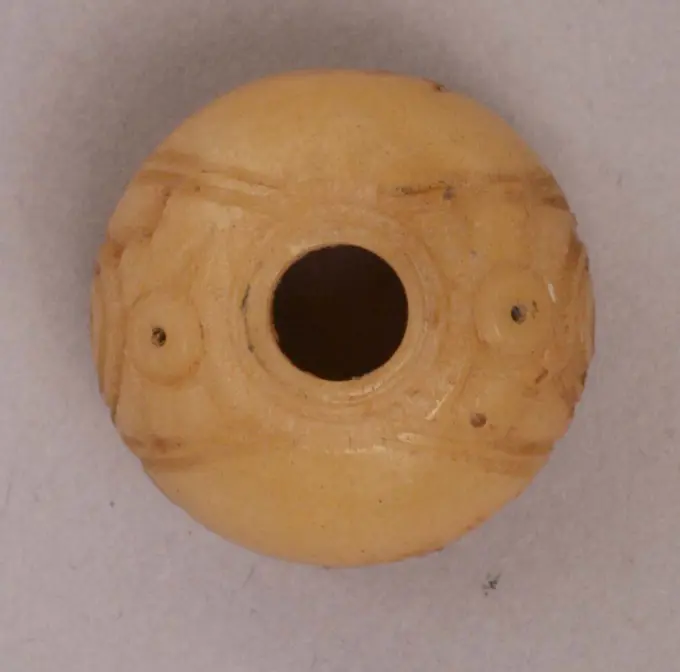
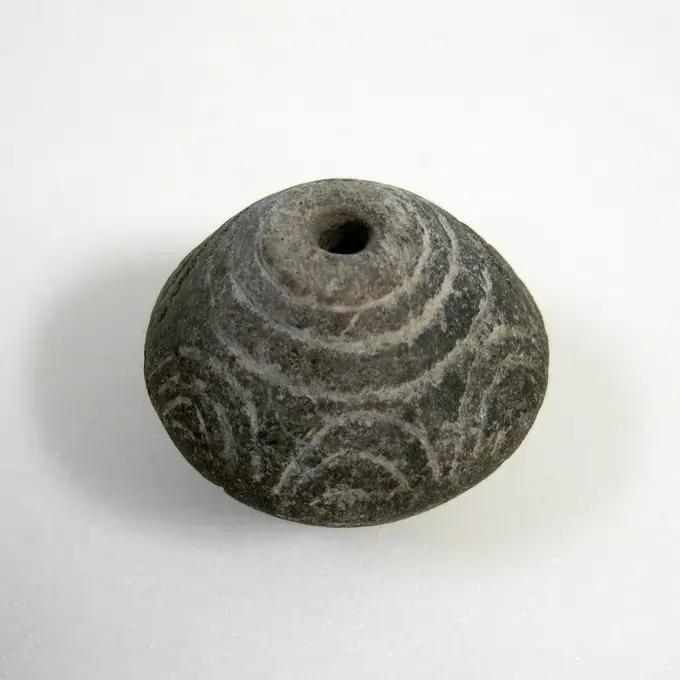
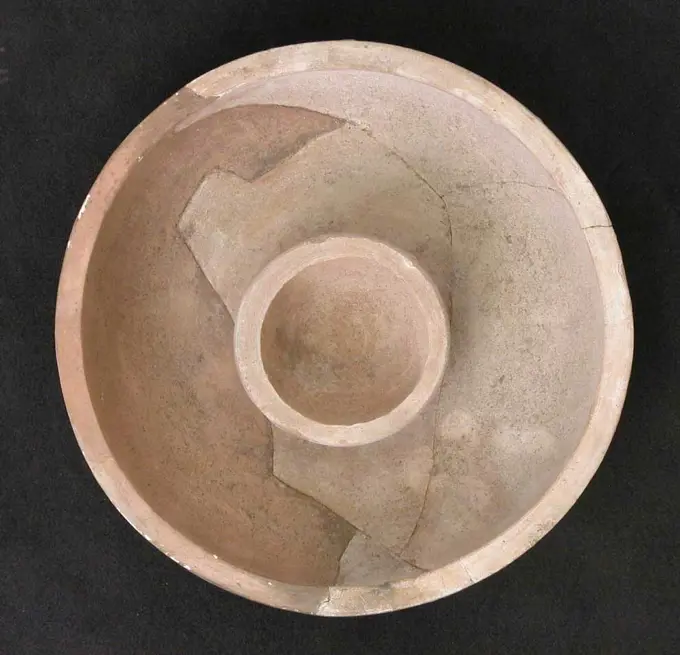
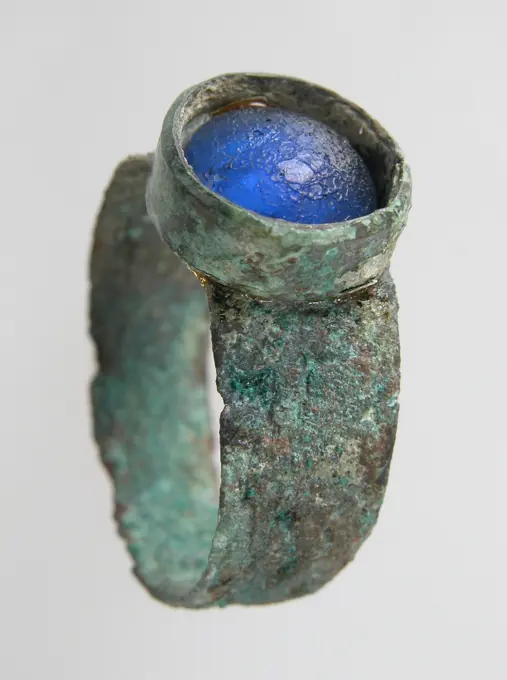
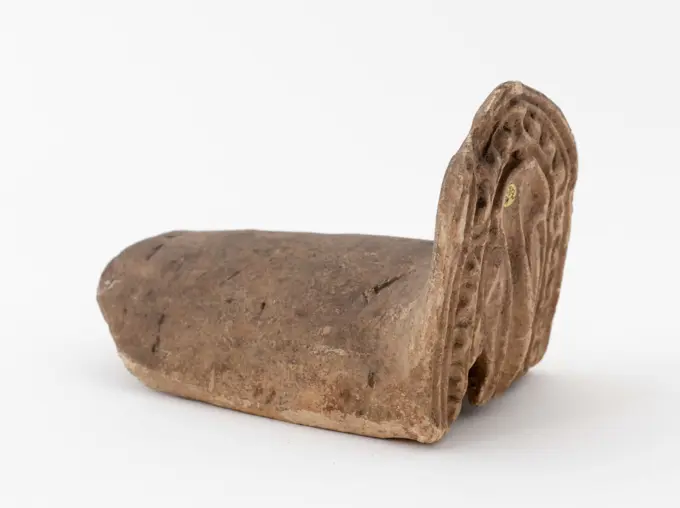
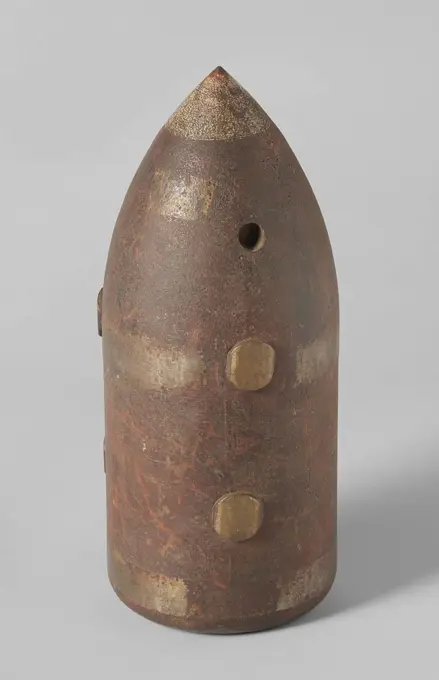
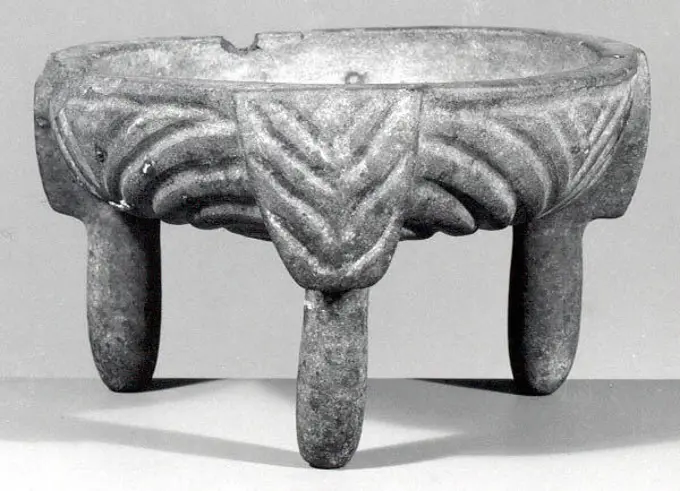
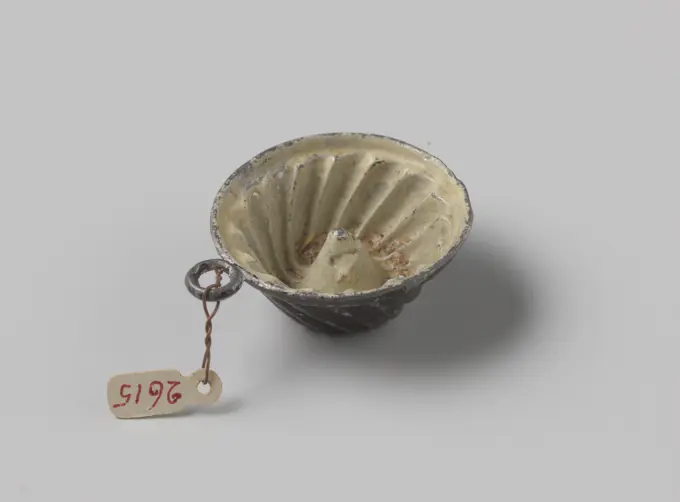
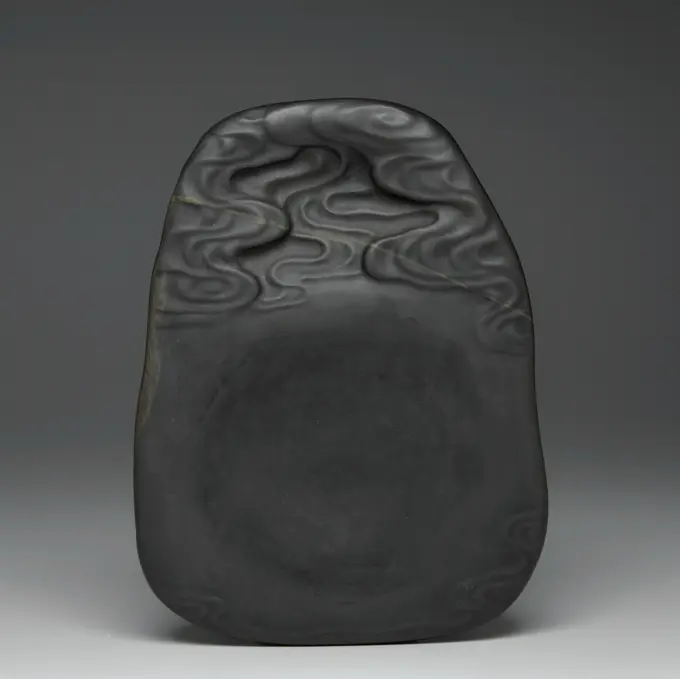
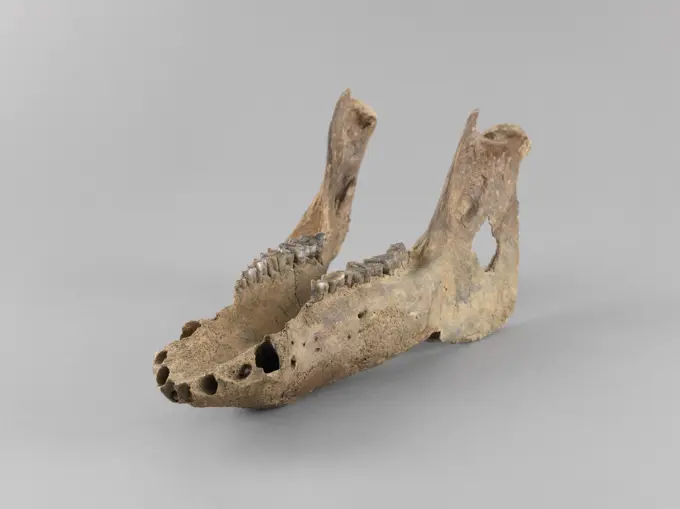
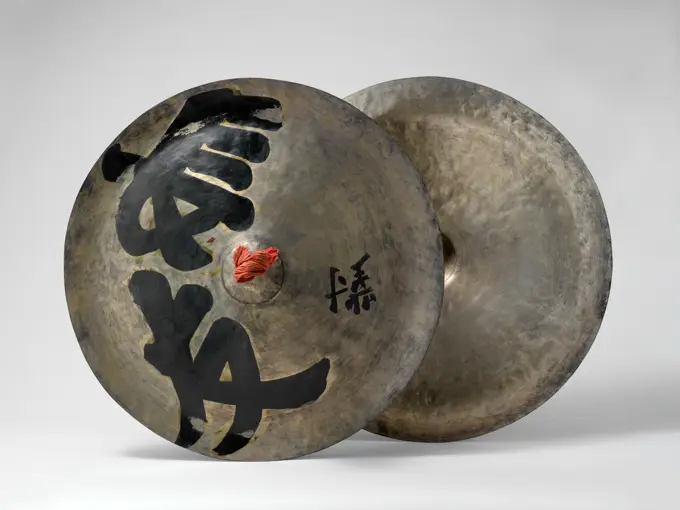
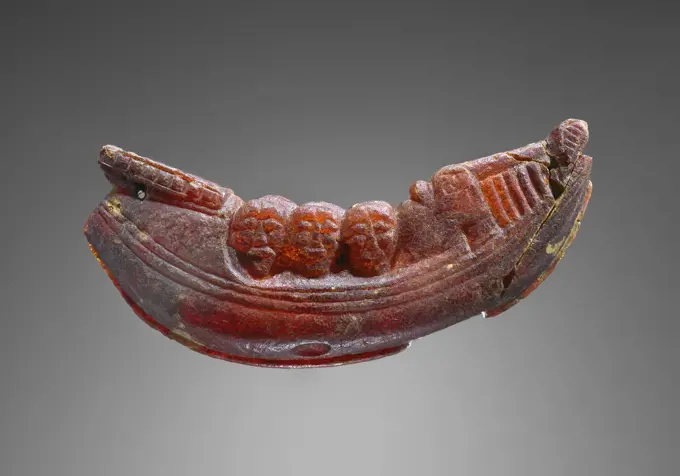
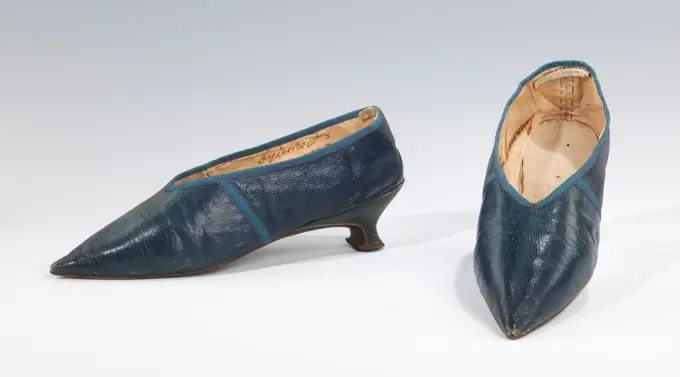
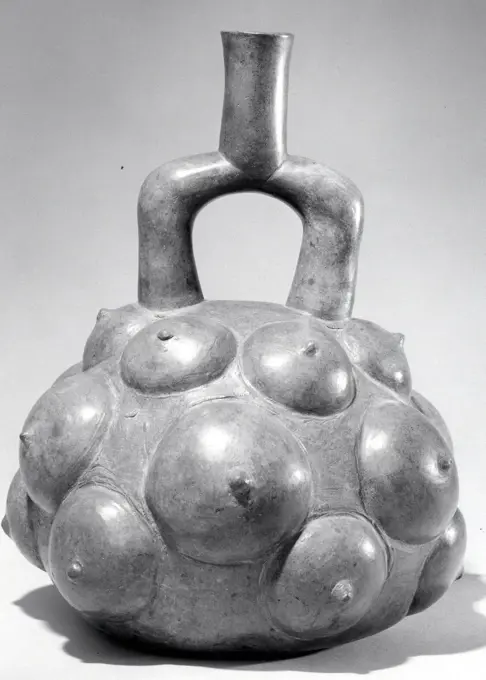
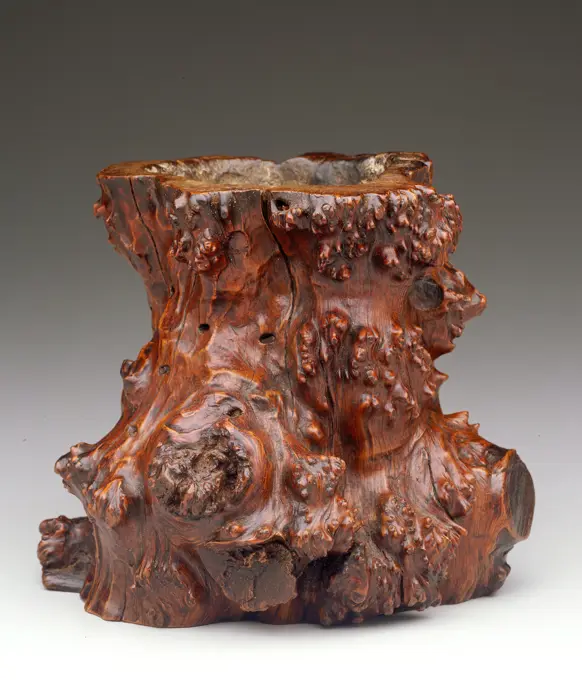
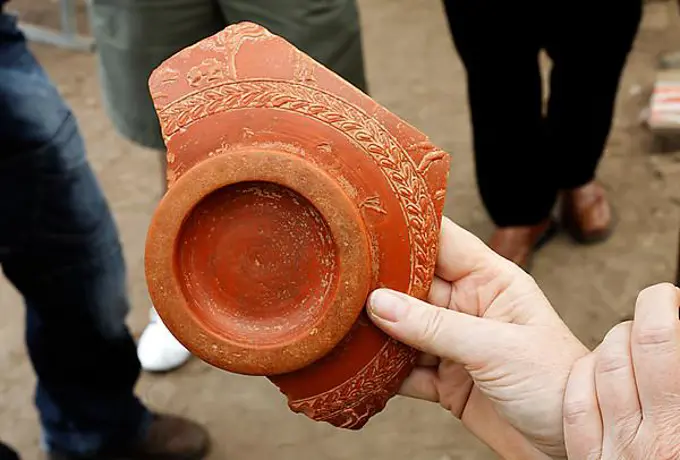
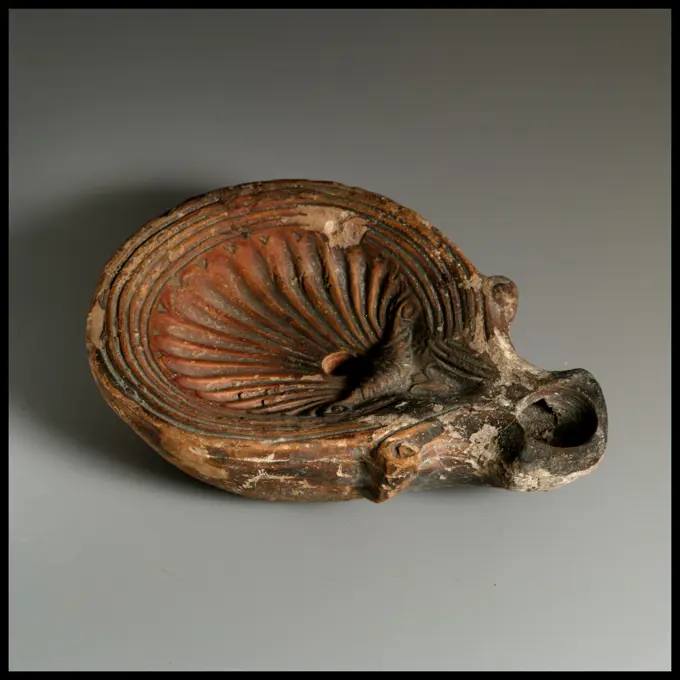
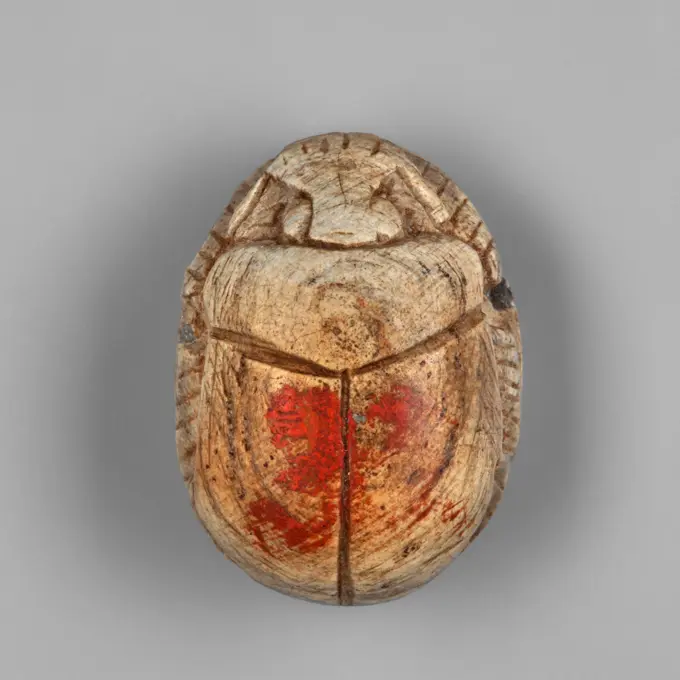
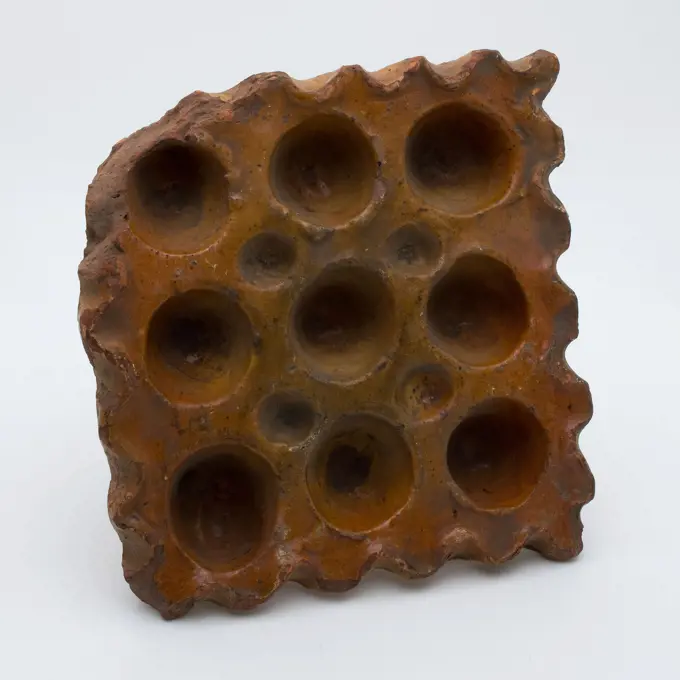
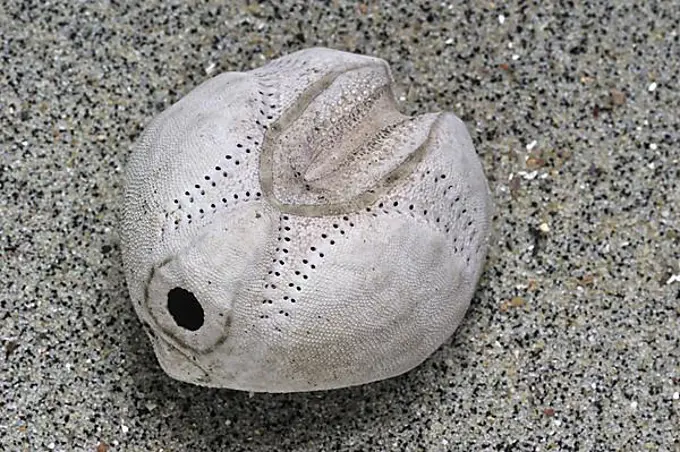
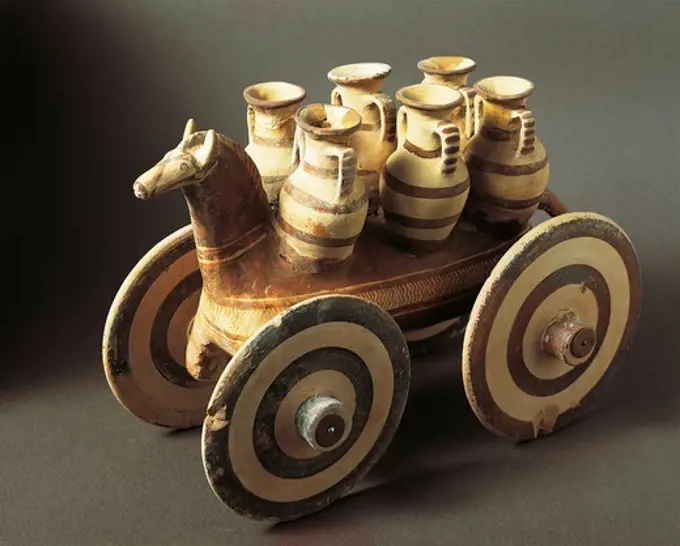
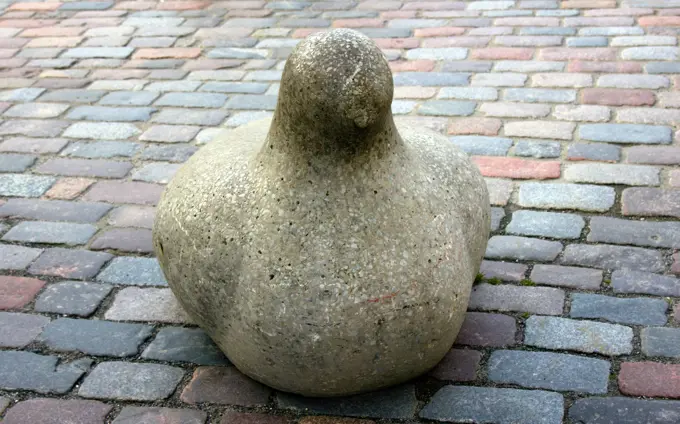
Limestone chest with incised decoration ca. 8th-6th century B.C. Cypriot Rectangular chest imitated from woodwork, with geometric ornament.. Limestone chest with incised decoration 244044Bronze handles and part of the rim of a cauldron ca. 850-750 B.C. Cypriot Such cauldrons as this and the example nearby (74.51.5673) have been found in tombs. It is not known if they served in life or were purely funerary.. Bronze handles and part of the rim of a cauldron 256908Openwork rattle bell ca. 9th-8th century B.C. Iran. Openwork rattle bell 326596Bowl ca. 500-300 B.C. Cypriot Broad black band along rim.. Bowl. Cypriot. ca. 500-300 B.C.. Terracotta. VasesStatuette of a Goose. UnknownOinocoe, wine, terracotta Etruscan. 720 b.C. Museum: ARCHAEOLOGICAL MUSEUM, TARQUINIA, ITALIA.Volute-krater fragment ca. 360-340 B.C. Greek, South Italian, Apulian. Volute-krater fragment. Greek, South Italian, Apulian. ca. 360-340 B.C.. Terracotta; red-figure. Late Classical. VasesNeolithic Period. Temple Period (3600 to 2500 BC). Tarxien Temple Complex. Malta. Built in honour of a mother goddess of fertility. Architectural fragment decorated with ornamental reliefs in the form of a border. National Museum of Archaeology. Valletta. Malta.CAPITEL OCTOGONAL EN MARMOL - SIGLO XIV. Location: ALHAMBRA-MUSEO-ARQUITECTURA. GRANADA. SPAIN.Old objects mortarOil LampPakistan, Mohenjo-daro, Terracotta toy shaped as a goat with wheelsButton or Bead 9th-10th century The dot-in-circle motif recalls designs presumed to be of magical significance, most likely an abstract eye to ward off the evil-eye, which serves an apotropaic function. Easily reproduced with a tool and visible in many cultures and times, this symbol may have lost its meaning, and become simply a decorative pattern, or may have one that we have not yet discovered.. Button or Bead. 9th-10th century. Bone; incised and inlaid with paint. Excavated in Iran, Nishapur. Ivories and BoneTripod Plate. Culture: Maya. Dimensions: H. 2 1/2 x Diam. 10 7/8 in. (6.4 x 27.6 cm). Date: 9th-10th century.Referred to by archaeologists as slateware, this ceramic vessel is a variety that was especially popular in northern Yucatan in the centuries around the turn of the second millennium A.D. The subdued colors of slateware, ranging from pale beige-whites to soft grays, are in marked contrast to the vibrant Maya polychrome ceramics of earlier times. As in this example, the decoration is often restrained. The image that adorns the inner surface of this tripod plate recalls the Mesoamerican rain deity with his round goggle eyes and toothy mouth. Applied with a fluid, spontaneous brushstroke, the viscosity of the "trickle" paint causes it to run when first applied, contributing to the organic nature of the painted motif. Museum: Metropolitan Museum of Art, New York, USA.Fragment tobacco pipe. Fragment tobacco pipe with floral fashed motif. Of the excavations at the Hofstede Arentsburg 1827-1831 under the supervision of professor Reuvens.Vase fragment Minoan. Vase fragment. Minoan. Terracotta. Early Minoan III. VasesSpindle Whorl, one of sixteen, 15th century, 1 3/8 x 1 7/16 in. (3.49 x 3.65 cm), Stone, Mexico, 15th centuryanthropomorphic vessel, Chalcolithic, fifth millennium BC, Bulgarian National Archaeological Museum, Sofia, Republic of Bulgaria, Europe.Late Roman Period. North African cylindrical amphorae (used between 3rd to 6th century AD). Found in 1961 from the site of a 5th century AD shipwreck at the mouth of Xlendi Bay (island of Gozo, Malta). Gozo Museum of Archaeology. Cittadela of Victoria in Gozo. Malta.Bowl or Lamp 9th-early 10th century. Bowl or Lamp 449315Finger Ring 7th century Frankish. Finger Ring 465006 Frankish, Finger Ring, 7th century, Copper alloy, glass cabochon, Overall: 1 1/8 x 13/16 x 3/8 in. (2.9 x 2 x 1 cm) bezel: 3/8 x 3/16 in. (1 x 0.4 cm). The Metropolitan Museum of Art, New York. Gift of J. Pierpont Morgan, 1917 (17.191.297)Stocking tile ". Terracotta. Paris, Muse Cernuschi. Startage tile Asian art, extreme-East art, Vietnamese art, terracotta, tile18-cm palliser shell. Pointed 18 cm grenade, painted red. The grenade is 41.5 cm long and has a 175 mm caliber. The grenade has two rings cams for a drawn loop with three pulling fields and in the soil a bushing of a softer metal is poured with a filling hole. Three shallow holes were applied under the nose, for the ammunition tap. The Palliser Shell Mk II 7 inch RML.CANDIL DE BARRO BLANCO SIN VIDRIAR-ARTE POPULAR S XX. Location: ALFARERIA. CORDOBA. SPAIN.Pijpenkop, Cornelis Gruijtershof, 1748 - 1770 Pijpenkop with flattened sides with the portraits of king emperor Frans and Empress Maria Theresia and the weapon of Hungary on two sides. Of the excavations on the Hofstede Arentsburg 1827-1831 under the supervision of Professor Reuvens. Gouda pipe clay Pijpenkop with flattened sides with the portraits of king emperor Frans and Empress Maria Theresia and the weapon of Hungary on two sides. Of the excavations on the Hofstede Arentsburg 1827-1831 under the supervision of Professor Reuvens. Gouda pipe clayFeline Head. Egypt, Ptolemaic Period - Byzantine Period (332 BCE - 641 CE). Sculpture. CalciteButton or Bead 9th-10th century The dot-in-circle motif recalls designs presumed to be of magical significance, most likely an abstract eye to ward off the evil-eye, which serves an apotropaic function. Easily reproduced with a tool and visible in many cultures and times, this symbol may have lost its meaning, and become simply a decorative pattern, or may have one that we have not yet discovered.. Button or Bead 449232Marble, InscribedCampania Caserta Capua Museo Campano070. Hutzel, Max 1960-1990 Medieval: Byzantine architectural fragments; parchment fragments with miniatures (12th century) from Montecassino; painted wooden crucifix (13th century); Carolingian crucifixes; Bishop's miter (11th century) of gold and silver damask; fresco (13th century). Post-medieval: Architecture (15th century). Formerly the Palazzo Antignano. Unusual Catalan/Moorish-style portal; Paintings on panel and canvas (15th-18th centuries); marble intarsia (16th century); marble sculpture: busts of Christ and Mary (17th century); sculpture of saints in marble and in wood (15th century); painted and gilded sculpture in wood; marble grave sculpture (16th century); sarcophagus with allegorical carvings; gold reliquary "Rosa d'Oro"; crucifix made of elephant tusk Specific Location: Pianterreno Antiquities: Italic sculpture (seated women holding babies); inscription. Photo campaign #1: 533 photos. Roman relief and sculpture; cinerary urns; Greek aMold for Annular Rings ca. 1390-1353 B.C. New Kingdom. Mold for Annular Rings. ca. 1390-1353 B.C.. Pottery. New Kingdom. From Egypt, Upper Egypt, Thebes, Malqata, Palace of Amenhotep III, MMA excavations, 1910-11. Dynasty 18Tripod bowl ca. 9th century B.C. Iran. Tripod bowl. Iran. ca. 9th century B.C.. Stone. Iron Age II. Iran, HasanluMiniature baking tin Horend with a dollhouse, anonymous, c. 1400 - c. 1950 Minature baking tin, spiral -wise of iron.  iron (metal) Minature baking tin, spiral -wise of iron.  iron (metal)Ink Stone with Cloud Design, 1686, Cha Sheng, Chinese, 1650 - 1708, 7-5/16 x 5-7/8 x 1 in. (18.6 x 14.9 x 2.5 cm), Tuan stone, China, 17th century, Cha Sheng, from Hai-ming Chekiang province, was a leading scholar, Han Lin academician, palace official, painter, and calligrapher. Upon gaining his doctorate (chin-shih) in 1688 he was made Vice Supervisor of the household of the heir apparent. Carved with a pleasingly simple design of swirling clouds, the reverse side ofWild boar mandible (common name). wild boar mandible. Carnavalet museum, history of Paris.Po ( ) 19th century Chinese. Po ( ). Chinese. 19th century. Metal. China. Idiophone-ConcussionBeads 8th-13th century This object was excavated at Nishapur.Nishapur was a vital city in the early and middle Islamic periods, located along one of the main trajectories that connected Iran and West Asia Islamic lands with Central Asia and China. These itineraries are often referred to by the term Silk routes’ but were in fact crucial to the movement of constellations of materials and objects, as well as people and ideas. The diverse population of Nishapur and its surroundings, from the better-researched elite groups of merchants, land-owning aristocracy, and literates, to the less-known artisans, farmers, miners, and servants, were instrumental in adapting global cultural trends to create their own distinctive visual languages. This is seen in the material remains of everyday life in medieval Nishapur - from pots and pans to lighting devices, inkwells, textiles and trimmings, jewelry, games and toys, talismanic devices, weapons, coins, and architectural fragments.Nishapur lost its pSilver cosmetic vessel 6th century B.C. East Greek Tapering cylindrical form with torus-scotia-torus molding (not unlike the profile of an Attic-Ionic column base) on the base and rim. Lid missing.. Silver cosmetic vessel 256858Pendant: Ship with Figures; Italy; 600 - 575 B.C; Amber; 35 × 10 × 120 mm (1 3,8 × 3,8 × 4 3,4 in.)Slippers 1790-1805 probably British The contemporary style and taste for simplicity are well exemplified by this pair of attractive slippers. Large and ornate shoe buckles had begun to go out of style in the 1780s, but their demise was radically accelerated by the anti-aristocratic sentiments of the French Revolution. The way was then clear for the slipper to supplant the latchet shoe as the primary style of fashionable womenswear. Strong or dark colorations were often seen around the turn of the18th century, and the attractive dark teal blue color seems to have been one of the favorite choices. The shoes are extremely well preserved, and the smooth, angular lines give us a sense of how they would have looked when new.. Slippers. probably British. 1790-1805. leatherStirrup-Spout Vessel: Fruit 12th-5th century B.C. Cupisnique. Stirrup-Spout Vessel: Fruit 310654Lazio Roma Subiaco Monastery of S. Scolastica Archaeological Museum2. Hutzel, Max 1960-1990 Antiquities: Views of antiquities in museum, including sarcophagi, plates, vases, coins. General Notes: Hutzel guide says we have negatives, but we cannot find them. German-born photographer and scholar Max Hutzel (1911-1988) photographed in Italy from the early 1960s until his death. The result of this project, referred to by Hutzel as Foto Arte Minore, is thorough documentation of art historical development in Italy up to the 18th century, including objects of the Etruscans and the Romans, as well as early Medieval, Romanesque, Gothic, Renaissance and Baroque monuments. Images are organized by geographic region in Italy, then by province, city, site complex and monument.Brush Pot, 5 3/8 x 6 1/4 x 6 1/2in. (13.7 x 15.9 x 16.5cm), Root, ChinaSpindle Whorl 10th-16th century () Peruvian. Spindle Whorl 308372Female arcaeologist showing a shard of Roman clay pottery, Terra Sigillata, detail, Xanten archaeological park, Lower Rhine region, North Rhine-Westphalia, Germany, EuropeTerracotta oil lamp early 1st century A.D. Roman, Cypriot Loeschcke Type 1A, with nozzle channel. Mold-made. Discus: shell pattern of numerous fans radiating from ornate ear at base; above, a single filling hole towards nozzle, with a band of lines and grooves towards edge. Volutes flanking nozzle. Within incised base ring, pushed-in base, with impressed letters across center: FAVSTI.Intact, but slight chip on right edge of discus.. Terracotta oil lamp. Roman, Cypriot. early 1st century A.D.. Terracotta. Early Imperial. TerracottasPhiale, miniature 3rd-2nd century B.C. Etruscan Yellow clay, no decoration.. Phiale, miniature. Etruscan. 3rd-2nd century B.C.. Terracotta; achroma ware. Hellenistic. VasesScarab - a counterfeit;  Contemporary product (0-00-00-0-00-00);FALSYFIKATYSquare chicken drinking trough or chick stone, delineated by wavy rim, trough holder ceramic earthenware glaze lead glaze, in form made hand shaped glazed fried Chick stone with nine bowl-shaped holes. Red shard. Corrugated outer edge and slanted side edges. Top covered with lead glaze Four small holes around the center hole. Heavy and solid pottery native pottery poultry chicken chick farmer farmMiniature Stone Vases 1st-8th century Mezcala. Miniature Stone Vases 317589Stone Earflare before 16th century Mexican. Stone Earflare 317435Effigy Ornament in Reptilian FormSea potato, Heart urchin (Echinocardium cordatum) shell on beach, Belgium, EuropeClay vase in cart shape, 8th century B.C.obstacle in form of stone pigeons to obstruct passage of vehicle Dragon s teeth obstacle in the form of massive stone pigeons to obstruct the passage of vehicles in Tallinn, traffic regulation Copyright: xZoonar.com/MaximilianxBuzunx 14239417