Historical Medals and Coins

Collection of ancient medals and coins from various cultures, featuring intricate designs and historical significance, including postal medals and bronze artifacts.

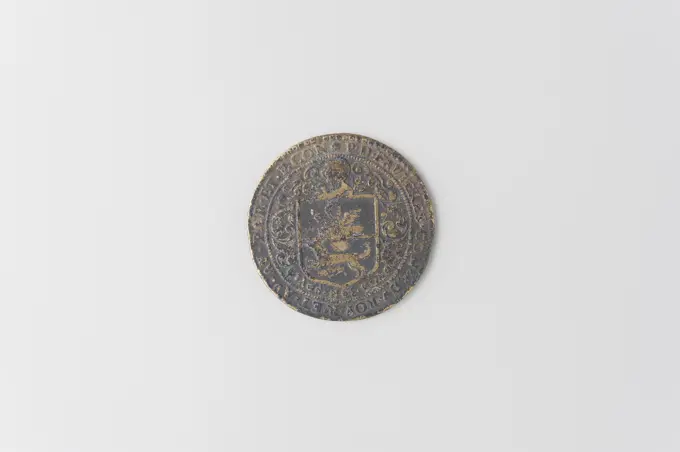
Beer protection guild of Amsterdam, Gildepenning van Johannes Perkin, Anonymous, 1691 medal Copper oval guild pin. Front: Crowned barrel inside blower. Tours side: inscription Binnenbladerkrans Amsterdam copper (metal) engraving  Amsterdam
Beer protection guild of Amsterdam, Gildepenning van Johannes Perkin, Anonymous, 1691 medal Copper oval guild pin. Front: Crowned barrel inside blower. Tours side: inscription Binnenbladerkrans Amsterdam copper (metal) engraving Amsterdam
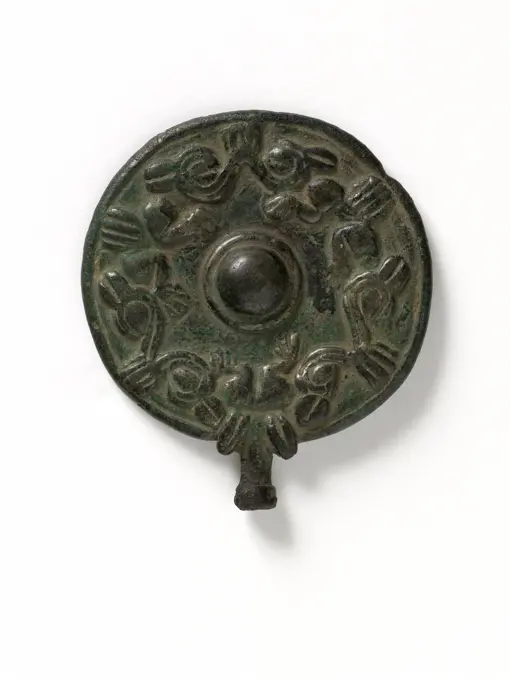
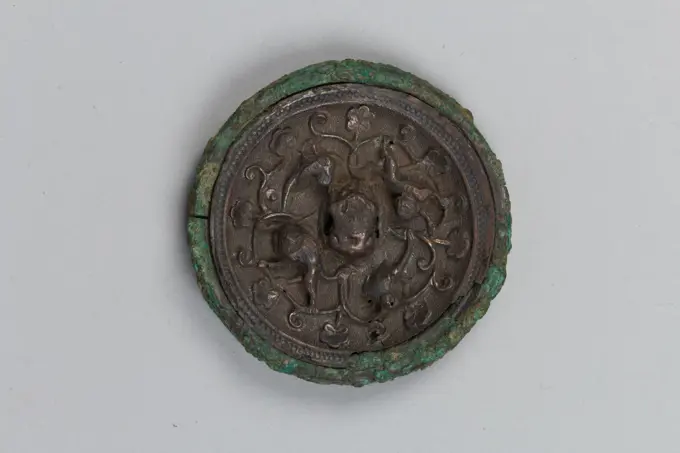
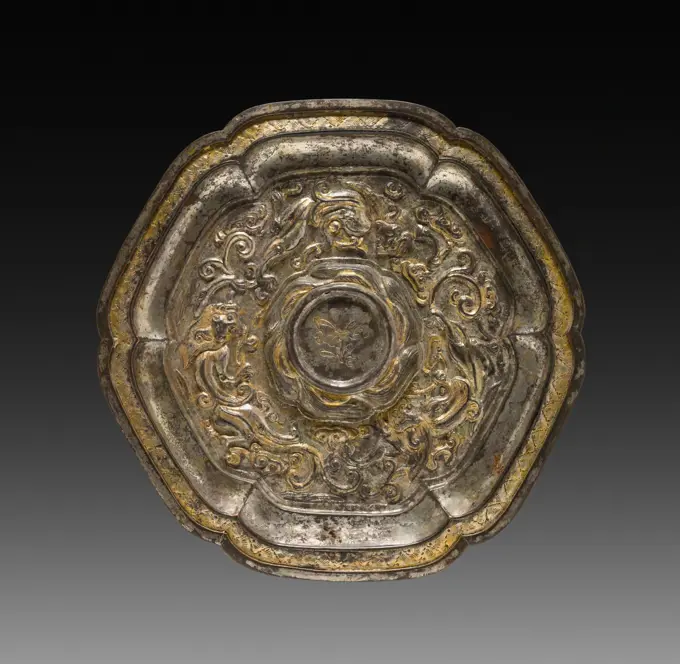
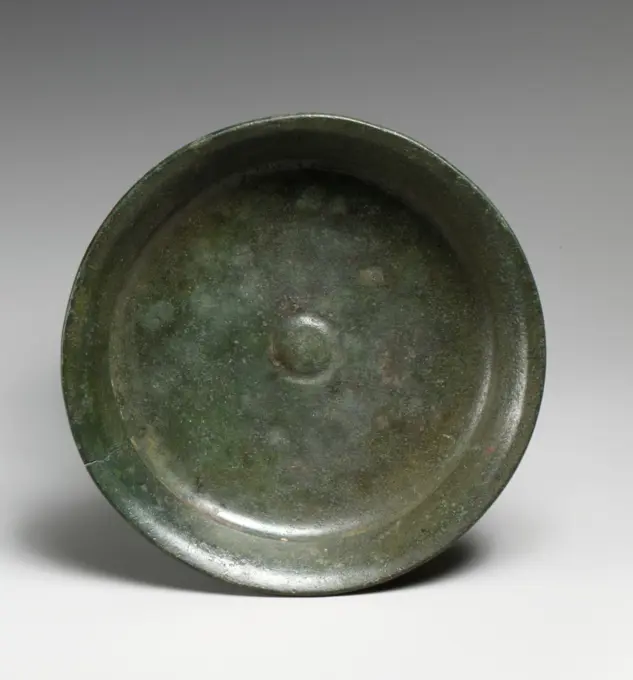
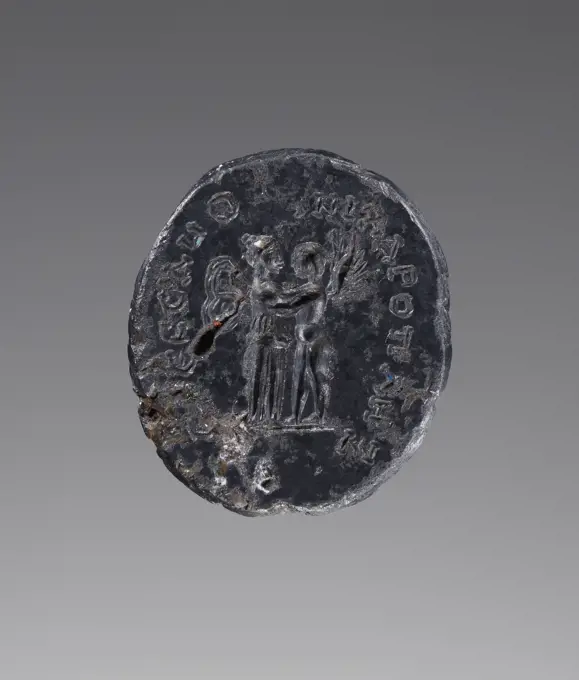
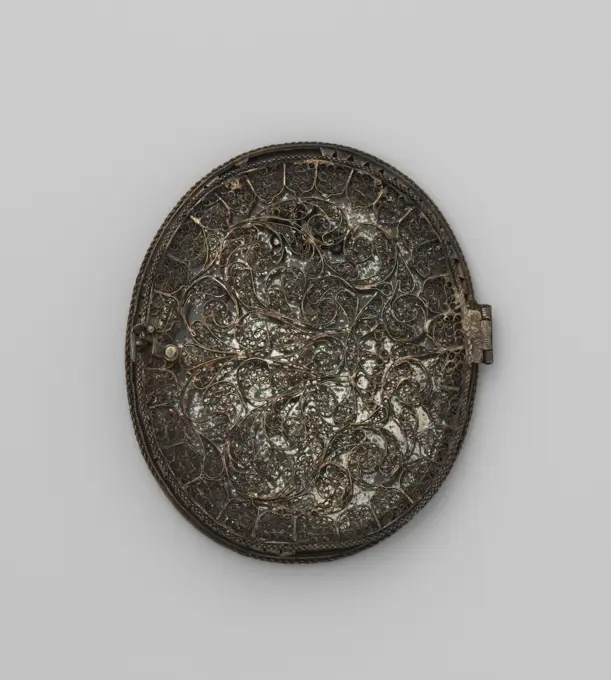
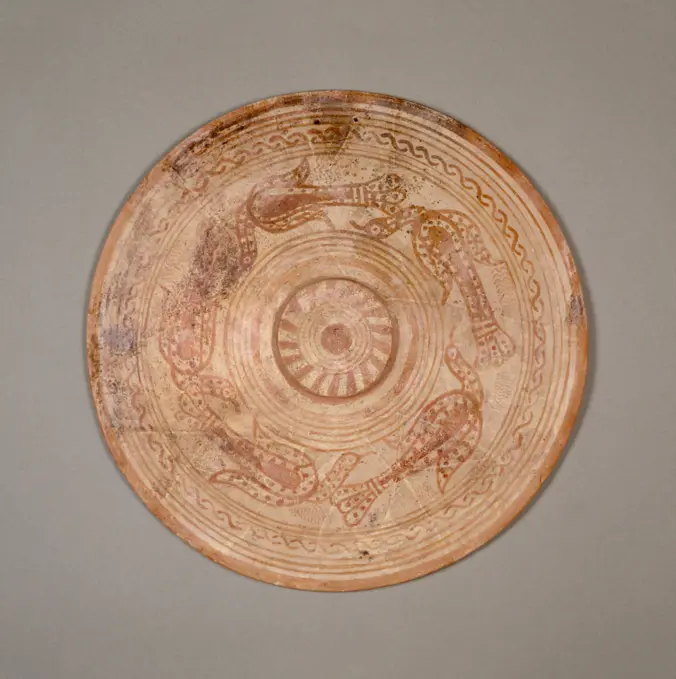
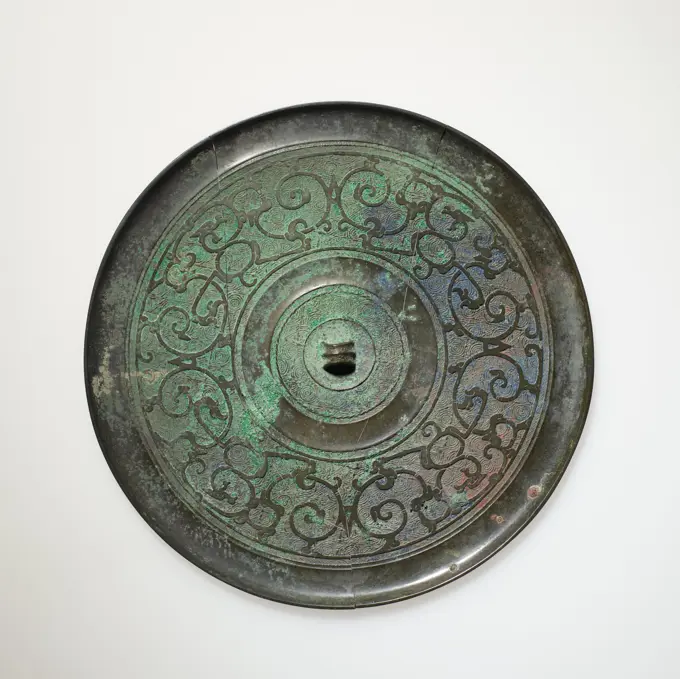
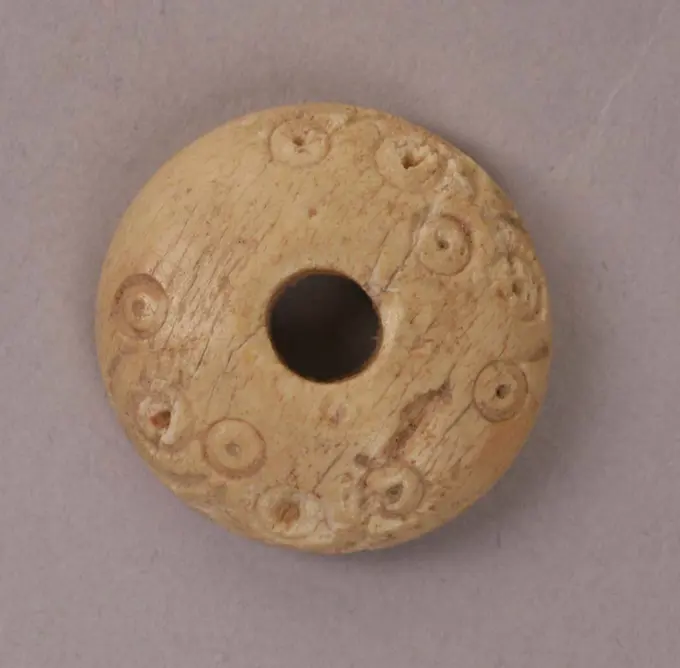
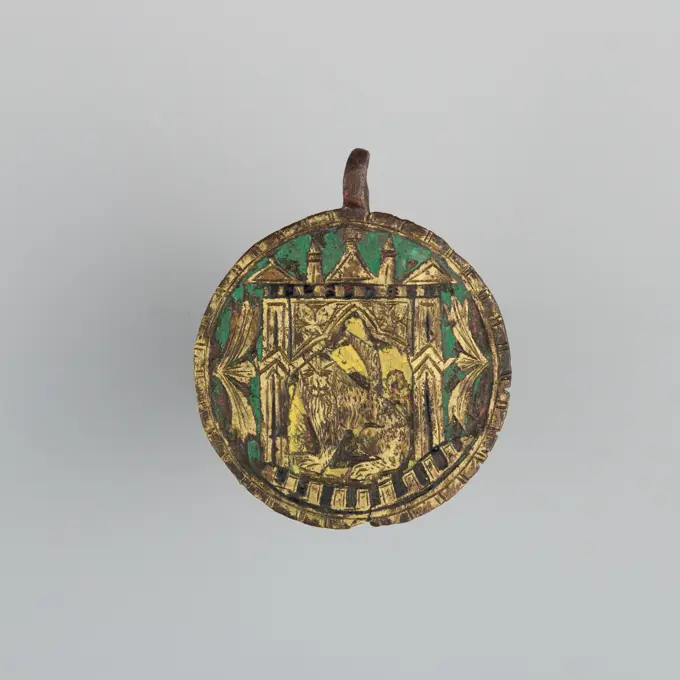
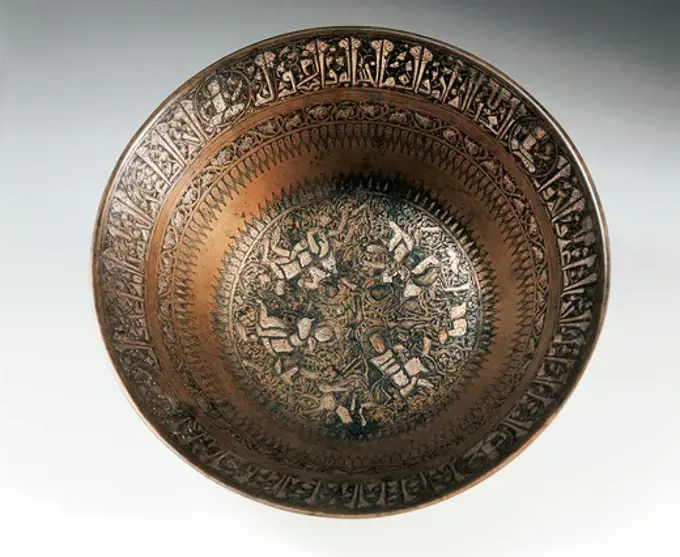
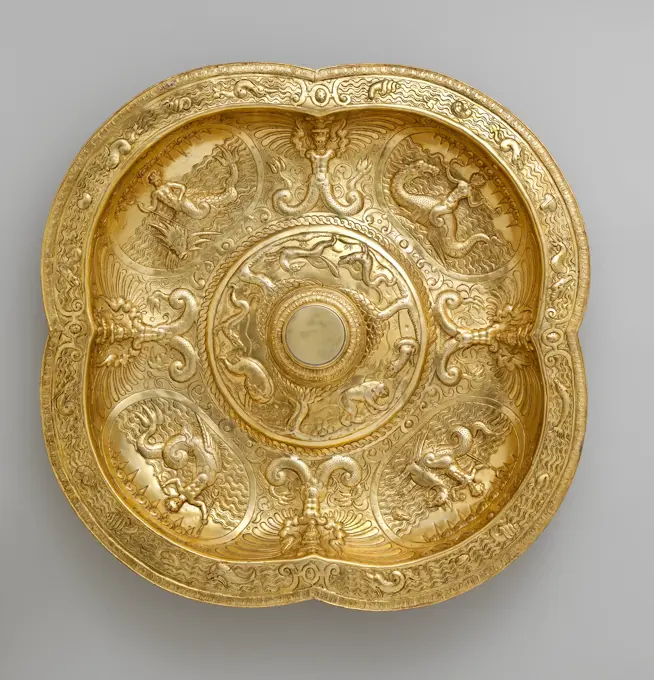
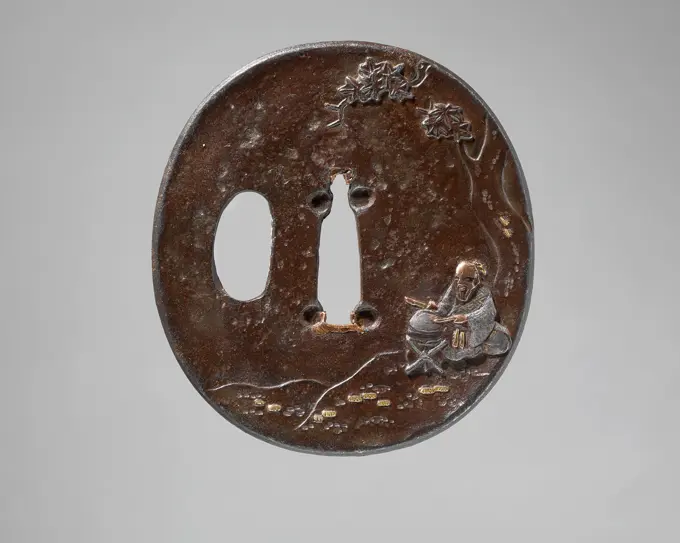
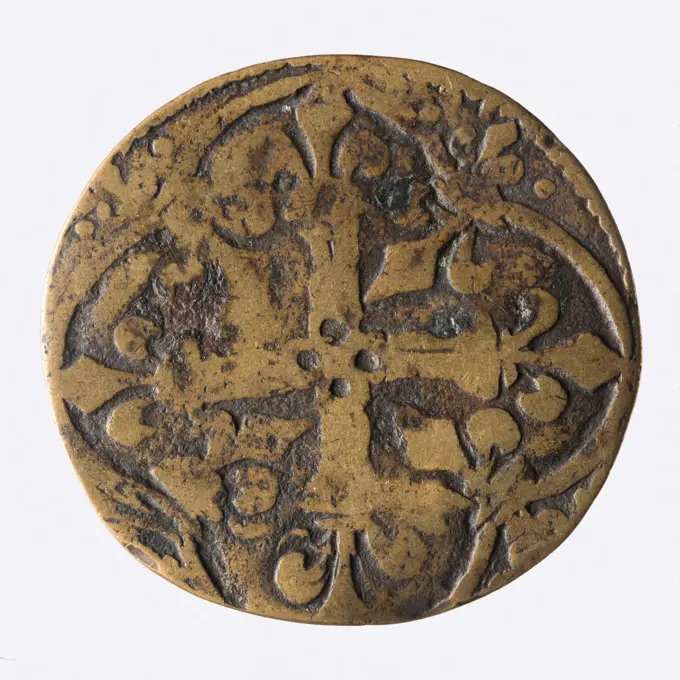
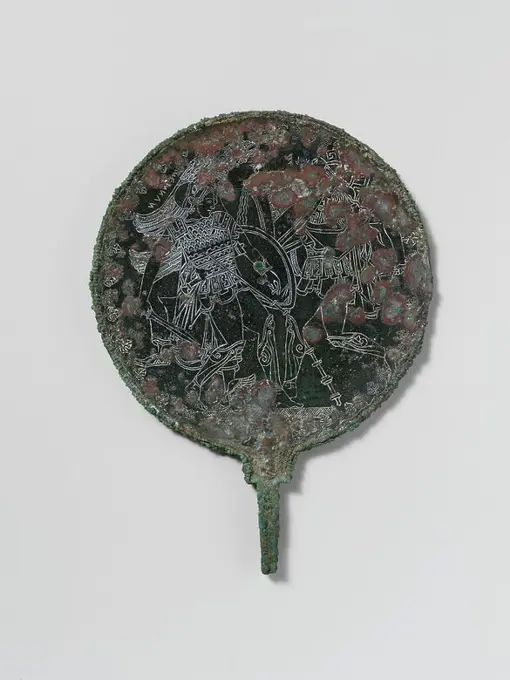
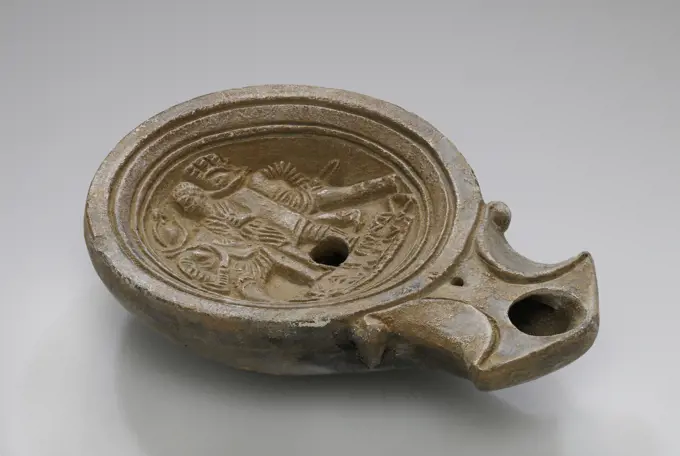
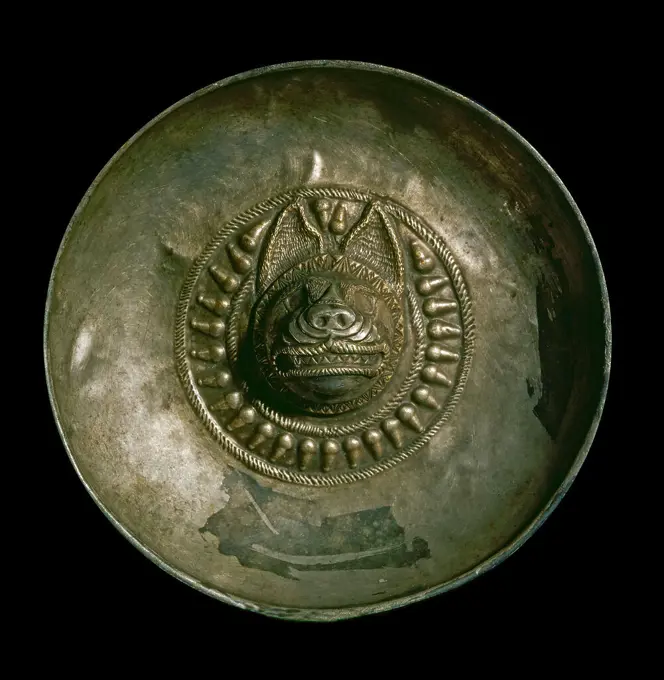
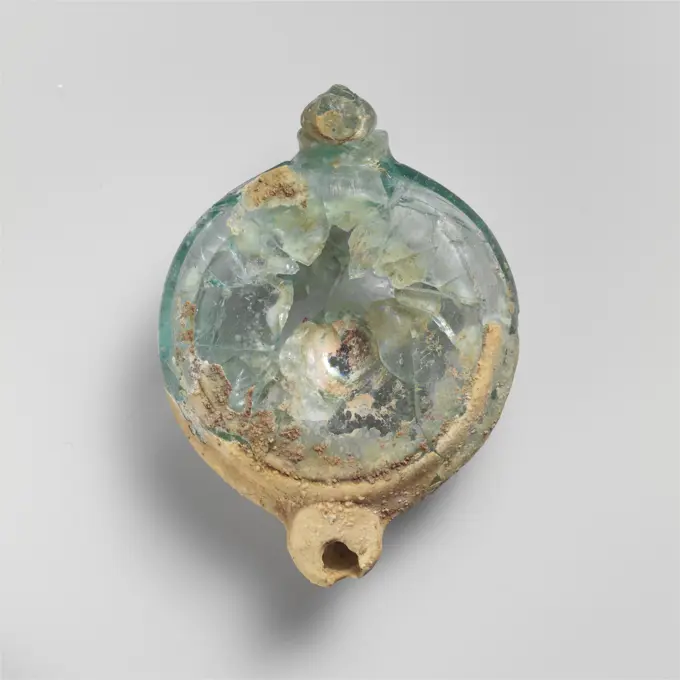
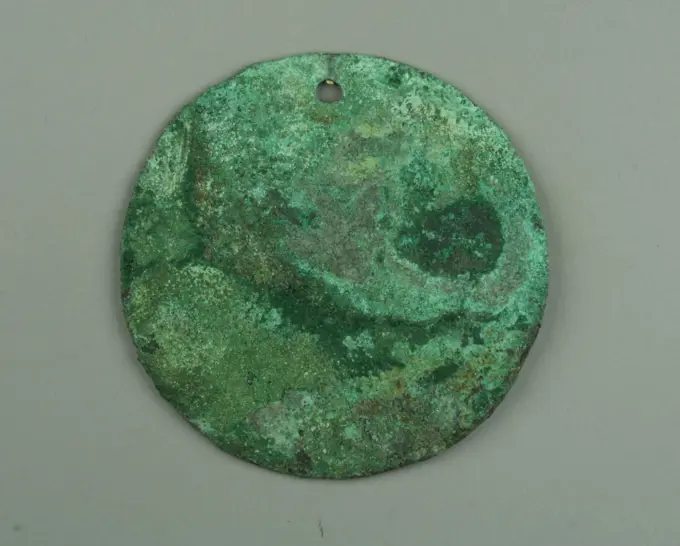
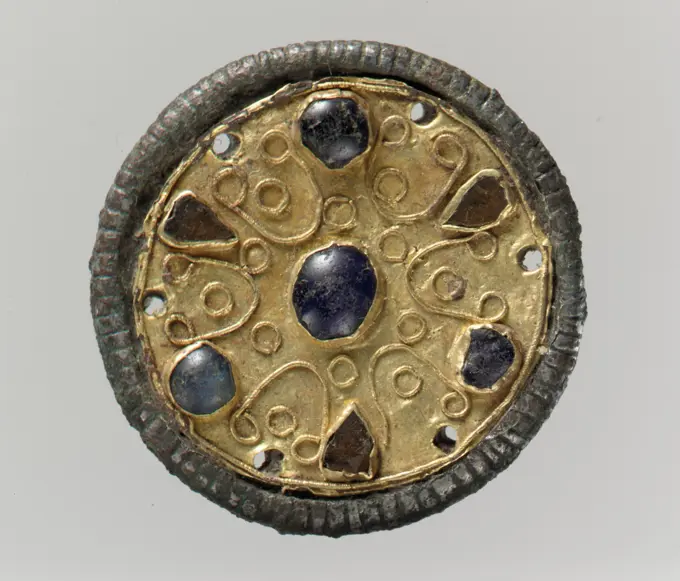
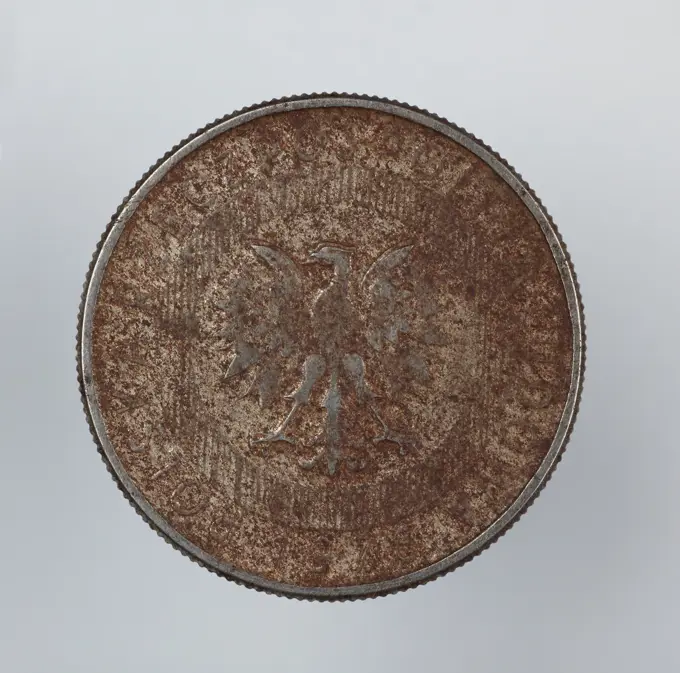
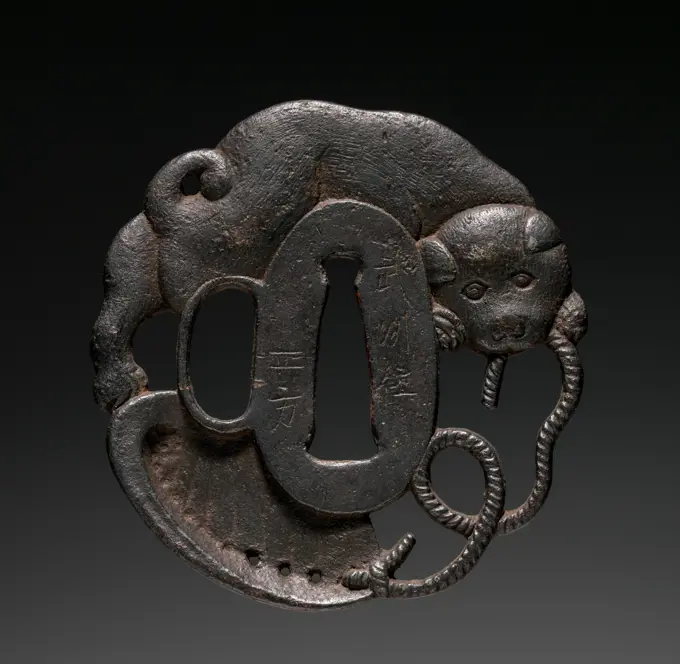
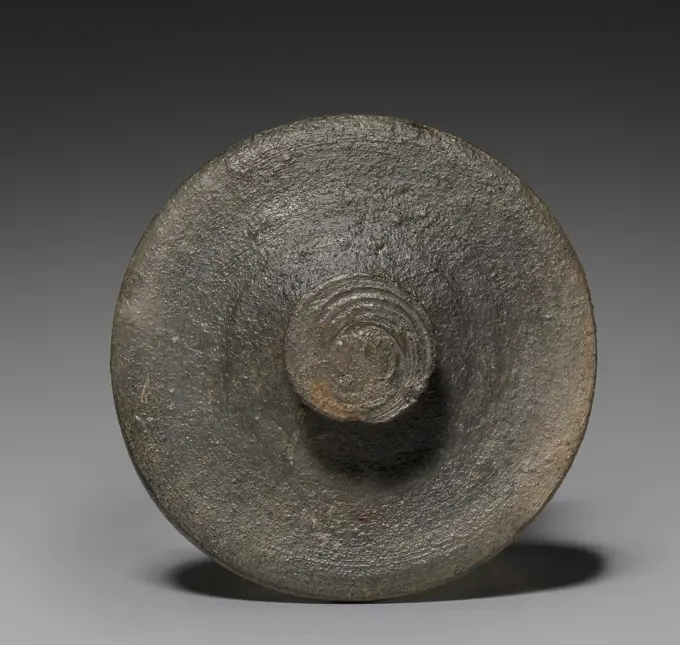
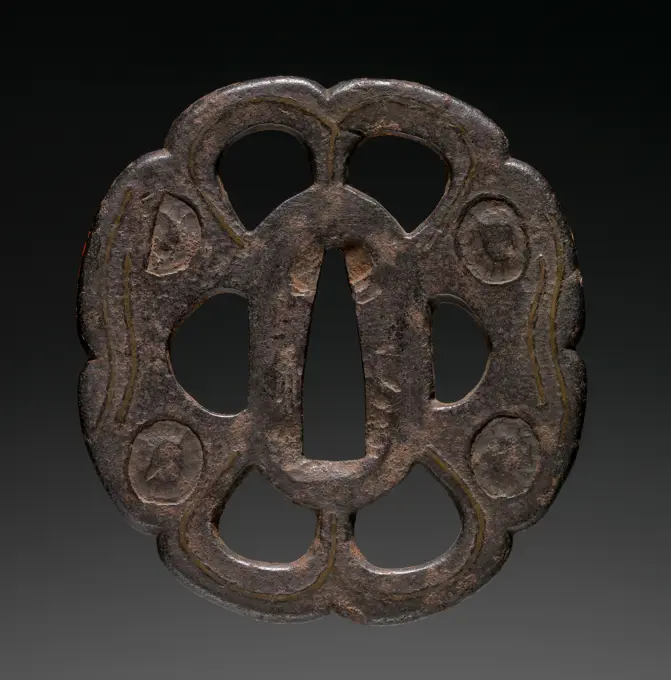
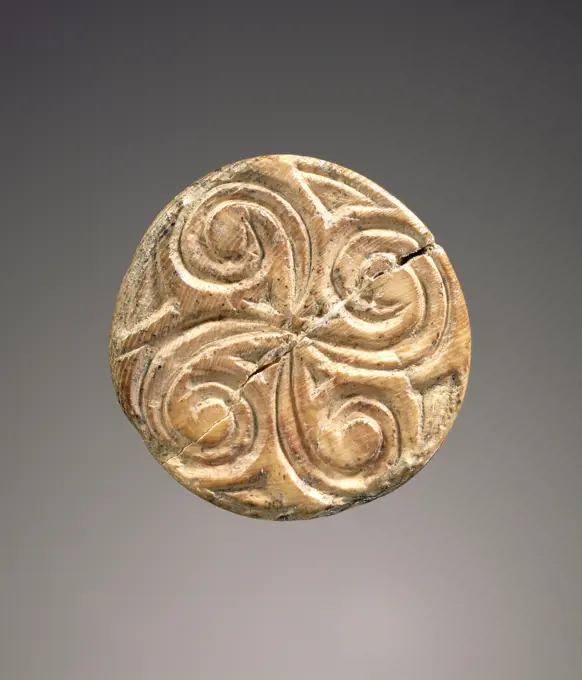
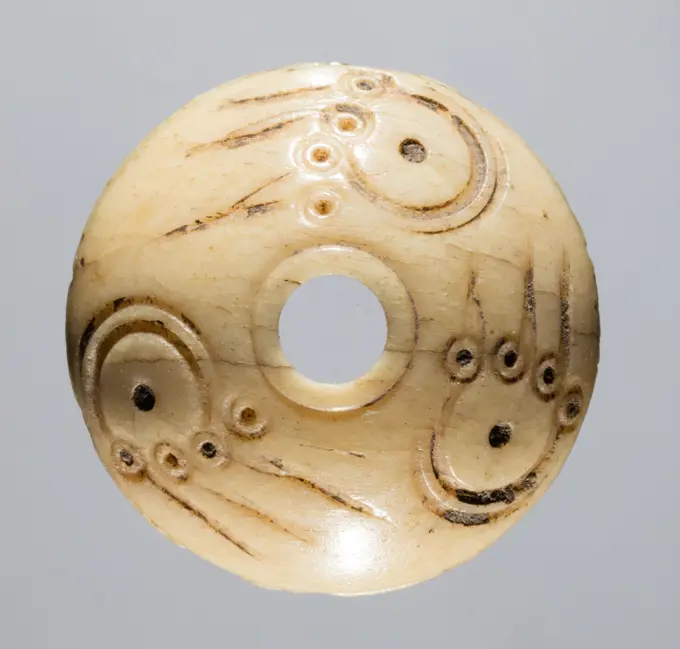
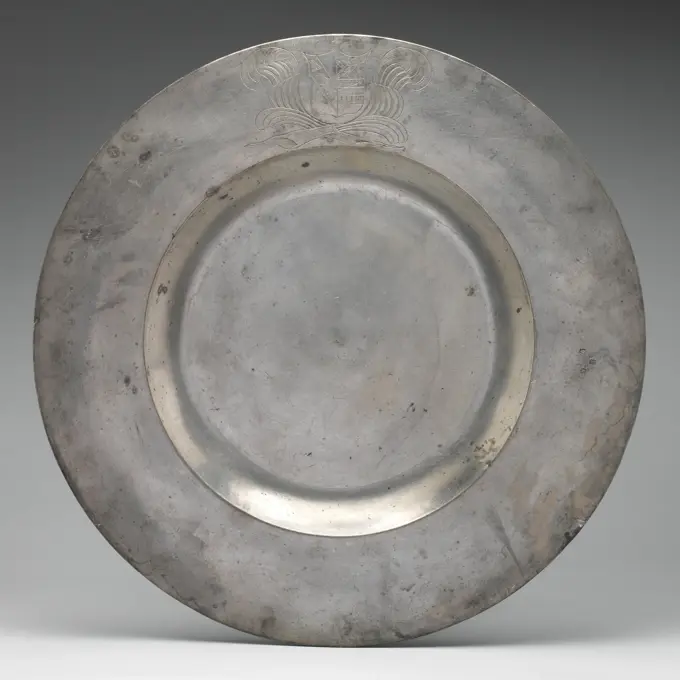
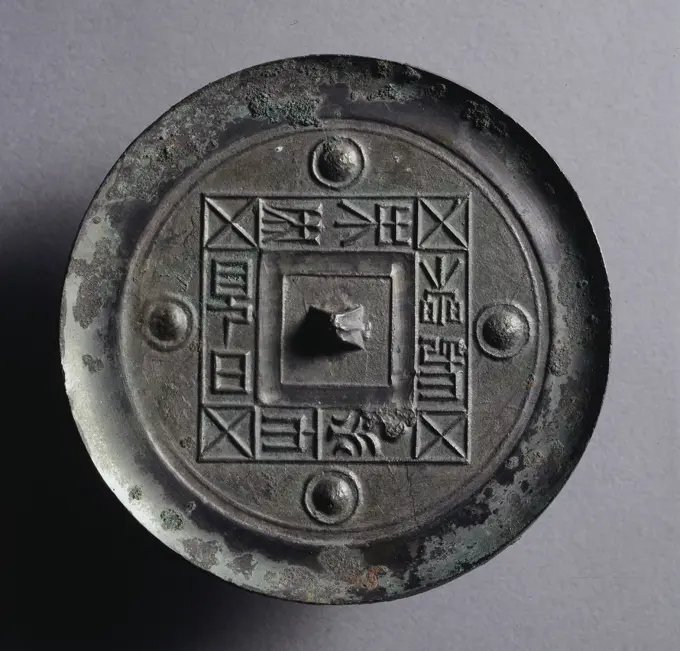
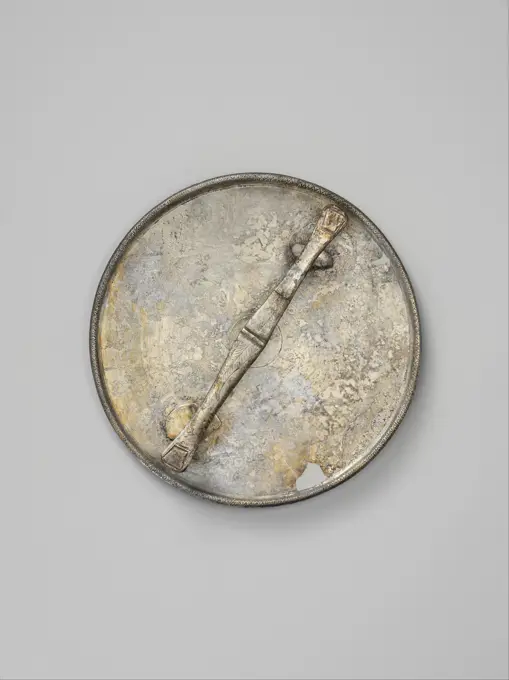
Post office Nicolas Squarts (1751-1832). Mail post. Medal, 1786.Mirror. Culture: China. Dimensions: Diam. 9 5/16 in. (23.7 cm). Date: 4th-3rd century B.C.. Museum: Metropolitan Museum of Art, New York, USA.Beer protection guild of Amsterdam, Gildepenning van Johannes Perkin, Anonymous, 1691 medal Copper oval guild pin. Front: Crowned barrel inside blower. Tours side: inscription Binnenbladerkrans Amsterdam copper (metal) engraving  AmsterdamFlat -shaped pin head. Bronze. LURISTAN. The 1st-Dri millennia av. Paris, Cernuschi museum. 35388-2 Bronze, flat disc, Epingle headFalse Coin, Penny, 1013 1025, Mieszko II (1025 1031)Rosette from the Temple of Ramesses III. Egyptian. Date: 1186 BC-1069 BC. Dimensions: H. 0.6 cm (1/4 in.); diam. 4.1 cm (1 5/8 in.). Faience. Origin: Egypt. Museum: The Chicago Art Institute, Chicago, USA. Author: Ancient Egyptian.Mirror with birds and lions amid flowers 8th century China. Mirror with birds and lions amid flowers. China. 8th century. Bronze with repoussé silver back. Tang dynasty (618-907). MirrorsCup Stand with Dragons amid Fungus Scrolls, 14th Century. China, Yuan dynasty (1271-1368). Silvered and gilt copper with repoussé design; diameter: 17.3 cm (6 13/16 in.).Planets-manager. Cornalet Collection Sites 2013-2016. Numismatic.Carnavalet Museum, Medals CollectionBronze phiale (libation bowl) 5th-4th century B.C. Etruscan With a slightly flared rim and center boss.. Bronze phiale (libation bowl) 255399Engraved Gem; Roman Empire; 1st - 4th century; Green Jasper Ringstone; 1.6 x 1.4 cm (5,8 x 9,16 in.)Fedral with mirror, anonymous, c. 1670 Fedral with silver mirror. Oval in shape and whole of filigrein. Northern Netherlands silver (metal). glass. amalgam filigree  Amsterdam Fedral with silver mirror. Oval in shape and whole of filigrein. Northern Netherlands silver (metal). glass. amalgam filigree  AmsterdamCut. Porcelain sandstone with blue decoration under cover. Cernuschi Museum, Asia Museum of Asia in the city of Paris.Shard 12th century Korea. Shard. Korea. 12th century. Pottery. Goryeo dynasty (918-1392). CeramicsBasin with the Verschieders of the Land Canaan. In the flat of the pelvis, which in the middle has the center point, a representation has been a representation of the spies of the Land Canaan (Joshua 2, 1-22) with the help of a stamp shape. This is surrounded by a punch stamped edge of stylized leaves. Rosettes are arranged on the edge and a hanging ring is attached at the bottom of time.Carnavalet museum, medal collection Right busts of six generals appointed on the reverse; Reverse registration on five lines below three busts, the first in civilian clothes, the second in religious clothes, and the third in general.Mirror. Eastern Anatolia or Northern Mesopotamia, early 13th century. Metal. Bronze, castChlorite mortar or plate ca. 1600-1050 B.C. Cypriot The plate or mortar has a ring foot and the rim curves up.. Chlorite mortar or plate 243922Salver 19th century, after 1617-18 original Franchi and Son This electrotype is after a seventeenth-century original (1617-18), at the time of reproduction the property of the Corporation of Norwich. En suite with ewer (73.8.8).. Salver 185858Basin first half 16th century German. Basin 194653Dish with H. Christoffel measures the child. In the flat of the dish, which has the center point in the middle, stamp forms are punched: a representation of the Holy Christoffel with the child and a round edge of spanking with leaves and a flower on shaded by the Legenda Aurea and a round edge Background (repeated seven times). The H. Christoffel, who uses a tree trunk as a stick, wads through a river and has the Christ child on the shoulders. Fish blowing are driven in the wall. Furthermore, a punched ornament has been applied to the board, consisting of leaves and cross flowers. The edge is beaten around iron wire. The hanging ring on the back and the hole in the edge are arranged later. The center point has become a small opening.Dish China. Dish 39530Niccolò Fiorentino, Unicorn and Tau Cross (reverse), c 1480 1486 Unicorn and Tau-Cross reverseSubgeometric Plate. Attributed to the Circle of the Crane Painter (Etruscan, about 700 - 675 B.C.)Sword Guard (Tsuba) ca. 1615-1868 Japanese A tsuba is a sword guard and part of a sword mounting. It is mounted between the swords blade and grip to protect the users hands.. Sword Guard (Tsuba) 34444Bowl 10th century The presence of part of another vessel fused to the exterior of this bowl during the firing process seems a fairly good indication it was not imported, a conclusion supported by the fact that a waster of this ware was also found.. Bowl 449381Bowl late 12th-early 13th century. Bowl 451359Circular tsuba (maru gata), Mino School. Mino, schoolMirror with dragons and knob and swirl design 1st century B.C. China. Mirror with dragons and knob and swirl design 74432Miniature bronze shield 5th century B.C. Etruscan, Vulci Miniature bronze replica of a shield.. Miniature bronze shield. Etruscan, Vulci. 5th century B.C.. Bronze. Classical. BronzesArt and science promoting society under the sentence "progress by science", Meding awarded to D. van Coppenaal. Silver medal to wear eye and carrying ring. Front: letters v and w in circle. Downside: inscriptionBowl withBirdDish of earthenware, fragment with eight -pointed star within concentric edges in the middle, anonymous, c. 1600 Dish of earthenware, fragment. In the middle an eight -pointed star, inside concentric edges, in clear yellow and blue. Dutch. Netherlands earthenware Dish of earthenware, fragment. In the middle an eight -pointed star, inside concentric edges, in clear yellow and blue. Dutch. Netherlands earthenwareSword Guard, late 1600s. Japan, Edo period (1615-1868). Iron; diameter: 8 cm (3 1/8 in.).Gaming Purse; silk, metallic yarns, leather liningSword Guard (Tsuba) 16th-19th century Japanese A tsuba is a sword guard and part of a sword mounting. It is mounted between the swords blade and grip to protect the users hands.. Sword Guard (Tsuba) 34923Sword Guard (Tsuba) ca. 1615-1868 Japanese A tsuba is a sword guard and part of a sword mounting. It is mounted between the swords blade and grip to protect the users hands.. Sword Guard (Tsuba) 34401Mirror, 3rd century BCE, 6 9/16 × 5/16 in., 0.7 lb. (16.67 × 0.79 cm, 0.3 kg), Bronze, China, 3rd century BCECarnavalet Museum, Medals CollectionSign from V.O.C.-ship De 'Witte Leeuw', Anonymous, Before 1613 plate (dishes) Sign from V.O.C. ship De 'Witte Leeuw', 40  present. Jingdezhen bone china (material)   Sint-HelenaButton or Bead 9th-10th century This object was excavated at Nishapur.Nishapur was a vital city in the early and middle Islamic periods, located along one of the main trajectories that connected Iran and West Asia Islamic lands with Central Asia and China. These itineraries are often referred to by the term Silk routes’ but were in fact crucial to the movement of constellations of materials and objects, as well as people and ideas. The diverse population of Nishapur and its surroundings, from the better-researched elite groups of merchants, land-owning aristocracy, and literates, to the less-known artisans, farmers, miners, and servants, were instrumental in adapting global cultural trends to create their own distinctive visual languages. This is seen in the material remains of everyday life in medieval Nishapur - from pots and pans to lighting devices, inkwells, textiles and trimmings, jewelry, games and toys, talismanic devices, weapons, coins, and architectural fragments.Nishapur lBadge or Harness Pendant ca. 1400 Spanish Heraldry, or coat-of-arms, were vitally important in Europe throughout the Middle Ages and the Renaissance. Heraldic emblems were used to identify noble families, cities, regions, and even countries. In addition to being displayed on shields and flags, heraldry was incorporated into architectural decoration on the interior and the exterior of buildings, on furniture, works of art, clothing, and horse equipment. Harness pendants, like this example, would have been attached to a headstall, bridle, or other straps making up the tack of a horse ridden by a nobleman or noblewoman, or a member of their household. Many harness pendants also have decoration that is simply ornamental, or have symbols that are not specifically heraldic in nature.. Badge or Harness Pendant. Spanish. ca. 1400. Copper, gold, enamel. Miscellaneous-BadgesWall board on the occasion of the 50-year wedding party J.R. Tutein Nolthenius and M.A. Cordes, Carel Adolph Lion Cachet, 1933 Wall board on the occasion of the 50-year wedding party J.R. Tutein Nolthenius and M.A. Cordes: 1883-1933. Light yellow shard, about which a bluish white engobe, in which the decor is scratched, then glazed, partly in blue, partly in Goudluster. In a six-pointed star, the monogram JM and the dates 1883 and 1933 are on the flat. Outside the star leaf and wing motifs and terrants, which also decorate the edge. On the back of the plate incised in the unglazed shard: Van Julie and Jacques (within a circle), below that LC and 1933. Hanging holes in the foot ring. Gouda earthenware vitrification Wall board on the occasion of the 50-year wedding party J.R. Tutein Nolthenius and M.A. Cordes: 1883-1933. Light yellow shard, about which a bluish white engobe, in which the decor is scratched, then glazed, partly in blue, partly in Goudluster. In a six-pointed star, the monSpindle Whorl, 700s - 900s. Iran, early Islamic period, 8th - 10th century. Bone, incised; overall: 0.4 x 3 x 3 cm (3/16 x 1 3/16 x 1 3/16 in.).Fragment (Italy); wood, gildedSword Guard (Tsuba) with Lion, c. 1615-1868. Japan, possibly Edo period (1615-1868). Iron; overall: 8.4 x 7.7 cm (3 5/16 x 3 1/16 in.).Iraq, Mesopotamia, Engraved and encrusted bowl made by Najim Addin Umar al Badri, bronzeSalver 19th century, after 1614-15 original Elkington & Co. British This electrotype is after a 1607/08 or 1614/15 original, at time of reproduction in Troitsa monastery, Moscow, now at the Kremlin treasury, Moscow.. Salver 186488Spouted Jar with Lion-Griffin Handles; Persian Empire; 400-330 B.C; Gilt silver; 32.1 × 22.2 × 18.4 cm (12 5,8 × 8 3,4 × 7 1,4 in.)Sword Guard (Tsuba) ca. 1800 Japanese A tsuba is a sword guard and part of a sword mounting. It is mounted between the swords blade and grip to protect the users hands.. Sword Guard (Tsuba) 30068Mirror 6th century B.C. Greek, Cypriot. Mirror 244289Half of desk disc with portrait: Domitia Calvilla. Domita. Calvilla.m.antnini. Imp.Mater (Domitia Calvilla, mother of emperor Marcus Aurelius Antonius Caracalla, wife of L. Serptimius Severus).Carnavalet Museum, Medals CollectionHand Guard, Hagiya Katsuhira, 1825-1875 Mokko-shaped tsuba with an elevated edge; On both sides, a flinged Shimenawa runs along the inside of this edge, behind which Yuzuri leaves, fern leaves and lucky notes come out; Signed "Seiryoken Katsuhira". Japan iron (metal). gold (metal). Mokko-shaped tsuba with an elevated edge; On both sides, a flinged Shimenawa runs along the inside of this edge, behind which Yuzuri leaves, fern leaves and lucky notes come out; Signed "Seiryoken Katsuhira". Japan iron (metal). gold (metal).Tsuba (common name). Suki - Dashi - Bori (pictorial engraving) - Taka - Zôgan (relief inlays). Cernuschi Museum, Asia Museum of Asia in the city of Paris.Bit Boss. Culture: German, Saxony. Dimensions: Diam. 2 7/16 in. (6.2 cm); Wt. 2.2 oz. (62 g). Date: late 16th - early 17th century.Circled by a leaf garland in relief, pierced three times, the center of this boss depicts the coat of arms of Saxony on a shield with scrolling edges, supported by two lions. This design of boss, an ornamental element decorating both sides of a horse bit, was very popular in Saxony and produced in important quantities by founders. Museum: Metropolitan Museum of Art, New York, USA.Sword Guard (Tsuba) ca. 1615-1868 Japanese A tsuba is a sword guard and part of a sword mounting. It is mounted between the swords blade and grip to protect the users hands.. Sword Guard (Tsuba) 33420Button from the wreck of the East Indians Hollandia, Anonymous, 1700 - in or before 1743 button Knoop. (1) flat, bevelled rim, plain (2d, 0.4t) Netherlands bone (material)   SecondAccount Token with Three Lys Flowers, XIIIth-15th Century Account Token with Three Lys Flowers, XIII-XVth Century ", Revers.Bronze mirror. Culture: Etruscan. Dimensions: length 9 1/8 in. (23.2 cm); diameter 6 7/8 in. (17.5 cm). Date: ca. 450-420 B.C..Achle (Achilles) fighting with Memnun (Memnon) and Thesan (Eos) retrieving the body of her son Memnun from the battlefield. Museum: Metropolitan Museum of Art, New York, USA.Lamp, Gabinia Darillius; Anatolia; 1st - 4th century; Terracotta; 2.6 x 7.5 x 10.5 cm (1 x 2 15,16 x 4 1,8 in.)Roman lamp, from the Roman city of Iluro. Museum: MUSEO DE MATARÓ.PATERA DE PLATA CON CABEZA DE LOBO DEL TESORO DE TIVISSA - TARRAGONA - ORFEBRERICA IBERICA - SIGLO III AC. Location: MUSEO ARQUEOLOGICO DE CATALUÑA. Barcelona. SPAIN.Glass oil lamp ca. 2nd half of 1st century A.D. Roman Translucent blue green; applied trail in same color.Projecting oval nozzle with wick hole; circular body with sloping, slightly concave shoulder, separated from the discus by a single groove; plain discus, deeply pressed in at center; raised outer flange below shoulder, then sides curving in to rounded base with deeply pressed-in center; integral projecting oval boss at rear, opposite nozzle, to which a solid, thick trail has been applied to form a handle.Broken and repaired, with part of discus missing and weathered breaks on nozzle and handle; many bubbles; slight dulling and iridescence, with patches of thick, yellow limy weathering, especially at front of body and on nozzle, and smaller areas of soil encrustation. No filler hole is visible but must have been located towards rear of discus behind the central point where the discus and bottom have been pressed together.Most Roman oil lamps were made of terracotta or bronze. Glass Round Plaque 3rd century B.C.-A.D. 2nd century Vicús. Round Plaque 315561Bowl with female busts in medallions ca. 3rd-4th century A.D. Sasanian. Bowl with female busts in medallions 326006Disk Brooch ca. 500-600 Frankish. Disk Brooch 464835 Frankish, Disk Brooch, ca. 500600, Gold, wire, glass paste cabochons, copper alloy core, Overall: 1 5/16 x 3/8 in. (3.4 x 1 cm). The Metropolitan Museum of Art, New York. Gift of J. Pierpont Morgan, 1917 (17.191.143)Saucer 19th century. Saucer. 19th century. Steel; damascened with gold. Attributed to Iran. MetalBronze mirror early 4th century B.C. Etruscan Inscribed: Alcsentre (Paris/Alexandros), Turan (Aphrodite), Elinai (Helen). Bronze mirror 246692Jules Clément Chaplain (1839-1909). Medal. General of Polhes. Metal, bronze. Museum of Fine Arts of the City of Paris, Petit Palais. 58758-18 Bronze, general francais, medal, metal, numero inventory, numismatics, profile, portrait, reverseFalse coin, 20 zlotys, 1976, People's RepubIIc of PolandSword Guard (Tsuba) with Puppy Playing with Shell on Cord, c. 1615-1868. Japan, possibly Edo period (1615-1868). Iron; diameter: 6.4 cm (2 1/2 in.).Saksonia , Poland , The Cross Denar, between 1070 and 1107 unknownbracteate denarius. Zakon krzyżacki (1190-), issuer. This silver water bowl with a cover is adorned with the same kind of large floral motifs found on the Indian ebony cabinet (elsewhere in this gallery). The set was made in Batavia, where Indian craftsmen further developed the floral style. The bowl was likely used to serve cold water.Model mirror of Hapiankhtifi ca. 1981-1802 B.C. Middle Kingdom One of the complete burial groups excavated at Meir belonged to the Steward Hapiankhtifi. When the mummy was unwrapped numerous objects were discovered including two mirrors (for the second one see 12.183.19a, b). The handle of the mirror is in the shape of a papyrus column.. Model mirror of Hapiankhtifi. ca. 1981-1802 B.C.. Wood, paint, gold leaf. Middle Kingdom. From Egypt, Middle Egypt, Meir, Tomb of Hapiankhtifi, Mummy, Khashaba excavations, 1910-12. Dynasty 12Pot with Cover (lid), 100s. Rhenish (Cologne), Gallo-Roman, 2nd century. Tan ware with gray and some brown burnished slip; diameter: 15.6 cm (6 1/8 in.); overall: 13.1 cm (5 3/16 in.); lid: 2.2 x 9.8 cm (7/8 x 3 7/8 in.). The work of Roman potters is very different from that of their Greek predecessors. Greek clay had allowed potters to throw thin-walled ceramics. Slips (paint) made from this clay had permitted painters to draw complicated scenes and figures with infinite care. As the Roman empire grew to include Germany and Britain, local clays found there were better for producing heavier pottery with three-dimensional decoration like this vase here. These jarsdecorated with a human face (1992.125), animals (1992.126), a feather pattern (1992.183), a wheat pattern (1992.124), and vertical ribs (1992.127). were probably filled with foods or liquids and given either as gifts to an elaborate burial or as offerings to a god's shrine.Sword Guard (Tsuba) Depicting Horned Owl in Plum Tree (樹に木菟図鐔) 19th century Japanese The obverse of this tsuba shows a plum tree with a horned owl (Japanese: mimizuku, 木菟) with one of the branches stretching onto the reverse. Most parts of the plate have been left undecorated and towards the top we see some clouds with gold accents.. Sword Guard (Tsuba) Depicting Horned Owl in Plum Tree (樹に木菟図鐔) 25697Sword Guard (Tsuba), 1800s. Japan, Edo period (1615-1868). Iron; overall: 6.8 x 7.4 cm (2 11/16 x 2 15/16 in.).Cone-shaped engraved seal; Crete, Greece; about 2300 B.C. - 2000 B.C; Hippopotamus ivory; 2 × 2.5 cm (13,16 × 1 in.)Mirror with Pair of Cranes in Chrysanthemum Pattern, 1392-1573. Japan, Muromachi period (1392-1573). Bronze; diameter: 11.8 cm (4 5/8 in.).Spindle Whorl, 700s - 900s. Iran, early Islamic period, 8th - 10th century. Bone, incised; overall: 0.7 x 2.1 x 2.1 cm (1/4 x 13/16 x 13/16 in.).Loop.Ritual Disk(Bi)Doorplate with knob, Louis Henry Sullivan, American, 1856-1924, ca. 1895, metalwork, Decorative Arts, Doorplate with knobSword Guard (Tsuba) ca. 1615-1868 Japanese A tsuba is a sword guard and part of a sword mounting. It is mounted between the swords blade and grip to protect the users hands.. Sword Guard (Tsuba) 33449Sword Guard (Tsuba). Culture: Japanese. Dimensions: H. 3 7/16 in. (6.2 cm); W. 3 3/16 in. (8.1 cm); thickness 1/4 in. (0.6 cm); Wt. 5.1 oz. (144.6 g). Date: ca. 1615-1868. Museum: Metropolitan Museum of Art, New York, USA.Mirror showing a ship at sea and inscription, 12th century, Unknown Korean, 1/2 × 6 11/16 × 6 11/16 in. (1.27 × 16.99 × 16.99 cm), Bronze, Korea, 12th century, Buddhism flourished in Korea during the Goryeo dynasty, and Buddhist themes and symbols came to embellish many artifacts. The overall shape of this mirror is based on a lotus blossom, a Buddhist symbol of purity. The scene probably depicts a spirit boat carrying the souls of the dead to the afterlife. Dragons cavort in a cosmic sea and one of them blows the boat along its way. The inscription provides a clue that the image is about transition from life to afterlife: 'Clear, vast, luminous heaven.'Planets-manager. Cornalet Collection Sites 2013-2016. Numismatic.Button from the wreck of the East Indians Hollandia, Anonymous, 1700 - in or before 1743 button Knoop. (1) sim. NG 1978-58H169 (2.1d) Netherlands bone (material)   SecondCharger 1660-85 British. Charger. British. 1660-85. Pewter. Metalwork-PewterCarnavalet museum, medal collection Children's right with an orb set with three lily flowers and surmounted by a crown; On the left, a soldier; on the right, a man of the Church; Reverse two characters in front of a child's bed.Carnavalet museum, medal collectionMirror with a Square Band and Four Nipples, late 200s-early 100s BC. China, Western Han dynasty (202 BC-AD 9). Bronze; diameter: 8.4 cm (3 5/16 in.); overall: 0.7 cm (1/4 in.); rim: 0.4 cm (3/16 in.).Argus and Mercury. Round, lead plaque, surrounded by a braid. In the foreground, the two figures were sitting opposite each other, argus to the right, insufficient in the tones of the flute of the God, disguised as a shepherd. On the right on the second plan the IO changed in a cow. Hoevelish landscape with scattered trees. Fantastic mountain spiers in the background. In a cloud wreath Jupiter, his messenger to the earth sending the command io to free.Jelec (Tsuba); Yanagawa, Notoki, Yanagawa; around 1800 (1798-00-00-1802-00-00);Buff Ware Bowl with Geometric Patterns. Dimensions: H. 4 1/16 in. (10.3 cm)Diam. of rim: 10 1/4 in. (10.3 x 26 cm)Diam. of base: 4 5/16 in. (11 cm). Date: 9th century.A typical composition for the buff ware objects with abstract patterns, this bowl employs a favored quadripartite layout and hatched ground, and uses floral forms that were widespread in the ninth century. Museum: Metropolitan Museum of Art, New York, USA.Shield (Dhàl) 19th century Indian. Shield (Dhàl). Indian. 19th century. Hide, silver, iron, lacquer. ShieldsMirror with Handle 500-700 Syrian A polished disk with a handle was a popular type of mirror in the Byzantine world. A secular object, this mirror was probably donated to the church for its monetary value. It may also have been valued for its amuletic qualities, as mirrors were believed to deflect evil.. Mirror with Handle 468197