Historical Medals and Coins

Collection of ancient medals and coins from various cultures, featuring intricate designs and historical significance, including postal medals and bronze artifacts.

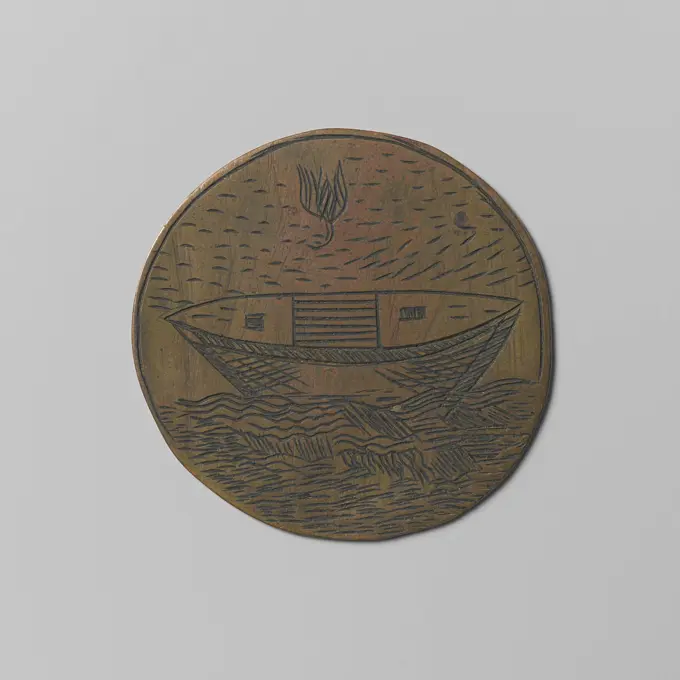
Beer protection guild of Amsterdam, Gildepenning van Johannes Perkin, Anonymous, 1691 medal Copper oval guild pin. Front: Crowned barrel inside blower. Tours side: inscription Binnenbladerkrans Amsterdam copper (metal) engraving  Amsterdam
Beer protection guild of Amsterdam, Gildepenning van Johannes Perkin, Anonymous, 1691 medal Copper oval guild pin. Front: Crowned barrel inside blower. Tours side: inscription Binnenbladerkrans Amsterdam copper (metal) engraving Amsterdam
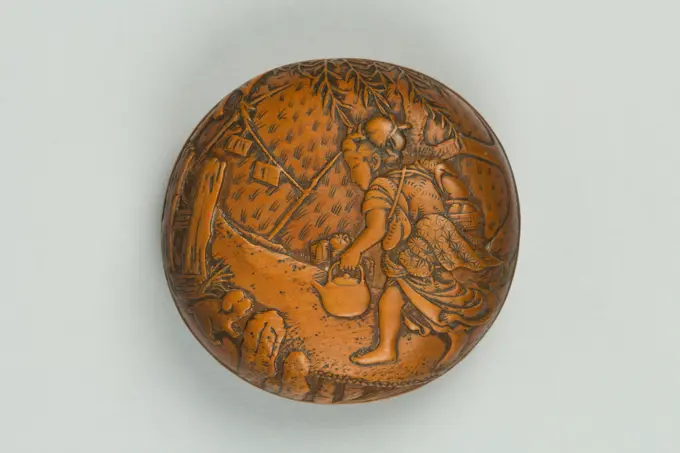
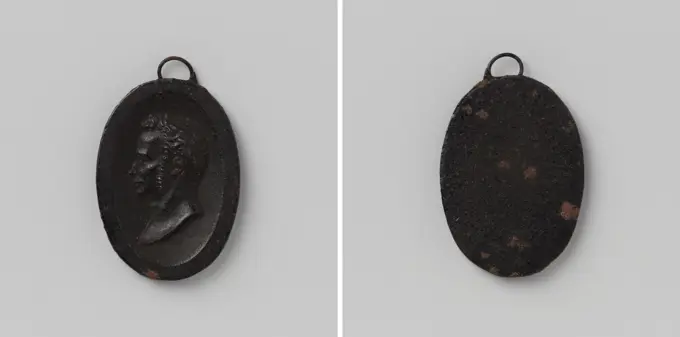
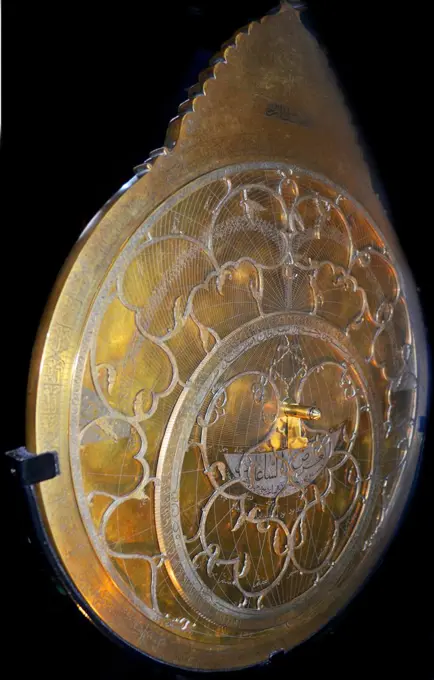
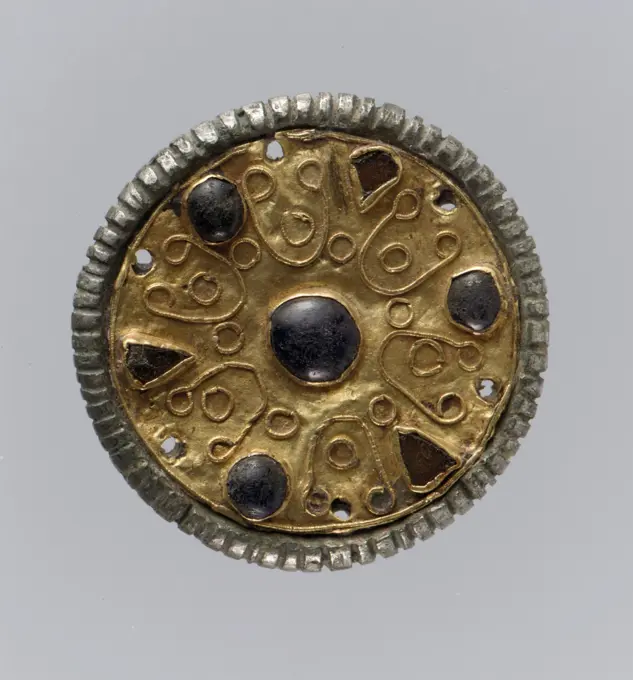
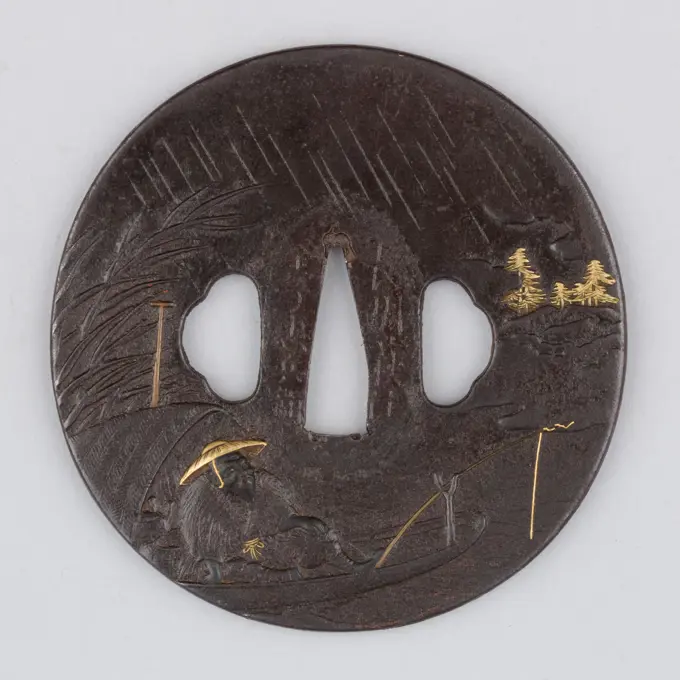
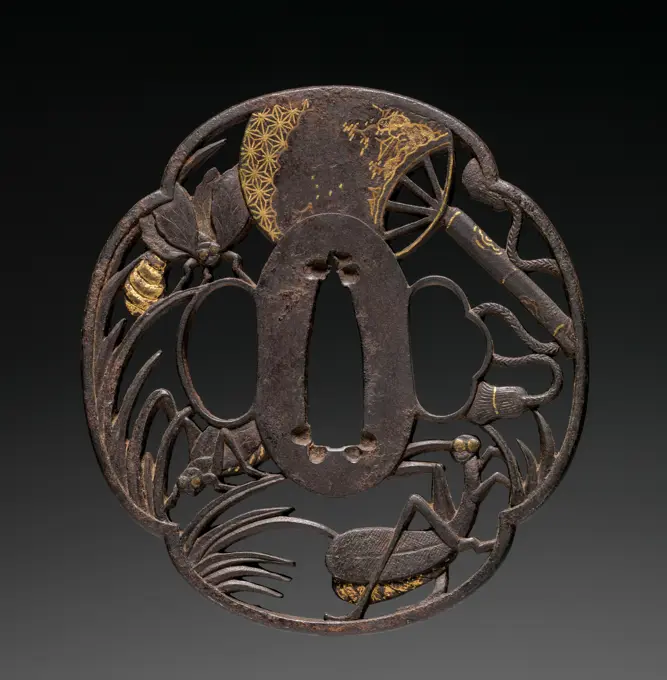
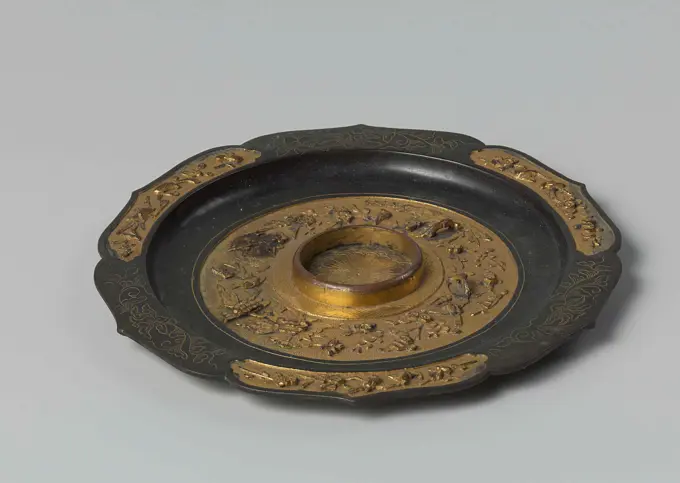
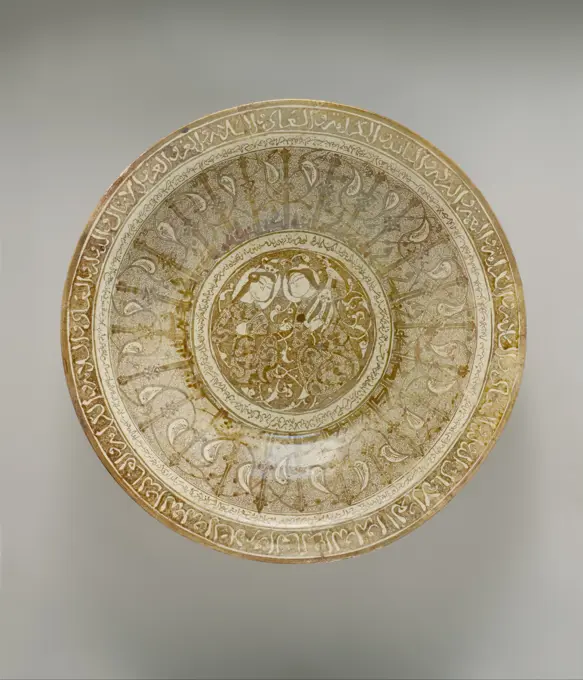
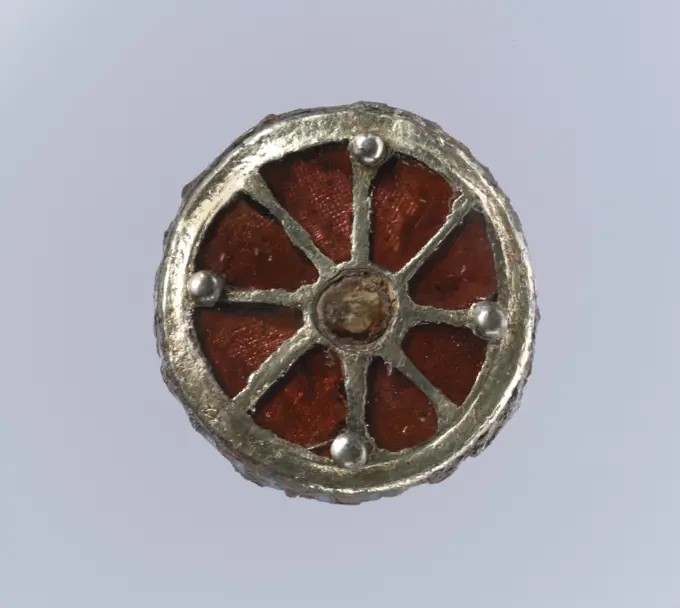
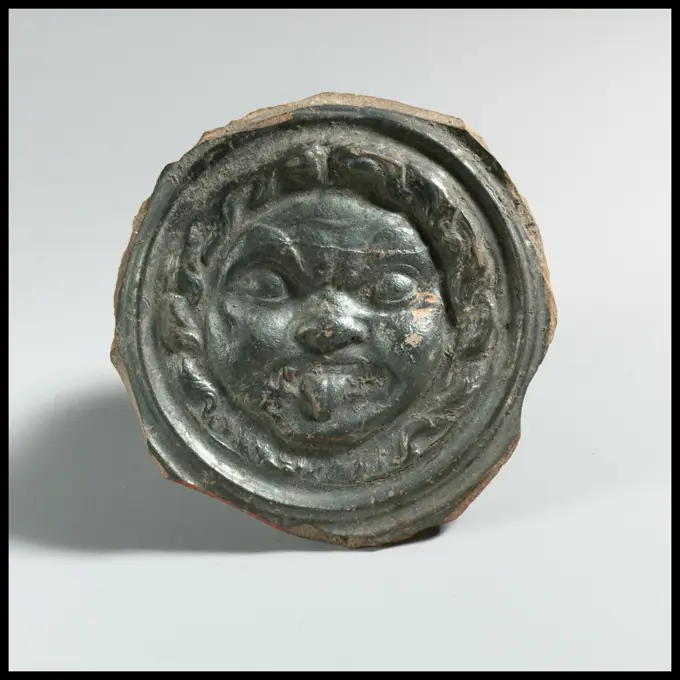
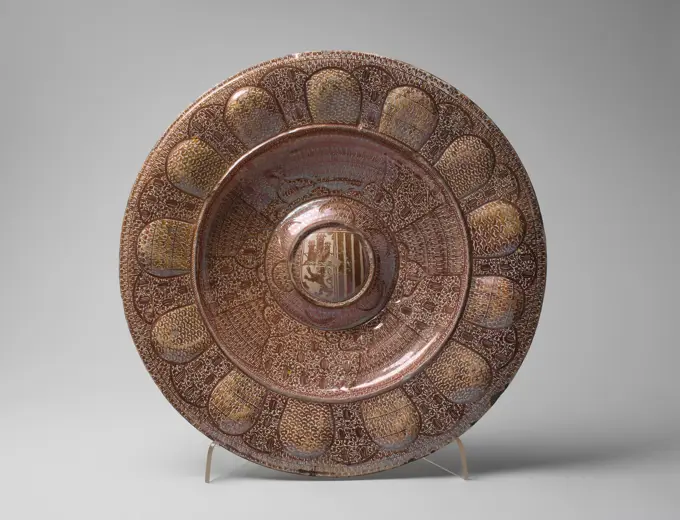
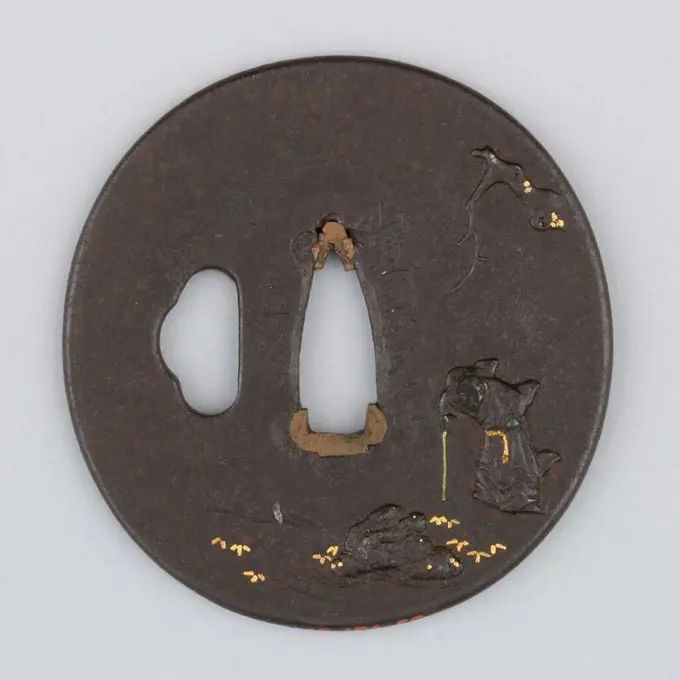
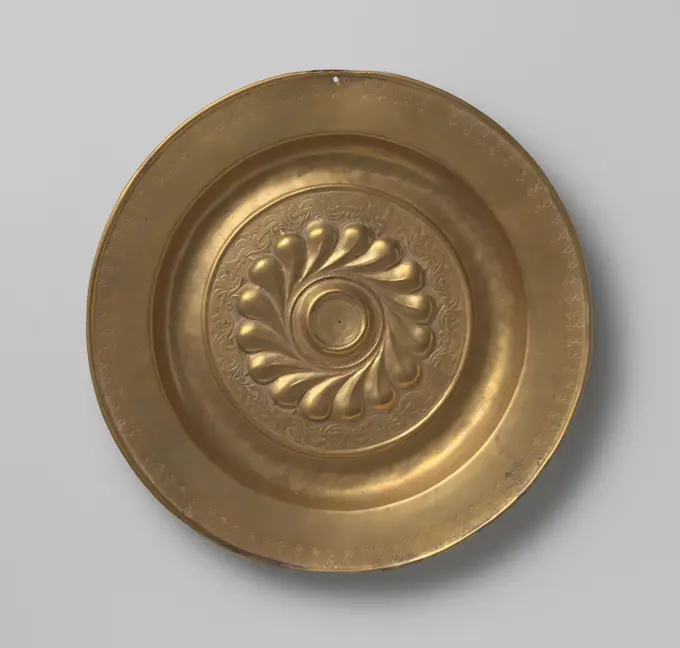
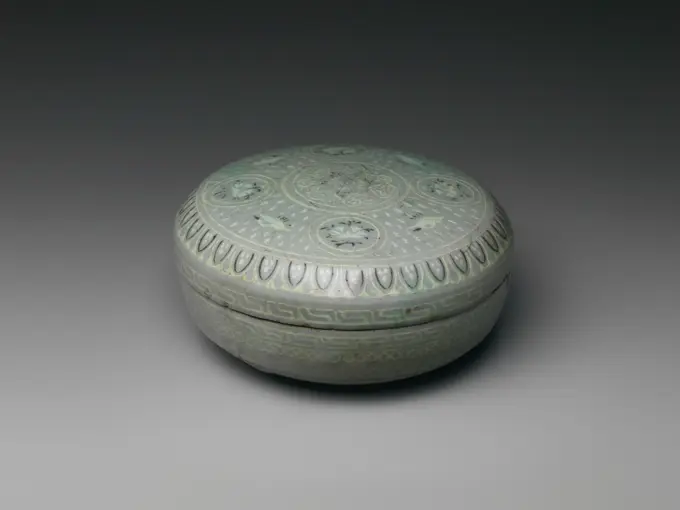
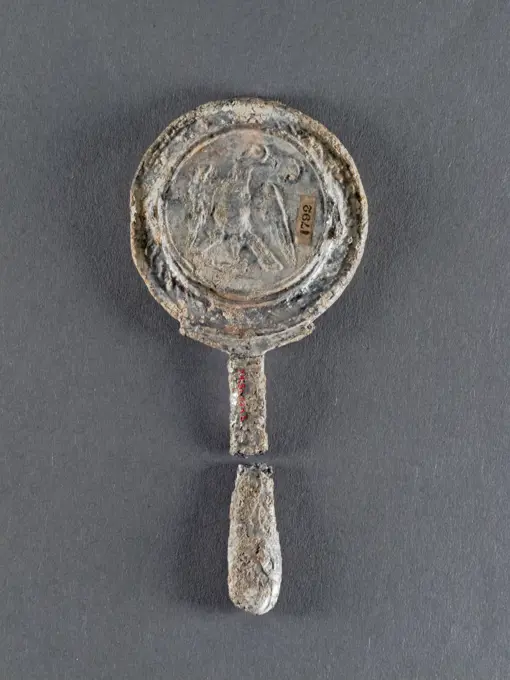
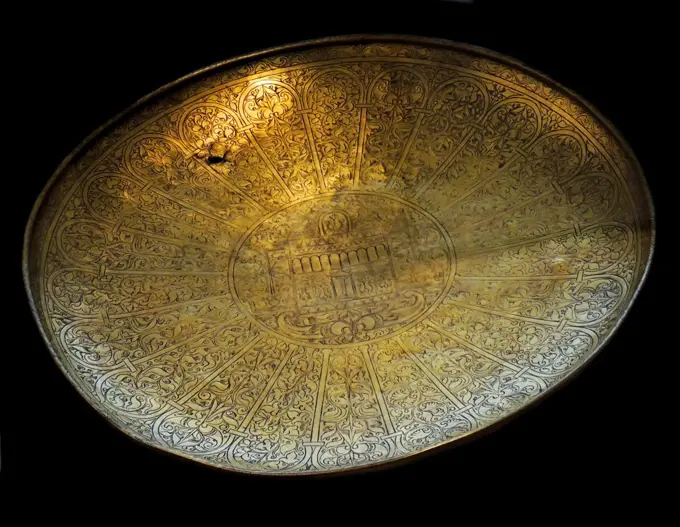
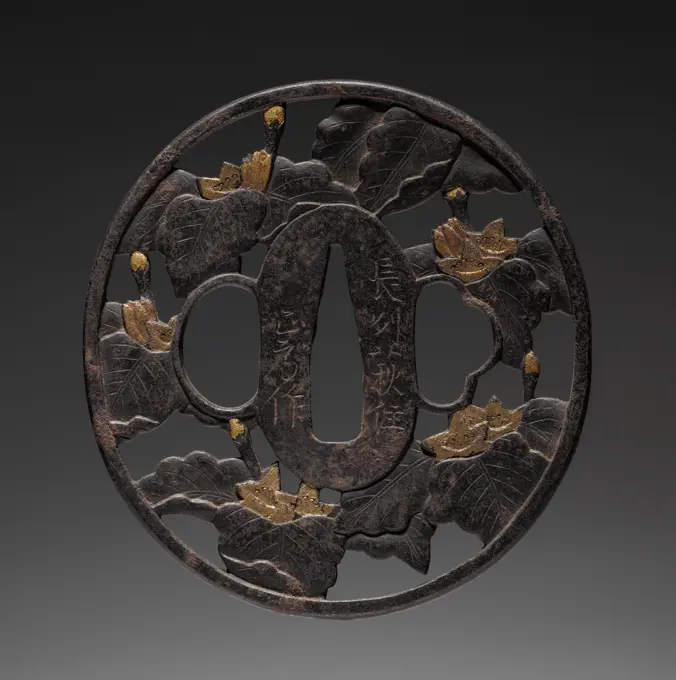
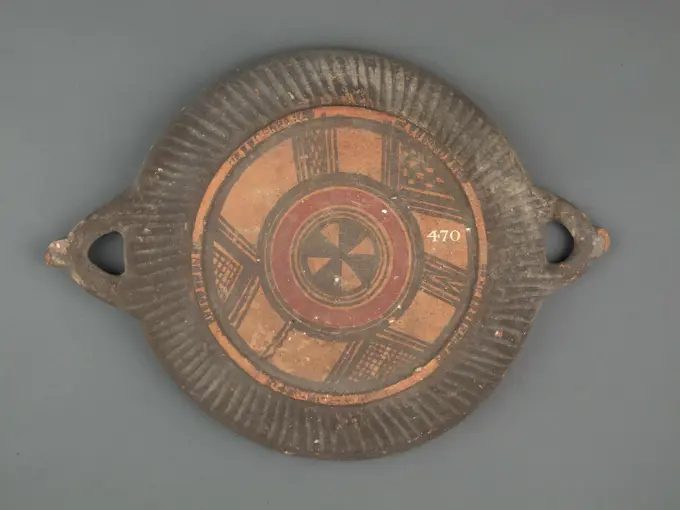
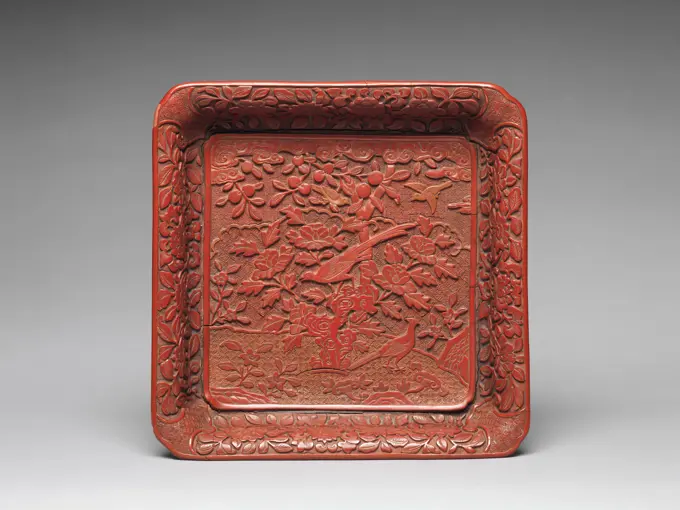
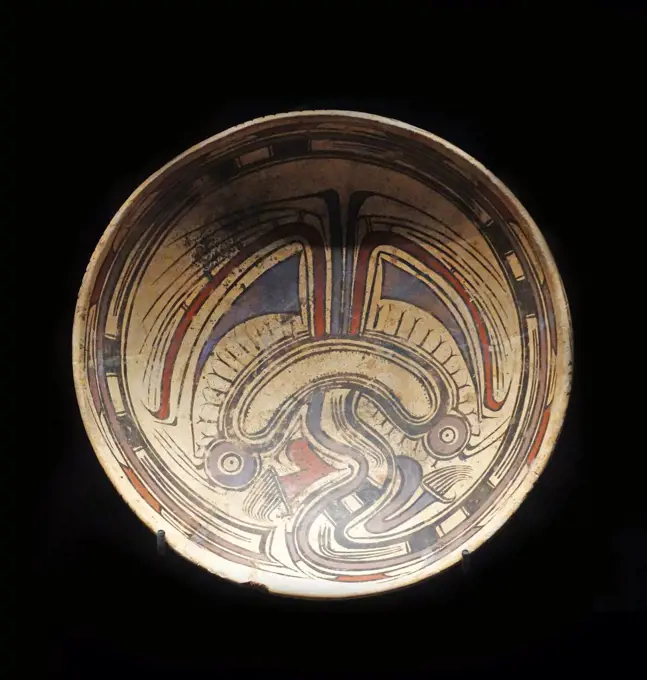
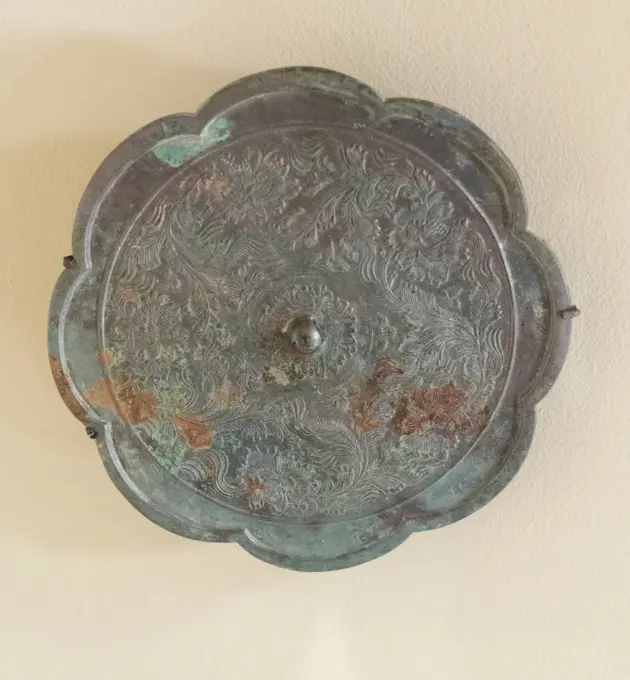
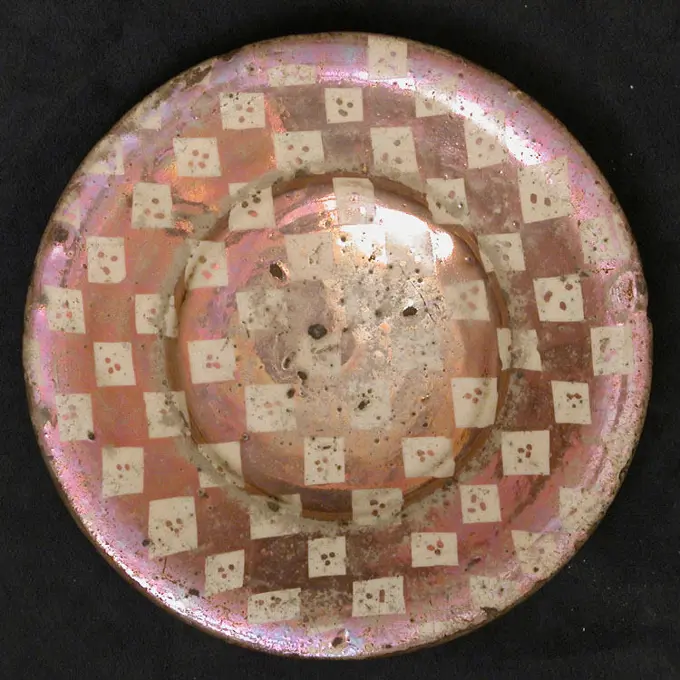
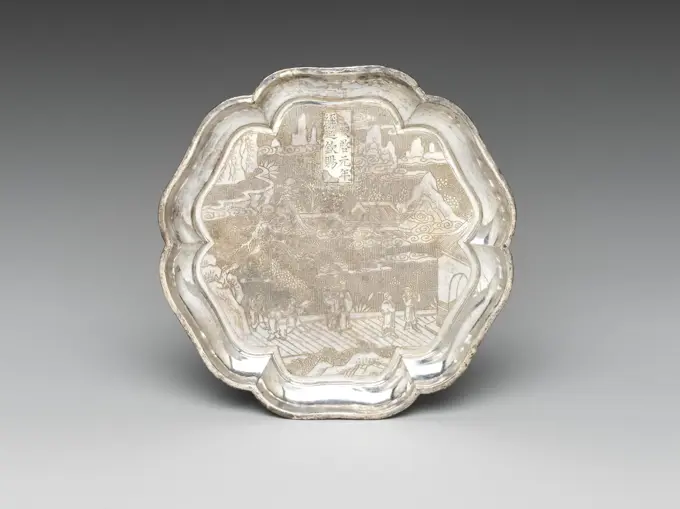
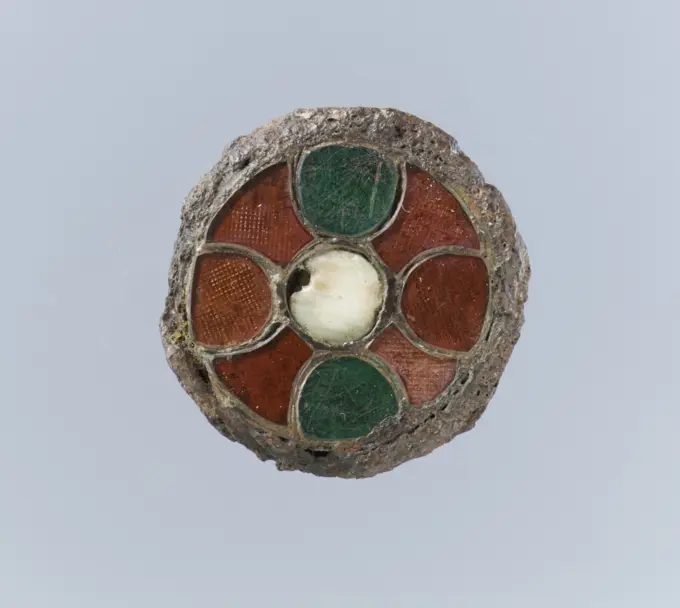
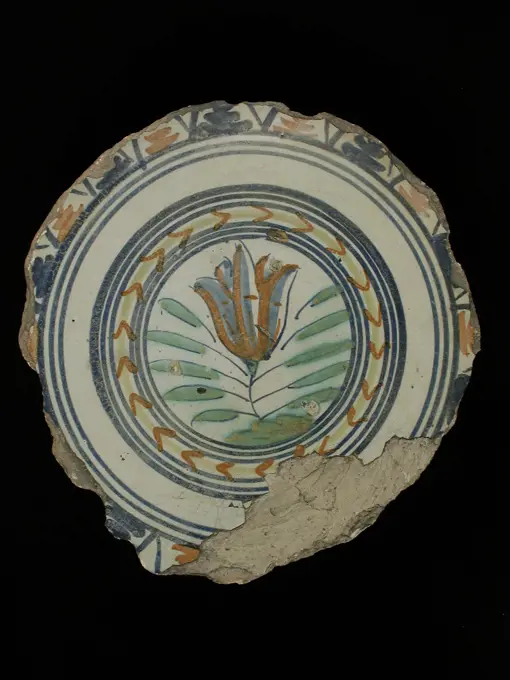
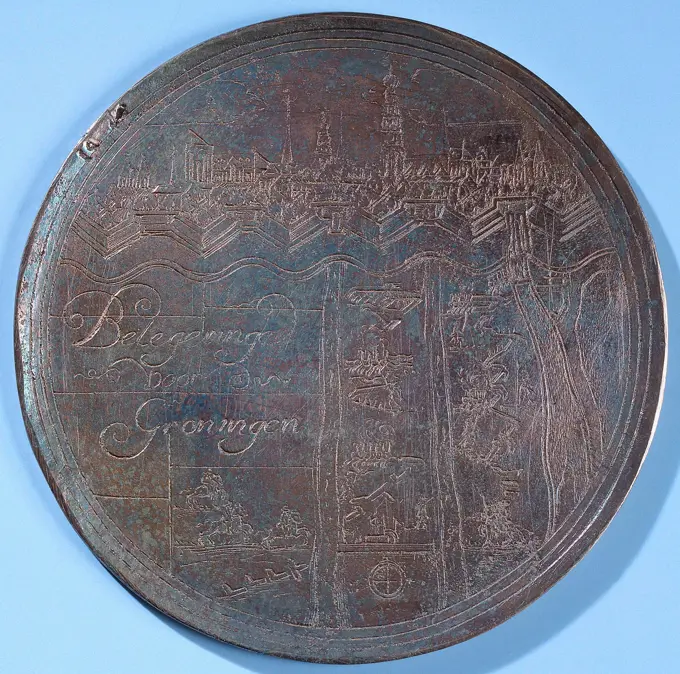
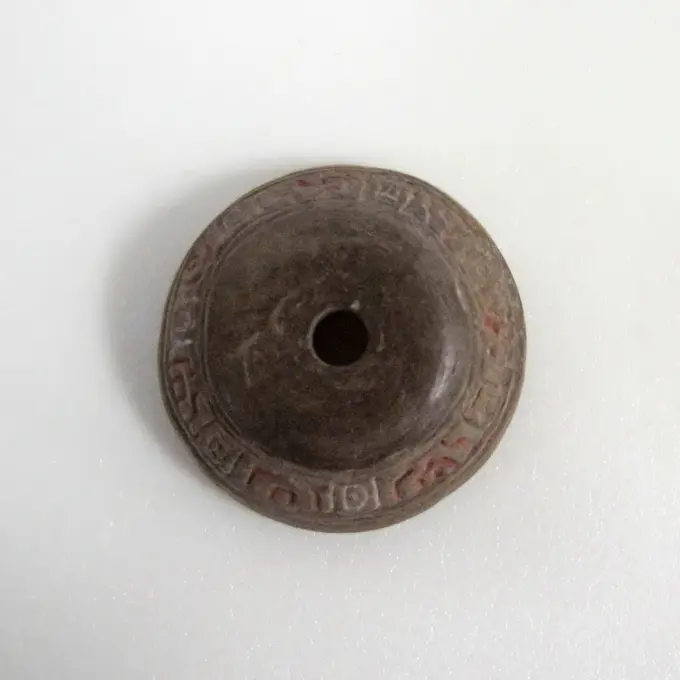
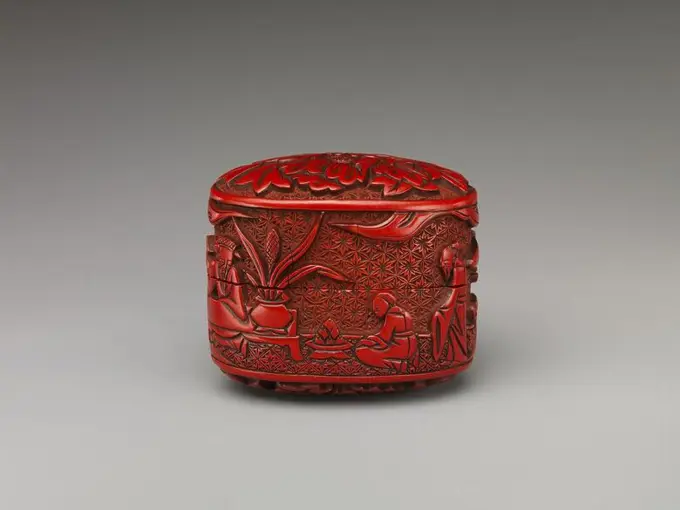
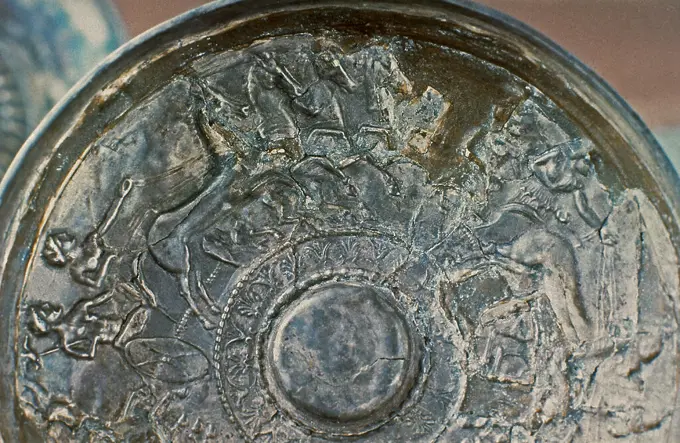
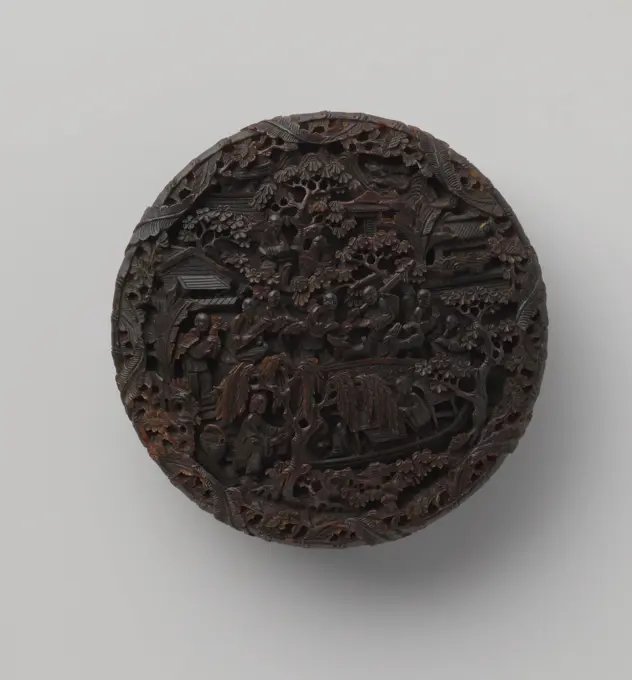
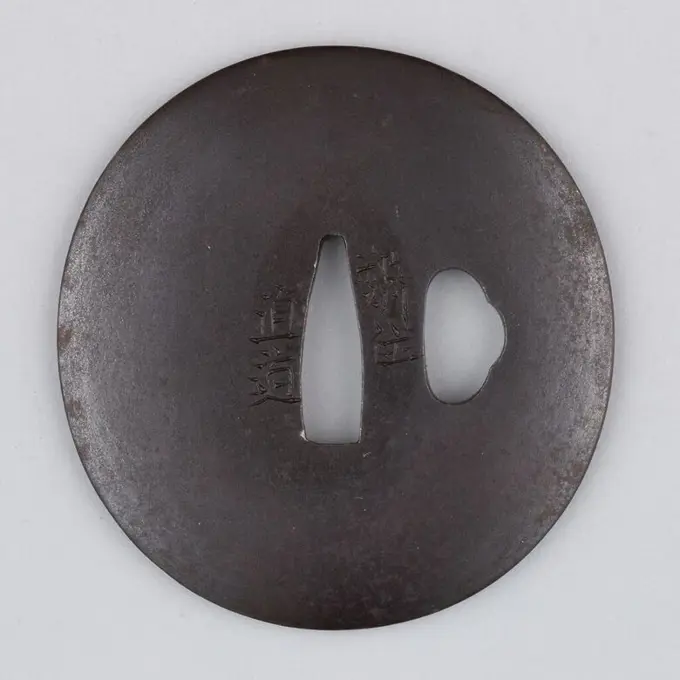
Sword Guard (Tsuba). Culture: Japanese. Dimensions: H. 3 1/16 in. (7.8 cm); W. 2 15/16 in. (7.5 cm); thickness 3/16 in. (0.5 cm); Wt. 4.8 oz. (136.1 g). Date: 18th century. Museum: Metropolitan Museum of Art, New York, USA.Earthenware bowl on stand surface, gray shard, stripe and cross decor in dark gray, dish crockery holder soil find ceramic earthenware clay engobe, hand-turned decorated fried Bowl of gray earthenware. Flat bottom with upright sidewall and inwardly inclining upper edge Decorated with dark gray clay or engobe. Stripe decor along the saucer edge and in the mirror large cross Malteser cross archeology Valckensteyn Poortugaal Albrandswaard indigenous pottery import serving serve Soil discovery: location Valckensteyn Poortugaal.Hand guard with the monk Daruma, Yasuchika, c. 1800 - c. 1900 Rounded rectangular tsuba with on the front in raised relief and inserting in various colored metals (Iroe Takazogan) Daruma in a stream; At the rear some reed plumes at a stream; Signed "Yasuchika". Japan copper (metal).. gold (metal) Rounded rectangular tsuba with on the front in raised relief and inserting in various colored metals (Iroe Takazogan) Daruma in a stream; At the rear some reed plumes at a stream; Signed "Yasuchika". Japan copper (metal).. gold (metal)Hairpin Knob 1st-4th century Roman. Hairpin Knob 465140 Roman, Hairpin Knob, 1st4th century, Bronze-gilt, Overall: 1 x 5/8 in. (2.5 x 1.6 cm). The Metropolitan Museum of Art, New York. Gift of J. Pierpont Morgan, 1917 (17.191.89)Netsuke of Peasant Girl Bringing Lunch; on reverse, a Scarecrow 19th century Japan. Netsuke of Peasant Girl Bringing Lunch; on reverse, a Scarecrow. Japan. 19th century. Wood. Edo (1615-1868) or Meiji period (1868-1912). NetsukeDisk Ornament, 500s. Ostrogothic, Migration period, 6th century. Bronze, gold foil, traces of gilding and glass; overall: 4.5 cm (1 3/4 in.).Spindle Whorl, 700s - 900s. Iran, early Islamic period, 8th - 10th century. Bone, incised; overall: 1 x 1.9 x 1.9 cm (3/8 x 3/4 x 3/4 in.).Willem I Frederik, King of the Netherlands, Anonymous, 1815 - 1843 history medal Unilateral iron medal to wearing. Front: breastpiece man to the left. Reverse: Blanco.  iron (metal) castingBrass astrolabe with silver inlay 171 A.D. The data provided in the gazeteer would have been used by an educated person to calculate from each location the direction of Mecca.Kelyaut (frame drum) 19th century Northern Alaskan Eskimo; Family: Eskimavan. Kelyaut (frame drum) 501177Basin with scenes from the story of Diana and Actaeon. Created by Paulus Willemsz van Vianen (1570-1613). Dated 17th CenturyDisk Brooch 7th century Frankish. Disk Brooch 464833 Frankish, Disk Brooch, 7th century, Gold, wire, glass paste cabochons, copper alloy core, tinned bronze, iron pin, Overall: 1 3/8 x 7/16 in. (3.5 x 1.1 cm). The Metropolitan Museum of Art, New York. Gift of J. Pierpont Morgan, 1917 (17.191.141)Przeszo Przyszoci unknownPlate ca. 1810-20 Attributed to John Neis. Plate 6166Jar 18th century. Jar 445227Roundel with a horned animal, lions, and griffins ca. 3rd-1st century B.C. Sarmatian. Roundel with a horned animal, lions, and griffins 325260Cap-Shaped Plaque with Lion 7th-9th century China (Xinjiang Autonomous Region, Central Asia) The nomadic communities of Central Asia used such plaques to embellish clothing and horse trappings. As these nomadic cultures herded animals and were constantly moving, their artistic production was expressed in portable objects that marked the wearers status and wealth. The outstanding preservation of these fragile ornaments suggests they were used in conjunction with burials, where the body was aggrandized with valuable textiles and augmented with gold. Although it is difficult to date and place these objects geographically, their presence in Central Asia and has a long, established history.. Cap-Shaped Plaque with Lion 65193Bed warmer, 18th century, 47 in. (119.38 cm), Brass, wood, United States, 18th centurySword Guard (Tsuba) 17th century Japanese A tsuba is a sword guard and part of a sword mounting. It is mounted between the swords blade and grip to protect the users hands.. Sword Guard (Tsuba) 30067Sword Guard (Tsuba) with Insects and Fan, c. 1615-1868. Japan, possibly Edo period (1615-1868). Iron; diameter: 7 cm (2 3/4 in.).Gaspare Romanelli, Olive Branch (reverse), probably 1573 Olive Branch reverseSaucer. Dish of fire-digging suassa, with scalloped brace-shaped edge and in the middle a raised ring, within which a cup fits. The edge is blacked black, with three brought floral blooms and three cartouches (medallions) with embossed gold-hand decorations of branches with flowers and birds. On the bottom, around upright ring (with weld seam), black-wrapped belt with insurgent dash pattern; Inside caught gold-plated relief, of branches with leaves, flowers and birds. Inside upright ring inserted image of an opened flower. The bottom of the dish is smooth.. Round Tsuba in the shape of a six-spectable stylized flower; Lotus flowers and leaves inlaid on both sides in different materials.Plate first quarter 18th century James Hitchman. Plate. British, London. first quarter 18th century. Pewter. Metalwork-PewterFoot. Glass. Paris, Carnavalet museum. 51538-12 Foot, glassBowl with Musicians mid-13th century With the emergence of the socalled Kashan style, Iranian lusterware truly comes into its own. On this bowl, the richly patterned figures of two musicians at the center blend with their densely ornamented background. Four calligraphic bands, one of interlaced and foliated kufic and three in naskh script, contain benedictory phrases in Arabic, quatrains extracted from the works of four different Persian poets, and a poem attributed to the famous mystical poet 'Abd al- Majd Majdud Sana'i (d. 1130).. Bowl with Musicians 448672Horse Tack Ornament. Culture: Roman-German. Dimensions: Diam. 1 3/8 in. (3.5 cm); Wt. 0.6 oz. (17 g). Date: 2nd-3rd century.This small bronze element, shaped as a pelta shield, decorated the horse tack of a German-Roman rider, probably fighting in the Imperial army.The pelta was the traditional Thracian light infantry shield during Hellenistic times, and the shield of the legendary Amazons. During the Roman period it was used as an apotropaic ornament (a protection from the evil eye) and possibly a symbol of the warrior's virtues. Museum: Metropolitan Museum of Art, New York, USA.Vessel 9th century. Vessel. 9th century. Stone; carved and incised. Excavated in Iran, Nishapur. StoneDisk Brooch 6th century Frankish Garnets, worked in the cloisonné technique, featured prominently in the luxury jewelry of the Franks. Jewelers would solder small compartments arranged in geometric patterns onto the surface of a metal disk. In those cells, or cloisons, they would place a textured piece of gold foil, which would show through the thin translucent garnet that would then be set on top.. Disk Brooch 464839 Frankish, Disk Brooch, 6th century, Silver-gilt, garnets with patterned foil backings, mother-of-pearl().., Overall: 13/16 x 1/4 in. (2.1 x 0.6 cm). The Metropolitan Museum of Art, New York. Gift of J. Pierpont Morgan, 1917 (17.191.147)Tissue fragment with orbiculus. Natural linen tissue fragment with sewed orbiculus, in which a climbing and simultaneous lion, a kind of hose and leaf ornament in green, dark blue, light blue, yellow and natural color. The whole surrounded by a board with flats in light red, green, yellow, dark blue and natural on a dark blue ground.Brooch -Terracotta tondo from a phiale (libation bowl) 3rd century B.C. Greek, South Italian, Campanian, Calenian The tondo contains a gorgoneion (face of a gorgon).. Terracotta tondo from a phiale (libation bowl) 247442Sword Guard (Tsuba) 1739-76 Japanese A tsuba is a sword guard and part of a sword mounting. It is mounted between the swords blade and grip to protect the users hands.. Sword Guard (Tsuba) 30055Dish late 15th-early 16th century Spanish. Dish. Spanish. late 15th-early 16th century. Tin-glazed earthenware. Made in probably Manises, Valencia, Spain. CeramicsSword Guard (Tsuba). Culture: Japanese. Dimensions: H. 2 13/16 in. (7.1 cm); W. 2 11/16 in. (6.8 cm); thickness 3/16 in. (0.5 cm); Wt. 3.1 oz. (87.9 g). Date: ca. 1615-1868. Museum: Metropolitan Museum of Art, New York, USA.Bliżej Kultury Royal thai mintSword Guard (Tsuba) ca. 1615-1868 Japanese A tsuba is a sword guard and part of a sword mounting. It is mounted between the swords blade and grip to protect the users hands.. Sword Guard (Tsuba) 34481Dish with fish blowing, leaf vines and cross flowers, anonymous, 1500 - 1550 In the flat of the dish, which has the center point in the middle, are punched with the help of stamp shape: a umbo, surrounded by a border built up from fish blowing and a branch wounded in shaded background (repeated four times). A punched ornament of cross flowers has been applied along the edge. The edge is wounded for iron wire. The hanging ring at the rear and the hole in the edge were installed later. The center point has become a small opening. Neurenberg (possibly) brass (alloy). casting In the flat of the dish, which has the center point in the middle, are punched with the help of stamp shape: a umbo, surrounded by a border built up from fish blowing and a branch wounded in shaded background (repeated four times). A punched ornament of cross flowers has been applied along the edge. The edge is wounded for iron wire. The hanging ring at the rear and the hole in the edge were installed later. The centeSword Guard (Tsuba) ca. 1615-1868 Japanese A tsuba is a sword guard and part of a sword mounting. It is mounted between the swords blade and grip to protect the users hands.. Sword Guard (Tsuba) 34445Dish. Sri Lanka, 19th century. Furnishings; Serviceware. SilverBox from set of five decorated with cranes and clouds 13th-14th century Korea Celadon boxes like those comprising this setfour or five diminutive ones inside a larger round onewere used as containers for cosmetics or incense.. Box from set of five decorated with cranes and clouds 57506Button or Spindle Whorl 9th-10th century The dot-in-circle motif recalls designs presumed to be of magical significance, most likely an abstract eye to ward off the evil-eye, which serves an apotropaic function. Easily reproduced with a tool and visible in many cultures and times, this symbol may have lost its meaning, and become simply a decorative pattern, or may have one that we have not yet discovered.. Button or Spindle Whorl 449249Silver watch, Anonymous, c. 1870 Silver watch, with duplexgang and white -entered dial. The rear and front bodem are shot. Switzerland silver (metal). engine turning Silver watch, with duplexgang and white -entered dial. The rear and front bodem are shot. Switzerland silver (metal). engine turningBowl 13th centuryDenmark, Faroe Islands. Island of Streymoy, Torshavn, National Museum of the Faroe Islands.  Induction Cross from medieval Kirkjubour church.Glass mirror with lead frame ca. 3rd century A.D. Roman. Glass mirror with lead frame. Roman. ca. 3rd century A.D.. Lead, Glass. Late Imperial. Miscellaneous-LeadCommemorative Patera pressed with the inscription Carrouge a Ses Soldies 1939 1945 Peka NeuchatelBronze Ritual Bell, 1200s. Korea, Goryeo period (918-1392). Cast bronze with incised inscription; diameter: 14 cm (5 1/2 in.); overall: 22.6 cm (8 7/8 in.).Shallow bowl, showing a more domed building. Iran. Bronze engraved,8th century ADShield 18th-19th century Philippine, Moro. Shield. Philippine, Moro. 18th-19th century. Wood, cane (rattan), pigment. ShieldsEarthenware dish, ringing plate, internal glazed, decoration in green and yellow, on stand, plate crockery holder soil find ceramic earthenware glaze lead glaze, hand-turned glazed decorated fried lemonade Pottery saucer ringelbord internal glazed decoration in green and yellow on standing surface Decoration consists of stylized bird surrounded by rings and garlands in sludge technology archeology Rotterdam City center Stadsdriehoek Oudehaven indigenous pottery food kitchen serving table dinnerware archaeological find in the soil Oude Haven Rotterdam.Coin Weight 11th century. Coin Weight 453540Sword Guard, mid-1800s. Japan, Edo period (1615-1868). Iron (Choshu type); diameter: 7.4 cm (2 15/16 in.).False coin, crown shilIIng, 1665, John II Casimir (1649 1668)Sword Guard (Tsuba) 18th century Japanese The obverse of this tsuba shows a Chinese warrior riding on a lion which might be an allusion to Bodhisattva Mañjuśrī (Japanese: Marishiten) who too is often depicted riding on a lion and wielding a (flaming) sword. The reverse is left undecorated.The artist Jōi (意), real name Nara Tashichi (奈良太七), later Sugiura Sen’emon (杉浦仙右衛門), was born in Genroku 14 (元禄, 1701) as son of a retainer of the Toda-Matsudaira family (戸田松平) in Mino province. Having arrived in Edo in the early years of the Kyōhō era (享保, 1716-1736), Jōi studied with the Nara School master Toshinaga (寿永). He signed with the name Nagaharu (永春) and the art names Issandō (一蝅堂) and Jōi (意) and died in Hōreki eleven (宝暦, 1761).. Sword Guard (Tsuba) 25731Plate 950-850 B.C. Cypriot. Plate. Cypriot. 950-850 B.C.. Terracotta. Cypro-Geometric II. VasesDisk. Culture: China. Dimensions: Diam. 2 3/8 in. (6 cm). Museum: Metropolitan Museum of Art, New York, USA.bracteate denarius. Zakon krzyżacki (1190-), issuerRaftschuitmansgilde van Amsterdam, Christoffel Casperts guild pension. Brass medal. Front: Schuit; Above a down diving bird. Downside: under ribbon: inscription above yearSquare tray with birds in a garden 16th century China This complicated decorative composition features two pairs of pheasants and sparrows and a background of fruit trees, flowers, and a stylized rock, a sign of an upscale garden. These motifs represent wishes for longevity, riches, and worldly success. The lacquer is built of red layers over yellow ones, and the artist carved to varying depths to expose the colors. An interest in bright color combinations, also found in ceramics and textiles, characterizes the art of the late Ming dynasty.. Square tray with birds in a garden 40228ESPEJO Y NAVAJAS DE AFEITAR EN BRONCE - SIGLO V-IV AC. Location: MUSEO ARQUEOLOGICO / MUSEO DE PUIG DES MOLINS. IBIZA. SPANIEN.Polychrome ceramic from Panama. Showing serpent dual head and claws. The ceramic would have been used in funerals and would have sat on a bed of ash.Mirror with eight arches, decorated with peonies and leaves, 12th-13th century, Unknown Korean, 8 1/2 in. (21.59 cm), Bronze, glass, Korea, 12th-13th century, Finely cast bronze mirrors were a standard luxury good among aristocratic men and women. While the fronts were polished to achieve a reflective surface, the backs were cast in decorative relief and organized around a central domed eyelet to accommodate a cord. As magical solar disks, they were also frequently placed in tombs in the belief that they could illuminate the darkness for the spirit of the deceased.New Year's Vessel (Pilgrim Bottle). Egyptian. Date: 664 BC-525 BC. Dimensions: 12.7 × 12.7 × 8.9 cm (5 × 5 × 3 1/2 in.). Faience. Origin: Egypt. Museum: The Chicago Art Institute, Chicago, USA. Author: Ancient Egyptian.Gold Strap End (Unfinished) 700s Avar The treasure contains an array of belt fittings, some elaborately decorated, some unfinished or defectively cast. Some show no signs of use, while others are quite worn.The AvarsThe Avars were a nomadic tribe of mounted warriors from the Eurasian steppe. The Byzantine emperor Justinian negotiated with them in the sixth century to protect the Empires northern border along the Black Sea. Emboldened by their subjugation of numerous tribes, they unsuccessfully attempted to seize the Empires capital, Constantinople. They remained a scourge of both Byzantium and the Western kingdoms until Charlemagne defeated them through a series of campaigns in the 790s and early 800s.All the money and treasure that the Avars had been years amassing was seized, and no war in which the Franks have ever engaged.. brought them such riches and such booty. Up to that time the Avars had passed for a poor people, but so much gold and silver was found.. that one may well thiArchitectural Fitting (Gong). China, Qishan county, Shaanxi province. Date: 770 BC-481 BC. Dimensions: . Bronze. Origin: China. Museum: The Chicago Art Institute, Chicago, USA.Sword Guard (Tsuba) ca. 1615-1868 Japanese A tsuba is a sword guard and part of a sword mounting. It is mounted between the swords blade and grip to protect the users hands.. Sword Guard (Tsuba) 34452Sword Guard (Tsuba). Culture: Japanese. Dimensions: H. 2 15/16 in. (7.5 cm); W. 2 3/4 in. (7 cm); thickness 3/16 in. (0.5 cm); Wt. 3.6 oz. (102.1 g). Date: ca. 1615-1868. Museum: Metropolitan Museum of Art, New York, USA.Plaque for Miss Cleaves, Boston Schools. , Birds. The Massachusetts WPA Federal Art Project Photograph CollectionLabel with Hieratic Inscription. Egypt, Third Intermediate Period (1080 - 711 BCE). Tablets. WoodNUMISMATICA. MEDALLA CASA DE BORBON. DE FELIPE V Y MARIA LUISA DE SABOYA, POR GIUSEPPE VISMARA. REVERSO. CORAZON CON CORONA.1702. (DEPOSITO: MUSEO ARQUEOLOGICO NACIONAL).Gong 500 B.C.-A.D. 300 Vietnam (North). Gong 53505Disk Ornament before 16th century () Peru (). Disk Ornament 318302Table screen (username). Sandstone, molding, celadon, molded decor. Cernuschi Museum, Asia Museum of Asia in the city of Paris.Sword Guard (Tsuba). Culture: Japanese. Dimensions: H. 3 1/4 in. (8.3 cm); W. 3 in. (7.6 cm); thickness 9/16 in. (1.4 cm); Wt. 7 oz. (198.4 g). Date: ca. 1615-1868. Museum: Metropolitan Museum of Art, New York, USA.Anglo-Saxon shield from the Staffordshire Hoard. Dated 6th CenturyMirror with symbols of the four cardinal directions China 7th century The four mythological creatures depicted on the back of this mirror refer to symbols of the cardinal directions, the blue dragon of the east, white tiger of the west, red bird of the south, and the dark entwined snake and tortoise of the north, which emerged in Chinese cosmology around the third century B.C and became firmly established in the following centuries. The long inscription encircling the animals, elegantly calligraphed in relief, illustrates a critical phase in the development of Chinese writing, when the regular script attained its standard form. The text appears to reference an important historical moment in the Sui dynasty, which ushers in an era parallel to conditions in the land of the immortals of Chinese folklore. View more. Mirror with symbols of the four cardinal directions. China. 7th century. Bronze. Sui (581-618)-Tang (618-907) dynasty. MirrorsJar Lid with Partial Name of the 13th Dynasty King Hor I. Egypt, Middle Kingdom, 13th Dynasty, reign of King Hor I (circa 1780 - 1750 BCE). Furnishings; Serviceware. CalciteEmilia-Romagna Ferrara Ferrara Museo Civico di Schifanoia56. Hutzel, Max 1960-1990 General Notes: INCOMPLETE RECORD--NEGATIVES PROCESSED, PRINTS FILED German-born photographer and scholar Max Hutzel (1911-1988) photographed in Italy from the early 1960s until his death. The result of this project, referred to by Hutzel as Foto Arte Minore, is thorough documentation of art historical development in Italy up to the 18th century, including objects of the Etruscans and the Romans, as well as early Medieval, Romanesque, Gothic, Renaissance and Baroque monuments. Images are organized by geographic region in Italy, then by province, city, site complex and monument.School of Commerce and Industrial Arts of Paris, 19th Century DOMARD, Joseph François. "School of Commerce and Industrial Arts of Paris, 19th century". Copper.Plate early 17th century Spanish, Valencia Tin-glazed earthenware, of which lusterware is one type, was developed in the Middle East in the ninth and tenth centuries to imitate the porcelains produced in China. The opaque white glaze concealed the clay body, which could range from pale buff to brick red, allowing for brilliant effects created by painting the white surface with metal oxides that fired to a range of colors. This technique, as well as the use of metallic lusteran iridescent, coppery painted glazespread throughout the Muslim world, arriving among the potters of Valencia in the thirteenth century. The so-called Hispano-Moresque lusterware, with its fusion of Islamic and Gothic styles and motifs, often in shaped imitating those of metal vessels, was treasured by the elite in Spain during the fifteenth century and exported to the courts of Europe. The Valencian industry declined in the late sixteenth century, as colorful Italian Renaissance maiolica gained in popularity amoSpindle Whorl 9th-15th century Mexican. Spindle Whorl 315832Presentation dish for an imperial lecture1621 1621 China The mark in the rectangular cartouche on the top of the dish notes it was a gift made for an imperial lecture (jingyan) in 1621. In this type of lecture, erudite officials taught Confucian classics to the emperor, who often presented the teachers with valuable gifts, such as this rare example of skillful metalwork from the imperial Ming workshop. The decoration shows a scholar official, proudly walking under a parasol, being escorted to the palace for an imperial lecture.. Presentation dish for an imperial lecture1621. China. 1621. Silver. Ming dynasty (1368-1644). MetalworkDisk Brooch first half of the 6th century Frankish. Disk Brooch 464831 Frankish, Disk Brooch, first half of the 6th century, Copper alloy, garnets, green glass, with patterned foil backings..., Overall: 7/8 x 1/4 in. (2.2 x 0.6 cm). The Metropolitan Museum of Art, New York. Gift of J. Pierpont Morgan, 1917 (17.191.14)FvB, Majolica dish, polychrome, tulip in the mirror, signed, plate crockery holder soil find ceramic earthenware glaze, baked underside covered with lead glaze soft green Polychrome. Signed in the stand ring. Strongly layered pottery initials on back in stand ring; FvB archeology decorate serving food tuliprasieSiege Van Groningen. Bronze medal. Front: face on city and besieger with links. Middle inscription. Reverse: Crowned, double-headed eagle with coat of arms holds up cloth with inscription.Spindle Whorl, one of seven, 7/8 x 2 1/4 in. (2.22 x 5.72 cm), Clay, MexicoInk Tablet with Two Phoenixes Design late 19th-early 20th century Cheng Junfang Chinese. Ink Tablet with Two Phoenixes Design 41778Sword Guard (Tsuba). Culture: Japanese. Dimensions: H. 3 in. (7.6 cm); W. 2 13/16 in. (7.1 cm); thickness 1/8 in. (0.3 cm); Wt. 4.2 oz. (119.1 g). Date: ca. 1615-1868. Museum: Metropolitan Museum of Art, New York, USA.Chlorite spindle whorl ca. 1200-1050 B.C. Cypriot Without decoration.. Chlorite spindle whorl. Cypriot. ca. 1200-1050 B.C.. Chlorite. Late Cypriot III. Miscellaneous-StoneBox with figures in a landscape and peony. Culture: Japan. Dimensions: H. 1 9/16 in. (3.9 cm); W. 1 3/4 in. (4.4 cm); D. 1 1/4 in. (3.2 cm). Date: 18th century.Unlike most netsuke, this red carved lacquer box could have been opened and may have held medicine or seal ink. Museum: Metropolitan Museum of Art, New York, USA.Lámpara de aceite romana. Can Serra Museu de Mataró.Italy, Calabria, Locri, Bronze mirror decorated with a statuette representing an ephebos (ephebe) wrapped in a cloakDish 16th century German, possibly Nuremberg. Dish 194654Tile. Turkey, Konya, 13th century. Ceramics. Fritware, luster-paintedGalvanoplastic reproduction of a dish with a border with tendrils and flowers, fa. Elkington & Co., after 1854 - Before 1878 Galvanoplastic reproduction of a dish with a border with tendrils and flowers. Gilded. London copper (metal). silver (metal) gilding Galvanoplastic reproduction of a dish with a border with tendrils and flowers. Gilded. London copper (metal). silver (metal) gildingSword Guard (Tsuba) with Chrysanthemum, late 1700s. Japan, Edo period (1615-1868). Iron; average: 7 x 6.7 cm (2 3/4 x 2 5/8 in.).Alfred H Smith, Pa German Butter Mold, 1935 1942 Pa. German Butter MoldPATERA DE LAS CUADRIGAS PROCEDENTE DE CASTELLET DE BANYOLES - TIVISSA (TARRAGONA) - PLATA. Location: MUSEO ARQUEOLOGICO DE CATALUÑA. Barcelona. SPAIN.Turtle box with figures in relief, anonymous, 1825 Round box with flat lid of turtle, cut into deep relief with figures on the top and bottom in a landscape. On the side an inscription: 'Marinus Aalberus van den Abeelen Canton 1825'. Canton . cutting Round box with flat lid of turtle, cut into deep relief with figures on the top and bottom in a landscape. On the side an inscription: 'Marinus Aalberus van den Abeelen Canton 1825'. Canton . cutting