Historical Medals and Coins

Collection of ancient medals and coins from various cultures, featuring intricate designs and historical significance, including postal medals and bronze artifacts.

Beer protection guild of Amsterdam, Gildepenning van Johannes Perkin, Anonymous, 1691 medal Copper oval guild pin. Front: Crowned barrel inside blower. Tours side: inscription Binnenbladerkrans Amsterdam copper (metal) engraving  Amsterdam
Beer protection guild of Amsterdam, Gildepenning van Johannes Perkin, Anonymous, 1691 medal Copper oval guild pin. Front: Crowned barrel inside blower. Tours side: inscription Binnenbladerkrans Amsterdam copper (metal) engraving Amsterdam
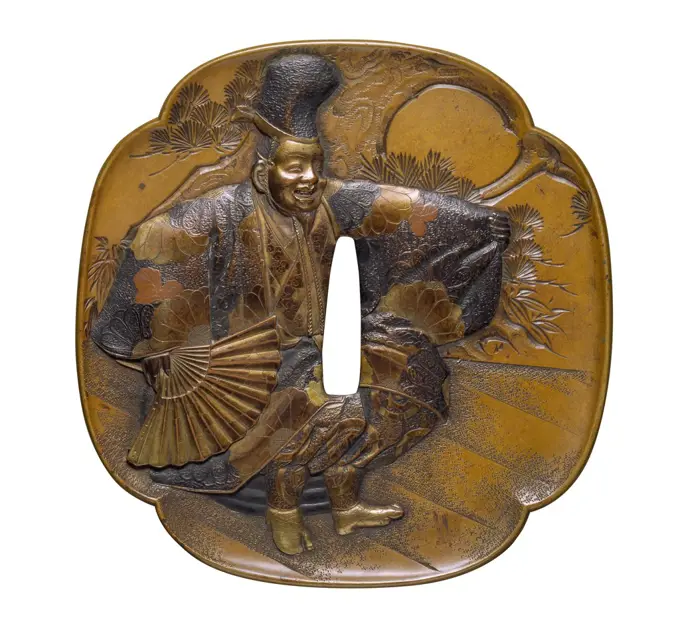
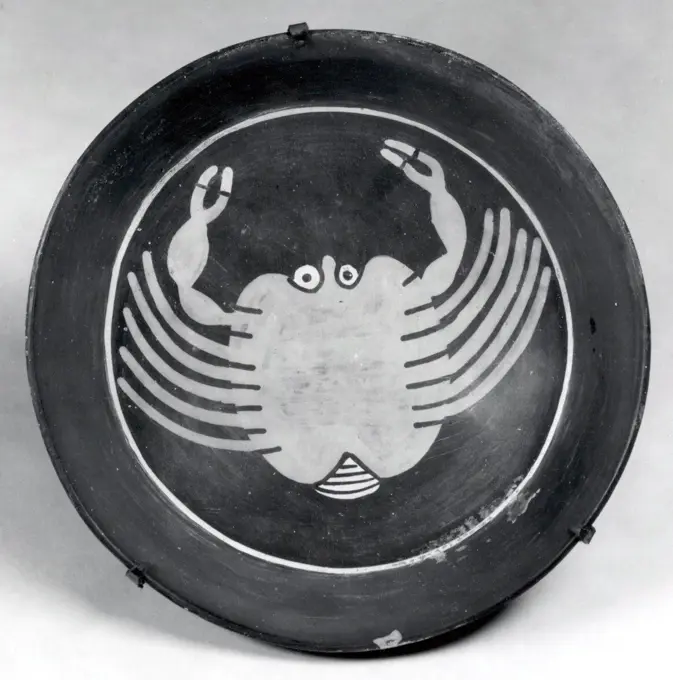
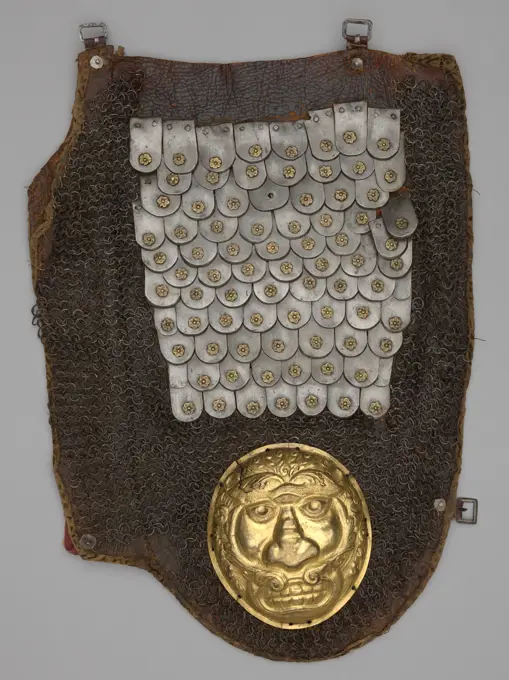
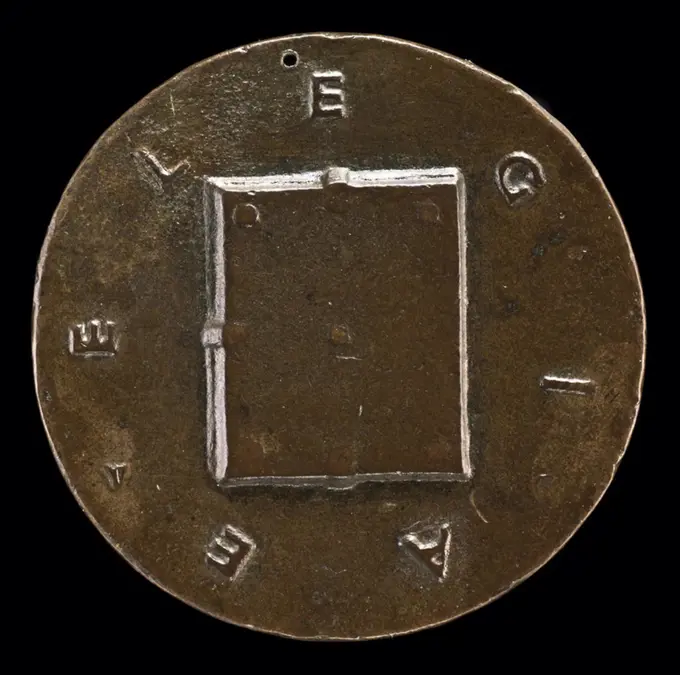
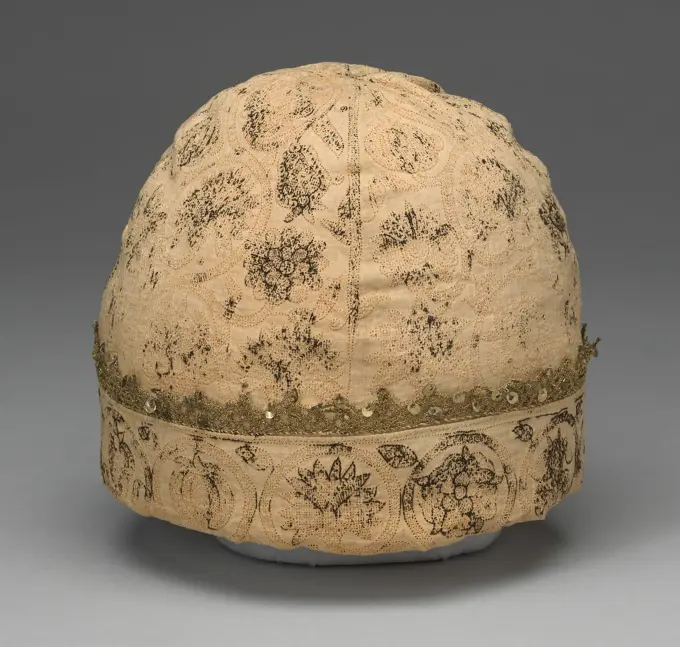
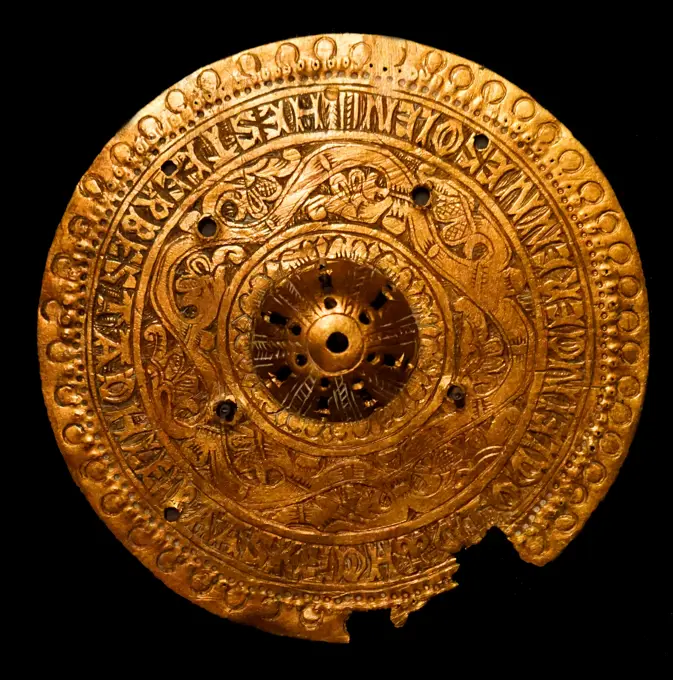
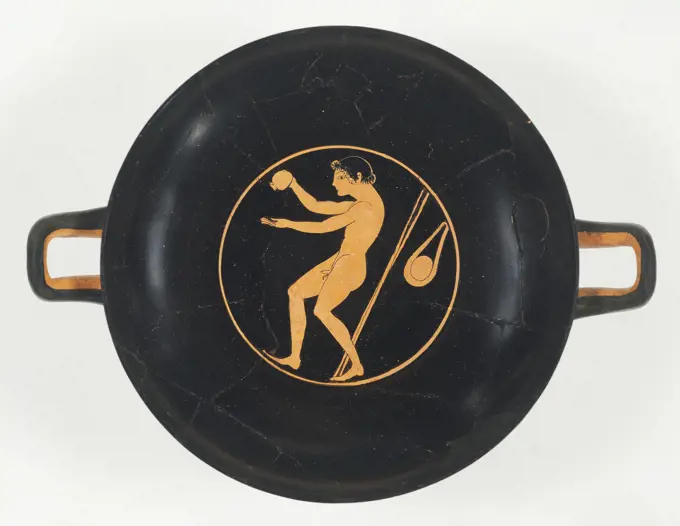
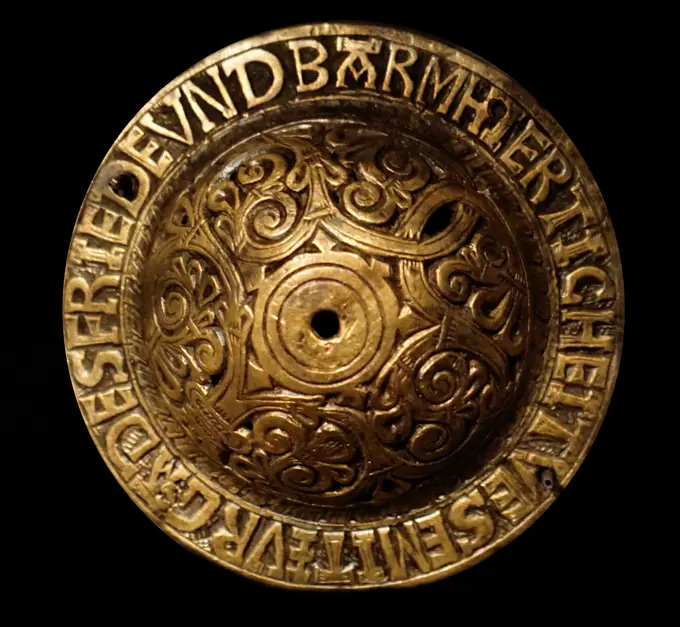
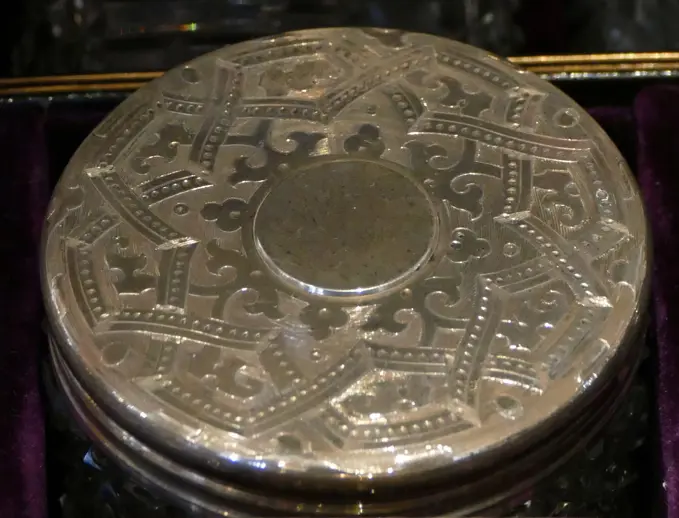
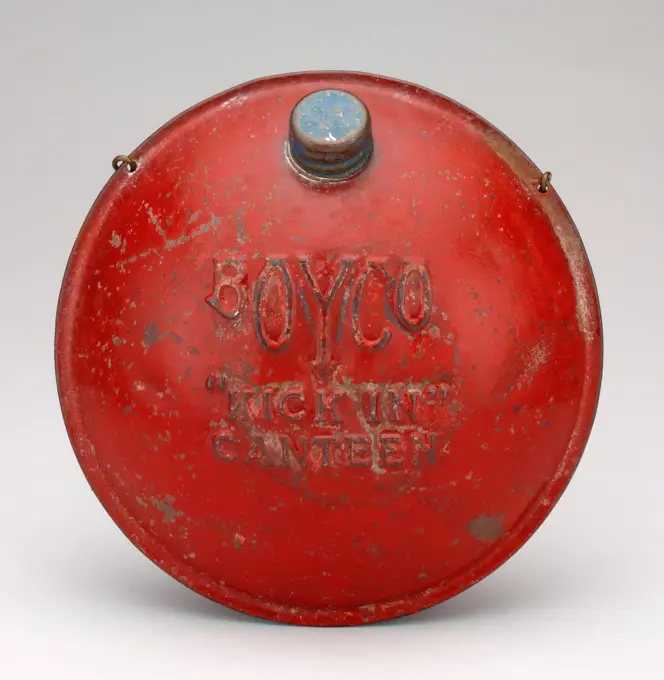
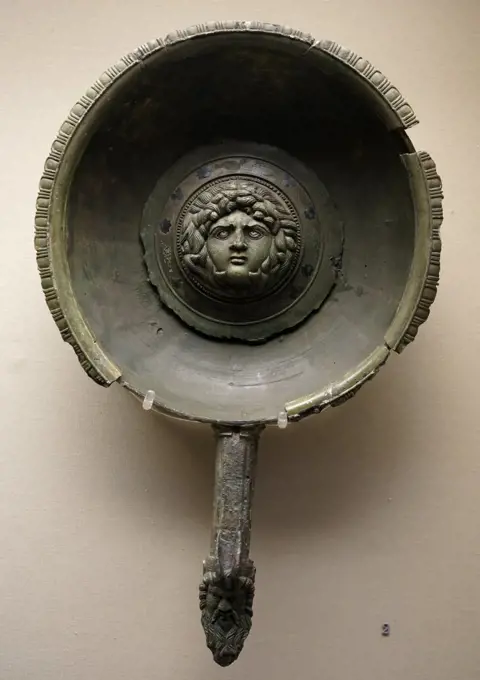
Marble diskos. Culture: Greek, Attic. Dimensions: diameter 4 1/2 in. (11.4 cm). Date: 6th century B.C..This diskos is one of a pair that were dedicated and later discovered still together; the mate is now in the Museum of Fine Arts, Boston. The inscription on this example identifies the owner as Telesarchos and adds from the tomb. Museum: Metropolitan Museum of Art, New York, USA.Prehistory, Romania, Iron Age. Getae and Thracian civilization. Treasure of Agighiol. Silver vessel with zoomorphic decoration. Detail of the base decoration.Recto, Front Tsuba (Hand Guard for Sword), 1860 Recto, Of mokko form, in relief, with a Samosso dancer wearing a mask. (Verso- Chased in Kebori (an engraving technique) with musical instruments)., Applied Arts, Asia, Arms, Armour, Sword, Metal, Resin, JapanStamp seal ca. 3rd-7th century A.D. Sasanian. Stamp seal 327723Bowl: Crab 2nd-4th century Nasca. Bowl: Crab 316272BabyCarrierSword Guard, c. 1800. Japan, Edo period (1615-1868). Iron (Soten type); diameter: 8.4 cm (3 5/16 in.).Przeszo PrzyszociGolden Artifact From Tardio Tribe In The Gold Museum In La Candelaria, The Old Town Of Bogota, ColombiaClosed Book reverse. Dated: c. 1446. Dimensions: overall (diameter): 4.07 cm (1 5/8 in.) gross weight: 35.67 gr (0.079 lb.) axis: 12:00. Medium: bronze. Museum: National Gallery of Art, Washington DC. Author: MATTEO DE' PASTI.Cap Made 1601-1700 England. Linen, plain weave; embroidered with silk .Kylix Fragment ca. 510-500 B.C. Attributed to the Painter of Berlin 2268 Interior, youth; exterior, fight.. Kylix Fragment 250260 : Attributed to the Painter of Berlin 2268, Kylix Fragment, ca. 510500 B.C., Terracotta, greatest dimension: 17.81 cm. The Metropolitan Museum of Art, New York. Gift of J. Pierpont Morgan, 1917 (17.194.1900)Saddle ornaments, crupper bosses and plaques, 17th-18th century, Icelandic, engraved with prayers and decoration.From a selection of stone vessels and other items from Kabri, Wadi Rabah culture from 7,500 years ago.Pendant 4th-8th century Atlantic Watershed. Pendant 313031Earflare 6th-9th century Wari. Earflare. Wari. 6th-9th century. Bone, shell, stone. Peru. Bone/Ivory-OrnamentsHalles and Markets of Paris: Jean Anson, 1698 Halles and Markets of Paris: Jean Anson, 1698 ". Copper. 1698-1698.Sword Guard (Tsuba) 19th century Japanese A tsuba is a sword guard and part of a sword mounting. It is mounted between the swords blade and grip to protect the users hands.. Sword Guard (Tsuba) 34975Wine Cup with an Athlete Applying Oil; Attributed to the Ambrosios Painter (Greek (Attic), active 510 - 500 B.C.); Athens, Greece; about 510 B.C; Terracotta; 6.5 × 25.1 × 18.9 cm (2 9,16 × 9 7,8 × 7 7,16 in.)Shieldacupuncture needles on antique Chinese coinCeramic fragment. Dimensions: Base D. 3.5 x D. 8.3 x H. 2.1 cm. Date: 8th-12th century. Museum: Metropolitan Museum of Art, New York, USA.Saddle ornaments, crupper bosses and plaques, 17th-18th century, Icelandic, engraved with prayers and decoration.Compaq mirror from a Ladies Travelling cosmetics case. 1873, Silver. Made by Thomas Johnson, London.False Coin, Gdańsk Shiling, Casimir IV Jagiellon (1447 1492)Portrait of a Man, early 1500s. Germany, early 16th century. Boxwood; diameter: 8.6 cm (3 3/8 in.).Boyco 'Kick In' Canteen' still bank, c. 1898, Boyle Manufacturing Company, Los Angeles, 4 1/4 x 4 1/4 x 1 3/4 in. (10.8 x 10.8 x 4.45 cm), Tin, pigment, United States, 19th-20th centuryBronze paterae with a central roundel depicting the head of Medusa, from Faversham, Kent. Dated 1st Century ADUrn from Silla dynasty. Imprinted floral pattern and yellowish green glaze. Excavated in Kyongju. From 7th to 8th century, during Silla to Unified Silla (57 BCE - 935)Globe still bank, c. 1920, 3 1/8 x 3 5/16 x 3 5/16 in. (7.94 x 8.41 x 8.41 cm), Ceramic, Austria, 20th century