Historical Metal Artifacts

A collection of historical metal objects including sword guards, buckles, and escutcheons, depicting various intricate designs and styles from different cultures and eras.
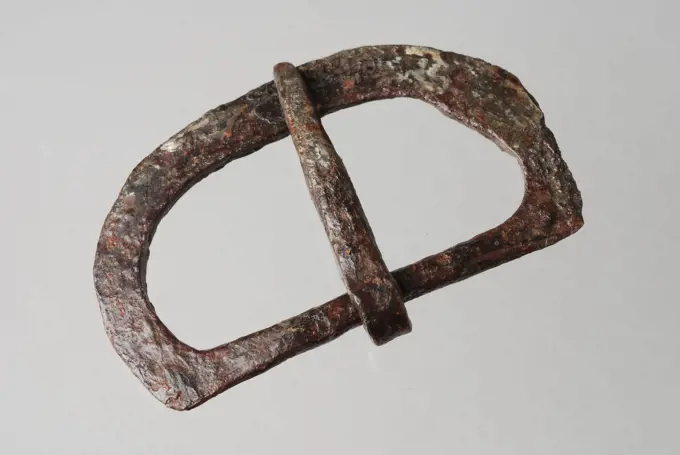
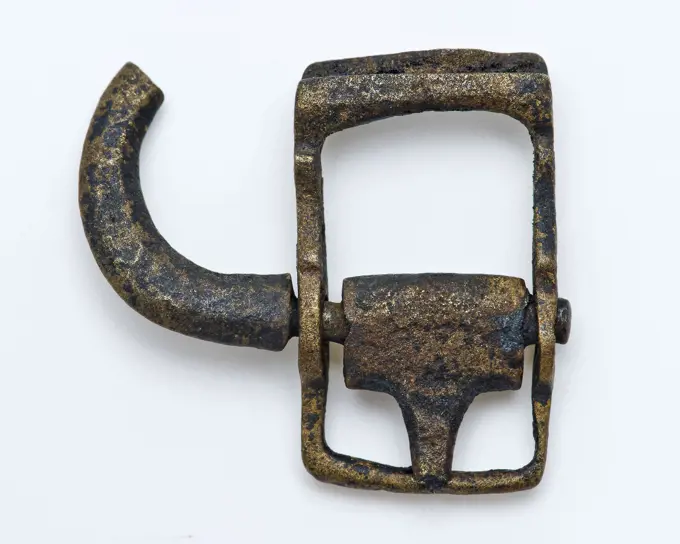
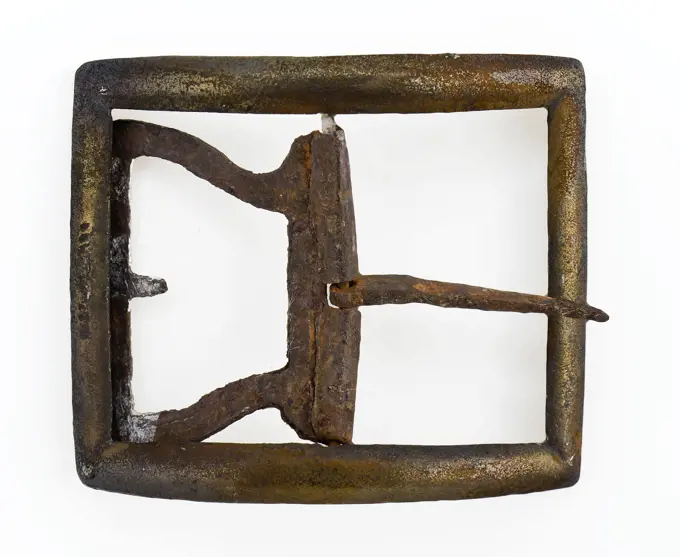
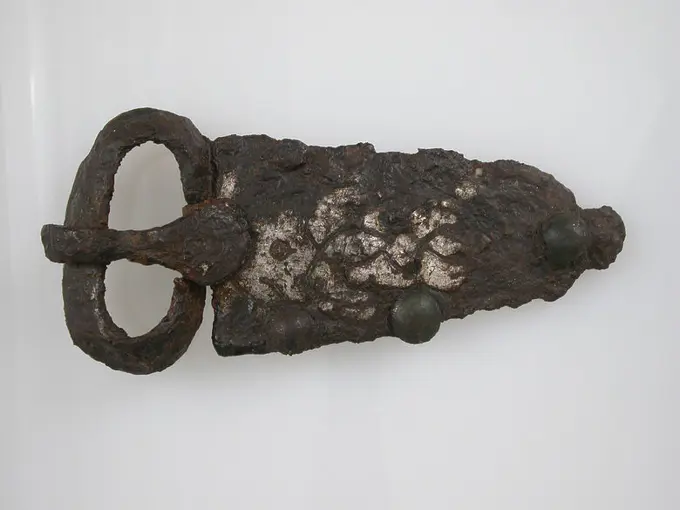
D-shaped buckle of iron, the sting runs over the entire bracket, buckle fastener strand soil finding iron w 6.5 lb angel 4.2 forged Iron clasp in the shape of letter D. Curled angel archeology Capelle aan den IJssel House at Capelle castle belt cavalry track kneepants footwear exhibition bag armor harness horse harness horse fastening Soil discovery: under residential tower oldest housing layer House at Capelle Capelle aan den IJssel 1965.
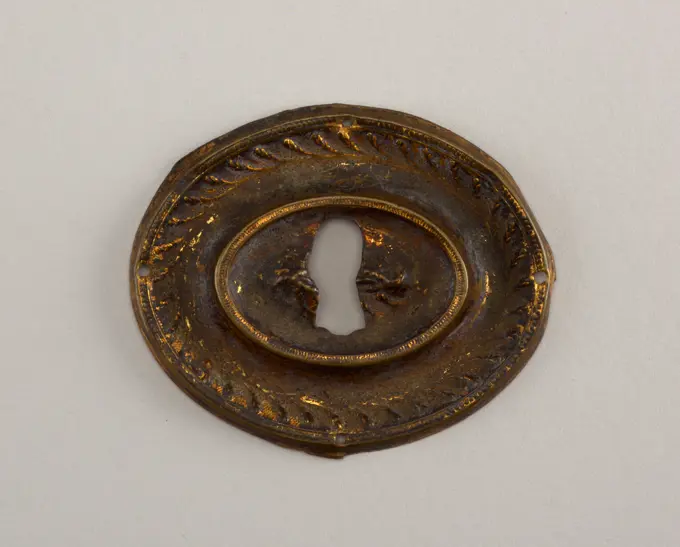
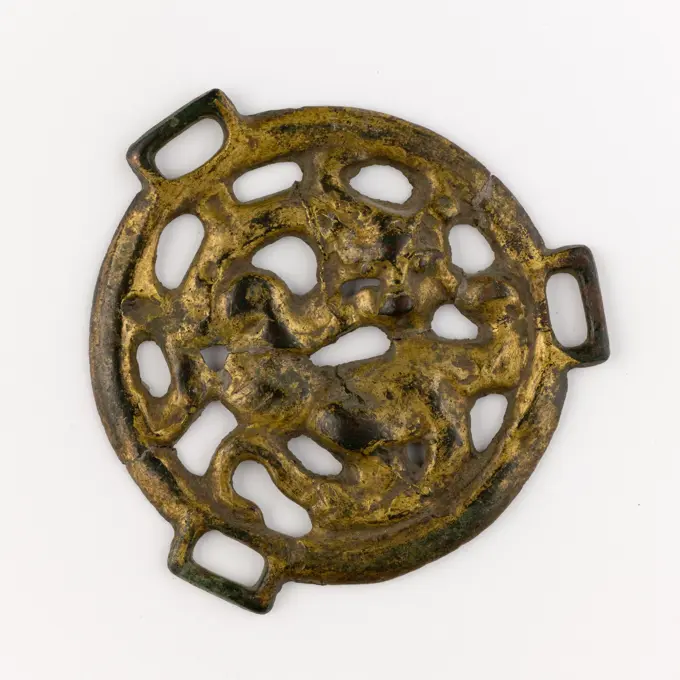
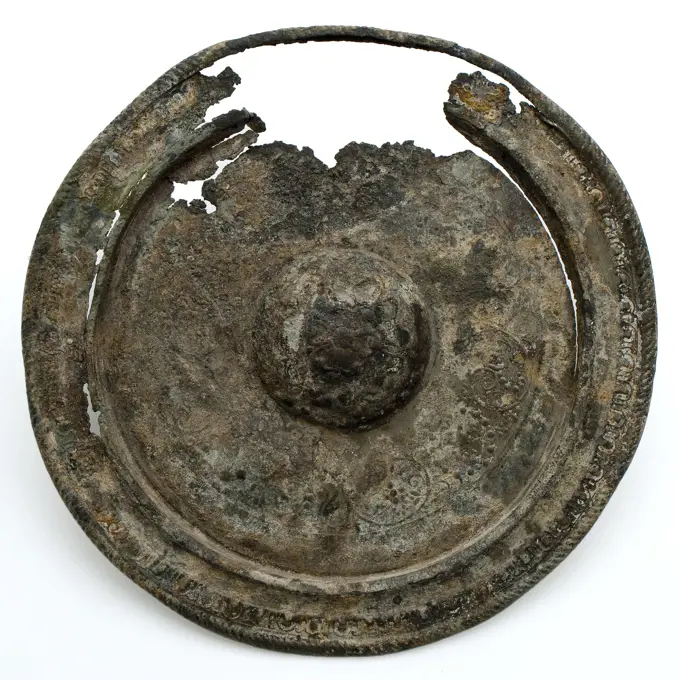
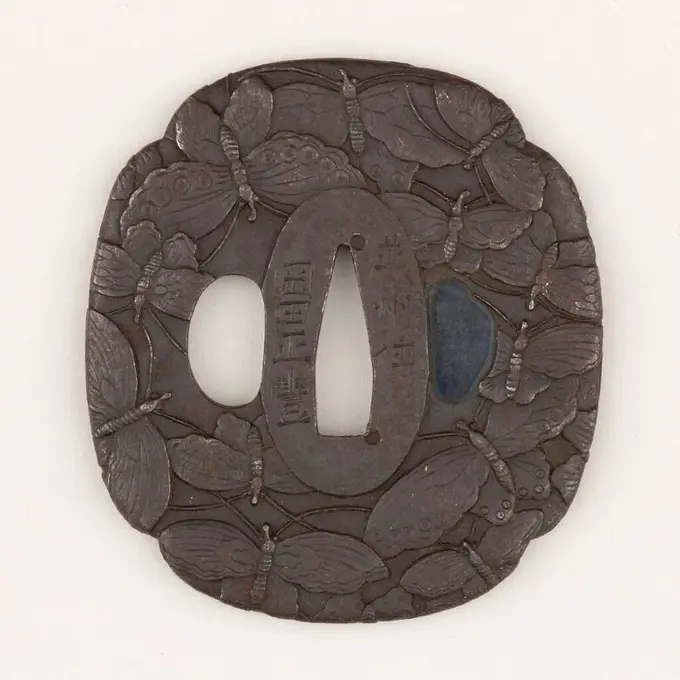
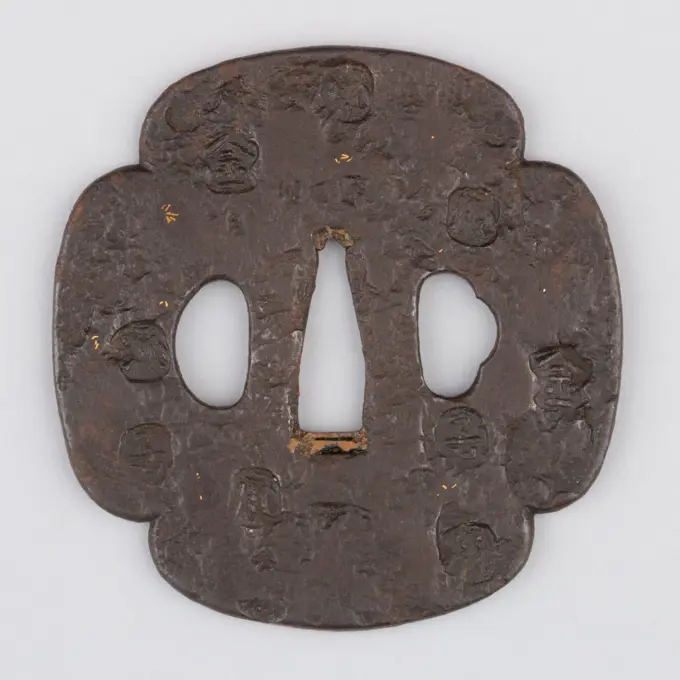
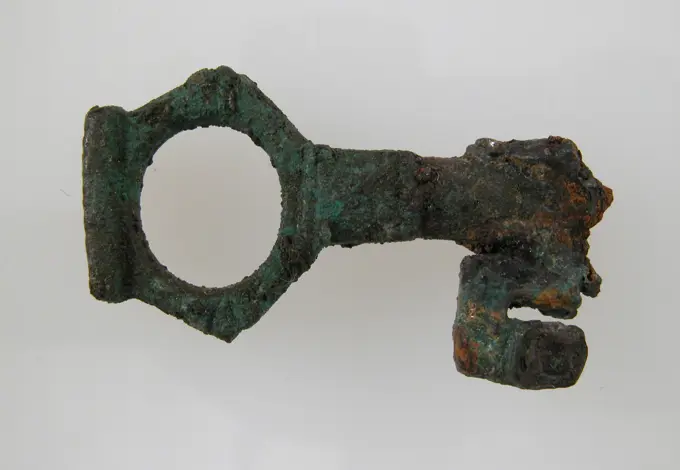
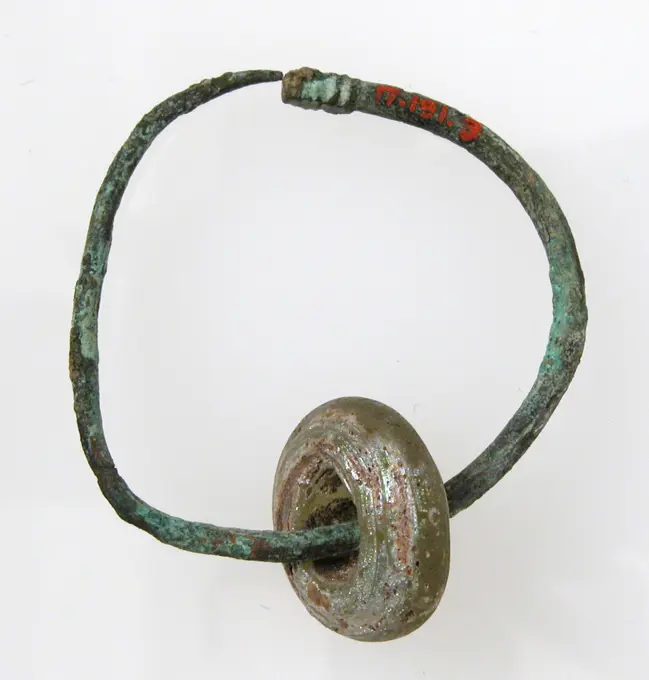
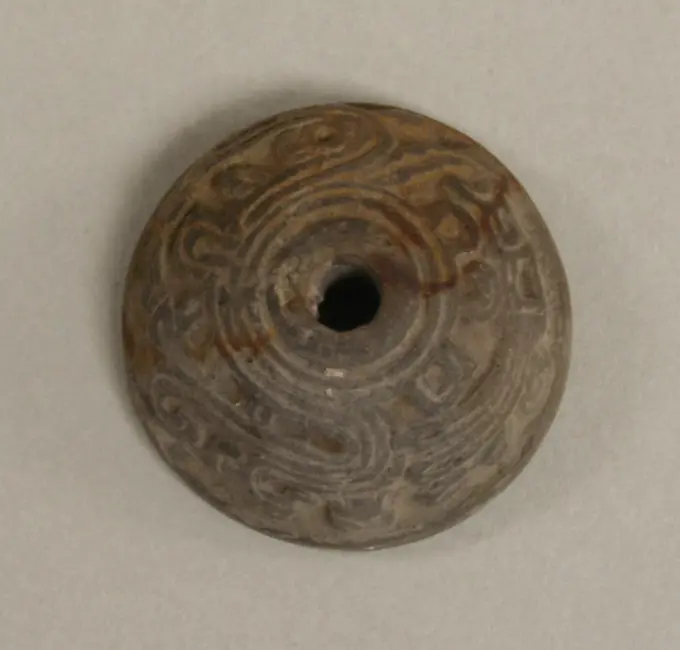
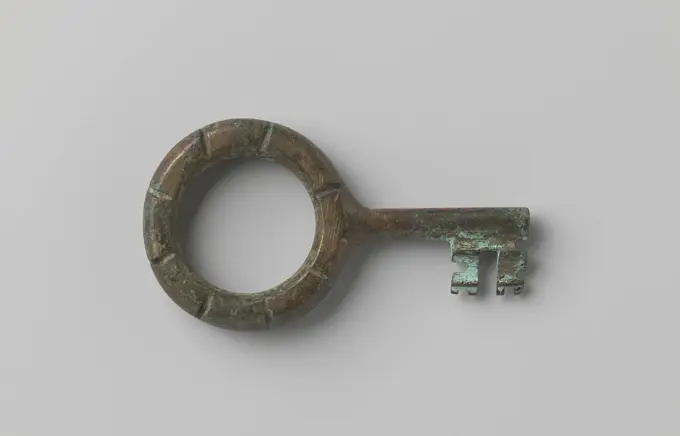
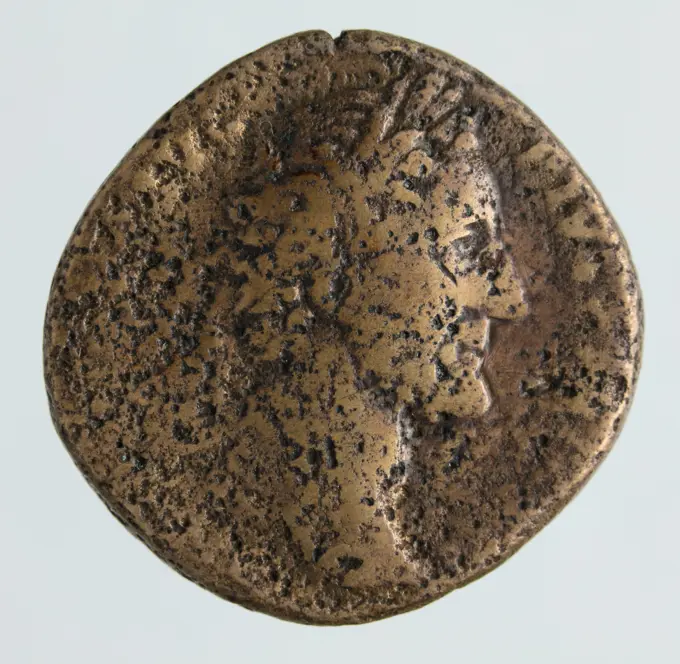
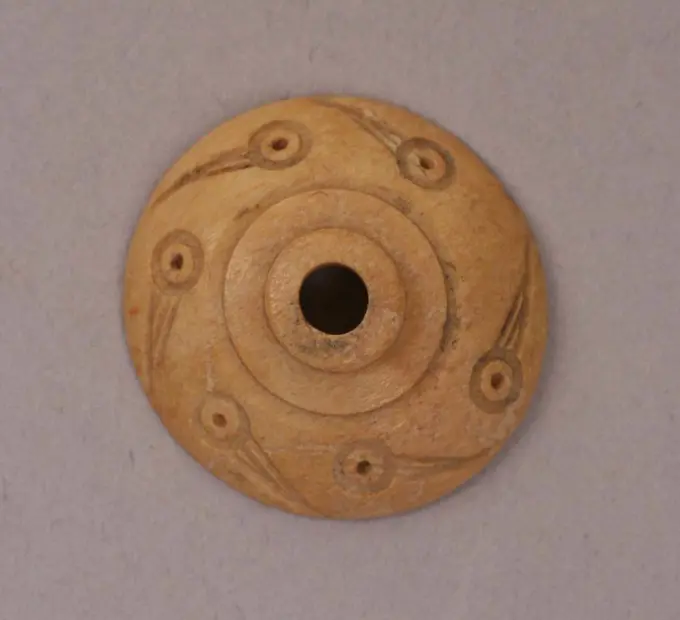
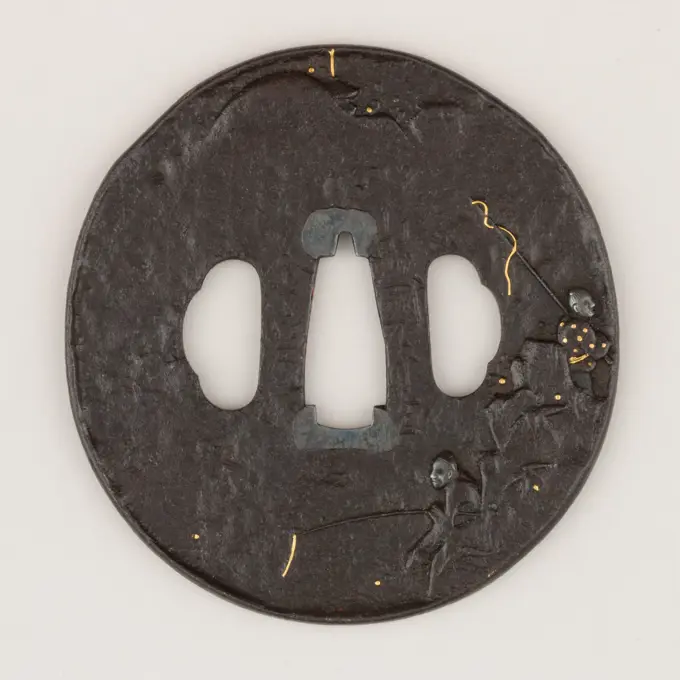
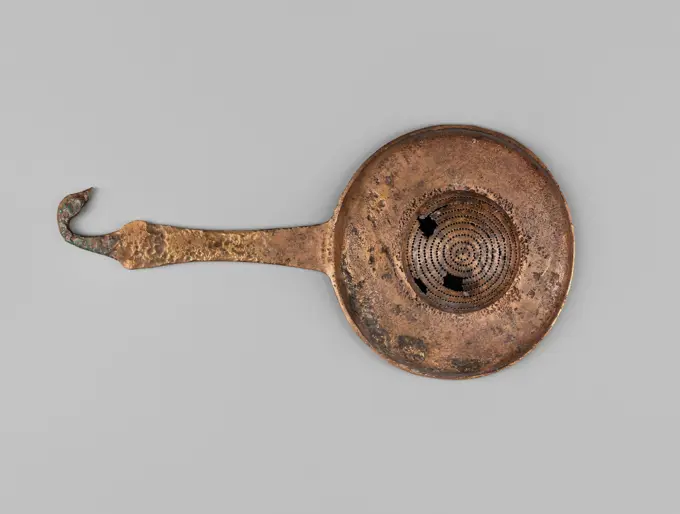
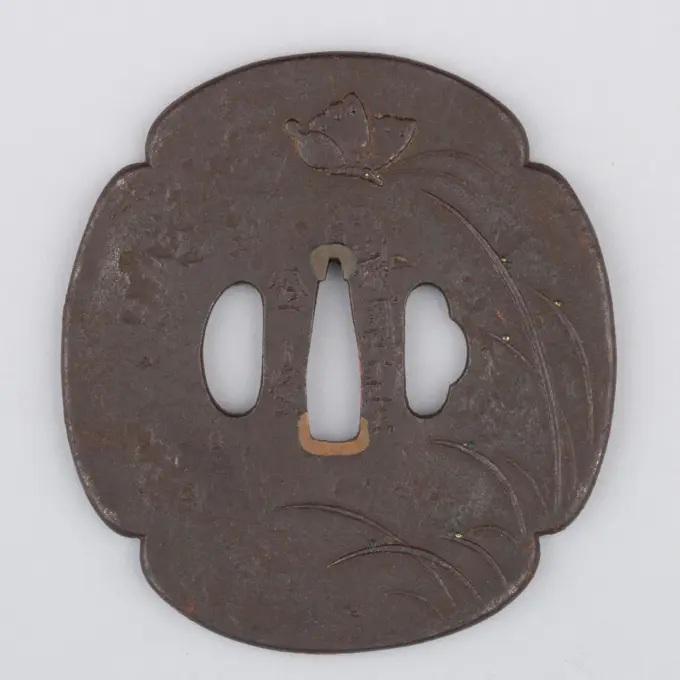
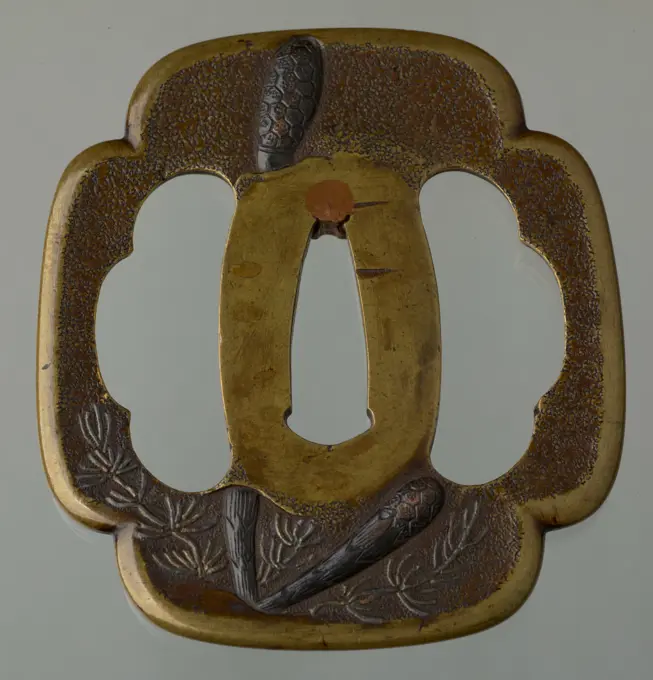
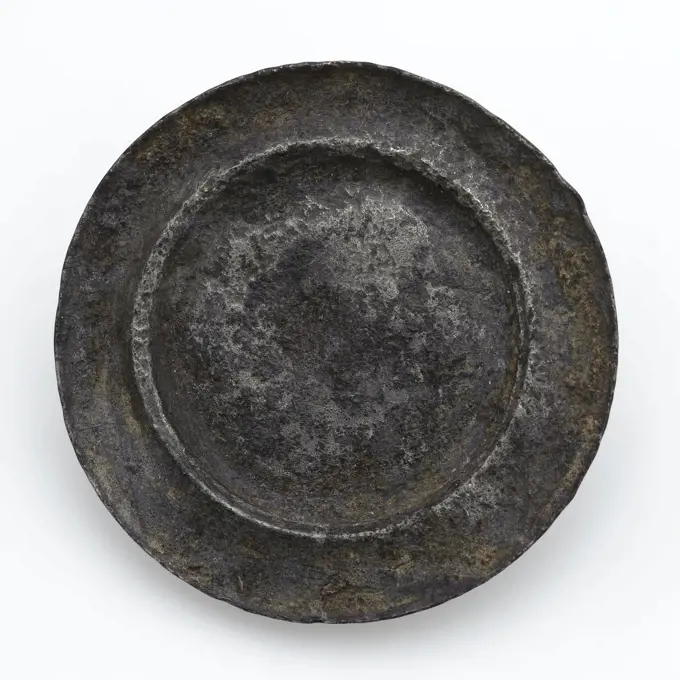
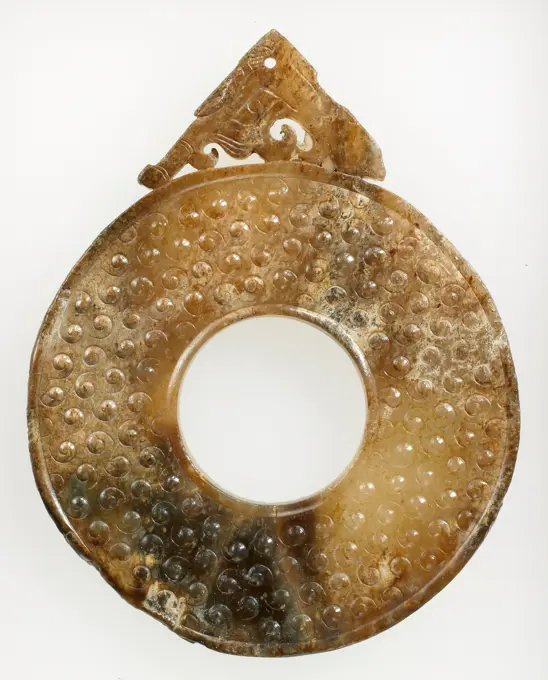
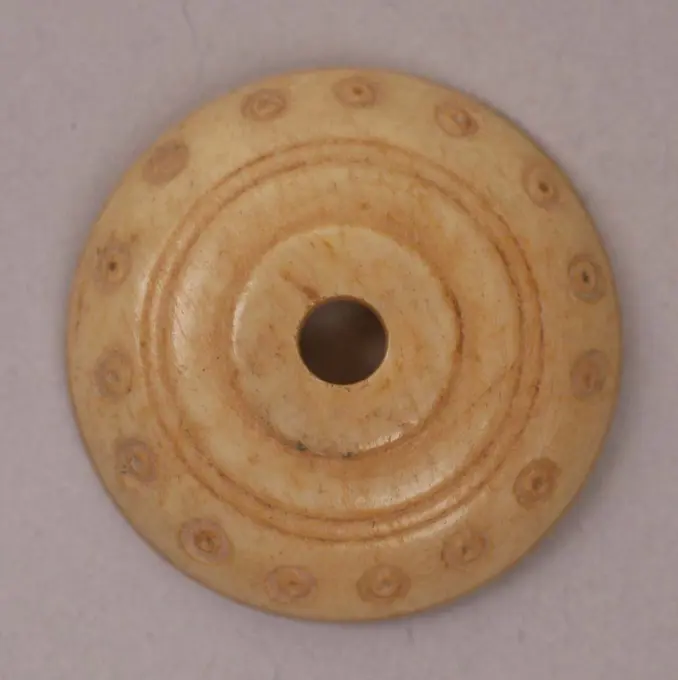
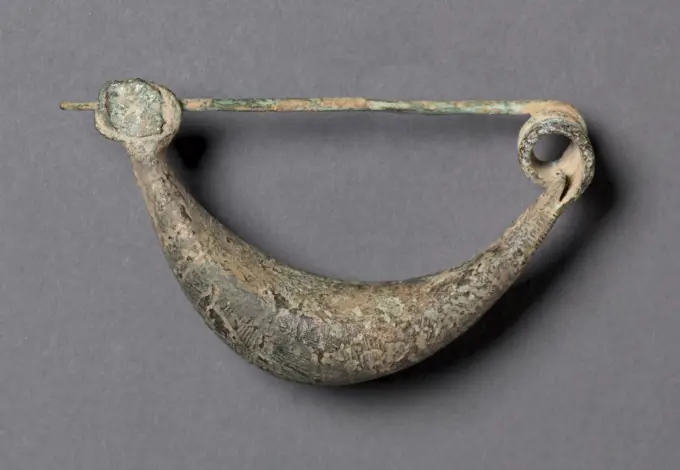
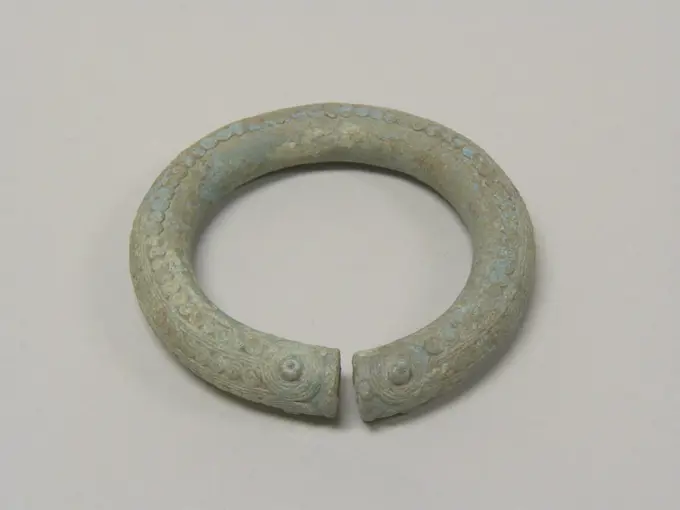
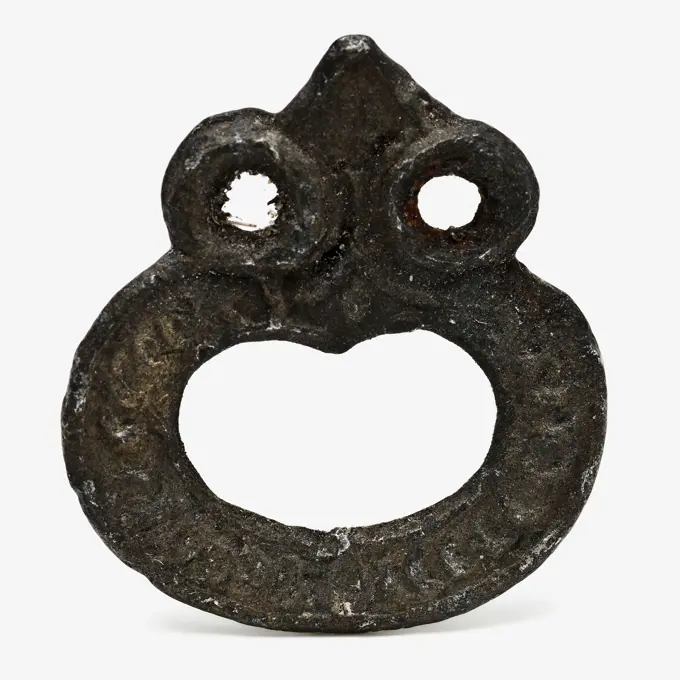
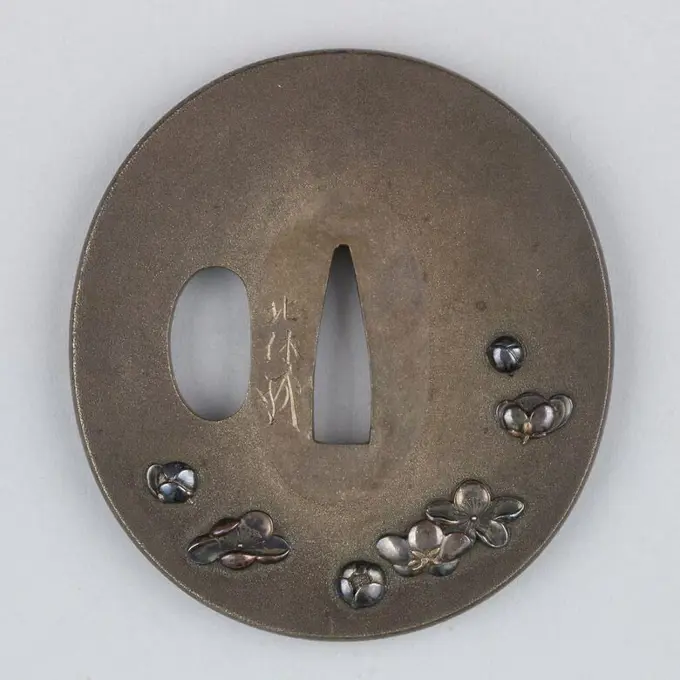
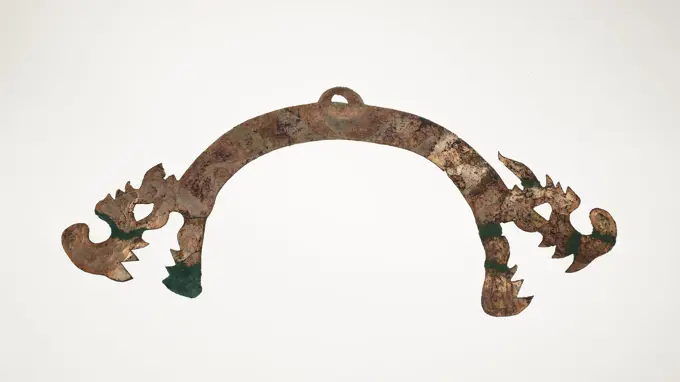
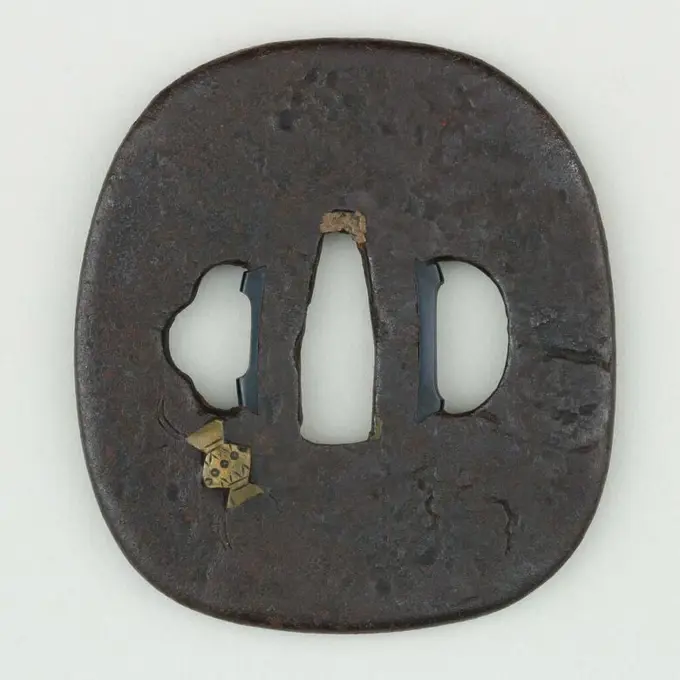
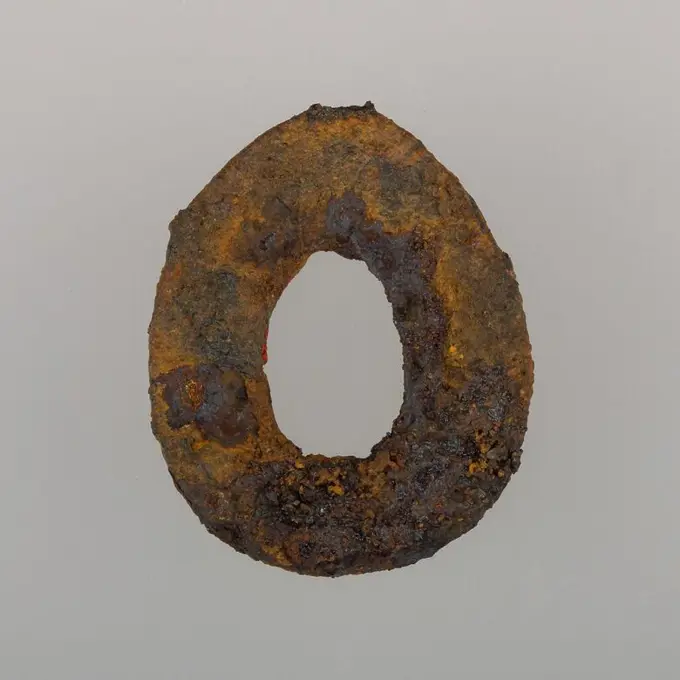
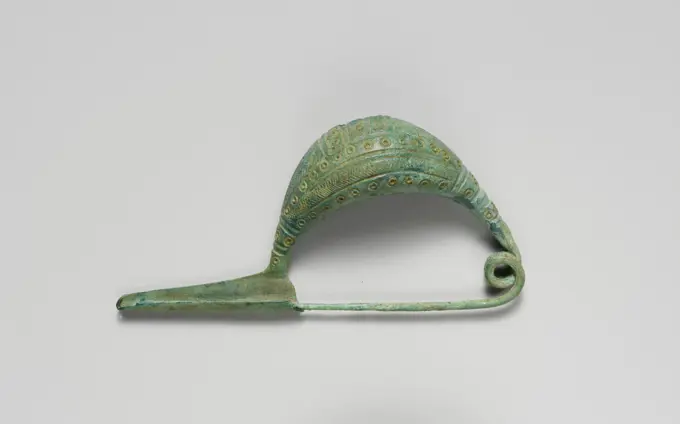
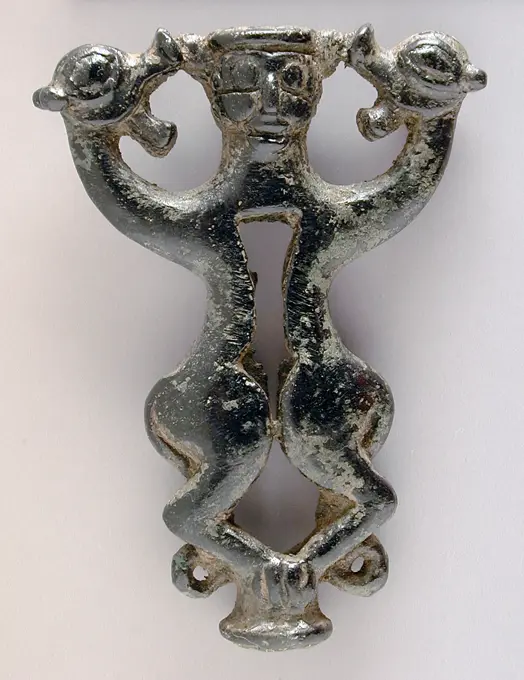
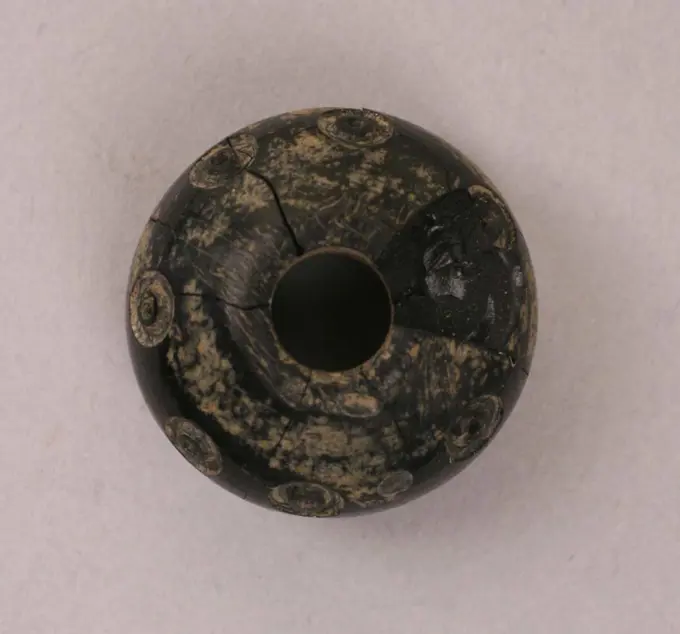
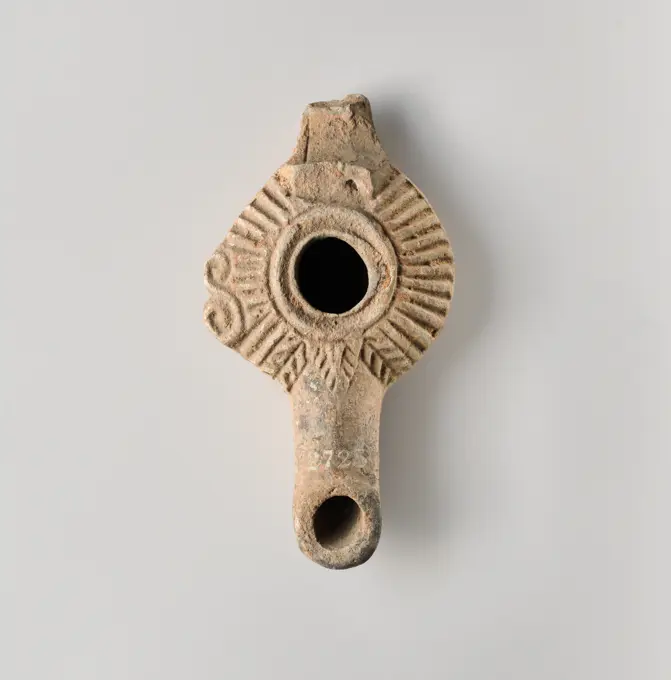
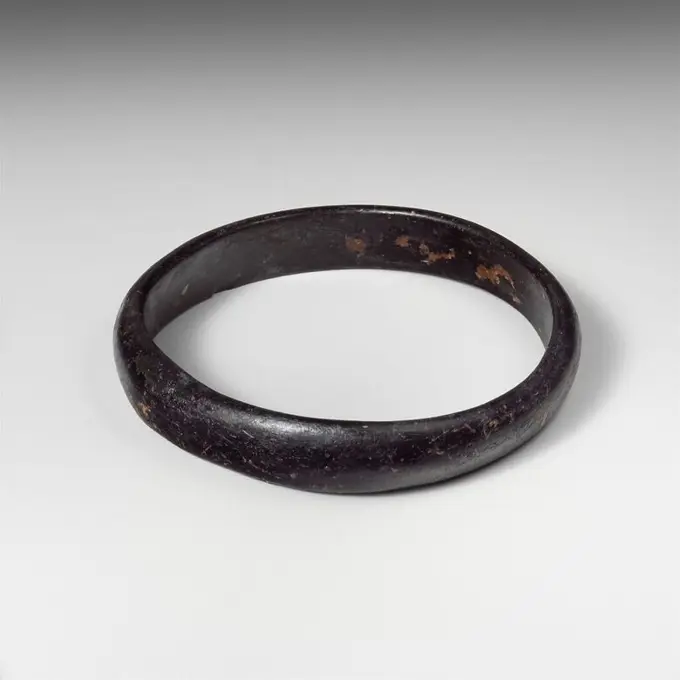
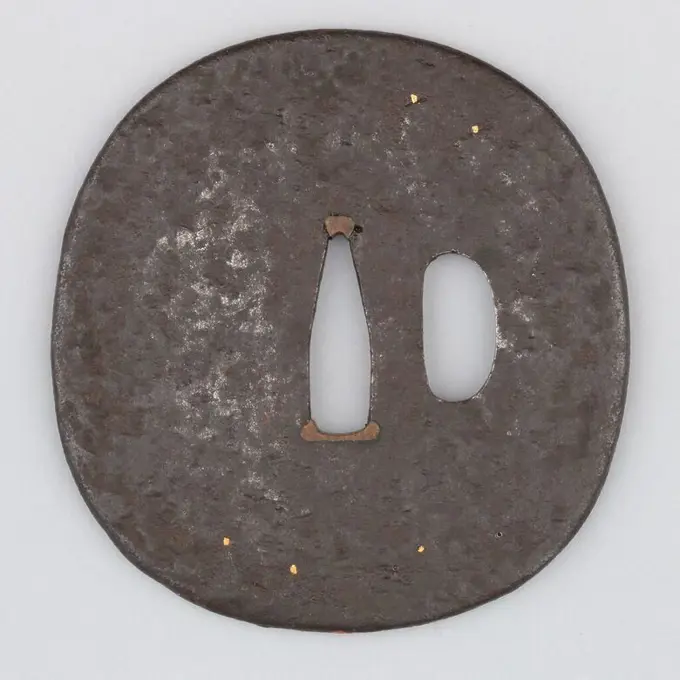
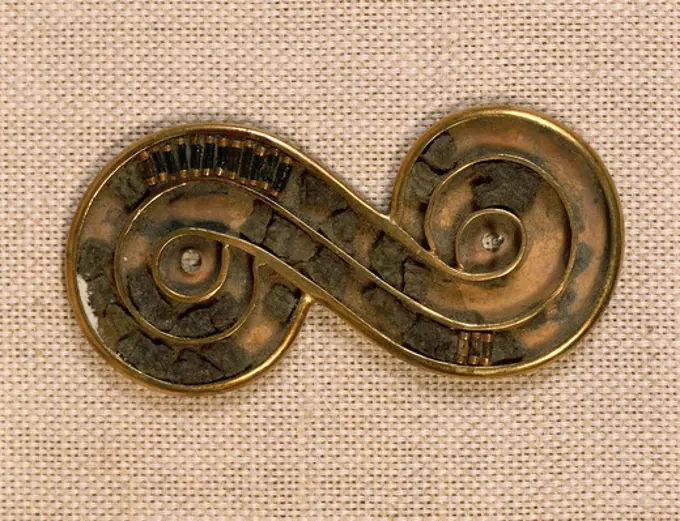
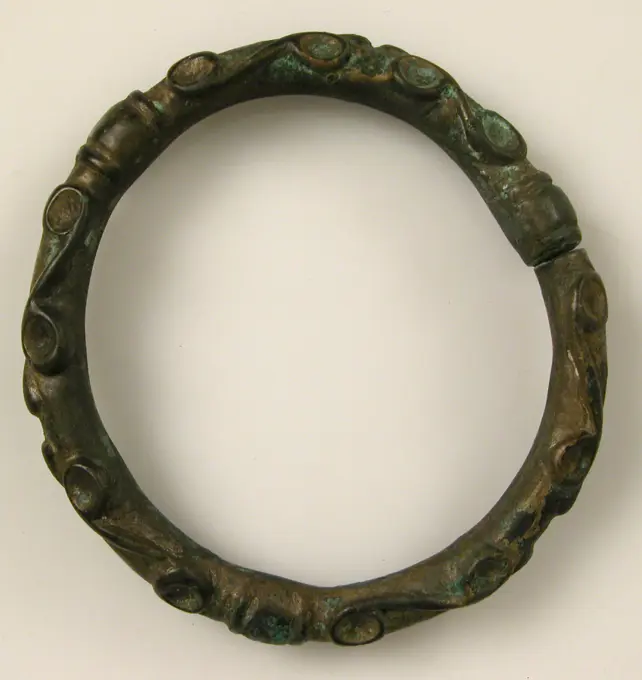
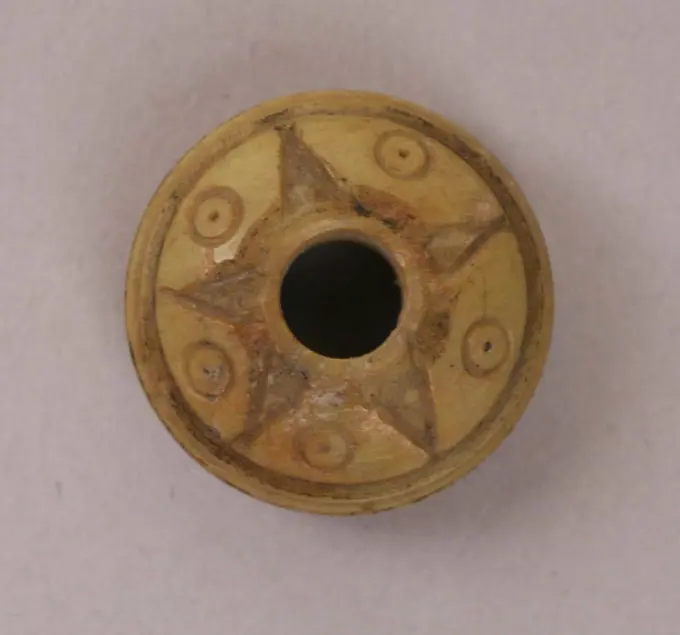
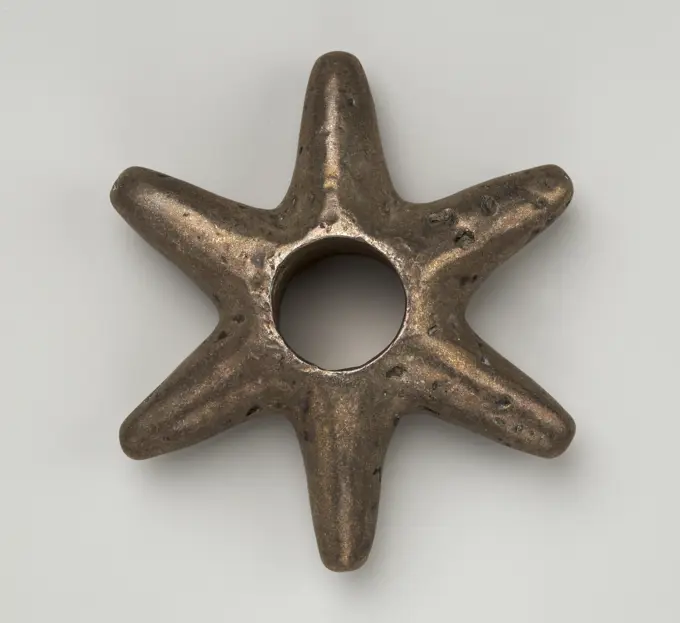
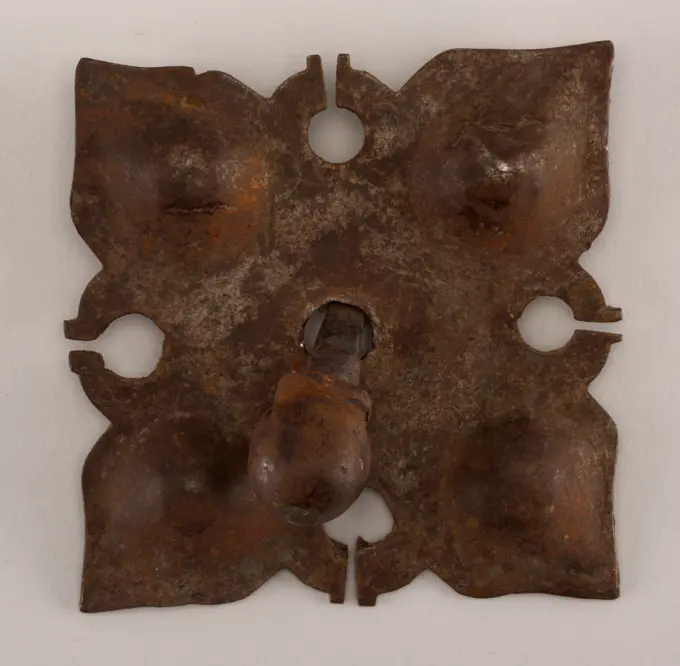
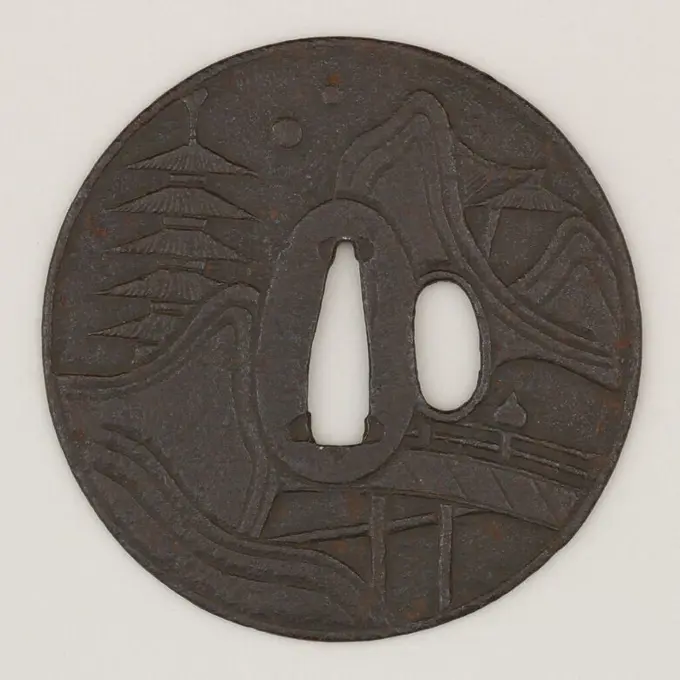
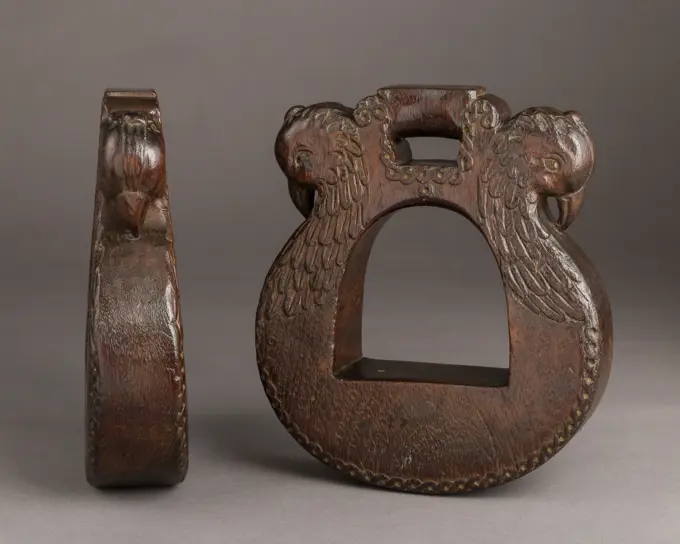
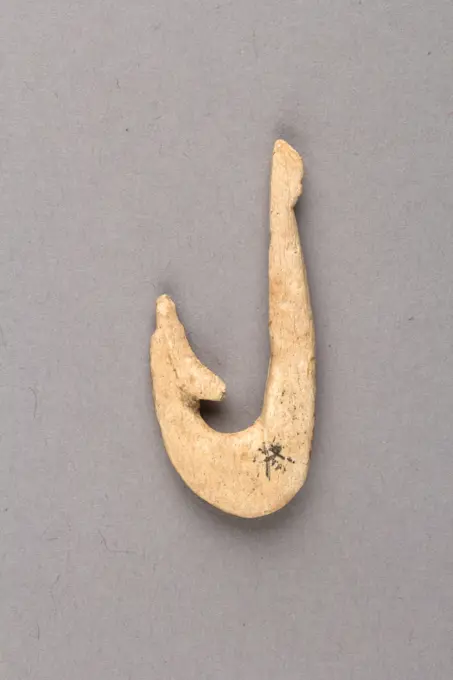
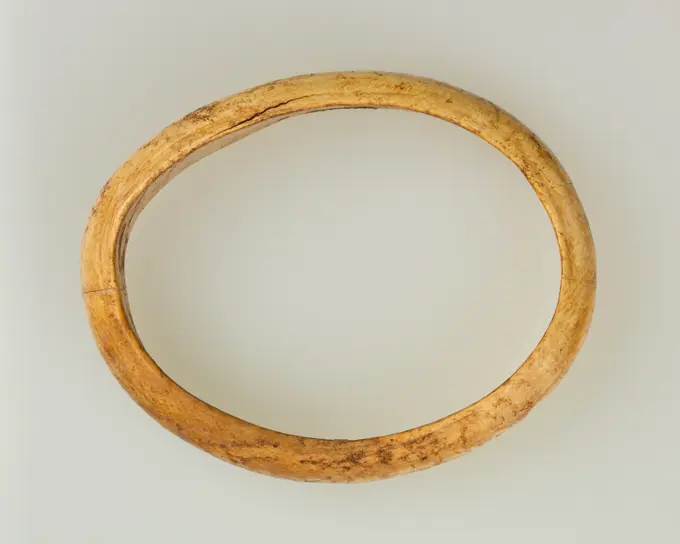
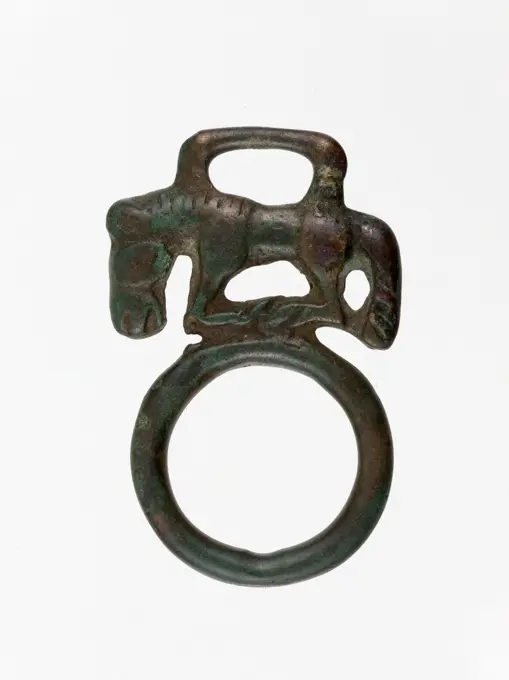
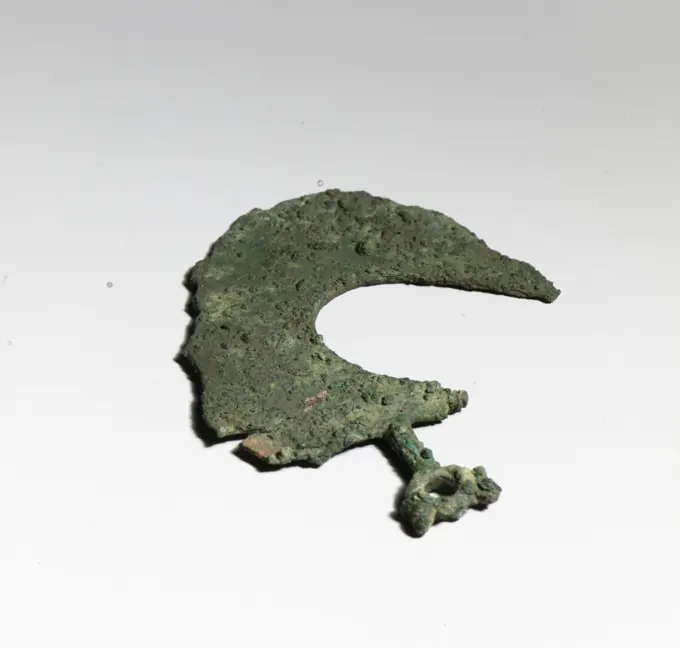
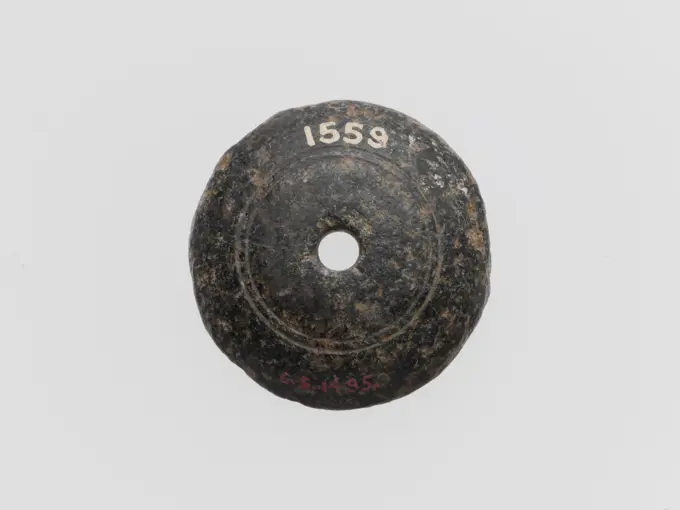
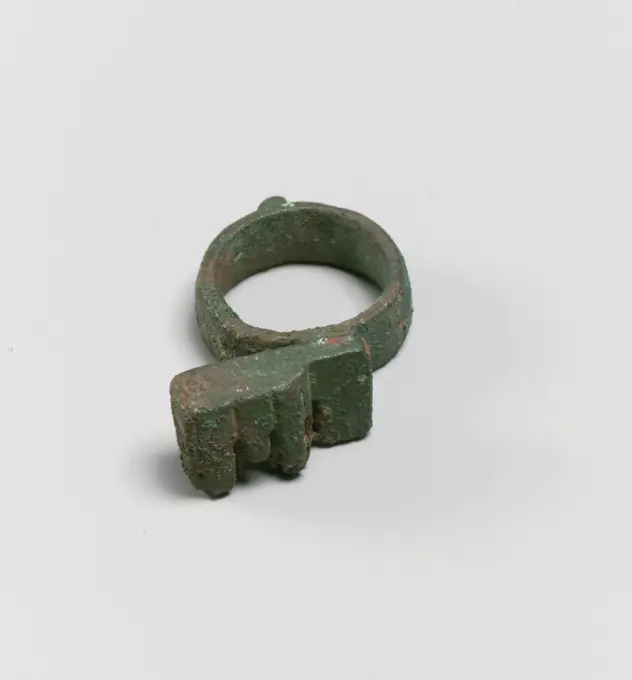
Sword Guard (Tsuba) possibly late 17th century Japanese A tsuba is a sword guard and part of a sword mounting. It is mounted between the swords blade and grip to protect the users hands.. Sword Guard (Tsuba) 29955Buckle dated 1585 Italian. Buckle. Italian. dated 1585. Brass. Miscellaneous-Buckles & Ornament. Oval tsuba in the shape of a frog with silver eyes and a copper tongue; The Ryo-Hitsu are filled with gold, which is machined as the iron (Ishime surface).Keyhole EscutcheonBuckle. Bronze, China, Han dynasty (206 BC AP.J.-C.). Paris, Cernuschi museum. Asian art, Chinese art, belt loop, bronze, circle, disc, han dynastyD-shaped buckle of iron, the sting runs over the entire bracket, buckle fastener strand soil finding iron w 6.5 lb angel 4.2 forged Iron clasp in the shape of letter D. Curled angel archeology Capelle aan den IJssel House at Capelle castle belt cavalry track kneepants footwear exhibition bag armor harness horse harness horse fastening Soil discovery: under residential tower oldest housing layer House at Capelle Capelle aan den IJssel 1965.Tin plate or lid with vines and flower decoration, lid closure part bowl crockery holder soil find tin metal, cast Pewter plate or lid with tendrils and flower decoration in the middle an elevated bud upright edge cord-shaped outer edge archeology Valckensteyn Poortugaal Albrandswaard adorn close up Soil discovery: castle Valckensteyn in Poortugaal now Albrandswaard.Sword Guard (Tsuba). Culture: Japanese. Dimensions: H. 2 3/4 in. (7 cm); W. 2 9/16 in. (6.5 cm); thickness 3/16 in. (0.5 cm); Wt. 3.9 oz. (110.6 g). Date: ca. 1615-1868. Museum: Metropolitan Museum of Art, New York, USA.Sword Guard (Tsuba) ca. 1615-1868 Japanese A tsuba is a sword guard and part of a sword mounting. It is mounted between the swords blade and grip to protect the users hands.. Sword Guard (Tsuba) 33468Sword Guard (Tsuba) 17th century Japanese A tsuba is a sword guard and part of a sword mounting. It is mounted between the swords blade and grip to protect the users hands.. Sword Guard (Tsuba) 26269Sword Guard (Tsuba) With the Motif of Two Rain Dragons (雨龍図南蛮鐔) ca. 1615-1868 Japanese This Nanban-tsuba (南蛮鐔) shows on the obverse (omote) the flush design of two rain dragons (amaryō) which are embedded into an arabesque pattern. The rim area is set off and decorated in a Greek key motif on both sides. The reverse (uratakara-zukushi): scrolls, an arrangement of four spindles (shippō), a clove, a weight, and a hollyhock leaf.. Sword Guard (Tsuba) With the Motif of Two Rain Dragons (雨龍図南蛮鐔) 25679Key 7th century Frankish. Key. Frankish. 7th century. Copper alloy. Made in Niederbreisig, Niederbreisig. Metalwork-Copper alloyBuckle with rectangular bracket with middle post and stern, long curved axle, continuous, buckle fastener part soil find copper metal, Rectangular bracket with middle post from the middle. Longer side of the bracket is wider. Around the middle post an angel Middle post runs on one side outside the bracket and ends in hook Archeology Rotterdam confirming rail tunnel Soil discovery: trajectory rail tunnel Rotterdam.Earring 7th century () Late Roman. Earring. Late Roman. 7th century (). Copper alloy, glass bead. Metalwork-BronzeRing with Ingot Bezel 800 BCE-700 BCE Thessaly. This precious bronze object is a votive, or devotional gift, made as an offering to the gods. They come in many forms, such as animals, beads and brooches. Many seem once to have been attached to something else. Votiveswere hung from sacred trees or placed in sanctuaries around Greece. Once a shrine was full, the votives were ceremonially buried to make room for more offerings.. Bronze . Ancient GreekHand guard, Myochin Munehide, 1600 - 1699 Mokko-shaped tsuba with slightly swiveled sides and raised edge; In negative silhouette a Chinese fan; On one side also a fan in relief; Signed "Myochin MuneHide". Japan iron (metal) Mokko-shaped tsuba with slightly swiveled sides and raised edge; In negative silhouette a Chinese fan; On one side also a fan in relief; Signed "Myochin MuneHide". Japan iron (metal)Sword Guard (Tsuba) 18th century Japanese A tsuba is a sword guard and part of a sword mounting. It is mounted between the swords blade and grip to protect the users hands.. Sword Guard (Tsuba) 26240Sword Guard (Tsuba). Culture: Japanese. Dimensions: H. 2 13/16 in. (7.1 cm); W. 2 5/8 in. (6.7 cm); thickness 3/16 in. (0.5 cm); Wt. 3.1 oz. (87.9 g). Date: ca. 1615-1868. Museum: Metropolitan Museum of Art, New York, USA.Spindle Whorl 9th-15th century Mexican. Spindle Whorl 315833Key. Great, ring-shaped eye through transverse notches from a silk.Fibula. UnknownBliżej Kultury Antoninus Pius, Mint of RomePlanets-manager. Cornalet Collection Sites 2013-2016. Numismatic.Ring with scarab. Ring with scarab 243592Hemispherical Cup. UnknownButton or Bead 9th-10th century This object was excavated at Nishapur.Nishapur was a vital city in the early and middle Islamic periods, located along one of the main trajectories that connected Iran and West Asia Islamic lands with Central Asia and China. These itineraries are often referred to by the term Silk routes’ but were in fact crucial to the movement of constellations of materials and objects, as well as people and ideas. The diverse population of Nishapur and its surroundings, from the better-researched elite groups of merchants, land-owning aristocracy, and literates, to the less-known artisans, farmers, miners, and servants, were instrumental in adapting global cultural trends to create their own distinctive visual languages. This is seen in the material remains of everyday life in medieval Nishapur - from pots and pans to lighting devices, inkwells, textiles and trimmings, jewelry, games and toys, talismanic devices, weapons, coins, and architectural fragments.Nishapur lSword Guard (Tsuba) late 16th-early 17th century Japanese A tsuba is a sword guard and part of a sword mounting. It is mounted between the swords blade and grip to protect the users hands.. Sword Guard (Tsuba) 25818Spiral Fibula 800 BCE-700 BCE Thessaly. This precious bronze object is a votive, or devotional gift, made as an offering to the gods. They come in many forms, such as animals, beads and brooches. Many seem once to have been attached to something else. Votives were hung from sacred trees or placed in sanctuaries around Greece. Once a shrine was full, the votives were ceremonially buried to make room for more offerings.. Bronze . Ancient GreekMirror. Culture: China. Dimensions: Diam. 3 3/4 in. (9.5 cm). Museum: Metropolitan Museum of Art, New York, USA.39 keys from the collection of Emmanuel Vita Israël, anonymous, 1200 - 1400 Key with serrated cloverleaf -shaped eye and a beard perpendicular placed on the short shaft.  bronze (metal) Key with serrated cloverleaf -shaped eye and a beard perpendicular placed on the short shaft.  bronze (metal)Sword Guard (Tsuba) ca. 1615-1868 Japanese A tsuba is a sword guard and part of a sword mounting. It is mounted between the swords blade and grip to protect the users hands.. Sword Guard (Tsuba) 34442Hand guard, anonymous, 1600 - 1900 Mokko-shaped tsuba with plum blossoms on both sides in silver relief and branches in gold; The Ryo-Hitsu are filled with gold that is shaded. Japan iron (metal). gold (metal). silver (metal) Mokko-shaped tsuba with plum blossoms on both sides in silver relief and branches in gold; The Ryo-Hitsu are filled with gold that is shaded. Japan iron (metal). gold (metal). silver (metal)Boat-Shaped Fibula, 900-700 BC. Italy, Etruscan, 10th-8th century BC. Bronze; overall: 4.1 cm (1 5/8 in.).Bronze attachment with silver studs 1st century B.C. Greek This highly ornate object formed one of the feet on the base of a bronze situla (wine bucket). Examples of this type have been found on the Late Hellenistic shipwreck off the coast of Mahdia, Tunisia and in houses at Pompeii.. Bronze attachment with silver studs 251250 Greek, Bronze attachment with silver studs, 1st century B.C., Bronze, silver, h. 1 7/16 in. (3.7 cm); w. 3 1/2 in. (8.9 cm). The Metropolitan Museum of Art, New York. Rogers Fund, 1922 (22.139.78)Sitko z uchwytem w formie głowy łabędzia. unknown, authorSword Guard (Tsuba) ca. 1615-1868 Japanese A tsuba is a sword guard and part of a sword mounting. It is mounted between the swords blade and grip to protect the users hands.. Sword Guard (Tsuba) 33443Buckle with rectangular, curved handle, middle post and angel, buckle fastener component soil find copper iron metal, archeologyCDK Unknown, Higo school, Shimizu jingoPipe key, c. 1400 - c. 1950 Pipe key with flat, ring -shaped eye and a flat, quadrangular beard on either side of the shaft.  bronze (metal) Pipe key with flat, ring -shaped eye and a flat, quadrangular beard on either side of the shaft.  bronze (metal)Andreas van Duyveland, Pewter toy plate with wide stand and narrow edge, marked, plate crockery holder toy relaxant miniature soil find tin metal h 0,2, cast tin plate. Toys Wide stand surface short side wall and narrow flag. Marked at the bottom on the bottom Tin mark: AVD in crown remaining part mark missing archeology indigenous tin child child play game playXi Bi Disc, 206 BCE - 220 CE, 2 1/8 x 1/8 in. (5.4 x 0.4 cm) (outer diameter), Tannish brown jade with dark brown clouds, China, 3rd century BCE - 3rd century CEButton or Bead 9th-10th century The dot-in-circle motif recalls designs presumed to be of magical significance, most likely an abstract eye to ward off the evil-eye, which serves an apotropaic function. Easily reproduced with a tool and visible in many cultures and times, this symbol may have lost its meaning, and become simply a decorative pattern, or may have one that we have not yet discovered.. Button or Bead 450030Grahal-Manzara. Carnavalet 2013-2016 collection sites. Numismatics. Crown punch, branch branches and oakBoat-Shaped Fibula, 900-700 BC. Italy, Etruscan, 10th-8th century BC. Bronze; overall: 8.5 cm (3 3/8 in.).Rectangular shoe buckle with rounded corners, buckle fastener part soil find copper brass metal, cast Something round. Cascading sawaversiering archeology Rotterdam Kralingen-Crooswijk Struisenburg Oostmaaslaan confirming shoe Soil discovery: Oostmaaslaan at the site of the Schieland pumping station.One from a Pair of Bangles 300 B.C.-A.D. 400 Thailand. One from a Pair of Bangles 53264Bit Boss late 16th - early 17th century Italian or French Bit bosses were ornamental elements decorating both sides of a horse bit. These hat-shape bit bosses, probably inspired by Ancient shield bosses excavated at the time, were very popular in Italy and France in the 16th and the early 17th century.. Bit Boss. Italian or French. late 16th - early 17th century. Copper alloy, gold. Equestrian Equipment-BitsPewter, decorated belt buckle with three eyes, buckle belt clothing accessory clothing soil find tin metal, cast Pewter buckle closure with three eyes One elongated oval hole with an inwardly curved frame and two small eyes above it. Fully decorated with series of sickle shapes. Possibly an ornamental closure so actually fitting archeology Rotterdam railway tunnel fastening closing fastening taking belt Soil discovery: trajectory rail tunnel Rotterdam.Sword Guard (Tsuba). Culture: Japanese. Dimensions: H. 2 3/4 in. (7 cm); W. 2 1/2 in. (6.4 cm); thickness 5/16 in. (0.8 cm); Wt. 5.5 oz. (155.9 g). Date: 18th century. Museum: Metropolitan Museum of Art, New York, USA.Dragon-head Huang Plaque, 2nd-3rd century, 6 x 16 3/4 in. (15.24 x 42.55 cm), Gilt bronze, China, 2nd-3rd centuryPendant in the form of an axe ca. early 3rd millennium B.C.. Pendant in the form of an axe 326644Fragments of a cart or chariot, loops ca. 500-480 B.C. Etruscan Large collection of bronze and iron attachments once belonging to a chariot.. Fragments of a cart or chariot, loops 253024 Etruscan, Chariot fragments, loops, ca. 500480 B.C., Bronze, 2 1/16  2 1/4 in. (5.2  5.7 cm). The Metropolitan Museum of Art, New York. Fletcher Fund, 1929 (29.131.3n1n2)Plate. Bronze, China, IV-IIe s. av. Paris, Cernuschi museum. Asian art, Chinese art, bronze, Asian civilization, Chinese civilization, plaqueSword Guard (Tsuba). Culture: Japanese. Dimensions: H. 2 13/16 in. (7.1 cm); W. 2 9/16 in. (6.5 cm); thickness 3/16 in. (0.5 cm); Wt. 4.5 oz. (127.6 g). Date: 17th century. Museum: Metropolitan Museum of Art, New York, USA.Belt Buckle. Culture: Frankish or Burgundian. Dimensions: Overall: 8 1/16 x 3 5/8 x 1 3/16 in. (20.4 x 9.2 x 3 cm). Date: 6th-7th century. Museum: Metropolitan Museum of Art, New York, USA.Sword Guard (Tsuba). Culture: Japanese. Dimensions: H. 2 1/16 in. (5.2 cm); W. 1 11/16 in. (4.3 cm). Date: ca. 3rd century-538. Museum: Metropolitan Museum of Art, New York, USA.Bronze sanguisuga-type fibula 8th-7th century B.C. Italic, Villanovan Sanguisuga ("leech") fibulae have arched bows with closed undersides. Decorated with finely engraved geometric ornaments.. Bronze sanguisuga-type fibula. Italic, Villanovan. 8th-7th century B.C.. Bronze. Geometric. BronzesSpindle Whorl, one of seven, 3/4 x 1 7/8 in. (1.91 x 4.76 cm), Clay, MexicoStandard FinialButton 8th-10th century The dot-in-circle motif recalls designs presumed to be of magical significance, most likely an abstract eye to ward off the evil-eye, which serves an apotropaic function. Easily reproduced with a tool and visible in many cultures and times, this symbol may have lost its meaning, and become simply a decorative pattern, or may have one that we have not yet discovered.. Button 449298Sword Guard (Tsuba) ca. 1615-1868 Japanese A tsuba is a sword guard and part of a sword mounting. It is mounted between the swords blade and grip to protect the users hands.. Sword Guard (Tsuba) 34477Pilgrim's Badge 14th-16th century French. Pilgrim's Badge. French. 14th-16th century. Lead. Metalwork-LeadTerracotta oil lamp Greek Mold-made, with large ring handle. Large, central filling hole, surrounded by two concentric grooves; on slanting shoulder, radiating incised lines, with S-shaped knob on edge at left; long nozzle, with circular wick hole and flanked at back with chevrons and, on top, with a small patterned triangular leaf. Incised base ring, and uneven base. Body and nozzle complete; most of handle missing.. Terracotta oil lamp. Greek. Terracotta. Hellenistic. TerracottasGlass bracelet. Culture: Roman. Dimensions: W. 5/8 in. (1.6 cm), diam. 3 1/8 in. (7.9 cm). Date: ca. 2nd-4th century A.D..Translucent dark blue, appearing black.Slightly oval band with uneven sides; semicircular in section with flat inner side; no visible seam.Intact, except for chip in edge of inner side; elongated bubbles; dulling, faint iridescence, and small patches of creamy weathering. Museum: Metropolitan Museum of Art, New York, USA.Rosette 1186 BCE-1069 BCE Egypt. Faience . Ancient EgyptianSword Guard (Tsuba). Culture: Japanese. Dimensions: H. 3 1/16 in. (7.8 cm); W. 2 15/16 in. (7.5 cm); thickness 3/16 in. (0.5 cm); Wt. 5 oz. (141.7 g). Date: possibly 17th century. Museum: Metropolitan Museum of Art, New York, USA.Copper Armour Back 2nd-8th century Moche. Copper Armour Back 315480Pakistan, Harappa, Silver brooch edged in gold and ornated with steatite beadsSword Guard (Tsuba) ca. 1615-1868 Japanese A tsuba is a sword guard and part of a sword mounting. It is mounted between the swords blade and grip to protect the users hands.. Sword Guard (Tsuba) 33452Municipality of Cros, District of Mont-Polite (Saint-Hippolyte-du-Fort), French Revolution Municipality of Cros, Mont-Polite District (Saint-Hippolyte-du-Fort), French Revolution . Brass, Revers.Decorative door boss and nail, Steel-plated iron, Circular mount, shaped at edge and pierced to form a floral design of five angular petals. Round nail head on square shank., Spain, ca. 1550-1700, metalwork, Decorative Arts, Decorative door boss and nailBracelet with Spiral Designs 2nd century B.C. Celtic. Bracelet with Spiral Designs. Celtic. 2nd century B.C.. Copper alloy. Metalwork-BronzeSet of zoomorphic sconces. Caucasus. Av. J.-C. Paris, Cernuschi museum. 35406-16 Wall lamp, bronze, zoomorphic, animalPenannular Earring. Egypt, New Kingdom (1569 - 1081 BCE). Jewelry and Adornments; earrings. SteatiteKnife leftring from the wreck of the East Indiesman Hollandia. Knife-Handle, Ferrule; ID. NG 1980-27H563.Sword Guard (Tsuba) 16th century Japanese A tsuba is a sword guard and part of a sword mounting. It is mounted between the swords blade and grip to protect the users hands.. Sword Guard (Tsuba) 35195Button or Bead 9th-10th century This object was excavated at Nishapur.Nishapur was a vital city in the early and middle Islamic periods, located along one of the main trajectories that connected Iran and West Asia Islamic lands with Central Asia and China. These itineraries are often referred to by the term Silk routes’ but were in fact crucial to the movement of constellations of materials and objects, as well as people and ideas. The diverse population of Nishapur and its surroundings, from the better-researched elite groups of merchants, land-owning aristocracy, and literates, to the less-known artisans, farmers, miners, and servants, were instrumental in adapting global cultural trends to create their own distinctive visual languages. This is seen in the material remains of everyday life in medieval Nishapur - from pots and pans to lighting devices, inkwells, textiles and trimmings, jewelry, games and toys, talismanic devices, weapons, coins, and architectural fragments.Nishapur l. Oval tsuba with openwork decoration of a Phoenix and a Paulownia in the middle of stylized tendrils within a toothed edge.Phallus Pendant. UnknownMace Head 15th-16th century Inca. Mace Head. Inca. 15th-16th century. Silver (cast). Ecuador. Metal-ImplementsEarring, crescent-shaped. Earring, crescent-shaped 243283Sygnet ringGrahal-Manzara. Carnavalet 2013-2016 collection sites. Numismatics. Punch Charlotte Corday (1768-1793) bust on the right.Arch Fibula. UnknownDecorative Door Boss And Nail; steel-plated wrought ironSword Guard (Tsuba) 17th century Japanese A tsuba is a sword guard and part of a sword mounting. It is mounted between the swords blade and grip to protect the users hands.. Sword Guard (Tsuba) 25820Sword Guard (Tsuba). Culture: Japanese. Dimensions: Diam. 3 3/8 in. (8.6 cm); thickness 1/8 in. (0.3 cm); Wt. 3.5 oz. (99.2 g). Date: probably 17th century. Museum: Metropolitan Museum of Art, New York, USA.Stud Button. UnknownGoldweight Tortoise with Fish, 19th-20th century, 3/8 x 1 1/2 x 3 5/8 in. (0.95 x 3.81 x 9.21 cm), Brass, Ghana, 19th-20th centuryPair of Stirrups 19th century South Mexican or Guatemalan This pair of heavy and impressive wooden carved stirrups was probably made in the south of Mexico or in Guatemala. Their decoration is inspired from the double-headed imperial German eagle, a motif introduced to Spain during the Habsburg dynasty and from there imported into Latin America. In this example however eagles seem to have been replaced by pairs of more peaceful tropical birds, possibly quetzals or parrots.. Pair of Stirrups. South Mexican or Guatemalan. 19th century. Wood. Equestrian Equipment-StirrupsFish hook Japan The Jōmon period is the earliest period in Japanese history, lasting from roughly 14,000 to 300 BCE. The Jōmon people were primarily hunter-gatherers, hunting land animals and gathering vegetables and nuts on the land as well as hunting and fishing at sea. Using implements such as this fishhook, Jōmon communities, especially those close to the sea, were able to consume a variety of fish. Fish bones found at Jōmon archaeological sites indicate that the Jōmon hunted fish not only close to the shore but also farther out in the open sea, where larger fish such as tuna could be caught. There is even evidence that the Jōmon ate pufferfish, a poisonous fish considered a delicacy in modern Japan.. Fish hook 62260Sword Guard (Tsuba), c. 1615-1868. Japan, possibly Edo period (1615-1868). Iron; diameter: 7.4 cm (2 15/16 in.).Ivory bracelet ca. 3850-3300 B.C. Predynastic, Naqada l-Naqada II. Ivory bracelet 547313Ring. Bronze. North of Hebei and West of Liaoning, 6th-century BC. Paris, Cernuschi museum. 59697-5 Ring, animal art, bronze, horse, north hebei, west liaoningRazor. Razor 256687Ax 1500-500 B.C. India. Ax 50594Chlorite spindle whorl ca. 1200-1050 B.C. Cypriot Around the central hole are two concentric incised lines.. Chlorite spindle whorl. Cypriot. ca. 1200-1050 B.C.. Chlorite. Late Cypriot III. Miscellaneous-StoneSword Guard (Tsuba) possibly early 18th century Japanese A tsuba is a sword guard and part of a sword mounting. It is mounted between the swords blade and grip to protect the users hands.. Sword Guard (Tsuba) 30005Sword Guard (Tsuba). Culture: Japanese. Dimensions: H. 2 7/8 in. (7.3 cm); W. 2 3/8 in. (6 cm); thickness 3/16 in. (0.5 cm); Wt. 1 oz. (28.3 g). Date: ca. 1615-1868. Museum: Metropolitan Museum of Art, New York, USA.Bronze ring key 3rd-4th century A.D. Roman With ten teeth and a short shaft.. Bronze ring key 246764