Historical Metal Artifacts

A series of historical metal items including miniature fenders, swords, and ancient keys, showcasing intricate designs and craftsmanship.
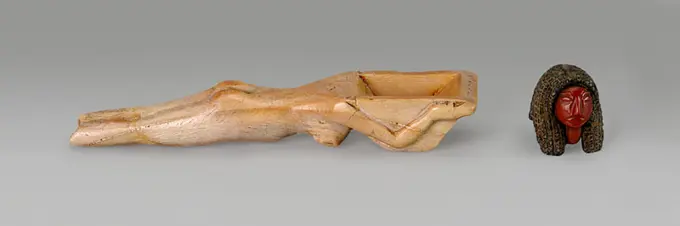
Sweatwoman (attributed title). Bronze. Carnavalet museum, history of Paris.
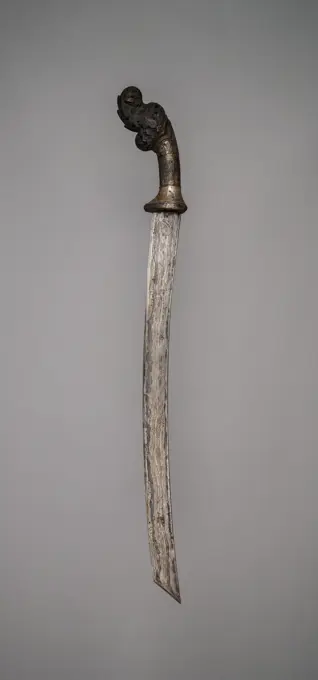
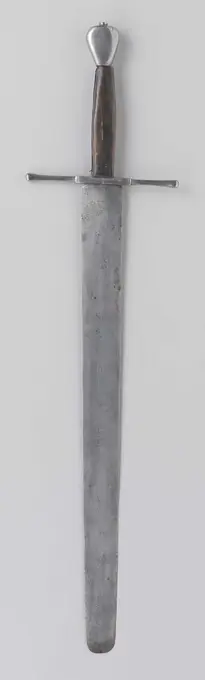
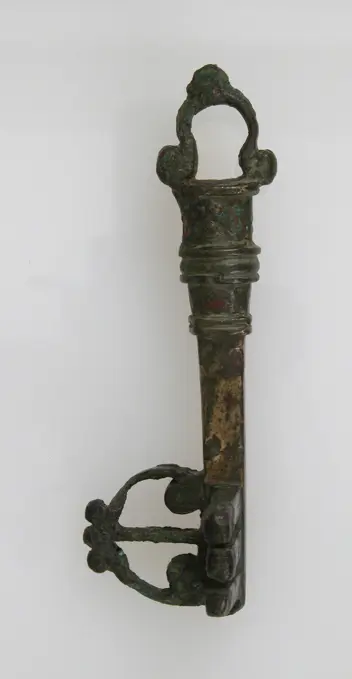
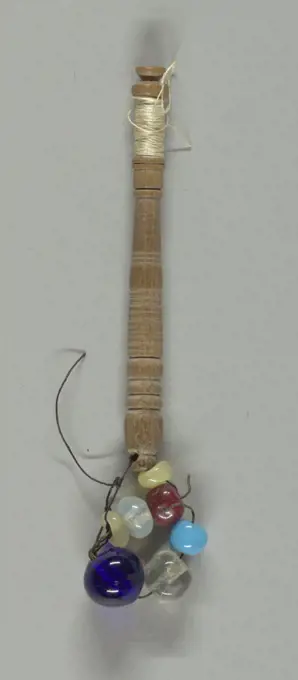
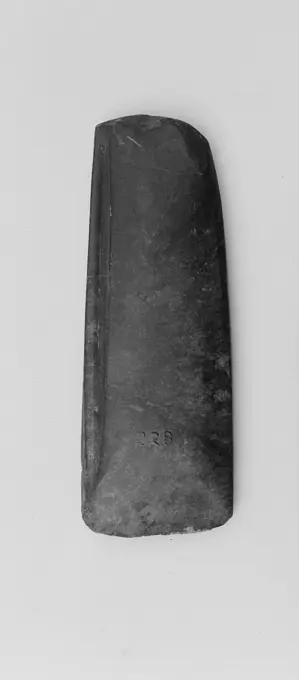
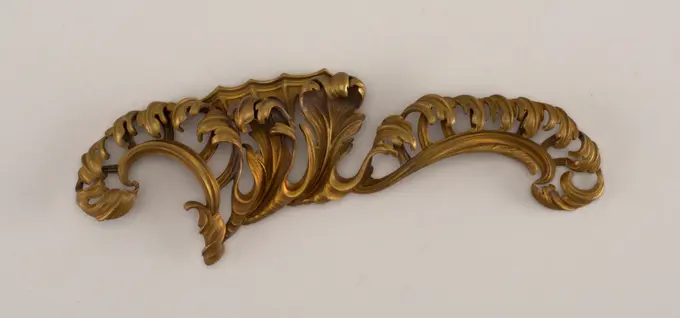
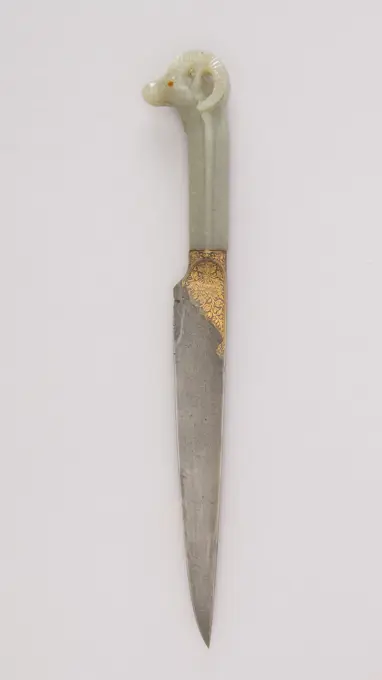
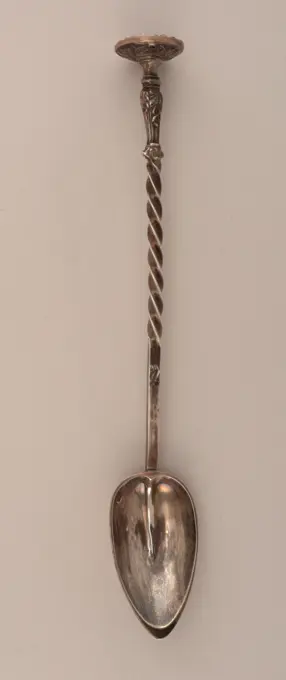
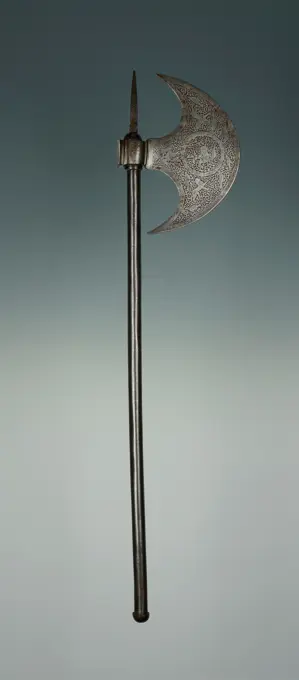
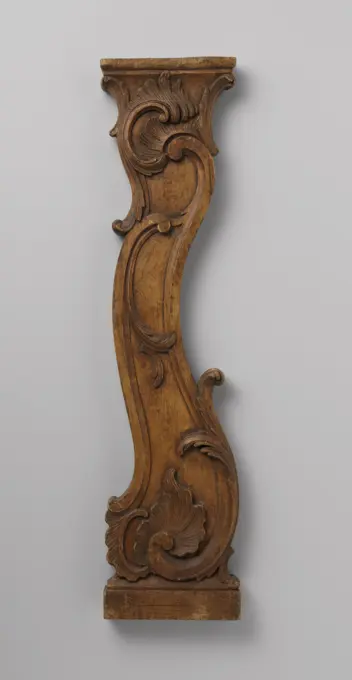
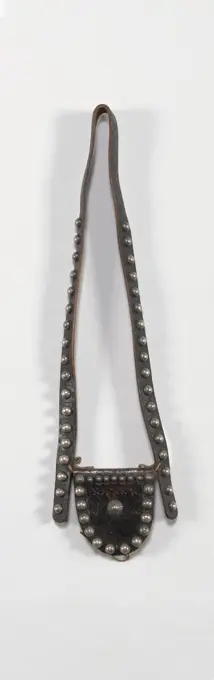
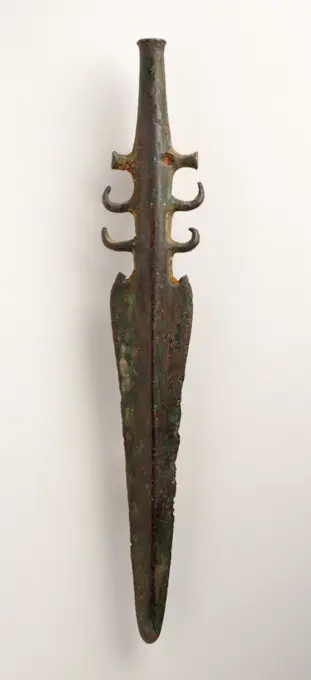
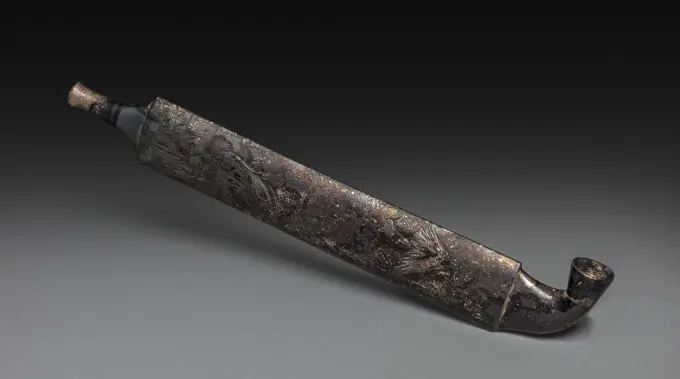
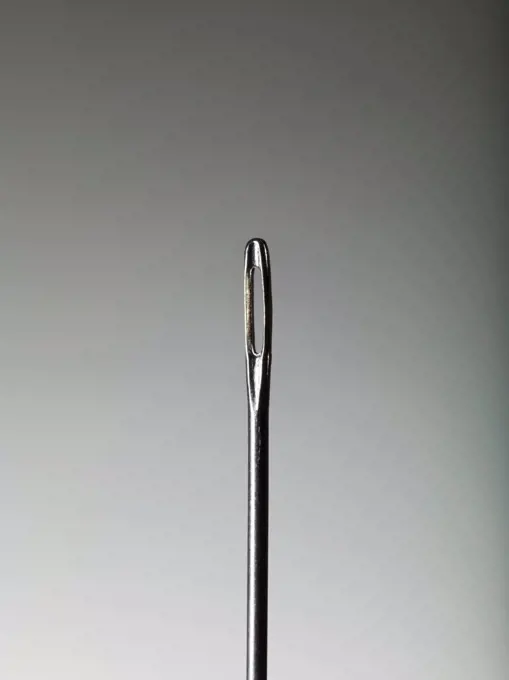
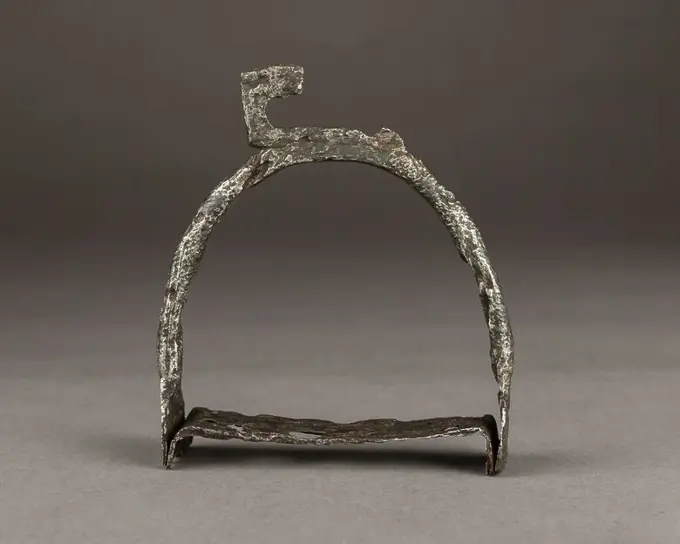
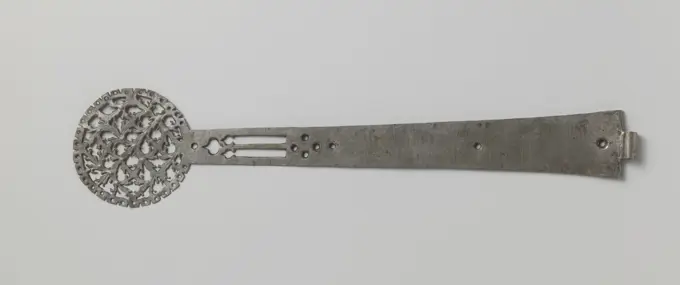
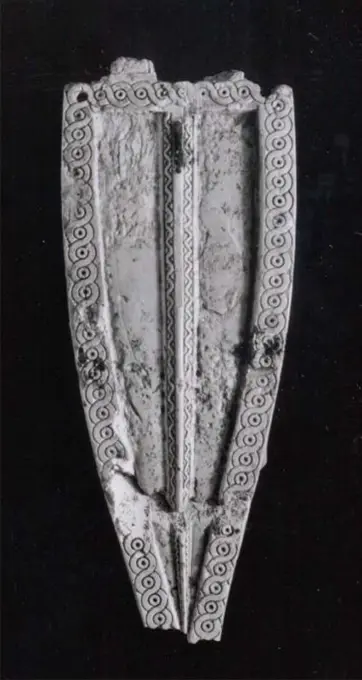
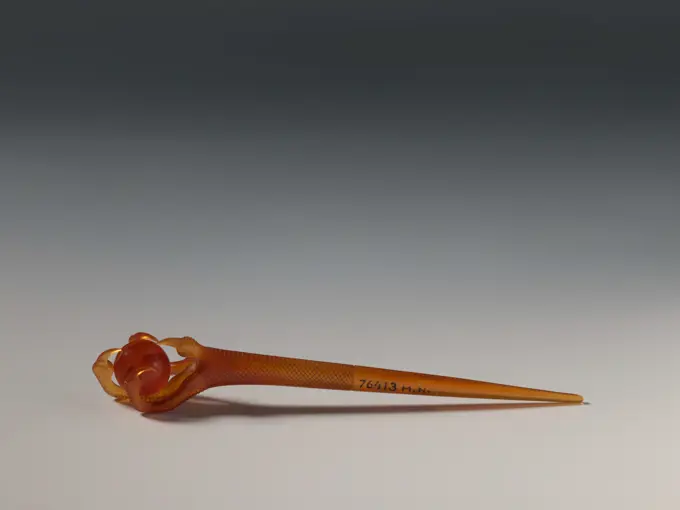
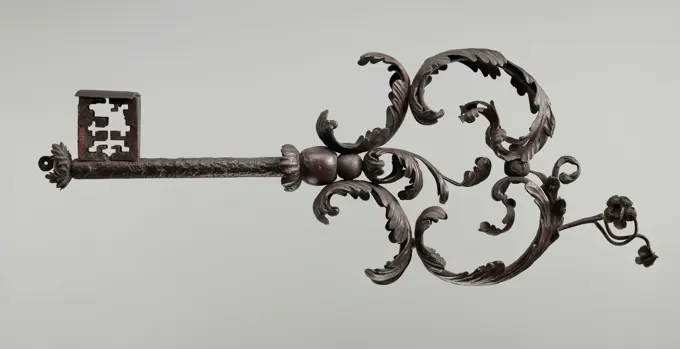
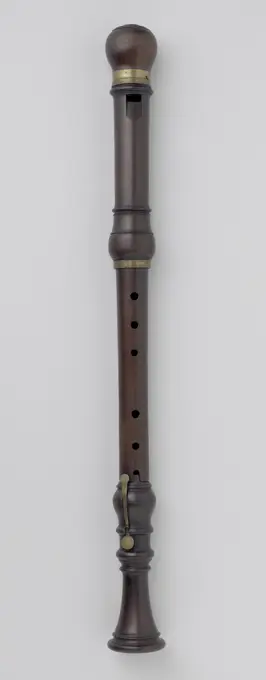
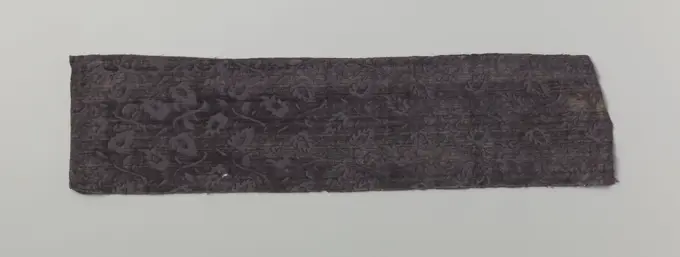
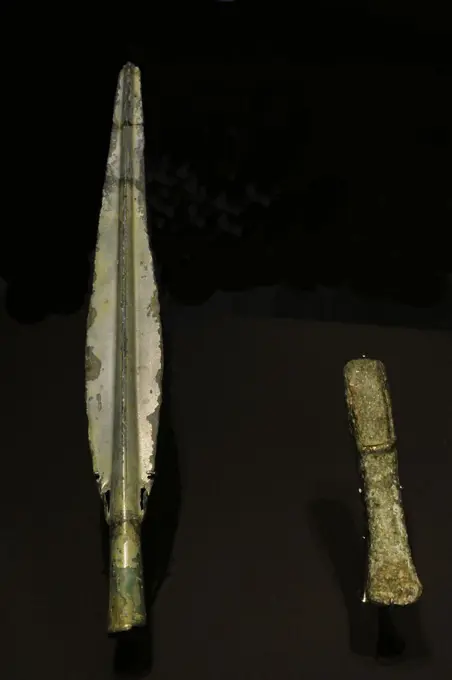
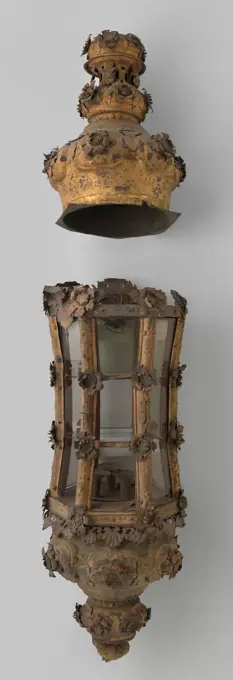
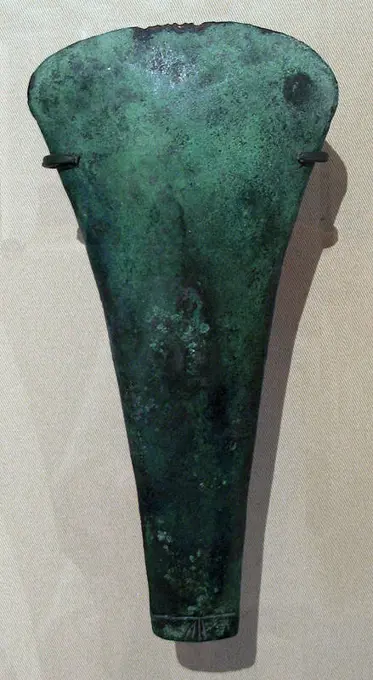
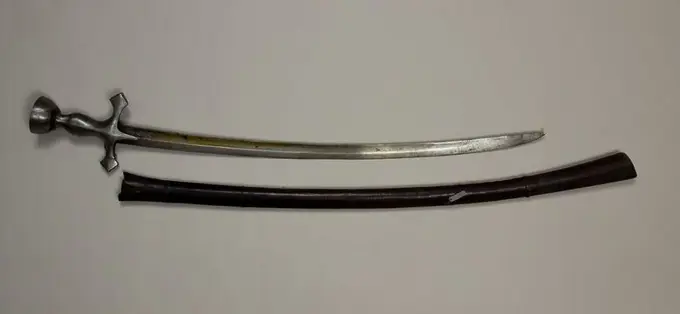
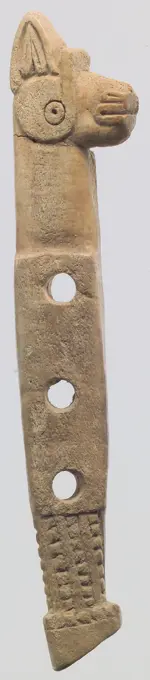
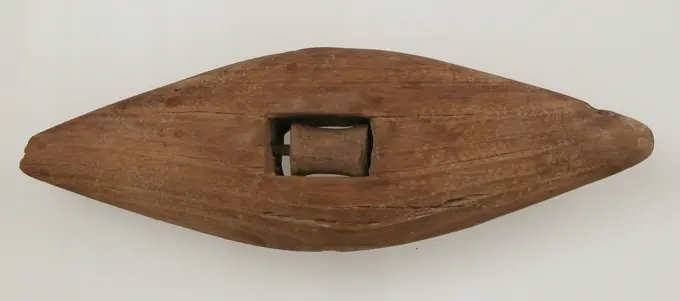
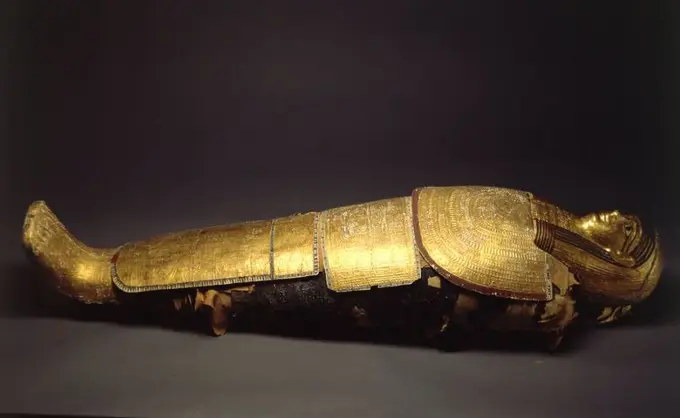
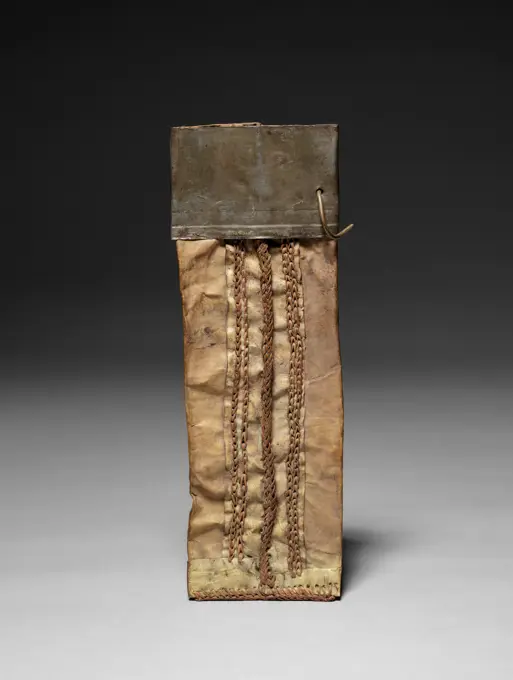
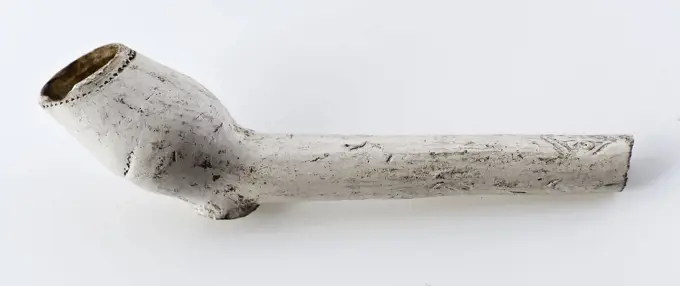
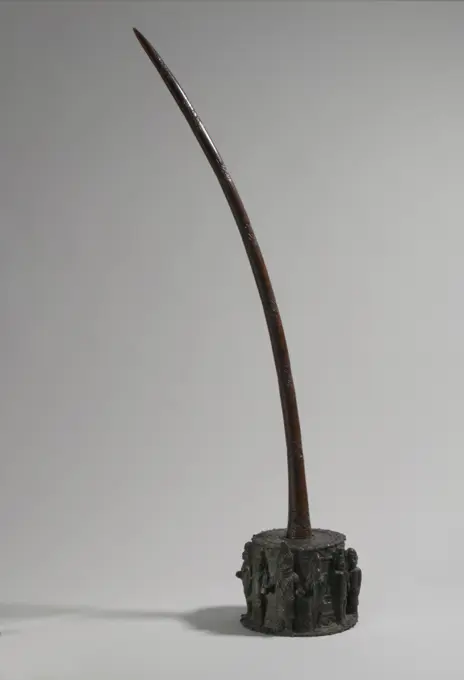
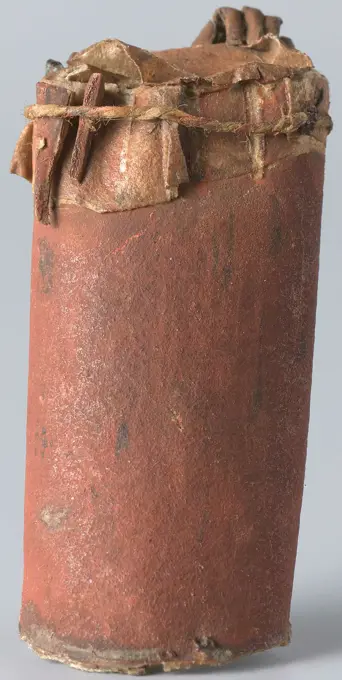
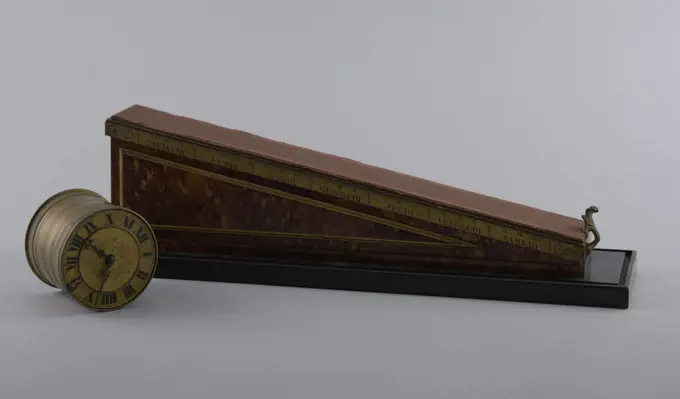
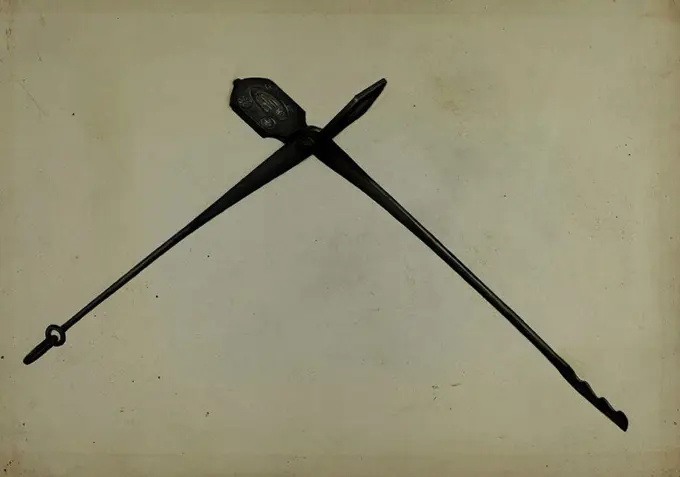
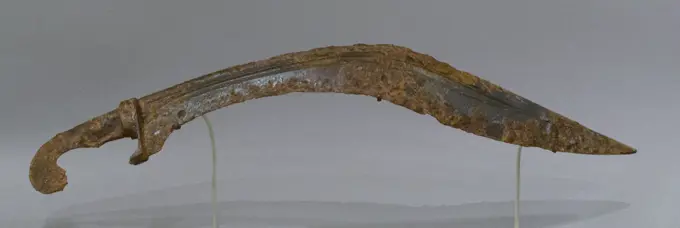
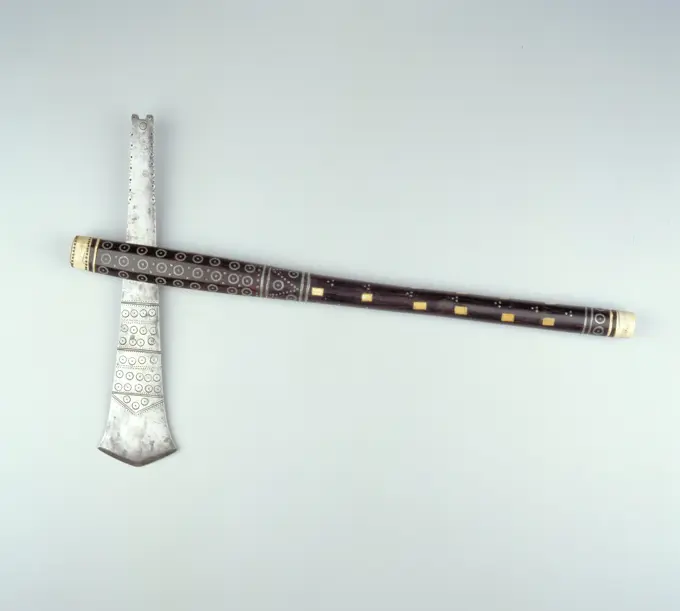
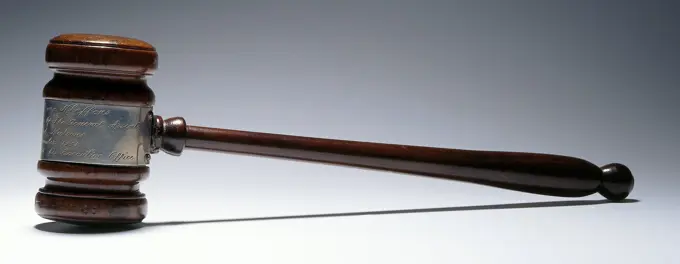
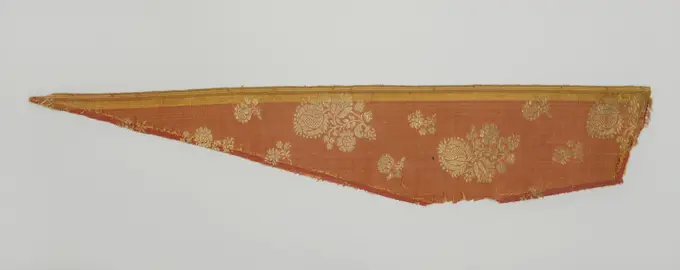
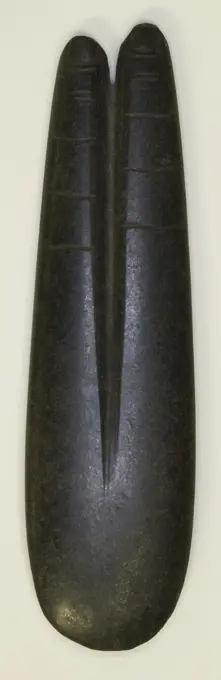
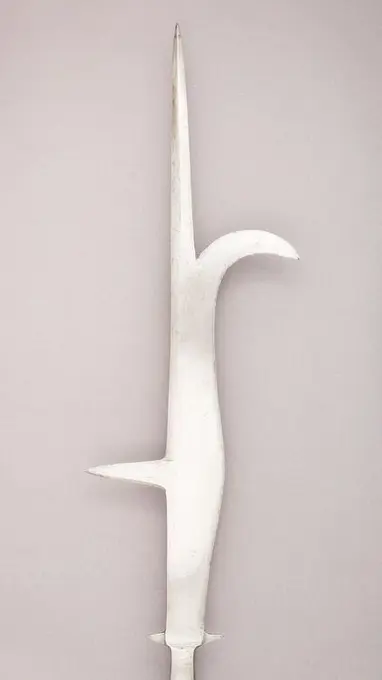
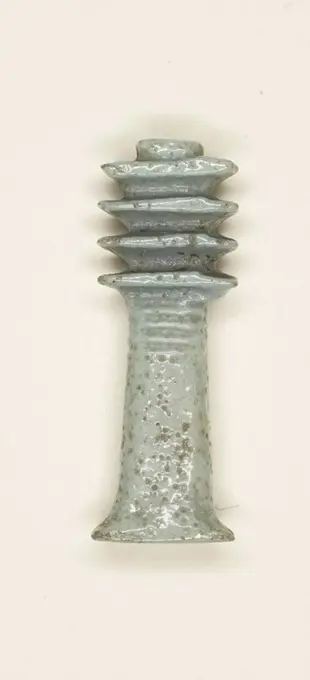
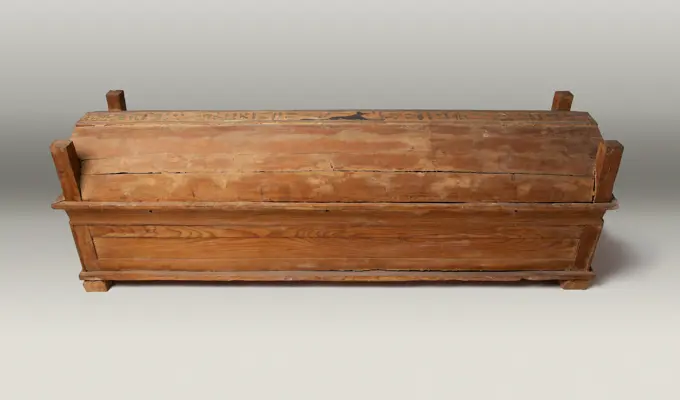
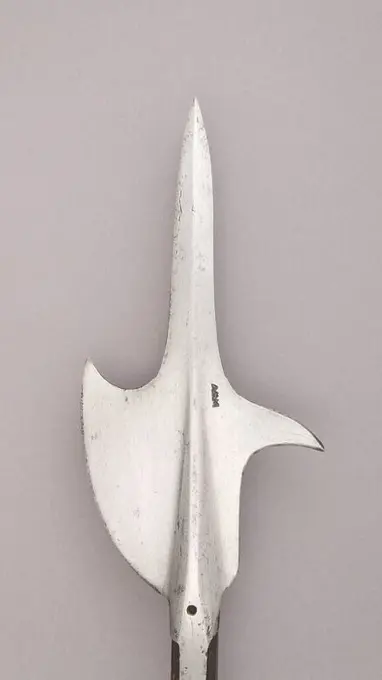
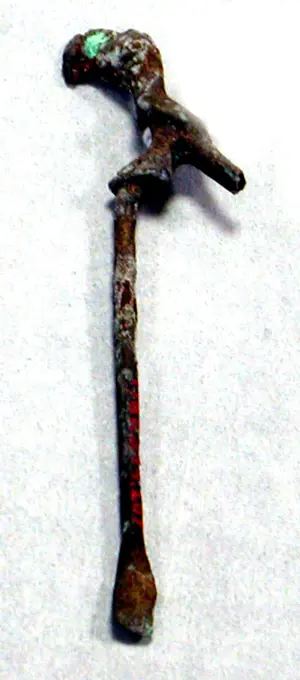
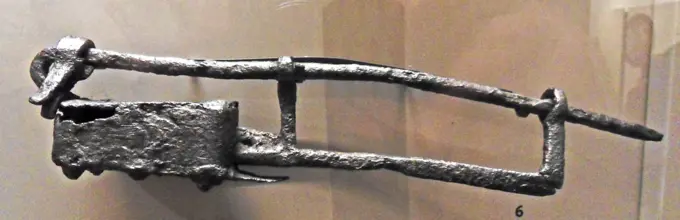
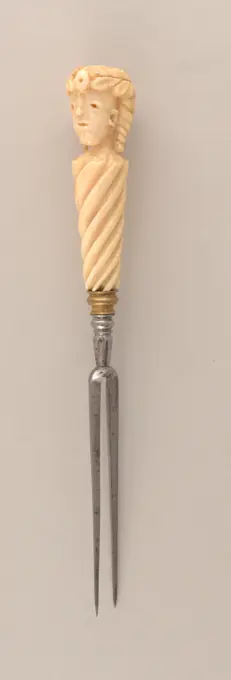
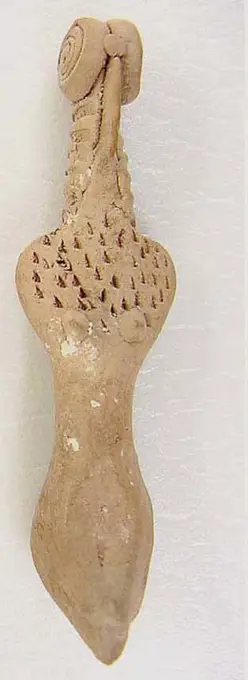
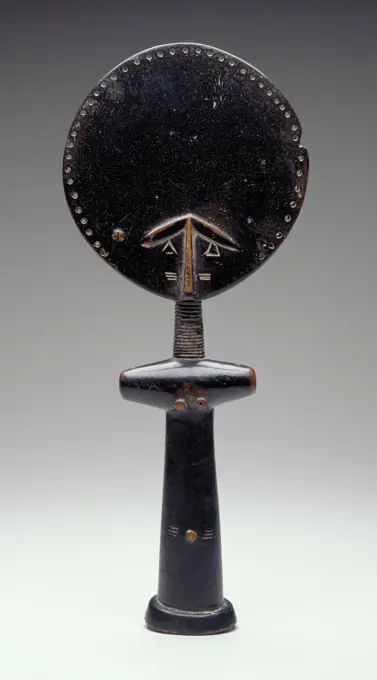
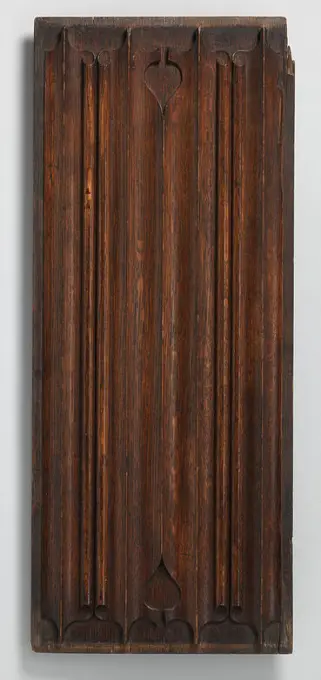
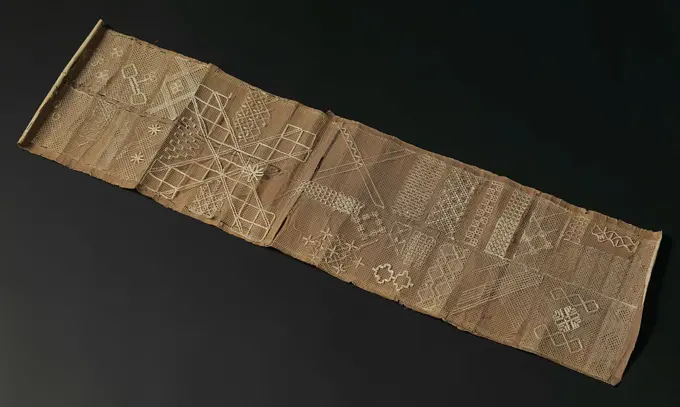
Miniature fender (part of a set) ca. 1720 David Clayton British. Miniature fender (part of a set). David Clayton (British, active 1689). British, London. ca. 1720. Silver. Metalwork-Silver-MiniatureSweatwoman (attributed title). Bronze. Carnavalet museum, history of Paris.Sword, Before 1918. Indonesia, Sulawesi (Celebes). overall: 68.6 cm (27 in.); blade: 50.8 cm (20 in.).Executioners swords of the Court of Holland.Prisoners condemned to death were beheaded with heavy, double-edged swords such as these. These swords were used by the executioner of the Court of Holland in The Hague, where justice was administered on behalf of the Count of Holland.Key 1st-4th century Roman. Key 463354Zhang (Ceremonial Blade), c. 2500-1500 BC. China, Neolithic period - Shang dynasty (c.1766-1045 BC). Nephrite; overall: 7.9 x 0.5 cm (3 1/8 x 3/16 in.).Bobbins for lace making, Wood, glass, shell, metal, Of walnut and other wood, turned in a variety of patterns characteristic of the Midlands and Devonshire and weighted with jingled glass beads, buttons, and shells., England, 18th-19th century, appliances & tools, Bobbins for lace makingAxe Canada (British Columbia). Axe 43636Four knives and a fork belonging to Emperor Charles V, anonymous, 1532 Pre -cutting knife with a handle of ebony, mounted with copper and engraved with the coat of arms of Charles V. On the blade on one side Charles V on his throne, on the other Hercules with the globe that is addressed by a Roman warrior. Italy ebony (wood). copper (metal). iron (metal) Pre -cutting knife with a handle of ebony, mounted with copper and engraved with the coat of arms of Charles V. On the blade on one side Charles V on his throne, on the other Hercules with the globe that is addressed by a Roman warrior. Italy ebony (wood). copper (metal). iron (metal)Furniture Mounts; brassDagger 18th century Indian, Mughal. Dagger 31824Spoon (France); Made by Nicolas Vautrin; silver; L x W x D: 179 x 2.8 x 2.2 cm (5 ft. 10 1/2 in. x 1 1/8 in. x 7/8 in.)Walking stick. unknown, contractorStrip of needle side with two climbing lions, anonymous, c. 1600 Strip of natural -colored needle side. Heraldic motif with a standing oval with two climbing lions, the right lion in a column. On both sides three ovals that are formed by mirrored flower branches. Motives in buttonhol stitches without contours, on a sparingly applied mesh soil. Top and bottom finished with a straight edge on which small 'sticks' hang. The short sides are right finished. Italy linen (material) Strip of natural -colored needle side. Heraldic motif with a standing oval with two climbing lions, the right lion in a column. On both sides three ovals that are formed by mirrored flower branches. Motives in buttonhol stitches without contours, on a sparingly applied mesh soil. Top and bottom finished with a straight edge on which small 'sticks' hang. The short sides are right finished. Italy linen (material)InpopersBaluster with stabbed C and S-Voluten, Anonymous, c. 1740 - c. 1760 S-shaped baluster with stabbed C and S-Voluten with rocaille shells. Northern Netherlands wood (plant material) S-shaped baluster with stabbed C and S-Voluten with rocaille shells. Northern Netherlands wood (plant material)Spear of Emperor Ferdinand I (reigned 1558-64) dated 1558 German This spear was carried by the bodyguards of the Holy Roman Emperor Ferdinand I (reigned 1558-64).. Spear of Emperor Ferdinand I (reigned 1558-64) 22202Frank Budash, Dachshund, 1935 1942 DachshundSpear-butt, spike ca. 1050-1000 B.C. Cypriot. Spear-butt, spike 244198Pouch, 1940s, 5 1/2 in. (13.97 cm), Silver, leather, United States, 20th centuryHarpoon Head. India, Uttar Pradesh, Ganges River Valley, circa 1500-1000 B.C.. Arms and Armor; harpoons. Copper alloyMuseum of Contemporary Art, Hamburger Bahnhof, infinite exhibits, Berlin, Germany, EuropeRiding crop 1885 American. Riding crop. American. 1885. Metal, linen, horsehair, leather, silkTobacco Pipe, early to mid-1800s. Japan, Edo period (1615-1868). Silver; overall: 20.4 cm (8 1/16 in.).A sewing needle, close-upStirrup. Culture: Germanic. Dimensions: H. 5 1/2 in. (14 cm); W. 4 3/4 in. (12.1 cm); D. 1 3/8 in. (3.5 cm); Wt. 4.8 oz. (136.1 g). Date: 10th-11th century.This type of stirrup, with its wide rectangular suspension eye and its flaring sides at the bottom, is characteristic of the Germanic (Viking) populations living around the Baltic and Northern Seas. It evolved from types used by the Avars in Eastern Europe in the 7th and 8th centuries and was brought to Central Europe through the migration of Eastern populations.If the Vikings are mostly known for being talented sailors, one may forget they were also horse riders, and as in all the Germanic cultures, horses had great importance in their society, in both its social and religious aspects. Equestrian equipment, like stirrups, spurs and bits, are regularly found in Viking burials, among the goods warriors wanted to bring with them to the afterlife. The elite would sometimes even be accompanied by sacrificed horses, a meaningful practiChild's pseudo-summer;  18th century (1701-00-00-1800-00-00);Small column with ivy. Marble. 1st century AD. From House of the Vettii, Pompeii. Special Superintendence for the archaeological goods of Pompeii, Herculaneum and Stabiae.Scandinavia. The boat-builders. 2 Rowlocks. 9th century. Gokstad, Sanderfjord k., Vestfold. Norway. Historical Museum. Oslo. Norway.Old wooden cutting board on white wooden backgroundMangle-board. Culture: Dutch. Dimensions: 36 1/2 × 5 7/8 in. (92.7 × 14.9 cm). Date: 18th century. Museum: Metropolitan Museum of Art, New York, USA.Hinge ,, c. 1400 - c. 1950 Handle with circular ornament. Coming from a Northern Italian or southern German box. Italy (possibly) iron (metal) Handle with circular ornament. Coming from a Northern Italian or southern German box. Italy (possibly) iron (metal)Horse frontlet with an incised guilloche design ca. 8th century B.C. Assyrian This ivory plaque was found in a storage room in Fort Shalmaneser, a royal building at Nimrud that was used to store booty and tribute collected by the Assyrians while on military campaign. Its roughly triangular shape indicates that it was used as a horse frontlet, a component of equestrian armor that covered the forehead of a cavalry horse. An incised decorative border runs around the edge of the frontlet, taking the form of a guilloche, or row of interlocking spirals and circles. The surface is undecorated and divided by a vertical raised ridge, triangular in cross-section, decorated on each face with a zig-zag pattern. At the top edge, the frontlet was connected to an additional piece via a hinge, which is no longer extant. Both pieces were probably attached to a separate textile or leather backing, also no longer preserved. The Assyrian cavalry was an important component of the empires armed forces, andSzpila do włosów. unknown, craftsmanWyżczka key;  around 1750 (1745-00-00-1755-00-00);FireTongsBass Recorder, Johan Christoph Denner, c. 1700 Bass block flute with one valve and with copper mounted. Leipzig copper (metal) Bass block flute with one valve and with copper mounted. Leipzig copper (metal)Fragment Purple Silk Luwel with a pattern of ripened flower branches, Anonymous, 1500 - 1599 Fragment Silk flows with pattern of ripened flower branches in purple. Italy silk Velvet chiseled Fragment Silk flows with pattern of ripened flower branches in purple. Italy silk Velvet chiseledAtlantic metallurgical industry. Beginnings of the Final Bronze Age. Spearhead in bronze (Reservoir of San Esteban of the river Sil, between Lugo and Ourense, Galicia) and Heel Axe in bronze (Oviedo, Asturias). National Archaeological Museum. Madrid. Spain.Bodem van lantaarn met wapens boven de ruiten.The bottom of the lantern, reverse equal to the roof (see BK-16969-A-1), but without the last articulation. The lamp is decorated with rosettes. From the collection of Dr. F. Mannheimer.Ax Blade 1500-1000 B.C. India These anthropomorphic figures, harpoons, ax blades (celts), and antennae swords were cast and hammered from unalloyed copper. They may be dated to 1500 to 1000 B.C. Given that pure copper is a relatively soft metal and most of the objects show little or no signs of wear, it seems likely that their function was largely dedicatory. Hoards of such objects have been found across north India, the greatest concentration being in Uttar Pradesh. The findspots suggest they were ritually deposited in rivers or marshes, though several related antennae swords were recorded in late Indus Valley civilization (ca. 1500 B.C.) burials at Sanauli.. Ax Blade. India. 1500-1000 B.C.. Copper. MetalworkSword with Scabbard. Culture: Sumatran. Dimensions: H. with scabbard 34 1/8 in. (86.7 cm); H. without scabbard 29 in. (73.7 cm); H. of blade 24 3/4 in. (62.9 cm); W. 4 1/2 in. (11.4 cm); Wt. 1 lb. 3.4 oz. (550 g); Wt. of scabbard 4.2 oz. (119.1 g). Date: 16th-19th century. Museum: Metropolitan Museum of Art, New York, USA.Bronze serving fork ca. 2nd-3rd century A.D. Roman Although it is widely believed that forks were not introduced until the Middle Ages, it is possible to find examples from Roman times that may have been used to serve food rather than as individual eating utensils. This two-pronged fork has a finial in the shape of an ox hoof similar to that on the bronze spoon (20.49.10) also on view in this case.. Bronze serving fork 252417 Roman, Bronze serving fork, ca. 2nd3rd century A.D., Bronze, Other: 5 3/4 in. (14.6 cm). The Metropolitan Museum of Art, New York. Bequest of Richard B. Seager, 1926 (26.31.497)Horse bit cheekpiece in form of a horse's head and hoof ca. 7th century B.C. Scythian. Horse bit cheekpiece in form of a horse's head and hoof 324817Fish Pendant. China. Date: 1300 BC-900 BC. Dimensions: 4 3/4 × 7/8 × 1/16 in. Jade. Origin: China. Museum: The Chicago Art Institute, Chicago, USA.Beads ca. 9th century B.C. Iran. Beads 325299Weaver's Shuttle 3rd-5th century Coptic. Weaver's Shuttle 475046Madrid, M.A.N. Arte Egipcio. Momia de la época Ptolemaica de un sacerdote de Imhotep, llamado Nespamedu, vendida por Bauer (1925) y cubierta de cartonajes de oro. Museum: MUSEO ARQUEOLOGICO, MADRID, SPAIN.Sheath, 1800s. Central Africa, Democratic Republic of the Congo, 19th century. Rawhide, metal, plant fiber, and copper alloy; overall: 57.4 cm (22 5/8 in.).White clay pipe, marked with stalk decorated with fleur de lis stamps, clay pipe smoking equipment smoke floor pottery ceramics pottery, hand molded baked White clay pipe marked with fleur de lis stamps decorated handle Heel mark: II in double circle archeology smoking tobaccoAltar Tusk 18th-19th century Edo peoples At its origins, the centralized city-state of Benin was founded by Edo-speaking peoples. The accounts by official court historians and descriptions provided by visitors evoke a vibrant cultural center continually redefined by its leadership through shifting internal and external power dynamics. According to oral tradition, circa 1300, Edo chiefs are reputed to have reached out to the leader of neighboring Ife, Oranmiyan, to establish a new divinely sanctioned royal dynasty. Since then, the investiture of Benins rulers to the title of obas has conferred upon them at once a role of chief priest officiating in important religious ceremonies and presiding over an elaborate structure of palace officials. During the fifteenth century reign of Oba Ewuare, Benins armies were formed and the fortification of its capital with a massive wall undertaken. In parallel, delegations of Portuguese traders assiduously sought to secure exclusive commercial treatiWooden ladle from the Philippines. Dated 19th CenturyA trom. A separate object from a Diorama from Gerrit Schouten, representing a standing drum.Two-Tined Fork, steel, earthenware, silver, Two long curved tines, baluster-shaped neck. Banded silver ferrule. Pistol-shaped earthenware handle, cream ground with marble pattern in yellow, brown and blue, clear glaze., England, 1745, cutlery, Decorative Arts, fork, forkIncline Clock, Brass, wood, France, 19th century, timepieces & measuring devices, Decorative Arts, Incline ClockSword with Scabbard 16th-19th century Sumatran. Sword with Scabbard 31194Oven. Dated: c. 1937. Dimensions: overall: 27.1 x 38.4 cm (10 11/16 x 15 1/8 in.) Original IAD Object: 27 1/2" long; 5 1/2" wide. Medium: watercolor and graphite on paper. Museum: National Gallery of Art, Washington DC. Author: Arthur Stewart.Kris with Sheath 16th-19th century Balinese. Kris with Sheath 31287Scheltrekker, decorated with an acorn, 1675 - 1700 An iron shrub with richly decorated plate. The handle like a glans.  iron (metal) An iron shrub with richly decorated plate. The handle like a glans.  iron (metal)Knife (possibly Scotland); agate, silver, steel; cm: L: 21.1 x W:2 (8 5/16 x 13/16 in.); The Robert L. Metzenberg Collection, gift of Eleanor L. Metzenberg; 1985-103-125Łyżeczka do szminki w kształcie pływaczki. unknown, authorColumn from a Choir Screen ca. 800-900 Central Italian. Column from a Choir Screen 468313Iron machaira (sword) 5th-4th century B.C. Greek The machaira's design enabled a warrior to deliver a sharp blow from above.. Iron machaira (sword). Greek. 5th-4th century B.C.. Iron. Classical. Miscellaneous-IronFlint gun with ivory tray. Externally a radlot gun, but transformed to flint; Part of a couple. The lock plate in the form of a radlot covers the recess where the radlot has been; The fire from the fire from the lock runs out in a chiseled leaf. The bleached loop is printed on the back of embossed with flower and browse ornaments, partly silver in addition to a blued background; Mounted below with a circle and two rosettes. The solid ivory tray is easily cut. The gold-plated glass fittings consists of a drawer cap, a loop-shaped tractor bracket and a kolf cap engraved with flour and leafs and driven with lobe ornaments; The ivory loading stick is equipped with a gold-plated glass cap.Batter of iron, anonymous, c. 1590 - c. 1596  Batter of iron with two holes.  iron (metal) forging  Nova Zembla. Saving HuysPrestige Axe, 20th century, 18 3/4 x 1 3/16 x 11 3/16 in. (47.63 x 3.02 x 28.42 cm), Wood, metal, ivory, Tanzania, 20th centuryColonnet, anonymous, c. 1400 - c. 1950 Colonnet with two torn and cutting work. Northern Netherlands (possibly)Netherlands (possibly) gilding (material). oak (wood) gilding Colonnet with two torn and cutting work. Northern Netherlands (possibly)Netherlands (possibly) gilding (material). oak (wood) gildingPresentshamer of E.N. Van Kleffens used during the 9th meeting of the General Meeting of the United Nations, Anonymous, 1954 hammer Tishing hammer with round head. At the top and bottom have a small bulging. Round somewhat flared handle with a round button is mounted in the head. A rectangular silver plate is screwed around the head of the hammer. A inscription and dating is engraved on this. United States of America whole: Wood (plant material). Plate on Hamer's head: Silver (Metal) engravingFork, Iron, Four-tined fork, sloping shoulders. Neck pierced with trefoil. Scroll stem at neck, paired knops on cylindrical stem. Finial flat openwork scrolls surrounding movable openwork knop with loose bead inside., France, ca. 1550, cutlery, Decorative Arts, ForkSpear tip made from antler. Dated 10th Century BCIron Persian crossbow headsSIN TITULO - SIGLO XX. Author: EVA LOOTZ. Location: GALERIA JUANA DE AIZPURU. MADRID. SPAIN.Fragment of silk fabric  golden pattern made of asymmetrical floral twigs unknownAmulet of Two Fingers 664 BCE-332 BCE Egypt. Hematite . Ancient EgyptianScale Spanish 15th-16th centuryGuisarme. Culture: Italian. Dimensions: L. 96 3/4 in. (245.7 cm); L. of head 35 1/4 in. (89.5 cm); W. 10 in. (25.4 cm); Wt. 4 lbs. 12.8 oz. (2177.2 g). Date: ca. 1500. Museum: Metropolitan Museum of Art, New York, USA.Amulet of a Djed Pillar. Egyptian. Date: 1070 BC-525 BC. Dimensions: 1.9 × 0.6 × 0.6 cm (3/4 × 1/4 × 1/4 in.). Faience. Origin: Egypt. Museum: The Chicago Art Institute, Chicago, USA. Author: Ancient Egyptian.Coffin of Tasheriteniset 332-30 B.C. Ptolemaic Period Tasheriteniset's coffin shows a refined woodworking technique of joints, mortise, and tenons, though its decoration is rather simple. The vaulted lid features an inscription naming Tasheritenisets mother Taimhotep and a depiction of the god Anubis as a jackal.. Coffin of Tasheriteniset. 332-30 B.C.. Wood, paint. Ptolemaic Period. From Egypt; Probably from Middle Egypt, Asyut (Lykopolis)Model Sabel brush for infantry label No. 2, M 1819, presumably for non -commissioned officer, c. 1800 - c. 1830 carrier Red cotton, partly damaged, galon with ornamental tissue, on which red flat woolen brush, consisting of pear with cardboard core. With red woolen tissue, crowned with yellow metal cord. At the bottom three rows of yellow metal cords, on which hanging red frills. Bottom brass with red yarns wrapped cardboard core. Netherlands cotton (textile). wool. cardboardFragment red damask brokat, anonymous, c. 1715 - c. 1750 A fragment of red damask brokat with flowers of gold thread. Note: A corner cut off. Milks; 0.7 cm, plain binding. France silk. metal thread damask A fragment of red damask brokat with flowers of gold thread. Note: A corner cut off. Milks; 0.7 cm, plain binding. France silk. metal thread damaskBell-Shaped Stupa ca. 12th century Burma. Bell-Shaped Stupa 37738Frontlet of gold leaf. Frontlet of gold leaf 242985Khol tube from Ancient Egypt. Dated 14th Century BCStamp 12th-19th century. Stamp. 12th-19th century. Wood. Attributed to Egypt. WoodPleated fan and case, Silk leaf applied with silk, gold thread and sequins, carved and painted ivory or bone sticks, gilt metal bail, Pleated fan. Leaf of egg-shell mousseline de soie; obverse applied with seven medallions of same materials; embroidered with gold thread, and gilt and silver sequins outlining medallions and forming designs of wheat stalks, ribbons, bows, festoons and musical trophies; guards and sticks of pierced ivory or bone, carved and painted. Gilt metal bail., France, 1880-1900, costume & accessories, Pleated fan and caseEwer 4th-5th century Byzantine Household items such as this ewer combined function and elegance. This piece has an additional gently curved piece of silver, which helps to brace the thumb when liquids are poured.. Ewer 468200Halberd. Culture: Swiss. Dimensions: L. 77 3/8 in. (196.5 cm); L. of head 17 1/2 in. (44.4 cm); W. 8 in. (20.3 cm); Wt. 4 lbs. 12 oz. (2150 g). Date: early 15th century. Museum: Metropolitan Museum of Art, New York, USA.Handwood with octagonal elongated cone, anonymous, c. 1590 - c. 1596  Handwood with octagonal elongated cone, a hollow at the bottom (soul) and at the top a hole to attach it to the perpendicular.  lead (metal) casting  Nova Zembla. Saving HuysJewelry set: caseCopper Lime Spoon with Bird Top 15th-16th century Inca. Copper Lime Spoon with Bird Top 315267Fruit Server (France); Manufactured by Charles Victor Gibert (French); cast and chased silver, enamel; L x W x D: 24.5 x 9 x 3 cm (9 5/8 x 3 9/16 x 1 3/16 in.)Light arm of forged iron, twisted and S-shaped bent. A forged iron light arm bent and in S-shape; At half with a toothed knot above which a rich leaf ornament and including a splitting branch, ending in two spirals.Pilgrim Badge 1300 A.D. Badge depicts the shrine of St Thomas Becket.Fork (possibly Germany); ivory, steel, brass; L x W: 18.2 x 2.7 cm (7 3/16 x 1 1/16 in.); The Robert L. Metzenberg Collection, gift of Eleanor L. Metzenberg; 1985-103-153Goddess ca. 3500-3000 B.C. Pakistan (Quetta area). Goddess 72329Figure, 20th century, 14 1/4 in. (36.2 cm), Wood, Ghana, 20th century, Ghanaian legend tells of a young Asante girl named Akua, who, after having trouble conceiving, consulted a diviner. The diviner recommended that Akua commission a woodcarving of a small child and that she treat the statue as she would a real child. When the people of her village saw Akua carrying the wooden child on her back in her wrapper, they laughed and teased her. However, Akua soon gave birth to a healthy baby girl. Her success inspired other women to have carvings made and in her honor, they became known as Akua'ba, Akua's child. Today, akua'mma (pl.) are largely produced as souvenirs for sale to tourists.Panel from the Palace of Westminster. Culture: British. Designer: Designed by Augustus Welby Northmore Pugin (British, London 1812-1852 Ramsgate). Dimensions: Overall (confirmed): 26 1/4 × 13 13/16 × 7/8 in. (66.7 × 35.1 × 2.2 cm). Date: ca. 1847. Museum: Metropolitan Museum of Art, New York, USA.Front Mould of a Virgin and Child, Fragment, anonymous, c. 1425 - c. 1450  Utrecht pipe clay  Utrecht pipe clayProeflap van filetkant met dertig doorstopvariaties.Trial flap of natural-colored edge embroidery, fillet side, with thirty cross-spot variations. This concerns two strips that are attached to a piece of thick paper.Fragment of a Spatula 13th-11th century B.C. China. Fragment of a Spatula 60701