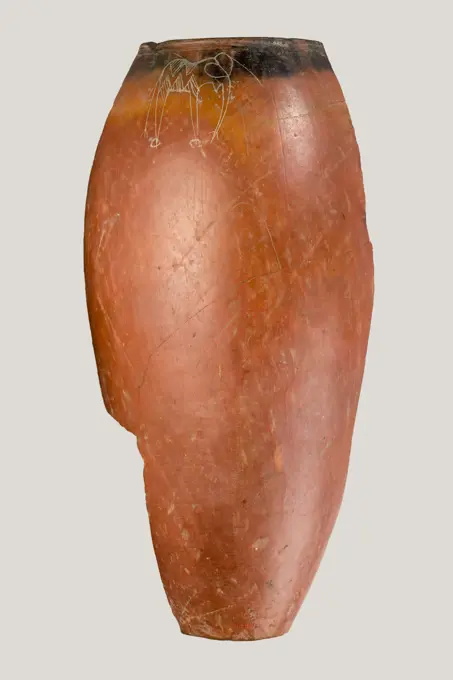
Historical Metal Artifacts

A series of historical metal items including miniature fenders, swords, and ancient keys, showcasing intricate designs and craftsmanship.
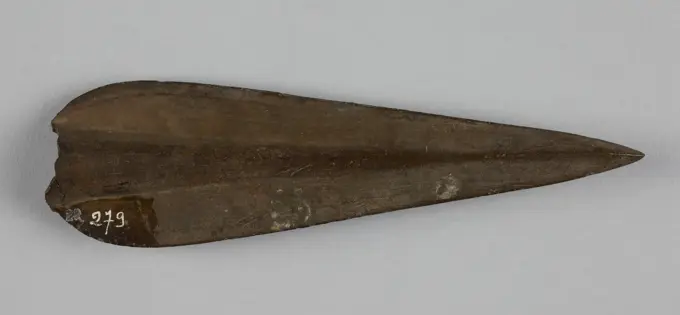
Sweatwoman (attributed title). Bronze. Carnavalet museum, history of Paris.
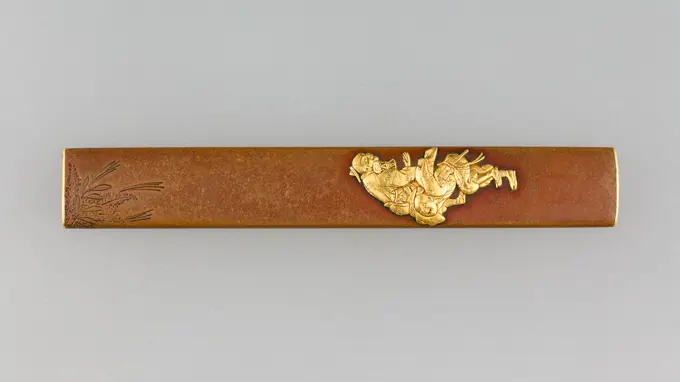
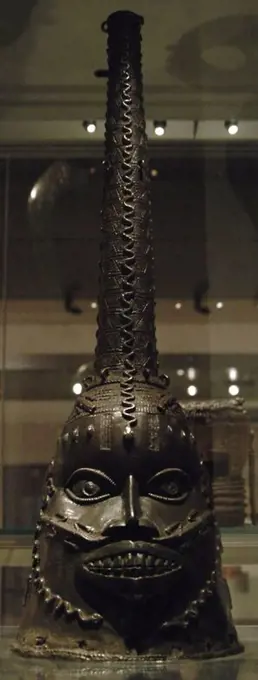
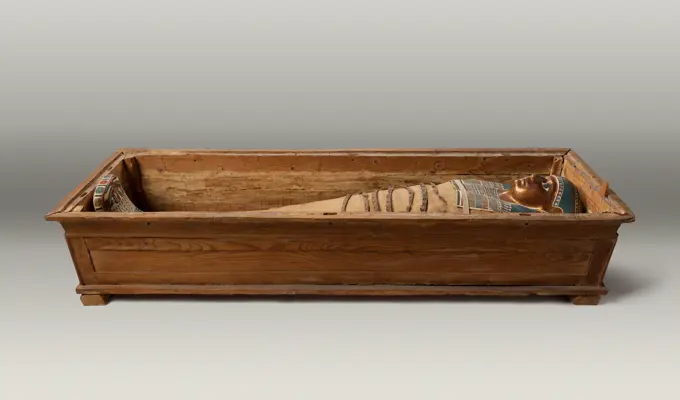
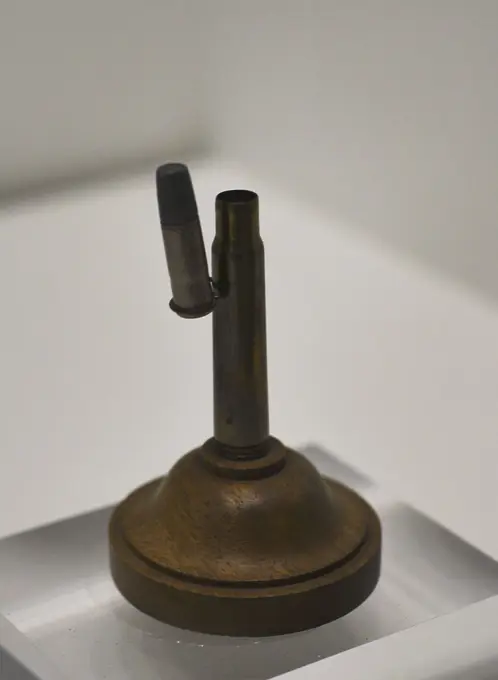
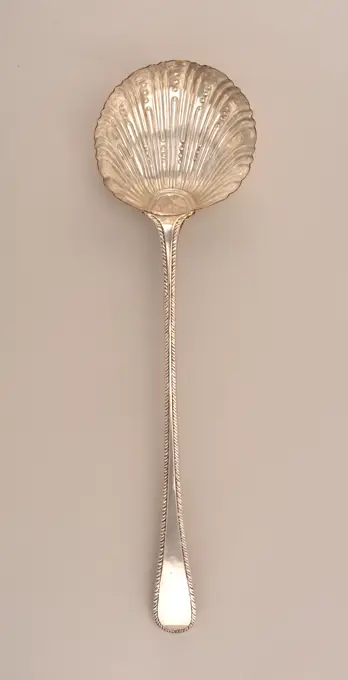
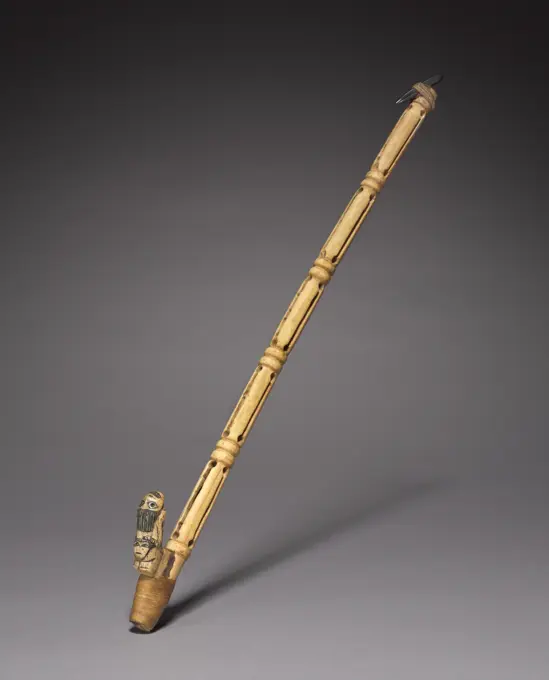
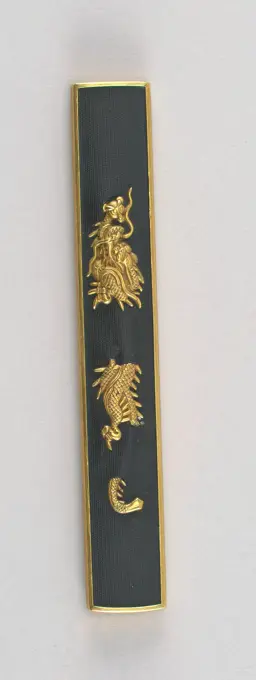
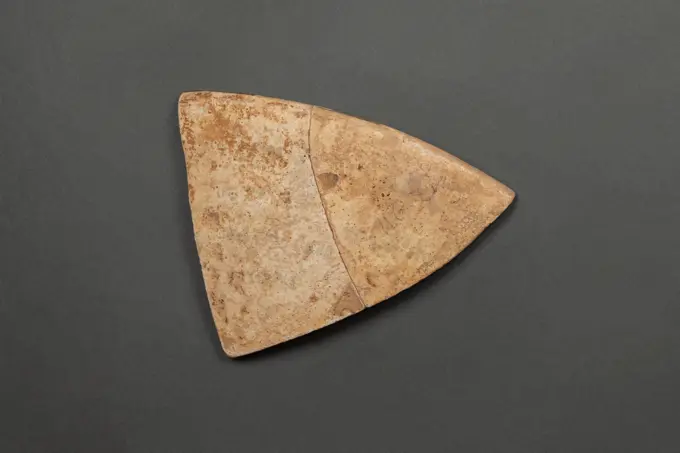
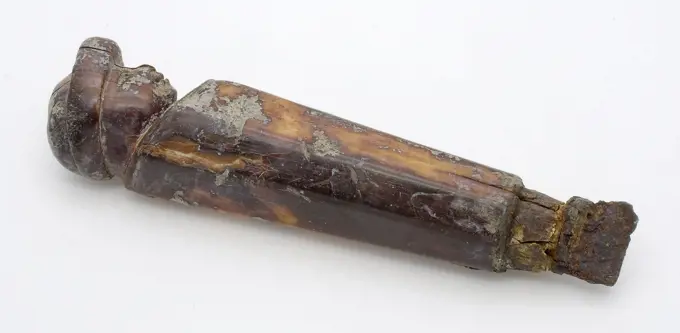
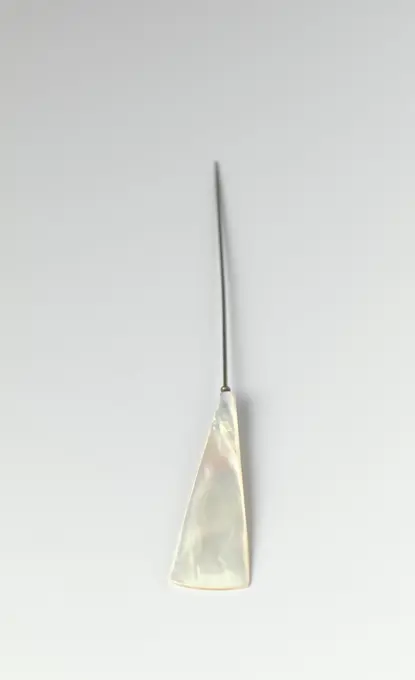
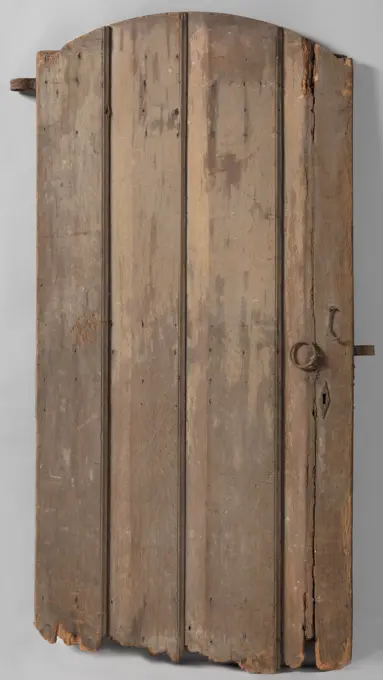
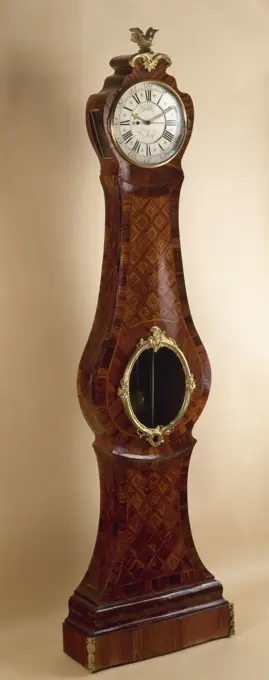
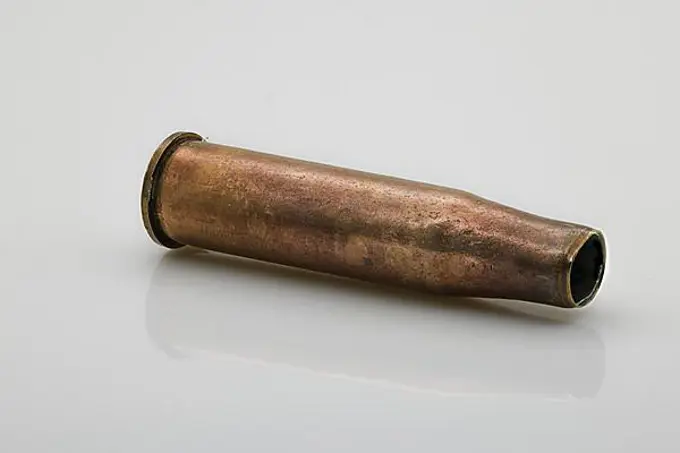
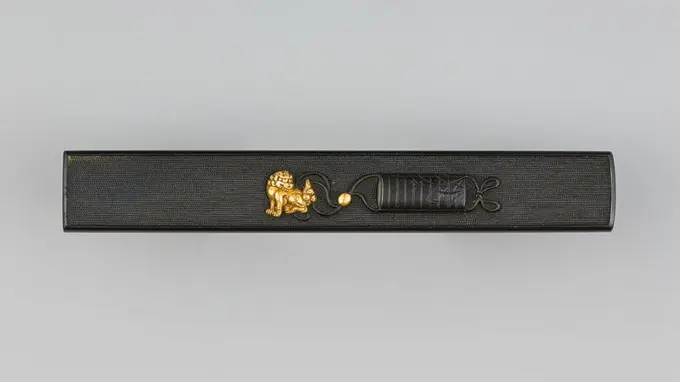
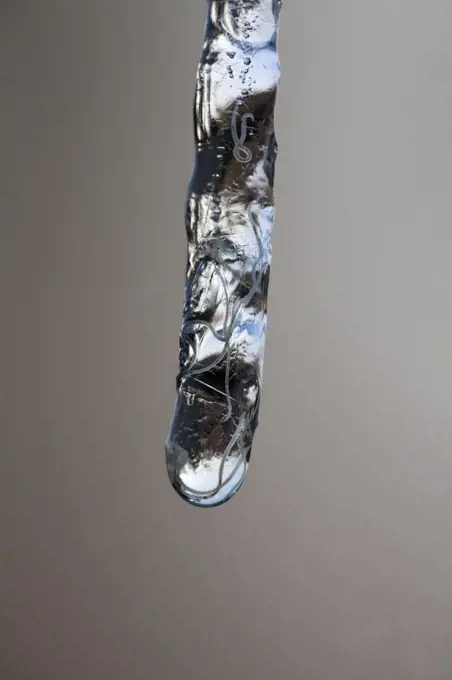
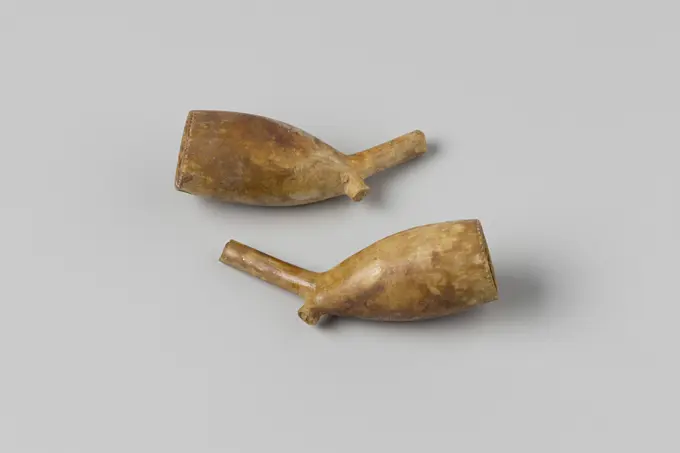
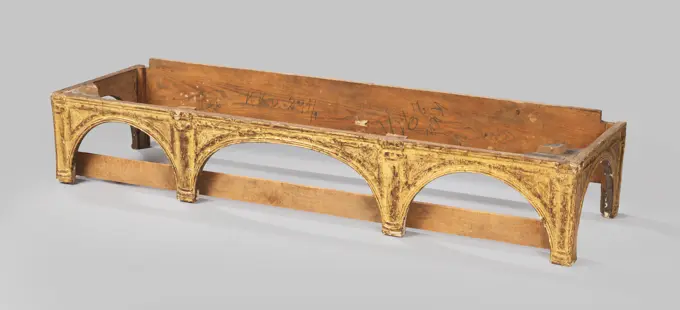
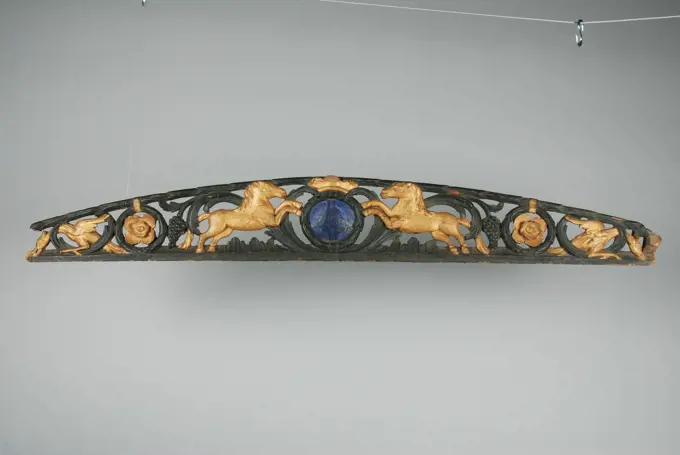
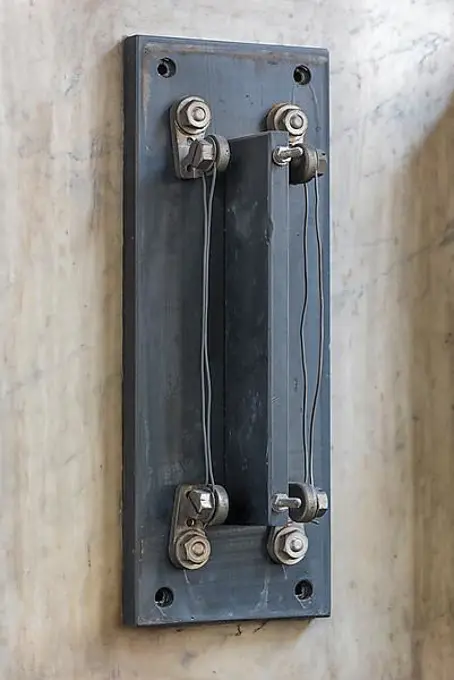
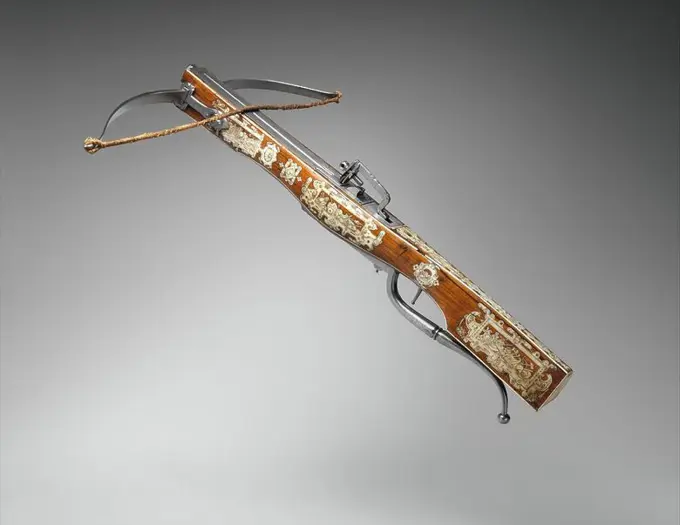
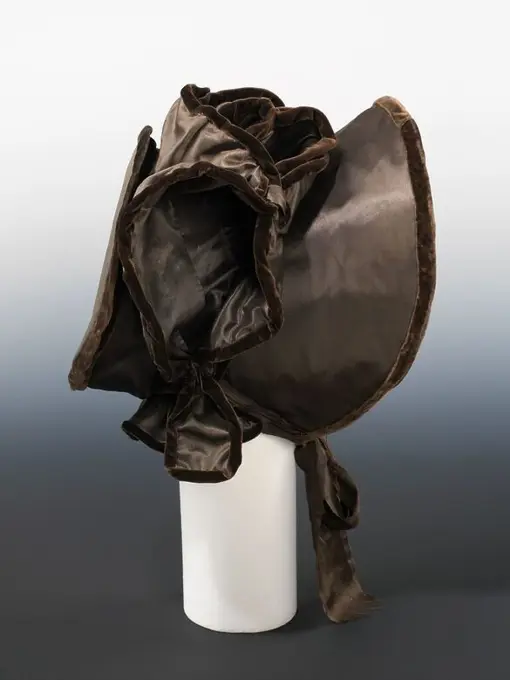
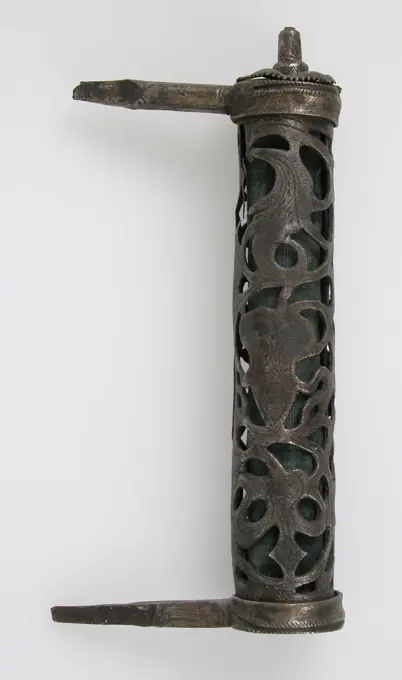
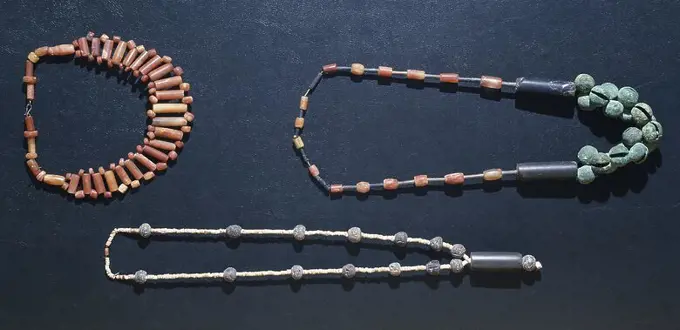
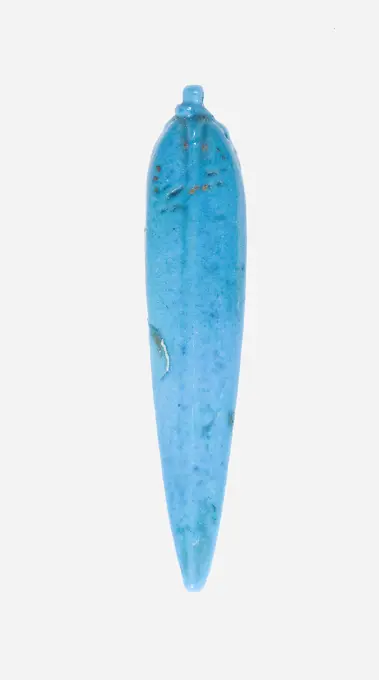
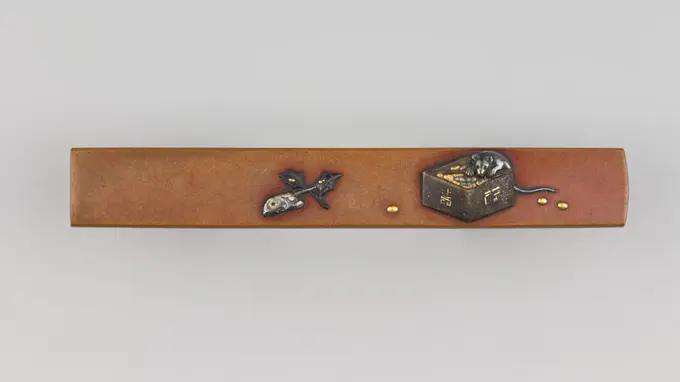
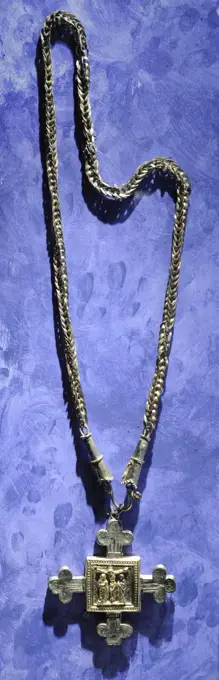
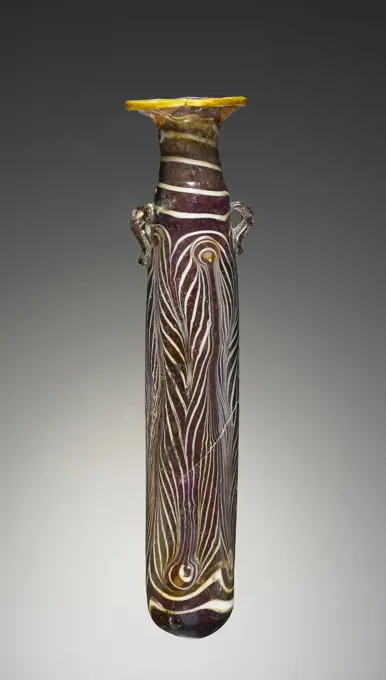
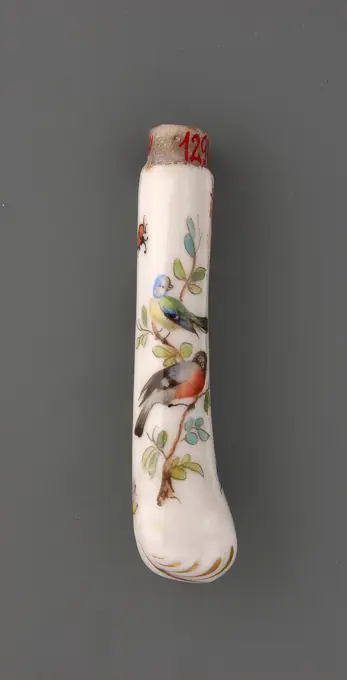
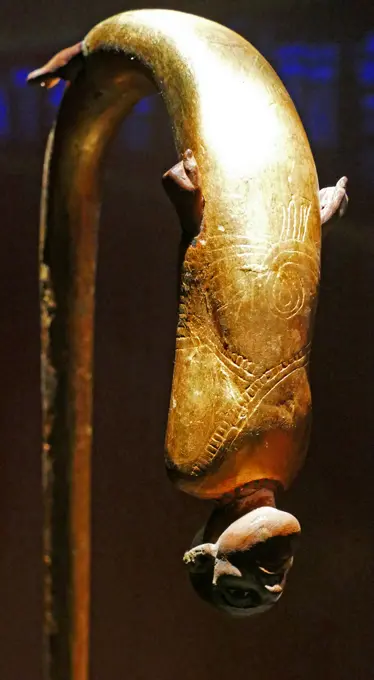
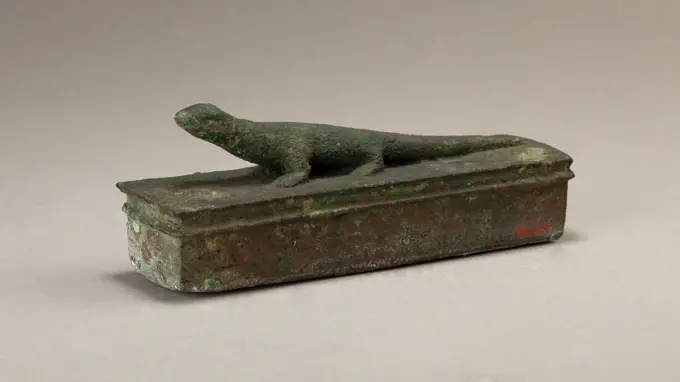
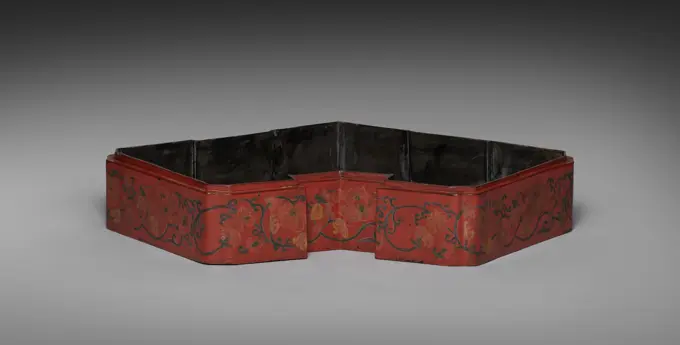
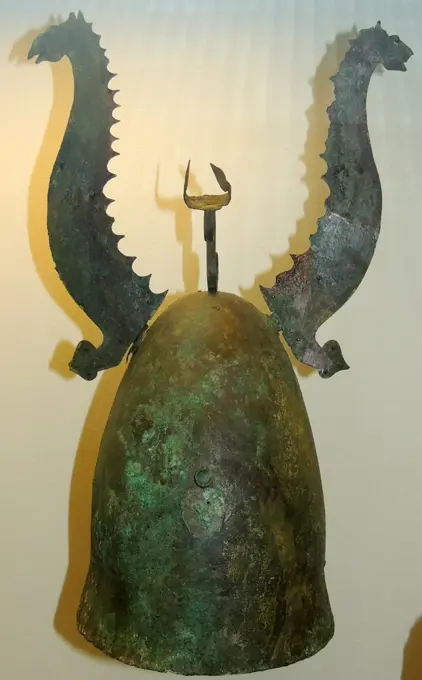
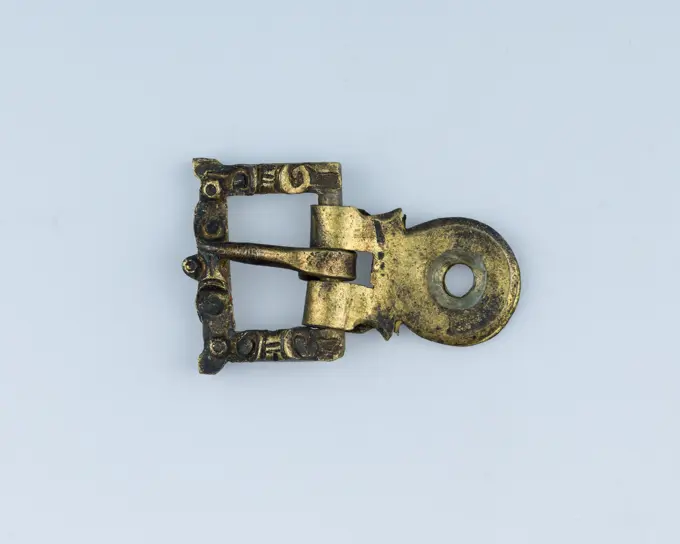
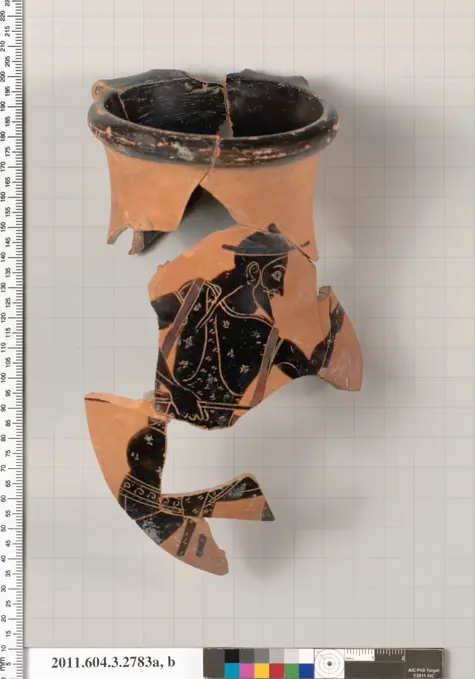
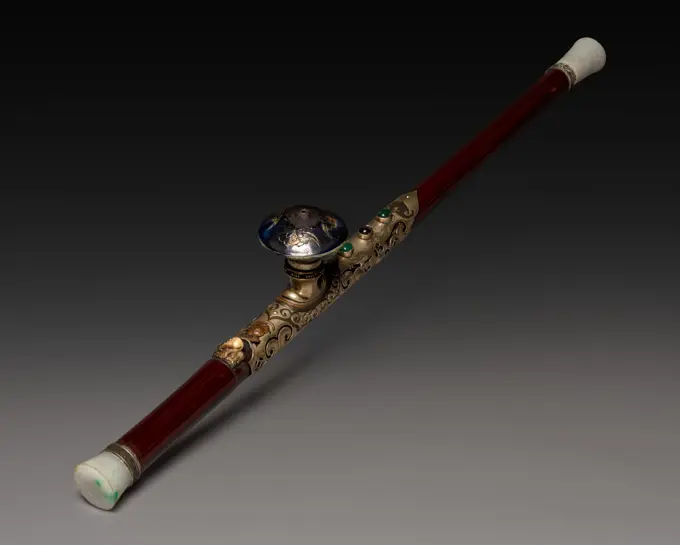
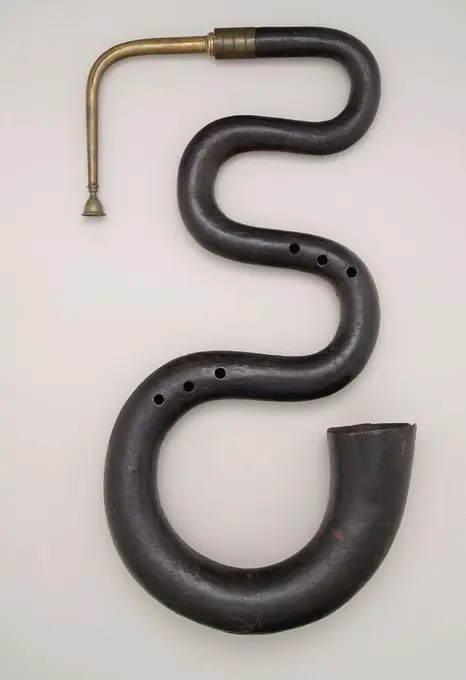
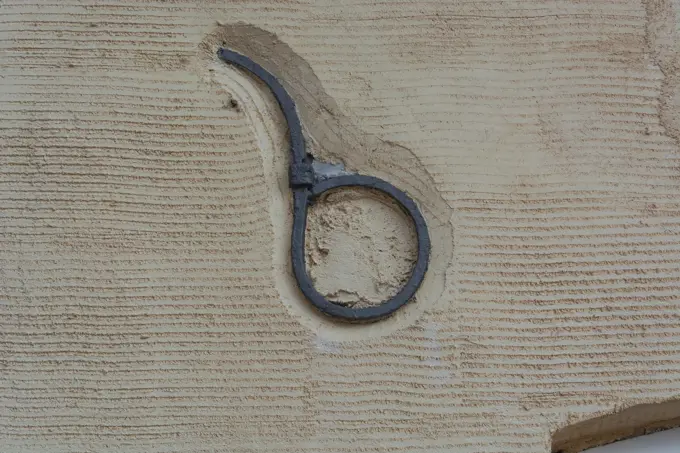
Rusty antique wall anchor Rusty antique wall anchor in an old yellow painted and plastered stone wall. Copyright: xZoonar.com/JFsxPicxFactory xThielemannx 10555757Mummy of Tasheriteniset with mummy mask and other cartonnage elements, also with garland of plants 332-30 B.C. Ptolemaic Period This mummy belongs to the woman Tasheriteniset. Her mask depicts earrings and a headband with a golden wedjat eye amulet. A long, vegetal collar was placed on her chest and she has a painted foot covering made out of linen mixed with plaster (called cartonnage).Link to a blogThe Mummy of Nesmin: A Closer Look. Mummy of Tasheriteniset with mummy mask and other cartonnage elements, also with garland of plants. 332-30 B.C.. Human Remains, linen, mummification material, painted and gilded cartonnage, plant remains. Ptolemaic Period. From Egypt; Probably from Middle Egypt, Asyut (Lykopolis)Scoop of brass in the form of a Jacobs shell, Anonymous, c. 1700 - c. 1900 The cast object consists of two parts: the shovel and the start for the stem. De Schep has the shape of a Jacobs shell. The wooden handle is missing. Netherlands brass (alloy) casting The cast object consists of two parts: the shovel and the start for the stem. De Schep has the shape of a Jacobs shell. The wooden handle is missing. Netherlands brass (alloy) castingScalpel on blue tableSpanish Civil War (1936-1939). Explosive munition used by the Republican army during the Siege of Oviedo (1937). Metal. Army Museum. Toledo, Spain.Ladle (England); silver-plated copper; L x W x D: 35.8 x 9.6 x 6.4 cm (14 1/8 x 3 3/4 x 2 1/2 in.); Bequest of Walter Phelps Warren; 1986-61-4Spear Thrower, 200 BC-AD 200. Peru, South Coast, late Paracas or early Nasca style. Bone, hematite, cotton thread, sinew; overall: 5.8 x 2 cm (2 5/16 x 13/16 in.).Kozuka; dashi: kin; ji-ita; sahkudo; mon: kin; Bequest of George Cameron Stone; 1936-4-443Fragment 9th-10th century View more. Fragment. 9th-10th century. Earthenware; reddish body, white slip and black and yellow-black decoration under glaze. Excavated in Iran, Nishapur. CeramicsWhite clay pipe, marked, with smooth handle, clay pipe smoking equipment smoke floor pottery ceramic pottery, hand molded baked White clay pipe marked with smooth handle. Heel mark crooked stamped. The pipe is rough in shape with very thick handle. Heel mark only partially stamped heel mark: probably bird archeology smoking tobaccoSilver miniature grill with handle and fish, lattice trivet dolls toy recreation miniature model silver, Six-arm trivet with handle and hanging hook fish lying on arms city label: three crosses under crown Inn Olivier van Noort play decorate home interiorKnip, c. 1400 - c. 1950 A sorner single cut (telling).  iron (metal) A sorner single cut (telling).  iron (metal)Knife with cut legs, Man with hat, knife cutlery cutlery soil find metal iron leg, cut Knife with legs in the form of figure with wide band protrudes over the forehead. The rest of the handle is smooth-walled conical and hexagonal of cross-section archeology Giessendam food cut Soil discovery Giessendam found in the country near ditch on the Binnendamseweg.Bottle probably 18th-19th century. Bottle 444730Hat pin with flat elongated triangular button of mother -of -pearl on a steel pen, anonymous, c. 1930 - c. 1940 Hat pin with flat elongated triangular button of mother -of -pearl on a steel pen. Netherlands pen: steel (alloy). knop: mother of pearl forging / cutting Hat pin with flat elongated triangular button of mother -of -pearl on a steel pen. Netherlands pen: steel (alloy). knop: mother of pearl forging / cuttingDoor consisting of four shelves, held together at the rear by three clamps, Anonymous, 1600 - 1699 door Door of oak consisting of four shelves, which are held together at the rear by three lying clamps. They are equipped with an iron bolt with ring and two handle hinges. The door is rounded from above. Northern Netherlands (possibly)Netherlands (possibly) wood (plant material). oak (wood). iron (metal)Hand rake on woodOdd Fellows ceremonial quill pen, 1856, 16 1/8 x 2 5/8 x 3/4 in. (40.96 x 6.67 x 1.91 cm), Wood, pigment, United States, 19th centuryJulien Leroy (1686-1759). "Regulator, in gilded bronze". Mobilier. Paris, Carnavalet museum. 26817-1 Dore bronze, clock, clock, furniture, regulatorBronze votive sword decorated with archer on the body of a deer, Sardinia, Italy. Nuragic Civilization, 8th Century BC.FRASCO DE POLVORA DE ASTA-EPOCA DE ISABEL II-S XIX-NºINV.K-438-5. Author: ZULOAGA EUSEBIO. Location: ARMERIA REAL, MADRID, SPAIN.Old, rustic cutting board on white background, with clipping pathFragment; silk, metallicWooden Spindle with Ceramic Whorl Made 1000-1476 Peru. Wood .Cartridge case empty in detail with reflectionFish Pendant 1300 BCE-900 BCE China. Jade .Knife Handle (Kozuka). Culture: Japanese. Dimensions: L. 3 13/16 in. (9.7 cm); W. 9/16 in. (1.4 cm); thickness 1/4 in. (0.6 cm); Wt. 1.2 oz. (34 g). Date: late 18th-early 19th century. Museum: Metropolitan Museum of Art, New York, USA.Roundworms swimming inside an icicle, Overijssel, NetherlandsFragment sarkofagu skrzyniowego (fragment ścianki szczytowej od strony głowy). unknown, authorChain of six links with flat ball with hook, anonymous, c. 1590 - c. 1596 chain Chain of six links with a flat sphere with a hook on both ends.  iron (metal) forging  Nova Zembla. Saving HuysPeaks of pieces of stem from the wreck of the East India Hollandia.Pipe, Bowl, Healmar: Tobacco's Brazier; 2HSM2.Netsuke in the Form of Ashinaga and Tenaga. unknown, sculptorChassis of a cassone of gilded pine, formed by three bows with colonets, anonymous, c. 1400 - c. 1950 Base of a cassone of gilded pine, formed by three togen with colonets. Italy (possibly) wood (plant material). pine (wood). gilding (material) gilding Base of a cassone of gilded pine, formed by three togen with colonets. Italy (possibly) wood (plant material). pine (wood). gilding (material) gildingZulu throwing spear (Ingcula). Shakaland. Eshowe. KwaZulu-Natal. South Africa.Sheath, in the middle two prancing horses and medallion, side leather carving wood sculpture sculpture wood paint gold, Silk leather car with carved motifs in the middle two prancing horses and crowned medallion decorate carYeah one hundred; Tauron-Parisot (couples; Factory; 1839-); after 1880 (1901-00-00-2000-00-00);Prehistory, Italy, Bronze Age. Terramare culture. Spear heads. From Monte Venera, province of Reggio Emilia.Knife Handle (Kozuka) 1780-1876 Japanese A kozuka is a handle of a by-knife that is part of a sword mounting. It is kept in a slot on the reverse of a katana scabbard, often with a matching kōgai (hairdressing tool).. Knife Handle (Kozuka) 29900Purple's parasol with white frills and steel from Ivory, Anonymous, 1870 - 1880 Purple's parasol with white frills and steel from ivory. Belonging to Pop BK-15444.  silk. ivory Purple's parasol with white frills and steel from ivory. Belonging to Pop BK-15444.  silk. ivoryFuse in the drop forge in a former valve factory, now an industrial museum, Lauf an der Pegnitz, Middle Franconia, Bavaria, Germany, EuropeWinged Pendant 10th-16th century Tairona Stone objects of this general shape are known to have come from an area stretching from southern Mexico to Venezuela and the Antilles in South America and the Caribbean. Their greatest concentration, however, is in the Tairona region of northwestern Colombia. Large numbers of finely crafted stone objects were excavated at Tairona sites. Usually found in caches buried in vessels under house floors or those of ceremonial structures, they are often carved of attractive pieces of stone. The stone objects include beads; axes in hafted shape carved from a single piece of stone; scepters or staffs; and thin, bar-shaped pendants with two holes or a suspension tube at the center such as the objects illustrated here, which seem to be sets of ritual artifacts.The lateral extensions of these objects may represent stylized spread wings of bats. Among the present-day Kogi and Ica, direct descendants of the Tairona, similar objects are used by religious speciaCorsesca. Italian. Date: 1530-1550. Dimensions: Overall L. 255.6 cm (100 5/8 in.)Head L. 57.5 cm (22 5/8 in.)Point-to-Point W. 24.1 cm (9 1/2 in.)Wt. 5 lb. 11 oz. Steel, leather covered wood, latten (copper alloy), brass, and tassel. Origin: Italy. Museum: The Chicago Art Institute, Chicago, USA.Badge of the Congress of the Society of Polish Anesthesiologists in Łódź unknown labelPellet and Bolt Crossbow Combined with a Wheel-Lock Gun. Culture: Central European; possibly Southern German or Austrian. Designer: Decoration based on designs by Jacob Floris (1524-1581) , published in Antwerp in 1564.. Dimensions: L. 28 1/2 in. (72.4 cm); W. 26 1/2 in. (67.2 cm); Wt. 11 lb. 7 oz. (5,197 g). Date: ca. 1570-1600.The inlay of polished and engraved staghorn featuring trophies of arms is based on designs by Jacob Floris (1524-1581), which were published in Antwerp in 1564. The bow is a later replacement. Museum: Metropolitan Museum of Art, New York, USA.Bonnet. Culture: British. Date: ca. 1820.Bonnets worn during this period were elaborately decorated and varied widely in shape and type of decoration. This particular hat has a great deal of presence because of the sheer size and boldness of the shape. The undulating ruffles created by the velvet-edged satin adds another dimension to its presence. The wearer's face would be flirtatiously framed by the deep arc of the brim. Museum: Metropolitan Museum of Art, New York, USA.Vanilla spice macro closeup detail on black slate backgroundDecorated Column late 10th century Cambodia. Decorated Column 39768CollarDoor Handle late 15th century German. Door Handle 468884Candlestick 1845-60 American. Candlestick 1218South American civilization. Quimbay civilization (Colombia). 500-1500. Beaded necklaces. From right to left; 16cm, 35 cm and 31 cm. Private Collection.This is a very useful  kitchen equipment. This object for nut or similar vegetable.Foedraal of a Kaske Dragonders officers, c. 1830 - c. 1850 case Fedral of a Kaske Kurassiers officers.  leather. brass (alloy)Blue Lotus Petal Bead ca. 1390-1353 B.C. New Kingdom. Blue Lotus Petal Bead. ca. 1390-1353 B.C.. Faience. New Kingdom. From Egypt, Upper Egypt, Thebes, Malqata, Palace of Amenhotep III, MMA excavations, 1910-11. Dynasty 18Glove of white jersey with two beige snaps, anonymous, c. 1900 - c. 1930 Left glove made of thin beige jersey, with striped stripes motif. With two beige snaps Netherlands (possibly) whole: Cotton (textile). whole:. Buttons:. Buttons: Metal Left glove made of thin beige jersey, with striped stripes motif. With two beige snaps Netherlands (possibly) whole: Cotton (textile). whole:. Buttons:. Buttons: MetalNotKnife Handle (Kozuka). Culture: Japanese. Dimensions: L. 3 13/16 in. (9.7 cm); W. 9/16 in. (1.4 cm); thickness 1/4 in. (0.6 cm); Wt. 1.2 oz. (34 g). Date: 18th century. Museum: Metropolitan Museum of Art, New York, USA.Scandinavia. Scandinavia. Reliquary cross. Groven, Vinje, Telemark. 13th century. Norway. Historical Museum. Oslo. Norway.fragment of orientalizing Thymaterium of Cypriot type fragment of orientalizing Thymaterium of Cypriot type, bronze decorated with lotus buds, 6th century BC, Los Villares de Andújar, Iberian culture, Iberian Museum of Jaén, Andalusia, Spain Copyright: xZoonar.com/BartomeuxBalaguerxRotgerx 21704968Fan Case; silk-covered paperAlabastron; Eastern Mediterranean; 4th - 1st century B.C; Glass; 13.5 cm (5 5,16 in.)Goldweight Pipe, 20th century, 1 1/2 x 3/8 in. (3.81 x 1 cm), Bronze, Ghana, 20th centurySherd. Culture: Iran. Dimensions: 1.85 x 0.2 in. (4.7 x 0.51 cm). Date: 5th-3rd millennium B.C.. Museum: Metropolitan Museum of Art, New York, USA.Greave of a murmillo BronzeTassel (Italy); linenShoes 16th century probably British. Shoes 101801Norway-June 2009 Oslo City Bygdoy District Viking ship MuseumMiniature Litter Section 11th-late 15th century Chimú or Chancay. Miniature Litter Section 309211Air Vent Hose Air Ventilation Flexible Hose Duct Spiral Hvac Copyright: xZoonar.com/MarkoxBericx 13604001A handle for articles; Koenigliche Porzellanmanufaktur (Meissen; 1807/14-1918); 19th century (1801-00-00-1900-00-00);Hair comb made of turtle, U-shaped with rounded back, anonymous, c. 1885 - c. 1900 Hair comb made of turtle, U-shaped with rounded back. Netherlands (possibly) . filing / polishing Hair comb made of turtle, U-shaped with rounded back. Netherlands (possibly) . filing / polishingGilded wooden stick with a crook in form of Asiatic Prisoner and Blue Faience Ferrule. Reign of Tutankhamun. Tutankhamun, commonly referred to as King Tut, was an ancient Egyptian pharaoh who was the last of his royal family to rule during the end of the 18th Dynasty during the New Kingdom of Egyptian historyShrine-shaped case for an animal mummy surmounted by a lizard 664-30 B.C. Late Period-Ptolemaic Period The lizard in later periods of Egyptian history was linked with the creator and solar god Atum, in large part because of their reptilian tendency to warm themselves in the sunshine. Almost all copper alloy representations show the lizards prone, with legs slightly splayed, as if basking in the suns rays. Most rest on top of boxes that would have held mummified lizards. Boxes like these generally open at the back end for the insertion of the mummy; on this shrine-shaped example, the bottom panel slides out, allowing for easier access. These boxes would have been offered in temples or for deposition in animal necropoleis, not just in honor of Atum, but also in broad connection with other animal representations linked to solar cult, such as shrew mice, ichneumons, or falcons.. Shrine-shaped case for an animal mummy surmounted by a lizard. 664-30 B.C.. Cupreous metal. Late Period-PtolemaCanada, Manitoba, Churchill, Eskimo Museum. First Nations scrimshaw ivory walrus tusk carved with dog and polar bear design.House post from a men's cult house from Papa New Guinea. Made by the Iatmul people by the Sepik River. Dated 20th CenturyWeapon rack in two parts, decorated with animal heads, anonymous, c. 1400 - c. 1950 Weapon rack, consisting of two parts (A and B), each decorated with four animal heads.  pine (wood). paint (coating) gilding Weapon rack, consisting of two parts (A and B), each decorated with four animal heads.  pine (wood). paint (coating) gildingKnife Handle (Kozuka). Culture: Japanese. Dimensions: L. 3 13/16 in. (9.7 cm); W. 9/16 in. (1.4 cm); thickness 5/16 in. (0.8 cm); Wt. 1.1 oz. (31.2 g). Date: ca. 1615-1868. Museum: Metropolitan Museum of Art, New York, USA.SWORD KNIFE HILT, GOTO MITSUTAKE, 1500-1900 Decoration with shells in gold and silver against the background of a stylized golf line; Signed Goto Mitsutake. Japan gold (metal). silver (metal) Decoration with shells in gold and silver against the background of a stylized golf line; Signed Goto Mitsutake. Japan gold (metal). silver (metal)Ballestilla (Jacob's staff). Navigational instrument used to calculate the height of the sun and other celestial bodies over the horizon for use in nautical navigation. 16th century. María Pita House Museum. Corunna, Galicia, Spain.Purse, Medium: silk, metallic beads Technique: embroidered net with beads, Flat purse of fine black net embroidered with cut steel beads arranged in point ovals and tent stitch in yellow and green silks. Fitted at top to steel frame with catch-chain of steels bands. Lined with pink taffeta., Europe, 1830-50, costume & accessories, PurseA pair of pistols with a Miquelet rock castleDIADEMA DEL TESORO DE BEDOYA. Location: ARCHAEOLOGICAL MUSEUM. Pontevedra. SPANIEN.Fingered Gauntlet for the Right Hand Made 1560-1610 Milan. Steel and leather .Fringe (Spain); silkLadies' Mill of Carmine Rood velvet, decorated with silver thread and forcing, anonymous, c. 1825 - c. 1875 Ladiesmill, made of carmine red velvet, decorated with silver thread and forcons. Model: Without heels and with narrow tutiting forefoot, ending in a square nose. Feeded with leather with punched decoration at the heel site. West-Europa whole: Leather. Foot: Velvet (Fabric Weave). Decoration: Silver thread Ladiesmill, made of carmine red velvet, decorated with silver thread and forcons. Model: Without heels and with narrow tutiting forefoot, ending in a square nose. Feeded with leather with punched decoration at the heel site. West-Europa whole: Leather. Foot: Velvet (Fabric Weave). Decoration: Silver threadCOLUMNA DEL MARTYRIUM DE LA ALBERCA - SIGLO IV O COLUMNA DE LA BASILICA PALEOCRISTIANA DE ALGEZARES. Location: MUSEO ARQUEOLOGICO-COLECCION. MURCIA. SPANIEN.prayer wheel, Tibet, 19th century, silver and wood, Anthropology National Museum, Madrid, Spain.Close-up of wheatTraditional Ute basket woven from juniper barkMiddle Tier Box, late 1700s. Japan, Edo period (1615-1868). Red lacquer over a wood core, with litharge painting and engraved gold designs (Ryukyuan);Bronze helmet with creat-holder and detachable horns in the form of horse-headed sea-monsters. Perhaps from Messapian, about 325-275 BC. The Messapians or Messapii were an Indo-European people that inhabited, in historical times, the south-eastern peninsula of ItalyBuckle ca. 1550 possibly Italian. Buckle. possibly Italian. ca. 1550. Brass. Miscellaneous-Buckles & OrnamentTerracotta fragments of an olpe (jug) 540-530 B.C. Greek, Attic The mouth and the top of the handle are preserved; below, on the body, Perseus running to right, wearing a petasos, patterned chitoniskos, nebris, and a kibisis, holding a spear in his right hand, with his left hand raised in front of him. Terracotta fragments of an olpe (jug). Greek, Attic. 540-530 B.C.. Terracotta; black-figure. Archaic. VasesOpium Pipe, 1800s. China, Qing dynasty (1644-1911). Lacquer, jade, and silver decoration; overall: 63.6 cm (25 1/16 in.).Serpent ca. 1810 Unknown The serpent, a bass brass instrument, has a long association with church music. It accompanied plainsong in France from the late sixteenth century onward and was popular in English church bands during the eighteenth and nineteenth centuries. Sometimes used in orchestras, it was replaced by the ophicleide and the newly developed tuba in the mid- nineteenth century.. Serpent 504257Hunting Horn. In 1849 King William II presented this horn as a prize for the fastest hunter at Het Loo Palace. Its shape is derived from an ox horn, and is embellished with both predators and prey. Concealed in the asymmetrical Rococo scrolls are a red deer beset by a hound, a fox cornered by a pair of lions, and a hooded falcon waits to hunt its prey.Serpent. Culture: French. Dimensions: 39 × 17 × 8 1/4 in. (99.1 × 43.2 × 21 cm). Maker: Unknown , France. Date: ca. 1810. Museum: Metropolitan Museum of Art, New York, USA.ARTE AFRICANO. NIGERIA. S. XVIII. MASCARA RITUAL ODODUA CON CASCO de latón. Reino de Benín. Museo Británico. Londres. Inglaterra. Reino Unido.Wagon Jack. Dated: 1935/1942. Dimensions: overall: 35.2 x 24.3 cm (13 7/8 x 9 9/16 in.). Medium: watercolor, graphite, colored pencil, and gouache on paperboard. Museum: National Gallery of Art, Washington DC. Author: Samuel W. Ford.Sherd from a Black-topped Red Ware Beaker with a Graffito of an Elephant ca. 3850-2960 B.C. Predynastic Period. Sherd from a Black-topped Red Ware Beaker with a Graffito of an Elephant. ca. 3850-2960 B.C.. Pottery. Predynastic Period. From Egypt