Historical Metal Artifacts

A series of historical metal items including miniature fenders, swords, and ancient keys, showcasing intricate designs and craftsmanship.
Sweatwoman (attributed title). Bronze. Carnavalet museum, history of Paris.
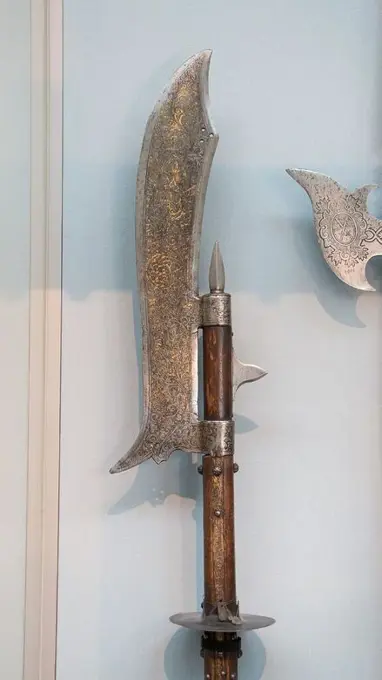
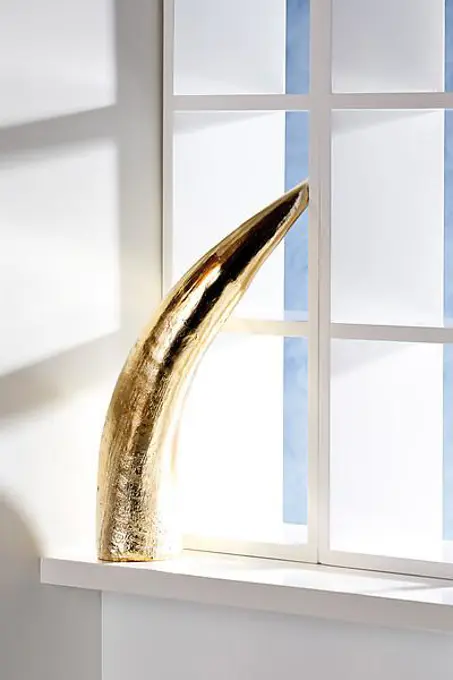
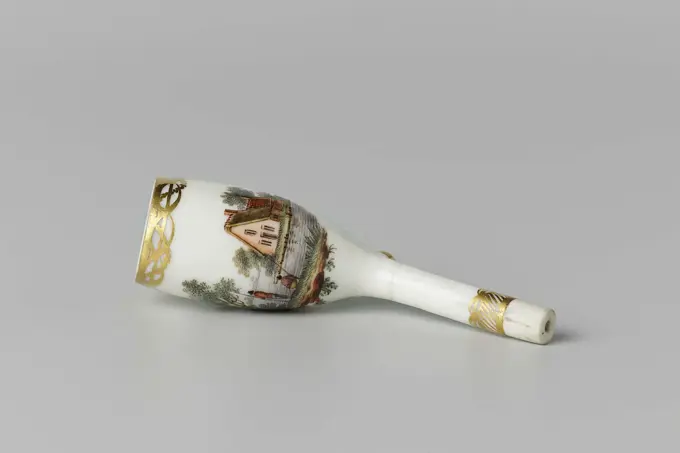
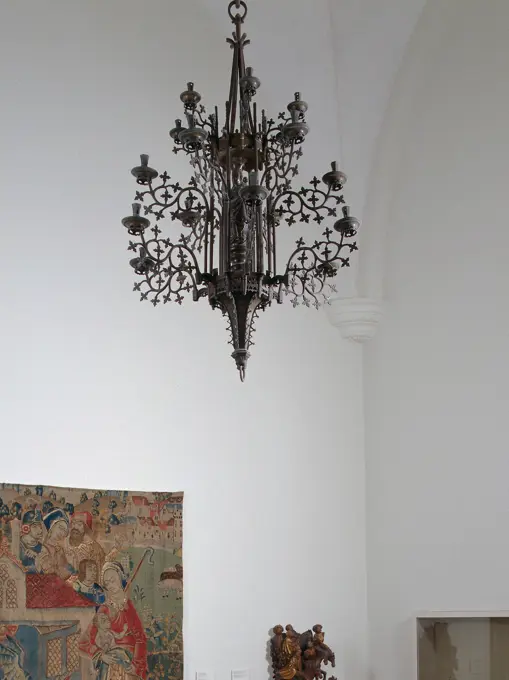
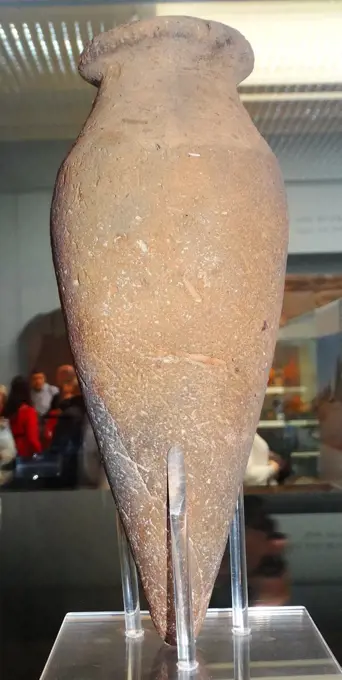
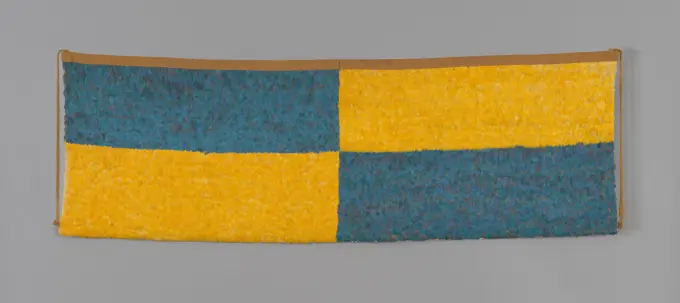
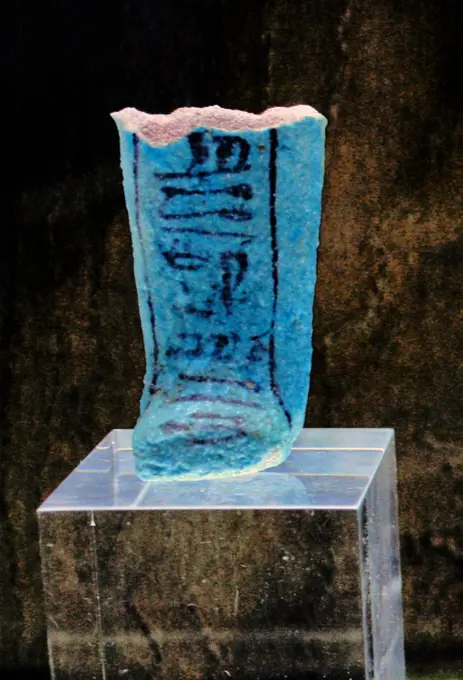
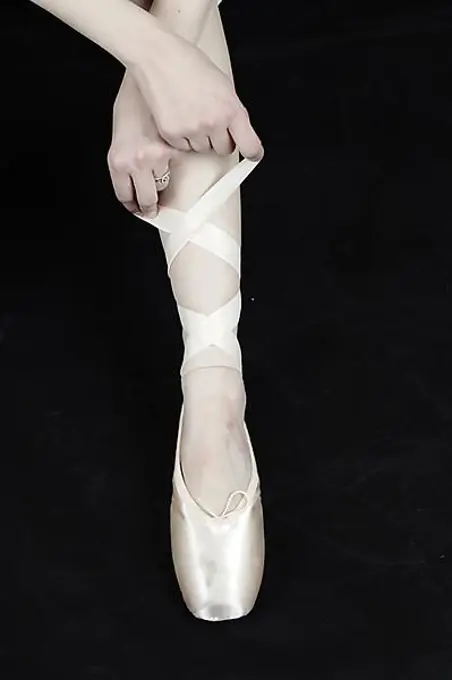
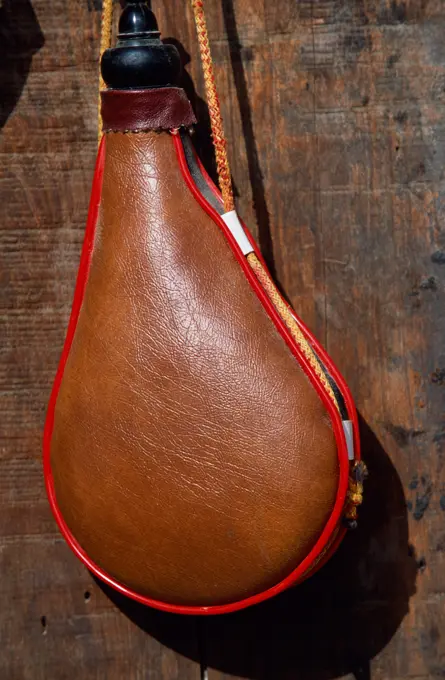
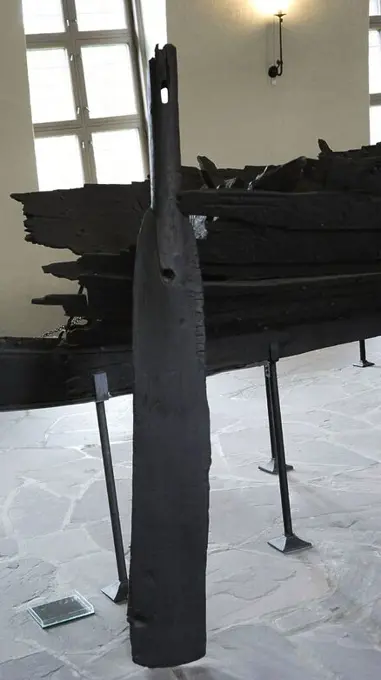
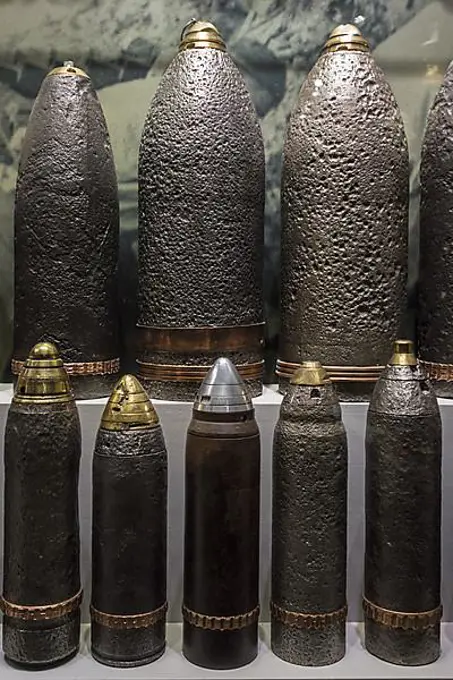
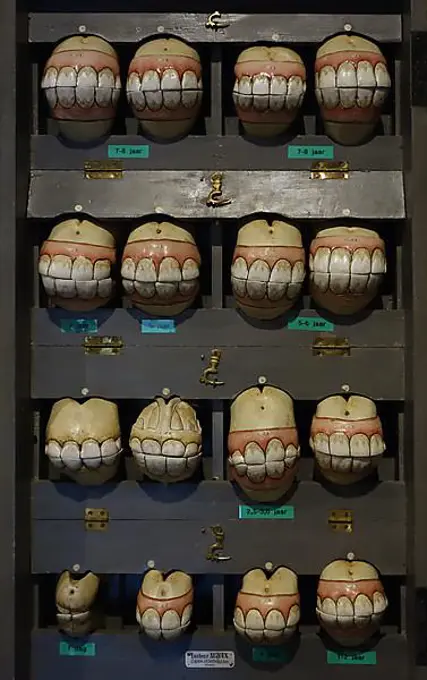
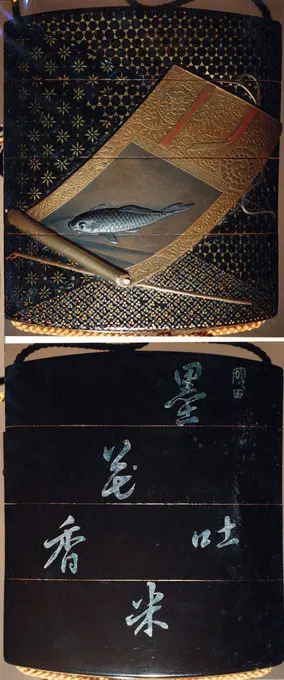
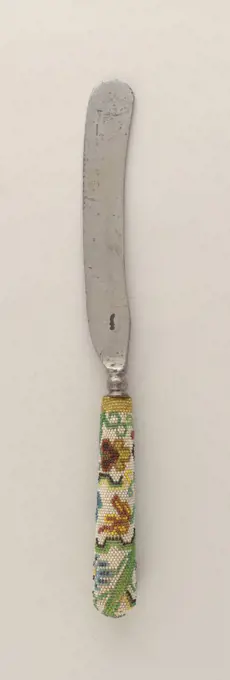
Knife, Steel, glass beads, thread, Scimitar-shaped blade. Tapered handle decorated with multi-colored glass beads; floral pattern in green, blue, brown and yellow on white ground., Germany, ca. 1730-50, cutlery, Decorative Arts, KnifeMan's poncho, 20th century, 27 1/4 x 61 1/4 in. (69.22 x 155.58 cm) (folded), Alpaca, Bolivia, 20th centuryGlaive, probably of August I of Saxony (reigned 1553-86). Culture: German. Dimensions: L. 94 in. (238.8 cm); L. of head 19 3/4 in. (50.2 cm); W. 7 1/4 in. (18.4 cm). Date: ca. 1560.This staff weapon was carried by the bodyguards of the Prince-Electors of Saxony. Museum: Metropolitan Museum of Art, New York, USA.Golden cornucopia on a windowsill. Porcelain factory on the Amsteloper-Amstel, c. 1784-1809Hard-Paste Porcelain, WoodMirror ca. 1550-1295 B.C. New Kingdom. Mirror. ca. 1550-1295 B.C.. Wood, bronze or copper alloy. New Kingdom. From Egypt. Candle arm belonging to a candle wreath of three heights with maria chapel in the middle. The arm is bent twice and has eleven leaves. The fat catcher rests at the end, which has a vertical knurled edge on the underside with cross block motifs. The candle holder is six more flaky with a perforated side and back and has a vertically annular bottom. This is the second arm of the lower ring (pedestal), numbered with 2 dots.. Candle arm belonging to a candle wreath of three heights with maria chapel in the middle. The arm is bent twice and has eleven leaves. The fat catcher rests at the end, which has a vertical knurled edge on the underside with cross block motifs. The candle holder is six more flaky with a perforated side and back and has a vertically annular bottom. This is the first arm of the lower ring (pedestal), numbered with 1 dot.Terracotta fragment of a stamnos (jar) 450-430 B.C. Greek, Attic The profile of the mouth has two tooled grooves; in between the grooves, there is an egg pattern with dots in the interstices; part of the neck of the stamnos is preserved. Terracotta fragment of a stamnos (jar). Greek, Attic. 450-430 B.C.. Terracotta; red-figure. Classical. Vasestongue-shaped plate, 7th century, Visigoth - early medieval, Valladolid Museum , Castile and Leon, Spain.Photograph by Frana Jesenko showing ears of Galician wheat, Petkuser Rye, and the F1 generation from crossing these varieties, mounted on collodion paper on a box.Egyptian pottery vessel, Middle Kingdom, about 1900-1800 BC From BuhenAnthropomorphic domestic idol-altar. Chalcolithic. 4th millennium BC. Basalt. Cylindrical in shape with handles. The upper part has a small deposit for offerings. It was placed inside dwellings. From the Golan Heights (Middle East). Sephardic Museum. Toledo. Castile-La Mancha. Spain.Feathered Panel A.D. 600-900 Wari The discovery of an ancient burial or ceremonial site in the upriver region of the Churunga Valley, in far south Peru, received little attention in the turbulent world of 1943. Decades later, it would take two generations of Andean scholars to painstakingly piece together the puzzling story of this discovery, which included the largest and most spectacular find of Precolumbian Peruvian feather work to date.Protected from decay by being rolled, placed into large ceramic jars, and buried in the arid soil, the cache included an estimated ninety-six panels, each densely covered with tens of thousands of small glossy macaw body feathers, primarily from the blue and yellow macaw (Ara ararauna). Although these panels were found in the dry western foothills of the Andes, the birds home is the Amazonian rainforest, far to the east. The effort required to secure such a mind-bogglingly large supply of either feathers or live birds suggests that colorful feathersDetective investigation game play objects. A pipe, a quill pen, a vintage ink well and a mysterious box, overhead flat lay shotEmpty cutting board Cutting Board on a old rustik tableUSA, Vermont, Plymouth Notch. Coolidge Homestead, birthplace of US President Calvin Coolidge, kitchen detailDOLMEN DE LA PASTORA-MAQUETA-SECCION. Location: MUSEO ARQUEOLOGICO-COLECCION. Sevilla. Seville. SPAIN.Object native to Egypt created from the semi- precious stone Lapis lazuli. Part of a mini sarcophagus. Barcelona. Spain 2013Young female ballet dancer, ballerina lacing her ballet shoesEurope, Spain, A leather wineskin hanging at a market stall in Quel19th Century light switch. Dated 21st CenturyOld tools, shovels, and saws, New MexicoEar of multicolored Indian corn against concrete background.Japanese sashimi knife on black stone slate background textureShield, early 1900s. Eastern Africa, Uganda (), early 20th century. Wood, paint, and cord; overall: 70.5 x 29.8 x 19.7 cm (27 3/4 x 11 3/4 x 7 3/4 in.).Pred Dvorom, Rector's Palace, stairs, handrail, stone hand, Dubrovnik, Dubrovacko-Neretvanska, Croatia, EuropeClose view of a woman's dark hair braid on red material; Sacred Valley, PeruShip of Tune. Vessel of karve type, dated in the 900 AD. Oak wood. Found in Ostfold, Norway. Viking Ship Museum. Oslo. Norway.1930s HUMAN SKULL SMOKING A CIGARETTEMetal candlesticks in the form of griffions and lion, Anonymous, c. 1860 - c. 1885 photograph   photographic support albumen print candlestick. griffin (lion/eagle); 'Griffo' (Ripa)First World War One artillery ammunition in the Memorial Museum Passchendaele 1917 at Zonnebeke, Belgium, EuropeTextileWooden box with replicas of horses' set of teeth of all age development stages as help for aging horsesInrō with Carp Hanging Scroll and Characters second half of the 18th century Kōami Chōkō Japanese. Inrō with Carp Hanging Scroll and Characters 58617Cigar band - Gentleman Fabrica de Tobacco L.N.Hadd