Historical Metal Artifacts

An array of engraved metal objects from different cultures and periods, featuring intricate designs on bowls, coins, and dishes, reflecting rich artistic traditions.
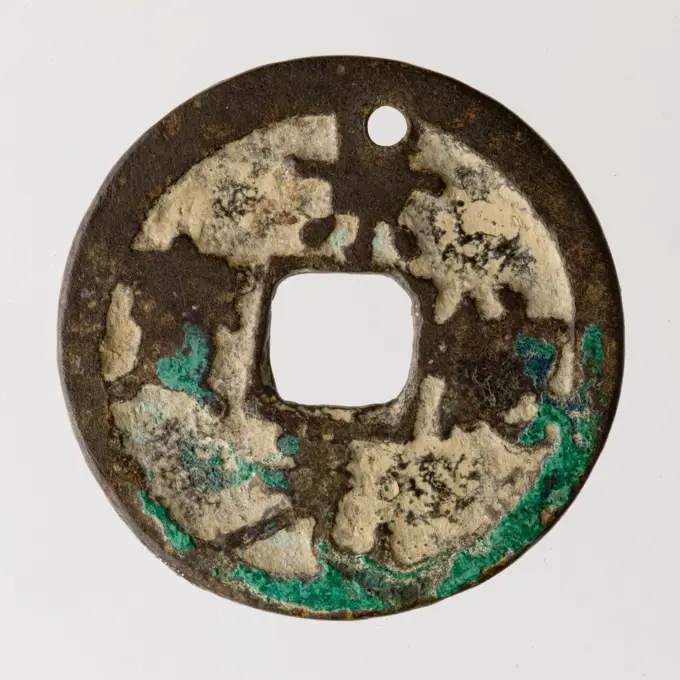
Cash. Copper alloy, China, Song dynasty. Paris, Cernuschi museum. Amulet, Asian art, Chinese art, circle, Asian civilization, Chinese civilization, belief, disc, Song dynasty, currency
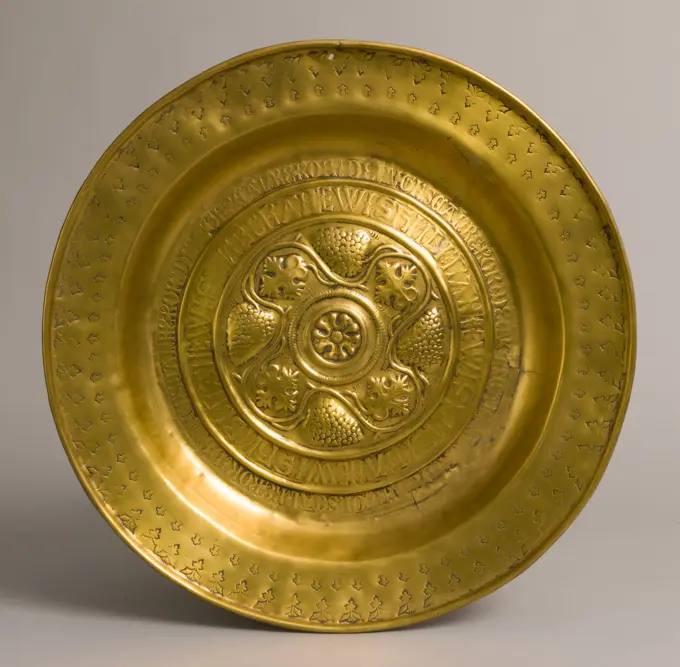
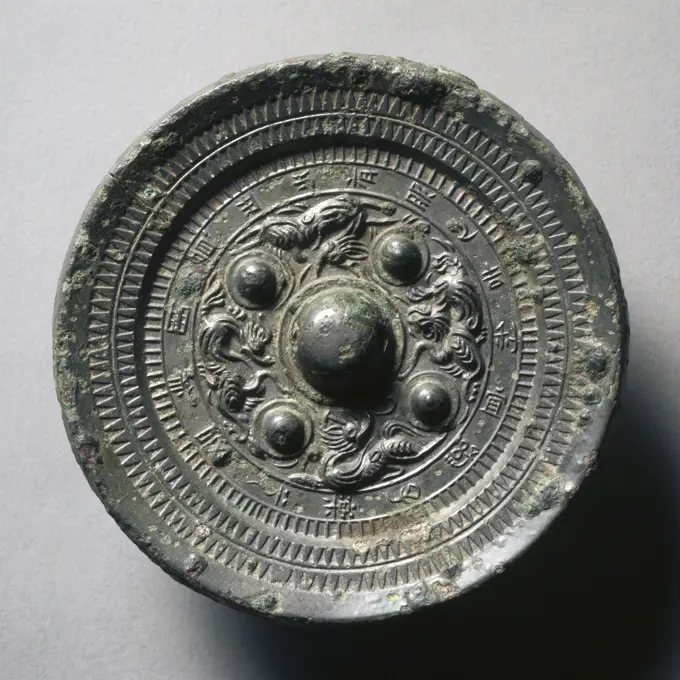
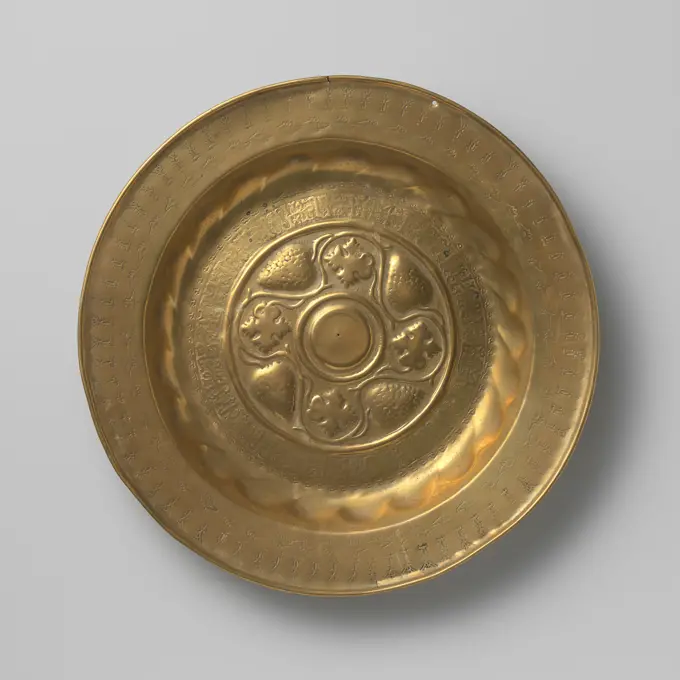
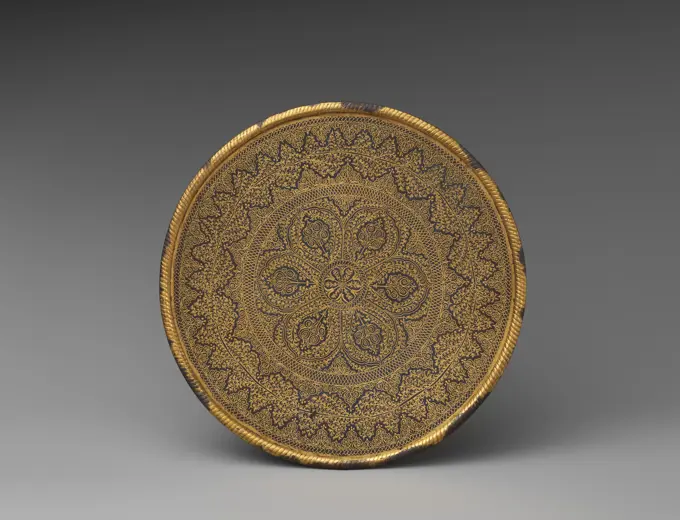
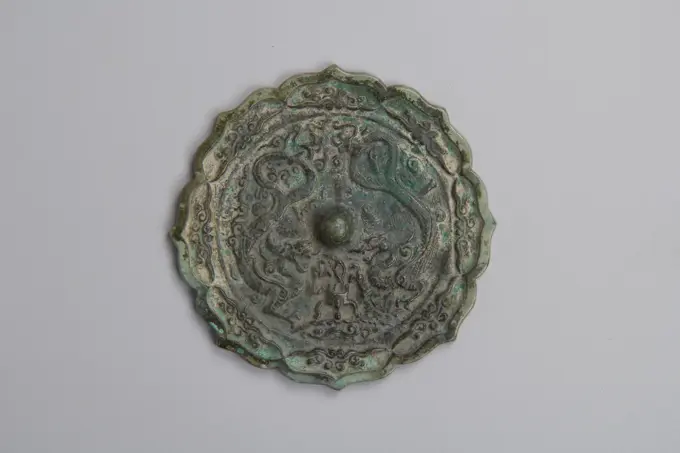
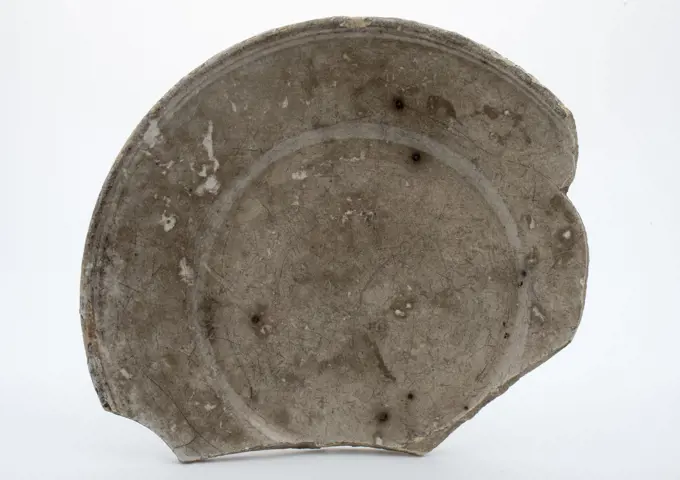
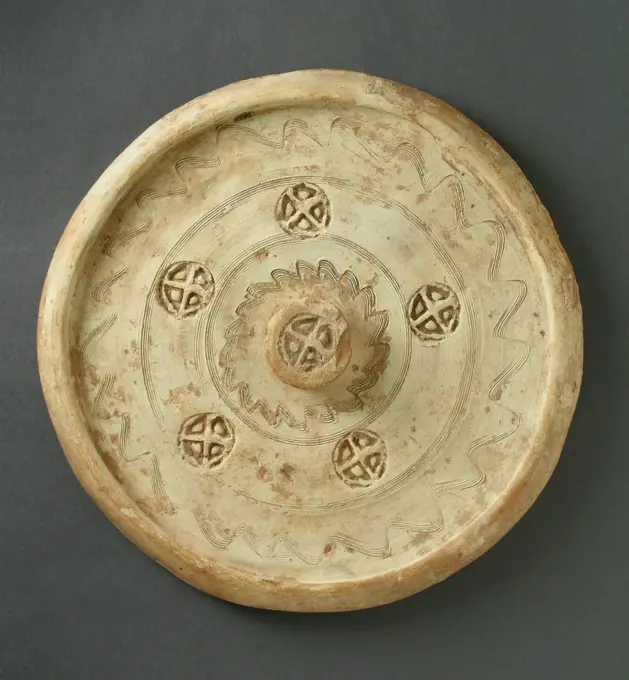
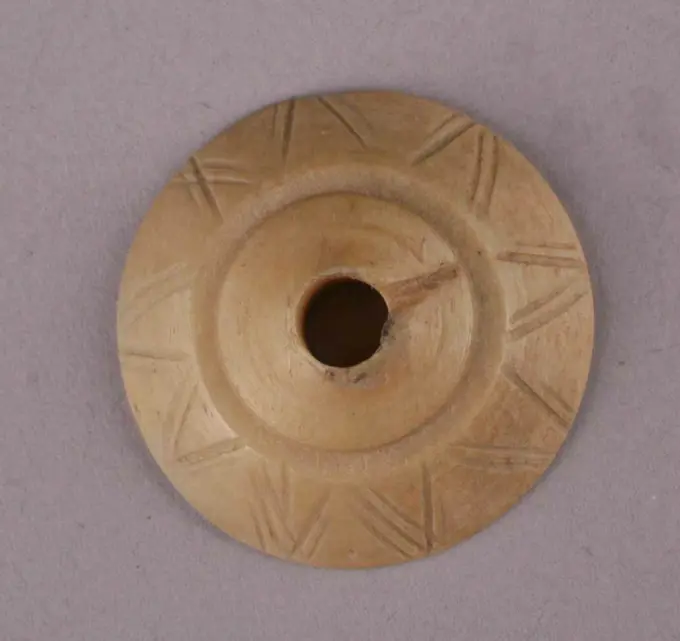
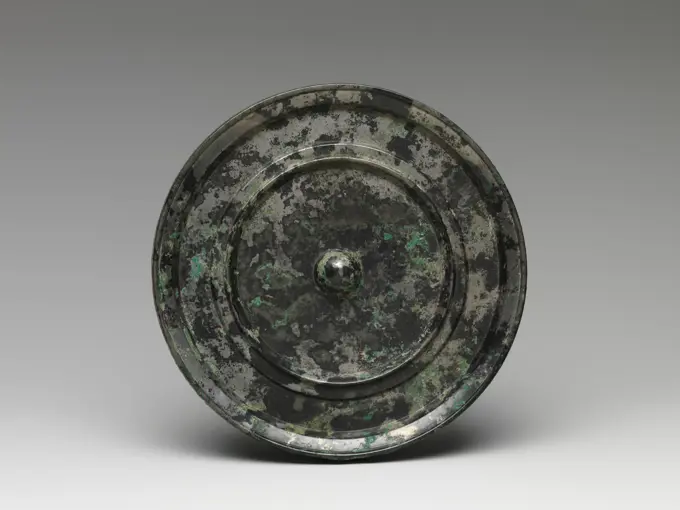
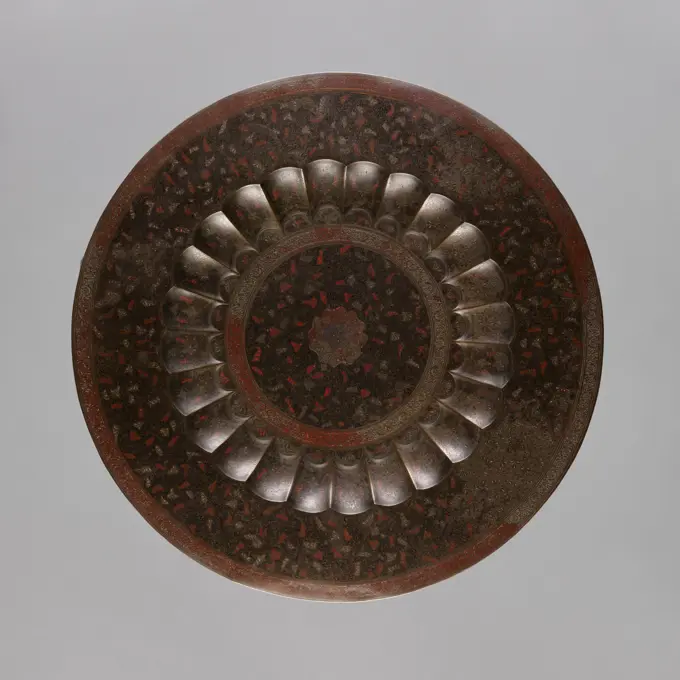
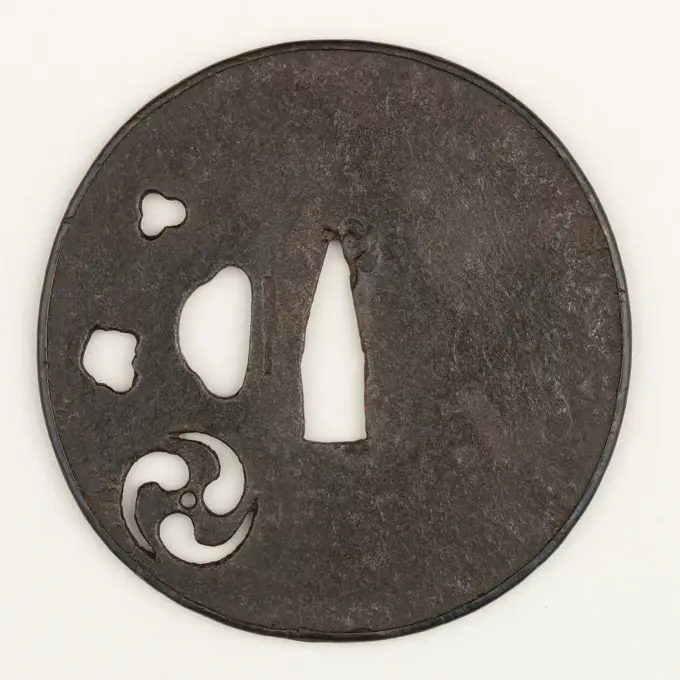
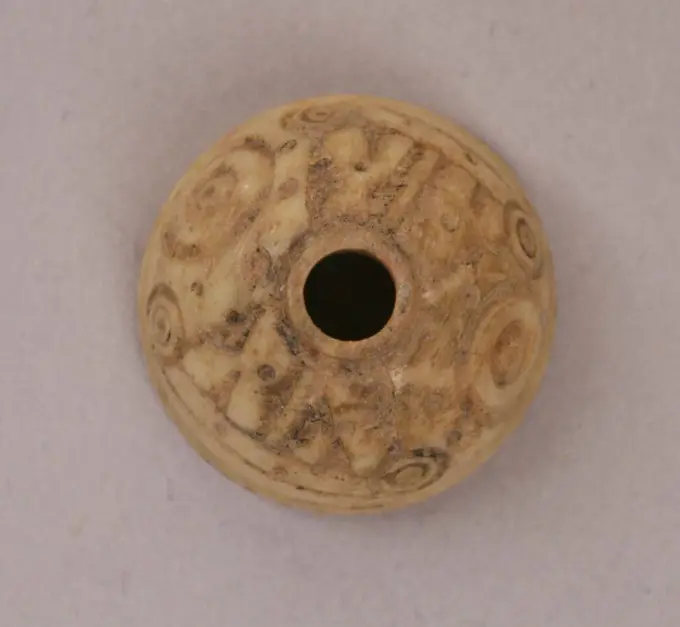
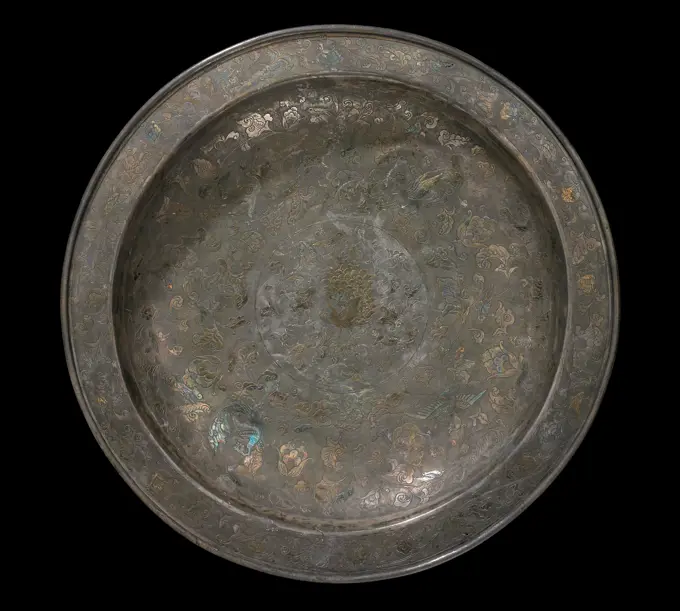
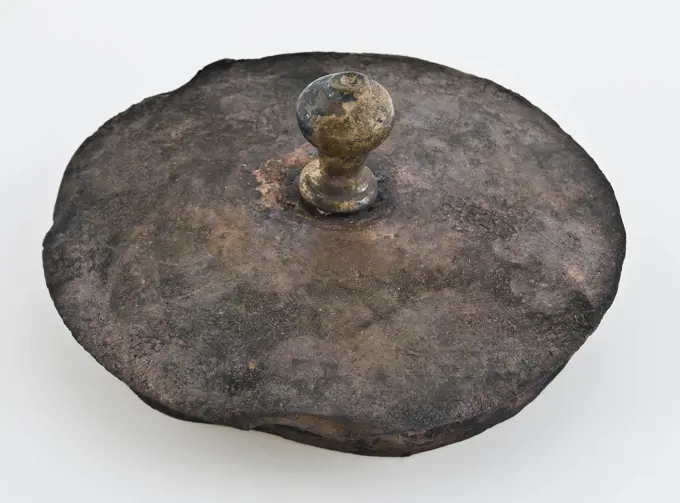
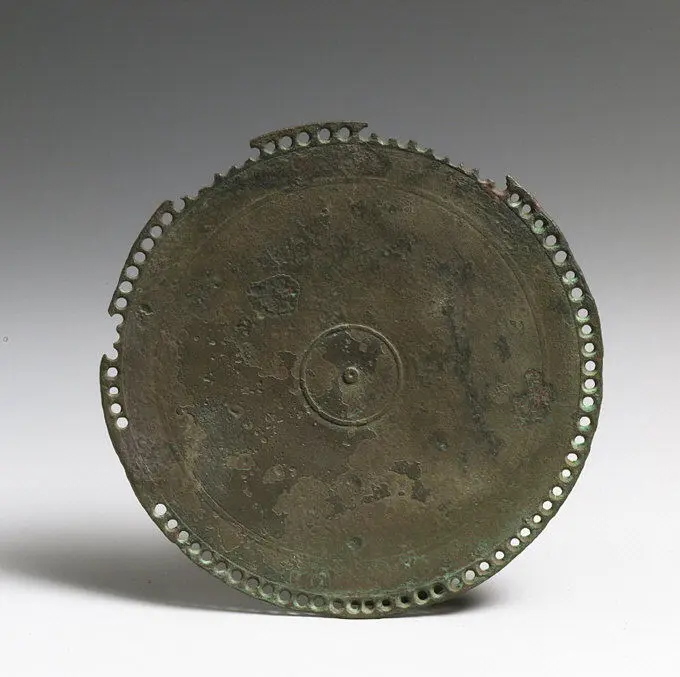
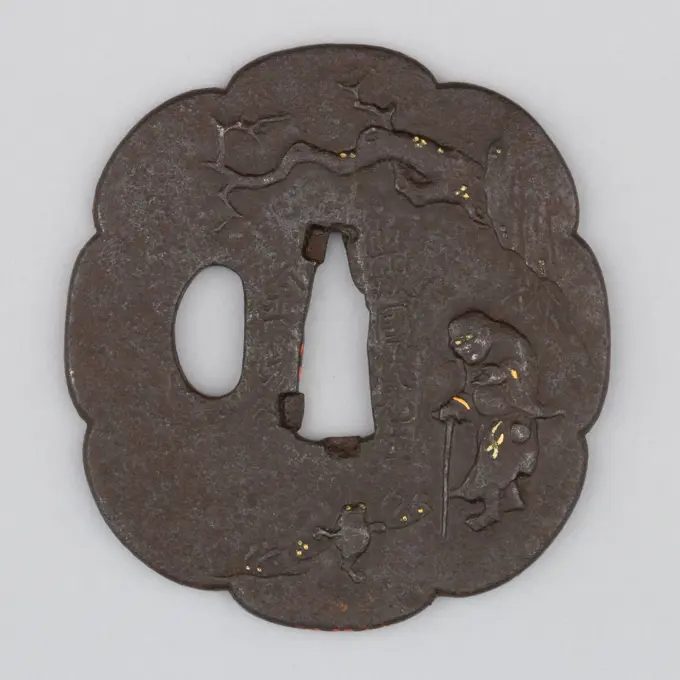
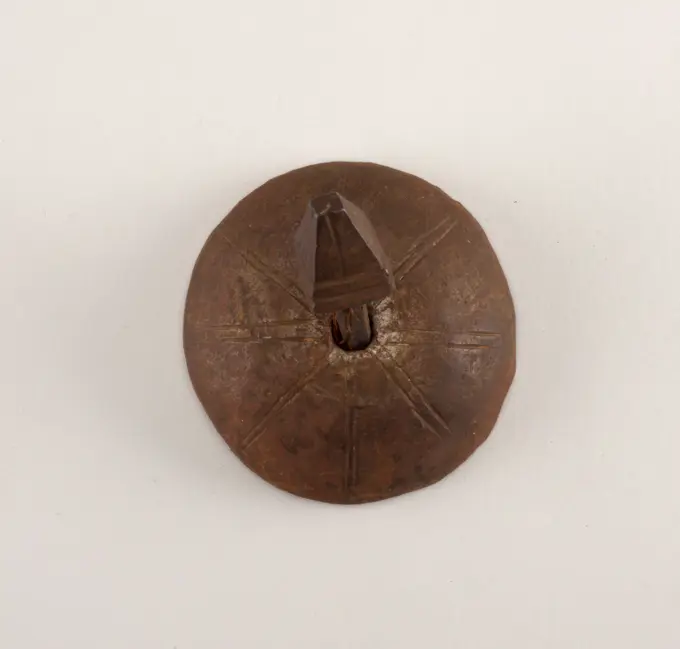
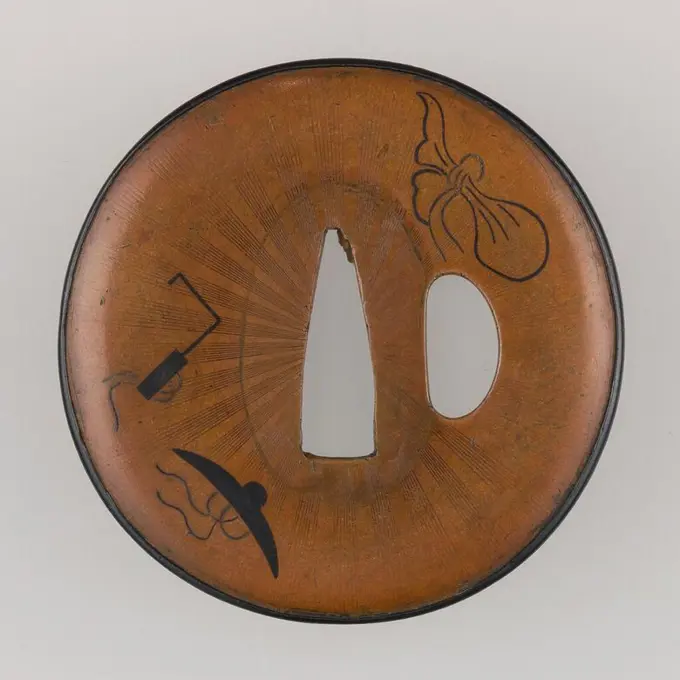
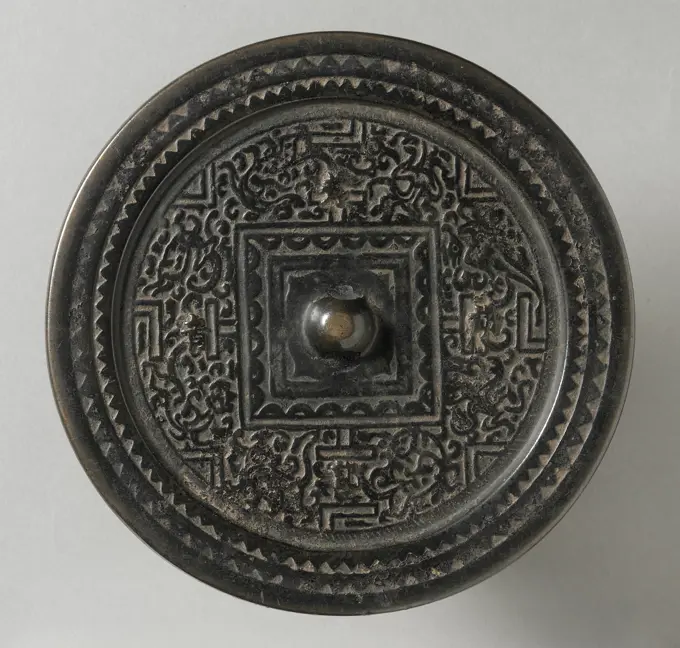
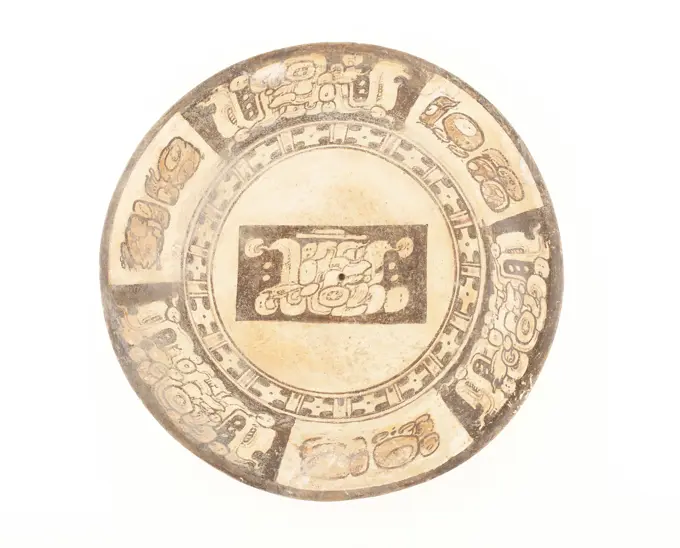
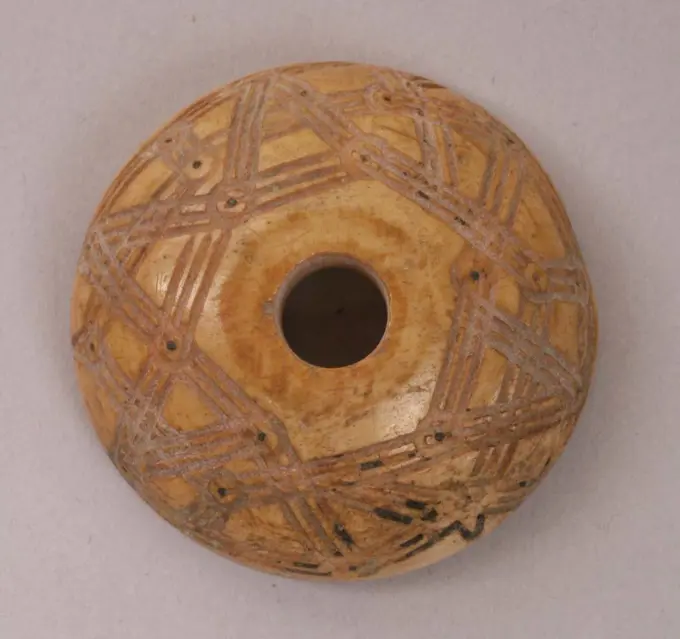
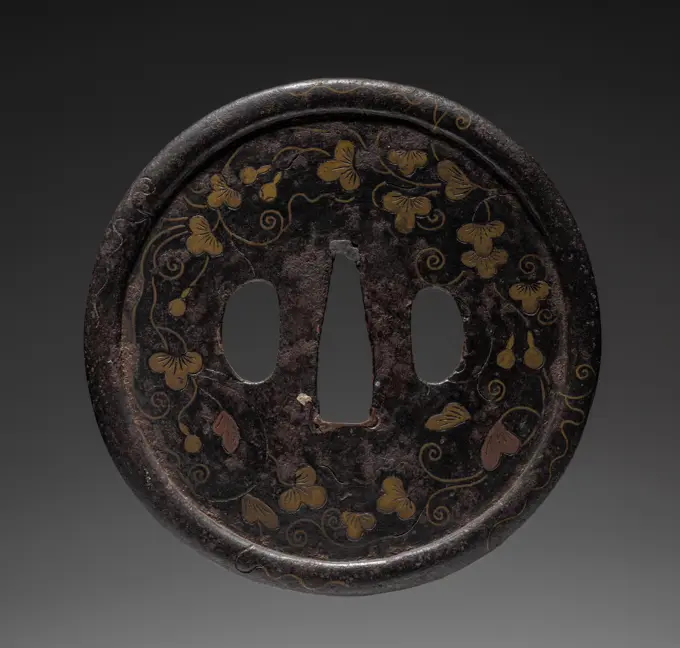
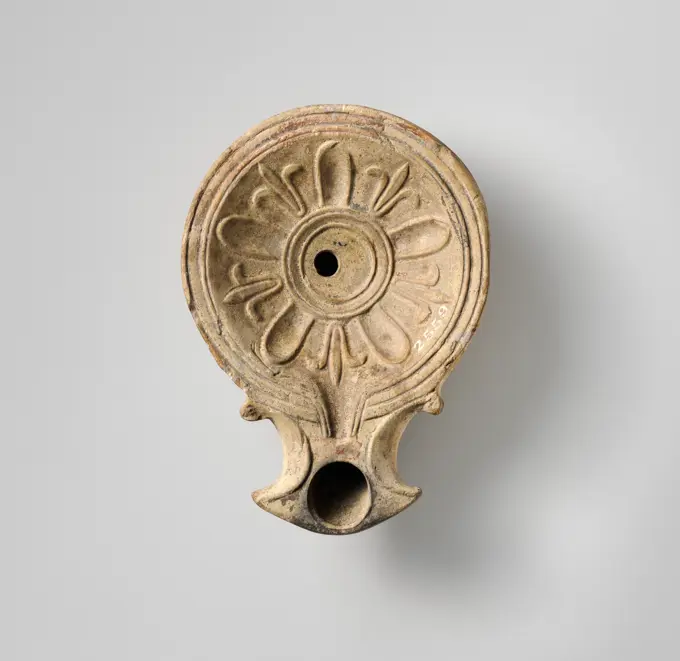
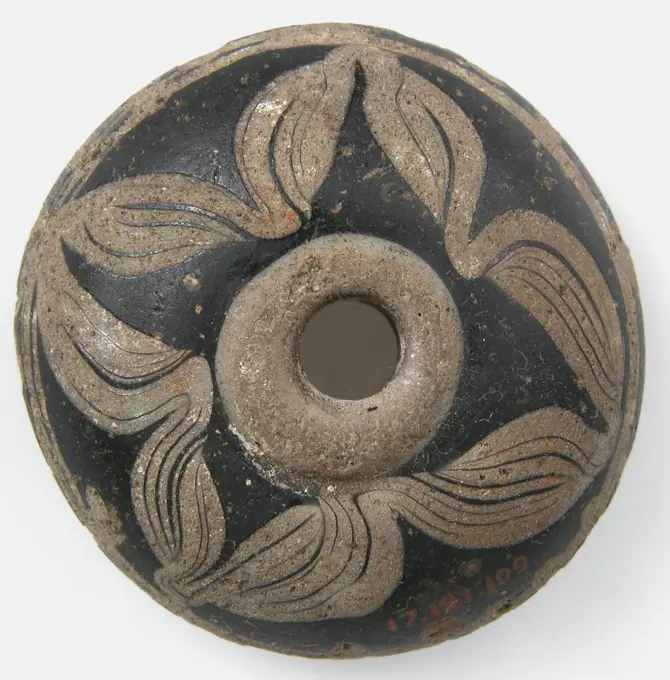
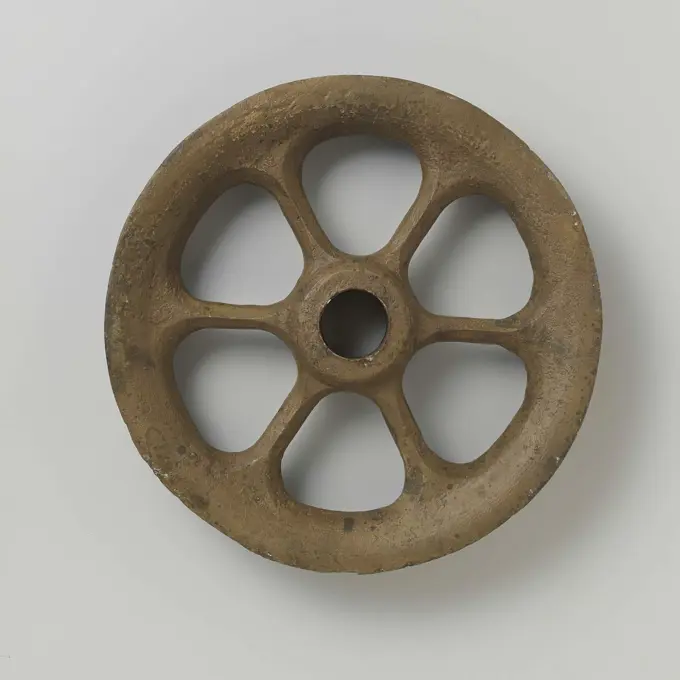
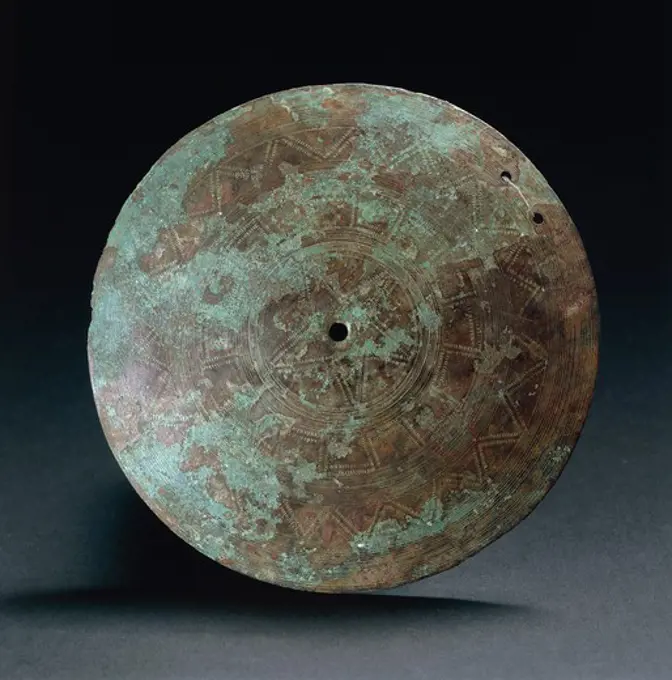
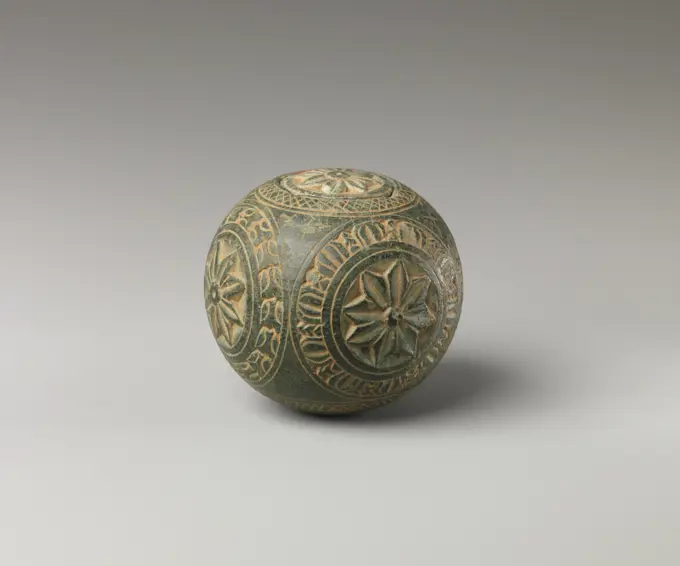
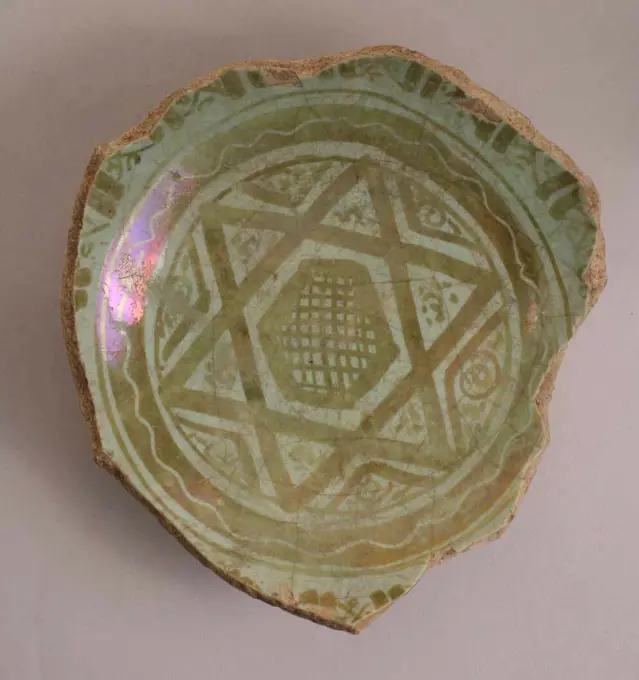
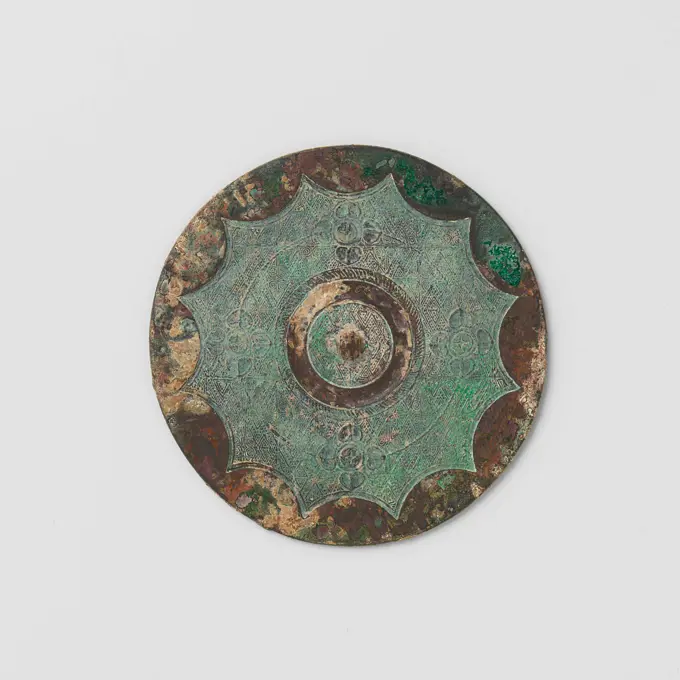
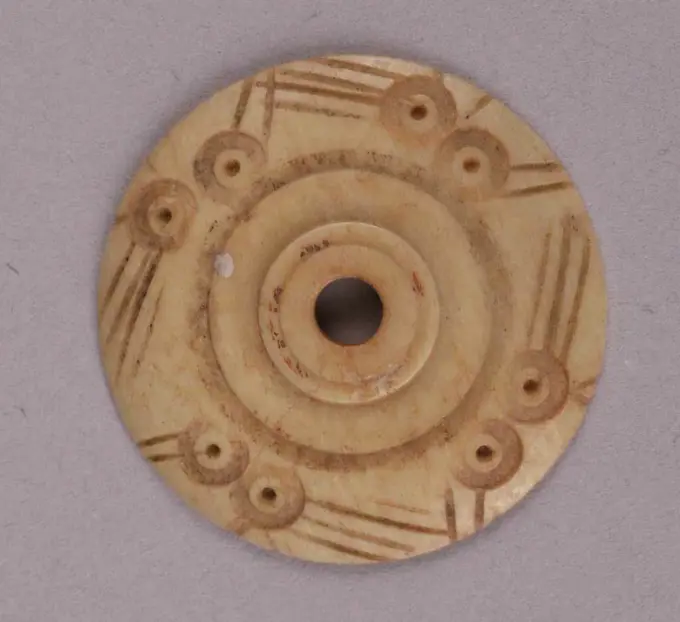
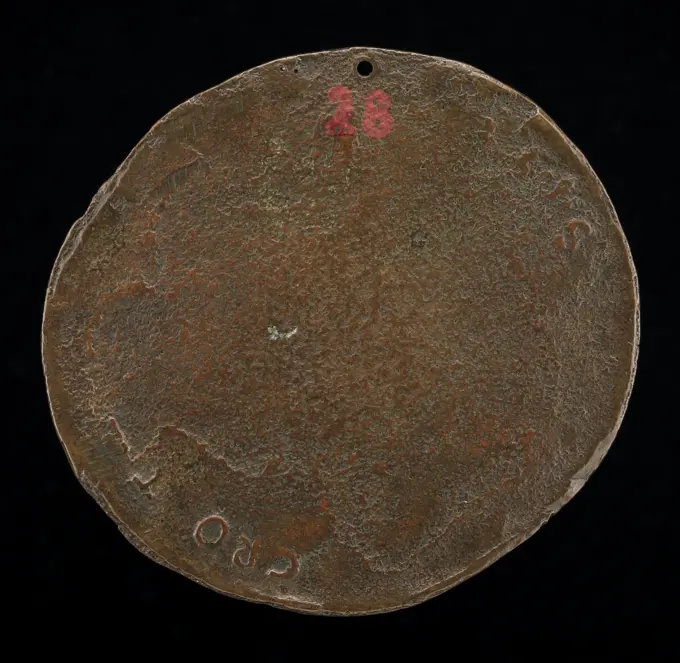
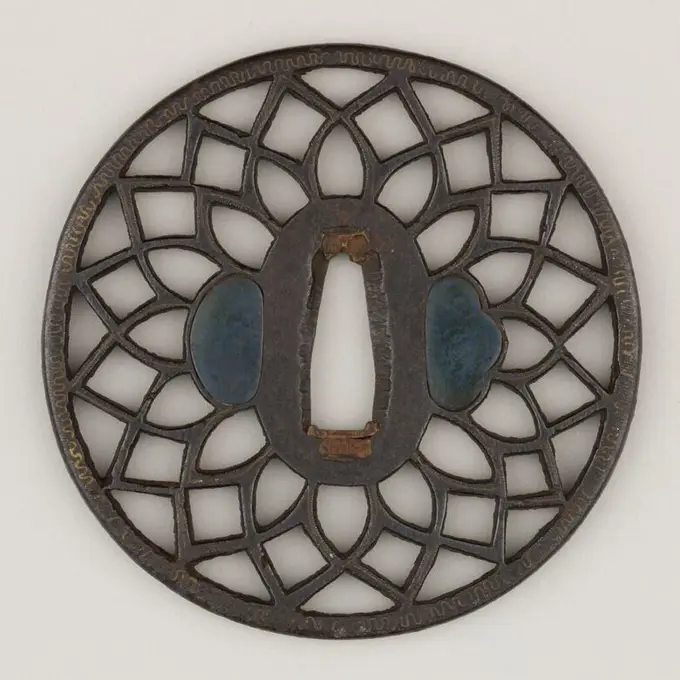
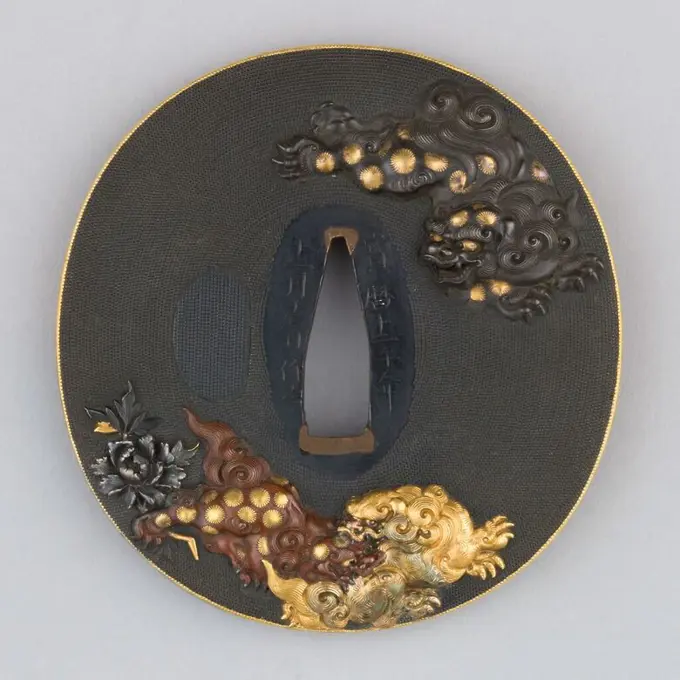
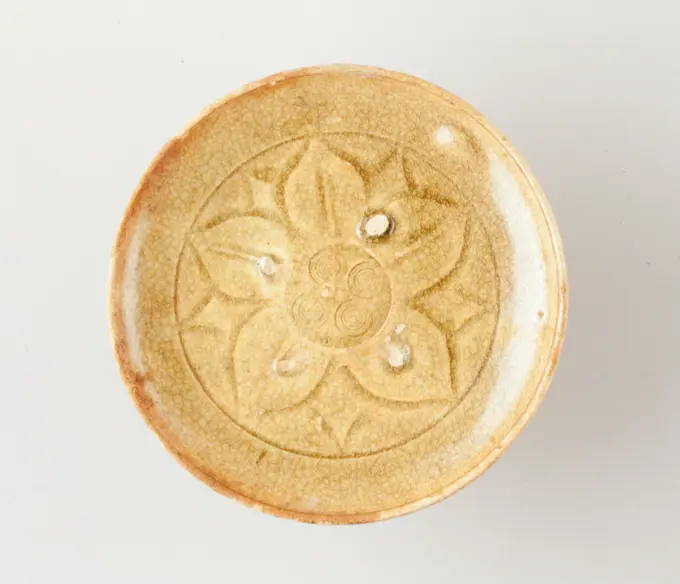
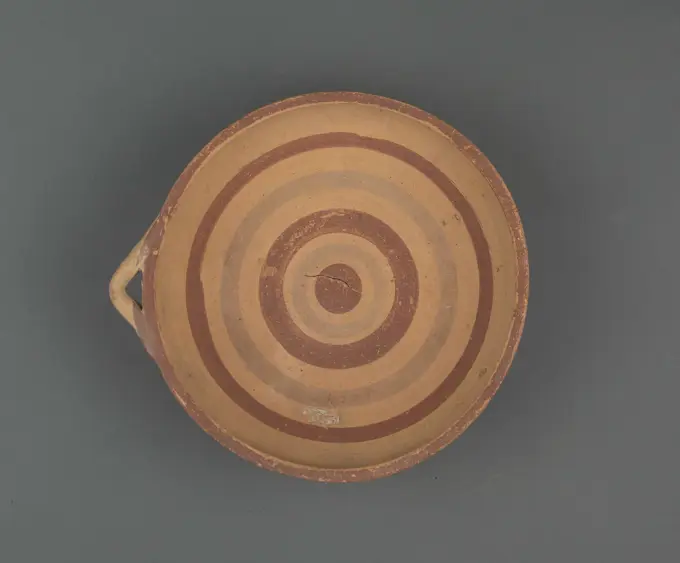
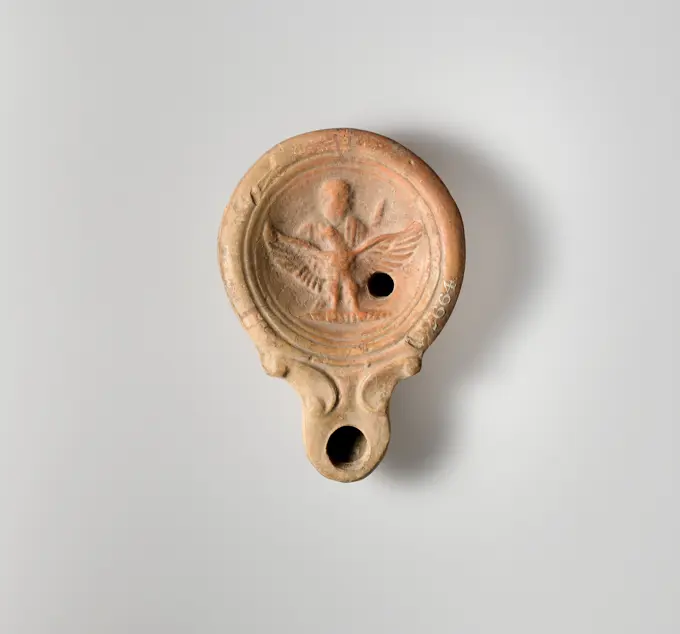
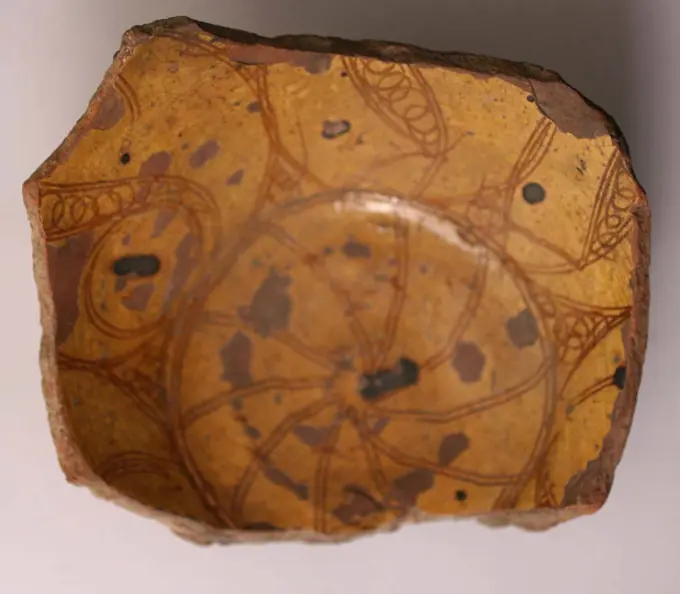
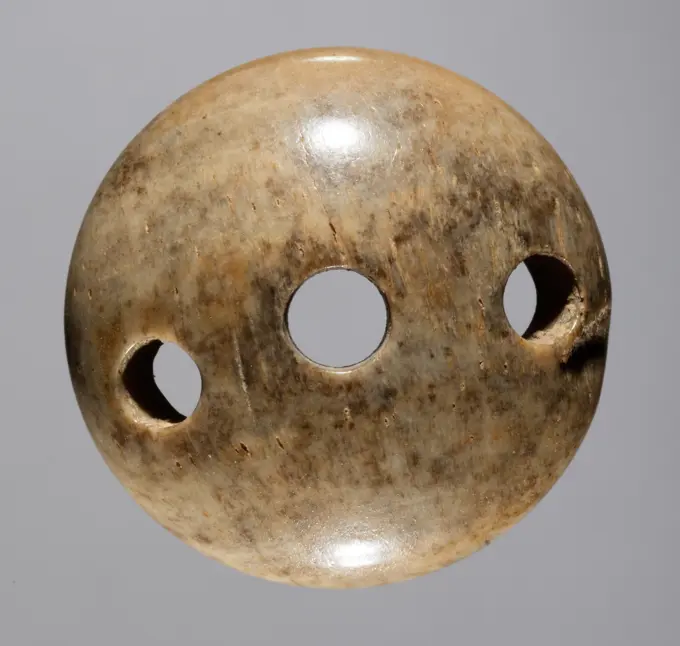
Engraved Bowl. Dimensions: Diam. 10 3/4 in. (12.7cm)H. 5 in. (12.7 cm). Date: early 17th century.The decoration of this bowl combines Persian poetry with a frieze of huntsmen, birds, and animals in a format popular in both Safavid and Mughal metalwork. Museum: Metropolitan Museum of Art, New York, USA.Cash. Copper alloy, China, Song dynasty. Paris, Cernuschi museum. Amulet, Asian art, Chinese art, circle, Asian civilization, Chinese civilization, belief, disc, Song dynasty, currencyMirror 3rd or 4th century China. Mirror. China. 3rd or 4th century. Bronze. Eastern Han (25-220)-Six Dynasties (220-589). MirrorsDish early 16th century German. Dish. German. early 16th century. Brass. Metalwork-BrassLentoid engraved seal. UnknownDish early 16th century German. Dish. German. early 16th century. Brass. Metalwork-BrassDish 15th century Italian. Dish 463711Mirror with Four Running Animals, early 600s. China, Tang dynasty (618-907). Bronze; diameter: 9.6 cm (3 3/4 in.); overall: 0.9 cm (3/8 in.); rim: 0.7 cm (1/4 in.).Plate 19th century (original dated 16th century) Spanish. Plate 468771Mirror (Jing) with Supernatural Animals. China, Six Dynasties period, 317-581. Furnishings; Accessories. Cast bronzeEar cut. Terracotta gray paste. Cernuschi Museum, Asia Museum of Asia in the city of Paris.Jelec (Tsuba);  18th century (1701-00-00-1800-00-00);Hand Guard, OKADA MASATOYO, 1800-1850 Oval tsuba with on both sides in relief and inlaying with gold a landscape with pine trees, clouds and rocks; Signed "Okada Masatoyo Saku". Japan iron (metal). gold (metal) Oval tsuba with on both sides in relief and inlaying with gold a landscape with pine trees, clouds and rocks; Signed "Okada Masatoyo Saku". Japan iron (metal). gold (metal)Mirror with Four Qilin, early 2nd Century - early 3rd Century. China, Eastern Han dynasty (25-220). Bronze; diameter: 10.7 cm (4 3/16 in.); overall: 1.1 cm (7/16 in.); rim: 0.7 cm (1/4 in.).Dish with grape roses and wingerd leaves. In the flat of the dish, which in the middle has the center point, punched with the help of stamp forms: a UMBO surrounded by scanning with four grape fees and four winger leaves, as well as an edge of random letters on shaded background (repeated four times). Furthermore, a punched ornament has been applied from stylized leaf motifs in the middle and branches along the edge on the board. Fish blowing are driven in the wall. The edge is beaten around iron wire. The hanging ring on the back and the hole in the edge are arranged later. The center point has become a small opening.Card Tray 19th century. Card Tray. 19th century. Steel, gold inlay. Attributed to India, Probably Sialkot, Punjab. MetalMirror Korea. Mirror. Korea. Bronze. Goryeo dynasty (918-1392). MirrorsSword Guard (Tsuba) 18th century Japanese A tsuba is a sword guard and part of a sword mounting. It is mounted between the swords blade and grip to protect the users hands.. Sword Guard (Tsuba) 26337Roundel, disk. Roundel, disk. Bone . Oval tsuba with raised edge; At the front in Iroe-Taka-Zogan and deepen relief Chokaro Sennin who leaves his horse from his pocket; at the rear a dead tree at a rock; Signed "Nukagawa Yasunori".Mirror with fantastic animals amid grape vines 7th-8th century China. Mirror with fantastic animals amid grape vines. China. 7th-8th century. Bronze with black patina. Tang dynasty (618-907). MirrorsSpindle Whorl, 700s - 900s. Iran, early Islamic period, 8th - 10th century. Bone, incised; overall: 0.4 x 2.8 x 2.8 cm (3/16 x 1 1/8 x 1 1/8 in.).Plate: Decorative patterns with chimeras, Italian majolica of Castel Durante, 1539 (reverse) ". Museum of Fine Arts of the city of Paris, small palace. 27009-11 Castel Durante, chimere, Italian majolica, decorative motif, various object, reverse, plateDish early 16th century German. Dish. German. early 16th century. Brass. Metalwork-BrassFragment of white glazed plate, Delft white, plate crockery holder fragment soil find ceramic earthenware glaze tin glaze, hand turned fried glazed fried Fragment of plate on stand Plain shoulder on the top on the transition from bottom to flag. Thickened and round plate edge Fully covered with white tin glaze Cooked in cassette. Delft white earthenware Yellowish shard archeology Rotterdam Heliport terrain native earthenware serving serve Soil discovery: Heliport site Rotterdam June 1978.Lid. Iran, 10th-11th century. Ceramics. Earthenware, incised and stampedSpindle Whorl 9th-10th century Spindle whorls aided in the making of thread by maintaining the momentum of the spindle. This flat bottomed spindle whorl was excavated at Nishapur. The slightly convex shape is decorated with a thin incision around the central hole to delineate the raised collar from the body, from which double incised lines forming angles that radiate outward, similar to a star design. Hundreds of spindle whorls were excavated at Nishapur, providing further evidence that the city possessed a thriving textile industry. Their incised designs exhibit a wide variety of motifs ranging from geometric forms to zoomorphic figures.. Spindle Whorl 450033Mirror with design of concentric circles 8th century China. Mirror with design of concentric circles 61422Tray;  19th/20th century (1891-00-00-1910-00-00);Grahal-Manzara. Carnavalet 2013-2016 collection sites. Numismatics.Sword Guard (Tsuba) 17th century Japanese A tsuba is a sword guard and part of a sword mounting. It is mounted between the swords blade and grip to protect the users hands.. Sword Guard (Tsuba) 26257Button or Bead 9th-10th century This object was excavated at Nishapur.Nishapur was a vital city in the early and middle Islamic periods, located along one of the main trajectories that connected Iran and West Asia Islamic lands with Central Asia and China. These itineraries are often referred to by the term Silk routes’ but were in fact crucial to the movement of constellations of materials and objects, as well as people and ideas. The diverse population of Nishapur and its surroundings, from the better-researched elite groups of merchants, land-owning aristocracy, and literates, to the less-known artisans, farmers, miners, and servants, were instrumental in adapting global cultural trends to create their own distinctive visual languages. This is seen in the material remains of everyday life in medieval Nishapur - from pots and pans to lighting devices, inkwells, textiles and trimmings, jewelry, games and toys, talismanic devices, weapons, coins, and architectural fragments.Nishapur lTwo Shield Bosses (Umbos) 7th century Western European, Langobardic Shield bosses were attached to the center of a circular wooden shield. These two are thought to have been made in northern Italy, the heart of the Langobardic Kingdom from the late sixth to the mid-eighth century. The majority of surviving Langobardic shield bosses are made of plain iron. Some, like these examples, are more richly decorated with engraved appliqués of gilt bronze.The crosses and fish that decorate one of the bosses suggest that its owner was a Christian. The bird-headed spiral on the other boss is an older symbol derived from the Langobards' pre-Christian past.. Two Shield Bosses (Umbos) 24905Campania Napoli Naples S. Lorenzo Maggiore34. Hutzel, Max 1960-1990 Medieval: Sculpture, architecture, architectural sculpture (including Roman spolia) 13-14th century Chapter house; sarcophagi, gravestones; wall painting. Fragment of mosaic; sculptural fragments in the Sala Capitolare. Post-medieval: Architecture, architectural sculpture, ceiling painting fresco cycle; prints depicting Venice c. 1845 (4), sculpture; life-size creche figures dressed in original Neapolitan costume Church restored in 1882, 1926, 1944; excavations under the transept undertaken between 1958-1962, and in the cloister in 1976, have revealed remains of a Roman macellum (market), street, and the paleochristian basilica of the 6th c. AD. Antiquities: Pottery: black-glazed, archaic banded, domestic wares, bucchero; architectural terracottas, statuettes, lamps, sculpture fragments Object Notes: 3 color negatives with no prints at the end. General Notes: Most objects/paintings/frescoes unidentified. Three batches Plate, 8th century, 1 3/4 x 9 3/4 in. (4.45 x 24.77 cm), Silver with chased and gilt decor, China, 8th century, The interior of this rare plate, which stands on three stump feet, is decorated with a central ring surrounding a peacock on a lotus blossom. The remaining surface is filled with lotus scrolls, birds, and foliage within which cavort several varieties of birds. The bird and tendril designs, enhanced with gilding, gleam against the matte background. The naturalistic treatment of floral and bird motifs and the looser, less symmetrical composition of design reflect Tang metalwork at its most accomplished. Although gold and silver had been used in China since the late Shang dynasty (c. 1300-c.1046 BCE), the Tang dynastys precious metalwork overshadows all previous periods. Its gold and silver, as exemplified by this plate, demonstrate a full repertoire of innovative shapes, delicate designs, and technical brilliance.Dish early 16th century German. Dish 467584Sword Guard (Tsuba). Culture: Japanese. Dimensions: H. 2 7/8 in. (7.3 cm); W. 2 13/16 in. (7.1 cm); thickness 1/4 in. (0.6 cm); Wt. 4.9 oz. (138.9 g). Date: ca. 1615-1868. Museum: Metropolitan Museum of Art, New York, USA.FREEDOM. EQUALITY. Bordeaux, 1794 Anonymous. Freedom. Equality. Bordeaux, 1794. Bronze.Copper lid with knob, lid closure part soil found copper brass metal, whipped cast riveted soldered Copper lid Lightly curved. Including lid with recessed and upright stand ring. Toll-shaped button archeology Rotterdam Heliport site Soil discovery: Heliport site Rotterdam June 1978.Drinking Cup ca. 2649-2465 B.C. Old Kingdom. Drinking Cup 551045Mirror Roman, Cypriot. Mirror 244301Carnavalet Museum, Medals CollectionDisc from v.o.c.-ship the 'white lion'. Disk with central bore.Sword Guard (Tsuba) 18th century Japanese A tsuba is a sword guard and part of a sword mounting. It is mounted between the swords blade and grip to protect the users hands.. Sword Guard (Tsuba) 33398Sword Guard (Tsuba) 18th century Japanese A tsuba is a sword guard and part of a sword mounting. It is mounted between the swords blade and grip to protect the users hands.. Sword Guard (Tsuba) 29526Sword Guard (Tsuba) 18th century Japanese A tsuba is a sword guard and part of a sword mounting. It is mounted between the swords blade and grip to protect the users hands.. Sword Guard (Tsuba) 30065Platter. Claudius L. Linossier; French, 1893-1953. Date: 1926-1927. Dimensions: Diam. 39.4 cm (15 1/2 in.). Copper and enamel. Origin: France. Museum: The Chicago Art Institute, Chicago, USA.Sword Guard (Tsuba). Culture: Japanese. Dimensions: H. 3 3/16 in. (8.1 cm); W. 2 3/4 in. (7 cm). Date: ca. 3rd century-710. Museum: Metropolitan Museum of Art, New York, USA.Plate. Attributed to the Kithara Painter (Etruscan, active 570 - 550 B.C.)Sword Guard (Tsuba), early 1800s. Japan, Edo period (1615-1868). Iron; overall: 8 x 8.4 cm (3 1/8 x 3 5/16 in.).Mirror, 4th-3rd century BCE, Dia.4-7/8 in., Bronze, China, 4th-3rd century BCEDecorative Door Boss And Nail; wrought ironAward medal from the Dog exhibitionSword Guard (Tsuba). Culture: Japanese. Dimensions: Diam. 2 13/16 in. (7.1 cm); thickness 3/16 in. (0.5 cm); Wt. 4.3 oz. (121.9 g). Date: 18th century. Museum: Metropolitan Museum of Art, New York, USA.Dish 15th-16th century. Dish 451994Mirror (Jing) with 'TLV' Design. China, Eastern Han dynasty, 25-220. Furnishings; Accessories. Cast bronzeSword Guard (Tsuba) 17th century Japanese A tsuba is a sword guard and part of a sword mounting. It is mounted between the swords blade and grip to protect the users hands.. Sword Guard (Tsuba) 23059Plate with Drinking Vessel. Guatemala, Northern Petén, Maya, 650-800 CE. Ceramics. Slip-painted ceramicSpindle Whorl 8th-10th century The dot-in-circle motif recalls designs presumed to be of magical significance, most likely an abstract eye to ward off the evil-eye, which serve an apotropaic function. Easily reproduced with a tool and visible in many cultures and times, this symbol may have lost its meaning, and become simply a decorative pattern, or may have one that we have not yet discovered.. Spindle Whorl 447350Korendragers and depths guild of Amsterdam, Adryaen Gild Pepping of Here. Copper medal with two holes in it; v.z: to the right used man with burden on head. Downside: inscriptionPlate; Korzec (Porcelain Manufaktura; 1790-1832); 1810-1820 (1810-00-00-1820-00-00);Purchase (provenance)Mirror Decoration 301 CE-700 CE Egypt. Glass . Ancient EgyptianJelec (Tsuba);  18th century (1701-00-00-1800-00-00);Sword Guard (Tsuba) with Gourds on Vine, c. 1615-1868. Japan, possibly Edo period (1615-1868). Iron; diameter: 8.6 cm (3 3/8 in.).Terracotta oil lamp 1st century B.C.-1st century A.D. Roman Loeschcke Type 1A. Mold-made. Deep concave discus: at center, a ring of three, raised concentric circles, surrounded by a frieze of five alternating palmettes and tongues; a small single filling hole off-center, with a band of lines and grooves on narrow, horizontal shoulder. A funnel-shaped channel runs from the discus towards the wick hole. Volutes flanking angular nozzle, with large wick hole. Raised base ring, and uneven base, inscribed at center with I.Intact.. Terracotta oil lamp. Roman. 1st century B.C.-1st century A.D.. Terracotta. Early Imperial. TerracottasDish early 16th century German. Dish. German. early 16th century. Brass. Metalwork-BrassFlattened Hemispherical Bead 500-600 Frankish Beads from Frankish necklaces exhibit a stunning variety of patterns, colors, and forms. Though the beads seen here were made in the seventh century, the particular combination in which they were strung together is a creation of the late nineteenth century, when the beads were first found in graves.. Flattened Hemispherical Bead 464797 Frankish, Flattened Hemispherical Bead, 500600, Earthenware, glaze, Overall: 1 9/16 x 9/16 in. (4 x 1.5 cm). The Metropolitan Museum of Art, New York. Gift of J. Pierpont Morgan, 1917 (17.191.109)Engraved Gem. UnknownBronze disc from v.O.c.-ship the 'white lion'. Bronze round disc or wheel with a round hole and 6 spokes in the middle. Probably intended for the large cover case and the part of the East India de Witte Leeuw. With this heavy hoist, the large RA, to which the mainsail was attached, could be lifted or lowered.Prehistory, Italy, Iron Age. Cuirass disk.Reliquary ca. 1st-3rd century Pakistan (ancient region of Gandhara). Reliquary 38428Fragment of a Bowl 10th-12th century. Fragment of a Bowl 447257Bowl 15th century. Bowl 450781Mirror Greek, Cypriot. Mirror 244306Spindle Whorl, 700s - 900s. Iran, early Islamic period, 8th - 10th century. Bone, incised; overall: 0.7 x 2.8 x 2.8 cm (1/4 x 1 1/8 x 1 1/8 in.).Grahal-Manzara. Carnavalet 2013-2016 collection sites. Numismatics.False coin, crown zloty, 1664, John II Casimir (1649 1668)Dish early 16th century German. Dish. German. early 16th century. Brass. Metalwork-BrassMirror with scalloped edge and rosettes.ancient mill stone isolated over white backgroundButton or Bead 9th-10th century The dot-in-circle motif recalls designs presumed to be of magical significance, most likely an abstract eye to ward off the evil-eye, which serves an apotropaic function. Easily reproduced with a tool and visible in many cultures and times, this symbol may have lost its meaning, and become simply a decorative pattern, or may have one that we have not yet discovered.. Button or Bead 449291Dish 1470-1490 Spanish. Dish. Spanish. 1470-1490. Tin-glazed earthenware. Made in probably Manises, Valencia, Spain. CeramicsStone lid of a pyxis. Culture: Minoan. Dimensions: Diameter 2 1/4 in. (5.7 cm). Date: ca. 2600-1900 B.C..Lid to a pyxis. Museum: Metropolitan Museum of Art, New York, USA.Geometric Horse Pyxis (Cylindrical Box), c. 760-750 BC. Greece, Attic. Ceramic; diameter: 30.1 cm (11 7/8 in.); overall: 17.7 cm (6 15/16 in.).Sword Guard (Tsuba) ca. 1615-1868 Japanese A tsuba is a sword guard and part of a sword mounting. It is mounted between the swords blade and grip to protect the users hands.. Sword Guard (Tsuba) 33494Bliżej Kultury unknownFilarete, Marcus Croto (obliterated) (obverse), fourth quarter 15th century Marcus Croto (obliterated) obverseLobed Mirror with a Tortoise Knob, a Musician, and a Phoenix, late 700s. China, Tang dynasty (618-907). Bronze; diameter: 21.6 cm (8 1/2 in.); overall: 1.2 cm (1/2 in.); rim: 0.6 cm (1/4 in.).Sword Guard (Tsuba). Culture: Japanese. Dimensions: Diam. 3 5/16 in. (8.4 cm); thickness 3/16 in. (0.5 cm); Wt. 4.1 oz. (116.2 g). Date: 17th century. Museum: Metropolitan Museum of Art, New York, USA.Sword Guard (Tsuba). Culture: Japanese. Dimensions: H. 3 in. (7.6 cm); W. 2 7/8 in. (7.3 cm); thickness 3/8 in. (1 cm); Wt. 7 oz. (198.4 g). Date: dated 1762. Museum: Metropolitan Museum of Art, New York, USA.Sword Guard (Tsuba) ca. 1615-1868 Japanese A tsuba is a sword guard and part of a sword mounting. It is mounted between the swords blade and grip to protect the users hands.. Sword Guard (Tsuba) 34412Dish, 420-589, 1 1/8 x 6 1/8 in. (2.9 x 15.56 cm), Stoneware with carved decor under green glaze, China, 5th-6th century, Within the cavetto of this shallow bowl is a lotus petal motif carved in shallow intaglia. Within the central circle is a group of concentric circles forming a 'lotus pod.' This type of lotus petal motif was a popular decorative pattern during the Southern dynasties, in Jiangxi, Zhejiang, and Fujian provinces in the 5th and 6th centuries. This was an era when Buddhism was in its ascendancy throughout much of China. A Buddhist symbol of spiritual purity, the lotus became a prominent motif in the yue ware celadons of South China.Bowl 850-600 B.C. Cypriot. Bowl. Cypriot. 850-600 B.C.. Terracotta. Cypro-Geometric III-Cypro-Archaic I. VasesBowl or Money Bank, c. 1200, 3 x 8 in. (7.62 x 20.32 cm), Stonepaste with turquoise glaze over molded decor, Iran, Seljuk period (1038- c.1194)Sword Guard (Tsuba) ca. 1615-1868 Japanese A tsuba is a sword guard and part of a sword mounting. It is mounted between the swords blade and grip to protect the users hands.. Sword Guard (Tsuba) 33462Sword Guard (Tsuba) 18th century Japanese A tsuba is a sword guard and part of a sword mounting. It is mounted between the swords blade and grip to protect the users hands.. Sword Guard (Tsuba) 30083Terracotta oil lamp ca. A.D. 40-100 Roman, Cypriot Loeschcke Type 4. Mold-made. Discus: Jupiter with scepter, facing forward, on back of eagle with outspread wings standing on a thunderbolt; a single filling hole at lower right; band of lines and grooves towards edge; narrow, plain shoulder. Volutes flanking nozzle; large wick hole. Incised base ring, and uneven, concave base.Intact.. Terracotta oil lamp. Roman, Cypriot. ca. A.D. 40-100. Terracotta. Early Imperial. TerracottasPyxis (lid), 400-300 BC. Greece, Attic, 4th Century BC. Marble; diameter: 7.7 cm (3 1/16 in.); overall: 4.6 cm (1 13/16 in.); diameter of lid: 12.2 cm (4 13/16 in.).Fragment 14th-15th century. Fragment 446325Spindle Whorl, 700s - 900s. Iran, early Islamic period, 8th - 10th century. Bone, incised; overall: 0.8 x 2.3 x 2.3 cm (5/16 x 7/8 x 7/8 in.).