Historical Metal Artifacts

An array of engraved metal objects from different cultures and periods, featuring intricate designs on bowls, coins, and dishes, reflecting rich artistic traditions.
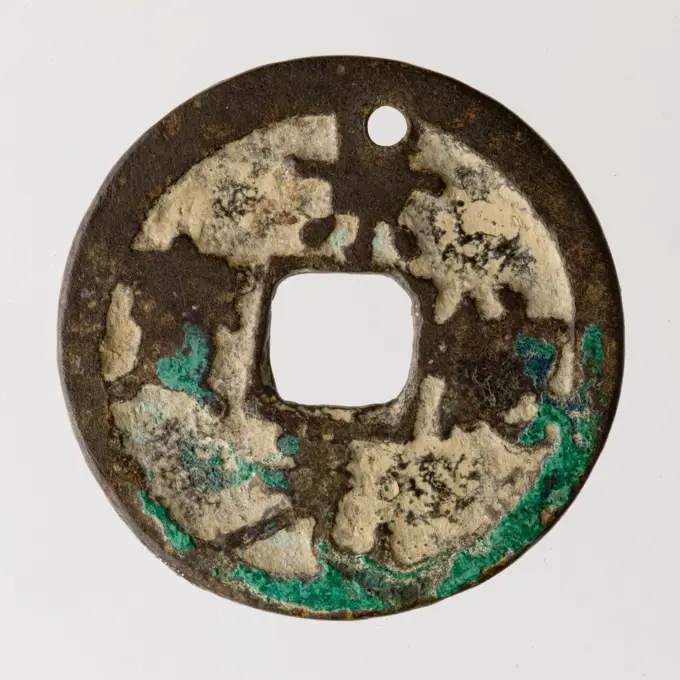
Cash. Copper alloy, China, Song dynasty. Paris, Cernuschi museum. Amulet, Asian art, Chinese art, circle, Asian civilization, Chinese civilization, belief, disc, Song dynasty, currency
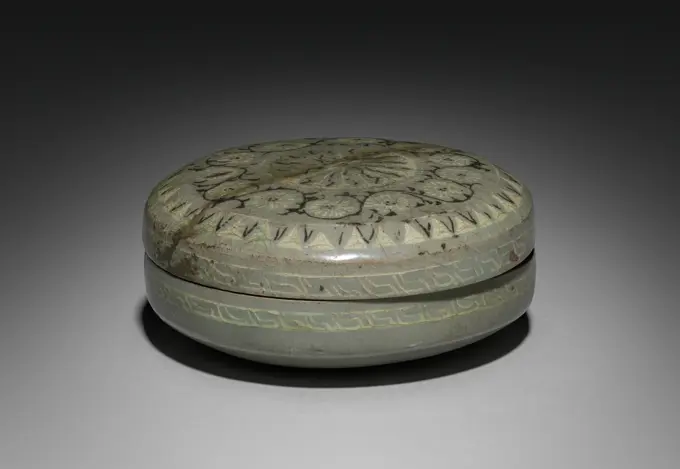
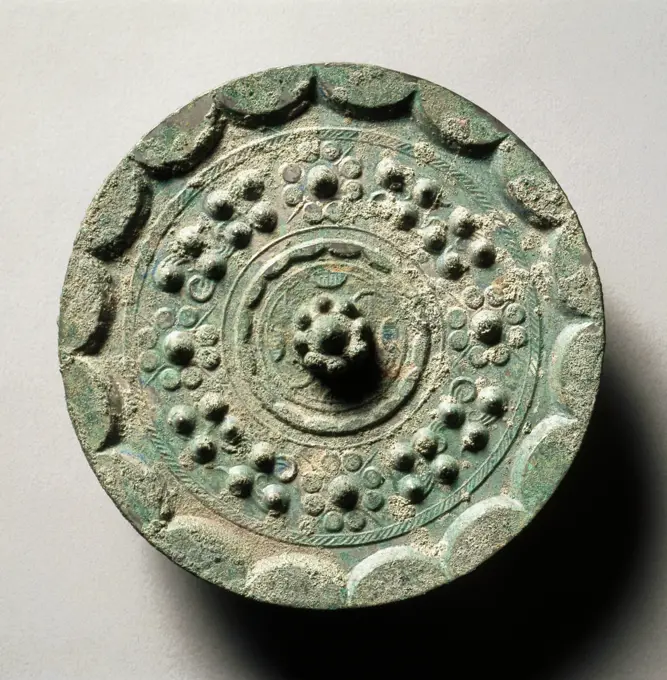
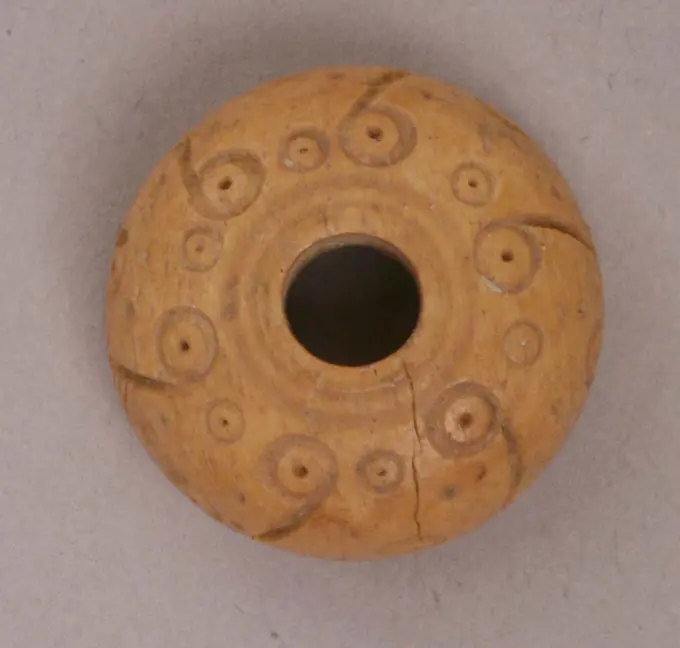
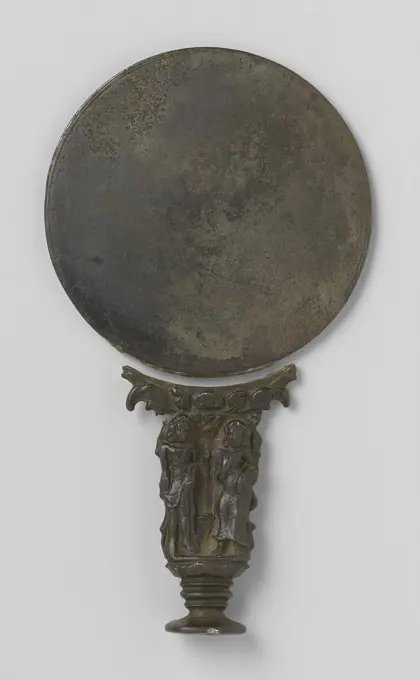
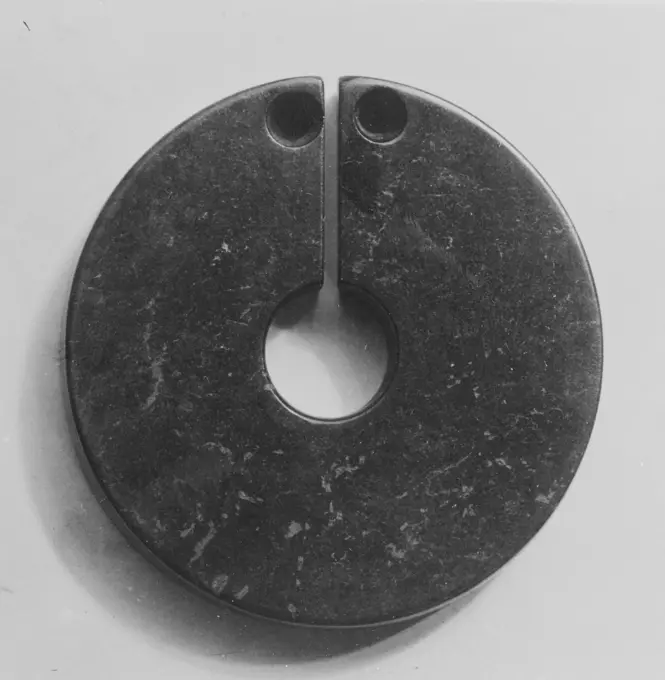
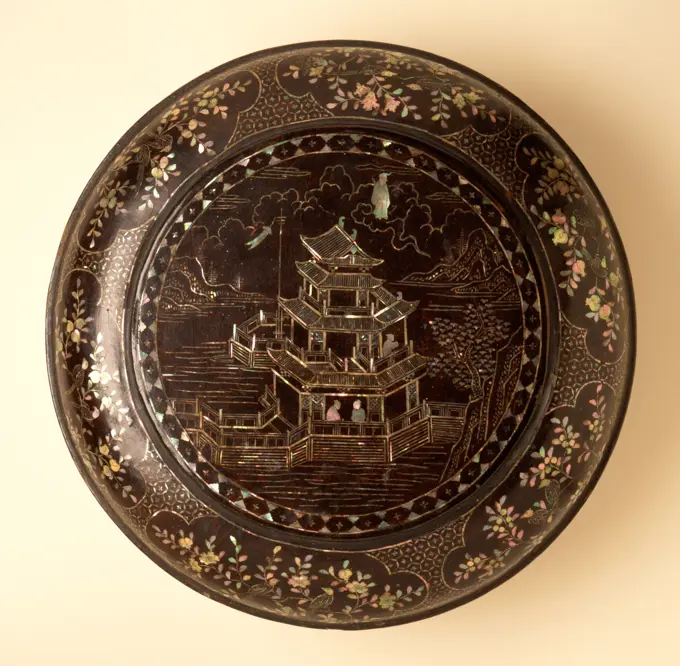
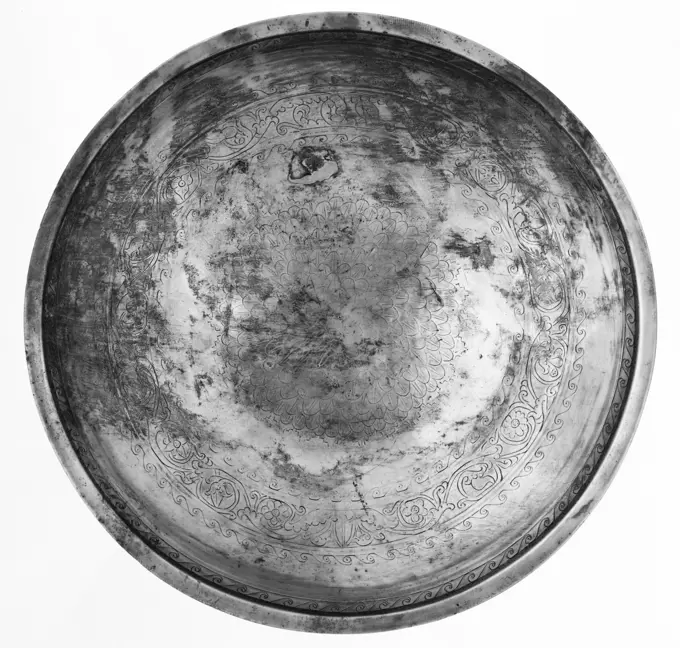
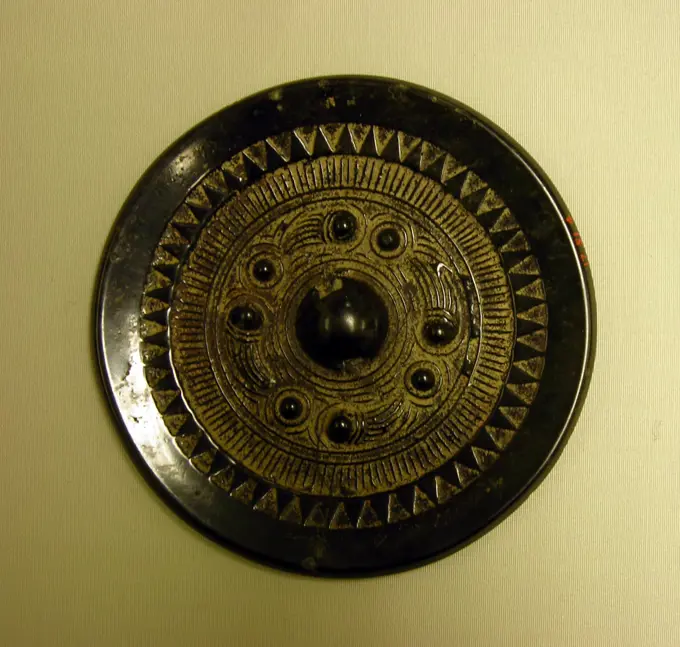
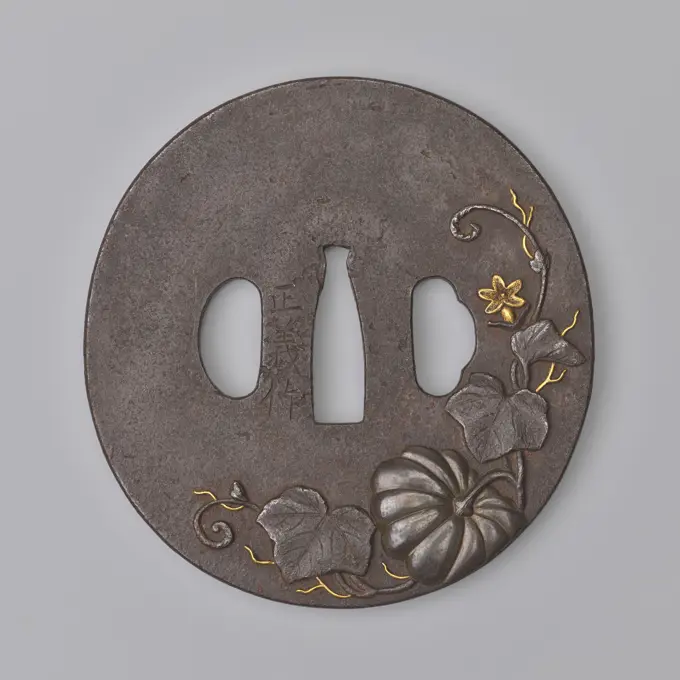
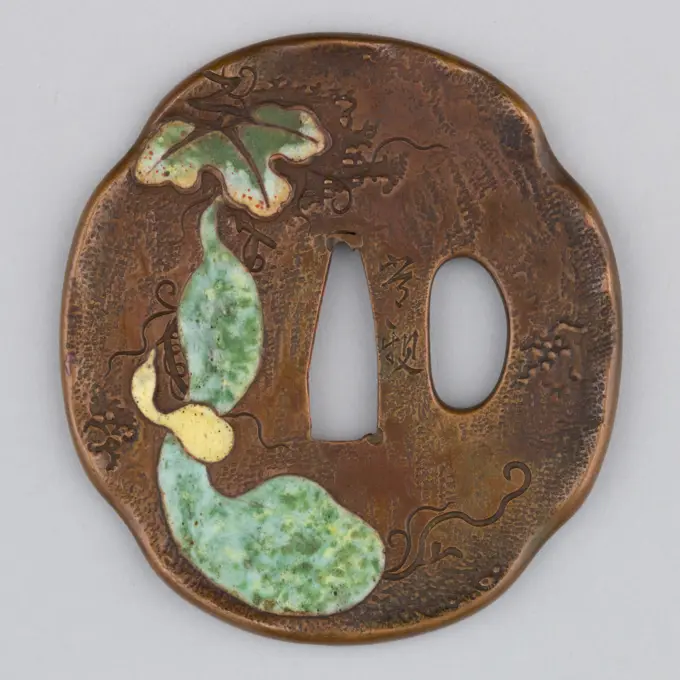
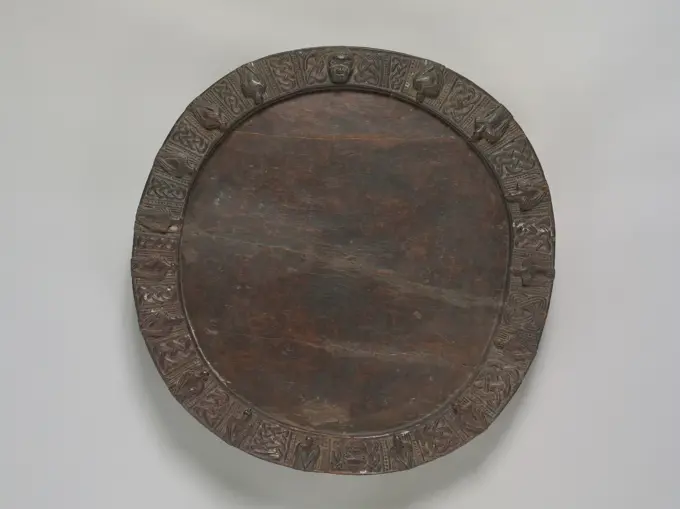
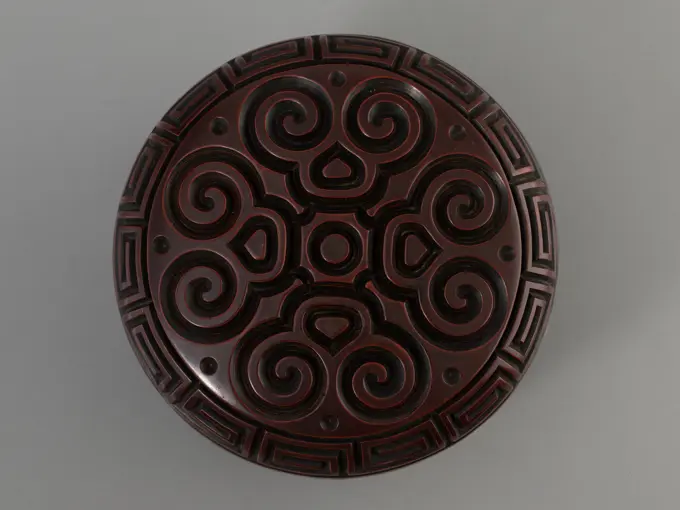
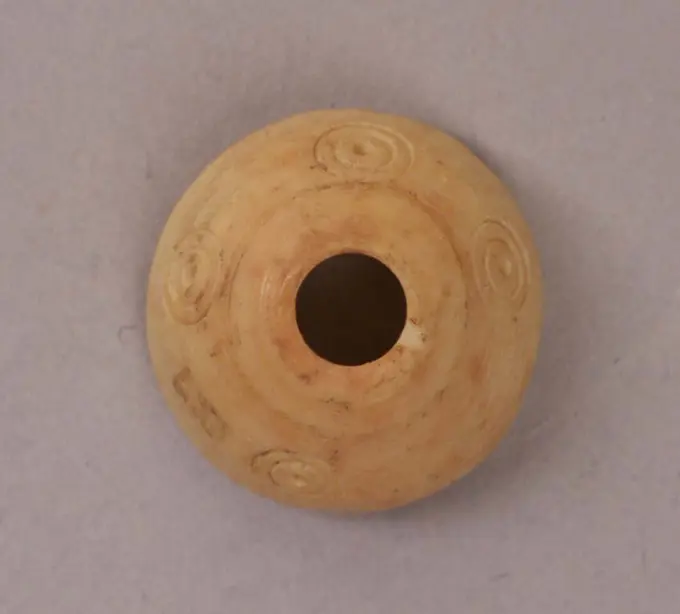
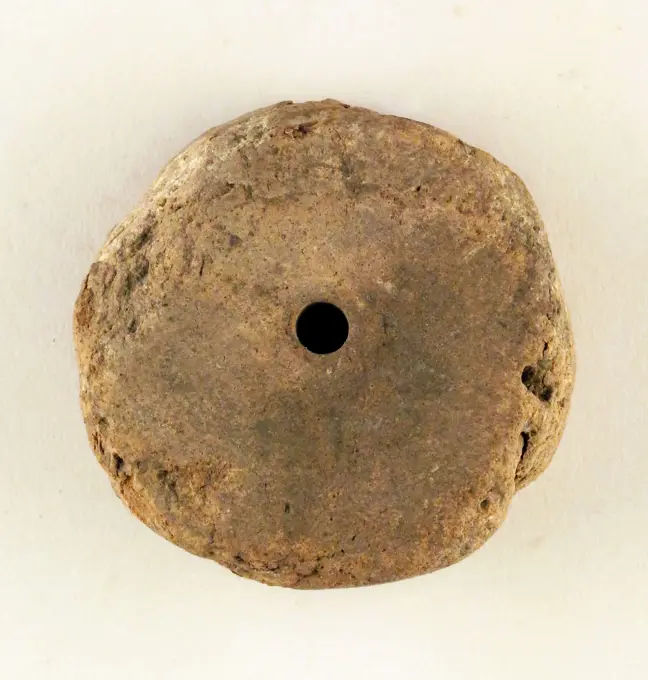
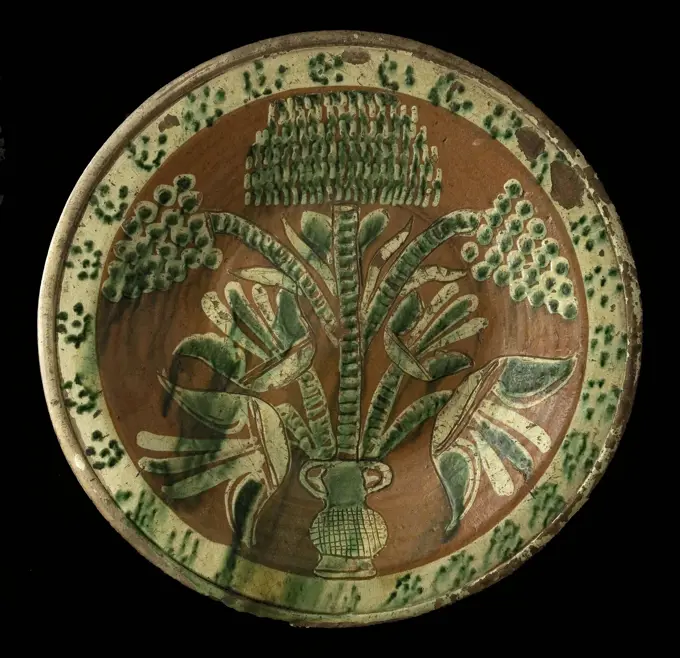
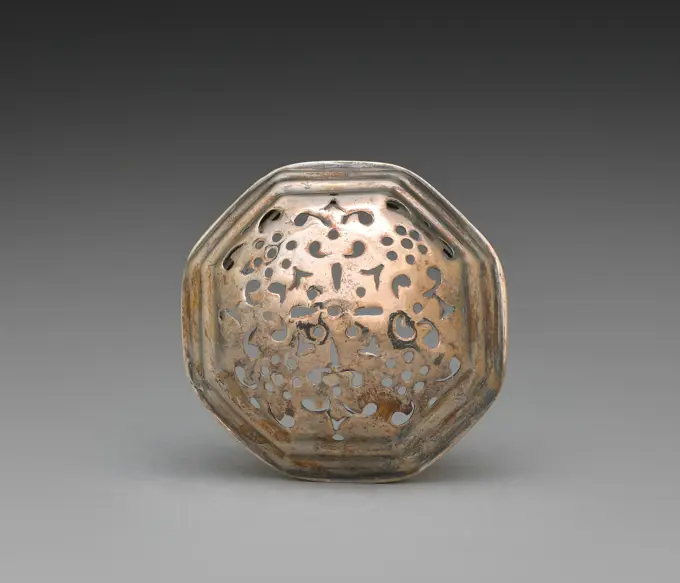
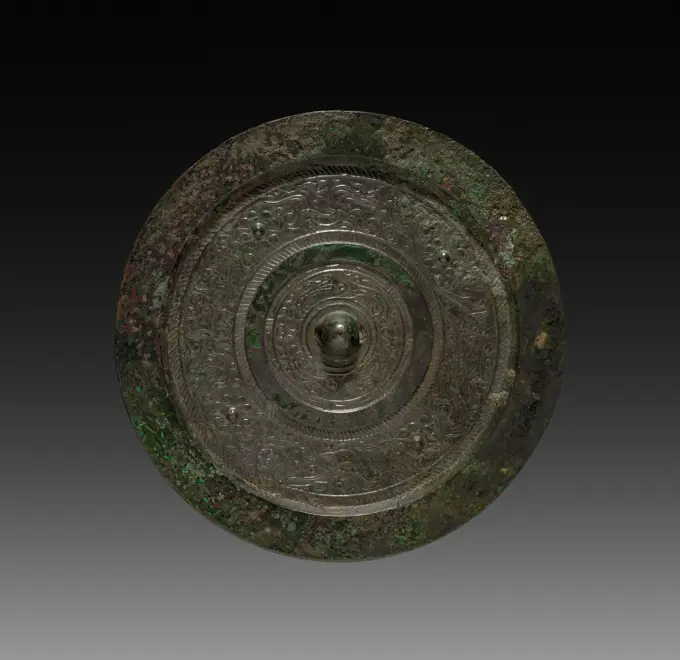
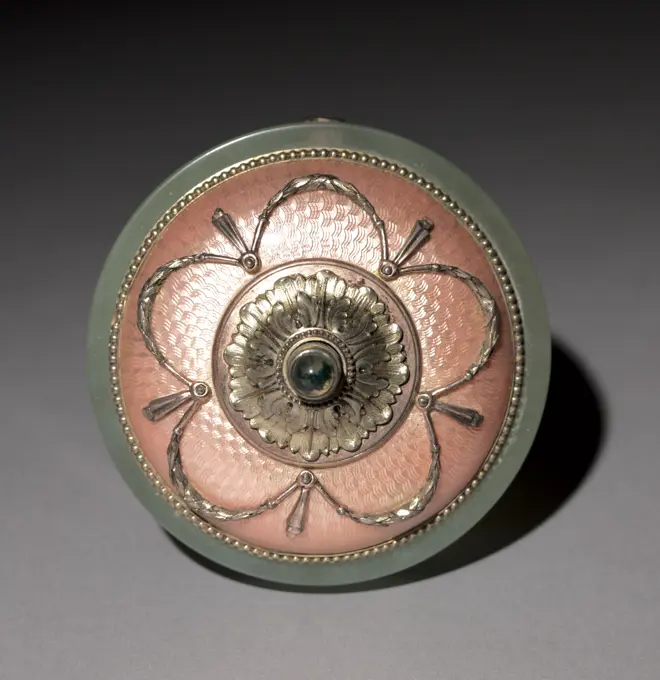
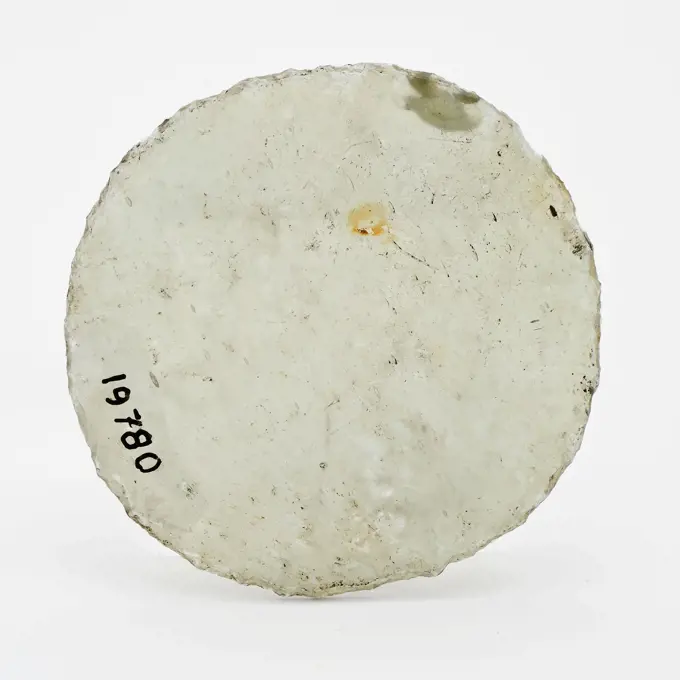
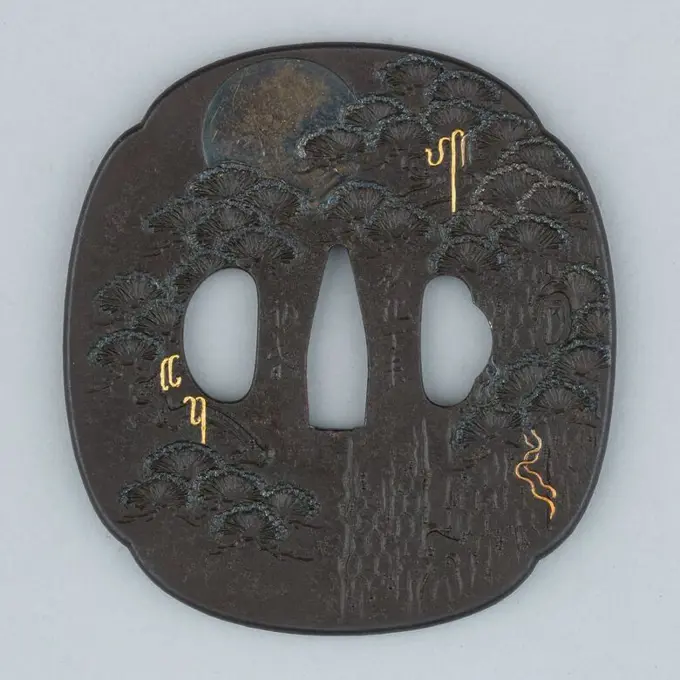
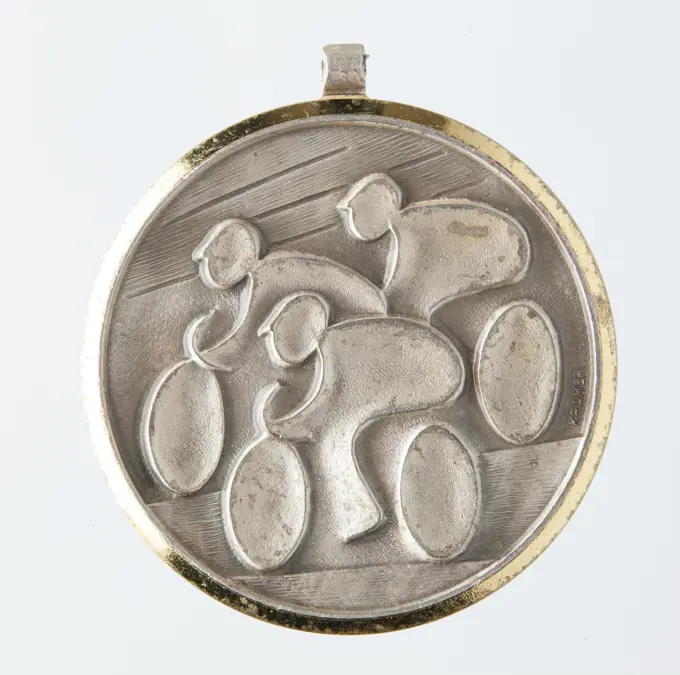
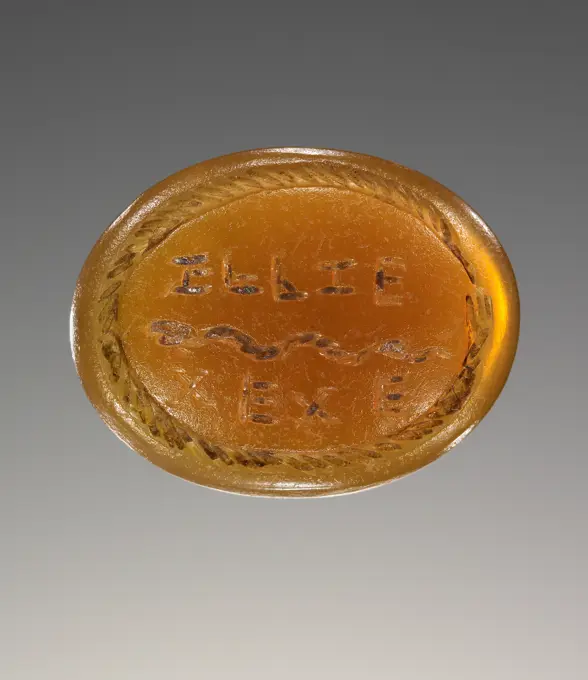
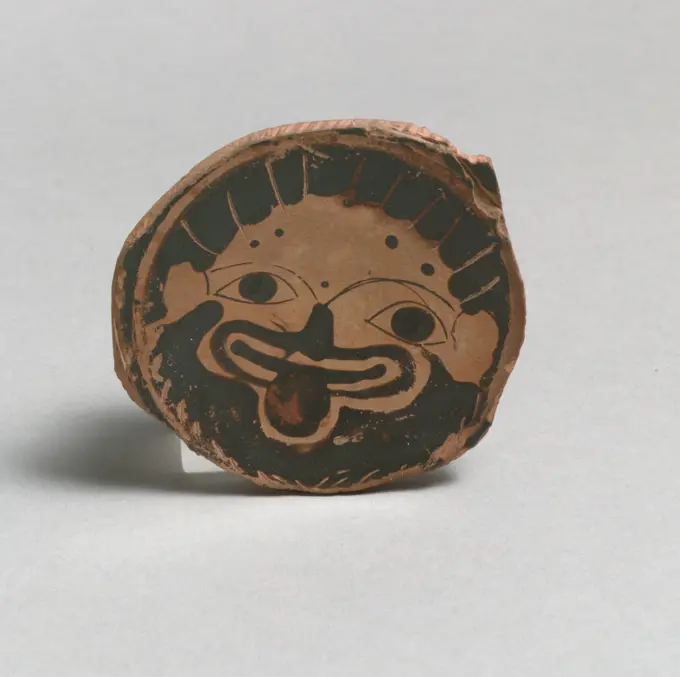
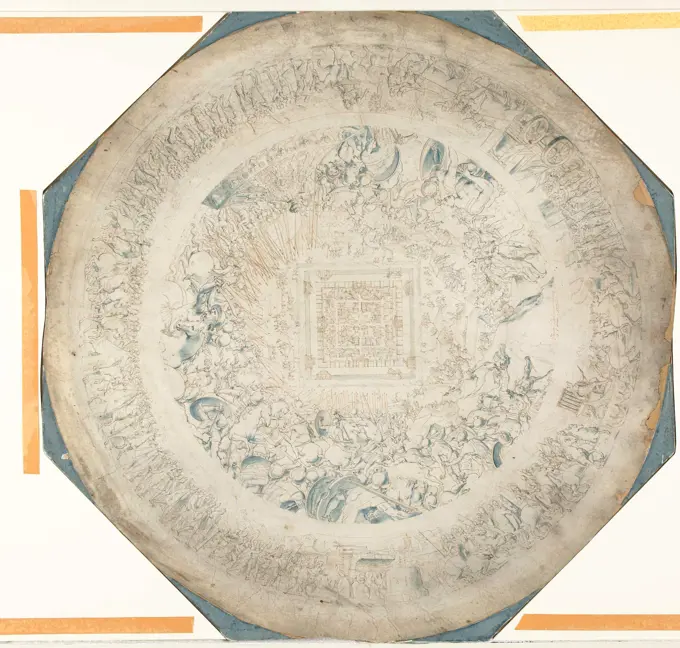
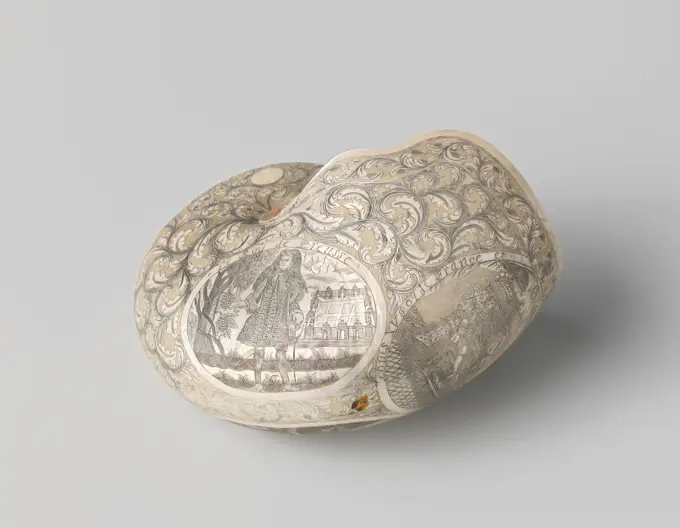
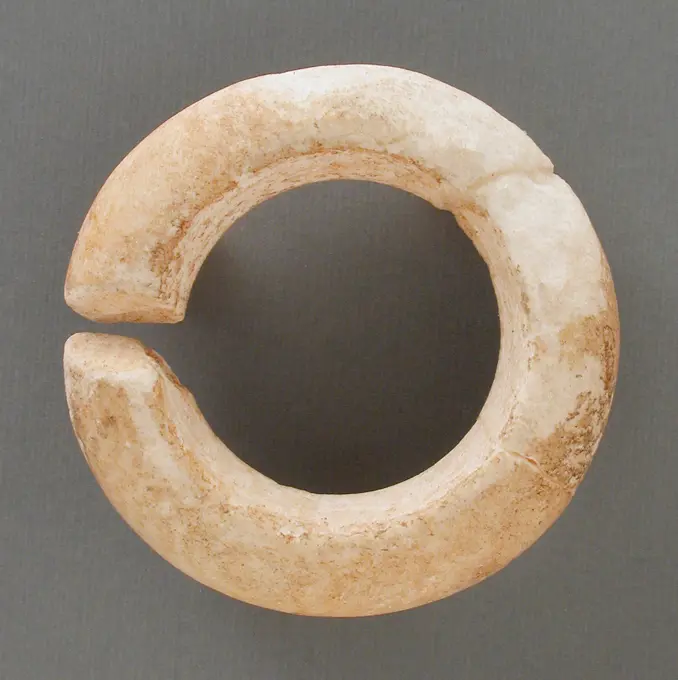
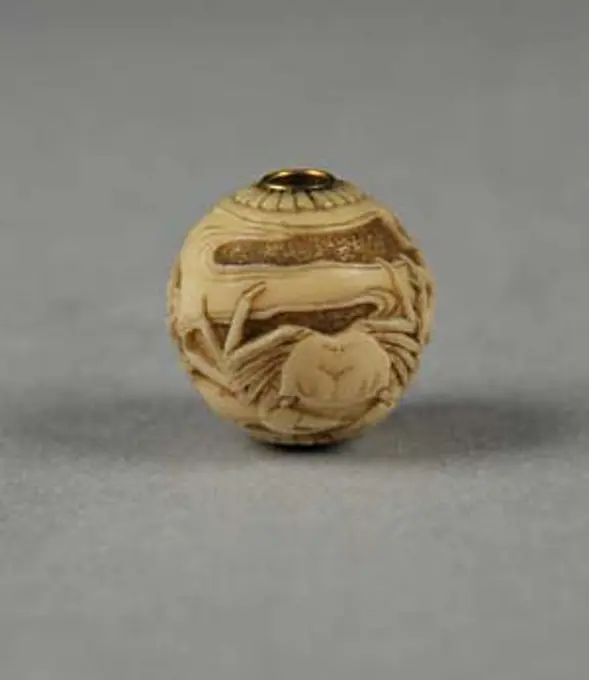
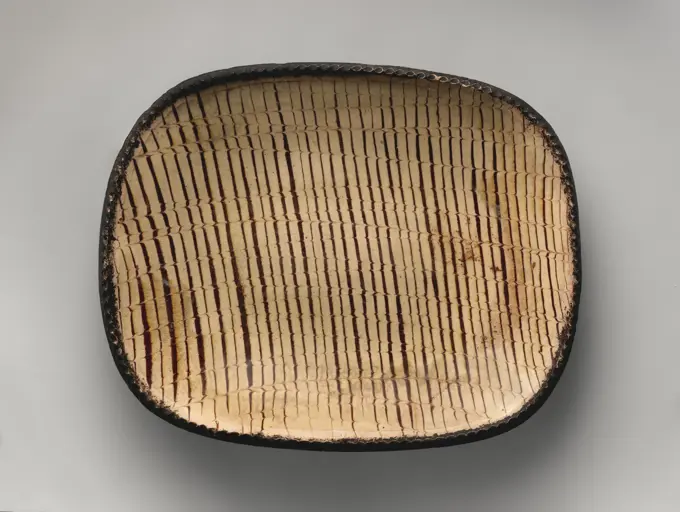
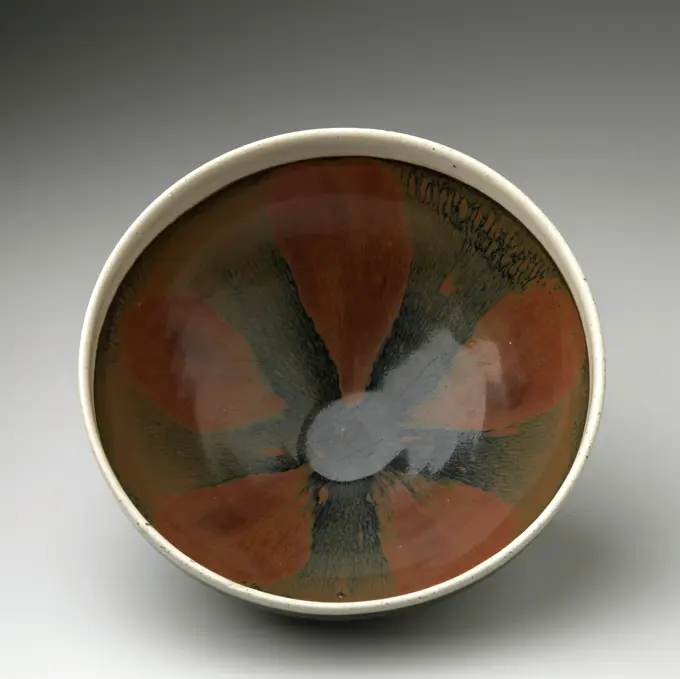
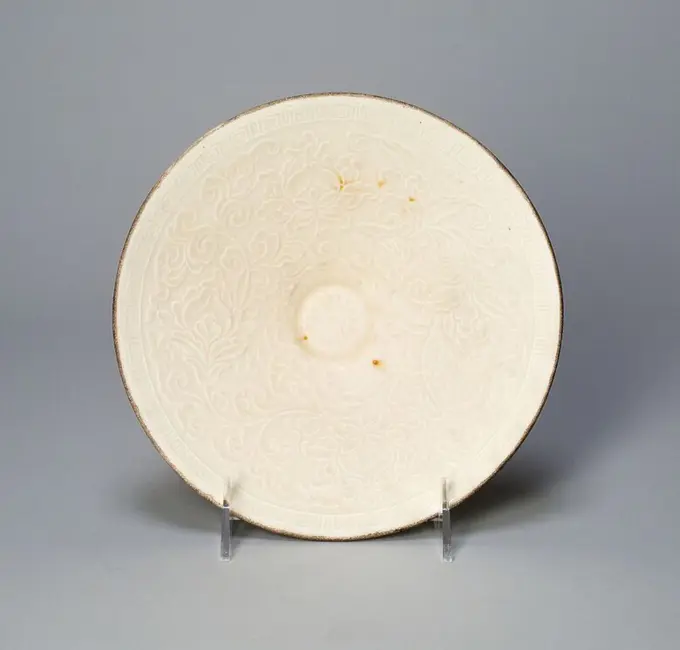
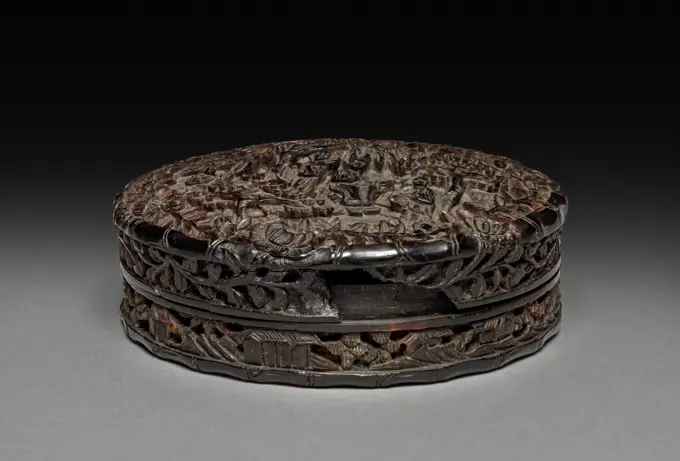
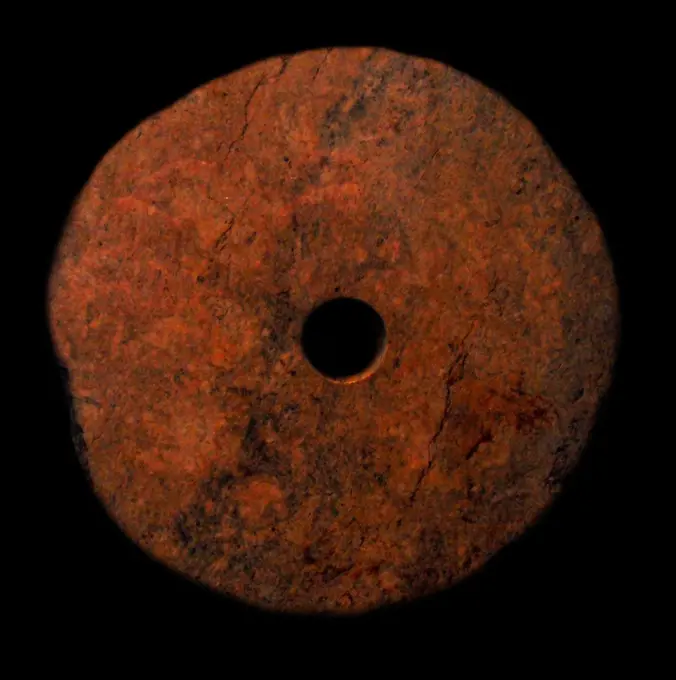
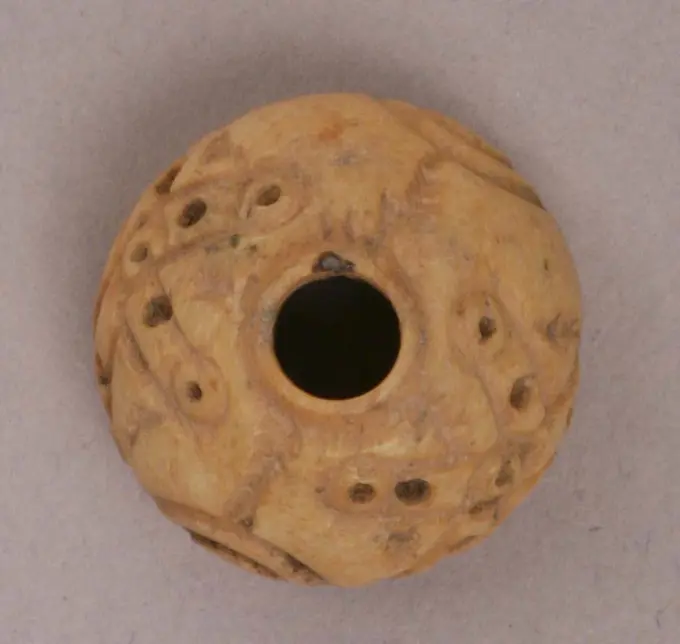
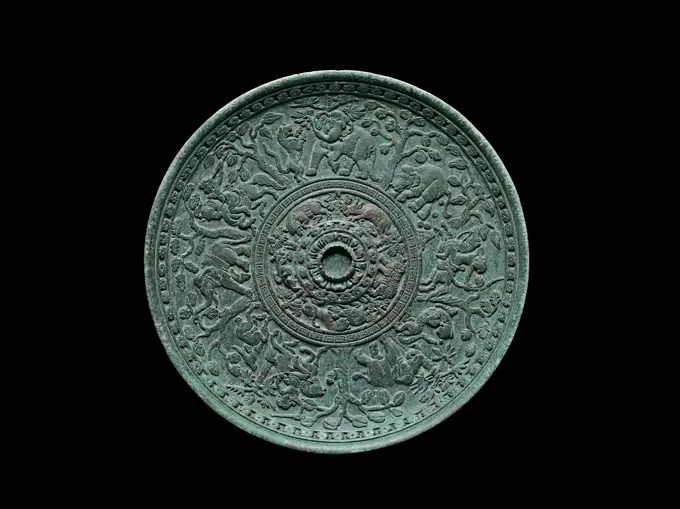
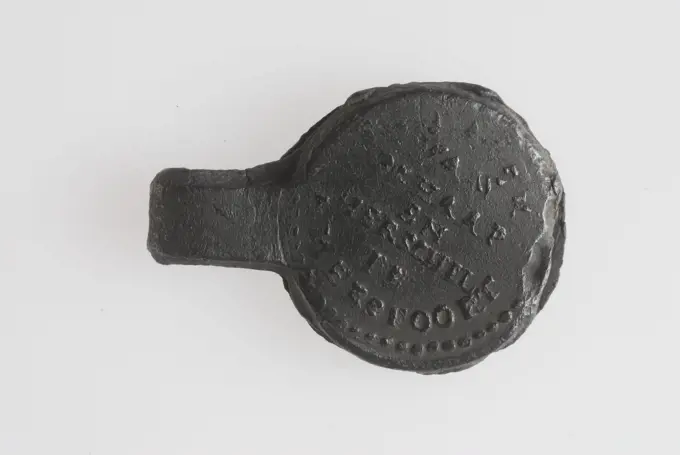
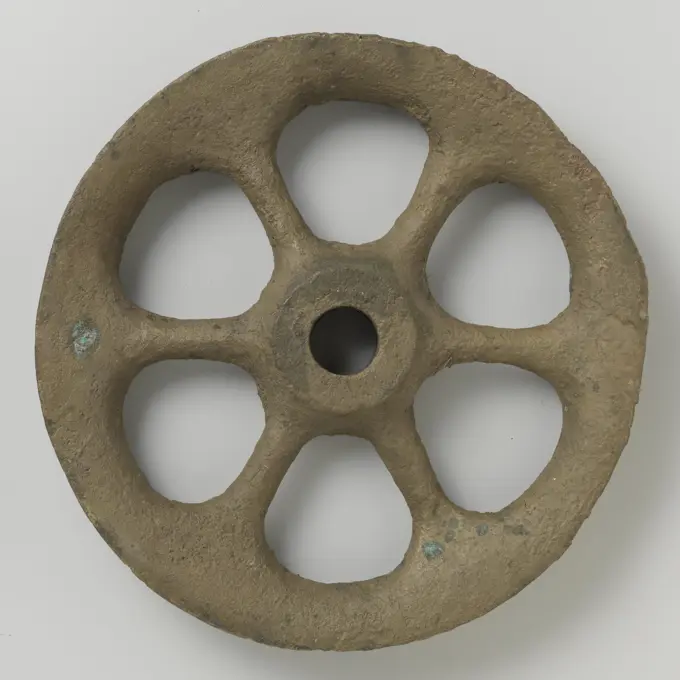
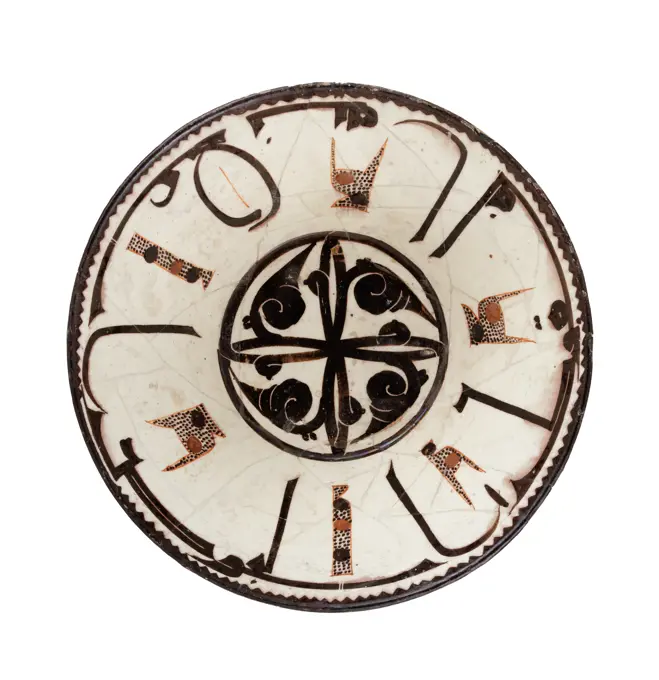
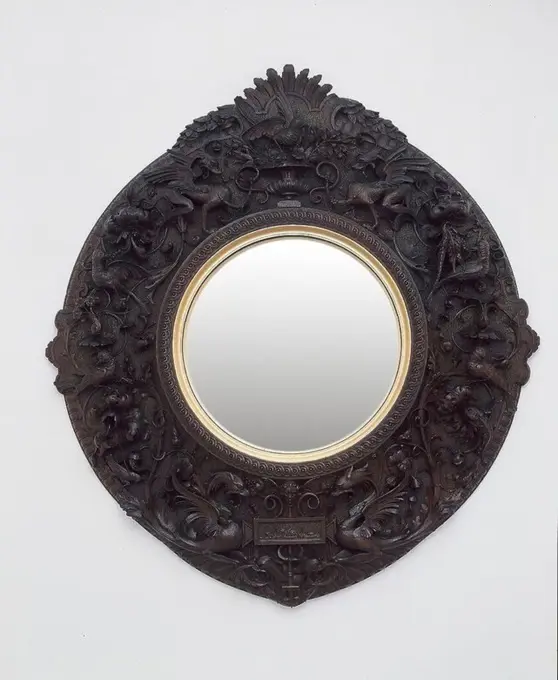
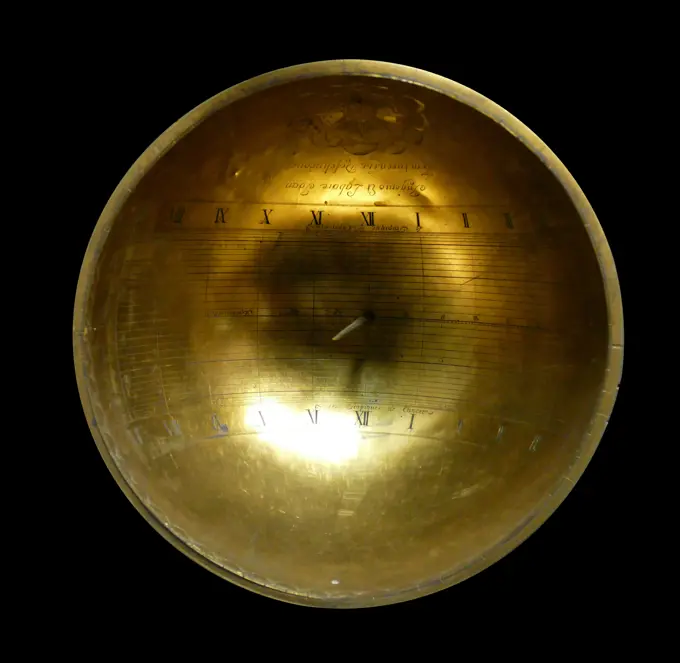
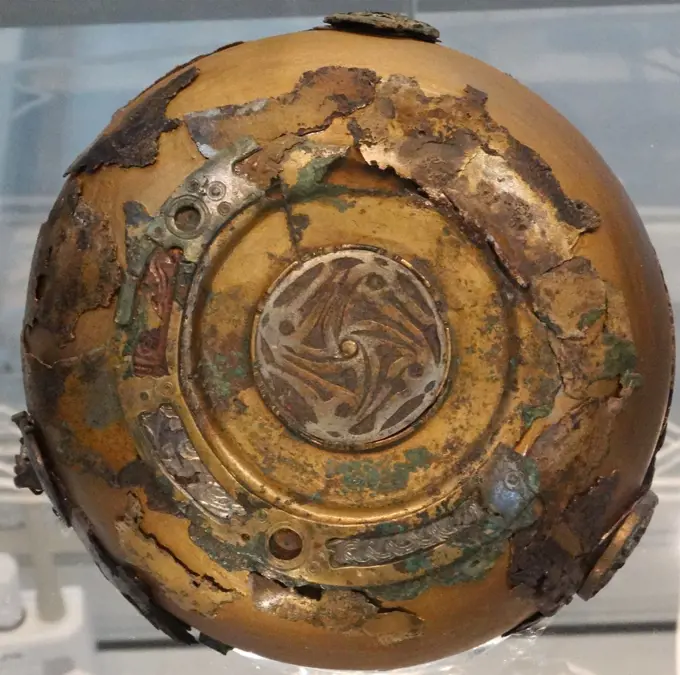
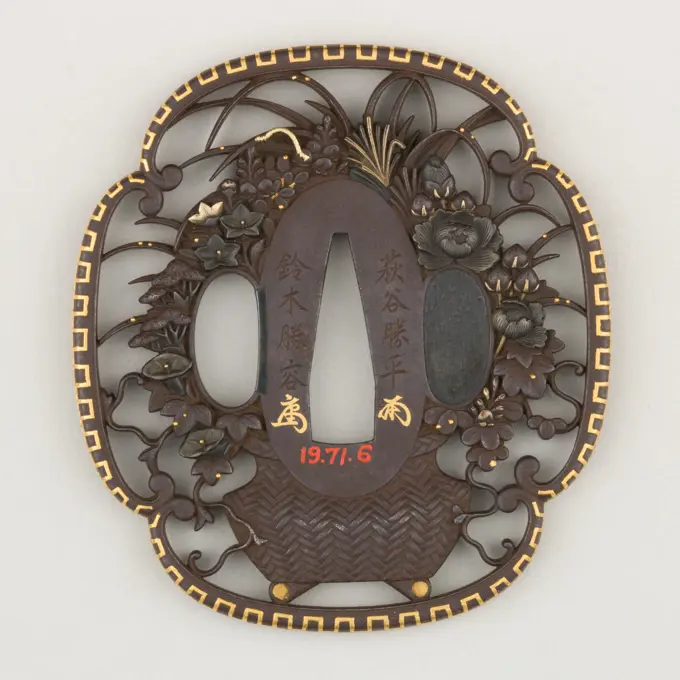
Brass bell of musical instrument or harness, marked, bell sound medium soil find copper brass metal, soldered Large copper bell of musical instrument or harness Partial cylindrical body with round bottom and top. Narrow seam around the bulge Marked next to the slot of the sound hole Mark: D (possibly the key is indicated here) archeology Rotterdam rail tunnel communication sound music rigging horse Soil discovery: rail tunnel Rotterdam.Sword Guard (Tsuba) with Peony and Lion with Ball, c. 1615-1868. Japan, possibly Edo period (1615-1868). Iron; diameter: 8.6 cm (3 3/8 in.).2016.49 View 4 of 7. Qibla Indicator, 1700-1825. Also known as Qibla Compass.. Qibla indicators are used to find the direction and time of prayer by Muslim worshippers. According to the central tenets (or five pillars) of Islam they must pray five times a day.Box and Cover with Inlaid Chrysanthemum and Scroll Design, 1200s. Korea, Goryeo period (918-1392). Pottery; Celadons, spoons, seals, and bronze mirrors were the most common burial objects in tombs during the Goryeo period (918-1392). Once used to contain colored powder, rouge, and eyebrow gel for makeup, this small container was one of the standard goods that furnished elites' tombs. Both women and men used the grain powder of rice or millet for whitening their skin, safflower extract for rouge, and plant ash or soot for eyebrow gel. Yet, natural-looking make-up seems to have been the most favorable one in Korea according to the travelogue by Xu Jing (1091-1153), the Chinese diplomat who visited Korea in 1123.Sword Guard (Tsuba) 18th century Japanese A tsuba is a sword guard and part of a sword mounting. It is mounted between the swords blade and grip to protect the users hands.. Sword Guard (Tsuba) 34957Bowl 8th-9th century. Bowl 448978Saucer with landscapes on a ground of imitation bark, anonymous, c. 1775 - c. 1799  Porcelain saucer with a straight wall, painted on the glaze in email colors and gold. On the flat a rosette saved in gold. The inner wall is covered with a feral bark with moss, on which three posters with a landscape are stuck. Golden edge and line above the foot. Marked on the bottom with 'Revil, Rue/ Neuve des/ Capucines' and a B. Paris porcelain. glaze. gold (metal) painting / gilding / vitrificationMirror with Clouds and Nebulae, late 3rd century BC-early 1st century. China, Western Han dynasty (202 BC-AD 9). Bronze; diameter: 13 cm (5 1/8 in.); overall: 1.7 cm (11/16 in.); rim: 0.6 cm (1/4 in.).Button or Bead 9th-10th century The dot-in-circle motif recalls designs presumed to be of magical significance, most likely an abstract eye to ward off the evil-eye, which serves an apotropaic function. Easily reproduced with a tool and visible in many cultures and times, this symbol may have lost its meaning, and become simply a decorative pattern, or may have one that we have not yet discovered.. Button or Bead 449254. Mirror in three parts: mirror, handle and back mirror are cast separately. Handle is decorated two-sided, representations of "Asceet` and" man and woman ".Snuffbox 1806 Probably by Richard Sawyer. Snuffbox. Irish, Dublin. 1806. Silver. Metalwork-SilverDisk China. Disk. China. Jade. Han dynasty (206 B.C.-A.D. 220). JadeCarnavalet Museum, Medals CollectionFood Box (He) with Flowers and Cartouches Showing Figures in Landscapes. China, Chinese, Middle Ming dynasty, about 1450-1550. Furnishings; Accessories. Black lacquer on wood core with mother-of-pearl inlayBowl with Scale Medallion and Tendril Frieze. UnknownCeltic civilization, Austria. Embossed bronze lid. From Hallstatt, tomb 697Mirror with knobs and swirls 2nd to 1st century B.C. China. Mirror with knobs and swirls. China. 2nd to 1st century B.C.. Bronze with black patina. Western Han dynasty (206 B.C.-A.D. 9). MirrorsMountPlate decorated with driven flower sideers and putti, Claes Baardt, 1690 Round, vaulted plate of silver, with decorations in slant. On the edge fine flower garlands and torch -bearing putti, and one with arrows pierced heart. In the middle a rosette of acanthus leaves surrounded by insects. Bolsward silver (metal) Round, vaulted plate of silver, with decorations in slant. On the edge fine flower garlands and torch -bearing putti, and one with arrows pierced heart. In the middle a rosette of acanthus leaves surrounded by insects. Bolsward silver (metal)Disc - headed Pin. Iran, Luristan bronzes, circa 1000-650 B.C.. Jewelry and Adornments; pins. BronzeArcher's Bracer. Culture: Tibetan or Mongolian. Dimensions: 4 5/8 x 2 3/4 in. (11.7 x 7 cm). Date: 15th-17th century. Museum: Metropolitan Museum of Art, New York, USA.Italy, Prehistory, Iron Age, Disc for cuirass armor, From Moie di Pollenza (Macerata Province)Jelec (Tsuba); Masayoshi; 19th century (1801-00-00-1868-00-00);Cypriot Black on Red Ware Plate. Unknown about 550-450 B.C. The interior of this Black on Red Ware plate is decorated with two concentric circles; the rim and handles are also painted. On the exterior, the ring base is encircled by four bands. The interior of the bands is ornamented with a decorative cross. One arm of the cross consists of a hatched band bordered by two lines; the other arm is composed of a band of cross-hatched lozenges, also bordered by two lines.Sword Guard (Tsuba) ca. 1615-1868 Japanese A tsuba is a sword guard and part of a sword mounting. It is mounted between the swords blade and grip to protect the users hands.. Sword Guard (Tsuba) 34404Tray 19th century. Tray. 19th century. Iron; incised and inlaid with silver, incisions filled in with a black compound (probably pitch). Attributed to Iran. MetalTwo units, emergency coin from Gulik, beaten during the siege by Maurits, Prince of Oranje-Nassau, made by cutting pieces from crockery and labeled with the monogram of Rudolf II, German emperor, Anonymous, 1610 coin. siege coin Irregular, more or less oval, one -sided silver emergency coin of Gulik. Front: Two stamps: Left: Value designation Roman figure II in rectangle; Right: crowned letter r; Under this year, interrupted by letter L within oval edge. Reverse: Blanco Gulik silver (metal) striking (metalworking)  GulikGrahal-Manzara. Carnavalet 2013-2016 collection sites. Numismatics.Divination Tray (OponIfa)Box.. Laecion. Replee. Provert. Provert: Chinese Museum. Paris Museums. Paris, museum meer and eres. 144550-2 Asian art, Chinese art, Extreme-East art, box, lacquerTwo portraits of an unknown boy and girl with hat, Anonymous, 1880 - 1910 photograph. locket Metal medallion, with photos with portraits of girl and boy, with big hats  metal. baryta paper. watercolor (paint) brush historical personsSword Guard (Tsuba) 18th century Japanese A tsuba is a sword guard and part of a sword mounting. It is mounted between the swords blade and grip to protect the users hands.. Sword Guard (Tsuba) 30071Button or Bead 9th-10th century The dot-in-circle motif recalls designs presumed to be of magical significance, most likely an abstract eye to ward off the evil-eye, which serves an apotropaic function. Easily reproduced with a tool and visible in many cultures and times, this symbol may have lost its meaning, and become simply a decorative pattern, or may have one that we have not yet discovered. Button or Bead 455201Bracelet ca. 3850-2960 B.C. Predynastic Period. Bracelet 547520Sword Guard (Tsuba) 18th century Japanese A tsuba is a sword guard and part of a sword mounting. It is mounted between the swords blade and grip to protect the users hands.. Sword Guard (Tsuba) 29931Sword Guard (Tsuba). Culture: Japanese. Dimensions: H. 3 1/4 in. (8.3 cm); W. 3 1/16 in. (7.8 cm); thickness 3/16 in. (0.5 cm); Wt. 3.3 oz. (93.6 g). Date: ca. 1615-1868. Museum: Metropolitan Museum of Art, New York, USA.Die-counter or draught piece Cypriot. Die-counter or draught piece. Cypriot. Stone. Cesnola InscriptionsBowl 10th century. Bowl 451823Bi Disc Plaque, 2nd-3rd century, 9 1/4 x 9 1/4 in. (23.5 x 23.5 cm), Gilt bronze, China, 2nd-3rd centuryBowl. Culture: Mimbres. Dimensions: H. 3 3/8 x Diam. 7 in. (8.6 x 17.8 cm). Date: 10th-12th century. Museum: Metropolitan Museum of Art, New York, USA.Large earthenware dish with yellow and green silt decoration of stylized vase with flowers, dish bowl tableware holder soil find ceramics pottery clay engobe glaze lead glaze, hand-turned incised glazed fried lemonade sgraffito Large pottery dish red shard lead glaze back unglazed archeology indigenous pottery serve garnish table servingSpindle Whorl 10th-early 16th century Mexican. Spindle Whorl 307578Waster Bowls. Thailand, Sukhothai, early 14th century. Furnishings; Serviceware. Stoneware with underglaze black painted decorationCaster (lid), c. 1720. Andrew Tyler (American, 1692-1741). Silver; A caster was used to spread a finely ground substance, probably pepper.Bowl 14th century. Bowl 451796Miault, Henry (n.1881-12-31-d.), Brown and brown enameled box. Metal, Champlevé enamel on copper. Petit Palais, Museum of Fine Arts of the City of Paris.Edouard-Pierre Blin. M HAUDECOEUR medal. Metal, bronze. 1908. Museum of Fine Arts of the City of Paris, Petit Palais. 58769-3 Bronze, medal, metal, inventory number, numismaticsMirror, 206 BC-AD 220. China, Han dynasty (202 BC-AD 220). Bronze; diameter: 19.1 cm (7 1/2 in.).Frame Drum 19th century Native American (Flathead). Frame Drum 501204Terracotta bowl 4th-3rd century B.C. Etruscan In the center, in relief, a woman's head.. Terracotta bowl 247440Bell Push, c. 1895-1915. House of Fabergé (Russian, 1842-1918). Silver gilt, enamel, bowenite, cabochon sapphire; diameter: 3.5 x 5.8 cm (1 3/8 x 2 5/16 in.).Raw round glass disk of thin, green window glass, window glass building material soil find glass forest glass h 0,1, cast cut cut Round disc of thin glass Green tinted forest glass Very rough processed archeologySword Guard (Tsuba) 18th century Japanese A tsuba is a sword guard and part of a sword mounting. It is mounted between the swords blade and grip to protect the users hands.. Sword Guard (Tsuba) 34925Sword Guard (Tsuba), c. 1615-1868. Japan, possibly Edo period (1615-1868). Iron; diameter: 7.7 cm (3 1/16 in.).Pyxis, 400-300 BC. Greece, Attic, 4th Century BC. Marble; diameter: 7.7 cm (3 1/16 in.); overall: 4.6 cm (1 13/16 in.); diameter of lid: 12.2 cm (4 13/16 in.).Scale with H. Joris and the dragon. In the flat of the dish, where the center point is visible in the middle, stamp forms are punched: a representation of the H. Joris on horseback in the Legend Aurea in battle with the dragon and the king's daughter in the background, and a ribbone wrapped by stylized leaf ornament. In between, a punched ornament of leaf motifs is applied. The edge has punched leaf ornament in the middle and punched cross flowers on the edge. The edge is beaten around an iron wire. The hanging rings on the back and the hole in the edge are arranged later.Bowl 10th-11th century. Bowl 449611Pierced disk 7th-6th century B.C. Italic Disk made of amber pierced through the center.. Pierced disk. Italic. 7th-6th century B.C.. Amber. Archaic. Miscellaneous-AmberWater Filter 10th-12th century. Water Filter 447452Bronze Schijf from V.O.C. ship De 'Witte Leeuw', Before 1613  Bronze round disk or wheel with a round hole and 6 spokes in the middle. Presumably intended for the great coverage and the Kardeelblok of the East Indians De Witte Leeuw. With this heavy hoist, the large RA, to which the mainsail was attached, could be lifted or lowered.  bronze (metal)   Sint-HelenaSword Guard (Tsuba). Culture: Japanese. Dimensions: H. 3 3/16 in. (8.1 cm); W. 3 in. (7.6 cm); thickness 3/16 in. (0.5 cm); Wt. 4.8 oz. (136.1 g). Date: 1844-47. Museum: Metropolitan Museum of Art, New York, USA.Sports Medal: Cycling Paul Kramer NeuchatelEngraved Gem. UnknownKylix fragment 2nd half of the 6th century B.C. Greek, Attic Interior, Gorgon's head.. Kylix fragment 246752Mirror with Handle, Decorated with "Double Happiness" and Five Bats, c. 1800. Workshop of Tang Wanheng (Chinese, active c. 1800). Brass; diameter: 16.5 cm (6 1/2 in.); overall: 0.6 cm (1/4 in.); rim: 0.6 cm (1/4 in.).Siege of a fortified city. There is a Carré-shaped fortified city in the center. Around the city walls violently fought by warriors that are in a classical way. On the edge a traits in which a clock on the right is taken on a cart. At the top right, a group of prisoners of war will participate in the procession, which is further consisting of riders and a victory bar through four horses on which figure has been stabbed in classic. Bottom left figures dressed according to fashion of the 16th century and two riders behind the victory bar wear modern harnesses. Drawing is probably the design for a show shield.Nautilus with three medallions with sliced decorations, resp. Louis XV; Le Roy de Angleterre; Le Roy de Prusse, Anonymous, c. 1675 - c. 1700 A nautilus on which cut into three medallions: (1) Louis XV (2) Le Roy de Angleterre (3) Le Roy de Prusse.  mother of pearl A nautilus on which cut into three medallions: (1) Louis XV (2) Le Roy de Angleterre (3) Le Roy de Prusse.  mother of pearlPenannular Earring. Egypt, New Kingdom (circa 1569 - 1081 BCE). Jewelry and Adornments; earrings. CalciteCarved Bead 19th century Japan. Carved Bead. Japan. 19th century. Ivory. OjimeDish ca. 1800 British The Museum's permanent collection includes some of the earliest known works of English slipware, an important category of English ceramics from the seventeenth through the nineteenth centuries, with examples that reflect some of the creative ways in which this decorative technique was employed. This dish dates from the very end of the eighteenth century or from the early nineteenth century, and it demonstrates the ongoing popularity of slipware decorated ceramics. The use of two colors of slip to create a design that could be quickly and easily executed ensured that slipwares were affordable, and dishes such as this were produced in large quantities judging by surviving examples.This dish, which may have been used either for baking or serving, is decorated with two colors of slip, a term used for clay diluted with water. On this dish, the interior was covered with a cream-colored slip over which brown slip was applied in stripes. While both slips were still wet, aPendant 10th-13th century Toltec. Pendant 312666Pendant. UnknownSword Guard (Tsuba) with Zhong Kui (Shōki) the Demon Queller, c. 1615-1868. Japan, possibly Edo period (1615-1868). Iron; diameter: 8 cm (3 1/8 in.).Bowl with White Rim, 11th-12th century, 3 7/16 x 7 1/8 in. (8.73 x 18.1 cm), Tz'u-chou type ware Stoneware with brown glaze and markings in overglaze iron oxide, rim with clear glaze over white slip, China, 11th-12th century, Dark glazed bowls with large, evenly spaced russet brown splashes became popular at Cizhou kilns in north China around the twelfth century. The white rim band is probably intended to simulate a silver rim band of the type used to protect the delicate edges of more expensive porcelains. The use of large, evenly spaced, radiating splashes against a thinly streaked 'hare's-fur' ground demonstrates the Jin taste for abstract, structured designs. They differ in spirit from the more random splashed effects of the tortoiseshell glazes produced at the roughly contemporary Qizhou kilns in southern China. When the Jin Jurchins conquered the territory of Liao and Northern Song in 1115, they already had a flourishing ceramic industry. Jun, Ding, and Cizhou type wares of varyiLidded Cup with Strap Handles (lid), AD 300s-400s. Korea, Kaya period (AD 42-562). Stoneware with natural ash glaze; diameter of mouth: 13.5 cm (5 5/16 in.); overall: 21.5 x 20.5 cm (8 7/16 x 8 1/16 in.). Pottery vessels with a footed stand such as this one is the earliest known high-fired ware. Its gray color is the result of the reduction of oxygen in the closed kiln chamber. Footed vessels were not for everyday usage, but rather served to present offerings to the deceased.Bliżej Kultury unknownBowl with Pomegranates, Peonies, and Stylized Leaves. China. Date: 1115-1234. Dimensions: H. 5.8 cm (2 1/4 in.); diam. 19.7 cm (7 3/4 in.). Ding ware; porcelain with underglaze molded decoration. Origin: China. Museum: The Chicago Art Institute, Chicago, USA.Fragrance Box, 1700s. China, Qing dynasty (1644-1911). Tortoiseshell; diameter: 8.6 cm (3 3/8 in.).Candlestick, 25 - 75 AD, Archaeological Museum of Ibiza and Formentera, Spain.Sword Guard (Tsuba) with Plum and Waves, c. 1615-1868. Japan, possibly Edo period (1615-1868). Iron; diameter: 8 cm (3 1/8 in.).Disque bi : Han dynasty (206 B.C - 220 A.D. Jade. China (Geography)Photography of Patena with the performance of Władysław Warneńczyk with royal insignia - general view in the front;  20th century (1901-00-00-2000-00-00);Button or Bead 9th-10th century The dot-in-circle motif recalls designs presumed to be of magical significance, most likely an abstract eye to ward off the evil-eye, which serves an apotropaic function. Easily reproduced with a tool and visible in many cultures and times, this symbol may have lost its meaning, and become simply a decorative pattern, or may have one that we have not yet discovered.. Button or Bead 450007Footed Dish with Equestrian Hunting Scene ca. 8th century Central Vietnam This remarkable bronze presentation dish can be attributed to the Cham territories of Vietnam. It has an elaborately decorated cavetto with three equestrian riders wielding a bow, a lance, and a sword, respectively, while hunting in a forested landscape populated by elephants, buffalo, and lions. It probably served as a presentation dish in a court. No precedent for this object was known until the recent discovery of a second dish, in a hoard excavated in Lam Dong Province, southern Vietnam. Both dishes are likely the products of court workshops associated with a Cham kingdom in the late first millennium.cat. no. 3. Footed Dish with Equestrian Hunting Scene. Central Vietnam. ca. 8th century. Copper alloy. MetalworkPlate 1770-1830 American. Plate. American. 1770-1830. Earthenware with slip decoration. Made in Connecticut, United StatesSheet of cloth with SCHAAP AND HERSCHEL AMERSFOORT, cloth seal hallmark soil find lead metal, quality mark for too thin. Collapsed, SCHAAP AND HERSCHEL AMERSFOORT archeology authenticity quality government textile cloth trade textile trade trade guildBronze Schijf from V.O.C. ship De 'Witte Leeuw', Before 1613  Bronze round disk or wheel with a round hole and 6 spokes in the middle. Presumably intended for the great coverage and the Kardeelblok of the East Indians De Witte Leeuw. With this heavy hoist, the large RA, to which the mainsail was attached, could be lifted or lowered.  bronze (metal)   Sint-HelenaOblate form;  k. XVII century (1670-00-00-1750-00-00);Two jade disc, bi Shang dynasty, 12th-11th century BC.Sword Guard (Tsuba) 17th century Japanese A tsuba is a sword guard and part of a sword mounting. It is mounted between the swords blade and grip to protect the users hands.. Sword Guard (Tsuba) 34929Bowl with epigraphic and vegetal decoration. Iran, Nishapur or Uzbekistan, Samarqand, 10th century. Ceramics. Earthenware with white slip covering and decoration in pigments under a transparent glazeMirror. Siena, Italy; Carlo Bartolozzi (Italian, 1835-1922) and Nicodemo Ferri (Italian, c. 1835-1899). Date: 1870. Dimensions: 45.7 × 41.5 cm (18 × 16 3/8 in.). Walnut, glass, and gilding. Origin: Siena. Museum: The Chicago Art Institute, Chicago, USA.Sword Guard (Tsuba) ca. 1615-1868 Japanese A tsuba is a sword guard and part of a sword mounting. It is mounted between the swords blade and grip to protect the users hands.. Sword Guard (Tsuba) 34378Equatorial sundial, brass, French, late 17th centuryLobed Mirror with Birds, Lions, and Floral Sprays. China. Date: 700 AD-799 AD. Dimensions: 15.6 × 15.6 × 0.9 cm (6 1/8 × 6 1/8 × 3/8 in.). Bronze. Origin: China. Museum: The Chicago Art Institute, Chicago, USA.Decorative door boss and nail, Steel-plated wrought iron, Square type, pierced and embossed with wrought lines. Quadrant leaf design based on old examples. Leaves separated by barbs. High boss at center. Round, nail heads with spiral grooves, on square shank., Spain, ca. 1550-1700, metalwork, Decorative Arts, Decorative door boss and nailLarge elaborately decorated hanging bowl 600AD. The outside has three square mounts alternating with three circular mounts, each with animal-headed hooks resembling seais or otters. The mounts are embellished with scrolls, red enamel and patterned millefiori glass. Rare green and blue enamel enhances the decoration alongside more typical red.Sword guard (Tsuba) With Flower Basket Motif (籠透鐔) 1860 Hagiya Katsuhira This tsuba shows a gorgeous flower basket in openwork and relief and is a joint work of father an son Hagiya Katsuhira and Suzuki Katsuhiro. Katsuhira (勝平) - real name Terakado Yasuke (寺門弥介), later Hagiya Yasuke (萩谷弥介), art name Seiryōken (生涼軒) - was born in the first year of Bunka (文化, 1804) in Mito (水戸) in Hitachi province (present-day Ibaraki Prefecture). He studied with master Motozane (元孚, 1741-1830) from the local Ōyama (泰山) School, was employed by the Mito fief in the first year of Kōka (弘化, 1844) and died in Meiji 19 (明治, 1886) at the age of 83. His eldest son Katsuhiro (勝容) was born in Bunsei ten (文政, 1827), married into the Suzuki (鈴木) family, and moved to Edo, by then renamed Tōkyō, after swords were banned from being worn in public in 1876. He died one month prior to his father at the young age of 48.This tsuba forms a pair with tsuba 91.71.7. That is, Ishiguro Masaaki (石黒政明) complemented a wakizashi-A close-up of a cow pock mark.Tray, before 1929. Akinel, O'odan (Pima), 20th century. Coiled; overall: 71.1 x 20.3 x 19.7 cm (28 x 8 x 7 3/4 in.).