Historical Metal Artifacts

An array of engraved metal objects from different cultures and periods, featuring intricate designs on bowls, coins, and dishes, reflecting rich artistic traditions.
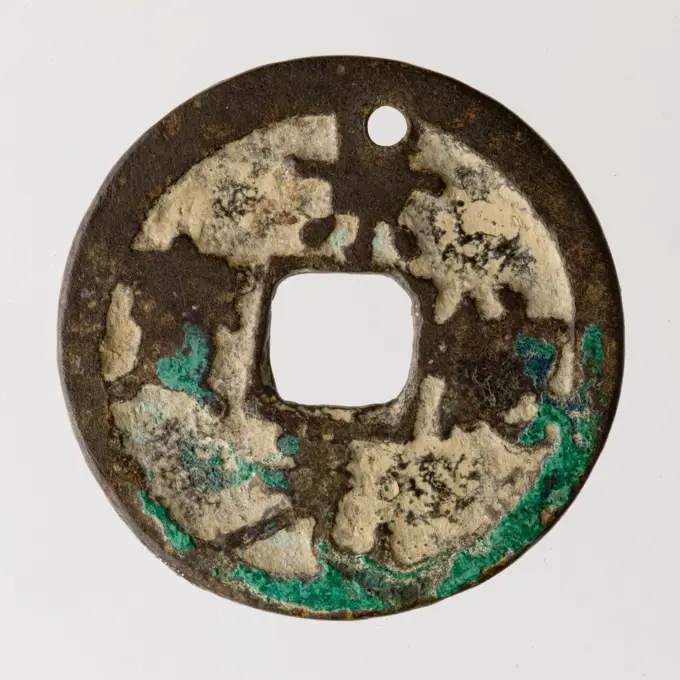
Cash. Copper alloy, China, Song dynasty. Paris, Cernuschi museum. Amulet, Asian art, Chinese art, circle, Asian civilization, Chinese civilization, belief, disc, Song dynasty, currency
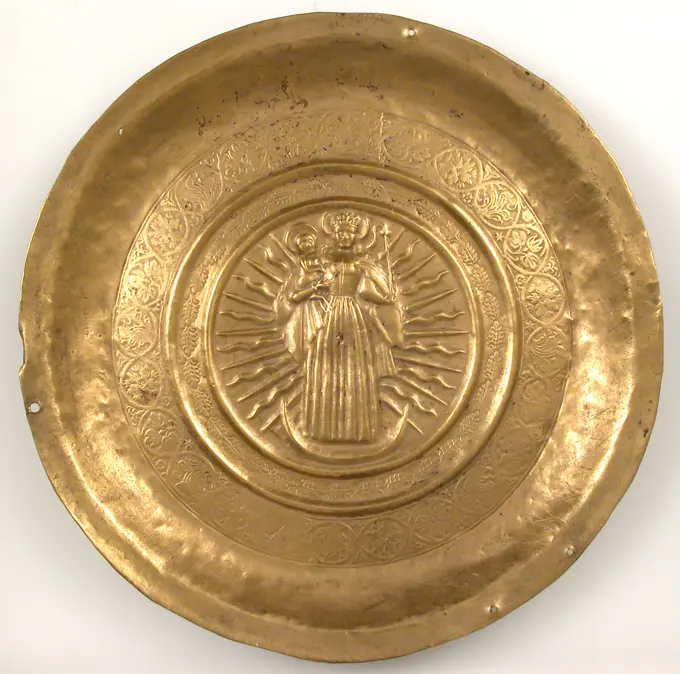
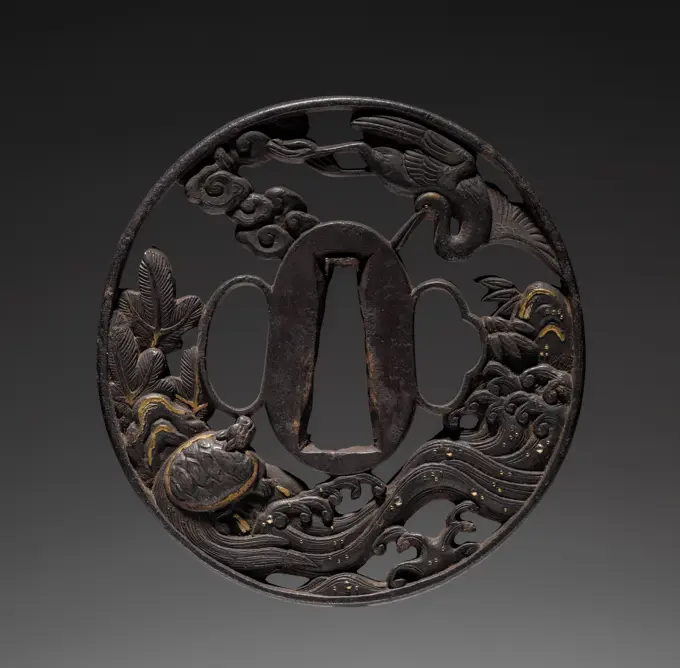
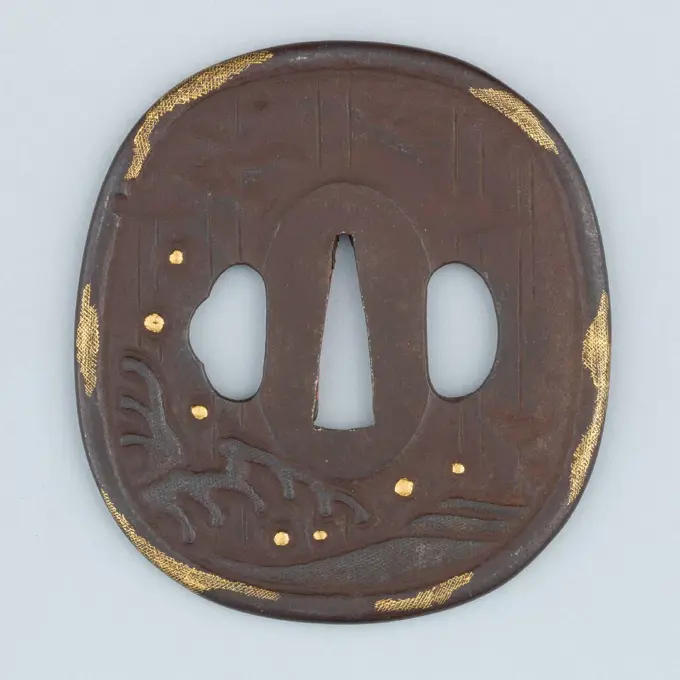
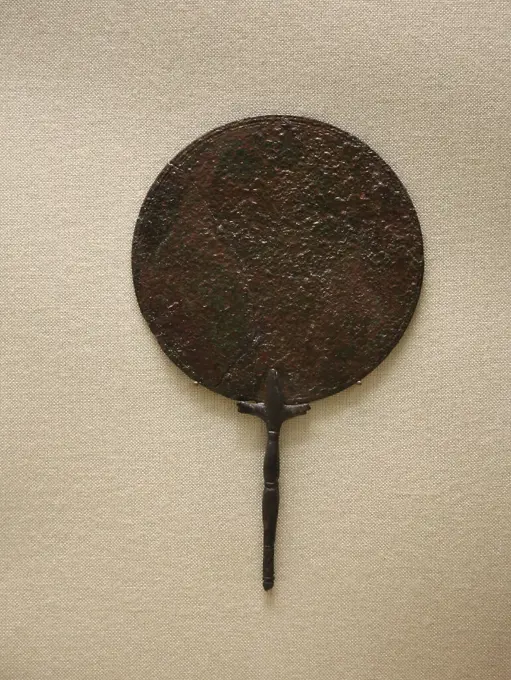
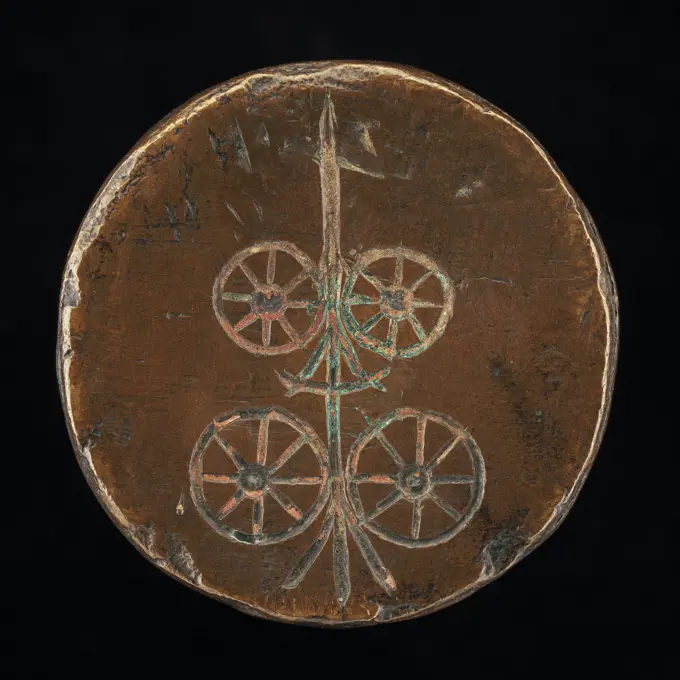
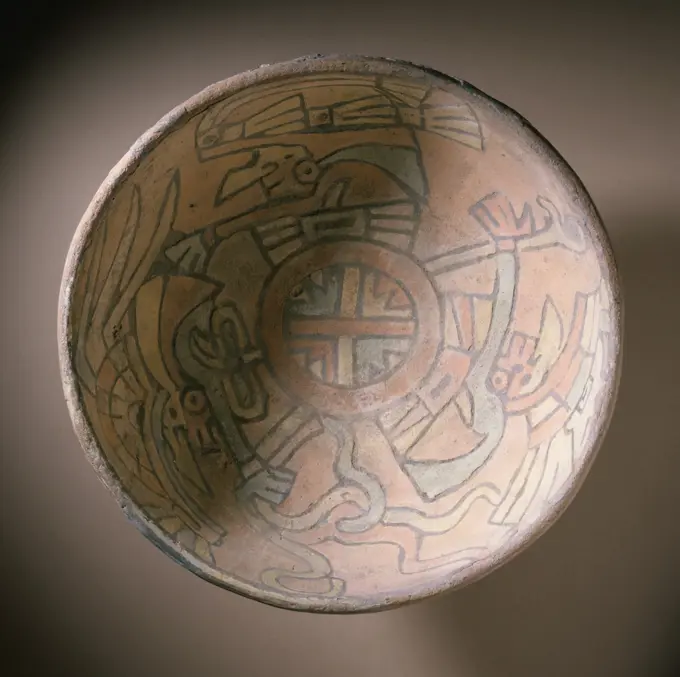
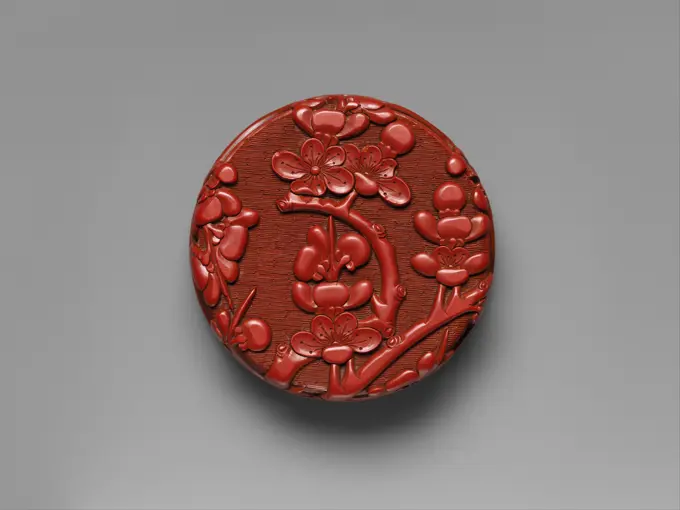
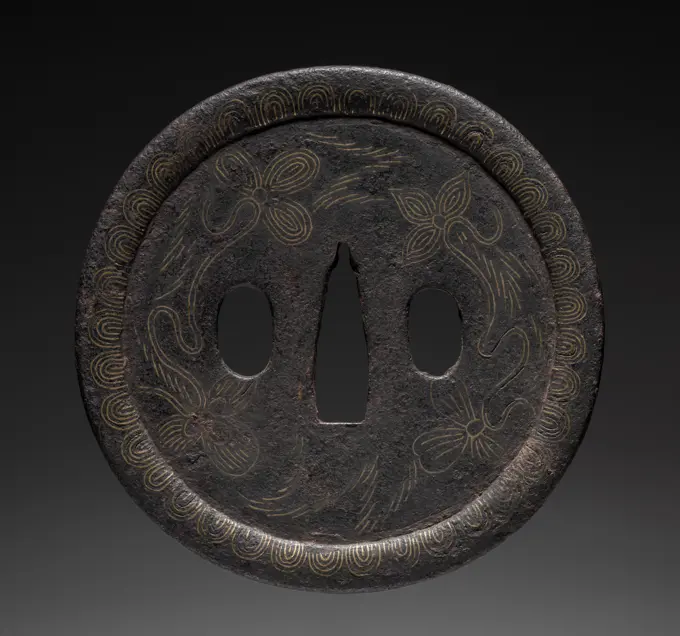
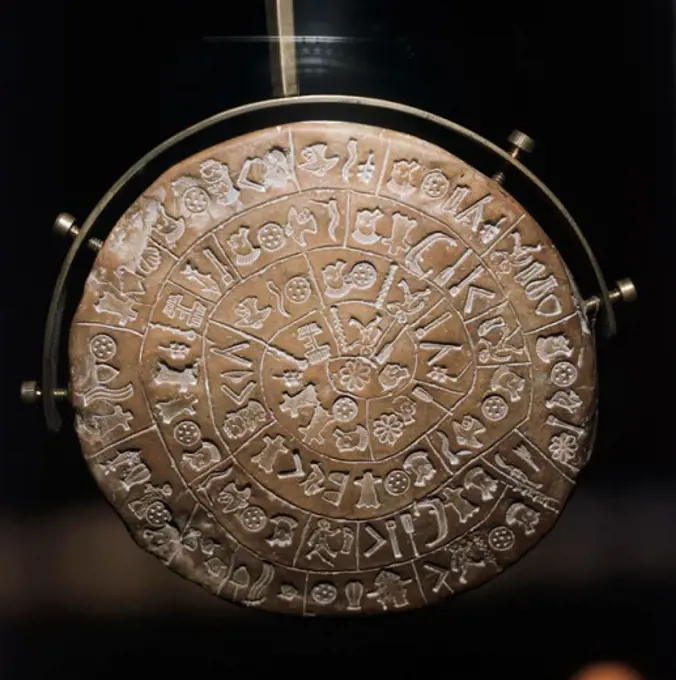
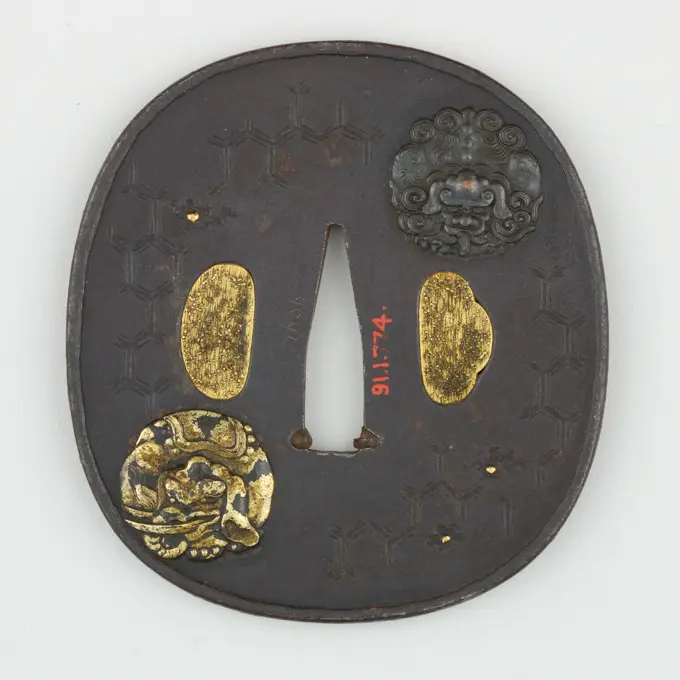
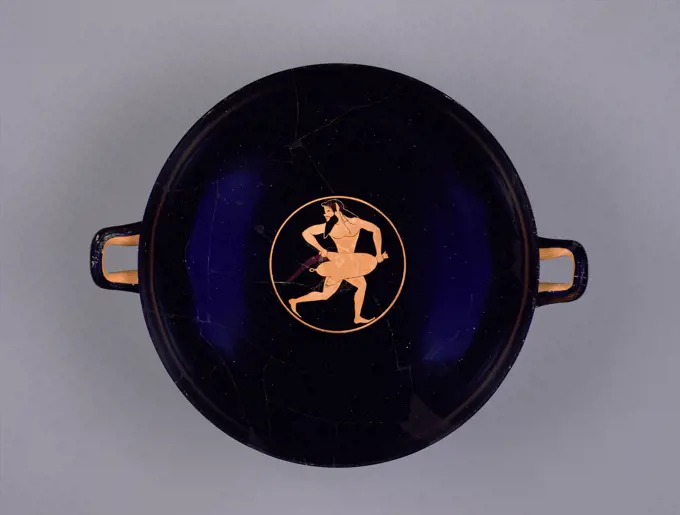
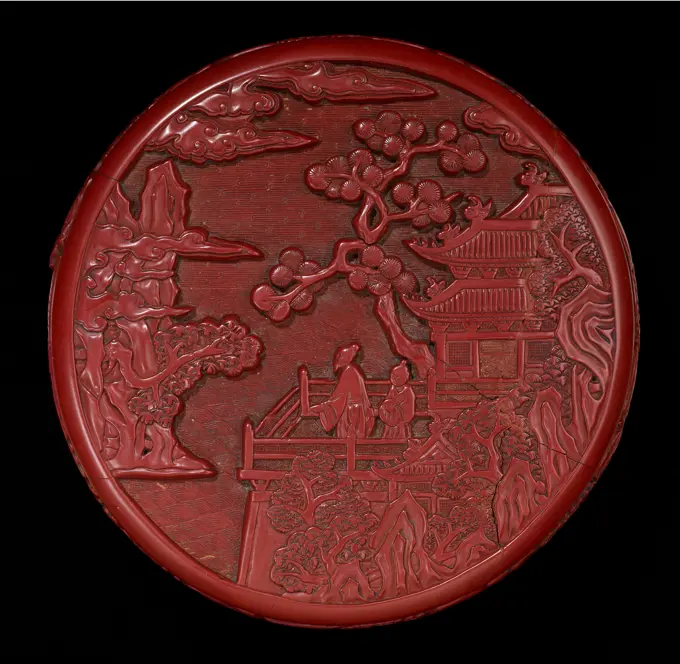
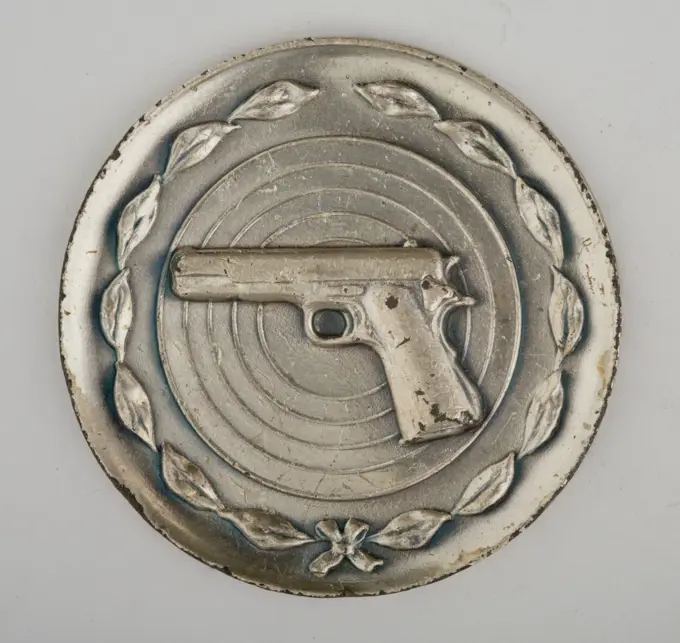
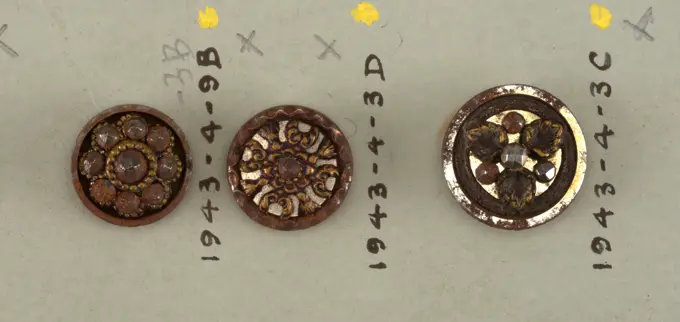
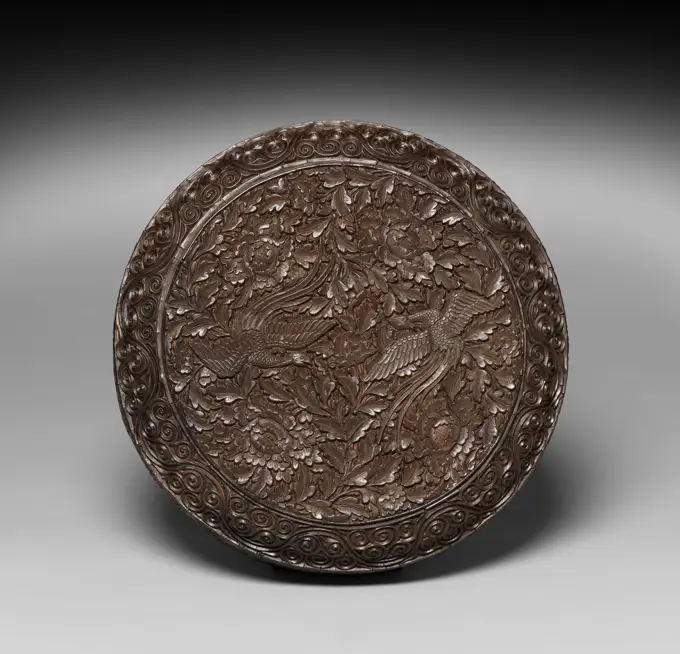
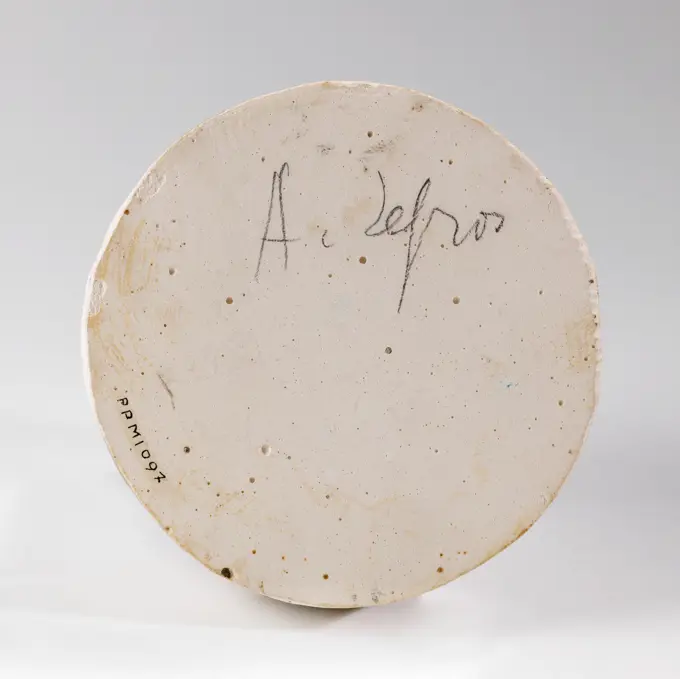
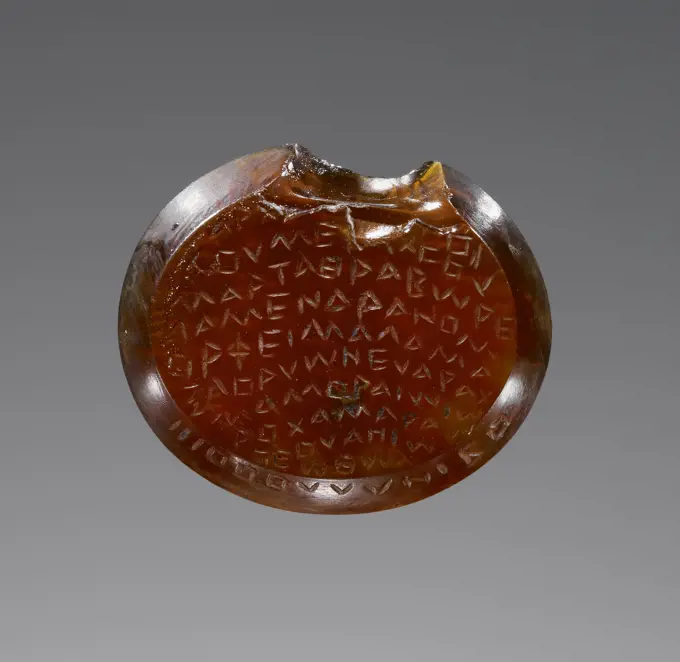
Engraved Gem; Roman Empire; 3rd century; Hematite; 1.6 cm (5,8 in.)Dish early 16th century German. Dish 467569Plain Ring 7th century Frankish. Plain Ring 465577 Frankish, Plain Ring, 7th century, Copper alloy, Overall: 15/16 x 3/16 in. (2.4 x 0.4 cm). The Metropolitan Museum of Art, New York. Gift of J. Pierpont Morgan, 1917 (17.193.252)Clock-watch with sundial ca. 1605-10 Watchmaker: Jan Jansen Bockeltz. Clock-watch with sundial 194191Sword Guard (Tsuba) with Crane and Tortoise, c. 1615-1868. Japan, possibly Edo period (1615-1868). Iron; diameter: 7.7 cm (3 1/16 in.).Bliżej KulturySword Guard (Tsuba). Culture: Japanese. Dimensions: H. 3 3/8 in. (8.6 cm); W. 3 1/16 in. (7.8 cm); thickness 3/16 in. (0.5 cm); Wt. 5.2 oz. (147.4 g). Date: ca. 1615-1868. Museum: Metropolitan Museum of Art, New York, USA.Roman mirror. Archaeological Museum of Seville. Andalusia. Spain.Sword Guard (Tsuba) ca. 1615-1868 Japanese A tsuba is a sword guard and part of a sword mounting. It is mounted between the swords blade and grip to protect the users hands.. Sword Guard (Tsuba) 34423Frame Drum Thunder Elk Native American (Sioux) ca. 1887 Made about 1887 and painted by Thunder Elk in 1904, this drums symbolism remains elusive. Yellow, here representing the earth, is often associated with abundance, dark blue with the sky. Frame drums were used to accompany song and dance in both secular and sacred contexts.Brooch 'free nations do not die', c. 1944 - c. 1945 Round brooch of silver with a banderole in the middle with inscription '1940 free nations did not die 1945' over a circle of allied flags. Around an edge with bean and leaf motifs. Zandvoort silver (metal) Round brooch of silver with a banderole in the middle with inscription '1940 free nations did not die 1945' over a circle of allied flags. Around an edge with bean and leaf motifs. Zandvoort silver (metal)Button (France); paper, metal foil, thread, paillettesItalian 16th Century, The Heraldic Carro (reverse), c 1500 The Heraldic Carro reverseKnightly board Knightly board. An element for defense of the medieval soldier Copyright: xZoonar.com/ValeryxxSibrikovx 2494323Pedestal Bowl. Mexico, Michoacán, Tarascan, 900-1200 CE. Ceramics. Ceramic with postfire applied pigmentTAIPEI, TAIWAN - March 4 : Antiques are displayed in Taipei’s National Palace Museum on March 4, 2017 in Taipei, Taiwan, Asia.Box with plum spray 16th century China. Box with plum spray. China. 16th century. Carved red lacquer. Ming dynasty (1368-1644). LacquerSword Guard (Tsuba), c. 1615-1868. Japan, possibly Edo period (1615-1868). Iron with brass inlay; diameter: 9.3 cm (3 11/16 in.).Plate Designer André Metthey French post WWI20.01.2025, Deutschland, NRW, Uhren, Uhrmacher, Lose Zifferblätter auf einem Teller, Armbanduhr, Zifferblatt, Deutschland *** 20 01 2025, Germany, NRW, watches, watchmaker, loose dials on a plate, wristwatch, dial, Germany Copyright: xD.xKerlekin/SnowfieldxPhotographyx SF200125UhrenD1Phaistos Disk  Greek Art(- ) Heraklion Museum, Crete, Greece Plate or platter with drainer 1808 German, Lower Rhine. Plate or platter with drainer 191357Ralph Morton, Foot Scraper, c 1938 Foot ScraperSword Guard (Tsuba) Depicting Shishi Lion and Elephant (子象図鐔) 19th century Japanese This tsuba shows on its obverse two medallion-style elements in relief, one shishi lion and one elephant, which are partly highlighted in gold and copper. The reverse shows towards the bottom left the relief of a partially gilded seal that bears the two characters of the artist’s name, Munechika. Both sides are further decorated with engravings of a disconnected hexagonal kikkō pattern that features some gold highlights. Munechika was a student of the Tsuchiya (土屋) School. There exists a dated work from Bunkyū three (文久, 1863).. Sword Guard (Tsuba) Depicting Shishi Lion and Elephant (子象図鐔) 25693Wine Cup with a Satyr; Oltos (Greek (Attic), active about 525 - 500 B.C.); Athens, Greece; about 520 - 510 B.C; Terracotta; 13.2 × 41.5 × 32.4 cm (5 3,16 × 16 5,16 × 12 3,4 in.)Engraved Scaraboid with Aphrodite Riding a Goose. UnknownDrum Tympanum with Star 500 B.C.-A.D. 300 Vietnam (North) (). Drum Tympanum with Star. Vietnam (North) (). 500 B.C.-A.D. 300. Bronze. MetalworkAncient aztec calendar isolated on whiteOld waggon wheel. Isolated objects: one very old wooden waggon wheel on white backgroundblack and white skullcap traditional Asian hat on a dark background. traditional asian skullcapASTROLABE (NOT THE CATALOG OF EXISTING ASTROLABIES IN SPAIN). (EXHIBITION THE SCIENTIFIC LEGACY OF AL-ANDALUS) (LOCATION: INSTITUTO VALENCIA DE DON JUAN).Water Filter 10th-12th century. Water Filter 447426compass on the green backgroundCircular Box, 1403-1427, 2 x 5 1/2 x 5 1/2 in. (5.08 x 13.97 x 13.97 cm), Carved red lacquer (tihong), China, 15th century, The court wares of the early fifteenth century are generally considered amongst the finest of all Chinese carved lacquer. This well-crafted circular box bears the six-character imperial reign mark of the Yongle (1403-1424) emperor on its base. Fine craftsmanship was always stressed in imperial ware. The base coatings alone could consist of over 100 layers of polished lacquer allowing for the deeply carved motifs with soft contours and rounded edges typical of the style. The landscape scene on this box was derived from the prestigious painted landscape tradition, a tradition where philosophical themes such as humanitys relationship to nature took precedence over the purely decorative motifs like flowers or geometric patterns.Button, Paper, metal foil, thread, paillettes, Folding envelope of paper with tie closure; used as a case for ten circular buttons., On card 14, France, late 18th century, costume & accessories, Decorative Arts, ButtonBox (He) with a Scholar and Attendants in a Garden. China, Chinese, Early Ming Dynasty, Yongle period (1403-1424), but with Xuande mark (1426-1435) written over Yongle mark. Furnishings; Accessories. Carved red lacquer on wood core. Around bowl with infuted upper edge. The dish is fully equipped with a fine hammer structure. Signature and dated.Celtic civilization, Portugal, 1st century b.C. Silversmith's art. Silver pectoral. From Chao de Lamas.Occasional plaque of the shooting competition in short weapons (pistol)Box with Landscape (lid), 1800s. Japan, Edo period (1615-1868) to Meiji period (1868-1912). Lacquer with sprinkled gold; overall: 2.9 x 18.4 cm (1 1/8 x 7 1/4 in.).Jean-Marie Michel Cazin (1869-1917). "Elder Coquelin medal". Silver metal, 1899. Museum of Fine Arts of the City of Paris, Petit Palais. 57557-8 Medal, inventory number, numismatic, reverseButton (possibly USA)Jean-Bertrand Andrieu (1763-1822)/Nicolas Brenet (1728-1792). Medal avec. Back from the island of Elba. Metal, bronze. After 1815. Museum of Fine Arts of the City of Paris, Petit Palais. 58765-8 Avers, bronze, medal, metal, numero inventory, numismaticsBasket, 1900-1942, 10.5 x 10.5 in. (26.7 x 26.7 cm), Plant fiber, United States, 20th centurySpindle Whorl 10th-early 16th century Mexican. Spindle Whorl. Mexican. 10th-early 16th century. Ceramic. Mexico, Mesoamerica. Ceramics-ImplementsRound Box with Decoration of Two Pheasants and Peonies, late 1200s. China, late Southern Song (1127-1279) - early Yuan dynasty (1271-1368). Carved lacquer; overall: 21 x 40.6 cm (8 1/4 x 16 in.); lid: 8.5 x 40.6 cm (3 3/8 x 16 in.); bottom: 12.5 x 40.6 cm (4 15/16 x 16 in.). This box is among the extremely rare and precious carved lacquer ware from the Song and early Yuan period and is arguably one of the most monumental and significant examples of the type. It exhibits extremely fine craftsmanship. To allow for the depth of carving, numerous layers of different colored lacquer were applied to a core of wood strengthened by a fabric covering impregnated with lacquer. Each layer was allowed to set before the next was applied, taking a long time to construct the lacquered body before the carving could begin.Carved on top with two birds in flight against a floral ground and a band of spiral scrolls, it is a bold manifestation of the naturalistic and abstract approaches to carved lacquer Bullet with which C.J. Baron Krayenhoff was hit in the belly, anonymous, c. 1815 grapeshot Round bullet of which one half is painted black with the inscription in white paint. In round box of wood consisting of two halves that can be screwed on top of each other.  iron (metal). wood (plant material). oil paint (paint) castingAlphonse Legros (1873-1911). "Maria Valvona". Plaster. 1881. Museum of Fine Arts of the City of Paris, Petit Palais. 123468-2 Back, woman, latre, medal, profile, portrait, signature, 19th 19th XIX 19th 19th 19th century