Historical Metal Objects

Ancient metal artifacts including fibula, handles, and a key, showcasing intricate designs and historical significance, with various materials like bronze and iron.

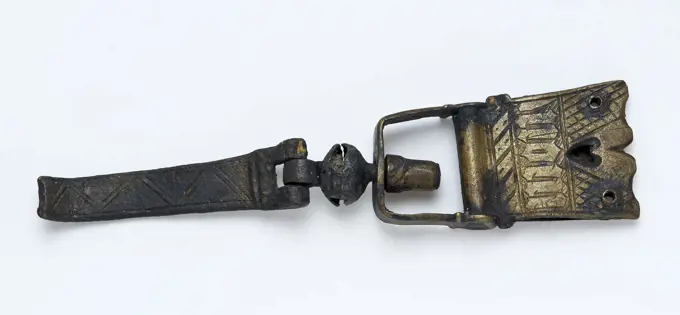
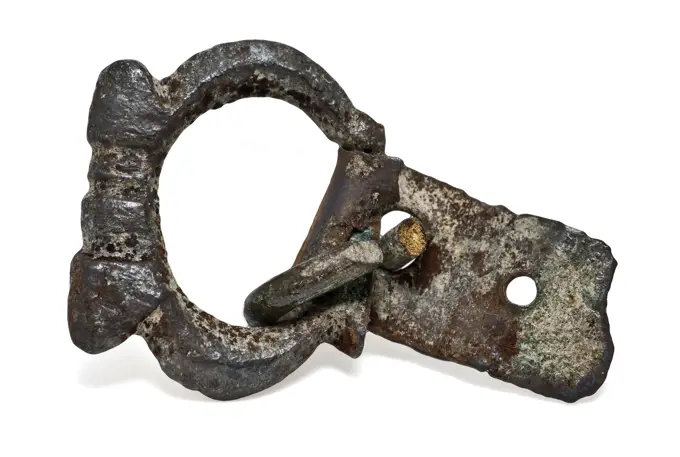
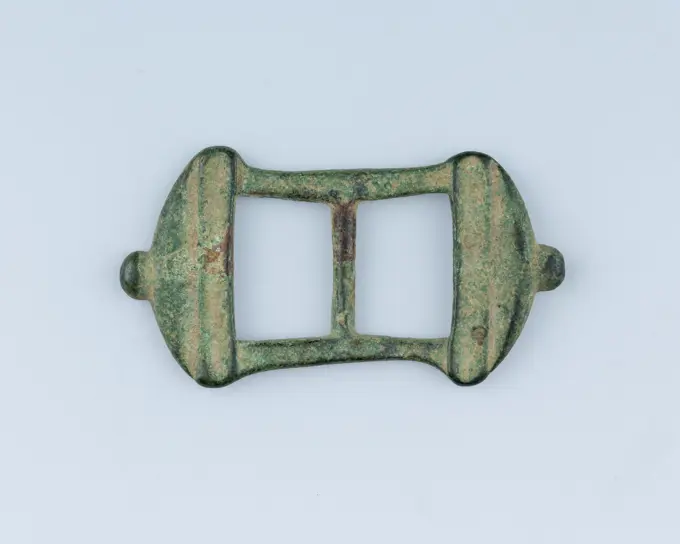
Oval buckle with wavy frame, shoe buckle, buckle fastener component soil find tin metal, cast Oval buckle with wavy frame shoe buckle On the middle post an angel and remnant of bounce. Triangular accents on the height of the middle post archeology Rotterdam rail tunnel attaching dressing shoes fastening shoe Soil discovery: trajectory rail tunnel Rotterdam.
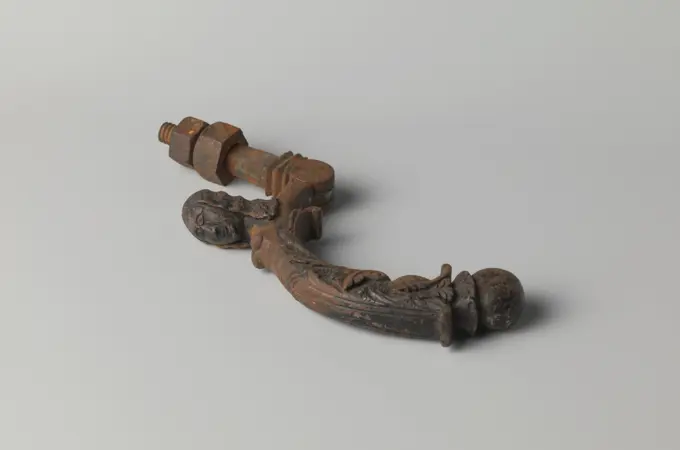
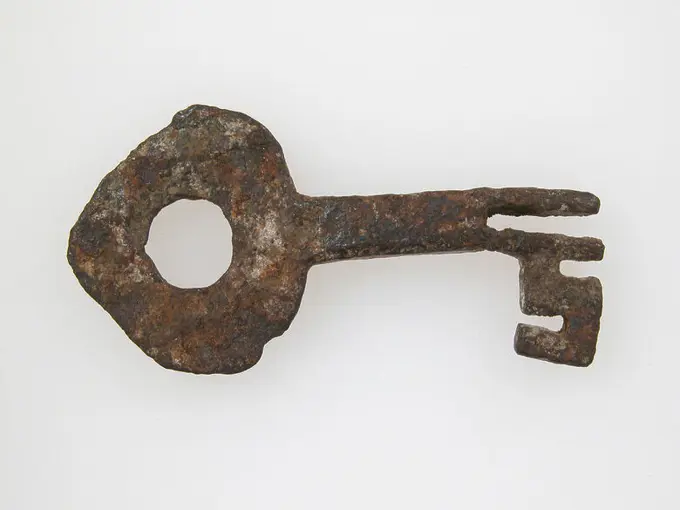
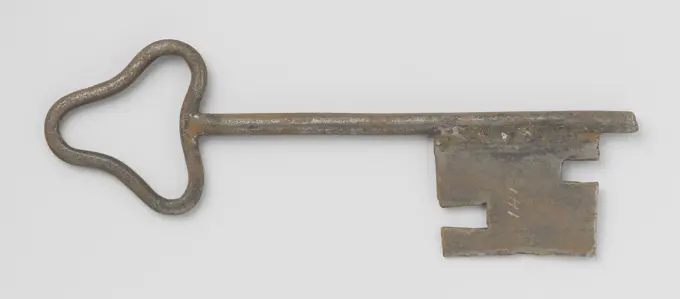
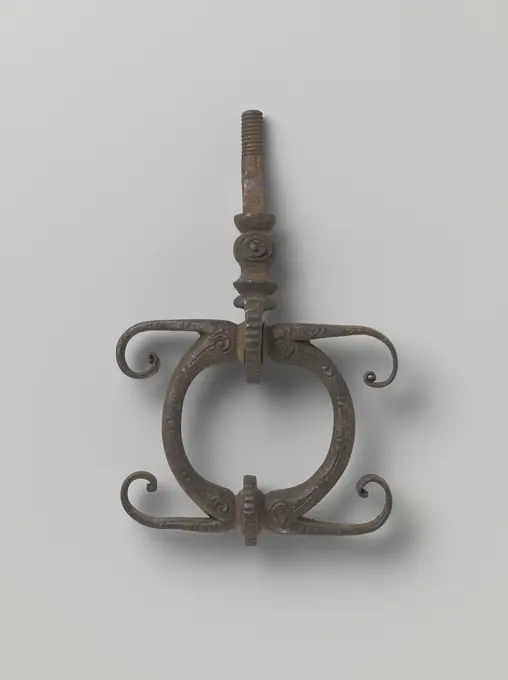
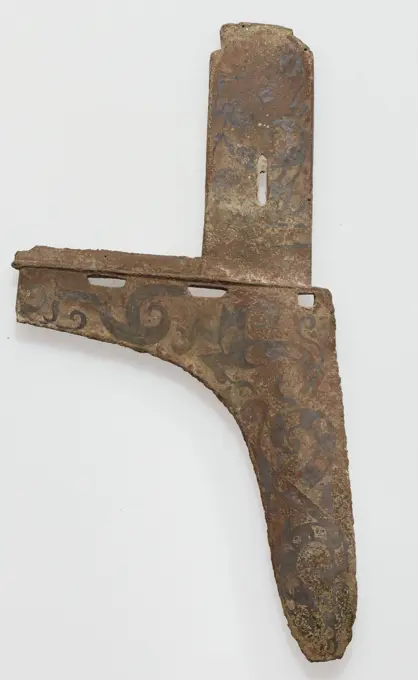
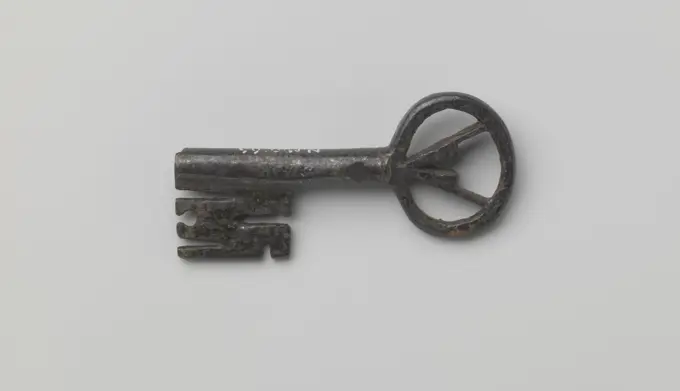
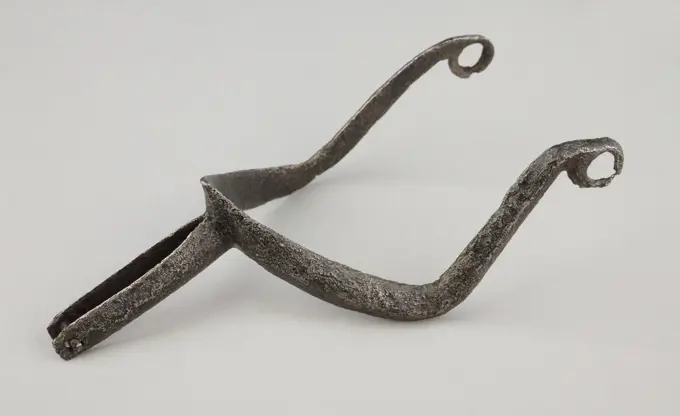
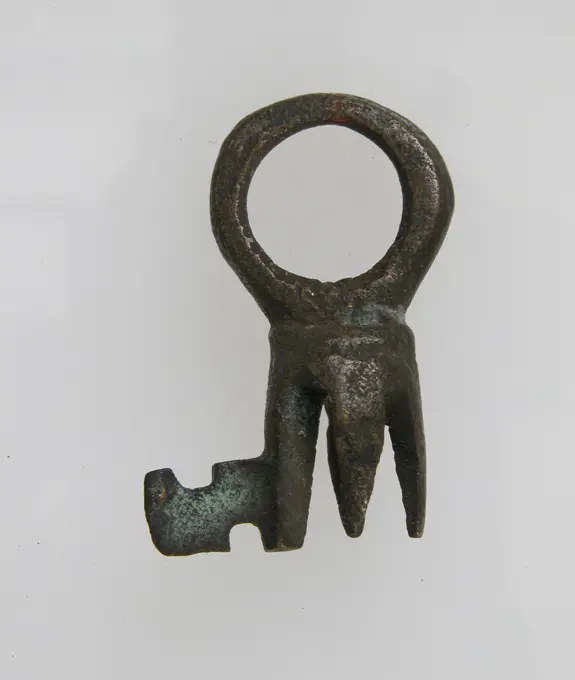
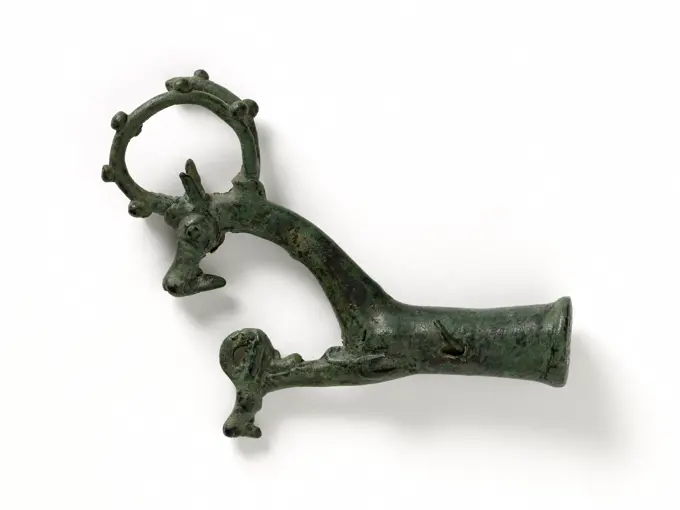
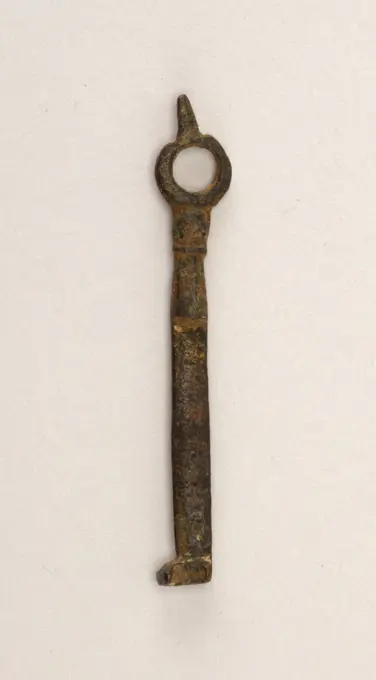
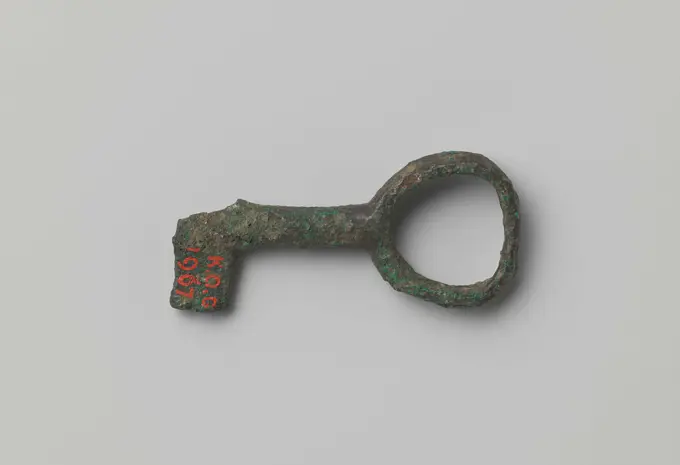
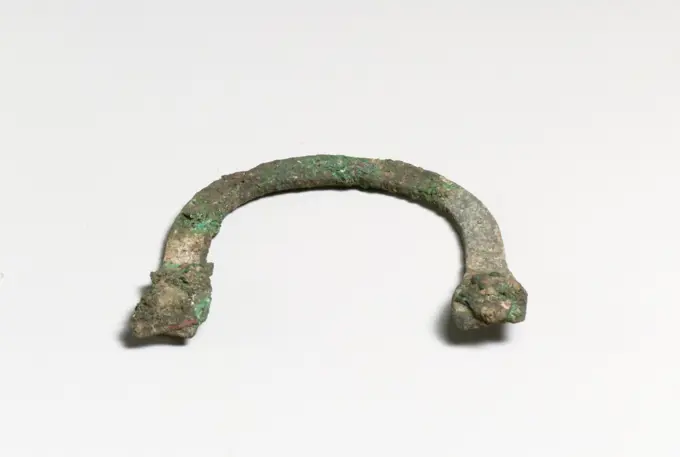
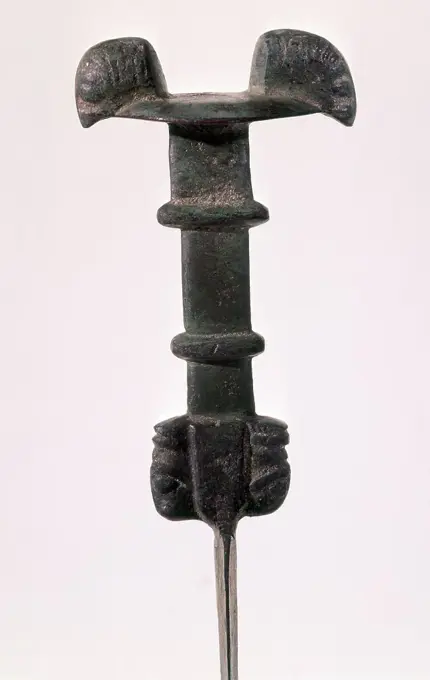
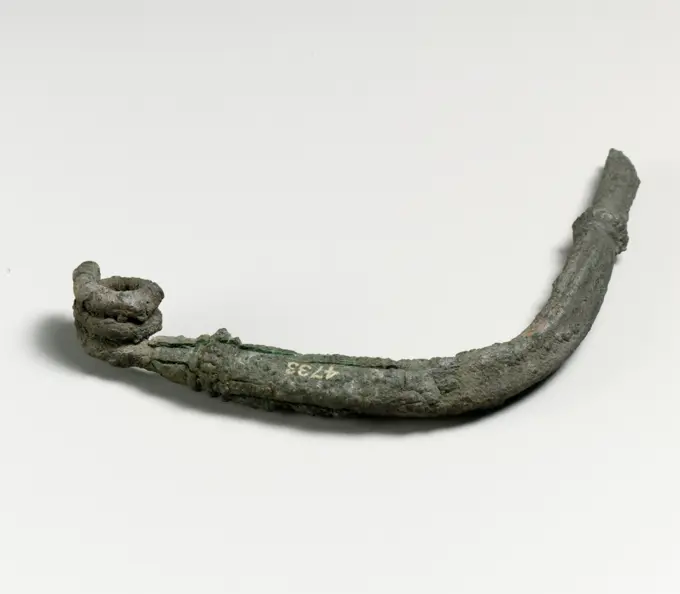
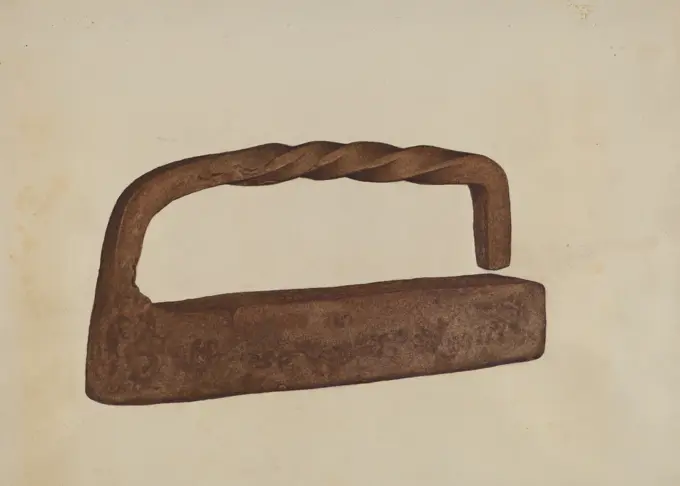
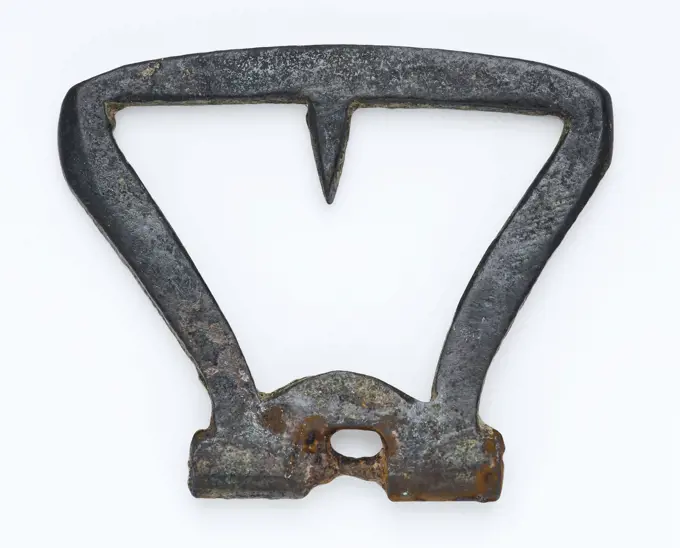
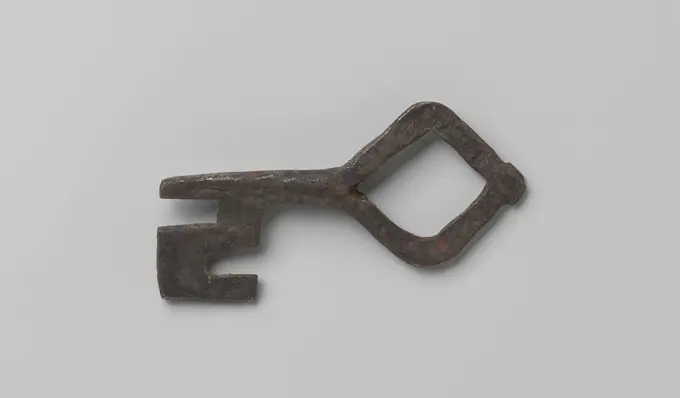
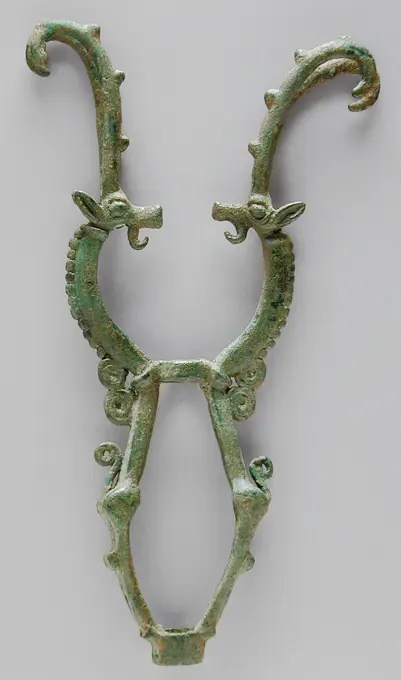
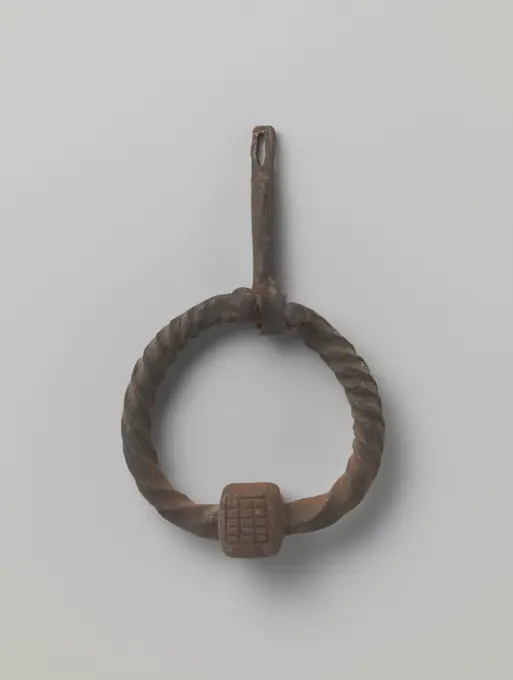
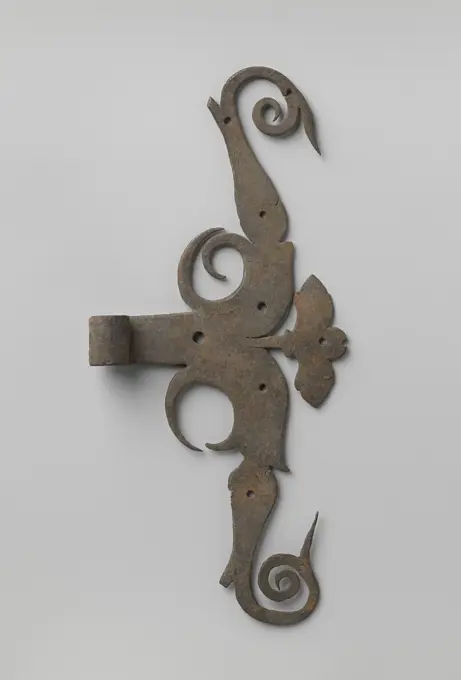
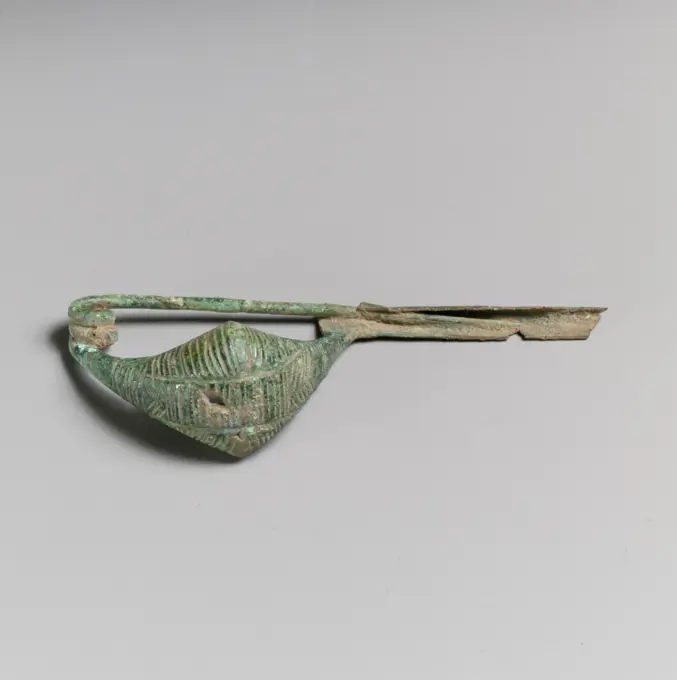
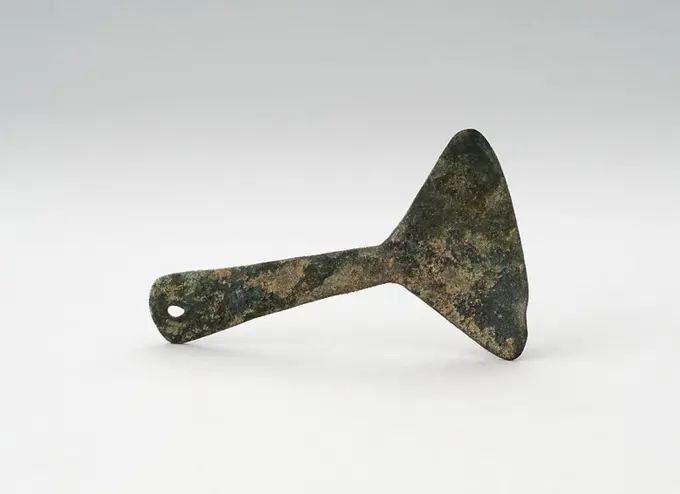
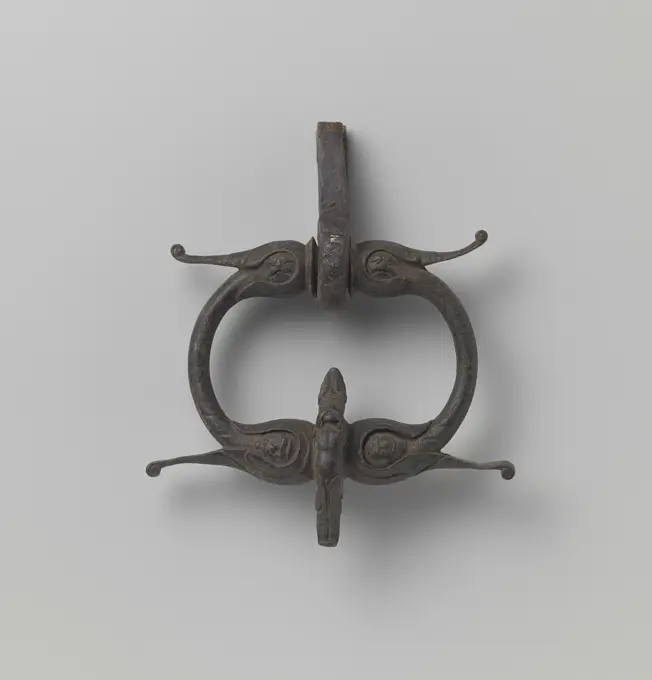
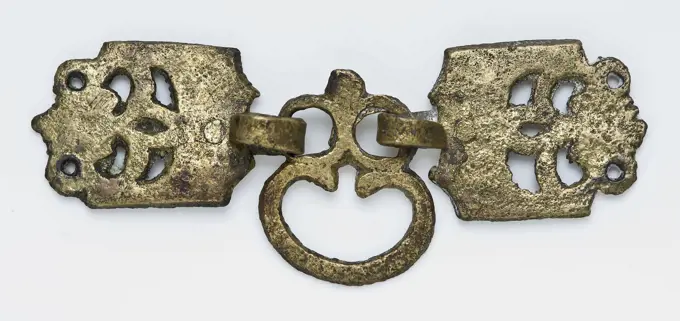
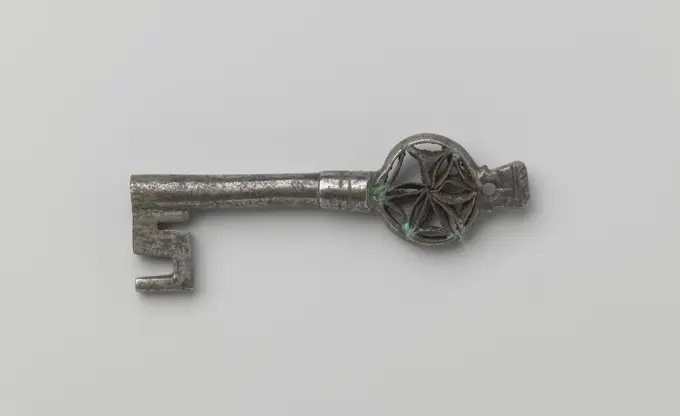
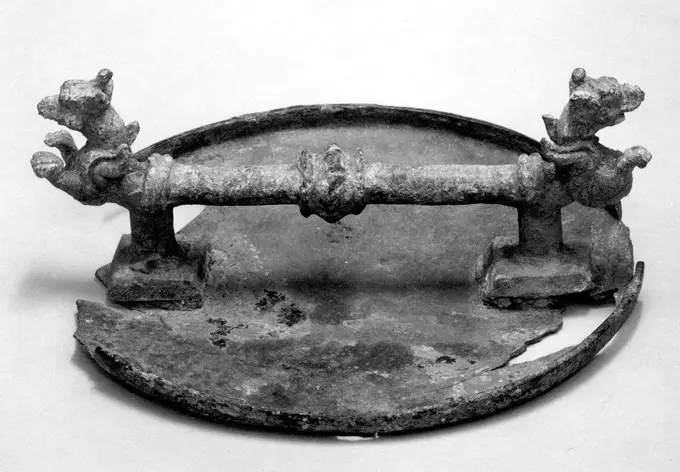
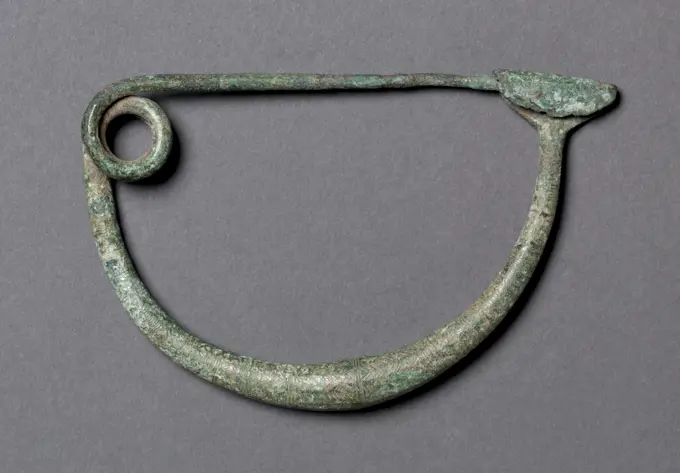
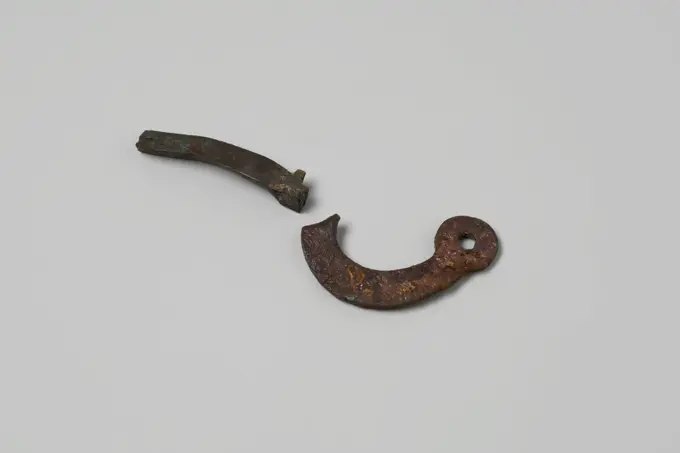
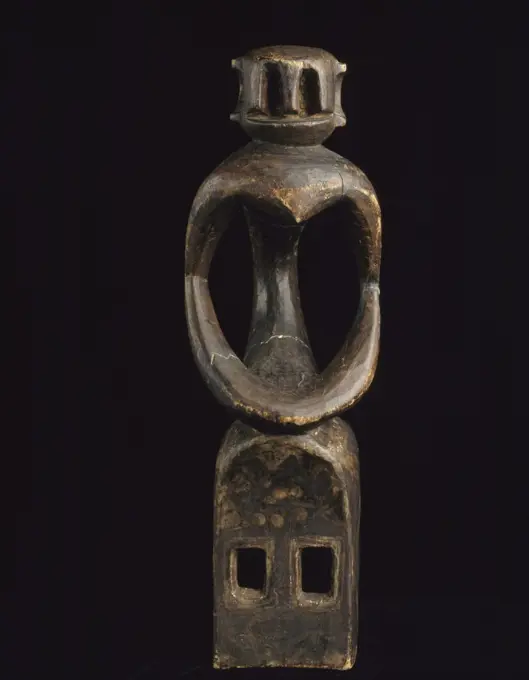
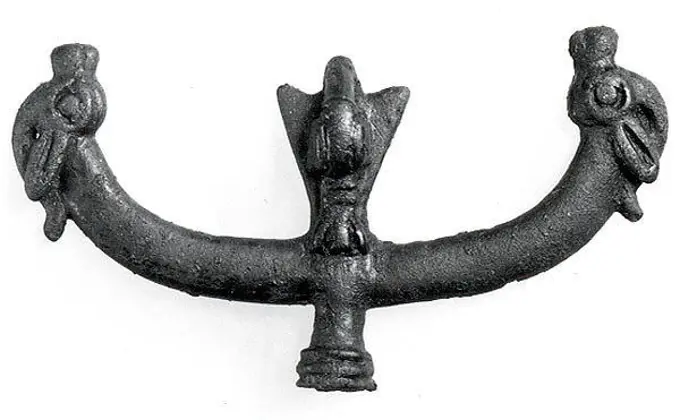
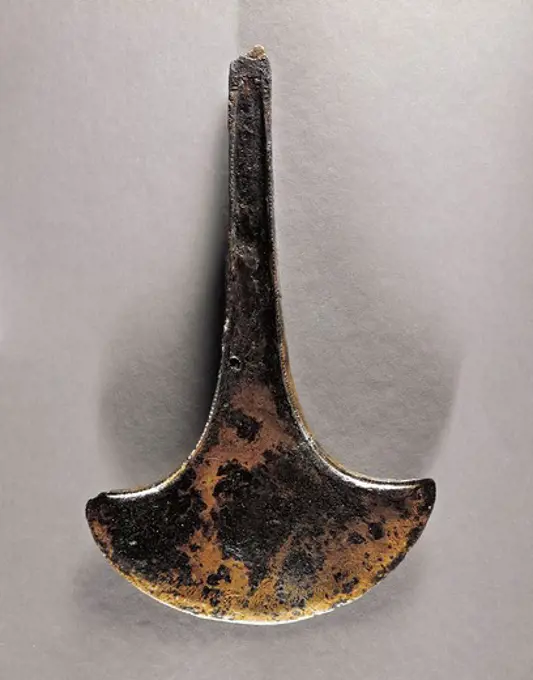
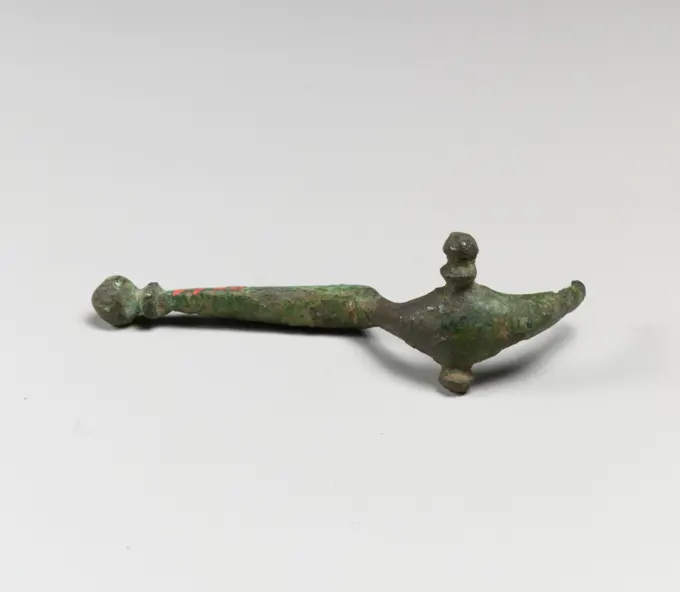
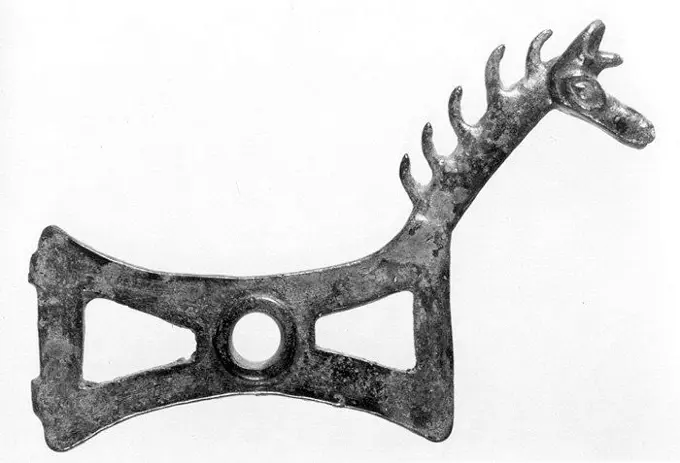
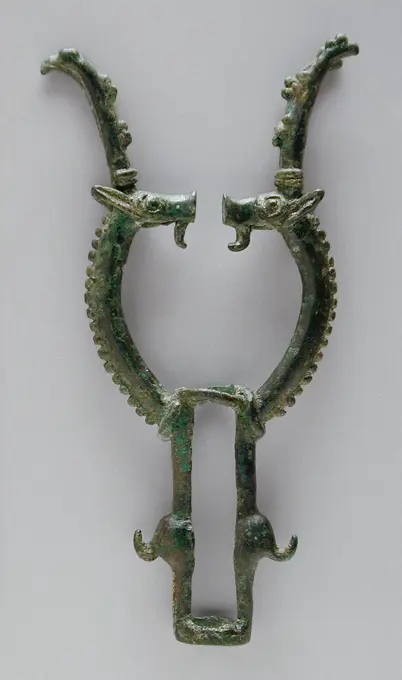
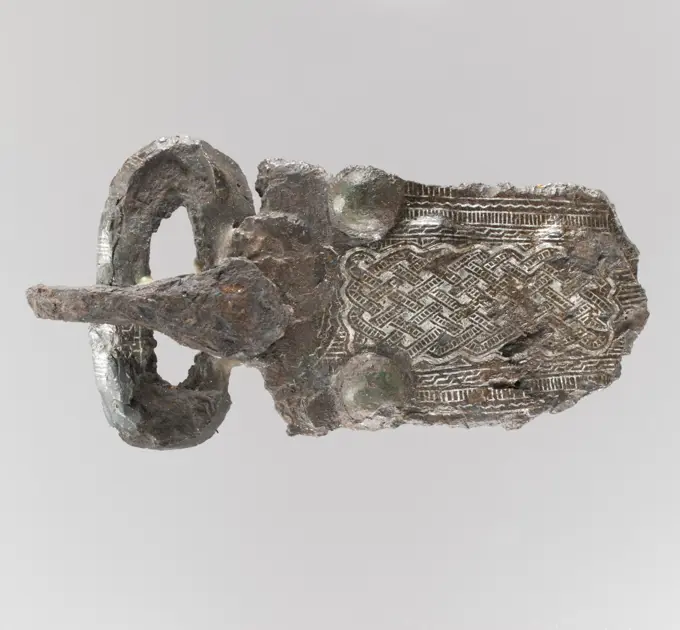
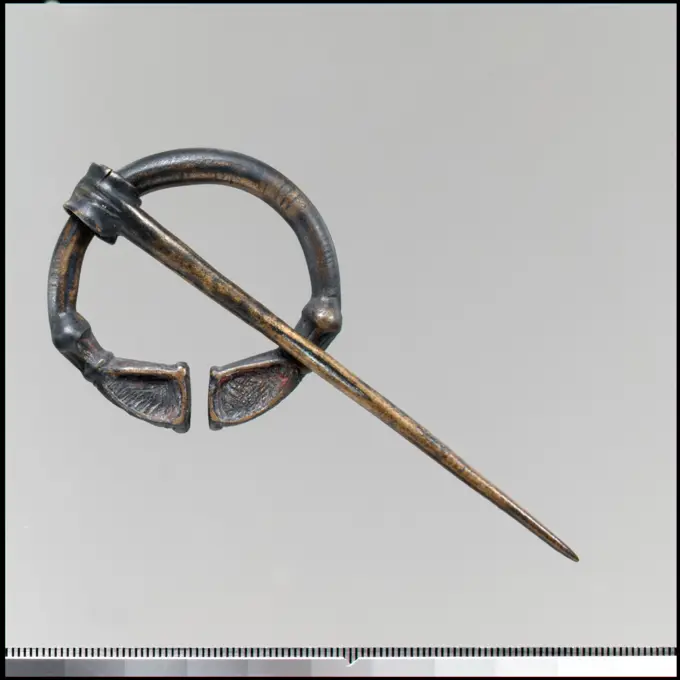
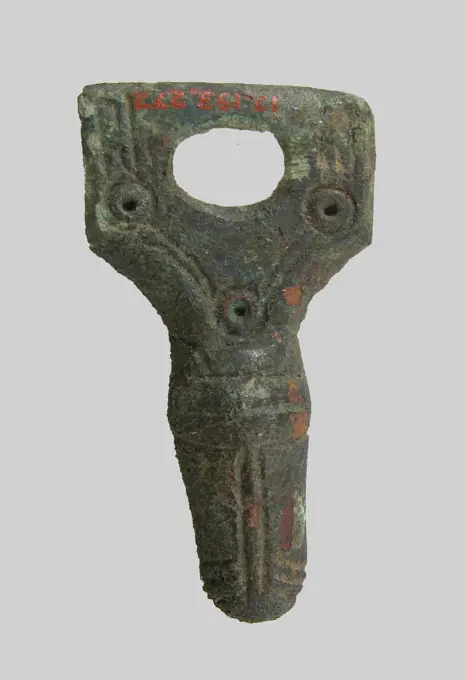
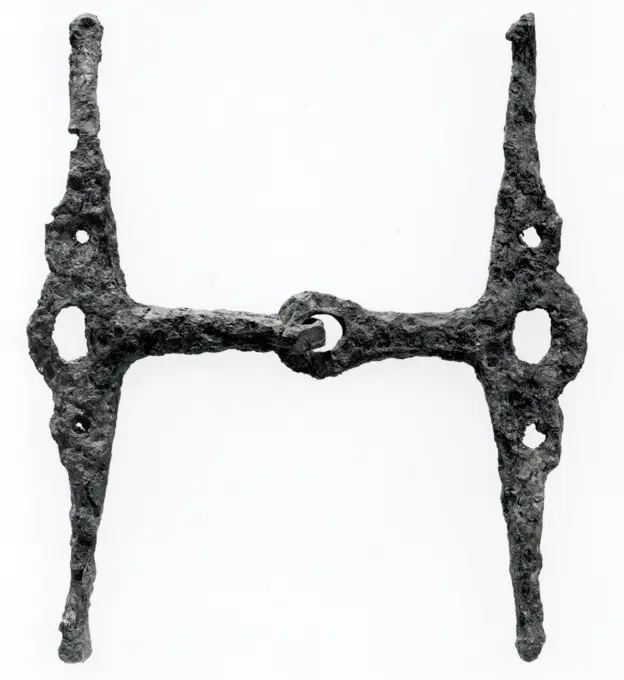
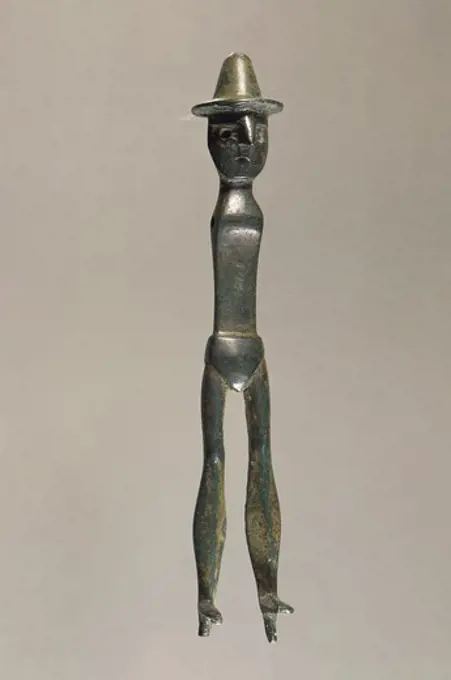
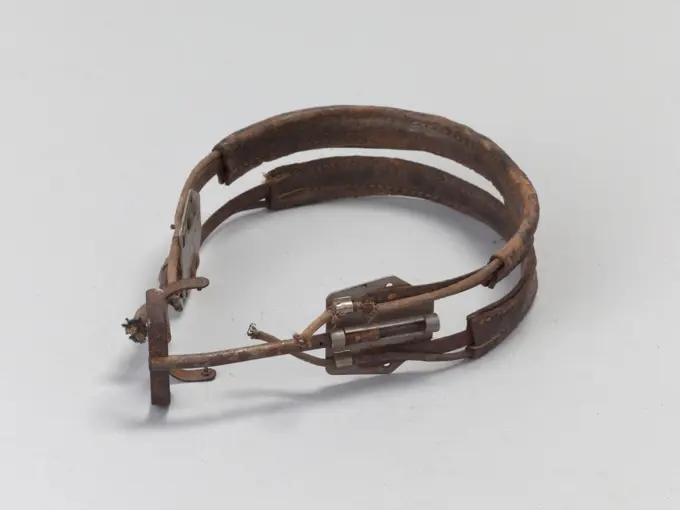
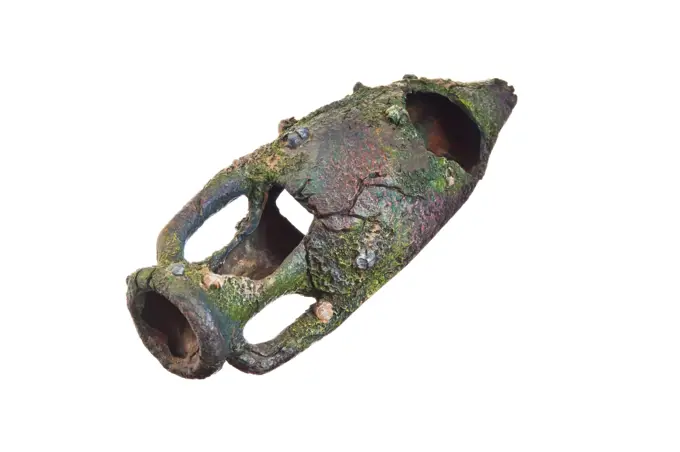
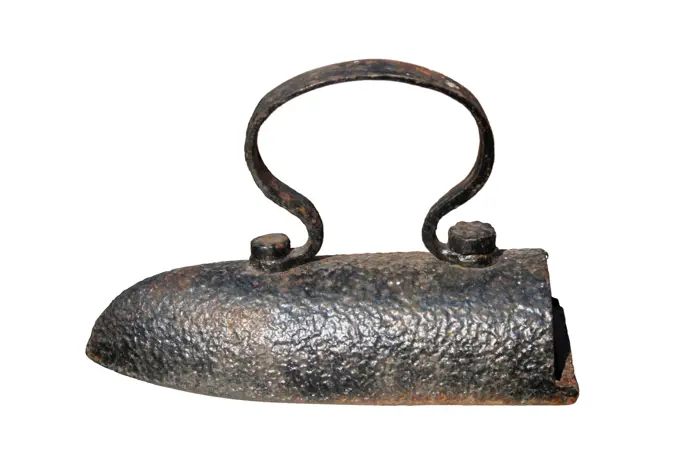
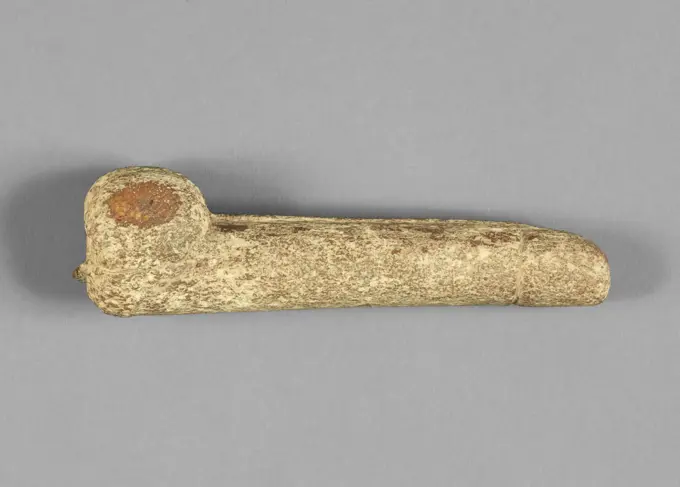
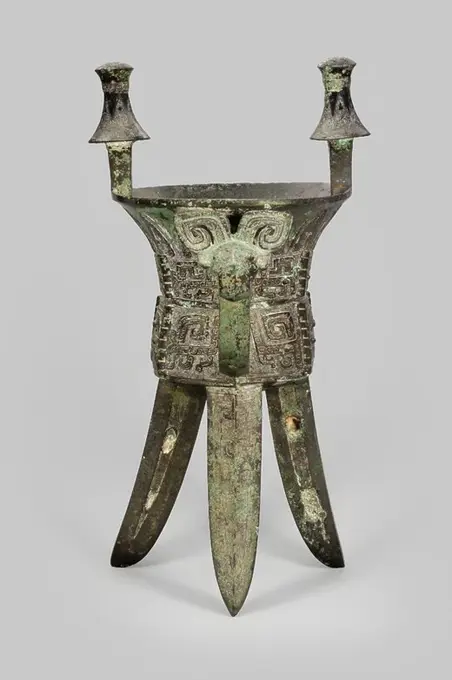
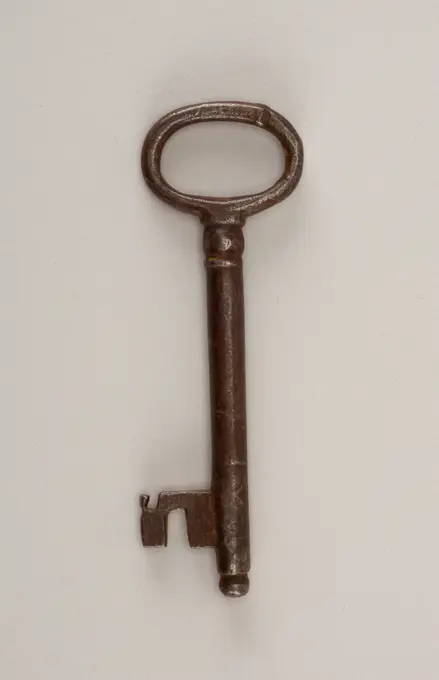
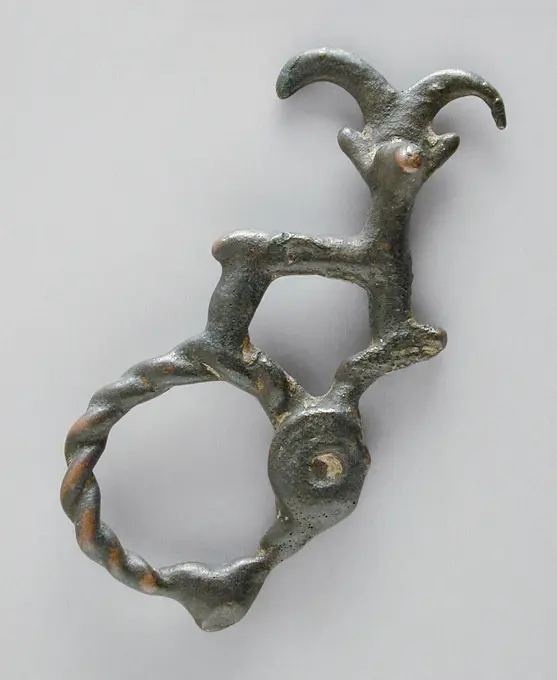
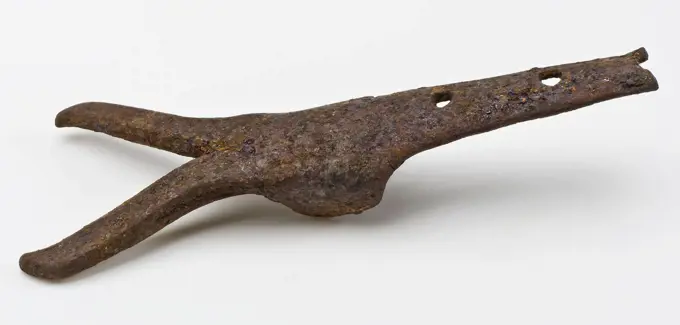
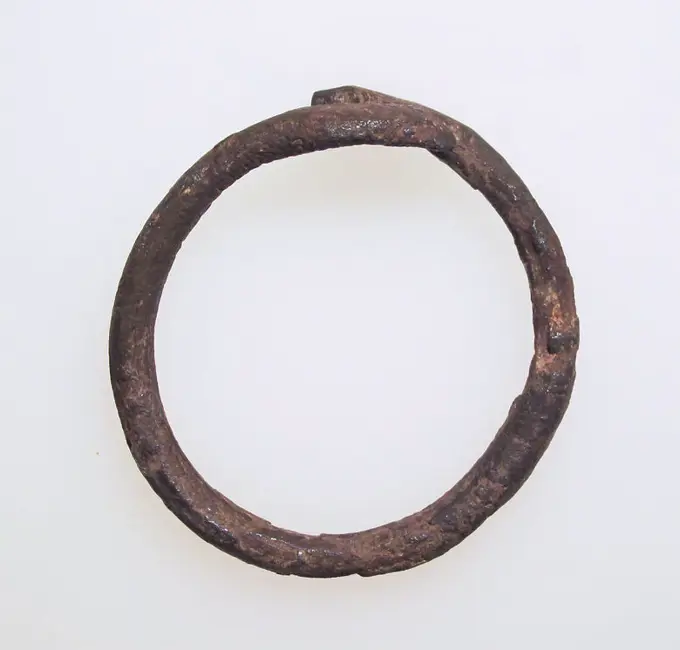
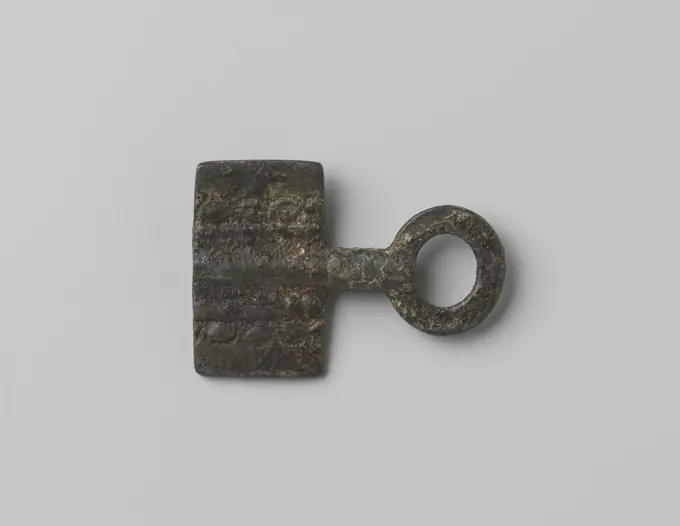
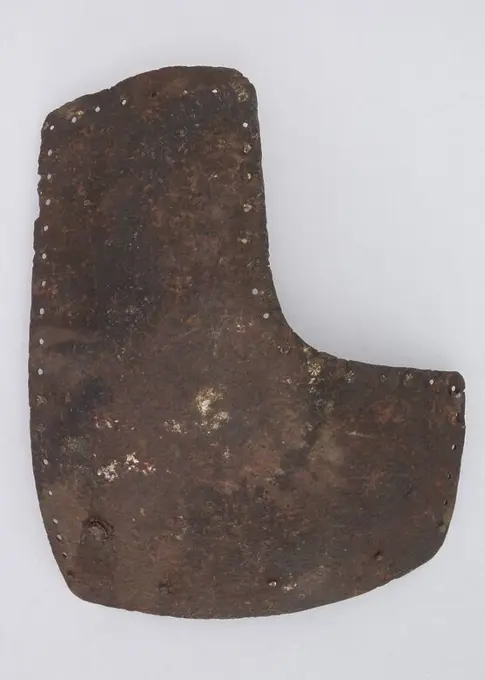
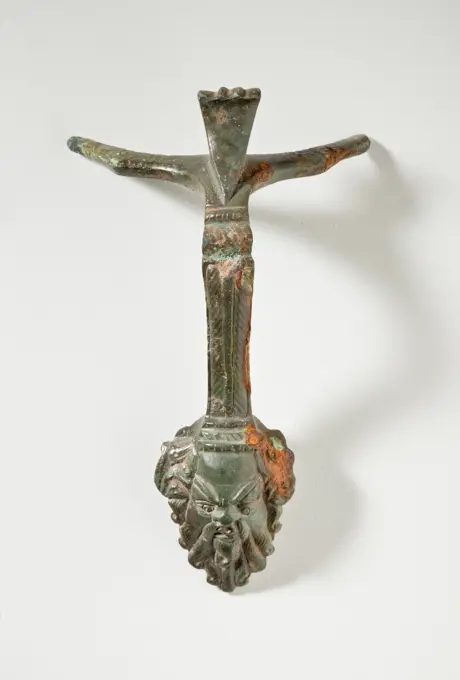
Antennas fibula. Copper alloy. Gallo-Roman. Paris, Carnavalet museum. 51472-1 Staple, copper alloy, attachment, Gallo-Roman time, antennas fibula, Roman Gallo, High EmpireBronze handle early 5th century B.C. Greek Pair with 74.51.5453. Horizontal handle curving upward terminating in rams' heads; in the center a three-leaved ornament.. Bronze handle 244334Door beater with dolphin head -ending female figure, 1575 - 1600 An iron driven door beater, representing a woman, ending in a dolphin head.  iron (metal) An iron driven door beater, representing a woman, ending in a dolphin head.  iron (metal)Oval buckle with wavy frame, shoe buckle, buckle fastener component soil find tin metal, cast Oval buckle with wavy frame shoe buckle On the middle post an angel and remnant of bounce. Triangular accents on the height of the middle post archeology Rotterdam rail tunnel attaching dressing shoes fastening shoe Soil discovery: trajectory rail tunnel Rotterdam.Key. Culture: French (). Dimensions: Overall: 2 3/8 x 1 3/16 x 1/4 in. (6 x 3 x 0.6 cm). Date: 12th or 13th century (). Museum: Metropolitan Museum of Art, New York, USA.Key, c. 1400 - c. 1950 Key whose eye consists of a triangle with round corners. The square beard has a notch below and above.  iron (metal) Key whose eye consists of a triangle with round corners. The square beard has a notch below and above.  iron (metal)Loop and Tongue of a Buckle 8th century Viking. Loop and Tongue of a Buckle 466209Brass tongue with engraving and MARIA, ending in brace and broken strip, belt accessory soil find brass metal, Text in frieze: MARIA Archeology Rotterdam City Triangle Spaarbankstraat Market Binnenrotte Soil discovery Inner rotte between former Spaarbank and Markthoek Spaarbankstraat.Door knocker in the shape of a crocodile-like creature. Culture: Spanish. Dimensions: without tang: 12 3/8 × 1 9/16 × 3 7/16 in. (31.5 × 3.9 × 8.8 cm)Overall with mounting (tang): 12 3/8 × 1 9/16 × 4 1/16 in. (31.5 × 3.9 × 10.3 cm). Date: 15th or 16th century.The later Middle Ages was practically a second Iron Age, producing vast quantities of armor, weaponry and all manner of functional objects from nails to elaborate strap work hinges, ornate locks and household tools. A highly specialized craft, the best ironsmiths took pride in bringing decorative refinement to their works often elaborating surfaces that could not be seen and transfiguring the functional into the figural. These door knockers are fine examples of the wit, humor, and skill the best ironsmiths could bring to their products.This door knocker is in the shape of a crocodile-like creature with a long elevated tail (the end broken off) and an elongated snout. The attachment tang, riveted through the hips and striker, riDoor knocker. A door knocker.Dragon-head Huang Plaque, 2nd-3rd century, 7 x 16 1/16 in. (17.78 x 40.8 cm), Gilt bronze, China, 2nd-3rd centuryDagger-Axe (Ko), 4th-3rd century BCE, 7 7/16 × 4 9/16 × 3/8 in., 0.4 lb. (18.89 × 11.59 × 0.95 cm, 0.2 kg), Chin-tsun style Bronze inlaid with gold, China, 4th-3rd century BCEKey, c. 1400 - c. 1950 Key, in the ring a V.  iron (metal) Key, in the ring a V.  iron (metal)Pipe key, c. 1400 - c. 1950 Pipe key whose handle is formed by two opposite S-en Top closed by an eye. Rome (possibly) bronze (metal) Pipe key whose handle is formed by two opposite S-en Top closed by an eye. Rome (possibly) bronze (metal)Bow of a Brooch late 5th century B.C. Celtic. Bow of a Brooch 466244Excavated spurFibula late 1st century B.C.-mid-1st century A.D. Roman. Fibula 244441Navigation, anonymous, c. 1590 - c. 1596  Measurement instrument in the form of a quarter of a circle, open worked, with a long and short -standing leg. The legs of the instrument are with each other with a small segment and a wide arch. One different degree distribution has been applied on both sides.  wood (plant material) cutting  Nova Zembla. Saving HuysKey 1st-7th century Roman. Key 462967MountEnd of a sharpening stone. Decor of ibex. LURISTAN. 900-750 BC. J-C. Paris, Cernuschi museum. 35175-4 Iron Age, Bouquetin, Decor, Extremite, Stone A sharpenedKey; 1910-1-9Copper buckle with two oval eyes, buckle fastener part soil find copper brass metal, cast Copper buckle: double-oval ring with middle post to which the angel Copper bracket iron angel archeology Rotterdam rail tunnel attach fasten closes soil find: rail tunnel Rotterdam.Key. Key with around eye, round shafts and massive beard.Belt Buckle Tongue 4th-7th century Frankish. Belt Buckle Tongue 469810A fragment of the Hussars' JelcDouble Bird Palette. Egypt, Naqada II Period, 3500-3050 B.C.. Tools and Equipment; palettes. SchistShort Sword, 1920-1940, 21 in. (53.3 cm), Steel and wood, Democratic Republic of Congo, 20th centuryHandle of a bowl Cypriot. Handle of a bowl. Cypriot. Bronze. BronzesFigure Lime Spoon 15th-16th century Inca. Figure Lime Spoon 315635ARTE IRANI-ESPADA EN BRONCE FUNDIDO. Location: MUSEO ARQUEOLOGICO NACIONAL-COLECCION. MADRID. SPANIEN.Fibula Cypriot. Fibula 244437Herndon Hightower, Tailor's Iron, c 1938 Tailor's IronBounce of buckle, buckle fastener component soil find copper metal, archeologyBelt buckle (half). Iran, 12th-early 13th century. Metal. BronzeKnife blade and hilt Japan. Knife blade and hilt. Japan. Bronze. MetalworkFinialSleutel.Key with diamond-shaped eye, short handle and hook-shaped beard.Standard Finial. Iran, Luristan, Luristan bronzes, circa 1350-800 B.C.. Architecture; Architectural Elements. Bronze, castIron door beater, anonymous, c. 1600 - c. 1699 Wrought iron door beater. unknown iron (metal) forging Wrought iron door beater. unknown iron (metal) forgingAmulet of the God Imsety (one of the four Sons of Horus) 780 BCE-343 BCE Egypt. Glass . Ancient EgyptianDoor guide. A door mixtureFurket or musket fork, 16th century Amsterdam. Furket or musket fork, 16th century Amsterdam. A stick with iron shoe was attached to this wrought iron fork to support the heavy musket while firing. The stick is missing.Fibula 9th-8th century B.C. Italic, Villanovan. Fibula. Italic, Villanovan. 9th-8th century B.C.. Bronze. Geometric. BronzesCeremonial Knife (Tumi) or Pendant. Possibly Chimú; North coast, Peru. Date: 1100-1470. Dimensions: 7 x 4.3 cm (2 3/4 x 1 11/16 in.). Bronze. Origin: Peru. Museum: The Chicago Art Institute, Chicago, USA.Silver Earring 5th-6th century Ostrogothic. Silver Earring 469059Grunge hammer isolated on whiteDoor knocker. A door knocker.Iron padlock, triangular in shape, padlock lock closing device soil find iron metal, forged Triangular iron padlock with flat bracket. Keyhole in imposed strip at the front archeology Rotterdam rail tunnel close security theft prevention property Soil discovery: trajectory rail tunnel Rotterdam.Door Handle 16th century German. Door Handle 468881Part of belt buckle, two single leashes, with dense eyes, attached to three-eye, belt attachment accessory ground find copper metal, Two single attachment plates with dense eyes attached to three-eye archeology Rotterdam rail tunnel confirm Soil discovery: trajectory rail tunnel Rotterdam.Rusty old Railroad spike A Isolated rusty railroad spike on white Copyright: xZoonar.com/ArinaxZaiachinx 21223000Belt Buckle. Iran, about 150 B.C.-A.D. 225. Costumes; Accessories. Bronze, castKey, c. 1400 - c. 1950 Key, a star in the ring.  iron (metal) Key, a star in the ring.  iron (metal)Mirror with a handle terminating in griffins ca. 3rd-4th century Parthian or Sasanian. Mirror with a handle terminating in griffins 327345Boat-Shaped Fibula, 900-800 BC. Italy. Bronze; overall: 9.5 cm (3 3/4 in.).Fragments stitch passer from the wreck of the East Indians Hollandia, Anonymous, 1700 - in or before 1743  Divider; fragments: semicircular ring id. NG 1980-27H1669: leg id. NG 1980-27H1171. Netherlands copper (metal)   SecondSleutel.Key with bean-shaped eye, up to a little thickness. Heavily destroyed.Plaque in the Form of a Tower, 2nd-3rd century, 18 1/16 x 6 1/2 in. (45.88 x 16.51 cm), Gilt bronze, China, 2nd-3rd centuryKey. Key with solid, oval handle perpendicular to the beard.Dogon Culture Northern Mali Represents, Omono African Art Collection of The Museum of Contemporary Art, Jacksonville, Florida Head of pin ca. 8th-7th century B.C. Iran This is the head of a bronze pin in the form of three animal heads. The central element represents a ducks head turned back onto its wings. The side elements are two long-necked animals, possible felines. They have squat snouts, large eyes, and long ears, all very stylized.This pinhead was excavated at Surkh Dum, a settlement site in Luristan in the Zagros Mountains of western Iran. It was found in a structure interpreted as a sanctuary and was thus probably an offering to a god. Such pins were probably used to fasten clothing and as objects of adornment in their own right.. Head of pin 323968France, Axe from AbbevillePendant 15th-17th century European. Pendant. European. 15th-17th century. Brass. Miscellaneous-Buckles & OrnamentFibula, boat-shaped type 6th-4th century B.C. Italic The bow is hollow and open on the underside.. Fibula, boat-shaped type 246325Swallowtail Hafted Ax with Diamond Pattern 500 B.C.-A.D. 300 Indonesia. Swallowtail Hafted Ax with Diamond Pattern. Indonesia. 500 B.C.-A.D. 300. Bronze. Bronze and Iron Age period. MetalworkHorse bit cheekpiece in form of a horse ca. 8th-7th century B.C. Iran. Horse bit cheekpiece in form of a horse 327329Small brass clasp with fittings, without middle post, D-shaped, buckle fastener part soil find brass copper metal, with fittings cast Copper buckle D-shape without middle post. Worked list with two protruding lobes at the point of the sting. Thin strip of copper plate as leather fittings archeology Rotterdam railway tunnel fastening fastening Soil discovery: trajectory Rotterdam rail tunnel.Sleutel met ovaal oog.Key with oval eye, simple profiled shaft and dual beard. Heavily bitten by a stainless drug.Standard Finial. Iran, Luristan, Luristan bronzes, circa 1350-800 B.C.. Architecture; Architectural Elements. Bronze, castBelt Buckle Tongue 4th-7th century Frankish or Burgundian. Belt Buckle Tongue 469818Penannular Brooch 6th-7th century Irish. Penannular Brooch. Irish. 6th-7th century. Bronze. Metalwork-BronzeBelt Ornament middle of the 6th century Frankish. Belt Ornament. Frankish. middle of the 6th century. Copper alloy. Metalwork-Copper alloy39 keys from the collection of Emmanuel Vita Israël, anonymous Pipe key, so -called "bishop's key", with openwork handle in the form of a Romanesque church portal. The incisions in the handle consist of two zijen placed above the other vertical openings and a cross -shaped. There is a quadrangular beard on the four -sided shaft.  bronze (metal) Pipe key, so -called "bishop's key", with openwork handle in the form of a Romanesque church portal. The incisions in the handle consist of two zijen placed above the other vertical openings and a cross -shaped. There is a quadrangular beard on the four -sided shaft.  bronze (metal)Horse bit with attached cheekpieces ca. 8th-7th century B.C. Iran. Horse bit with attached cheekpieces 327027Prehistory, Sweden, Bronze Age. Bronze anthropomorphic figurine. From Stockhult.HB-7 American helmet. Metal, leather, fabric (electric wires), 1941-1945. General Leclerc Museum of Hauteclocque and the Liberation of Paris, Jean Moulin Museum.Shield(Baluse)Buckle 17th century French. Buckle. French. 17th century. Bronze, patina. Miscellaneous-Buckles & OrnamentOld Amphora, traditional shape mediterranean pottery container, found in the sea. Isolated on white.Knip, c. 1400 - c. 1950 A sorner single cut (telling).  iron (metal) A sorner single cut (telling).  iron (metal)Bügeleisen, flat-iron Bügeleisen, flat-iron LicenseRF Copyright: xZoonar.com/ErikaxUtzx 240016Lazio Roma Rome SS. Giovanni e Paolo, Museum2. Hutzel, Max 1960-1990 Medieval: Ceramic fragments, sculptural fragments, fresco fragments, inscribed tomb markers. Houses one of the best collections of Malagan medieval ceramics for casting wall monuments, copies of which are housed in campanile. Specific Location: Museum Antiquities: Ceramic fragments, sculptural fragments, architectural fragments Object Notes: Basilica has separate record and is filed separately. German-born photographer and scholar Max Hutzel (1911-1988) photographed in Italy from the early 1960s until his death. The result of this project, referred to by Hutzel as Foto Arte Minore, is thorough documentation of art historical development in Italy up to the 18th century, including objects of the Etruscans and the Romans, as well as early Medieval, Romanesque, Gothic, Renaissance and Baroque monuments. Images are organized by geographic region in Italy, then by province, city, site complex and monument.Phallus (title awarded). Bone. Carnavalet museum, history of Paris.Slot, anonymous, c. 1600 - c. 1625 Slot of forged iron. unknown iron (metal) forging Slot of forged iron. unknown iron (metal) forgingGoblet (jia). China. Date: 1200 BC-1046 BC. Dimensions: 51.5 × 23.5 cm (20 1/4 × 9 1/4 in.). Bronze. Origin: China. Museum: The Chicago Art Institute, Chicago, USA.Old rusty horseshoe horizontally isolated on white backgroundLuckenbooth brooch -Key; 1904-23-3Harness Ring. Iran, Luristan, Luristan bronzes, circa 1000-650 B.C.. Tools and Equipment; horse trappings. Bronze, castBoat hook or hook with two slanting points, boat hook hook soil find iron metal, forged archeology Rotterdam rail tunnel transport shipping sail transport port transport transport Soil discovery Rotterdam rail tunnel.Bracelet with snakes' heads. Dimensions: Diameter: 2 1/2 × 3/8 × 3/4 in. (6.4 × 1 × 1.9 cm). Museum: Metropolitan Museum of Art, New York, USA.Pipe key. Pipe key with flat, annular eye and a flat, square beard on either side of the shaft.Steel from fork or spoon from the wreck of the East Indiesman Hollandia. Cutlery, fragment: voice or fork or spoon; Fragm, end, sim. NG 1980-27H2909 / 2608, with traces of coat or arms or from Imhoff-Bentinck.Prehistory, Italy, Bronze Age. Ledro type dagger. From Maiano, province of Udine.Amulet of an Aegis with the Head of Hathor 1069 BCE-332 BCE Egypt. Bronze . Ancient EgyptianFragment of wood, in the shape of a pipe and decorated with cut triangles. Fragment of wood, more or less in the shape of a pipe and decorated on either side with two rows of cut triangles. The wooden fragment was probably confirmed to something like a stem. The young (1877) speaks of a lifting of a knife. This seems unlikely as there are no traces of the attachment of a blade.Brigandine Plate. Culture: Italian. Dimensions: H. 9 9/16 in. (24.3 cm); W. 7 11/16 in. (19.5 cm); Wt. 1 lb. 2.9 oz. (535.8 g). Date: 1400-1450. Museum: Metropolitan Museum of Art, New York, USA.Amphora Handle with Head of Silenus. Greece, Hellenistic period, 2nd century B.C.. Furnishings; Serviceware. BronzeSword Guard (Tsuba) ca. 3rd century-538 Japanese A tsuba is a sword guard and part of a sword mounting. It is mounted between the swords blade and grip to protect the users hands.. Sword Guard (Tsuba) 35191