Historical Metal Objects

Ancient metal artifacts including fibula, handles, and a key, showcasing intricate designs and historical significance, with various materials like bronze and iron.

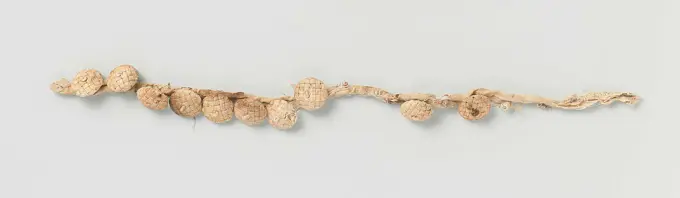
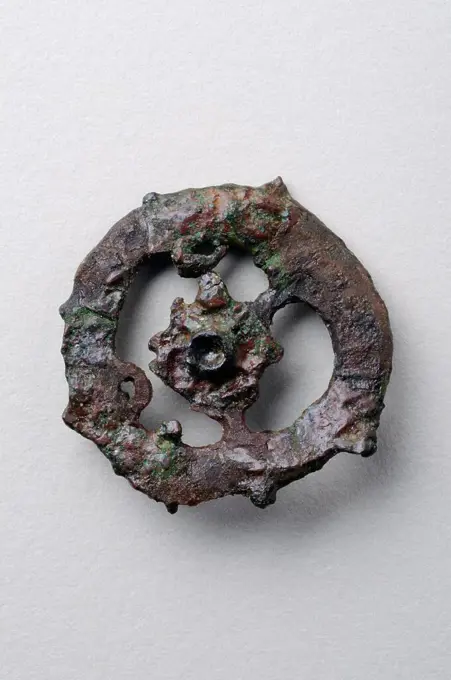
Oval buckle with wavy frame, shoe buckle, buckle fastener component soil find tin metal, cast Oval buckle with wavy frame shoe buckle On the middle post an angel and remnant of bounce. Triangular accents on the height of the middle post archeology Rotterdam rail tunnel attaching dressing shoes fastening shoe Soil discovery: trajectory rail tunnel Rotterdam.
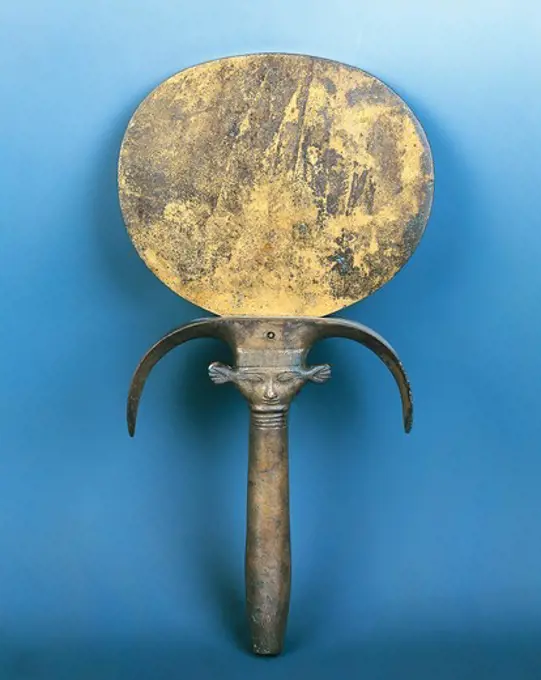
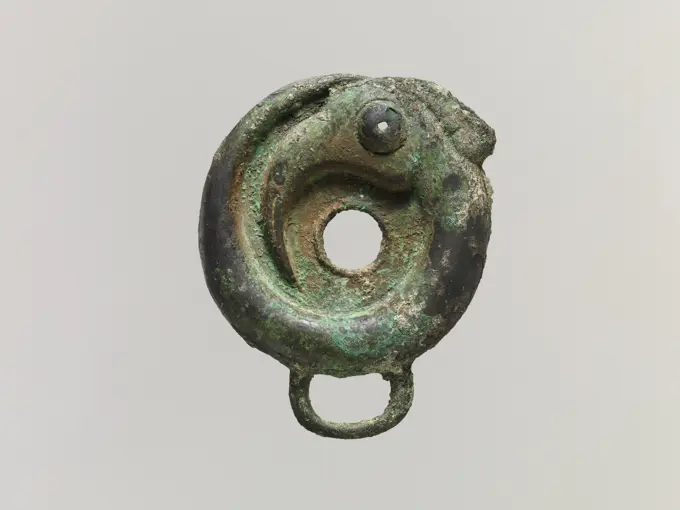
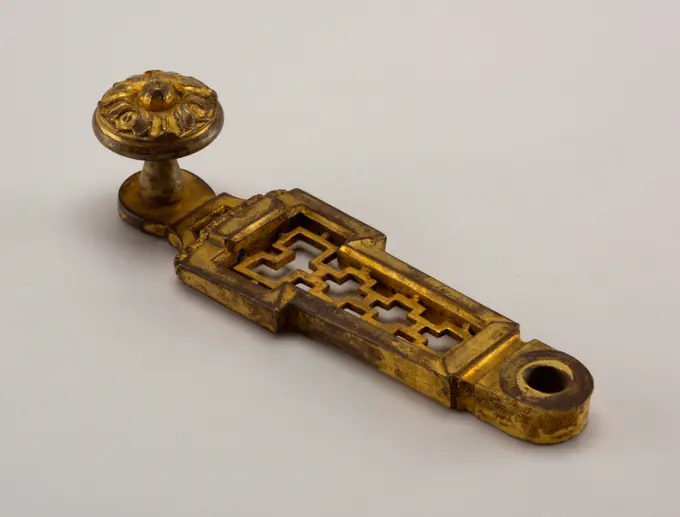
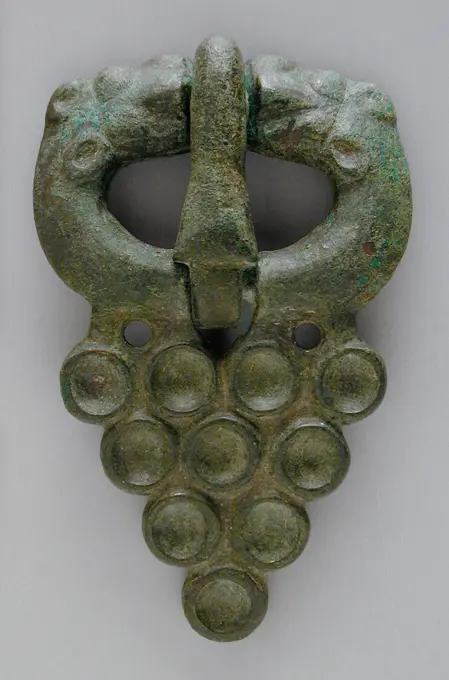
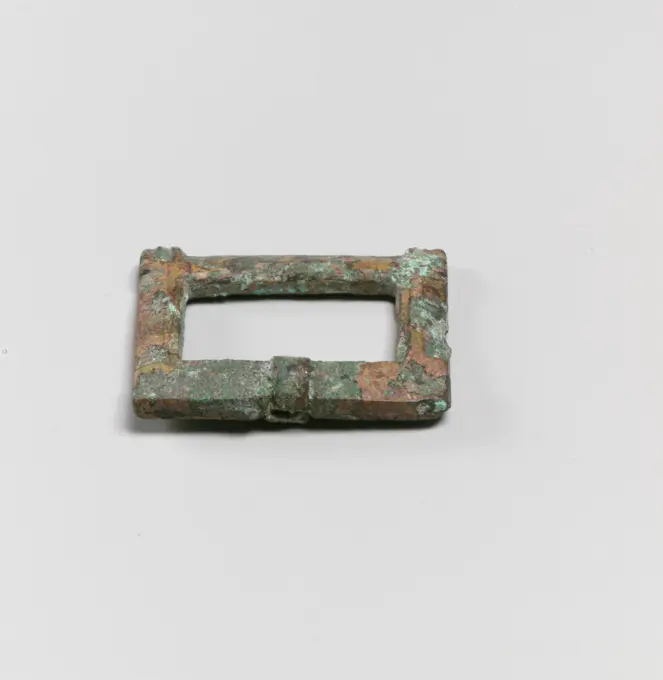
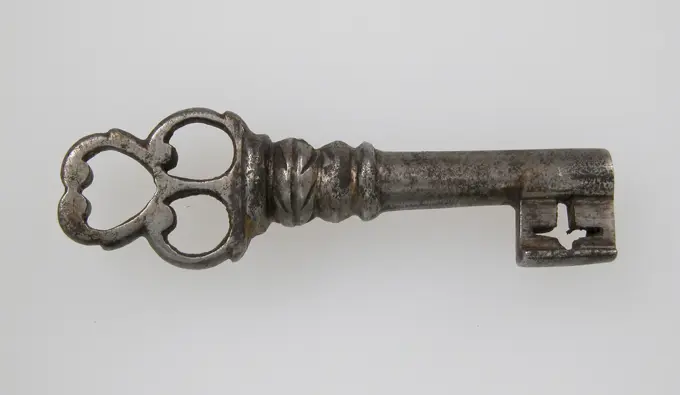
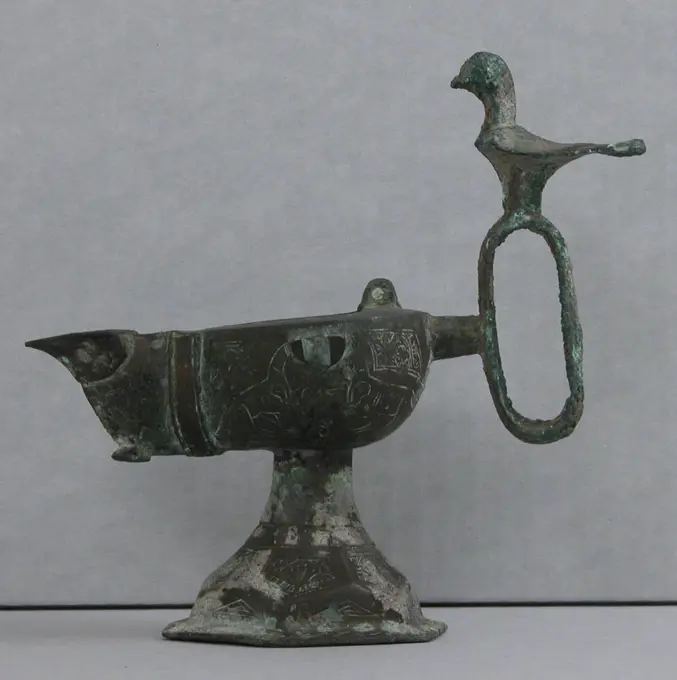
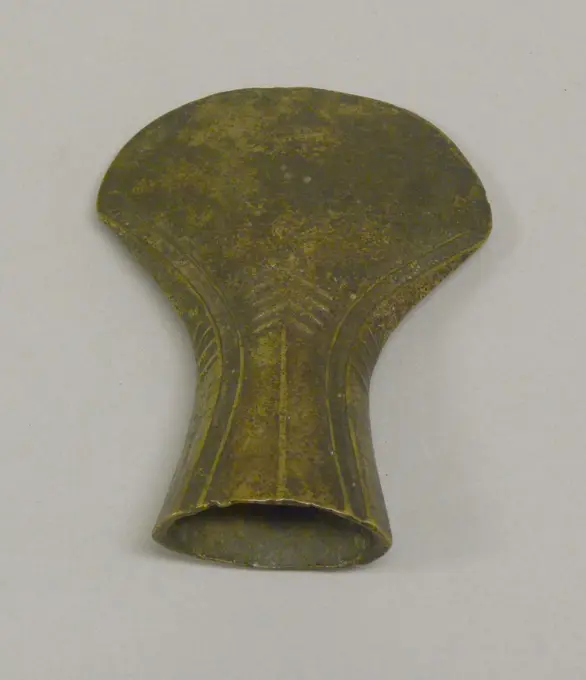
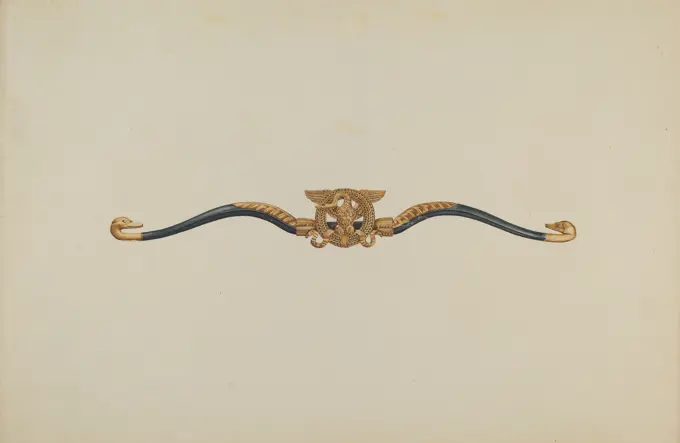
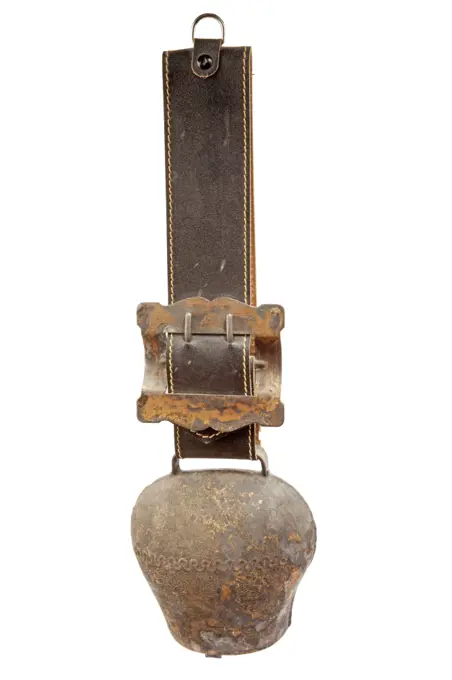
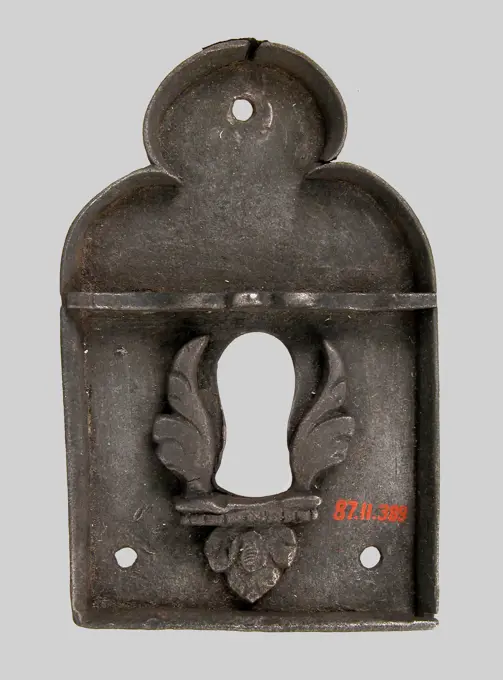
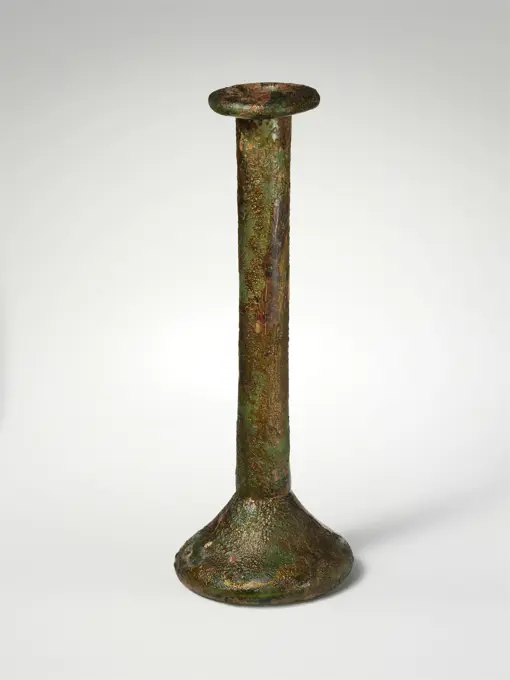
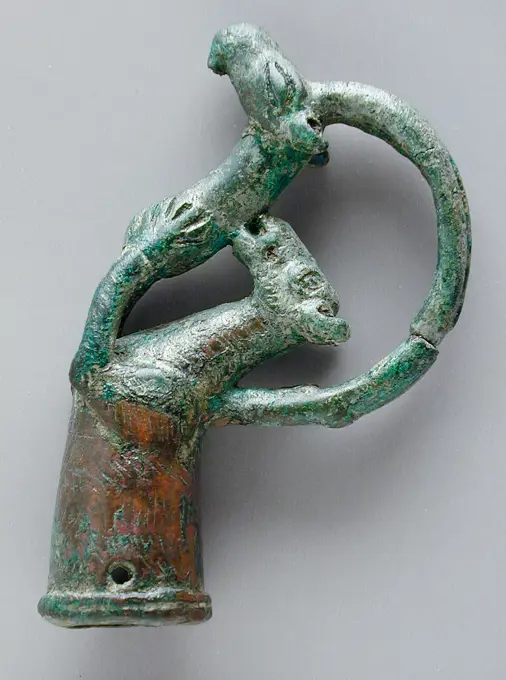
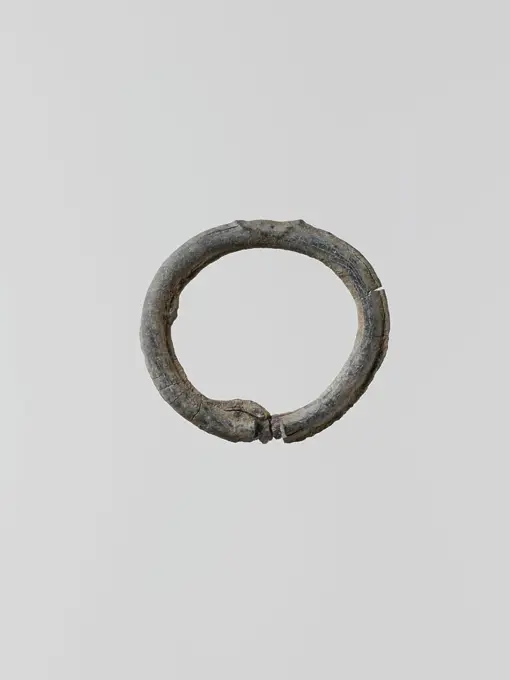
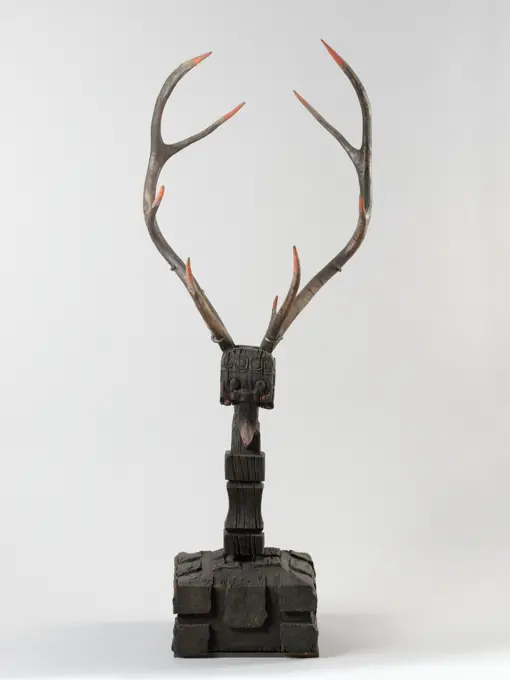
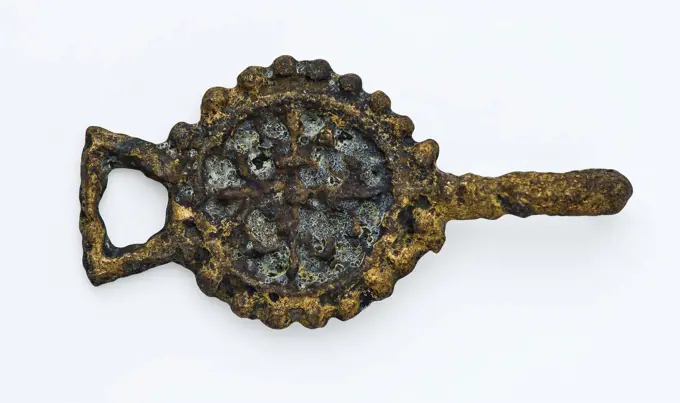
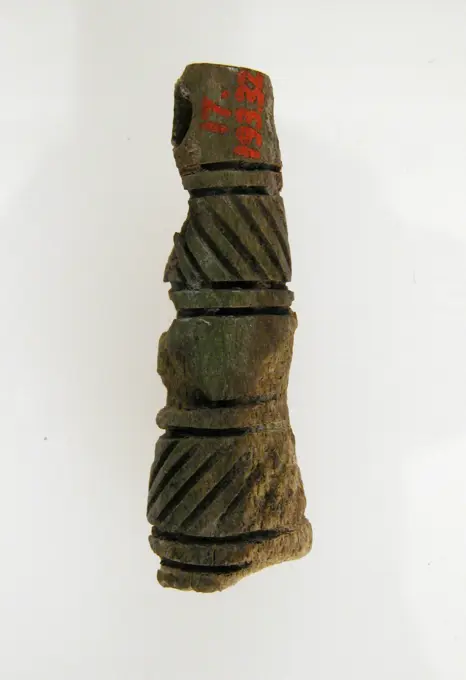
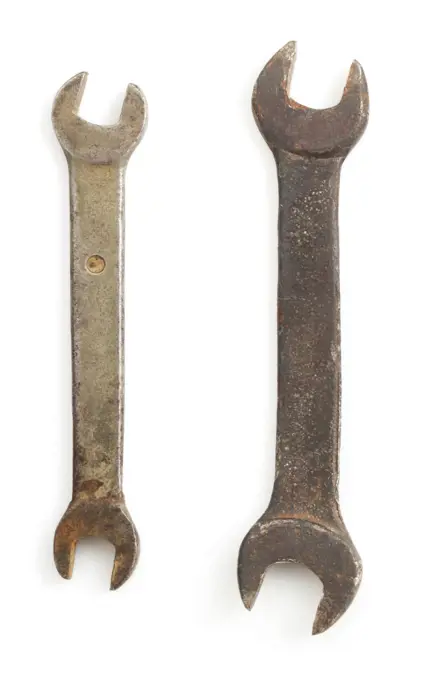
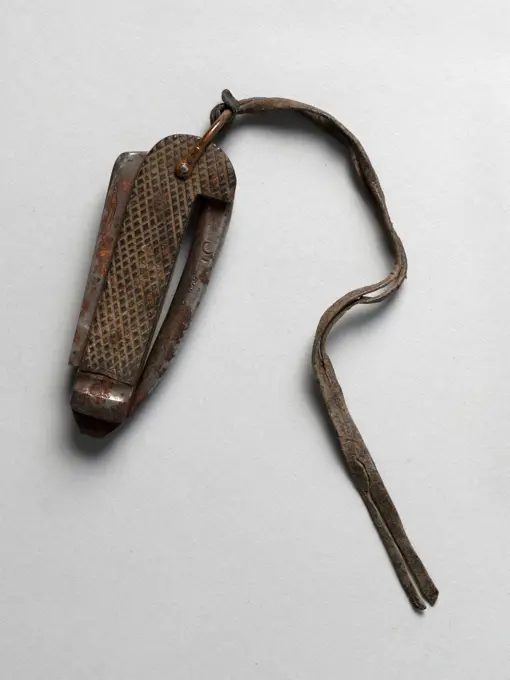
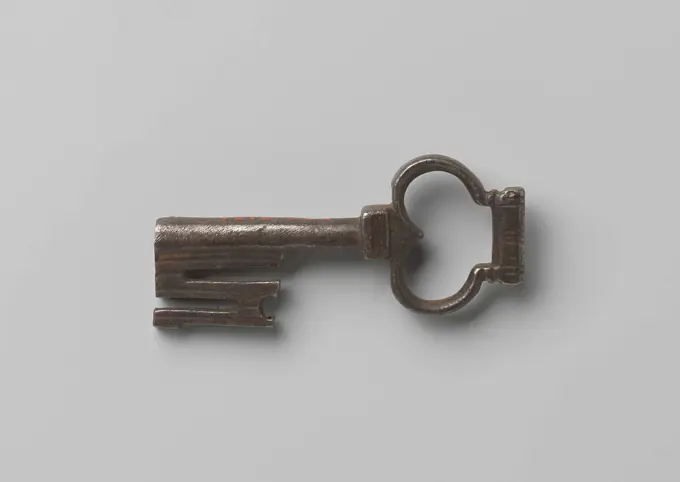
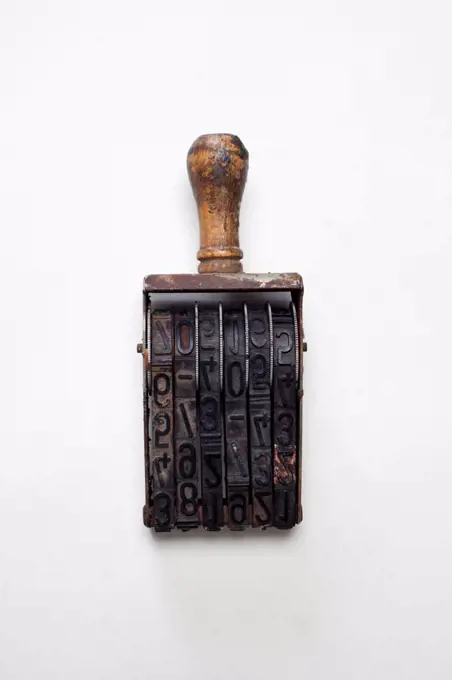
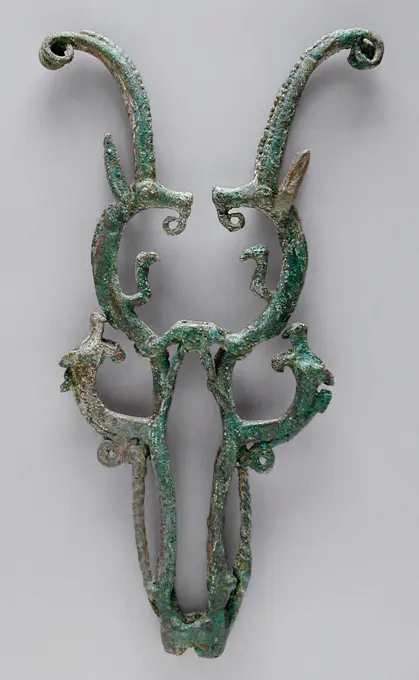
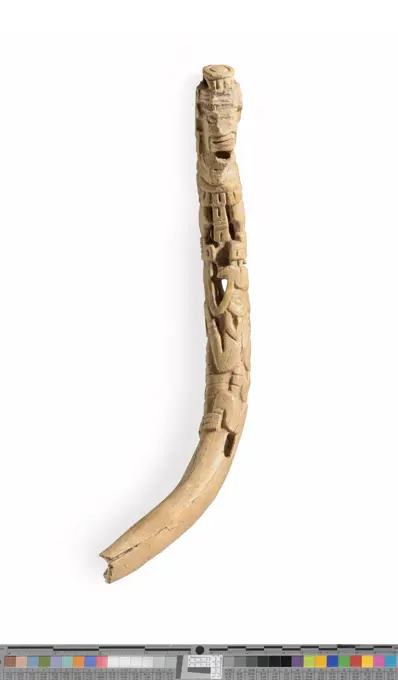
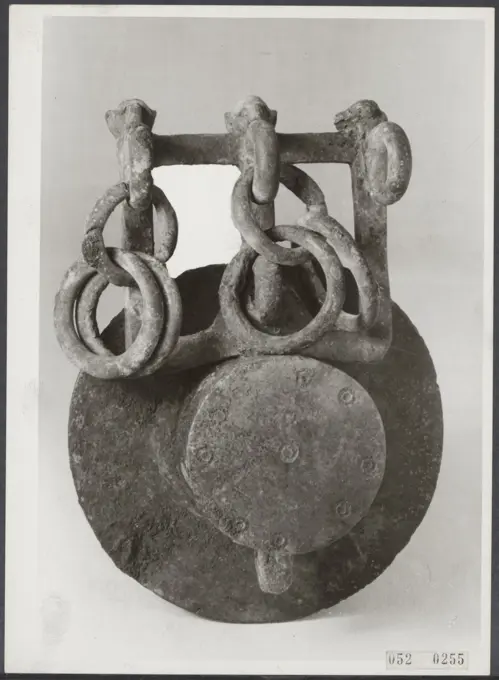
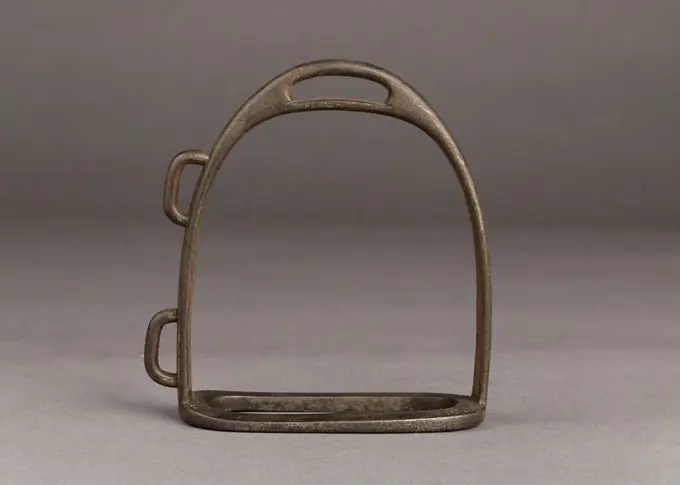
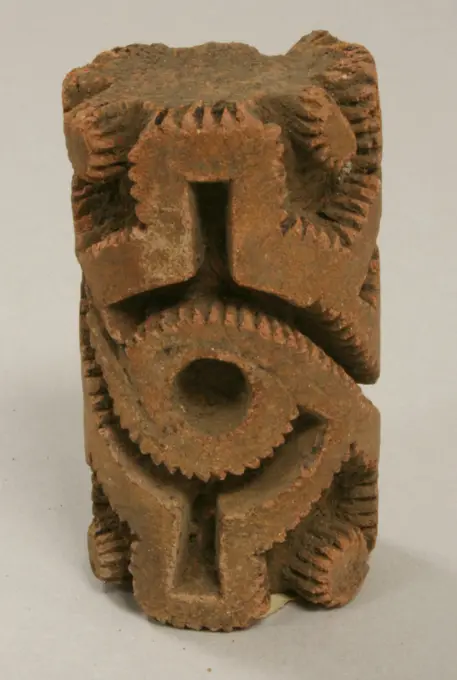
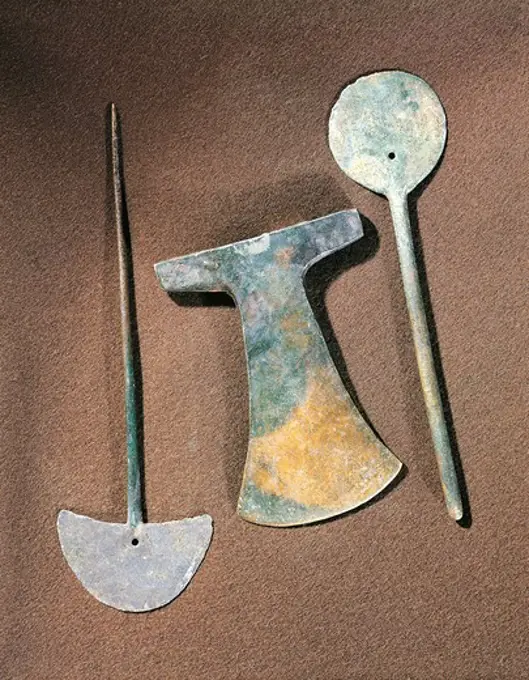
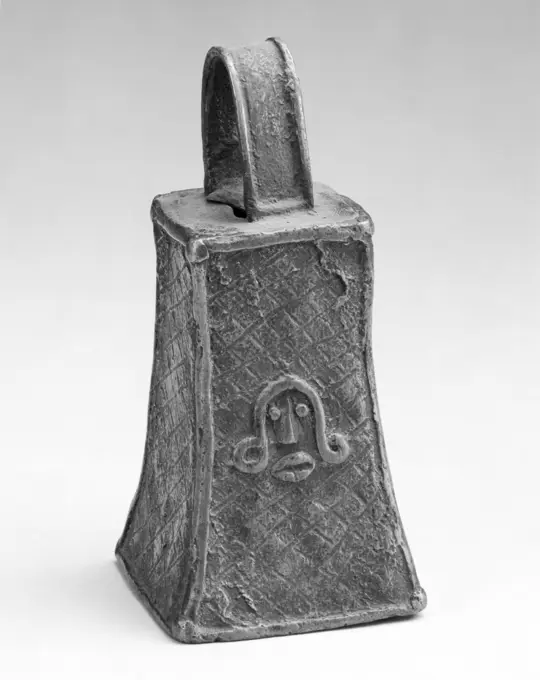
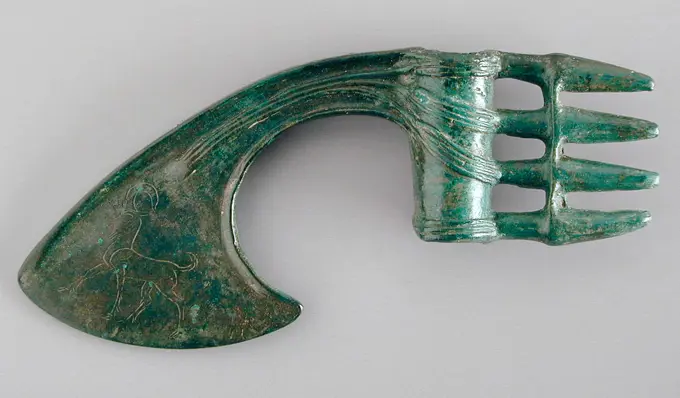
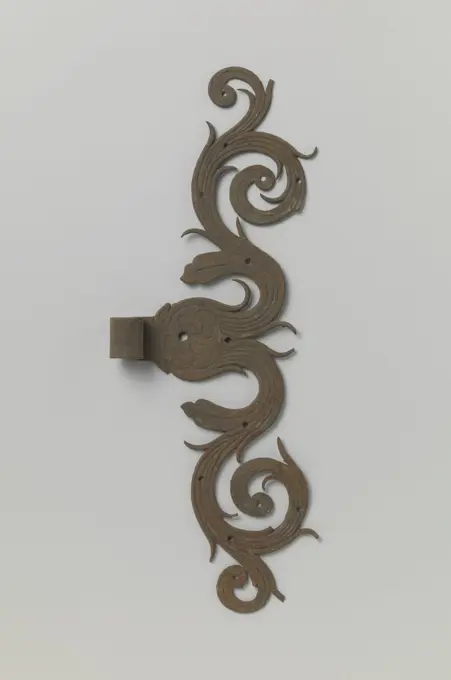
Bronze finial of a kerykeion (herald's staff) late 6th-early 5th century B.C. Greek A pair of intertwined snakes typically surmounts the staff carried by Hermes, the messenger of the gods. Here they are set on top of a Doric column. The heads of the snakes are articulated with particularly fine detail.. Bronze finial of a kerykeion (herald's staff) 255934Mantelpole or cloak with decoration of leaves in relief, closure clothing accessory clothing ground find copper metal, cast Flat metal object in the middle constricted end is bent backwards and pointed archeology Rotterdam rail tunnel fasten close dress Soil discovery: trajectory rail tunnel Rotterdam.Lamp, Enameled tôle, In shape of a boat, in antique manner, mounted on circular gilded foot with square black base; gilded handle, curved and terminating in animals head., England, ca. 1815, metalwork, Decorative Arts, LampBullet-mould, c. 1700. Unassigned, early 18th Century. Steel; overall: 6.8 cm (2 11/16 in.).Sweave ax. Bronze Age. Copper alloy, cast iron. From: Paris. Paris, Carnavalet museum. Bronze age, copper alloy, weapon, cast iron, socket ax, tool, protohistory, protohistoricCorner meter. The object consists of the following twelve movable parts: two arms assembled from three layers of metal (the middle piece of the right arm can be turned off up to an angle of 90 degrees), as well as a third arm, which remains the bisectrice through the construction. from the corner, which make the other legs and is at odds, if they are in each other's extended; two connecting parts, one of which is clocked on an arm each end and the other end is attached to the slider, which is mounted on the middle arm; Five short plates (i.e. visors), which are attached with a hinge at every end of an arm, and which can be erected at odds (the sixth at the center arm is missing). On any image, at the top of the circumference of a semicircle with a perpendicular notching, a small round opening is placed in the middle to look through. On the left arm, the inscription is engraved by Declinatione Muri, on the right arm The letter D and the year 1582. On the smooth bottom of each arm, a radLock with turn key, Steel, Barrel form lock chamber with hinged loop lock., 17th century, metalwork, Decorative Arts, Lock with turn keyFalcata, Hispanic sword, Iron Age, Evora Museum, Evora, Alentejo, Portugal, Europe.Key. Key with chain. The flat handle is round and has a small hole in the middle. The beard has a cross-shaped opening and ends in teeth.Bronze mirror with Hathor-headed handle, from GurnaBridle Cheekpiece 10th-9th century B.C. China. Bridle Cheekpiece 61338Latch, WindowAZUELA.Buckle. possibly Iran, Parthian period, about 150 B.C.-A.D. 225. Costumes; Accessories. Bronze, castLazio Viterbo Viterbo Museo Civico98. Hutzel, Max 1960-1990 Views of paintings (Middle Ages through 18th c.), frescoes, a tabernacle, coffin, sculpture reliefs, portal fragments, busts, sculpture, tapestry found in the Pinacoteca, Second floor gallery and Second floor cloister sequences. Antiquities: Many views of Etruscan and Roman fragments, sculpture, sarcophagi, pottery, masks, jewelry and other objects found in the Storeroom sequence (inventory numbers on back of prints), and the Cloister, Second floor Cloister, Valle Giulia, Sala Romana and Sala Etrusca sequences. General Notes: There are eight separate numerical sequences for this location. The cloister as an architectural structure, rather than museum site, is documented in the record and file for S. Maria della Verita, Cloister, all views of which are stored in Medieval core collection. Five views from the Museo Civico Second floor cloister sequence are stored in Medieval. German-born photographer and scholar Max Hutzel (1911-Finial with ConfrontedFelinesHinge scissors, scissors with broad and open eyes, scissor cutting tool soil find iron metal, On two sides: marked with inlaid brass figure in the shape of and peak with four protrusions cut archaeologyBuckle With rectangular rim.. Buckle 246792Key 15th century German The decoration of Gothic iron locks and keys was often elaborate and of the highest standard of workmanship. The motifs were frequently drawn from Gothic architecture, reproducing on a miniature scale complicated tracery patterns and even tiny statuettes. A number of these tiny locks were compound, with some of the mechanisms concealed from view, and required two or even three keys used in sequence to open them. It has been suggested that the greatly expanded use of locks on doors, or coffrets and other types of storage chests was a result of the increasing urbanization of life and the new emphasis on material wealth and private ownership which developed in the late Middle Ages.. Key 468849Pin 4th century B.C. European. Pin 90137Stamper van Brons, Anonymous, 1600 - 1699 Cast pestle of bronze. Wider ending in a blunt, slightly convex end. A nodus in the middle. Spain (possibly) bronze (metal) casting Cast pestle of bronze. Wider ending in a blunt, slightly convex end. A nodus in the middle. Spain (possibly) bronze (metal) castingBrass clasp with angel, rectangular, buckle fastener part soil find brass metal, cast Buckle with rectangular bracket stern and middle pillar Minimal decoration in the frame at the height of the middle pillar consisting of two times two pits archeology Rotterdam rail tunnel attach fastening clothe adorn Soil discovery: trajectory Rotterdam rail tunnel.Cosmetic tool ca. 1295-1070 B.C. New Kingdom, Ramesside. Cosmetic tool 568366Snaffle Bit. Culture: German. Dimensions: W. 6 1/2 in. (16.5 cm); Wt. 4.8 oz. (136.1 g). Date: 9th-11th century.If the Vikings are mostly known for being talented sailors, one may forget they were also horse riders, and as in all the Germanic cultures, horses had great importance in their society, in both its social and religious aspects. Equestrian equipment, like stirrups, spurs and bits, are regularly found in Viking burials, among the goods warriors wanted to bring with them to the afterlife. The elite would sometimes even be accompanied by sacrificed horses, a meaningful practice at that time, considering the high economic value of horses.The snaffle bit is the simplest type of horse bit, and has an effect on the bars (part of the horses' jaw without teeth) and the corners of the lips. The rings on the sides would serve to hang the bit on the headstall, attach the reins, as well as hold the mouthpiece in place. This bit is said to have been found on the site of Dolkheim, todaFinial. Greek; Thessaly. Date: 750 BC-701 BC. Dimensions: 6.4 x 1.8 x 1.9 cm (2 1/2 x 3/4 x 3/4 in.). Bronze. Origin: Thessaly. Museum: The Chicago Art Institute, Chicago, USA. Author: ANCIENT GREEK.Oil Lamp 13th century. Oil Lamp 451183Plain Ring 6th-7th century Frankish. Plain Ring 465803 Frankish, Plain Ring, 6th7th century, Copper alloy, Overall: 1 1/2 x 3/16 in. (3.8 x 0.5 cm). The Metropolitan Museum of Art, New York. Gift of J. Pierpont Morgan, 1917 (17.193.77)Hafted Ax 500 B.C.-A.D. 300 Indonesia. Hafted Ax. Indonesia. 500 B.C.-A.D. 300. Bronze. Bronze and Iron Age period. MetalworkOne of a Pair of Decorated Palanquin Hooks and Rings, 1100-1175. Cambodia, Angkor Wat Style, 12th century. Bronze; overall: 52.6 x 34.2 x 23 cm (20 11/16 x 13 7/16 x 9 1/16 in.).Spoon board. Culture: European. Dimensions: 22 1/2 x 10 3/4 x 3 in. (57.2 x 27.3 x 7.6 cm). Date: 1760. Museum: Metropolitan Museum of Art, New York, USA.PASARRIENDAS PUÑAL Y PUNTA DE LANZA. Location: BANCO EXTERIOR-COLECCION. MADRID. SPAIN.Henry Murphy, Window Cornice, 1935 1942 Window CorniceAlps cowbell on white backgroundPrehistory, Italy, Iron Age. Golasecca culture. Decorated bronze horse bits.Escutcheon Plate 15th century or later European. Escutcheon Plate. European. 15th century or later. Iron. MetalworkGlass perfume bottle 2nd-3rd century A.D. Roman, possibly Egyptian Tall candlestick unguentarium.Translucent blue green.Tubular rim folded out, down, over and in, with beveled upper surface; tall, slender cylindrical neck, tapering slightly downwards, with tooled indent around base; conical body with concave sides; deep pushed-in bottom, with small pontil mark at center.Intact; pinprick and elongated bubbles; deep pitting, dulling, and iridescence with patches of thick brown, enamel-like weathering.. Glass perfume bottle. Roman, possibly Egyptian. 2nd-3rd century A.D.. Glass; blown. Mid Imperial. GlassCopper Blade 10th-16th century Mexican. Copper Blade 310678Hand mirror with a depicting dioskures; Unknown Etruscan workshop; III-II century BC (-300-00-00--101-00-00);Obudowa niszy. warsztat nubijski, workshopHengsel van vertind ijzer met rankmotieven.Handle handle handle. At the bottom of a large, round opening of a hinge. From there, two symmetrical, stylized rank motifs, which curl into the end in Volutes.Nail 15th-16th century European. Nail. European. 15th-16th century. Iron. Metalwork-IronStud Button. UnknownCrosier of Bishop of Barcelona, Arnau de Gurb. Limoges. Before 1284. Detail of the body of the serpent. Treasure of Cathedral of Barcelona. Spain.Whetstone Socket. Iran, Luristan, circa1350-1000 B.C.. Tools and Equipment; sockets. Bronze, castKey. Key with flat round, pierced handle and short shaft.Lead ring. Culture: Greek, Laconian. Dimensions: Diameter: 3/8 in. (1 cm). Date: 6th-5th century B.C..Small flat votive figurines of cast lead have been found in great quantities at the ancient sanctuaries of Laconia; over one hundred thousand, dating from the seventh century B.C. to the Classical period, were dedicated to the goddess Artemis Orthia in Sparta. Museum: Metropolitan Museum of Art, New York, USA.Bracelet with snakes' heads. Bracelet with snakes' heads 243007Andiller ". Wood and horn. Kingdom of CHU (11th century-223 BC). Paris, Cernuschi museum. 144391-3 Andouiller, Asian art, Chinese art, art of extreme-East, horn, kingdom of bait, woodBrooch -Rosette-shaped coat hook or coat closure with triangular eye and hook, closure clothes accessory clothing soil find copper metal, cast archeology rugs closeGun-Lock Hammer, c. 1800-1825. England, early 19th century. overall: 6.4 x 3.8 cm (2 1/2 x 1 1/2 in.).Degroard of the Jacket of Ambassador A.H.J. Lovink, firm Noyen, c. 1948 - c. 1950  Black Laakense Ceintuur or Degendrager, closed with gold -colored metal buckles on which a crown with a witter. There is a triangular bag on the belt (to hang the sword). Ceintuur decorated with gold tire. Belonging to official costume of ambassador A.H.J. Lovink. The Hague cloth. metal. leather sewing  OttawaKey. Key with a hold similar to a Chinese stone garden lantern. The roof is also a berenkop. The exceptionally shaped beard exhibits longitudinal grooves.Gedeelte met knopen van de sluiting van een jas.Portion with buttons of the closure of a jacket. The edge of the garment has been drained with a narrow strip of linen fabric that is fixed with an S-twisted linen wire that are 0.3 mm thick, on and next to this urbanizing has been sewn every 20 mm at least seventeen knots. Of these nodes, ten are present at the original place. The remaining seven knots are lost. The buttons are made by a z-twisted thread over a wooden () Core in such a way that a kind of mat pattern is created, four and three wires are always embroidered in the middle. On top of each knot is a loop that is wrapped with linen s-twisted yarn (O.3 mm thick). The height of these loops is 3 mm. The buttons are fixed at the bottom with a thick linen thread. Around the stalk one has wrapped white S-twisted yarn, this yarn was led over the fabric of the next knot.corkscrew with cork vintage rusty corkscrew with wine cork on dark background Copyright: xZoonar.com/YuryxZapx 12521153Pair of Slit Disc Earrings, c. 4th century BCE - 1st century CE, 15/16 x 15/16 x 1/8 in. (2.4 x 2.4 x 0.3 cm), Serpentine, Vietnam, 5th century BCE - 1st century CEPewter ornamental buckle, buckle fastener component soil find tin metal, cast Pewter ornamental buckle in the shape of Gothic letter D archeology Rotterdam rail tunnel attaching clothe decorate Soil discovery: rail tunnel Rotterdam.Cut. An arrested single cut (tinned).Silver loop 1786.Cylindrical Pendant Frankish 6th-7th centuryWinged PendantDoor beater with bump button from the right building in Groningen, c. 1400 - c. 1950 A simple yellow -copper door beater with a button from the right building in Groningen. Consisting of two parts: beater and bump head. Groningen copper (metal) A simple yellow -copper door beater with a button from the right building in Groningen. Consisting of two parts: beater and bump head. Groningen copper (metal)Left hallmark: Coq walking towards the Gauhe: Paris 1798-1809. Bearded man's head, 85 left and right, big warranty money warranty Flat strip with decoration engraved with garlands of leaves, ardillon with openwork.wrench tool on white backgroundAmulet of a Headrest 664 BCE-525 BCE Egypt. Hematite . Ancient EgyptianFragment of buyer from the wreck of the East India Hollandia.parts or artifacts; eroded fragments: Materials; Copper.War 1939-1945. Regulatory British knife. General Leclerc Museum of Hauteclocque and the Liberation of Paris, Jean Moulin Museum. 75314-26 English army, British army, knife, war 1939-1945 39-45, object, Second World WarAsia, Turkey. Tumbril Balance for weighing gold and silver coins, 16C.Brooch -Belt Buckle and Tab, 600s. Frankish, Migration period, 7th century. Iron with silver overlay; overall: 10.2 x 5.9 cm (4 x 2 5/16 in.). This buckle would have been attached to a strip of leather worn around the waist. It was likely both an ornamental statement indicating social rank and a practical accessory. The decorative inlay was applied by forcing silver wire into a pattern engraved into the iron. The condition of the buckle indicates that it was likely excavated, perhaps from a grave.Pipe key. Pipe key with square cap, the handle is located on both sides lobd and covered by a grooved rod. The beard is partially demolished.Bow ring, for stringing a bow 1st millennium B.C. Iran. Bow ring, for stringing a bow 324232Date stampBuckle ca. 409-711 Ibero-Roman or Visigothic. Buckle. Ibero-Roman or Visigothic. ca. 409-711. Bronze. Miscellaneous-Buckles & OrnamentRectangular shoe buckle with rounded corners and simple decoration, clasp fastener component soil find tin metal, cast Slight curved bracket with rounded corners. Middle style is missing archeology Rotterdam City triangle Oostplein New harbor confirm shoe Soil discovery: Oostplein end Nieuwe Haven 1985.Standard Finial. Iran, Luristan, Luristan bronzes, circa 1350-800 B.C.. Architecture; Architectural Elements. Bronze, castCarved Manatee Rib with Figure Emerging from Crocodile. Mexico, possibly Yucatan, Maya, 700-1000 CE. Manatee bone with pigmentChin band with rosettes for Sjako officer militia, approx. 1830, c. 1830  Kinband, from eighteen scaly plates, corrugated, from silver -plated red metal. Top with round metal rosette, rear of this with ring so that leather lace. Attached to brown fabric. Chin tires connected to each other with buckle. Coming from F. Boogaard, Captain 2nd Battalion 3rd Department of Mobile Noord-Hollandse Schutterij. Netherlands iron (metal). leather   North HollandKylix fragments ca. 510 B.C. Attributed to the Segment Class Herakles fighting an Amazon.. Kylix fragments 255146Elsevier photo collection. Series: Utensils prehistoric time No Caption. undatedSwitch fragments of a chain from the wreck of the East Indians Hollandia, Anonymous, 1700 - in or before 1743 fragment. chain Varied parts or fragments, chains; fragm link, id. 80H3151. Netherlands copper (metal)   SecondRobbery. A raid. Gothic.Visigothic broque from the 7th century, Mortera cave, Pielagos, Museum of prehistory and archeology (MUPAC), Santander, Cantabria, SpainMordant dated 1540 German. Mordant. German. dated 1540. Brass. Miscellaneous-Buckles & OrnamentStirrup. Culture: Indian. Dimensions: H. 5 5/8 in. (14.3 cm); W. 5 3/8 in. (13.7 cm); D. 2 in. (5.1 cm); Wt. 10.6 oz. (300.5 g). Date: 18th-19th century. Museum: Metropolitan Museum of Art, New York, USA.Amulet of a Menat Counterpoise 1550 BCE-1295 BCE Egypt. Faience . Ancient EgyptianRoller Stamp 5th-6th century Atlantic Watershed. Roller Stamp 313061Knife, fork and cutting board, salt, pepper and other ingredients Knife, fork and cutting board, salt, pepper and other ingredients located on a textured concrete background Copyright: xZoonar.com/TetianaxChernykovax 21413666Iron axe and large pins, Bolivia, Tiwanaku cultureSide of a bed horsebit made in bronze. Length 38 mm Thickness 2, 5 mm ( 2nd - 3 rd CE ) Roman period, from the " Miracle Wall " ( Martyrdom of Saints Children ; Justo y Pastor ) - Archaeological site of Complutum in Alcala de Henares ( Madrid ). SPAIN.Bird on a Stand 700 BCE Greece. These precious bronze objects are votives, or devotional gifts, which were offered to the gods. They come in many forms. Some are miniature sculptures of animals, primarily horses, deer, and birds. Others are items of personal adornment, including beads and brooches. Many seem once to have been attached to something else. This assemblage is characteristic of the thousands of votives that were hung from sacred trees or placed in sanctuaries around Greece. Once a shrine was full, the votives were ceremonially buried to make room for more offerings.. Bronze . Ancient GreekBell Nigerian 19th century Decorated with a human face and incised patterns, bells like this were worn around the neck as symbols of high rank, were sounded to communicate with ancestors or were placed on altars. View more. Bell. Nigerian. 19th century. Metal. Nigeria or Benin. Idiophone-Struck-bell-without clapperLetter on SignVessel Foot. UnknownSide plate of a gun from the wreck of the East India Hollandiaia. ID. 80H3472.Shaft-hole Axehead. Iran, Luristan, circa 1350-1000 B.C.. Arms and Armor; axes. Bronze, castHanden of Vertind Iron with leaf motifs and volutes, anonymous, 1600 - 1800 Handen of Vertind iron. At the bottom a large round opening of a hinge with a round start. From there, two symmetrical leaf motifs, which split in two volutes, one large and one small.  iron (metal). tin (metal) Handen of Vertind iron. At the bottom a large round opening of a hinge with a round start. From there, two symmetrical leaf motifs, which split in two volutes, one large and one small.  iron (metal). tin (metal)Fish Ornament 11th-12th century Peru; central coast (). Fish Ornament 308846Bracelet Iran ca. 8th-7th century BCETile. Iran, Tabriz, circa 1465. Ceramics. Fritware, molded, underglaze-painted