Historical Metal Tools and Utensils

Collection of ornate metal tools including hair needles, scoops, and spearheads, showcasing craftsmanship from different historical periods.
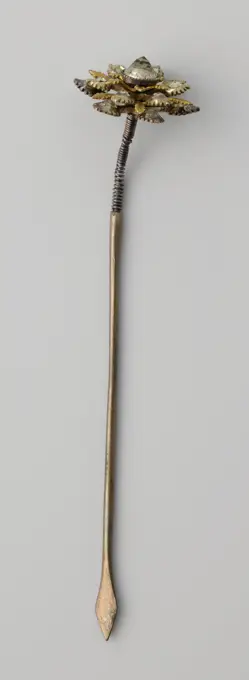
Hair needle of (gilded) silver with thirteen imitation diamonds, anonymous, c. 1700 - c. 1800 Hair needle of partially gilded silver with one large and different smaller imitation gems. The stones are made of glass and equipped with a roars to imitate diamond. The glassstones are set in three, depending on each other, parts. The three parts are decorated with palm motifs.  Silver (Metal). Gilding (Material). precious stones: gilding Hair needle of partially gilded silver with one large and different smaller imitation gems. The stones are made of glass and equipped with a roars to imitate diamond. The glassstones are set in three, depending on each other, parts. The three parts are decorated with palm motifs.  Silver (Metal). Gilding (Material). precious stones: gilding
Hair needle of (gilded) silver with thirteen imitation diamonds, anonymous, c. 1700 - c. 1800 Hair needle of partially gilded silver with one large and different smaller imitation gems. The stones are made of glass and equipped with a roars to imitate diamond. The glassstones are set in three, depending on each other, parts. The three parts are decorated with palm motifs. Silver (Metal). Gilding (Material). precious stones: gilding Hair needle of partially gilded silver with one large and different smaller imitation gems. The stones are made of glass and equipped with a roars to imitate diamond. The glassstones are set in three, depending on each other, parts. The three parts are decorated with palm motifs. Silver (Metal). Gilding (Material). precious stones: gilding
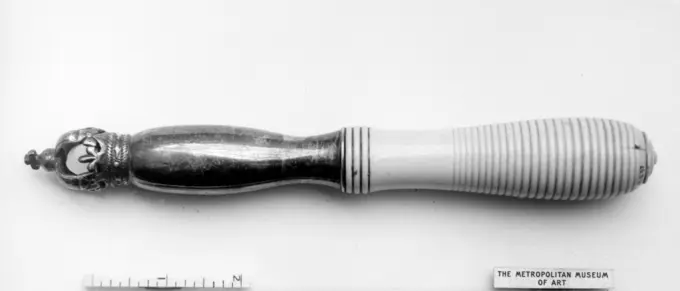
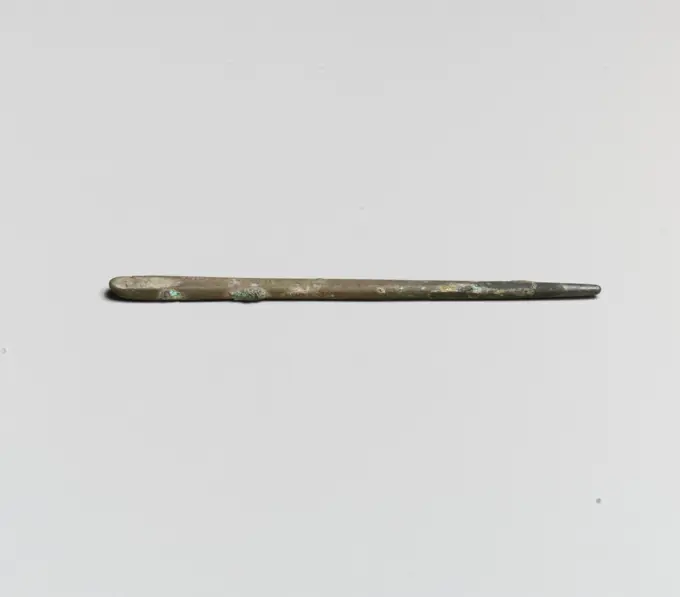
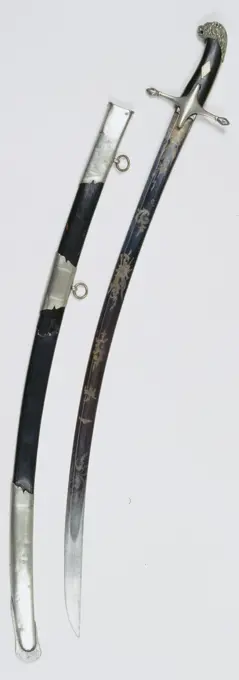
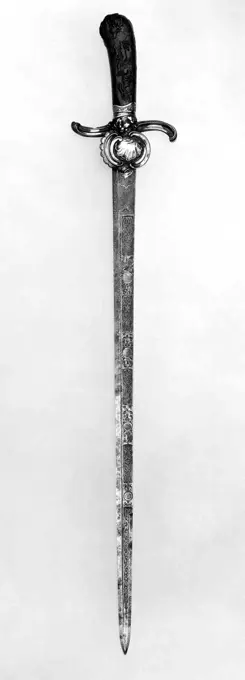
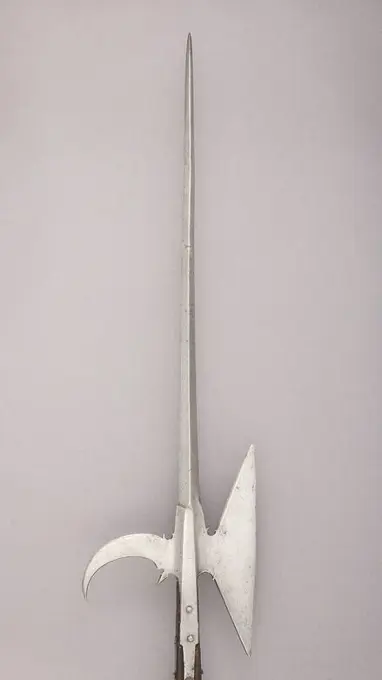
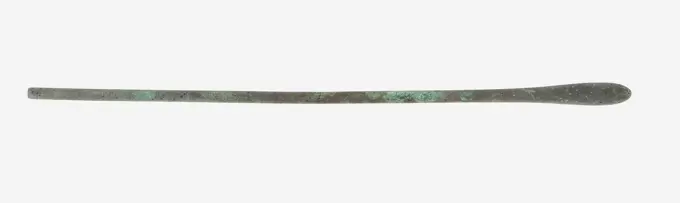
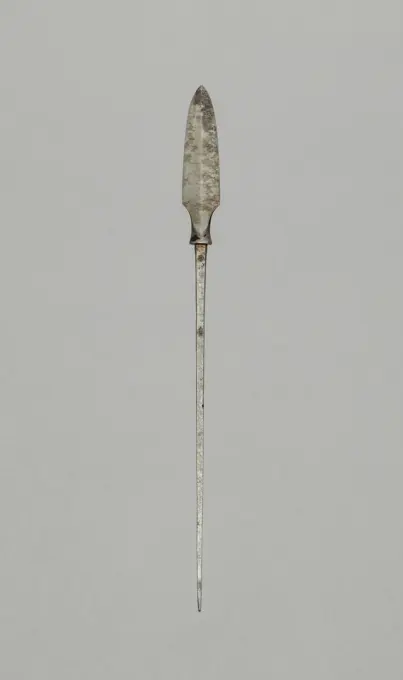
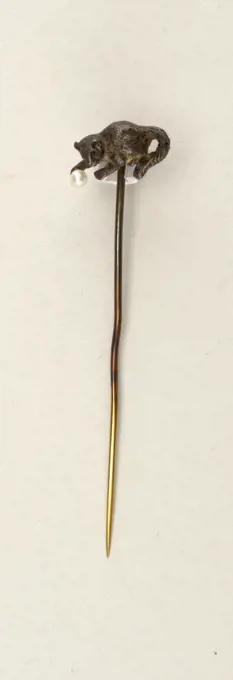
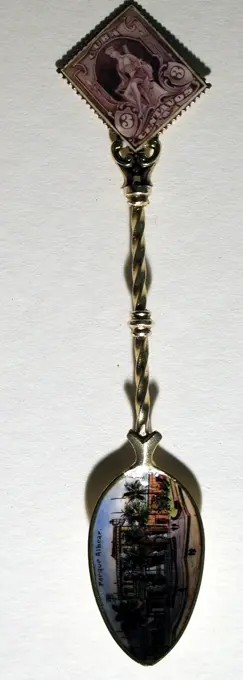
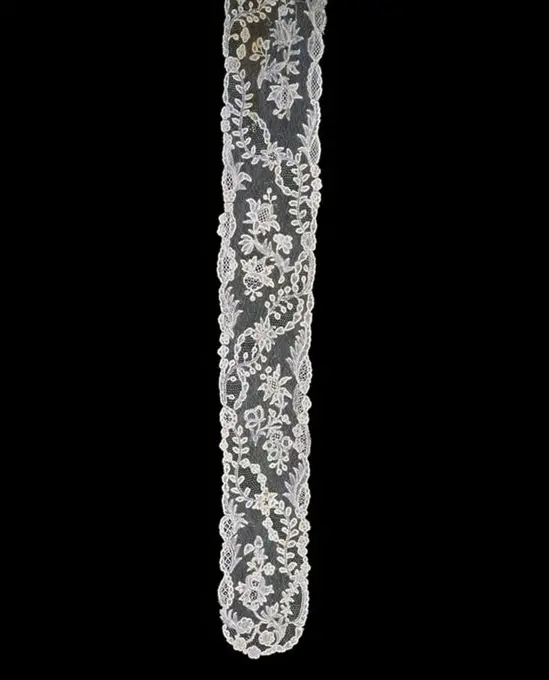
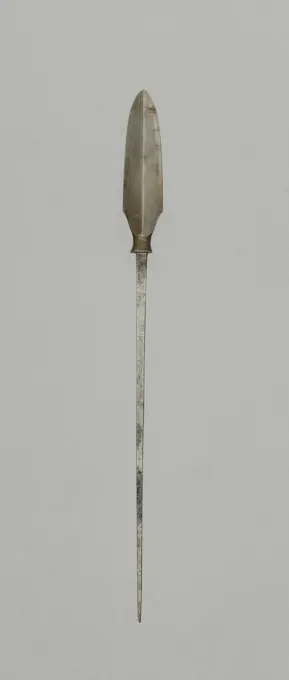
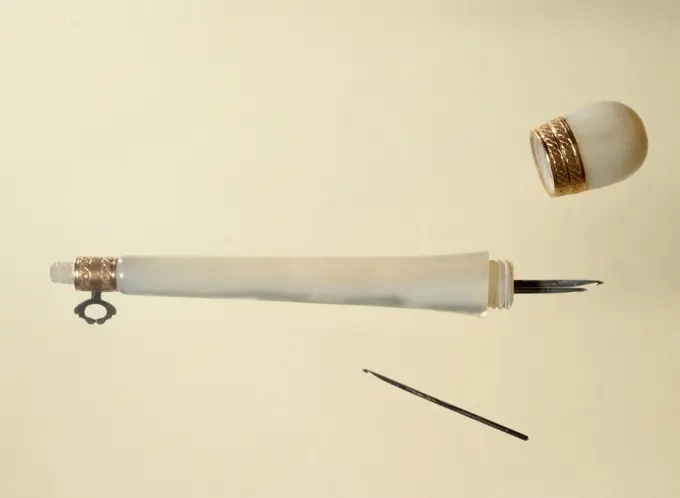
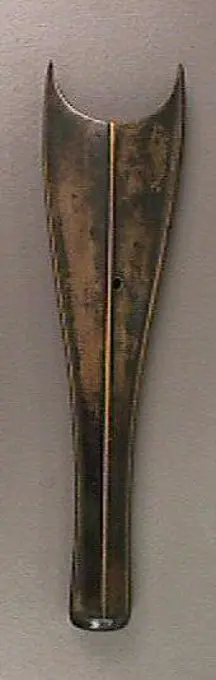
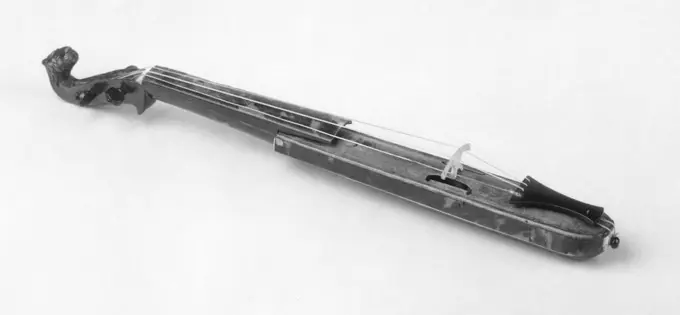
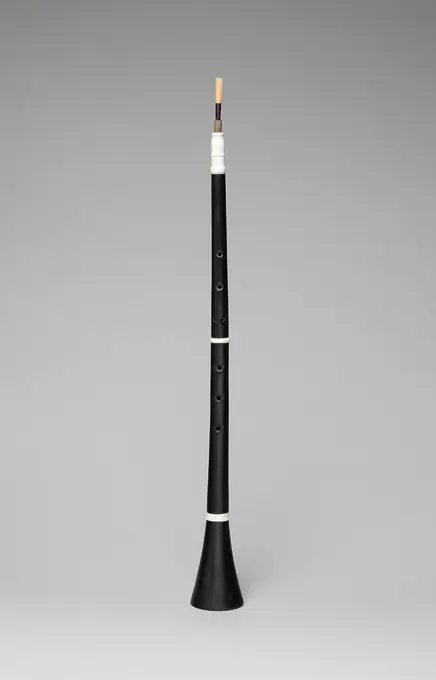
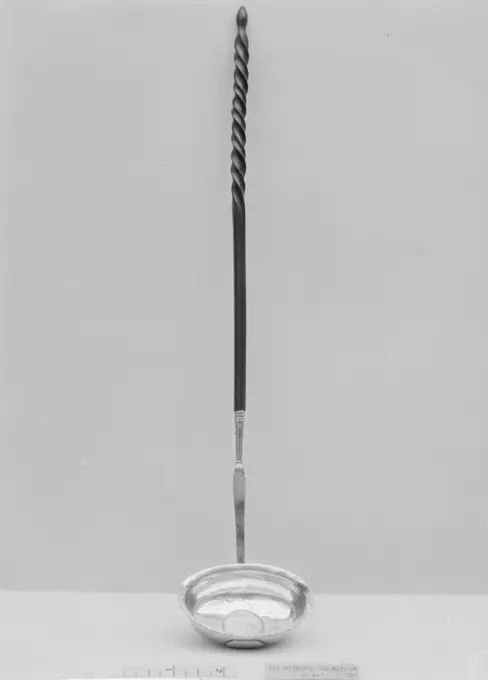
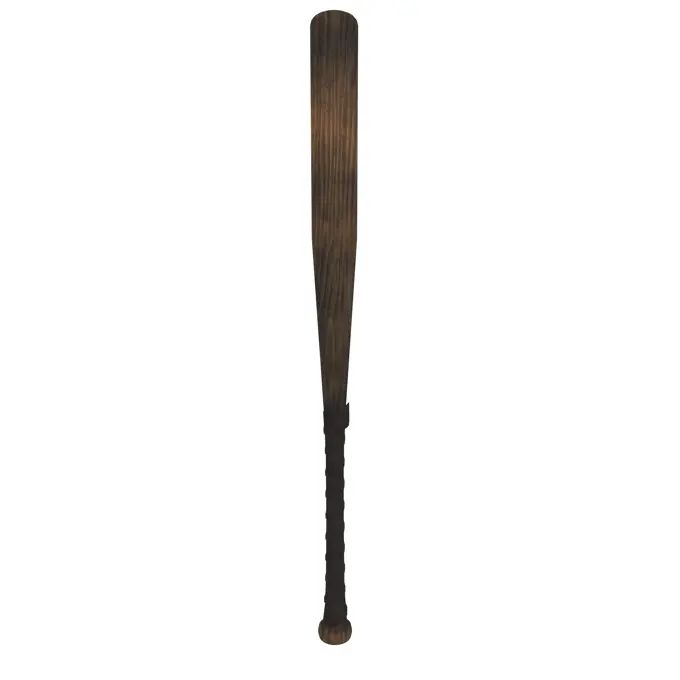
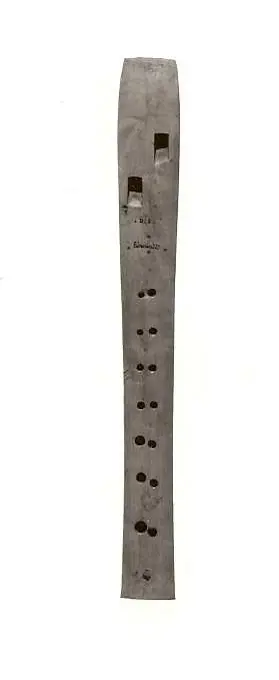
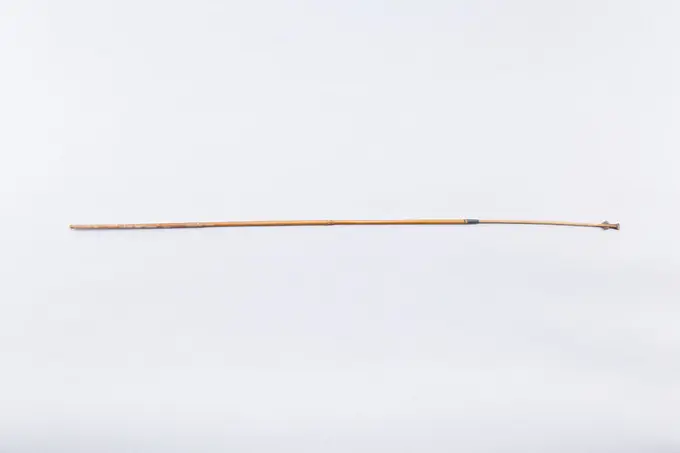
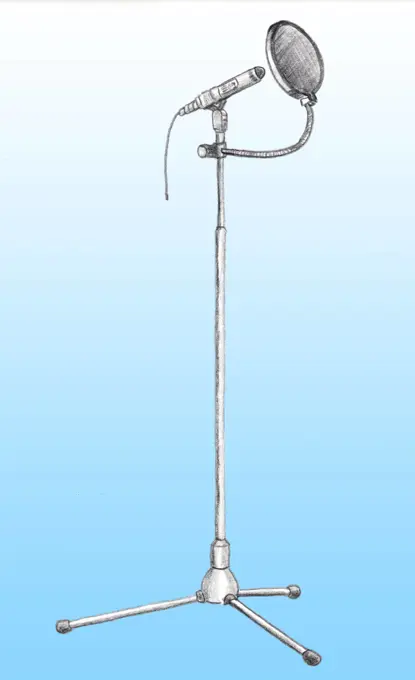
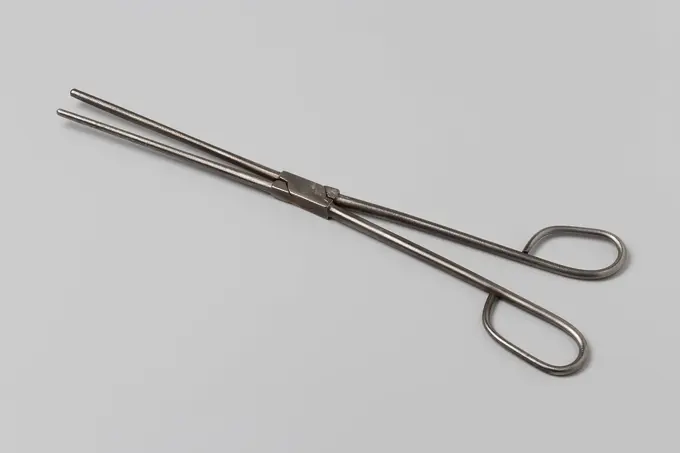
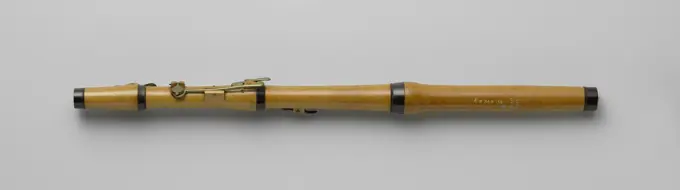
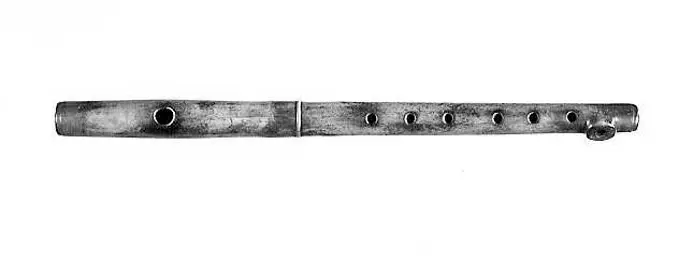
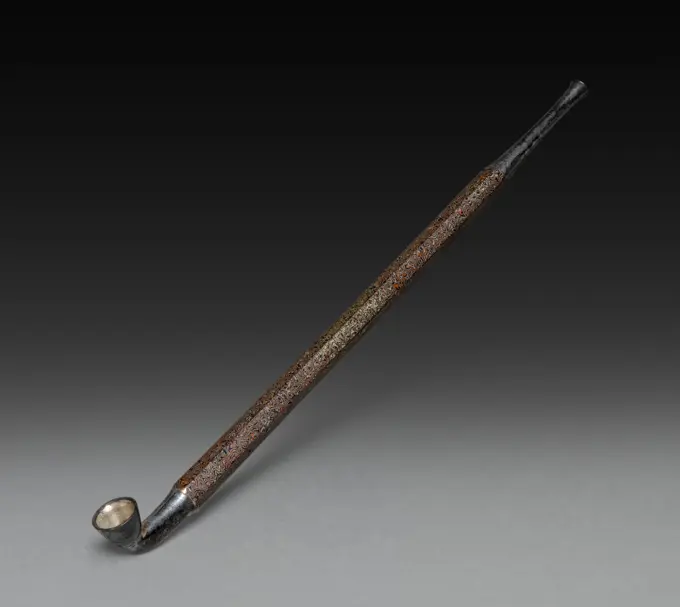
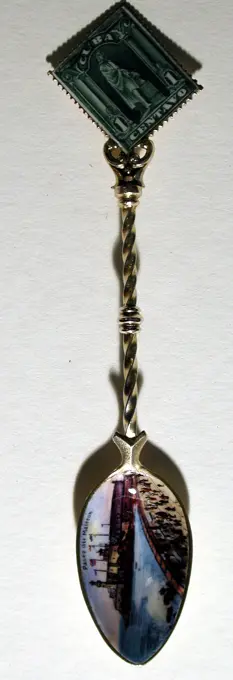
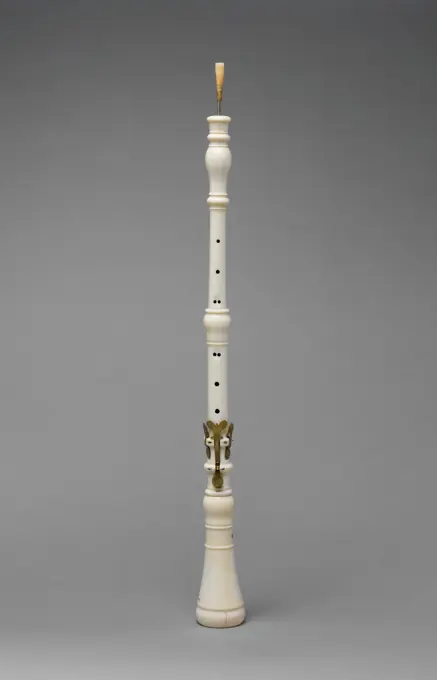
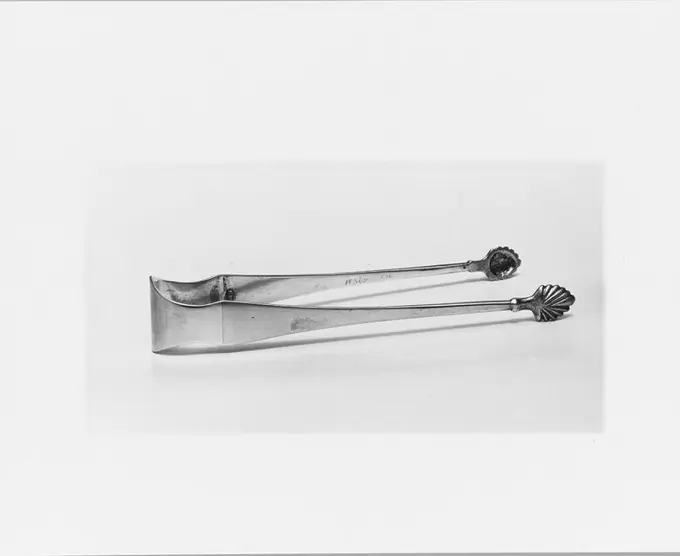
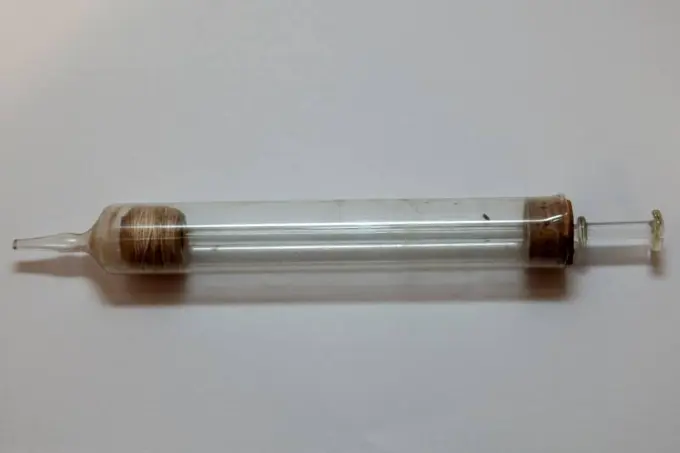
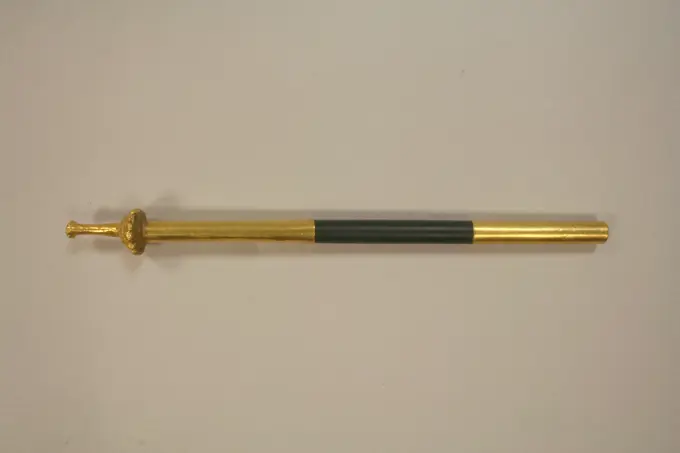
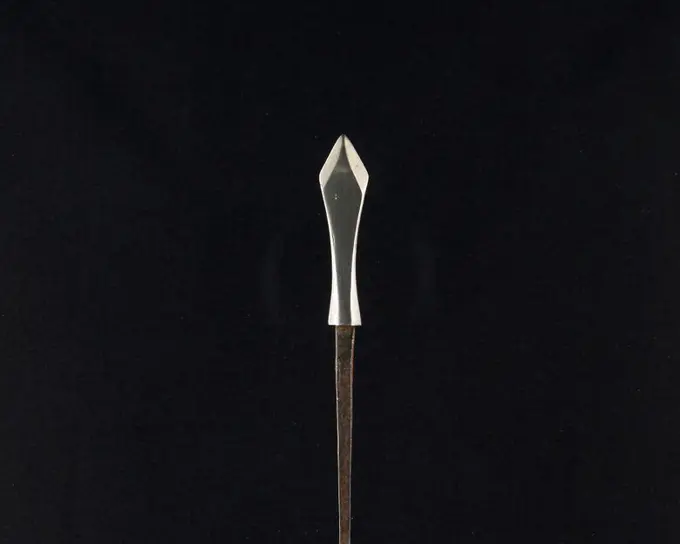
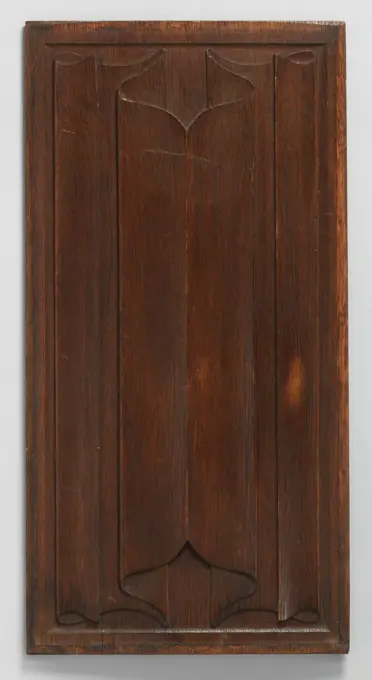
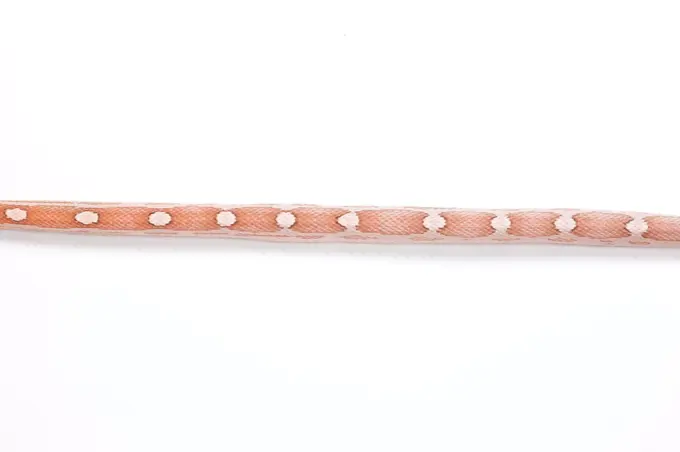
Bobbin ca. 1840 British. Bobbin. British. ca. 1840. Wood. Textiles-Methods and MaterialsBailiff's mace 18th century British The mace was the symbol of the Bailiff's authority. When exercising his police powers of arrest, the Bailiff had to be holding his mace. It was not a weapon either for defense or offense.. Bailiff's mace 193167EVENTAIL. "The States General gathered on April 27, 1789". Paper, colored engraving, ivory. Paris, Carnavalet museum. Allegory on the States General gathered on April 27, 1789. King Louis XVI in the center and Necker on the right, bring their encouragement to France. Fashion accessory, Evening, French RevolutionEquipers of iron, in the model of scissors, in front of the folds in a fake hat, anonymous, c. 1800 - c. 1900 Tang of iron, in the model of scissors for the folds in a fake hat. Netherlands whole: Iron (metal) forging Tang of iron, in the model of scissors for the folds in a fake hat. Netherlands whole: Iron (metal) forgingEar probe. Ear probe 250643 Ear probe, Silver  Bronze, 3/16  3 3/8 in. (0.4  8.5 cm). The Metropolitan Museum of Art, New York. Rogers Fund, 1917 (17.230.116)Drumsticks, c. 1823 musical instrument. elements (of musical instruments). percussion instrument. stick plate. beater. drumstick Stick plate of brass and drum sticks for Tamboer major Netherlands copper (metal)Sabel with sheath from the Friesche Schutterij, H. de Heus and Son., C. 1830 - c. 1832 sabre Sabel with black wooden hilt with lion's head. De Kling is browned with gilded ornaments, on one side inscription: H D H&Z, on the other side: a Amsterdam. With black leather sheath with Berlin silver batter. Coming from J.G. van Wageningen, in 1830-1832 Major Commander 1st Battaljon 1st Department of Mobile Friesche Schutterij.  iron (metal). wood (plant material). German silver. leather gilding  FrieslandStylus or bone point 3rd-2nd millennium B.C.. Stylus or bone point 324896Hunting Sword ca. 1750 Johann Georg Klett German The bloodstone grip is signed by Johann Georg Klett, who was appointed court stone carver to Friedrich August II (reigned 1733-63), prince-elector of Saxony, in 1755. Klett is also known to have made hard-stone snuffboxes.. Hunting Sword 24797Medical Instrument with Paddle Finial. UnknownThrow Stick ca. 1981-1802 B.C. Middle Kingdom. Throw Stick. ca. 1981-1802 B.C.. Wood. Middle Kingdom. From Egypt, Middle Egypt, Meir, Khashaba excavations, 1910-11; Probably from Tomb of Ukhhotep or Hapiankhtifi. Dynasty 12Halberd. Culture: German. Dimensions: L. 94 3/4 in. (240.7 cm); L. of head 28 5/8 in. (72.2 cm); W. 8 3/8 in. (21.3 cm); Wt. 5 lbs. 10 oz. (2550 g). Date: 16th century. Museum: Metropolitan Museum of Art, New York, USA.Textile manufacturing tool. Dimensions: l. 8.4 cm (3 5/16 in). Dynasty: Dynasty 19-20. Date: ca. 1295-1070 B.C.. Museum: Metropolitan Museum of Art, New York, USA.Model of a Made Mast, anonymous, c. 1780 - c. 1840 demonstration model Round mast with square top, Hommer with ears and row. The mast itself consists of six parts: two heavy ones, one front and one behind, form the mast king, connected to welding inside; A wide cheek on either side is also connected to welding on the mast king, and two narrow cheeks round the whole. The parts are held together by Kuipbands. De Hommer is a broadening of the wide cheeks. At the height of the Hommer, the mast becomes square. A driving scale is applied at the front of the mast. Netherlands wood (plant material). brass (alloy)Blade and Mounting for a Dagger (Tant) blade, dated 1509; mounting, 19th century Japanese A tant is a dagger or blade shorter than 30 cm.. Blade and Mounting for a Dagger (Tant). Japanese. blade, dated 1509; mounting, 19th century. Steel, wood, lacquer, copper-silver alloy (shibuichi), silver, gold. Okayama Prefecture. DaggersHalf meter with handle, anonymous, c. 1820  Half a meter with distribution and calculation in decimeters. First decimeter in centimeters. V.z.v. Label and brand Netherlands wood (plant material)   NetherlandsEllemaat from Culemborg, Anonymous, c. 1800  Length of 1 tbsp with handle from Culemborg. V.z.v. stamp and inscription. Culemborg wood (plant material) cutting  CulemborgSTRATY WOJENNE MNKCopper Pin 15th-16th century Inca. Copper Pin 315284Kohl Stick ca. 1390-1353 B.C. New Kingdom. Kohl Stick. ca. 1390-1353 B.C.. Bronze. New Kingdom. From Egypt, Upper Egypt, Thebes, Malqata, Palace of Amenhotep III, MMA excavations, 1911-12. Dynasty 18Snaphaanmusket, anonymous, c. 1626  The lock plate is diamond -shaped; The pandel must be operated by hand. The loop is equipped with an iron visor in the front of the Kulas and an iron grain; MK marked on the back and on top with a signature. The walnut flask has two screw plates of Koehoorn for the lock bolts. The iron batter consists of three loading stokkers, a spoon -shaped tractor bracket whose rear section is free of the flask and a flat flask; The loading stick is made of wood.  iron (metal). walnut (hardwood). horn (animal material). wood (plant material) engravingArrow Point, 1700s. Japan, Edo period (1615-1868). Steel; overall: 18.2 cm (7 3/16 in.); head: 5.4 cm (2 1/8 in.).Belt -Stick pin, Gold, pearl, silver, In form of a cat playing with a pearl ball., USA, 1890-1900, jewelry, Decorative Arts, Stick pinSouvenir spoon with view of Parque Albear and finial in form of a postage stamp European late 19th centuryPair of Lappets (Joined). Belgium, Flanders, Brussels. Date: 1765-1775. Dimensions: 108.2 × 9.1 cm (42 5/8 × 3 5/8 in.). Linen, bobbin part lace of a type known as "Brussels" with a Droschel mesh ground. Origin: Flanders. Museum: The Chicago Art Institute, Chicago, USA.Arrow Point, 1700s. Japan, Edo period (1615-1868). Steel; overall: 18.6 cm (7 5/16 in.); head: 5.8 cm (2 5/16 in.).Belt Hook, 475-221 BCE, 2 5/8 x 3/4 x 1/4 in. (6.67 x 1.91 x 0.71 cm), Translucent tan jade, China, 5th-3rd century BCEWooden Spindle Made 1000-1476 Peru. Wood .Empty glass dropperModel of a Turnbuckle .Woods model of a tensioning screw, painted black. No thread is applied to the model. At an end is a stocking, on the other a harp with bolt and nut.Sinclair saberLace hooks in a mother -of -pearl case, having belonged to Madame Houdon. Paris, Museum of Romantic Life. 35004-13 Accessory, sewing, hook, lace, etui, mother -of -pearlChape (Terminal of a Scabbard) Irish 900-600 BCEHitching Post. Dated: c. 1936. Dimensions: overall: 35.5 x 27.9 cm (14 x 11 in.). Medium: watercolor, graphite, and pen and ink on paperboard. Museum: National Gallery of Art, Washington DC. Author: Pearl Torell.Pochette 17th century Matthias Wörle. Pochette 503414Copper alloy spearhead. Culture: Cypriot. Dimensions: 19 1/4in. (48.9cm). Date: ca. 2500-2000 B.C..Leaf-shaped blade with a hooked tang. Museum: Metropolitan Museum of Art, New York, USA.Copper walking stick, equipped with enamelled beef signs, constellations () And other small drawings from, among other things, animals, against a white background.Knife, from a flatware dessert service, 18th century, Meissen Porcelain Factory, Meissen, Germany, est. 1710, Hard paste porcelain, gilt metal, Germany, 18th centurySpoon 1789 Jacob Steen. Spoon 192081Halve meter met handvat.Half a meter with distribution and calculation in decimeters. First decimeter in centimeters. End lever is missing. V.Z.V. Label and brand.Oboe in D. Culture: possibly Austrian. Date: second half 18th century. Museum: Metropolitan Museum of Art, New York, USA.Ladle ca. 1780 British, London. Ladle. British, London. ca. 1780. Silver, horn. Metalwork-SilverWooden baseball bats on a white background for sports training wooden baseball bats on a white background for sports training copyright: xzoonar.com/muharremxadakx 22723209Fish Knife, c. 1900. Josef Maria Olbrich (German, 1867-1908). Silver; overall: 22.6 cm (8 7/8 in.).Key isolated on whitePinDouble Recorder in F (left hand) late 18th or early 19th century Ulrich Ammann. Double Recorder in F (left hand). Swiss. late 18th or early 19th century. Boxwood, ivory. Toggenburg, Switzerland. Aerophone-Whistle Flute-recorderTransverse Flute in C ca. 1825 Possibly by Thomas Prowse British. Transverse Flute in C. British. ca. 1825. Ivory, silver, brass. London, England, United Kingdom. Aerophone-Blow Hole-side-blown flute (transverse)Alto Recorder, Abraham van Aardenberg, c. 1700 Altoblok flute, marked v. Aardenberg. Amsterdam fruitwood Altoblok flute, marked v. Aardenberg. Amsterdam fruitwoodHalberd ca. 1620 American, Connecticut. Halberd 27500Arrow. Dimensions: L. 73.5 cm (28 15/16 in). Dynasty: Dynasty 18. Reign: Joint reign of Hatshepsut and Thutmose III. Date: ca. 1479-1458 B.C.. Museum: Metropolitan Museum of Art, New York, USA.Guenbri late 19th century Egyptian. Guenbri. Egyptian. late 19th century. Wood and parchment.. Cairo, Egypt. Chordophone-Lute-plucked-unfrettedBaluster mid-18th century British. Baluster. British. mid-18th century. Deal. WoodworkClose up of bent golf clubFlint rifle with battery lock, W. Tessinck, c. 1699 - c. 1899 flintlock gun Flint rifle with battery lock; Round loop with a brass tire input that runs into leaf motif; Three short and two long tires at the room; in room: leaf motifs and two angels in semi -figure, struck test brand of Utrecht; flat rooster and lock plate on which monster heads, flame -shaped ornament and signature: w tessinck. Swallow; lock attached with two bolts, saw tooth and shaded motifs; rooster attached with screw with cross -shaped slot; Nutenhouten French flask with carved leaf motifs; wooden chest; brass batter on which triumph wagon with woman; thumb plate in the form of trophee on which Pallas Athens; on Kolfplaat Krijger with sword and lance; Two hinged flat carrier rings. Zwolle Loop, lock: Iron (Metal). Kolf, drawer, loading stick: Wood (plant material). Tractor bracket, Vizier grain: Copper (Metal)Bow. Dimensions: Length tip to tip 158.6 cm (62 7/16 in.); Length of outer curve 161.1 cm (63 7.16 in.); Greatest diam. 2.6 cm (1 in.). Dynasty: Dynasty 11. Date: ca. 2120-1981 B.C.. Museum: Metropolitan Museum of Art, New York, USA.Studiomikrofon Bleistiftskizze eines Studiomikrofons. Pencil sketch of a studio microphone. Copyright: xZoonar.com/PierrexDietzx 21468096Electrolux.Topping grille on refrigerator L230, acc. B.g.Neck mushrang of iron, in the model of a scissors, to bring the folds into a nip cap. Note mushrang of iron, in the model of a scissors, to make the folds in a nip hat. Signature: '1' and '1/2'.Third Flute.Flute of palm wood with five valves. Signature: Streiwolf Göttingen.Amulet - CraneFife in C ca. 1800 Bohemian. Fife in C. Bohemian. ca. 1800. Boxwood. Bohemia. Aerophone-Blow Hole-side-blown flute (transverse)Model of a Made Mast, anonymous, c. 1780 - c. 1840 demonstration model Round mast with square top. The mast itself consists of an octagonal mast king surrounded by eight cheeks. The parts are held together by Kuipbands. At the height of the Hommer and the Mars, the cheeks end and the mast king becomes square; In addition, the corners are slightly completed. This model can be varied. Netherlands wood (plant material). brass (alloy)Tobacco Pipe, 1700s to mid-1800s. Japan, Edo period (1615-1868). Silver; overall: 19.1 cm (7 1/2 in.).Fruit Knife (France); Designed by F. Nicoud (French, active 1890); silver, steel, mother-of-pearl, gilding; L x W x D: 20 x 1 x 0.8 cm (7 7/8 x 3/8 x 5/16 in.)Toilet brush. White wc brush on gray background. Top view. Toilet brush. White wc brush on a gray background. Top view. Copyright: xZoonar.com/JirixHERAx 21984862Decorative paneling from the Palace of Westminster ca. 1845-59 Designed by Augustus Welby Northmore Pugin These decorative oak panels exemplify the designs of A.W.N Pugin, who was the leading exponent of the Gothic Revival style in England. Pugins work is central to the transformation in British design that began in the mid-nineteenth century. He admired what he saw as the honesty and purity of medieval art, and deplored the meaningless repetition of historical motifs. Pugin coined the phrase “Brumagen Gothic,” referring to “those inexhaustible mines of bad taste, Birmingham.” The carved oak panels for the Palace of Westminster were made for both the House of Lords and House of Commons and are just one component of a larger, Pugin-designed interior program, including brasswork (grill panels, large doors, candelabra and other light fixtures, hardware, and gallery railings), stained glass, tiles, and furniture. These panels are executed in Pugins interpretation of the Gothic Revival anKohl Stick 1550 BCE-1295 BCE Egypt. Bronze . Ancient EgyptianRed thread going through needle eye, close-upArrow Point, 1700s. Japan, Edo period (1615-1868). Steel; overall: 15 cm (5 7/8 in.); head: 3.6 cm (1 7/16 in.).Inventor motor not specified. Engineer Börje Carlstedt. Probably the first on the dishwasher electro-helios. >>AGUJA DE MADERA.Josep Puig i Cadafalch / Pie de luz.Rain pipe A rain pipe on a new outer wall made of plaster.Chopstick, 918-1392. Korea, Goryeo period (918-1392). Bronze; overall: 26.3 cm (10 3/8 in.).Old signal pistol, flare gun and cartridges, isolated on white background Old signal pistol, flare gun and cartridges, isolated on white background Copyright: xZoonar.com/OleksandrxKostiuchenkox 8897125Boiler hook or get, boele rijnhout, c. 1649 - c. 1689 Crochet consisting of two slats, one of which is toothed, with a bearing eye and a hook. A transverse lath can linger on one of the teeth, so that the total length of the fire hook can change. The toothed bar (adjusting bracket) is engraved with leaf vines. The fire hook is marked: Mt. = Boele Rijnhout, a written letter N and an ax. Amsterdam silver (metal) Crochet consisting of two slats, one of which is toothed, with a bearing eye and a hook. A transverse lath can linger on one of the teeth, so that the total length of the fire hook can change. The toothed bar (adjusting bracket) is engraved with leaf vines. The fire hook is marked: Mt. = Boele Rijnhout, a written letter N and an ax. Amsterdam silver (metal)Closeup of a wine bottle opener (corkscrew)Butter Tester. Culture: American. Dimensions: L. 5 3/8 in. (13.7 cm). Maker: Marked by T. K.. Date: 1700-1750. Museum: Metropolitan Museum of Art, New York, USA.Tongs ca. 1800 Possibly Bernard Wenman. Tongs. American. ca. 1800. Silver. Made in New York, New York, United StatesMummie, 1835 - 1837. Published in Firenze at Nello stabilimento posto nei Fondacci di S. Spirito N. 1993. Focus on Egypt and antiquitiesFlute 19th century Native American (Apache). Flute 501194Souvenir spoon with view of the Paseo del Maleron and finial in form of a postage stamp European late 19th centuryOboe in C 1730-40 German The quality, tone and forms of musical instruments are largely determined by the materials chosen for their construction. Elephant-tusk ivory, a particularly adaptable but exotic material, has long been employed in fashioning instrument of great value. Those shown here display a broad range of decorative styles and craft techniques, and illustrate the forms to which ivory best lends itself. Beautifully decorated instruments of ivory and other precious materials can be seen throughout these galleries.. Oboe in C 502846Cavaco 19th century Portuguese. Cavaco 500557Tongs. Culture: American. Dimensions: L. 6 3/8 in. (16.2 cm). Maker: Ephraim Brasher (American, baptized 1744-1810). Date: ca. 1800. Museum: Metropolitan Museum of Art, New York, USA.Stricknadeln auf schwarz - Sock knitting needles on black background Stricknadeln auf schwarz - Sock knitting needles on black background Copyright: xZoonar.com/lantapixx 12565086Syringe from Ship's Medicine Chest, from an Aberdeen Trawler wrecked on Hoy,  early 20th centuryEar Rod 8th-12th century Coclé (Macaracas). Ear Rod 309533Arrowhead (Yanone). Culture: Japanese. Dimensions: L. 5 3/4 in. (14.6 cm); L. of head 1 13/16 in. (4.6 cm); W. 1/2 in. (1.3 cm); Wt. 0.6 oz. (17 g). Date: 18th century. Museum: Metropolitan Museum of Art, New York, USA.Decorative paneling from the Palace of Westminster ca. 1845-59 Designed by Augustus Welby Northmore Pugin These decorative oak panels exemplify the designs of A.W.N Pugin, who was the leading exponent of the Gothic Revival style in England. Pugins work is central to the transformation in British design that began in the mid-nineteenth century. He admired what he saw as the honesty and purity of medieval art, and deplored the meaningless repetition of historical motifs. Pugin coined the phrase “Brumagen Gothic,” referring to “those inexhaustible mines of bad taste, Birmingham.” The carved oak panels for the Palace of Westminster were made for both the House of Lords and House of Commons and are just one component of a larger, Pugin-designed interior program, including brasswork (grill panels, large doors, candelabra and other light fixtures, hardware, and gallery railings), stained glass, tiles, and furniture. These panels are executed in Pugins interpretation of the Gothic Revival anwalking stick isolated on a white backgroundMilitary atomic rockets on a white background. Vector illustration. Crochet consisting of two slats, one of which has been destroyed, with a wearing eye and a hook. A cross-leaf can remain on one of the teeth so that the total length of the fire hook can change. The toothed bar (adjusting bracket) is engraved with brords. The fire hook has been marked: Mt. = Boele Rijnhout, a written letter N and an ax.Lamprey rudimentary primitive fish, vintage engraved illustration. Earth before man a 1886.Red Corn Snake 'Motley Ghost' on white backgroundOblong cylindrical storage bottle, apothecary bottle perfume bottle bottle holder soil find glass, free blown and formed Oblong cylindrical storage bottle also called pharmacy bottle or eau-de-cologne bottle in clear light green glass. Pontil mark under flat bottom Elongated cylindrical body with straight shoulders and narrow neck chipped archeology health care packing pharmacyMetal syringe vintage vetenarian syringe against white background Copyright: xZoonar.com/YannxPoirierx 2290310Octagonal pipe case depicting flower and butterfly, c. 1840s, Shiraku, Japanese, active 19th century, 8 1/4 × 1 1/8 × 3/4 in. (20.96 × 2.86 × 1.9 cm) (without cord), Lacquered wood, silver, silk, Japan, 19th century