Historical Metal Tools and Utensils

Collection of ornate metal tools including hair needles, scoops, and spearheads, showcasing craftsmanship from different historical periods.
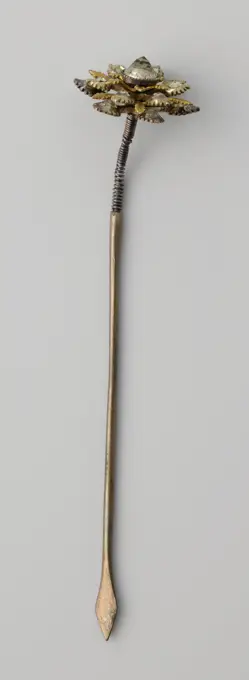
Hair needle of (gilded) silver with thirteen imitation diamonds, anonymous, c. 1700 - c. 1800 Hair needle of partially gilded silver with one large and different smaller imitation gems. The stones are made of glass and equipped with a roars to imitate diamond. The glassstones are set in three, depending on each other, parts. The three parts are decorated with palm motifs.  Silver (Metal). Gilding (Material). precious stones: gilding Hair needle of partially gilded silver with one large and different smaller imitation gems. The stones are made of glass and equipped with a roars to imitate diamond. The glassstones are set in three, depending on each other, parts. The three parts are decorated with palm motifs.  Silver (Metal). Gilding (Material). precious stones: gilding
Hair needle of (gilded) silver with thirteen imitation diamonds, anonymous, c. 1700 - c. 1800 Hair needle of partially gilded silver with one large and different smaller imitation gems. The stones are made of glass and equipped with a roars to imitate diamond. The glassstones are set in three, depending on each other, parts. The three parts are decorated with palm motifs. Silver (Metal). Gilding (Material). precious stones: gilding Hair needle of partially gilded silver with one large and different smaller imitation gems. The stones are made of glass and equipped with a roars to imitate diamond. The glassstones are set in three, depending on each other, parts. The three parts are decorated with palm motifs. Silver (Metal). Gilding (Material). precious stones: gilding
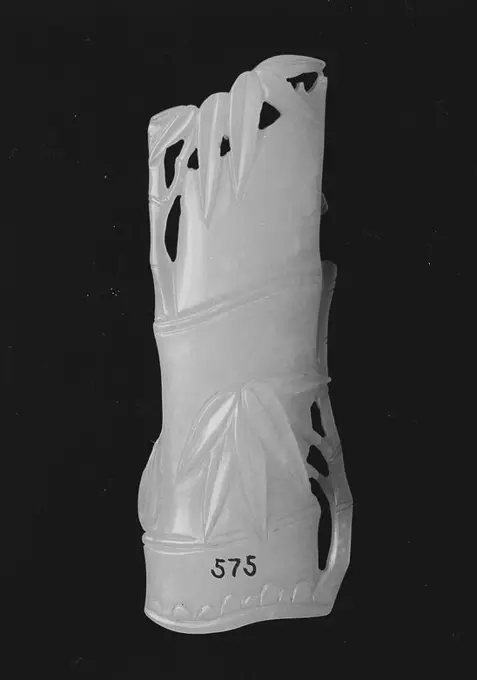
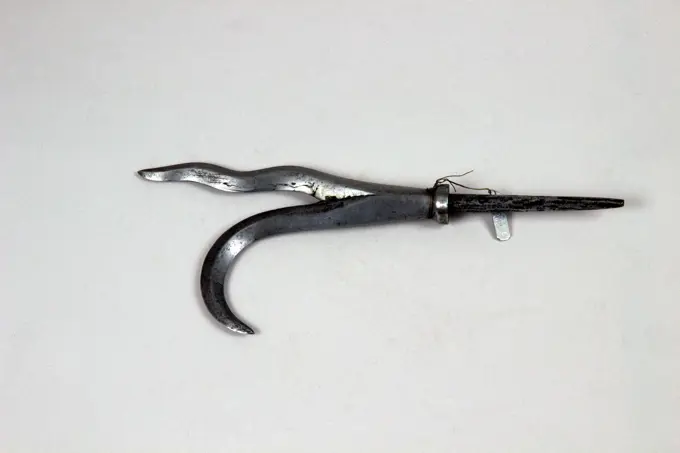
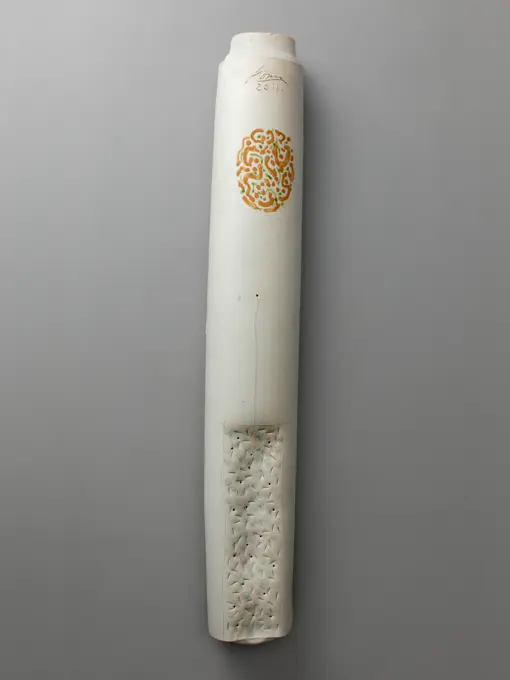
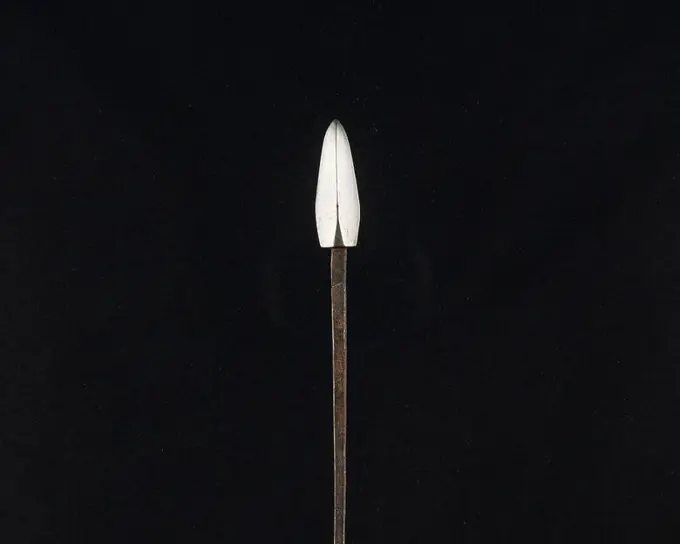
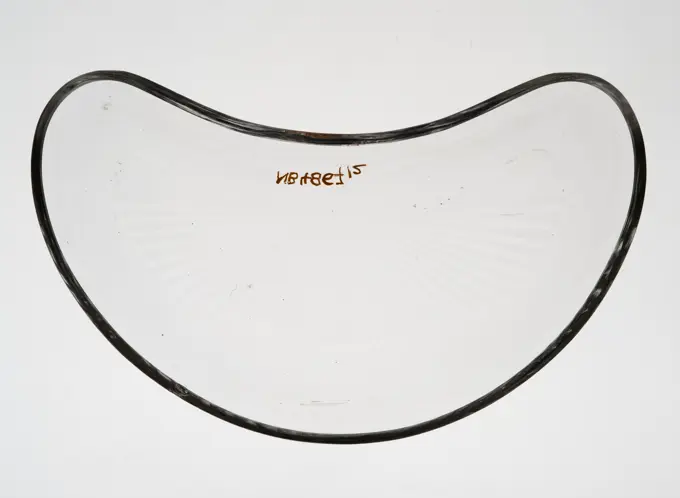
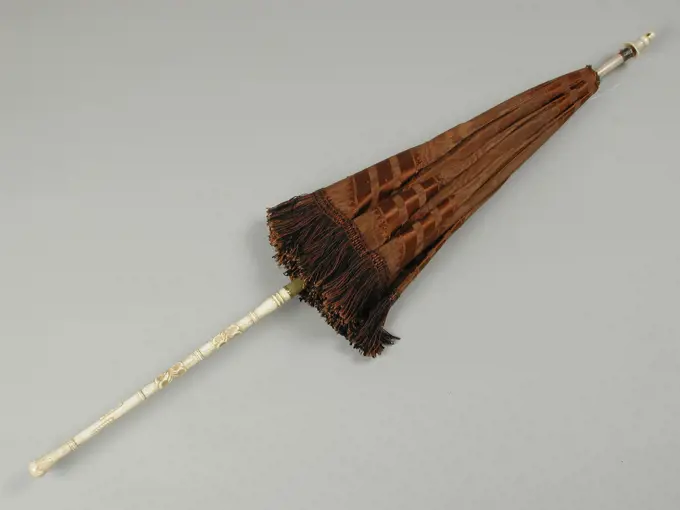
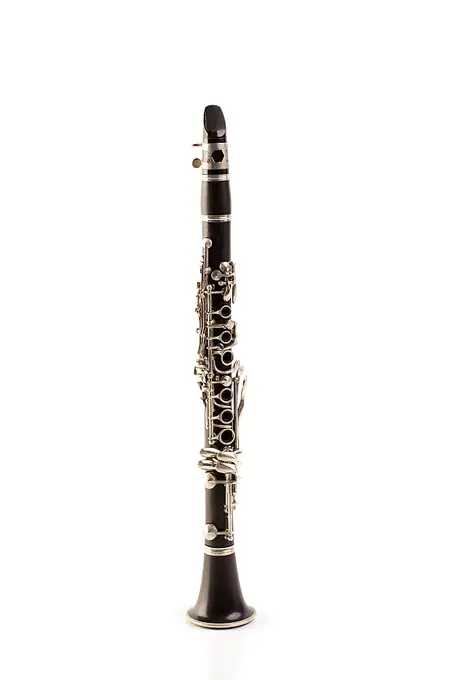
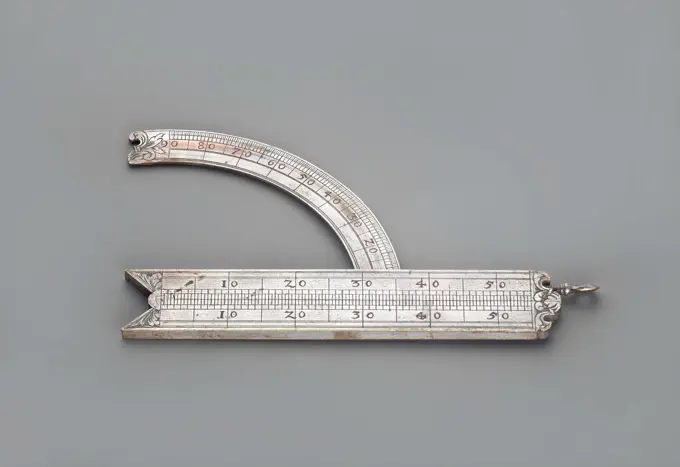
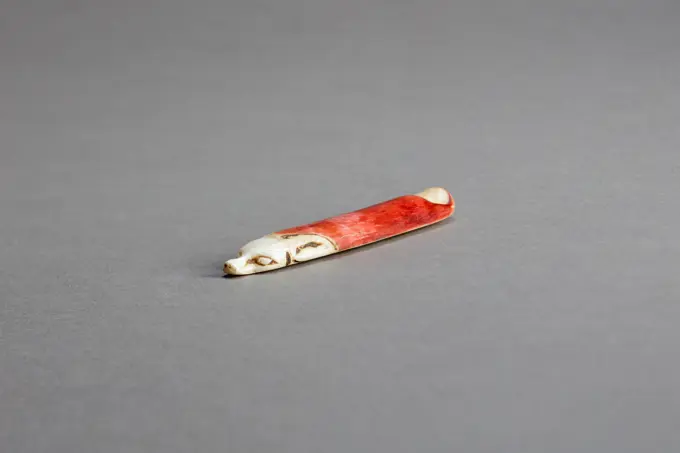
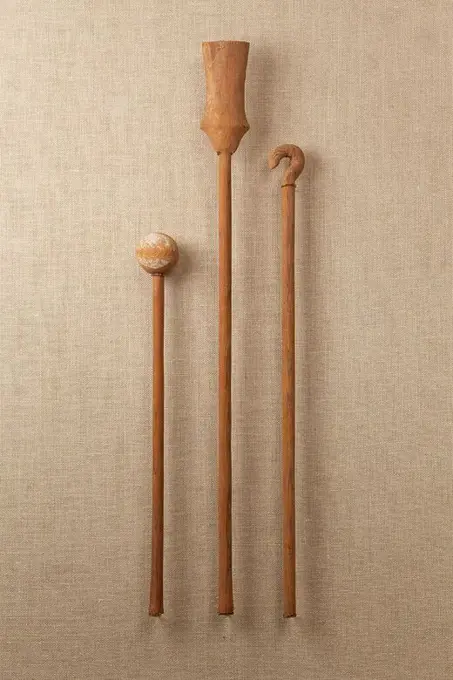
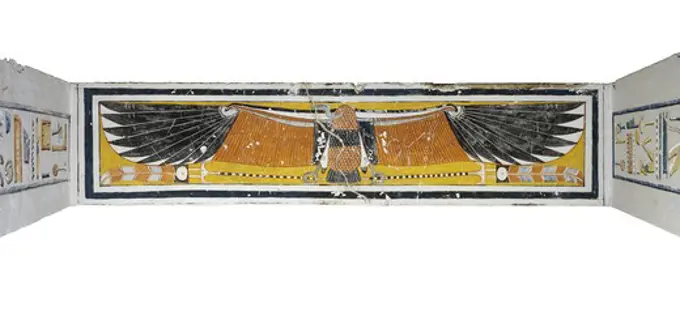
Tiqin. Culture: Chinese. Dimensions: H. 88 cm. (34-5/8 in.); W. 11 cm. (4-5/16 in.). Date: 19th century. Museum: Metropolitan Museum of Art, New York, USA.king royal golden scepter symbol of state power vector illustration isolated on white backgroundPijp.Pipe in Japanese pipe fashion, unclear whether this pipe belongs to the box. De Pijp is noticed: Peter Berger from Grenzhausen Westerwald, active 1734-1771).Paperweight. Culture: China. Dimensions: H. 3 3/8 in. (8.5 cm); W. 1 9/16 in. (4 cm); D. 3/16 in. (0.5 cm). Museum: Metropolitan Museum of Art, New York, USA.Ancus Head 16th-19th century Javanese. Ancus Head 30841Bai Ming (born in 1965). "Painten roller". Porcelain babble. 2011. Paris, Cernuschi museum. Asian art, Chinese art, porcelain table, porcelain, rollingThree lock picking toolsBarometer, Ruspinus, c. 1790 Barometer and thermometer. The scale plates and mercury tubes are applied to a plate of walnut, crowned by a segment -shaped pediment with rising sun. There are three twisted vases on the fronton. The instrument also shows cut rosettes and a drapery. Two hanging ornaments hang at the bottom. The name of the manufacturer is applied to the middle scale plate: Ruinus Fecit Amst. Amsterdam wood (plant material). walnut (hardwood). oak (wood). mercury. metal Barometer and thermometer. The scale plates and mercury tubes are applied to a plate of walnut, crowned by a segment -shaped pediment with rising sun. There are three twisted vases on the fronton. The instrument also shows cut rosettes and a drapery. Two hanging ornaments hang at the bottom. The name of the manufacturer is applied to the middle scale plate: Ruinus Fecit Amst. Amsterdam wood (plant material). walnut (hardwood). oak (wood). mercury. metalAbstract chinese chopsticksOboe, Christian Gottfried Geisler, c. 1850 - c. 1899 Hobe of palmhout with twelve silver valves and a silver finger support. The third gap is double. The oboe has four silver rings (one on the upper part, one on the middle part and two on the lower part). Marked on all three parts: star / Geisler / Amsterdam / star. The oboe is covered in a wooden suitcase with leather and velvet on the inside. There is an extra stamp in the suitcase to change and a cardboard box with one reed in it. Amsterdam boxwood. silver (metal). kist: leather. kist: velvet (fabric weave) Hobe of palmhout with twelve silver valves and a silver finger support. The third gap is double. The oboe has four silver rings (one on the upper part, one on the middle part and two on the lower part). Marked on all three parts: star / Geisler / Amsterdam / star. The oboe is covered in a wooden suitcase with leather and velvet on the inside. There is an extra stamp in the suitcase to change and a cardboard box with one reed in iArrowhead (Yanone). Culture: Japanese. Dimensions: L. 8 in. (20.3 cm); L. of head 1 1/4 in. (3.2 cm); W. 1/2 in. (1.3 cm); Wt. 0.7 oz. (19.8 g). Date: 18th century. Museum: Metropolitan Museum of Art, New York, USA.Salad bowl;  the beginning of the 20th century (1901-00-00-2000-00-00);Carriage umbrella with brown silk trim with brown-black fringed edge, carved, leg handle, Carriage parasol clothing accessory clothes leg tooth ivory metal iron copper whalebone textile silk cotton folded, textile moiré image cutting Driving parasol with brown moire silk trim with woven edge trimmed with black and brown cotton fringe white lacquered wooden handle white lacquered metal and ribs ribs ivory colored carved legs handle wide carved copper ring to the handle machined copper runner legs bell shaped cap on the tip protective agent sunlight umbrella women's clothing animal material keratinBlack clarinet isolated on white backgroundpattern white packaging for snack. pure white blank plastic packaging for snacksShadow Puppet (Wayang Kulit) of a Prop (Ricikan), from the set KyaiDrajatPonytail for (light or heavy) Dragonderhelm, officer, M. 1841, Anonymous, c. 1800 - c. 1850  Horsehair braid and tail (black), mounted on black leather belt, which puts a copper bolt on the back. Learning loop at the top with Roosdorp L.2, surrounded NM.11649. Netherlands horsehair. leather. copper (metal). yarn. iron (metal) braiding / sewing  NetherlandsSalad bowl;  the beginning of the 20th century (1901-00-00-2000-00-00);Triangle with a movable arm with a protractor. unknown, authorThrow Stick New Kingdom ca. 1400-1295 B.C. Throw sticks like this one were used as counters, like dice, to determine the moves of board games such as senet and twenty squares. The throw sticks 19.2.19-27a, b are usually displayed with the game box of Taia. View more. Throw Stick. ca. 1400-1295 B.C.. Ivory (tinted). New Kingdom. From Egypt; Probably from Upper Egypt, Thebes. Dynasty 18, second halfModel mace. Dimensions: l. 47 cm (18 1/2 in.). Dynasty: Dynasty 12. Date: ca. 1981-1802 B.C.. Museum: Metropolitan Museum of Art, New York, USA.wooden plaque from the surface for writing in chalk, lying on a black wooden board, close-up, without a piece of chalk. Chalkboard draw with chalk.PLUMAS PARA ESCRIBIR. Location: PRIVATE COLLECTION. MADRID. SPAIN.Small Torah scrolls. Symbol of Jewish identity and Judaism.Umbrella isolated on the white backgroundEgypt, Thebes, Luxor, Valley of the Kings, Tomb of Ramses VI, mural paintings on corridor ceiling from 20th dynastyBarretka of decorations: Bronze Cross of Merit, Monte Cassino Cross, 1939 1945 Star, Italy Star.Decorated Walrus Tusk 1830-70. Decorated Walrus Tusk. 1830-70. Walrus ivory