Historical Metal Tools

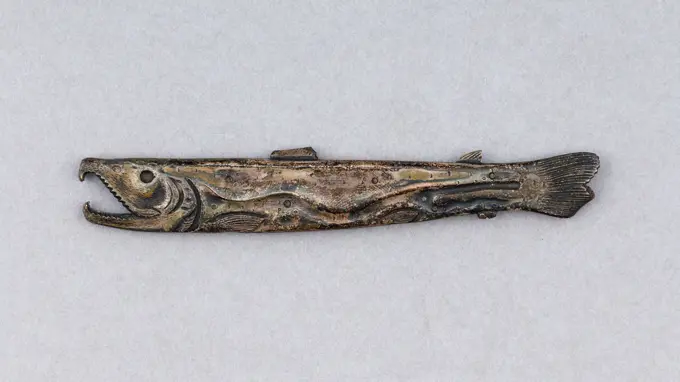
A series of ancient metal tools and spurs, showcasing craftsmanship and design from different historical periods for practical use.
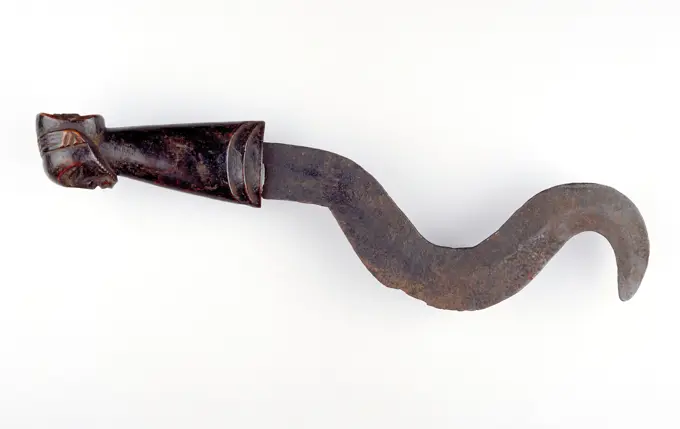
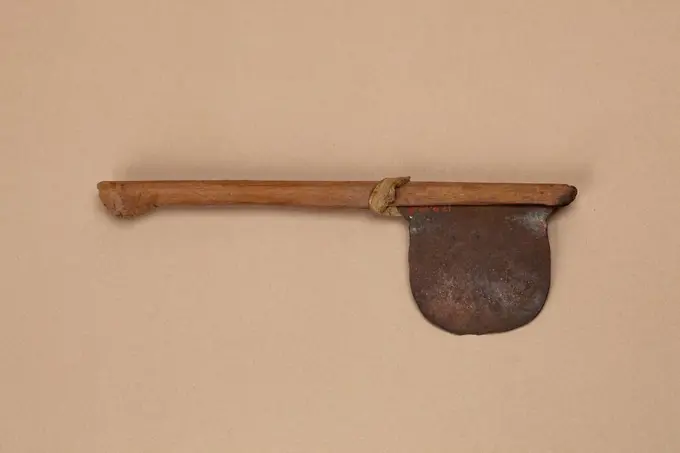
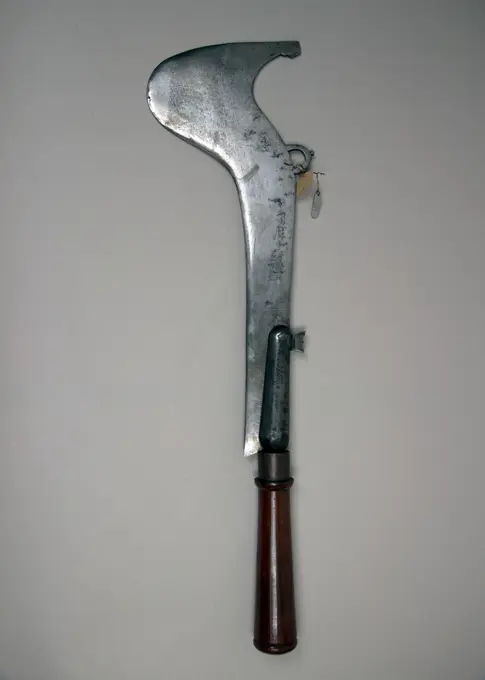
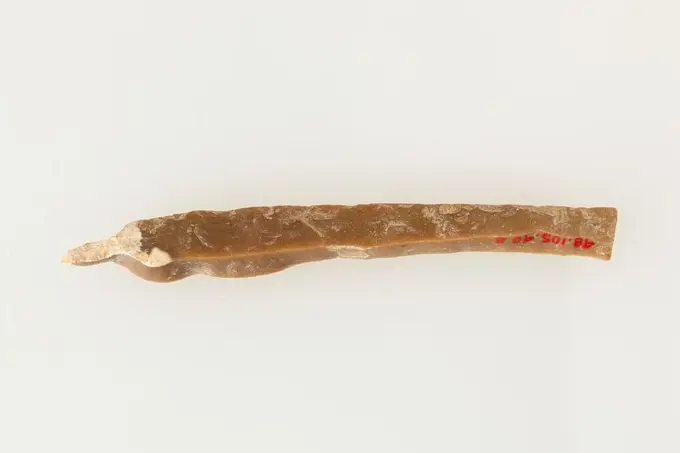
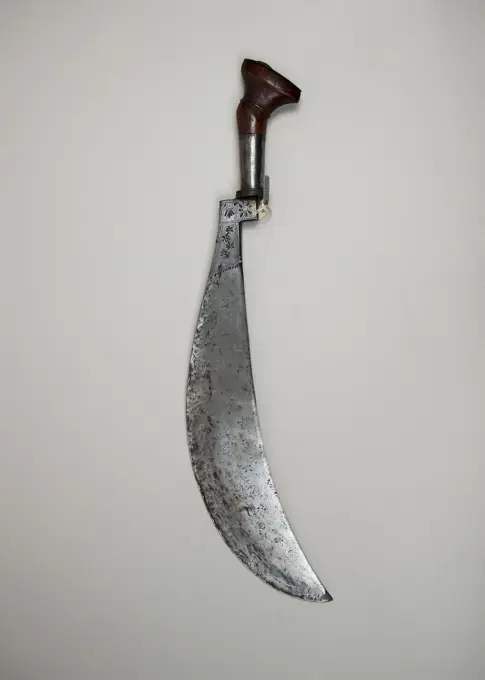
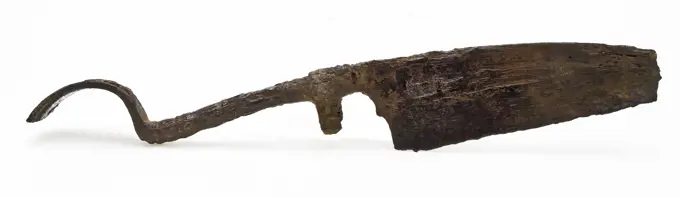
Sickle Weapon, 13th-20th century, 15 3/8 x 1 7/8 x 2 1/4 in. (39.05 x 4.76 x 5.72 cm), Wood and metal, Democratic Republic of Congo, 13th-20th century
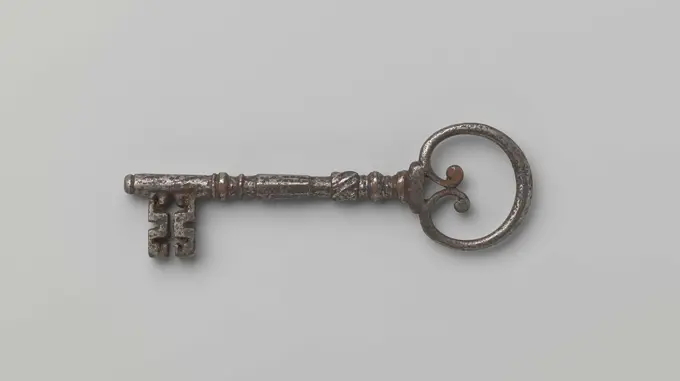
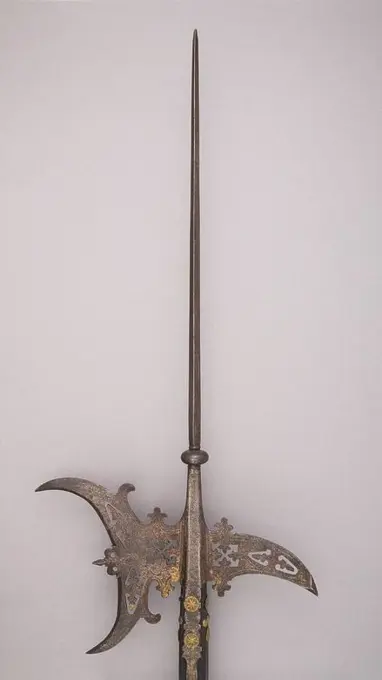
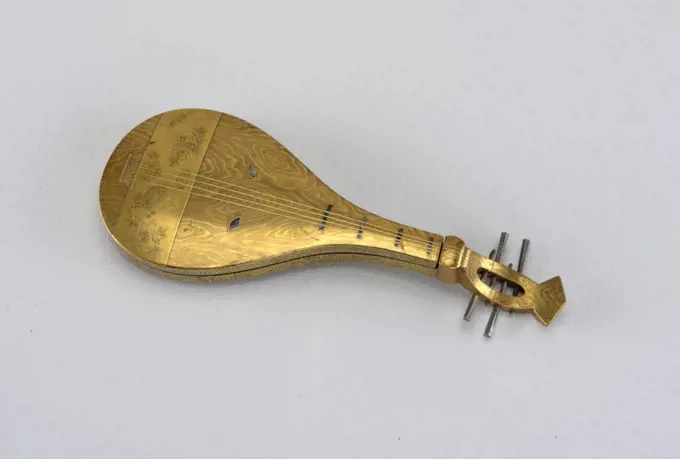
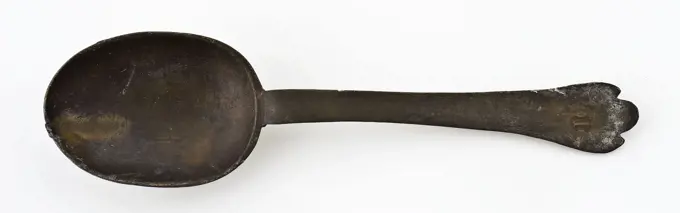
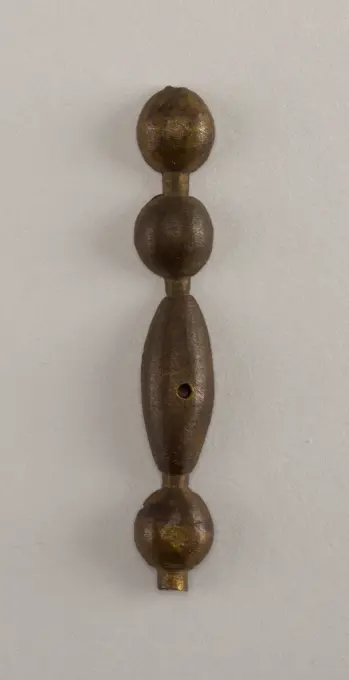
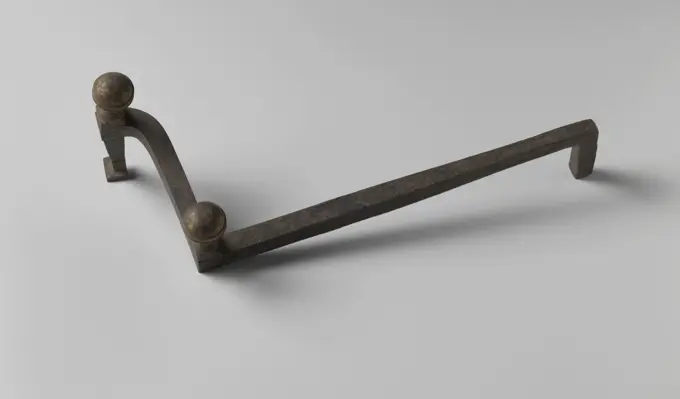
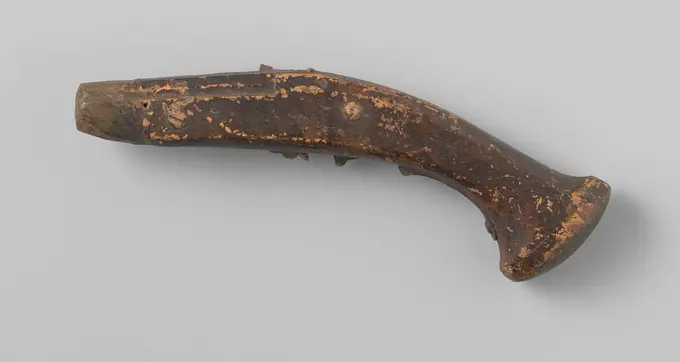
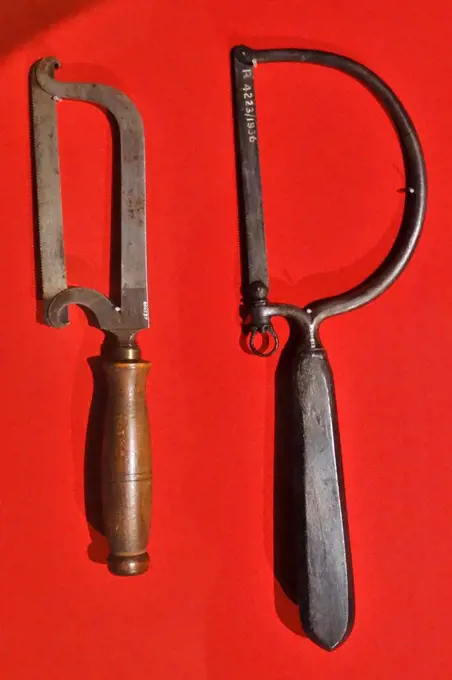
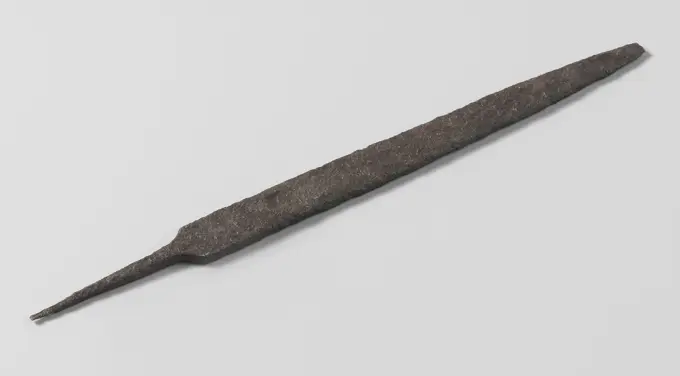
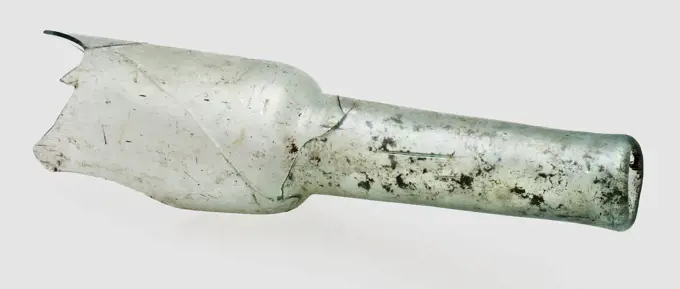
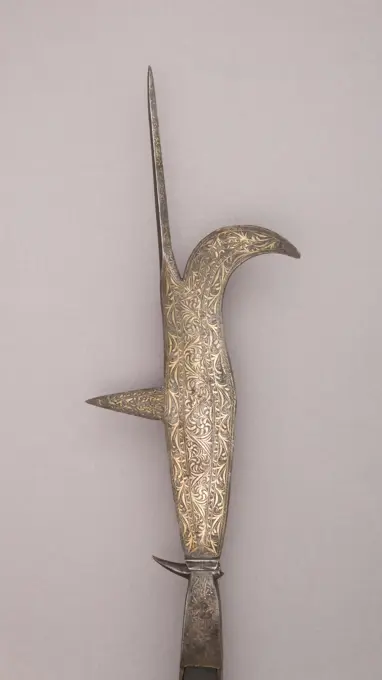
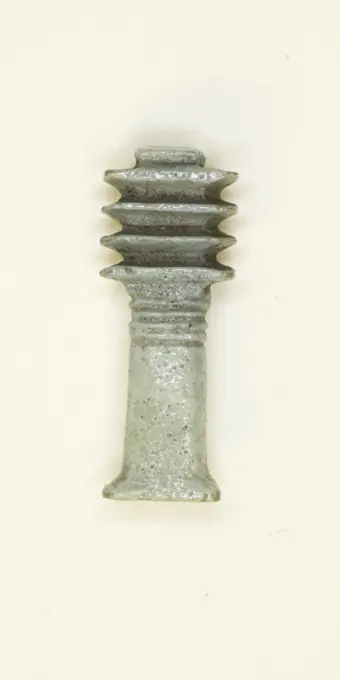
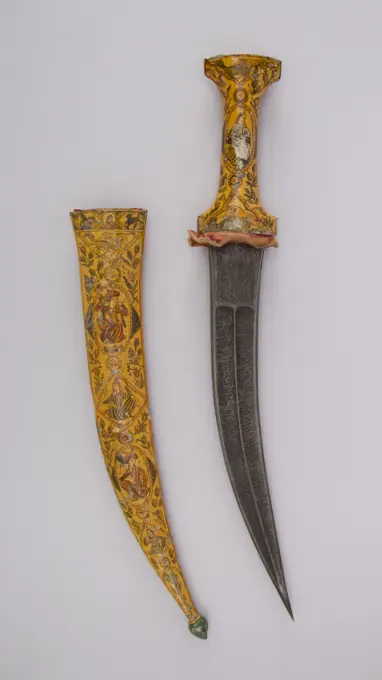
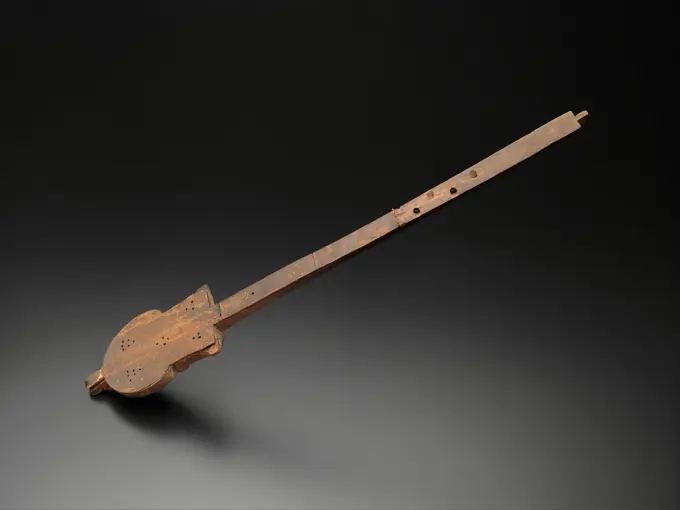
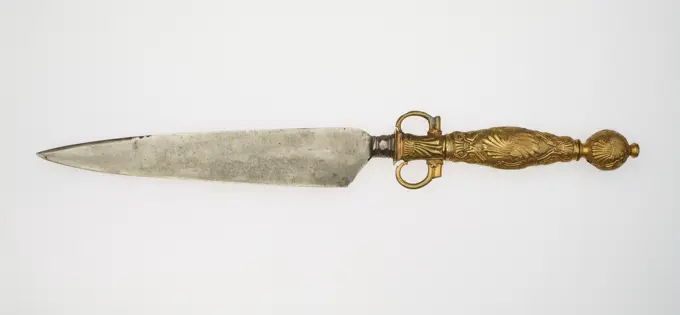
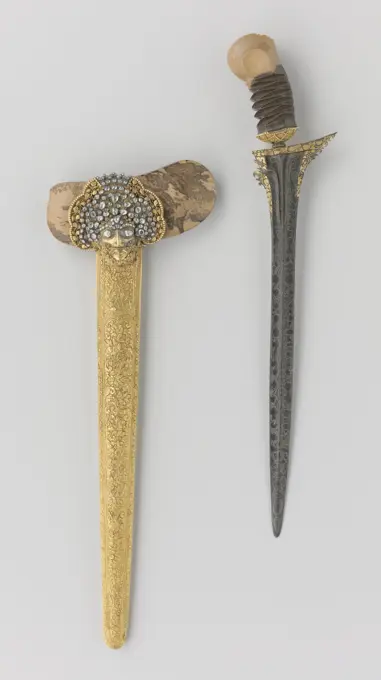
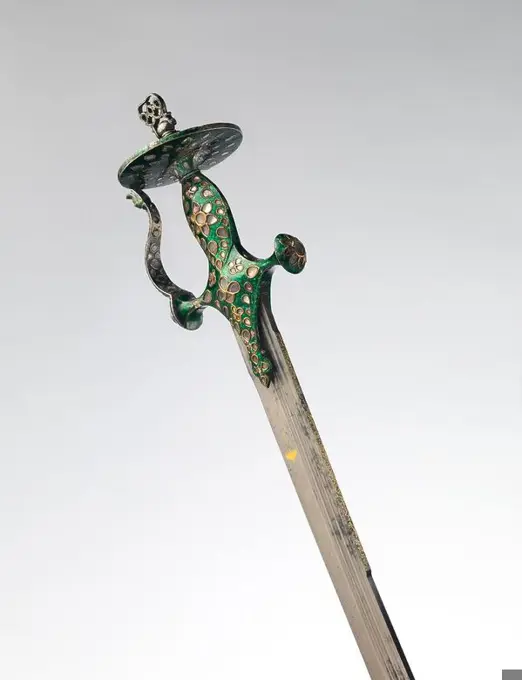
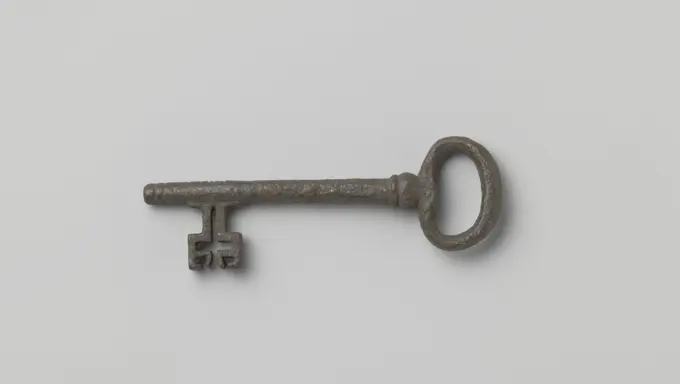
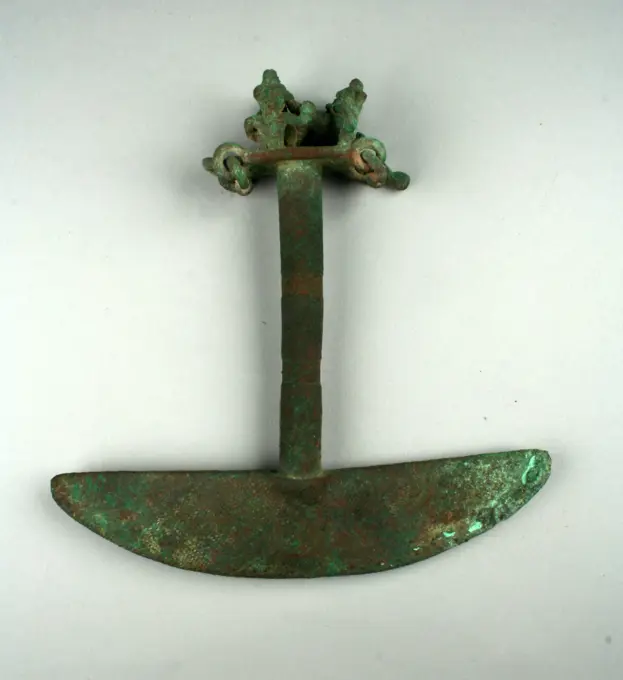
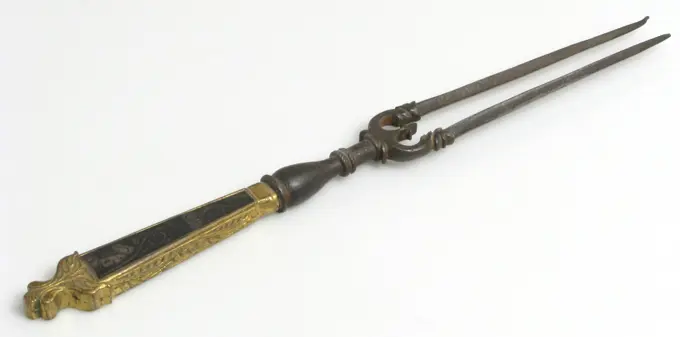
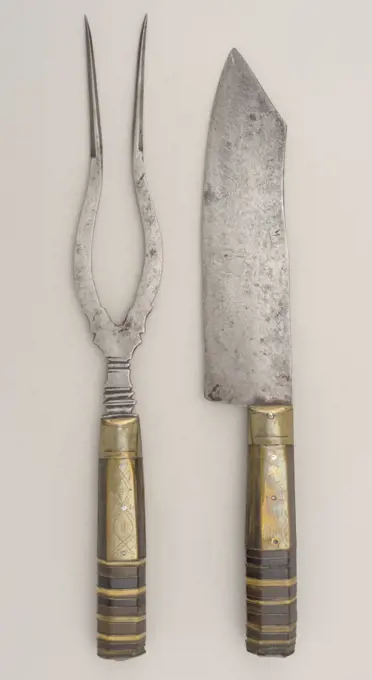
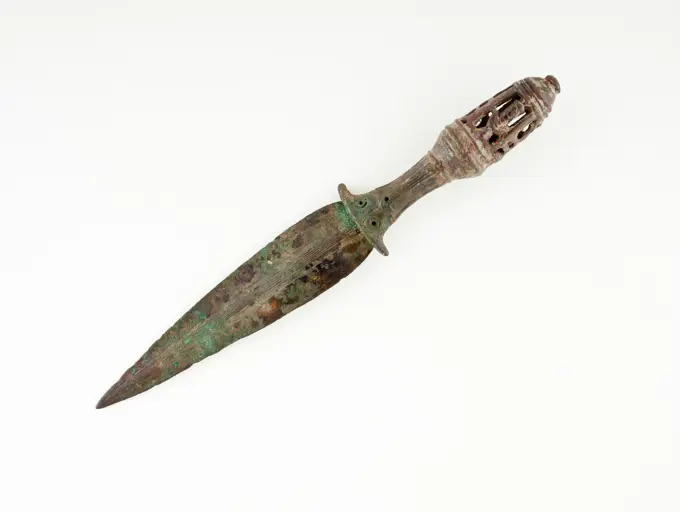
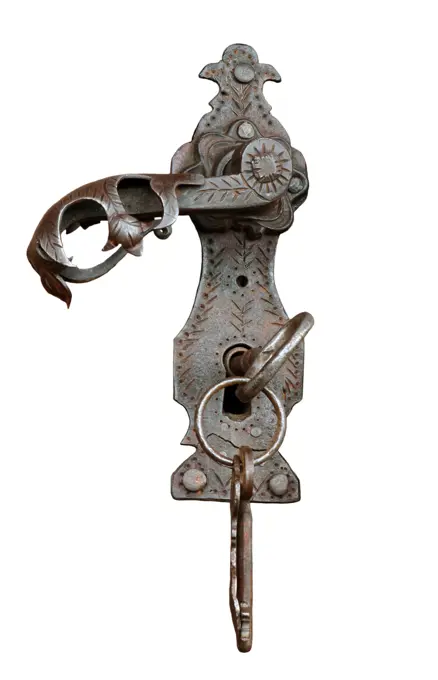
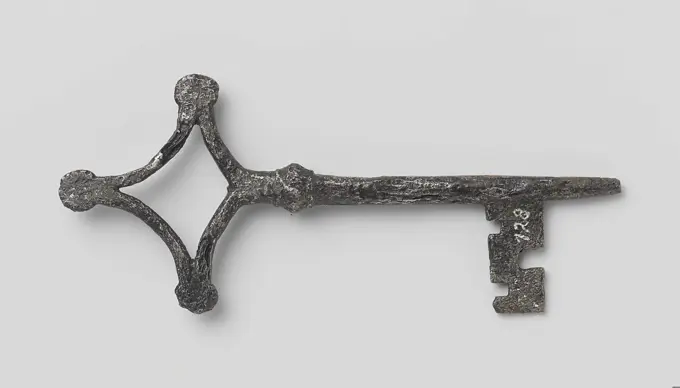
The Amsterdam apothecary and art collector Emmanuel Vita Israël. He donated his collection, comprising keys dating from Roman antiquity to the 19th century, to the Koninklijk Oudheidkundig Genootschap (Royal Antiquarian Society) in 1937. Vita Israël claimed that his key collection had grown more or less by accident: being one of the few collectors of keys, dealers automatically made their way to him.Officials Van HoofMarryk the infantry W.c. BARON SNOUCKEED VAN SUPPURGH, PLAYERSBERY & ELHN, 1820 sword Degen Nederlands Model, Infantry (W.C. Baron Snouckaert van Schaburgh Hofmaarschalk). With inscription: Out of regard of the offn. 3rd Bat. 5th Department Inf. 8 Mar 1820. Solingen Kling, handle: Iron (metal). hilt: Copper (Metal) gilding / engraving  NetherlandsPipe key, c. 1600 - c. 1699 Pipe key with ring -shaped eye, which changes to a pointed elevation above the square disc with beveled corners. Long shaft. Germany (possibly) iron (metal) Pipe key with ring -shaped eye, which changes to a pointed elevation above the square disc with beveled corners. Long shaft. Germany (possibly) iron (metal)Key of iron. Richly decorated forged Iron Key.Griffin's Head Finial 3rd century B.C. Northwest China. Griffin's Head Finial 59508Halberd. Culture: Italian. Dimensions: L. 8 ft. 9 in. (266.9 cm); L. of head 31 1/2 in. (80 cm); W. 15 1/2 in. (39.3 cm); Wt. 6 lbs. 4 oz. (2830 g). Date: ca. 1560. Museum: Metropolitan Museum of Art, New York, USA.Woodcarving knife -Model ax. Dimensions: L. 3.5 cm (1 3/8 in). Dynasty: Dynasty 12. Date: ca. 1981-1802 B.C.. Museum: Metropolitan Museum of Art, New York, USA.Dagger (Qama) with Sheath 18th-19th century Transcaucasian, probably Georgia. Dagger (Qama) with Sheath 31696Pijpsleutel.Pipe key to which the handle consists of a cross, which is decorated with eyes with eyes at the ends of the top and side arms. C-Volutes are placed in the corners of Get Cross. The cross is engraved with dots and lines. The capital on which the handle rest consists of two flower cellars facing each other a lotus.Cover, wood, lute shaped box, Japan, 1875-1900, Decorative Arts, CoverKris with Sheath 16th-19th century Javanese. Kris with Sheath 31228Gondola prow ca. 1700 Italian, Venice. Gondola prow. Italian, Venice. ca. 1700. Iron. Metalwork-IronKey, c. 1400 - c. 1950 Key with decorated ring.  iron (metal) Key with decorated ring.  iron (metal)Pewter spoon with oval scoop blade, stem with pied the biche, spoon cutlery soil find metal tin w 4.5, poured Pewter spoon with oval scoop blade and flat handle The handle has long attachment on the underside of the scoop blade end of the stem: pied the biche. Master brand on the underside of the stalk two embossed figures on the top Master brand: Crowned rose badly visible figures: 1 and 2 archeology Rotterdam City center Stadsdriehoek Oudehaven Newport indigenous product eating table cutlery room Soil discovery: Oude or Nieuwe Haven Rotterdam.Sleutel.Key whose handle consists of an upwardly controlled C-volt on which two S volutes are containing a smaller volute in the bottom. The capital is formed from a tonus between two discs. The shaft ends past the beard in a profiling.Hilt of a Gauntlet Sword 19th century Indian, South Indian. Hilt of a Gauntlet Sword 30934Arrowhead (Yanone). Culture: Japanese. Dimensions: L. 13 1/8 in. (33.3 cm); L. of head 4 in. (10.2 cm); W. 1 3/4 in. (4.5 cm); Wt. 2.6 oz. (73.7 g). Date: 18th century. Museum: Metropolitan Museum of Art, New York, USA.Banner with Shaft ca. 1760 French. Banner with Shaft. French. ca. 1760. Wood, steel, silk, gold. BannersKris with Sheath. Culture: Javanese. Dimensions: L. with sheath 19 5/8 in. (49.8 cm); L. without sheath 17 1/2 in. (44.5 cm); L. of blade 13 1/2 in. (34.2 cm); W. 3 1/2 in. (8.9 cm); Wt. 7.2 oz. (204.1 g); Wt. of sheath 7.1 oz. (201.3 g). Date: 16th-19th century. Museum: Metropolitan Museum of Art, New York, USA.Key 15th century German The decoration of Gothic iron locks and keys was often elaborate and of the highest standard of workmanship. The motifs were frequently drawn from Gothic architecture, reproducing on a miniature scale complicated tracery patterns and even tiny statuettes. A number of these tiny locks were compound, with some of the mechanisms concealed from view, and required two or even three keys used in sequence to open them. It has been suggested that the greatly expanded use of locks on doors, or coffrets and other types of storage chests was a result of the increasing urbanization of life and the new emphasis on material wealth and private ownership which developed in the late Middle Ages.. Key. German. 15th century. Iron. Metalwork-IronDagger (Bichuwa). Culture: Indian, Central Indian. Dimensions: H. 10 1/2 in. (26.7 cm); W. 1 5/16 in. (3.3 cm); D. 2 in. (5.1 cm); Wt. 5.7 oz. (161.6 g). Date: 17th-18th century. Museum: Metropolitan Museum of Art, New York, USA.Bronze crane. Bronze crane, hearing at a crane with Invnr. BK-NM-1580-A.MountFire iron with copper buttons, c. 1400 - c. 1950   iron (metal). copper (metal)   iron (metal). copper (metal)Traditional wooden pocket knife on a black background. Traditional wooden pocket knife on black backgroundPart of a trophy from meeting room of Admiriteit van Amsterdam, in the form of a gun ..Metacarpal saws with a bow-frame. For use during amputations amongst other things. From England, 1750-1850.Knife with Sheath 19th century Turkish. Knife with Sheath 31481File, flat without notches, anonymous, c. 1590 - c. 1596  File, flat and without handle, shows parallel rows of sharp notches on both sides.  iron (metal) forging  Nova Zembla. Saving HuysTwo neck fragments of hand-blown bottles, long necks, one of which is cylindrical, bottle holder bottomfound glass, free blown Two neck fragments of two bottles. Cylindrical model of light green tinted glass Long cylindrical neck of narrow and tall bottle. No thickening of the neck edge Round belly bottle of thin glass green tinted glass golden weathered by iridescence. Long neck and thick glass wire around the neck edge archeology Valckensteyn Poortugaal Albrandswaard store packing store transport packaging Soil discovery: castle Valckensteyn in Poortugaal now Albrandswaard 1961-1962.Bronze phallic ornament 1st century A.D. Roman Flat-backed, with many holes for attachment, this ornament was likely intended to be fastened to another, larger object.. Bronze phallic ornament 255094 Roman, Bronze phallic ornament, 1st century A.D., Bronze, W. as preserved 2 11/32 in. (5.94 cm.) H. 2 3/8 in. (6.0 cm.). The Metropolitan Museum of Art, New York. Gift of A. Hyatt Mayor, 1960 (60.117.9)Fauchard 16th century Italian, decorated in Turkey. Fauchard 30638Sacrificial Axe 18th-19th century Indian or Nepalese. Sacrificial Axe 31294Rod of an antler of a deer, found in 1724 during work in the Hillegommerbeek, Anonymous, Before 1724 antler (material) Rod of a deer with two points. Netherlands horn (animal material)   HillegomKnife Handle (Kozuka) ca. 1615-1868 Japanese A kozuka is a handle of a by-knife that is part of a sword mounting. It is kept in a slot on the reverse of a katana scabbard, often with a matching kōgai (hairdressing tool).. Knife Handle (Kozuka) 34570Cosmetic Container 301 CE-400 CE Mediterranean Region. Glass, blown technique . Ancient MediterraneanArrowhead 2nd-1st millennium B.C. Iran. Arrowhead 325223Sword Made 1400-1433 Europe. Iron, steel, wood, and cord .Key 1st-3rd century Roman. Key 463358Amulet of a Djed Pillar 664 BCE-332 BCE Egypt. Faience . Ancient EgyptianCopper candle or snout, candle cutter scissors tool kit brass copper metal, cast riveted Muzzle scissors or candle cutter Yellow copper. Richly worked legs oval eyes and volutes. Flat middle section. Ring under the connecting rivet Pittenbak rectangular shallow channel over the top. Finishing in blunt point lighting evening night illuminate the deafHalberd, ge Shang period, 12th-11th century BC. The Chinese halberd was an ancient pole arm used as a military weapon in one form or another from at least as early as the Shang dynasty.Dagger with Sheath late 19th century Persian, Qajar. Dagger with Sheath. Persian, Qajar. late 19th century. Steel, enamel, velvet. DaggersTerminal fins (title awarded). Bronze. Carnavalet museum, history of Paris.Four-piece bronze mold for foot of spreader, cast molding tool tools base metal bronze wood iron, cast turned Four-piece bronze mold for casting the foot decorated on both sides with rings of pepper can Rotterdam tingieterij tinnegieter tin Meeuws Druy craft Forms come from the originally 18th century Rotterdam tinnegieter J Druy. The large molds that were not signed or dated were the property of the tinker guild and were rented to the small tin caster.Lute 200-500 Roman/Byzantine Strings ran from the top of this instruments long neck to the end of the sound box, which has indentations (called the waist) on its sides. The musicians right hand probably plucked the strings while the left hand used the lower portion of the neck as a fingerboard. This lute is one of only four of the type to survive; the indentations on the sound box suggest that it may be an ancestor of the guitar. Listen to experts illuminate this artwork's story Listen Play or pause #870. Kids: Lute Supported by Bloomberg Philanthropies We're sorry, the transcript for this audio track is not available at this time. We are working to make it available as soon as possible.. Lute. Roman/Byzantine. 200-500. Wood with traces of paint. Made in Egypt. Woodwork-MiscellanyHunting knifeBill (Ronca) 1501-1600 Italy. Steel, wood (oak), brass, and damask .Kris of King William I, anonymous, 1835 kris Kris with a straight blade that is decorated with the pamor technique. The top of the blade has golden decorations of plant motifs. Madurees held with a grip consumption (Selut) of golden drive. The wooden sheath has a gold surplus that is decorated with fine slurry of plant motifs and birds. The Golden Schede has an ornament at the top in the form of a demon head, boma, surrounded by plant motifs, above which a crown. This head was originally occupied with 117 diamonds. Two diamonds of the rosette on the forehead are missing. The Schedemond (Wranga) is made of stains (Kayu Pelet). Madura iron (metal). nickel (metal). wood (plant material). gold (metal). silver (metal). diamond (mineral) forging / cutting / engraving / grinding  Dutch East Indies, TheSaber (Talwar) with Scabbard. Culture: Indian. Dimensions: L. 36 5/8 in. (93 cm); L. of blade 31 1/2 in. (80.3 cm); Wt. 2 lb. 11 oz. (1220 g); Wt. of scabbard 12 oz. (348 g). Date: blade, dated A.H. 835/ A.D. 1673; hilt, 19th century.The blade, of European manufacture around 1600, was inlaid later in gold. Along the back edge, there is an inscription in Arabic and Persian, and on the outer side, there is a parasol. The inscription mentions the name of the Mughal emperor Aurangzeb (reigned 1658-1717) and the sixteenth year of his reign, corresponding to 1673.The parasol is an ancient symbol of the dome of heaven and was long used in the Middle East and India as a symbol of royal authority. A parasol mark on a blade thus signifies royal provenance and implies that the weapon belonged to a divinely appointed and protected monarch, in this case Emperor Aurangzeb. Museum: Metropolitan Museum of Art, New York, USA.Kama with a scabbardKey, c. 1400 - c. 1950 Key of iron.  iron (metal) Key of iron.  iron (metal)Estoc. German. Date: 1525-1550. Dimensions: Overall L. 130 cm (51 3/16 in.) Blade L. 108.5 cm (42 3/4 in.)Wt. 3 lb. 6 oz. Steel, brass, wood, and leather. Origin: Germany. Museum: The Chicago Art Institute, Chicago, USA.Knife (Tumi) 15th-16th century Inca. Knife (Tumi) 315290Fork 15th century Italian An eleventh-century manuscript now in the Biblioteca dellAbbazia, Montecassino, depicts two men at a table, using two-pronged forks to assist in carving and eating. This practice was extremely rare, although a letter written by Peter Damiano (circa 1070-1072) mentions that the Byzantine wife of the doge of Venice refused to follow the Western custom of eating with her fingers and insisted that she be allowed to use a two-pronged fork. It seems, then, that the custom of using forks came from Byzantium, and that is was introduced into Western Europe by the Venetians. The cookery of the day, consisting in large part of stews, called mortrews, pottages, and broths, really did not require the use of a fork for eating. The widespread acceptance of the fork as an eating utensil is definitely post-medieval. Introduced into France soon after 1553, when Catherine deMedici married the future Henry II, the fork was only really accepted in England in the seventeenth centhacha de talon y anillas, bronce, Monte Betaio, Turtzios, Arkeologi Museoa, museo aqueologico, Bilbao, Bizkaia, Pais Vasco, Spain.Ampulla, religious badge worn by English, medieval Christian pilgrims in the 13th centuryPrehistory, Italy, Neolithic. Decorated human thighbone. From Riparo Gaban, province of Trento.Strip leg, in which semicircular drilled holes, residual form button making, soil find leg, drilled Bone fragment in which semicircular holes have been drilled. The holes are drilled with hollow drill. The drilled round pieces were used until further processing to knot. Waste from button-making archeology Rotterdam rail tunnel button clothing close fasten business craft button makingGoldweight Double Gong, 19th-20th century, 2 1/8 x 7/8 in. (5.4 x 2.22 cm), Brass, Ghana, 19th-20th centuryFocolare spoon second half of 6th century B.C. Etruscan Arrow-shaped.. Focolare spoon. Etruscan. second half of 6th century B.C.. Terracotta; bucchero. Archaic. VasesAxe ca. 11th-9th century B.C. China. Axe. China. ca. 11th-9th century B.C.. Bronze. Western Zhou dynasty (1046-771 B.C.). MetalworkSheriff's truncheon 1746-66 Danish. Sheriff's truncheon. Danish. 1746-66. Silver, wood. Metalwork-SilverDagger Tlingit, Native American ca. 1780-1840 View more. Dagger. Tlingit, Native American. ca. 1780-1840. Wood, steel, and vegetal fiber. Made in Alaska, United StatesMessenheft from the wreck of the East Indians Hollandia, Anonymous, 1700 - in Or Before 1743 knife (tool) Knife, pistol-grip-shaped id. NG 1979-260H2233, ferrule. Netherlands wood (plant material). metal   SecondCeremonies key. Flat ceremonies key with a raised cross motif whose edges are connected to the egg-shaped handle. The beard is upset under and above. Retrieved circles with wells form the decoration.Buckle probably 1st century A.D. Roman, Pompeii. Buckle. Roman, Pompeii. probably 1st century A.D.. Bronze. Napoli. Miscellaneous-Buckles & OrnamentTable knife and fork 18th century possibly Flemish. Table knife and fork. possibly Flemish. 18th century. Steel. Metalwork-SteelPick Third Intermediate Period ca. 1070-950 B.C. Left behind in the Mentuhotep Temple at Deir el-Bahri, this pick had been used by later stone robbers to pry up floor slabs from the lower colonnade to use elsewhere. It was found with a hoe that was slotted into a handle that also fit this pick. Both the pick and the hoe blade had "recently" (in antiquity) been sharpened. View more. Pick. ca. 1070-950 B.C.. Wood. Third Intermediate Period. From Egypt, Upper Egypt, Thebes, Deir el-Bahri, Mentuhotep Temple, South lower colonnade, MMA excavations, 1922-23. Dynasty 21-22Slot with shots and cut ..Rapier Made 1600-1640 Solingen. Steel, silver, and wood .Knife or Axe (Kharga), 1800s. Nepal. Iron with wooden handle and leather scabbard; overall: 57.2 cm (22 1/2 in.); blade: 42.8 cm (16 7/8 in.).Spring metal pliers, pliers medical_instrument iron, Spring pliers in one piece. Flat beak one side bigger belonging to tobacco squirrel for drowning man drowning water rescue medical care medical action health care doctor surgery Arrenberg tobacco inn pub Casket with various objects used in the last part of the 18th century and the beginning of the 19th century in the attempt to restore the life spirits of drowning people wake up. On the box is the name Benjamin Arrenberg. This lived in the last third of the eighteenth century was vendrig in 1788-1791. Leproosmeester 1792-1794 The box will therefore be from the nineteen nineteenth century.Arrowhead Japan The Jōmon period is the earliest period in Japanese history, lasting from roughly 14,000 to 300 BCE. The Jōmon people were primarily hunter-gatherers, using arrowheads such as this one to hunt a variety of land animals. Archaeological evidence indicates that the Jōmon hunted over 60 species of mammal throughout the Japanese archipelago, including tanuki (Japanese raccoon dogs) and monkeys, both of which would likely be considered unpalatable in contemporary Japanese society.. Arrowhead 62292Lepel met geribd uiteinde.Round spoon with a round stem. The handle has a profiled end. The spoon has not been marked.Belt Buckle ca. 500-700 Frankish. Belt Buckle. Frankish. ca. 500-700. Iron, silver, gold. Miscellaneous-Buckles & OrnamentBlade, sickle. Date: ca. 3850-2100 B.C.. Museum: Metropolitan Museum of Art, New York, USA.Two Can Hooks, George Stebbing, in or before 1825 can hook Two millers to unload empty barrels. This consists of a shaft with a ring at the top and arms turning in the other, forked end. One of the arms has a hole to reduce its weight, so that the arms usually hang vertically; For example, she was lowered by a hole in a barrel, the arms were set horizontally and the barrel could be lifted. Portsmouth iron (metal). bronze (metal). copper (metal)Fork, steel, brass, horn, bone, Large two-tined fork, tines curved and pointed. Bolster rectangular in section, deeply cut. Tang with button end. Handle eight-sided. Brass scales on major plane engraved with wriggle work; four sides of bone; two tang sides. Handle end with 22 laminated sections of tri-color horn and brass plates. Plain brass end., Germany, 17th century, cutlery, Decorative Arts, ForkSnaffle Bit. Culture: Villanovan or Etruscan. Dimensions: W. 8 1/2 in. (21.6 cm); Wt. 1 lb. 2.6 oz. (527.3 g). Date: 8th-7th century B.C..The snaffle bit is the simplest type of horse bit, and has an effect on the bars (part of the horses' jaw without teeth) and the corners of the lips. The mouthpiece of this bit consists of two articulated straight canons passing through one of the eyelets of the cheekpieces. The two other eyelets were originally attached to the bridle, while each extremity of the canons holds a large ring for the reins. When the reins were pulled, the cheekpieces would compress the corners of the lips, forcing the horse to stop. They would also help indicate the direction to the horse and keep the rings from pulling through the mouth.Horses had a great value among Villanovan and Etruscan societies. They were used for military and leisure purposes, and possessing them was an indicator of high social status. Equestrian objects, like bridles or even chariots, were oftCharm Container(Karuhei)Fringes of silver thread decorated with three garlands with loops interspersed with cartisanes in the form of four -leaf rosettes, at the end of sides rip ribbon, anonymous, c. 1785 - c. 1800 Franning of silver thread decorated with three garlands with loops interspersed with cartisanes in the form of four -leaf rosettes, at the ends of a silk rip ribbon. Smooth cut. West-Europa ripslint: silk. franje: silver thread. cartisane: paper striking (metalworking) Franning of silver thread decorated with three garlands with loops interspersed with cartisanes in the form of four -leaf rosettes, at the ends of a silk rip ribbon. Smooth cut. West-Europa ripslint: silk. franje: silver thread. cartisane: paper striking (metalworking)Fireplace Shovel. Dated: c. 1942. Dimensions: overall: 35.7 x 24.3 cm (14 1/16 x 9 9/16 in.). Medium: watercolor, graphite, and colored pencil on paperboard. Museum: National Gallery of Art, Washington DC. Author: Albert Geuppert.Engraving depicting a navigator's shovel. Dated 19th centuryDagger. Iran, Luristan, circa 2600-2350 B.C.. Arms and Armor; daggers. Bronze, castHandle from a Hydria (Water Jar) or a Stamnos (Mixing Jar) 500 BCE-401 BCE Ancient Greece. Bronze . Ancient GreekOfficierssabel met schede voor marine.Marine table from officer. The blade has a wide trench and is decorated with ornaments anchors and marine emblems, with inscription: P. servant solingen. The handle is made of poured copper and leg with copper wire. With trophy decorated bracket. Shield sheds on which anchor and laurel wreath. Button in the shape of a lion head. With saber brush and black leather sheath with adorned copper frame with image of anchor and rings. From J.C. Merchant.Old metal handle An old metal handle and keys over white Copyright: xZoonar.com/Lakhesisx 1984355Knife. Culture: Indian or Nepalese. Dimensions: H. 12 in. (30.5 cm); H. of blade 7 3/8 in. (18.7 cm); W. 1 3/16 in. (3 cm); Wt. 6.2 oz. (175.8 g). Date: 18th-19th century. Museum: Metropolitan Museum of Art, New York, USA.Roman period. Spain. Catalonia. Tools of Bronze. From Empuries city. Archaeological Museum of Girona.Hache with a rights (attributed title). Bronze. Carnavalet museum, history of Paris.Sacrificial Axe 18th-19th century Indian, Coorg. Sacrificial Axe 31293Iron wrench with broad beard with notches, key iron commodity founding iron metal, forged sawn archeology Rotterdam City Triangle Bulgersteyn closing coffin money box theft prevention Soil discovery: Bulgersteyn Rotterdam.Half of squeeze shears with broad blade, pinch cutter scissor cutting tool soil find iron metal, forged Fragment with profiled handle double knob and broad blade Marked. square with crosses (smith's mark) (smashed leaf) archeology Rotterdam Kralingen-Crooswijk Kralingen Oost Honingerdijk cut Soil discovery: Honingerdijk 1982-09-04.Halberd Head 1122 B.C.-255 B.C. Chinese. Halberd Head. Chinese. 1122 B.C.-255 B.C.. Shafted WeaponsFork and knifeCharioteer's Whip of Itamun ca. 1070-945 B.C. Third Intermediate Period. Charioteer's Whip of Itamun. ca. 1070-945 B.C.. Wood, leather. Third Intermediate Period. From Egypt, Upper Egypt, Thebes, Unfinished Temple ("Seankhkare") Valley, Pit Tomb MMA 1008/1016 (Mond 8), inside coffins of Itamun, MMA excavations, 1920-21. Dynasty 21Leather belt with buyer batter. Leather belt with copper batter and green silk upholstery. The batter is decorated with shaking zigzag lines. Belonging to Hartsvanger.Horse bit with cheekpieces in form of a sphinx 1st millennium B.C. Iran. Horse bit with cheekpieces in form of a sphinx 326036