Historical Metal Tools

A series of ancient metal tools and spurs, showcasing craftsmanship and design from different historical periods for practical use.
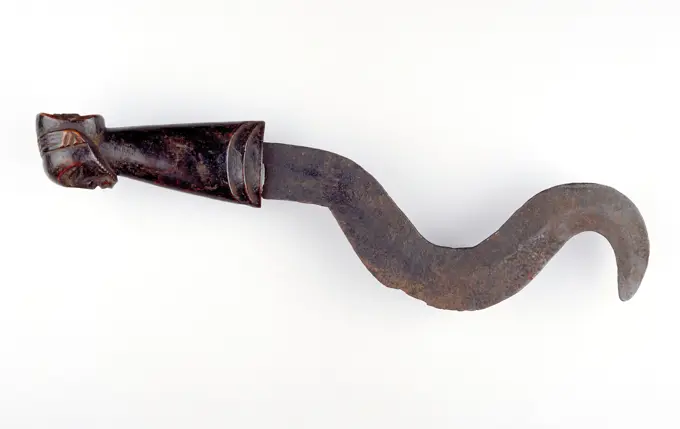
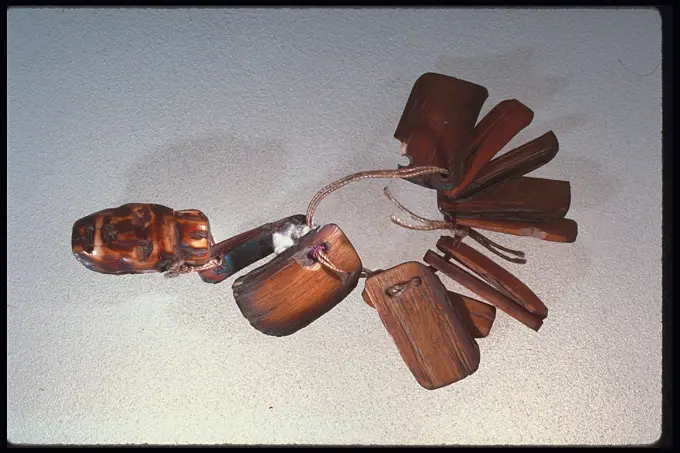
Sickle Weapon, 13th-20th century, 15 3/8 x 1 7/8 x 2 1/4 in. (39.05 x 4.76 x 5.72 cm), Wood and metal, Democratic Republic of Congo, 13th-20th century
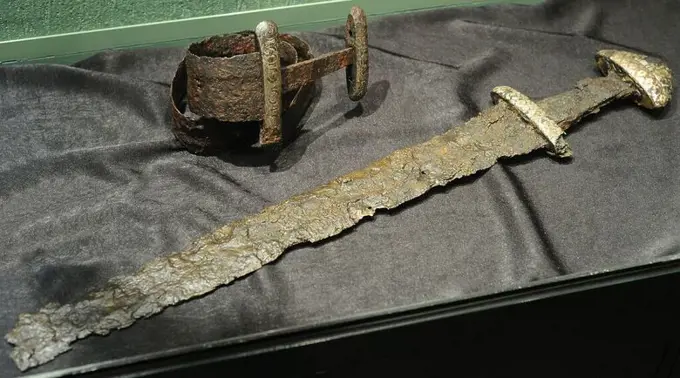
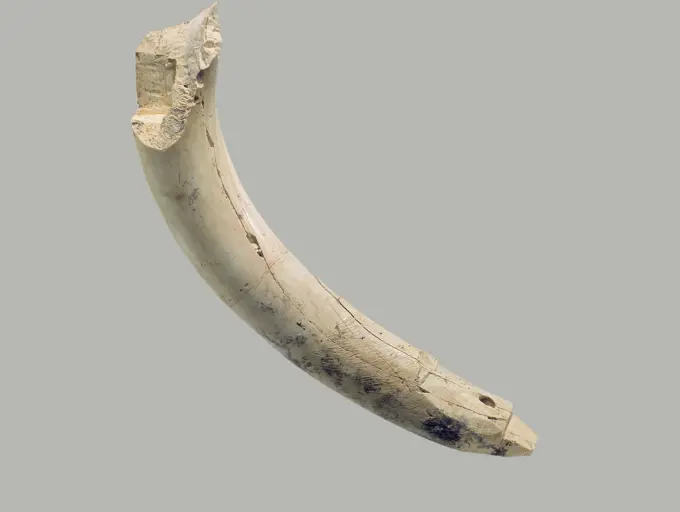
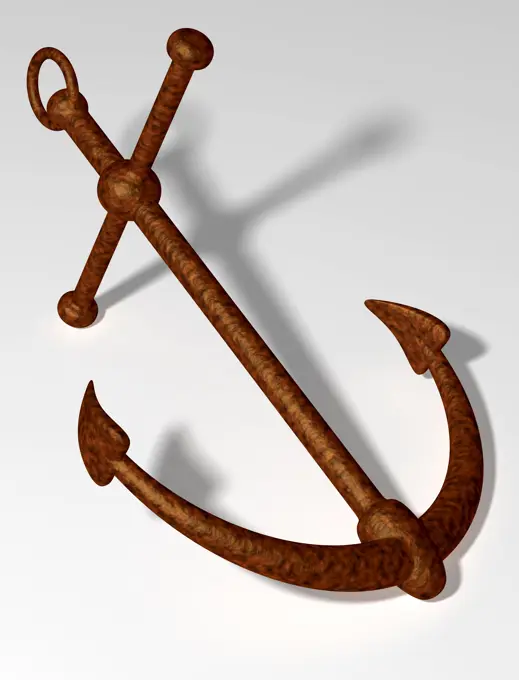
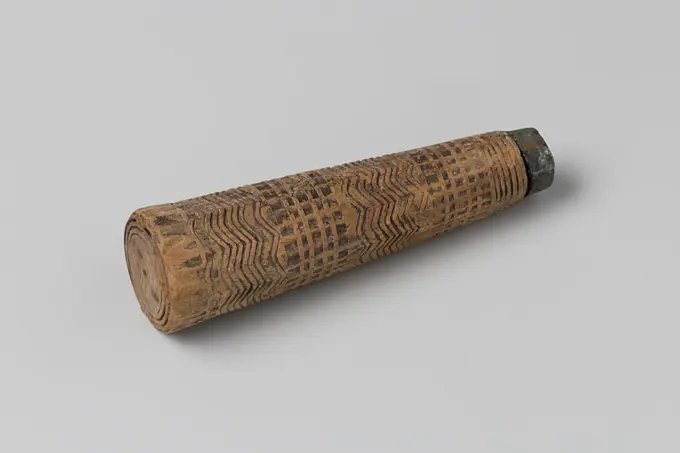
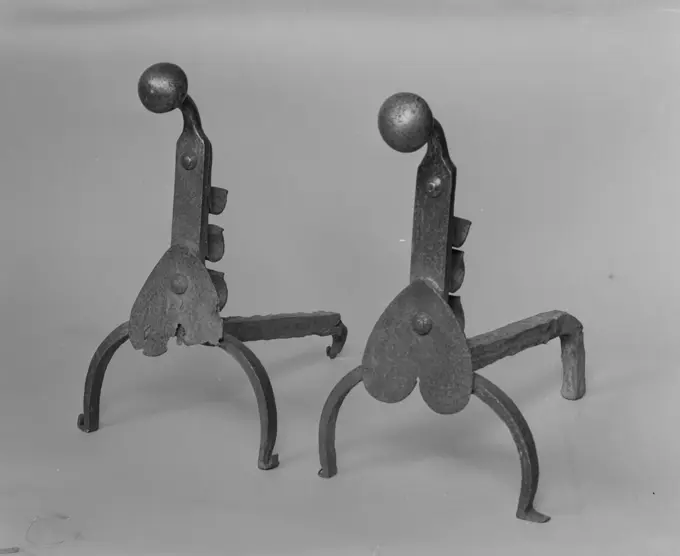
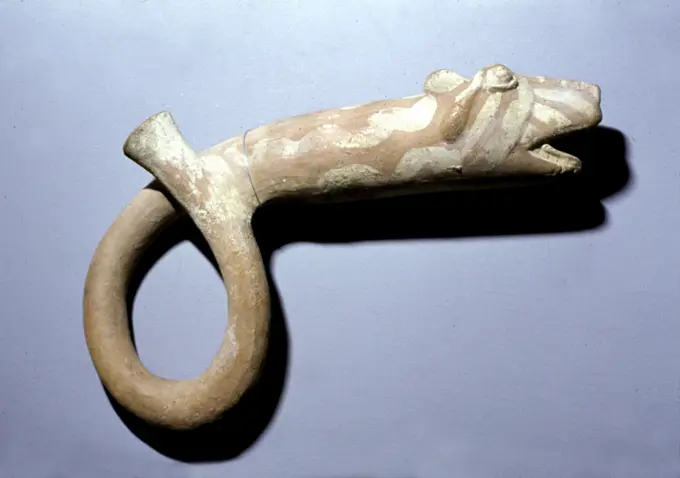
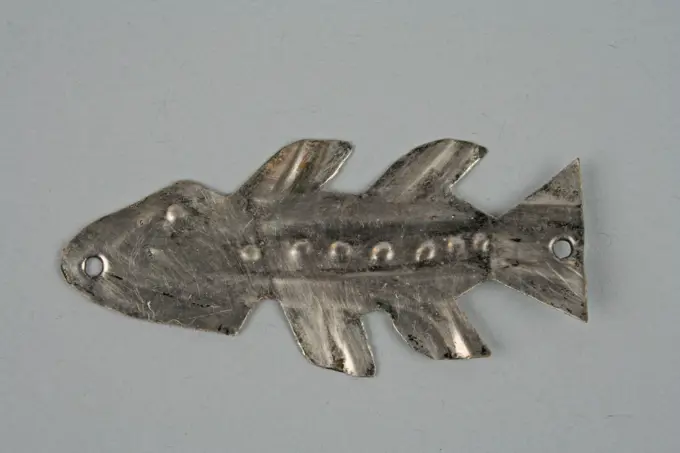
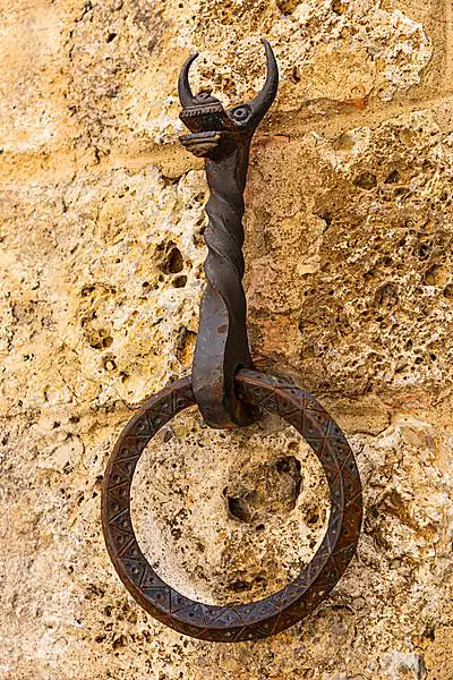
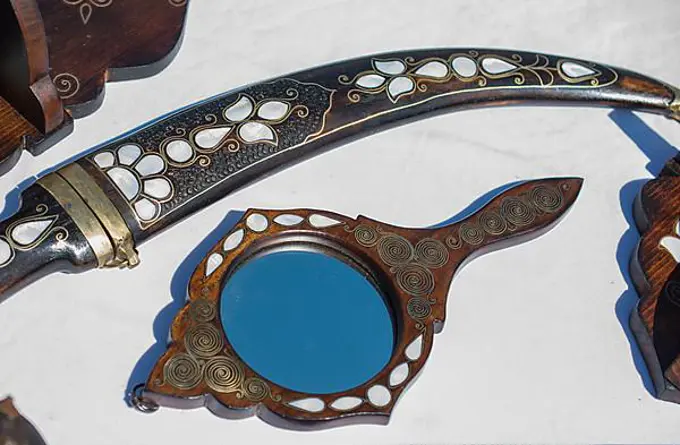
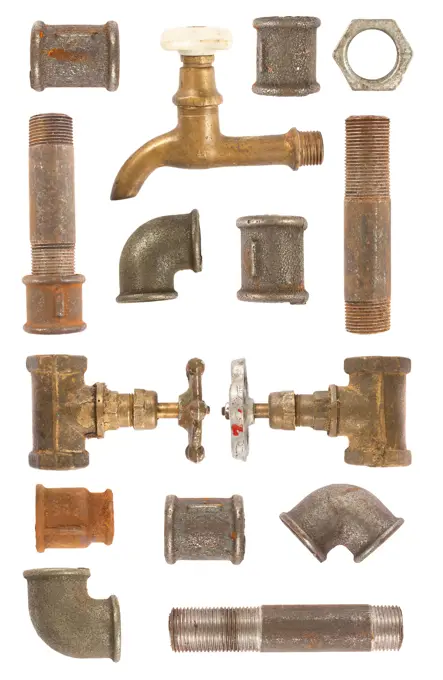
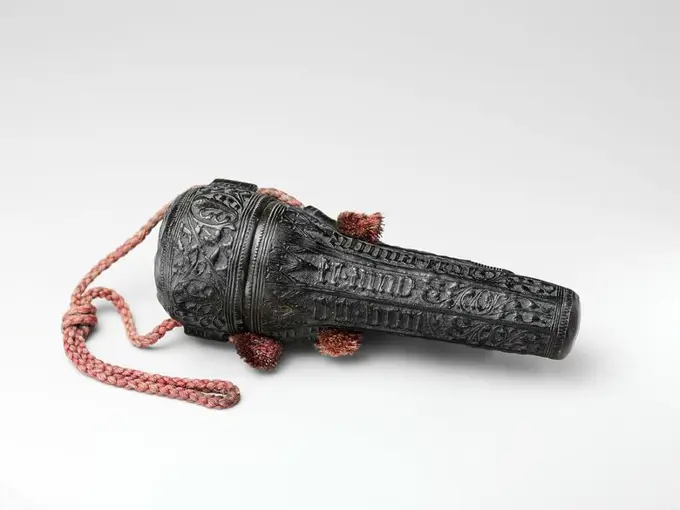
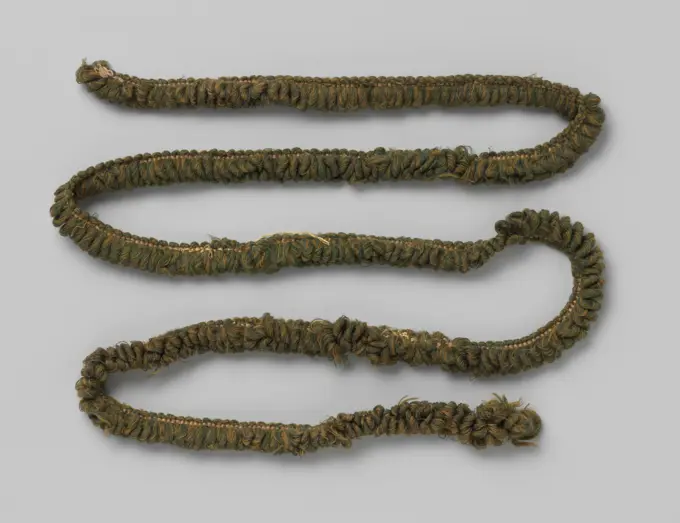
Fringes of a pillow, anonymous, 1632 FRAND HORTING AT A CANDLE TOE OF A MAGISTATE CAND OF DAMIJF TIME WITH THE MUNICIPAL WEADEN OF DE RIJF AND SIDE LOWERS. Northern Netherlands wool FRAND HORTING AT A CANDLE TOE OF A MAGISTATE CAND OF DAMIJF TIME WITH THE MUNICIPAL WEADEN OF DE RIJF AND SIDE LOWERS. Northern Netherlands woolDagger (Bichuwa). Culture: South India. Dimensions: H. 10 in. (25.4 cm); W. 1 1/4 in. (3.2 cm); D. 2 3/8 in. (6 cm); Wt. 7.8 oz. (221.1 g). Date: 17th-18th century. Museum: Metropolitan Museum of Art, New York, USA.Scandinavia. Middle ages. Jewelery. Swords. From Vold, Grue k., Hedmark, 10th century and Kaupang, Larvik k., Vestfold, 9th century. Historical Museum. Oslo. Norway.Cut. An arrested single cut (tinned).Furniture element made from a hippopotamus incisor ca. 9th-8th century B.C. Assyrian In addition to elephant tusks, hippopotamus teeth were also carved into small decorative objects and furniture inlays. This incisor, which was probably used as a furniture element, was found in a large storeroom at Fort Shalmaneser, a royal building at Nimrud that was probably used to store tribute and booty collected by the Assyrians while on military campaign. Hippopotamus ivory is whiter and more finely grained than elephant ivory. It is also harder and denser, making it more difficult to carve. Its smaller size means that there is a greater constraint on the objects into which it can be carved. The hippopotamus growth rings seen at the break in the upper tip of this incisor, called lamellae, are wavy and discontinuous and can be distinguished from the smooth growth rings of elephant tusks, making it easy to differentiate between the two types of ivory. Several elements of this incisor suggest that Dagger (Bichuwa) 17th-18th century South India. Dagger (Bichuwa) 31746Old anchor Old rusty anchor on a white background Copyright: xZoonar.com/PaulxFleetx 1520152Knife lift from the wreck of the East Indiesman Hollandia.knife, Handle, Cylindrical: tapering; ID. NG 1979-403H, Ferrules, ID. NG 1980-27H426.Vintage Key on blue backgroundAPEROS DE LABRANZA. Location: MUSEO DEL PUEBLO ESPAÑOL. MADRID. SPANIEN.brake pad brake pad on white Copyright: xZoonar.com/RuslanxNassyrovx 3551474Staff Surmounted by a Male EquestrianFigureAndiron 1700-1800 American or British. Andiron. American or British. 1700-1800. Iron. Possibly made in England; Possibly made in United StatesTinsel and metal thread 17th-18th century French. Tinsel and metal thread 214210Garlopa, cepillo de carpintero. Museu Català de les Arts i Tradicions Populars.a mortar bomb black and yellow very old and rustyHorn or trumpet. Animal headed. Pre-Inca civilisation. PERU.Textile Ornament 14th-15th century Chimú. Textile Ornament 308755Wrought iron ring with horse head for tethering horses, Siena, Tuscany, Italy, EuropeOttoman art example of Mother of Pearl inlaysSpanish sword collection detail, sigle XVIDagger (Jambiya) with Sheath. Culture: Moroccan. Dimensions: H. with sheath 16 1/4 in. (41.3 cm); H. without sheath 15 3/4 in. (40 cm); W. 2 1/2 in. (6.4 cm); Wt. 6.6 oz. (187.1 g); Wt. of sheath 5.9 oz. (167.3 g). Date: 19th century. Museum: Metropolitan Museum of Art, New York, USA.Necklace  -Water pipes, valves and connectors Used water pipes, valves and connectors collection on white background Copyright: xZoonar.com/AndreyxEreminx 3589462Case (étui) with an amorous inscription. Culture: Italian. Dimensions: Overall (case only): 8 1/4 x 3 1/8 x 3 1/4 in. (20.9 x 8 x 8.2 cm)Overall (with strap extended): 15 9/16 x 3 1/8 x 3 1/4 in. (39.6 x 8 x 8.2 cm). Date: 1450-1500.Etui in medieval inventories and expense accounts was a general term for storage or travel containers of various materials and sizes. One such inventory of the early fourteenth century itemizes a small étui de cuir bouilli, was purchased to hold a painting by Jehan d'Orléans, painter to King Charles VI of France. The term cuir bouilli, literally, "boiled leather," is used to describe a particular type of leather decoration. Soaked in a lukewarm solution of resin or wax to make it soft and flexible, the leather was molded into the desired shape. Decorative patterns were then tooled or impressed on the surface and often highlighted in color, gilding, or punching.References are also made to small étui of cuir bouilli which were designed specifically to be attaGRANADA DE MANO CON ANILLA Y PALANCA DE SEGURIDAD. Location: PRIVATE COLLECTION. Laguardia. ALAVA. SPAIN.