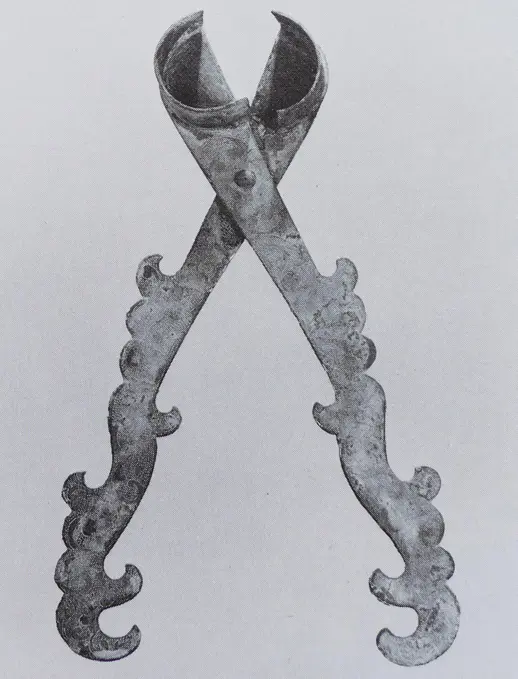
Historical Metalwork and Accessories

Unique historical items including maces, hairpins, and ornamental tools, showcasing craftsmanship and design from different cultures.
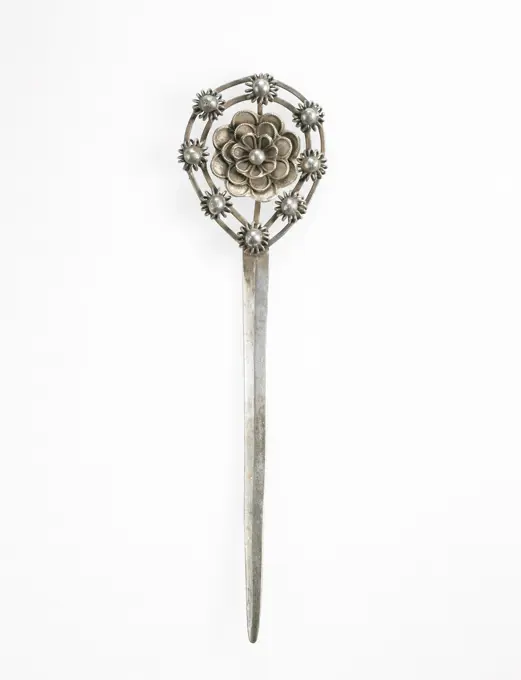
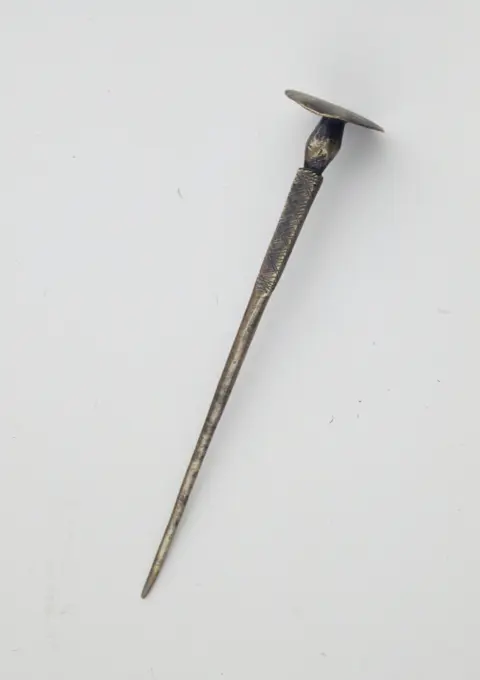
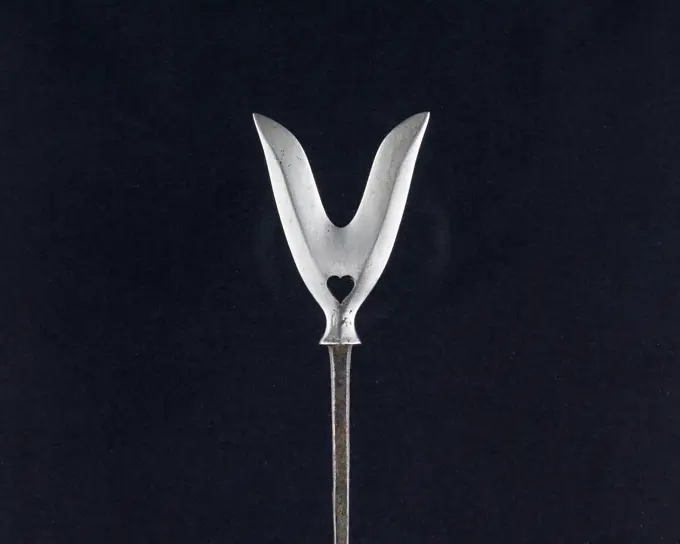
Hair Pin, 7 x 2 x 1/2 in. (17.78 x 5.08 x 1.27 cm), Silver, China
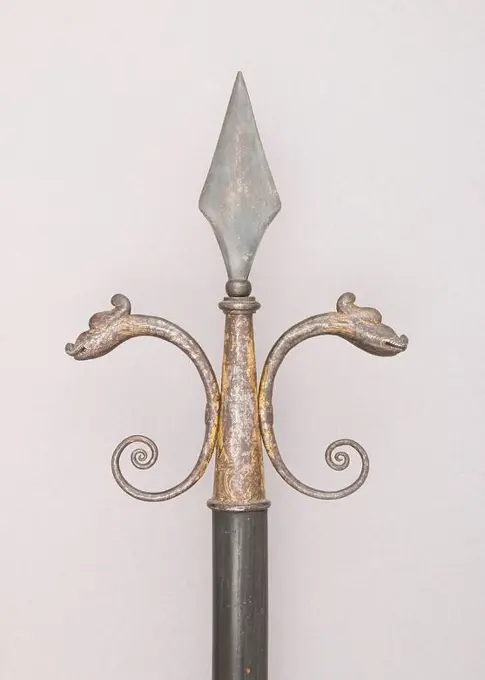
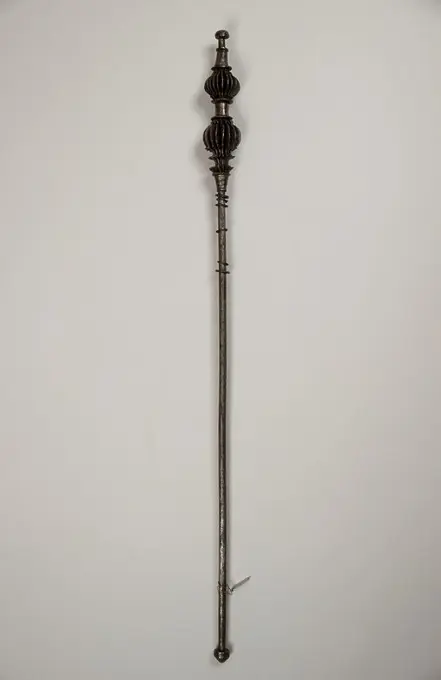
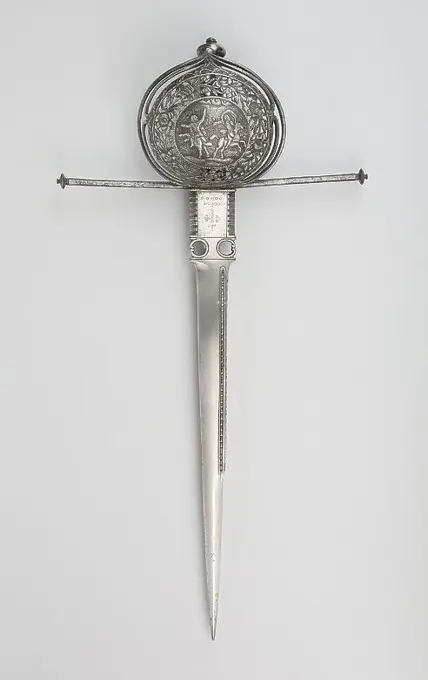
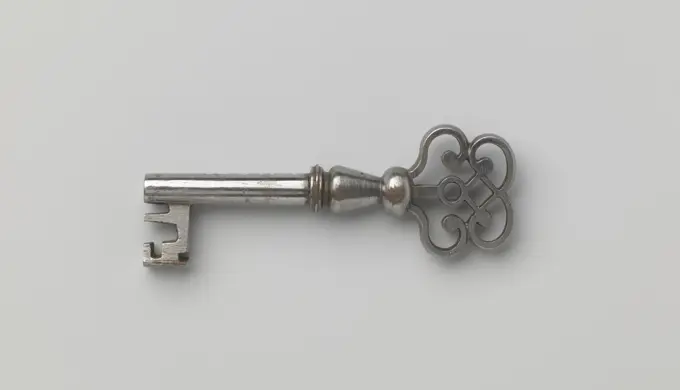
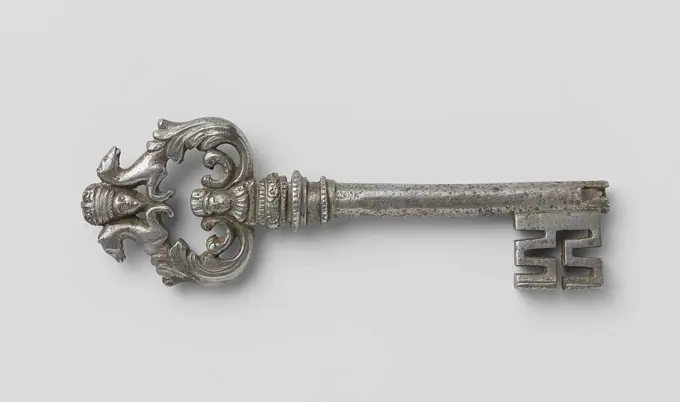
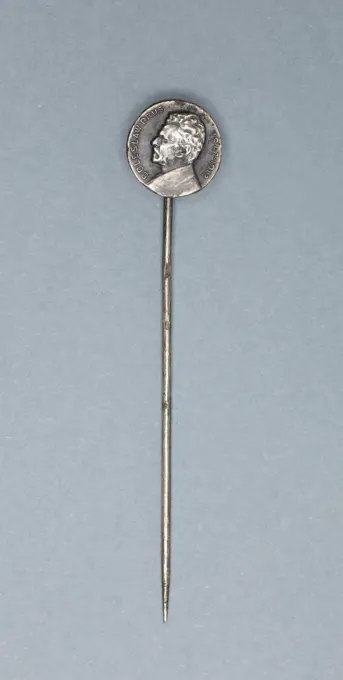
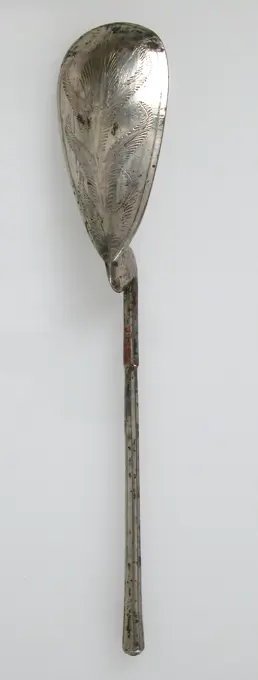
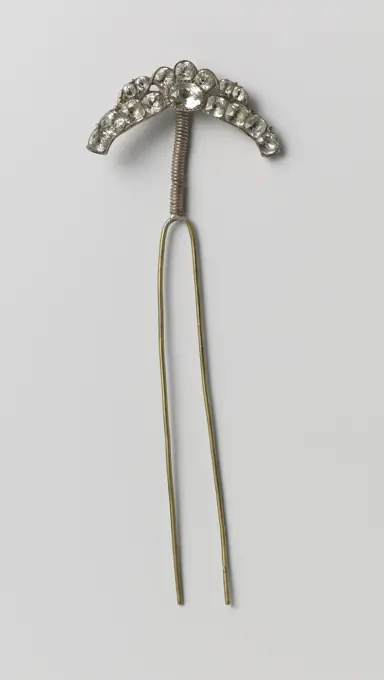
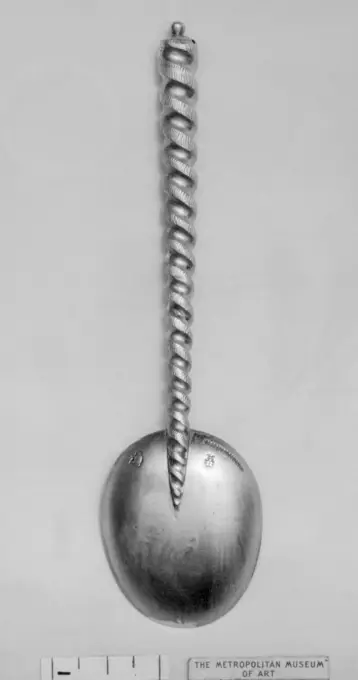
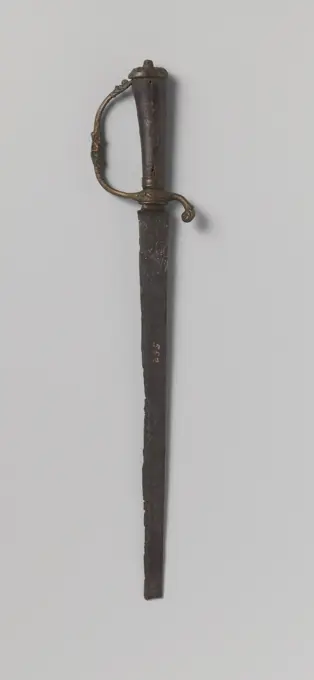
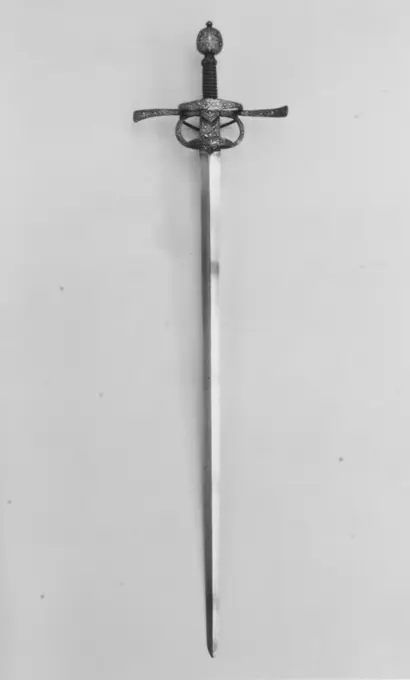
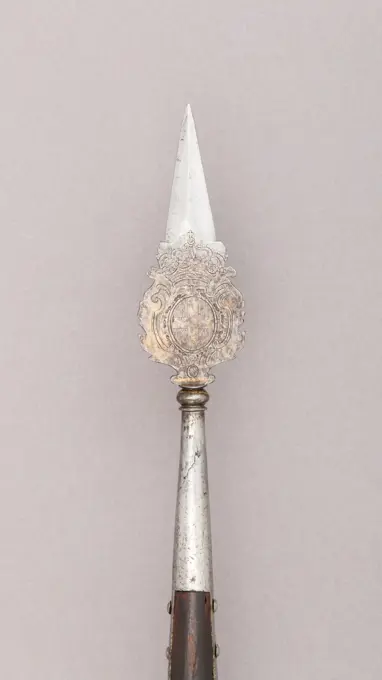
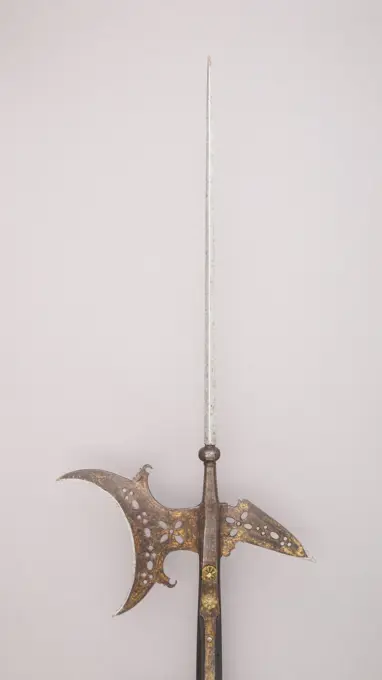
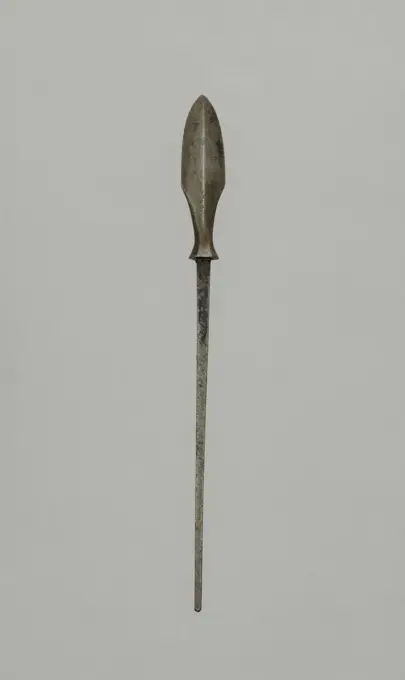
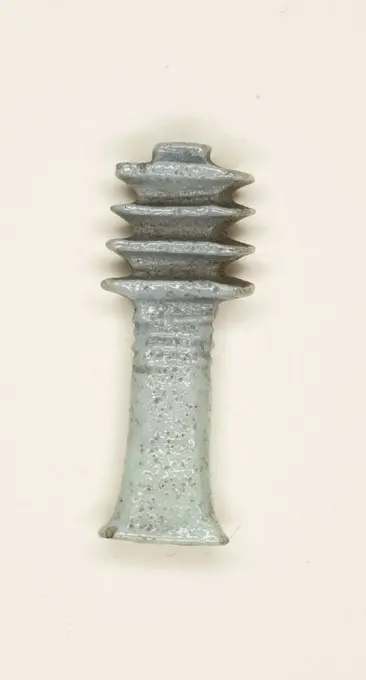
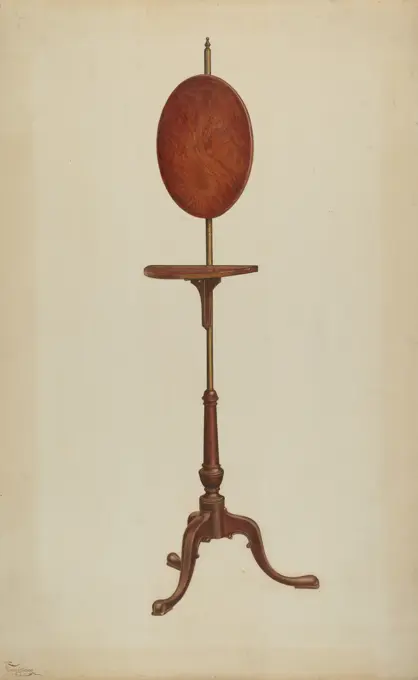
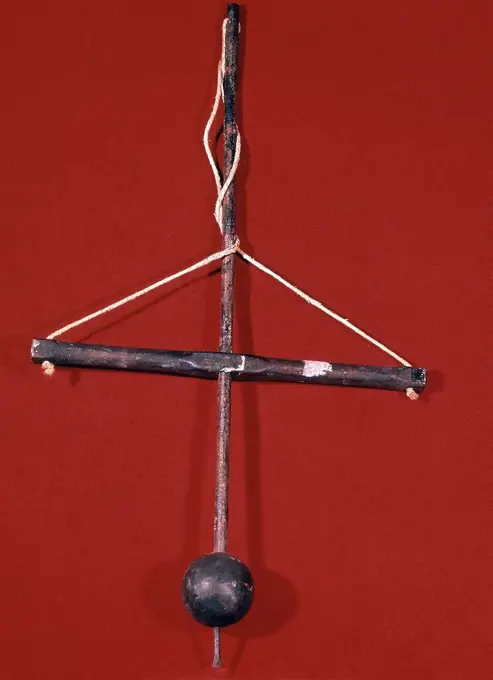
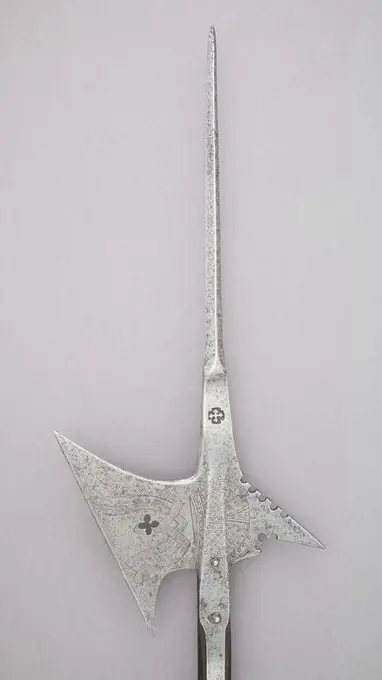
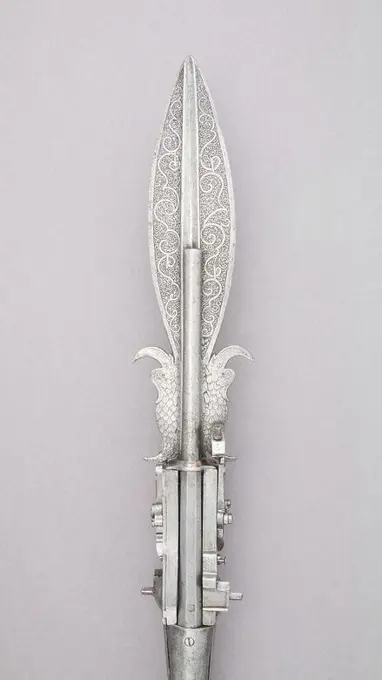
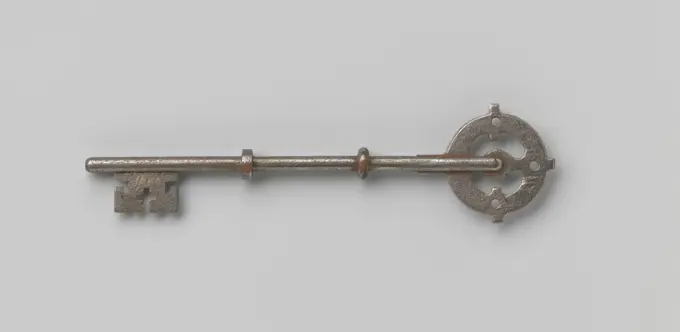
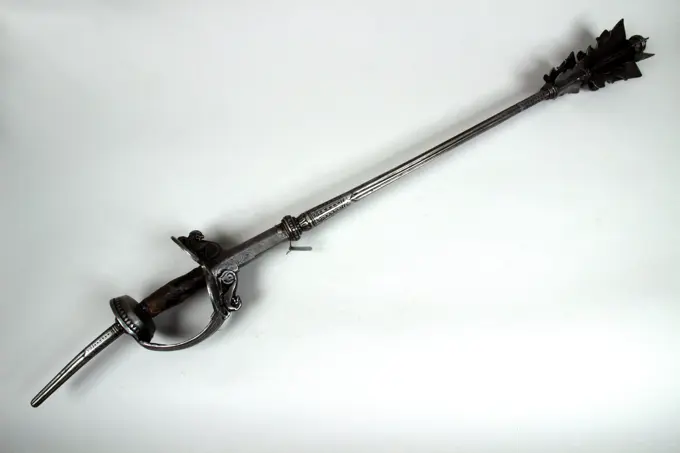
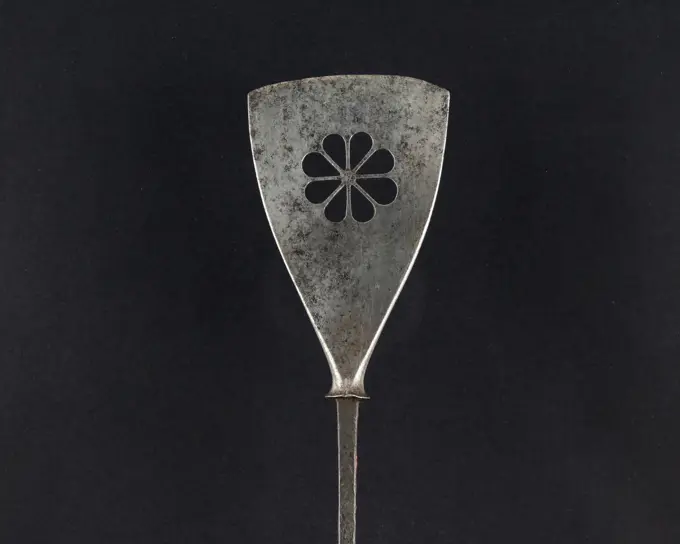
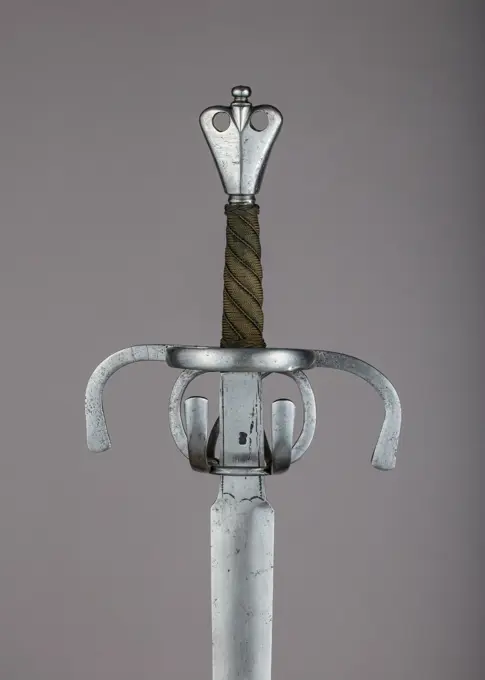
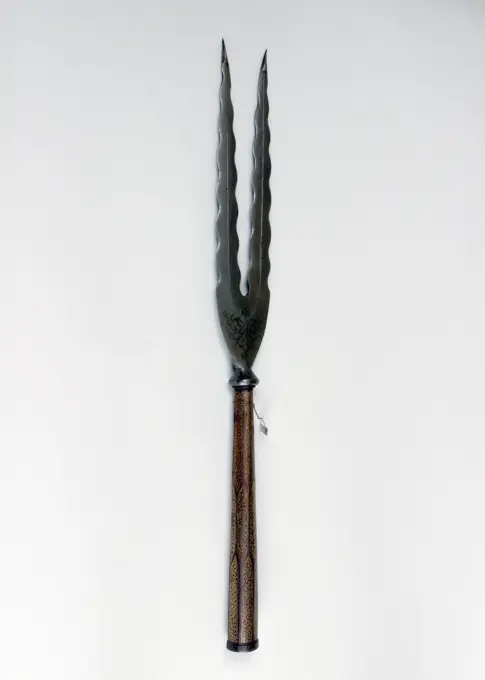
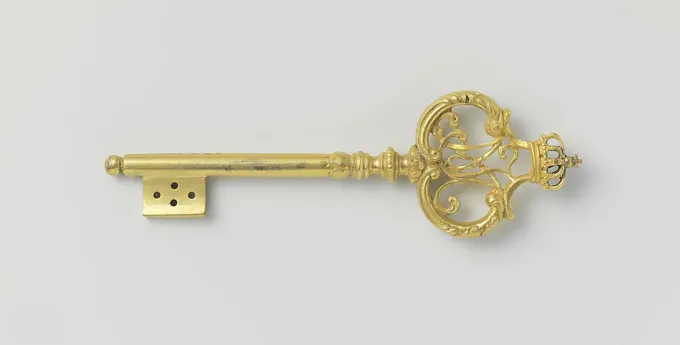
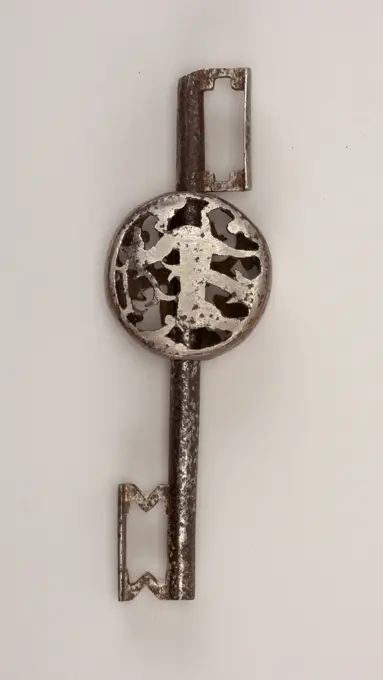
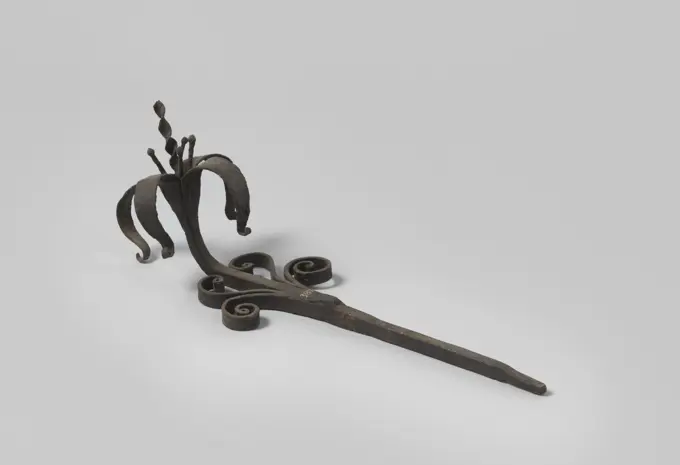
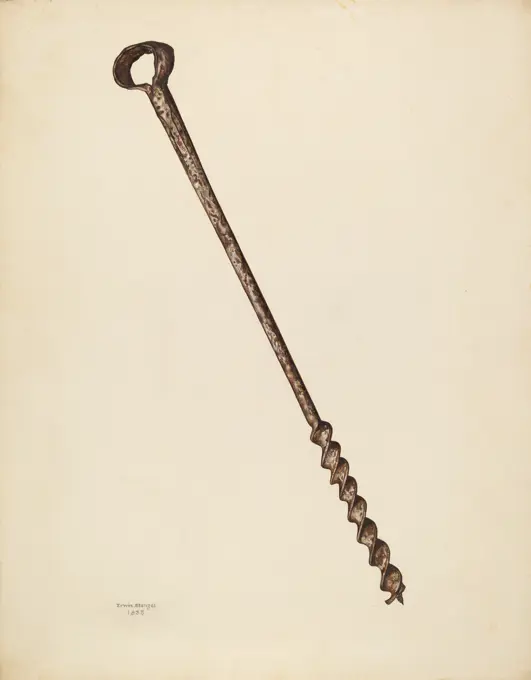
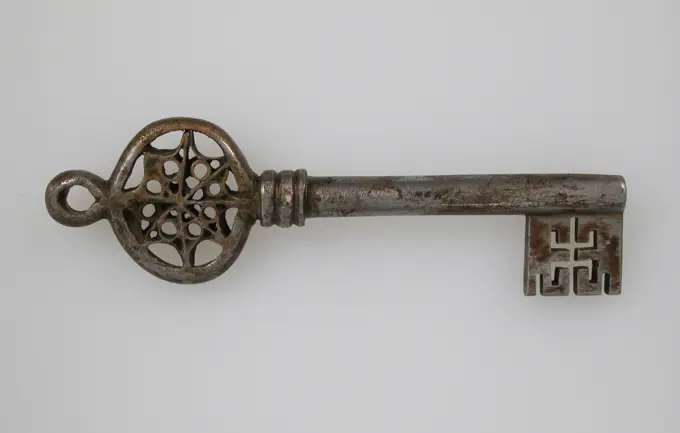
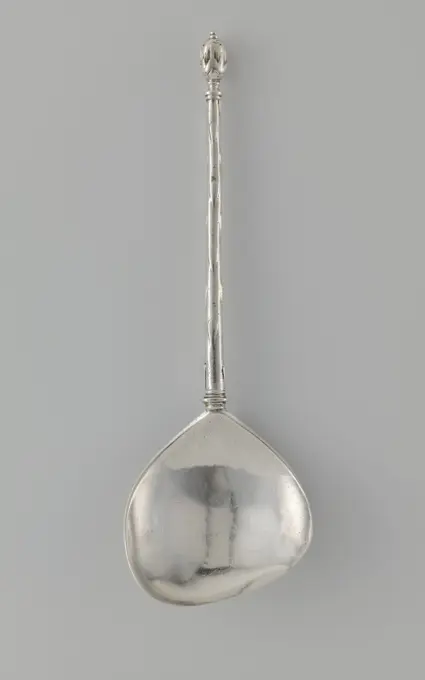
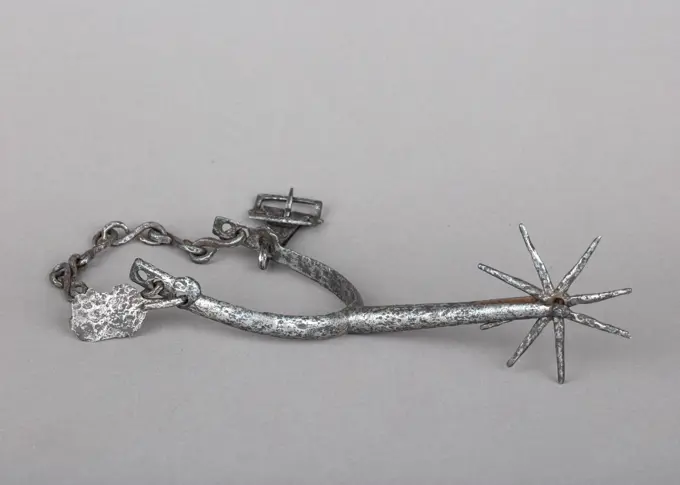
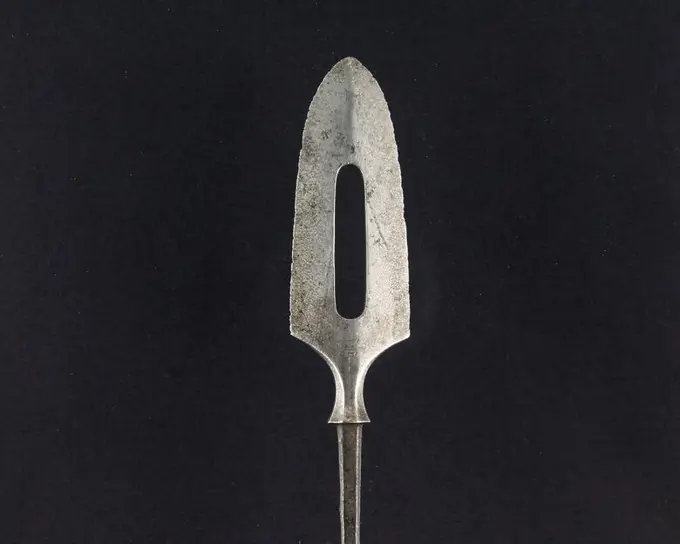
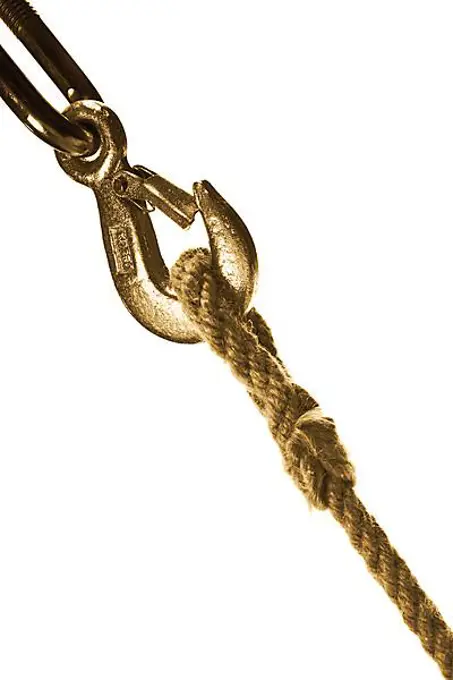
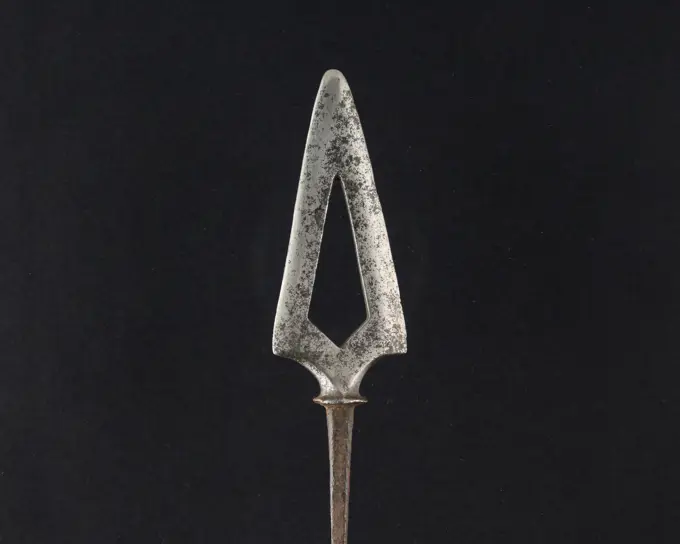
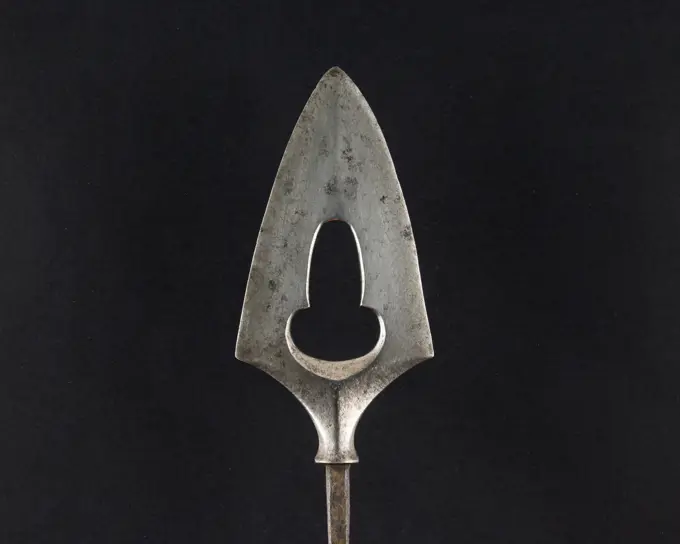
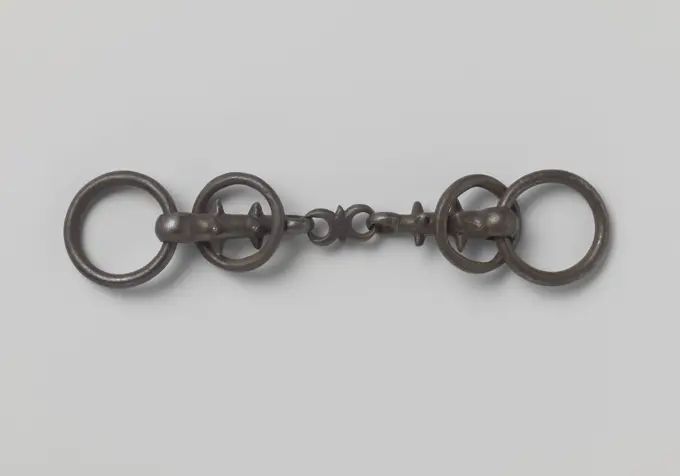
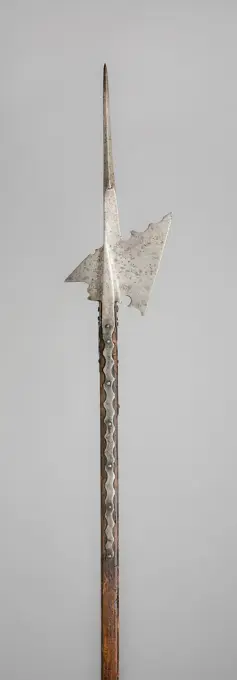
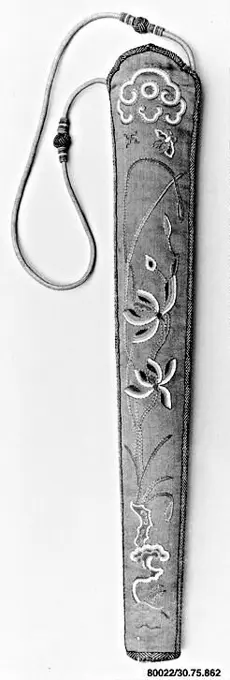
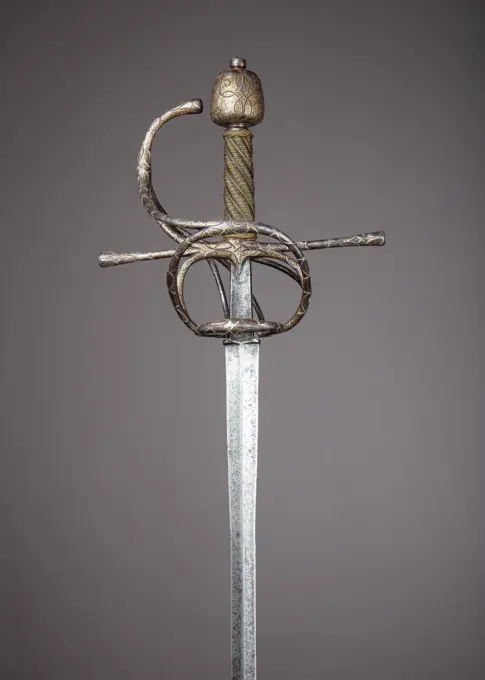
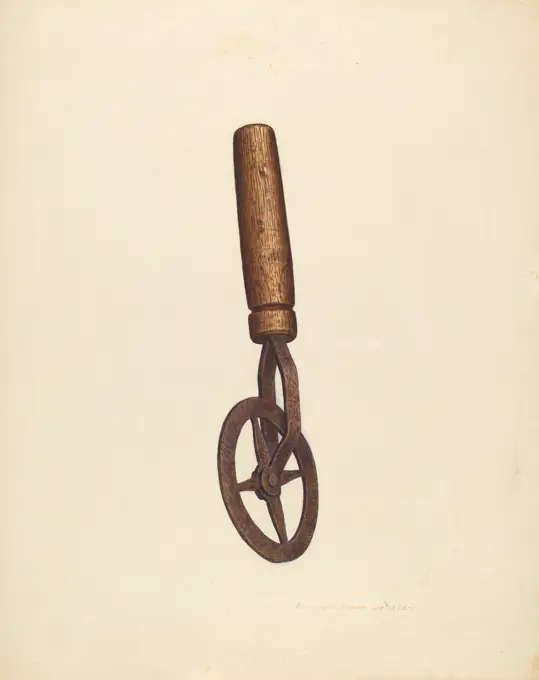
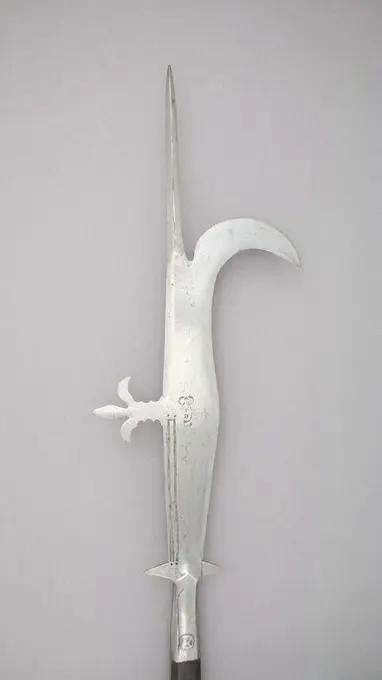
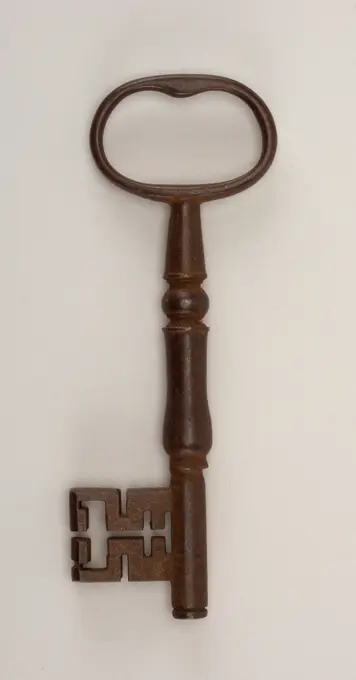
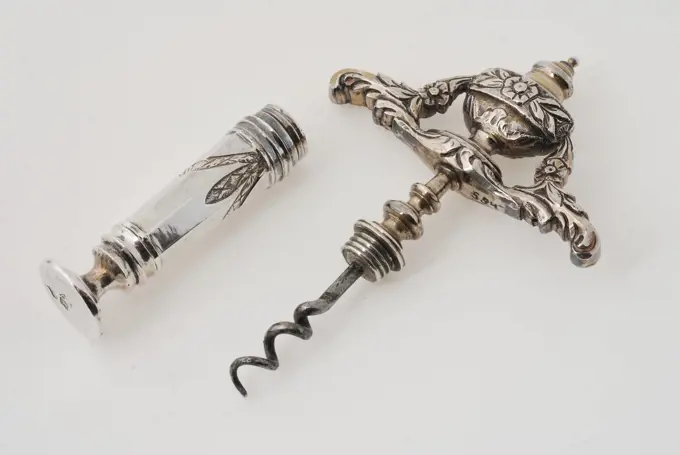
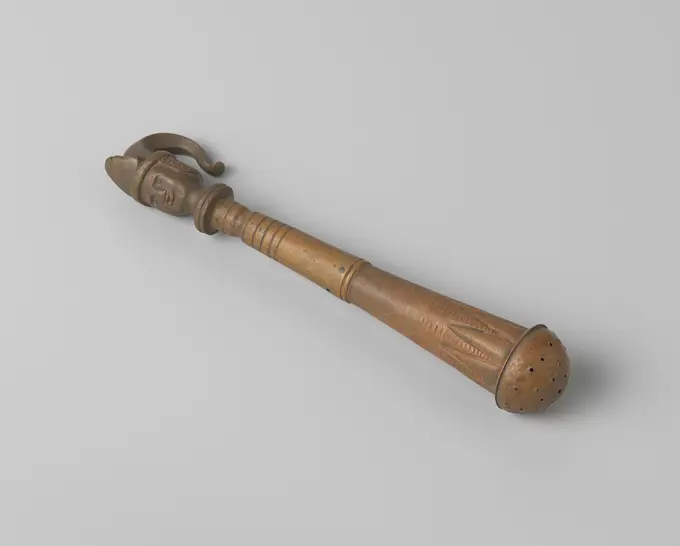
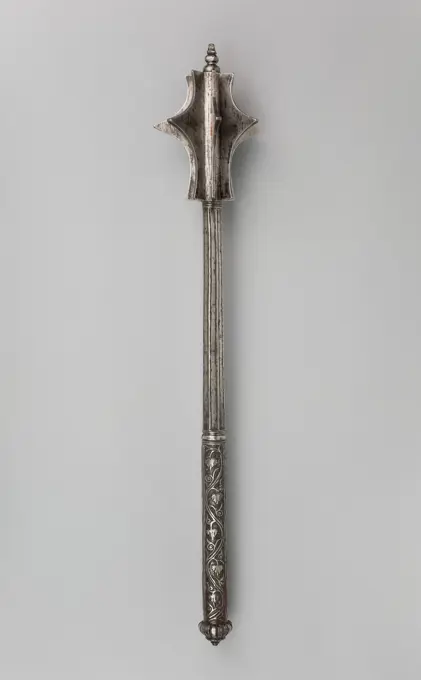
Mace 1530-1560 Germany. Iron .Mortise head epingle. Gallo-Roman time. Bone. Paris, Carnavalet museum. Accessory linked to set and hairstyle, hair -shaped hair, bone -shaped hair pin. The iron of the ax is in the shape of a trapeze and the rear part is not very well coordinated with the edge. Epingle, Gallo-Roman, Gallo-Roman, bone, mortise, archeological vestigeHair Pin, 7 x 2 x 1/2 in. (17.78 x 5.08 x 1.27 cm), Silver, ChinaLinstock. Culture: Italian. Dimensions: L. 77 5/8 in. (197.2 cm); L. of head 9 1/2 in. (24.1 cm); W. 7 1/2 in. (19.1 cm); Wt. 3 lbs. (1360 g). Date: ca. 1625. Museum: Metropolitan Museum of Art, New York, USA.Sleutel.Key, in the ring the initials p.l.m.f.a.Mace. Culture: North Indian. Dimensions: H. 31 1/4 in. (79.4 cm); W. 1 3/4 in. (4.5 cm); Wt. 1 lb. 7.6 oz. (782.4 g). Date: 17th century. Museum: Metropolitan Museum of Art, New York, USA.Parrying Dagger. Spanish. Date: 1650. Dimensions: L. 52.7 cm (20 3/4 in.)Blade L. 40 cm (15 3/4 in.)Wt. 1 lb. 5 oz. Steel, wood, and iron. Origin: Spain. Museum: The Chicago Art Institute, Chicago, USA.William Frank, Snubber for Bull, c 1942 Snubber for BullKey, c. 1400 - c. 1950   iron (metal)   iron (metal)Gauntlet Sword (Pata). Culture: Indian, South Indian. Dimensions: L. 46 1/2 in. (118.1 cm); W. 4 1/2 in. (11.4 cm); D. 4 in. (10.2 cm); Wt. 2 lb. 6.7 oz. (1097.1 g). Date: 18th century. Museum: Metropolitan Museum of Art, New York, USA.Fire tools 16th century Spanish. Fire tools 203956Key; 1909-2-254The Amsterdam apothecary and art collector Emmanuel Vita Israël. He donated his collection, comprising keys dating from Roman antiquity to the 19th century, to the Koninklijk Oudheidkundig Genootschap (Royal Antiquarian Society) in 1937. Vita Israël claimed that his key collection had grown more or less by accident: being one of the few collectors of keys, dealers automatically made their way to him.Key 15th century German The decoration of Gothic iron locks and keys was often elaborate and of the highest standard of workmanship. The motifs were frequently drawn from Gothic architecture, reproducing on a miniature scale complicated tracery patterns and even tiny statuettes. A number of these tiny locks were compound, with some of the mechanisms concealed from view, and required two or even three keys used in sequence to open them. It has been suggested that the greatly expanded use of locks on doors, or coffrets and other types of storage chests was a result of the increasing urbanization of life and the new emphasis on material wealth and private ownership which developed in the late Middle Ages.. Key 463327Ferdinand Marrou (1837-1917). "Pavot lamp", wrought iron. Museum of Fine Arts of the City of Paris, Petit Palais. 26683-1 Forge iron, floor lamp, poppyComposite Smallsword and Scabbard. Hilt: Flemish or Dutch; blade: French. Date: 1640-1670. Dimensions: Overall L. 88 cm (34 5/8 in.)Blade L. 72.5 cm (28 9/16 in.)Wt. 1 lb.Scabbard Wt. 2 oz. Steel, gilding, copper, wood, and leather. Origin: Dutch. Museum: The Chicago Art Institute, Chicago, USA.A badge on a pin with a bust of Bolesław PrusSpoon, Silver, With small oval bowl, the cast diagonally ridged stem with figure of a saint above join to bowl; with cast and applied terminal depicting the Virgin Mary with the Christ Child and St. John the Baptist., Netherlands, 19th century, cutlery, Decorative Arts, SpoonSleutel.Key with decorated ring.Candlestick 18th century () French (). Candlestick 461202Table fork early 17th century possibly Southern German. Table fork. possibly Southern German. early 17th century. Steel, horn over wood, silver. Metalwork-SteelSpoon 5th-6th century Byzantine. Spoon 463639Hairpin, 20th century, 5 15/16 x 1 1/8 in. (15.1 x 2.86 cm), Brass, Democratic Republic of Congo, 20th centuryPuiForcat (Paris after 1857 (1857-00-00-1900-00-00);Haarpeld, tweetand of copper with diadem shape of silver () With double row of strassstones, anonymous, c. 1900 - c. 1910 Haarpeld (trembleuse) of copper, silver () And Stras. A fork -shaped hairpin of copper and a ditto extension of a vibration spring wear a small diadem shape of a double row of large, diamond -cut stones. The middle oval, the 15 others round. Netherlands (possibly) Button: Silver (Metal). pen: copper (metal). Decoration: Glass forging / forging / grinding / inlay (process) Haarpeld (trembleuse) of copper, silver () And Stras. A fork -shaped hairpin of copper and a ditto extension of a vibration spring wear a small diadem shape of a double row of large, diamond -cut stones. The middle oval, the 15 others round. Netherlands (possibly) Button: Silver (Metal). pen: copper (metal). Decoration: Glass forging / forging / grinding / inlay (process)Key; 1909-2-269Key, c. 1700 Key with fan -shaped handle consisting of leaf voltuten. The shaft thickens by the beard and ends in a profiling. France iron (metal) Key with fan -shaped handle consisting of leaf voltuten. The shaft thickens by the beard and ends in a profiling. France iron (metal)Key; steelCavalry label Reserve officer D. Schipper, Anonymous, 1800 - 1899 sabre Steel cavalry label from reserve officer D. Schipper. Steel sheath with a loose ring on which a yellow saber brush hangs on a brown rise. The blade has a blood channel and is engraved with motifs and the name of the manufacturer. The hilt has a closed bump plate with six brackets. On the Ricasso quality marks. The handle is ribbed and of leather. Breda (possibly) Kling, Korf, Schede: Steel (Alloy). Handy hood, rings, towing plate: Steel (Alloy). Cord: Textile Materials. Handle: Wood (Plant Material) engraving  AcehSTOP fork; Malcz, Karol (1797-1867), Silver Products Factory K.F. Malcza (Warsaw; Sreber label; 1828-1864); 1852 (1852-00-00-1860-00-00);Pipe key, c. 1700 - c. 1800 Pipe key with square open capital and handle, consisting of a down-plated C-Volute, in which an eye hangs at the top.  iron (metal) Pipe key with square open capital and handle, consisting of a down-plated C-Volute, in which an eye hangs at the top.  iron (metal)Spoon 1674 Michael Hafner. Spoon 188100 Maker: Michael Hafner, r. 16651700, Spoon, 1674, Silver-gilt, Overall: 5 1/2  1 1/2 in. (14  3.8 cm). The Metropolitan Museum of Art, New York. Gift of Mrs. Samuel P. Avery, 1897 (97.2.65)Hunting knife with a wooden hilt, Anonymous, 1700 - 1725  Hunting knife with a wooden hilt with copper mounted, on which a wild boar hunt.  copper (metal). wood (plant material). iron (metal)Torricellian barometer ca.1750 British. Torricellian barometer 203688Rapier early 17th century probably German The rapier was the principal civilian sidearm throughout the sixteenth and seventeenth centuries. Designed for cut-and-thrust fencing of progressively complex techniques, the rapier is characterized by a double-edged blade with an acute point and an elaborate guard for the hand. The guards, usually of iron or steel, were subject to a variety of embellishment. They were engraved, chiseled, gilded, damascened, and encrusted in gold and silver in keeping with fashionable styles. Unless otherwise noted, the materials, attributions, and dating given here refer to the hilts. Rapier blades, invariably of steel, bear a variety of makers marks denoting their origin in the two principal centers of blademaking, Toledo in Spain and Solingen in Germany.. Rapier. probably German. early 17th century. Steel, silver, iron. SwordsKey, c. 1600 - c. 1699 Key with two dolphins, which form the ring. France iron (metal) Key with two dolphins, which form the ring. France iron (metal)Spontoon 17th century Italian, Savoy. Spontoon 27034Halberd ca. 1630 French. Halberd 26762Key, c. 1700 - c. 1725 Iron key with forged eye. Germany (possibly) iron (metal) Iron key with forged eye. Germany (possibly) iron (metal)Pitch Monte, Pedro delScottish PałaszSouvenir spoon with City of Carlisle Courts British, Birmingham 1894-95Commemorative badge of the 50th anniversary of the outbreak of the January Uprising in LvivArrow Point, 1700s. Japan, Edo period (1615-1868). Steel; overall: 15.6 cm (6 1/8 in.); head: 5 cm (1 15/16 in.).Amulet of a Djed Pillar. Egyptian. Date: 1070 BC-656 BC. Dimensions: 1.9 × 0.6 × 0.5 cm (3/4 × 1/4 × 3/16 in.). Faience. Origin: Egypt. Museum: The Chicago Art Institute, Chicago, USA. Author: Ancient Egyptian.Battle Axe, c. 1500 BC. Hungary, Bronze Age. Bronze, solid-cast; overall: 24.2 x 6.1 cm (9 1/2 x 2 3/8 in.).Key; 1904-23-2Hand and a Half Sword ca. 1500-1525 German The blade is incised with the mark of the Ottoman arsenal in Istanbul, indicating that the Turks probably took this sword from a European soldier as war booty.. Hand and a Half Sword. German. ca. 1500-1525. Steel, leather, wood. SwordsRolland Livingstone, Pole Screen and Candlestand, 1940 Pole Screen and CandlestandKey, 1200 - 1400 Key with ring -shaped eye and a beard that is open, including with a lying cross -relief.  iron (metal) Key with ring -shaped eye and a beard that is open, including with a lying cross -relief.  iron (metal)Cranequin (Winder) for a Crossbow. Southern German. Date: 1500-1550. Dimensions: . Iron, brass, and wood. Origin: Germany. Museum: The Chicago Art Institute, Chicago, USA.Alter großer Schlüssel auf weißem Hintergrund - Antique big key on white background Alter großer Schlüssel auf weißem Hintergrund - Antique big key on white background Copyright: xZoonar.com/lantapixx 12621198Geodelope decorated on the stem and equipped with a monogram. Geodelope in Gero-silver. The bin is oval (almost circular); The handle is crowned by a children's figure with hood and further decorated with the Dutch lion, a branch and a crown; dated 1938. When attaching the handle to the bin, the monogram is J.B. applied. Designed by Ir. Van der Veen, on the occasion of the birth of Princess Beatrix.INSTRUMENTO DE MEDICINA PARA TREPANACION. Location: INSTITUTO DE HISTORIA DE LA MEDICINA. Rome. ITALIA.Halberd. Culture: German. Dimensions: L. 95 1/4 in. (242.3 cm); L. of head 22 3/4 in. (57.8 cm); W. 10 1/4 in. (26 cm); Wt. 4 lb. 8 oz. (2040 g). Date: 16th century. Museum: Metropolitan Museum of Art, New York, USA.Rowel Spur (Right) mid-17th century German or Netherlandish Despite its simple shape this spur is skillfully chiseled with an elegant fishbone motif and its sides. Necks bent at an angle like this were popular in Europe between 1630 and 1660.. Rowel Spur (Right). German or Netherlandish. mid-17th century. Iron alloy, gold. Equestrian Equipment-SpursArrowhead (Yanone) 18th century Japanese Although today Japanese warriors are renowned most for their swordsmanship, archery, especially from horseback, has been an essential part of samurai warfare and culture for centuries. Arrows were fitted with heads of varying shape according to their intended use in war, the hunt, or target practice. Arrowheads made for use on the battlefield incorporated different designs intended for specialized purposes such as the piercing of armor or to cause maximum damage to horses and unarmored personnel.Large arrowheads, pierced and elaborately chiseled with landscapes, birds, flowers, dragons, and Buddhist divinities, were created to be admired for the beauty of their metalwork and design rather than for use in archery. Such highly elaborate examples may have been made for presentation or as a votive offerings to a shrine.. Arrowhead (Yanone). Japanese. 18th century. Steel. Archery Equipment-ArrowheadsDagger (Jamdhar Katari) 17th-19th century Indian, Hindu Kush. Dagger (Jamdhar Katari) 31620Boar Spear with Double Barrel Wheellock Pistol. Culture: German. Dimensions: L. 89 3/4 in. (227.96 cm); L. of head 40 1/2 in. (102.9 cm); L. of barrel 12 in. (30.5 cm); W. 4 in. (10.2 cm); Cal. (a) .412 in. (10.47 mm); Cal. (b) .415 in. (10.54 mm); Wt. 9 lbs. 6 oz. (4252.4 g). Date: late 16th century. Museum: Metropolitan Museum of Art, New York, USA.Ceremoniesleutel, c. 1800 - c. 1900 Ceremony key whose round grip half is clamped in the shaft. The latter is divided into three equal pieces by key breast and nodus.  iron (metal) Ceremony key whose round grip half is clamped in the shaft. The latter is divided into three equal pieces by key breast and nodus.  iron (metal)Mace 18th century Indian, Tamil, Chennai. Mace. Indian, Tamil, Chennai. 18th century. Steel, leather. Chennai, Tamil Ndu. Shafted WeaponsArrowhead (Yanone) 18th century Japanese Although today Japanese warriors are renowned most for their swordsmanship, archery, especially from horseback, has been an essential part of samurai warfare and culture for centuries. Arrows were fitted with heads of varying shape according to their intended use in war, the hunt, or target practice. Arrowheads made for use on the battlefield incorporated different designs intended for specialized purposes such as the piercing of armor or to cause maximum damage to horses and unarmored personnel.Large arrowheads, pierced and elaborately chiseled with landscapes, birds, flowers, dragons, and Buddhist divinities, were created to be admired for the beauty of their metalwork and design rather than for use in archery. Such highly elaborate examples may have been made for presentation or as a votive offerings to a shrine.. Arrowhead (Yanone). Japanese. 18th century. Steel. Archery Equipment-ArrowheadsRapier Italian, Venice 16th century The rapier was the principal civilian sidearm throughout the sixteenth and seventeenth centuries. Designed for cut-and-thrust fencing of progressively complex techniques, the rapier is characterized by a double-edged blade with an acute point and an elaborate guard for the hand. The guards, usually of iron or steel, were subject to a variety of embellishment. They were engraved, chiseled, gilded, damascened, and encrusted in gold and silver in keeping with fashionable styles. Unless otherwise noted, the materials, attributions, and dating given here refer to the hilts. Rapier blades, invariably of steel, bear a variety of makers marks denoting their origin in the two principal centers of blademaking, Toledo in Spain and Solingen in Germany. View more. Rapier. Italian, Venice. 16th century. Steel, copper wire. Venice. SwordsBident Spearhead 19th century Persian. Bident Spearhead. Persian. 19th century. Steel, gold. Shafted WeaponsWhetstone Socket. Iran, Luristan, circa 1350-1000 B.C.. Tools and Equipment; sockets. Bronze, stone honeThe Amsterdam apothecary and art collector Emmanuel Vita Israël. He donated his collection, comprising keys dating from Roman antiquity to the 19th century, to the Koninklijk Oudheidkundig Genootschap (Royal Antiquarian Society) in 1937. Vita Israël claimed that his key collection had grown more or less by accident: being one of the few collectors of keys, dealers automatically made their way to him.Key; wrought iron; 1904-14-2Amulet of a Djed Pillar. Egyptian. Date: 664 BC-332 BC. Dimensions: 2 x .75 x .5 cm (3/4 x 1/4 x 3/16 in.). Faience. Origin: Egypt. Museum: The Chicago Art Institute, Chicago, USA. Author: Ancient Egyptian.Whetstone Socket. Iran, Luristan, circa 1350-1000 B.C.. Tools and Equipment; sockets. Bronze, castWall anchor, the shooter of which runs into a curved lily, anonymous, c. 1620 Wall anchor, consisting of spring and shooter. The shooter ends in a curved lily. Coming from Zwartsluis. unknown iron (metal) Wall anchor, consisting of spring and shooter. The shooter ends in a curved lily. Coming from Zwartsluis. unknown iron (metal)Master-of-animals standard ca. 8th century B.C. Iran. Master-of-animals standard 322568Erwin Stenzel, Ship Builder's Auger, 1938 Ship Builder's AugerKey 15th-16th century Catalan The decoration of Gothic iron locks and keys was often elaborate and of the highest standard of workmanship. The motifs were frequently drawn from Gothic architecture, reproducing on a miniature scale complicated tracery patterns and even tiny statuettes. A number of these tiny locks were compound, with some of the mechanisms concealed from view, and required two or even three keys used in sequence to open them. It has been suggested that the greatly expanded use of locks on doors, or coffrets and other types of storage chests was a result of the increasing urbanization of life and the new emphasis on material wealth and private ownership which developed in the late Middle Ages.. Key 468836Meminial spoon with engraved initials T.R., Claes Bel (Possible), 1670 Meminar spoon of silver with a round, to the stem tuckling container (damaged) with a straight stalk above a profile edge, decorated with pointed leaves and sealed by a Kelk button on a small profile. Engraved initials T.R. Brand: Hoorn, with a clock and the annual letter G. Hoorn (North Holland) silver (metal) Meminar spoon of silver with a round, to the stem tuckling container (damaged) with a straight stalk above a profile edge, decorated with pointed leaves and sealed by a Kelk button on a small profile. Engraved initials T.R. Brand: Hoorn, with a clock and the annual letter G. Hoorn (North Holland) silver (metal)Waffle iron, Arnoldus van Geffen, 1769 Waffle iron with round irons and buds at the end of the stems. The irons are both decorated with a flower on the outside. The indoor sides of the irons are checked. The waffle iron is marked: stk. = Amsterdam, Jrl. = K (1769), Mt. = Arnoldus van Geffen and two axes. Amsterdam silver (metal) Waffle iron with round irons and buds at the end of the stems. The irons are both decorated with a flower on the outside. The indoor sides of the irons are checked. The waffle iron is marked: stk. = Amsterdam, Jrl. = K (1769), Mt. = Arnoldus van Geffen and two axes. Amsterdam silver (metal)Rowel Spur ca. 1500 German In the 15th century, rowel spurs with very long necks were of common use in Western Europe. At this period, the elevated war saddles and the very specific riding style, with long stirrup leathers and legs extended forward, had the consequence of taking away the riders feet from the horses flank. Thus, these long necks gave them easier access without having to disturb the riders position. As a knights status was closely related to his horse, spurs became one of the symbols of chivalry, and one of the tokens given to him during his knighting.. Rowel Spur. German. ca. 1500. Iron alloy. Equestrian Equipment-SpursKey;  1st half XVII century (1600-00-00-1650-00-00);Nutcracker ,, 1600 - 1699 A forged iron tongs, decorated with inlaid silver ornaments, consisting of lines and points. On the rods herringbone motifs. France iron (metal) forging A forged iron tongs, decorated with inlaid silver ornaments, consisting of lines and points. On the rods herringbone motifs. France iron (metal) forgingArrowhead (Yanone). Culture: Japanese. Dimensions: L. 9 1/2 in. (24.1 cm); L. of head 3 1/2 in. (8.9 cm); W. 1 1/8 in. (2.9 cm); Wt. 1.6 oz. (45.4 g). Date: 18th century. Museum: Metropolitan Museum of Art, New York, USA.Snap hook and ropeSleutel.Key of iron.Candlestick (Germany); pewterKey belonging to a chest lock, c. 1500 - c. 1600 Key belonging to the Kistslot (BK-NM-12538-A). Netherlands (possibly)Germany (possibly) iron (metal) forging Key belonging to the Kistslot (BK-NM-12538-A). Netherlands (possibly)Germany (possibly) iron (metal) forgingArrowhead (Yanone) ca. 1615-1868 Japanese Although today Japanese warriors are renowned most for their swordsmanship, archery, especially from horseback, has been an essential part of samurai warfare and culture for centuries. Arrows were fitted with heads of varying shape according to their intended use in war, the hunt, or target practice. Arrowheads made for use on the battlefield incorporated different designs intended for specialized purposes such as the piercing of armor or to cause maximum damage to horses and unarmored personnel.Large arrowheads, pierced and elaborately chiseled with landscapes, birds, flowers, dragons, and Buddhist divinities, were created to be admired for the beauty of their metalwork and design rather than for use in archery. Such highly elaborate examples may have been made for presentation or as a votive offerings to a shrine.. Arrowhead (Yanone). Japanese. ca. 1615-1868. Steel. Archery Equipment-ArrowheadsHalberd ca. 1620 possibly Flemish. Halberd 26181Gilt bronze, Snuffers from 7th~8th century Three Kingdoms and Unified Silla Period, Korea (57BCE - 668) to Unified Silla (668 - 935)Arrowhead (Yanone) 18th century Japanese Although today Japanese warriors are renowned most for their swordsmanship, archery, especially from horseback, has been an essential part of samurai warfare and culture for centuries. Arrows were fitted with heads of varying shape according to their intended use in war, the hunt, or target practice. Arrowheads made for use on the battlefield incorporated different designs intended for specialized purposes such as the piercing of armor or to cause maximum damage to horses and unarmored personnel.Large arrowheads, pierced and elaborately chiseled with landscapes, birds, flowers, dragons, and Buddhist divinities, were created to be admired for the beauty of their metalwork and design rather than for use in archery. Such highly elaborate examples may have been made for presentation or as a votive offerings to a shrine.. Arrowhead (Yanone). Japanese. 18th century. Steel. Archery Equipment-ArrowheadsForged iron trens or horse bit, c. 1400 - c. 1950 A forged iron paardebit, consisting of two bars held together by a double eye with incentives, each holding a ring and two loose rings.  iron (metal) forging A forged iron paardebit, consisting of two bars held together by a double eye with incentives, each holding a ring and two loose rings.  iron (metal) forgingHalberd Made 1530-1570 Germany. Steel and wood .Fan Holder 18th-19th century China. Fan Holder. China. 18th-19th century. Silk, metallic thread. Qing dynasty (1644-1911). Textiles-EmbroideredRapier ca. 1610-20 Italian The rapier was the principal civilian sidearm throughout the sixteenth and seventeenth centuries. Designed for cut-and-thrust fencing of progressively complex techniques, the rapier is characterized by a double-edged blade with an acute point and an elaborate guard for the hand. The guards, usually of iron or steel, were subject to a variety of embellishment. They were engraved, chiseled, gilded, damascened, and encrusted in gold and silver in keeping with fashionable styles. Unless otherwise noted, the materials, attributions, and dating given here refer to the hilts. Rapier blades, invariably of steel, bear a variety of makers marks denoting their origin in the two principal centers of blademaking, Toledo in Spain and Solingen in Germany.. Rapier. Italian. ca. 1610-20. Steel, gold, silver, brass, wood. SwordsEdward L Loper, Blacksmith's Measuring Wheel, c 1939 Blacksmith's Measuring WheelArrowhead (Yanone) Japanese 18th century Although today Japanese warriors are renowned most for their swordsmanship, archery, especially from horseback, has been an essential part of samurai warfare and culture for centuries. Arrows were fitted with heads of varying shape according to their intended use in war, the hunt, or target practice. Arrowheads made for use on the battlefield incorporated different designs intended for specialized purposes such as the piercing of armor or to cause maximum damage to horses and unarmored personnel.Large arrowheads, pierced and elaborately chiseled with landscapes, birds, flowers, dragons, and Buddhist divinities, were created to be admired for the beauty of their metalwork and design rather than for use in archery. Such highly elaborate examples may have been made for presentation or as a votive offerings to a shrine. View more. Arrowhead (Yanone). Japanese. 18th century. Steel. Archery Equipment-ArrowheadsSmoke grate with a base for a corner;  XVII century (1600-00-00-1700-00-00);Guisarme. Culture: Swiss. Dimensions: L. 79 1/4 in. (248.7 cm); L. of head 26 1/4 in. (66.6 cm); W. 6 in. (15.3 cm); Wt. 5 lbs. 1 oz. (2296.3 g). Date: ca. 1480. Museum: Metropolitan Museum of Art, New York, USA.Stickpin with Bust of Moor, onyx, gold, paste (glass), glass, Design of a human head and shoulders, perhaps in black glass, representing a Moor with feathers on head, paste jewels in ears and around gold setting., France, late 19th century, jewelry, Decorative Arts, stickpin, stickpinKey; 1909-27-3Silver corkscrew with image lid vase, in holder, corkscrew kitchenware utensil silver, die-cast engraved hammered corkscrew with handle consisting of lid vase flanked by rosette between vines profiled stem with nodus thread to which spiral, octagonal sleeve with engraved profile edges along the top and bottom of the inside of the upper edge of the thread on round neck, of the bottom of the bottom (stamped in) openingSprenkelaar or sprinkles with narring head. The object has been composed of three parts: the cast in a narrek finishing hook, the middle piece, which is covered by a hole, and the lower hollow portion made from a plate, which is closed by a perforated sphere.Door knocker. A door knocker.