Historical Metalwork and Accessories

Unique historical items including maces, hairpins, and ornamental tools, showcasing craftsmanship and design from different cultures.
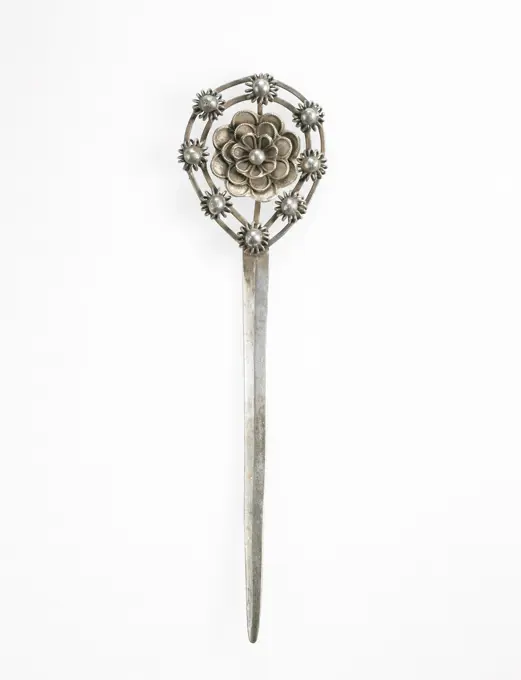
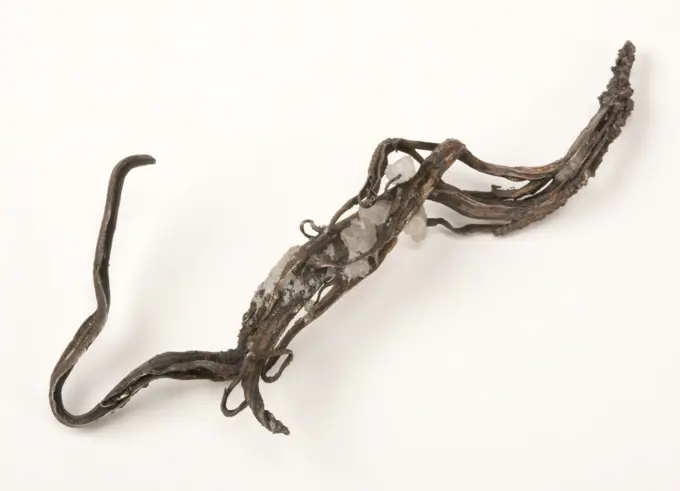
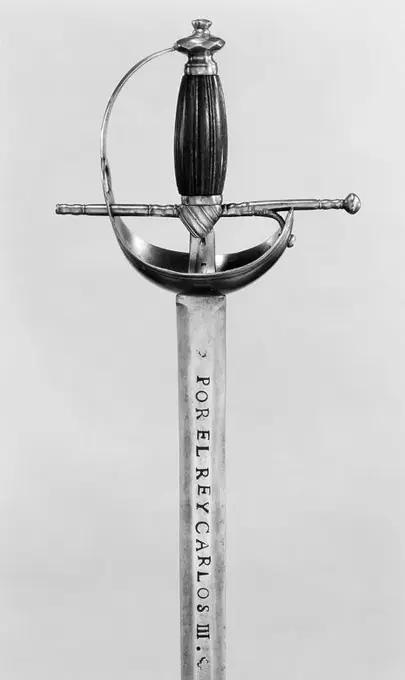
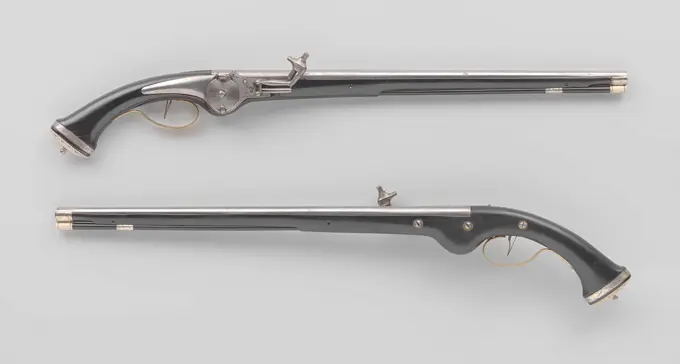
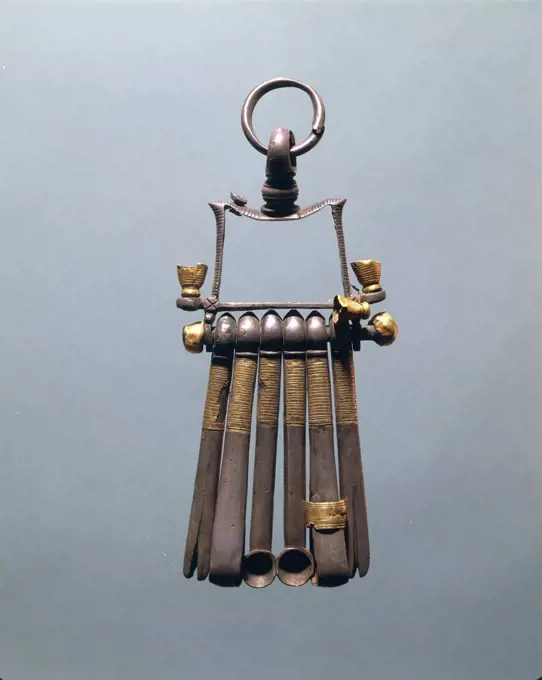
Hair Pin, 7 x 2 x 1/2 in. (17.78 x 5.08 x 1.27 cm), Silver, China
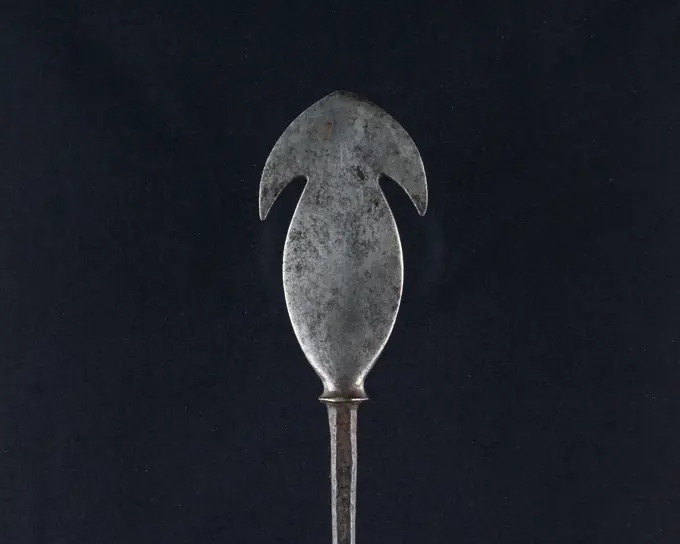
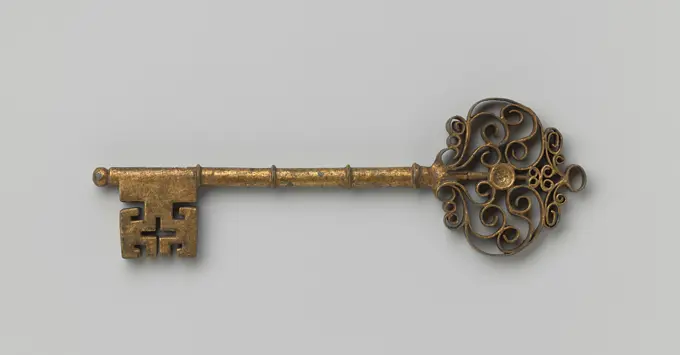
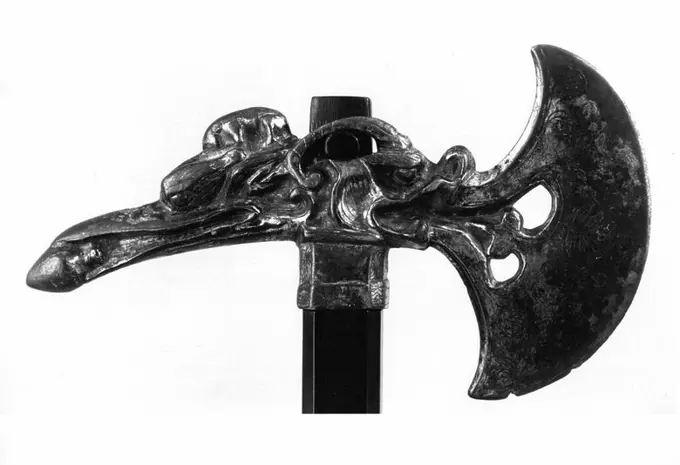
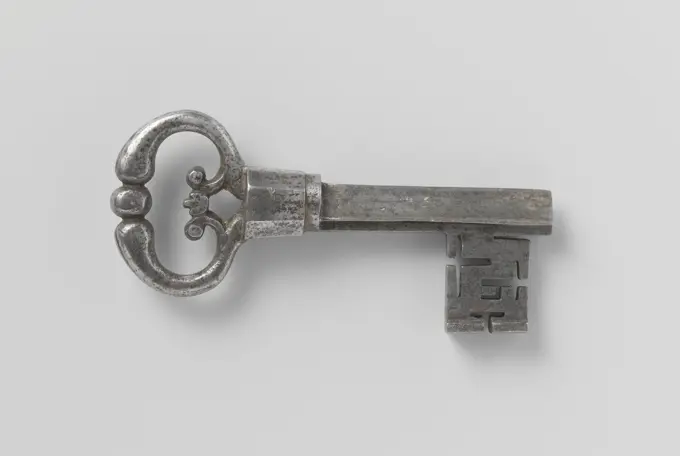
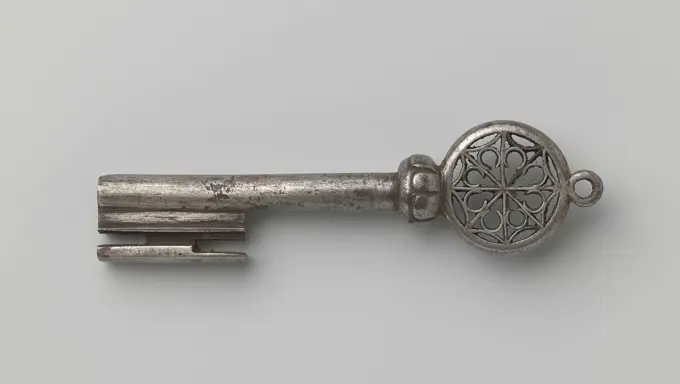
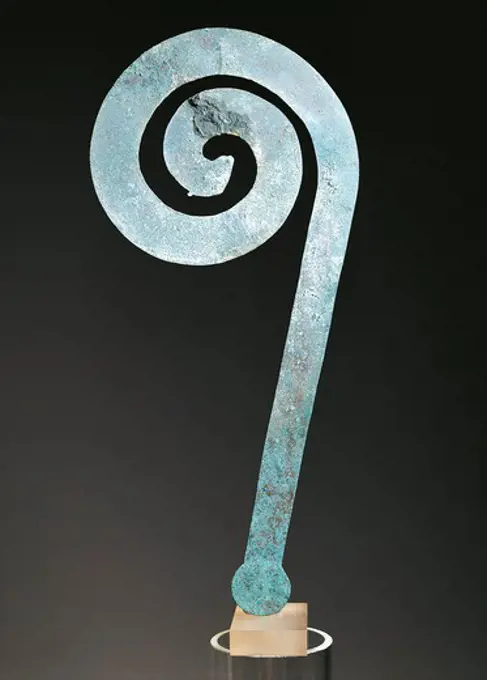
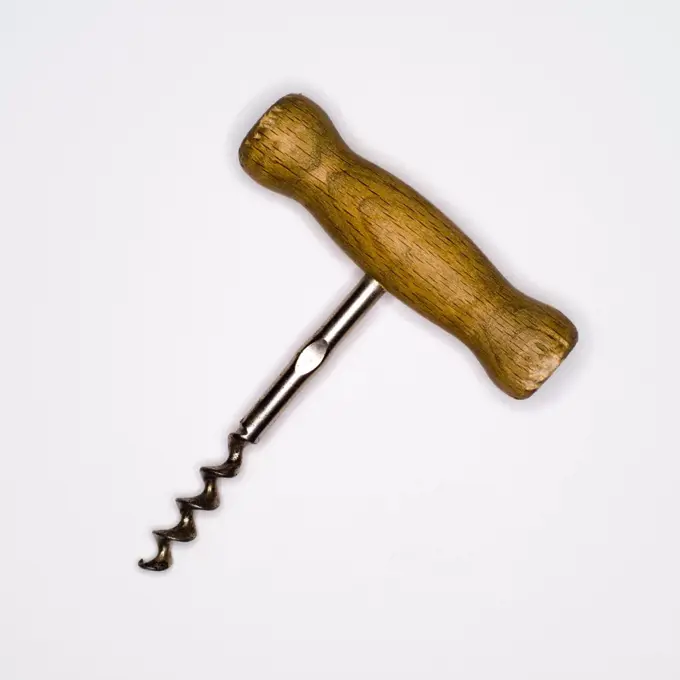
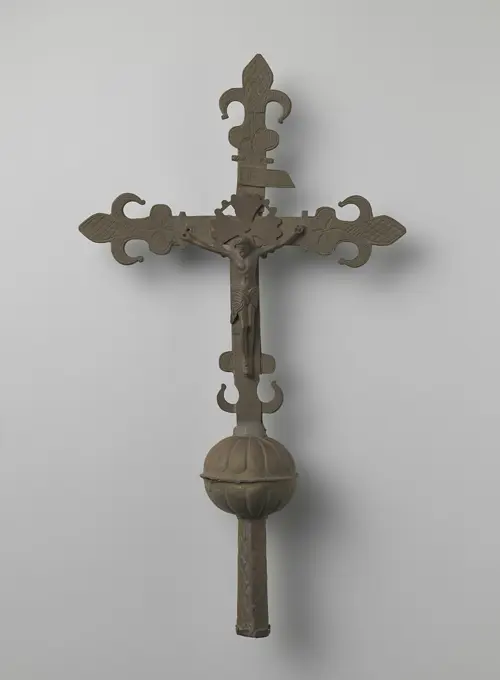
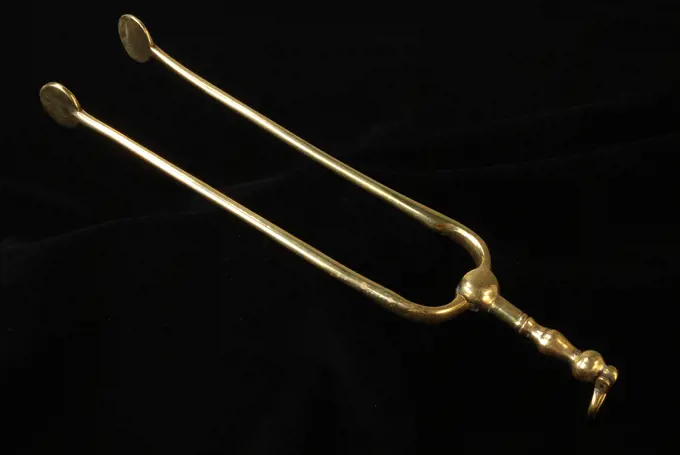
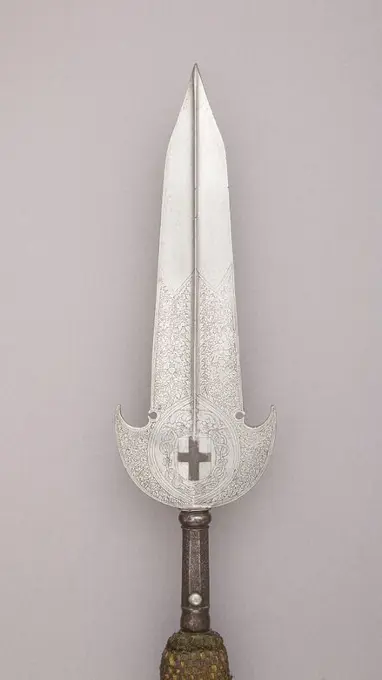
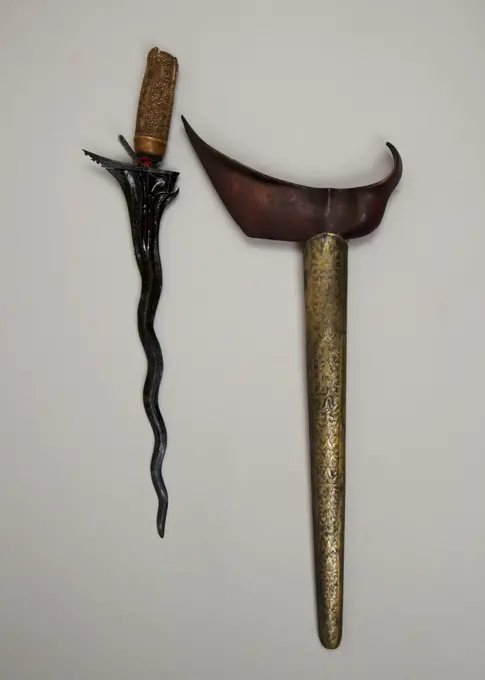
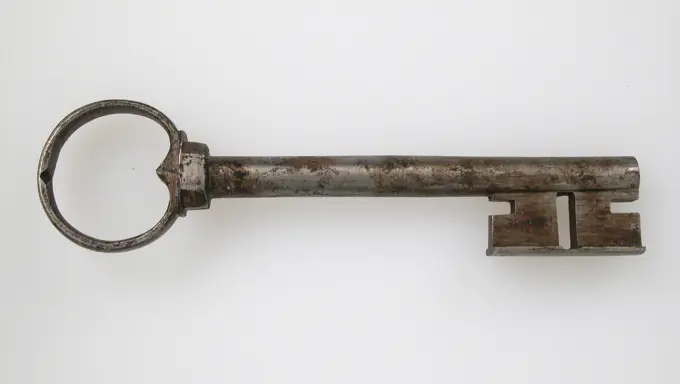
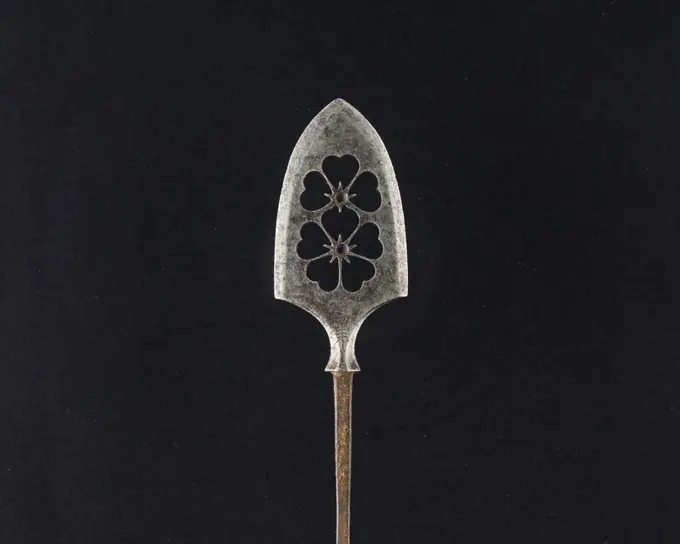
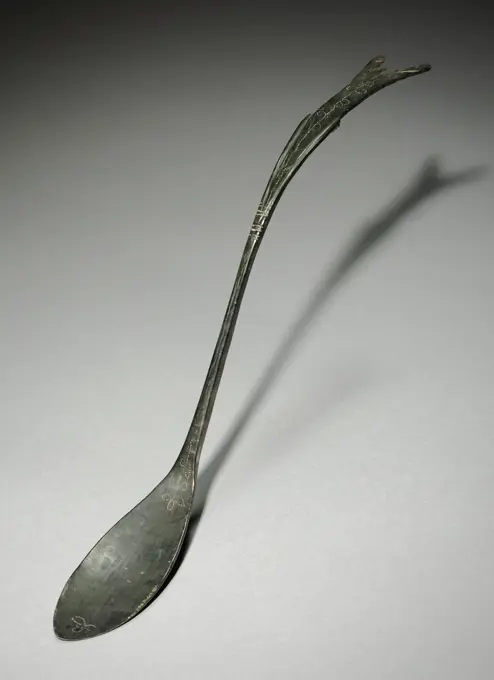
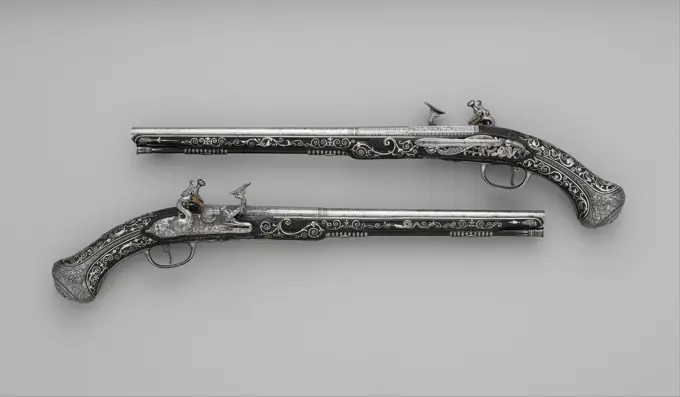
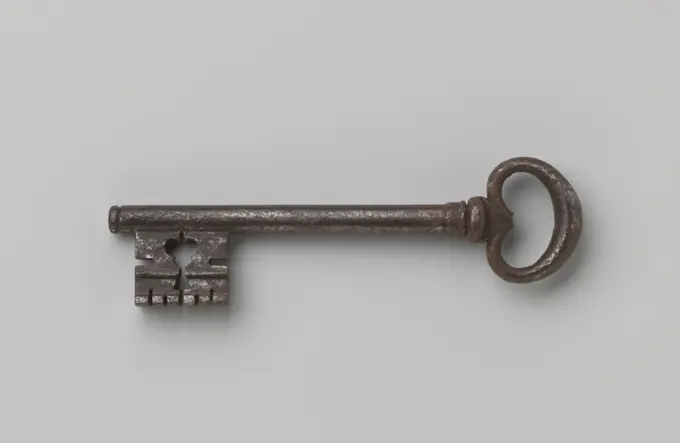
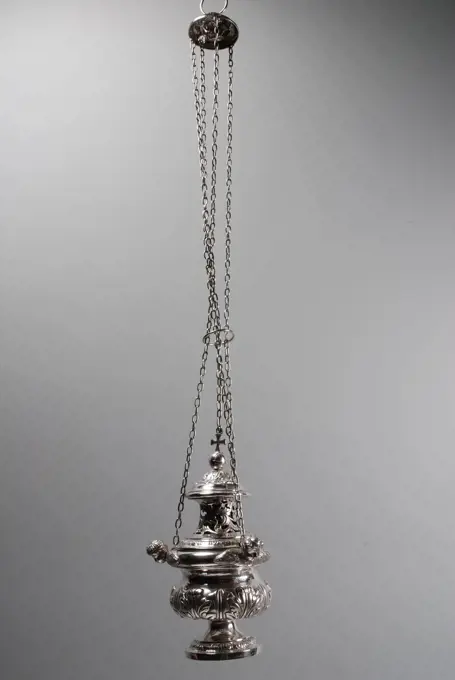
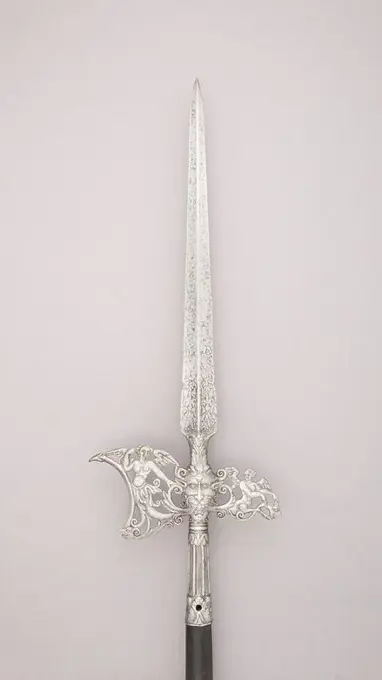
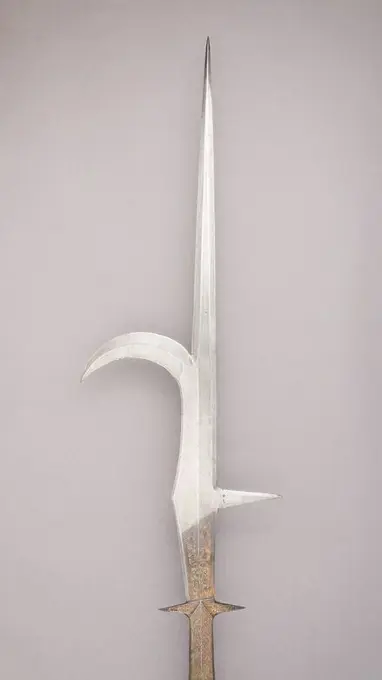
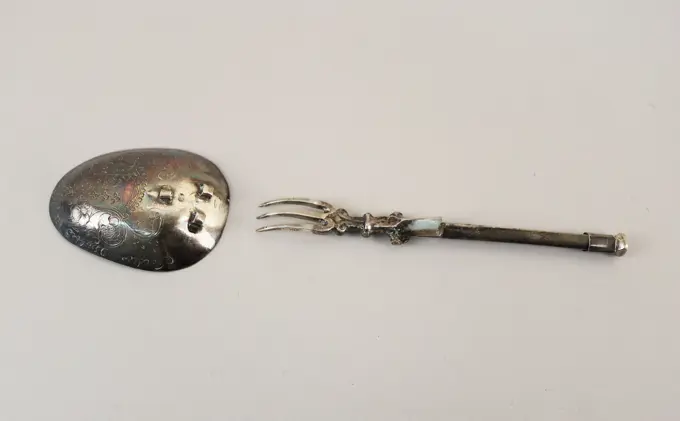
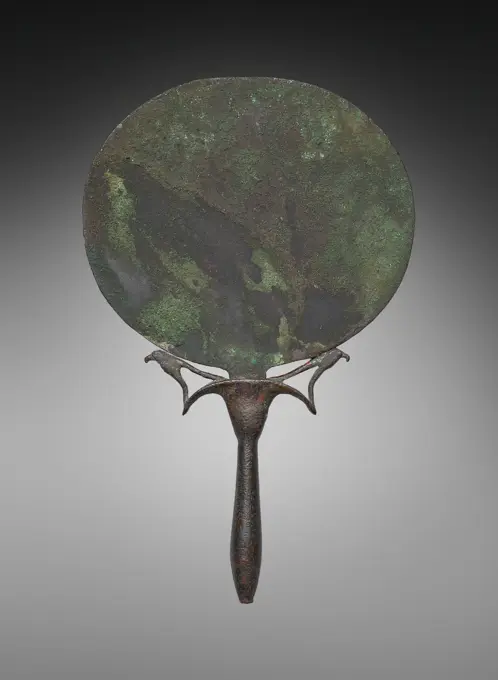
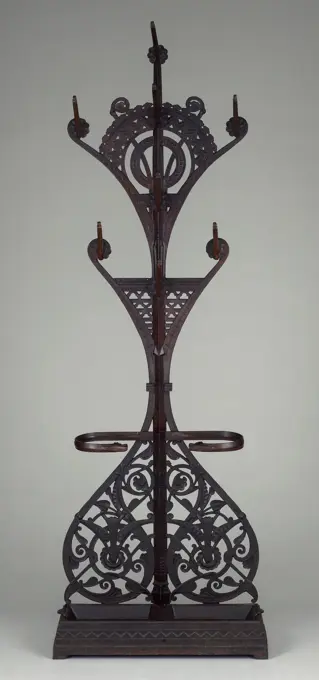
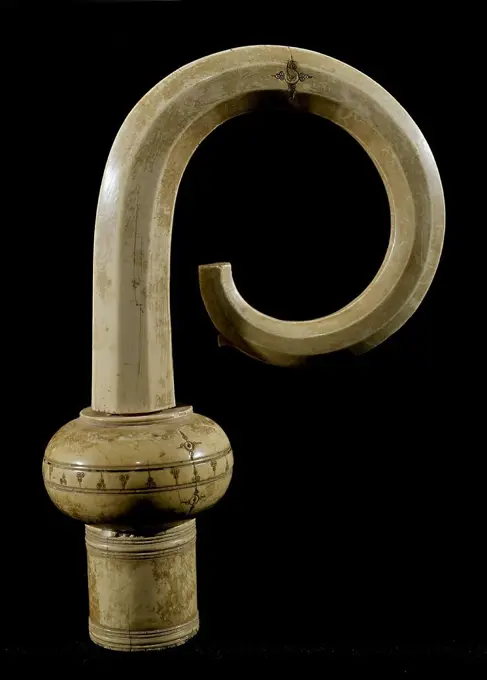
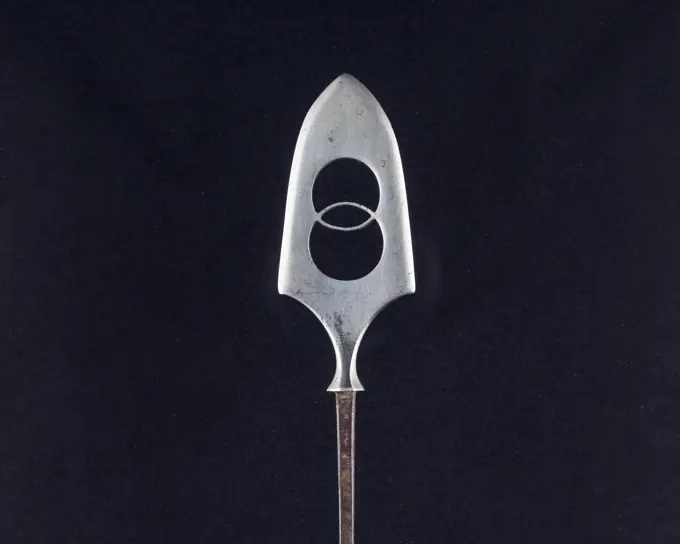
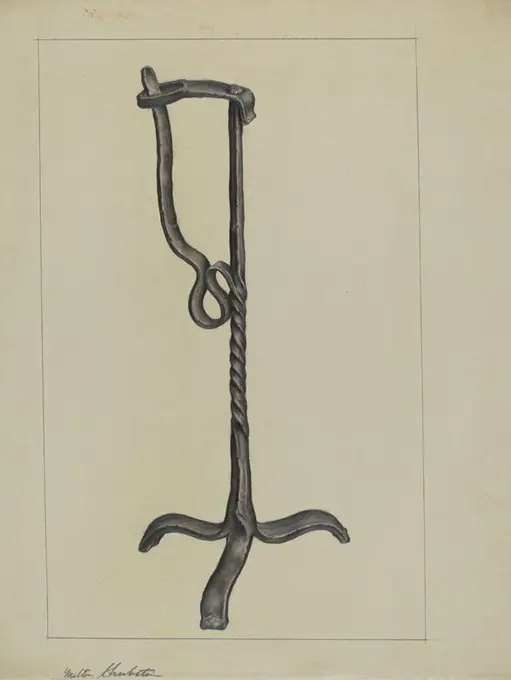
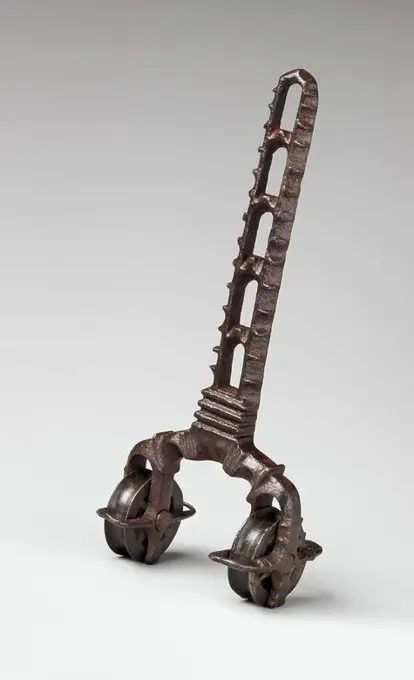
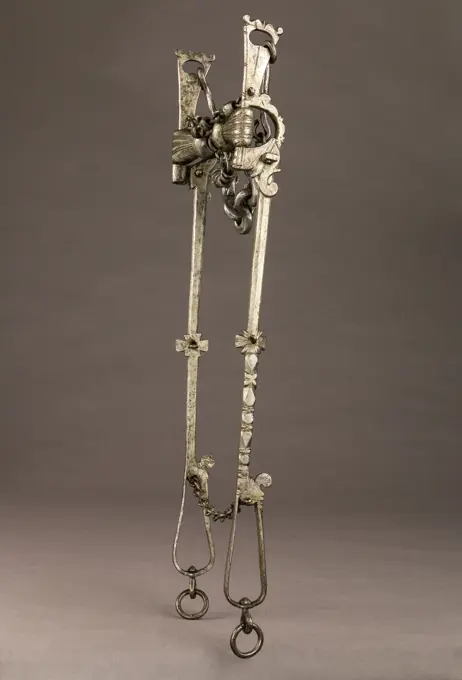
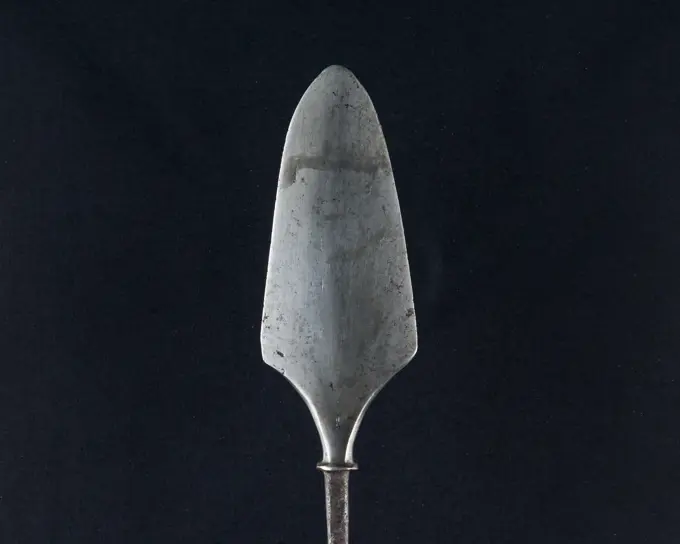
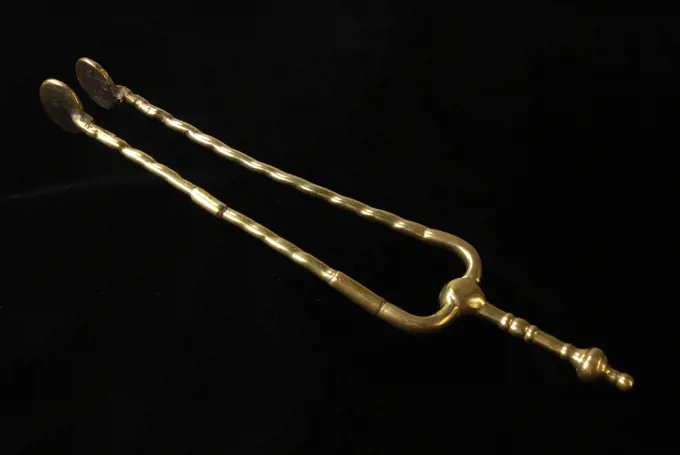
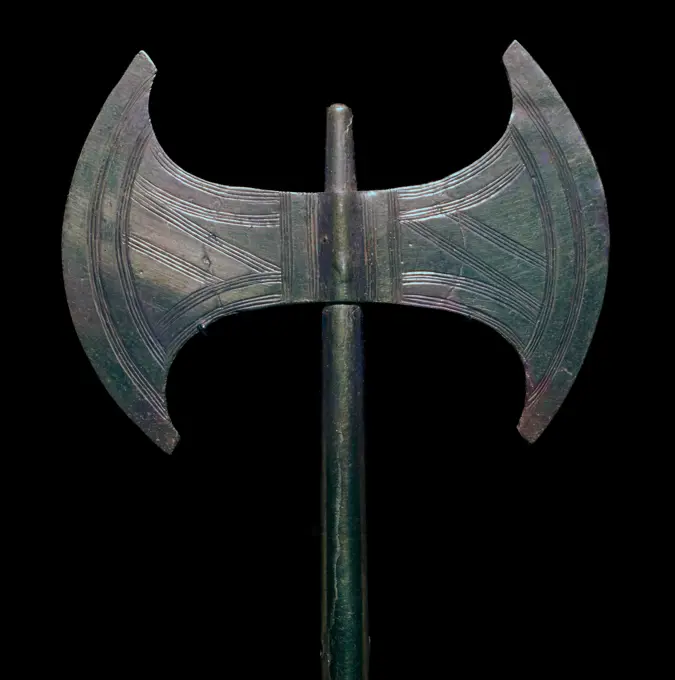
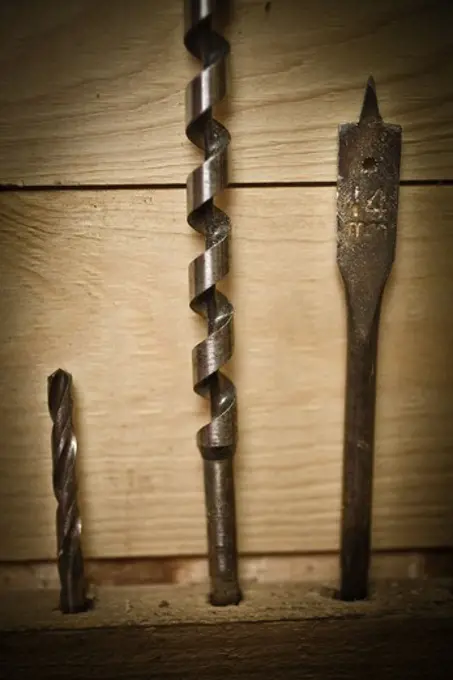
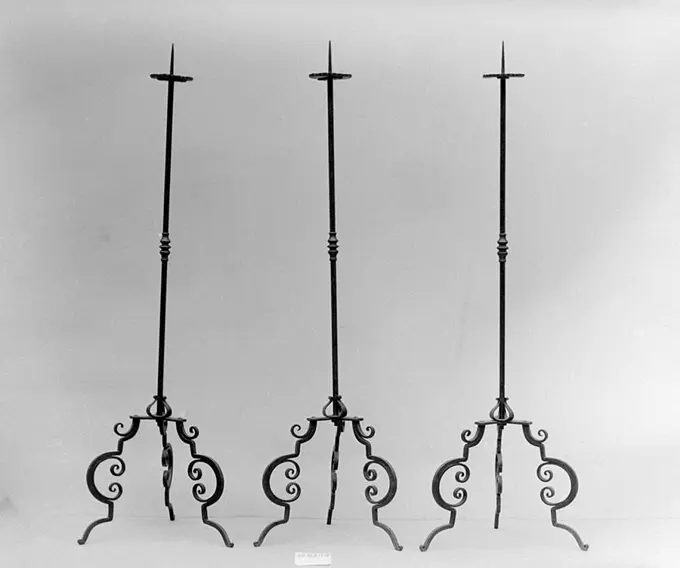
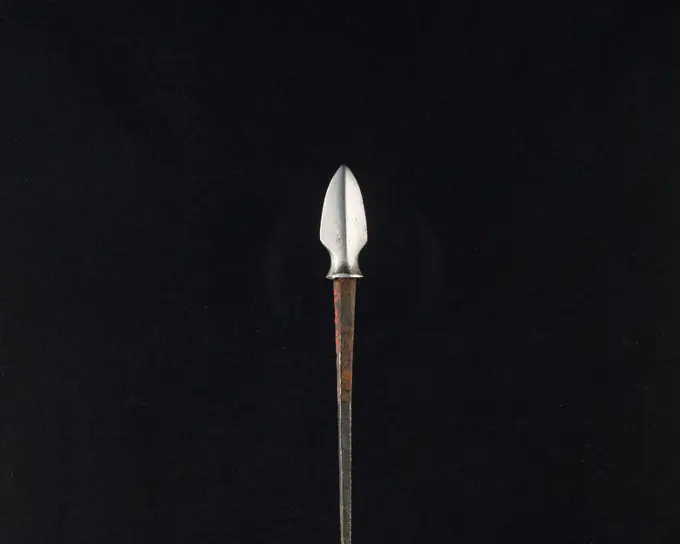
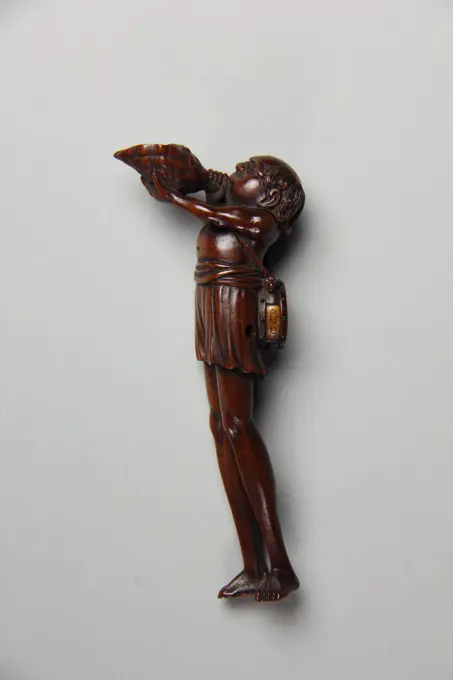
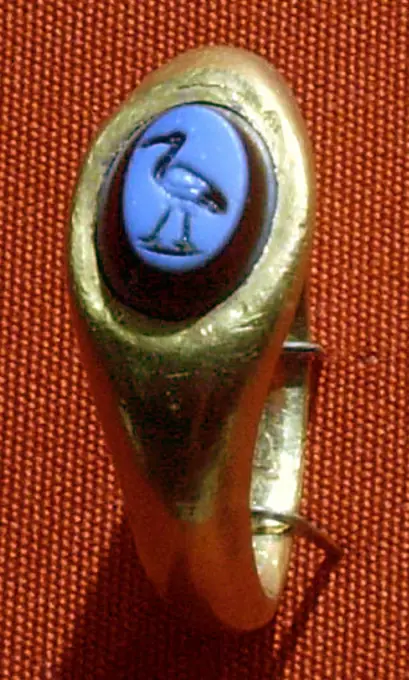
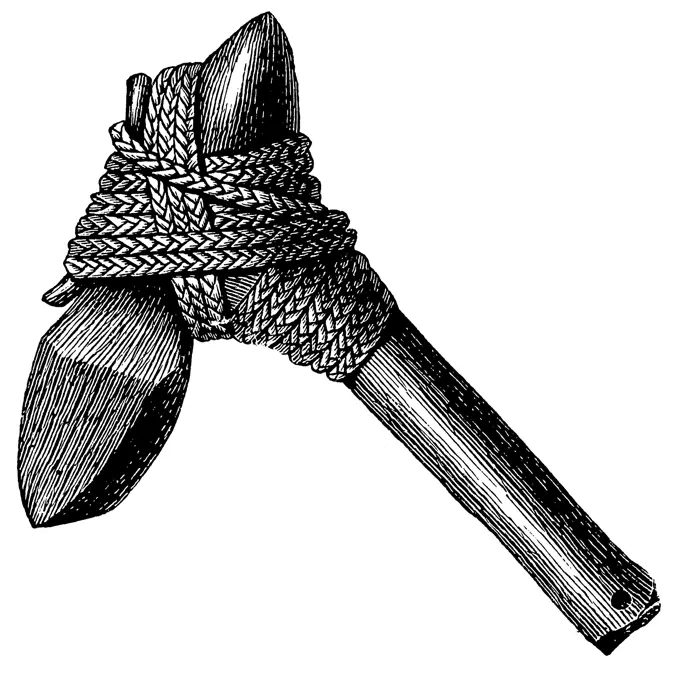
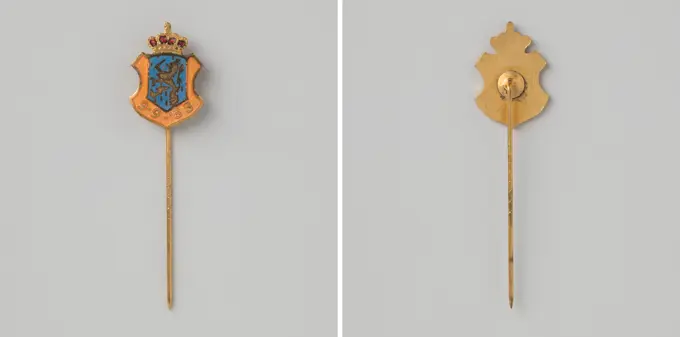
Key (France); steelArrowhead (Yanone) 18th century Japanese Although today Japanese warriors are renowned most for their swordsmanship, archery, especially from horseback, has been an essential part of samurai warfare and culture for centuries. Arrows were fitted with heads of varying shape according to their intended use in war, the hunt, or target practice. Arrowheads made for use on the battlefield incorporated different designs intended for specialized purposes such as the piercing of armor or to cause maximum damage to horses and unarmored personnel.Large arrowheads, pierced and elaborately chiseled with landscapes, birds, flowers, dragons, and Buddhist divinities, were created to be admired for the beauty of their metalwork and design rather than for use in archery. Such highly elaborate examples may have been made for presentation or as a votive offerings to a shrine.. Arrowhead (Yanone). Japanese. 18th century. Steel. Archery Equipment-ArrowheadsUithangteken.Sign in the form of a key, the round handle from flat iron curls has been compiled with an eye at the top. The shaft is divided into three equal parts by four rings.Sword. Culture: Sri Lankan. Dimensions: H. 27 1/4 in. (69.2 cm); W. 5 in. (12.7 cm); D. 1 7/16 in. (3.7 cm); Wt. 1 lb. 14.2 oz. (856.2 g). Date: 18th-19th century. Museum: Metropolitan Museum of Art, New York, USA.Flail. Culture: Indian. Dimensions: H. 40 1/2 in. (102.9 cm); H. of handle 16 in. (40.6 cm); W. 1 in. (2.5); Wt. 1 lb. 15.7 oz. (898.7 g). Date: 18th century. Museum: Metropolitan Museum of Art, New York, USA.Ceremonial Hatchet. Culture: China. Dimensions: H. 6 3/4 in. (17.1 cm); W. 3 7/8 in. (9.8 cm). Museum: Metropolitan Museum of Art, New York, USA.Arrowhead ca. 18th-19th century probably Tibetan or Chinese. Arrowhead. probably Tibetan or Chinese. ca. 18th-19th century. Iron, reed, sinew. Archery Equipment-ArrowheadsKey, anonymous, 1500 - 1600 A key. France A key. FranceLadle, 1741. England, Exeter, 18th century. Silver; overall: 28 cm (11 in.).Double key. Double key consisting of a normal turning key and a brush-type spanner. The hold of this Brahma key is formed by two donated C-Volutes, which end up at the top of uivorous and embed a ball. The keys are suspected later.Silver. minerals. Europe; Norway; Buskerud Province; KongsbergCopper candle-cutter, box decorated with lines, candle cutter muzzle cutter tool kit brass copper metal, cast riveted Candle sniper in scissor shape with the upper leg ending in flat closing piece and halfway on the lower leg the snaffle is located. The whole rests on three legs. Rectangular box decorated with contour lines. Pointed point at the front. Connected with an iron rivet. Due to the fracture in one eye, the scissors do not close the lights all night night lights illuminate yellow wateringArrowhead (Yanone) ca. 1615-1868 Japanese Although today Japanese warriors are renowned most for their swordsmanship, archery, especially from horseback, has been an essential part of samurai warfare and culture for centuries. Arrows were fitted with heads of varying shape according to their intended use in war, the hunt, or target practice. Arrowheads made for use on the battlefield incorporated different designs intended for specialized purposes such as the piercing of armor or to cause maximum damage to horses and unarmored personnel.Large arrowheads, pierced and elaborately chiseled with landscapes, birds, flowers, dragons, and Buddhist divinities, were created to be admired for the beauty of their metalwork and design rather than for use in archery. Such highly elaborate examples may have been made for presentation or as a votive offerings to a shrine.. Arrowhead (Yanone). Japanese. ca. 1615-1868. Steel. Archery Equipment-ArrowheadsPijpsleutel.Pipe key so-called "Venetian key" with rose into the round handle, awarded by an eye. The spherical capital is decorated with a leaf motif. The beard is high and narrow.Andiron late 14th century French. Andiron. French. late 14th century. Iron. Metalwork-IronBronze lituus from Cerveteri tomb, Rome Provincegrey door key grey door key for cylinder lock isolated on white background Copyright: xZoonar.com/ValeryxVoennyyx 5660522Corkscrew, elevated viewFigure-top spoon 1827 Dutch, Amsterdam. Figure-top spoon 188280 Dutch, Amsterdam, Figure-top spoon, 1827, Silver, 7 5/16 x 2 3/8 in. (18.6 x 6 cm). The Metropolitan Museum of Art, New York. Gift of Mrs. Samuel P. Avery, 1897 (97.2.257)Processional noise. The radically recovered object has been built up from a large number of components, including the part of the copper plate to be able to place the whole on a staff, the two halves made from copper plate consisting of godrews and the soldered cross, that to the Achter side has also been repaired many times. The ends are decorated with French lilies in a vase-shaped base, filled with engraved ornament. The aurea, which is applied to the intersection has a punched ornament. At the front the crucified Christ. The abbreviation i.n.r.i. is degraded in part.Pipe key. Pipe key whose eye consists of two trumpet-shaped c-volutes to each other. They close at the top of a bullet and under a pyramid, which last rests on the disk above the ball-shaped capital. The beard is S-shaped.Three-Tined Fork, silver, gold, ceramic, Silver gilt fork has three curved tines, baluster-shaped neck, oval in section. Banded ferrule. Tapering jasper handle, oval in section, light blue ground with raised design in white. S-shaped scrollwork, acanthus leaves and flowers on both sides. On front a woman in greek costume holding a disk in one hand, the other hand above the fire in the burner next to her. Beaded cresting along the sides of the handle, floral decoration at the top of the handle, a metal cap in the centre., England, ca. 1775-1800, cutlery, Decorative Arts, fork, forkCopper pliers, with suspension eye and two round grippers, pliers tool kit brass copper metal, w 5.5 cast riveted Copper pliers Two long legs with round cross section slightly rejuvenating downwards Two round discs at the ends on the inside with slanted grooves. Decorated with few buttons on the handle. One leg is hinged. Hinged oval hanging eye at the end of the handle Rotterdam City Center Stadsdriehoek Hoogstraat old-woman's home Reformed Oude Vrouwenhuis packing lighter Lighting Elisabeth Anno Foundation 1455 Reformed Oudevrouwenhuis (St. Elisabeth Gasthuis)Partisan. Culture: Italian. Dimensions: L. 90 in. (228.5 cm); L. of head 19 1/2 in. (49.5 cm); W. 5 1/2 in. (14 cm); Wt. 6 lbs. 5 oz. (2863.3 g). Date: ca. 1620. Museum: Metropolitan Museum of Art, New York, USA.Kris with Sheath 16th-19th century Javanese. Kris with Sheath 31275BracketMetal shackles isolated on the whiteKey 15th century German. Key 468819Medical instrument - Tooth Extractor, 1810-30. This dentist's tool is an early type of tooth extractor known as a 'dental key'. It has an ebony cross-bar handle and cranked steel shaft. It dates from the early nineteenth century. In earlier times, barbers commonly carried out surgical bleeding and tooth extractions in addition to shaving and cutting hair!.. Purchased from Edward H Pinto, 1965.. .Lamppost isolated on a   white backgroundServingfork.  Maker: Ball, Black and Company, New York, active ca. 1851-76Cecily Edwards, Candlestick, c 1936 CandlestickDagger (Chilanum) possibly 17th century Indian. Dagger (Chilanum). Indian. possibly 17th century. Steel. DaggersPipe key, c. 1600 - c. 1699 Pipe key whose flat -shaped palm -shaped handle rests on a dice -like capital. The small beard has a notch.  iron (metal) Pipe key whose flat -shaped palm -shaped handle rests on a dice -like capital. The small beard has a notch.  iron (metal)Arrowhead (Yanone). Culture: Japanese. Dimensions: L. 9 1/8 in. (23.2 cm); L. of head 2 1/2 in. (6.4 cm); W. 1 1/4 in. (3.2 cm); Wt. 0.9 oz. (25.5 g). Date: ca. 1615-1868. Museum: Metropolitan Museum of Art, New York, USA.Spoon with Fish-Tail Design, 918-1392. Korea, Goryeo period (918-1392). Bronze; overall: 28.9 cm (11 3/8 in.).Sugar Scissors, c. 1750-1760 and late 19th century. England, 18th century. Silver; overall: 11.2 x 5.3 cm (4 7/16 x 2 1/16 in.).Rex F Bush, Rattle, 1935 1942 RattleAncient Greek Tools Isolated Photo Ancient greek iron tools isolated photo Copyright: xZoonar.com/DanielxFerreira-LeitesxCiccarinox 17862341Sugar Tongs. Culture: American. Dimensions: L. 5 1/4 in. (13.3 cm). Date: ca. 1775. Museum: Metropolitan Museum of Art, New York, USA.Pair of Snaphaunce Pistols ca. 1690 Matteo Cecchi, called Acquafresca Italian Acquafresca was one of the most talented Italian gunmakers of all time. His mastery of relief-chiseled and engraved steel was unsurpassed. Although he worked in the isolated hamlet of Bargi, near Bologna, he was well aware of international firearms fashion, including gunmakers' pattern books published in Paris. He had a sophisticated clientele, among them the ruling Medici family of Florence.These pistols are among Acquafresca's best preserved and most original works. The black ebony stocks contrast with the bright steel mounts and silver wire inlay. The facing male and female heads on chiseled steel plaques set into the grips, behind the barrel, perhaps allude to the gunmaker's noble patrons. The silver wire ornament on each pistol is distinctly different. The barrels are inscribed prominently with Acquafresca's name.. Pair of Snaphaunce Pistols 34183Candlestick of tin. Candlestick of tin. The square feet is scalloped at the bottom. There is then a square base with a cut-away fries, with a bust of a Rocaille ornament on each side centrally. The cylindrical strain has a profiled tire on the lower half. At the top, the candlestick walks slightly and has been decorated with profiled tires.Celtic civilization, Germany. Bronze belt buckle. From Holzelsau.Spoon (Italy); Made by PD; silver; L x W: 13.7 x 3.8 cm (5 3/8 x 1 1/2 in.); The Robert L. Metzenberg Collection, gift of Eleanor L. Metzenberg; 1985-103-8Key, c. 1400 - c. 1950 Key of iron.  iron (metal) Key of iron.  iron (metal)Silver censer, censer ceremonial holder holder silver, driven hammered Round compressed spherical barrel wall strongly constricted under spherical inwardly curved upper edge on round constricted foot bell-shaped lid above an openwork flue crowned by Rijksappel Three chains connect barrel lid and bell-shaped cap with ring to each other for suspension (). cylindrical copper bowl as burner inside, on the constriction of foot (smashed in) priest eucharist religious ceremony ceremony religion Schiedam Used in the St Liduina church in Schiedam.Viking gilded bronze dress fastener, 9th century. Artist: UnknownRapier. Culture: Spanish. Dimensions: L. 38 in. (96.5 cm); L. of blade 33 7/8 in. (86 cm); W. 6 1/2 in. (16.5 cm); D. 2 3/4 in. (7 cm); Wt. 1 lb. 9 oz. (708.7 g). Date: dated 1773. Museum: Metropolitan Museum of Art, New York, USA.Halberd. Culture: Italian. Dimensions: L. 9 ft. 3/4 in. (276.2 cm); L. of head 26 1/8 in. (66.4 cm); W. 9 5/8 in. (24.5 cm); Wt. 6 lbs. 9.2 oz. (2982.4 g). Date: ca. 1590. Museum: Metropolitan Museum of Art, New York, USA.Guisarme. Culture: Italian. Dimensions: L. 96 in. (243.8 cm); L. of head 35 13/16 in. (91 cm); W. 6 5/16 in. (16 cm); Wt. 5 lbs. 1.3 oz. (2304.8 g). Date: ca. 1540. Museum: Metropolitan Museum of Art, New York, USA.Spoon and fork combination early 17th century Dutch. Spoon and fork combination. Dutch. early 17th century. Silver. Metalwork-SilverRadslotpistool.Part of a couple. The outer wheel has a hook at the bottom; The Pandekel is opened with a printing pin. The loop is completely rounded and stamped on top with a not to be determined. The burner walnut flask has a flask from ivory, engraved with stylized prainmade and with a gold-plated metal knob in the middle; The flower-shaped screw plates for the three lock bolts are from Koehoorn. On the loop-shaped trigger bracket of gold-plated geelkoper, the batter of previously gold plated silver and engraved with prainmesh; consisting of the drawer cap, a loading cooker and a tire around the flask; The loading stick of blackened walnut is equipped with an ivory hood.Mirror with Falcons, 1540-1296 BC. Egypt, New Kingdom, Dynasty 18. Mirror of copper, handle of tin-bronze; overall: 18.6 x 11.7 cm (7 5/16 x 4 5/8 in.).ESPADA DE IÑIGO LOPEZ DE MENDOZA SEGUNDO CONDE DE TENDILLA - SIGLO XV - PLATA DORADA - DETALLE DE LA EMPUÑADURA (CONJUNTO Nº 2553). Author: MAGNOLINO GIACOMO. Location: MUSEO LAZARO GALDIANO-COLECCION. MADRID. SPAIN.Coat stand, c. 1867, Christopher Dresser; Manufacturer: Coalbrookdale Co., Scottish, 1834-1904, 74 x 25 3/4 x 9 1/4 in. (187.96 x 65.41 x 23.5 cm), Cast iron, England, 19th century, Few late-19th century artists were as successful or as versatile as Christopher Dresser in designing objects made of vastly different material, including wood, glass, ceramics, textiles, silver, and iron. Here cast iron is manipulated with a painted surface that imitates the grain of wood, one of several finishes offered by Coalbrookdale in their catalogues. The overlapping motifs of thistles, banana leaves, and stylized snake or dragon heads speak to Dresser's scientific education as well as his desire to render flora and fauna in abstract, geometric forms. The sinuous curves of this coatstand give the object a sense of rhythm, suggestive of the then nascent Art Nouveau style.Key.key.BACULO DE MARFIL - SIGLO XII. Location: CATEDRAL. RODA DE ISABENA. HUESCA. SPAIN.Partisan. Culture: German. Dimensions: L. 8 ft. 4 1/4 in. (254.6 cm); L. of head 21 5/8 in. (54.9 cm); W. 6 1/2 in. (16.5 cm); Wt. 4 lbs. 12.3 oz. (2163.1 g). Date: dated 1642. Museum: Metropolitan Museum of Art, New York, USA.Wall Bracket for a Lamp. Culture: Byzantine. Dimensions: Overall: 16 1/4 x 3 1/16 x 13/16 in. (41.3 x 7.8 x 2 cm). Date: 11th century.Lamps provided light in churches, especially for the reading of the Gospels, sermons, and select texts and for the display of icons and relics. Museum: Metropolitan Museum of Art, New York, USA.Spoon crowned by a man in Pofbroek, Anonymous, 1739 Spoon of silver, with egg -shaped container. The end of the stem is crowned by a man in Pofbroek who carries a large bag on the head. Enkhuizen silver (metal) Spoon of silver, with egg -shaped container. The end of the stem is crowned by a man in Pofbroek who carries a large bag on the head. Enkhuizen silver (metal)Partisan ca. 1710 French. Partisan 27031Cup-Hilted Rapier. South Italian or Spanish. Date: 1640-1670. Dimensions: Overall L. 127 cm (50 in.) Blade L. 108.5 cm (42 3/4 in.) Wt. 2 lb. 11 oz. Steel, iron, and wood. Origin: Italy. Museum: The Chicago Art Institute, Chicago, USA.Pair of women's silver spurs Spurs; England; silverArrowhead (Yanone) 18th century Japanese Although today Japanese warriors are renowned most for their swordsmanship, archery, especially from horseback, has been an essential part of samurai warfare and culture for centuries. Arrows were fitted with heads of varying shape according to their intended use in war, the hunt, or target practice. Arrowheads made for use on the battlefield incorporated different designs intended for specialized purposes such as the piercing of armor or to cause maximum damage to horses and unarmored personnel.Large arrowheads, pierced and elaborately chiseled with landscapes, birds, flowers, dragons, and Buddhist divinities, were created to be admired for the beauty of their metalwork and design rather than for use in archery. Such highly elaborate examples may have been made for presentation or as a votive offerings to a shrine.. Arrowhead (Yanone). Japanese. 18th century. Steel. Archery Equipment-ArrowheadsRush Light Holder. Dated: c. 1937. Dimensions: overall: 29 x 22.5 cm (11 7/16 x 8 7/8 in.) Original IAD Object: 20 1/2" high. Medium: graphite on paperboard. Museum: National Gallery of Art, Washington DC. Author: Milton Grubstein.Posey Holder (USA); silverAnchor Plate from a Rope-and-Pulley System to Span a Crossbow. Culture: European, possibly British. Dimensions: L. 7 in. (17.7 cm); W. 3 in. (7.7 cm); Wt. 8 oz. (224 g). Date: ca. 1475-1525. Museum: Metropolitan Museum of Art, New York, USA.Knife Coin. Culture: China. Dimensions: W. 2 in. (5.1 cm); L. 6 1/2 in. (16.5 cm). Museum: Metropolitan Museum of Art, New York, USA.Curb Bit first half 17th century German This bit was used for the training of young horses and starting them with the curb bit. Despite their impressive aspect, the straight elongated shanks were in fact thought to be gentler on the horse, because of the longer reaction time in their leverage effect and the fact that they were stopped by the horse's chest at some point. Curb bits were also used with a very light hand, the well-trained horses responding by anticipation to the slightest move of the reins. In addition, this kind of mouthpiece, according to contemporary equestrian manuals, was meant for a horse with a hard mouth, rounded and non-sensitive bars (part of the horses jaw without teeth), and thin lips. The banquets, the parts of the cheekpieces to which the mouthpiece is attached, can be opened for switch out the mouthpiece, a feature particularly appreciated on dressage bits in Germany.At the beginning of the training, this bit would have been combined with a cavesson, a rigiPolychrome terracotta incense burner from Mexico. Mixtec Civilization, post-classical period 900-1521.Candlestick late 16th century possibly German. Candlestick. possibly German. late 16th century. Wrought iron. Metalwork-IronKrzyż do błogosławienia. nieznany warsztat etiopski (1400-1970), authorItalic civilizations, 5th century b.C. Gold and silver toiletries.Partisan ca. 1610 Italian. Partisan 29380Arrowhead (Yanone) 18th century Japanese Although today Japanese warriors are renowned most for their swordsmanship, archery, especially from horseback, has been an essential part of samurai warfare and culture for centuries. Arrows were fitted with heads of varying shape according to their intended use in war, the hunt, or target practice. Arrowheads made for use on the battlefield incorporated different designs intended for specialized purposes such as the piercing of armor or to cause maximum damage to horses and unarmored personnel.Large arrowheads, pierced and elaborately chiseled with landscapes, birds, flowers, dragons, and Buddhist divinities, were created to be admired for the beauty of their metalwork and design rather than for use in archery. Such highly elaborate examples may have been made for presentation or as a votive offerings to a shrine.. Arrowhead (Yanone). Japanese. 18th century. Steel. Archery Equipment-ArrowheadsHandle of an old umbrella on green backgroundFrank Gray, Wooden Butter Stamp, c 1937 Wooden Butter StampLoopComb 1870-89 European. Comb 117675Rattle spoon 17th-18th century Dutch, Hoorn. Rattle spoon 192290Halberd early 16th century German. Halberd 27521Copper tongs with lumps over the length of the legs, plier tool kit brass copper metal, w 5.0 cast riveted Copper pliers Two parallel legs decorated over the entire length with shallow lumps Handle decorated with large button for the end Two round discs as grippers on the inside with grooves for more grip. One leg is hinged lightly lit lighterCandlestick of cast silver with bell -shaped foot, Johannes Schiotling, 1766 The bell -shaped base, the baluster -shaped tribe and the candle holder are all torn (the candle holder in the opposite direction) and they are made up of alternating lobes and ribbed parts. The foot has a continued lower edge. Foot and trunk are decorated with flower branches, rocailles and C-volutes, the candle holder with foam motifs. The trunk is closed on top and bottom by a constricted, octagonal, outward curly part. The loose fat catcher is made up of curling leaves. Engraved on the outer edge of the foot: HDR. A wooden plate is applied to the foot, which follows the irregular contour. Amsterdam silver (metal). wood (plant material) The bell -shaped base, the baluster -shaped tribe and the candle holder are all torn (the candle holder in the opposite direction) and they are made up of alternating lobes and ribbed parts. The foot has a continued lower edge. Foot and trunk are decorated with flower branchMinoan gold votive double-axe, 15th century. Artist: UnknownDrills in holderChild hand holding a retro styled golden color decorative keyHalberd ca. 1580 Italian. Halberd 25894Set of six torchères 17th century Italian. Set of six torchères 200614Arrowhead (Yanone). Culture: Japanese. Dimensions: L. 5 3/4 in. (14.6 cm); L. of head 1 1/16 in. (2.7 cm); W. 1/2 in. (1.3 cm); Wt. 0.5 oz. (14.2 g). Date: 18th century. Museum: Metropolitan Museum of Art, New York, USA.Hair Pin, 8 3/8 x 2 1/2 x 1 3/8 in. (21.27 x 6.35 x 3.49 cm), Silver, ChinaA typical Valdôtain style distaff or quenouille, 16th century A typical Valdôtain style distaff or quenouille, 16th century Copyright: xZoonar.com/Heinz-DieterxFalkensteinx 21665232Fishslice.   Maker: E. Stebbins and Company, active ca. 1835 - 1856Mouthpiece of a Snaffle Bit 11th-8th century B.C. European The snaffle bit is the simplest type of horse bit, and has an effect on the bars (part of the horses jaw without teeth) and the corners of the lips. The mouthpiece of this bit is composed of a single twisted bar. Rings for the bridle and reins, now lost, were attached to the side eyelets. Such bits and other tack parts are found in male warrior burials associated with the Hallstatt culture, in which the use of the horse was a symbol of wealth and high status.. Mouthpiece of a Snaffle Bit. European. 11th-8th century B.C.. Copper alloy. Equestrian Equipment-BitsNetsuke of Ashinaga Blowing a Sea Horn 19th century Japan. Netsuke of Ashinaga Blowing a Sea Horn 59377Ring with a nicolo intaglio of an ibis A.D. 2nd century Roman Period A nicolo is an onyx agate cut to leave a thin layer of faint whitish blue over a thicker layer of black.. Ring with a nicolo intaglio of an ibis 546202Scottish palasz with vagina and caseHalberd ca. 1900 probably German. Halberd 34316Ostpolynesisches Steinbeil. Polynesische Artefakte. Veröffentlichung der Meyers Enzyklopädie. East Polynesian stone axe. Polynesian artifacts. Publication of the Meyers encyclopedia, Vol. 7, Leipzig, Germany, 1910. LicenseRF Copyright: xZoonar.com/SergeyxKohlx 23196708Thirty -five -year -old government anniversary of Queen Wilhelmina 1933 ,, 1933 history medal Enamelled brass pin, on the front a crowned Dutch coat of arms above text 9-9-'33  brass (alloy). striking (metalworking)Gag, Louvre Museum, vintage engraved illustration. Magasin Pittoresque 1857