Historical Metalwork and Accessories

Unique historical items including maces, hairpins, and ornamental tools, showcasing craftsmanship and design from different cultures.
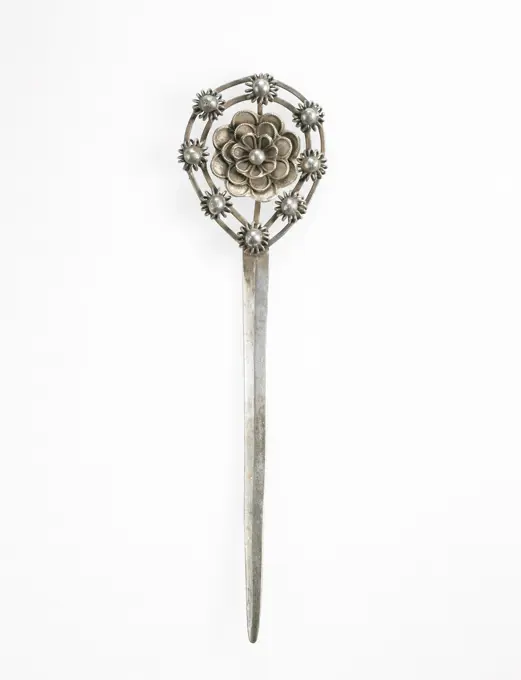
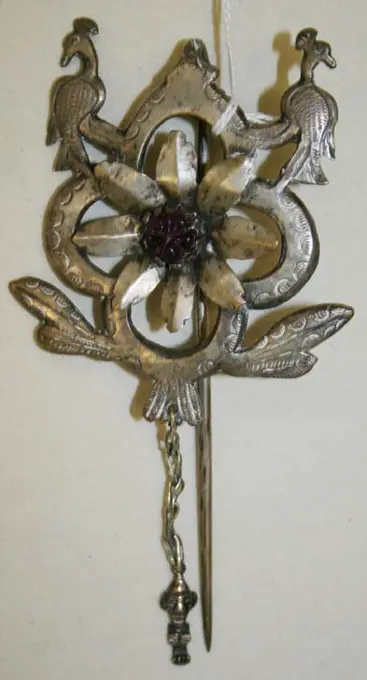
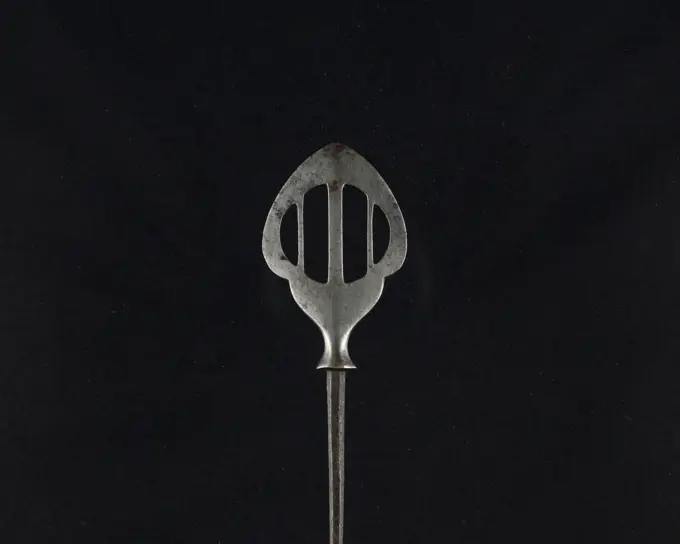
Hair Pin, 7 x 2 x 1/2 in. (17.78 x 5.08 x 1.27 cm), Silver, China
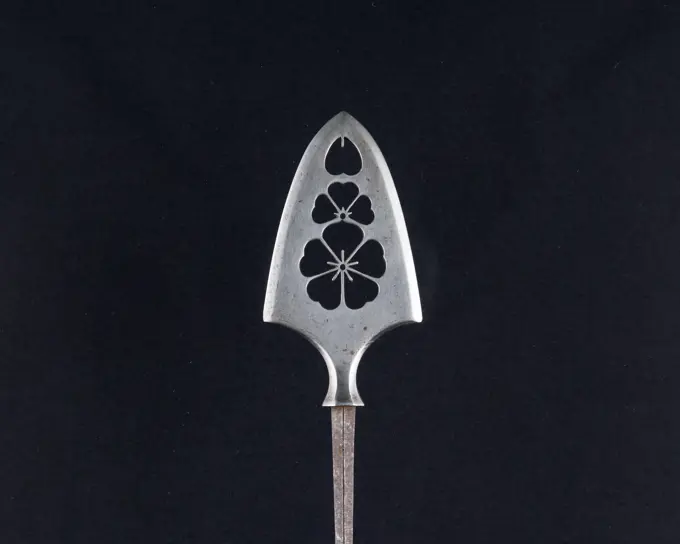
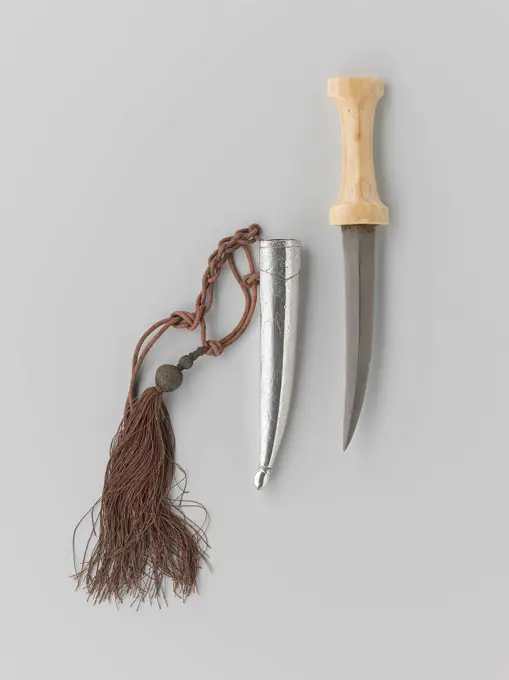
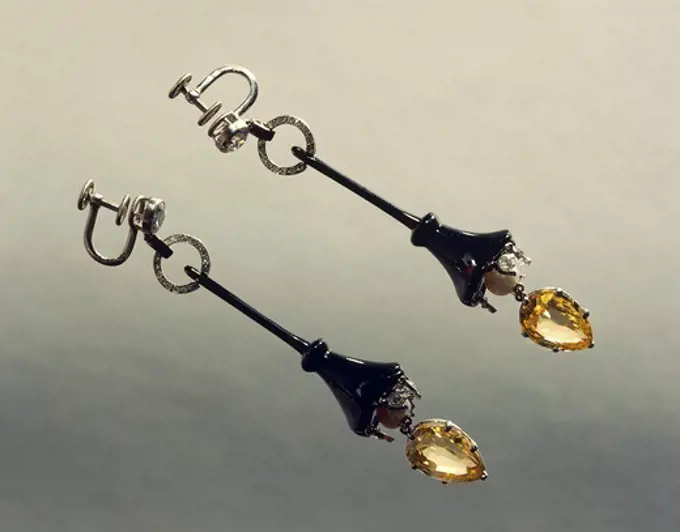
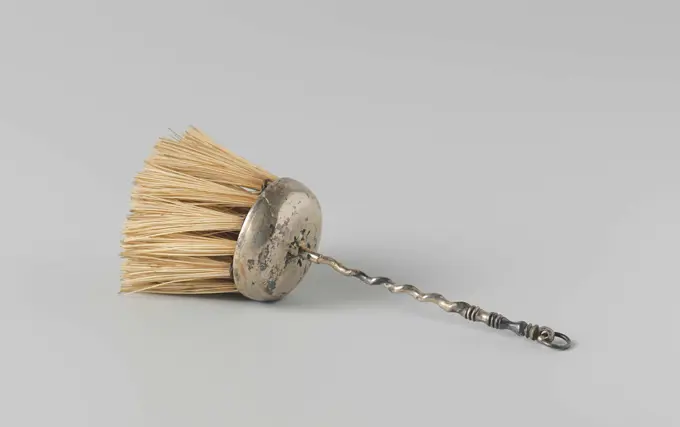
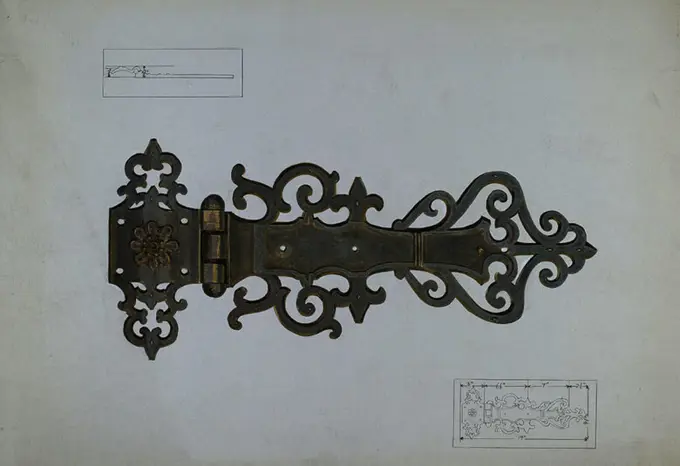
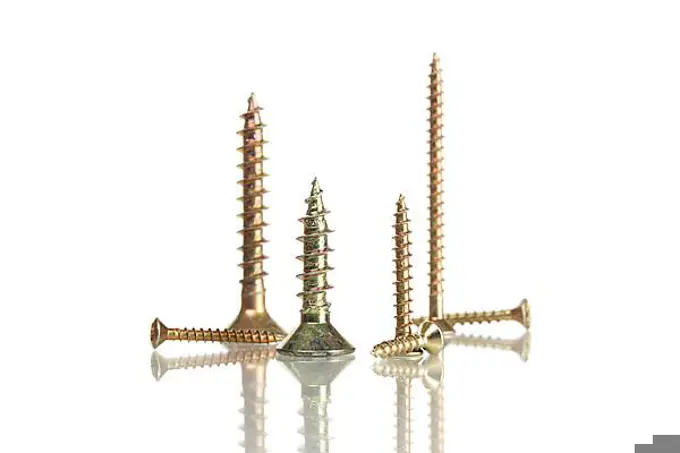
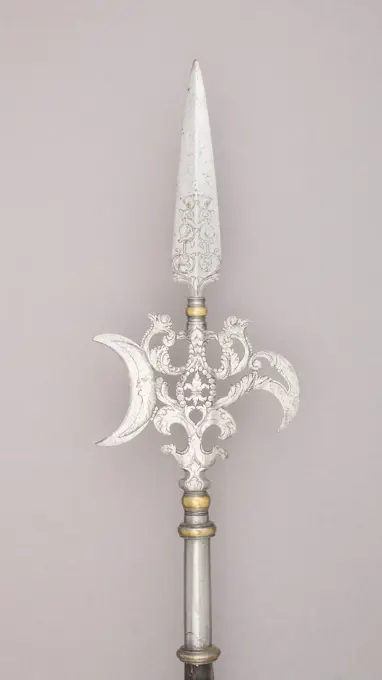
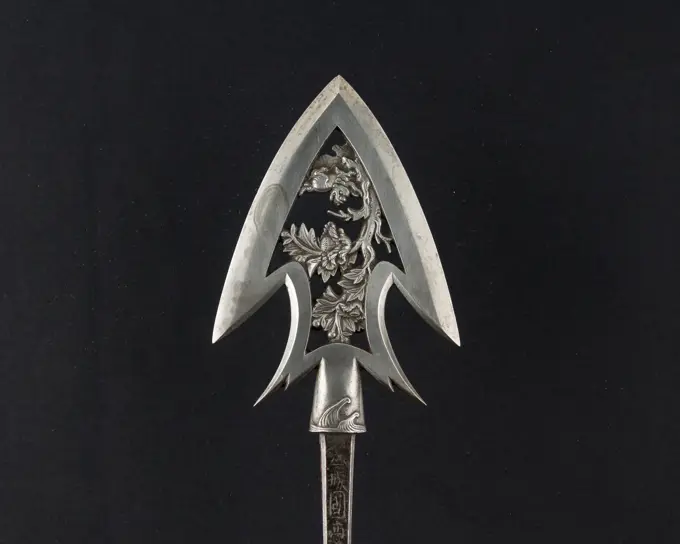
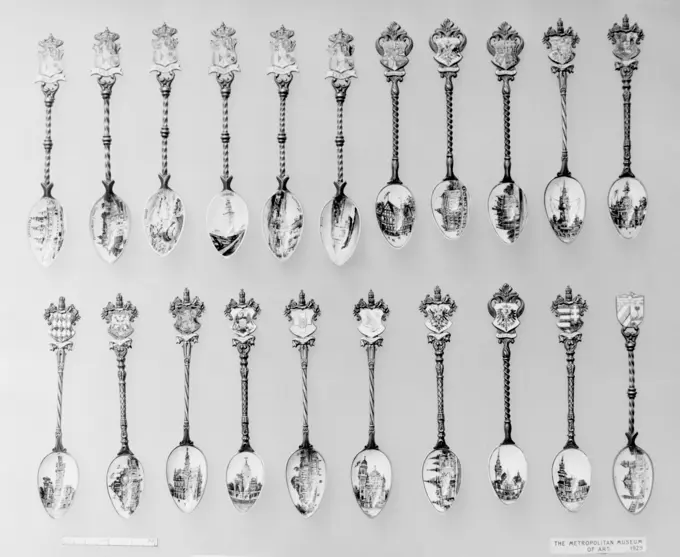
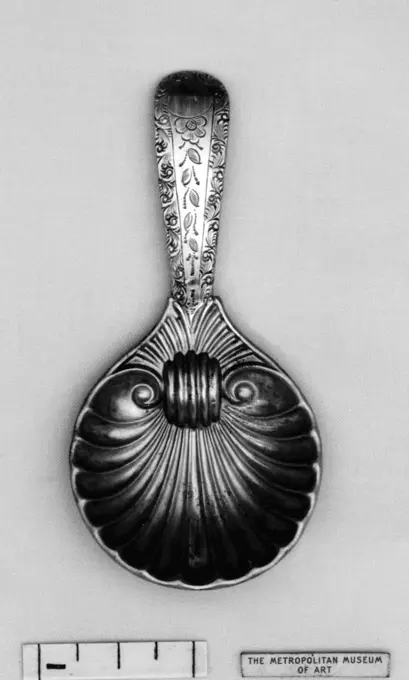
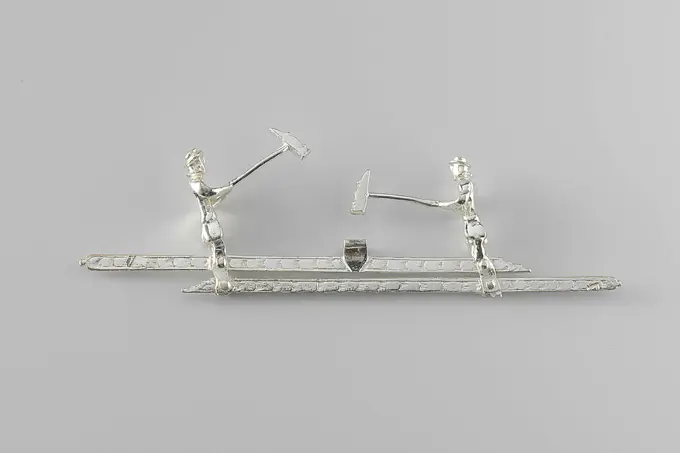
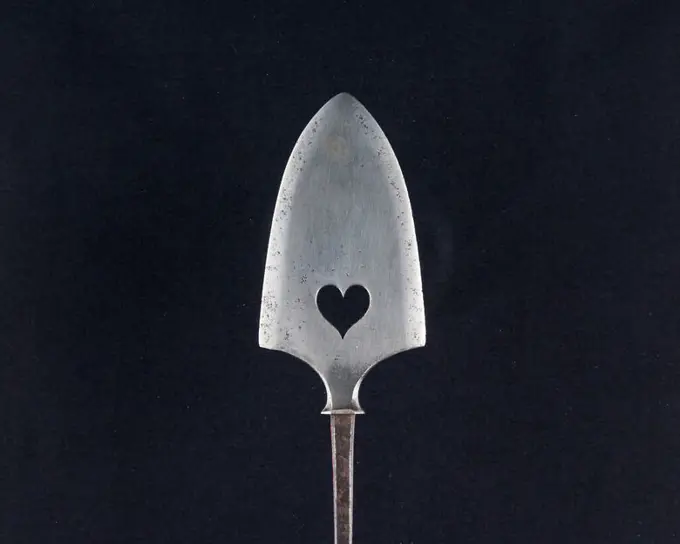
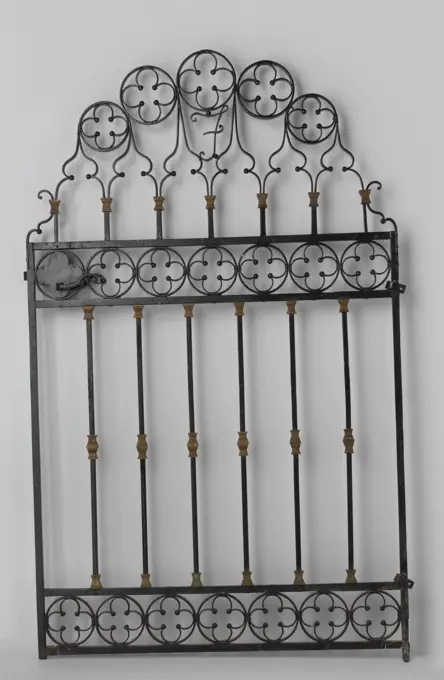
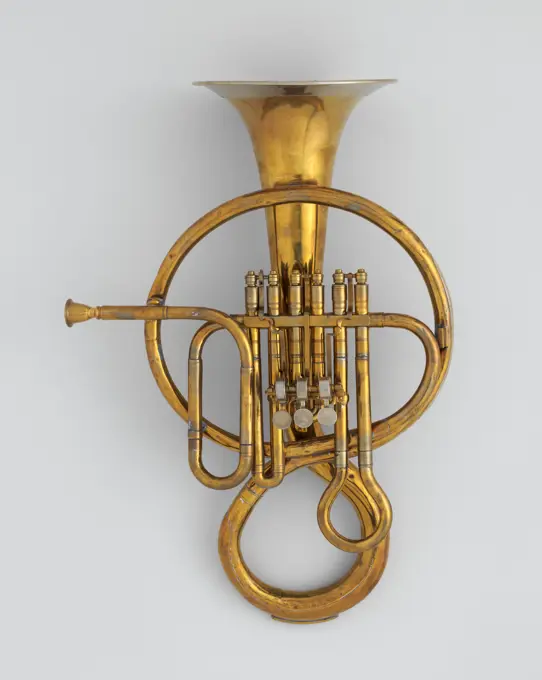
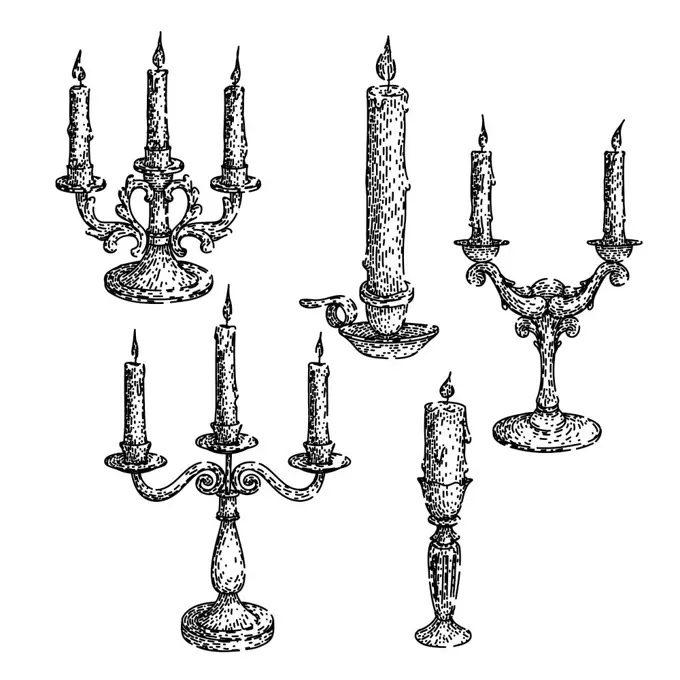
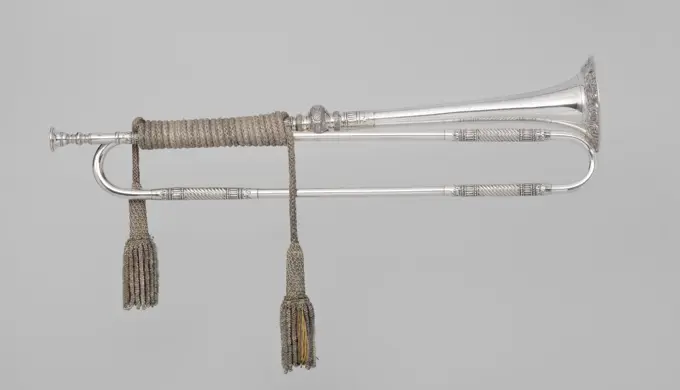
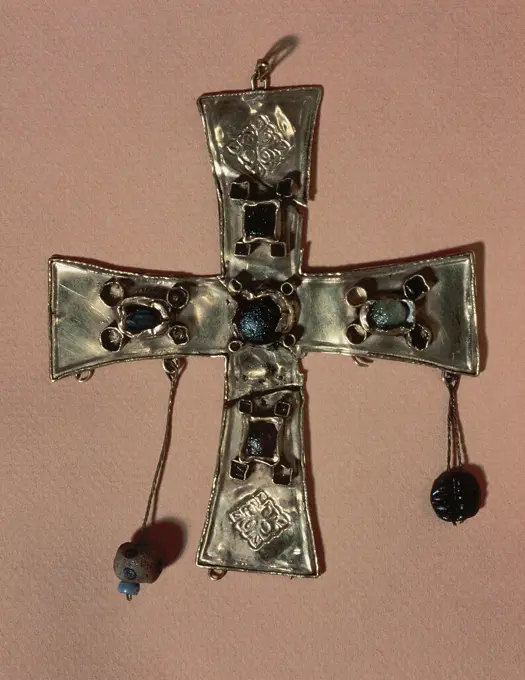
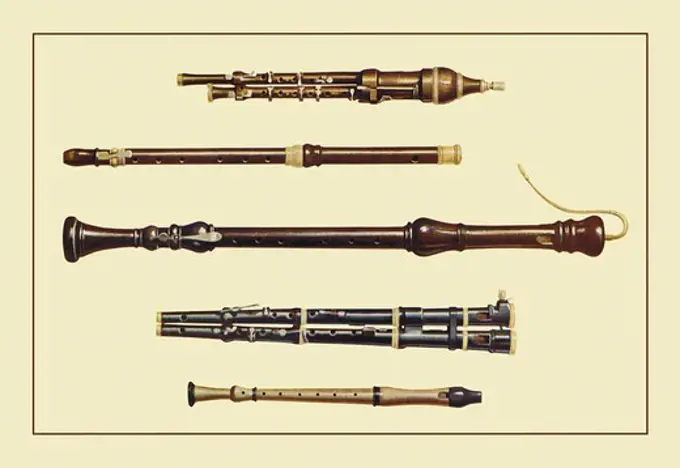
Betel-nut Holder and Chatelaine, 1800s. Burma. Silver; overall: 24.2 cm (9 1/2 in.).EarringThe key with a cylindrical shaft with two concentric hole, from the collection of the Society for the Care of the past monuments in 1915, in the collections of the National Museum in Warsaw from 1917;  Not after 13.05.1922 (1914-00-00-1922-00-00);Brooch First quarter 20th century Peruvian. Brooch 90284Key;  1st half 19th century (1801-00-00-1900-00-00);Arrowhead (Yanone) 18th century Japanese Although today Japanese warriors are renowned most for their swordsmanship, archery, especially from horseback, has been an essential part of samurai warfare and culture for centuries. Arrows were fitted with heads of varying shape according to their intended use in war, the hunt, or target practice. Arrowheads made for use on the battlefield incorporated different designs intended for specialized purposes such as the piercing of armor or to cause maximum damage to horses and unarmored personnel.Large arrowheads, pierced and elaborately chiseled with landscapes, birds, flowers, dragons, and Buddhist divinities, were created to be admired for the beauty of their metalwork and design rather than for use in archery. Such highly elaborate examples may have been made for presentation or as a votive offerings to a shrine.. Arrowhead (Yanone). Japanese. 18th century. Steel. Archery Equipment-ArrowheadsSpontoon 18th century German. Spontoon 25900Hand Drawn Key Steampunk Element in Sepia.Persian dagger with sheath of Cornelis tromp. A Persian dagger with sheath of Cornelis Tromp, also called Persian Jambiya. Sheath with sheet silver. The hilt simple from ivory. Curve damask cling. No brands or inscriptions.Mina Lowry, Gas Street Lamp, 1936 Gas Street LampGoldsmith's art, France, 20th century. Platinum pendant earrings with yellow sapphires, Cartier 1919.Arrowhead (Yanone) 18th century Japanese Although today Japanese warriors are renowned most for their swordsmanship, archery, especially from horseback, has been an essential part of samurai warfare and culture for centuries. Arrows were fitted with heads of varying shape according to their intended use in war, the hunt, or target practice. Arrowheads made for use on the battlefield incorporated different designs intended for specialized purposes such as the piercing of armor or to cause maximum damage to horses and unarmored personnel.Large arrowheads, pierced and elaborately chiseled with landscapes, birds, flowers, dragons, and Buddhist divinities, were created to be admired for the beauty of their metalwork and design rather than for use in archery. Such highly elaborate examples may have been made for presentation or as a votive offerings to a shrine.. Arrowhead (Yanone). Japanese. 18th century. Steel. Archery Equipment-ArrowheadsOld anchor on a house wallMetal hammer on wood. Fingered Gauntlet for the Left Hand Made 1525-1550 Landshut. Steel and leather, etched . Wolfgang Grosschedelvintage dark wooden cuckoo clock isolated on whiteToddy Lifter (syphon); cut glassMedieaval swords isolated on the whiteBorstel.Round brush with a long turned stem. There is a ring on the profiled end of the handle. The brush is marked with an ax.Hinge. Dated: c. 1937. Dimensions: overall: 35.6 x 24.4 cm (14 x 9 5/8 in.). Medium: watercolor, pen and ink, and gouache on paper. Museum: National Gallery of Art, Washington DC. Author: Verna Tallman.Halberd ca. 1750 American. Halberd 27742Screws, standing and lyingReplica of Roman Eagle Standard of the Legions of Rome.Flint gun, Jan Knoop, Before 1689 flintlock pistol Part of a couple. The rooster of the lock is engraved with a snake head, the lock plate with a dog and a hunting bird, with the signature accompanied by an emblem with a jumping deer. The barrel is stamped on top with * Lazarino * Cominazzo * and on the bottom with ZC under a star. The flask made of gust of nuts is easily cut. The iron batter includes a screw plate in the form of a sea snake with a curled tail, a crowned, heart -shaped thumb plate with an unidthentified heraldic weapon and an unadorned pump hood with long pump hood tracks and a concentric killed pump plate; The chest of drawers has an iron roof. Utrecht wood (plant material). iron (metal) engraving / cuttingHalberd ca. 1630 French The elaborately pierced body of the halberd head consists of symmetrical floral scrolls, with a fleur-de-lis in its center; one side has a concave axe blade engraved with a crescent moon, and on the opposite side a sharply down-turned beak. A narrow spear blade is attached at the apex by ring moldings, the center ring inlaid with brass, and is also engraved with foliate scrolls. The tubular socket is attached to the blade by ring moldings, two near the upper end, one at the base, the larger two rings inlaid with brass. The shaft of wood is studded with nails and painted black overall, and it terminates in an iron cone.The stout fighting halberd of the Swiss (see acc. no. 14.25.51) was transformed in the sixteenth century into the ceremonial weapon of palace guards throughougt Europe, and by the seventeenth century had been adopted by the military as a symbolic weapon of rank for sergeants. This halberd may have been carried by a sergeant, but the quality of its Angel shark.Halberd 15th century German. Halberd 27640Silver candelabar, with three branch -shaped, flinged arms and with twisted foot, tribe and candle holder, Willem Burger, 1756 Three -armed candle slaw of silver. The foot, tribe and candle holder have been twisted. The three branch -shaped, flinged arms are uneven in height. silversmith: The Haguesilversmith: Delft silver (metal) Three -armed candle slaw of silver. The foot, tribe and candle holder have been twisted. The three branch -shaped, flinged arms are uneven in height. silversmith: The Haguesilversmith: Delft silver (metal)Key, element for scrapbooking, isolated on a white background, with clipping path Key, element for scrapbooking, isolated on a white background, with clipping path Copyright: xZoonar.com/OleksandrxKostiuchenkox 9747049Scales 16th century Flemish or Italian. Scales. Flemish or Italian. 16th century. Iron. Metalwork-IronArrowhead (Yanone) dated 1645 Japanese Although today Japanese warriors are renowned most for their swordsmanship, archery, especially from horseback, has been an essential part of samurai warfare and culture for centuries. Arrows were fitted with heads of varying shape according to their intended use in war, the hunt, or target practice. Arrowheads made for use on the battlefield incorporated different designs intended for specialized purposes such as the piercing of armor or to cause maximum damage to horses and unarmored personnel.Large arrowheads, pierced and elaborately chiseled with landscapes, birds, flowers, dragons, and Buddhist divinities, were created to be admired for the beauty of their metalwork and design rather than for use in archery. Such highly elaborate examples may have been made for presentation or as a votive offerings to a shrine.. Arrowhead (Yanone). Japanese. dated 1645. Steel. Archery Equipment-ArrowheadsSouvenir spoon with view of a government building European late 19th century View more. Souvenir spoon with view of a government building. European. late 19th century. Silver, parcel-gilt and enamel. Metalwork-SilverStaff Weapon ca. 1520 Italian. Staff Weapon. Italian. ca. 1520. Steel, wood. Shafted WeaponsVīnā (bīn) Indian mid-19th century Vīnā is an ancient term that once refered to Indian stringed instruments. Bīn, a term with various meanings throughout India, refers to this fretted stick zither in north (Hindustani) India. The frets are affixed by a resinous wax like substance. The bīn, is held at an angle with the pegs positioned above the left shoulder and the lower end lying within easy reach of the right hand which plucks the strings.Bliżej Kultury Ochnio, Z. PPOR, company: Lorioli F.M.  Milano  RomaFlint gun, J. Depré, c. 1700 - c. 1715 flintlock pistol Part of a couple. The lock is virtually unadorned; signed. The loop is chiseled in relief with branched praise and a dragon, with an iron grain and stamped on the bottom with the Wapen van Maastricht. The flask is cut with, among other things, leaf vines. The iron batter consists of a screw plate in the form of a sea snake, but without a head and provided with ajour processed leaf vines, the tail of the loop with decoration in the form of an onion with the inscription N 39, and the flask cover plate chiseled with A mask with acanthus leaves around it. Maastricht iron (metal) engraving / cuttingCaddy spoon 1794-95 William Fearn. Caddy spoon 188209 Maker: William Fearn, active 17691824, Maker: George Smith III, active 177490, Caddy spoon, 179495, Silver, parcel gilt, Length: 3 1/4 in. (8.3 cm). The Metropolitan Museum of Art, New York. Gift of Mrs. Samuel P. Avery, 1897 (97.2.185)Two Zaemannen. Two ZAY men on two movable slats with between them in the upper bar an anvil. At the back and forth moving the slats, the one blacksmith and then the other blacksmith on the anvil. The image is marked: STK. = Amsterdam and Mt. = Pieter van Somerwil I.Characteristic curved dagger in a souvenir shop on Djemma el-Fna Square, "Imposter's Square", or "Square of the Hanged", Marrekesh, Morocco, AfricaSmall Whip for Sculpture of Deity Second half of the 8th-second half of the 10th century Indonesia (Java). Small Whip for Sculpture of Deity. Indonesia (Java). Second half of the 8th-second half of the 10th century. Gold. Central Javanese period. MetalworkArrowhead (Yanone). Culture: Japanese. Dimensions: L. 8 1/2 in. (21.6 cm); L. of head 2 13/16 in. (7.1 cm); W. 1 1/2 in. (3.8 cm); Wt. 1.3 oz. (36.9 g). Date: 18th century. Museum: Metropolitan Museum of Art, New York, USA.Mechanical mixer Mechanical mixerOld classic vintage shaver razor on a wooden background. Old vintage shaver on a wooden backgroundWisła Kraków Sports Club BadgeOld silver cutlery on a metal plate (top view)Hek door with pointed arch croses and the letter F., from Verz. Mannheimer, c. 1800 - c. 1900 Low fence door. With a plinth and a Frisian that is decorated with seven laps in which a four -pass. In the middle pocket quadrangular bars with top and in the middle stamp profiled thickenings. The fence has formed a crowning out of six pointed arches, above which five laps with Vierpas. Under the middle round the letter (f). Iron, Copper thickening. Italy iron (metal). copper (metal) Low fence door. With a plinth and a Frisian that is decorated with seven laps in which a four -pass. In the middle pocket quadrangular bars with top and in the middle stamp profiled thickenings. The fence has formed a crowning out of six pointed arches, above which five laps with Vierpas. Under the middle round the letter (f). Iron, Copper thickening. Italy iron (metal). copper (metal)Massage roll China. Massage roll. China. Crystal, amethyst, jade, bronze. Qing dynasty (1644-1911), Qianlong period (1736-95). JadeBass Fluegel Horn in B-flat ca. 1855 Ferdinando Roth Italian Figure-eight form tenors came into use in the 1840s in Austria and southern Germany. As Lombardy was part of Austria until 1857, Austrian models were also built in northern Italy.. Bass Fluegel Horn in B-flat. Italian. ca. 1855. Brass. Italy. Aerophone-Lip VibratedHanging Candlestick 1600-1800 American. Hanging Candlestick. American. 1600-1800. Iron. Made in New England, United StatesIsolated wood mace as symbol of powersteampunk old vintage metal keys backgroundStethoscopes, vintage engraving. Old engraved illustration of three types of Stethoscopes isolated on a white background.Anonymous. Gallic rooster placed on two drafts in a long necklace. 1848 (obverse). Paris, Carnavalet museum. Medal, numismaticsClose up of a ball and chain shackles, Oro Grande, California, United States, Route 66Glasses of the Remonstrant pastor A. Geesteranus (1593-1658), Anonymous, c. 1610 - c. 1658  Squeeze glasses with silver frame and round, sharpened glasses. The glasses are set in silver rings that are open at the top and bent back so that a loop is created through which a string or iron wire can be brought through and attracted to closing the ring. The outer edge of the glasses is slipped away. The nose arch is with curls on the rings. Netherlands frame: Silver (Metal). Glasses: Glass. string: forging / grinding  NetherlandsDouble washer gun with percussion lock. Equestrian gun with percussion lock and double smooth round walking, part of torque. Marked "Elg" and various inspection brands. On the course the number `174 'and on the lock plate is on the right:` John Donaghy' and left: 'Amsterdam'. Slightly engraved. Brass thumb plate. Created handle. Suspension ring on flask. On the top loop a visor grain and aside of the walk an iron loading stick.candlestick set hand drawn. market data, analysis chart, stock currency candlestick vector sketch. isolated black illustration. candlestick set sketch hand drawn vectorAlcazar, Toledo. Empuñadura de la espada de Felipe II, siglo XVI.Elizabeth Chambers, Branding Iron, c 1942 Branding Ironin oman     the sky of   lantern    and   abstract illuminationHingeSign (Holland); painted metalEscutcheon 1700-1800. Escutcheon. 1700-1800. Wrought ironTrumpet, William Sandbach (rejected attribution), c. 1813 musical instrument. wind instrument. trumpet. natural trumpet Willem I bought this trumpet in 1813 and donated him to the corps of bodyguards on horseback, an elite unit that the Netherlands had defended against Napoleon. Their names are engraved on the cup in long rows, such as Graaf van Limburg Stirum and Baron Desmet van Deurne. On March 26, 1814, shortly before Willems Hurding as Souverein Vorst, this trumpet was presented to the former bodyguards during a ceremony on Dam Square. Around the cup is a narrow band with engraved plant and floral motifs and drums and trumpets. On the thickening before the handle also a decoration with engraved plant and floral motifs. The four flanges engraved with simple line motifs. Signed: W. T. (William Troby). Marked: running lion, coat of arms, annual letter (unreadable) top side tromp. On the tube: 'W. Sandbach '. London silver (metal). silver thread striking (metalworking) / engravingBlacksmith's Measuring Wheel. Dated: c. 1939. Dimensions: overall: 28 x 22.5 cm (11 x 8 7/8 in.) Original IAD Object: 12" high; handle: 6 1/8" long; wheel: 5 1/8" in diameter. Medium: watercolor, gouache, and pen and ink on paperboard. Museum: National Gallery of Art, Washington DC. Author: John Swientochowski.Visigothic art. VI-VII century. Torredonjimeno cross. Decorated with metal inlaid with precious stones and floral ornaments. Archaeological Museum of Barcelona. Catalonia. Spain.Armored cash register in the form of a caduceus;  1st half 19th century (1801-00-00-1850-00-00);Lead-pouring on New Year's Eve, various good luck charmsDouble Flageolets and Flutes, Renaissance Musical InstrumentsCrown offered by the Comédie Française, Metal. House of Victor Hugo - Hauteville House 51265-1Vintage Photograph. Torch sconce on wall with flames, Frame 1Hand holding a retro styled decorative key in handHoly Water Basin. Culture: Mexican. Dimensions: Diam. 8 7/8 in. (22.5 cm). Date: ca. 1840. Museum: Metropolitan Museum of Art, New York, USA.Shadow Puppet (Wayang Kulit) of Surat Kalimasada, from the set KyaiNugrohoKey ring with portrait of two unknown children, c. 1970 - 1975 photograph   metal. paper  anonymous historical persons portrayed in a double portraitMenora and goal role Jewish candlestick and goal roll against white background copyright: xzoonar.com/simonevoigtx 6630045DA-SC-86-11634. Country: Unknown