Historical Metalwork Keys and Tools

A collection of historic metal keys and tools, showcasing intricate designs and craftsmanship from various centuries, emphasizing decorative features and functionality.
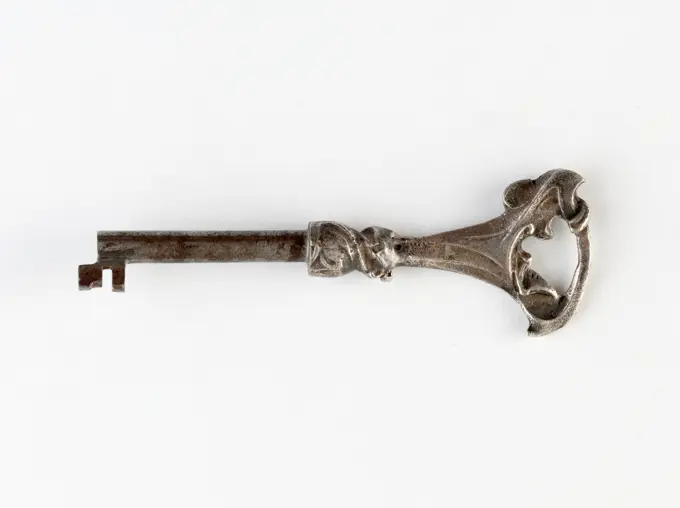
Hector Guimard (1867-1942). "Key". Bronze. 1909-1911. Museum of Fine Arts of the City of Paris, Petit Palais. 76499-10 Art Nouveau, Bronze, Key, Key
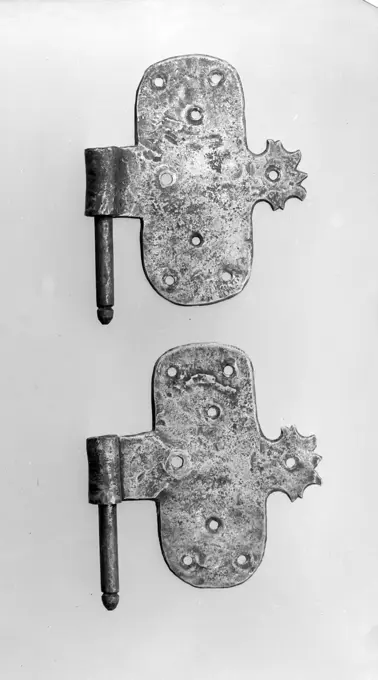
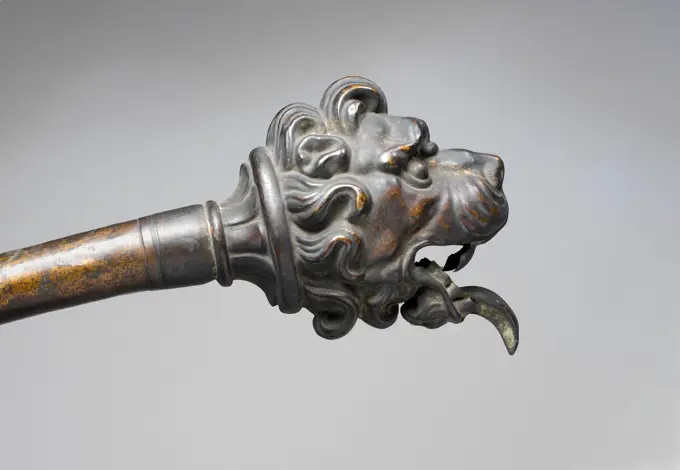
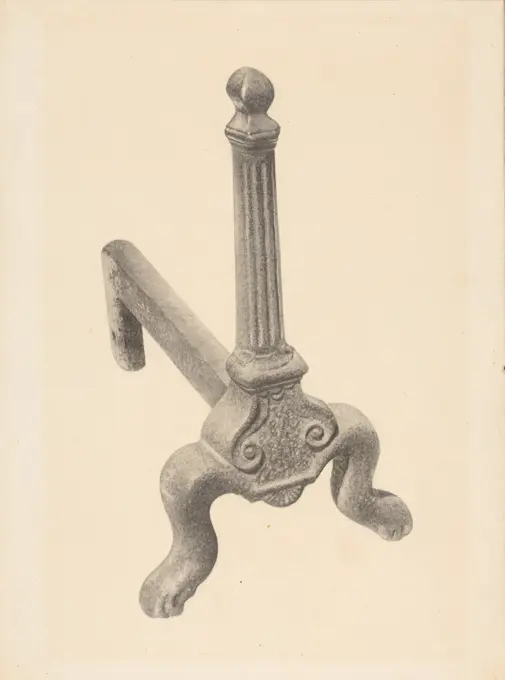
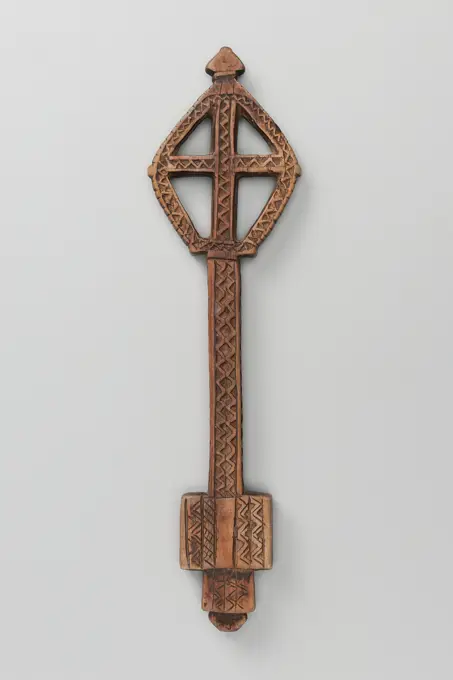
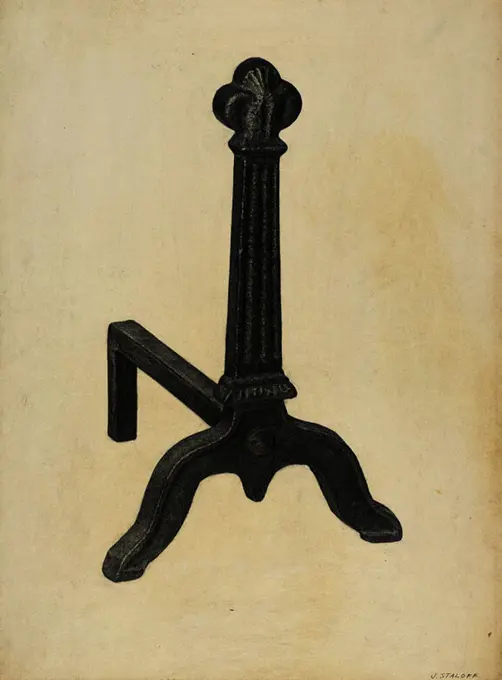
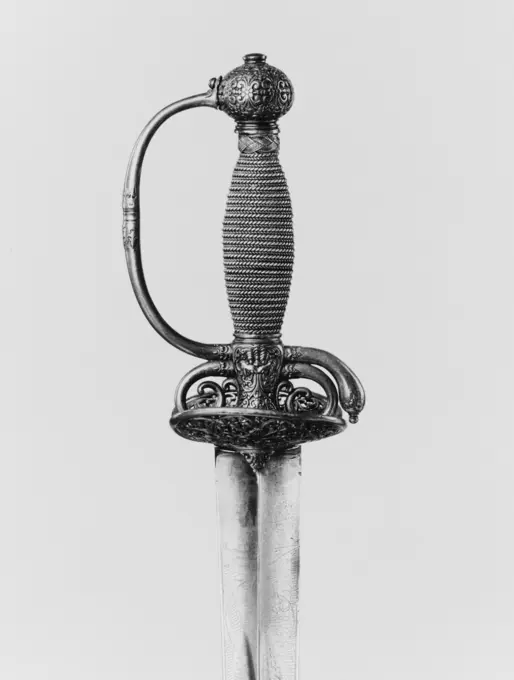
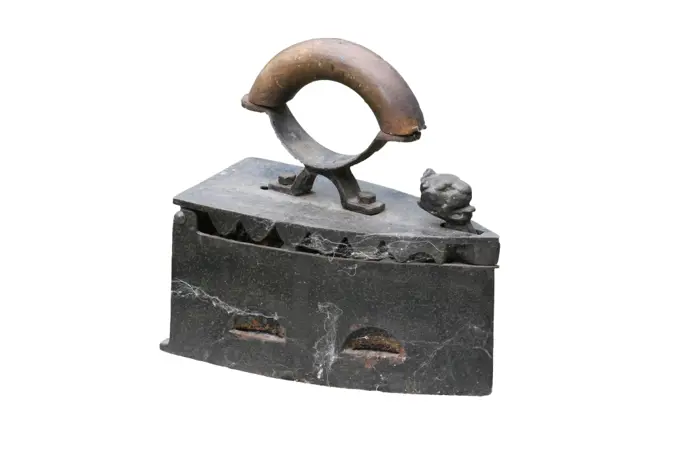
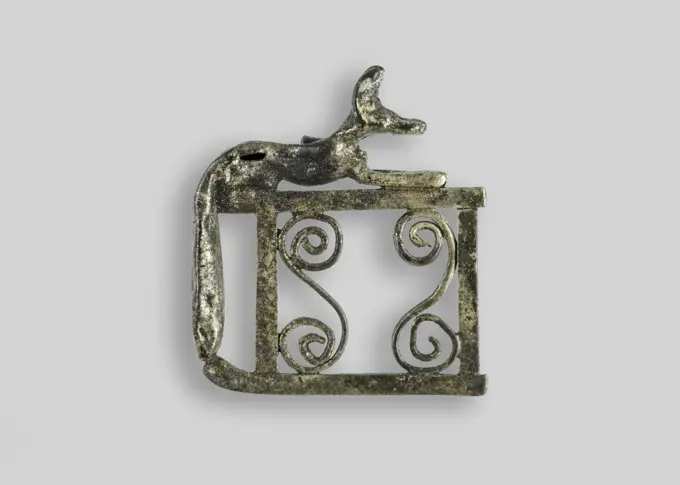
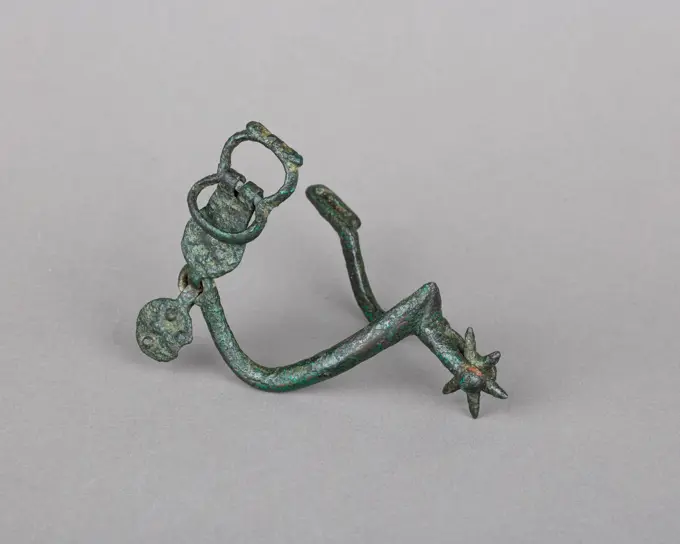
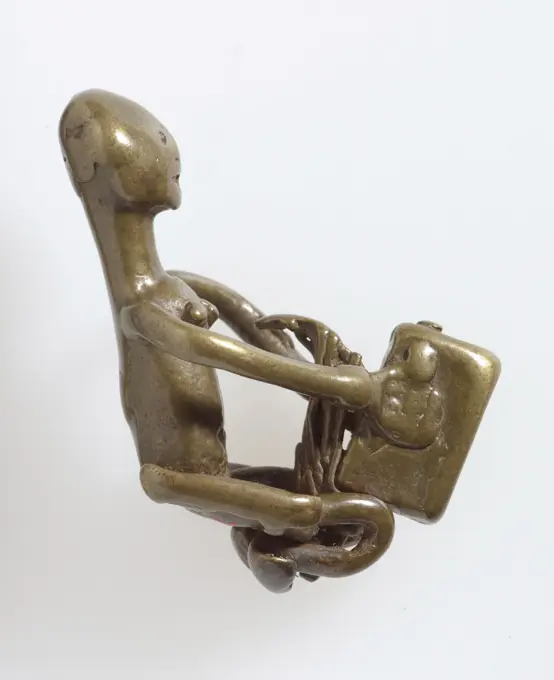
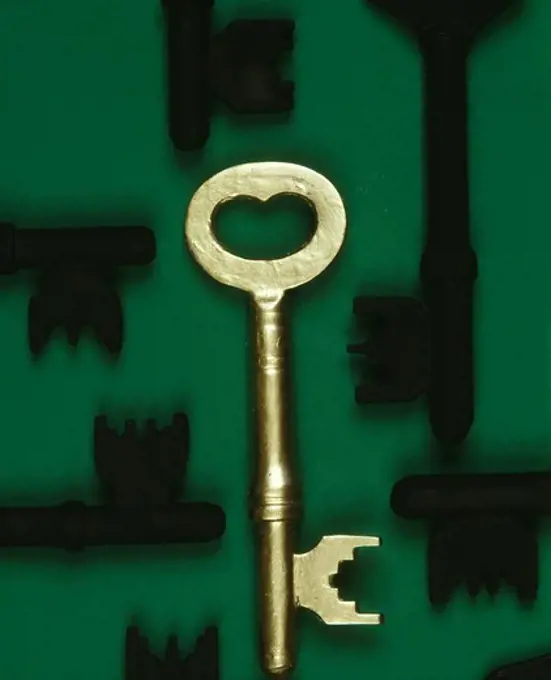
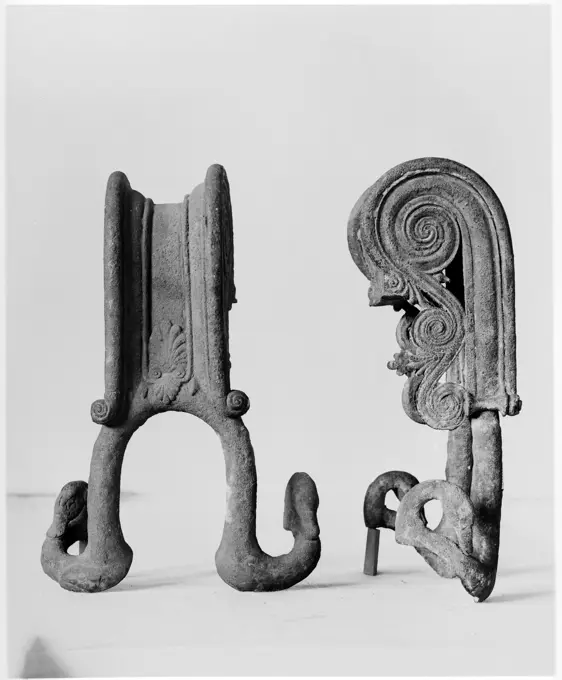
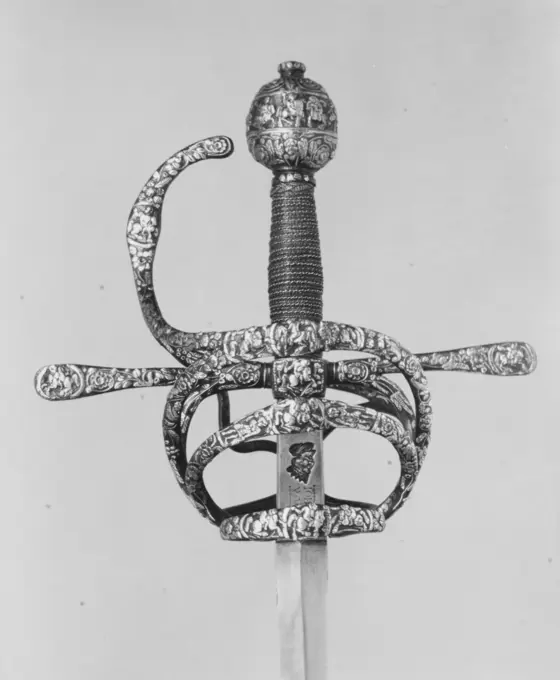
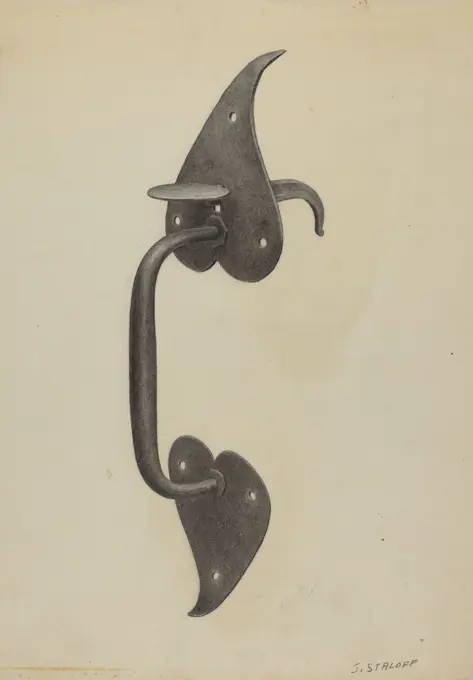
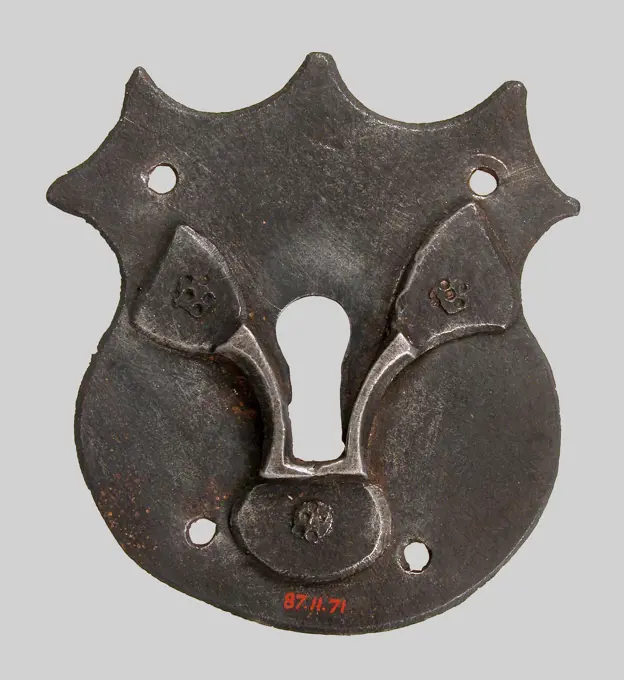
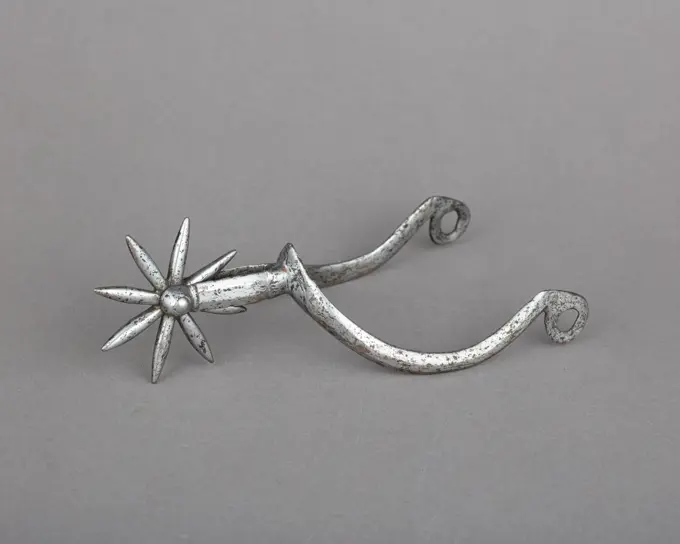
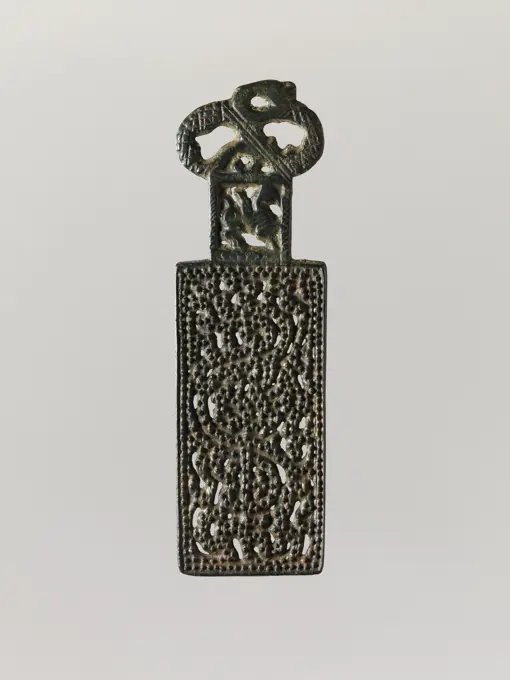
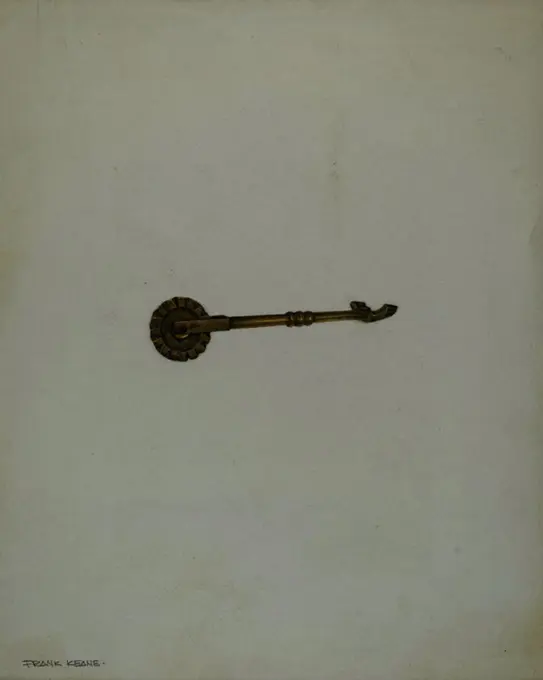
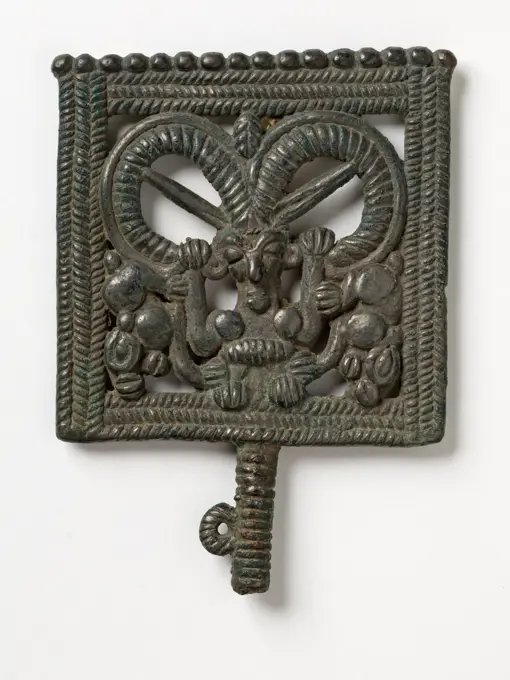
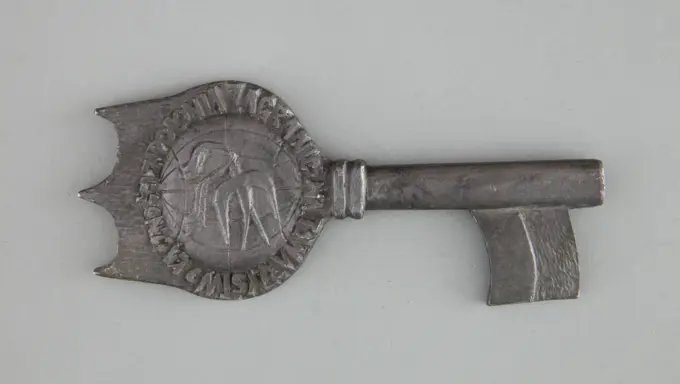
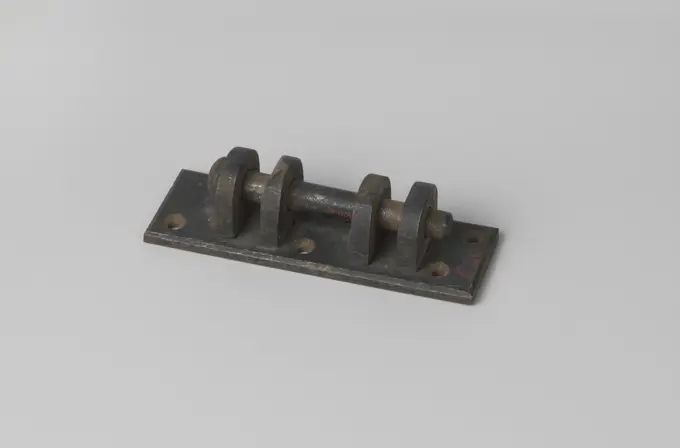
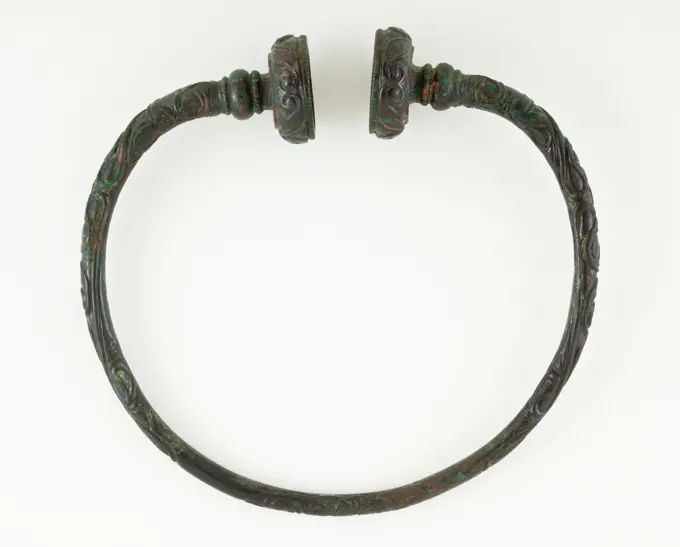
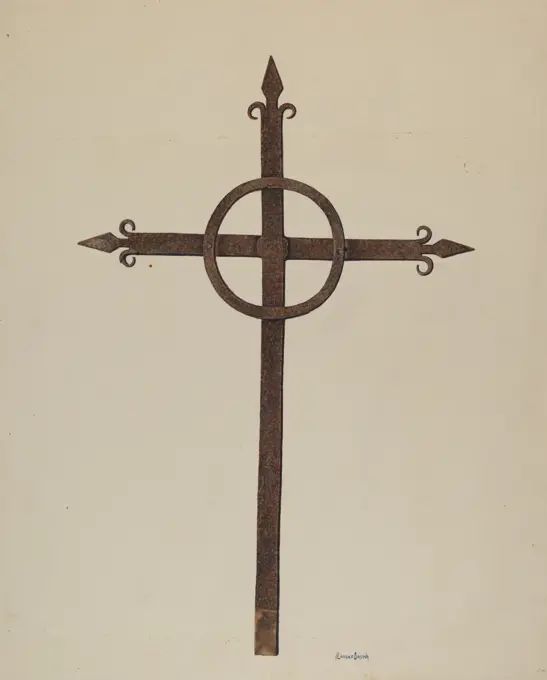
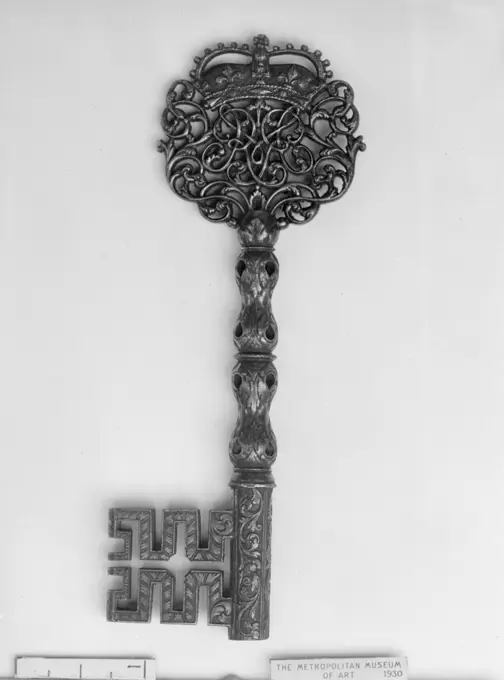
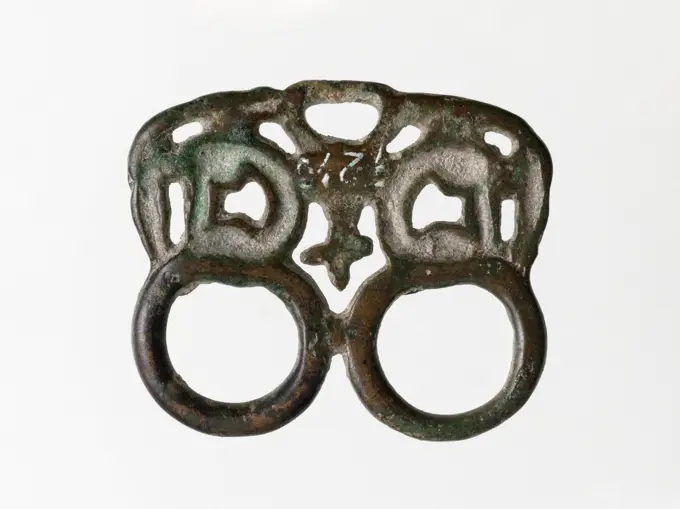
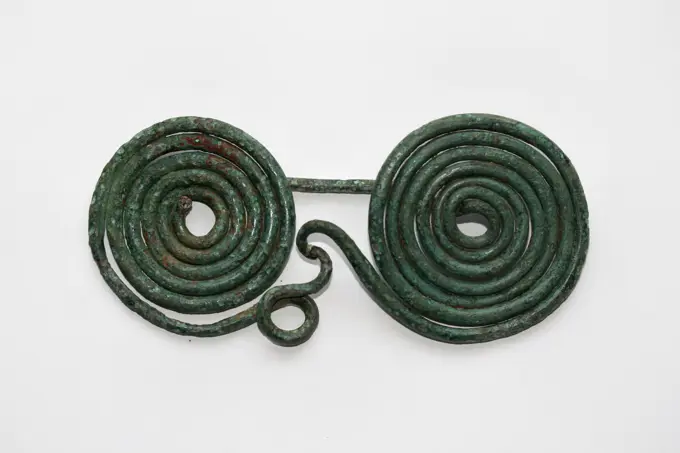
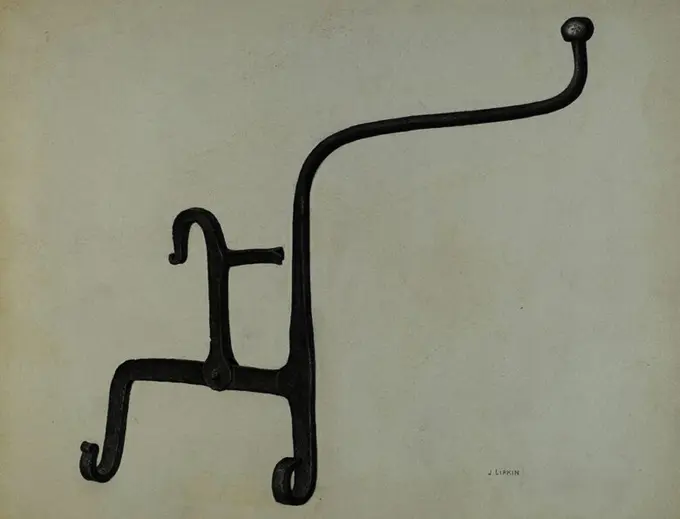
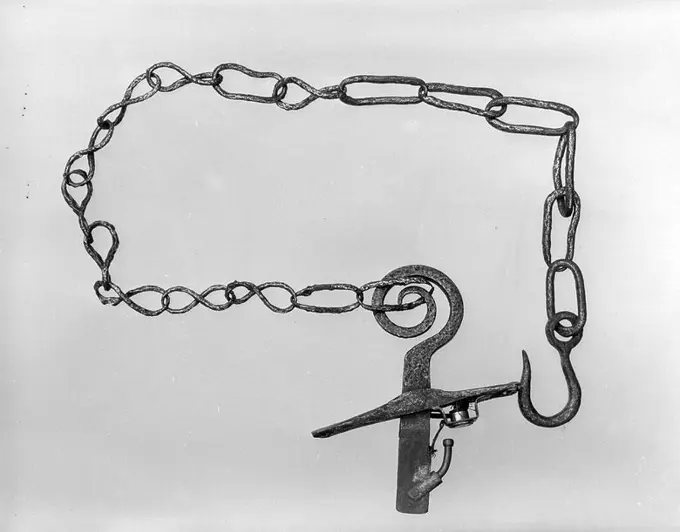
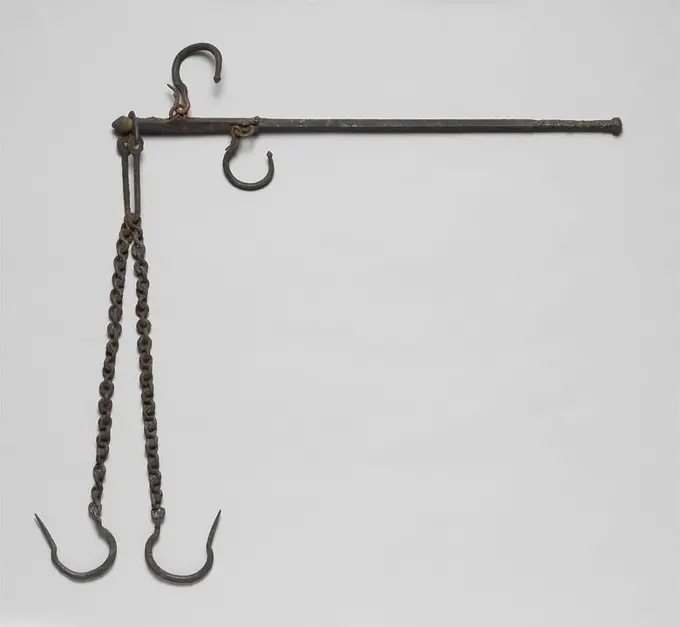
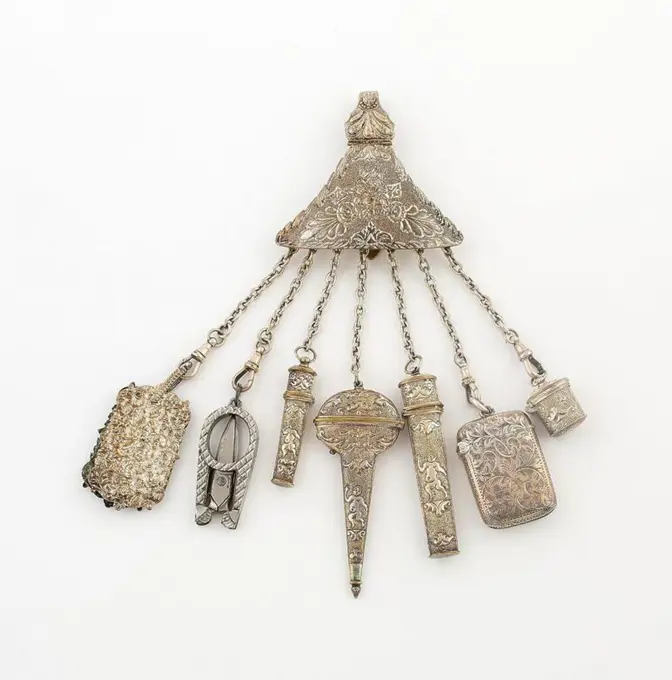
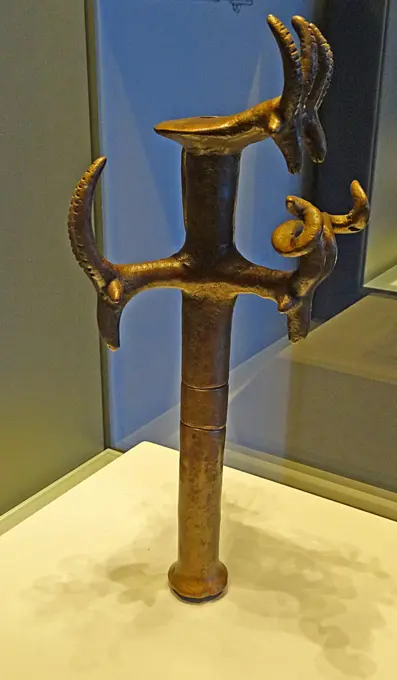
Roman belt buckle made of bronze from the Archaeological site of Complutum in Alcalá de Henares ( Madrid ). SPAIN.Curb Bit 1500-1533 Germany. Iron .Hinge 1700-1800 American. Hinge 430239 keys from the collection of Emmanuel Vita Israël, anonymous, c. 1400 - c. 1500 Key of which the handle is three -pass -shaped, and is covered by a bar. The beard vetoes a cross -shaped opening and ends in a comb. Heavily rusted.  iron (metal) Key of which the handle is three -pass -shaped, and is covered by a bar. The beard vetoes a cross -shaped opening and ends in a comb. Heavily rusted.  iron (metal)Dog loft, anonymous, c. 1800 - c. 1900 There is a dog on an elongated plate with an engraved Zig-Zag line along the edge. The dog is attached to a chain that is attached to a doghouse. The image is marked with a dolphin twice. Netherlands silver (metal) There is a dog on an elongated plate with an engraved Zig-Zag line along the edge. The dog is attached to a chain that is attached to a doghouse. The image is marked with a dolphin twice. Netherlands silver (metal)Serpon En Metallo 19th century Attributed to Leopoldo Franciolini Italian. Serpon En Metallo. Italian. 19th century. metal (lead-tin alloy). Florence, Italy. Aerophone-Lip Vibrated-hornHerman Bader, Andiron (one of pair), c 1938 Andiron (one of pair)Riem buckle from the wreck of the East Indians Hollandia, Anonymous, 1700 - in Or Before 1743  Riemgesp. Rectangular, 1 fragm of ring (c.4.7x9.7, 0.7w, 0.4t) with spindle, belt buckle. Netherlands copper (metal)   SecondKrzyż ręczny. nieznany warsztat etiopski (1400-1970), authorMountCut. An arrested single cut (tinned).Andiron (one of pair). Dated: c. 1938. Dimensions: overall: 40.6 x 30.5 cm (16 x 12 in.) Original IAD Object: 17 5/8" high; 11" wide; 14 3/4" deep; thickness of shaft: 7/8". Medium: graphite on paperboard. Museum: National Gallery of Art, Washington DC. Author: Jack Staloff.Harness or bridle fitting in the form of a claw ca. 6th-4th century B.C. Achaemenid. Harness or bridle fitting in the form of a claw 324540Key;  18th century (1701-00-00-1800-00-00);Loop .Pack Saddle. Dated: c. 1940. Dimensions: overall: 24.7 x 35.8 cm (9 3/4 x 14 1/8 in.) Original IAD Object: 19" long; 8" high. Medium: watercolor, graphite, and colored pencil on paper. Museum: National Gallery of Art, Washington DC. Author: Cornelius Christoffels.Top for standard ca. 8th-7th century B.C. Iran. Top for standard 322857Sewing test, decorated with a jerk and a fish. The object is poured and scilated and then partially punched and engraved. It consists of four parts: the screw with the European Championships. The handle and the button, the table clamp, the baluster, the fish. The handle and knob of the screw are decorated. The table clip consists of two fucks that are connected to each other with an S shape and four leaves. On the upper blade, the balurer is soldered, which forms a whole with the cessation of the fish. A spring has been made in this animal so that the mouth falls. In the upper jerk of the table clamp is a hole, with a thread on the inside.Latch 1700-1800 American. Latch. American. 1700-1800. Wrought iron. Possibly made in Pennsylvania, United States; Possibly made in Connecticut, United StatesCross thorough; Unknown Ethiopian workshop (1400-1970); 20th century (1900-00-00-1960-00-00);deposit of Wacław Korabiewicz, crosses, Ethiopian crosses, hand crossesCeremonial Knife (Tumi) 12th-15th century Chimú. Ceremonial Knife (Tumi) 309549Knip, c. 1400 - c. 1950 A sorner single cut (telling).  iron (metal) A sorner single cut (telling).  iron (metal)Smallsword ca. 1700-1725 Sri Lankan (Ceylon, for the European market) By the early seventeenth century, the rapier, a long slender thrusting sword, began to dominate as the gentlemans weapon of choice. During the course of the century, however, as civilian fencing techniques became more specialized and refined, the rapier developed into a lighter, trimmed-down weapon known by about 1700 as the smallsword. Smallswords, often richly decorated, remained an integral part of a gentlemans wardrobe until the wearing of swords in civilian settings went out of fashion at the end of the eighteenth century, at which time pistols were replacing swords as arms most frequently used in personal duels. The majority of smallsword hilts are made of silver or steel, but many also employ a wide variety of luxurious materials, such as gold, porcelain, and enamel. At their best, smallswords combine the crafts of swordsmith, cutler, and jeweler to create an elegant weapon that was also a wearable work of aOld iron for which a coal was used for warmingAmulet of Anubis on his Shrine ca. 1850-1775 B.C. Middle Kingdom This delicate amulet, representing a jackal recumbent atop a shrine, was found in a tomb at Abydos along with several other silver objects. The jackal here most likely represents either Anubis, god of embalming, or Wepwawet, the deity who escorted the deceased into the afterlife.. Amulet of Anubis on his Shrine. ca. 1850-1775 B.C.. Electrum. Middle Kingdom. From Egypt, Northern Upper Egypt, Abydos, Cemetery V, Tomb V21, Egypt Exploration Fund excavations, 1904. late Dynasty 12-early Dynasty 13Rowel Spur (Left) first half 14th century possibly Italian The remaining tab and the chape of the buckle are decorated with lions passant, a heraldic device. Here, however, they are probably only decorative and do not refer to any particular family. The first rowel spurs, which featured a revolving disc or star at the end of the neck, appeared in Western Europe around the mid-13th century. They cohabitated with the earlier form, the prick spur, for about a century, before replacing it almost completely in Europe by the mid-14th century. The advantage of the rowel spur over the prick was it allowed the rider to reach the flanks of its horse with one of the points whatever the angle of its foot, which was very convenient regarding the riding position of the time, with long stirrups-leathers and extended legs. The fact that the rowel rolled against the horse instead of hitting it directly reduced also the probability of injuring it too seriously. As a knights status was closely related tAiguillette early 19th century Italian. Aiguillette 98371Goldweight Seated Figure with an Implement Between the Knees, 19th-20th century, 2 1/4 x 1 1/16 x 1 3/4 in. (5.72 x 2.7 x 4.45 cm), Brass, Ghana, 19th-20th centuryThe golden keyBronze handles of a volute-krater (bowl for mixing wine and water) 4th century B.C. Greek Although these handles are much later than the other objects in this gallery, they represent a shape that was introduced in the late sixth century B.C. and was favored by significant artists who worked in terracotta and in bronze. A characteristic of volute-krater handles is the fine articulation of the volute itself and of the lower terminals where they rested on the shoulder of the vase. Here, as in most metal examples, they assume the form of swans' heads.. Bronze handles of a volute-krater (bowl for mixing wine and water). Greek. 4th century B.C.. Bronze. Classical. BronzesRapier ca. 1610-20 Hilt signed Bouqueton French The rapier was the principal civilian sidearm throughout the sixteenth and seventeenth centuries. Designed for cut-and-thrust fencing of progressively complex techniques, the rapier is characterized by a double-edged blade with an acute point and an elaborate guard for the hand. The guards, usually of iron or steel, were subject to a variety of embellishment. They were engraved, chiseled, gilded, damascened, and encrusted in gold and silver in keeping with fashionable styles. Unless otherwise noted, the materials, attributions, and dating given here refer to the hilts. Rapier blades, invariably of steel, bear a variety of makers marks denoting their origin in the two principal centers of blademaking, Toledo in Spain and Solingen in Germany.. Rapier. probably French, Paris. ca. 1610-20. Steel, silver, wood. probably Paris. SwordsJack Staloff, Pa German Door Handle, c 1938 Pa. German Door HandleOrnament 18th-19th century Dogon peoples. Ornament 320335Silver Cross. Culture: Byzantine. Dimensions: Overall: 3 15/16 x 3 x 1/8 in. (10 x 7.6 x 0.3 cm). Date: 500-700.This elegant silver cross has flared arms ending in serifs. Similar crosses were given to churches and shrines as votive gifts.Crosses were everywhere in the early Byzantine world. They marked religious, secular, and domestic buildings, public works, clothes and jewelry, and objects in the home. The cross was a sign of Christ's triumph over death and the hope of eternal life and was frequently ascribed apotropaic, or protective, powers by the faithful. Museum: Metropolitan Museum of Art, New York, USA.Escutcheon Plate 16th century German. Escutcheon Plate 468893Rowel Spur mid-14th century possibly German The first rowel spurs, featuring a revolving disc or star at the end of the neck, appeared in Western Europe around the mid-13th century. They cohabitated with the earlier form, the prick spur, for about a century, before replacing it almost completely in Europe by the mid-14th century. The advantage of the rowel spur over the prick was it allowed the rider to reach the flanks of its horse with one of the points whatever the angle of its foot, which was very convenient regarding the riding position of the time, with long stirrups-leathers and extended legs. The fact that the rowel rolled against the horse instead of hitting it directly reduced also the probability of injuring it too seriously. As a knights status was closely related to his horse, spurs became one of the symbols of chivalry, and one of the tokens given to him during his knighting.. Rowel Spur. possibly German. mid-14th century. Iron alloy. Equestrian Equipment-SpursKnife Coin China. Knife Coin. China. Bronze. Han dynasty (206 B.C.-A.D. 220). MetalworkPie Crust Fluter. Dated: c. 1939. Dimensions: overall: 28 x 22.5 cm (11 x 8 7/8 in.). Medium: watercolor and graphite on paperboard. Museum: National Gallery of Art, Washington DC. Author: Frank M Keane.Pin head. Bronze, Luristan, modern era. Paris, Cernuschi museum. BILLY GOAT, BOUC, BRONZE, CERVID, CERVIDE, CORNE, EPOQUE MODERNE, HORN, LURISTAN, MODERN PERIOD, PIN HEAD, TETE EPINGLEHenry Tomaszewski, Shop Sign Key, 1935 1942 Shop Sign KeyFragment Sampler from the wreck of the East Indieschief Hollandia. Divider; Fragment, Semicircular Ring, ID. NG 1980-27H1669, Twisted.Lazio Roma Grottaferrata Museo30. Hutzel, Max 1960-1990 German-born photographer and scholar Max Hutzel (1911-1988) photographed in Italy from the early 1960s until his death. The result of this project, referred to by Hutzel as Foto Arte Minore, is thorough documentation of art historical development in Italy up to the 18th century, including objects of the Etruscans and the Romans, as well as early Medieval, Romanesque, Gothic, Renaissance and Baroque monuments. Images are organized by geographic region in Italy, then by province, city, site complex and monument.Summer School of Culture and Polish Language 1969 1979Pipe key, c. 1400 - c. 1950 Pipe key whose ivory grip consists of two acanthus leaves, on which there is a circular widening with leaf motif. On the ivory allocation buttons that are facetish are sharpened. Schacht and Beard of Bronze, grasp of ivory; Biedermeier.  steel (alloy). ivory Pipe key whose ivory grip consists of two acanthus leaves, on which there is a circular widening with leaf motif. On the ivory allocation buttons that are facetish are sharpened. Schacht and Beard of Bronze, grasp of ivory; Biedermeier.  steel (alloy). ivoryFolding Langlois, ClaudeSlinger of a Pump, 1650 - 1700 A double pump garland with sliced beam, decorated with festons and hose, and forged iron curl.  iron (metal) forging A double pump garland with sliced beam, decorated with festons and hose, and forged iron curl.  iron (metal) forgingleather strap with carabiner on a green backgroundBeads. Beads. Silver, glass. Gold and SilverFibula. Fibula 256762Key. Key whose eye consists of a used C-voltage in which three protrusions occur. She rests on a wide, in the middle, very well-resistant key chest. The beard that is placed transversely to the eye shows vertical arceing.Arm with candle holder, part of a candle crown, anonymous, 1650 - 1725 The object is composed of the following five parts: the arm, the fat catcher, the turner, the candle holder. The arm is bent twice, ending on one side in a spiral with bird or dolphin head, ending in a thickening. Here the turner is screwed on the round fat catcher on the bottom. Two cylindrical candle holders with cylindrical tribes have been screwed on the turner. The arm has been broken down under the thickening, and the connecting curl has been restored. Moreover, the fat catcher and one of the holders deviate slightly from that of BK-KOG-1011-A. The object is attached with an iron pin in the eyes of an iron part, which can be held on the one wall. The candle holder and fat catcher were originally part of a candle crown. The baluster on which the arm was originally stabbed, as well as the buttons are missing. Netherlands brass (alloy) casting The object is composed of the following five parts: the arm, the fat cSlot, anonymous, 1600 - 1699 Slot of Vertind Iron, supposedly support lock with two shots. A clover -shaped lock cupboard. The final plate is engraved with braided vendors, ending the tenders in faces in it.  iron (metal). tin (metal) engraving Slot of Vertind Iron, supposedly support lock with two shots. A clover -shaped lock cupboard. The final plate is engraved with braided vendors, ending the tenders in faces in it.  iron (metal). tin (metal) engravingTorque (neck ring). Western Europe, La Tene period, circa 350-275 B.C.. Jewelry and Adornments; torques. Bronze, castPair of Tube-Lock Hammers ca. 1819-20 Joseph Manton Joseph Manton, one of the most influential and esteemed gunmakers in London in the late 18th and early 19th century, patented the tube-lock mechanism in 1818 (patent no. 4285). London gunmakers invented dozens of new percussion technologies in the first half of the 19th century, but the tube-lock was one of the few that was widely adopted. This pair of hammers bear the same serial number (8458) as the tube-lock shotgun by Egg in the Museum's collection (acc. no. 37.29.4). They are the gun's orginal hammers, or replacements included with the set.. Pair of Tube-Lock Hammers. British, London. ca. 1819-20. Steel. London. Firearms PartsHinge 1700-1800 American. Hinge 4319H Langden Brown, Iron Cross, c 1938 Iron CrossPijpsleutel.Pipe key with bean-shaped eye and incisions in the beard in the shape of a star between two crosses.Chamberlains key with crowned cypher of Mary II (1662-1694) ca. 1685-95 British The interlaced initials MR crowning the top of this key stand for Mary Regina (Queen). Ceremonial keys were worn by the Lord Chamberlain, chief officer of the royal household, as an emblem of office.. Chamberlains key with crowned cypher of Mary II (1662-1694). British. ca. 1685-95. Steel. Metalwork-SteelMountRevolvermaschine von R. Patterson, Amerika, um 1870, Maschine zum Schälen von Getreide, Reis oder Kaffeebohnen, Historisch, digital restaurierte Repro...John H Tercuzzi, Necklace, 1935 1942 NecklacePlate. Bronze. Northwest China, 5th -th centuries BC. AD, Cernuschi museum. 59697-3 Animal art, bronze, northwest, plateFlat Iron Stand. Dated: c. 1940. Dimensions: overall: 25 x 35.3 cm (9 13/16 x 13 7/8 in.) Original IAD Object: 10" long. Medium: watercolor, pen and ink, and graphite on paperboard. Museum: National Gallery of Art, Washington DC. Author: Luther D. Wenrich.Light arm. Light arm of brass.Close-up of an adjustable wrenchElizabeth Johnson, Branding Iron, c 1942 Branding IronPowder Flask Made 1610-1640 Germany. Walnut, mother-of-pearl, and iron, with gilding .PotatoMasher. Designer Henry Dreyfuss, American, 1904-1972 Maker: Washburn Company, American, 1922-1967Model of a Blake Stopper, anonymous, 1847 demonstration model Brass model of an iron summary peg with a handle and short ends of a chain bobeling and anchor chain. Scale 1: 2 (estimate). Netherlands (possibly) brass (alloy)Brooch 8th century B.C. German. Brooch 478183Still life close up of lock and chain in question mark form.Model of an Anchor. Model of a Porter's Stokanker. The arms turn around an axis in the forked end of the shaft; The angle of the arms is smaller than usual and the hands are equipped with a horn on the outside. The anchorial can be pushed through the hole of the shaft and parallel to the shaft. At the ends of the shaft there is a harp, at the cross a chain and a double blew around the shaft.Cross 3rd-12th century. Cross 446045Kettle Tilter. Dated: c. 1939. Dimensions: overall: 24.6 x 32.2 cm (9 11/16 x 12 11/16 in.). Medium: graphite on paperboard. Museum: National Gallery of Art, Washington DC. Author: Jacob Lipkin.Latch. Dimensions: Bar: 5 3/8 x 6 1/2 in. (13.7 x 16.5 cm)Chain: L. 32 1/4 in. (81.9 cm). Date: 1700-1800. Museum: Metropolitan Museum of Art, New York, USA.Silver Viking 'Thor's Hammer' amulet, 9th century Artist: UnknownBronze steelyard. Culture: Roman. Dimensions: Other: 24 5/8 in. (62.5 cm). Date: ca. 2nd-4th century A.D..According to one source, the steelyard was invented by Archimedes, the great Syracusan inventor, in the 3rd century B.C. No examples of that early a date are attested but, since they changed little in form and appearance and continued in use until medieval times, it is often difficult to give a precise date to a specific steelyard. Museum: Metropolitan Museum of Art, New York, USA.Jan Timmers, Two-piece bronze mold for shovel with wooden handle, with initials IT and 1763, mold casting tool tools equipment base metal bronze, cast Two-piece bronze mold for pouring from the trough and part of the handle of serving ladle with wooden handle with praise as transition of trough to tin stem with pin at the end where the wooden handle is attached with initials and year signed IT and 1763 (Jan Timmers) Rotterdam tin casting tin tin Meeuws Druy craft Shapes come from the originally 18th century Rotterdam tinnegieter J Druy later collection Meeuws from Den Hedge. The large molds that were not signed or dated were the property of the tinker guild and were rented to the small tin caster.Stirrup 10th century North European, possibly northern Germany If the Vikings are mostly known for being talented sailors, one may forget they were also horse riders, and as in all the Germanic cultures, horses had great importance in their society, in both its social and religious aspects. Equestrian equipment, like stirrups, spurs and bits, are regularly found in Viking burials, among the goods warriors wanted to bring with them to the afterlife. The elite would sometimes even be accompanied by sacrificed horses, a meaningful practice at that time, considering the high economic value of horses.This stirrup exhibits remnants of an elaborated geometrical decoration of damascened silver and copper. These motifs reproduce textile patterns that were embroidered on fine contemporary clothing.. Stirrup 26546A pump is used to fill in the air into the tube of the trait has a metal rod and a hollow tube that pushes the air in with pressure. Pipe like structure attached to the main frame. Vintage engraved line art illustration. Bicycle Accessories 1900.Watch possibly 16th century Watchmaker: A.R.. Watch 194171Hand holding a retro styled golden color decorative keyEggs of unknown MothChatelaine. Birmingham, England. Date: 1901-1902. Dimensions: 19.1 cm (7 1/2 in.). Silver. Origin: Birmingham. Museum: The Chicago Art Institute, Chicago, USA.Rushlight Holder c 1750-1850 United States. Iron . Artist unknownMiniature chaise (part of a set) 1675-1700 Southern German Part of set of silver miniature furniture, 31.37.1-.22, and a box, 31.37.23.. Miniature chaise (part of a set) 196817Big old silvery school bell Big old silvery school bell, against a white wall Copyright: xZoonar.com/AlexanderxStrelax 3922095Krzyżyk  a questionnaire, helping soldiers Paul Kramer NeuchatelSceptre from the Cave of Treasure, Nahal Mishmar, Judean Desert from over 6,500-5,500 years ago. Made from copper.Bracelet n.d.a.. Bracelet 322384Watercolor tombstone with cracks. Hand Drawn halloween Illustration. Watercolor tombstone with cracks. Hand Drawn halloween Illustration Copyright: xZoonar.com/LiubovxPonomarchukx 18718286Retro cartoon with texture. Isolated on White.Ethiopian Coptic Christian processional cross. Brass 20th century