Historical Mirrors Collection

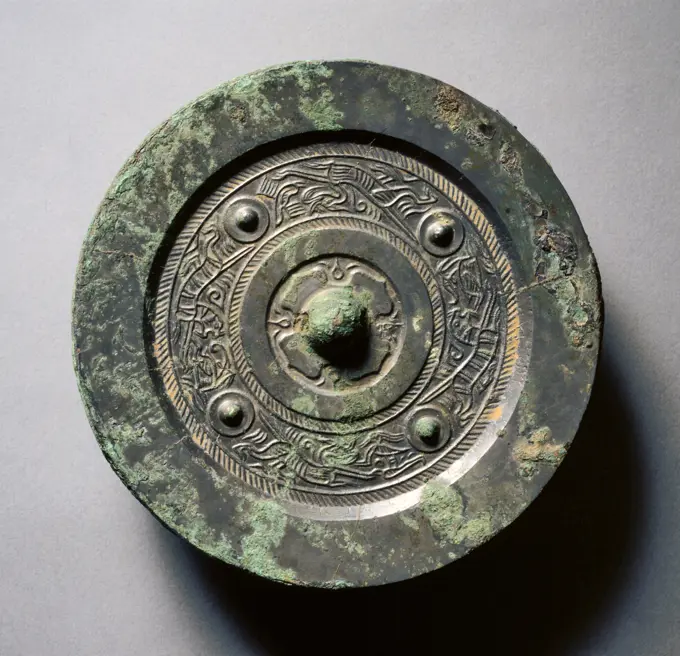
A variety of antique mirrors from different cultures, including intricate bronze designs and historic artifacts, showcasing craftsmanship and cultural heritage.
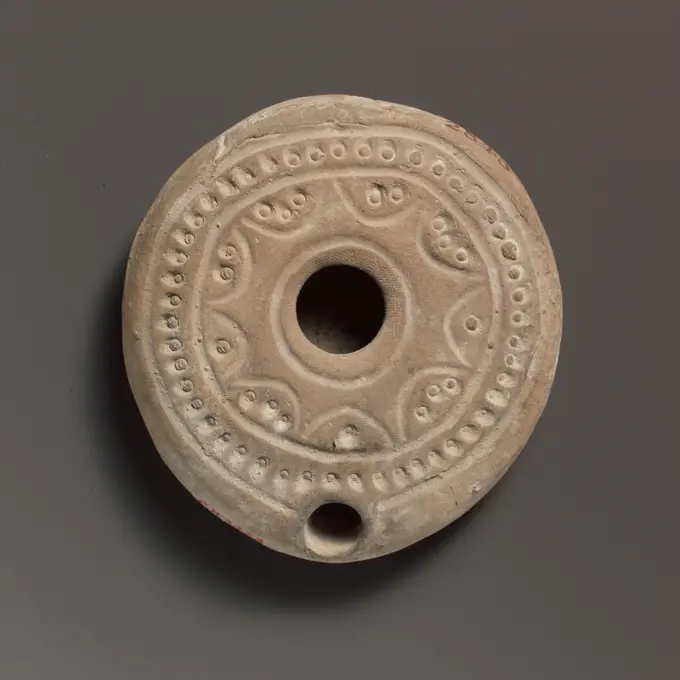
Terracotta oil lamp late 5th-6th century A.D. Roman Vessberg Type 20. Mold-made. Broad, flat, lentoid shape, with impressed decoration. Large, central filling hole, surrounded by a circular groove, then by a star pattern of nine lunettes; within lunettes, small, impressed circles with raised dots (three lunettes containing a single circle, two containing two circles, and four containing three circles); two more circular grooves towards edge of top, bordering a band of small, impressed circles with raised dots; the outer groove broken at front by the wick hole. On the bottom, at center three small, impressed circles with raised dots surrounded by a circular groove; another circular band of small, impressed circles with raised dots within a circular groove; and, at front and back, two parallel linear grooves flanked by small, impressed circles with raised dots.Intact.. Terracotta oil lamp 241602
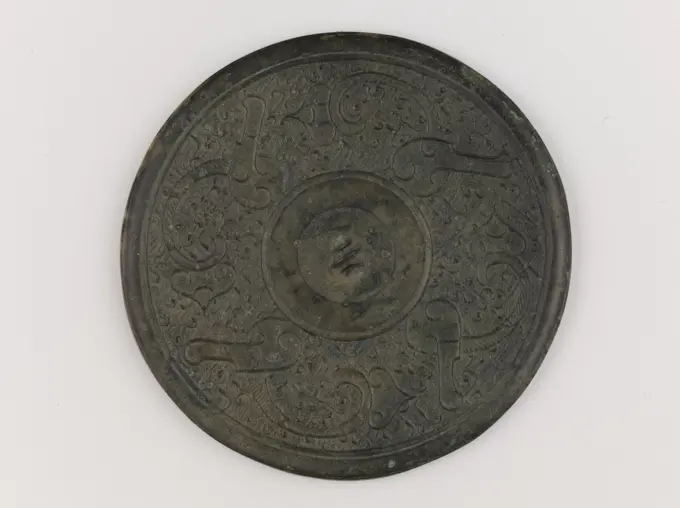
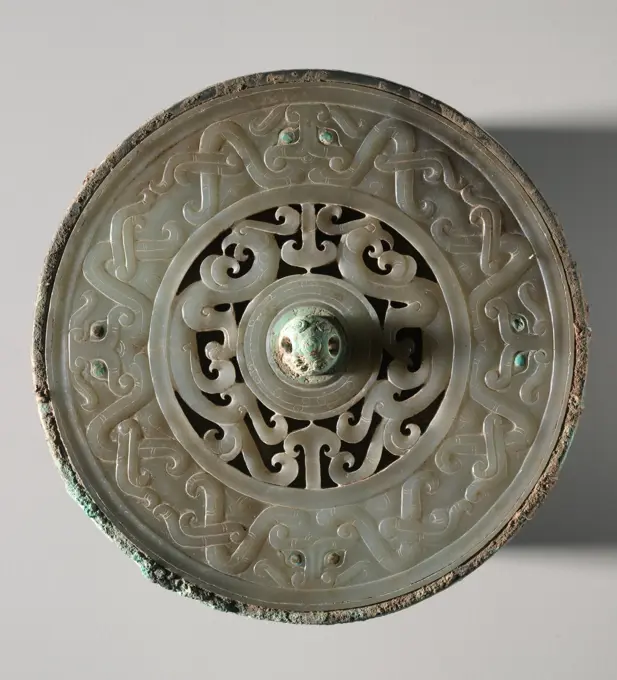
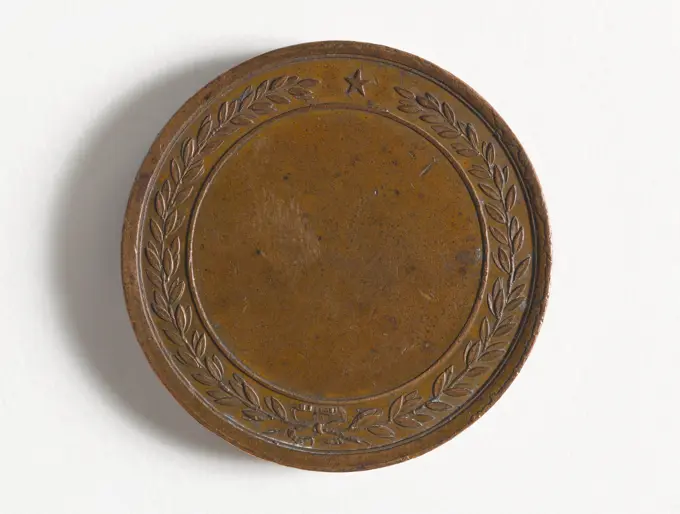
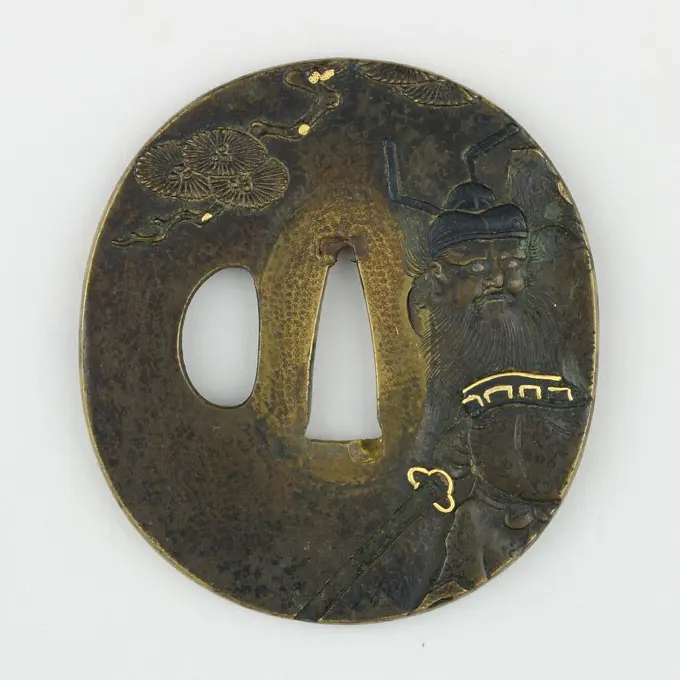
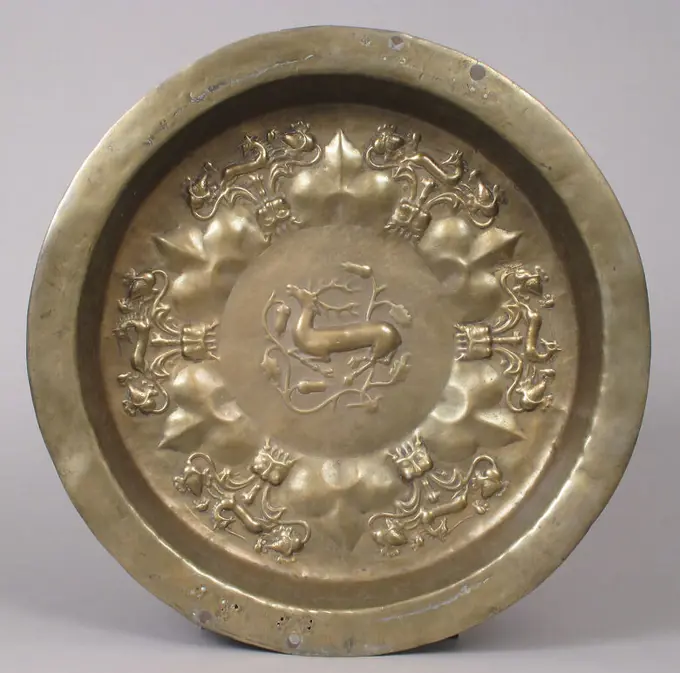
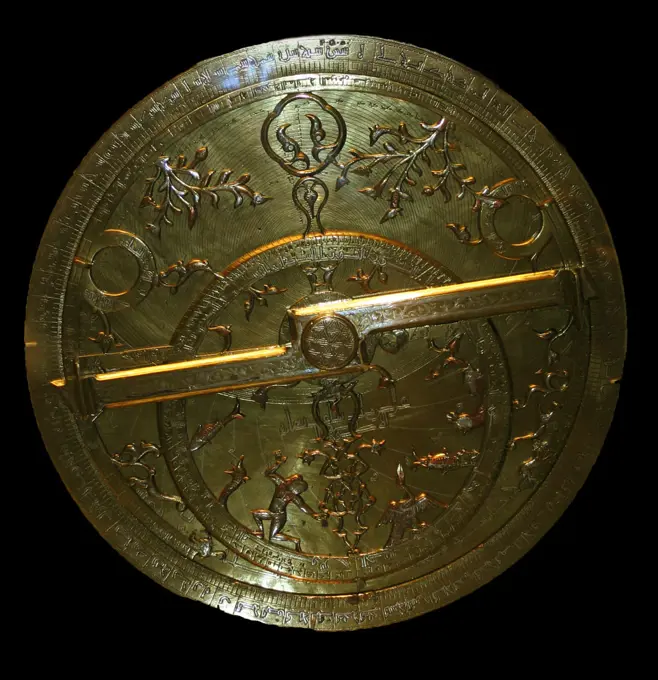
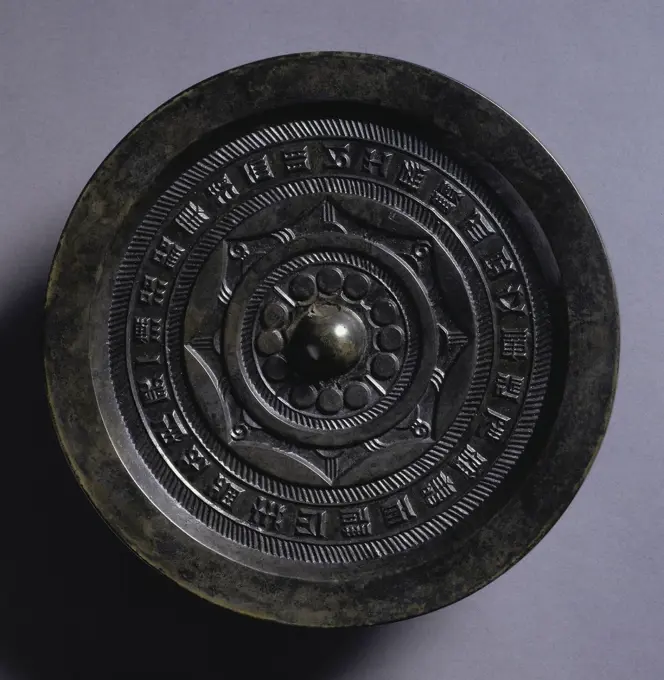
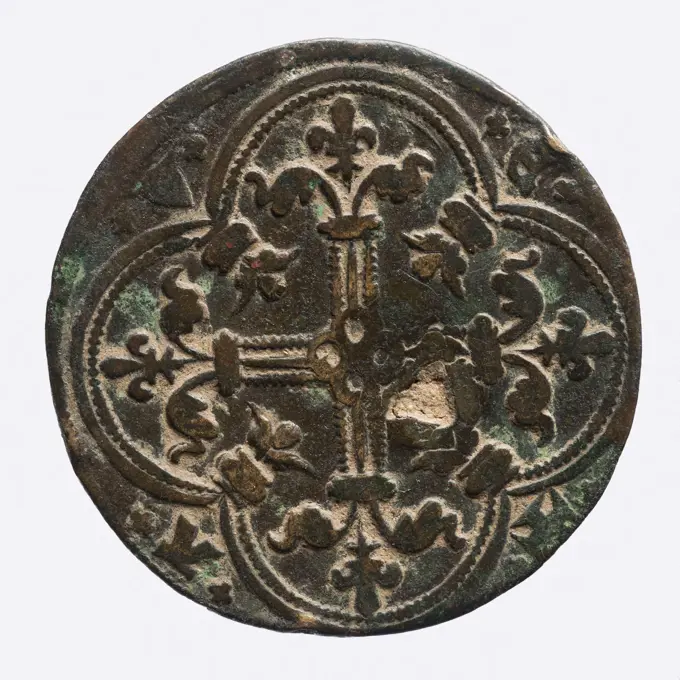
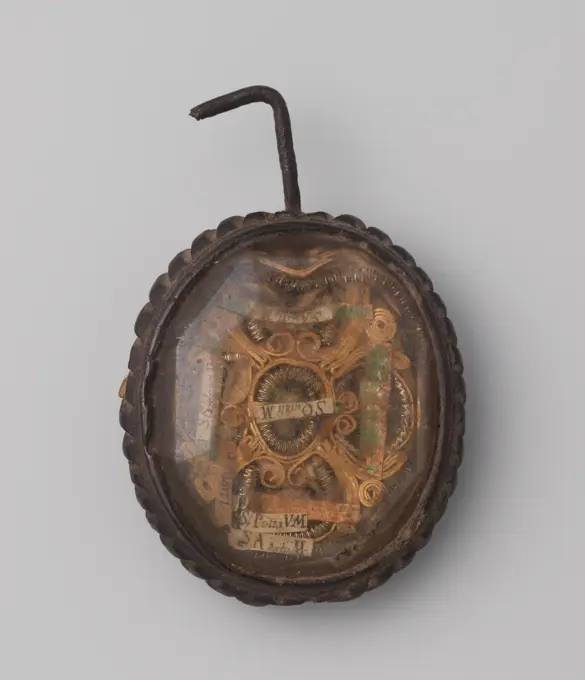
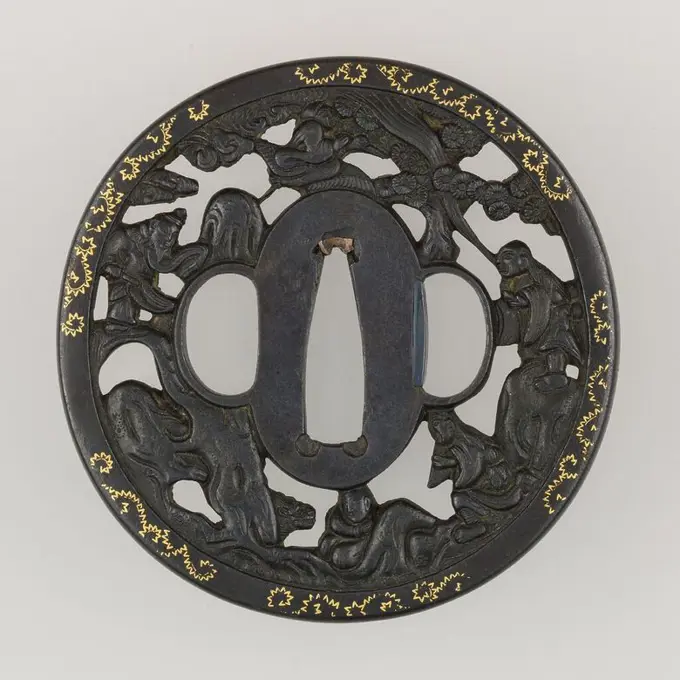
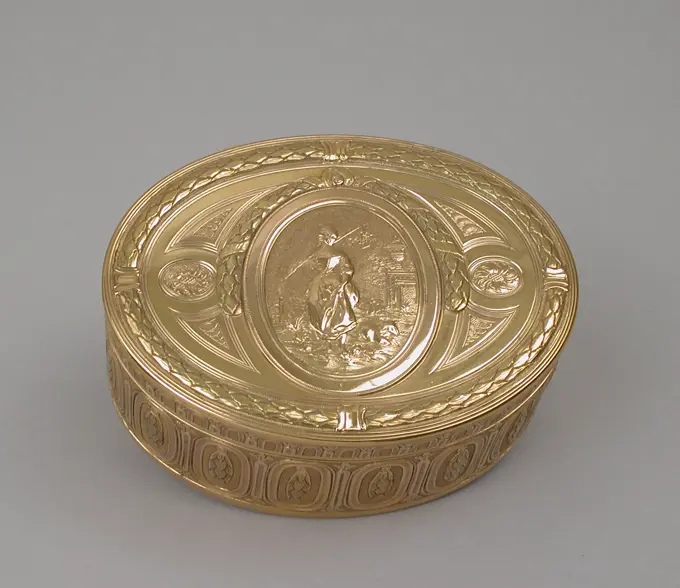
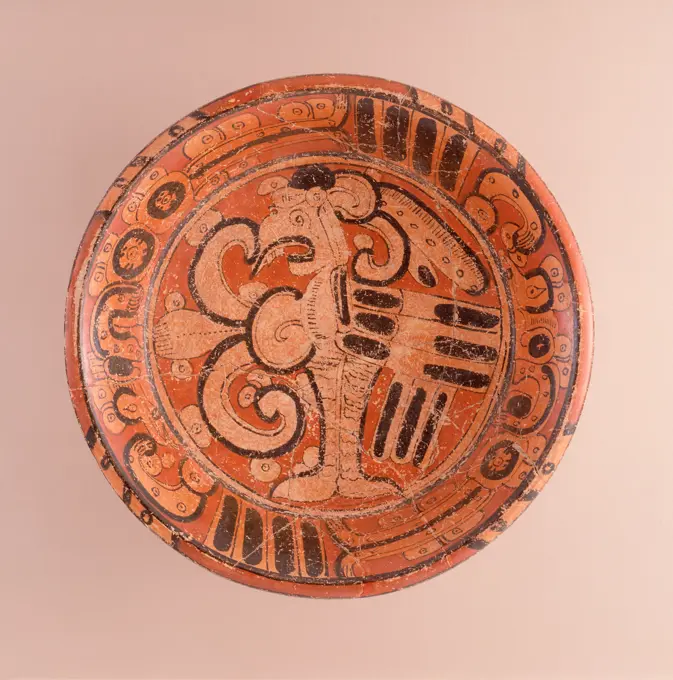
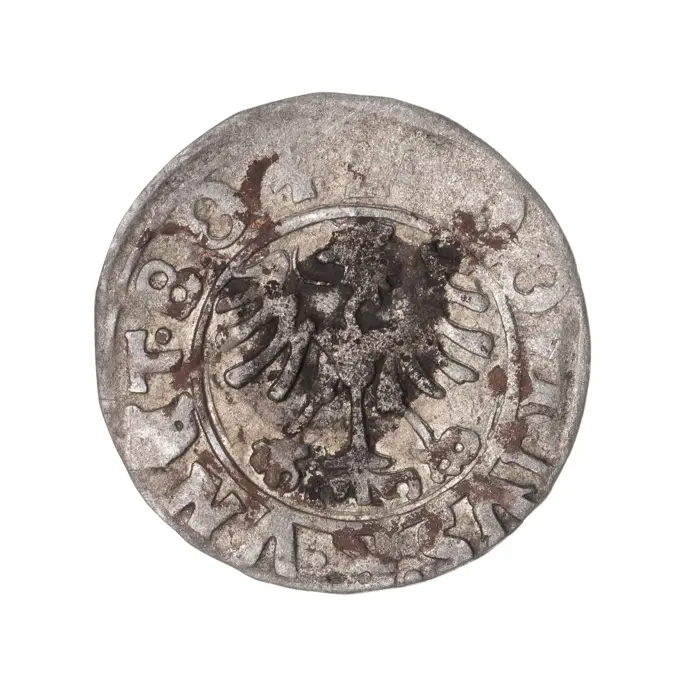
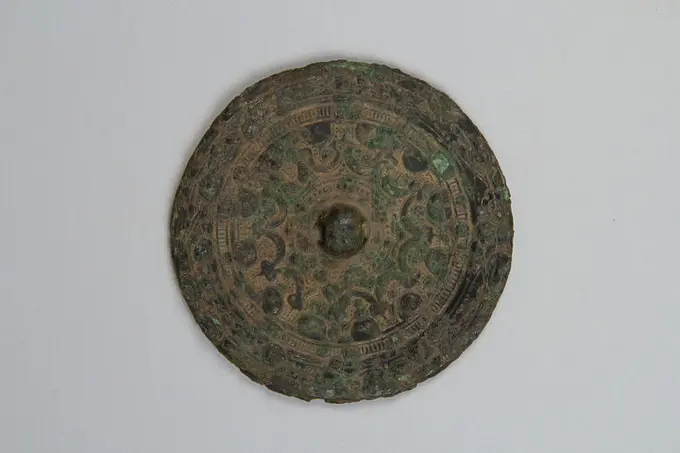
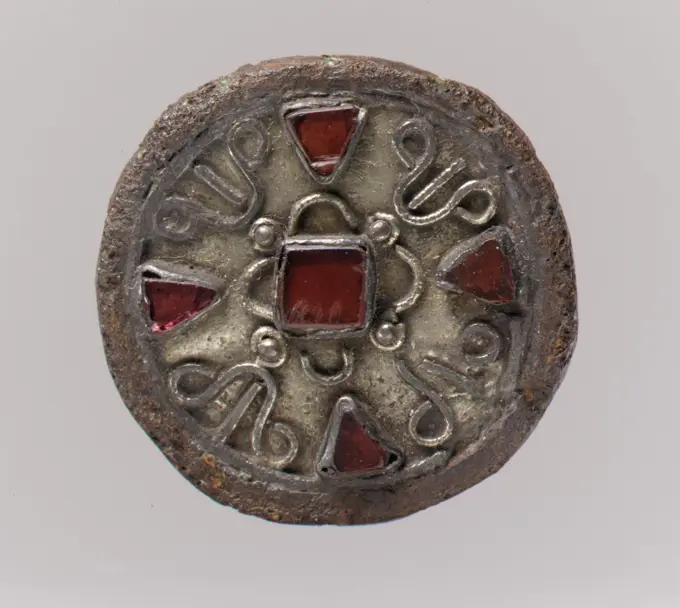
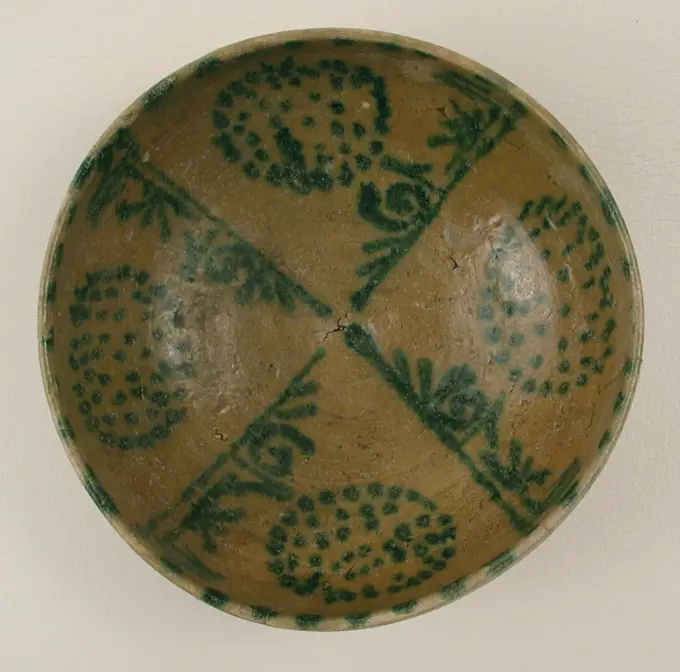
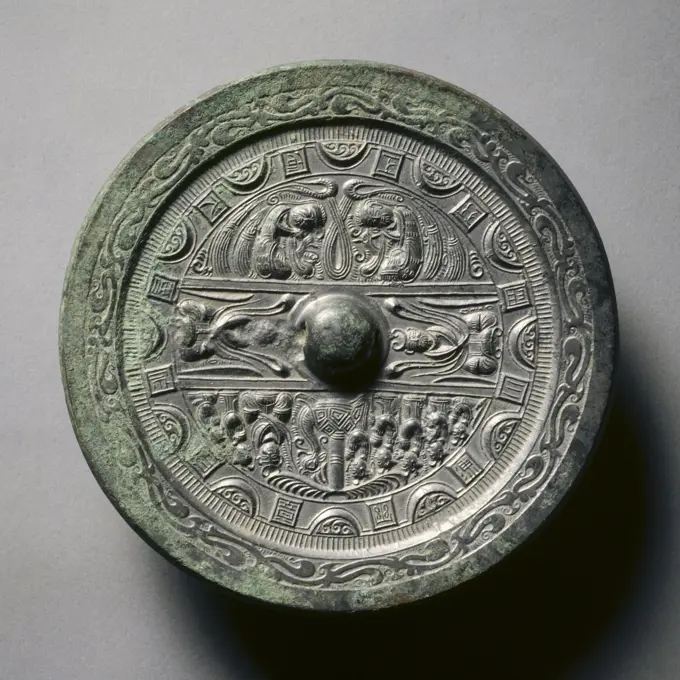
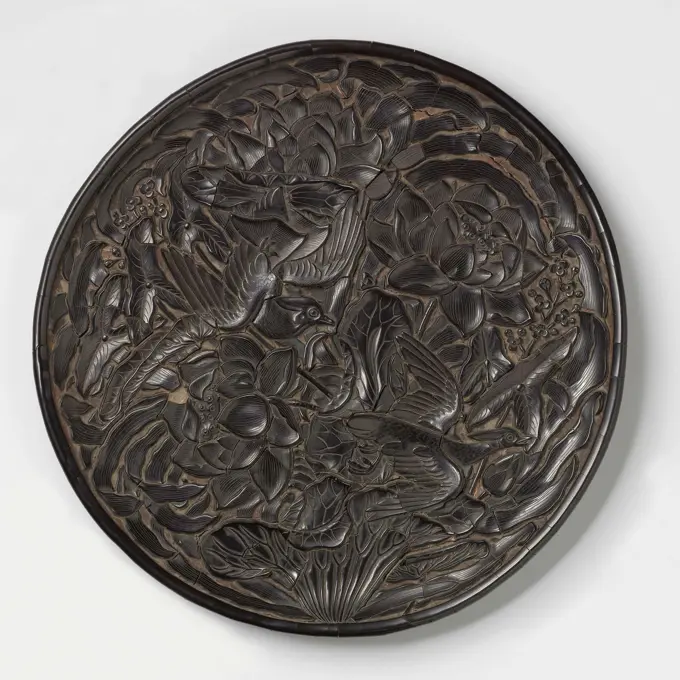
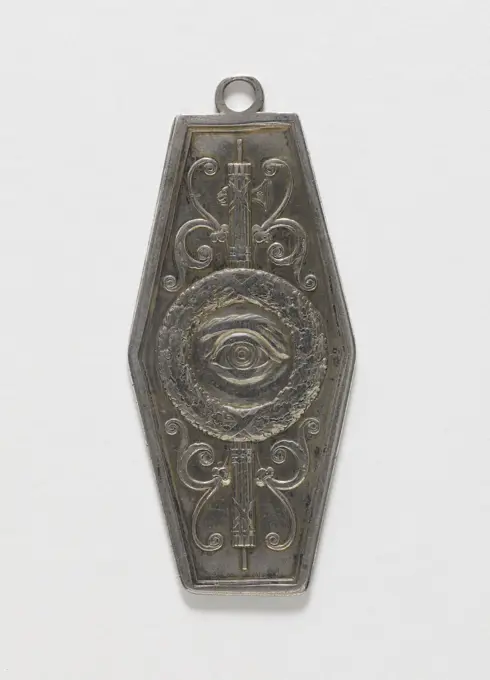
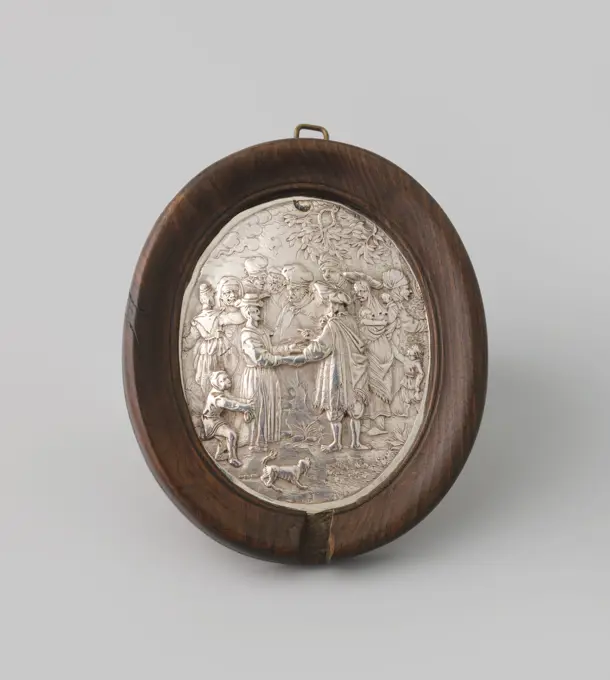
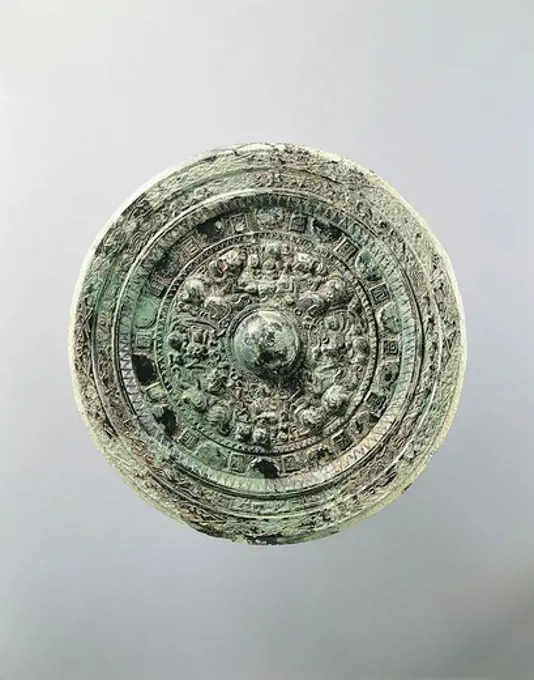
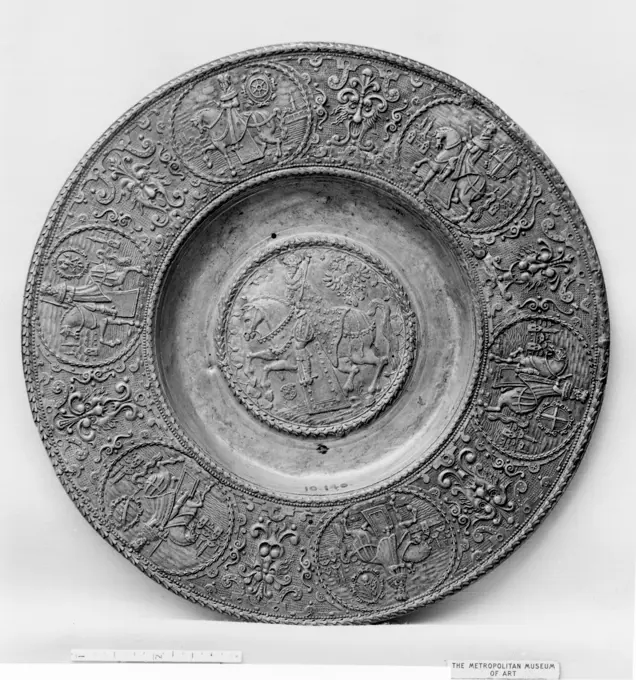
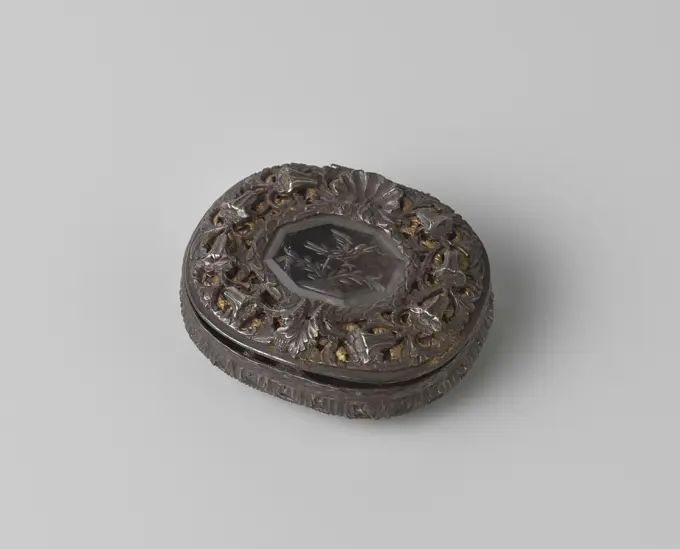
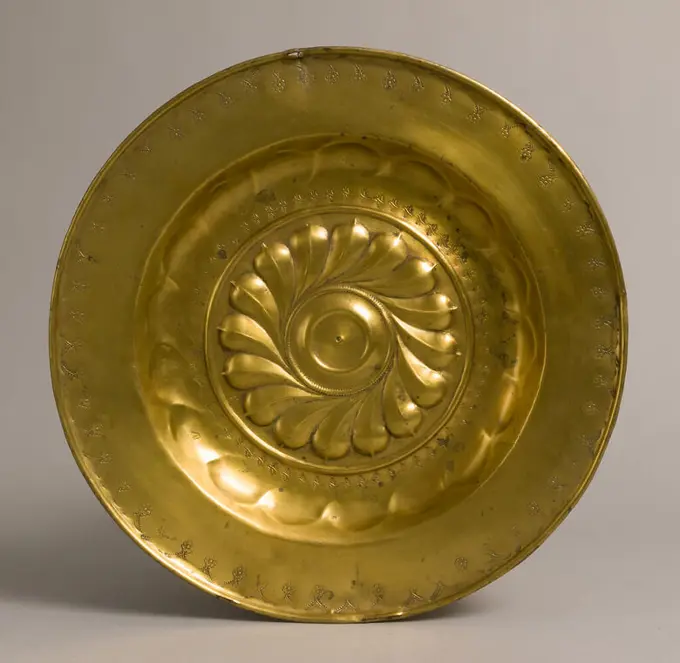
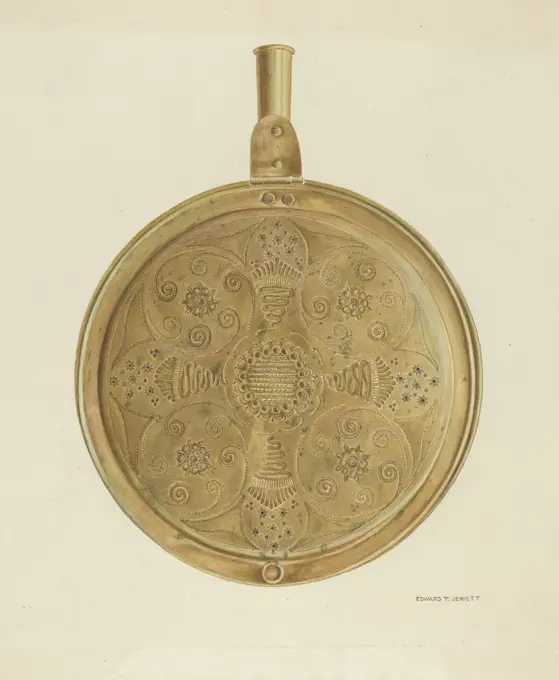
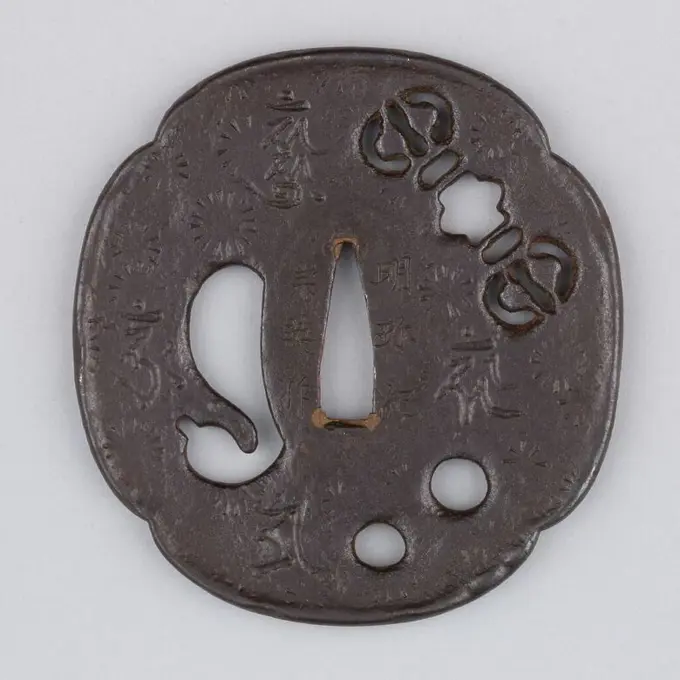
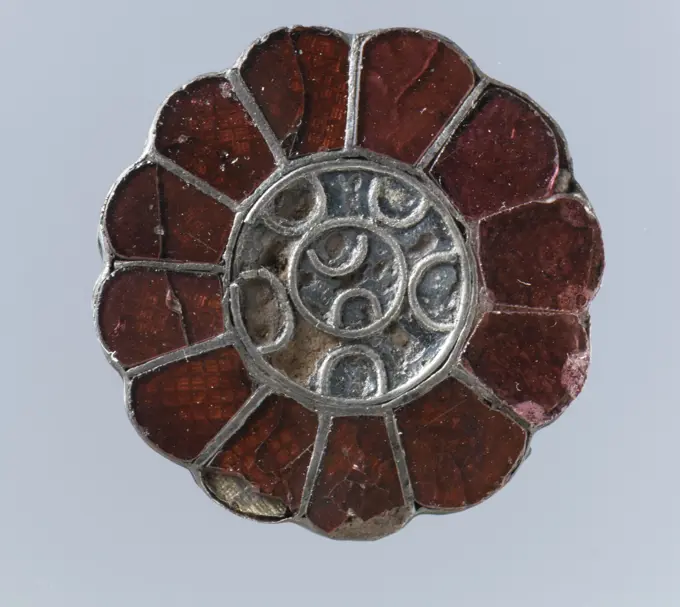
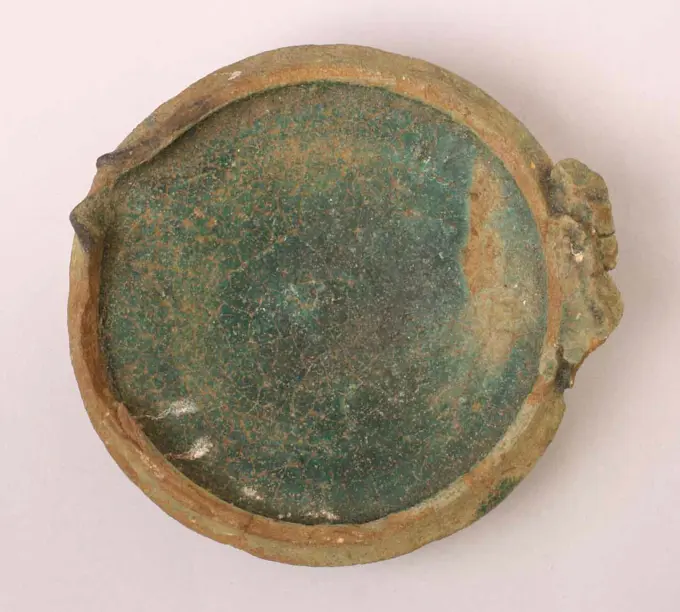
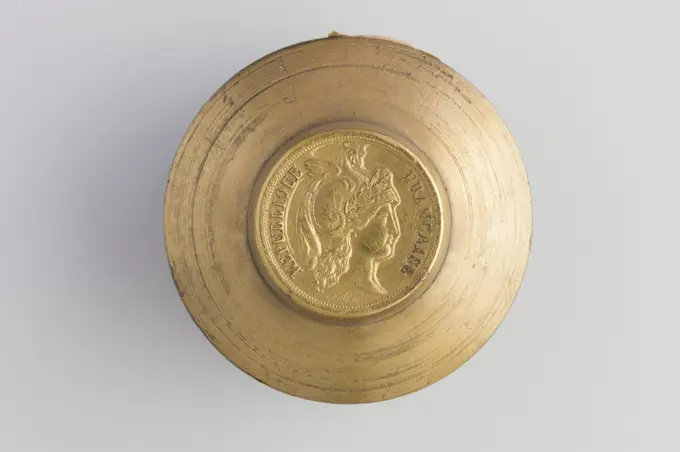
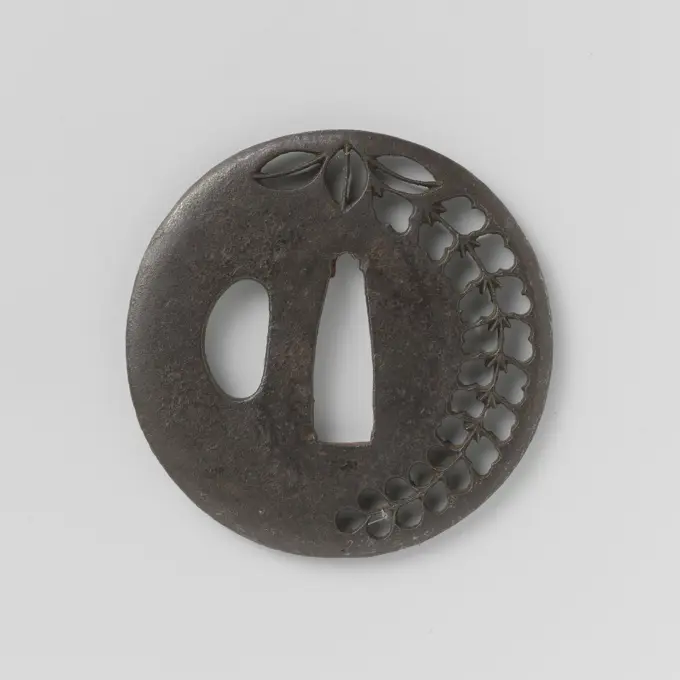
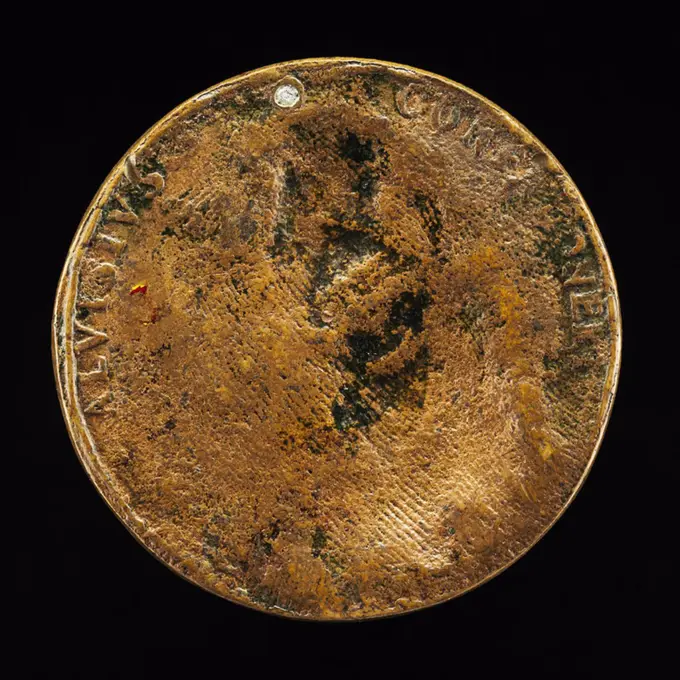
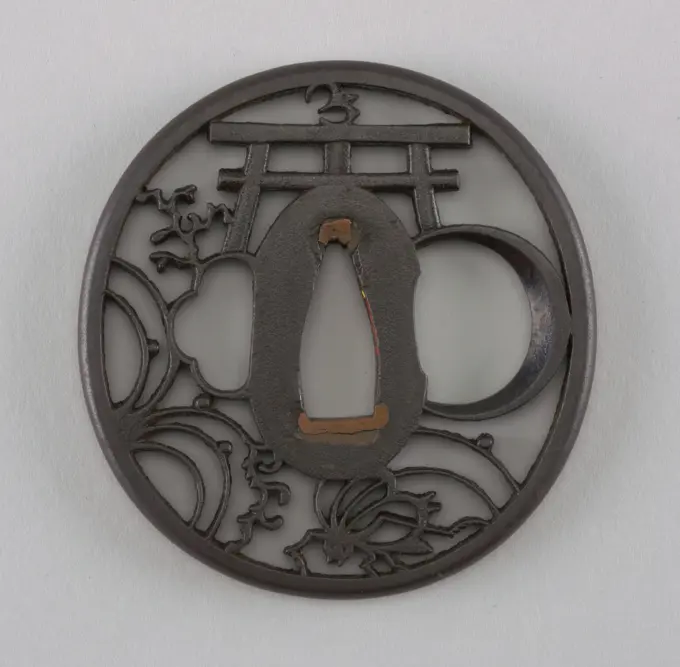
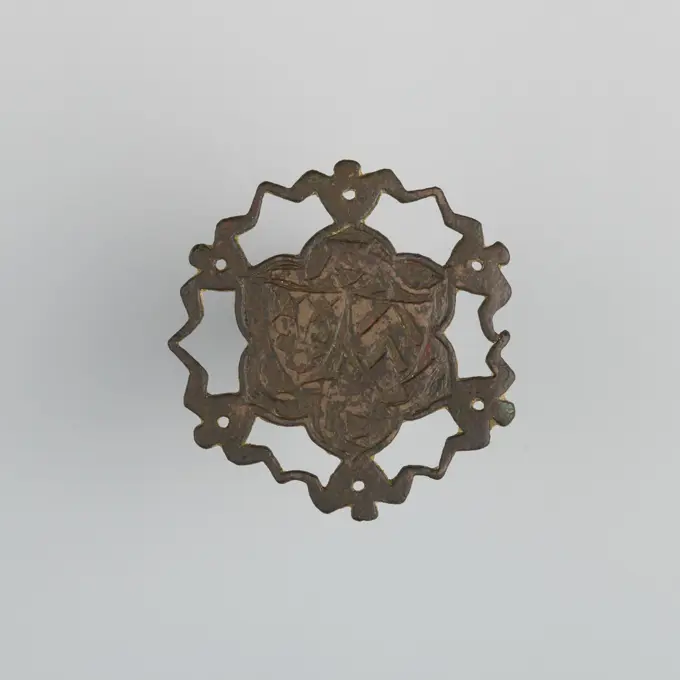
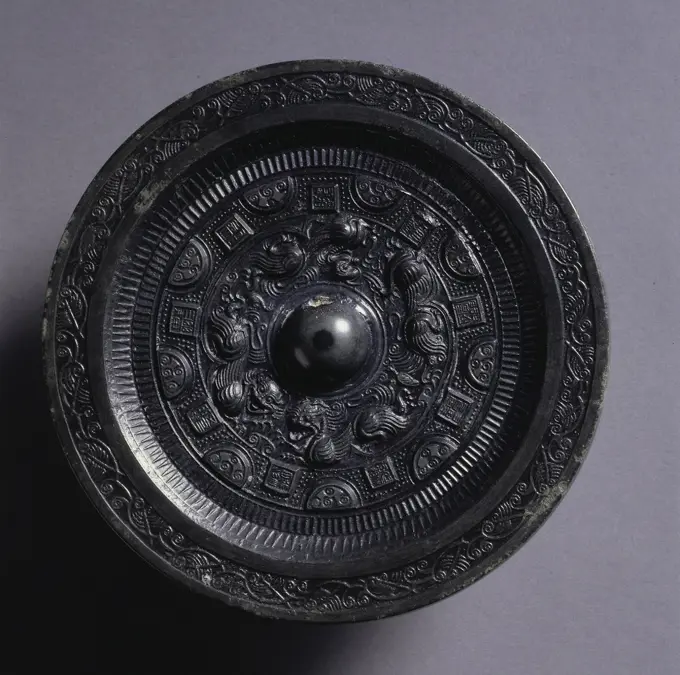
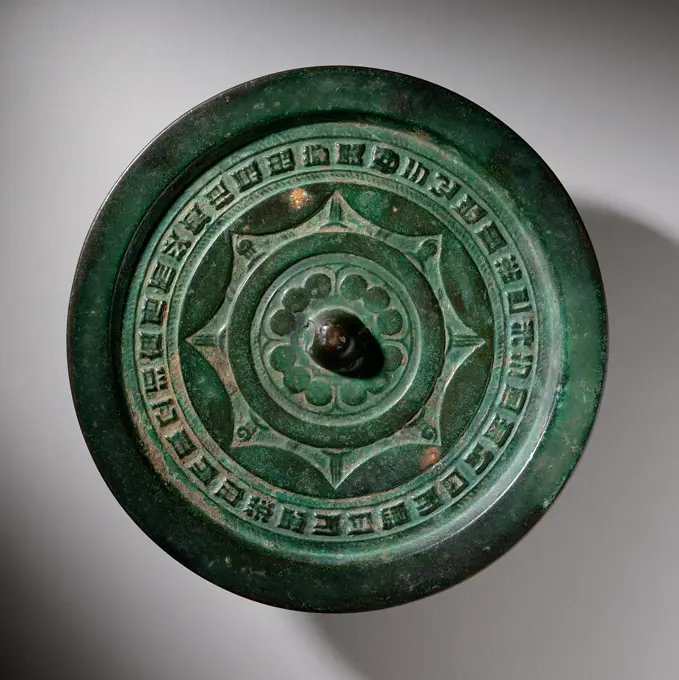
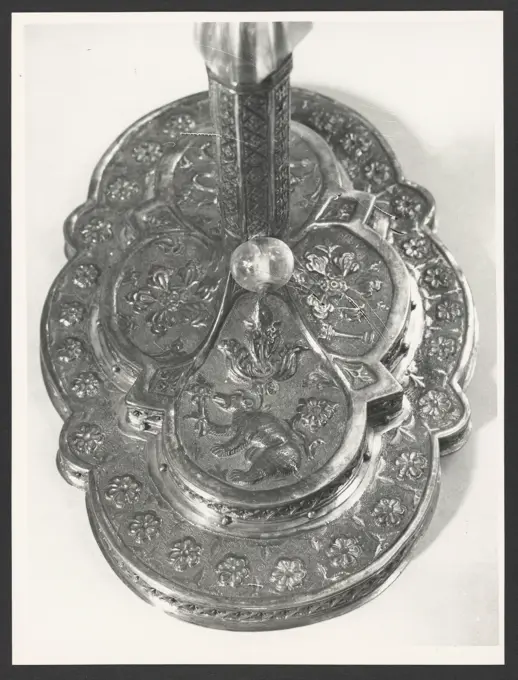
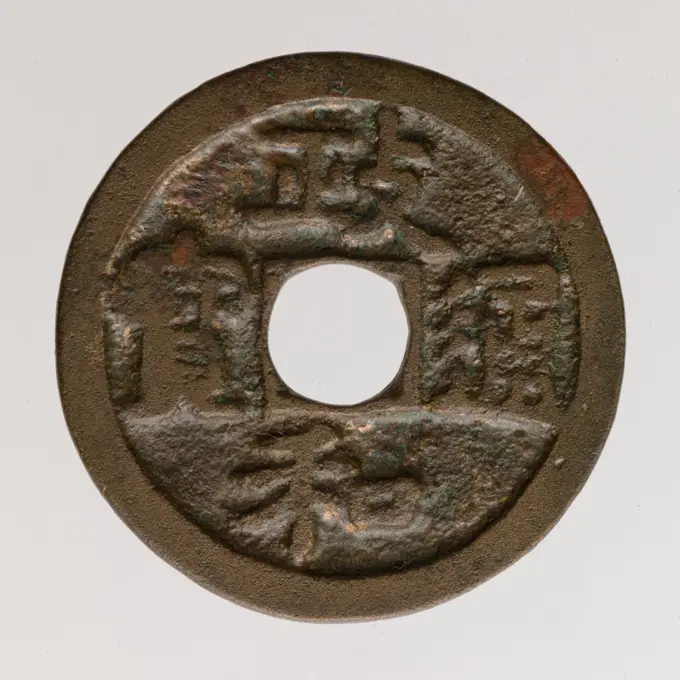
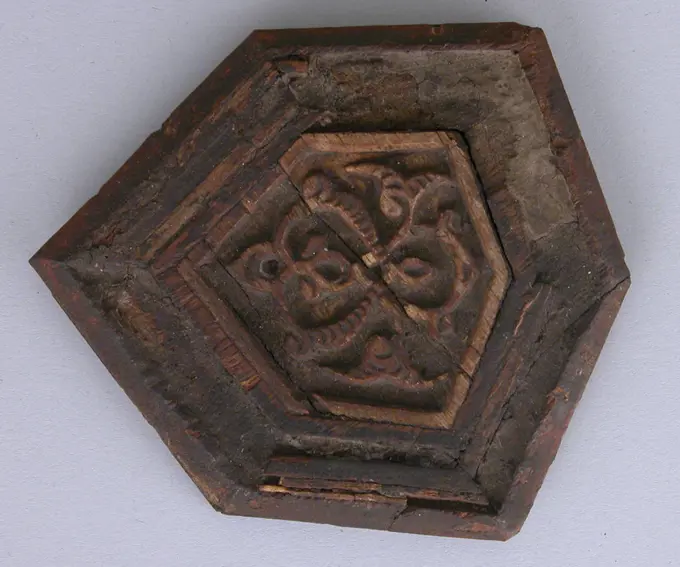
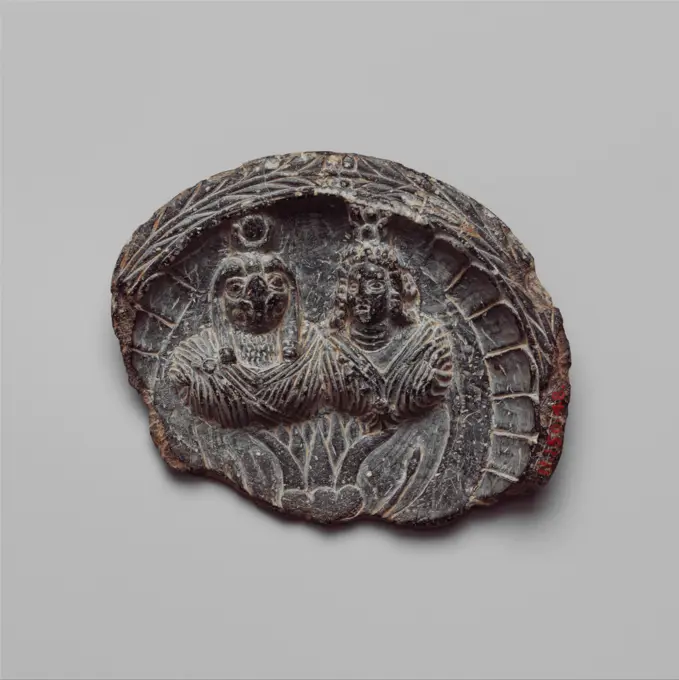
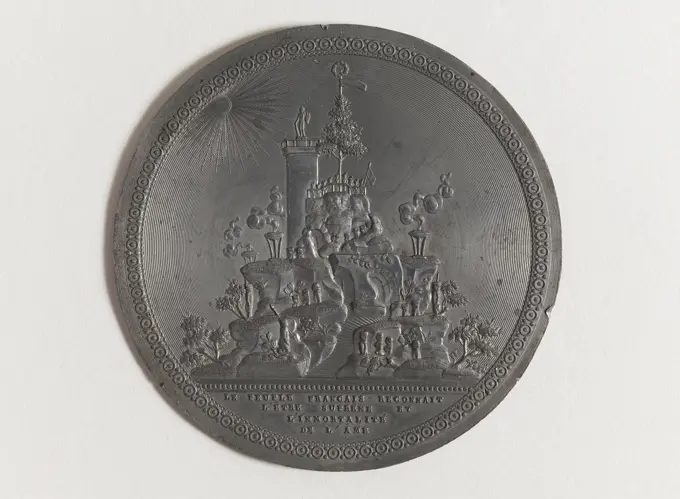
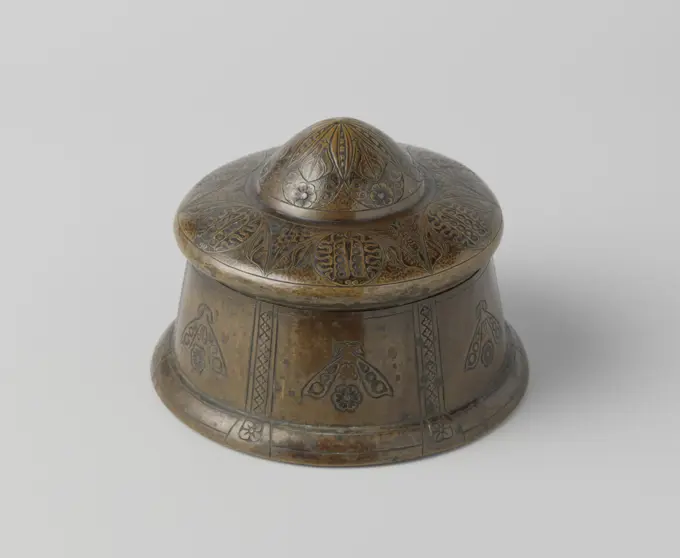
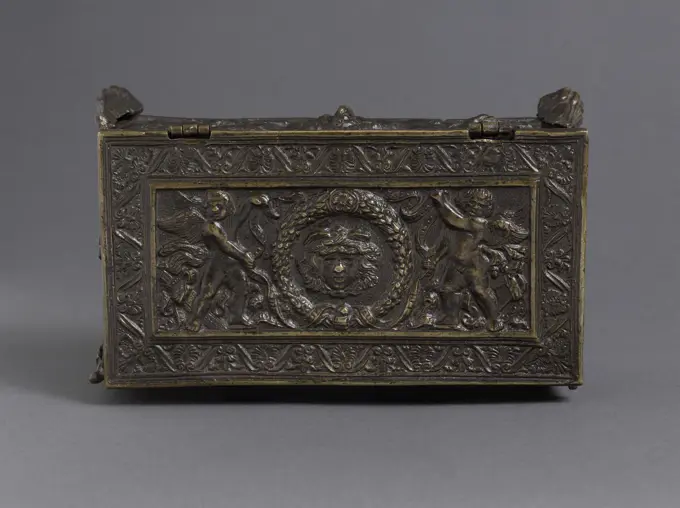
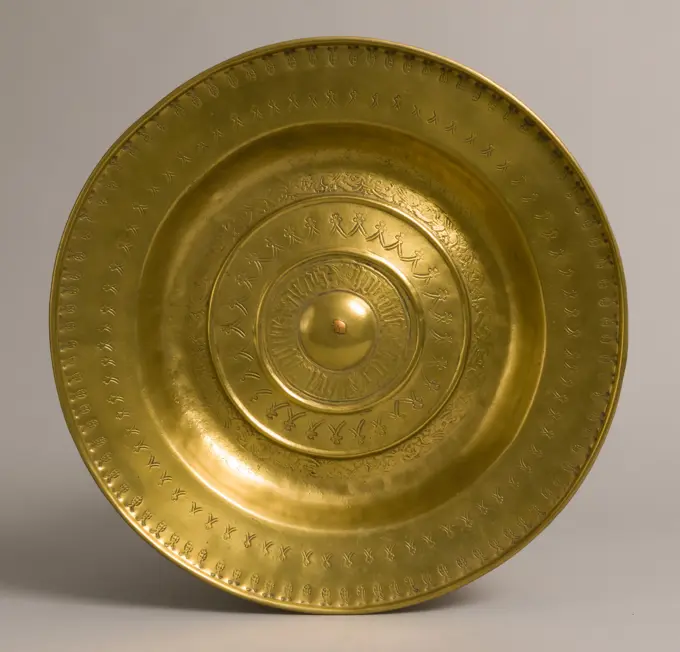
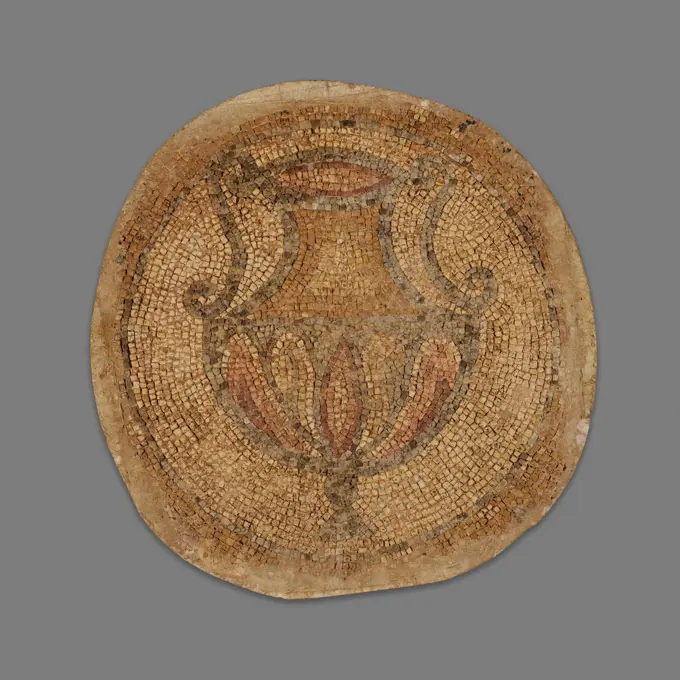
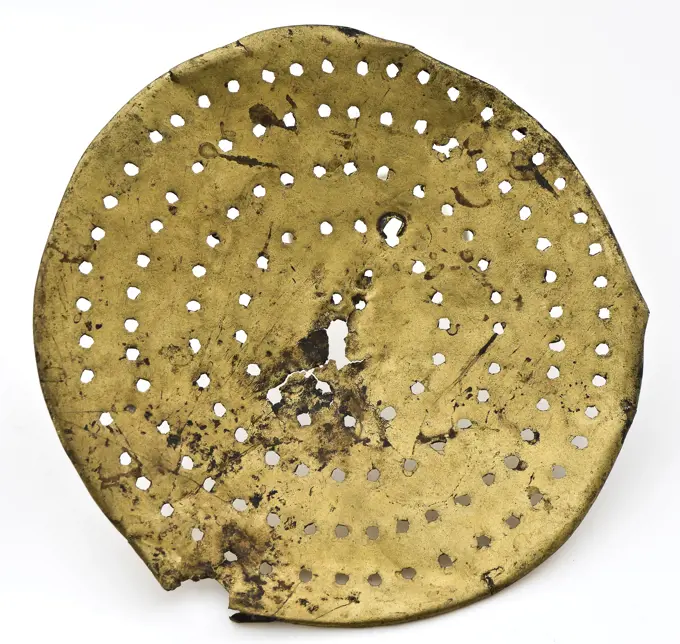
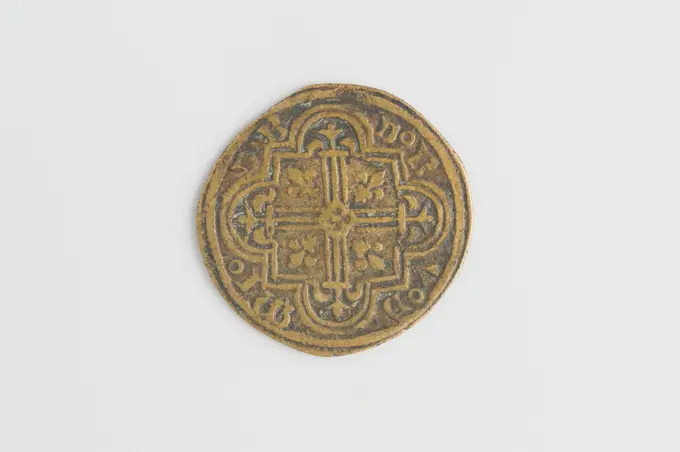
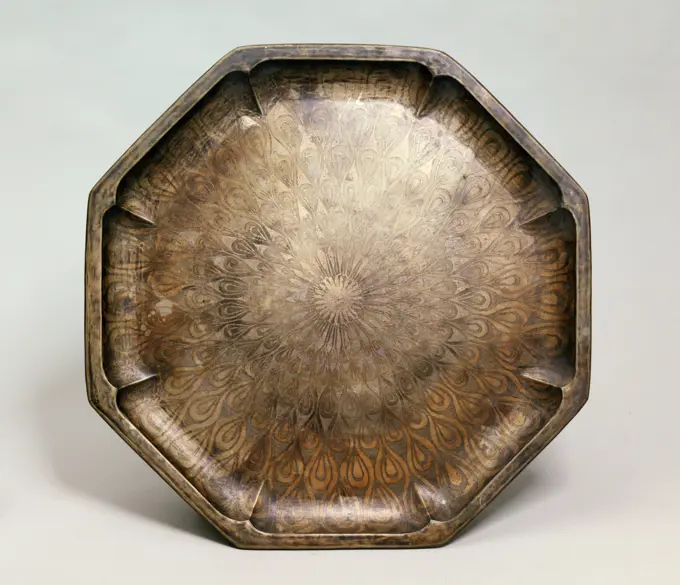
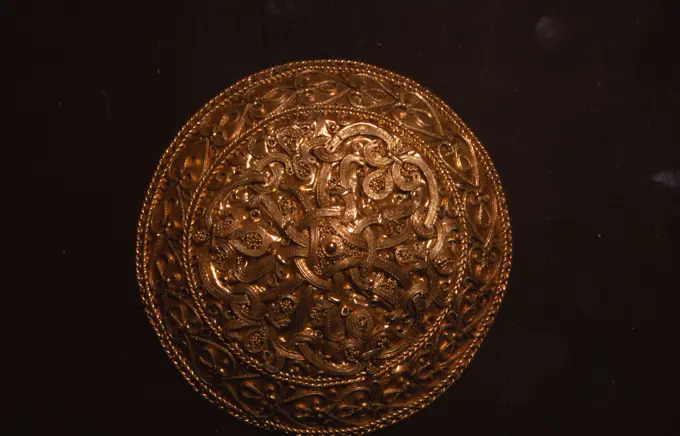
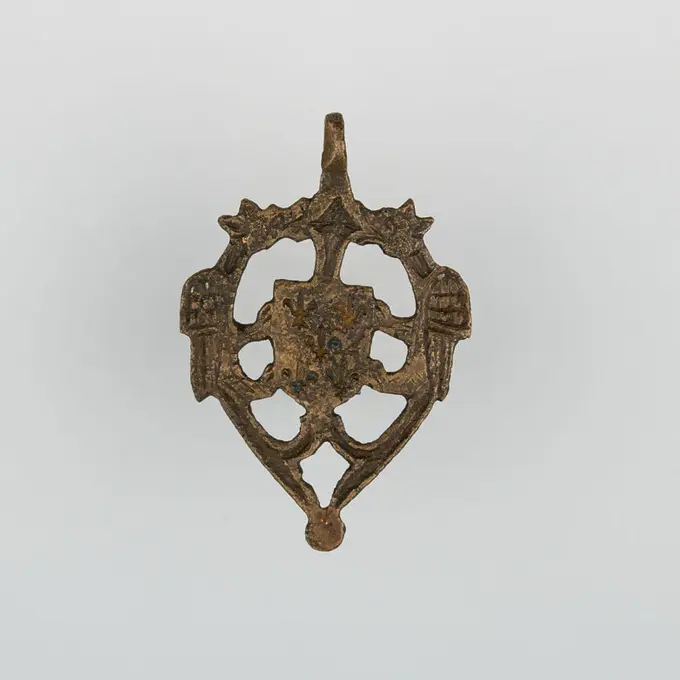
Bliżej Kultury Reinemer & Spiegel Vienna VIIMirror. Bronze, China, Han dynasty (206 BC AP.J.-C.). Paris, Cernuschi museum. Asian art, Chinese art, beauty, bronze, han dynasty, mirror, daily lifeMirror with Jade Disk Inset, 475 BC-9 AD. China, Eastern Zhou dynasty (771-256 BC), late Warring States period (475-221 BC) - early Western Han dynasty (202 BC-AD 9). Bronze with nephrite and turquoise; diameter: 15.3 cm (6 in.).Mirror (Jing) with Grapevines, Birds, and Lions. China, Middle Tang dynasty, about 700-800. Furnishings; Accessories. Cast bronzeMEDAL OF FUNCTIONAL FUNCTION OF THE NATIONAL SCIENCE AND ARTS INSTITUTE, 1796 Rambert Dumarest (1750-1806). Member Function Medal of the National Institute of Science and Arts. Bronze, 1796.Bowl with Geometric Design (Four- part Scroll), 1000- 1150. Southwest, Mogollan, Mimbres, Pre-Contact Period, 11th century- 12th century. Ceramic; overall: 7.5 x 18 cm (2 15/16 x 7 1/16 in.).Beer brewing guild of Amsterdam, Johannes Perkin guild pension. Copper oval guild pension. Front: crowned barrel in a bran wreath. Turning side: inscription within a bran wreathTerracotta oil lamp late 5th-6th century A.D. Roman Vessberg Type 20. Mold-made. Broad, flat, lentoid shape, with impressed decoration. Large, central filling hole, surrounded by a circular groove, then by a star pattern of nine lunettes; within lunettes, small, impressed circles with raised dots (three lunettes containing a single circle, two containing two circles, and four containing three circles); two more circular grooves towards edge of top, bordering a band of small, impressed circles with raised dots; the outer groove broken at front by the wick hole. On the bottom, at center three small, impressed circles with raised dots surrounded by a circular groove; another circular band of small, impressed circles with raised dots within a circular groove; and, at front and back, two parallel linear grooves flanked by small, impressed circles with raised dots.Intact.. Terracotta oil lamp 241602Bowl 11th-12th century. Bowl 447784Dish 14th century. Dish 451883Bowl;  18th century (1701-00-00-1800-00-00);Carnavalet Museum, Medals CollectionDish early 16th century German. Dish. German. early 16th century. Brass. Metalwork-BrassSpindle Whorl, 700s - 900s. Iran, early Islamic period, 8th - 10th century. Bone, incised; overall: 0.6 x 1.5 x 1.5 cm (1/4 x 9/16 x 9/16 in.).Sword Guard (Tsuba). Culture: Japanese. Dimensions: H. 2 7/8 in. (7.3 cm); W. 2 5/8 in. (6.7 cm); thickness 3/16 in. (0.5 cm); Wt. 4.9 oz. (138.9 g). Date: ca. 1615-1868. Museum: Metropolitan Museum of Art, New York, USA.Sword Guard (Tsuba) with Hiyoshi Taisha, c. 1615-1868. Japan, possibly Edo period (1615-1868). Iron; overall: 8 x 8.4 cm (3 1/8 x 3 5/16 in.).Mirror, 3/8 x 6 7/8 in. (1 x 17.46 cm), Bronze, China, Han dynastyPlate. Culture: German. Dimensions: Overall: 20 11/16 x 3 1/8 in. (52.5 x 7.9 cm). Date: late 15th century. Museum: Metropolitan Museum of Art, New York, USA.Bolesław Krzywousty (1102-1138), Denar, Kraków; 1107-1113 Boles And Krzywousty (1102 1138)Half of desk disc with portrait: Tiberius Claudius Nero Germanicus. Tiberivs. Claudius. NERO. Imber (Tiberius Claudius Nero Germanicus, Roman Emperor of 14-37)Astrolabe about AD 1345 - 1355 An astrolabe is an astronomical instrument that enables the user to determine the time during the day with the help of the sun, and at night with the help of the stars. It can also be used in the preparation of horoscopes and for surveying purposes  to name but a few of its functions.Mirror with Concentric Circles and Linked Arcs, 1st century BC. China, Western Han dynasty (202 BC-AD 9). Bronze; diameter: 14.9 cm (5 7/8 in.); overall: 1.1 cm (7/16 in.); rim: 0.7 cm (1/4 in.).Account token with King Standing, XIII-15th Century Account Token to King Standing, XIII-15th Century , Revers.Reliekhouder, octagonal, anonymous, c. 1400 - c. 1950 reliquary Silver reliquary (), Rear cut glass and in a wooden frame. Herein the relics of saints surrounded by edges with captions. Amsterdam (possibly) silver (metal). wood (plant material). glassSword Guard (Tsuba). Culture: Japanese. Dimensions: Diam. 2 7/8 in. (7.3 cm); thickness 3/16 in. (0.5 cm); Wt. 4.3 oz. (121.9 g). Date: 18th century. Museum: Metropolitan Museum of Art, New York, USA.Snuffbox 1764-65 Louis-Philippe Demay French In eighteenth-century Europe, Paris led the production of high-quality luxury goods. Parisian goldsmiths made a wide range of small, personal articles such as snuffboxes; étuis to hold sealing wax, tweezers, or utensils for sewing; souvenirs, which contained thin ivory tablets for note taking; and shuttles for knotting lace. Gold snuffboxes and boxes decorated with portrait miniatures were prized and frequently given as royal gifts, often to ambassadors or members of the court in lieu of cash payments for their services. Coveted and admired, these boxes were produced from a variety of materials. The best were skillfully made of gold and embellished with diamonds, enameled decoration, lacquer, and other luxurious materials. By the middle of the century, the taking of snuff had become an entrenched social ritual, and the snuffbox, too, had become an important social prop. Snuffboxes were considered highly fashionable accessories, with some merMirror with Four Spirits, 581-618. China, Sui dynasty (581-618). Bronze; diameter: 19.8 cm (7 13/16 in.); overall: 1.5 cm (9/16 in.); rim: 0.7 cm (1/4 in.).Tripod Plate with Mythological Bird. Mexico, Campeche or Yucatán, Maya, 550-700 CE. Ceramics. Slip-painted ceramicMirror with Xiwangmu, c. AD 317-400. China, Six Dynasties Period (AD 317-581). Bronze; diameter: 18.5 cm (7 5/16 in.).Five Hand Guards (TSUBA), HIROYASU, 1800-1850 Oval Tsuba with at the front in Iroe Takazogan and raised relief Chokaro Sennin and the demonstrator Shoki, holding the Kalebas of Chokaro and lets a devil escape out of it; A pine at the back; Signed "Hiroyasu". Japan gold (metal). silver (metal). copper (metal) Oval Tsuba with at the front in Iroe Takazogan and raised relief Chokaro Sennin and the demonstrator Shoki, holding the Kalebas of Chokaro and lets a devil escape out of it; A pine at the back; Signed "Hiroyasu". Japan gold (metal). silver (metal). copper (metal)Planets-manager. Cornalet Collection Sites 2013-2016. Numismatic.for a penny; Ludwik Jagiello Czyk (Czech king and W Gierski; 1516-1526), Sauerman von der Göltsch, Konrad (fl. 1523-1554), Witte, Heinrich von (Fl. 1525-1527); 1525 (1525-00-00-1525-00-00);Crowns, city coins, eagle in the Crown (iconogr.), Eagles, Półnoszek ŚwidnickiDish. Culture: German or South Netherlandish. Dimensions: Overall: 18 3/4 x 3 1/16 in. (47.6 x 7.8 cm). Date: late 15th century. Museum: Metropolitan Museum of Art, New York, USA.Sword Guard (Tsuba) early 17th century Japanese A tsuba is a sword guard and part of a sword mounting. It is mounted between the swords blade and grip to protect the users hands.. Sword Guard (Tsuba) 26914Mirror. Culture: China. Dimensions: Diam. 4 3/4 in. (12.1 cm). Date: 3rd or 4th century. Museum: Metropolitan Museum of Art, New York, USA.Dutch Burgundian Rijksdaalder of Philips II, 1568, Philip II (King of Spain), 1568 coin Front: between the year under crown crossed knots sticks, flint with sparks in the middle. Reverse: crowned coat of arms of Burgundy, hanging with chain of the Golden Fleece. Dordrecht silver (metal) striking (metalworking)Disk Brooch early 7th century Frankish. Disk Brooch 464921 Frankish, Disk Brooch, early 7th century, Silver-gilt, garnets, iron support, Overall: 1 x 1/2 in. (2.6 x 1.3 cm). The Metropolitan Museum of Art, New York. Gift of J. Pierpont Morgan, 1917 (17.191.22)Roman 15th Century, Della Rovere Shield, Crossed Keys, and Tiara (reverse), 15th century Della Rovere Shield, Crossed Keys, and Tiara reverseTalam. Sacrifice magazine, talam, with edge and ingrangled decoration that is characteristic of the East Javanese period.Dish early 16th century German. Dish. German. early 16th century. Brass. Metalwork-BrassPlanets-manager. Cornalet Collection Sites 2013-2016. Numismatic.Disk with Figure 6th-7th century Moche (Loma Negra). Disk with Figure. Moche (Loma Negra). 6th-7th century. Gilded copper, silvered copper, shell, turquoise. Peru. Metal-OrnamentsBowl with Green Pseudo-Inscriptions and Clusters of Spots 9th-10th century The four radii are composed of lines of pseudo-Kufic script, with the tops of the letters pointing in the counter-clockwise direction. The phenomenon of the decorative use of non-meaningful Arabic characters and simulated characters was not confined to Nishapur, but it was especially common in the decoration of a variety of ninth and tenth century Nishapuri objects.. Bowl with Green Pseudo-Inscriptions and Clusters of Spots. 9th-10th century. Earthenware; yellow slip with green decoration under transparent glaze. Attributed to Iran, Nishapur. Excavated in Iran, Nishapur. CeramicsMirror Featuring Deities and Kings in Three Sections Surrounded by Rings of Squares and Semicircles, AD 175-225. China, Eastern Han dynasty (25-220). Bronze; diameter: 13.9 cm (5 1/2 in.); overall: 1 cm (3/8 in.); rim: 0.4 cm (3/16 in.).. The lacquer, applied to a core of wood and cloth, is built up of dozens of thin layers. As each layer had to dry for a long time, it would have taken at least a year to complete this dish. Carved into the lacquer layer is a decoration with two birds, lotus flowers and other aquatic plants. The piece was signed by Zhang Cheng, a legendary lacquer worker from the Yuan dynasty.Natural History Museum Function Badge Anonymous. Badge of function of the natural history museum. Money. 1795.List of the plaquette with fortune teller scene, Claes Baardt, c. 1650 - c. 1700 Wooden oval frame. Bolsward wood (plant material) Wooden oval frame. Bolsward wood (plant material)Bronze mirrorPlate (Kaiserteller) ca. 1637-57 Paulus Öham the younger. Plate (Kaiserteller) 191596Sugar box. An iron candy box from above and bottom of open-worked relief decorated on copper substrate; In the middle of the lid a crystal plate on which a bird is engraved.Dish. Culture: German. Dimensions: Overall: 14 x 1 5/16 in. (35.6 x 3.4 cm). Date: early 16th century. Museum: Metropolitan Museum of Art, New York, USA.Edward Jewett, Warming Pan, 1935 1942 Warming PanCarnavalet Museum, Medals Collectionempty  old wooden board with clipping pathSword Guard (Tsuba). Culture: Japanese. Dimensions: H. 3 1/2 in. (8.9 cm); W. 3 3/8 in. (8.6 cm); thickness 1/4 in. (0.6 cm); Wt. 5.9 oz. (167.3 g). Date: early 17th century. Museum: Metropolitan Museum of Art, New York, USA.Sword Guard (Tsuba). Culture: Japanese. Dimensions: Diam. 2 3/4 in. (7 cm); thickness 3/16 in. (0.5 cm); Wt. 4.3 oz. (121.9 g). Date: 18th century. Museum: Metropolitan Museum of Art, New York, USA.Rosette Brooch first half 6th century Frankish. Rosette Brooch. Frankish. first half 6th century. Silver-gilt, beaded filigree, garnets with silver-gilt patterned. Metalwork-SilverDish early 16th century German. Dish. German. early 16th century. Brass. Metalwork-BrassBowl. Western Iran, 550-330 B.C.. Furnishings; Serviceware. SilverOil Lamp with Open Reservoir 8th-9th century This ceramic lamp was found and purchased in Ctesiphon, the Sasanian metropolis and administrative capital conquered by Arab Muslim armies in 637. The city was known in Arabic as al-Madain, or "the cities", for its extended area. Arab historians indulge in describing al-Madain/Ctesiphons grand monuments, which obsessed Muslim rulers and may have acquired a symbolic meaning related to its imperial past. This was the case of the Taq-i Kisra, an impressively-sized ivan (a vaulted hall with one side open) partially dismantled to reuse its bricks in caliphal buildings in the new capital Baghdad. Here, traces of fire are visible on the rim where the burning stub would have been placed.This lamp belongs to a long-standing tradition of turquoise-glazed ceramics made in Mesopotamia since the Parthian period, of which it represents a late Sasanian or Early Islamic evolution. Lamps with circular open reservoirs and slightly pinched spout were later Bi (Ceremonial Disk Symbolizing Heaven), 206-100 BCE, 9 1/4 x 3/16 in. (23.5 x 0.48 cm) (outer diameter), Green-brown jade, China, 3rd-2nd century BCECarnavalet Museum, Medals CollectionSpindle Whorl, 700s - 900s. Iran, early Islamic period, 8th - 10th century. Bone, incised; overall: 1 x 1.9 x 1.9 cm (3/8 x 3/4 x 3/4 in.).Hand guard with wisteria, anonymous, c. 1700 - c. 1800 Round tsuba with a Wisteria branch in negative silhouette. Japan iron (metal) Round tsuba with a Wisteria branch in negative silhouette. Japan iron (metal)Inscription reverse. Dated: 1552 or after. Dimensions: overall (diameter): 4.07 cm (1 5/8 in.) gross weight: 25.41 gr (0.056 lb.) axis: 12:00. Medium: bronze//Late cast, tooled. Museum: National Gallery of Art, Washington DC. Author: Pier Paolo Galeotti.. Almost round tsuba with a wrinkling dragon in a positive silhouette and raised relief; The edge has caught in shakudo.Hearing Coverstone With The Wapen Of Prince Maurits Of Orange Nassau, Anonymous, 1567 - 1625 Semi -round hairstone with weapon of Prince Maurits; Upstairs Schild crown and 16 .., on either side lions - left with letter g between front legs, right with m between front legs - and plant motifs, simple border in relief; Top behind it, in the middle of the start of breakage, black broken, remnant cement, white rash. Netherlands brick (clay product) Semi -round hairstone with weapon of Prince Maurits; Upstairs Schild crown and 16 .., on either side lions - left with letter g between front legs, right with m between front legs - and plant motifs, simple border in relief; Top behind it, in the middle of the start of breakage, black broken, remnant cement, white rash. Netherlands brick (clay product)Tsuba; iron, shakudo (a soft copper and gold alloy)Badge or Harness Pendant 14th century Spanish Heraldry, or coat-of-arms, were vitally important in Europe throughout the Middle Ages and the Renaissance. Heraldic emblems were used to identify noble families, cities, regions, and even countries. In addition to being displayed on shields and flags, heraldry was incorporated into architectural decoration on the interior and the exterior of buildings, on furniture, works of art, clothing, and horse equipment. Harness pendants, like this example, would have been attached to a headstall, bridle, or other straps making up the tack of a horse ridden by a nobleman or noblewoman, or a member of their household. Many harness pendants also have decoration that is simply ornamental, or have symbols that are not specifically heraldic in nature.. Badge or Harness Pendant. Spanish. 14th century. Copper. Miscellaneous-BadgesMirror with Auspicious Animals Surrounded by Rings of Squares and Semicircles, AD late 100s. China, Eastern Han dynasty (25-220). Bronze; diameter: 11.8 cm (4 5/8 in.); overall: 0.8 cm (5/16 in.); rim: 0.4 cm (3/16 in.).Sword Guard (Tsuba) ca. 1615-1868 Japanese A tsuba is a sword guard and part of a sword mounting. It is mounted between the swords blade and grip to protect the users hands.. Sword Guard (Tsuba) 34438Mirror (Jing) with Eight-pointed Star. China, Eastern Han dynasty, 25-220. Furnishings; Accessories. Cast bronzeLazio Rieti Rieti Museo del Tesoro del Duomo3. Hutzel, Max 1960-1990 Photos are all of metalwork: crucifixes, chalices and monstrances in most part. Negatives without prints also show some statuary. Owner: Cathedral Object Notes: Hutzel photo campaign date: December 27, 1982. His notes indicate that this is the "Museum of the Processional Cross," however TCI indicates that it is the Museo del Tesoro del Duomo. It is also possible that negatives without prints may belong to the Museo Civico in Rieti. German-born photographer and scholar Max Hutzel (1911-1988) photographed in Italy from the early 1960s until his death. The result of this project, referred to by Hutzel as Foto Arte Minore, is thorough documentation of art historical development in Italy up to the 18th century, including objects of the Etruscans and the Romans, as well as early Medieval, Romanesque, Gothic, Renaissance and Baroque monuments. Images are organized by geographic region in Italy, then by province, city, site cMirror with Four Nipples, Dragons, and Tigers, 1st century BC. China, Western Han dynasty (202 BC-AD 9). Bronze; diameter: 4.2 cm (1 5/8 in.); overall: 1.1 cm (7/16 in.); rim: 0.7 cm (1/4 in.).Cash. Bronze, China, Song dynasty. Paris, Cernuschi museum. Amulet, Asian art, Chinese art, bronze, circle, belief, disc, Song dynastyButton or Bead 9th-10th century The dot-in-circle motif recalls designs presumed to be of magical significance, most likely an abstract eye to ward off the evil-eye, which serves an apotropaic function. Easily reproduced with a tool and visible in many cultures and times, this symbol may have lost its meaning, and become simply a decorative pattern, or may have one that we have not yet discovered.. Button or Bead 449279Panel 13th-14th century. Panel 445107Miniature Square Mirror, 581-618. China, Sui dynasty (581-618). Bronze; overall: 0.6 x 3.8 cm (1/4 x 1 1/2 in.); rim: 0.5 cm (3/16 in.).Shallow dish with high relief figures of Isis and falcon-headed Horus A.D. 2nd century perhaps Roman Period The interior of this shallow bowl is carved with the busts in high relief of a hawk-headed deity crowned with a sun disk and horns and a female figure, both resting on the petals of a lotus flower in low relief. The female may be Isis, identified by the knot in her garment, with Horus in his falcon rather than his child form. The space around the central device is fluted, and the rim is adorned with laurel wreaths whose tips meet above the heads of the figures. The exterior is ornamented with a four-petalled rosette surrounded by a rope pattern, laurel wreaths, and grape vines.Small dishes of this type were particularly popular in Upper Egypt during the Roman period. There is little to assist in determining the date, but the feathered neck of the Horus figure suggests disintegration of pharaonic conventions for combining animal and human figures.. Shallow dish with high relief fiAnonymous. "Festival of the Supreme Being, 20 Prairial An II (June 8, 1794)". Etain, 1794. Paris, Carnavalet museum. 55841-13 20 Prairial, year II, Tree, National Convention, Etain, Being Supreme, Fete, Soul immortalite, Numismatic, Revolutonnaire Periode, French people, Currency Piece, First Republic, Sun, HillCarnavalet museum, tokens collectionRound tobacco spot made of tombak with lid, G.H. Lantman, 1903 The driven object consists of a container and a lid attached by a hinge. The foot and the konical wall of the container are decorated with a decor -driven and punched decor, consisting of a vertical with four cards and a rosette decorated edge and a stylized decoration applied to the saved surface in which an opened pod and a rosette are too recognize. The edge decoration of the lid connects to this layout. This consists of a six times repeated surface distribution of a circles segment with a touching circle. The latter is decorated with a decor consisting of a stylized open pod. The other surfaces have a decoration of stylized leaves or insects. The spherical increase has a decor, consisting of six times a repeat of an oval, with a stylized decoration of a pod, leaves and a rosette. Amsterdam tombac (alloy). tin (metal) casting The driven object consists of a container and a lid attached by a hinge. The foot and the konicaWriting box (detail of the lid). Bronze, northern Italy, 16th century. Bronze. Museum of Fine Arts of the City of Paris, Petit Palais. Criminal box Angel, box, bronze, written box, crown, lid, crown, lid, writing box, angelModel for a Klamp of a Book Lock with a vase in medallion, Anonymous, c. 1750 - c. 1775 Model of Red buyer for a mold from a bold of a book lock. The show shows a vase in medallion and is contained in a rococo ornament, formed by two large, inside C-Voluten and under two small, outdoor C-Voluten. At the bottom a mascaron and two rams heads in the upper corners. The top is straight. Amsterdam copper (metal) cutting Model of Red buyer for a mold from a bold of a book lock. The show shows a vase in medallion and is contained in a rococo ornament, formed by two large, inside C-Voluten and under two small, outdoor C-Voluten. At the bottom a mascaron and two rams heads in the upper corners. The top is straight. Amsterdam copper (metal) cuttingDish early 16th century German. Dish. German. early 16th century. Brass. Metalwork-BrassMosaic Fragment with Classical Vase 301 CE-500 CE Italy. Stone . Ancient RomanFragment of a Bowl 14th-15th century. Fragment of a Bowl 445511Sword Guard, late 1700s. Masashige (Japanese). Iron; diameter: 7 cm (2 3/4 in.).Bronze Mirror with Geometric Patterns and Stylised animals. 200 BC.Drum disc. Vietnâm, Thanh-Hoa, Dong Son. Bronze. Paris, Cernuschi museum. 53741-17 Bronze, drum disc, VietnameseCampanian Black Bowl. Unknowncrown ternar; Zygmunt I Stary (King of Poland; 1506-1548); 1546 (1546-00-00-1546-00-00);scudo; Pius VI (Pope; 1775-1799), Church State (756-1870); 1780 (1420-00-00-1420-00-00);Yellow copper skimmer, skimmer kitchenware soil find copper brass metal d 2,5, Copper sheet of skimmer Covered outer edge. Unevenly shaped smashed holes in circles placed archeology Rotterdam City Triangle underground pit Blaak Groenendaal food preparation beer wewing cooking Soil discovery underground pit Groenendaal direction Blaak Rotterdam 1977.Sword Guard (Tsuba) ca. 1800 Japanese A tsuba is a sword guard and part of a sword mounting. It is mounted between the swords blade and grip to protect the users hands.. Sword Guard (Tsuba) 29938Carnavalet Museum, Medals CollectionJean Dunand (1877-1942). "Plateau". Yellow copper encrusted with silver. Museum of Fine Arts of the City of Paris, Petit Palais. 61372-1 Silver, yellow copper, inlaid, inlaid, trayMirror with "Lion and Grapevine" Design. China. Date: 700 AD-799 AD. Dimensions: Diam. 14.8 cm (5.8 in.); Thickness: 1.6 cm (0.6 in.). Bronze. Origin: China. Museum: The Chicago Art Institute, Chicago, USA.Gold brooch from Hornelund near Varde, c10th century. Artist: Unknown.Badge (possibly from Horse Harness). Culture: Spanish. Dimensions: H. 3 in. (7.6 cm); W. 2 in. (5.1 cm); Wt. 0.5 oz. (14.2 g). Date: ca. 1400. Museum: Metropolitan Museum of Art, New York, USA.