Historical Mirrors Collection

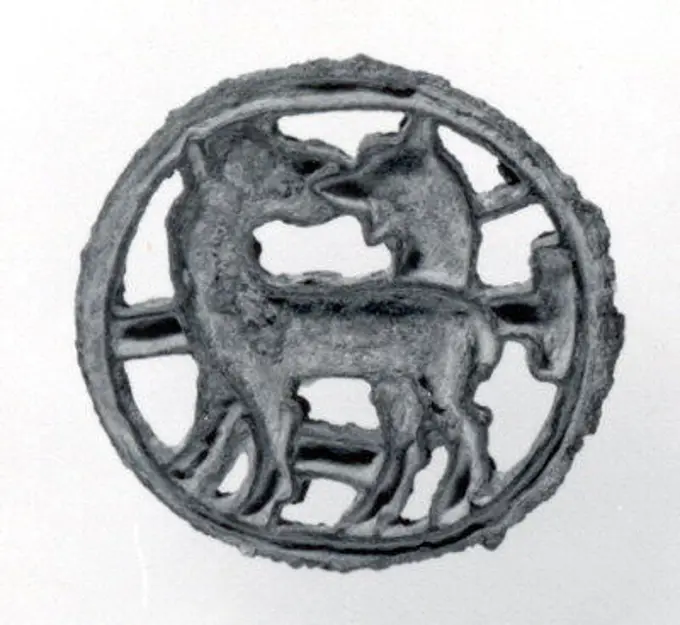
A variety of antique mirrors from different cultures, including intricate bronze designs and historic artifacts, showcasing craftsmanship and cultural heritage.
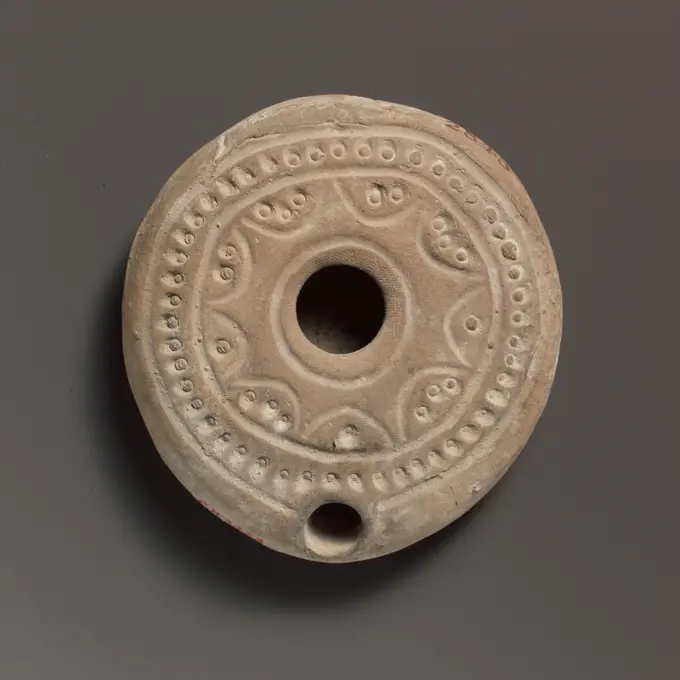
Terracotta oil lamp late 5th-6th century A.D. Roman Vessberg Type 20. Mold-made. Broad, flat, lentoid shape, with impressed decoration. Large, central filling hole, surrounded by a circular groove, then by a star pattern of nine lunettes; within lunettes, small, impressed circles with raised dots (three lunettes containing a single circle, two containing two circles, and four containing three circles); two more circular grooves towards edge of top, bordering a band of small, impressed circles with raised dots; the outer groove broken at front by the wick hole. On the bottom, at center three small, impressed circles with raised dots surrounded by a circular groove; another circular band of small, impressed circles with raised dots within a circular groove; and, at front and back, two parallel linear grooves flanked by small, impressed circles with raised dots.Intact.. Terracotta oil lamp 241602
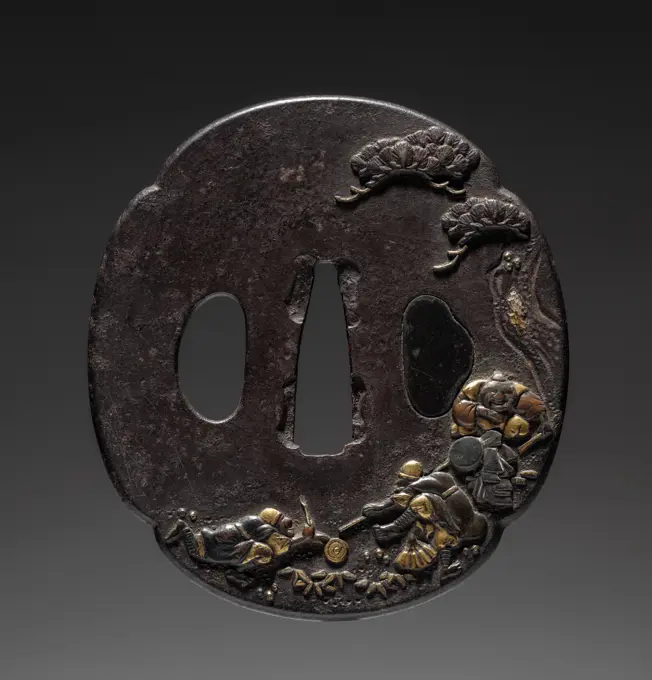
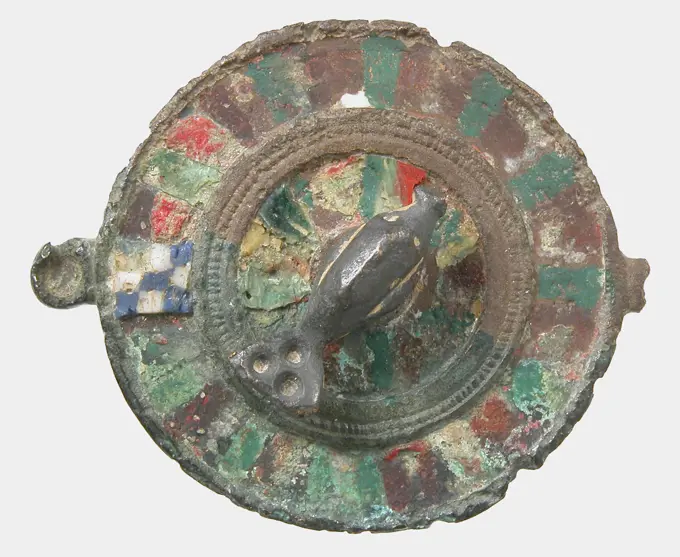
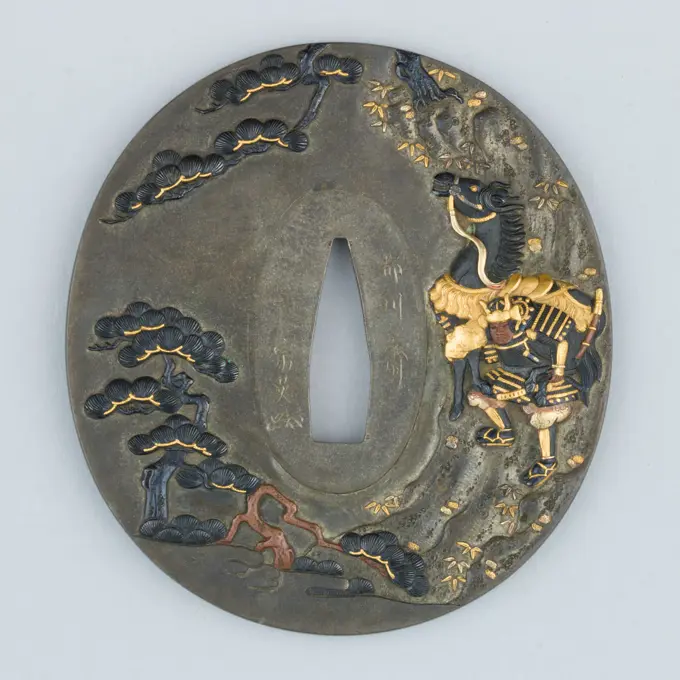
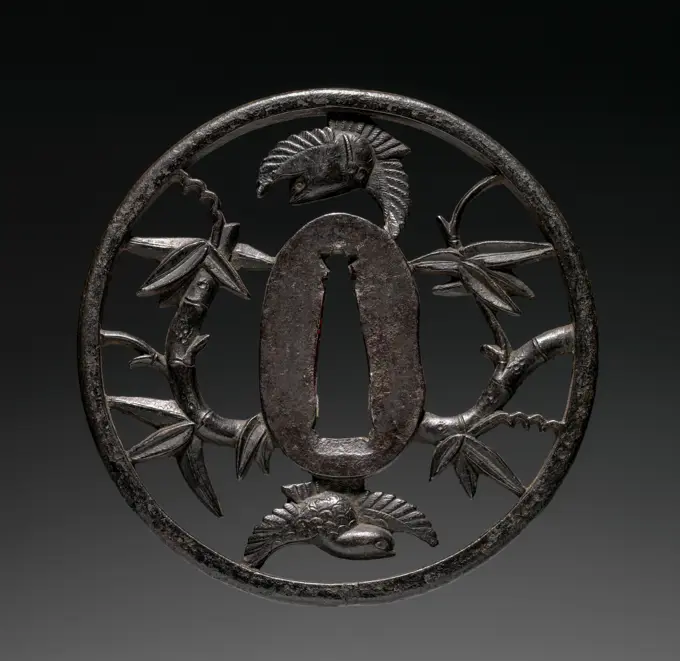
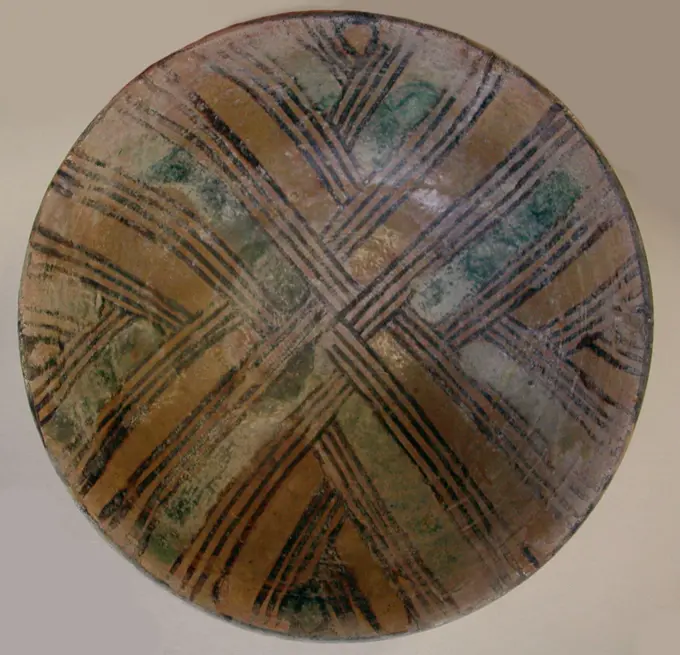
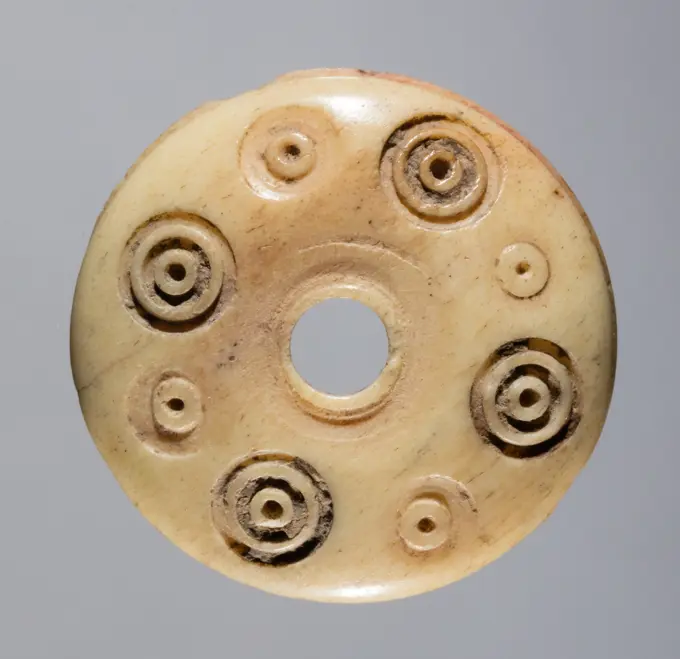
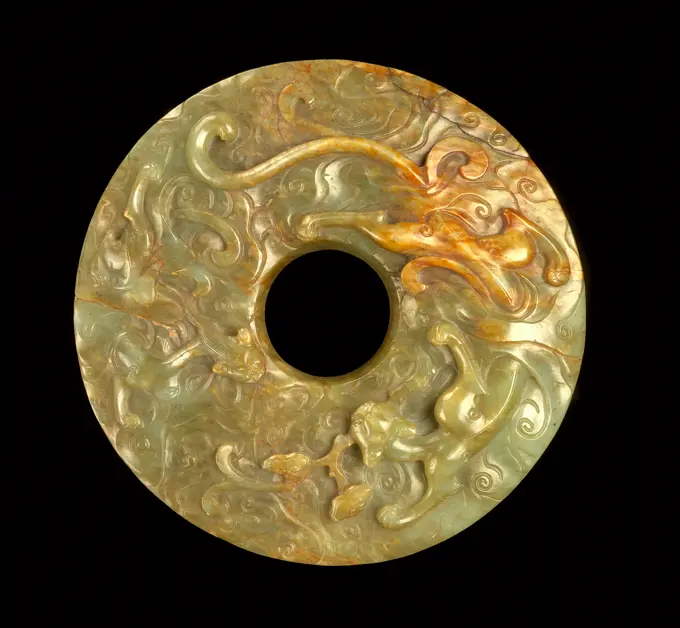
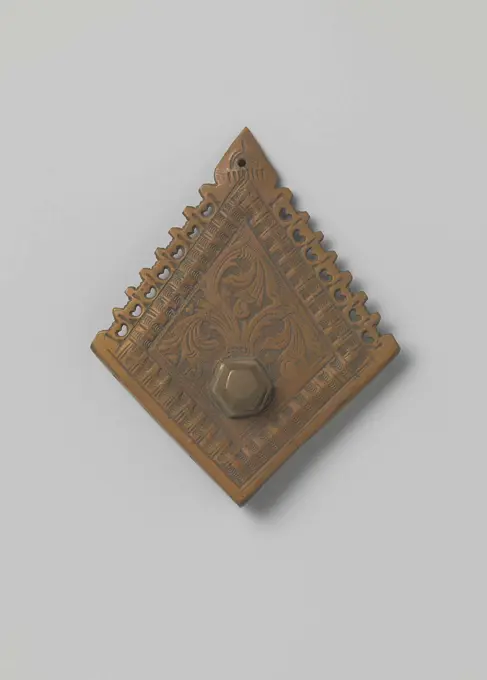
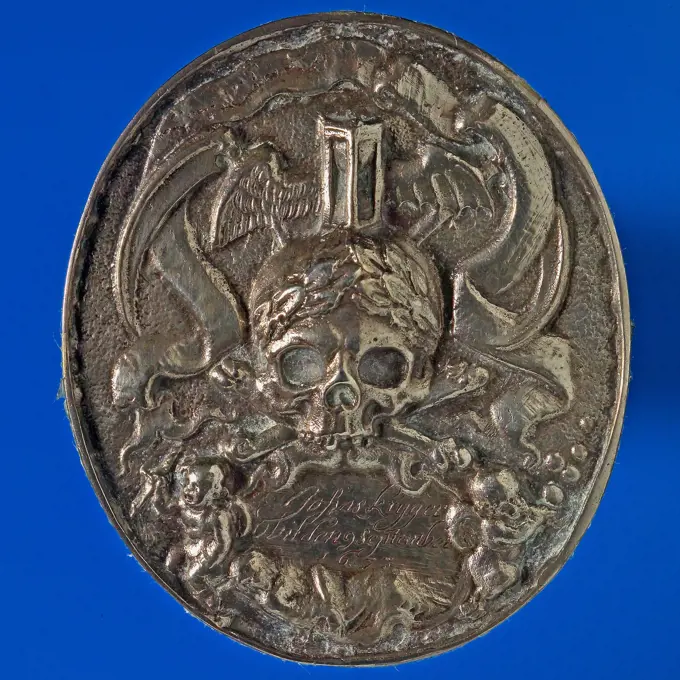
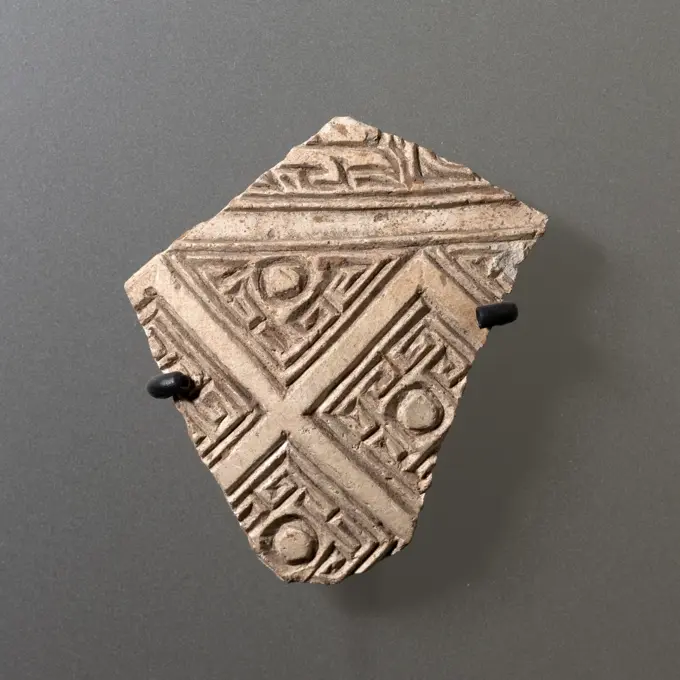
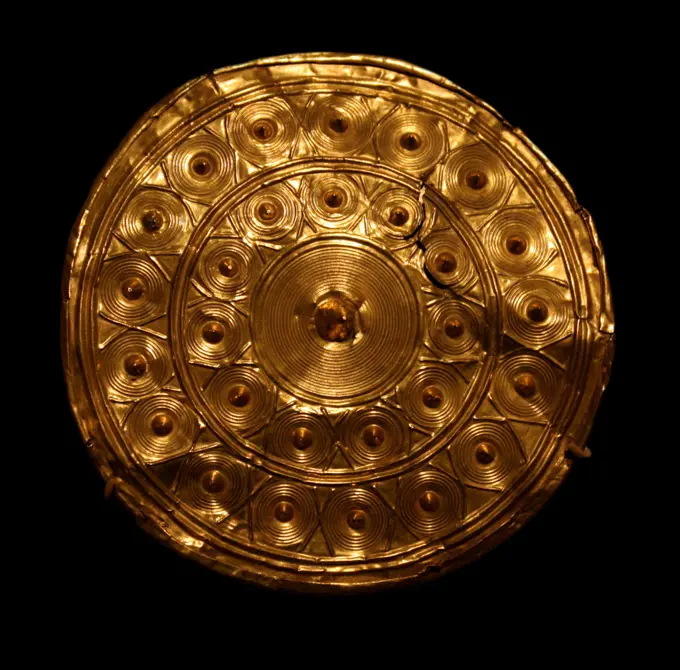
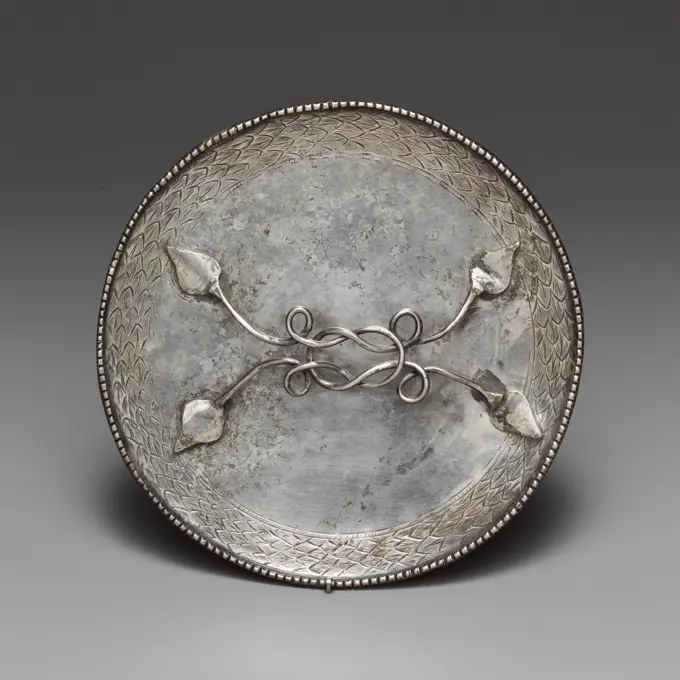
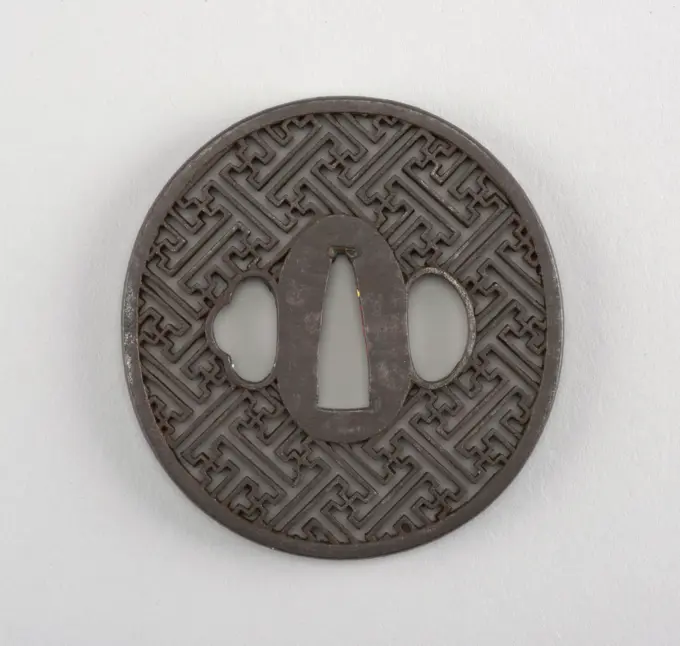
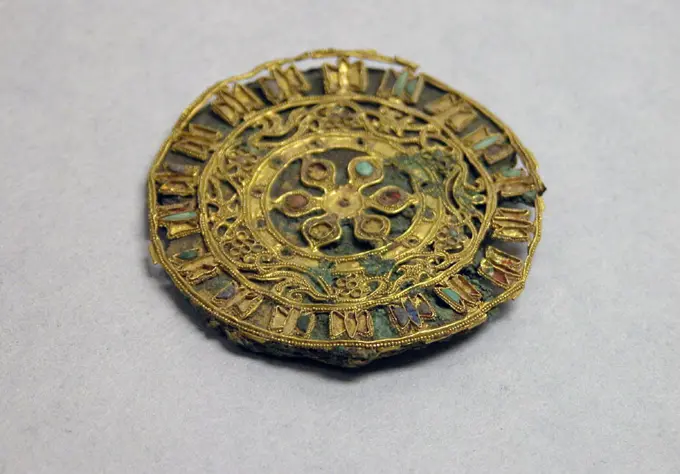
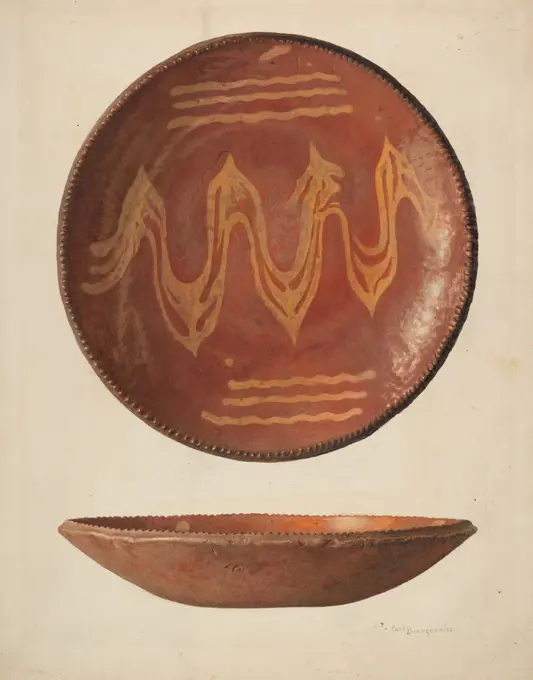
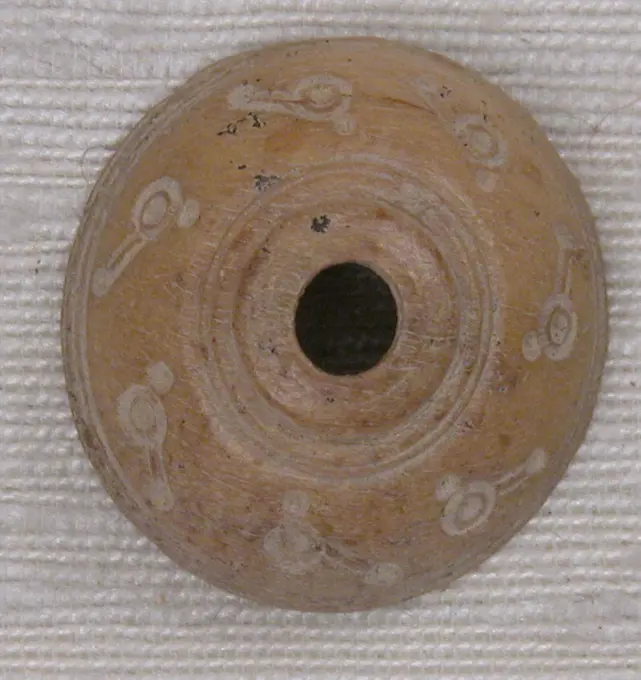
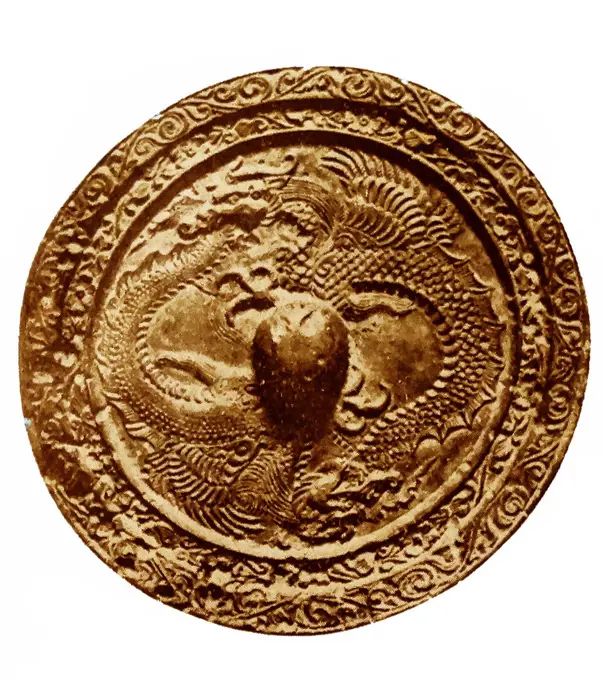
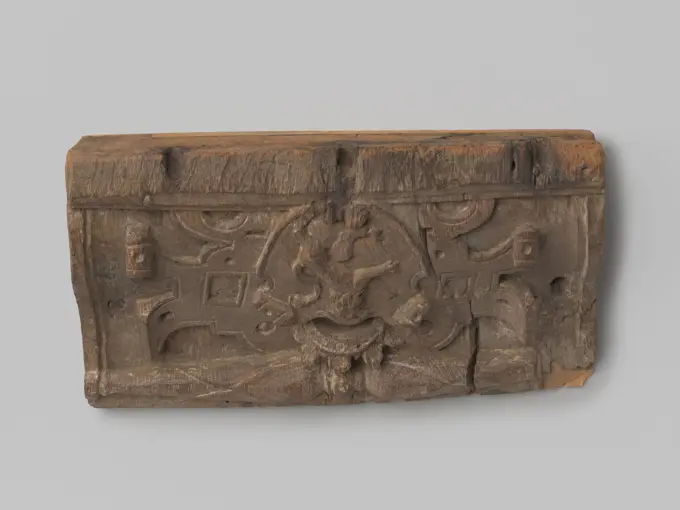
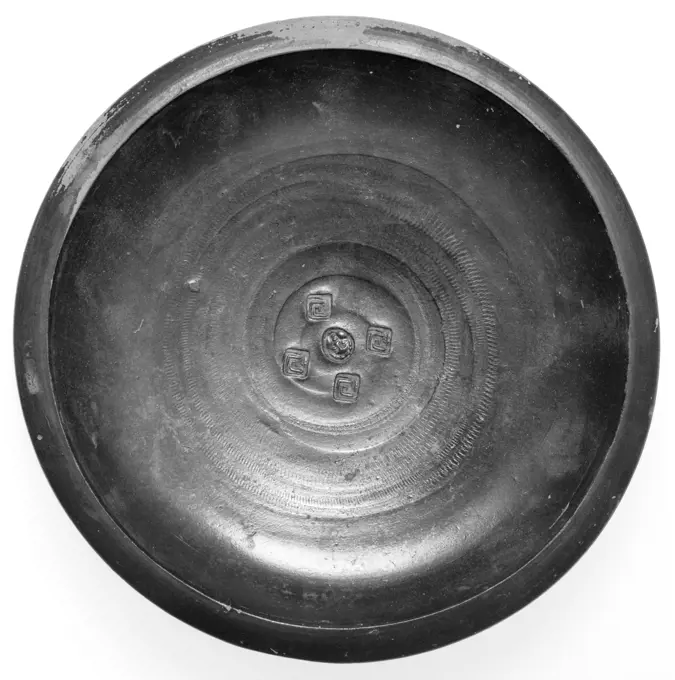
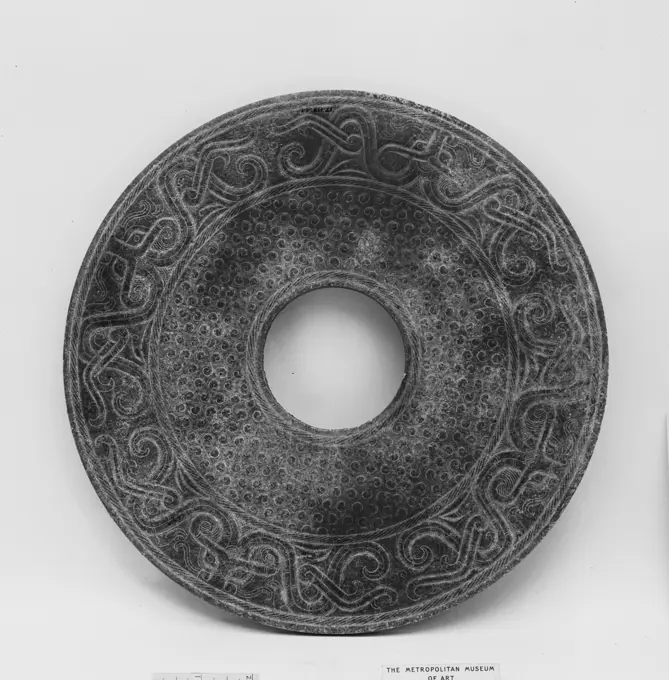
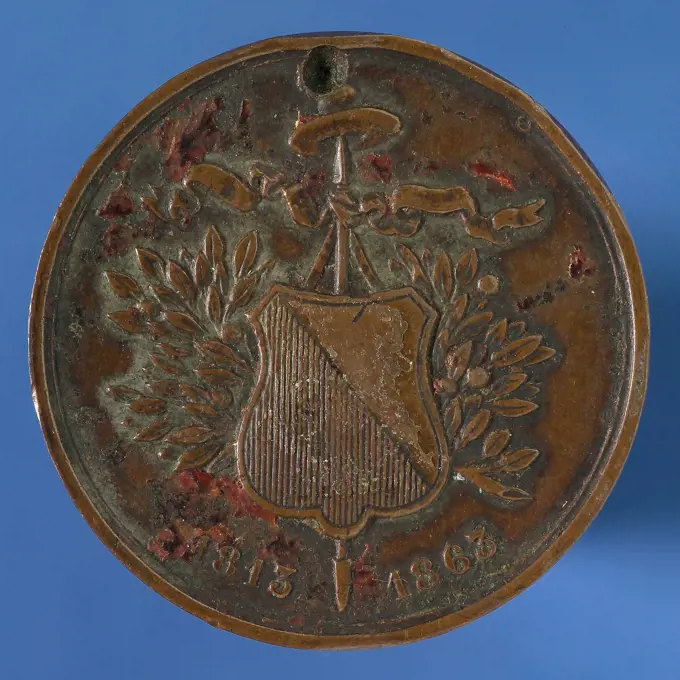
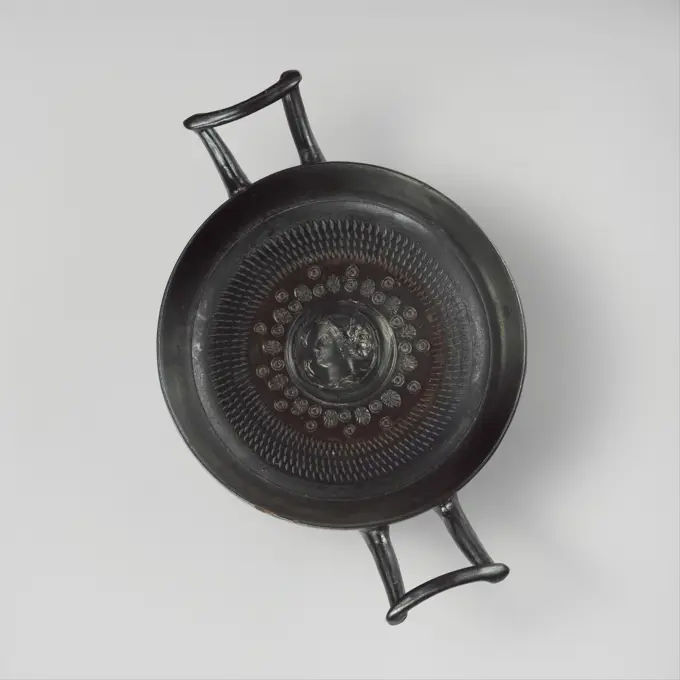
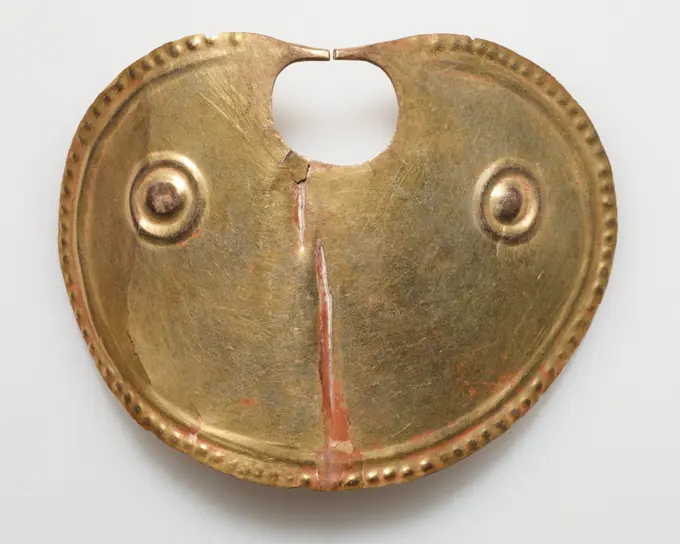
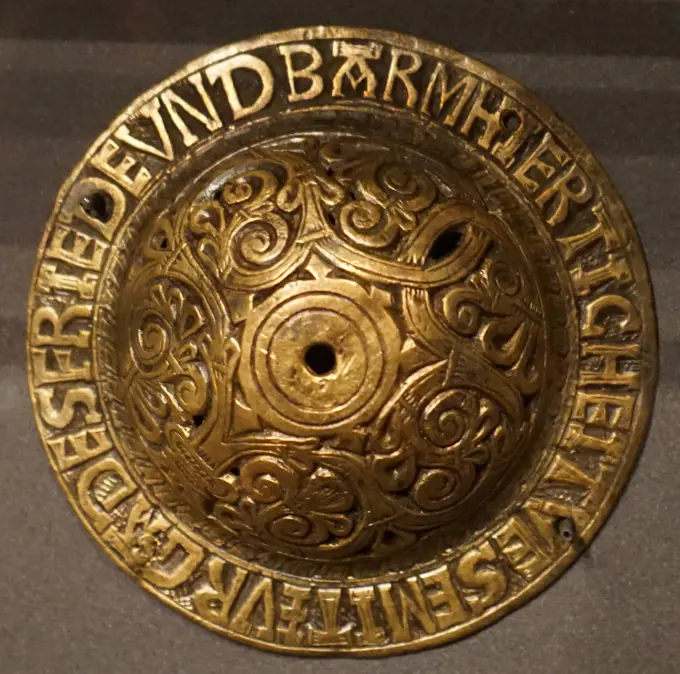
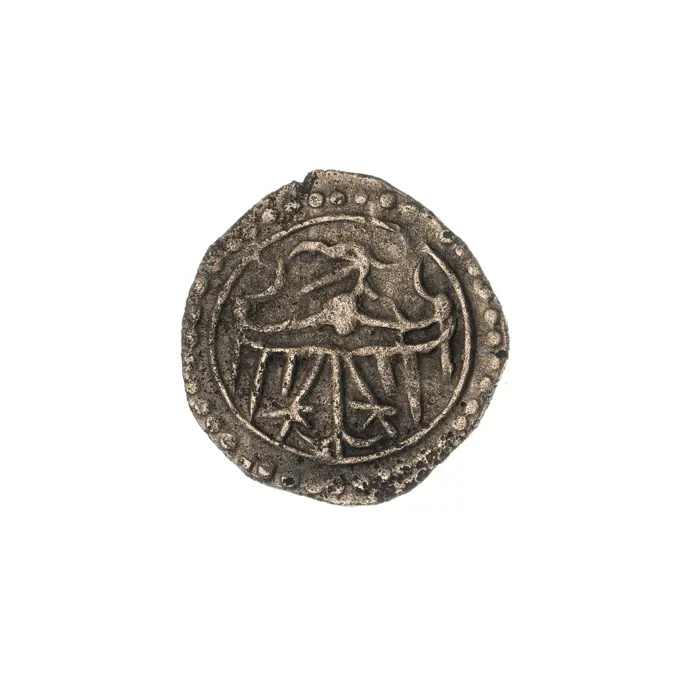
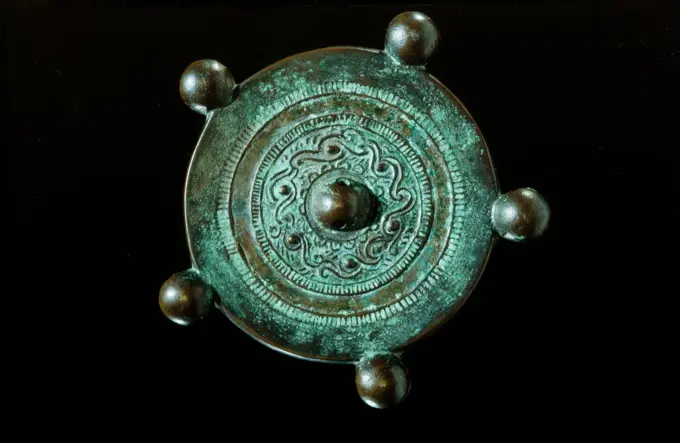
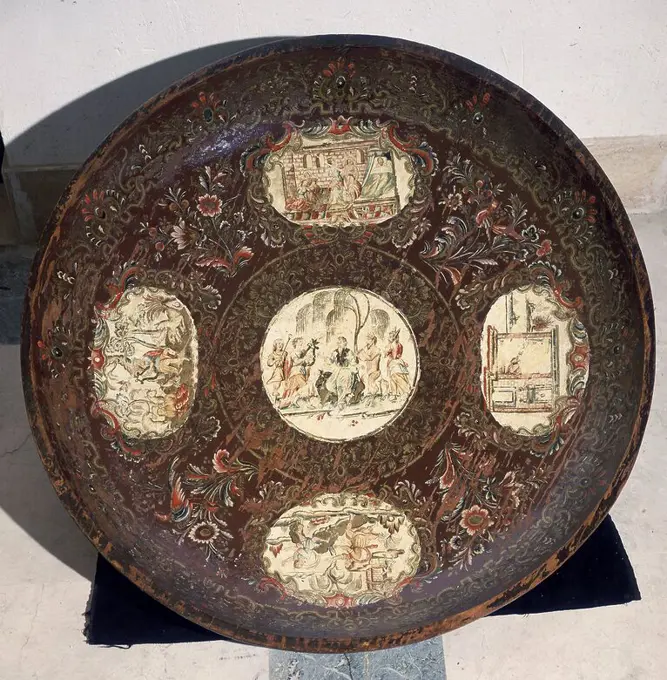
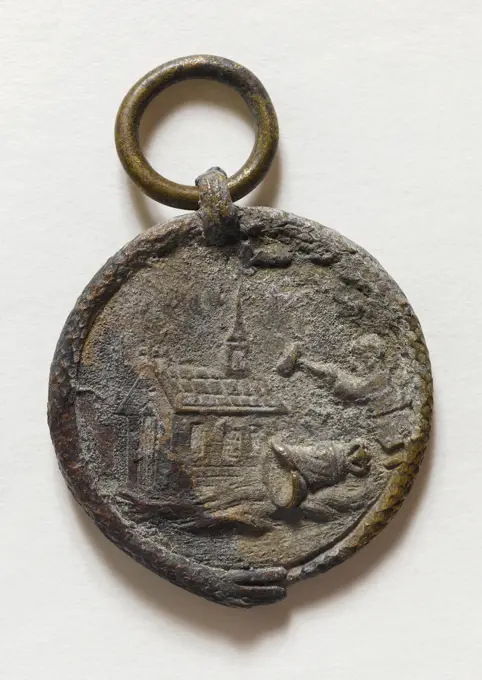
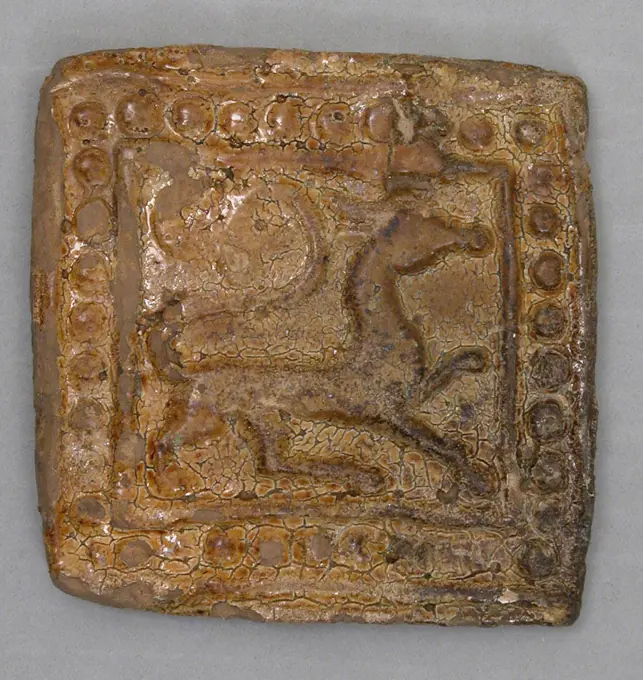
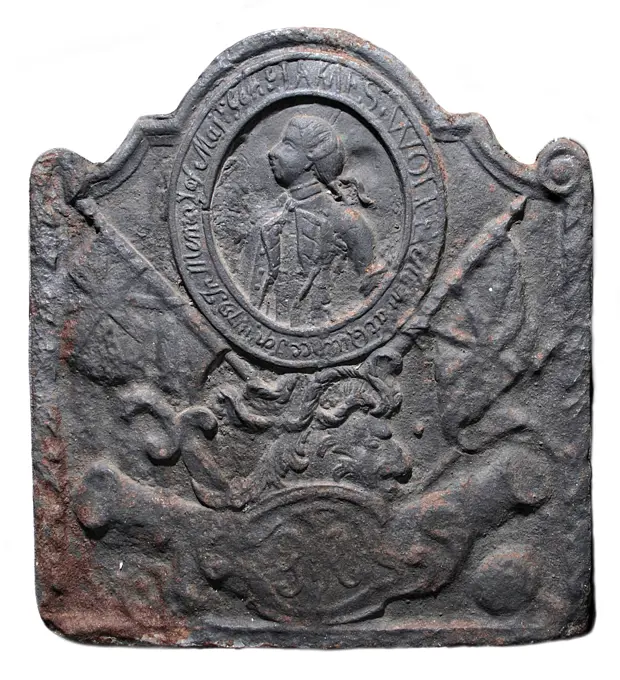
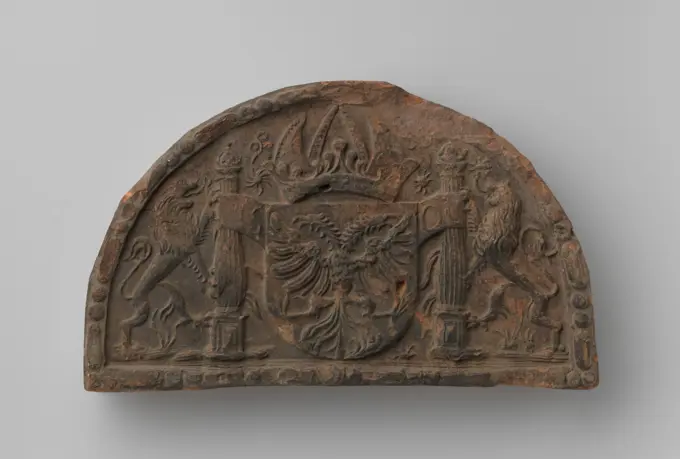
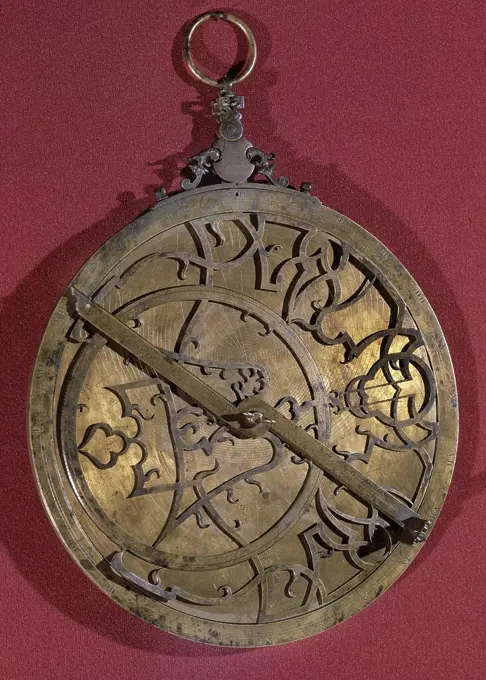
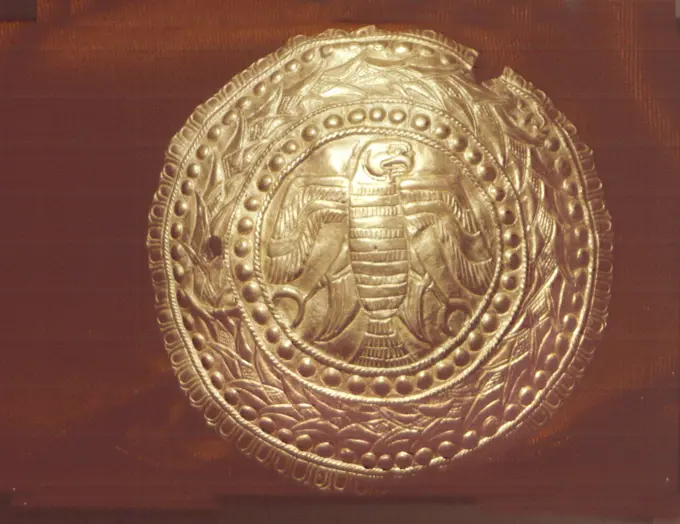
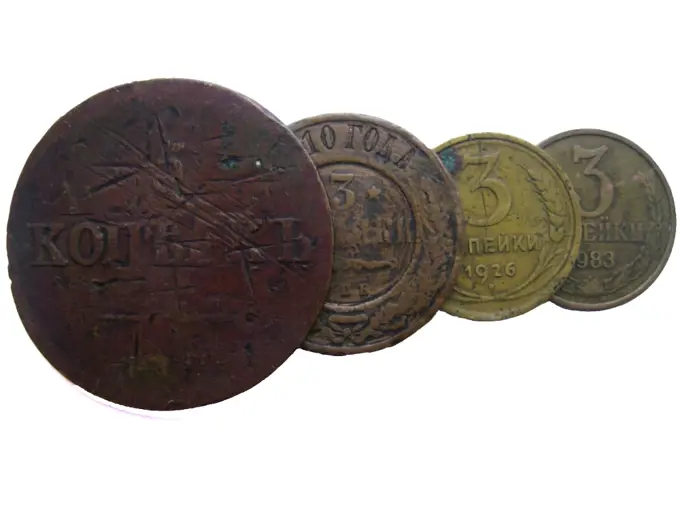
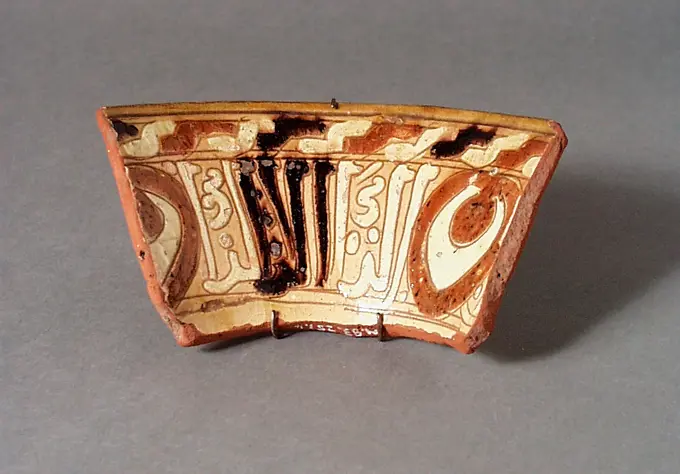
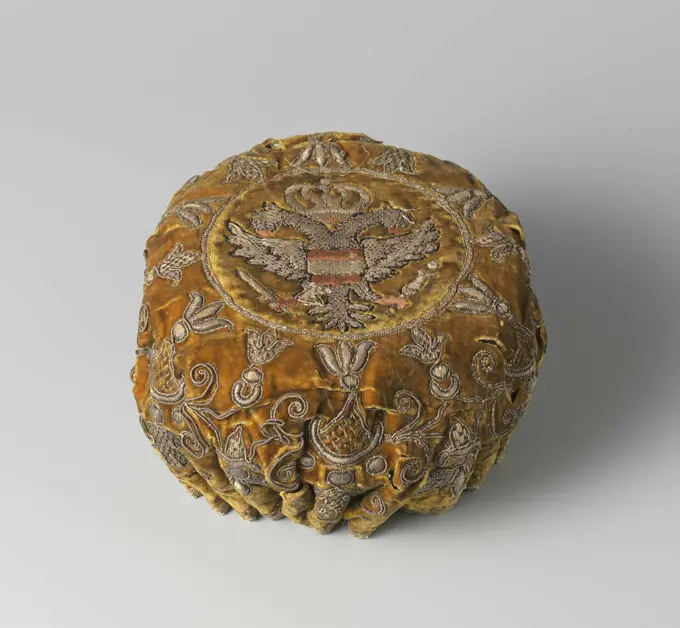
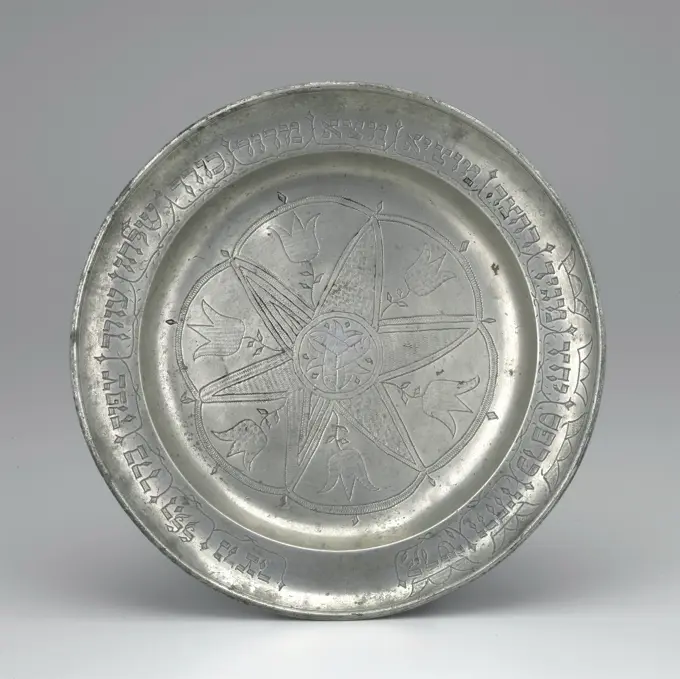
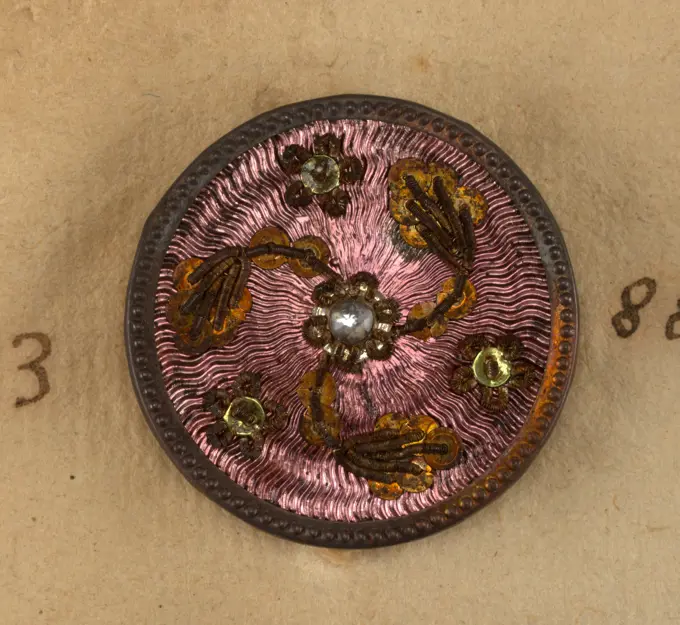
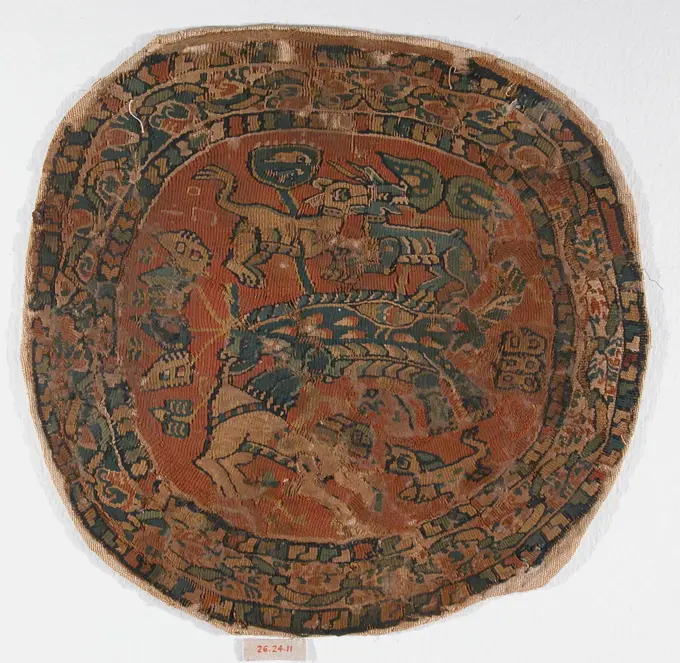
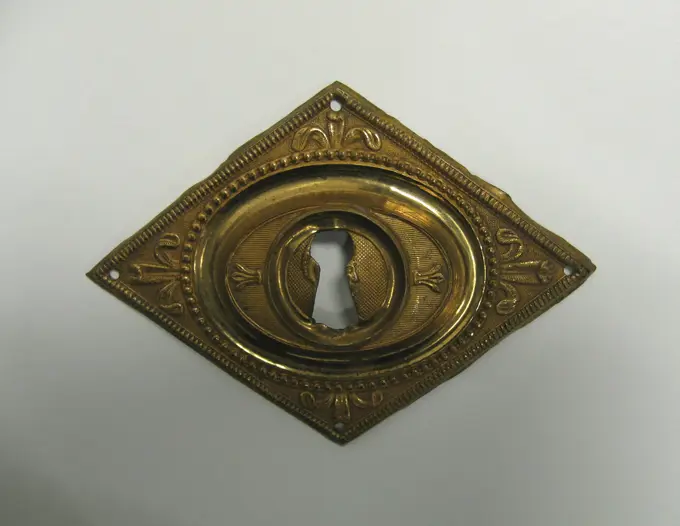
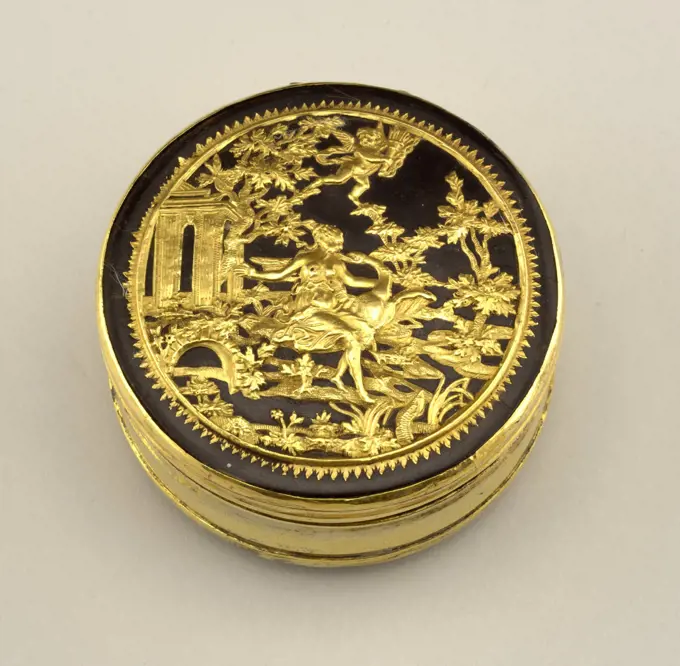
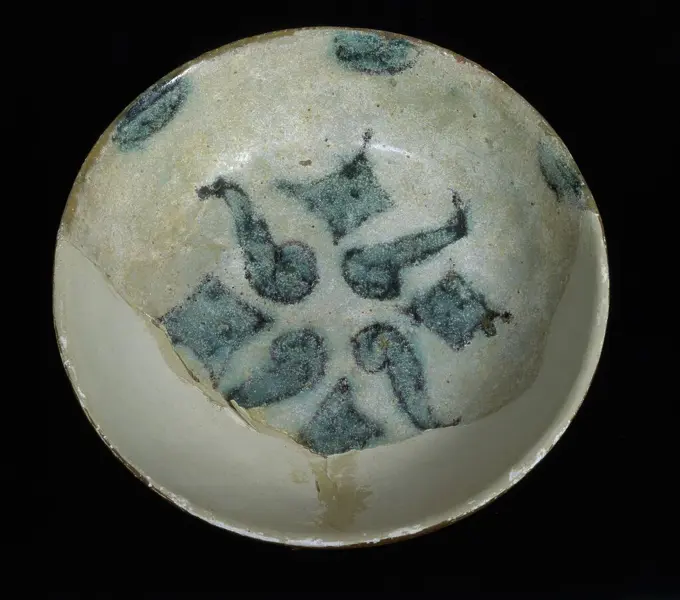
Medallion, Ceiling; wood, carvedSword Guard, 1615-1868. Japan, Edo period (1615-1868). Iron, gold, and mother-of-pearl; overall: 6.8 x 7.6 cm (2 11/16 x 3 in.).Mała misa bez stopki. warsztat nubijski, workshopSword Guard (Tsuba) 1669-1744 Japanese A tsuba is a sword guard and part of a sword mounting. It is mounted between the swords blade and grip to protect the users hands.. Sword Guard (Tsuba) 29969Disk Brooch 3rd century Roman. Disk Brooch. Roman. 3rd century. Champlevé enamel, copper alloy. Enamels-ChamplevéObsidian mirror from Kabri, Wadi Rabah culture from 7,500 years ago. The mirror was found in a grave meaning that it could either have been a luxury item or something with magical connotations.Terracotta disk. Culture: Cypriot. Dimensions: diameter 3 3/8 in. (8.6 cm). Date: ca. 1900-1725 B.C..These disks may be among the earliest representations of wheels from Cyprus. Museum: Metropolitan Museum of Art, New York, USA.Sword Guard (Tsuba) ca. 1615-1868 Japanese A tsuba is a sword guard and part of a sword mounting. It is mounted between the swords blade and grip to protect the users hands.. Sword Guard (Tsuba) 34464Plat. Bronze. Par musée musée malée. 70004-15 Asian art, bronze, flatHand guard, anonymous, 1600 - 1900 Oval tsuba with at the front in relief and iroe-takazogan a tiger that is under a pine at a waterfall; Signed "Ohara Yakichiro Hisataka" () And the addition "Koto Shiro Nishi Ju". Japan iron (metal). copper (metal). gold (metal) Oval tsuba with at the front in relief and iroe-takazogan a tiger that is under a pine at a waterfall; Signed "Ohara Yakichiro Hisataka" () And the addition "Koto Shiro Nishi Ju". Japan iron (metal). copper (metal). gold (metal)Pair of gold and rock crystal disks, set with garnet and glass inlays early 5th century B.C. Etruscan Pair of gold and rock crystal disks with concentric bands of ornament from a tomb group allegedly from Vulci, one of the richest and most impressive sets of Etruscan jewelry ever found.. Pair of gold and rock crystal disks, set with garnet and glass inlays 253591 Etruscan, Pair of gold and rock crystal disks, set with garnet and glass inlays, early 5th century B.C., Gold, rock crystal, Diam.: 2 7/16 in. (6.2 cm). The Metropolitan Museum of Art, New York. Harris Brisbane Dick Fund, 1940 (40.11.8, .9)Offering Tray (Talam) 10th-14th century Indonesia. Offering Tray (Talam). Indonesia. 10th-14th century. Bronze. MetalworkSword Guard (Tsuba) with Birds in Bamboo, c. 1615-1868. Japan, possibly Edo period (1615-1868). Iron; diameter: 8 cm (3 1/8 in.).Bowl 9th-10th century. Bowl 449796Spindle Whorl, 700s - 900s. Iran, early Islamic period, 8th - 10th century. Bone, incised; overall: 0.4 x 2.1 x 2.1 cm (3/16 x 13/16 x 13/16 in.).Perforated Disc (Bi) with Dragons. China, Chinese, Ming dynasty, 1368-1644. Sculpture. Abraded jadeBatter of a mission tire. Ten fitting parts of a mission tape, from brass. The ten parts are cut from copper plate, driven, engraved and sponately edited. A copper button with seven facets is riveted on each of them. They are equipped with holes on the corners or along the edge to be able to turn nails, with which they were constituted on the book band. Four corner pieces have a rear edged on two sides. The remaining four have that only at the top or bottom (these were placed against the back of the book). Two sides have been deposited with an open edge of cross flowers from each corner piece. The field in the middle is taken by three-dialed tendrils. The ornament on the middle parts exists on the corners from a plant with three leaves and two flowers in a pot. The four parts in between are taken by fantasy decreases.W. Muller, Oval plaque medal on the death of Josias Krijger during the Third Anglo-Dutch War, plaque medal mortality medal medal silver med 6g w 5,3 cast, On two crossed bones there is wreathed skull above which winged hourglass Behind two scythes At the bottom of cartouche formed by left dead dead left putto that fading torch holds on the right bubble blowing putto banderole (without any inscription) winds around the head of the skull engraved in the cartouche: Josias Krijger obiit 9 September 1673 war fall deadFragment of pottery ". Ceramic. China, Shang dynasty. Paris, Cernuschi museum. 72199-30 Ceramic, shang dynasty, fragment, potteryGold Disk from a Reel. Bronze Age, found in Enniscorthy, Ireland. Made about 800 B.C. Ireland experienced a period of resurgence in the production of gold work during the late Bronze Age. Numerous objects noteworthy for their gold content, innovative forms and sophisticated decoration still survive.Silver mirror 4th century A.D. Roman The type of mirror with a horizontal handle originated in the Roman world during the first century B.C. It was subsequently adopted in various cultures of Asia and finally died out in the ninth to tenth century A.D. In this example, the classical origins are clear in the leaf-shaped attachments of the handle, the Herakles knot, and the wreath around the circumference of the disk.. Silver mirror. Roman. 4th century A.D.. Silver. Imperial. Gold and SilverCompartmented stamp seal ca. late 3rd-early 2nd millennium B.C. Bactria-Margiana Archaeological Complex. Compartmented stamp seal 326892Round-bottombowl.  Artist: UnknownTsuba; tetsu; Bequest of George Cameron Stone; 1936-4-207Weefselfragment met nail en, anonymous c. 400 - c. 599 Natural linen tissue fragment with woven clavus and sewn -up Orbiculus in dark purple. The Orbiculus has a cick motif with four vases and leaf vines, around it an eight -pointed star. Around a circle and a wider circle with continuous braid pattern. All this in flying wire technology. The whole surrounded by a toothed edge. The Clavus has an edge with toothed list within which decoration of flower vases, medallions and leaf work, the details of which also here in flying wire technology. The Orbiculus is finer woven than the Clavus. Egypt Ketting an element: Linen (material). Entry: Wool tapestry Natural linen tissue fragment with woven clavus and sewn -up Orbiculus in dark purple. The Orbiculus has a cick motif with four vases and leaf vines, around it an eight -pointed star. Around a circle and a wider circle with continuous braid pattern. All this in flying wire technology. The whole surrounded by a toothed edge. The Clavus has aEar Ornament, c. 800-1370. Peru, North Coast, Sicán, 9th-14th century. Hammered and embossed gold alloy; diameter: 8.6 cm (3 3/8 in.).Ornament plaque 3rd century China. Ornament plaque. China. 3rd century. Gold and semiprecious stone. Han (206 B.C.-A.D 220) to Six Dynasties (220-589). JewelryReflector;  IIPO .Xixw. (1860-00-00-1865-00-00);Pelvis with a performance by Maria with child on the crescent, anonymous, c. 1500 - c. 1550 In the flat of the pelvis, which has the center point in the middle, with the help of a stamp shape a representation of the crowned Mary with the child on the moon melifar, is surrounded by a jet wreath. This is surrounded by a punched edge of stylized leaf ornament. A decorative composite composite is also punched on the board of the pelvis. In a later time, a hanging ring with iron was riveted at the top and a hanging ring is soldered at the back. Neurenberg (possibly) brass (alloy) casting In the flat of the pelvis, which has the center point in the middle, with the help of a stamp shape a representation of the crowned Mary with the child on the moon melifar, is surrounded by a jet wreath. This is surrounded by a punched edge of stylized leaf ornament. A decorative composite composite is also punched on the board of the pelvis. In a later time, a hanging ring with iron was riveted at the top Carl Buergerniss, Pie Plate, c 1938 Pie PlateButton or Bead 9th-10th century The dot-in-circle motif recalls designs presumed to be of magical significance, most likely an abstract eye to ward off the evil-eye, which serves an apotropaic function. Easily reproduced with a tool and visible in many cultures and times, this symbol may have lost its meaning, and become simply a decorative pattern, or may have one that we have not yet discovered.. Button or Bead. 9th-10th century. Bone; incised and inlaid with paint. Excavated in Iran, Nishapur. Ivories and BoneClose-up of a reproduction of a Phaistos disc.Hearing stone with representation of two climbing lions and a coat of arms, 1610 Hearing stone with representation of two climbing lions and the year 1610, placed in profiled window. The half windows at the top and bottom are filled with a weapon, a crown and star motif. Southern Netherlands earthenware Hearing stone with representation of two climbing lions and the year 1610, placed in profiled window. The half windows at the top and bottom are filled with a weapon, a crown and star motif. Southern Netherlands earthenwareDragon in relief. From Koryeo Dynasty (918 - 1392). Bronze Mirror from 10th~14th century Koryeo Dynasty, KoreaTea Bowl with Crescent Moon, Clouds, and Blossoming Plum. Culture: China. Dimensions: Diam. 4 3/4 in. (12.1 cm). Date: 13th-14th century.A common theme in the decorative arts, this imagery may have been inspired by contemporaneous poems invoking the beauty of blossoming flowers in the subtle light of a crescent moon. Museum: Metropolitan Museum of Art, New York, USA.Bowl;  End of the 4th-III century BC (-310-00-00--201-00-00);Key piece with coat of arms (fragment), anonymous, c. 1550 - c. 1600 End of a key piece of oak with a coat of arms from the broken house Warmoesstraat 145 in Amsterdam. Northern Netherlands oak (wood) End of a key piece of oak with a coat of arms from the broken house Warmoesstraat 145 in Amsterdam. Northern Netherlands oak (wood)Campanian Black Bowl; Campania, South Italy, Europe; 323 - 31 B.C; Terracotta; 3.7 x 16.5 cm (1 7,16 x 6 1,2 in.)Disk China. Disk. China. Jade. Han dynasty (206 B.C.-A.D. 220). Jade's Rijks Munt, Medal on the fifty years ago inaugurating the Cossacks in Utrecht in 1813, commemorated in 1863, medallions bronze bronze medal of 2.6, the coat of arms of the municipality of Utrecht hanging and attached to lance mounted with the freedom hat Underneath that hat pennant on which 1813-1863 Left and right of the coat of arms Oranjetakken, Onderaan 1813-1863 music singing Rotte's Mannenkoor RotterdamCheekpiece from a Horse Bit. Iran, Luristan, Luristan bronzes, circa 1000-650 B.C.. Tools and Equipment; horse trappings. Bronze, castTerracotta stemless kylix (drinking cup) late 4th-3rd century B.C. Greek, South Italian, Campanian, Calenian In relief, head of Arethusa.. Terracotta stemless kylix (drinking cup) 254279 Greek, South Italian, Campanian, Calenian, Terracotta stemless kylix (drinking cup), late 4th3rd century B.C., Terracotta, H. 1 15/16 in. (5 cm); diameter 4 13/16 in. (12.3 cm); width with handles 7 1/8 in. (18.1 cm). The Metropolitan Museum of Art, New York. Rogers Fund, 1941 (41.162.107)Earring, from a collection of six, 11th-16th century, 2 3/4 x 3 x 7/8 in. (6.99 x 7.62 x 2.22 cm), Gold, Ecuador, Pre-Columbian. Concave come with a flat bottom. Red-traying clay with white sludge and a translucent lead glaze; Decorated with an inner wall (Arab) inscription.Sword Guard (Tsuba). Culture: Japanese. Dimensions: Diam. 3 in. (7.6 cm); thickness 3/16 in. (0.5 cm); Wt. 3.4 oz. (96.4 g). Date: ca. 1615-1868. Museum: Metropolitan Museum of Art, New York, USA.Watch. Culture: British, London. Dimensions: Diameter: 2 in. (5.1 cm). Maker: Watchmaker: J. Tarts (active 1755-90). Date: 18th century. Museum: Metropolitan Museum of Art, New York, USA.Engraved saddle ornament from Iceland. Dated 17th Centuryheller; 15th century (1401-00-00-1500-00-00);Piotr (Saint), Klucze, city coins, Silesian Eagle (iconogr.), Eagles, Saint. Piotr with keysCircular Mirror with Five Spherical Bells, 5th century, Unknown Japanese, 3 1/2 in. (8.89 cm), Bronze, Japan, 5th centuryPre-Columbian Gold pendants. Old traditional pieces dating back to 500AD. The Gold Museum. San Jose. Costa Rica. Central America.BATEA DE MADERA LACADA DECORADA CON ESCENAS MITOLOGICAS - ARTE MEXICANO - S XVIII. Location: MUSEO DE AMERICA-COLECCION. MADRID. SPAIN.Marca de Fábrica, Fábrica de Thomas Gomis, siglo XVIII. Museo Comercal de Manresa.Bronze mirror. Culture: Etruscan. Dimensions: length 13 1/8 in. (33.3 cm); diameter 7 1/16 in. (18 cm). Date: ca. 350 B.C..Aphrodite and Eros fishingThis scene of Eros assisting the fishing Aphrodite may be derived from similar representations on red-figure Greek pottery. Its significance is unknown. Museum: Metropolitan Museum of Art, New York, USA.Mirror, 1185-1333. Japan, Kamakura period (1185-1333). Bronze; diameter: 11 cm (4 5/16 in.).Tile with rosette, anonymous, c. 1750 - c. 1800 Tile decorated with a rosette surrounded by double pointed ovals. In two corners with a quarter rosette. Netherlands earthenware. lead glaze Tile decorated with a rosette surrounded by double pointed ovals. In two corners with a quarter rosette. Netherlands earthenware. lead glazeBaptismal Font. Dated: 1937. Dimensions: overall: 35.3 x 26.7 cm (13 7/8 x 10 1/2 in.) Original IAD Object: Approx. 21"diameter; 12"deep. Medium: watercolor, colored pencil, gouache, and graphite on paper. Museum: National Gallery of Art, Washington DC. Author: Harry Mann Waddell.Medieval mirrors from the Eastern Islamic world, made from cast copper alloy. Dated 11th CenturyTile with rosette, Anonymous, 1300 - 1450 Tile decorated with a rosette. Germany (possibly)Great Britain (possibly)Netherlands (possibly) earthenware. lead glaze Tile decorated with a rosette. Germany (possibly)Great Britain (possibly)Netherlands (possibly) earthenware. lead glazetraditional Chinese decorationBARNABITY SECTION BOARD, 1791 Anonymous. Badge of the Barnabites section, 1791. Lead, 1791.Gold cup with polyps decoration, from Dendra, Tholos tomb at Midea, GreeceSquare Tile early 13th century This tile belongs to a unique group of monochrome glazed, molded relief tiles excavated from a palace at Ghazni, in modern Afghanistan. The decoration on this group consists of animals in heraldic poses (as seen here), as well as vegetal scrolls and calligraphy, often surrounded by beaded borders. The excavation stratigraphy dates them to the early thirteenth century, the period of the citys Ghurid rule. They were probably manufactured in Ghazni especially for the palace.. Square Tile 452771Goldweight Depicting a Geometric Shape 1600-1799 Ghana. Copper alloy . AsanteOrnament Korea. Ornament 44829NUMISMATICA. MONEDA MODERNA. OCHO ESCUDOS DE ORO, DE FELIPE V. REVERSO. DOS COLUMNAS CORONADAS SOBRE OLAS EN TRES LINEAS HORIZONTALES.1729. (DEPOSITO: MUSEO ARQUEOLOGICO NACIONAL).Side Panel of a Flank Defense (Crupper) from a Horse Armor. Culture: German or Austrian. Dimensions: H. 31 3/4 in. (80.65 cm); W. 36 in. (91.44 cm). Date: ca. 1490-1500.Once part of a very elaborate horse armor, this crupper panel is one of the few surviving examples from the fifteenth century to retain its original blued and gilt decoration. Museum: Metropolitan Museum of Art, New York, USA.Sword Guard (Tsuba) first half 17th century Japanese A tsuba is a sword guard and part of a sword mounting. It is mounted between the swords blade and grip to protect the users hands.. Sword Guard (Tsuba) 33400Sword Guard, c. 1800. Japan, Edo period (1615-1868). Iron (Choshun type); diameter: 7.7 cm (3 1/16 in.).Watch, silver -plated, regnault, c. 1798 - c. 1809 Silver -plated copper rehearsal watch with an enamelled dial. With smooth copper exterior. France copper (metal). Silver -plated copper rehearsal watch with an enamelled dial. With smooth copper exterior. France copper (metal).Villanovian culture, Embossed bronze belt with embossed and engraved decoration, from the Benacci Necropolis, BolognaSword Guard, 1615-1868. Japan, Edo period (1615-1868). Iron; overall: 6.8 x 6.1 cm (2 11/16 x 2 3/8 in.).Frame; The round passion. Copy of the ornamental edge around the series the round passion.Fireback - In Memoriam General WolfeHabburgs Wapen, Anonymous, 1500 - 1700 Semi -round fireplace with a Spanish Habsburgs weapon; Two -headed eagle with coat of arms on the chest, above it crown with right: 600 , On both sides with lion, decorated edge in relief; Dressed in the middle, a bit crumbled, bottom and rear left fault lines, some places black brackled, remaining cement, rear slice. On the left the letters l And right of the weapon the letters ol Southern Netherlands brick (clay product) Semi -round fireplace with a Spanish Habsburgs weapon; Two -headed eagle with coat of arms on the chest, above it crown with right: 600 , On both sides with lion, decorated edge in relief; Dressed in the middle, a bit crumbled, bottom and rear left fault lines, some places black brackled, remaining cement, rear slice. On the left the letters l And right of the weapon the letters ol Southern Netherlands brick (clay product)Icon: descend to the abyss; Unknown Russian workshop (1700-1970); 19th century (1801-00-00-1900-00-00);EUROPEAN ASTROLABE, 1598 (ANTWERP) - ANVERSE. Author: COIGNET MIGUEL SIGLO XVI. Location: MUSEO NAVAL / MINISTERIO DE MARINA. MADRID. SPAIN.Oxus Treasure- gold disc with eagle. PERSIA- IRAN.Old russians coinsArch of the Constitution. Test for a medal Augustin Dupr� (1748-1833). Arch of the Constitution. Test for a medal. Etain Uniface with tile, 1793.Fragment of a BowlNail 15th-16th century European. Nail. European. 15th-16th century. Iron. Metalwork-IronGames fair of yellowgrene velvet, embroidered in silver thread and pink silk with a weapon with two-headed eagle and red white heart shield. Game fair of yellow-green velvet, embroidered in silver thread and pink silk with a Habsburg weapon. Model: flat round bottom of which a wavy raised edge has holes for a drawstring (missing). Equipped with new brunette lining. Decoration: The 24 bulges or ribs are decorated with stacked ornaments, of leaf or floral motifs filled with napkin in different techniques, of silver thread. Three-quarter height a horizontal line of silver thread runs. The top is covered with a silver thread passing. The soil is circled with a narrow edge silver passing within a weapon with double-headed eagle under crown. The eagle wears a heart shield with two red and a white job. In the left diary a scepter and in the right-hand sword.Cash of the Keizerrijk China of Keizer Shen Tsung under the government name HSI -EN, 1068 -1077 ,, 1068 -1077 coin Copper mint. Front: Inside wide raised edge around square recess in the middle four cross -way Chinese signs, two of which with the meaning: HSI Ning. Reverse: smooth inside wide raised edge.  copper (metal) castingPanel 14th-15th century. Panel 445138Purse. Culture: probably German. Date: fourth quarter 17th century. Museum: Metropolitan Museum of Art, New York, USA.Ink Tablet late 19th-early 20th century China. Ink Tablet 41863Fair in a flat, rectangular model of green silk, on which on the one hand a crowned double medallion and on the other hand a duke hat under which Leeuw embroidered, Anonymous, 1725 Beurs in a flat, rectangular model of green silk, with gold and silver thread and blue and red Vloszijde embroidered. On the one hand a crowned double medallion with a blue -embroidered background. In the left a crowned 'M' of which the middle leg is crossed with a horizontal line, creating four areas with the letters: 'A', 'R', 'I' and 'A', in silver wire. In the other medallion two French lilies and two thistles (), With a crowned shield in the middle in which a diagonal line. In the four corners from left to right, the year 1725. Against the bottom of the fair: 'Pa: Z: Ll: R: V: I: S'. On the other side a dark red Duke hat under which Lion a Leef Leef Left. The opening at the top is omboard with a double Galon of silver thread. Originally a cord was strung by holes along the top edge. The fair is fed withDoor of a cupboard with coat of arms with a crowned visor helmet in the form of an eagle head, anonymous, 1500 Door of a cupboard of oak. The door is decorated with deep, partially opened ornament. The ornament consists of a coat of arms hung on belts with a crowned visor helmet in the form of an eagle's head surrounded by curled thistle leaves. The arms figure proposes the holy grave with the holy skirt as a helmet sign. The seizure is missing. When the door was acquired, it was part of a largely modern cupboard. (See also inv.no. BK-KOG-605-b and -c) Northern Netherlands (possibly) wood (plant material). oak (wood) Door of a cupboard of oak. The door is decorated with deep, partially opened ornament. The ornament consists of a coat of arms hung on belts with a crowned visor helmet in the form of an eagle's head surrounded by curled thistle leaves. The arms figure proposes the holy grave with the holy skirt as a helmet sign. The seizure is missing. When the door was acquired, it was pSeder plate, 19th century, 1 3/8 x 11 3/4 x 11 3/4 in. (3.49 x 29.85 x 29.85 cm), Pewter, Germany, 19th centuryGoldsmith's art, Italy, 20th century. Mario Buccellati, engraved silver and gold cigarette case, made for countess Lella De Festi, 1930s.Button (France); paper, metal foil, thread, paillettesRoundel 6th-7th century. Roundel 447860Keyhole EscutcheonCopper Animal Plaque 3rd century B.C.-A.D. 2nd century Vicús. Copper Animal Plaque 315646Box, Gold horn box-technique, Round gold box, the lid of horn with pierced decoration of Leda and the Swan; pointed border. Base of horn, dragon fly mark, heavy hinge., probably Italy, early-mid-18th century, containers, Decorative Arts, BoxGold bracteate from Sweden showing Odin and a raven. Artist: UnknownLamp 1st century B.C.-1st century A.D.. Lamp 444793MUSEO-JOFAINA HISPANO MUSULMAN. Location: MEDINA AZAHARA / MADINAT AL-ZAHRA-MUSEO-CERAMICA. PROVINCIA. CORDOBA. SPAIN.Bliżej Kultury Reinemer & Spiegel Vienna VIIDecorative Door Boss And Nail; steel-plated wrought iron