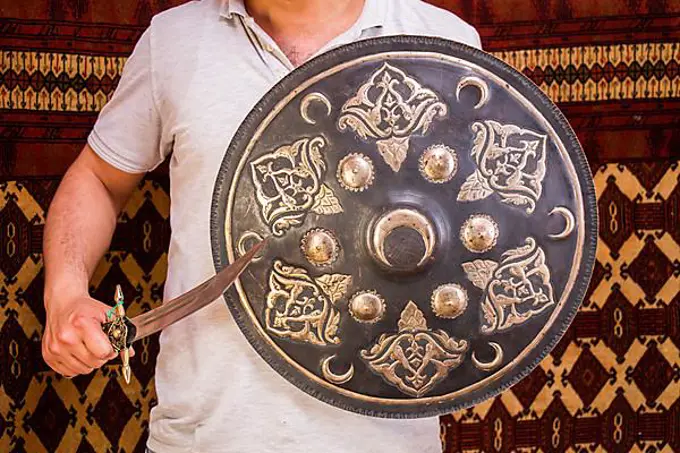
Historical Mirrors Collection

A variety of antique mirrors from different cultures, including intricate bronze designs and historic artifacts, showcasing craftsmanship and cultural heritage.
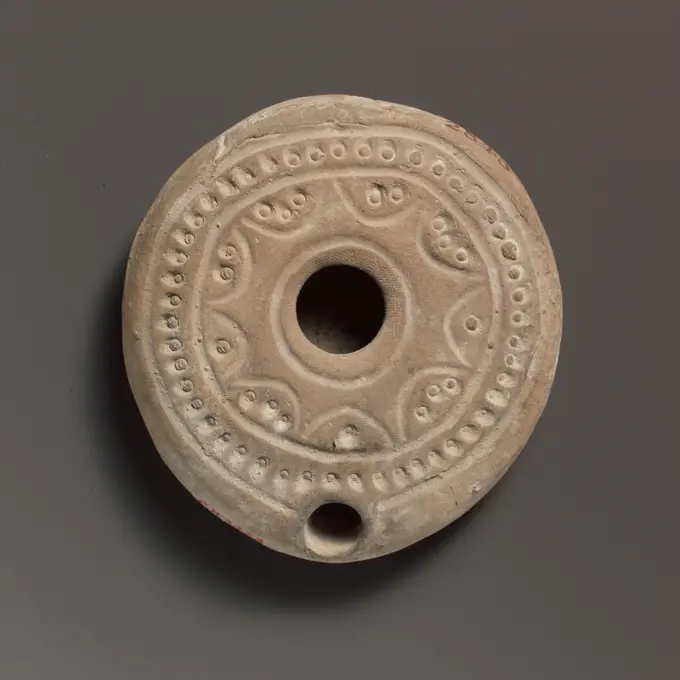
Terracotta oil lamp late 5th-6th century A.D. Roman Vessberg Type 20. Mold-made. Broad, flat, lentoid shape, with impressed decoration. Large, central filling hole, surrounded by a circular groove, then by a star pattern of nine lunettes; within lunettes, small, impressed circles with raised dots (three lunettes containing a single circle, two containing two circles, and four containing three circles); two more circular grooves towards edge of top, bordering a band of small, impressed circles with raised dots; the outer groove broken at front by the wick hole. On the bottom, at center three small, impressed circles with raised dots surrounded by a circular groove; another circular band of small, impressed circles with raised dots within a circular groove; and, at front and back, two parallel linear grooves flanked by small, impressed circles with raised dots.Intact.. Terracotta oil lamp 241602
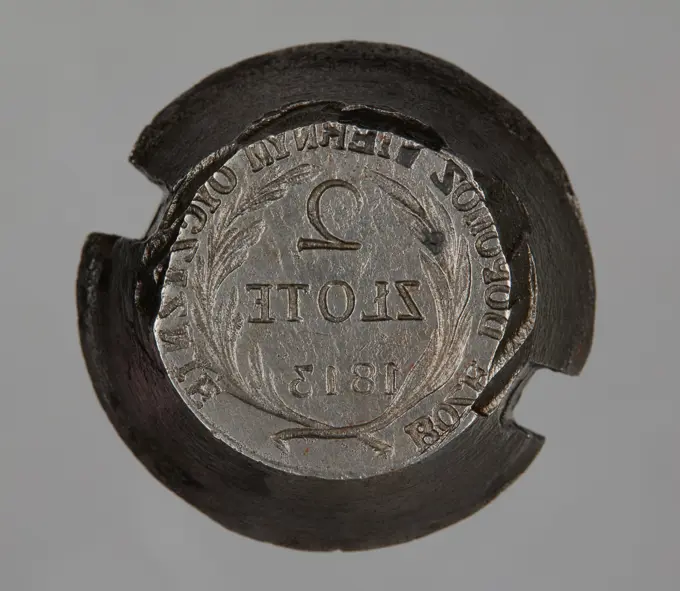
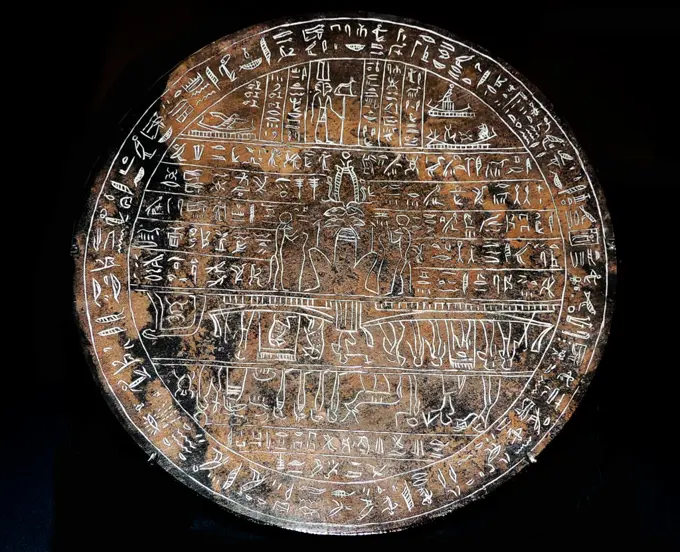
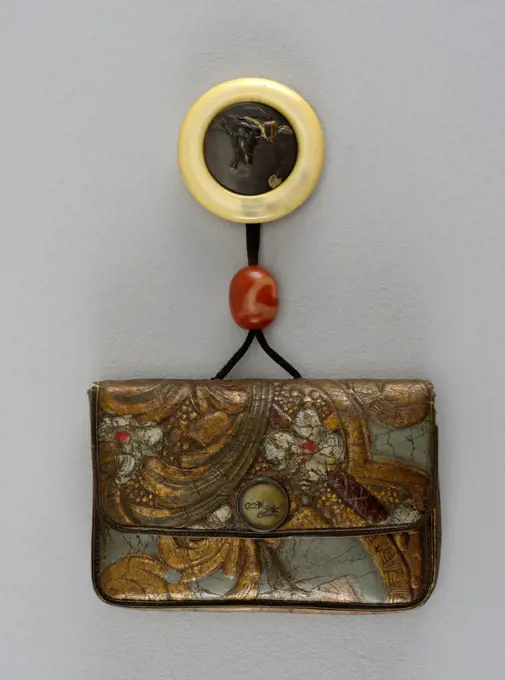
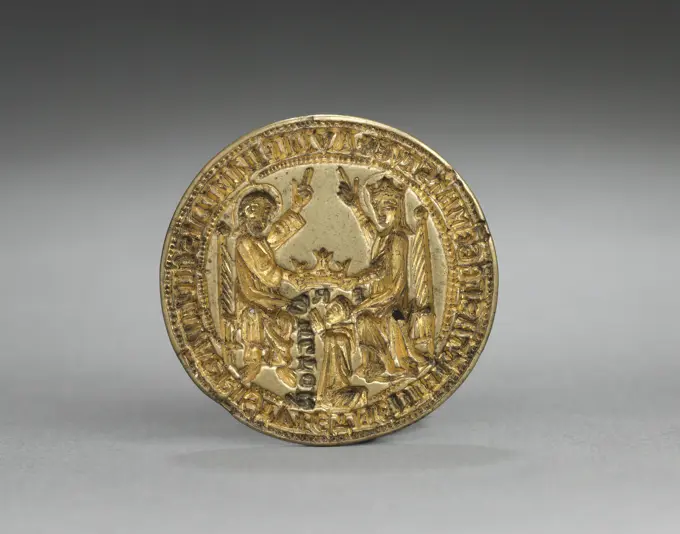
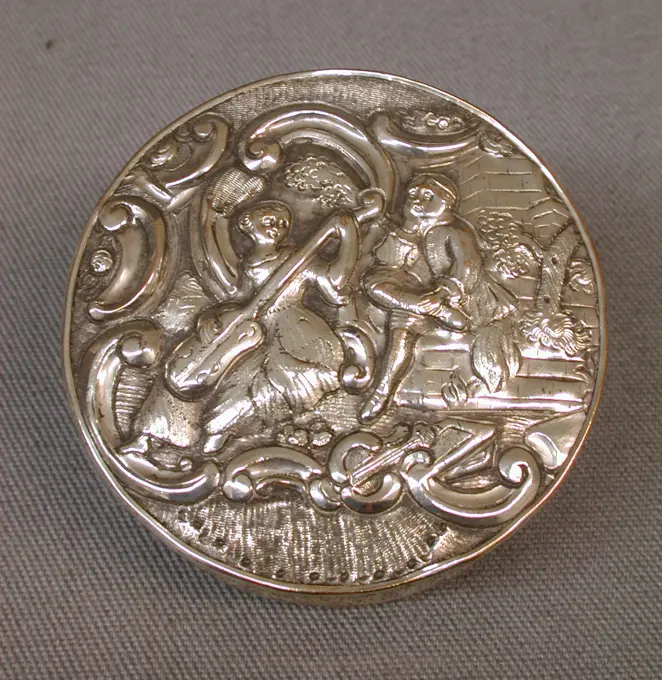
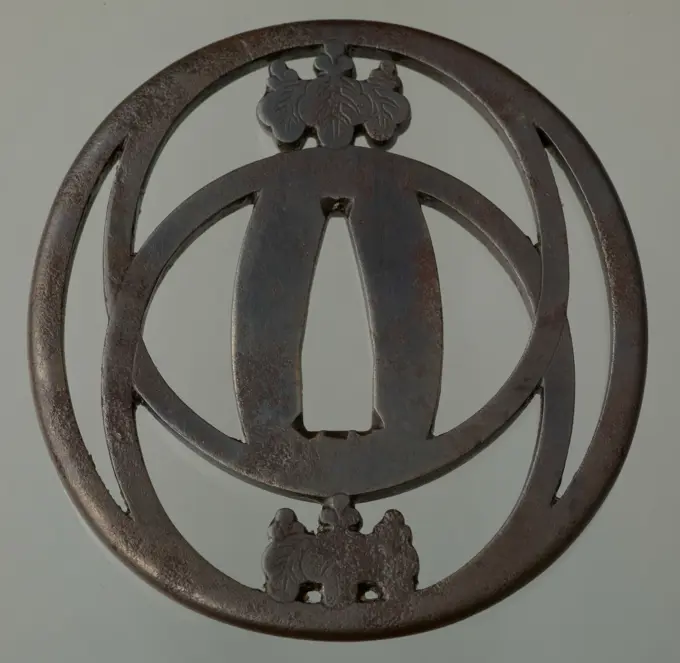
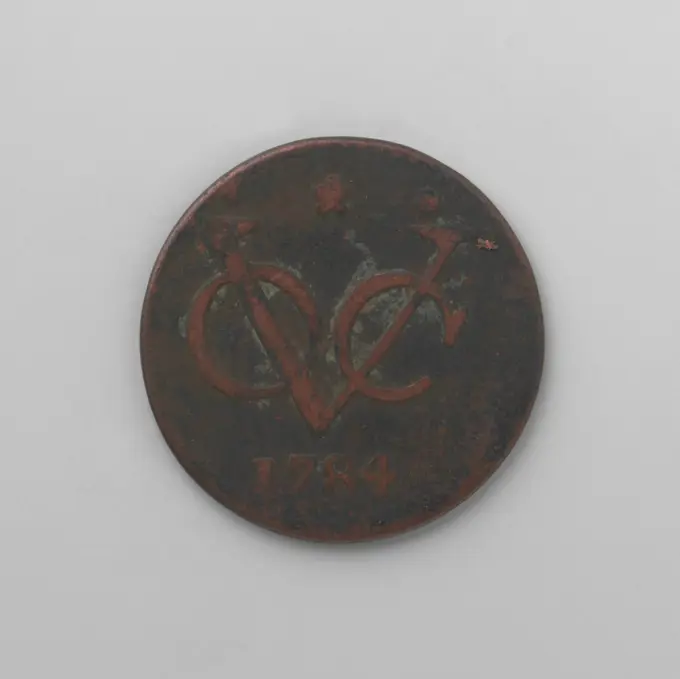
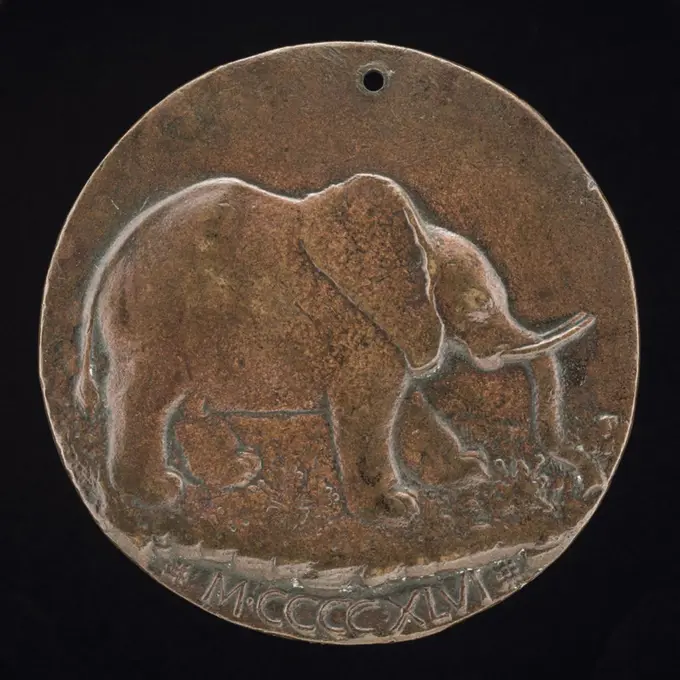
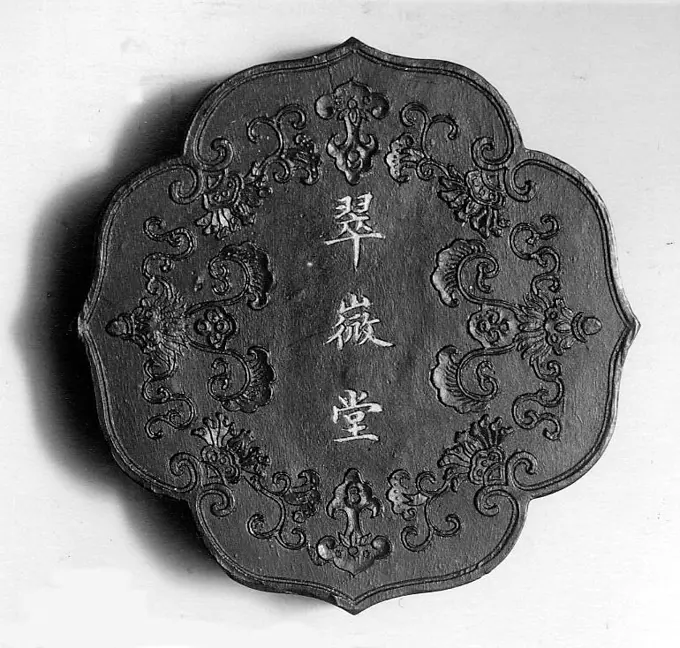
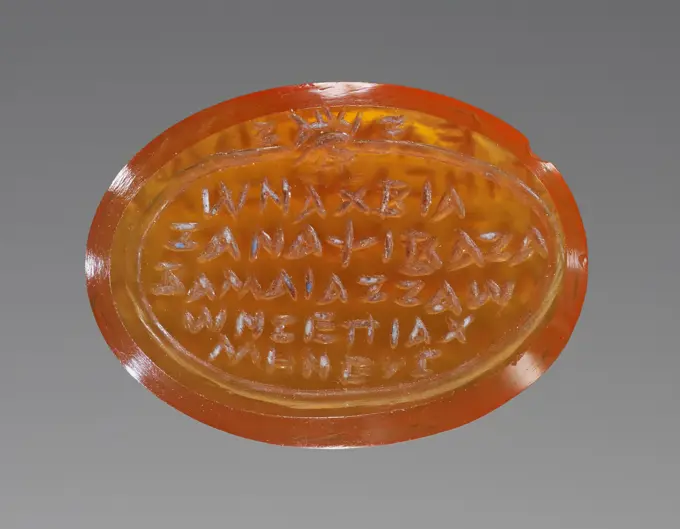
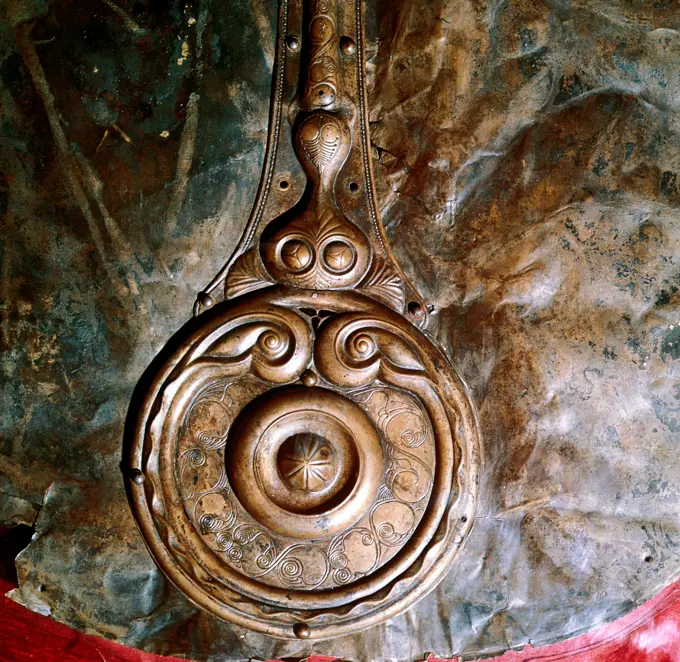
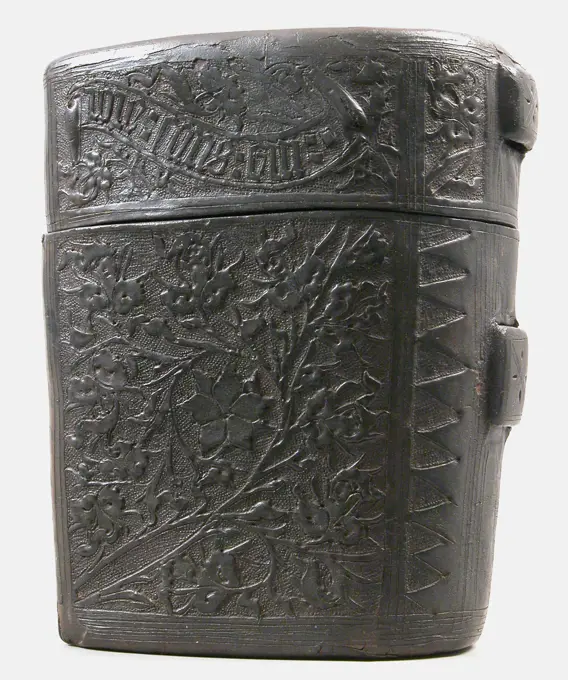
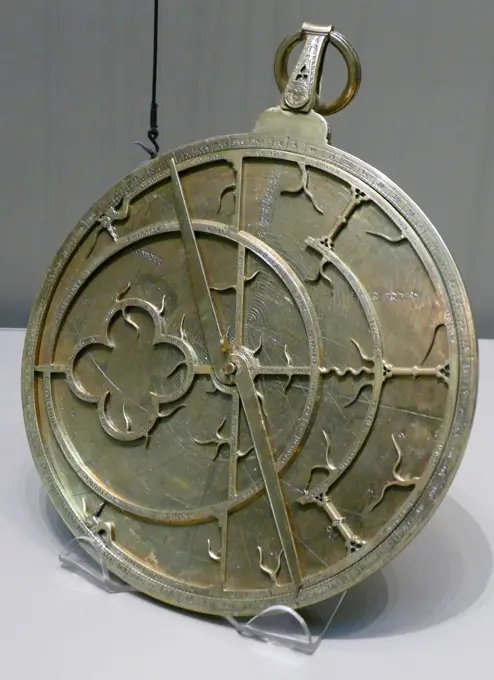
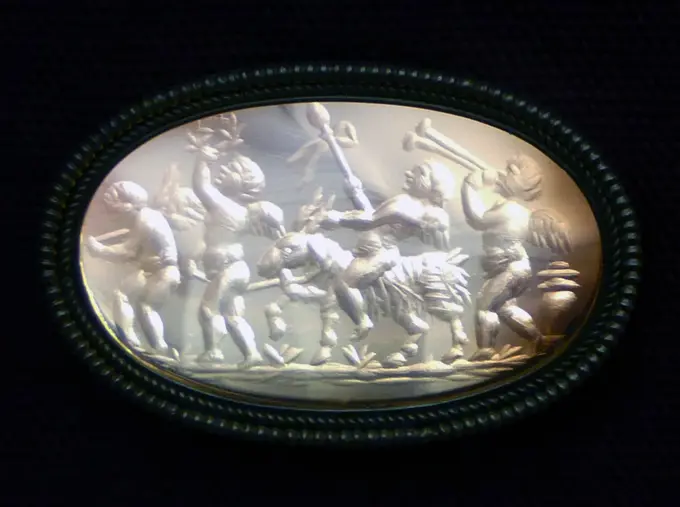
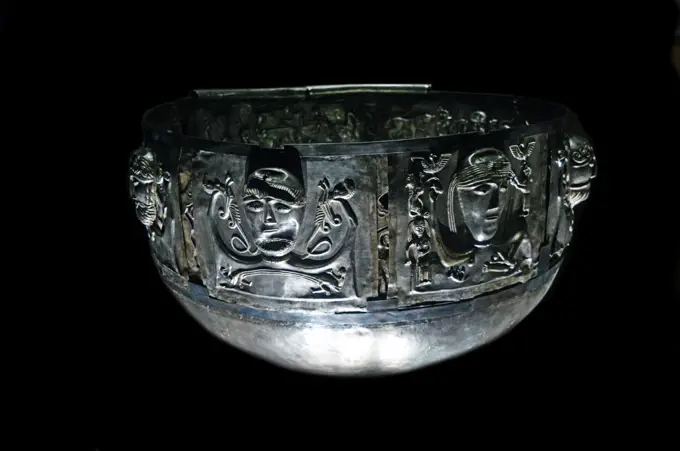
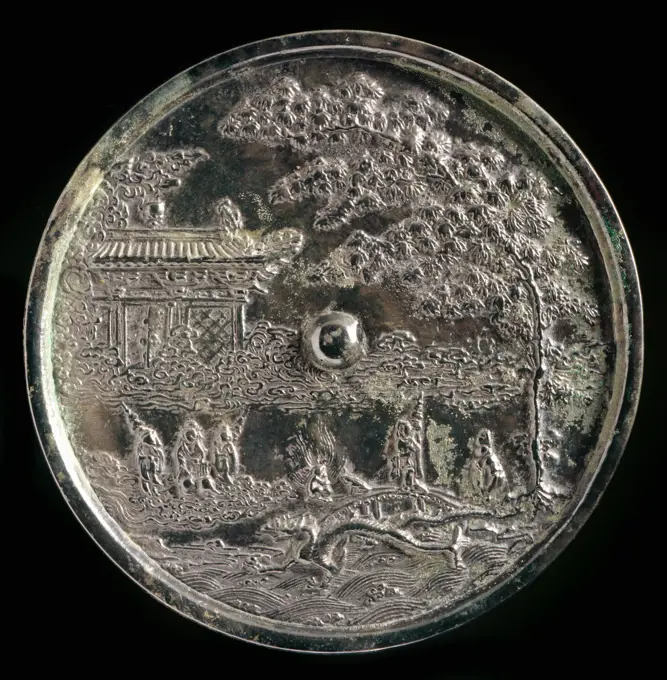
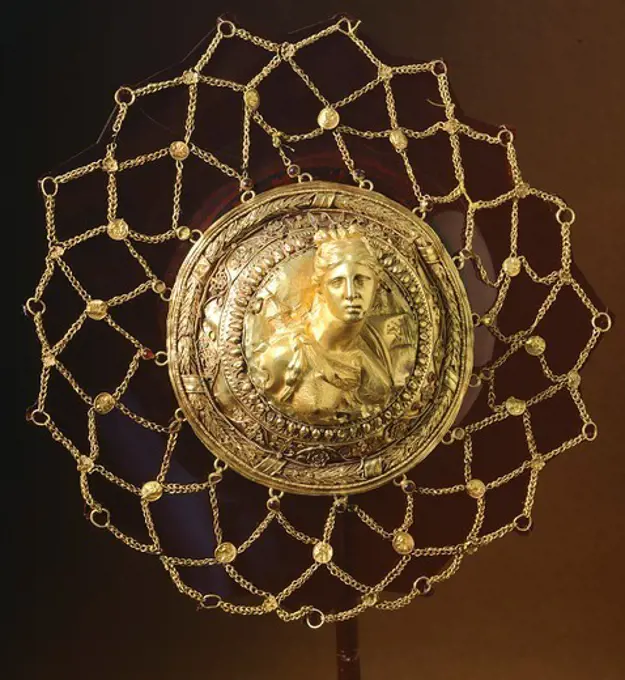
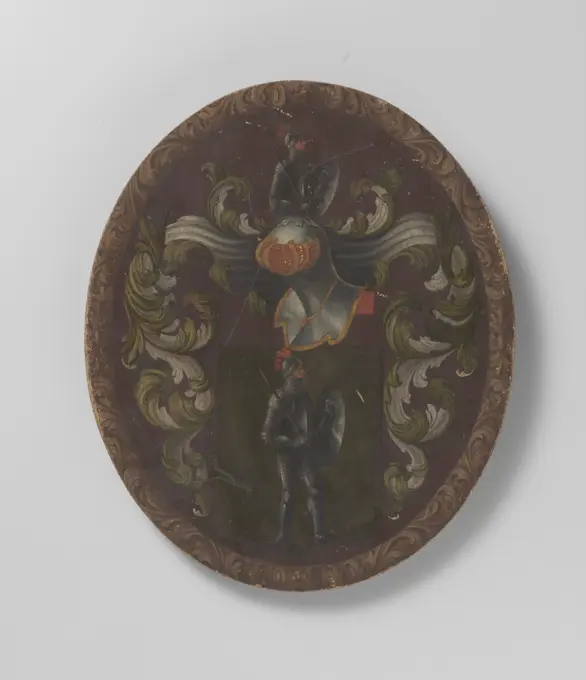
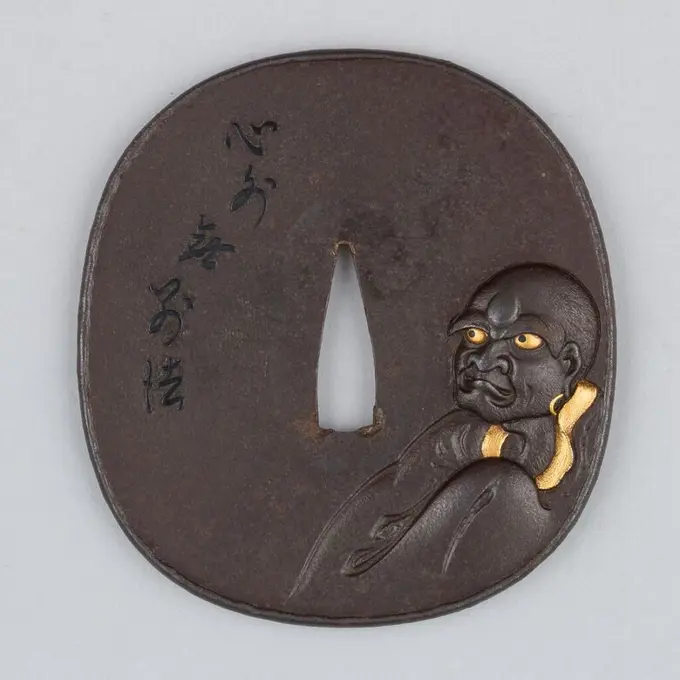
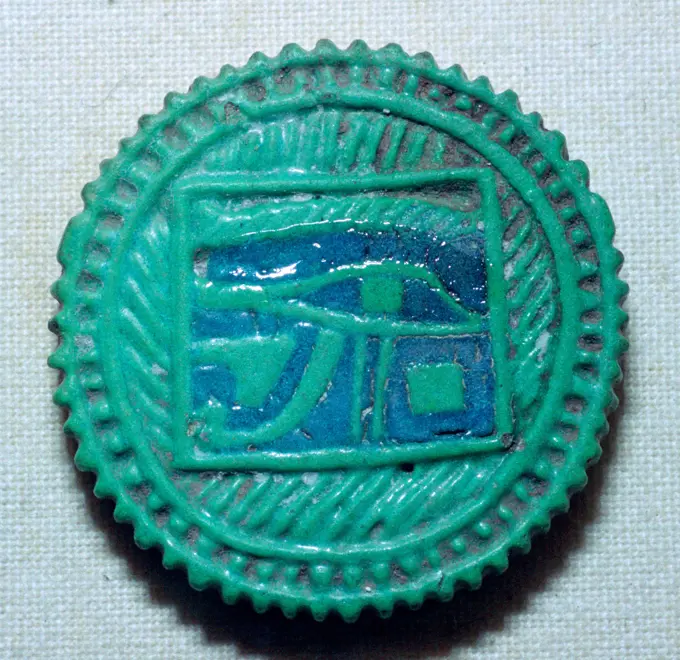
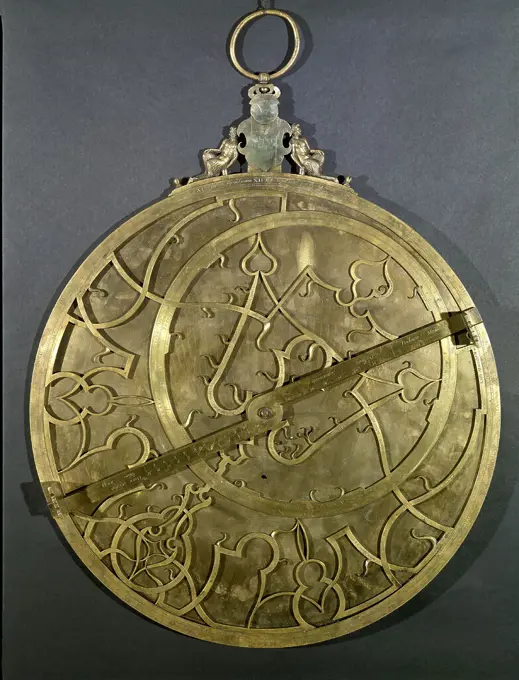
ASTROLABE OF FELIPE II - OBVERSE - 1566. Author: GUALTERIO ARSENIO DE LOVAINA (S XVI). Location: MUSEO ARQUEOLOGICO NACIONAL-COLECCION. MADRID. SPAIN.Mint matrix of the obverse of the 2 zloty coin issued in besieged Zamość during 1813 Karkowski, MikołajInscribed Disc Called a Hypocephali 2nd Century B.C. These discs would be placed under the heads of mummies. EgyptKinchaku (purse) with netsuke and ojime on chord, Tooled leather (purse); incised and inlaid copper alloy and brass (clasp); carved ivory and shibuichi (netsuke); silk (chord), Rectangular purse of Cuir de Cordoue  Dutch leather tooled in a floral design, gilded and painted. Edges and seals bound with leather. Flap closing with a metal fastener of cooper alloy and brass, incised and inlaid flower design. Black silk chord. Kagami-buta netsuke, base ivory, plaque silver alloy with gold and copper relief inlay., Japan, ca. 1750, costume & accessories, Decorative Arts, Kinchaku (purse) with netsuke and ojime on chordAlmond-Shaped Seal: Coronation of the Virgin with a Kneeling Monk, 1300-1400. England or Germany, Gothic period, 14th century. Gilded bronze; diameter: 3.9 cm (1 9/16 in.).The Trinity, 1544. Hans R. Reinhart (German, c. 1500-1581). Silver; diameter: 10.2 cm (4 in.).Lock 15th-16th century European The decoration of Gothic iron locks and keys was often elaborate and of the highest standard of workmanship. The motifs were frequently drawn from Gothic architecture, reproducing on a miniature scale complicated tracery patterns and even tiny statuettes. A number of these tiny locks were compound, with some of the mechanisms concealed from view, and required two or even three keys used in sequence to open them. It has been suggested that the greatly expanded use of locks on doors, or coffrets and other types of storage chests was a result of the increasing urbanization of life and the new emphasis on material wealth and private ownership which developed in the late Middle Ages.. Lock. European. 15th-16th century. Iron. Metalwork-IronSalero de pastor. Museu Català de les Arts i Tradicions Populars.Plaque in the Shape of a Coiled, Two-Headed Animal 5th-4th century B.C. North China. Plaque in the Shape of a Coiled, Two-Headed Animal 49488Morion late 16th century probably German, Brunswick. Morion 33562Fragment of the box of box furniture;  XVI/XVII century (1570-00-00-1620-00-00);Snuffbox ca. 1750 British. Snuffbox. British. ca. 1750. Sheffield plate. Metalwork-SilverplateCDK Unknown, Higo school, HayashiRound Plaque. Culture: Vicús. Dimensions: Diam. 3 1/16 in. (7.8 cm). Date: 3rd century B.C.-A.D. 2nd century. Museum: Metropolitan Museum of Art, New York, USA.red golden decorated balls red golden ornamented balls 3D illustration Copyright: xZoonar.com/magannx 13624358Bone artefacts from excavations at Belvedere on Mount Cetona, Umbria, Italy. Eneolithic Umbria.Dang of the VOC from Westfriesland, 1784, United Oostindische Compagnie, 1784 coin Copper mint. Front: Crowned coat of arms of Westfriesland. Reverse: monogram of the VOC, above which mint sign and including the year. Smooth edge. Hoorn (North Holland) copper (metal) striking (metalworking)The Malatesta Elephant in a Meadow reverse. Dated: 1446. Dimensions: overall (diameter): 8.28 cm (3 1/4 in.) gross weight: 230.87 gr (0.509 lb.) axis: 12:00. Medium: bronze. Museum: National Gallery of Art, Washington DC. Author: MATTEO DE' PASTI.Impression Of Seal Cylinder; 1902-20-34Spindle Whorl, 700s - 900s. Iran, early Islamic period, 8th - 10th century. Bone, incised; overall: 0.6 x 2.4 x 2.4 cm (1/4 x 15/16 x 15/16 in.).The Green and Remote (Small) Hall late 19th-early 20th century Workshop of Jian Guzhai Chinese This ink tablet is from a sixty-four-tablet set (30.76.216-.279) commissioned by the Jiaqing emperor from the Studio for Appreciating the Antique (Jiangu Zhai) manufactory of the Wang Jinsheng family in Huizhou, Anhui Province. Each ink tablet commemorates a hall or pavilion in one of the imperial gardens. Each site’s name is written in gilt characters on one side; a view of the site is presented on the other. Such inks were purely decorative and not intended for use.. The Green and Remote (Small) Hall 41839Gem. UnknownDetail of Witham Shield, Celtic bronze, British. Artist: UnknownPere Moragues / Custodia-Relicario de los Sagrados Corporales de Daroca, 1384. Plata dorada con esmaltes traslúcidos sobre madera.Gold Weight: Shield 18th-19th century Akan peoples. Gold Weight: Shield 317681Case, Missal 15th century French. Case, Missal 466565Koran. Arab handwriting, closed. Octagonal miniature edition, tissue paper (12th century). Dresden, Slub MSCR.DRESD.E.450Planispheric astrolabe 1342. made by Blakene from gilt copper alloy. EnglishWar Hat (Jingasa) 17th century Signed by Masuda Myōchin Munenobu. War Hat (Jingasa) 24089Silver coin of Eucratides I, a King of Bactria. Artist: UnknownASTROLABE Nº 1016. (EXHIBITION THE SCIENTIFIC LEGACY OF AL-ANDALUS) (LOCATION: REAL ACADEMY OF THE HISTORY).Chalcedony depicting cupids in a procession. Roman, 1st century ADFour ceramic plates from the collection of the Minutoli Institut, Liegnitz (now Legnica, Poland). Belitski, Ludwig (1830-1902), photographerThe Gundestrup cauldron is a richly decorated silver vessel; thought to date between 200 BC and 300 AD; placing it within the late La Tène period or early Roman Iron Age. The cauldron is the largest known example of European Iron Age silver work. It was found in 1891 in a peat bog near the hamlet of Gundestrup in the Aars parish of Himmerland; DenmarkMirror with Figures and a Pavilion in a Landscape. Korea, Goryeo dynasty, 918-1392. Tools and Equipment; mirrors. Cast bronzeMedallion  the heart of ChristGold and enamel medallion from Thessaly (Greece). Goldsmith art, Greek Civilization, 3rd Century BC.Coat of arms with harnessed knight, anonymous, 1881  Oval wooden weapon board. The weapon shows a knight on foot in armor with sword and shield in natural colors on a dark green field.  panel  armorial bearing, heraldrySword Guard (Tsuba). Culture: Japanese. Dimensions: H. 3 1/8 in. (7.9 cm); W. 2 7/8 in. (7.3 cm); thickness 1/4 in. (0.6 cm); Wt. 4.6 oz. (130.4 g). Date: 17th century. Museum: Metropolitan Museum of Art, New York, USA.Pátera de Otañes, silver and gold, between the 1st century AD. C. and the 4th century AD. C., replica, Castro Urdiales, Museum of prehistory and archeology (MUPAC), Santander, Cantabria, SpainGreek red-figured pitcher. Dated to between the 4th and 5th centuries BC. National Archaeological Museum. Athens, Greece.Egyptian faience amulet. Artist: UnknownBadge (probably from Horse Harness). Culture: Spanish. Dimensions: H. 2 3/16 in. (5.5 cm); W. 2 in. (5 cm); Wt. 0.5 oz. (14.2 g). Date: 14th century. Museum: Metropolitan Museum of Art, New York, USA.Antique shields from Ottoman times in the viewVase. Bronze. Chine. Par musée musée malée. 76403-24 Chinese art, bronze, archaging bronze, detail, writing, inscription, decorative motif, vase