Historical Oil Lamps

A variety of ancient lamps and fittings, including decorative motifs and unique shapes, representing artistry from different cultures and eras.

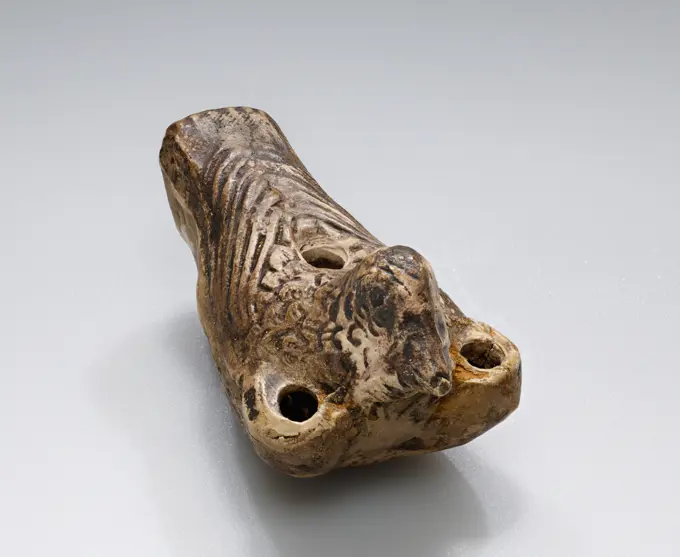
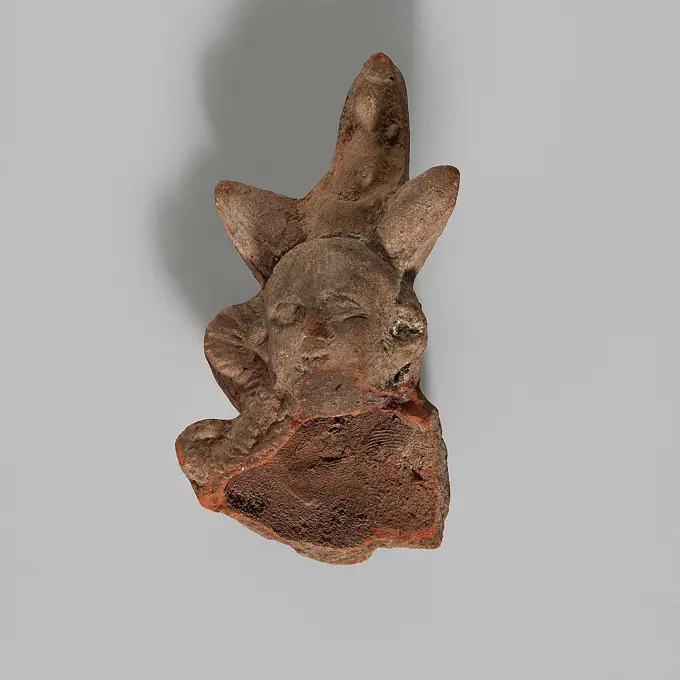
Head of a nubian man, 1st-4th century, 2 1/2 x 2 1/4 x 1 3/4 in. (6.4 x 5.7 x 4.4 cm), Terracotta, Egypt, 1st-4th century
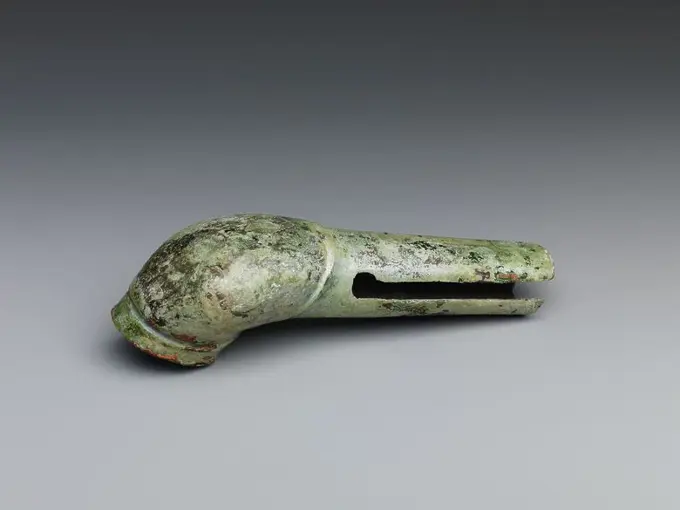
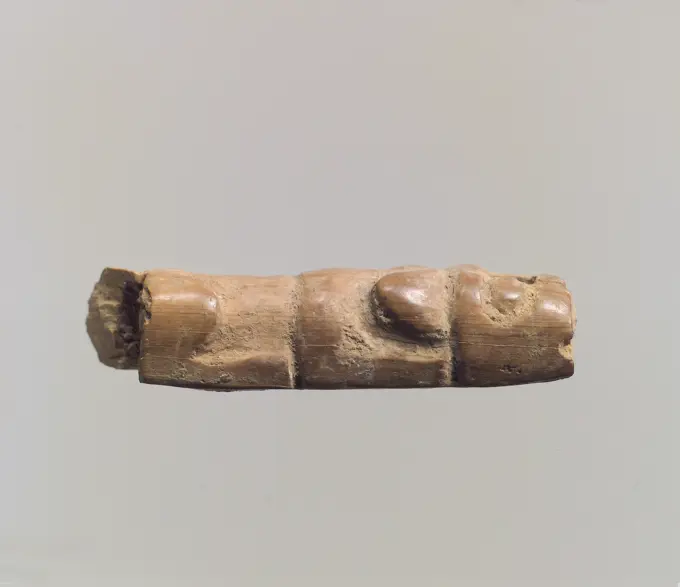
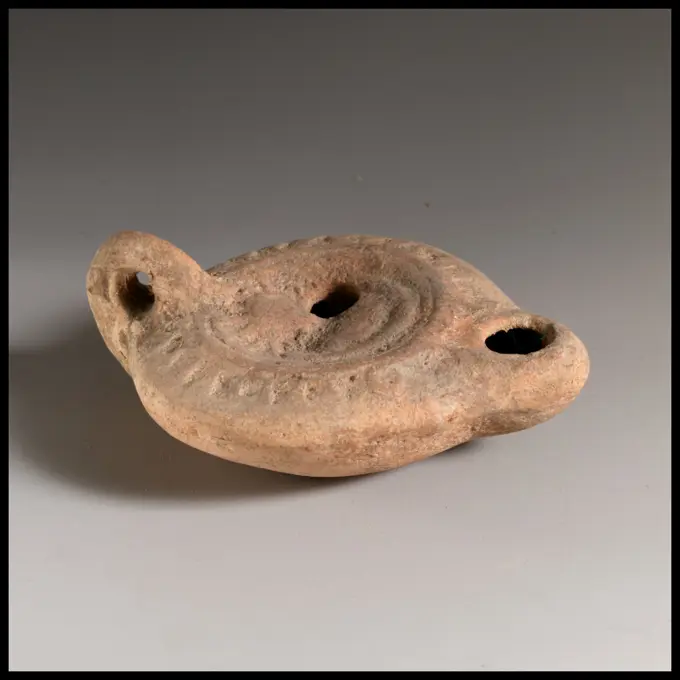
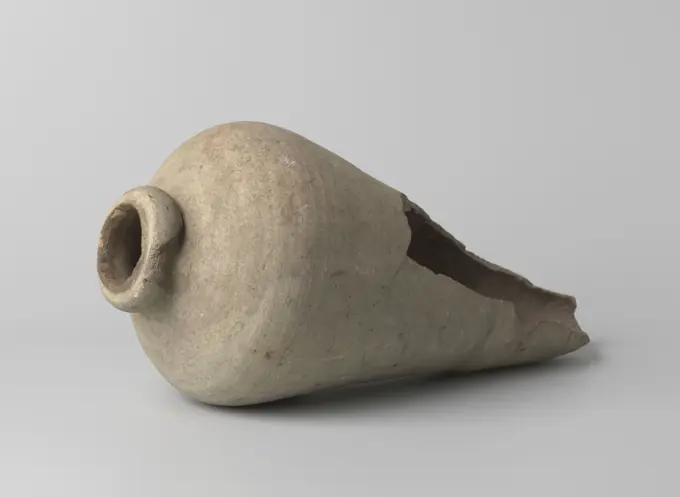
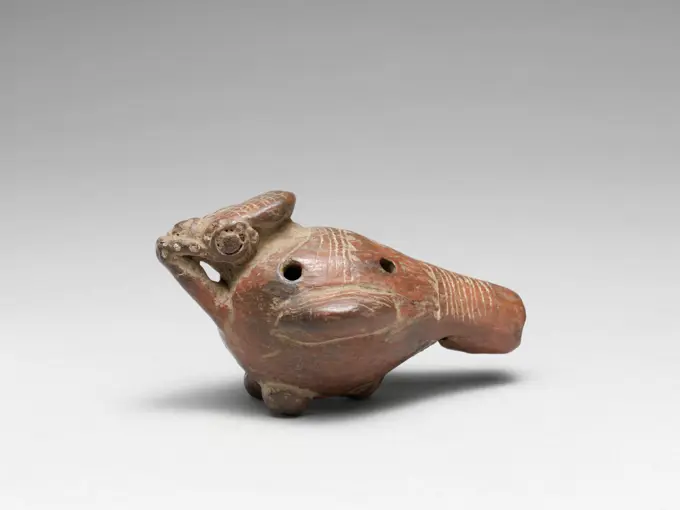
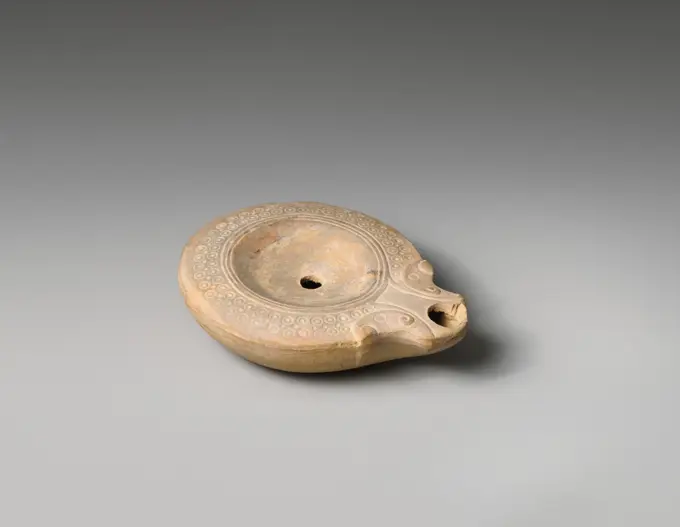
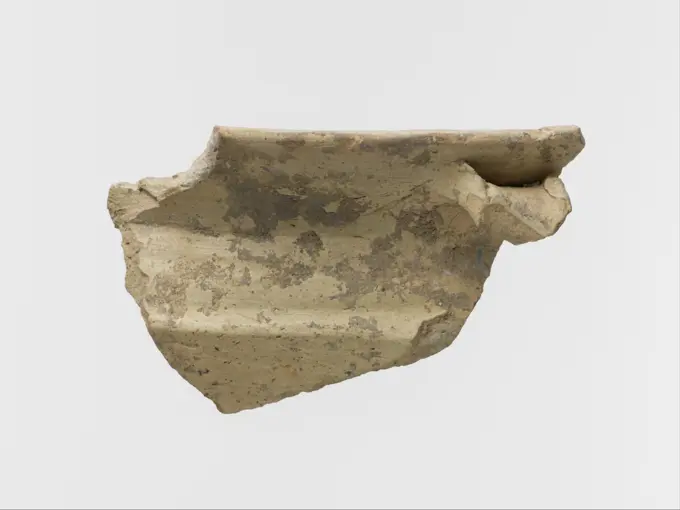
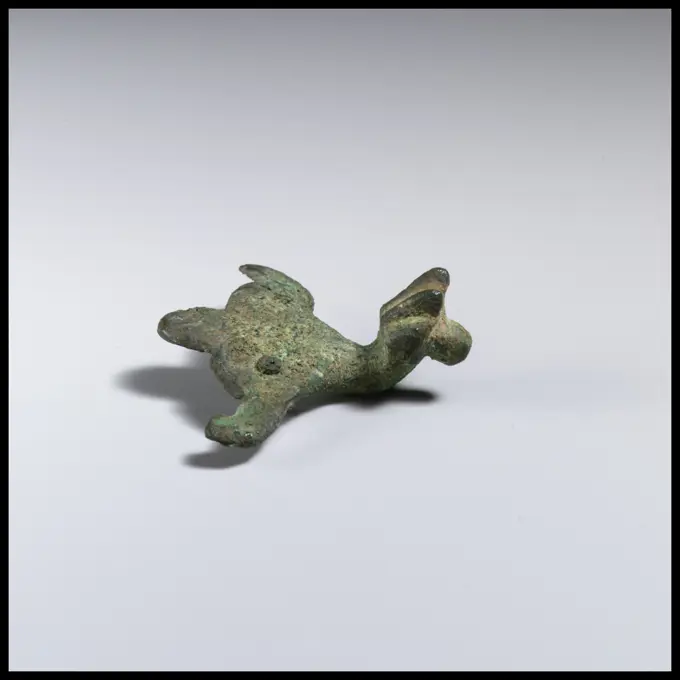
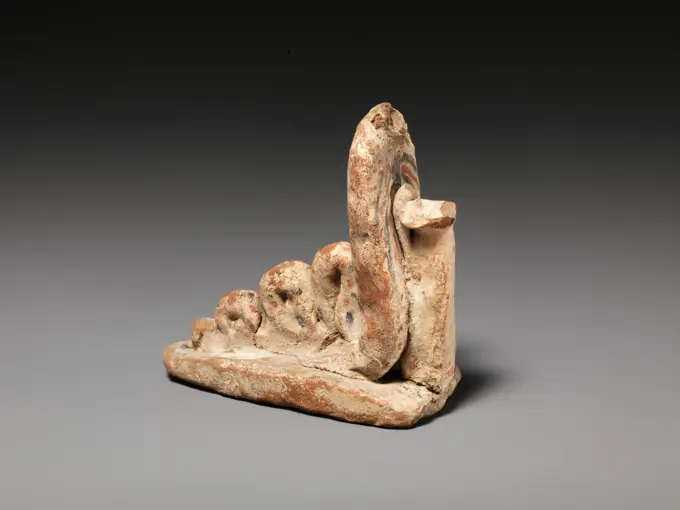
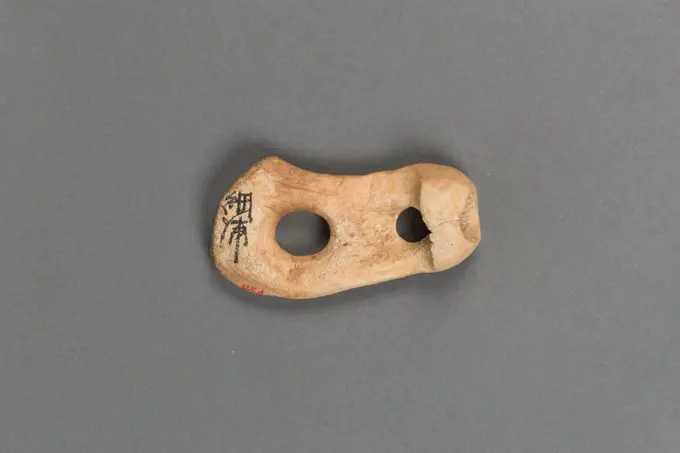
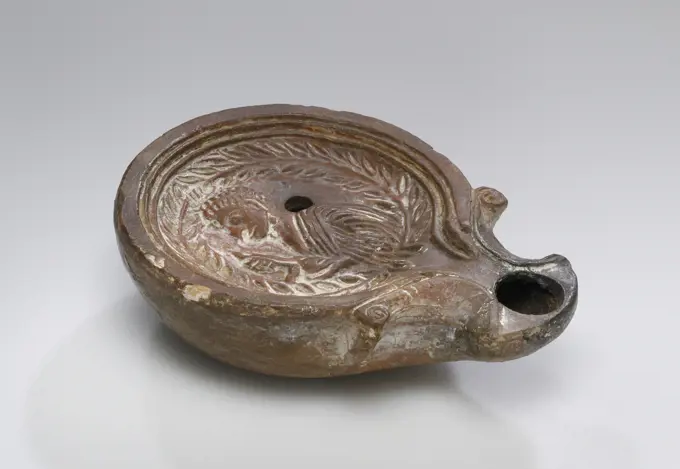
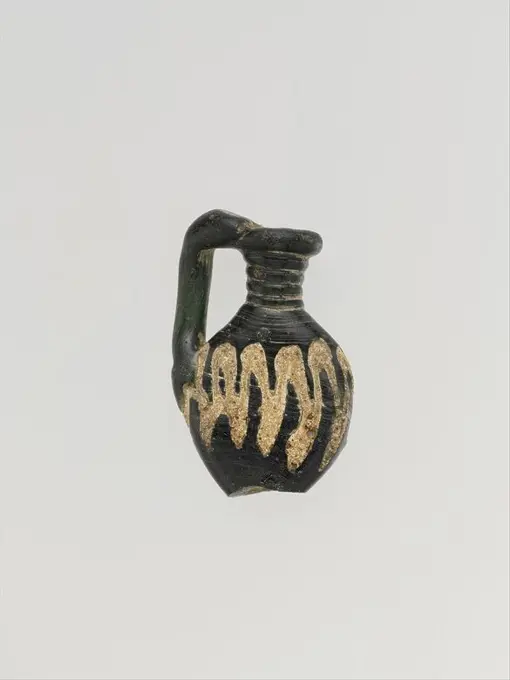
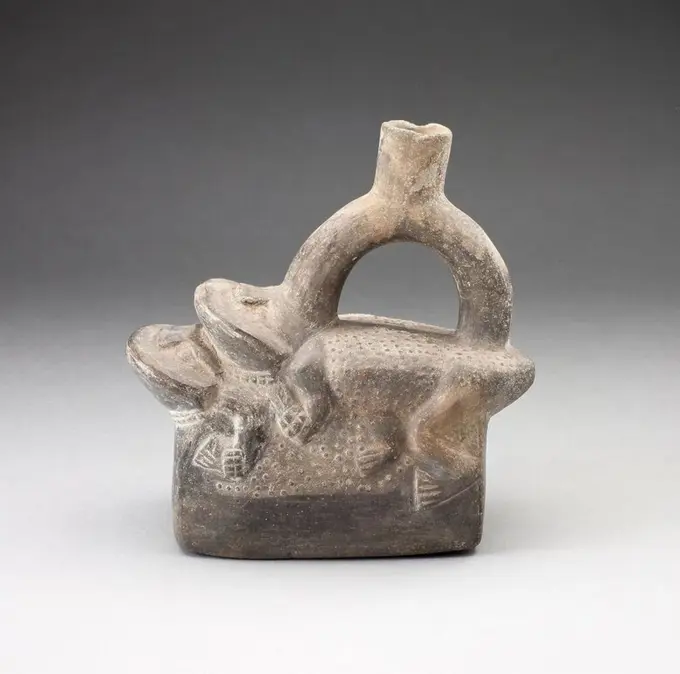
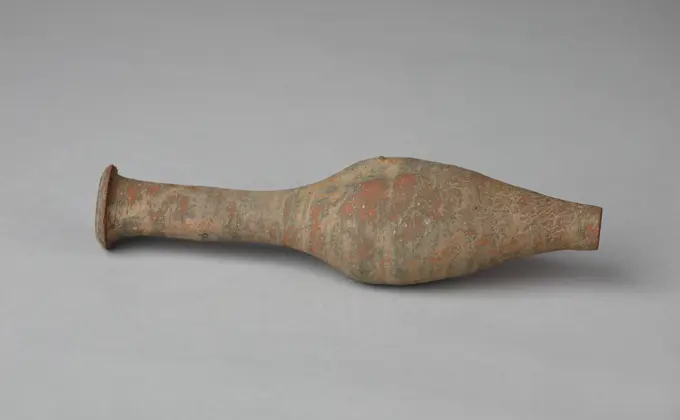
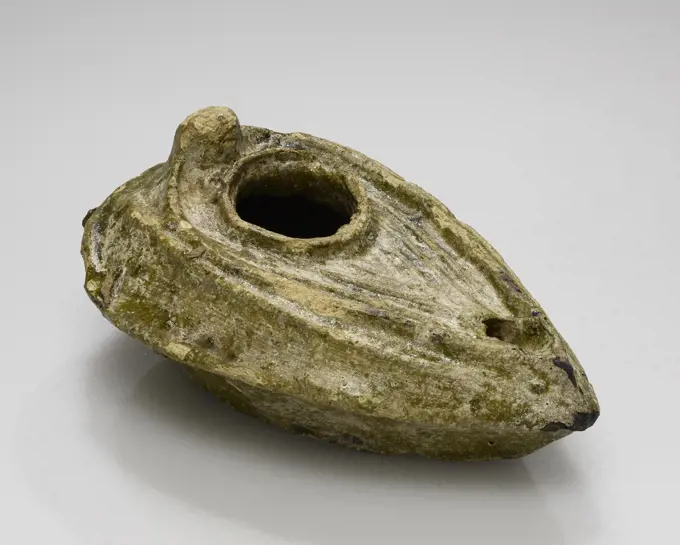
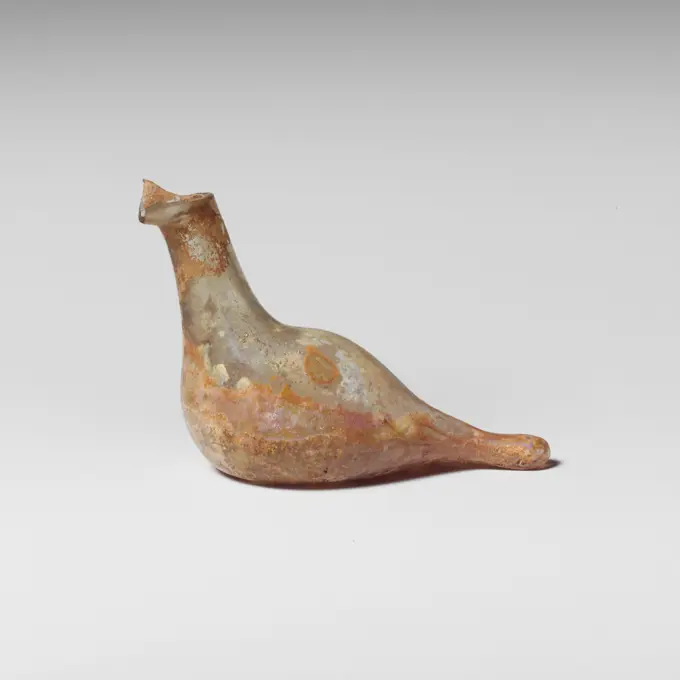
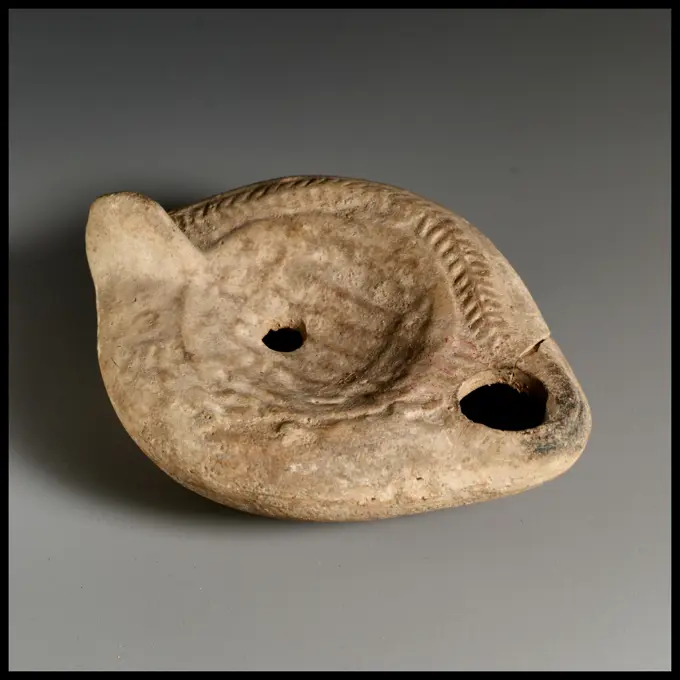
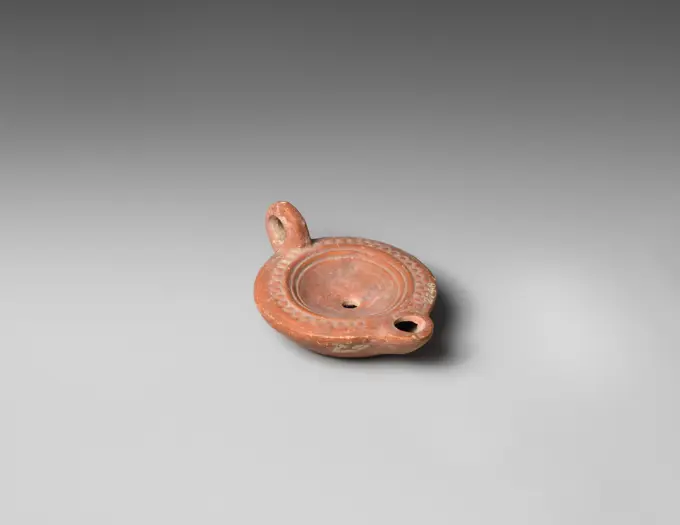
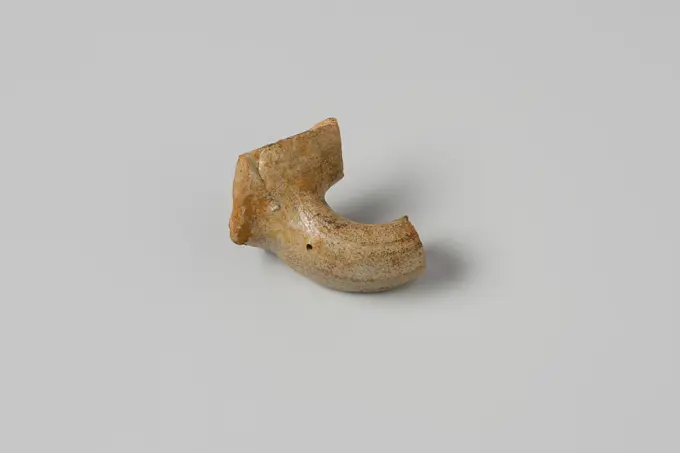
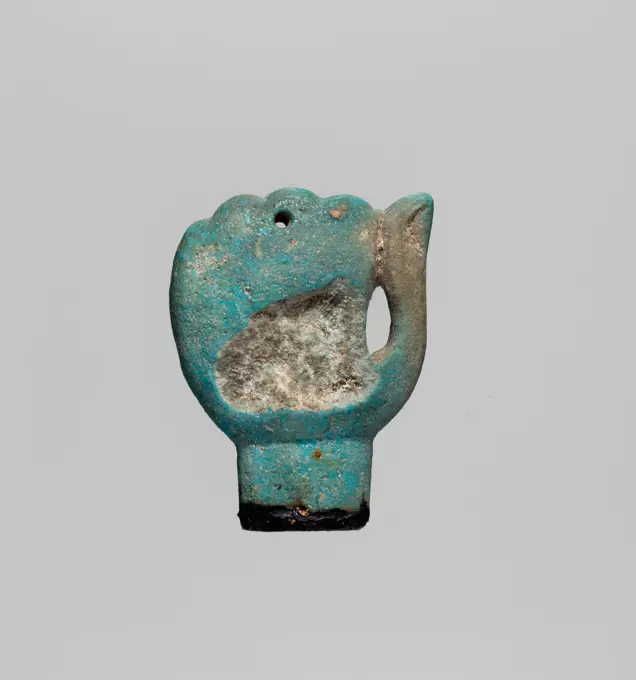
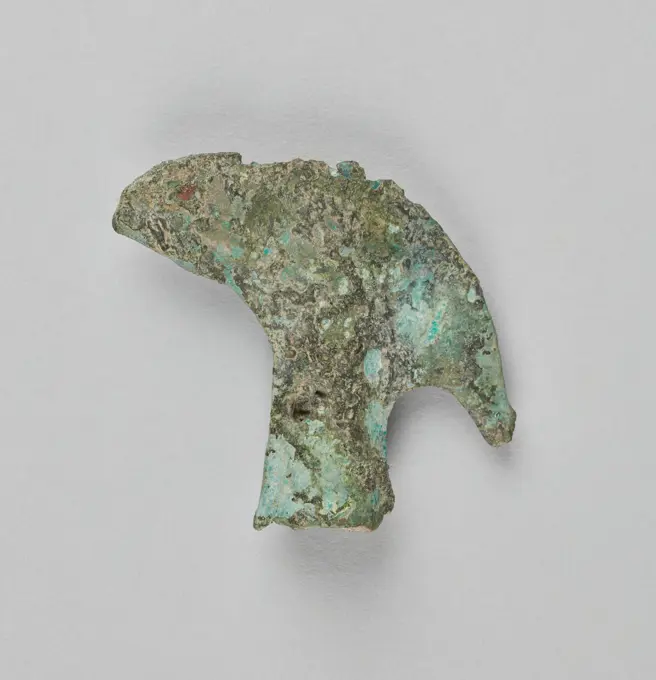
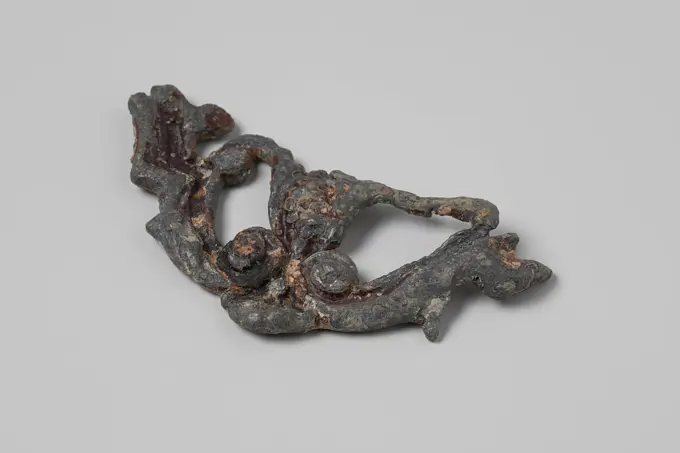
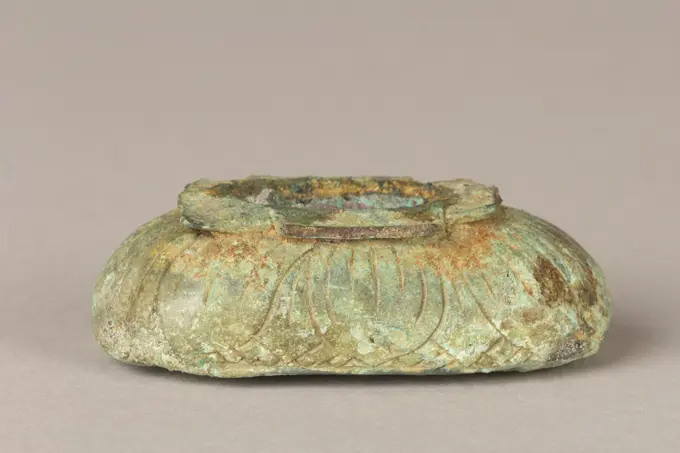
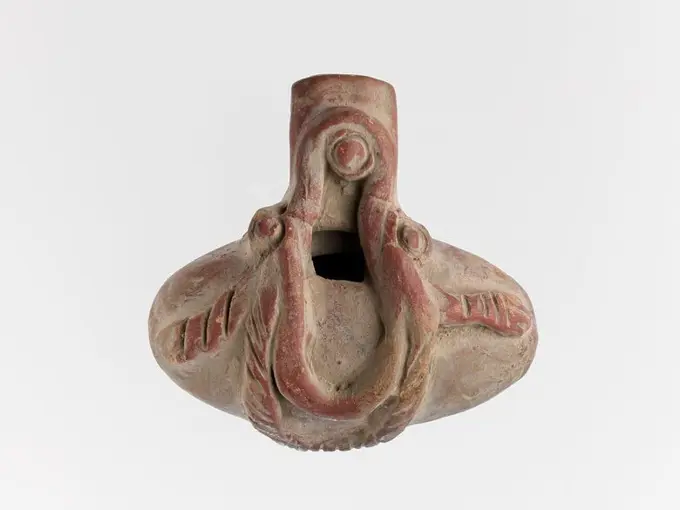
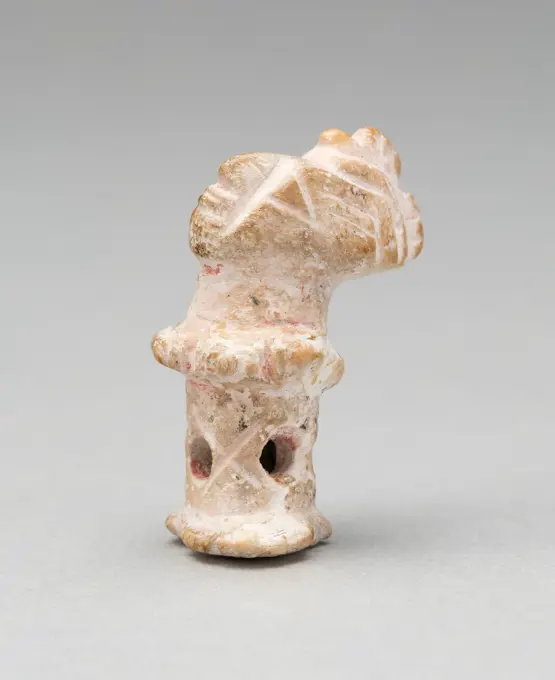
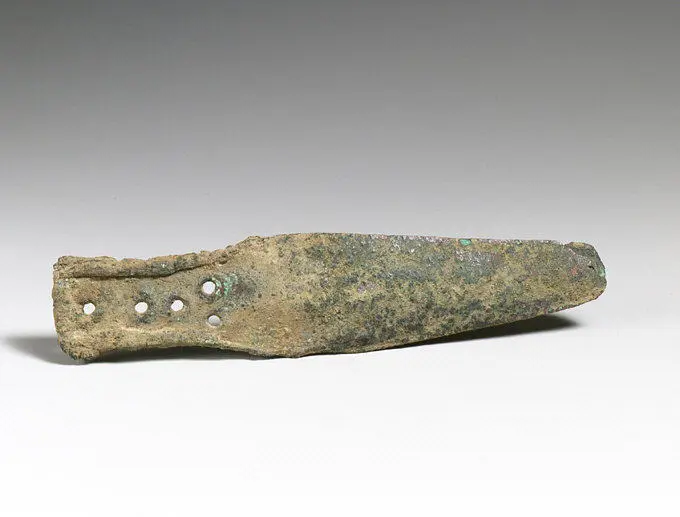
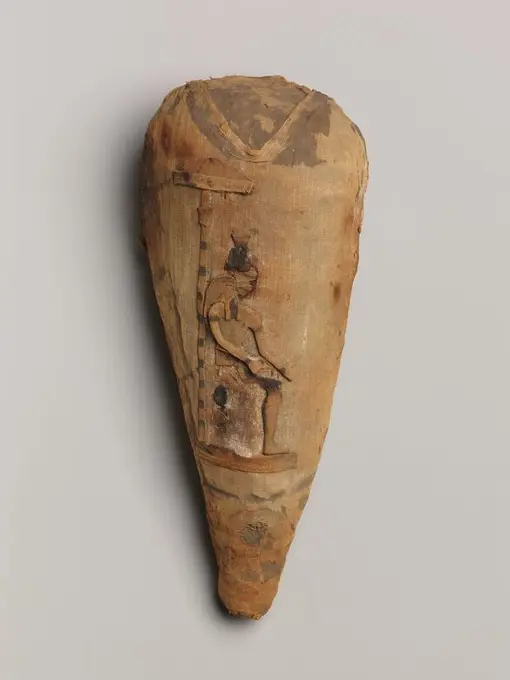
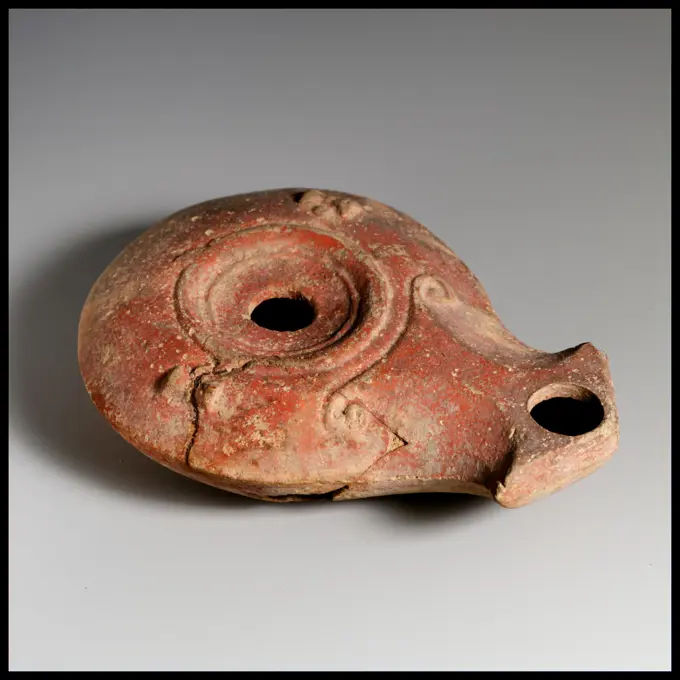
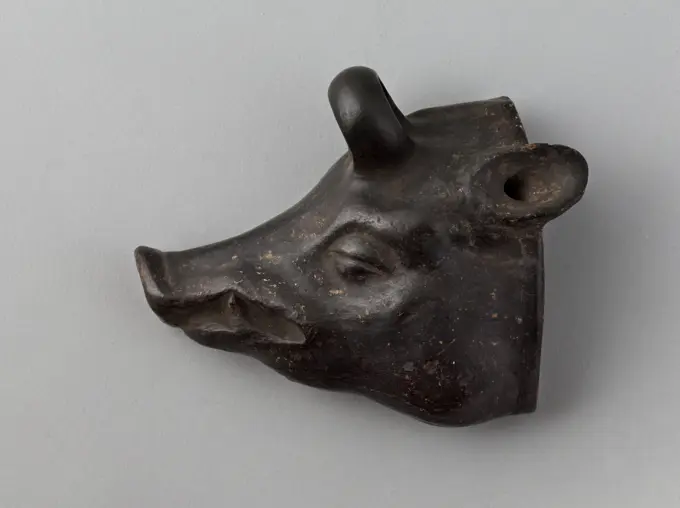
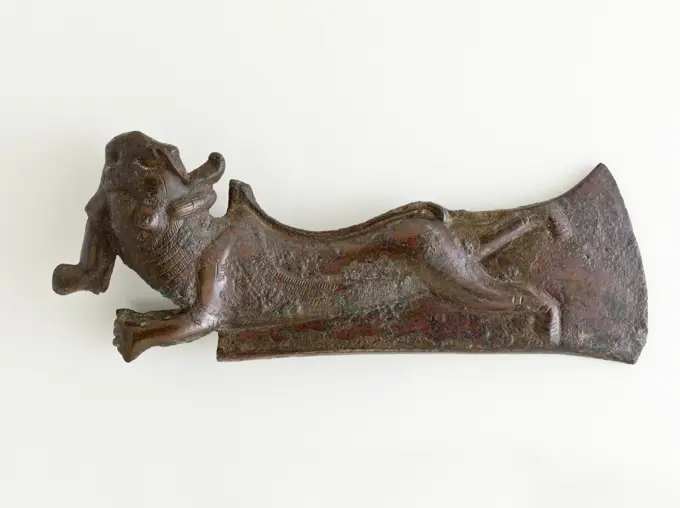
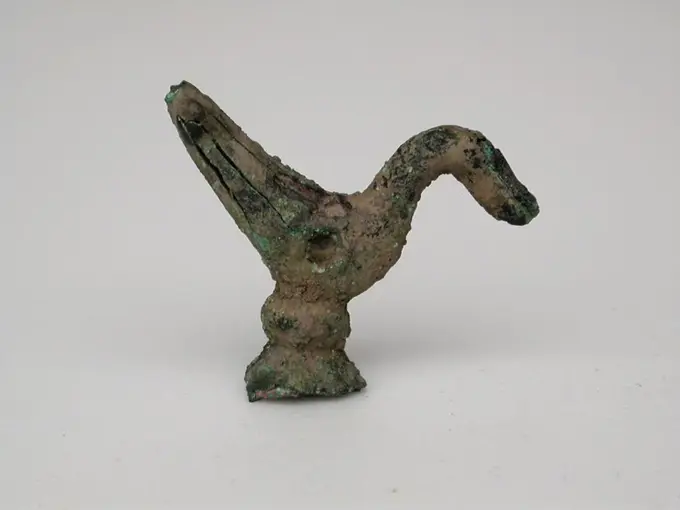
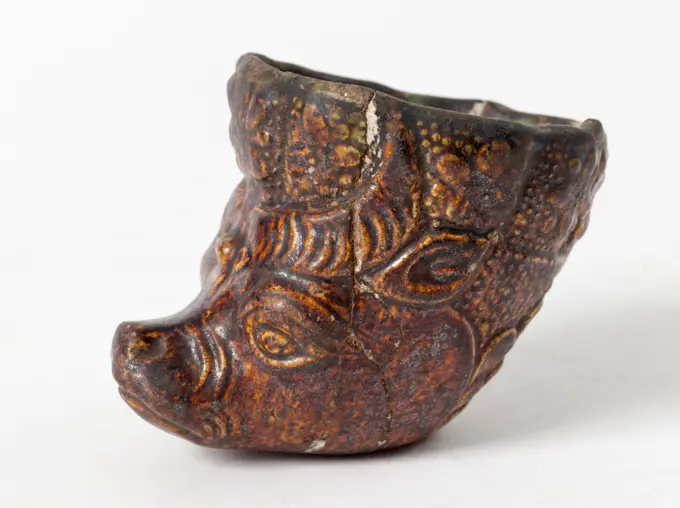
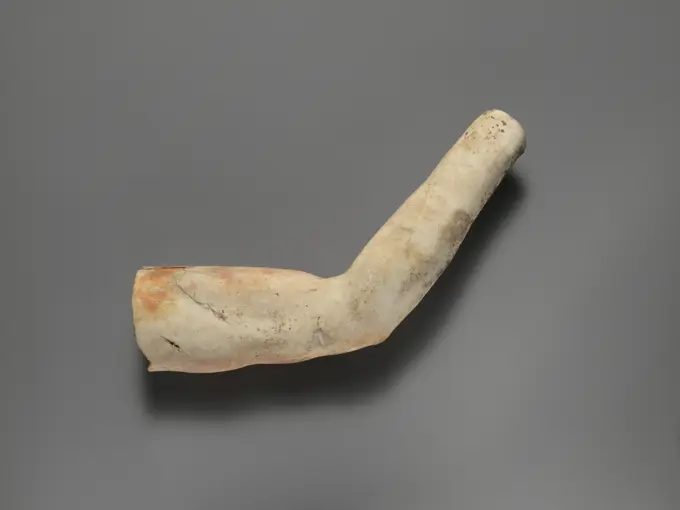
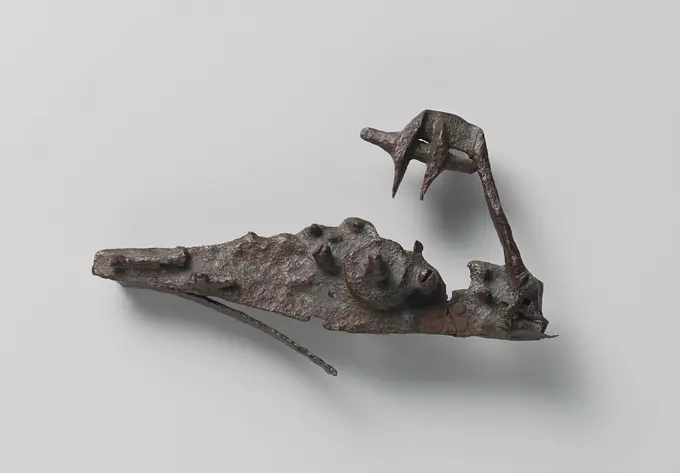
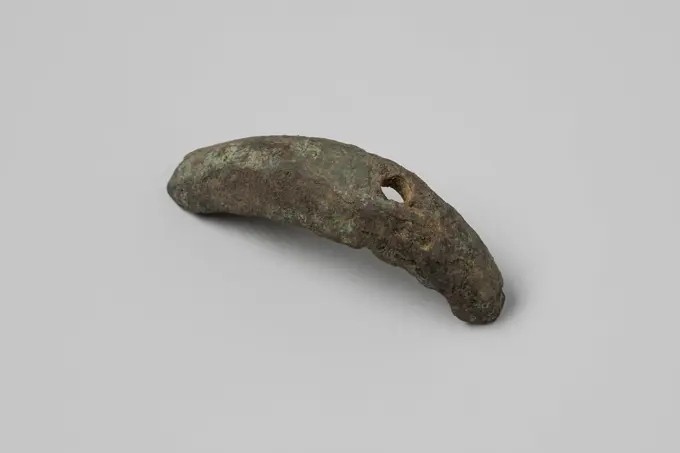
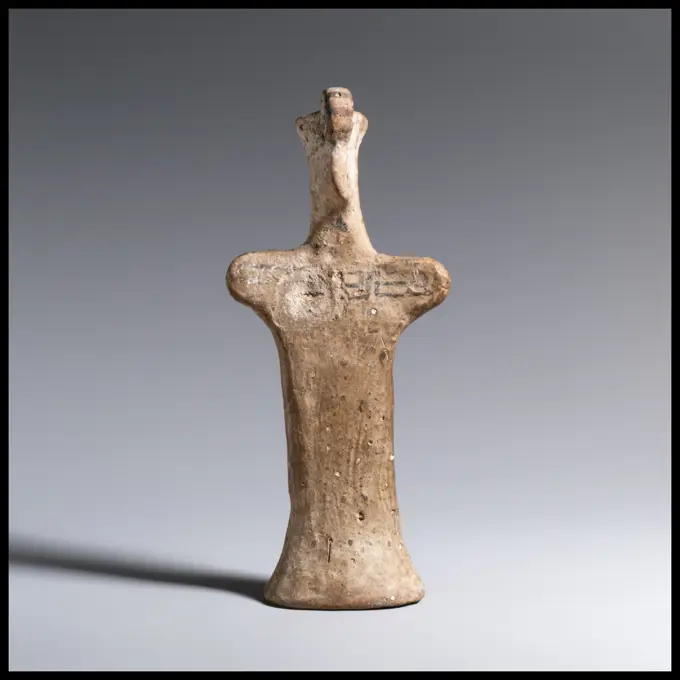
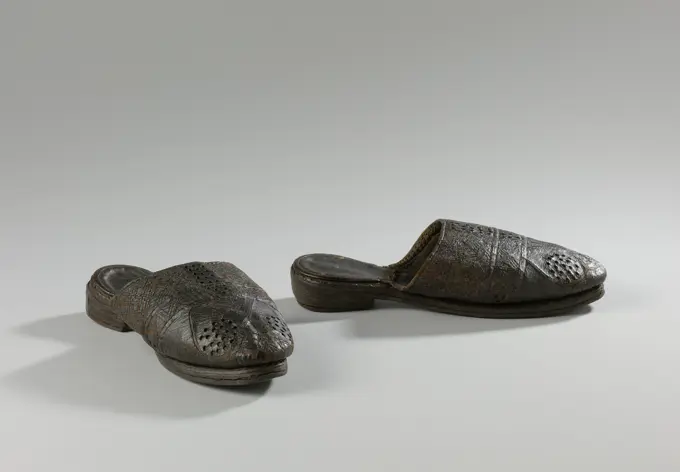
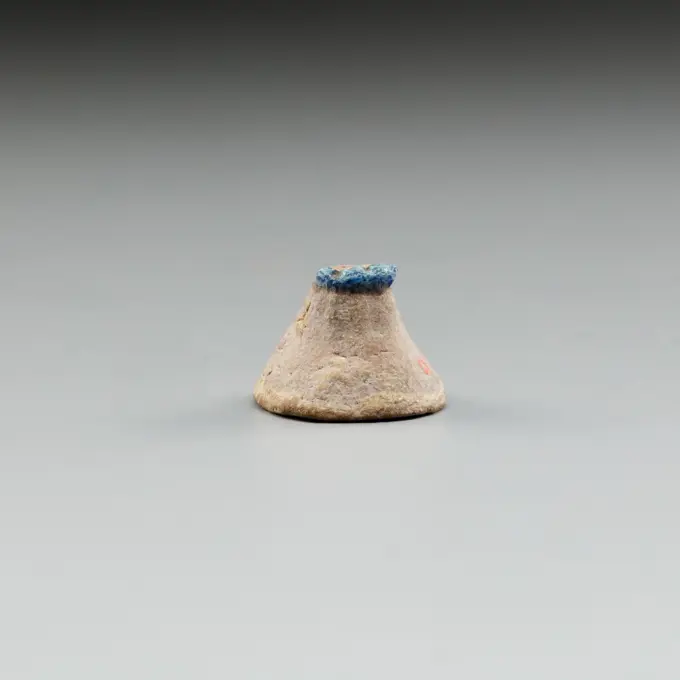
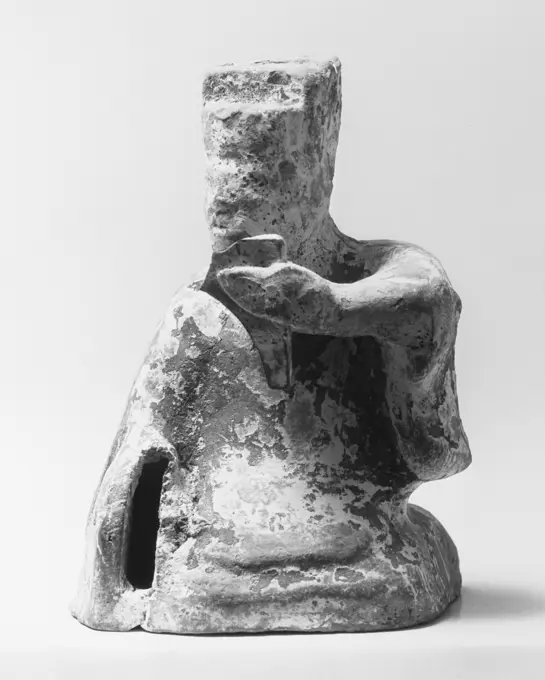
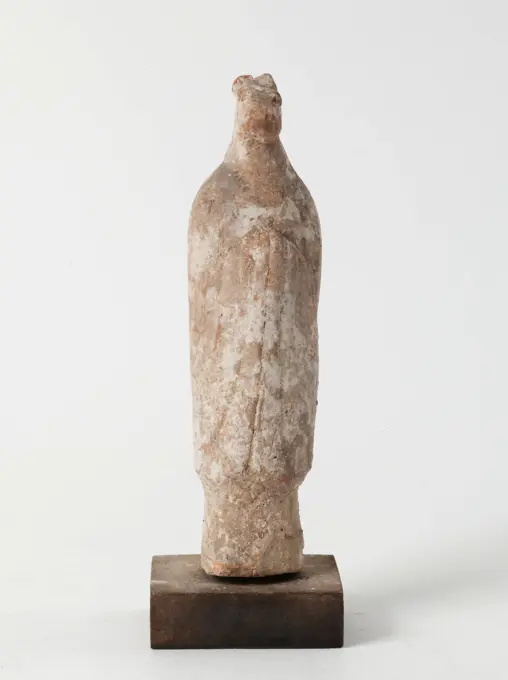
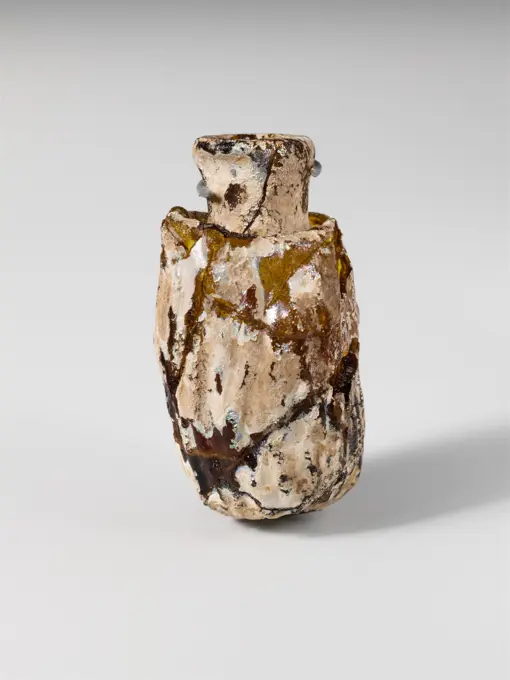
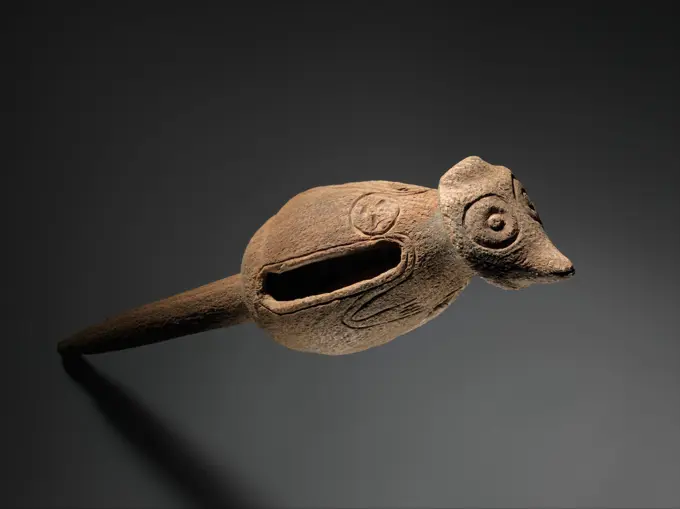
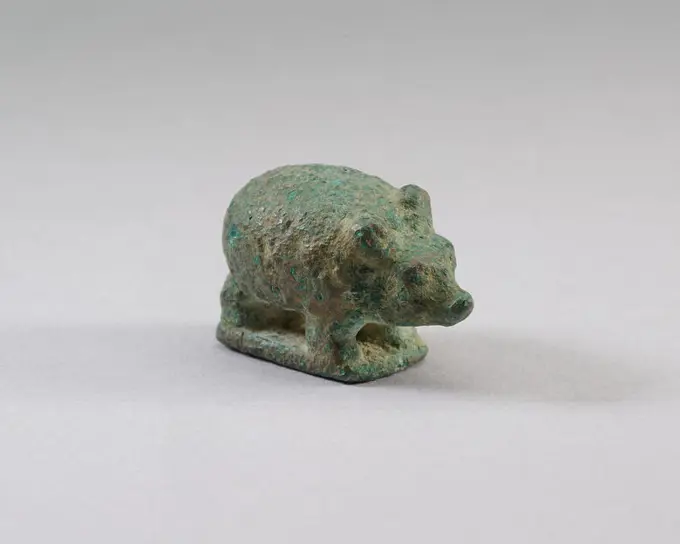
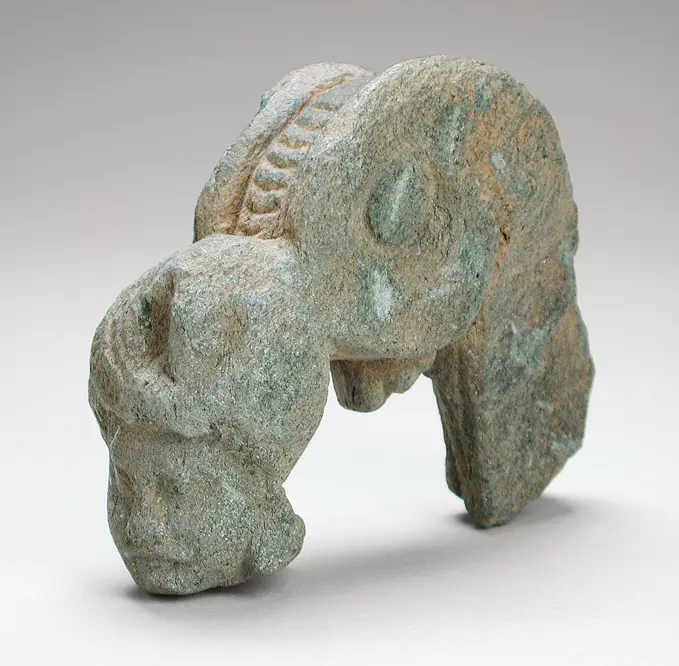
LampFitting. Culture: China. Dimensions: W. (across head) 1 7/8 in. (4.8 cm); L. 5 3/16 in. (13.2 cm). Date: 2nd-1st century B.C.. Museum: Metropolitan Museum of Art, New York, USA.Lamp. UnknownFigure of crouching lion ca. 8th-7th century B.C. Iran This is a small crouching ivory lion. The lion has large round eyes, triangular ears and an open mouth. Its shoulders and hindquarters are rounded. The back end of the lion is broken off. It rests on a flat base with two holes. Presumably it was originally attached to something, but it is impossible to say what at this point. Possibly it was the handle for an ivory container of some kind.This lion was excavated at Surkh Dum, a settlement site in Luristan in the Zagros Mountains of western Iran. It was part of a large hoard of objects buried beneath a doorjamb in a structure interpreted as a sanctuary; thus the objects were probably offerings made for a god.Lions were native to Iran until the 20th century A.D. As a result they appear frequently in ancient Iranian art, as symbols of strength, kingship or the raw power of the natural world. Given how little is known of the Iron Age inhabitants of Luristan it is difficult to say what sTerracotta oil lamp 2nd century A.D. Roman Mold-made, with pierced handle. Discus: bust of Helios (Sol) radiate, with large lunate frame below; a single filling hole toward right at center; band with a groove and line around edge. Sloping shoulder: indistinct impressed pattern (ovules). Small, low handle. Rounded nozzle. Raised base ring, and flat base.Intact.. Terracotta oil lamp. Roman. 2nd century A.D.. Terracotta. Mid Imperial. TerracottasTerracotta oil lamp. Culture: Roman. Dimensions: Overall: 1 1/8 x 4 in. (2.9 x 10.2 cm). Date: 1st century B.C.-1st century A.D..Loeschcke Type 1A. Mold-made. Discus: a plain, concave disk; a single filling hole at center, with a broad band of lines and grooves at edge. Volutes flanking angular nozzle, with large wick hole. Raised base ring, and flat base.Badly broken and mended, with one hole in left side of body. Museum: Metropolitan Museum of Art, New York, USA.Head of a nubian man, 1st-4th century, 2 1/2 x 2 1/4 x 1 3/4 in. (6.4 x 5.7 x 4.4 cm), Terracotta, Egypt, 1st-4th centuryFragment piping head with piece of stem from the wreck of the East Indiesman Hollandia. Pipe, Bowl, Healmar: Key; Fragm, 2HSM3, Inside Burned (Used).Terracotta oil lamp. Culture: Greek. Dimensions: Overall: 1 1/4 x 3 3/4 in. (3.2 x 9.5 cm). Museum: Metropolitan Museum of Art, New York, USA.Pot, below pointed, without stand ring, anonymous, c. 1400 - c. 1950 Pot of unglazed gray earthenware, thick mouth edge, wide -sided and down -giving pointed, not a stand ring. A large part is missing from the wall.  earthenware Pot of unglazed gray earthenware, thick mouth edge, wide -sided and down -giving pointed, not a stand ring. A large part is missing from the wall.  earthenwarePlate from the wreck of the East Indiesman Hollandia. Plate, Squashed, Eroded, ID. NG 1980-27H2288, No Marks Legible.Decorative batter from the wreck of the East India Hollandia. Fitting, decorative fitting or fragment; Fragm, ID. NG 1980-27H1133, Central Excutercheon, eroded.Lamp. Culture: Roman. Dimensions: Length: 3 9/16 in. (9.1 cm)Height: 1 1/8 in. (2.9 cm). Date: 1st century B.C.-1st century A.D.. Museum: Metropolitan Museum of Art, New York, USA.Pottery Whistle and Rattle ca. 800-1525 Costa Rican. Pottery Whistle and Rattle. Costa Rican. ca. 800-1525. Clay. Pre-Columbian. Linea Vieja, Costa Rica. Aerophone and Idiophone-flue blown / vessel rattleLamp. UnknownFragment of a Foot from a Statue. A fragmentary right foot of a statuette is preserved on a plinth is roughly rhomboid in shape. Part of the large toe is missing from the foot which is preserved from the front of the arch forward. The toes are very long, the second and third toes 3.0 cm in length. The drill was used for the spacing of the toes and the inner contour of the instep. The joints and nails of all the toes are carved except for the first toe which is broken away. The modeling is of good quality. Not enough remains of the foot to indicate its position or the kind of composition to which the foot belonged. Since this is an unshod foot, it probably belongs to a male figure, perhaps nude, or at least with bare legs and feet.Terracotta oil lamp 1st-2nd century A.D. Roman Plain discus with central filling hole, surrounded by a narrow band of lines and grooves. Broad, sloping shoulder: two rows of small circles and dots. Volutes flanking nozzle, with plain channel between them. Base ring and concave base inscribed: SI.. Terracotta oil lamp. Roman. 1st-2nd century A.D.. Terracotta. Imperial. TerracottasTerracotta rim of a vase ca. 2000-1550 B.C. Helladic Yellow Minyan ware.. Terracotta rim of a vase 253294 Helladic, Terracotta rim of a vase, ca. 20001550 B.C., Terracotta, Other: 2 5/8in. (6.7cm). The Metropolitan Museum of Art, New York. Anonymous Gift, 1930 (30.119.89)Cista, foot. Cista, foot 256684Terracotta snake figurine 5th century B.C. Cypriot The front part of the cobra is attached to a column, with a shallow bowl, probably a religious offering, on top. Between the bowl and the cobra may be a baby snake, with head missing. The piece is similar to Egyptian examples.. Terracotta snake figurine. Cypriot. 5th century B.C.. Terracotta; handmade. Late Cypro-Archaic II or Cypro-Classical I. TerracottasAnonymous, belt plate (common name), -298. Cernuschi Museum, Asia Museum of Asia in the city of Paris. Representing the sacrifice of a bull accomplished by three characters. One of them is lying on the ground.Body ornament Japan By the Middle Jmon period, the food supply in Japan had stabilized enough that the Jmon people could focus their activities more on crafts and spiritual life. This led to the development of a wide variety of body ornaments, including necklaces and hairpins, some of which feature very elaborate designs. It is speculated that body ornamentation may have served a religious or spiritual purpose, but it may also have represented social rank and status.. Body ornament. Japan. Bone. Final Jmon period (ca. 1000-300 B.C.). BoneLamp, Anatolia; 1st - 4th century; Terracotta; 3.6 x 8 x 11 cm (1 7,16 x 3 1,8 x 4 5,16 in.)Female Saint, Fragment of the Upper Torso with a Sash, a Pleated Garment and a Fur Neck Collar, anonymous, anonymous, c. 1425 - c. 1550  Northern Netherlands pipe clay  Northern Netherlands pipe clayGlass pendant shaped like a jug. Culture: Roman. Dimensions: H.: 1 3/8 in. (3.5 cm). Date: 4th-early 5th century A.D..Translucent deep green, appearing black, with handle in same color; trail in opaque white.Lentoid, oval body; thick rounded rim; cylindrical neck; heavy rod handle applied over trail to side of body, drawn up vertically, then turned in, and attached to rim; small vertical hole runs through body from rim to bottom.On neck, spiral ribbing; on body, irregular vertical zigzag trail, pressed into body.Intact except for base; dulling, pitting, and slight iridescent weathering.The flattened, lentoid shape of the jug is unusual. Museum: Metropolitan Museum of Art, New York, USA.Fragment of the stamping vice and the stroke of the amphora;  2. PO. III century BC (-251-00-00--200-00-00);Myrmekion, resource amphora, Hellenistic period, synopian stamps, impressions stamps, stamping vice, Polish excavations, Polish excavations in MyrmekionFragment pipe head. Fragment pipe head with a crown and letters I L R and N pictured. Of the excavations at the Hofstede Arentsburg 1827-1831 under the supervision of professor Reuvens.Stirrup Spout Vessel Depicting Frogs Mating. Chimú; North coast, Peru. Date: 1100-1470. Dimensions: 20 x 17.5 cm (7 7/8 x 6 7/8 in.). Ceramic. Origin: North Coast. Museum: The Chicago Art Institute, Chicago, USA.FOREIGN OLDAnimal Head Finial. UnknownLamp, Syria; 5th - 6th century; Terracotta with green glaze; 3.2 x 6 x 9.5 cm (1 1,4 x 2 3,8 x 3 3,4 in.)Glass bottle shaped like a bird 1st-3rd century A.D. Roman Colorless with blue green tinge.Everted, possibly trefoil, rim; cylindrical neck, expanding to merge with ovoid body, drawn out at back to form stylized tail, rounded on top and pinched in below; pushed-in bottom.Intact, but missing rim and most of top of neck; pinprick bubbles; creamy weathering and iridescence.. Glass bottle shaped like a bird 239791Terracotta oil lamp 4th-5th century A.D. Roman, Cypriot Vessberg Type 18. Unpierced handle. Mold-made. Discus: bestiarius using large cochlea to shield him from a bear; letters in relief below cochlea. Single filing hole at center towards top. Shoulder: right side, herring-bone wreath; left side, wolf () running towards man with raised arms; behind animal: letters () OO. Pointed nozzle with large wick hole. Undefined, concave base, circle of raised Greek letters in retrograde: EYTYXHTOC. Crack in top of right side of nozzle. Some sooting around front of nozzle.. Terracotta oil lamp. Roman, Cypriot. 4th-5th century A.D.. Terracotta. Late Imperial. TerracottasFragment of an iron sword 6th century B.C. Cypriot The surviving fragment is the tang of an iron sword like 74.51.5670. The tang was edged with silver and revetted with ivory held in place with silvered bronze rivets. The two swords are exceptionally important because they correspond to weapons mentioned by the poet Homer. Typically Cypriot, they are best represented by a complete example found at Salamis, which may have been a center for their production.. Fragment of an iron sword 244551Terracotta saucer-shaped lamp. Culture: Cypriot. Dimensions: Overall: 1 1/4 x 3 3/8 in. (3.2 x 8.6 cm). Date: 4th century B.C.. Museum: Metropolitan Museum of Art, New York, USA.Terracotta oil lamp 2nd century A.D. Roman Loeschcke Type 8. Mold-made, with ring handle. Plain, deeply concave discus; a single filling hole at center and with a band of two grooves and raised lines at edge of discus. On almost horizontal shoulder, around inner edge, a pattern of impressed circles containing raised dots. Incised ring base, and a slightly concave base.Intact.. Terracotta oil lamp. Roman. 2nd century A.D.. Terracotta. Mid Imperial. TerracottasConcretion with fragment wooden handle from the wreck of the East Indians Hollandia, 1700 - in or before 1743 concretionary stone Parts of artefacts; eroded fragments: materials; lump, containing fragm of wooden knife handle. Netherlands concretionary stone. wood (plant material)   SecondEar of one can be from the wreck of the East India Hollandia. Stoneware, rhenish, frechen-ware, jug; Fragm of Handle, SIM. NG 1978-9H172.Pouch of crocheted green and salmon -colored silk and silver wire, on which three brushes, anonymous, c. 1685 - c. 1715 Pouch in a spherical shape of crocheted green and salmon -colored silk and silver thread. The pattern consists of four salmon -colored hearts at the bottom of the pouch that have turned to each other with the points, above which two jobs of abstract green or salmon -colored motifs. Due to the even distributed openings along the top, a braided cord of silk and silver wire has been strung, with which the pouch can be closed. On the cord three crocheted bulbs and a clock with valve -shaped brush, also crocheted. The pouch is unlined. Friesland (possibly) whole: Silk. whole: Silver thread. Brush: Silk. Brush: Silver thread crocheting / crocheting Pouch in a spherical shape of crocheted green and salmon -colored silk and silver thread. The pattern consists of four salmon -colored hearts at the bottom of the pouch that have turned to each other with the points, above which Elephant Head Figurine. Egypt, Roman Period (30 BCE - 395 CE) or later. Sculpture. BronzeLewa pięść - element siatki mumiowej. unknown, authorAmulet of a Hippopotamus 3500 BCE-3000 BCE Egypt. Limestone . Ancient EgyptianLamp. UnknownAnonymous, small pediform ax (common name). Bronze. Cernuschi Museum, Asia Museum of Asia in the city of Paris.Fragmentary Neolithic seated female figurine. UnknownFragment pipe head. Fragment pipe head. Of the excavations at the Hofstede Arentsburg 1827-1831 under the supervision of professor Reuvens.Decorative batter from the wreck of the East India Hollandia. Fitting, decorative fitting or fragment; Fragm, ID. NG 1980-27H1133, Scrolling ends or wings missing, eroded.Fragment of a Lotus Blossom Indonesia (Kalimantan) ca. 8th century View more. Fragment of a Lotus Blossom. Indonesia (Kalimantan). ca. 8th century. Bronze. SculptureContainer for Lime in the Shape of a Frog 600 CE-1000 Bolivia. Stone with pigment (inlay missing) . TiwanakuFemale Torso, Majapahit Dynasty (1293-1478). Eastern Java, Majapahit Dynasty (1293-1478). Terracotta; overall: 17 cm (6 11/16 in.).Fragmentary Painted Head. UnknownFragment pipe head. Fragment pipe head. Of the excavations at the Hofstede Arentsburg 1827-1831 under the supervision of professor Reuvens.Terracotta rim or handle from a large vase. Culture: Minoan. Dimensions: Overall: 3 3/8 x 3 3/4in. (8.6 x 9.5cm). Date: ca. 1700-1600 B.C..From Knossos, CreteFragment of moulded handle. Museum: Metropolitan Museum of Art, New York, USA.Pottery Whistle. Culture: probably Mexican. Dimensions: 3 3/8 × 3 7/16 × 2 1/16 in., 3.915oz. (8.5 × 8.8 × 5.2 cm, 111g). Date: 900-1521 (). Museum: Metropolitan Museum of Art, New York, USA.Terracotta oil lamp. Culture: Roman. Dimensions: Length: 3 5/8 in. (9.2 cm)Height: 1 in. (2.5 cm). Date: 1st century B.C.-1st century A.D..Loeschcke Type 1A. Mold-made. Discus: large dog standing to left, with erect tai and collar round neckl; ground line below; single filling hole below dog's body, with a band of lines and grooves at edge. Volutes flanking angular nozzle. Raised base ring, and flat base. Museum: Metropolitan Museum of Art, New York, USA.Labret 200 CE-700 CE México. Stone and pigment . MayaBronze dagger blade ca. 1600-1050 B.C. Cypriot Broad flat tang with five rivet-holes.. Bronze dagger blade. Cypriot. ca. 1600-1050 B.C.. Bronze. Late Bronze Age. BronzesSacred animal mummy in the form of an ibis decorated with appliqué of Ibis-headed god. Dimensions: H. 37.6 cm (14 13/16 in.); W. 13.5 cm (5 5/16 in.); D. 13.9 cm (5 1/2 in.). Date: ca. 400 B.C.-100 A.D..Animal cultsThe Egyptians considered certain individual animals to be living manifestations of a god, such as, since earliest times, the Apis bull . Those individuals were duly mummifed when they died and buried for eternal life, then replaced by another single living manifestation. During the first millennium BC, many multiples of animals associated with certain gods were specially raised in temple precincts as simultaneous avatars of that god and then mummified in large contingents and deposited in catacombs for eternal life. The ancient perception of these multiples, the evolution of the practice in this direction, and variations within the practice are not easily accessible to us. But the hundreds of thousands of often elaborately prepared animal mummies found in catacombs and othVase fragment East Greek/Sardis, Lydian. Vase fragment. East Greek/Sardis, Lydian. Terracotta. Archaic. VasesIdol. unknown, authorFragment of buyer from the wreck of the East India Hollandia.parts or artifacts; eroded fragments: Materials; Copper.Lamp. UnknownVase fragment Roman Fragment of green enamel; hair.. Vase fragment. Roman. Terracotta. VasesArrowhead;  District nichellenistic or early Roman (0-00-00-0-00-00);Daszewski, Wiktor A. (1936-), Daszewski, Wiktor A. (1936-)-collection, gift (provenance)Female Head. UnknownTerracotta oil lamp late 1st century B.C.-early 1st century A.D. Greek or Roman Mold-made. Small, plain discus, with central filling hole and outlined by two concentric raised circles. On sloping shoulder at each side, a bow knot. Elongated volutes flanking nozzle. Raised circular base, with imprint of a sole at center.Broken and repaired on left side, with one hole in body; right projection of nozzle missing.. Terracotta oil lamp. Greek or Roman. late 1st century B.C.-early 1st century A.D.. Terracotta. Late Hellenistic or Early Imperial. TerracottasGuttus in the form of a half-tank of wild boar. Molded terracotta. Apulie (Italy), 4th century BC. AD Museum of Fine Arts of the City of Paris, Petit Palais. 59232-14 Antiquity, Greek-Roman antiquity, ancient art, drink, ceramic, jug, large Greece, guttus, humor, libations, molding, object of ceremony, ancient period, pottery, container, religious rite, ritual, boar, tower, tower, vase , Wine, animal, sacrificeVase fragment East Greek/Sardis, Lydian Basket pattern.. Vase fragment 252686 East Greek/Sardis, Lydian, Vase fragment, Terracotta, Overall: 5 5/8 x 4 5/8in. (14.3 x 11.7cm). The Metropolitan Museum of Art, New York. Gift of The American Society for the Excavation of Sardis, 1926 (26.199.118)Shaft - hole Axehead. Iran, Luristan, circa 2100-1750 B.C.. Arms and Armor; axes. Bronze, castHarpokrates;  Hellenistic or Roman period (0-00-00-0-00-00);Daszewski, Wiktor A. (1936-), Daszewski, Wiktor A. (1936-)-collection, gift (provenance)Fragment Pijpenkop from the wreck of the East Indians Hollandia, Anonymous, 1700 - in Or Before 1743  Pipe, bowl, heelmark: dog; fragm, 1hsm1. Netherlands pipe clay   SecondHarness ring or buckle mid 1st millennium B.C.-mid 1st millennium A.D. Iran. Harness ring or buckle 322577France, perforated reindeer horn tool carved into the shape of fox's head, from Le PlacardBird on Broken Stand. Greek; Thessaly. Date: 700 BC-601 BC. Dimensions: 2.6 x 3.2 x 1.1 cm (1 x 1 1/4 x 7/16 in.). Bronze. Origin: Greece. Museum: The Chicago Art Institute, Chicago, USA. Author: ANCIENT GREEK.Fragment tobacco pipe. Fragment tobacco pipe. Of the excavations at the Hofstede Arentsburg 1827-1831 under the supervision of professor Reuvens.Rhyton ". Terracotta, green glaze (int.) And Brune (ext.). China, Tang dynasty (618-907). Paris, Cernuschi museum. Chinese art, Chinese ceramic, container, tangal dynasty, container, rhyton, terracottaMarble arm Roman. Marble arm. Roman. Marble. Stone SculptureFragment of image. .Radlot with supporting, presumably intended for a large equestrian gun or fire brother. Radlot with support.Corner fittings from the wreck of the East India Hollandiaia. Corner-fitting; Eroded: Curved, semicircular in section, concave inside, taper ends, circular hole in apex or curve.Vase. Culture: China. Dimensions: H. 4 13/16 in. (12.2 cm); W. 3 1/16 in. (7.8 cm); L. 1 15/16 in. (5 cm). Museum: Metropolitan Museum of Art, New York, USA.Terracotta statuette of a goddess early 6th century B.C. Greek, Boeotian The tall headdress distinguishes the figure as a goddess.. Terracotta statuette of a goddess 255764Double Ram Protome. Northwestern Iran, circa 1350-800 B.C.. Sculpture. Bronze, castChain fragment in iron Concretion from the wreck of the wreck of the East Indians' t Vliegend Hart, 1700 - 1735 in 1735 in 1735 chain. concretionary stone Iron chain switches are recognizable in the concrete.  concretionary stone. iron (metal)Muil made of black leather with low heel and round nose, high cover sheet with perforations and notches in stripe design, anonymous, c. 1600 - c. 1650 Muvers of black leather. Model: Low heel, round nose, fairly narrow constricted sole. High cover with perforations and notches, in stripe design. North Netherlands whole:. stitching: rope perforating Muvers of black leather. Model: Low heel, round nose, fairly narrow constricted sole. High cover with perforations and notches, in stripe design. North Netherlands whole:. stitching: rope perforatingEar of a jug of the wreck of the East Indies Hollandia, Anonymous, 1700 - in or Before 1743  Stoneware, Rhenish, Frechen-ware, jug; fragm of handle, with a raised rib along centre. Cologne stoneware   SecondRelief fragments from the tomb of Meketre. Dynasty: Dynasty 12. Reign: reign of Amenemhat I, early. Date: ca. 1981-1975 B.C.. Museum: Metropolitan Museum of Art, New York, USA.Bull Protome, 2nd millennium BC. Cyprus, 2nd millennium BC. Terracotta; overall: 13.2 cm (5 3/16 in.).Kiln supports for faience production 1st century B.C. Ptolemaic Period-Roman Period. Kiln supports for faience production. 1st century B.C.. Pottery, faience. Ptolemaic Period-Roman Period. From Egypt, Memphite Region, Memphis (Mit Rahina), presumably Kom Helul area, BSA-ERA 1908 expeditionFigure of a Seated Musician China The musical instruments depicted among this group of pottery figures (36.12.1, .2, .10-.13, .16) are typical of those used in popular music of the Han period (206 B.C.-A.D. 220). The instruments all had long histories, having existed for centuries, in the case of the zither, or millennia, in the case of the flute (now missing from the figure of the flutist).. Figure of a Seated Musician 62951Vase base and top of stand. Vase base and top of stand 250683 Vase base and top of stand, Bronze, Diam. (.b): 1 3/4 in. (4.4 cm) Other (.c): 3/16 x 1 3/8 in. (0.5 x 3.4 cm). The Metropolitan Museum of Art, New York. Rogers Fund, 1918 (18.145.18b, c)Mingqi: Zodiac sign ". Terracotta, traces of white slip. Tang dynasty (618-907). Paris, Cernuschi museum. Chinese art, Chinese ceramic, standing, tang dynasty, minqqi, zodiac sign, statuette, funeral substitute, terracottaFragment imadła amfory transportowej ze stemplem z przedstawieniem głowy Heraklesa i inskrypcją grecką "(Kiedy) astynomem był Demetrios (wykonane przez) Mithradatesa". unknown, potter's workshopGlass bottle shaped like a date mid-1st to early 2nd century A.D. Roman Translucent yellowish brown.Thick, uneven rim, slightly everted and folded round and in; cylindrical neck, pushed down into body, forming hollow shoulder; uneven, cylindrical body; rounded but lopsided bottom. One continuous mold seam around body, extending to top of neck.Body molded into the shape of a wrinckled date, but with pattern of more regular vertical ridges and hollows.Broken and repaired, with six holes remaining in body; dulling, pitting, creamy white weathering, and brilliant iridescence.. Glass bottle shaped like a date 245807Rattle 900-1550 Taino This rodent-shaped rattle is one of a few surviving instruments of the Taíno people of the northern Caribbean, who were decimated by diseases introduced by the Spanish colonists. Possibly used for ceremonial purposes, it has four large wood pellets within its chamber.. Rattle 505814Hedgehog. Dimensions: h. 1.9 cm (3/4 in.) × l. 3.2 cm (1 1/4 in.) weight 41.9 grams (1.478 oz.). Date: 664-30 B.C..Hedgehogs may have been noted because of their ability to hiberate during food scarcity. The disappearance of the animals for long periods and their later reemergence may have been connected with rebirth. Museum: Metropolitan Museum of Art, New York, USA.Bracket Fragment with the Head of a Man. Pakistan, Swat Valley, Butkara (), Gandhara region, 1st-2nd century. Architecture; Architectural Elements. Gray schistJewel, pearl in fish vertebra (common name). Fish vertebra. Carnavalet museum, history of Paris.Fragment tobacco pipe. Fragment tobacco pipe with two stipped flowers. Of the excavations at the Hofstede Arentsburg 1827-1831 under the supervision of professor Reuvens.Bear ". Terracotta with green lead glaze. Han. Paris dynasty, Cernuschi museum. Chinese art, han dynasty, animal form, bear, statuette, terracotta