Historical Oil Lamps

A variety of ancient lamps and fittings, including decorative motifs and unique shapes, representing artistry from different cultures and eras.

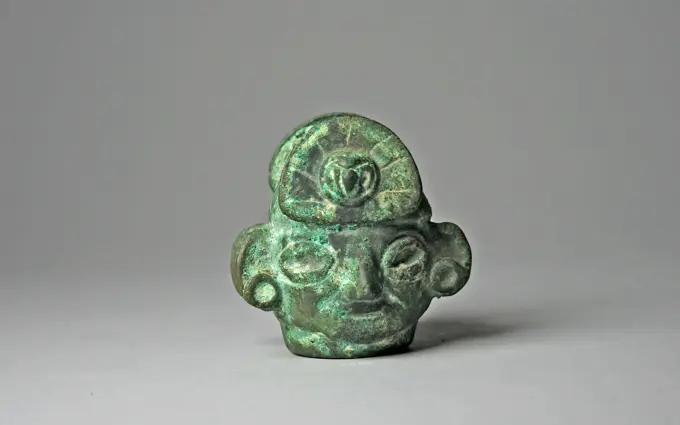
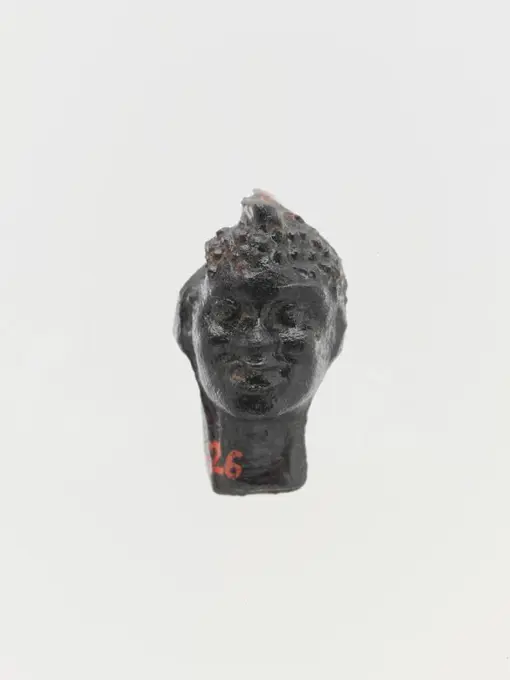
Head of a nubian man, 1st-4th century, 2 1/2 x 2 1/4 x 1 3/4 in. (6.4 x 5.7 x 4.4 cm), Terracotta, Egypt, 1st-4th century
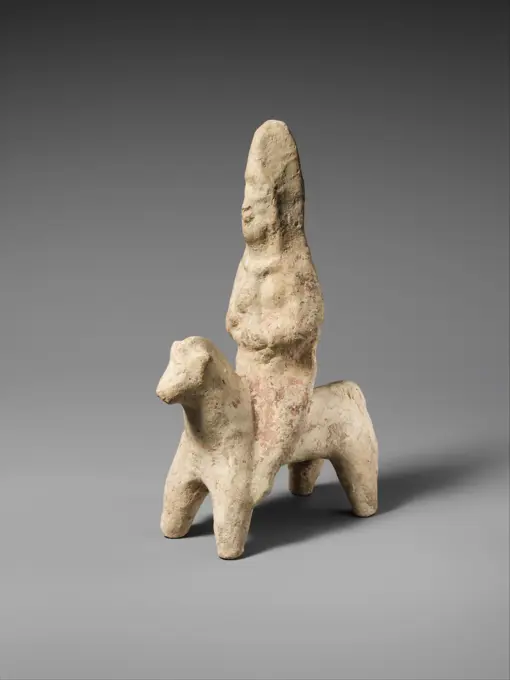
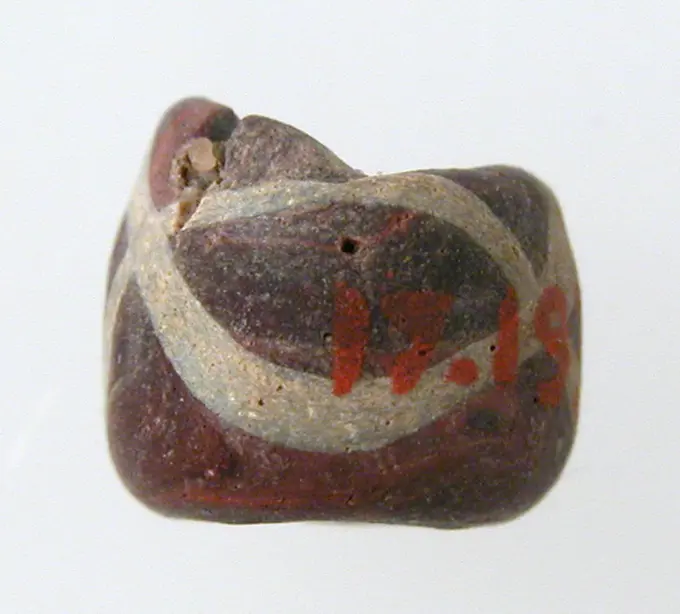
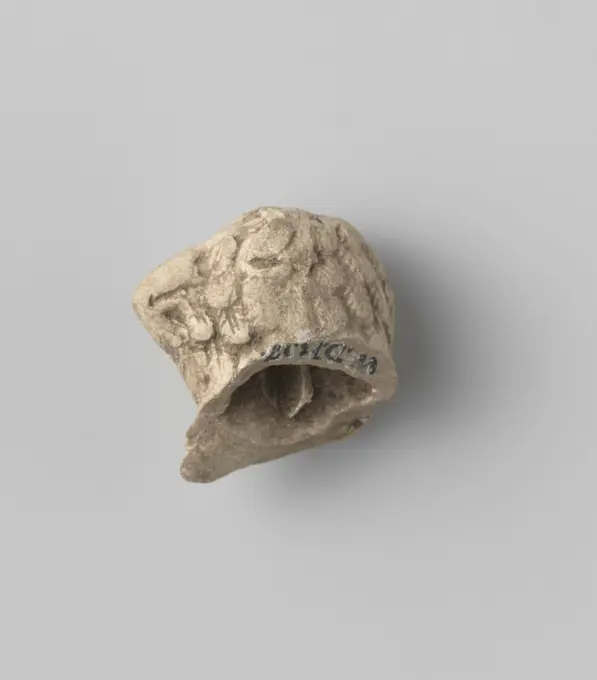
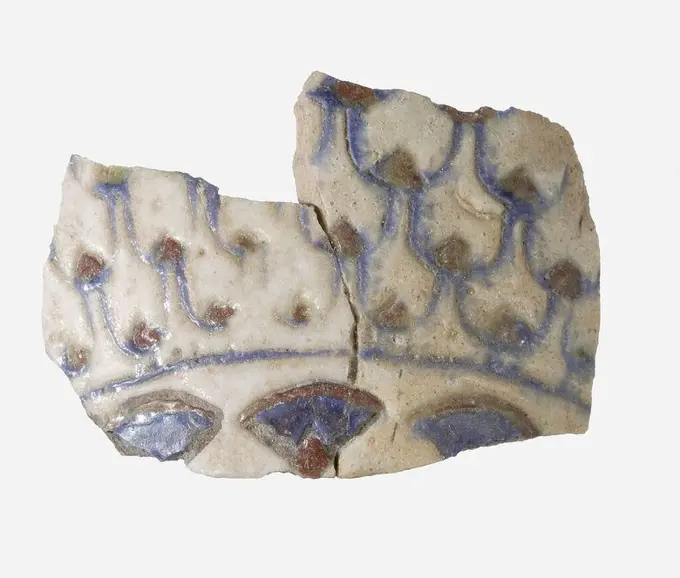
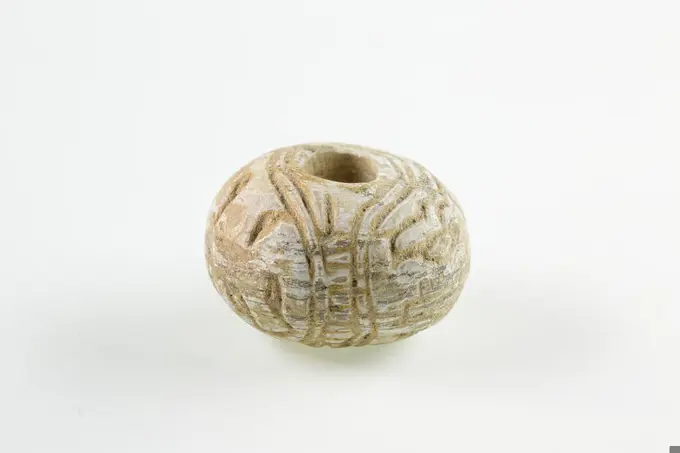
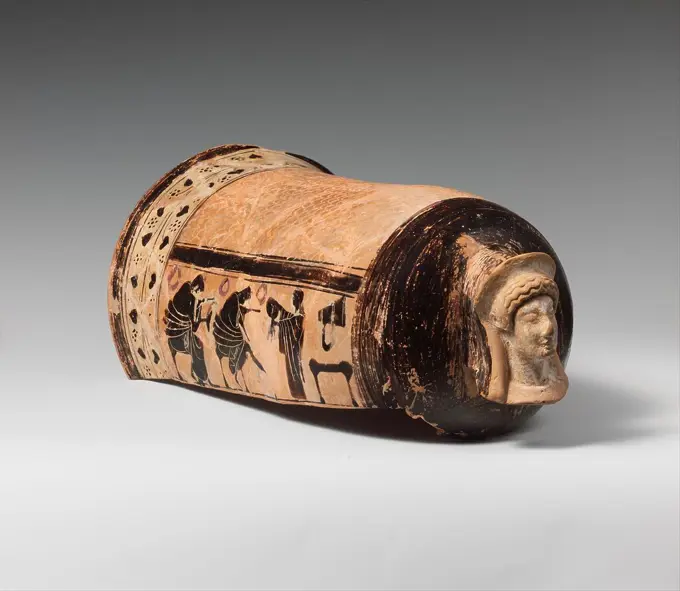
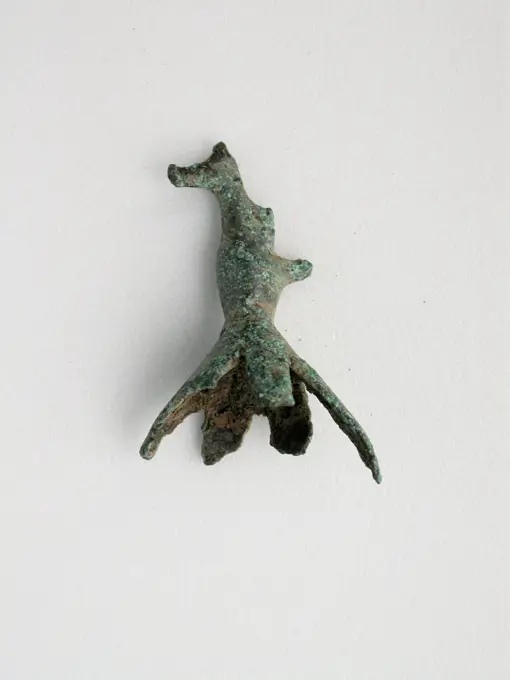
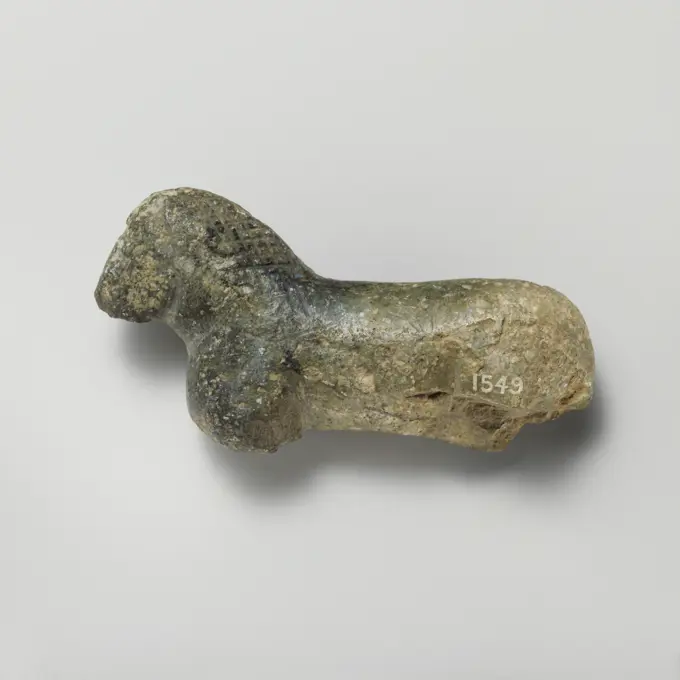
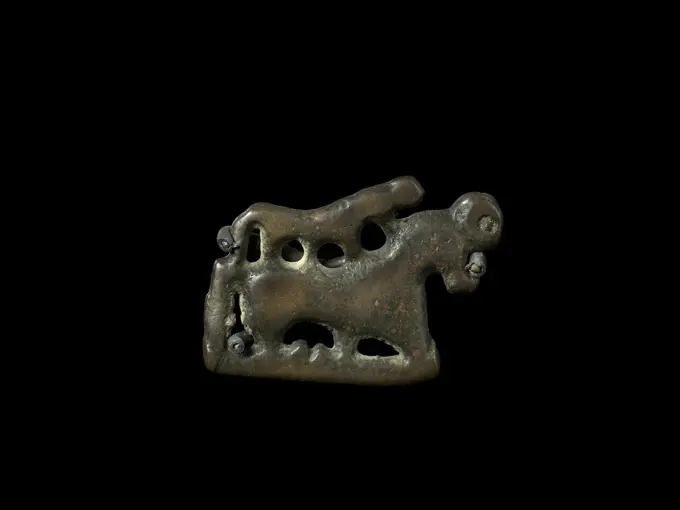
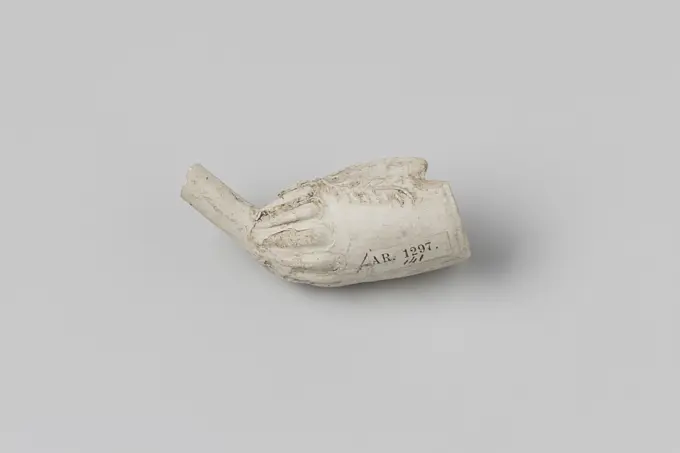
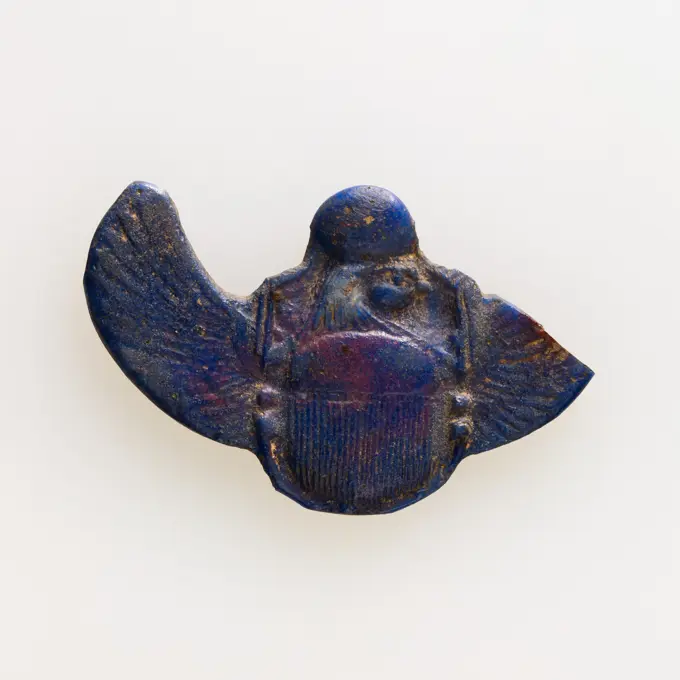
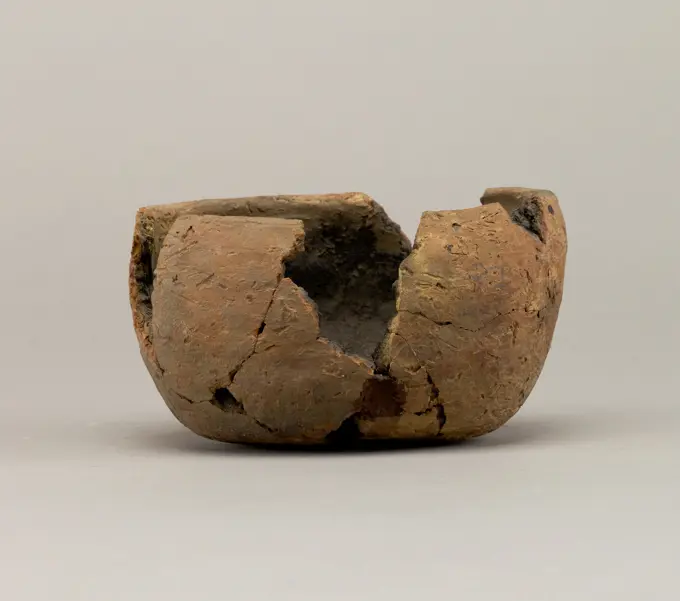
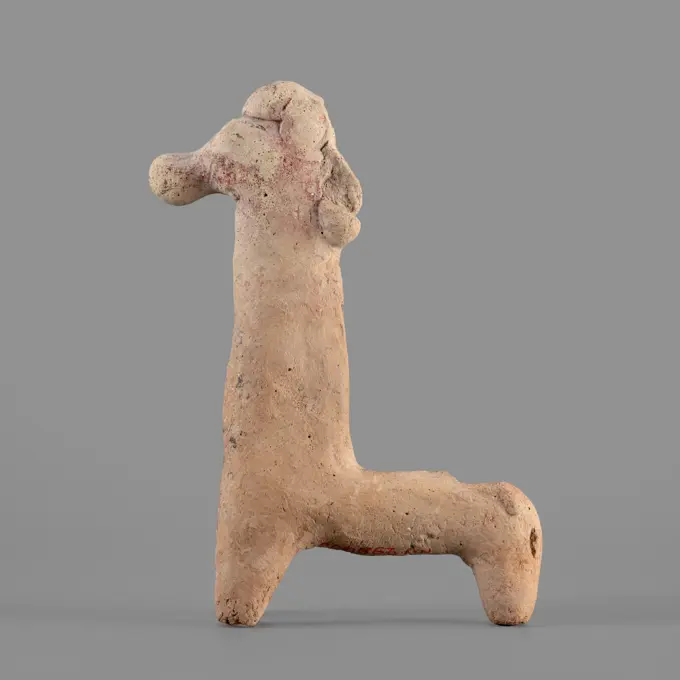
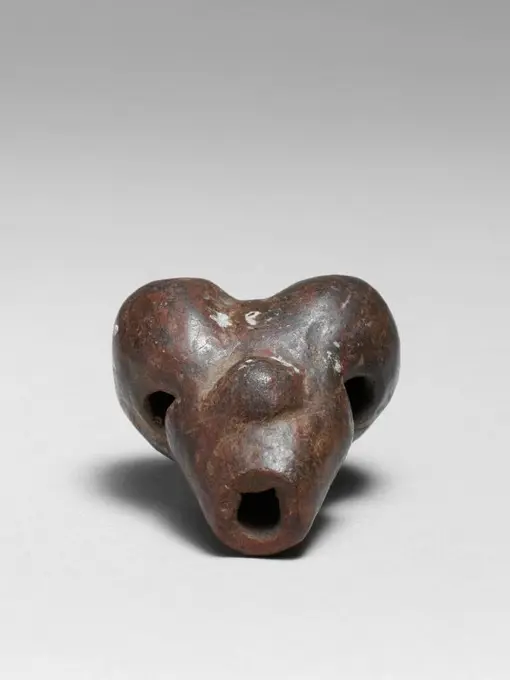
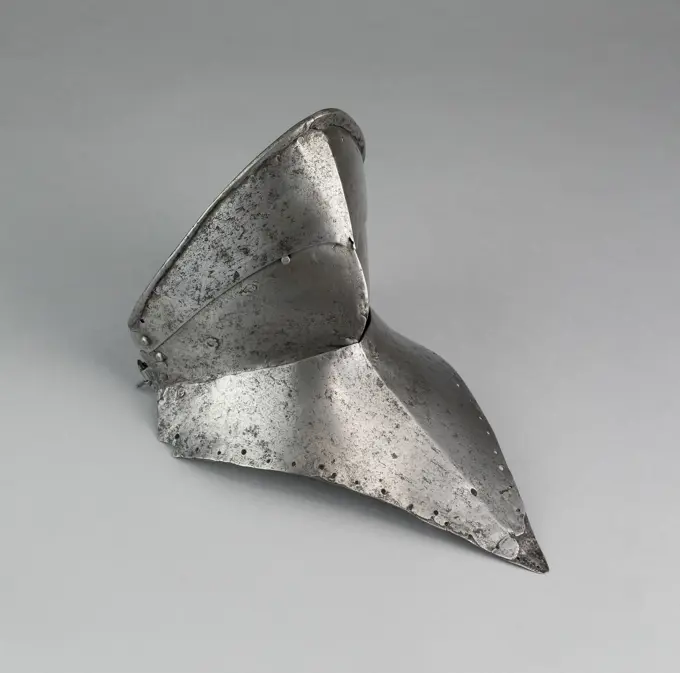
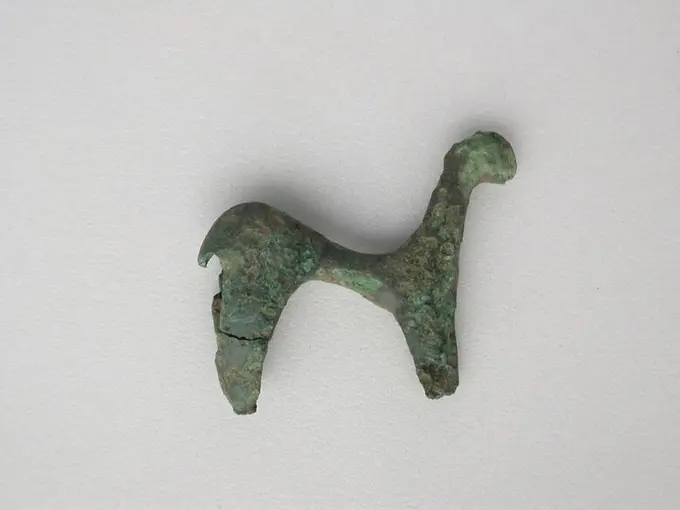
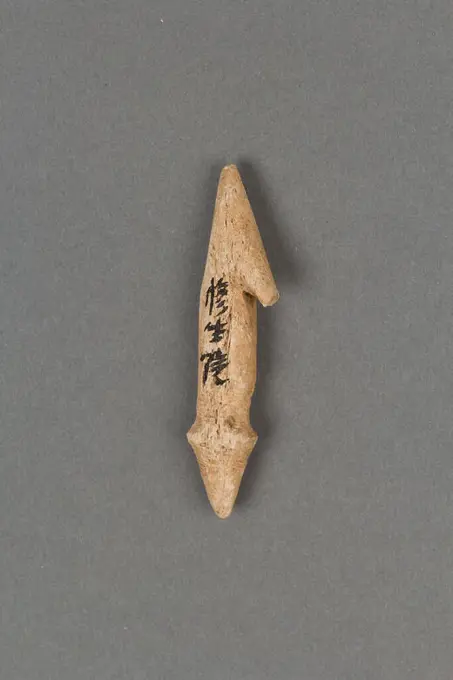
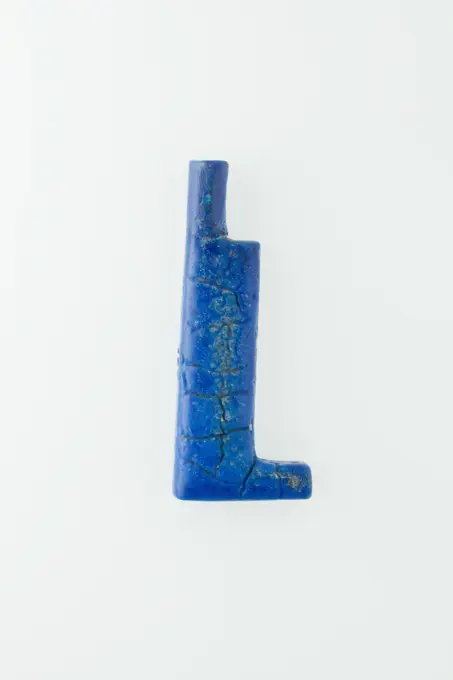
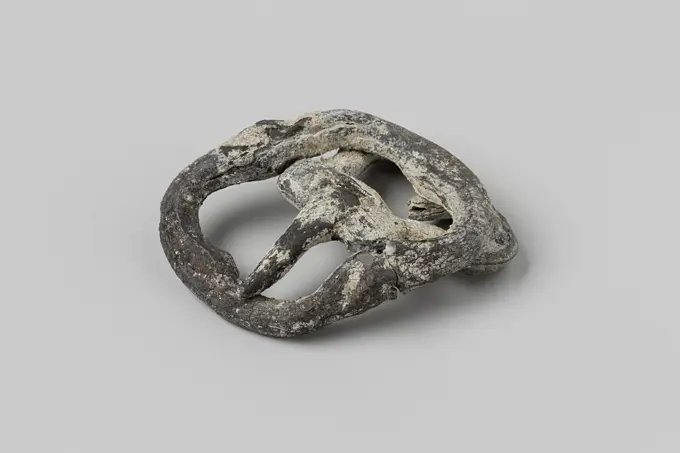
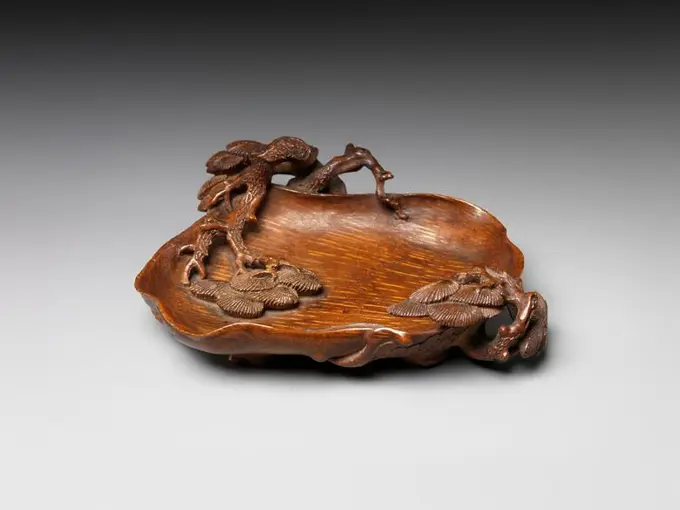
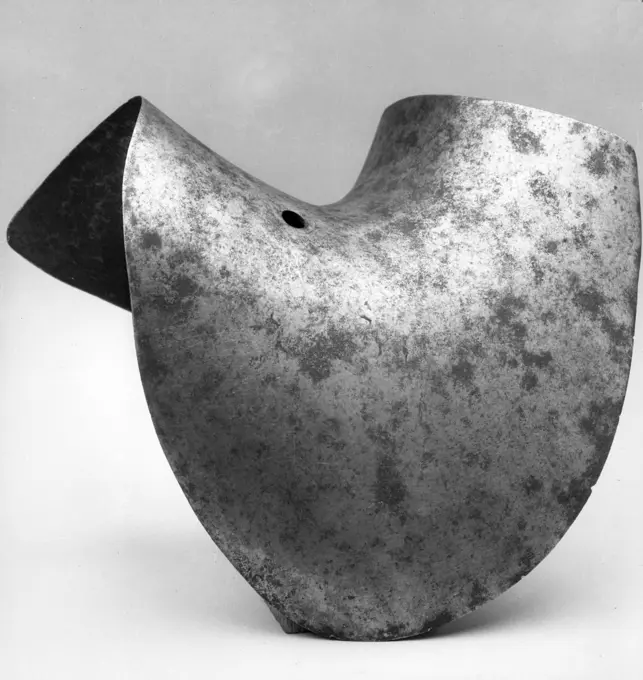
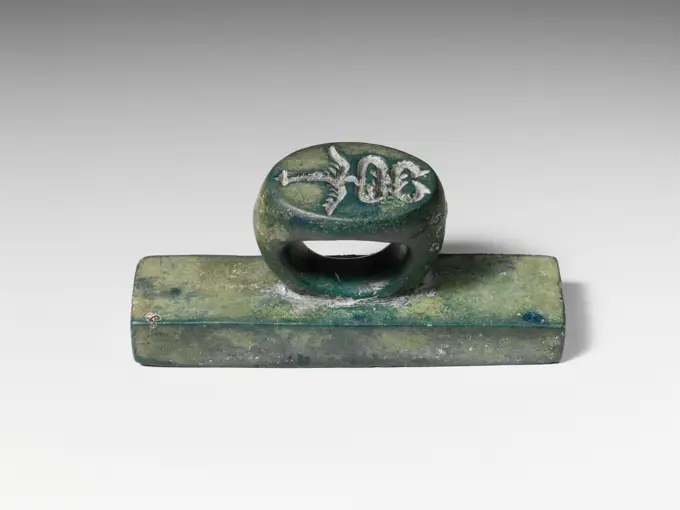
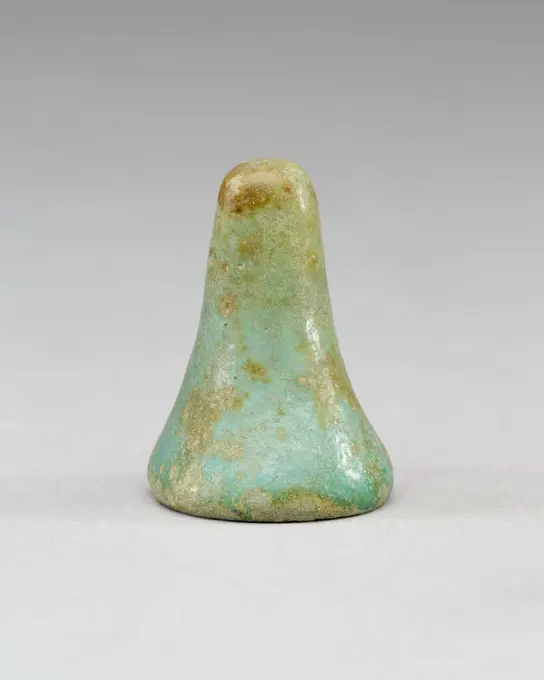
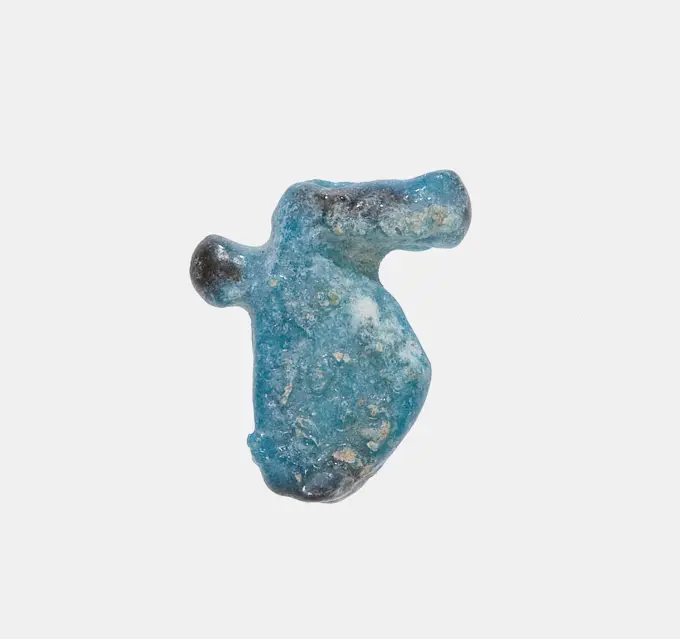
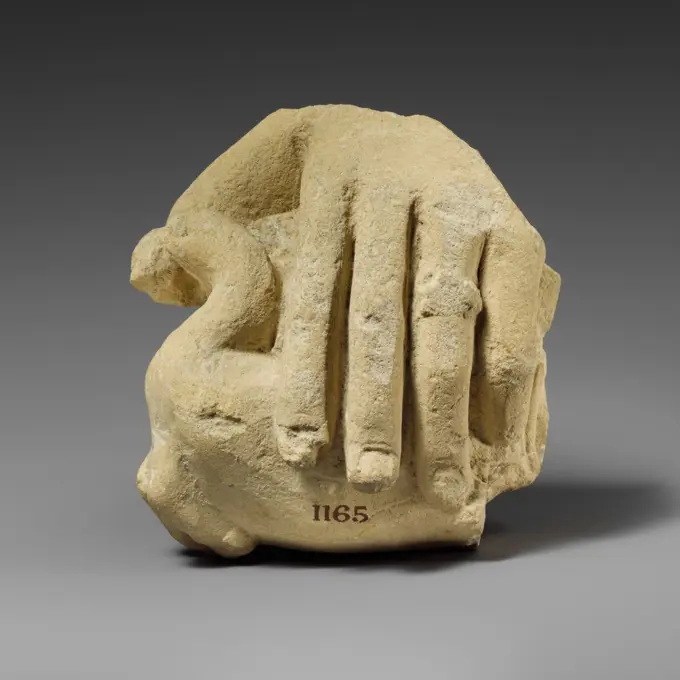
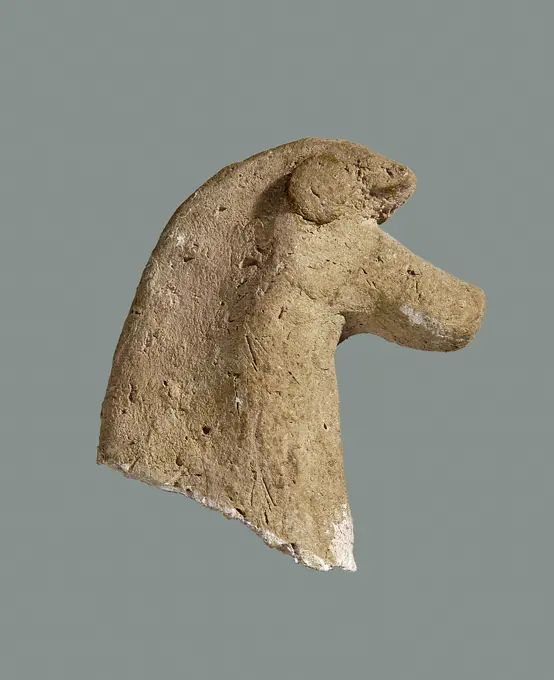
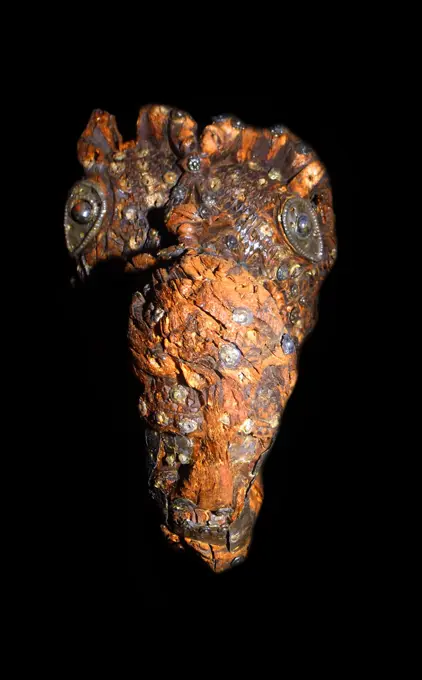
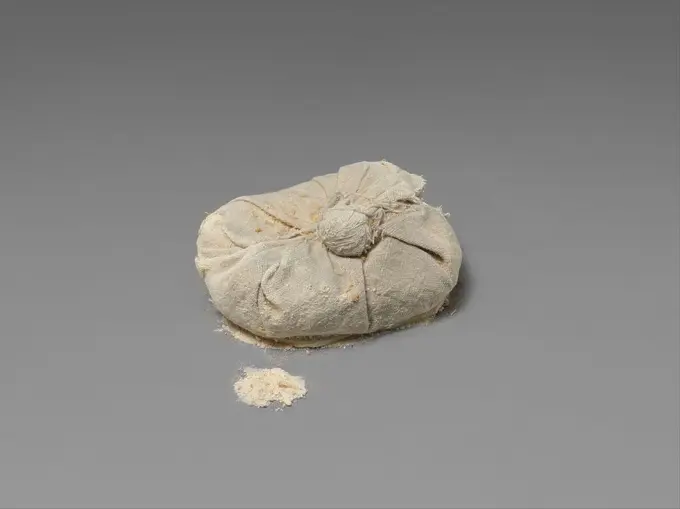
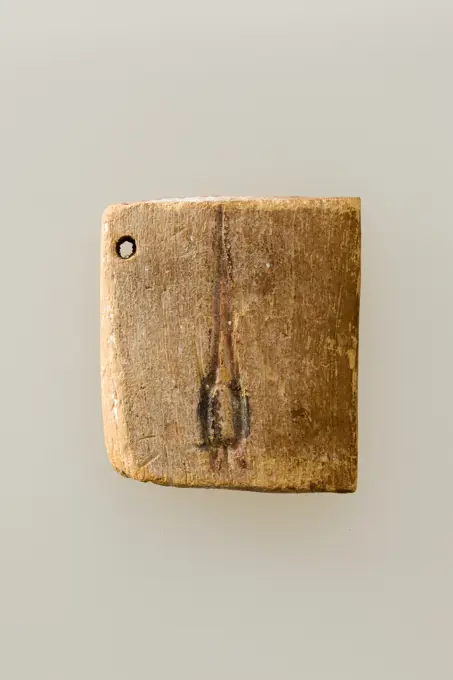
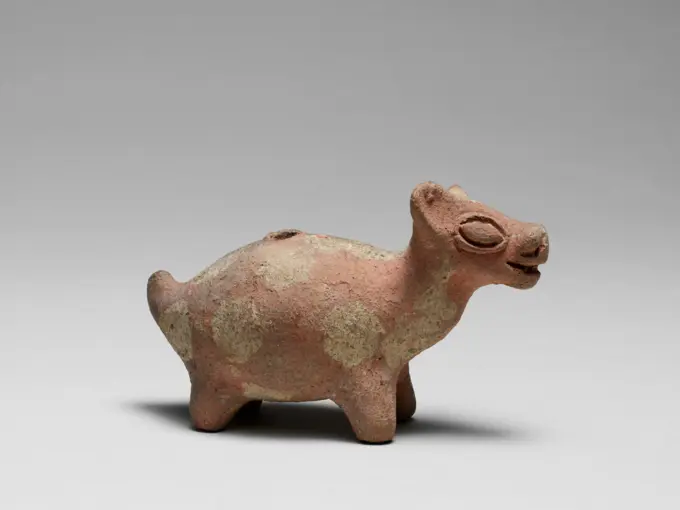
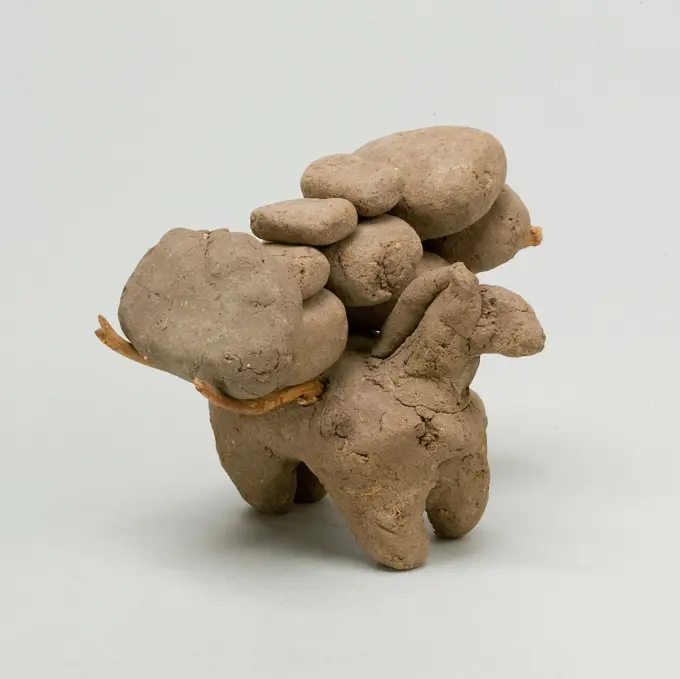
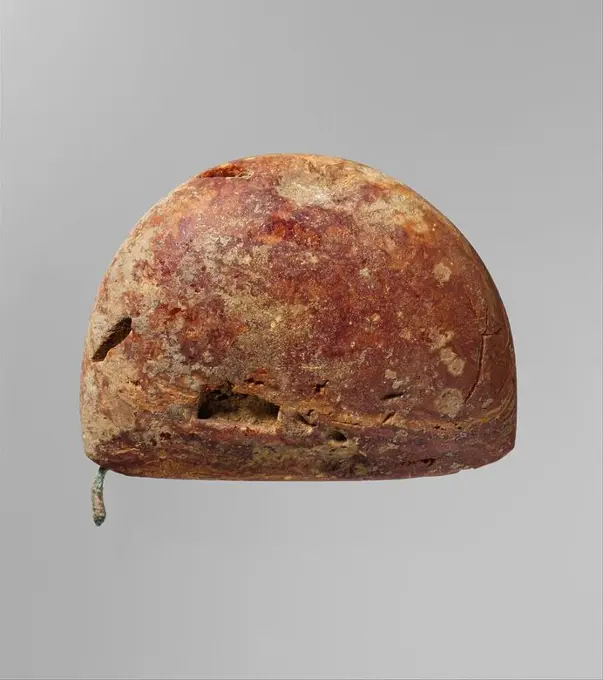
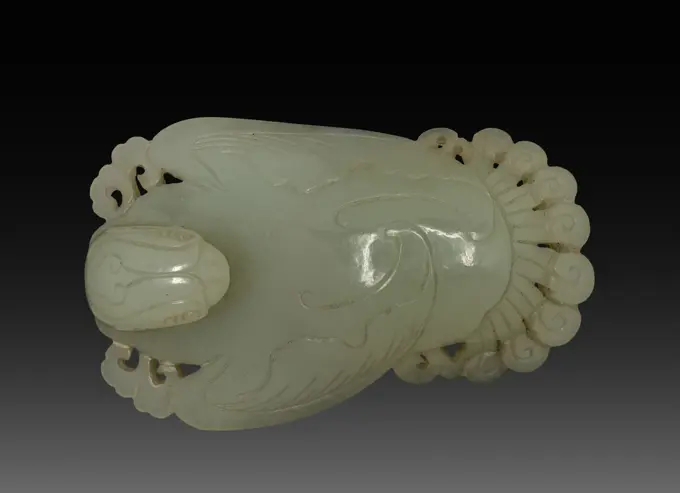
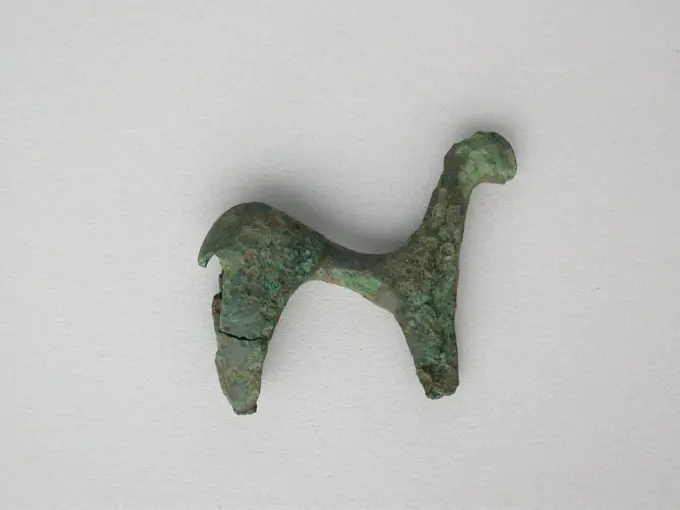
Quadruped 800 BCE-700 BCE Thessaly. This precious bronze object is a votive, or devotional gift, made as an offering to the gods. They come in many forms, such as animals, beads and brooches. Many seem once to have been attached to something else. Votives were hung from sacred trees or placed in sanctuaries around Greece. Once a shrine was full, the votives were ceremonially buried to make room for more offerings.. Bronze . Ancient GreekPipes head. Pipes head with a weapon with two keys and a figure shown on one side. Of the excavations at the Hofstede Arentsburg 1827-1831 under the supervision of professor Reuvens.Crescent Ornament 6th-7th century Moche (Loma Negra). Crescent Ornament. Moche (Loma Negra). 6th-7th century. Copper. Peru. Metal-OrnamentsGlass fusiform bottle fragment. Culture: Roman. Dimensions: Other: 2 3/4 in. (7 cm)Length: 8 3/8 in. (21.3 cm). Date: 3rd-4th century A.D..Colorless with pale greenish yellow tinge.Fusiform body, curving in and then expanding slightly to thick, rounded bottom.Broken and repaired fragment, missing top half of body and rim; few bubbles; dulling and many patches of deep, iridescent weathering. Soil encrusted on interior. Museum: Metropolitan Museum of Art, New York, USA.Figurine ca. 150 B.C. Parthian. Figurine 324853Fragment of a Cosmetic Dish, 1353-1337 BC. Egypt, El-Amarna, North Suburb, house T.34.1. Excavations of the Egypt Exploration Society, 1930, New Kingdom, Dynasty 18, reign of Akhenaten, 1353-1337 BC. Travertine; overall: 3.4 cm (1 5/16 in.).Double Nozzle Oil LampFragments lead from the wreck of the East Indiesman Hollandia. Parts or artifacts; eroded fragments: Materials; Lead.Fragment of a Mosaic Glass Vessel. Unknown 1st century B.C.-1st century A.D. Opaque black with yellow and green.Betty Lamp 1700-1800. Betty Lamp. 1700-1800. Wrought ironSmall Bead 500-600 Frankish. Small Bead 465461 Frankish, Small Bead, 500600, Glass, Overall: 3/16 x 3/16 in. (0.4 x 0.5 cm). The Metropolitan Museum of Art, New York. Gift of J. Pierpont Morgan, 1917 (17.193.15)Fragment of a sculpture, c. 1400 - c. 1950 Fragment of a sculpture: head of a bird.  . Fragment of a sculpture: head of a bird.  .Fragment of a Vase. Dimensions: H. 4.5 cm (1 3/4 in), w. 6.5 cm (2 9/16 in),. Dynasty: Dynasty 18. Reign: reign of Amenhotep III. Date: ca. 1390-1353 B.C.. Museum: Metropolitan Museum of Art, New York, USA.Vessel with a hieratic inscription;  around 2686- 2181 BC ; Old state (-2686-00-00--2181-00-00);Tigers, one of a pair, Late 6th or early 5th century BCE, Bronze, China, 6th or 5th century BCEBead with the name of Amenemhat II. Dimensions: Diam. 1.8 × Th. 1.2 cm (11/16 × 1/2 in.). Dynasty: Dynasty 12. Reign: reign of Amenemhat II. Date: ca. 1859-1813 B.C.. Museum: Metropolitan Museum of Art, New York, USA.Terracotta onos (leg guard used in carding wool). Culture: Greek, Attic. Dimensions: length 10 1/2in. (26.7cm); greatest diameter 5 1/4in. (13.4cm). Date: ca. 510-500 B.C..On each side, women working woolProducing cloth for garments and other fabrics needed in a household was a significant task for women. It required special equipment such as a loom and loomweights as well as this utensil, known as an onos or epinetron. It is a generally semicircular tile that is closed at one end. It was placed over the lower thigh and knee. Although its exact function is not clear, the roughened upper surface suggests that it served to prepare wool for spinning. Museum: Metropolitan Museum of Art, New York, USA.Prehistory, Italy, Iron Age. Golasecca culture. Bronze greaves, part of the funerary objects from the 'Warrior's Tomb' in Sesto Calende, province of Varese.Bottle;  X-XIII century (901-00-00-1300-00-00);Semerau-Siemianowski, Władysław (1849-1938), Semerau-Siemianowski, Władysław (1849-1938)-collection, gift (provenance), Islam (culture), art of IslamRelief fragments from the tomb of Meketre ca. 1981-1975 B.C. Middle Kingdom. Relief fragments from the tomb of Meketre. ca. 1981-1975 B.C.. Limestone, paint. Middle Kingdom. From Egypt, Upper Egypt, Thebes, Southern Asasif, Tomb of Meketre (TT 280, MMA 1101), MMA excavations, 1920. Dynasty 12Figure Stamp 1st-7th century Atlantic Watershed Ceramic stamps are found in Costa Rican burials, suggesting that their importance extended beyond utilitarian. Much speculation has been made with regard to the material that these stamps were intended to imprint, including paper, textiles, and the human body. The curved shape of the printing surface supports the function of body painting most strongly. This theory is reinforced by the presence of stamp motifs on Costa Rican ceramic figure sculpture. The designs of the stamps can be divided into two categories, those that mimic the geometricity of textile structure and those that do not. The frog stamp, with the angular lines of an amphibian, falls into the category of textile imagery, whereas the more fluid depiction of the serpent is derived from a more naturalistic source.. Figure Stamp 698256Emilia-Romagna Ferrara Ferrara Museo Civico di Schifanoia57. Hutzel, Max 1960-1990 General Notes: INCOMPLETE RECORD--NEGATIVES PROCESSED, PRINTS FILED German-born photographer and scholar Max Hutzel (1911-1988) photographed in Italy from the early 1960s until his death. The result of this project, referred to by Hutzel as Foto Arte Minore, is thorough documentation of art historical development in Italy up to the 18th century, including objects of the Etruscans and the Romans, as well as early Medieval, Romanesque, Gothic, Renaissance and Baroque monuments. Images are organized by geographic region in Italy, then by province, city, site complex and monument.Glass perfume bottle. Culture: Roman. Dimensions: Overall: 3 3/4in. (9.6cm)Diam.: 13/16 x 3/4 in. (2.1 x 1.9 cm). Date: 1st-2nd century A.D..Colorless with pale blue green tinge.Slanting rim, folded out, over, and in, and pressed unevenly to one side; tall cylindrical neck; small, squat, globular body; pushed-in bottom with traces of pontil mark.Intact; pinprick bubbles; dulling, pitting, and patches of brilliant iridescent weathering on exterior, soil encrustation and creamy brown weathering on interior. Museum: Metropolitan Museum of Art, New York, USA.Naczynie kamienne. unknown, authorBird on Bell 800 BCE-600 BCE Greece. This precious bronze object is a votive, or devotional gift, made as an offering to the gods. They come in many forms, such as animals, beads and brooches. Many seem once to have been attached to something else. Votives were hung from sacred trees or placed in sanctuaries around Greece. Once a shrine was full, the votives were ceremonially buried to make room for more offerings.. Bronze . Ancient GreekUszebti. unknown, authorVase fragment Minoan. Vase fragment 247674Limestone horse 6th century B.C. () Cypriot The the legs and the end of the nose are missing. The body is quite realistic. The mane is articulated with a lozenge-shaped pattern.. Limestone horse 243893Aryballos in the form of a foot with shoe 4th century B.C. Greek, Attic Right foot with shoe.. Aryballos in the form of a foot with shoe. Greek, Attic. 4th century B.C.. Terracotta. VasesPlates. Tang. 6th-centuries before our era. Paris, Cernuschi museum. 35406-2 Bronze, tang dynasty, brochure, animalJanus Mace Head 2nd-5th century Moche. Janus Mace Head 315214Fragment tabakspijp.Fragment tobacco pipe with floral fashed motif and a coat of arms with lion depicted. Of the excavations at the Hofstede Arentsburg 1827-1831 under the supervision of professor Reuvens.Box. Box 243862Amulet - byk. unknown, authorTeardrop-Shaped Bead, 1980-1801 BC. Egypt, Middle Kingdom, Dynasty 12. Gold over calcite gesso core; average: 2.4 cm (15/16 in.).Mingqi, horse corps ". Bois. Paris, Muse Cernuschi. Mingqi, Corps de Cheval Asian art, art of extreme-EastAmulet of winged scarab with falcon head 525-30 BC Late Period-Ptolemaic Period Starting in the later Late Period and continuing through the Ptolemaic Period, a type of glass amulet cast by pressing the glass into a shallow open mold appears. The back was left rough, and the amulets may look ragged because glass overflowed the mold around the edges. The earlier amulets are monochrome, bi- or multicolor amulets supplement the repertoire during the Ptolemaic Period.Some of the amulets can be specifically tied to spells of the Book of the Dead - for example, acc. no. 17.194.2526 - and most are clearly funerary amulets, presumably meant to be wrapped between the bandages of the mummy where the presence of the amulet would do its job irrespective of its degree of finish.. Amulet of winged scarab with falcon head. 525-30 BC. Glass. Late Period-Ptolemaic Period. From EgyptFunerary Cone of the Royal Seal-Bearer and Priest Iaiefib ca. 1550-1295 B.C. New Kingdom. Funerary Cone of the Royal Seal-Bearer and Priest Iaiefib 559212Statuette of Poseidon, 4 Greek, Laconian. Statuette of Poseidon, 4 251657 Greek, Laconian, Statuette of Poseidon, 4, Lead, Height: 1 9/16 in. (4 cm). The Metropolitan Museum of Art, New York. Gift of A. J. B. Wace, 1924 (24.195.91)Deep bowl ca. 3850-2960 B.C. Predynastic Period. Deep bowl. ca. 3850-2960 B.C.. Pottery. Predynastic Period. From EgyptHorse figurine; Unknown Cypriot workshop; 750-600 BC (-750-00-00--600-00-00);Sharing, CYPRDouble Pottery Whistle. Culture: Costa Rican. Dimensions: L. 4.4 cm (1-13/16 in.); W. 3.7 cm (1-7/16 in.); H. 2.8 cm (1-3/16 in.); Wt. 24 g. Date: date uncertain. Museum: Metropolitan Museum of Art, New York, USA.Weighing down device (fish net sinker). Dimensions: l. 10.9 cm (4 5/16 in). Dynasty: Dynasty 19-20. Date: ca. 1295-1070 B.C.. Museum: Metropolitan Museum of Art, New York, USA.Bevor 1450-1525 Spain. Steel .Quadruped. Greek; Thessaly. Date: 800 BC-700 BC. Dimensions: 3.1 x 3.6 x 0.9 cm (1 1/4 x 1 3/8 x 3/8 in.). Bronze. Origin: Thessaly. Museum: The Chicago Art Institute, Chicago, USA. Author: ANCIENT GREEK.Vase fragment East Greek/Sardis, Lydian. Vase fragment 252808 East Greek/Sardis, Lydian, Vase fragment, Terracotta, Overall: 4 x 2 5/8in. (10.2 x 6.7cm). The Metropolitan Museum of Art, New York. Gift of The American Society for the Excavation of Sardis, 1926 (26.199.241)Squared disc (cong). China. Date: 3000 BC-2000 BC. Dimensions: H. 30.0 cm (11 13/16 in.); diam. 11.2 cm (4 7/16 in.). Jade. Origin: China. Museum: The Chicago Art Institute, USA.Fragment of a Female Figure 4th-7th century Coptic. Fragment of a Female Figure 478731Arrowheads, needles, hooks and harpoons. Culture: Japan. Dimensions: W. 5/8 in. (1.6 cm); L. 2 3/8 in. (6 cm). Museum: Metropolitan Museum of Art, New York, USA.Vase fragment Minoan. Vase fragment 247766Inlay, hieroglyph 664-610 B.C. Late Period, Saite A quantity of faience hieroglyphs and border elements was found in the tomb or courtyard of Nespekashuty. These are displayed in galleries 127 and 130. They are of similar size and manufacture, so seem to have belonged to a single object, likely of wood. Some of the signs belong to the standard offering formula, others mention Osiris and Anubis, so they certainly suggest an item of funerary furniture - a box, a screen, or a coffin although coffins are not usually inlaid in faience and remnants of Nespekashuty's were painted.Unfortunately, there are no signs indisputably pointing to Nespekashuty's names or titles. Although it seems likely that the fairly elaborate piece of equipment to which they testify belonged to the main burial of this tomb, and not to the Third Intermediate Period burials found in the courtyard or to the material apparently cleared from the Hathor Shrine at Deir el Bahri or to the other sets of late shabtis found inClose-up of animal skull on white backgroundShoeSP from the wreck of the East India Hollandia.schoen SP, with white attack. Buckle, Chape Buckle, Shoe Buckle; (4) Fragment (1): (1) Ring (4.7x3.7) Molded, (1) Tongue, (1) Spindle, (1) Single-pronged loop, ID. NG 1980-27H349Figure of a Duck China. Figure of a Duck 52561Fragment hand grenade from the wreck of the East Indians Hollandia, Anonymous, 1700 - in Or Before 1743 hand grenade. fragment Handgrenade; fragm of shell, sim.NG 1980-27H2901. Netherlands iron (metal)   SecondFragment disc -shaped object from the wreck of the East Indies Hollandia, Anonymous, 1700 - in or before 1743 fragment Varied parts or fragments, discs and disc-shaped fragments; fragm, heavily eroded, squashed; flat, circular, plain. Netherlands silver (metal)   SecondBrush washer with pine trees. Culture: China. Dimensions: H. 1 1/8 in. (2.9 cm); H. incl. base 2 5/8 in. (6.7 cm); W. 4 1/4 in. (10.8 cm); D. 4 in. (10.2 cm). Date: 17th century. Museum: Metropolitan Museum of Art, New York, USA.Reinforcing Couter 16th century German. Reinforcing Couter 22995Bronze stamp 1st century A.D. Roman The inscription L*HER*FLO signifies Lucius Herennius Florus, the name of the owner of the villa at Boscoreale from which the Museum's frescoes come. The stamp was presumably his property and likely served as the official seal of the household used to mark provisions. On the ring in intaglio is a second seal in the form of a winged caduceus, the staff of Mercury, god of commerce. Many such bronze seals have been found in the excavations at the nearby towns of Pompeii and Herculaneum, although stamps with intaglio on both ring and plate are less common.. Bronze stamp 253046 Roman, Bronze stamp, 1st century A.D., Bronze, Other: 3 7/16 in. (8.7 cm). The Metropolitan Museum of Art, New York. Fletcher Fund, 1930 (30.11.2)Wine Cups (Jue), c. 1200 BC. China, late Shang dynasty (c.1600-c.1046 BC), Anyang phase (c.1250-1046 BC). Bronze; overall: 20.3 x 19.7 cm (8 x 7 3/4 in.).Fragments Pijpenkoppen from the wreck of the East Indians Hollandia, Anonymous, 1700 - in Or Before 1743  Pipe, bowl, whole market illegible; fragments. Netherlands pipe clay   SecondConical Game Piece. Dimensions: H. 3 cm (1 3/16 in.); Diam. 2.2 cm (7/8 in.). Dynasty: Dynasty 18, early. Reign: reign of Thutmose I-early sole Thutmose III. Date: ca. 1504-1447 B.C..The first room that the Museum's excavators cleared in the family tomb of Neferkhawet was the lower east chamber. In the northwest corner of this room they found a mis-matched partial set of gaming pieces. The two types, conical and spool-shaped, are common components of the board games senet and 20-squares which were usually combined in a single game box with the game boards on opposite sides, and a drawer for the gaming pieces and the throw sticks or knuckle bones that were used like dice to determine how the pieces were moved on the boards. The eight gameing pieces, five conical and three spool-shaped, were lying on their sides next to the outlined remains of an insect-eaten game box. Museum: Metropolitan Museum of Art, New York, USA.Terracotta vessel fragment ca. 4000 B.C. Greek Neolithic From Nemea in the Peloponnese. Terracotta vessel fragment. Greek Neolithic. ca. 4000 B.C.. Terracotta; Red-brown on gray-black painted ware (). Middle Neolithic. VasesVase fragment East Greek/Sardis, Lydian. Vase fragment 252824 East Greek/Sardis, Lydian, Vase fragment, Terracotta, Overall: 1 15/16 x 1 1/8in. (5 x 2.8cm). The Metropolitan Museum of Art, New York. Gift of The American Society for the Excavation of Sardis, 1926 (26.199.260)Garment plaque in the shape of two horses 1st-3rd century North China. Garment plaque in the shape of two horses 59538Capital. Dimensions: H. 14 1/2 in. (36.8 cm)W. 13 1/2 in. (34.3 cm)D. 13 1/2 in. (34.3 cm)Wt. 140 lbs. (63.5 kg). Date: 10th century.This capital probably came from the splendid Umayyad royal residence city of Madinat al-Zahra', near Cordoba, Spain, which was founded in 936. The classical tradition so important in Umayyad Syrian art is evident here. This is not surprising in light of the Syrian roots of this caliphal house (711-1031), which arose in Spain after the Umayyad dynasty was replaced and almost extinguished by the new 'Abbasid rulers centered in Baghdad. Museum: Metropolitan Museum of Art, New York, USA.Ferigrag. Fencing with a green and purple painted decor of stylized leaves.Padlock. A ball-shaped padlock. Defined a hole in the rear.Cylinder Seal. Iran, Mesopotamia or Syria, 9th-7th century B.C.. Tools and Equipment; seals. Gray chertReclining Lion or Cat with Prey. Egypt, Roman Period (100 - 395 CE) or modern. Sculpture. BronzeTerracotta rim fragment with polychrome decoration. Culture: Minoan. Dimensions: Overall: 1 5/16 x 1 15/16in. (3.3 x 4.9cm). Date: ca. 1800-1700 B.C..From Knossos, CretePolychrome fragment with roughened surface. Museum: Metropolitan Museum of Art, New York, USA.Taweret () Amulet ca. 1802-1450 B.C. Late Middle Kingdom-Early New Kingdom. Taweret () Amulet. ca. 1802-1450 B.C.. Faience. Late Middle Kingdom-Early New Kingdom. From Egypt, Memphite Region, Lisht North, Cemetery south of pyramid, House A1, so-called "faience factory", MMA excavations, 1920-22. Dynasty 13-18, earlyDish;  around 2055 1650 BC ; Medium Pa (-2055-00-00--1650-00-00);Deposit of the University of Warsaw from 1937-1939, Egyptian ceramics, Polish-French excavations in Edfu (Egypt)Deer Shaped Vessel. Western Iran, 1350-800 B.C.. Furnishings; Serviceware. CeramicVase fragment Roman, Gaul Nude male striding to right.. Vase fragment. Roman, Gaul. Terracotta. VasesLimestone hand holding a bird 3rd-1st century B.C. Cypriot The lifesize left hand, the fingers of which are very thin, holds a small duck. There is a ring on the ring finger.. Limestone hand holding a bird 242272Bead China. Bead 43124Fragment of a horse figurine;  2. PO. 1 thous. BC (-500-00-00-1-00-00);The collection of the ancient EastOrnament ca. late 1st millennium B.C. (). Ornament 325111Fragment with the head of a man ca. 1981-1650 B.C. Middle Kingdom The head of a man facing left is depicted in raised relief. The large scale of the figure suggests that this image is not part of a hieroglyph and that the head belongs to a figurative scene. His simple short wig indicates that he is non-royal. The figure might represent an offering bearer or priest, who often wear this hairstyle, or he could be a high official, who can also at times wear this type of wig. The piece is made out of Egyptian faience, a non-clay ceramic material, and is a fragment of a larger, unidentified object about two centimeters in thickness. The figure is shown in bright blue on a darker blue background. Small, flat areas of the original glazed surface are preserved on the top and back of the piece. In addition, there is a very small bit of blue glaze on the right side, indicating that this is part of the right edge of the original piece. The space available above the figure is narrow and probably toAnimal flask late 7th-8th century During Roman and early Islamic times, animalshaped vessels were made using an intricate decorated double or quadruple glass tube. Decorated with trailed glass threads, the tubes are carried on the backs of domestic animals and the trailed threads appear to imitate protective cages. Such vessels were probably used as containers for kohl or perfume.. Animal flask. late 7th-8th century. Glass, yellowish and pinkish; blown, applied decoration. Attributed to probably Syria. GlassExcavation of Oseberg Viking age ship discovered in a large burial mound at the Oseberg farm near Tønsberg in Vestfold County, Norway began in 1903. The Oseberg ship dated from 834 AD, was pulled ashore and used as a burial ship for the two ladies. That site also contained numerous richly decorated objects in wood. The characteristic motif of the style is gripping beasts. The gripping beast motif is what clearly distinguishes the early Viking art from the styles that preceded it.Conus Vexillum from v.O.C.-ship the 'white lion'. Shell from v.o.c.-ship the 'white lion'Two fragments of wall of waffle cup, drinking cup drinking utensil holder soil find glass, hand blown in the mold blown glass application Two fragments of part wall of waffle cup in clear colorless glass On wall is (from bottom  to edge) one continuous colorless glass thread which rotates to the right and is blown out of the mold with number of notches. Brand bends about 1.0 of mouth from archeology Rotterdam rail tunnel drinking beer Soil discovery: rail tunnel Rotterdam.Bag of Natron from Tutankhamun's Embalming Cache. Dimensions: L. 8.5 cm (3 3/8 in.); W. 6.6 cm (2 5/8 in.); H. 3.6 cm (1 7/16 in.). Dynasty: Dynasty 18. Reign: reign of Tutankhamun. Date: ca. 1336-1327 B.C..In December 1907 Theodore M. Davis, a wealthy American who was funding excavations in the Valley of the Kings, discovered a small pit near the tomb of Seti I. Inside the pit were approximately a dozen large sealed whitewashed storage jars (09.184.1). Among other things, the jars contained bags of natron (a kind of salt), pieces of linen with hieratic inscriptions dated to Years 6 and 8 of a king named Tutankhamun (throne name Nebkheperure). At the time, almost nothing was know about Tutankhamun, and Davis declared that he had discovered the king's tomb.Davis received a number of the jars and their contents in the division of finds and, in 1909, he gave most of his share to the Metropolitan Museum. It was only later that Herbert Winlock, the field director of the Museum's excavationsIvory label incised with an early hieroglyph that may be the image of a bundle of arrows ca. 2650 B.C. Early Dynastic Period. Ivory label incised with an early hieroglyph that may be the image of a bundle of arrows. ca. 2650 B.C.. Wood, ink. Early Dynastic Period. From Egypt, Northern Upper Egypt, Abydos, Umm el-Qaab, Tomb of Djer, Egypt Exploration Fund excavations. Dynasty 1Pottery Whistle ca. 1000-1476 () Peruvian. Pottery Whistle. Peruvian. ca. 1000-1476 (). Clay. Pre-Columbian. Chancay Valley, Peru. Aerophone-Whistle Flute-whistleBlowjob from the wreck of the East Indieschief Hollandia. Pipe, Bowl, Healmar: Coat of Arms of the Province of Gelderland; Fragm, no HSM.Donkey with packs on its back ca. 1991-1450 B.C. Second Intermediate Period-Early New Kingdom This little donkey is made of unfired clay. Four twigs have been stuck into its back to hold what are probably intended to represent sacks of grain. The donkey and sacks were found inside a pot (12.181.272a) that was discovered during excavations conducted by Howard Carter in the area of Hatshepsut's temple.. Donkey with packs on its back. ca. 1991-1450 B.C.. Clay, twigs. Second Intermediate Period-Early New Kingdom. From Egypt, Upper Egypt, Thebes, Deir el-Bahri, Temple of Hatshepsut Temenos area, inside pot 12.181.272a, Carnarvon/Carter excavations, 1906-11. Dynasty 13-18Bronze and amber fibula (safety pin). Culture: Etruscan or Italic. Dimensions: Other: 5 3/4 in. (14.6 cm). Date: 7th century B.C..Too large to be worn in life, it was most likely made expressly for burial with the deceased. Museum: Metropolitan Museum of Art, New York, USA.Buckle, 1800s-1900s. China, 19th-20th century. White jade; overall: 4.2 cm (1 5/8 in.).Fragment of a Figurine of Standing Aphrodite. UnknownBronze left foot with traces of sandal straps. Culture: Roman. Dimensions: Overall: 4 7/8 x 9 5/16 in. (12.4 x 23.7 cm). Date: 1st or 2nd century A.D.Left foot with sandal straps. Museum: Metropolitan Museum of Art, New York, USA.Pipe heads from the wreck of the East India Hollandia.Pipe, Bowl, Whole Market: Fish, Flounder; 2HSM1.5.Lead figure of a horseman. Culture: Greek, Laconian. Dimensions: Height: 1 3/8 in. (3.5 cm). Date: 6th-5th century B.C..Small flat votive figurines of cast lead have been found in great quantities at the ancient sanctuaries of Laconia; over one hundred thousand, dating from the seventh century B.C. to the Classical period, were dedicated to the goddess Artemis Orthia in Sparta. Museum: Metropolitan Museum of Art, New York, USA.Glass pendant in the shape of an African's head. Culture: Greek, Eastern Mediterranean. Dimensions: H.: 11/16 in. (1.7 cm). Date: late 2nd-1st century B.C..Translucent deep purple, appearing black.Solid, vertical pendant, with mold marks running up sides and top of head, and under his neck; suspension loop on top of head.Shaped like the head of an African, with prominent eyebrows,large round eyes, chubby cheeks, broad nose, large lips, tightly curled hair, and long neck.Large chip in back of head and most of suspension loop missing; slight dulling and weathering.Female head with handle on top; brown. Museum: Metropolitan Museum of Art, New York, USA.Pendant: Ship with Figures. UnknownAmulet - oko udżat. unknown, authorUpper Part of a Crupper. Culture: Italian (probably Brescia). Dimensions: L. 23 7/8 in. (60 cm); W. 28 3/4 in. (73 cm); Wt. 8 lb. 5 oz. (3,780 g). Date: late 16th or early 17th century. Museum: Metropolitan Museum of Art, New York, USA.Sword Guard (Tsuba) ca. 1615-1868 Japanese A tsuba is a sword guard and part of a sword mounting. It is mounted between the swords blade and grip to protect the users hands.. Sword Guard (Tsuba) 25793