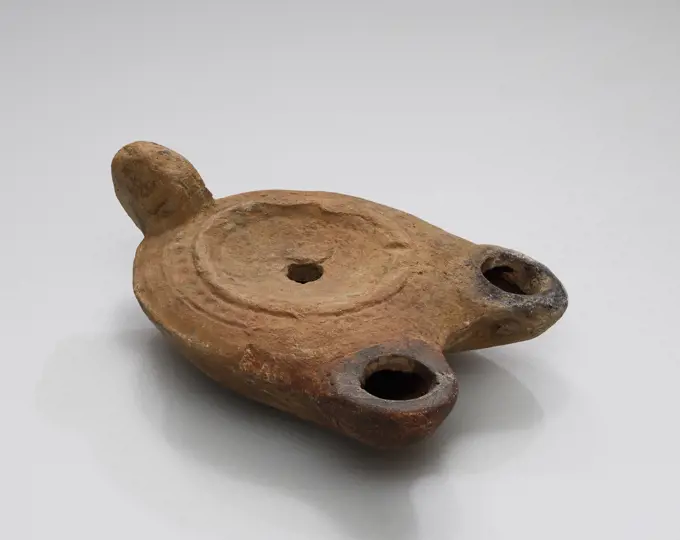
Historical Oil Lamps

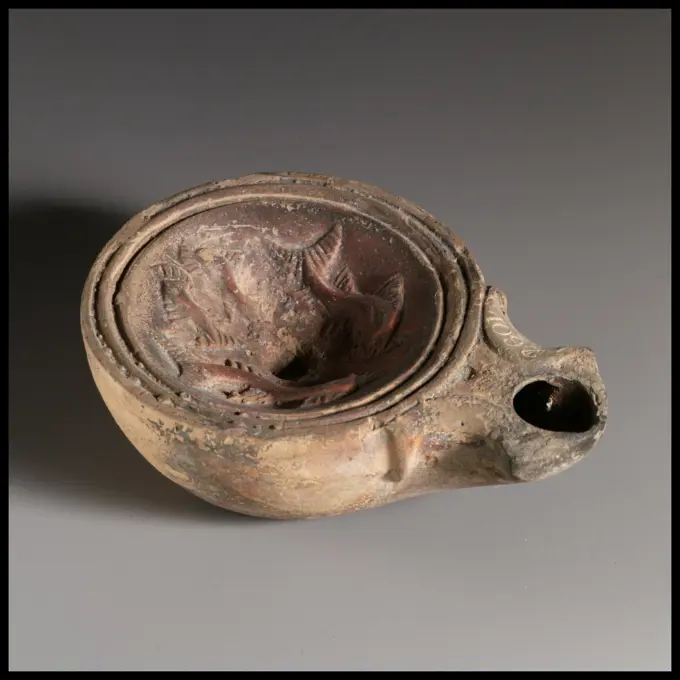
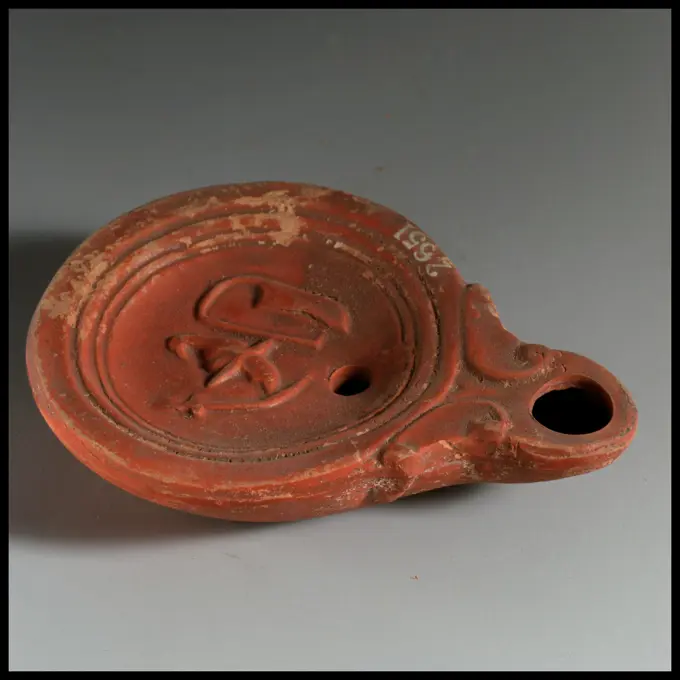
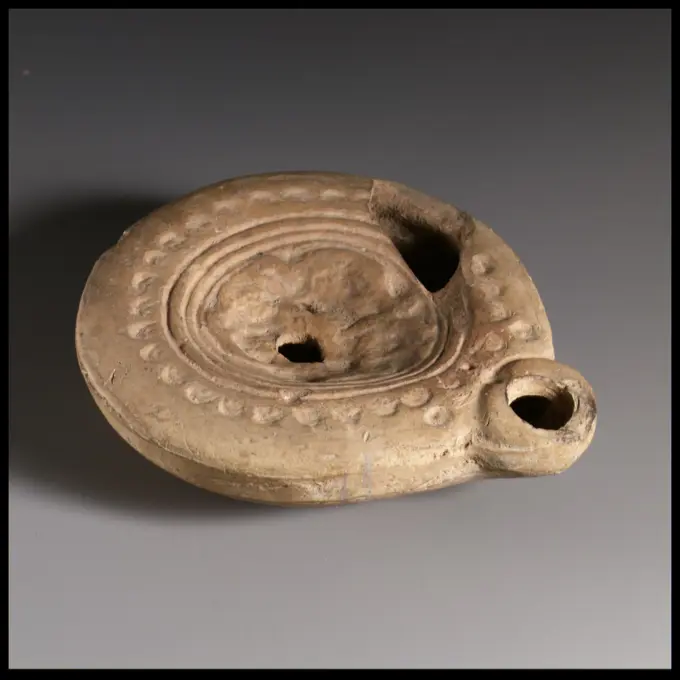
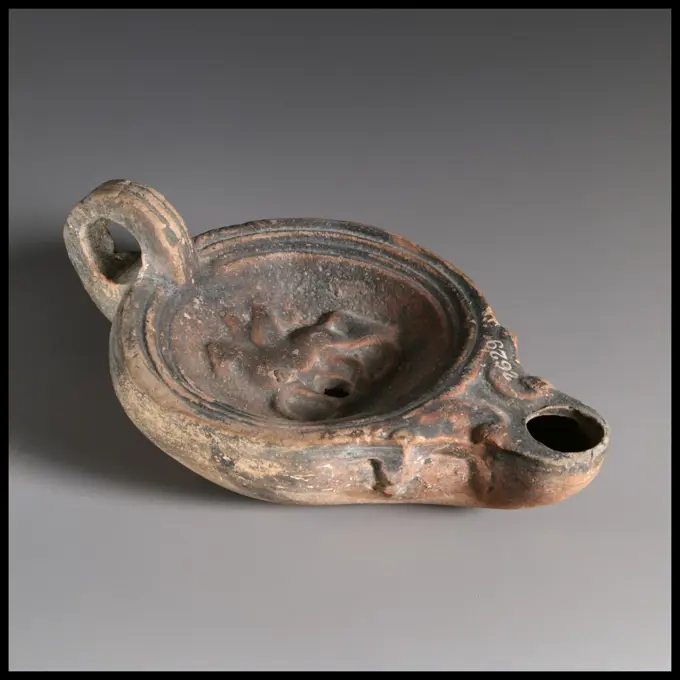
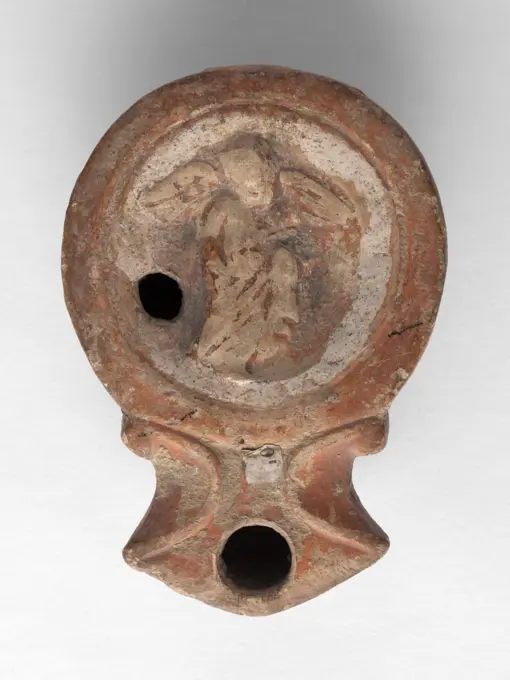
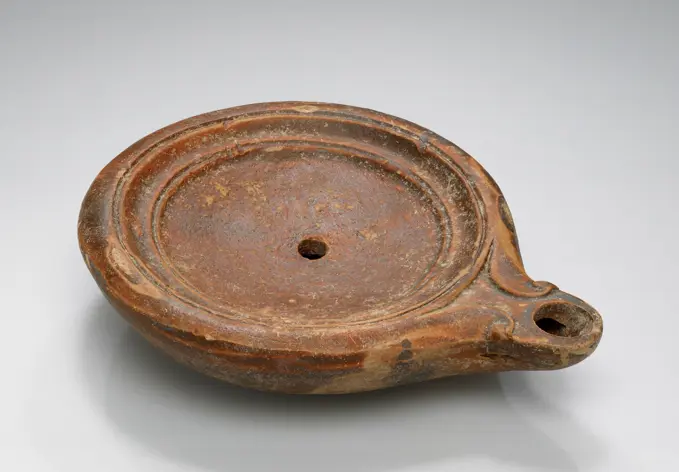
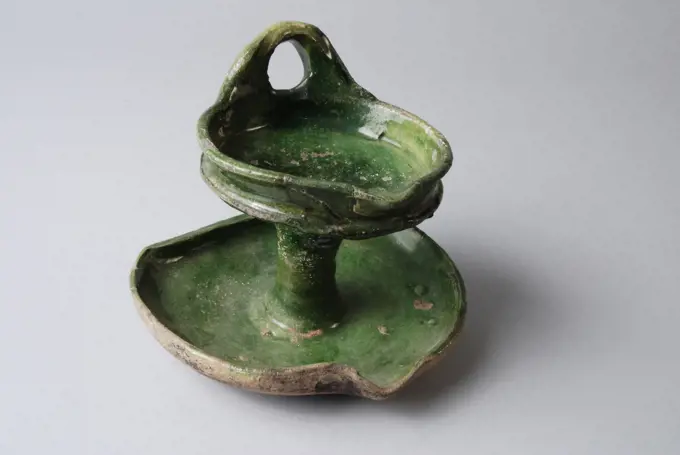
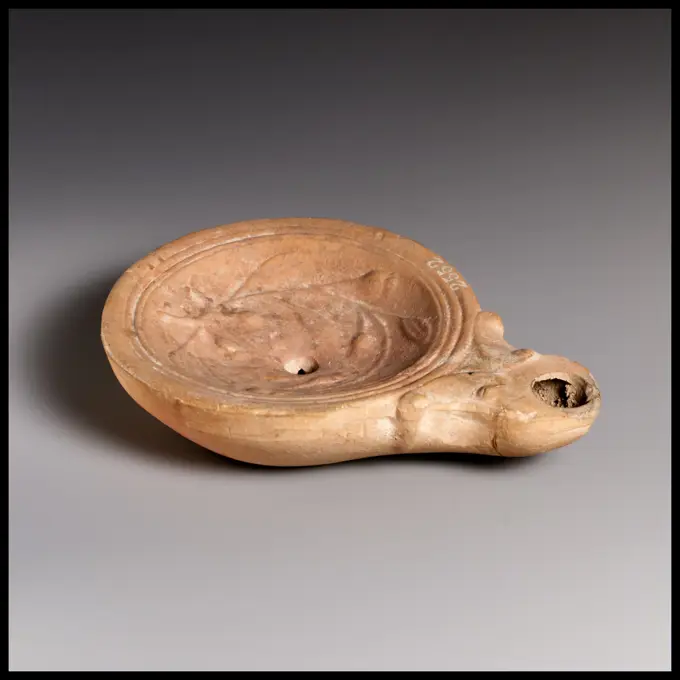
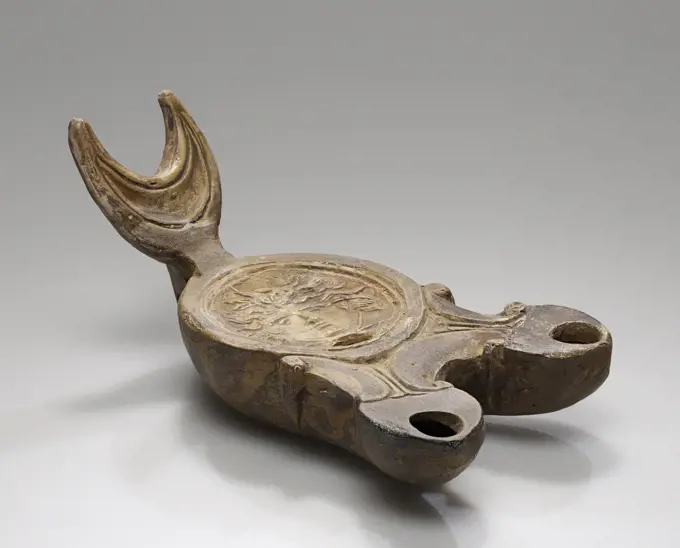
Collection of terracotta oil lamps from ancient Greek and Roman eras, showcasing intricate designs and historical significance.

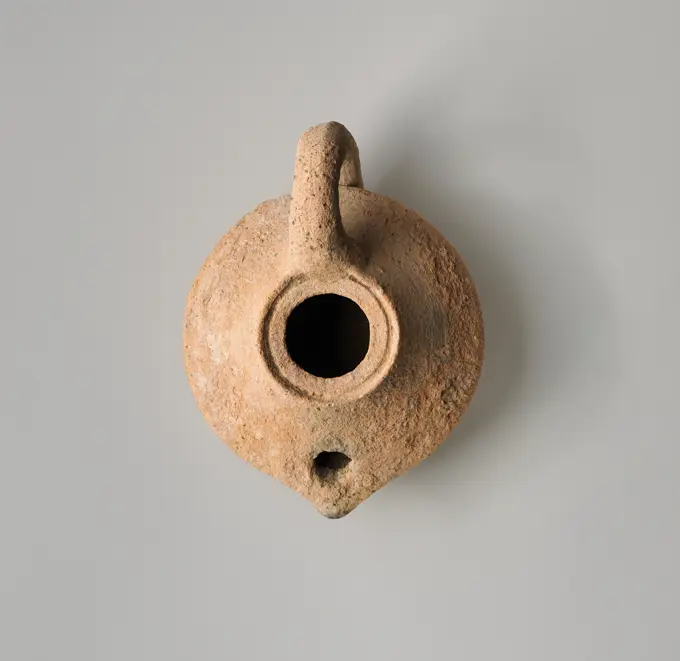
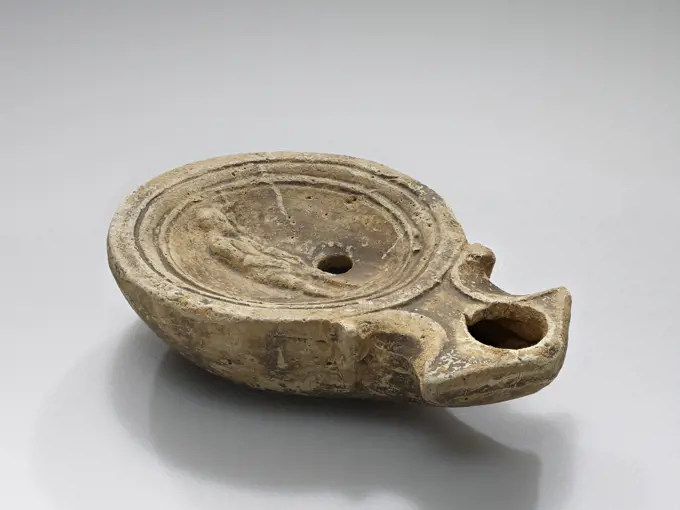
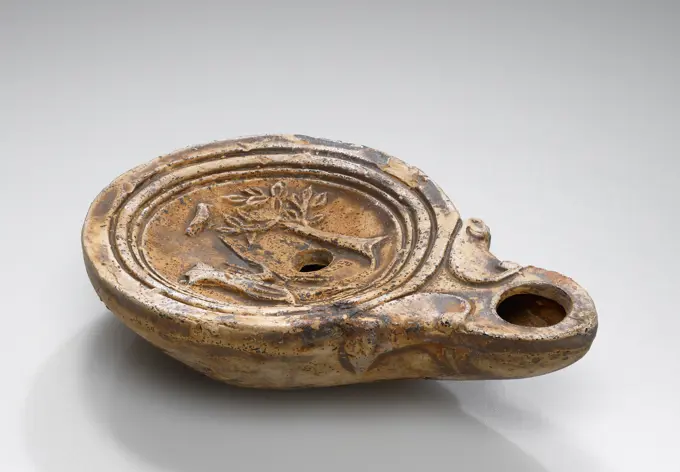
Lamp, Asia Minor; 1st century B.C. - 4th century A.D; Terracotta; 2.1 × 7.5 × 9.5 cm (13,16 × 2 15,16 × 3 3,4 in.)
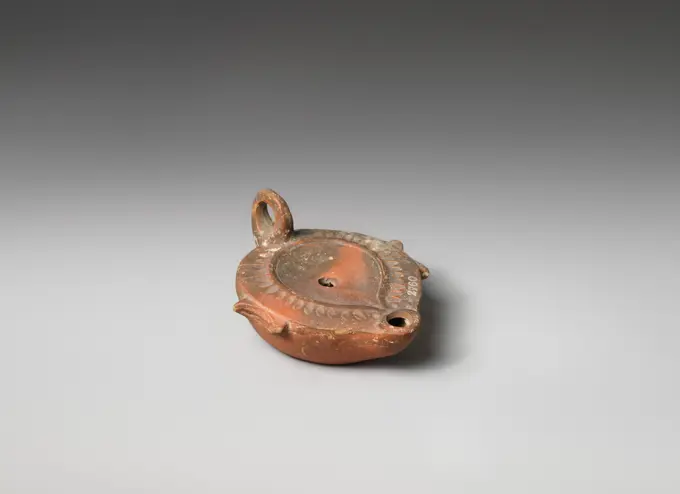
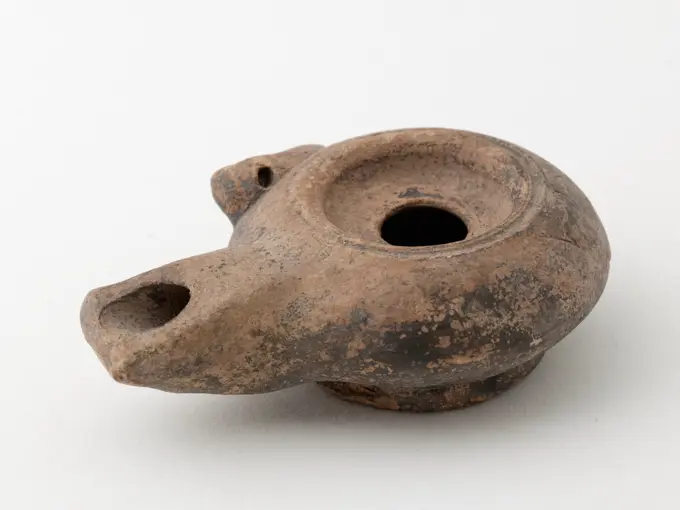
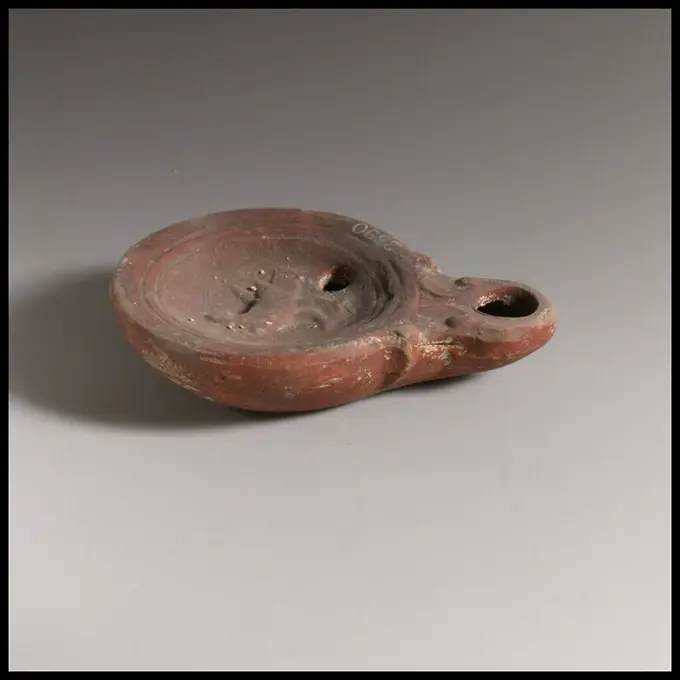
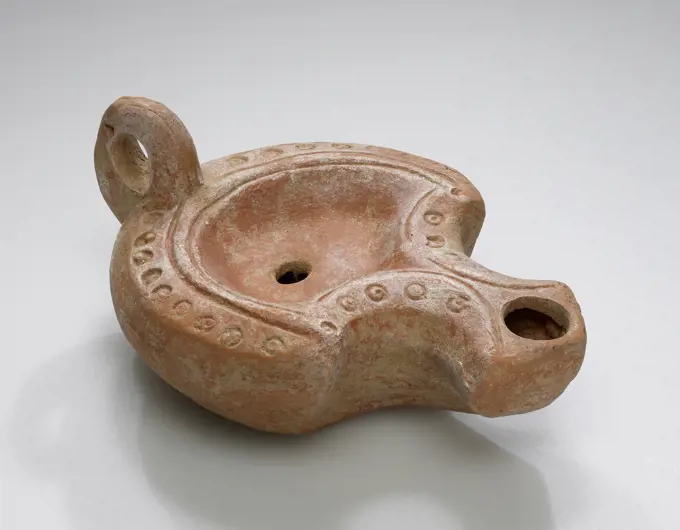
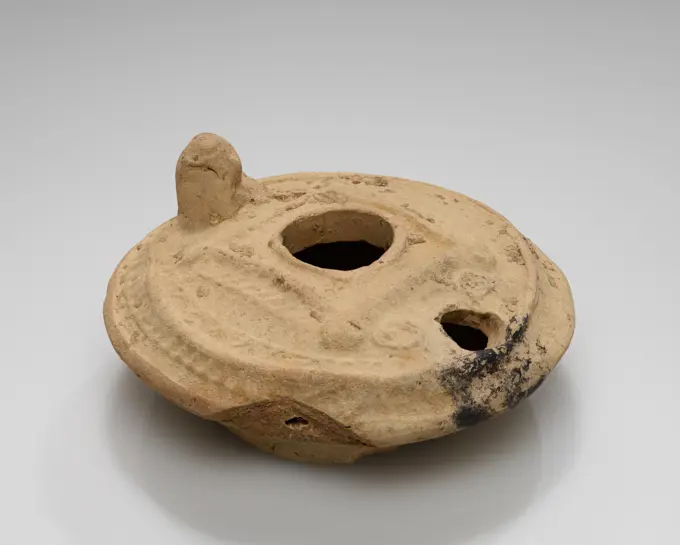
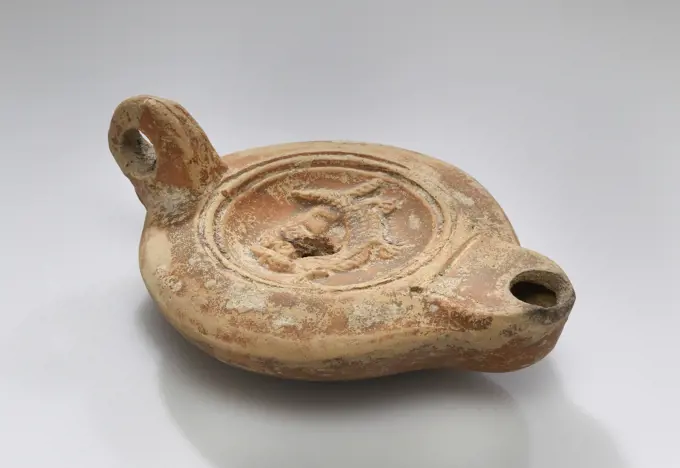
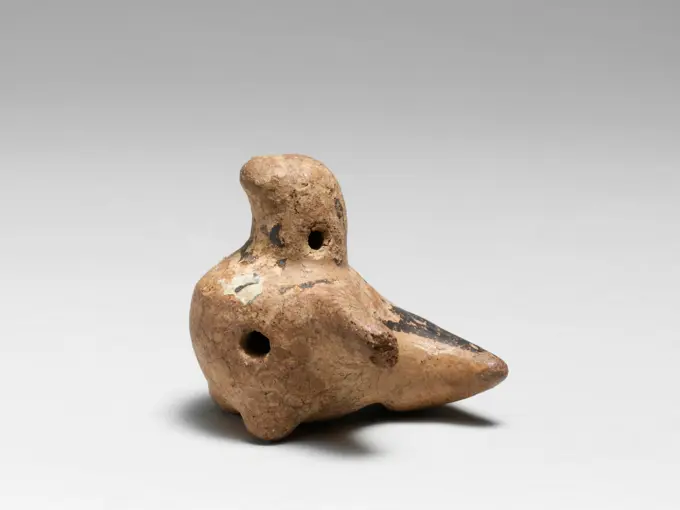
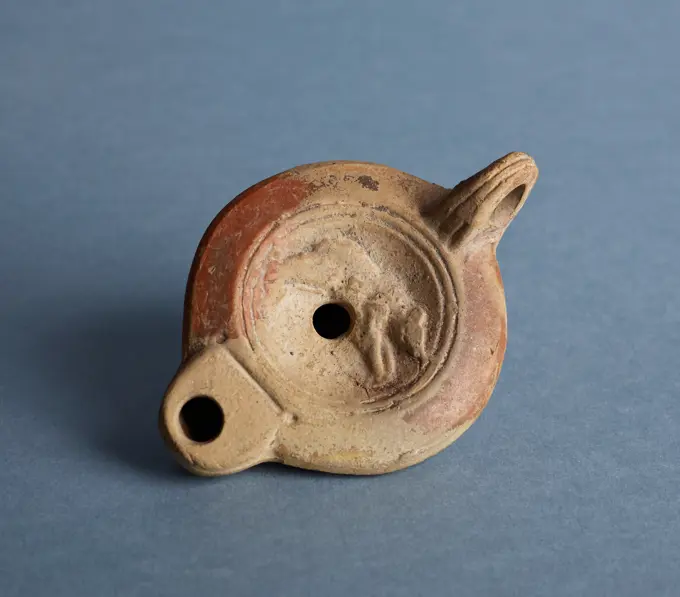
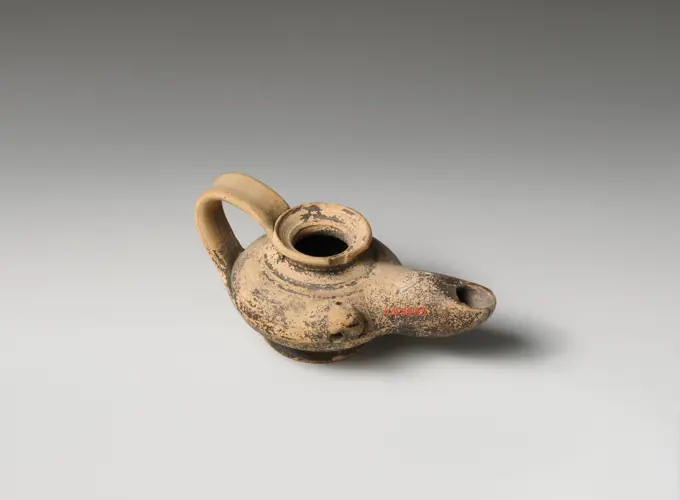
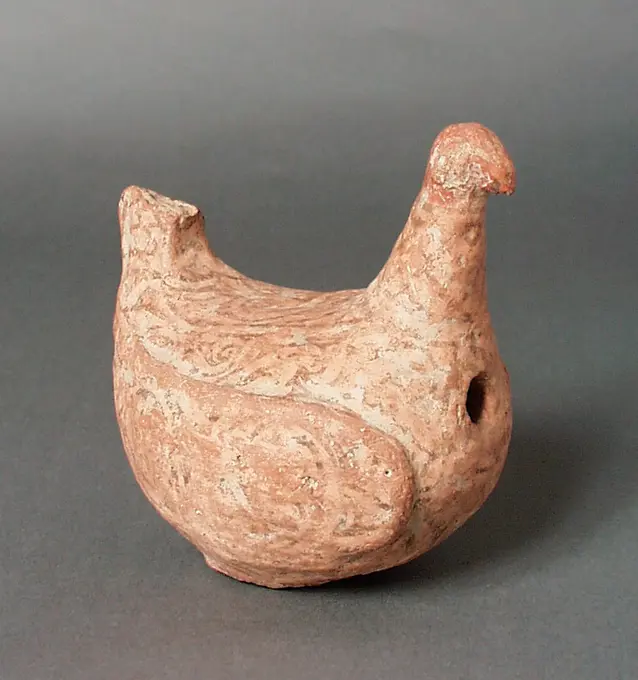
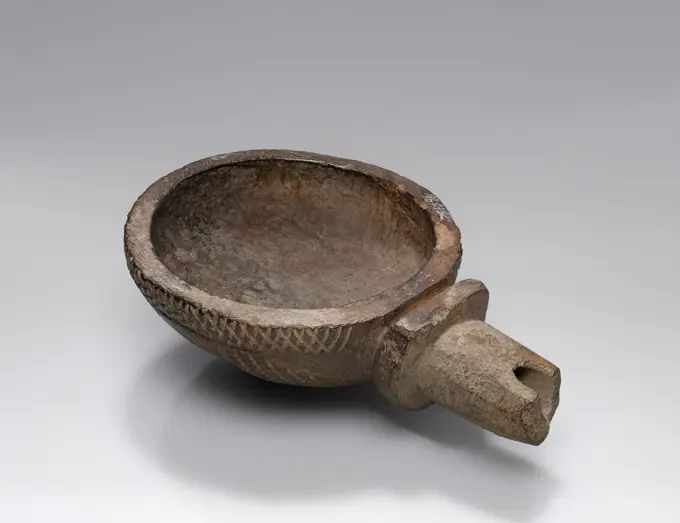
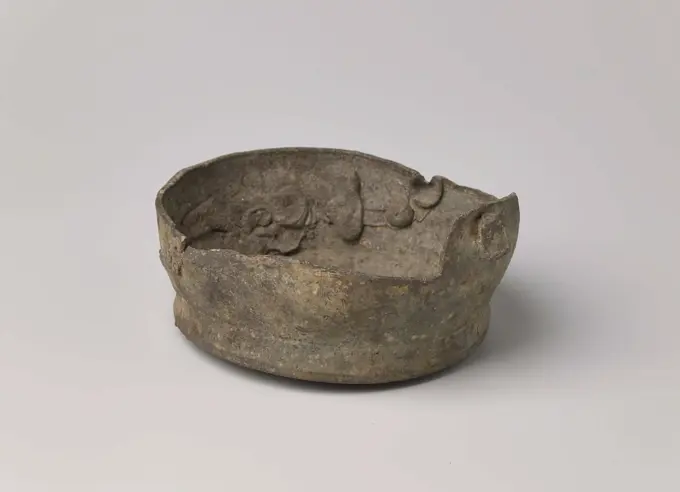
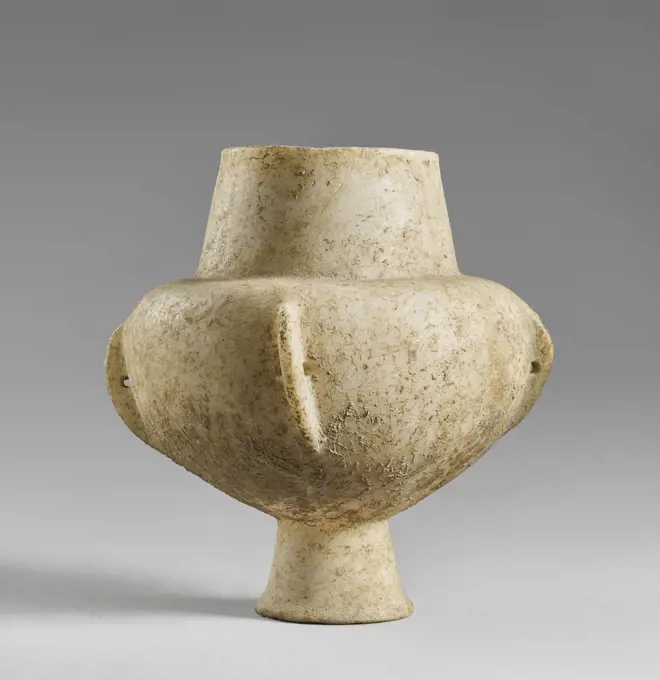
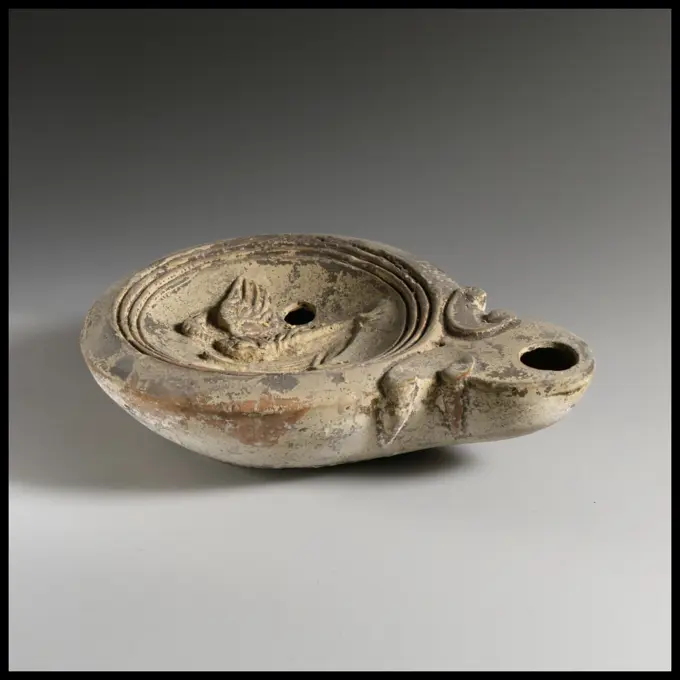
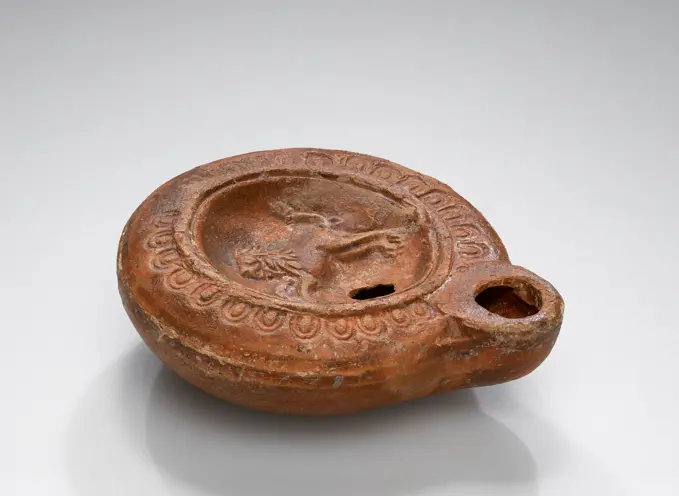
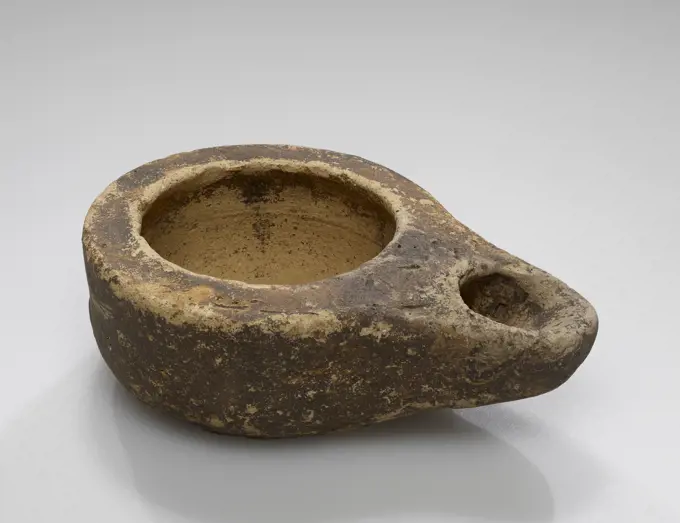
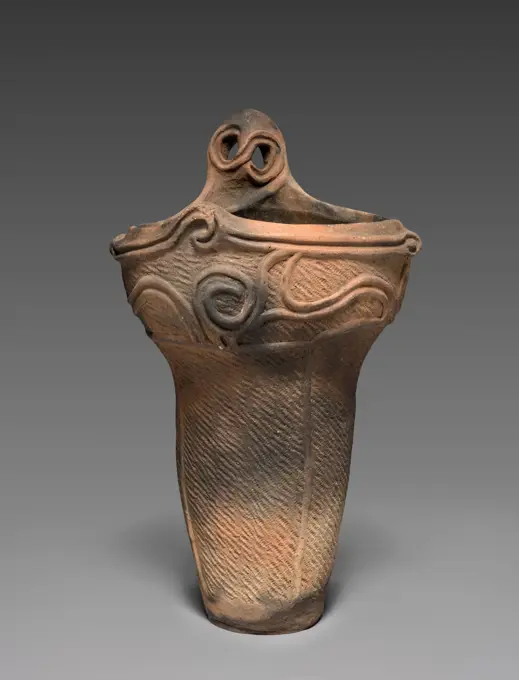
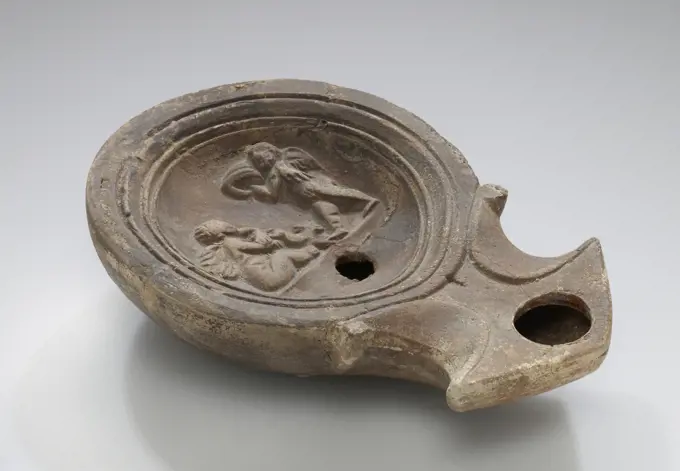
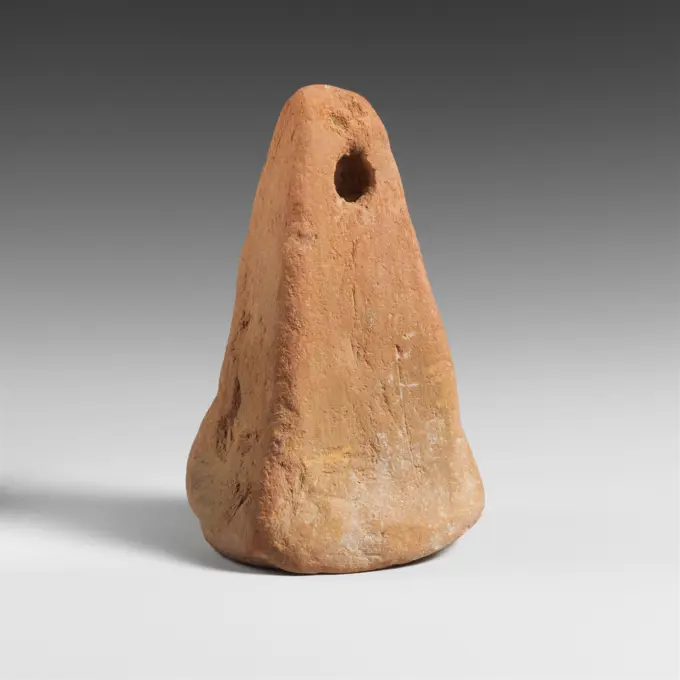
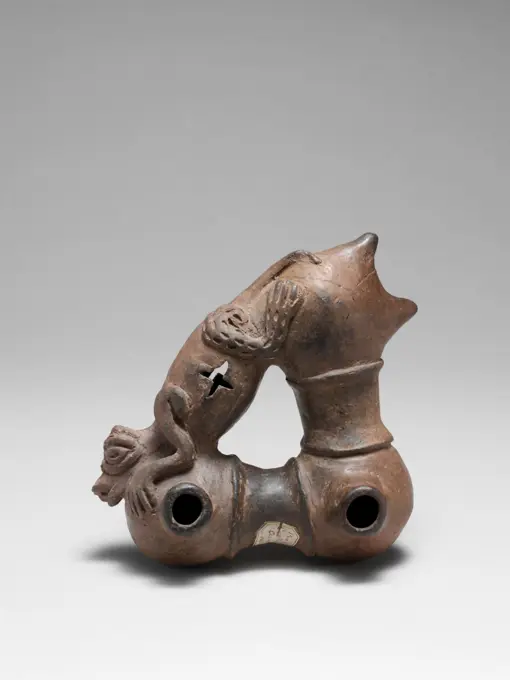
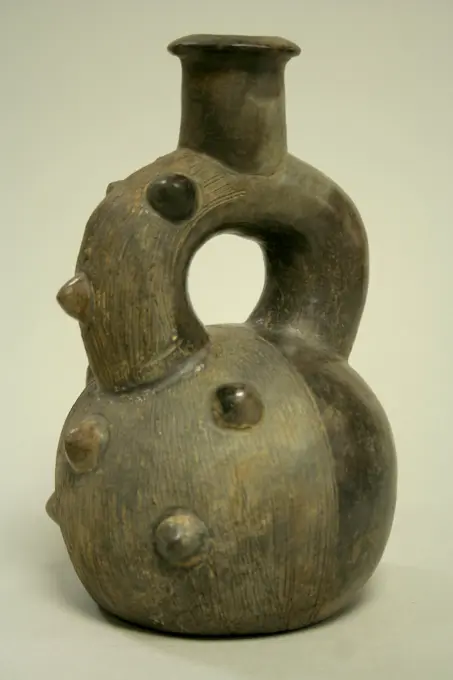
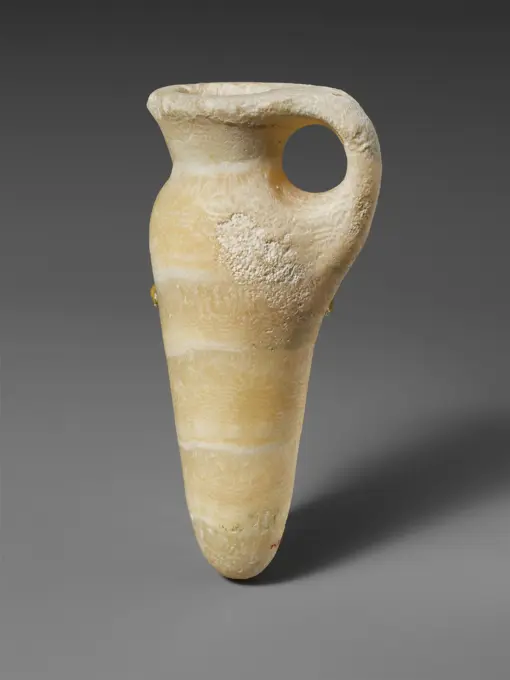
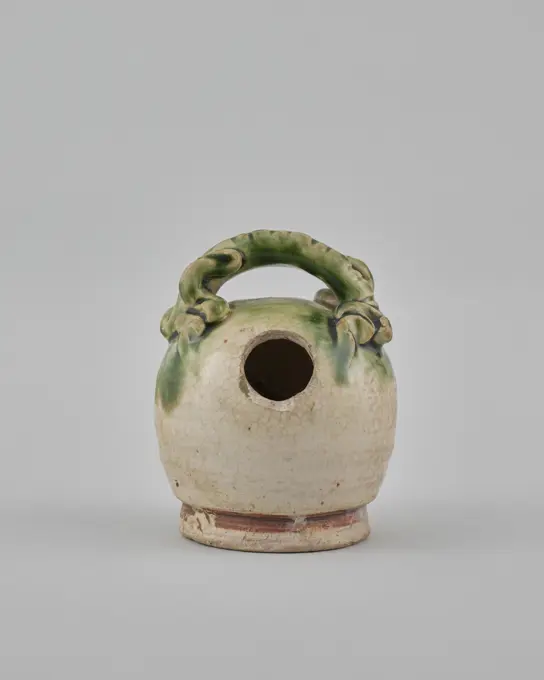
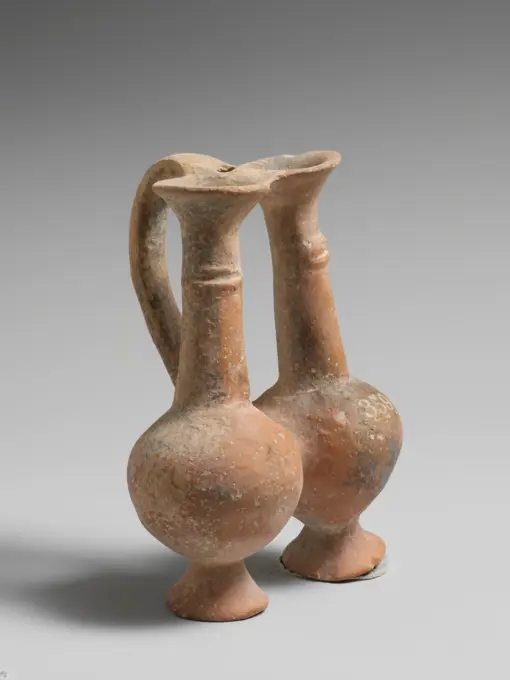
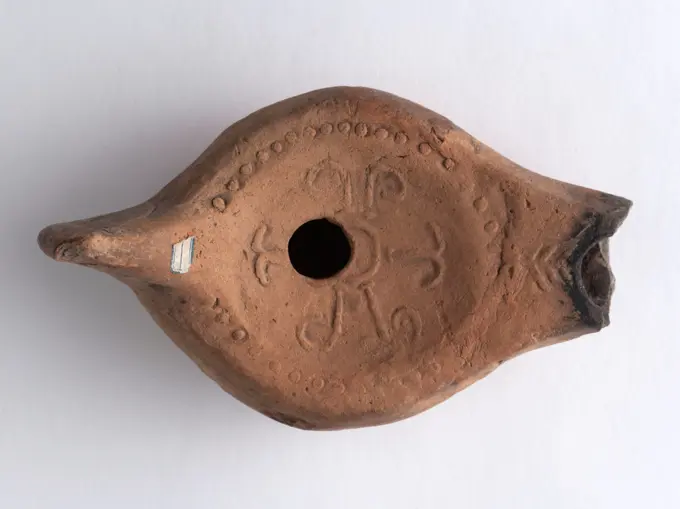
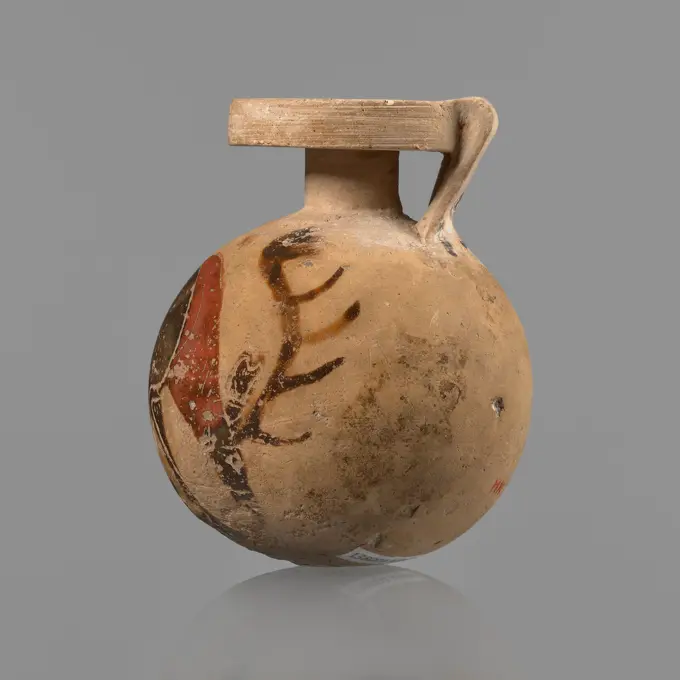
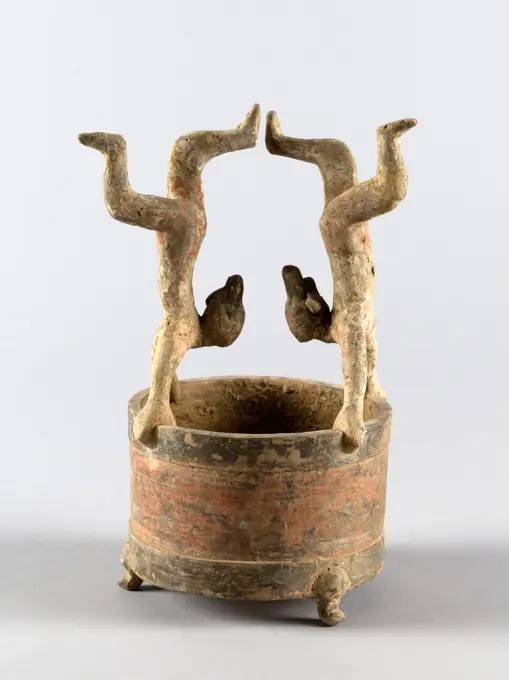
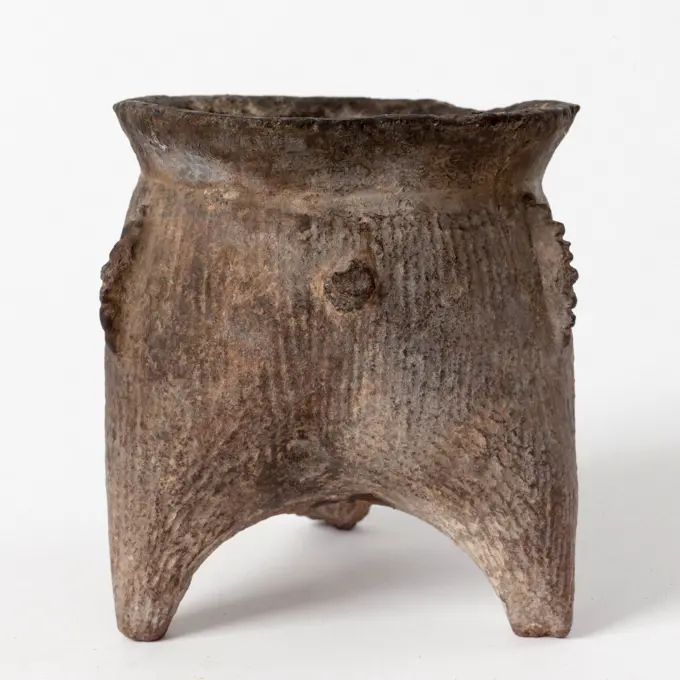
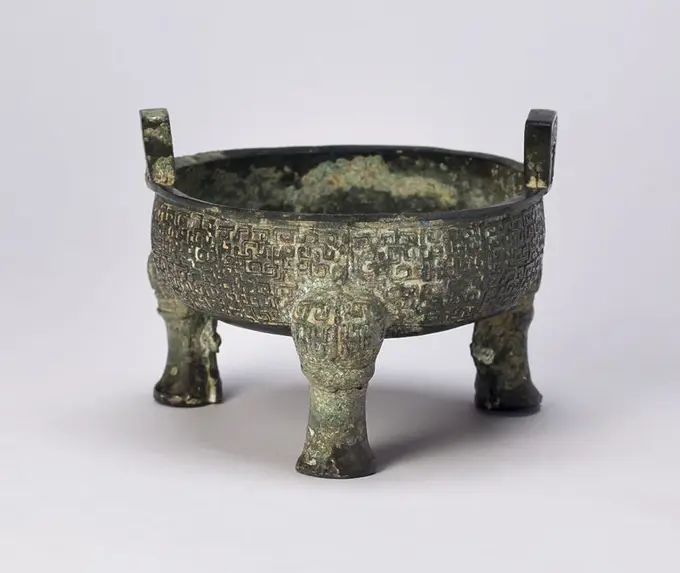
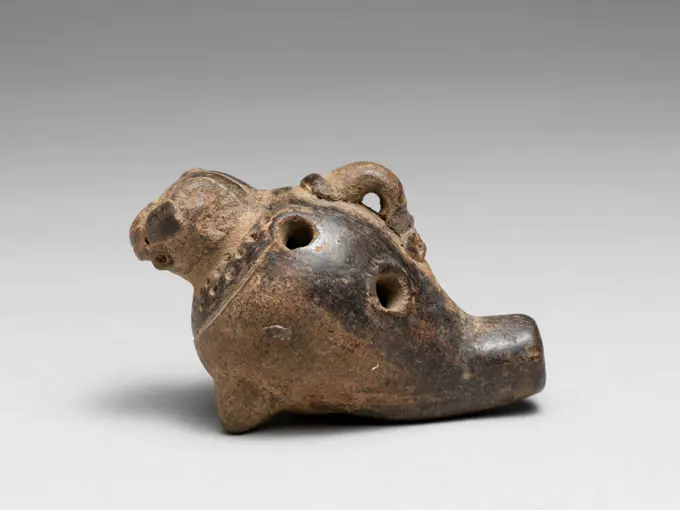
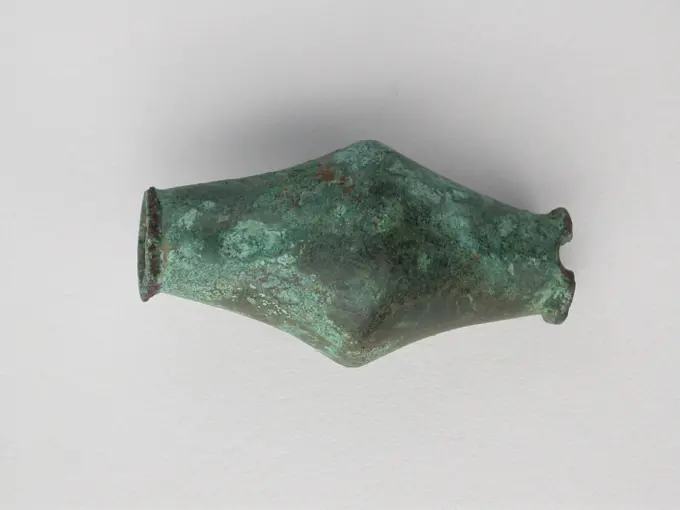
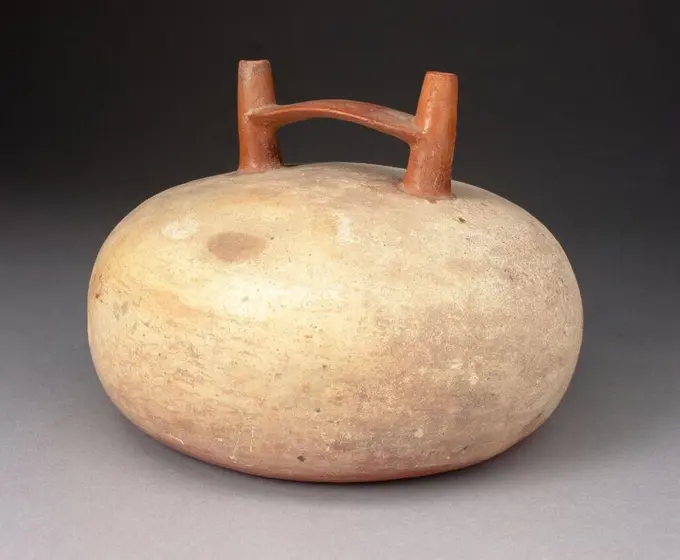
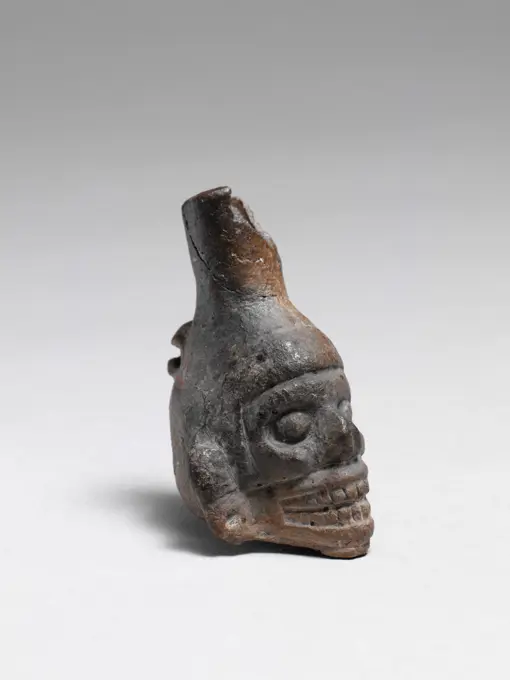
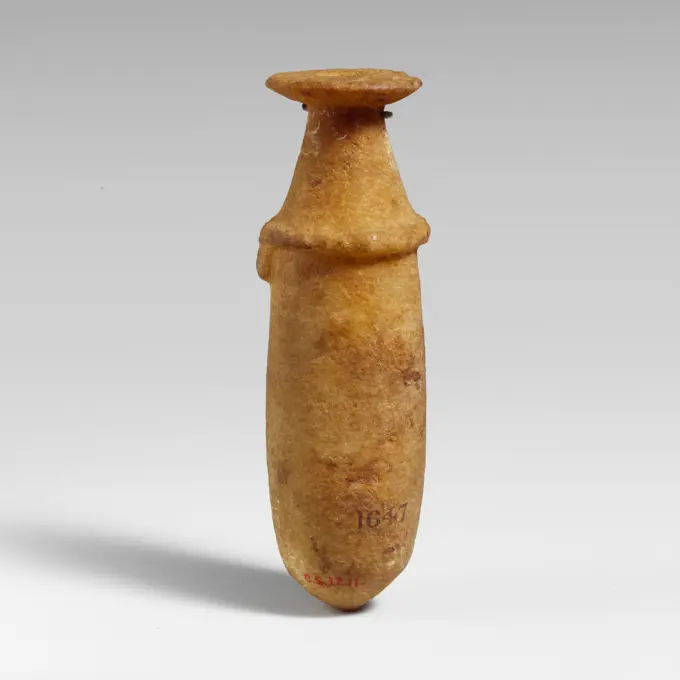
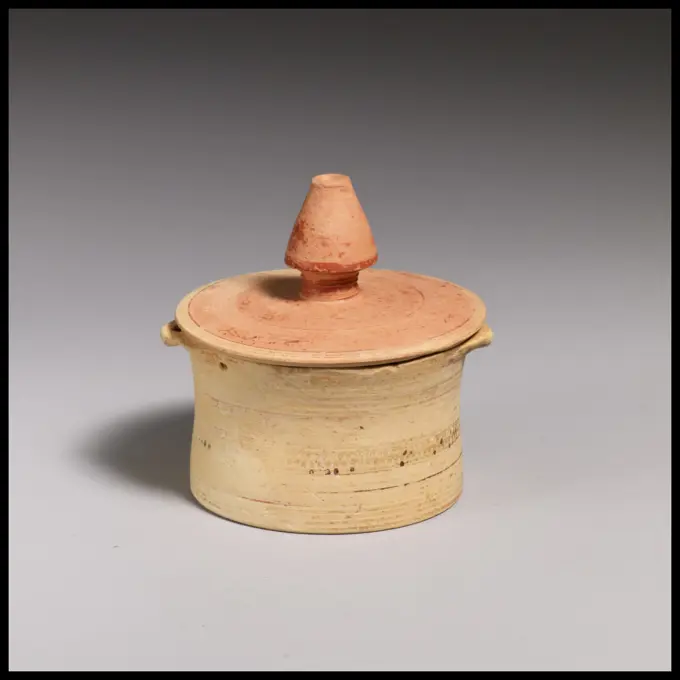
Terracotta oil lamp 3rd century B.C. Greek Wheel-made, with applied loop handle. Deeply carinated body. Horizontal discus with a single, large filling hole at center and a groove and vertical lip around edge. Broad, concave-curving shoulder, with wick hole at front behind small pointed nozzle. Handle applied to underside of body and top of shoulder across edge of discus at back. Undefined, flat base.Intact, but one large surface chip on right side of body.. Terracotta oil lamp. Greek. 3rd century B.C.. Terracotta. Hellenistic. TerracottasOil Lamp 4th-7th century Coptic. Oil Lamp 478704Lamp, Roman Empire; 1st century B.C. - 4th century A.D; Terracotta; 2.4 x 6.5 x 9.4 cm (15,16 x 2 9,16 x 3 11,16 in.)Terracotta oil lamp 2nd century A.D. Roman Loeschcke Type 8. Mold-made, with large ring handle. Discus: plain, shallow tear-drop shape, with a single central filling hole, and a small funnel-shaped channel to nozzle and wick hole. On the broad, horizontal shoulder, a row of impressed leaves. Two crescent-shaped projections on edge at sides. Undefined, slightly hollow base.Complete, except for one large hole in base. The weathered edges suggest that the hole made have been made deliberately in antiquity.. Terracotta oil lamp. Roman. 2nd century A.D.. Terracotta. Mid Imperial. TerracottasOil Lamp 4th-7th century Coptic. Oil Lamp 478689Lamp, Asia Minor; 1st century B.C; Terracotta; 3.6 × 6 × 11.5 cm (1 7,16 × 2 3,8 × 4 1,2 in.)Oil lamp. Piketty collection. Terracotta. High Empire. Paris, Carnavalet museum. 50033-1 Piketty collection, high-Empire, oil lamp, terracottaLamp, Asia Minor; 1st century B.C. - 4th century A.D; Terracotta; 2.1 × 7.5 × 9.5 cm (13,16 × 2 15,16 × 3 3,4 in.)Lamp. Culture: Roman. Dimensions: Length: 3 5/16 in. (8.4 cm)Height: 3/4 in. (1.9 cm). Date: 1st century B.C.-1st century A.D.. Museum: Metropolitan Museum of Art, New York, USA.Terracotta oil lamp. Culture: Roman, Cypriot. Dimensions: Overall: 1 3/8 x 3 in. (3.5 x 7.6 cm). Date: 4th-5th century A.D..Vessberg Type 18. Unpierced handle. Mold-made. Discus: running bull facing left and wearing ornate collar, flanked to either side by herring-bone wreath. Above bull: indistinct letters (); below bull: indistinct letters. Two filling holes. On shoulder, stylized vine tendril with bunches of grapes. On slightly concave base, indistinct Greek letters in relief: EYTYXHTOC (). Museum: Metropolitan Museum of Art, New York, USA.Lamp, Anatolia; 1st - 4th century; Terracotta; 3.6 x 6.5 x 9 cm (1 7,16 x 2 9,16 x 3 9,16 in.)Lamp. UnknownOil lamp. Erosion, rosette Terracotta. High Empire. Paris, Carnavalet museum. 50029-3 Erosion, High Empire, Oil lamp, Rosette, TerracottaLamp; North Africa, Tunisia; 1st century; Terracotta; 11 x 4 x 7.6 cm (4 5,16 x 1 9,16 x 3 in.)Pottery Whistle ca. 800-1525 Costa Rican. Pottery Whistle. Costa Rican. ca. 800-1525. Clay. Pre-Columbian. Central Region, Costa Rica. Aerophone-Whistle Flute-whistleTerracotta lead-glazed lamp 1st half of 2nd century A.D. Roman Green lead glaze; decorative lug handle on each side of the body; pierced ring-handle at rear.. Terracotta lead-glazed lamp. Roman. 1st half of 2nd century A.D.. Terracotta; mold-made. Mid-Imperial. TerracottasOil LampTerracotta oil lamp Greek Wheel-made, with applied, plain strap handle and long, straight nozzle. Large, central filling hole, with collar flaring upward; carinated body, with applied, projecting, pierced knob on left side near nozzle. Splayed base ring, and conical base.One large chip in collar.. Terracotta oil lamp. Greek. Terracotta. Hellenistic. TerracottasBird-Shaped VesselBowl with Hand. UnknownLamp. UnknownLamp. UnknownLamp. UnknownTerracotta oil lamp. Culture: Roman. Dimensions: Overall: 1 x 3 3/8 in. (2.5 x 8.6 cm). Date: 1st half of 1st century A.D..Loeschcke Type 1A. Mold-made. Discus: standing winged Eros, facing left, embracing a lion, also facing left, around the neck, with ground line below. Single filling hole at bottom near nozzle, with a band of lines and grooves around edge. Volutes flanking angular nozzle. Raised base ring, and uneven, pushed-in base, with a large, raised letter: A ().Intact. Museum: Metropolitan Museum of Art, New York, USA.Terracotta oil lamp 1st century B.C.-1st century A.D. Roman Loeschcke Type 1B. Mold-made. Deep, concave discus: two confronted dolphins, facing downward to front, and two smaller, finned creatures at back; a single, poorly-made filling hole at center; band of lines and grooves around edge. Volutes flanking angular nozzle, with large wick hole. Raised base ring, and slightly concave base. Two short ribs from volutes down body flanking nozzle.Intact.. Terracotta oil lamp 241569Terracotta oil lamp ca. A.D. 40-100 Roman, Cypriot Loeschcke Type 4. Mold-made. Discus: an array of gladiator's weapons, comprising a curved sword, crested helmet with cheek pieces, and shield; a single filling hole towards bottom, and a band of lines and grooves towards edge. Incised base ring, and an uneven hollow base.Intact.. Terracotta oil lamp. Roman, Cypriot. ca. A.D. 40-100. Terracotta; mold-made. Early Imperial. TerracottasLower part of a tension beer kitten. Lower part of a tension beer jug and remnant of soldered handle.Oil LampTerracotta oil lamp 2nd-3rd century A.D. Roman, Syrian Loeschcke Type 8. Mold-made. Discus: figure (satyr) surrounded by animals. Impressed ring-and-dot pattern on shoulder. Heart-shaped nozzle. On base, in Greek letters: ΘЄΟΔѠP/Y. Pseudo-base-ring. Buff clay. Hole in right side of shoulder, and small chip in edge opposite nozzle.. Terracotta oil lamp 241814Storage Jar with a Pedestal Foot; Attributed to Kandila Sculptor B (Cycladic, active about 3000 - 2800 B.C.); Cyclades, Greece; 3200 - 2800 B.C; Marble; 27 × 21 × 21 × 19.5 cm (10 5,8 × 8 1,4 × 8 1,4 × 7 11,16 in.)Terracotta oil lamp 1st century A.D. Roman Loeschcke Type 4 (Vessberg Type 10). Mold-made. Large body. Discus: Bird with long legs perched on branch (), facing left but with head turned back to right, and proper right wing raised; a single filling hole at right; band of regular lines and grooves around edge; plain, narrow, sloping shoulder. Squat volutes flanking large, slightly pointed nozzle, with large wick hole. Incised base ring, and slightly raised flat base.Intact.. Terracotta oil lamp. Roman. 1st century A.D.. Terracotta. Early Imperial. TerracottasLamp. UnknownLamp, South Italy; 5th century B.C; Terracotta; 3 × 6 × 8.8 cm (1 3,16 × 2 3,8 × 3 7,16 in.)Recumbent Stag 206 BCE-9 CE China. Bronze sculptures of real and imaginary animals are generally known as ìOrdosî after the Ordos Desert in which they were first discovered in the early twentieth century. This northern and northwestern frontier of Chinaówhich also includes the forests and grasslands of present-day Inner Mongolia, Outer Mongolia, southern Siberia, and parts of Central Asiaówas occupied by hunting and herding tribes during the first millennium B.C. The precise ethnic identities of most of these tribes are unknown; ancient Chinese texts refer to many of these tribes by ancient regional names rather than by the names by which the tribes called themselves.The vigorous lifestyle of these nomadic horsemen is reflected in their bronzes, which originally embellished chariots, harness equipment, and personal accessories. In its strikingly lifelike modeling, this relaxed but spirited stag exemplifies a new realism that entered Chinese art toward the end of the Bronze Age. AlthougTerracotta pyxis (container) with lid ca. 2500-1900 B.C. Cypriot The shape and incised decoration imitate basketry.. Terracotta pyxis (container) with lid. Cypriot. ca. 2500-1900 B.C.. Terracotta; Red Polished Ware. Early Cypriot. VasesLower part of a tin beer, anonymous, c. 1590 - c. 1596 fragment Bottom part of a tin beer can and remnant of the soldered handle.  tin (metal) striking (metalworking) / soldering  Nova Zembla. Saving HuysTerracotta oil lamp. Culture: Roman. Dimensions: Overall: 1 x 3 7/8 in. (2.5 x 9.8 cm). Date: 1st century B.C.-1st century A.D..Loeschcke Type 4. Mold-made. Discus: a circular wave pattern; a single filling hole at center, with a band of lines and grooves at edge. A broad, funnel-shaped channel runs from the discus to the nozzle between the volutes. Elongated volutes flanking nozzle, with large wick hole. Incised base ring, and a shallow, uneven base.Intact. Museum: Metropolitan Museum of Art, New York, USA.Lamp. UnknownTerracotta oil lamp. Culture: Roman, Cypriot. Dimensions: Overall: 3/4 x 3 1/2 in. (1.9 x 8.9 cm). Museum: Metropolitan Museum of Art, New York, USA.Lamp. UnknownFragment imadła amfory ze stemplem. Sagaris syn Numeniosa (ca 320-ca 300 a.C.), potter's workshopTerracotta oil lamp. Culture: Roman, Cypriot. Dimensions: Overall: 1 x 3 3/8 in. (2.5 x 8.6 cm).Loeschcke Type 1B. Mold-made. Discus: dancer moving right, but with his head turned back over his right shoulder facing left, both arms raised over his head, holding , with a narrow band of lines and grooves at edge. Single filling hole towards right. Volutes flanking nozzle. Within raised base ring, uneven base, with impressed letters across center: [FAVSTI. Intact. Museum: Metropolitan Museum of Art, New York, USA.Vessel 6th-7th century Visigothic. Vessel. Visigothic. 6th-7th century. Earthenware. CeramicsLamp. UnknownCooking Vessel, c. 2500 BC. Japan, Jōmon period (c. 10,500-300 BC). Earthenware with impressed and applied designs; diameter: 26 cm (10 1/4 in.); height: 45.7 cm (18 in.). This asymmetrical vessel has designs made by pressing cord or rope onto the damp clay and cylinders of clay applied to the surface. Based on its designs and shape, it was likely produced in the northern Kanto region. For reasons unknown today, different regions created signature styles.Terracotta vase in the shape of a horn. Culture: Cypriot. Dimensions: H. 3 11/16 in. (9.4 cm); length 6 5/16 in. (16 cm). Date: 1050-950 B.C..An animal horn lends itself naturally for use in drinking and pouring libations, The clay version preserves details such as the articulated mouthpiece and the strap, here serving as a handle. Museum: Metropolitan Museum of Art, New York, USA.Terracotta oil lamp. Culture: Roman. Dimensions: Overall: 1 1/2 x 4 3/8 in. (3.8 x 11.1 cm). Date: 2nd half of 1st century A.D..Loeschcke Type 4. Mold-made, with ring handle. Discus: a large cuttlefish (squid or octopus), shown horizontally with tentacles to right; a single, small filling hole at center near front and with a band of two grooves and raised lines at edge of discus. Plain sloping shoulder. Volutes flanking nozzle, with a decorative element between volutes. Incised lines on front edge of handle, with uneven join towards back. Raised ring base, and a flat base; large planta pedis stamp at center.Large hole along right side of discus, but rest complete. Museum: Metropolitan Museum of Art, New York, USA.Lamp (Key ) Roman Period  30 B.C.-A.D. 364 View more. Lamp (Key ). 30 B.C.-A.D. 364. Pottery. Roman Period . From Egypt, Fayum Entrance Area, Meidum, Cardwell excavations, between 1885 and 1890Terracotta oil lamp. Culture: Roman, Cypriot. Dimensions: Overall: 1 x 3 5/8 in. (2.5 x 9.2 cm). Date: ca. A.D. 40-100.Loeschcke Type 4. Mold-made. Discus: plain, deep concave bowl, with central filling hole and a band of concentric lines and grooves towards edge. Volutes flanking nozzle. Within impressed base ring, uneven concave base, with a central raised letter: T.Intact. Museum: Metropolitan Museum of Art, New York, USA.Lamp, North Africa; 1st - 4th century; Terracotta; 2.5 x 7.2 x 10.5 cm (1 x 2 13,16 x 4 1,8 in.)Miniature Bottle 11th-late 15th century Chimú or Chancay. Miniature Bottle 308930Terracotta oil lamp 1st century A.D. Roman Loeschcke Type 4. Mold-made, with ring handle. Discus: winged Pegasus, standing, facing left, on ground line; a single filling hole at center below between Pegasus's legs; with a band of lines and grooves around the edge. Volutes flanking nozzle, with large wick hole. Two parallel incised lines decorate the top edge of the handle. Impressed ring base, and a shallow concave base, with a thick linear impression at center.Intact.. Terracotta oil lamp. Roman. 1st century A.D.. Terracotta; mold-made. Early Imperial. TerracottasLamp. Terracotta. High Empire. Eros. Paris, Carnavalet museum. Roman divinity, High Empire, Oil lamp, TerracottaLamp 9th-10th century This object was excavated at Nishapur.Nishapur was a vital city in the early and middle Islamic periods, located along one of the main trajectories that connected Iran and West Asia Islamic lands with Central Asia and China. These itineraries are often referred to by the term Silk routes’ but were in fact crucial to the movement of constellations of materials and objects, as well as people and ideas. The diverse population of Nishapur and its surroundings, from the better-researched elite groups of merchants, land-owning aristocracy, and literates, to the less-known artisans, farmers, miners, and servants, were instrumental in adapting global cultural trends to create their own distinctive visual languages. This is seen in the material remains of everyday life in medieval Nishapur - from pots and pans to lighting devices, inkwells, textiles and trimmings, jewelry, games and toys, talismanic devices, weapons, coins, and architectural fragments.Nishapur lost its poLamp. UnknownEarthenware oil lamp, green glazed, oil lamp spout lamp illuminator soil find ceramic earthenware glaze, archeology illuminateDish;  around 2055 1650 BC ; Medium Pa (-2055-00-00--1650-00-00);Terracotta loom weight 6th century or later Lydian Loom weight with hole.. Terracotta loom weight 252659 Lydian, Terracotta loom weight, 6th century or later, Terracotta, Length: 3 in (7.6 cm). The Metropolitan Museum of Art, New York. Gift of The American Society for the Excavation of Sardis, 1926 (26.199.89)Anthropomorphic Effigy VesselLamp. UnknownLamp. UnknownLamp. UnknownStoneware spinklos, gray and brown glazed, spindle bead soil found ceramic stoneware, hand-turned glazed baked stoneware spinklos. Groove over the middle of the belly Gray and brown glazed. Tapered hole in the middle. Coarse made with some small dents archeology indigenous pottery import spinning wool weaving knitting dressPottery Whistle and Rattle 19th century probably Costa Rican. Pottery Whistle and Rattle. probably Costa Rican. 19th century. Clay. Costa Rica. Aerophone and Idiophone-flue blown / vessel rattleLamp. Culture: Roman. Dimensions: Overall: 1 x 3 3/4 in. (2.5 x 9.5 cm). Date: 1st century B.C.-1st century A.D.. Museum: Metropolitan Museum of Art, New York, USA.Stirrup-Spout Bottle 12th-5th century B.C. Cupisnique. Stirrup-Spout Bottle 309521Alabaster jug ca. 1450-1200 B.C. Cypriot Similar vases have been found in Egypt and the Levant. The shape imitates Mycenaean forms.. Alabaster jug 243965Lime pot. Sandstone with two cutlery, transparent and green. Cernuschi Museum, Asia Museum of Asia in the city of Paris.White ointment pot made of earthenware, with colorless lead glaze on the inside and outside, damaged, anonymous, 1500 - 1799   earthenware. lead glaze   earthenware. lead glazeVessel. Egyptian. Date: 1550 BC-1069 BC. Dimensions: 14 × 8.9 × 7.6 cm (5 1/2 × 3 1/2 × 3 in.). Ceramic. Origin: Egypt. Museum: The Chicago Art Institute, Chicago, USA. Author: Ancient Egyptian.Terracotta bil-bil ca. 1600-1050 B.C. Cypriot Two vases side by side joined by one handle.. Terracotta bil-bil. Cypriot. ca. 1600-1050 B.C.. Terracotta; Base-Ring Ware. Late Cypriot. VasesNeck Fragment of Glass Urinal. Found at Weoley Castle, Birmingham, a Birmingham Museums Trust heritage siteLamp. UnknownFooted Vessel. Syria, 8th century. Ceramics. Earthenware, molded and carvedMelon Shaped Bottle 7th-4th century B.C. Paracas. Melon Shaped Bottle 308450Oil lamp. Terracotta. Late Antiquity. Cross, circles, epi. Paris, Carnavalet museum. 50055-3 Late antiquity, circle, cross, PPE, oil lamp, terracottaAryballos;  620-590 BC (-620-00-00--590-00-00);Lei with acrobats. Terracotta with traces of polychromy. China, west han. Paris, Cernuschi museum. Two characters, acrobats, standing in the hands, heads raised to look at each other. Acrobat, acrobat, earthenware, han west epoque, balance, balance, balanced exercise, funeral figurine, funerary figurine, figure, lei, partly polychromed, period, polychrome, terraotta, terracotta, polychromy trace, western han eraTripode Li ". Terracotta. China, Zhou dynasty (approx. 1050-256 BC). Paris, Cernuschi museum. Chinese art, Chinese ceramic, container, zhou dynasty, zhou time, container, terracotta, tripod li, three feetTripod Food Caldron (Ding). China; probably from Shaanxi province. Date: 699 BC-600 BC. Dimensions: H. 1.8 cm (4 5/8 in.); diam. 2.3 cm (5 3/4 in.). Bronze. Origin: China. Museum: The Chicago Art Institute, Chicago, USA.Bottle 11th-13th century. Bottle 451762Terracotta oil lamp 2nd half of 1st century A.D. Roman Loeschcke Type 4. Mold-made. Discus: myrtle wreath; a single filling hole at center, with a band of lines and grooves toward edge. Volutes flanking nozzle. Base ring, encircled by two grooves, and a flat base.Intact.. Terracotta oil lamp. Roman. 2nd half of 1st century A.D.. Terracotta; mold-made. Early Imperial. TerracottasBottle;  IX-XII century (801-00-00-1200-00-00);gift (provenance)Lamp, Asia Minor; 1st century B.C. - 4th century A.D; Terracotta; 3.2 × 8.6 × 14.5 cm (1 1,4 × 3 3,8 × 5 11,16 in.)Lamp fragment East Greek, Lydian. Lamp fragment 252661 East Greek, Lydian, Lamp fragment, Terracotta, Overall: 1 x 3 1/8 in. (2.5 x 7.9 cm). The Metropolitan Museum of Art, New York. Gift of The American Society for the Excavation of Sardis, 1926 (26.199.91)Prehistory, Italy, Iron Age. Golasecca culture. Funerary objects, bronze greaves from the tomb of the warrior at Sesto Calende, province of Varese.Pottery Whistle date uncertain Costa Rican. Pottery Whistle. Costa Rican. date uncertain. Clay. Pre-Columbian. Costa Rica. Aerophone-Whistle Flute-whistlePottery savings pot, red shard, sparing lead glaze, chest-shaped, piggy bank holder earth discovery ceramic earthenware glaze lead glaze, hand-turned glazed baked pottery save money red shard sparing lead glaze breast shaped archeology indigenous pottery save save saveLamp. UnknownVase fragment Minoan. Vase fragment 247751Biconical Bead 800 BCE-600 BCE Greece. These precious bronzes objects are votives, or devotional gifts, made for gods. They come in many forms. Some are miniature sculptures of animals, mostly depicting horses, deer, and birds. Others are items of personal adornment, including beads and brooches. Quite a few seem once to have been attached to something else. This assemblage is characteristic of the thousands of votives that were hung from sacred trees or placed in sanctuaries around Greece. Once a shrine was full, the votives were gathered together and ceremonially buried to make room for more offerings. This comes from Thessaly in north-eastern Greece.. Bronze . Ancient GreekDouble Spout and Bridge Bottel Painted with Cream and Orange Slips. Paracas; Ica Valley, south coast, Peru. Date: 650 BC-150 BC. Dimensions: 13.7 x 19.1 cm (5 3/8 x 7 1/2 in.). Ceramic and pigment. Origin: Peru. Museum: The Chicago Art Institute, Chicago, USA.Pottery Whistle ca. 1200-1521 Mexican. Pottery Whistle. Mexican. ca. 1200-1521. Clay. Probably late postclassic (Pre-Columbian). Tlatelolco, Mexico City, Mexico. Aerophone-Whistle Flute-whistleTerracotta loom weight. Culture: Lydian. Dimensions: Length: 3 in (7.6 cm). Date: 6th century or later.Loom weight with hole. Museum: Metropolitan Museum of Art, New York, USA.Alabaster alabastron (perfume vase) 6th-4th century B.C. Cypriot With a broad flat rim, pointed bottom and one small handle. Alabaster alabastron (perfume vase) 243992Terracotta pyxis (box) 7th century B.C. Greek, Corinthian In Corinth, the earlier form of pyxis that began with Protogeometric examples has more or less concave sides. The later pyxides are convex.. Terracotta pyxis (box) 254584 Greek, Corinthian, Terracotta pyxis (box), 7th century B.C., Terracotta, H. with lid 3 1/8 in. (7.9 cm); H. without lid 1 3/4 in. (4.4 cm). The Metropolitan Museum of Art, New York. Gift of Mrs. Bayard James, 1947 (47.14a, b)Lamp, Asia Minor; 1st - 4th century; Terracotta; 1.6 x 4.7 x 7 cm (5,8 x 1 7,8 x 2 3,4 in.)Stone lid of a pyxis ca. 2600-1900 B.C. Minoan Lid to a pyxis.. Stone lid of a pyxis. Minoan. ca. 2600-1900 B.C.. Serpentine. Early Minoan II or Middle Minoan I. Miscellaneous-Stone VasesTerracotta ring-vase. Culture: Cypriot. Dimensions: H. 4 1/4 in. (10.8 cm). Date: 1900-1600 B.C..Fantastic base with tubular spout, handle, string-holes, and two feet. Museum: Metropolitan Museum of Art, New York, USA.Askos;  II-1. after. III century (101-00-00-250-00-00);