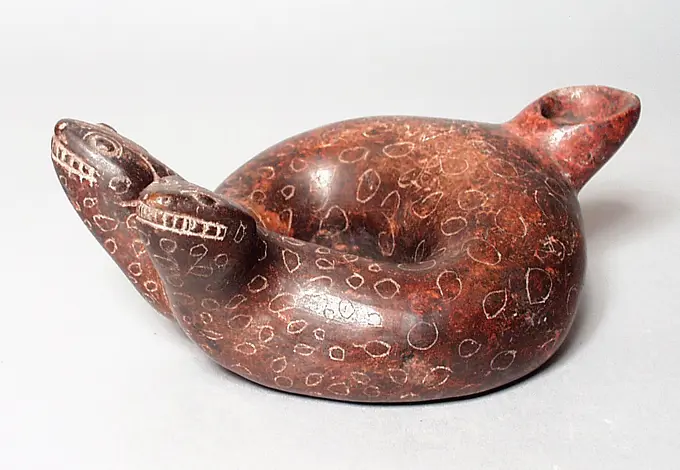
Historical Oil Lamps

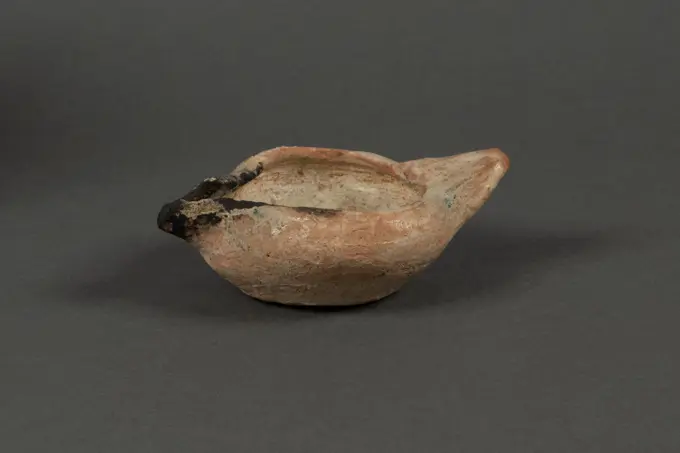
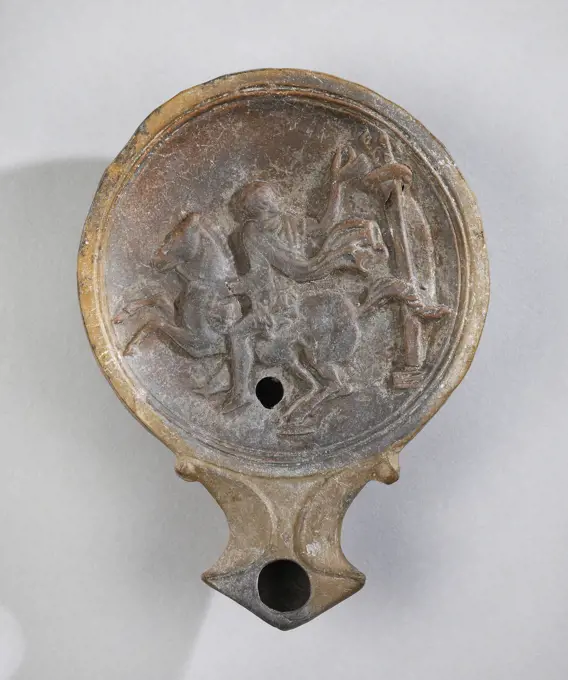
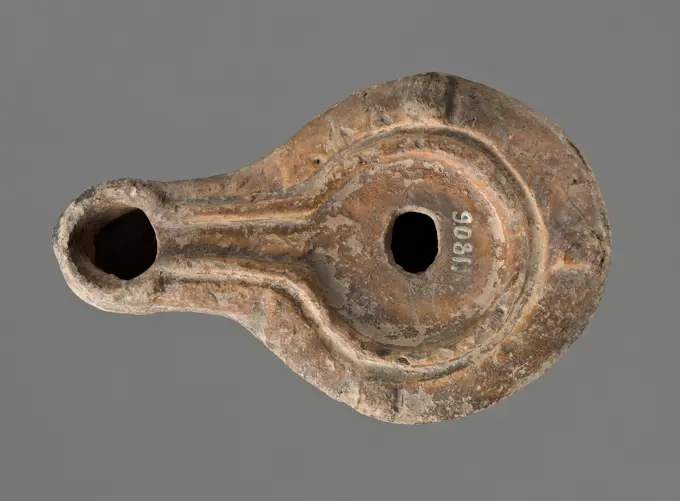
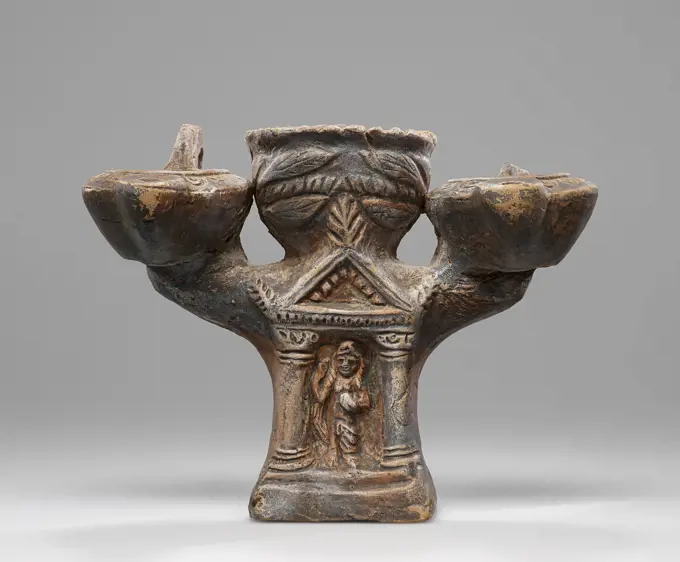
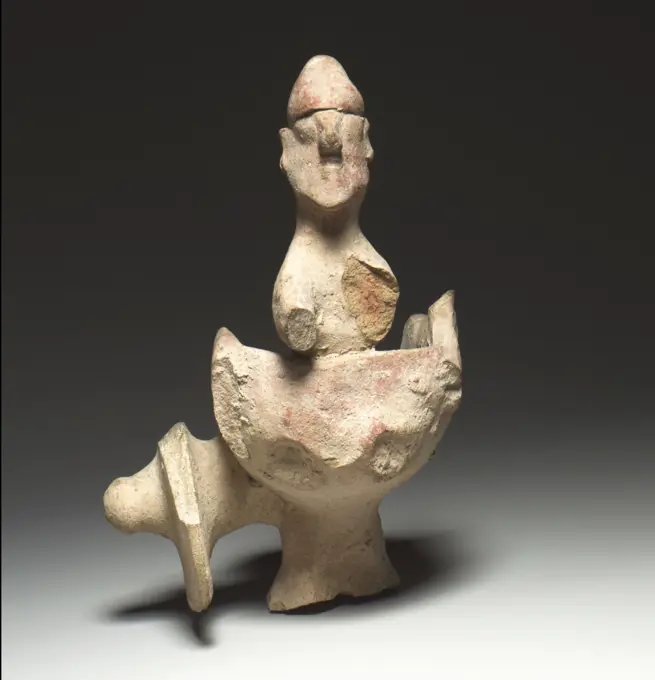
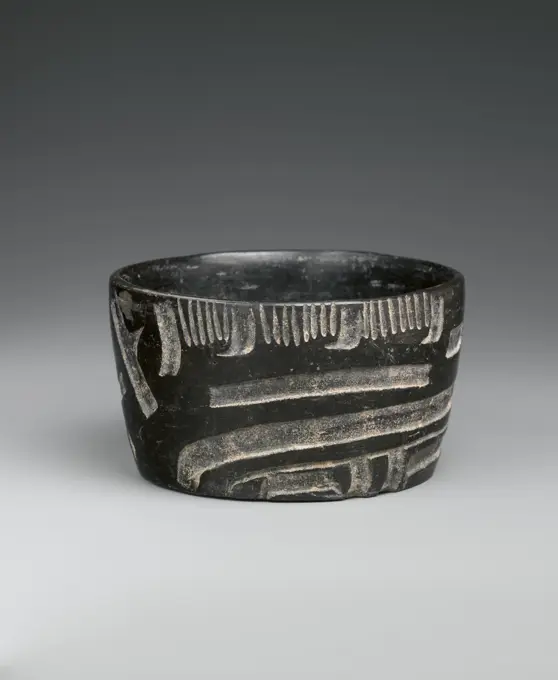
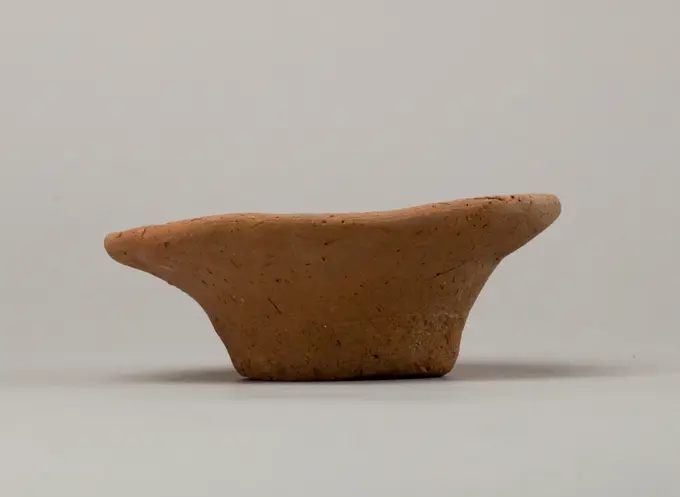
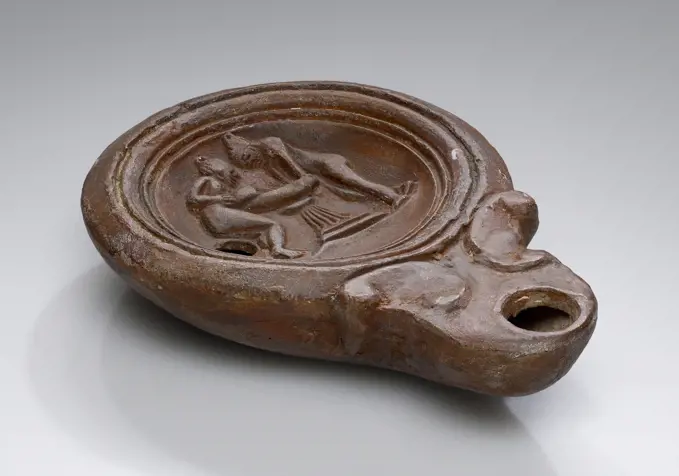
Collection of terracotta oil lamps from ancient Greek and Roman eras, showcasing intricate designs and historical significance.

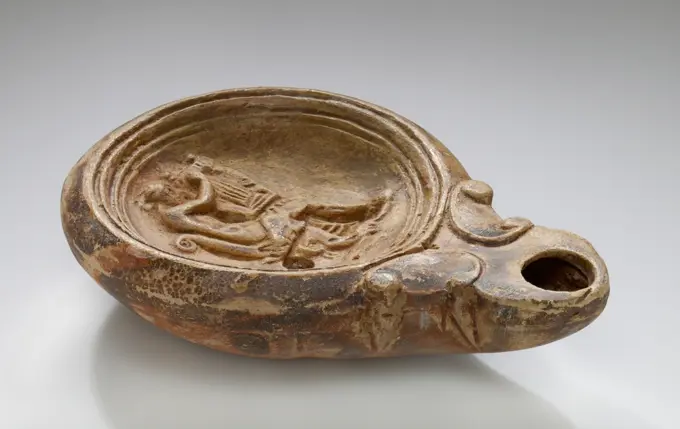
Lamp, Asia Minor; 1st century B.C. - 4th century A.D; Terracotta; 2.1 × 7.5 × 9.5 cm (13,16 × 2 15,16 × 3 3,4 in.)
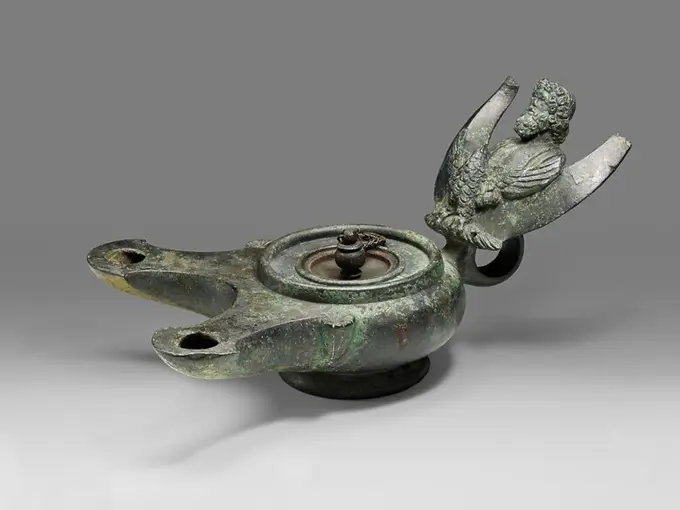
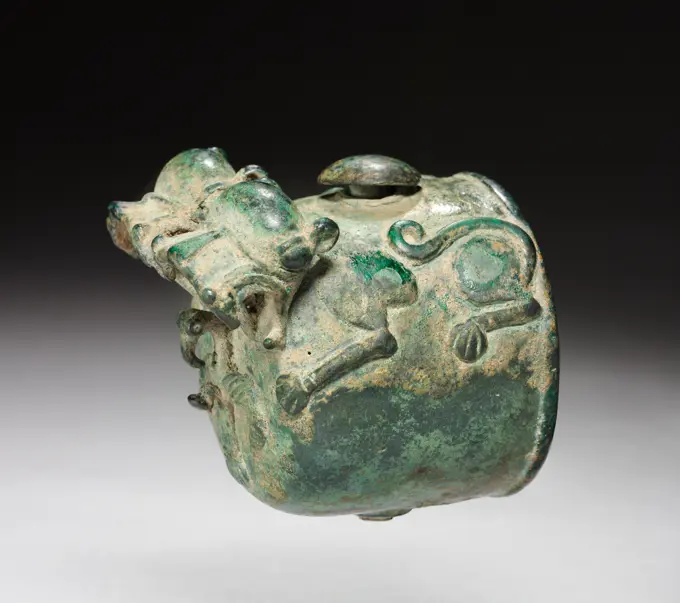
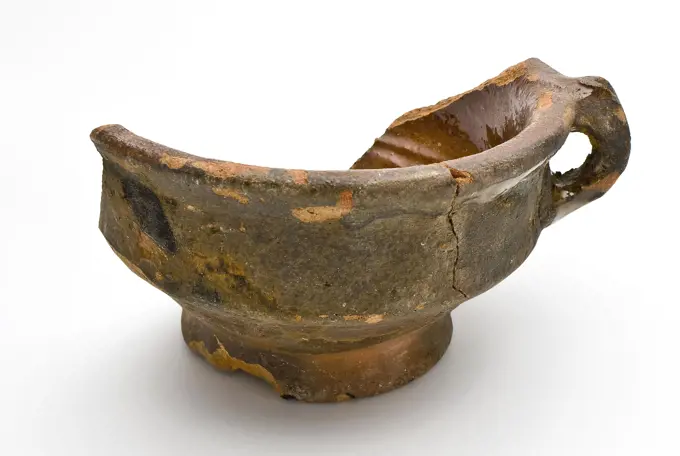
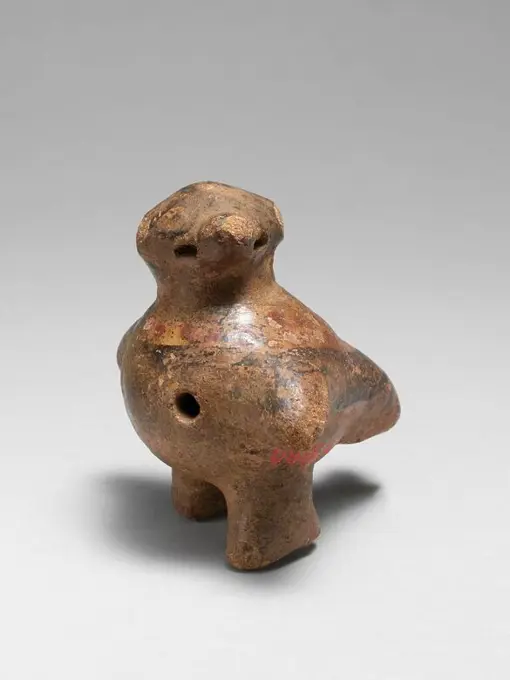
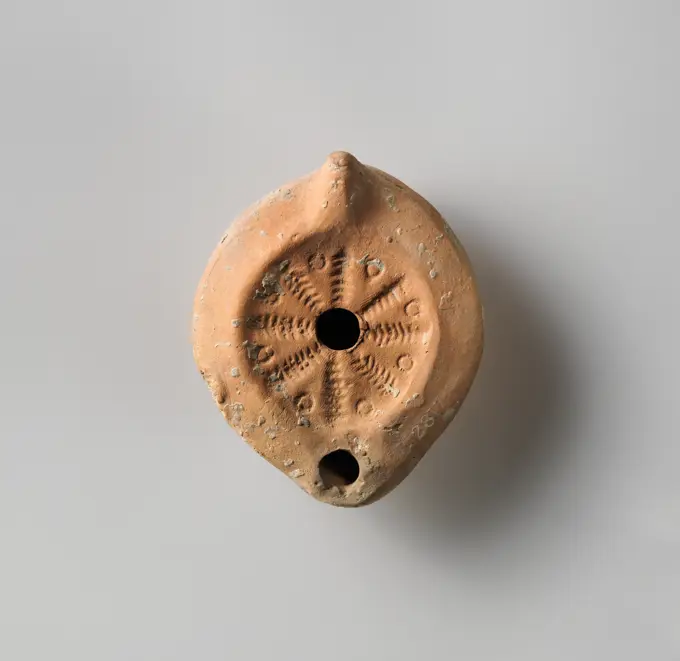
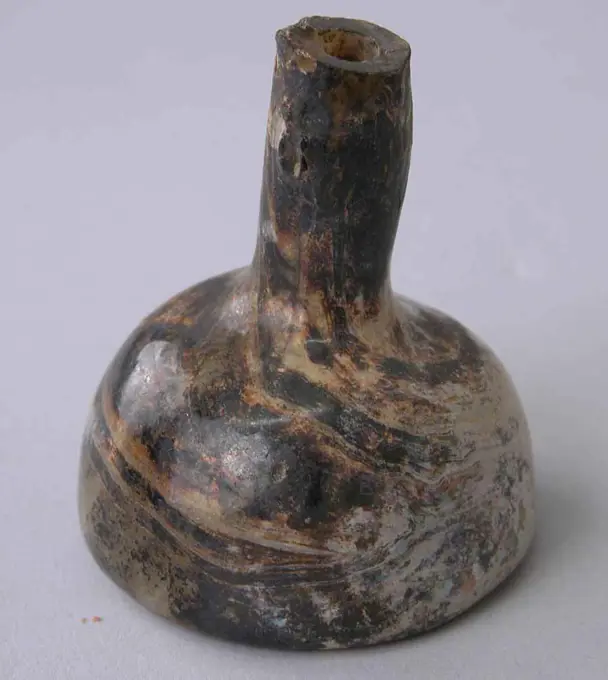
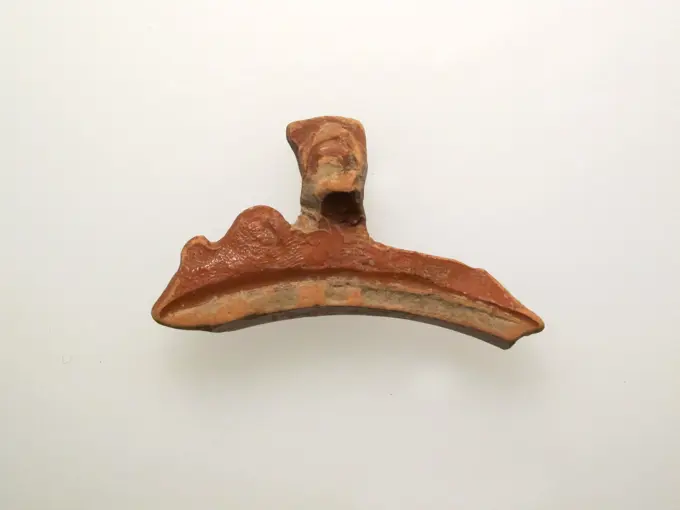
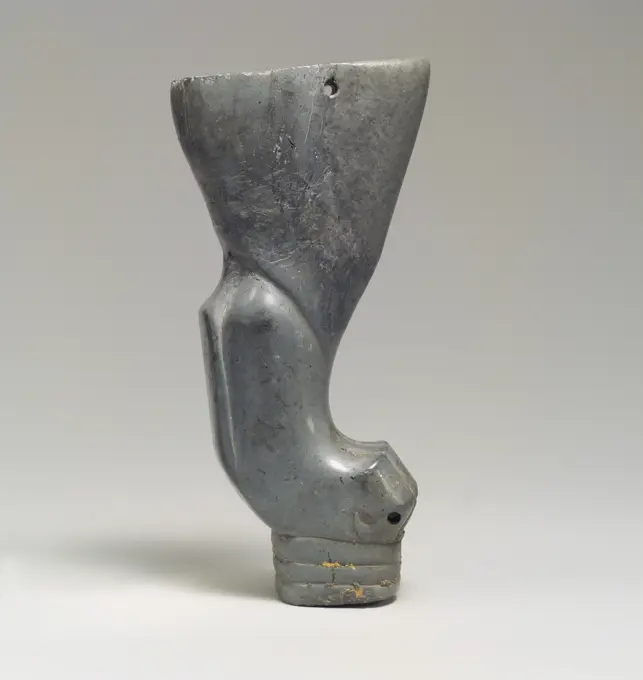
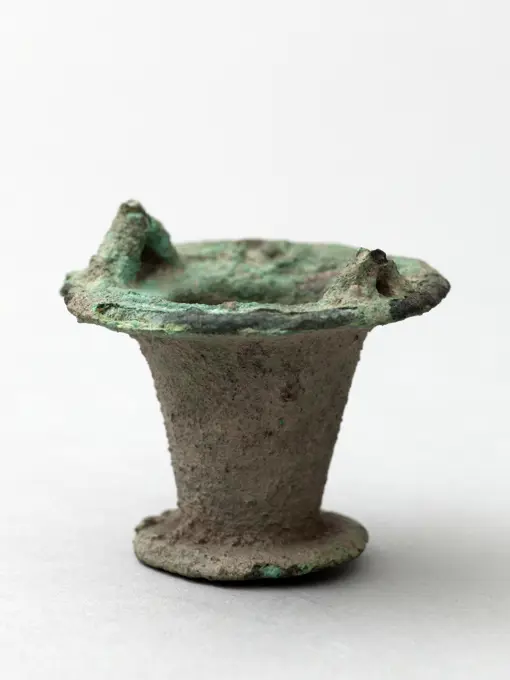
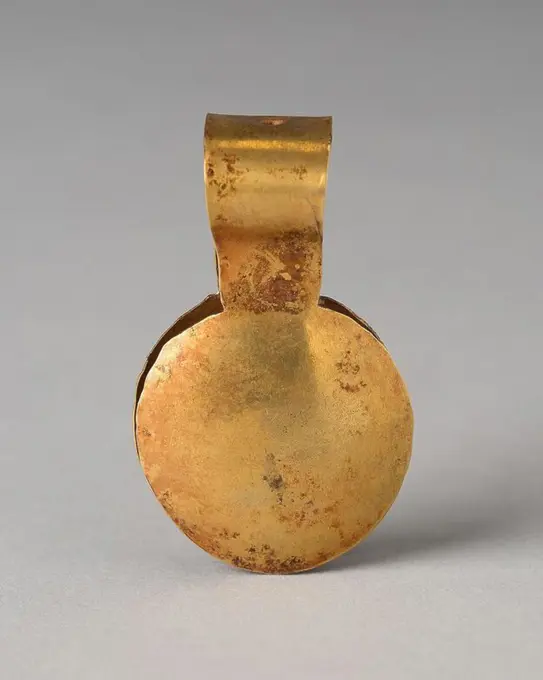
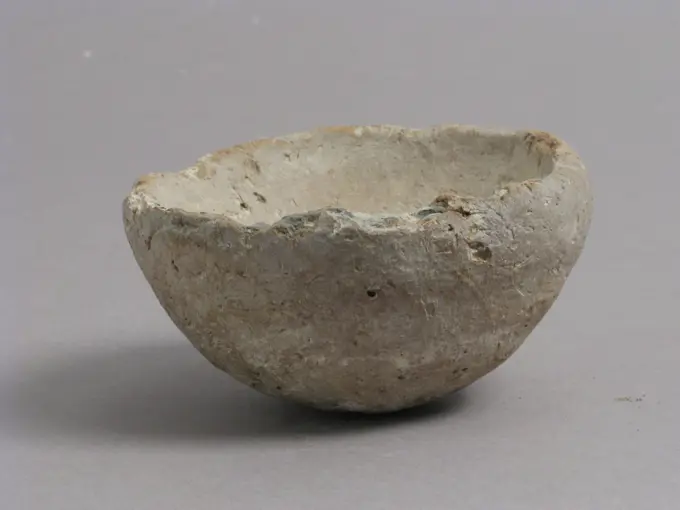
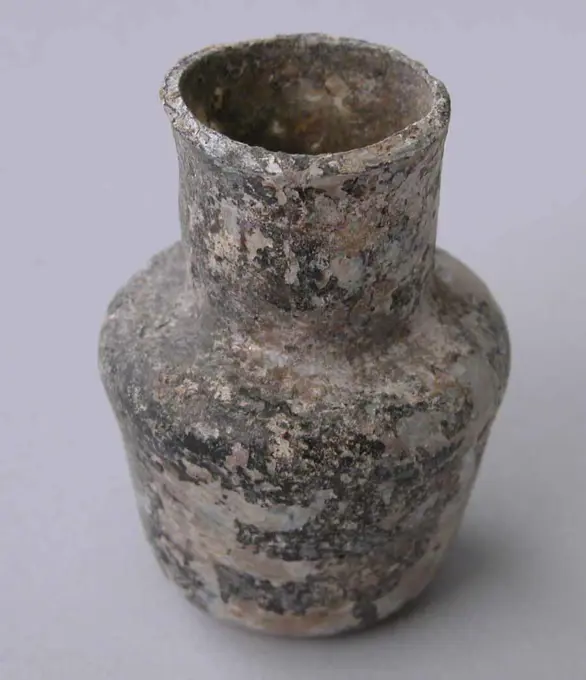
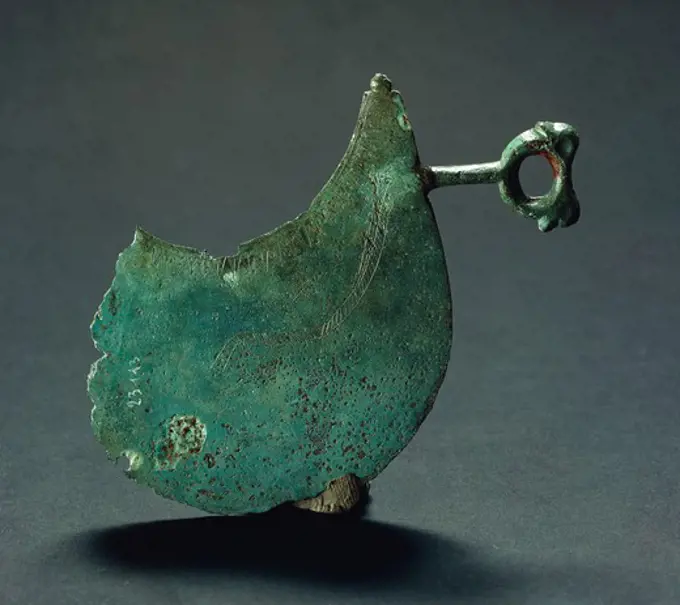
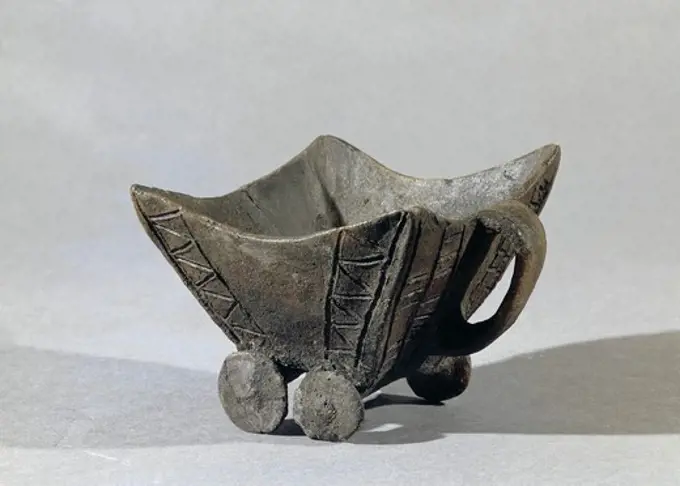
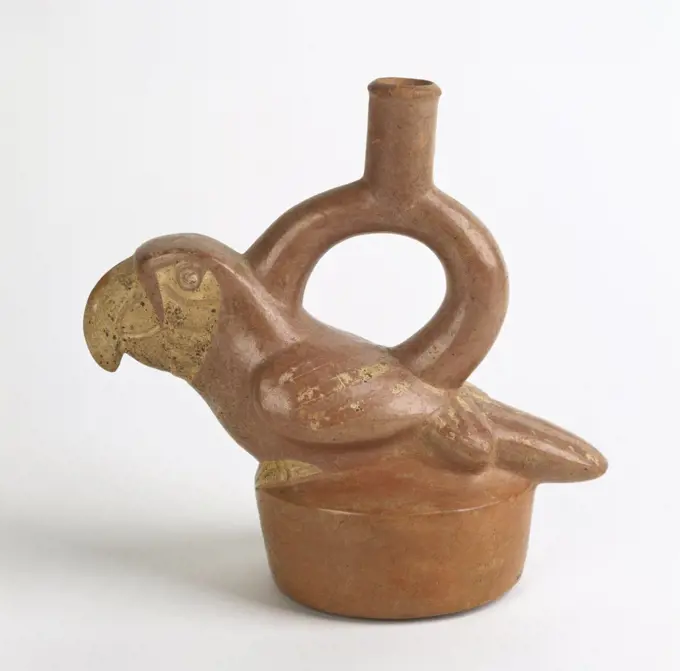
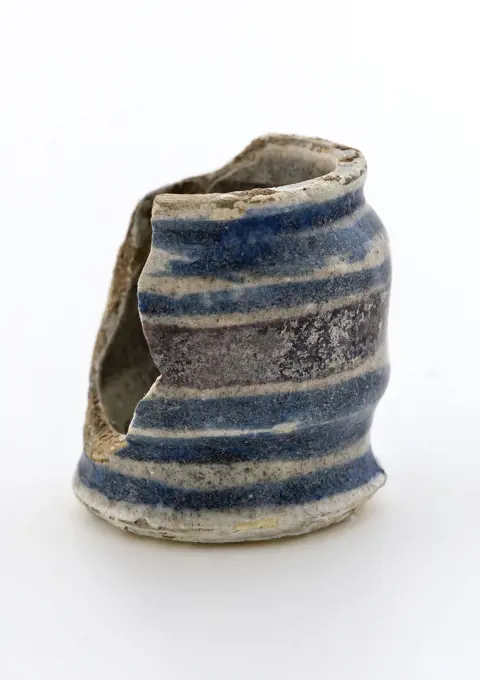
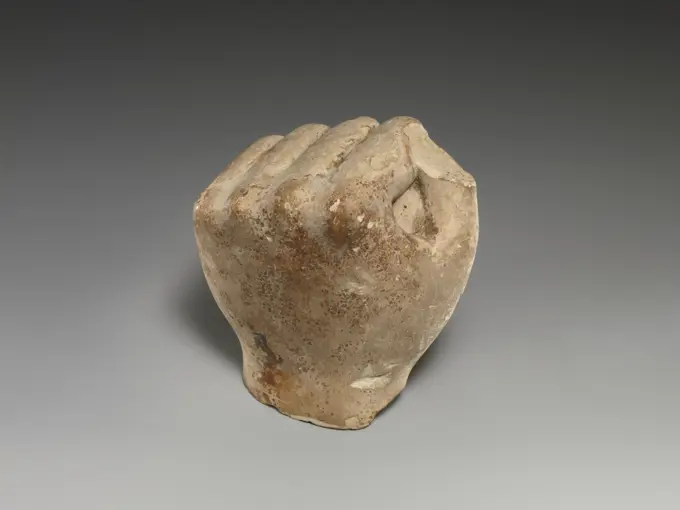
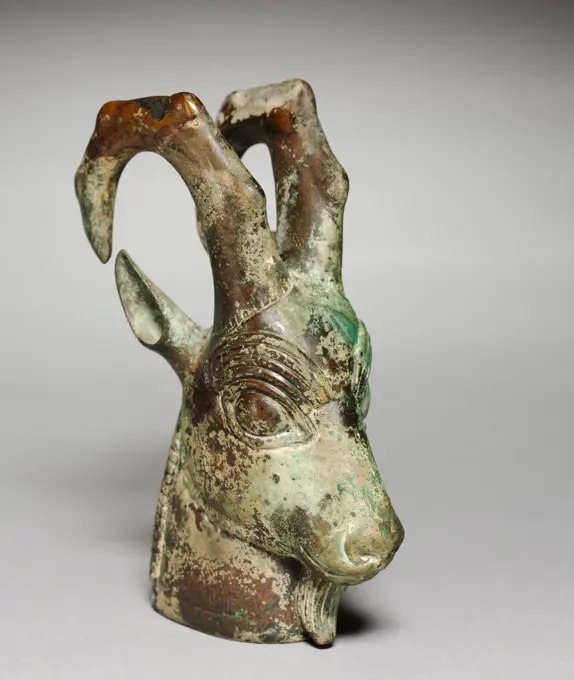
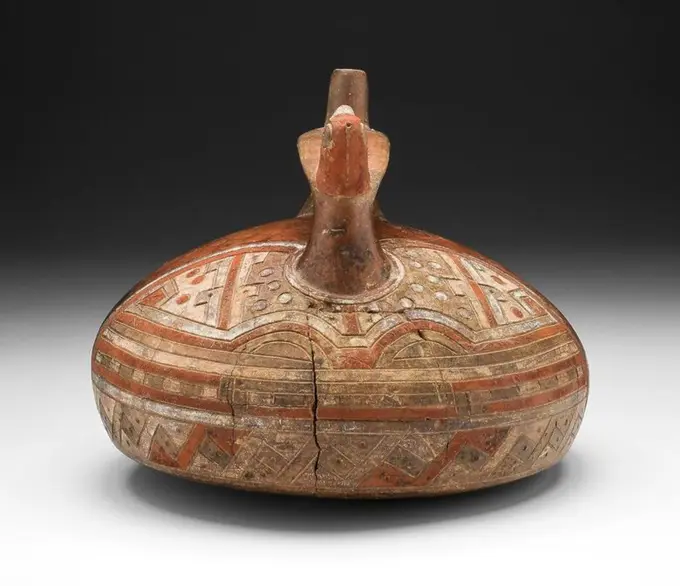
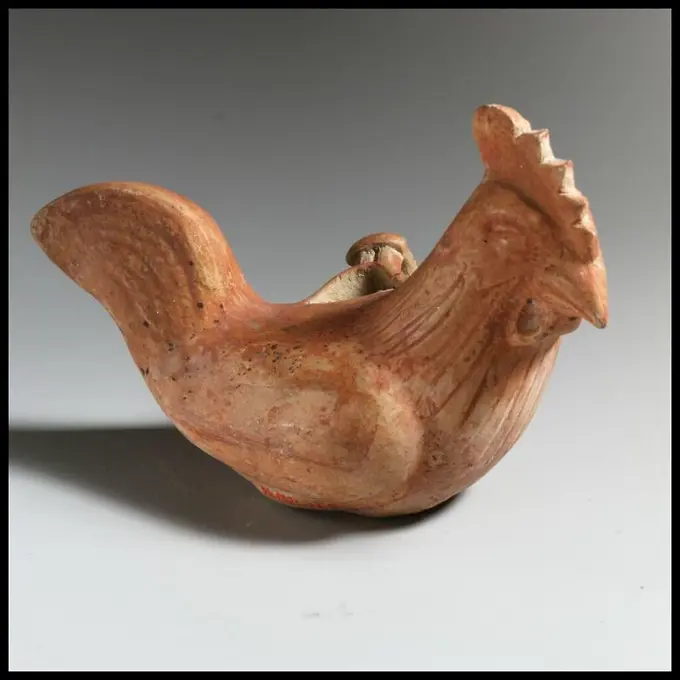
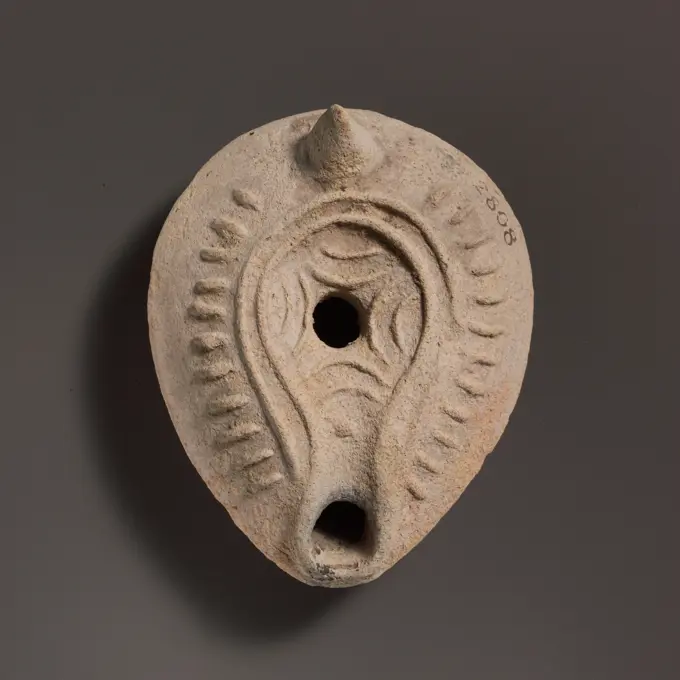
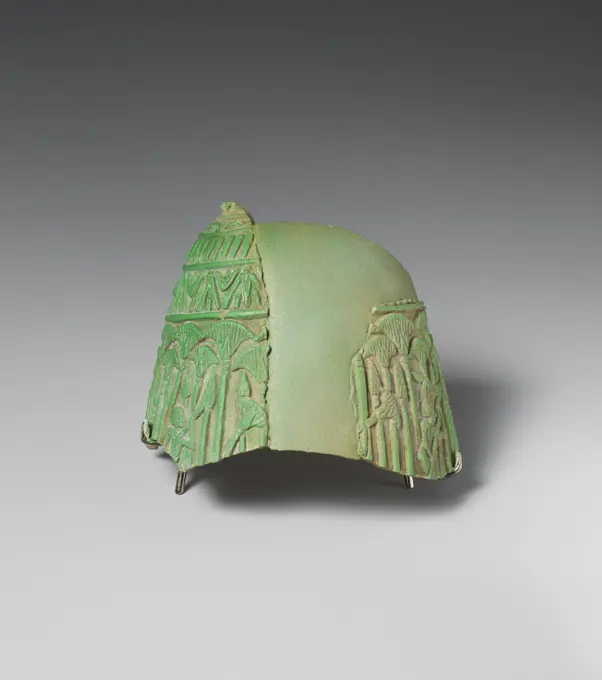
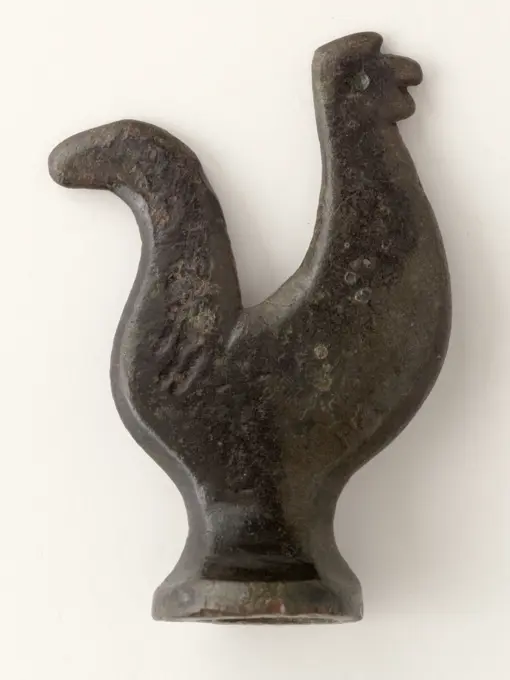
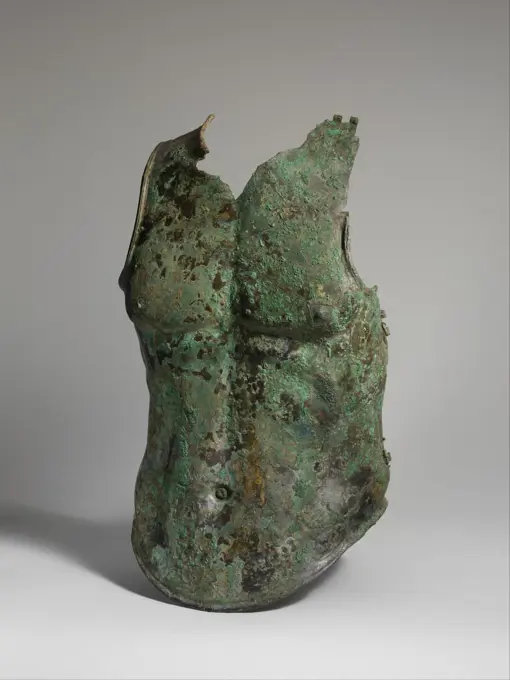
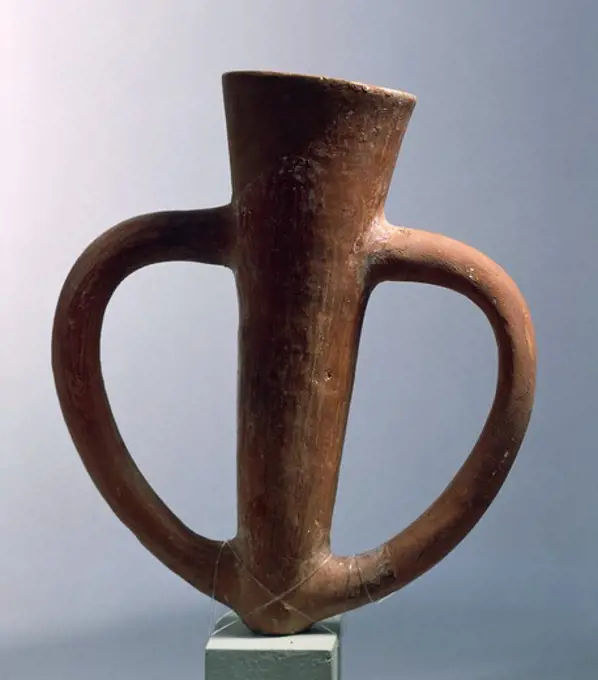
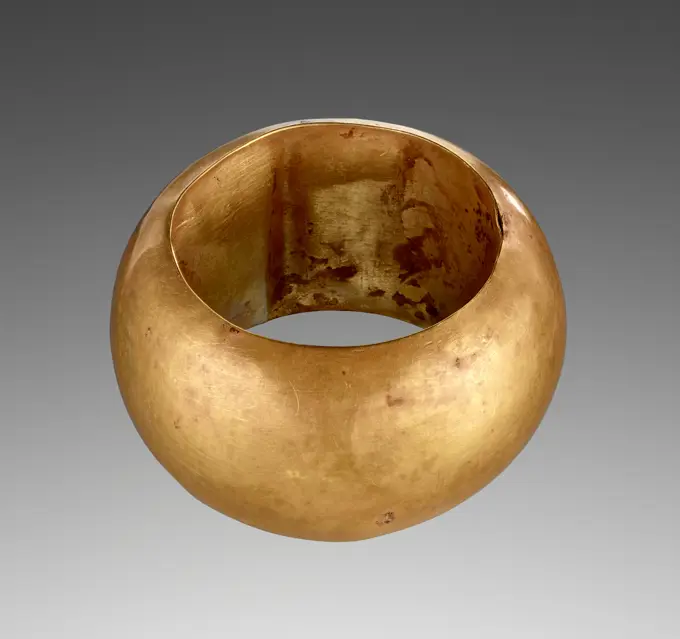
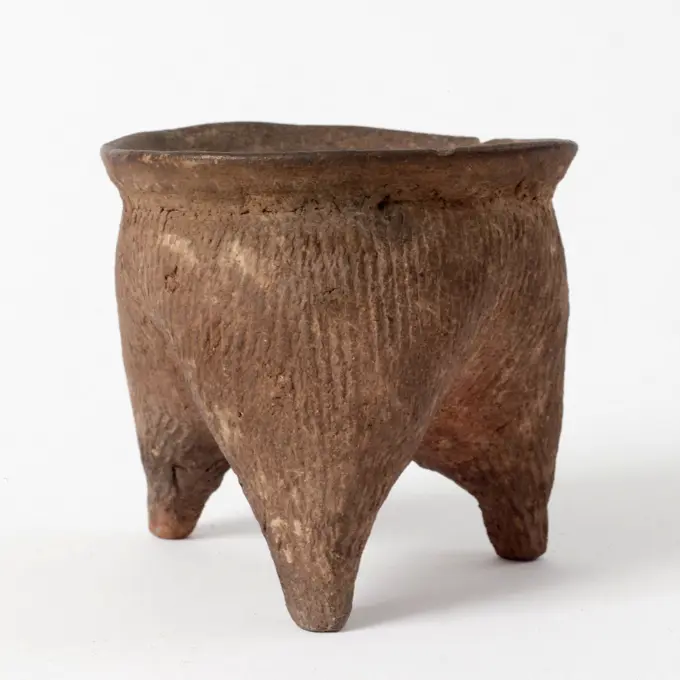
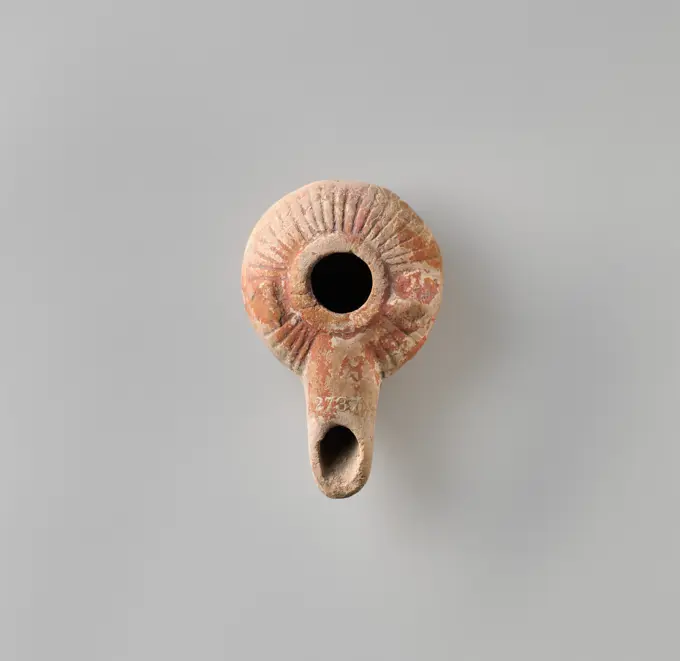
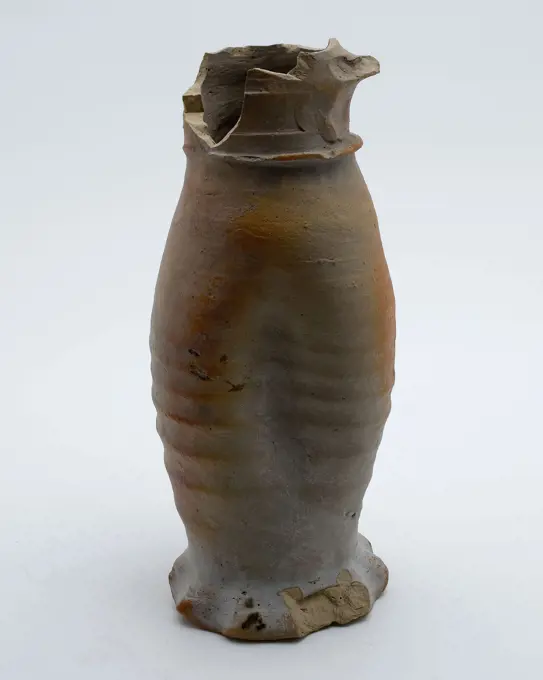
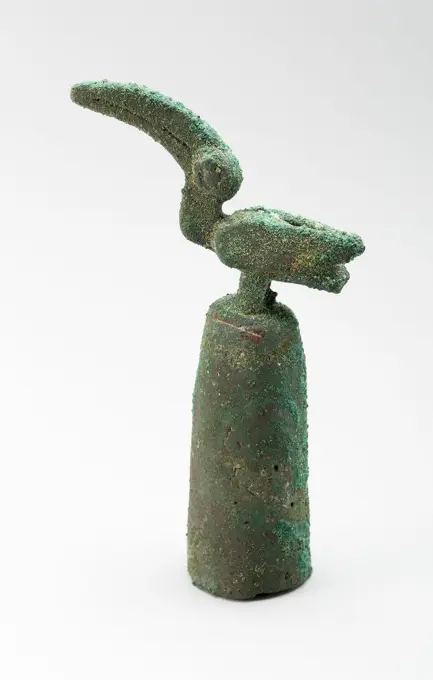
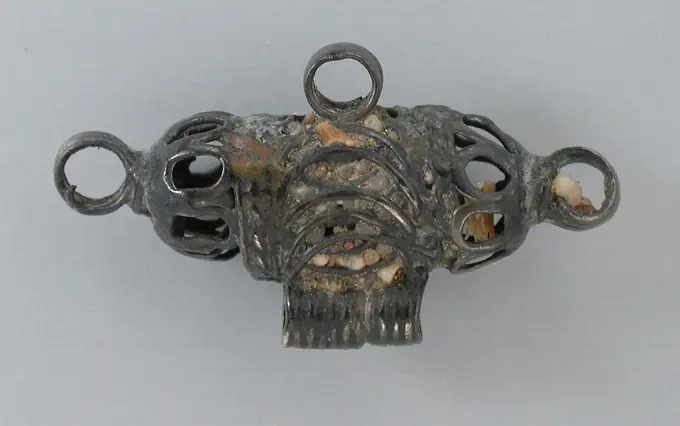
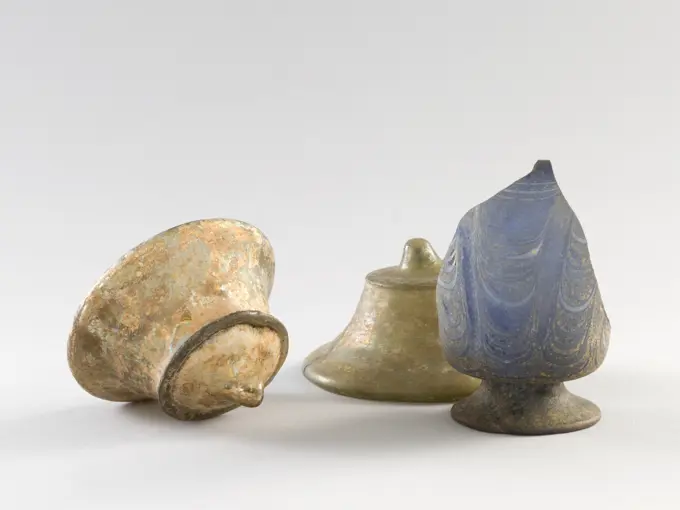
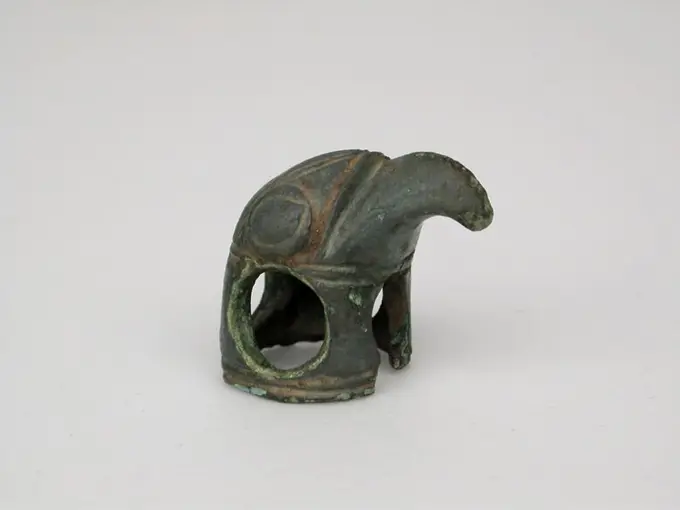
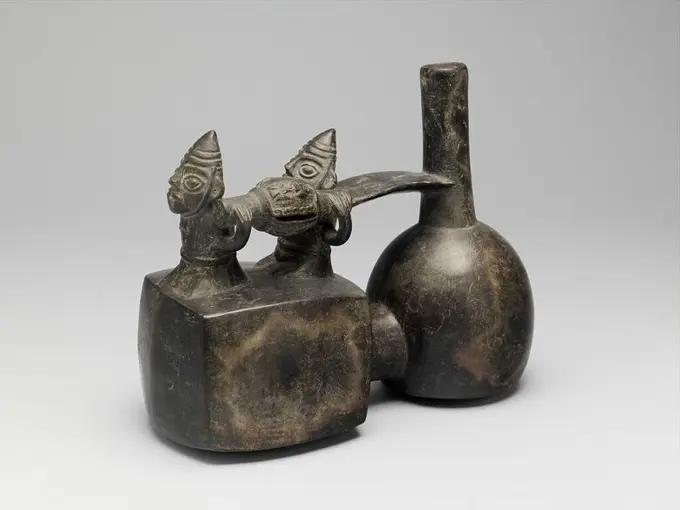
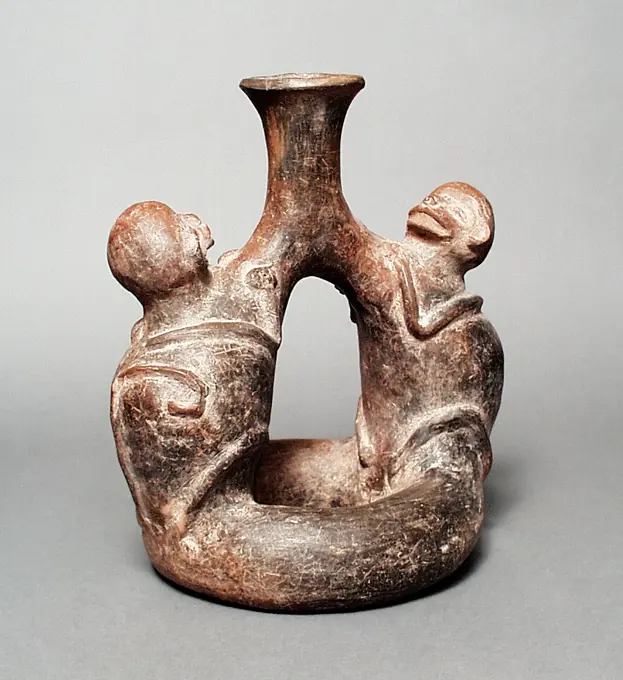
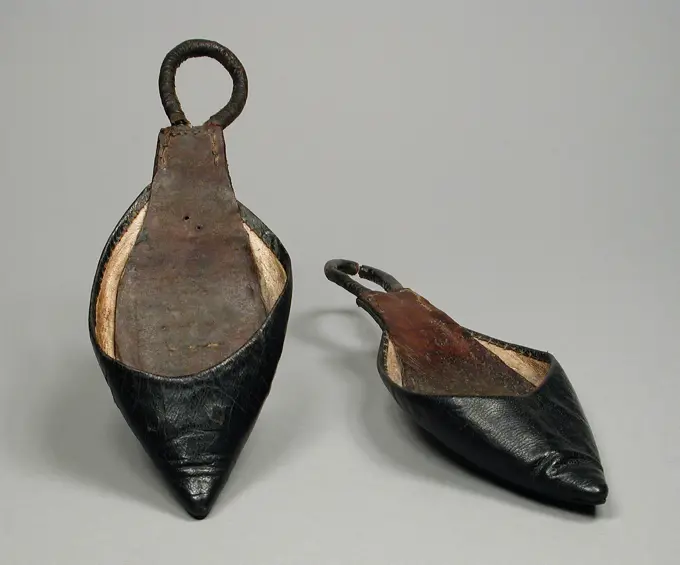
. Komfoor of stoneware with salt glaze, part of a crockery.Lamp. Roman. Date: 25 AD-75 AD. Dimensions: 11.5 × 21.7 × 14 cm (4 1/2 × 8 1/2 × 5 1/2 in.). Bronze. Origin: Roman Empire. Museum: The Chicago Art Institute, Chicago, USA. Author: ANCIENT ROMAN.Urn, anonymous, c. 1400 - c. 1950 Urn on the bottom. Wide shouldered under, including tackling ribbed wall. Thick edge around the mouth of the pot. No stand ring.  earthenware Urn on the bottom. Wide shouldered under, including tackling ribbed wall. Thick edge around the mouth of the pot. No stand ring.  earthenwareVase fragment East Greek/Sardis, Lydian. Vase fragment 252668 East Greek/Sardis, Lydian, Vase fragment, Terracotta, Overall: 3 5/8 x 3in. (9.2 x 7.6cm). The Metropolitan Museum of Art, New York. Gift of The American Society for the Excavation of Sardis, 1926 (26.199.100)Axel Shaft Cup, c. 800-700 BC. Iran, Luristan. Bronze, cast; diameter: 8.6 cm (3 3/8 in.); overall: 7 cm (2 3/4 in.).Test on stand ring, round with one ear, red pottery, test stove heating floor found ceramic earthenware glaze lead glaze, ring 7.8 hand-turned glazed baked Round test on stand ring Internally glazed Standing ear scalloped adhering to the edge. Red shard of free thick-walled earthenware. Narrowing over the foot archeology City Triangle Rotterdam Laurenskerk indigenous pottery heating lighting Soil discovery found during the restoration of the Laurenskerk in Rotterdam Excavation of chapels north of the tower.Terracotta miniature jar with two handles. Culture: Greek, Laconian. Dimensions: H. 1 5/8 in. (4.1 cm). Date: 7th-6th century B.C..Two handles, traces of white paint. Museum: Metropolitan Museum of Art, New York, USA.Pottery Whistle. Culture: Costa Rican. Dimensions: H: 78mm; W: 77mm; L: 68mm; Wt: 113g.. Date: ca. 800-1525. Museum: Metropolitan Museum of Art, New York, USA.Votive Container (Canopa) 15th-16th century Inca. Votive Container (Canopa) 317592Archer's thumb ring 500 BCE-300 BCE China. Jade .Terracotta oil lamp 5th-6th century A.D. Roman, Cypriot Vessberg Type 19. Mold-made, with unpierced handle. Broad, flat discus: eight radiating linear depressions decorated with herring-bone patterns, interspersed with impressed circles; a single, large filling hole at center. Plain, sloping shoulder. Irregular wick hole. Undefined, slightly concave base.Intact.. Terracotta oil lamp. Roman, Cypriot. 5th-6th century A.D.. Terracotta. Late Imperial or Early Byzantine. TerracottasBottle 7th-8th century. Bottle 448709Button or Spindle Whorl 9th-10th century The dot-in-circle motif recalls designs presumed to be of magical significance, most likely an abstract eye to ward off the evil-eye, which serves an apotropaic function. Easily reproduced with a tool and visible in many cultures and times, this symbol may have lost its meaning, and become simply a decorative pattern, or may have one that we have not yet discovered.. Button or Spindle Whorl 449270Vase fragment 1st century B.C.-1st century A.D. Roman Handle from a cup; club.. Vase fragment 250385Shigaraki Ware Mizusashi (Tea Ceremony Fresh Water Jar) Shigaraki Ware Mizusashi (Tea Ceremony Fresh Water Jar), ca. 1620. Buff stoneware with ash glaze, lacquer lid; Shigaraki ware, 6 x 6 1/2 in. (15.2 x 16.5 cm).  Whereas most potters take care to filter rocks out of their clay, the potters of the Shigaraki region understand that the texture created by rocky bits of quartz and feldspar adds tactile and visual interest to their wares. The artisans add only minimal glaze, letting the surface retain its graininess. Shigaraki, east of Kyōto, has been a kiln site for centuries, originally making utilitarian pieces such as storage jars and mortars. When the tea ceremony gained popularity in the sixteenth century, Shigaraki ceramicists were quick to adapt to the tea masters demands for rustic but engaging vessels, such as this deceptively simple water jar. Asian Art ca. 1620Bell. Northeastern Thailand, Ban Chiang culture, 300 B.C.-A.D. 150. Tools and Equipment; musical instruments. Copper alloyBoat-Shaped Palette. Egypt, Naqada II Period, 3500-3150 B.C.. Tools and Equipment; palettes. SchistFurniture support: lion's leg ca. 18th century B.C. Old Assyrian Trading Colony This piece is one of several furniture elements, carved in the form of lion legs, probably found at the site of a palace at Acemhöyük in central Anatolia. The massive size of the upper part of the leg suggests this represents the animals rear leg. One hooked claw is visible in side view. Like the other pieces of this type in the Metropolitan Museums collection (36.70.5, 36.152.1), this leg sits on a base with horizontal grooves. The overall gray color indicates that the object was exposed to considerable heat, perhaps during the destruction of the palace. Traces of gold foil still remain on the base of this leg, although not on the others. The legs were most likely carved out of hippopotamus incisors, as the ends of the pulp cavities are preserved in the upper parts. Dowel holes on the flanks allowed for attachment to an upper element. The positioning of mortises and dowel holes on the paws suggests that Miniature thô. Janne excavations. Culture of Dong Son. Bronze. 2nd half of the 1st millennium BC. Paris, Cernuschi museum. 59236-5 Vietnamese art, bronze, Dong Son culture, excavation Janse, sitle Tho, ancient vase, miniatureCircular Tweezers. Probably Chimú; North coast, Peru. Date: 1000-1400. Dimensions: H. 4.3 cm (1 11/16 in.). Gold. Origin: Peru. Museum: The Chicago Art Institute, Chicago, USA.Biconical Bead with Bird 800 BCE-700 BCE Greece. This precious bronze object is a votive, or devotional gift, made as an offering to the gods. They come in many forms, such as animals, beads and brooches. Many seem once to have been attached to something else. Votives were hung from sacred trees or placed in sanctuaries around Greece. Once a shrine was full, the votives were ceremonially buried to make room for more offerings.. Bronze . Ancient GreekBowl 9th-10th century This ceramic bowl was excavated at the site of Tepe Madrasa in Nishapur.Nishapur was a vital city in the early and middle Islamic periods, located along one of the main trajectories that connected Iran and West Asia Islamic lands with Central Asia and China. These itineraries are often referred by the term Silk routes but were in fact crucial to the movement of constellations of materials and objects, as well as people and ideas. The diverse population of Nishapur and its surroundings, from the better-researched elite groups of merchants, land-owning aristocracy, and literates, to the less-known artisans, farmers, miners, and servants, were instrumental in adapting global cultural trends to create their own distinctive visual languages. This is seen in the material remains of everyday life in medieval Nishapur - from pots and pans to lighting devices, inkwells, textiles and trimmings, jewelry, games and toys, talismanic devices, weapons, coins, and architectural fTerracotta spindle whorl ca. 2000-1725 B.C. Cypriot Spindle whorls aided in the making of cloth for garments and bedding. They were placed in tombs, perhaps so that the deceased could continue to spin wool in the afterlife.. Terracotta spindle whorl 240520Olive lamp;  VIII-X century (701-00-00-1000-00-00);Arabic (culture), olive lamps, Islamic artBowl 4th-7th century Coptic. Bowl 478863Jar 7th-8th century. Jar. 7th-8th century. Glass; blown, tooled on the pontil. Found/excavated Iraq, Ctesiphon. GlassLamp late 8th-9th century This object was excavated at Nishapur.Nishapur was a vital city in the early and middle Islamic periods, located along one of the main trajectories that connected Iran and West Asia Islamic lands with Central Asia and China. These itineraries are often referred to by the term Silk routes’ but were in fact crucial to the movement of constellations of materials and objects, as well as people and ideas. The diverse population of Nishapur and its surroundings, from the better-researched elite groups of merchants, land-owning aristocracy, and literates, to the less-known artisans, farmers, miners, and servants, were instrumental in adapting global cultural trends to create their own distinctive visual languages. This is seen in the material remains of everyday life in medieval Nishapur - from pots and pans to lighting devices, inkwells, textiles and trimmings, jewelry, games and toys, talismanic devices, weapons, coins, and architectural fragments.Nishapur lost itSpindle Whorl, 700s - 900s. Iran, early Islamic period, 8th - 10th century. Bone, incised; overall: 0.6 x 2.1 x 2.1 cm (1/4 x 13/16 x 13/16 in.).Composite Effigy Tripod Bowl, 300-799, 3 1/2 x 6 1/4 x 6 1/4 in. (8.9 x 15.9 x 15.88 cm), Polychrome earthenware, Costa Rica, 4th-8th centuryMiniature scoop;  Unspile (0-00-00-0-00-00);Fragment of a Figure 4th-7th century Coptic. Fragment of a Figure 479350Prehistory, Italy, Iron Age. Villanovan culture. Bronze razor.Burnt-Parfum (common name). Sandstone, molding, celadon, molded decor. Cernuschi Museum, Asia Museum of Asia in the city of Paris.Bowls and lamps (2400-2000 BC) from Tiwal esh-Sharqi in the central Jordan Valley. The lamp of this period has four spouts. From analyses it has been possible to identify the fuel used as fish oil.Pottery belly model ointment jar, red shard, internally glazed, ointment jar pot holder soil find ceramic earthenware glaze lead glaze, hand turned glazed baked Pottery belly model ointment jar on stand. Red shard internally glazed Obliquely outward-facing upper edge Thick-walled archeology health care indigenous pottery pharmacy store sell craftPendants, nail head, from earrings Cypriot. Pendants, nail head, from earrings 242661Hungary, Budapest, Magyar Nemzeti Muzeum, Wagon shaped clay pot from SzigetszentmartonLamp 7th-11th century. Lamp. 7th-11th century. Earthenware; unglazed. Attributed to Palestine. CeramicsParrot Stirrup-Spout Vessel c. 200 B.C. Moche, Peru Ceramic Pre-Columbian Collection of The Museum of Contemporary Art, Jacksonville, FloridaFragment majolica ointment jar, cylindrical with two constrictions, rings in purple and blue, ointment jar pot holder soil find ceramic earthenware glaze lead glaze tin glazing, hand turned baked glazed decorated baked Majolica ointment jar. Cylindrical in shape with two constrictions. Stand surface carelessly finished Polychrome decor of purple band across the sidewall and blue lines Upright standing top edge archeology Rotterdam IJsselmonde health care pottery ointment care medication medicine packing pharmacy handicraft Soil discovery: Castle IJsselmonde pit 1 Rotterdam 1972.Lamp, Anatolia; 1st - 4th century; Terracotta; 2.3 x 8.5 x 11 cm (7,8 x 3 3,8 x 4 5,16 in.)Oil Lamp. Egypt, Greco-Roman Period (332 BCE - 337 CE) or modern. Furnishings; Lighting. Calcite()Olive lamp; unknown provincial-Roman workshop; I/II century (1-00-00-200-00-00);Lamp, North Anatolia, Anatolia; 2nd century; Terracotta; 13 × 17 × 6 cm (5 1,8 × 6 11,16 × 2 3,8 in.)Chariot group ca. 600-480 B.C. Cypriot Of this handmade group, only the chariot box, part of one wheel, and one of the two figures originally standing in the box (the charioteer) are preserved.. Chariot group 241356Blackware Bowl 12th-8th century B.C. Olmec A potter created this small bowl by hand likely through the coiling technique, then smoothing the walls with a palette, painting the surface with a dark-colored slip composed of minerals dissolved in water, and burnishing the surface to achieve a shiny luster. An artist then gouged and incised linear abstract designs around the body of the vessel to imbue it with a symbolic significance. Reportedly from Las Bocas, Puebla, the vessel is consistent with many found in a widespread Olmec style with supernatural motifs. Such vessels were important for community feasts, and many were subsequently placed in burials as important funerary offerings. Further readingBenson, Elizabeth P., and Beatriz de la Fuente, eds. Olmec Art of Ancient Mexico. Washington, D.C.: National Gallery of Art, 1996. Berrin, Kathleen, and Virginia M. Fields, eds. Olmec: Colossal Masterworks of Ancient Mexico. San Francisco: Fine Arts Museums of San Francisco, 2010. Cheetham, DBowl with everted rim ca. 3850-2960 B.C. Predynastic Period. Bowl with everted rim. ca. 3850-2960 B.C.. Pottery. Predynastic Period. From Egypt, Northern Upper Egypt, Samayna, Cemetery H, EEF excavations 1898-99Sculptor's model/votive of a fist 400-30 B.C. Late Period or Ptolemaic Period Small Late Period and Ptolemaic reliefs or sculptures that depict a subject in a partial or unfinished way but are themselves complete objects constitute a special class of object. Guidelines like those for artists are often prominently exhibited as part of the object, although, in fact, many instances can be noted where the object simply could not serve as a suitable model for a traditional formal Egyptian representation. Personifications of kingship, figures that may represent the now emerging demigods Imhotep and Amenhotep Son of Hapu, and popular gods like Harpokrates or Isis, are heavily represented within the corpus. Taken together, the figures represented and the other features indicate the reliefs and sculptures of this class, sometimes called by Egyptologists "sculptors models / votives," were the material of a donation practice, perhaps connected with the prolific temple building of these centuriesIncense burner 2nd-1st century B.C. China. Incense burner 42365Italy, Vercelli, Museo Camillo Leone, Gallic armletsLazio Frosinone Casamari Museo Archeologico2. Hutzel, Max 1960-1990 Post-medieval: paintings on canvas, paintings on wood, wooden church furnishings Governing Body: Abbazia di Casamari General Notes: This record is for the pinacoteca which is part of the Museo Archeologico, housed within the Abbey of Casamari. Hutzel assigned it a separate numbering sequence. German-born photographer and scholar Max Hutzel (1911-1988) photographed in Italy from the early 1960s until his death. The result of this project, referred to by Hutzel as Foto Arte Minore, is thorough documentation of art historical development in Italy up to the 18th century, including objects of the Etruscans and the Romans, as well as early Medieval, Romanesque, Gothic, Renaissance and Baroque monuments. Images are organized by geographic region in Italy, then by province, city, site complex and monument.Ibex-Head Ornament, c. 525-450 BC. Iran, Achaemenian, 6th-5th Century BC. Bronze; overall: 16.9 x 6.5 x 11.7 cm (6 5/8 x 2 9/16 x 4 5/8 in.).Vessel with Abstract Feline Mask and Bird-Head Spout. Paracas; Ica Valley, south coast, Peru. Date: 650 BC-150 BC. Dimensions: 14 × 17.5 cm (5 1/2 × 6 7/8 in.). Ceramic with resinous postfire paint. Origin: Ica Valley. Museum: The Chicago Art Institute, Chicago, USA.Fragmenten pot uit het wrak van de Oost-Indiëvaarder Hollandia. Pot; fragm, egg-shaped, consisting of 2 halves: half complete, domed, plain, rim internally threaded; fragm of other half oblong domed, recessed rim, externally threaded.Lamp. UnknownTerracotta askos (flask with a spout) in the form of a cock. Culture: Italic. Dimensions: h. 3 5/8 in (9.2 cm); w. 5 5/8 in (14.3 cm). Date: 2nd half of 3rd century B.C..Askoi shaped like animals were commonly used as lamp fillers; the oil was introduced into the askos via the small inlet off to the side, and was then poured out through a tiny hole under the beak into the lamp in a smooth and controlled stream. Although Magenta ware is believed to have been made across the Graeco-Roman world, the prevalence with which animal-shaped askoi have been found in Italy suggests an Italic origin for this piece as well. Museum: Metropolitan Museum of Art, New York, USA.Palette. Egypt, Pre-Dynastic Period (circa 5500-3050 BCE). Tools and Equipment; palettes. SlateTerracotta oil lamp 7th century A.D. Roman Vessberg Type 19. Mold-made. Applied conical handle. Sharply carinated, pear-shaped body. Discus: square pattern comprising two curved, raised lines on each side around central filling hole; channel to wick hole, with a raised dot above; around discus, two raised, curving lines, the inner of which also encircles the wick hole. Wide, rounded shoulder with raised short lines on upper part. Small, flat base, with a pattern of a central hollow dot and a hollow circle.Intact.. Terracotta oil lamp. Roman. 7th century A.D.. Terracotta; mold-made. Early Byzantine. TerracottasFragment of a bowl;  3 thousand BC (-3000-00-00--2001-00-00);The collection of the ancient EastPipe 100 B.C.-A.D. 400 Hopewellian. Pipe 319179Bowl 8th-9th century. Bowl. 8th-9th century. Glass; blown, applied; tooled on the pontil. Attributed to Iraq or Syria. GlassFragment of ovoid flask Third Intermediate Period or later ca. 1070-664 B.C. This fragment comes from an ovoid flask with a narrow neck. The main image, executed in low relief, depicts a man using a pole to propel a skiff against a background of papyrus plants. Above this are three bands of floral imagery: rosettes, leaves, and Caerulea (waterlily/blue lotus) flowers. View more. Fragment of ovoid flask. ca. 1070-664 B.C.. Faience. Third Intermediate Period or later. Said to be from Upper Egypt; Thebes, and other places; From Egypt. Dynasty 21-25Nesting Quail Stamp Seal, 4th-3rd millennium BC. Iran, Lake Van region. Dickite stone; overall: 6.2 x 3.8 x 7.4 cm (2 7/16 x 1 1/2 x 2 15/16 in.).Tea caddy with plants and a bronze handle, anonymous, anonymous, c. 1600 - c. 1699 Large dust bar or Chare van Steengoed to which a bronze ear is attached just below the shoulder, partially covered with a cream -colored glaze and painted in underlaze blue. A plant twice on the wall. Some restorations on the edge and shoulder. Old label on the inside and bottom with 'e-Karatsu/ 17th'. E-Karatsu. Japan Stoneware. Glaze. Handle: Bronze (Metal) vitrification Large dust bar or Chare van Steengoed to which a bronze ear is attached just below the shoulder, partially covered with a cream -colored glaze and painted in underlaze blue. A plant twice on the wall. Some restorations on the edge and shoulder. Old label on the inside and bottom with 'e-Karatsu/ 17th'. E-Karatsu. Japan Stoneware. Glaze. Handle: Bronze (Metal) vitrificationLadle ca. 9th century B.C. Iran. Ladle 325024Glass double cosmetic flask (kohl tube). Culture: Roman, Syrian. Dimensions: H.: 4 3/8 x 1 3/4 in. (11.1 x 4.4 cm). Date: 4th century A.D..Translucent yellowish green; handles and trail in same color.Tubular rim folded out, over, and in; body comprising two tubes, side by side, made from a single inflated gather by pinching sides vertically to make a diaphragm; thick, flattened bottom with prominent pontil pad; two rod handles attached to side of body over trail in large, claw pads, drawn up and out, turned in, and trailed off on edge and top of rim.Single trail applied as a pad on upper body and wound down in a spiral six and a half times, ending on lower body.Broken and repaired, with cracks and two holes in body below handles, and several parts of trail missing; pinprick bubbles; slight dulling and iridescence on exterior, some reddish soil encrustation and brilliant weathering on interior. Museum: Metropolitan Museum of Art, New York, USA.Vase fragment East Greek/Sardis, Lydian. Vase fragment 252828 East Greek/Sardis, Lydian, Vase fragment, Terracotta, Overall: 4 1/8 x 3 1/2in. (10.5 x 8.9cm). The Metropolitan Museum of Art, New York. Gift of The American Society for the Excavation of Sardis, 1926 (26.199.264)Mirror and handle, anonymous, 930 - 1600 Mirror, handle with inscription in Kediri script. Handle and mirror from the same time but do not belong together, and have been put together in incorrect way. Indonesia bronze (metal) Mirror, handle with inscription in Kediri script. Handle and mirror from the same time but do not belong together, and have been put together in incorrect way. Indonesia bronze (metal)Rooster. Copper alloy. Gallo-Roman. Paris, Carnavalet museum. 51468-17 Copper alloy, rooster, Gallo-Roman, Gallo-Roman, animalBronze cuirass (breastplate) 5th or 4th century B.C. Etruscan Body armor, and specifically the cuirass that covered the front and back of the torso, provides a contemporary indication of artists' treatment of the human body. This one shows as sensitive and beautifully executed articulation as one might see on a classical bronze statue.. Bronze cuirass (breastplate) 249094Pilgrim's Flask with Saint Menas, 400-600. Egypt, Coptic, 400s-500s. Terracotta; overall: 10.2 x 6.6 x 2.3 cm (4 x 2 5/8 x 7/8 in.).Prehistory, Turkey, Chalcolithic period or Copper Age. Terracotta cupo, 3rd millennium b.C., from Troy II.Finger Ring. UnknownTripode Li ". Terracotta. China, Zhou dynasty (approx. 1050-256 BC). Paris, Cernuschi museum. Chinese art, Chinese ceramic, container, zhou dynasty, zhou time, container, terracotta, tripod li, three feetTerracotta oil lamp Greek Mold-made. Carinated body. Large central filling hole, surrounded by a plain, horizontal band. Convex-curving shoulder, decorated with close-set, radiating lines and knobs at sides; at left, a small, indistinct animal (dolphin), and at right, a lion's head (). Slightly tapering nozzle, with long wick hole. Raised base ring, and flat base.Intact.. Terracotta oil lamp. Greek. Terracotta. Hellenistic. TerracottasLamp, North Africa; 1st - 4th century; Terracotta; 3 x 8.6 x 11.8 cm (1 3,16 x 3 3,8 x 4 5,8 in.)Lamp 3rd-7th century. Lamp. 3rd-7th century. Earthenware; molded. From Egypt. CeramicsStoneware jug, Jug or jacobakan with dents on squeeze foot, jug crockery holder soil find ceramic stoneware, hand-turned baked Narrow jug one ear pinched foot Clear rings under the ear an extra pronounced ring Gray beige with orange flamed Belly dented on two sides (misbaksel) archeology Rotterdam rail tunnel for foreign pottery import table serving serving Soil discovery: rail tunnel Rotterdam.Roman Bell 1st / 2 / century AD bronzeHelmet early 17th century In the sixteenth century, Ottoman metalworkers developed a novel class of wares fashioned from gilded copper, tombak in Turkish. In addition to religious and domestic articles, tombak was also used for parade armor, especially helmets, shields, and shaffrons, as it was easy to fashion, lightweight, and, above all, colorful. Embossed in low relief in vertical lobes and with a split-leaf arabesque, this helmet is an unusually elaborate example of tombak armor.. Helmet. early 17th century. Copper; embossed, engraved, stippled, and gilded. Made in Turkey. Arms and ArmorFinial 1100-1470 North Coast. Bronze . ChimúMolar Flask. Iran, 1000-1250. Metal. MetalworkNecklace Charm in Openwork Design. Egypt, probably early Islamic Period (700 - 1000 CE) or earlier. Jewelry and Adornments; pendants. SilverEnsemble 16th-18th centuries. From g. to dr. : bells or lids (AV 2202 and BC 2203), blue pedestal glass, patterns in drapery inlaid with white (AV 101). Paris, Carnavalet museum. XVIE-XVIIEM SUCCESS GLASS SET White, bell, lid, inlaid, pattern, blue glass or blue, glassware, draperyBronze navicella-type fibula (safety pin) 8th century B.C. Etruscan Fibula, boat-shaped type.. Bronze navicella-type fibula (safety pin) 251895 Etruscan, Bronze navicella-type fibula (safety pin), 8th century B.C., Bronze, Other: 6 5/8 in. (16.8 cm). The Metropolitan Museum of Art, New York. Fletcher Fund, 1925 (25.78.115a, b)Bronze ring with bust of Serapis 1st-2nd century A.D. Roman Very heavy ring; bust in relief on bezel.. Bronze ring with bust of Serapis. Roman. 1st-2nd century A.D.. Bronze. Imperial. BronzesBell ca. 8th-7th century B.C. Assyrian. Bell 326584Hawk Head. Greek; Thessaly. Date: 650 BC-550 BC. Dimensions: 2.0 x 2.2 x 1.6 cm (3/4 x 7/8 x 5/8 in.). Bronze. Origin: Greece. Museum: The Chicago Art Institute, Chicago, USA. Author: ANCIENT GREEK.Clay helmet with modeled figuresStirrup Spout Bottle: Litter Scene. Culture: Chimú. Dimensions: Overall: 6 3/4 x 8 1/4 in. (17.15 x 20.96 cm)Other: 8 1/4 in. (20.96 cm). Date: 1350-1470. Museum: Metropolitan Museum of Art, New York, USA.Stirrup Spouted Vessel with MonkeysVase fragment East Greek/Sardis, Lydian. Vase fragment 252670 East Greek/Sardis, Lydian, Vase fragment, Terracotta, Overall: 2 1/4 x 2 1/2in. (5.8 x 6.3cm). The Metropolitan Museum of Art, New York. Gift of The American Society for the Excavation of Sardis, 1926 (26.199.102)Mayan collar made from Jade; 600-900 AD. Mexico; Guatemala or BelizeMask 6th-7th century Moche (Loma Negra). Mask 313442Fragment of a Figure 4th-7th century Coptic. Fragment of a Figure 478459Pair of Woman's Overshoes. England, circa 1785-1795. Costumes; Accessories. LeatherTemple Model 1st-8th century Mezcala. Temple Model 317550Cup of Tin, Anonymous, c. 1500 - c. 1700 Tin cup. The undecorated cup runs upwards somewhat. West-Europa tin (metal) Tin cup. The undecorated cup runs upwards somewhat. West-Europa tin (metal)Vase hu. Bronze. Don M. Morhange, 1929. Epoque de Giao Chi (1st century BC - 4th century AD. J. -C ..). Paris, Cernuschi museum. 60084-1 Bronze, Giao chi time, close -up, vase humDouble-Headed Snake Vessel