Historical Oil Lamps

Collection of terracotta oil lamps from ancient Greek and Roman eras, showcasing intricate designs and historical significance.

Lamp, Asia Minor; 1st century B.C. - 4th century A.D; Terracotta; 2.1 × 7.5 × 9.5 cm (13,16 × 2 15,16 × 3 3,4 in.)
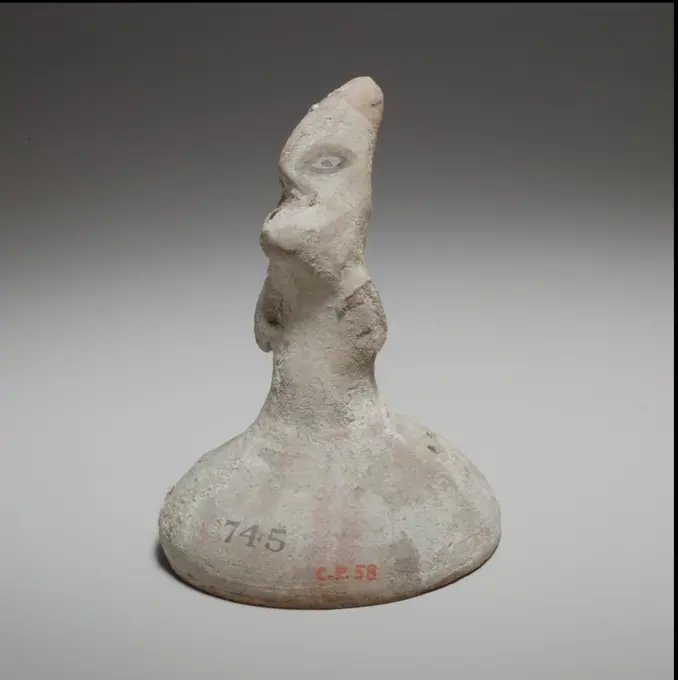
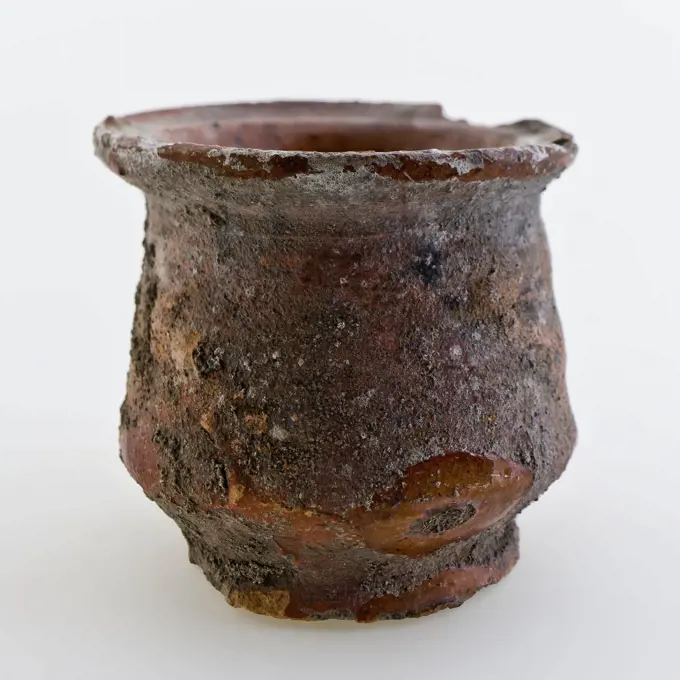
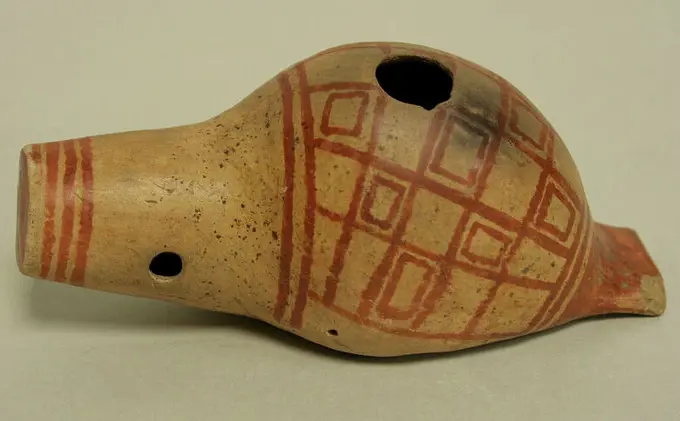
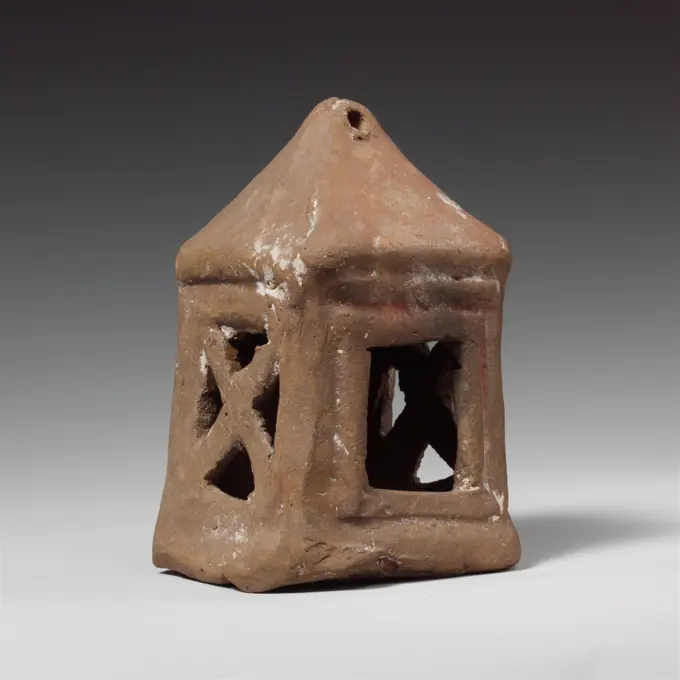
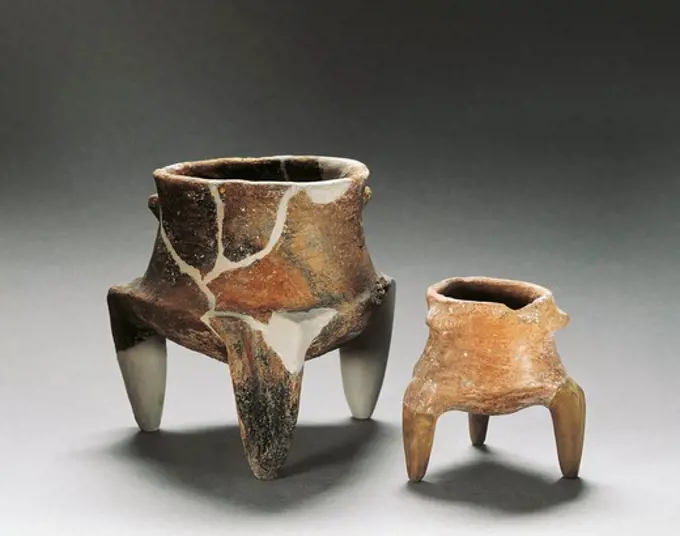
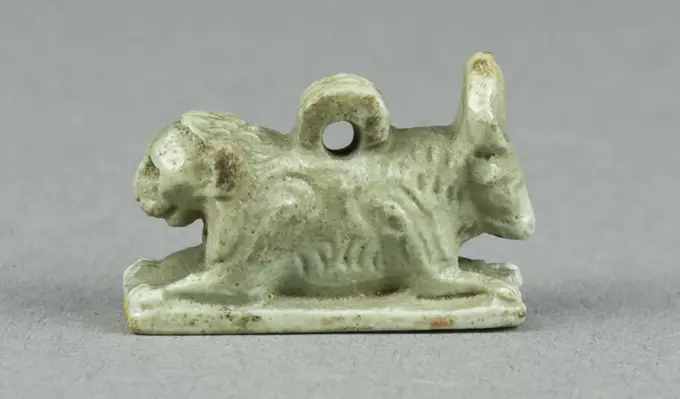
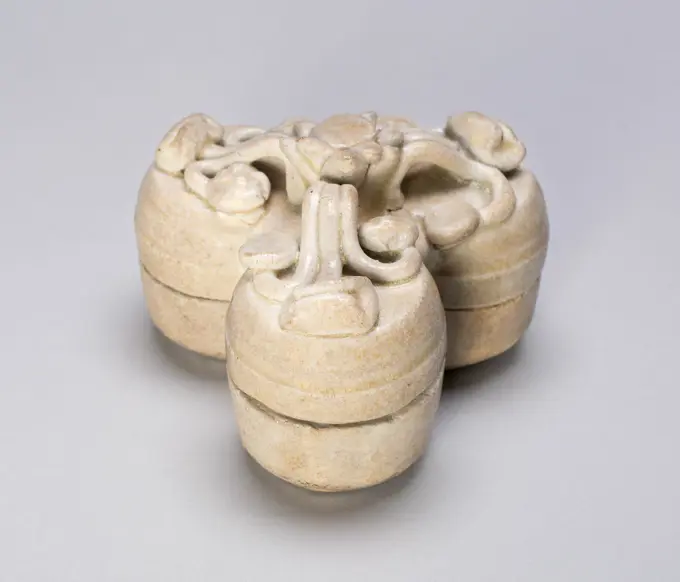
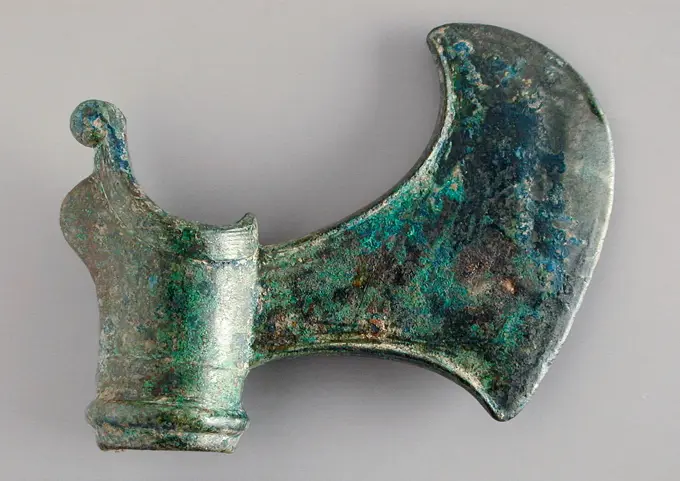
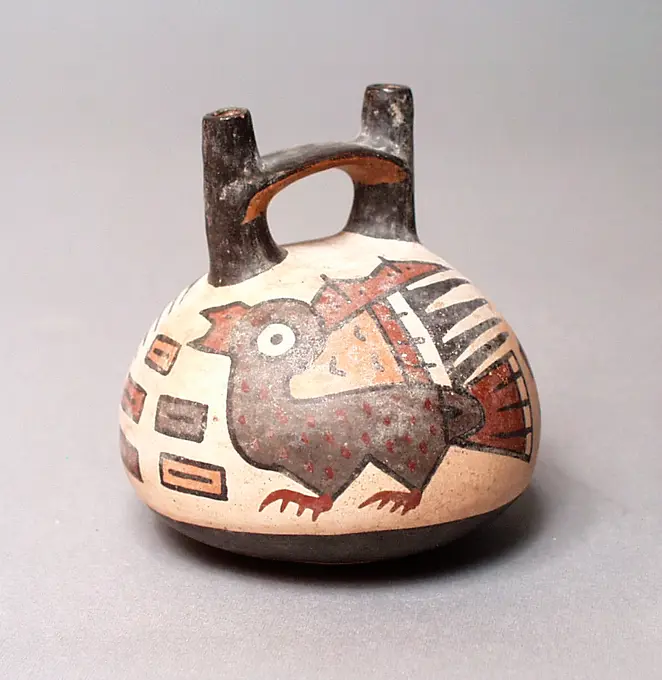
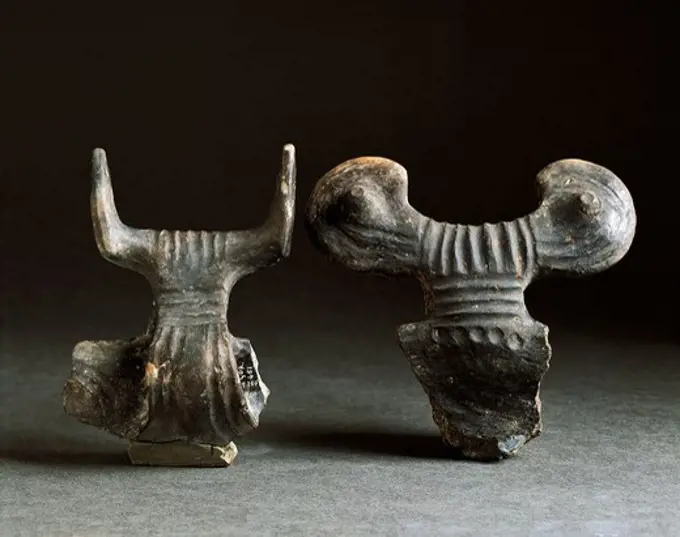
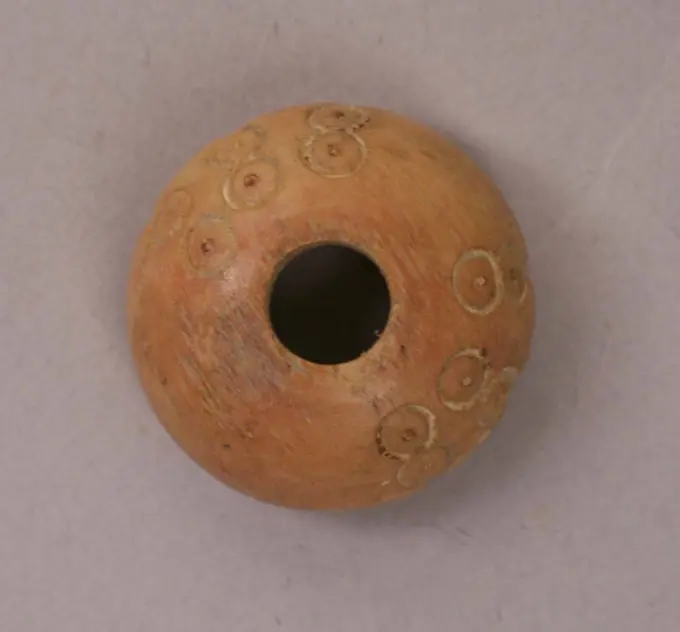
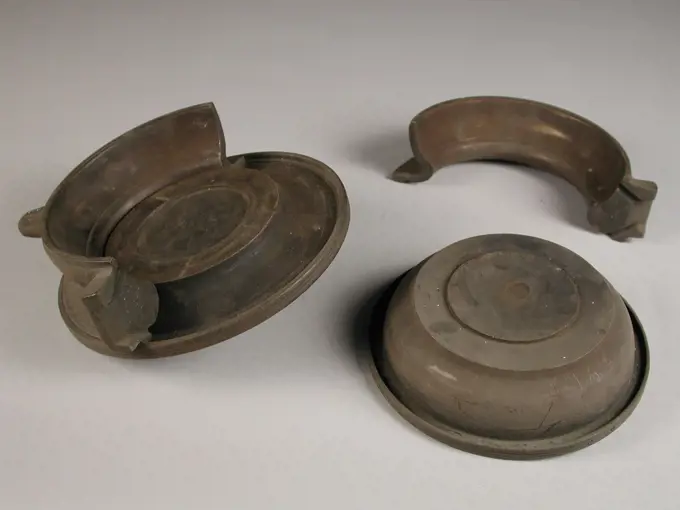
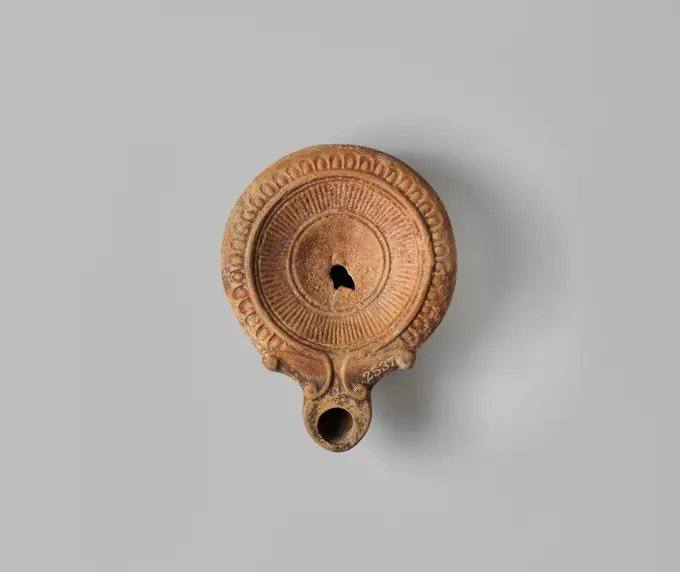
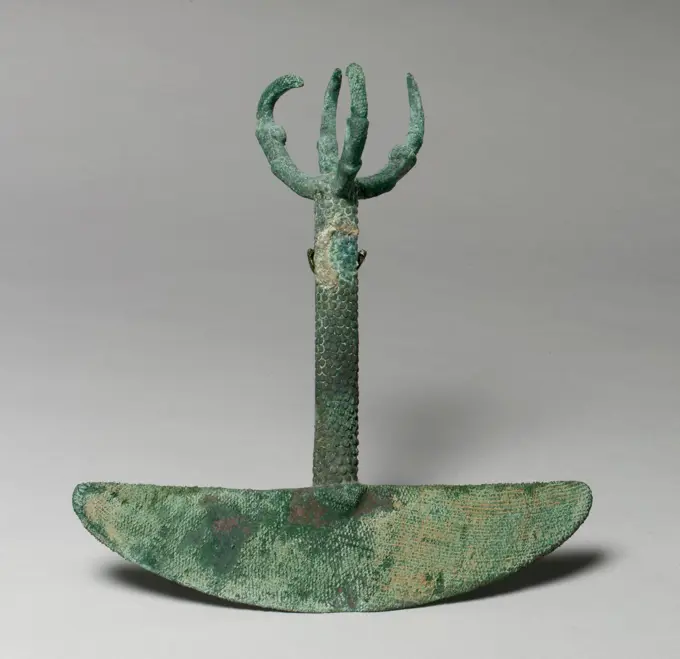
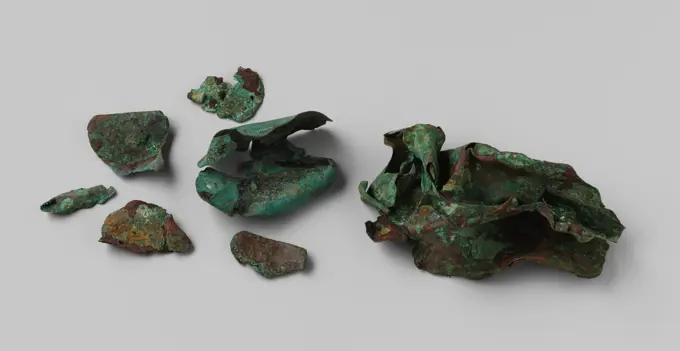
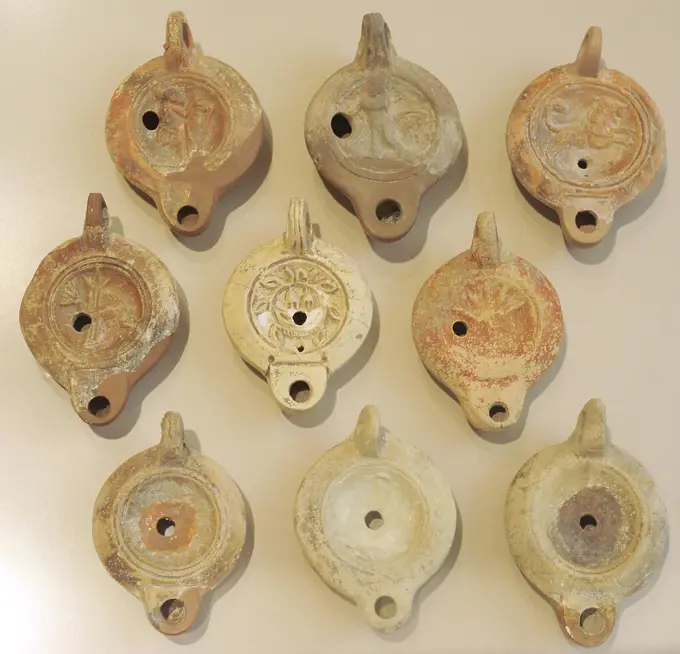
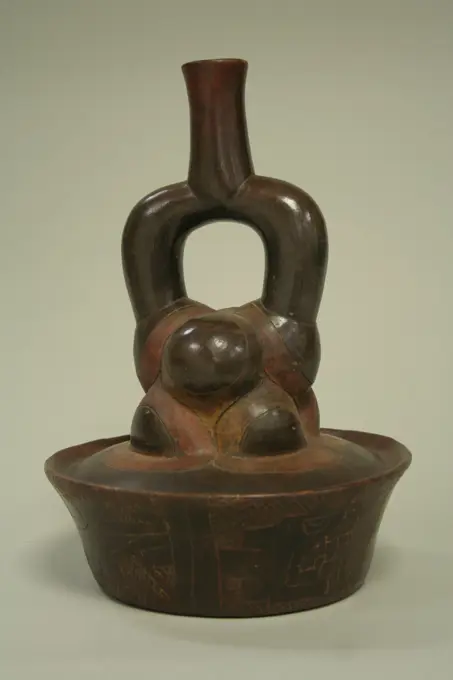
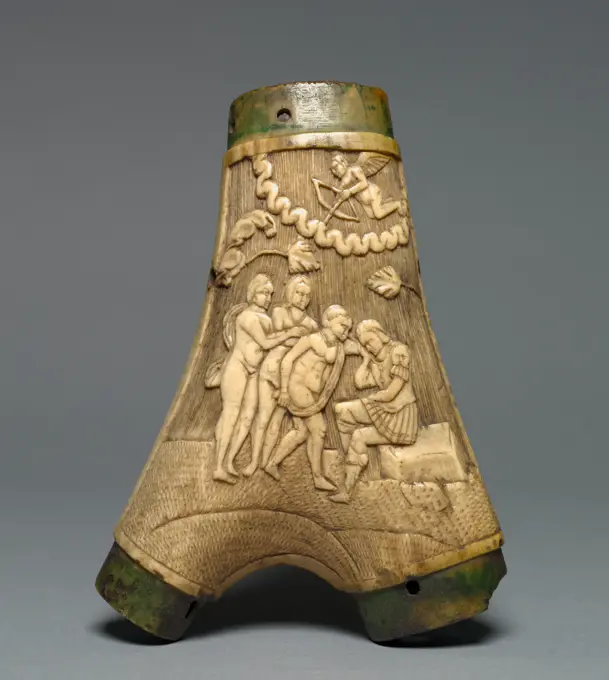
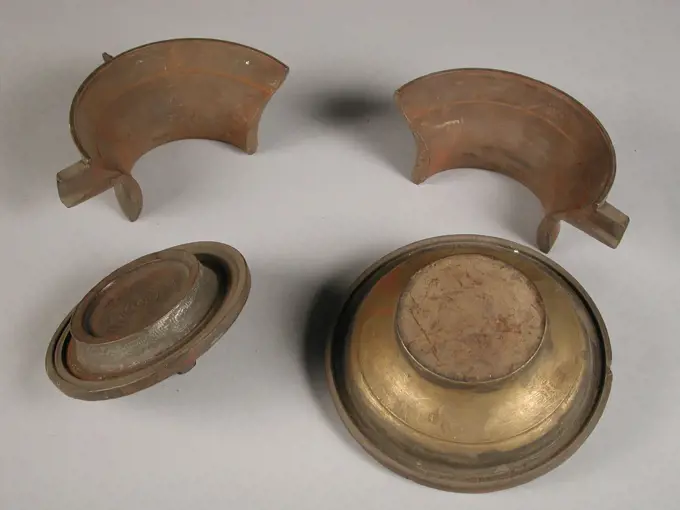
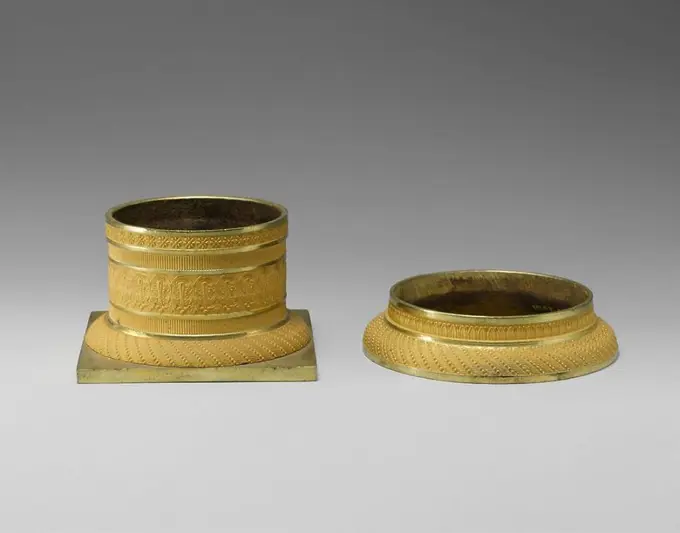
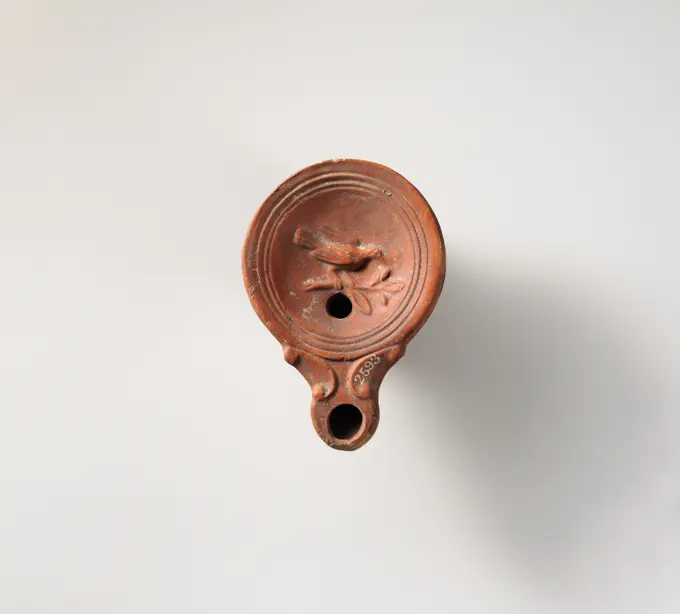
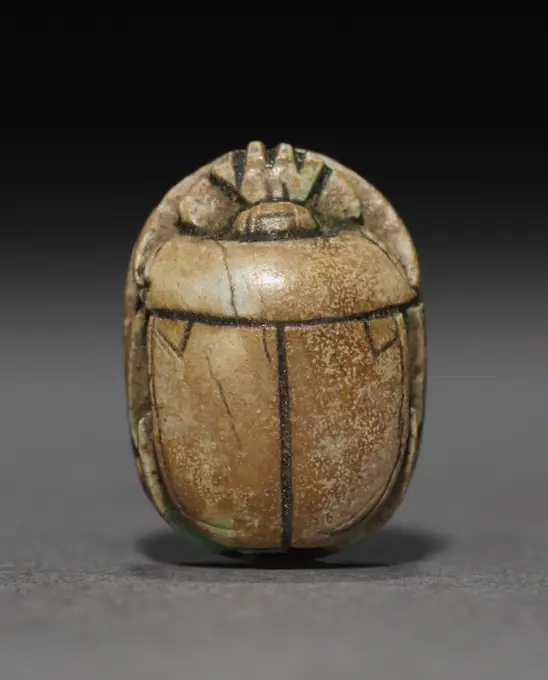
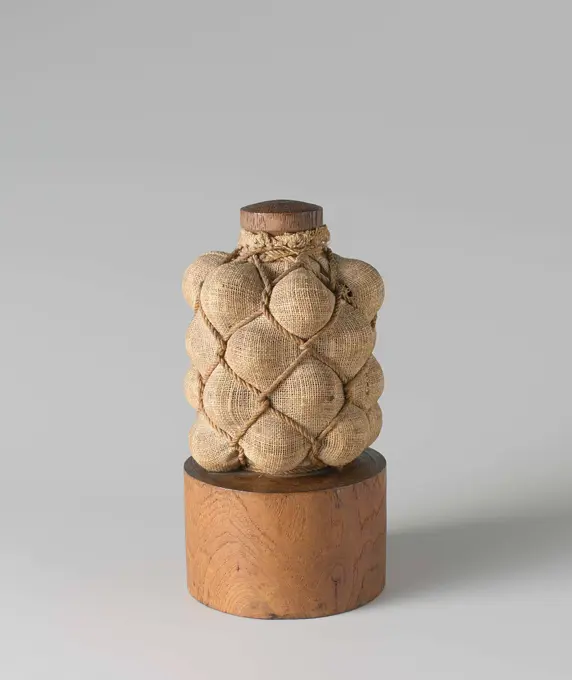
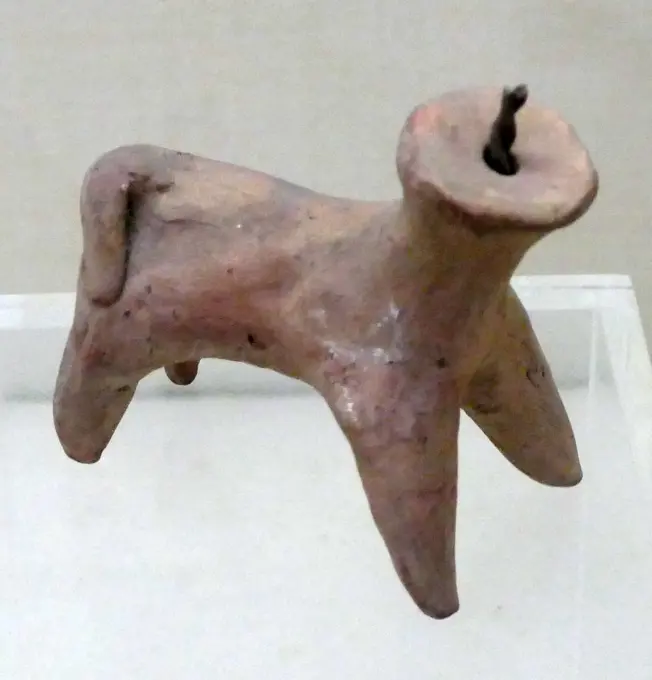
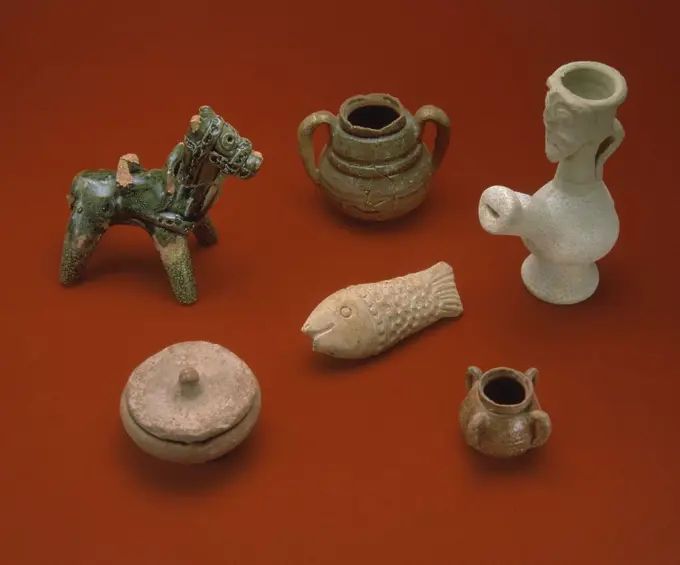
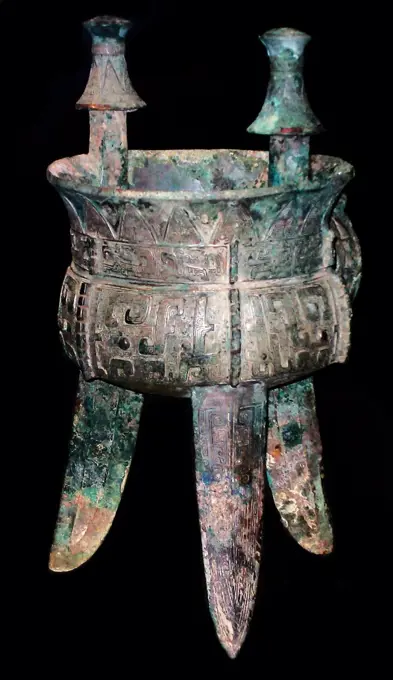
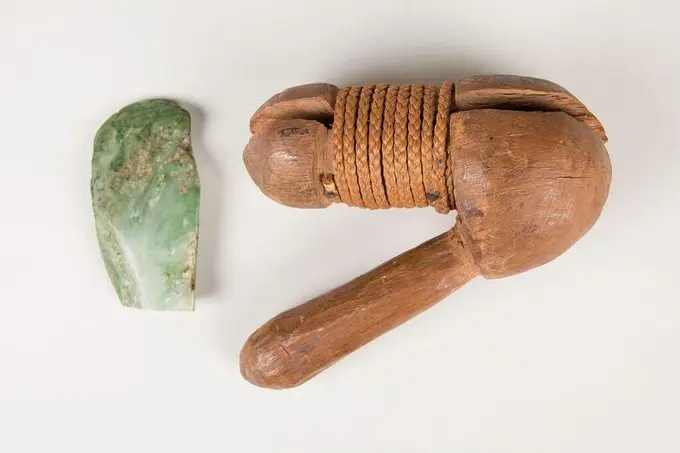
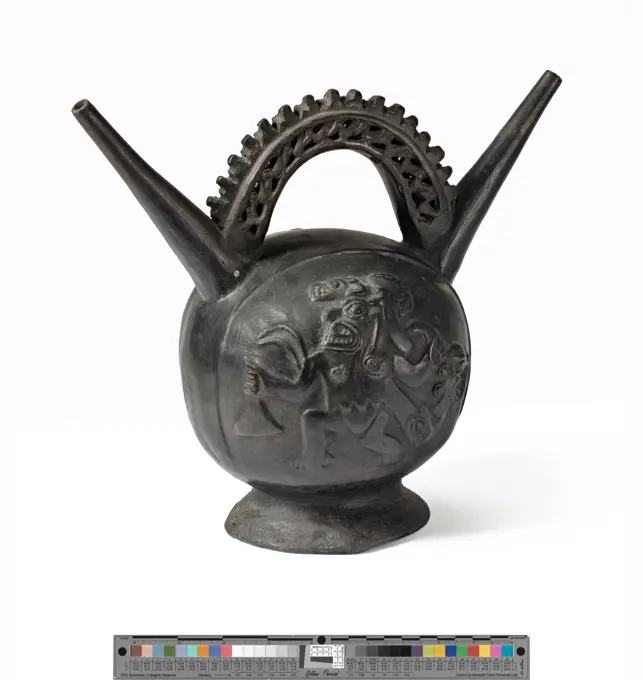
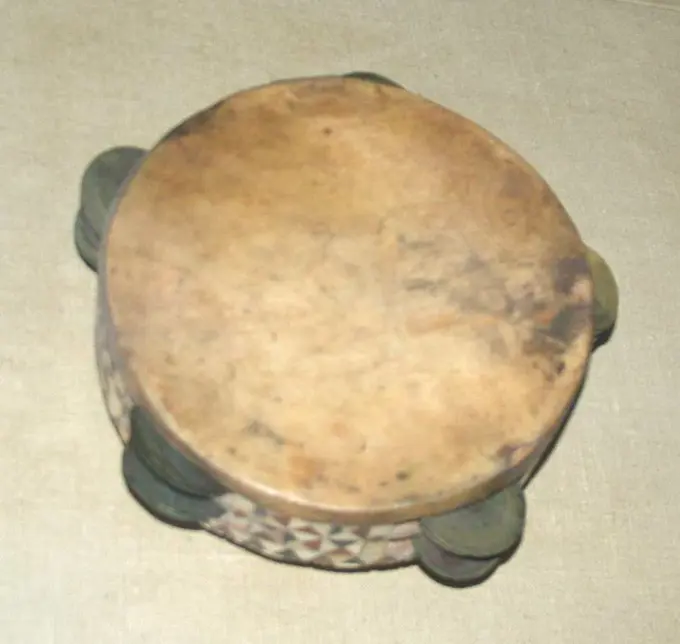
Stone Temple Model 1st-8th century Mezcala. Stone Temple Model 317530Roman Bell 1st / 2 / century AD bronzeStanding male figurine ca. 750-600 B.C. Cypriot Bell with handle in form of human figure.. Standing male figurine 239953Pottery belly model ointment jar, red shard, internally glazed, ointment jar pot holder soil find ceramic earthenware glaze lead glaze, hand turned glazed baked Pottery ointment red shard internally glazed. Abdomen model narrowing above the foot. Flat oblique inwardly directed top edge. Stand surface coarsely finished. Turning beads on the inside archeology health care indigenous pottery import pharmacy store sell craftWhistling Vessel with Spider Monkey. Guatemala, Escuintla, Maya, 450-650 CE. Ceramics. Slip-painted ceramicCeramic Ocarina. Culture: Carchi. Dimensions: H. 2 1/2 x W. 5 1/2 in. (6.4 x 14 cm). Date: 11th-16th century. Museum: Metropolitan Museum of Art, New York, USA.Terracotta lantern ca. 2nd century A.D. Roman, Egyptian Rectangular model of wayside shrine to be used as a lamp shelter.. Terracotta lantern. Roman, Egyptian. ca. 2nd century A.D.. Terracotta. Imperial. TerracottasFood warmer vases on feet from Monte d'Accoddi, Sardinia Region, ItalyESPECIERO CON CUATRO RECIEPIENTES Y ASA - ARTE POPULAR S XX. Location: ALFARERIA. BUÑO. A CORUÑA. SPAIN.Amulet of a Double Animal Lion and Bull 664 BCE-525 BCE Egypt. Faience . Ancient EgyptianTriple Covered Box with Branches of Floral Heads 960 CE-1279 China. Celadon-glazed stoneware with molded and applied decoration .Ancient China: Food vessel wth lid (Ding/Gui) Eastern Zhou Dynasty, Late Spring and Autumn period, 770 - 475 BC. Bronze.Prehistory, Hungary, Bronze Age. Baden Pecel culture. Wagon shaped clay pots from Budakalasz.Shaft-hole Axehead. Iran, Luristan, circa 2100-1750 B.C.. Arms and Armor; axes. Bronze, castSpindle Whorl. Culture: Mexican. Dimensions: Diameter 2-1/5 in.. Date: 10th-early 16th century. Museum: Metropolitan Museum of Art, New York, USA.Terracotta model of a shrine. Culture: Cypriot. Dimensions: H. 3 7/8 in. (9.9 cm). Date: ca. 600-480 B.C..The shrine contains a nonfigural representation, known as a betyl. The crescent and disk above the opening are symbols of the goddess Astarte, to whom the model may have been dedicated. Museum: Metropolitan Museum of Art, New York, USA.Small Double Spouted VesselItaly, Emilia Romagna region, Engraved horn shaped handlesButton or Bead 9th-10th century This object was excavated at Nishapur.Nishapur was a vital city in the early and middle Islamic periods, located along one of the main trajectories that connected Iran and West Asia Islamic lands with Central Asia and China. These itineraries are often referred to by the term Silk routes’ but were in fact crucial to the movement of constellations of materials and objects, as well as people and ideas. The diverse population of Nishapur and its surroundings, from the better-researched elite groups of merchants, land-owning aristocracy, and literates, to the less-known artisans, farmers, miners, and servants, were instrumental in adapting global cultural trends to create their own distinctive visual languages. This is seen in the material remains of everyday life in medieval Nishapur - from pots and pans to lighting devices, inkwells, textiles and trimmings, jewelry, games and toys, talismanic devices, weapons, coins, and architectural fragments.Nishapur lTerracotta oil lamp. Culture: Roman. Dimensions: Overall: 1 1/2 x 3 1/2 in. (3.8 x 8.9 cm). Date: 7th century A.D..Vessberg type 19 (slipper lamp). Mold-made, with applied conical handle. Broad, sharply carinated body; on the discus, indistinct pattern with central filling hole, surrounded by two raised lines that run forward to the wick hole, forming a channel between the two; on the shoulder, a pattern of wavy tendrils. Undefined base, with raised line extending to front.Intact, but heavily encrusted. The wick hole has been crudely formed in the center of the discus. Museum: Metropolitan Museum of Art, New York, USA.Four-piece bronze mold for collar of chamber pot with initials DIM, cast molding tools tool base metal bronze, cast turned Four-piece bronze mold for top of chamber pot collar. signed: DIM (Dirck Jansz Messchaert II) Rotterdam tin foundry tin stain tin Meeuws Druy artisan Shapes are from the originally 18th century Rotterdam tinnegieter J Druy. The large molds that were not signed or dated were the property of the tinker guild and were rented to the small tin caster.Funerary Cheek-Piercing Ritual 200 BCE-300 CE Nayarit state. Ceramic and pigment . NayaritTerracotta oil lamp 1st century B.C.-1st century A.D. Roman, Cypriot Loeschcke Type 4. Mold-made. Discus: undecorated at center and band of close-set radiating lines around upper half, flanked above and below by a raised circle; a single, small filling hole at center; raised line around edge, interrupted at front by channel and continuing to form simplified volutes flanking rounded nozzle with large wick hole. Shoulder: impressed ovules. Incised base ring, and flat, slightly raised base.Intact, except for small loss around filling hole.. Terracotta oil lamp. Roman, Cypriot. 1st century B.C.-1st century A.D.. Terracotta. Early Imperial. TerracottasOrnamented Knife (tumi) 15th-early 16th century Inca The Inca inherited a metalworking tradition that began well over 2,000 years before their rise to power. They brought metalworkers from all over the empire, especially the north coast, to their capital Cuzco, to produce objects in gold, silver, copper, and bronze. Knives, or tumis, were among the most common and widely distributed metal tools produced in Inca times. Typically made of copper or tin bronze, Inca tumis have a long, curved blade at right angles to the handle. The handles could be flat or round, and many have decorated tops. Suspension loops at the top of the shaft suggest they were hung from the belt or necklace.Tumis were used in ritual sacrifice in the Andes for thousands of years and are frequently seen in artworks in the hands of deities and supernaturals about to perform an act of sacrifice. The knives themselves are often embellished with sacrificial scenes at the top or with elements that refer to sacrifice. On thCapital. Dimensions: H. 11 1/4 in. (28.6 cm)W. 12 1/4 in. (31.1 cm)D. 12 1/4 in. (31.1 cm)Wt. 100 lbs. (45.4 kg). Date: late 8th century.This capital, carved of soft alabaster, demonstrates a vegetal style of the early Abbasid period. The classical curled leaf forms are representative of a traditionally decorated capital which later gave way to the emergence of the distinctive Beveled style form. Museum: Metropolitan Museum of Art, New York, USA.Study Models of Parts of the Body. This group of small models of parts of the body are carefully copied after famous sculptures, in particular by Michelangelo, in Florence and Rome. They came from the workshop of the Nijmegen sculptor Johan Gregor van der Schardt, who had a successful career in Italy, Nuremberg, and Copenhagen. They are extremely rare examples of the, in part autograph, study material of a 16th-century sculptor.Cast from a Mold 12th century. Cast from a Mold 456955Fragments copper sheet metal from the wreck of the East Indies Hollandia, Anonymous, 1700 - in or Before 1743 fragment Varied parts or fragments, sheet metal fragments: worked, with circular, rectangular or square holes; fragm, squashed, eroded, 1 nail-hole. Netherlands copper (metal)   SecondOil lamps. Clay. Some central discus ornamented with motif in low relief. 2nd century. Spain. National Archaeological Museum. Tarragona. Spain.Stirrup Spout Bottle: Fruit 12th-9th century B.C. Cupisnique. Stirrup Spout Bottle: Fruit 309510Spindle Whorl 10th-early 16th century Mexican. Spindle Whorl 307667Blackware Stirrup Vessel in the Form of a Frog Made 100 BCE-500 CE Peru. Ceramic . MocheTerracotta vase in the form of a bull 1600-1050 B.C. Cypriot White binding-pattern.. Terracotta vase in the form of a bull. Cypriot. 1600-1050 B.C.. Terracotta; Base-Ring ware. Late Cypriot. VasesPowder Flask, c. 1550-1580. Austria () or Germany, 16th century. Staghorn (two branches) with carved relief scene of the Judgement of Paris, mounts missing; overall: 17.8 x 13.4 cm (7 x 5 1/4 in.).Lamp 7th-8th century. Lamp 451658Four-piece bronze mold for top of pot or jug, mold casting tool tools base metal bronze, cast Four-piece shape for top of pot Rotterdam tin foundry tin stain tin Meeuws Druy craft Shapes are from the originally 18th century Rotterdam tinnegieter J Druy. The large molds that were not signed or dated were the property of the tinker guild and were rented to the small tin caster.Column Base and Capital. Dimensions: a: H. 1 3/4 in. (4.4 cm); Diam. 2 in. (5.1 cm)b: Diam. 3 in. (7.6 cm). Retailer: Henry Kellam Hancock (1816-1851). Date: ca. 1810-30. Museum: Metropolitan Museum of Art, New York, USA.Spoon with oval bowl and flat handle, spoon cutlery soil find tin metal, Oval tray flat handle Front box smashed mark: rose flower in round cartouche archeology Rotterdam railroad tunnel food Soil discovery: trajectory rail tunnel Rotterdam.Snuff Bottle, 1644-1911. China, Qing dynasty (1644-1911). Glass; overall: 6.8 cm (2 11/16 in.).Terracotta oil lamp ca. A.D. 40-100 Roman Loeschcke Type 4. Mold-made. Discus: bird facing right and perched on a bough; a single filling hole below; band of lines and grooves towards edge. Volutes flanking nozzle, with large wick hole. Incised base ring, and uneven, pushed-in base.Intact.. Terracotta oil lamp. Roman. ca. A.D. 40-100. Terracotta. Early Imperial. Terracottasbracteate denarius. Zakon krzyżacki (1190-), issuerCAPITEL OMEYA PLENO. Nº INV. 50456. ALTURA 24 CM. ANCHO 25 CM. MUSULMAN. (EXPOSICION: ARTE ISLAMICO ESPAÑOL) (DEPOSITO: MUSEO ARQUEOLOGICO NACIONAL).Red -andeic ascos;  5th century BC (-500-00-00--401-00-00);Amenhotep II Scarab, New Kingdom. Egypt, New Kingdom or modern forgery. Steatite, traces of turquoise glaze; overall: 1.2 cm (1/2 in.).Models of shot bundles (grapeshot). A cannon could be loaded with a single cannonball or bundles of smaller projectiles, such as this grapeshot’. Grapeshot consisted of a canvas bag filled with iron balls or metal slugs, tied together so that it resembled a bunch of grapes. It was used to hit living targets - horses and soldiers - at close range. The Dutch word for machine gun (mitrailleur) comes from the French term for grapeshot (boîte à mitraille).A collection of clay toys from the Indus Valley Civilisation at Mohenjo-Daro, Pakistan. The Indus Valley Civilisation was a Bronze Age culture, (33001300 BCE; mature period 26001900 BCE) mainly in the north-western regions of South Asia, extending from what today is northeast Afghanistan to Pakistan and northwest IndiaScorpion 6th-7th century Moche (Loma Negra). Scorpion 314464ALFARERIA NAZARI-JUGUETES. Location: ALHAMBRA-MUSEO-CERAMICA. GRANADA. SPAIN.Bronze right foot and lower leg from a colossal statue. Culture: Roman. Dimensions: H.: 13 in. (33 cm). Date: 1st or 2nd century A.D..Right foot and part of leg from colossal statue. Museum: Metropolitan Museum of Art, New York, USA.rusty jointer on white backgroundRam figurine. Culture: Cypriot. Dimensions: H. 4 1/8 in. (10.5 cm). Date: ca. 600-480 B.C..The figurine is handmade and solid. The head is chipped. It has curving horns, pellet ears, and short legs. The tail is attached to the right hind leg. Museum: Metropolitan Museum of Art, New York, USA.Bronze tripod vessel, Jia, Shang period, Shanghai Museum, China.Adze. Culture: New Zealand. Dimensions: L. 4 1/8 in. (10.5 cm); W. 2 3/16 in. (5.5 cm); D. 11/16 in. (1.8 cm). Museum: Metropolitan Museum of Art, New York, USA.Double Spout and Bridge Vessel. Peru, Lambayeque, Chimú, 900-1430 CE. Ceramics. Blackware ceramicRiqq late 19th century Syrian A tambourine used in Arabic music. It is used in takht orchestras (Egypt, Syria) and chalghi ensembles (Iraq).. Riqq 501008Stem Cup (Bei) 2400-1900 B.C. China Listen to experts illuminate this artwork's story Listen Play or pause #7340. Stem Cup (Bei) Supported by Bloomberg Philanthropies We're sorry, the transcript for this audio track is not available at this time. We are working to make it available as soon as possible.. Stem Cup (Bei). China. 2400-1900 B.C.. Earthenware. Neolithic period, Shandong Longshan culture. CeramicsVASIJA ZOOMORFA - CERAMICA - CULTURA NAZCA (1-600) - PERU - Nº INVENTARIO 02/05/017. Location: MUSEO DE AMERICA-COLECCION. MADRID. SPAIN.