Historical Oil Lamps

A variety of ancient lamps and fittings, including decorative motifs and unique shapes, representing artistry from different cultures and eras.

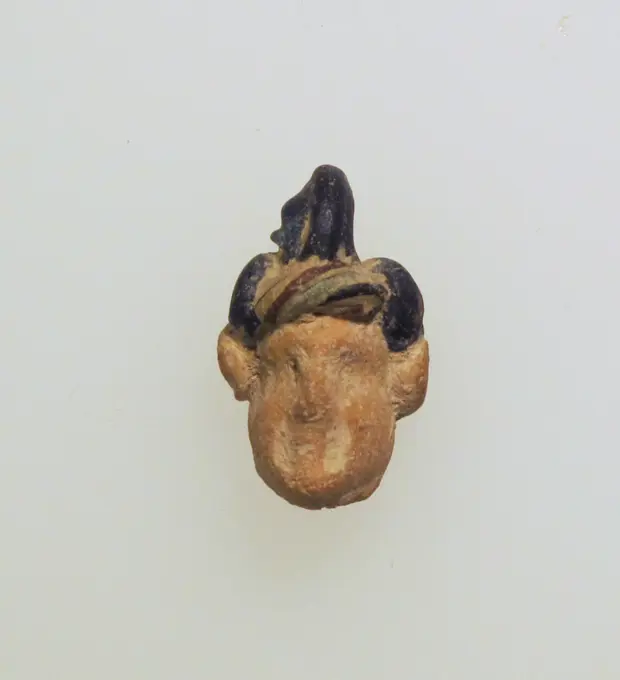
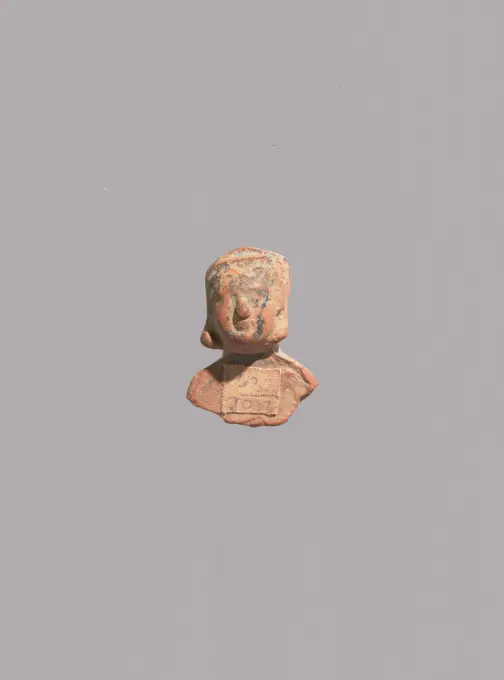
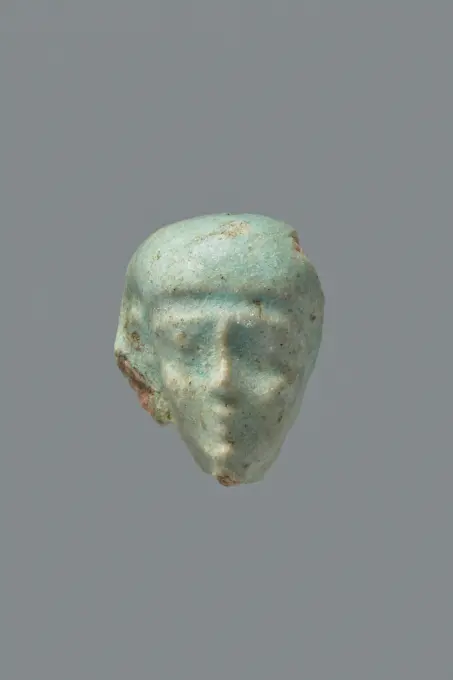
Head of a nubian man, 1st-4th century, 2 1/2 x 2 1/4 x 1 3/4 in. (6.4 x 5.7 x 4.4 cm), Terracotta, Egypt, 1st-4th century
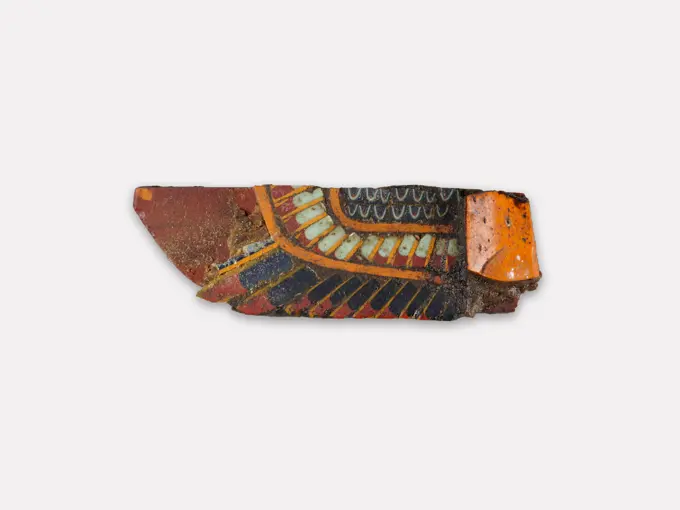
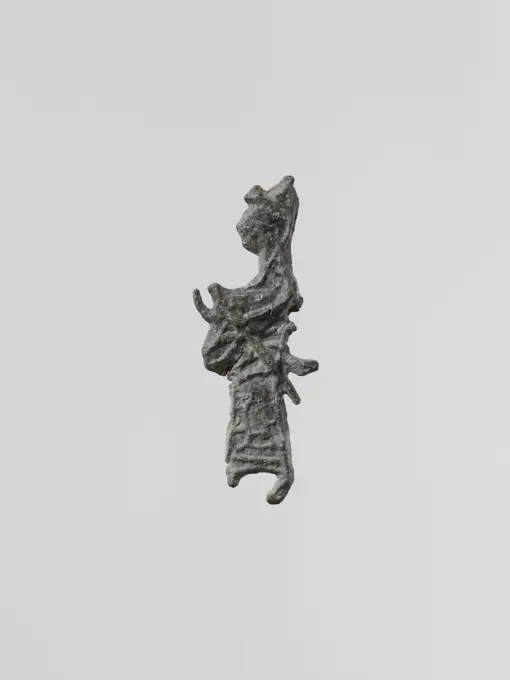
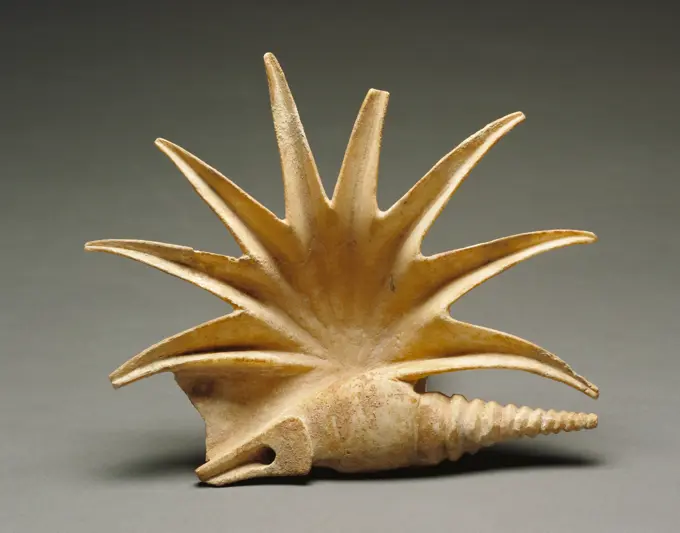
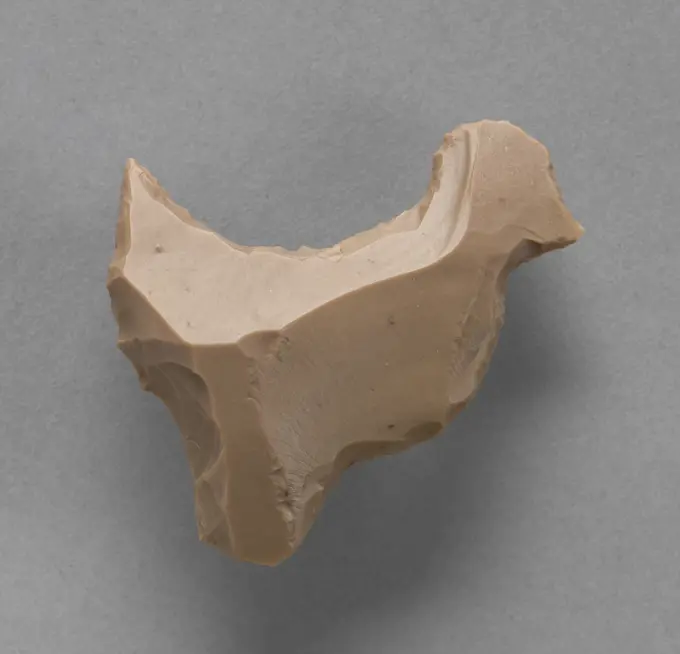
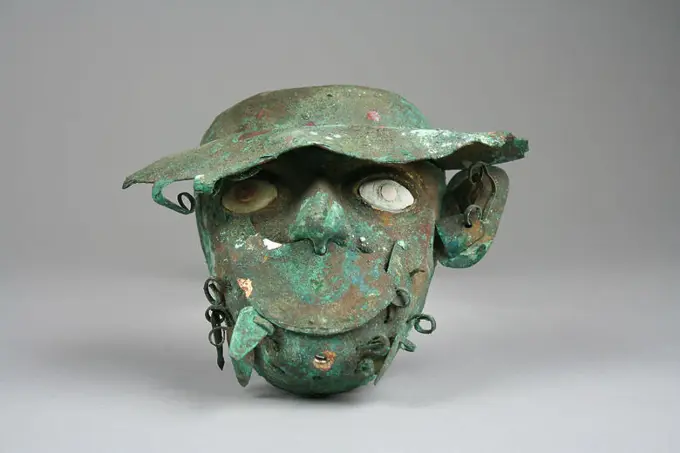
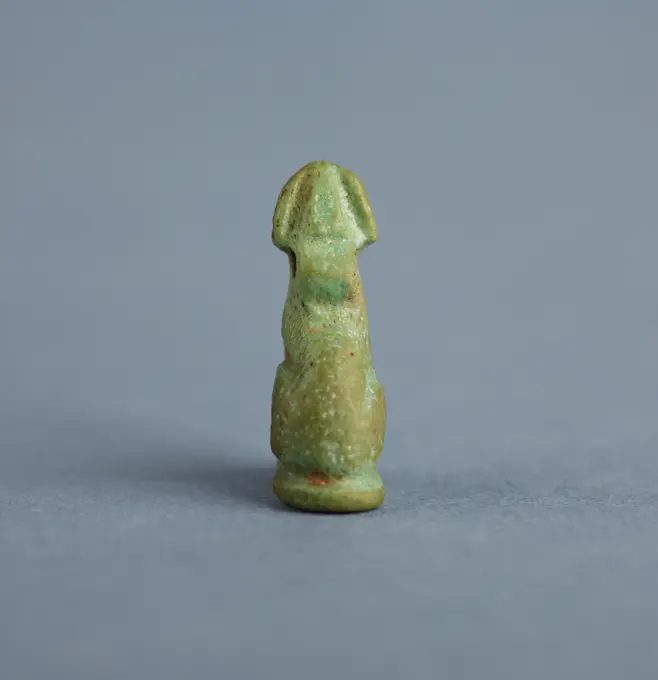
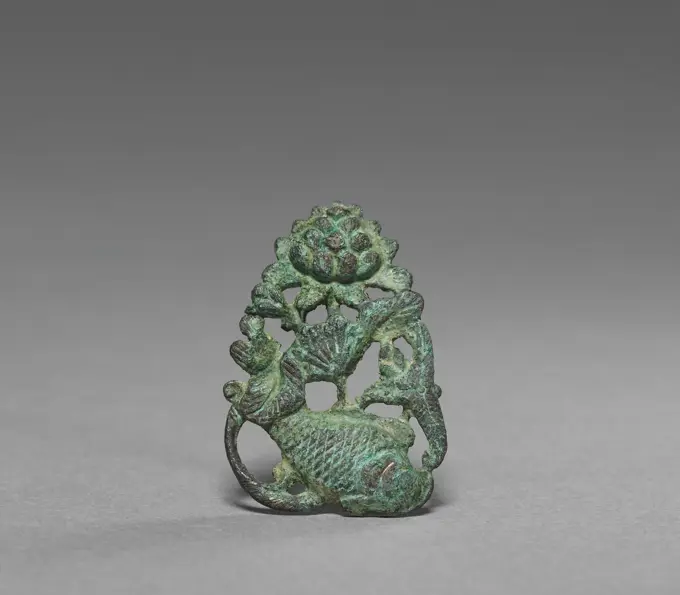
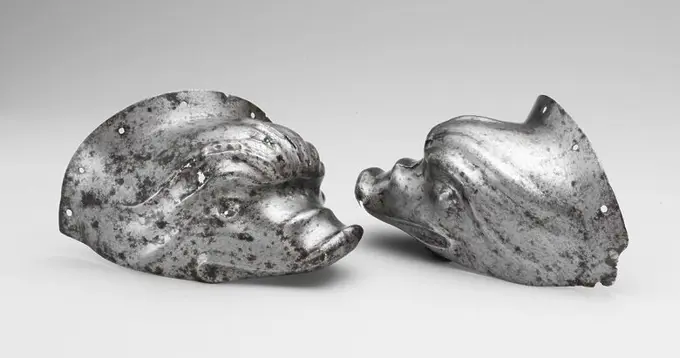
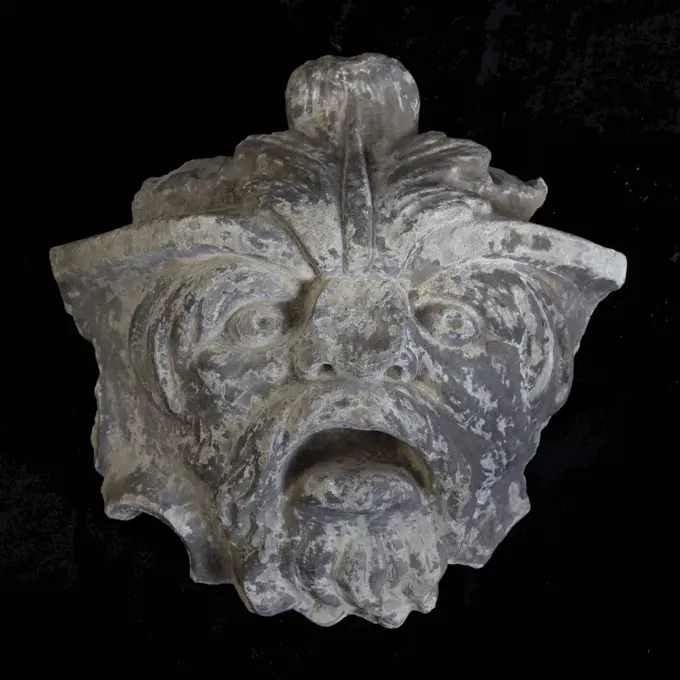
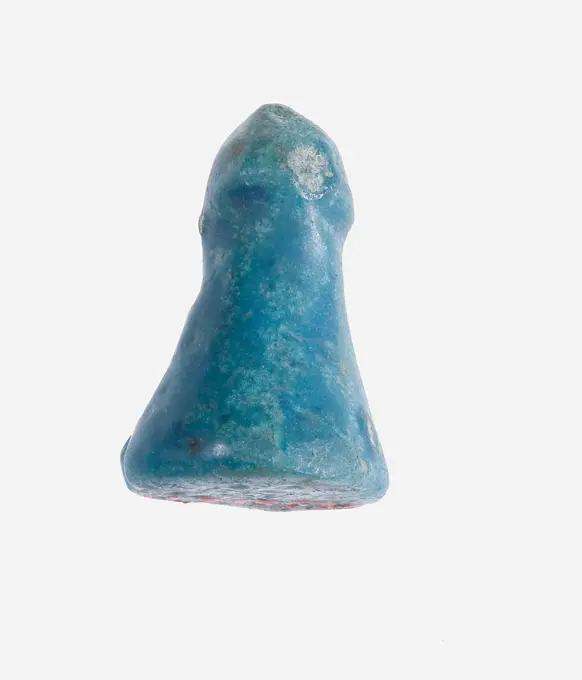
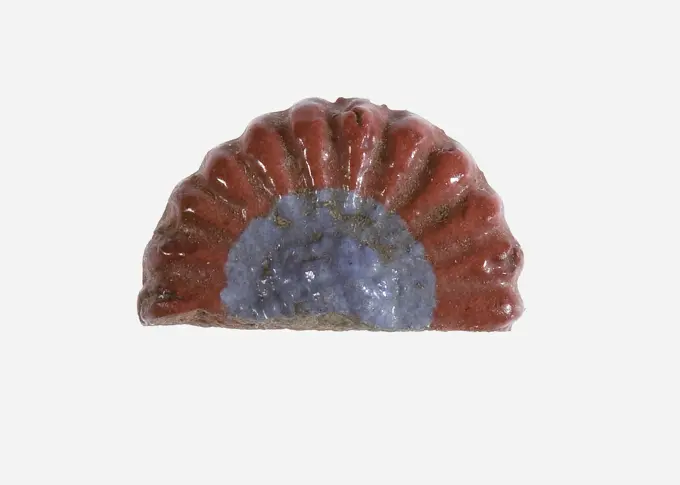
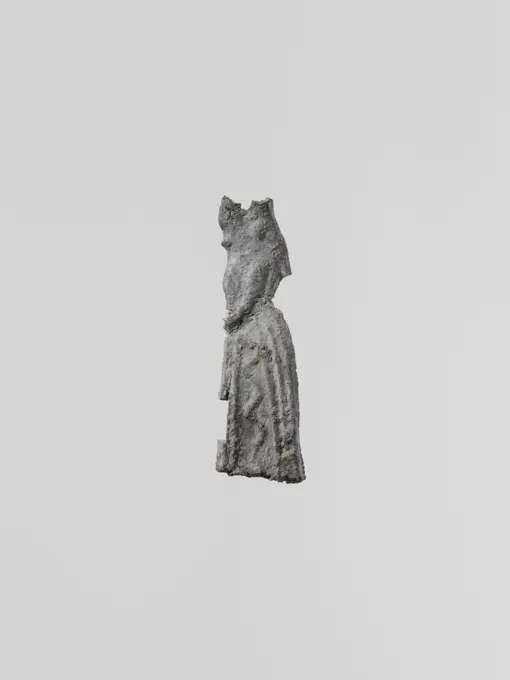
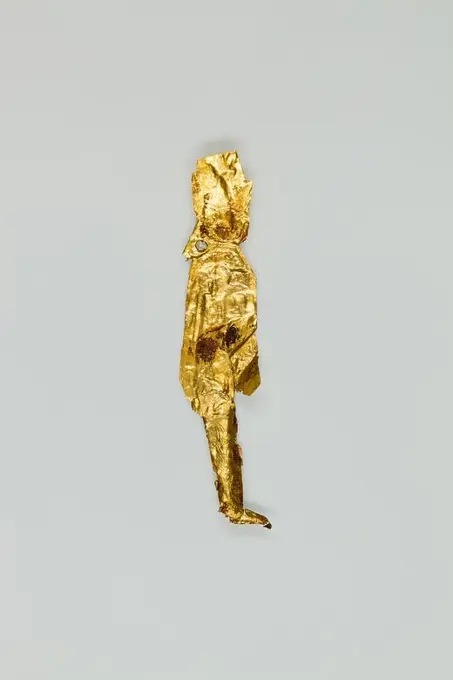
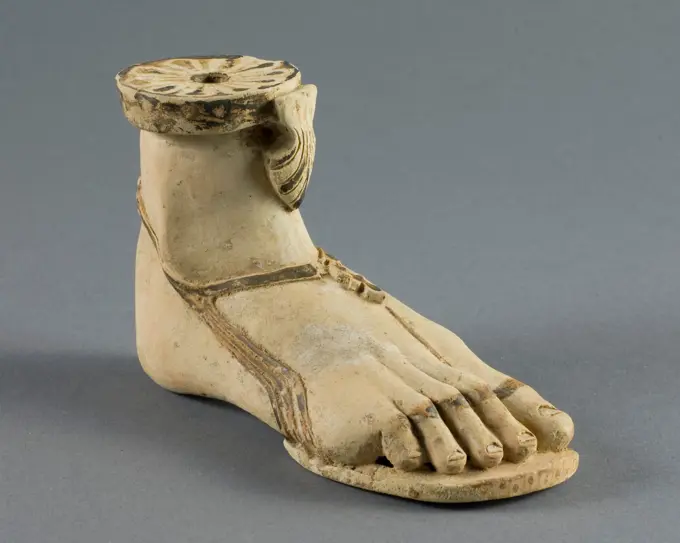
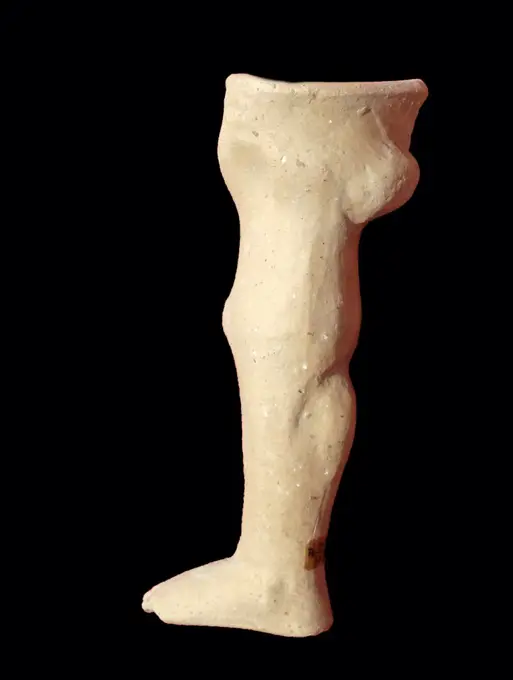
Terracotta votive offering. From an Etruscan or Etrusco-Campanian selection once featured in Henry Welcome's museum. 4th-2nd Century BC.Learning Muil, c. 1400 - c. 1950  Leather Muil with Snedes in the upper leather and two holes for a lace. Wooden nails in the sole.  leather. wood (plant material)   Zeeuwsche UytkyckInlay, wing from a winged sun or falcon 200 BC-100 AD Ptolemaic Period-Roman Period Monochrome and mosaic glass sections have been adhered to a background to form this elaborately patterned wing.. Inlay, wing from a winged sun or falcon. 200 BC-100 AD. Glass. Ptolemaic Period-Roman Period. From EgyptBracelet with Conical Spirals ca. 300 B.C.-A.D. 200 Thailand (Ban Chiang). Bracelet with Conical Spirals. Thailand (Ban Chiang). ca. 300 B.C.-A.D. 200. Bronze. Late period. MetalworkLead figure of a goddess with spear and aegis, probably Athena 6th-5th century B.C. Greek, Laconian Small flat votive figurines of cast lead have been found in great quantities at the ancient sanctuaries of Laconia; over one hundred thousand, dating from the seventh century B.C. to the Classical period, were dedicated to the goddess Artemis Orthia in Sparta.. Lead figure of a goddess with spear and aegis, probably Athena 251622 Greek, Laconian, Lead figure of a goddess with spear and aegis, probably Athena, 6th5th century B.C., Lead, Height: 1 7/16 in. (3.6 cm). The Metropolitan Museum of Art, New York. Gift of A. J. B. Wace, 1924 (24.195.56)Shell. UnknownThe figure watching the stars is believed to be the messenger Zhang Qian (died 114 BCE). Legend says he lost his way in the Milky Way, where he met the Weaving Maid who gave him a stone from her loom. Zhang, in fact, holds a slab inscribed loom stone. The vessel is dated, inscribed, and has a seal of the silversmith Zhu Bishan, from Zhejiang province, who ran a workshop in the Lake Tai area near Suzhou. Zhu is one of the few Chinese silversmiths known by name, producing silverware so desirable that his name was used like a trademark by his competitors and followers. Made of pure silver, and shaped like a hollow log, the cup was assembled from several silver pieces that were then soldered together. Raft Cup, 1300s-1400s. Attributed to Zhu Bishan (Chinese, c. 1300-aft 1362). Hammered silver soldered together, with chased decoration; overall: 16 cm (6 5/16 in.).Anklet. Western Iran, circa 1000-650 B.C.. Jewelry and Adornments; anklets. Bronze, castBronze and amber fibula (safety pin) 7th century B.C. Etruscan or Italic Too large to be worn in life, it was most likely made expressly for burial with the deceased.. Bronze and amber fibula (safety pin) 257784Busby Building, 128 West Lake Street, Chicago, Illinois Window Keystone 1867-1877 Lake Street, 128 West. Limestone .Glass double cosmetic flask (kohl tube). Culture: Roman, Syrian. Dimensions: Overall: 4 5/8in. (11.8cm). Date: 4th century A.D..Translucent light blue; handles and trail in same color, streaked with opaque brown red.Everted tubular rim, folded over and in; body comprising two tubes, side by side, made from a single inflated gather by pinching sides vertically to make diaphragm; pontil mark on thick, flattened bottom; two rod handles attached to upper body, drawn up, out, then turned down and in, and trailed onto edge of rim.Single fine trail applied as a pad on upper body, drawn up and wound in a spiral twice around body below handles, then wound down nine times ending near bottom.Body intact, but some parts of trail missing; pinprick and larger bubbles, and blowing striations; dulling and iridescent weathering on exterior, thick creamy weathering and iridescence on interior. Museum: Metropolitan Museum of Art, New York, USA.Glass head pendant 3rd-1st century B.C. Carthaginian or Eastern Mediterranean Translucent blue and opaque yellow, with additional trails in light blue and purple..Narrow and elongated with uneven, irregular back; small hole under chin; large suspension loop on top of the head.Ears as small applied trails of yellow glass over blue hair; spiral headband across forehead decorated with light blue and purple; deep-set eye sockets, pointed nose, narrow lips, and prominent cheeks and chin.Intact; dulling and limy encrustation.. Glass head pendant. Carthaginian or Eastern Mediterranean. 3rd-1st century B.C.. Glass; rod-formed and trailed. Hellenistic. GlassHead - a fragment of a woman's figurine;  III-II century BC () (-300-00-00--201-00-00);Flint in the Form of a Bird, 4000-3000 BC. Egypt, Predynastic Period, Naqada II-III period, 4000-3000 BC. Tan-colored flint; overall: 5.2 x 5.2 cm (2 1/16 x 2 1/16 in.).Button from the wreck of the East India hollandia. Button. (1) SIM. NG 1980-27H1185 (1.7, 1.8D)Lamp 30 B.C.-A.D. 364 Roman Period. Lamp. 30 B.C.-A.D. 364. Copper Alloy. Roman Period. From EgyptGlass shard and cork from a wine bottle from the wreck of the East Indies Flying Heart. The brown cork and the green glass fragment ever part of a wine bottle.Lead ornament in the form of a bud. Culture: Greek, Laconian. Dimensions: Height: 1 1/4 in. (3.3 cm). Date: 6th-5th century B.C..Small flat votive figurines of cast lead have been found in great quantities at the ancient sanctuaries of Laconia; over one hundred thousand, dating from the seventh century B.C. to the Classical period, were dedicated to the goddess Artemis Orthia in Sparta. Museum: Metropolitan Museum of Art, New York, USA.Terracotta molds for a lamp. Culture: Roman, North African. Dimensions: (35.11.8a): 2 3/8 x 5 7/16 in. (6 x 13.8 cm)(35.11.8b): 2 3/16 x 5 5/8 x 7 3/8 in. (5.6 x 14.3 x 18.7 cm). Date: 5th century A.D.. Museum: Metropolitan Museum of Art, New York, USA.Glass pendant in the shape of an Africans head late 2nd-1st century B.C. Greek, Eastern Mediterranean Translucent deep purple, appearing black.Solid, vertical pendant, with mold marks running up sides and top of head, and under his neck; suspension loop on top of head.Shaped like the head of an African, with prominent eyebrows,large round eyes, chubby cheeks, broad nose, large lips, tightly curled hair, and long neck.Large chip in back of head and most of suspension loop missing; slight dulling and weathering.Female head with handle on top; brown.. Glass pendant in the shape of an Africans head. Greek, Eastern Mediterranean. late 2nd-1st century B.C.. Glass. Hellenistic. GlassFragment Kendi from V.O.C. ship De 'Witte Leeuw', Anonymous, Before 1613  Fragment Kendi from V.O.C. ship De 'Witte Leeuw'. Part of the mouth and spout. Jingdezhen bone china (material)   Sint-HelenaFace Mask Ornament. Culture: Moche (Loma Negra). Dimensions: Height 3-3/8 in. (8.5 cm). Date: 390-450. Museum: Metropolitan Museum of Art, New York, USA.Glass pendant in the shape of Harpokrates late 2nd-1st century B.C. Greek, Eastern Mediterranean Translucent purple.Solid, vertical pendant, with mold marks running up sides of figure, over his head, and under his feet; on his back a small vertical suspension loop.Harpokrates, standing facing front, with curly hair topped with a small version of the double crown of Egypt, wearing large globular earrings, naked, left arm at side, right arm bent up across his chest and his forefinger pressed to his lips.Complete, except for suspension loop; very faint weathering.Probably made in the same mold as 17.194.420.Purple figure with perforated handle.. Glass pendant in the shape of Harpokrates 249659Hand Drum (warup)Cup, 1662-1722. China, Qing dynasty (1644-1911), Kangxi reign (1662-1722). Jade; overall: 6 cm (2 3/8 in.).Amulet - SphinxFragment uszebti. unknown, authorChain ball from the wreck of the East Indians Hollandia, Anonymous, 1700 - in Or Before 1743  Shot, springshot. Netherlands lead (metal). metal thread   SecondOrnament with Carp and Lotus Design, 1100s. Korea, Goryeo period (918-1392). Bronze; overall: 3 x 2 cm (1 3/16 x 13/16 in.).Sewing Case (France); silk, metal, woolPair of Ear Guards from a Shaffron (Horse's Head Defense). Culture: German (probably Augsburg). Dimensions: 29.158.619a; H. 7 5/8 in. (19.4 cm); W. 6 in. (15.2 cm); Wt. 4 oz. (105 g); 29.158.619b; H. 7 3/4 in. (19.7 cm); W. 5 3/4 in. (14.6 cm); Wt. 4 oz. (123 g). Date: ca. 1525-30. Museum: Metropolitan Museum of Art, New York, USA.Saterkop, fragment vase Reformed Church Delfshaven, sculpture sculpture ornament stone paint, sculpted Head of satyr- or demon-like creature with long eyewows and beard growth opened its mouth. Remains of black paint Hard stone Rotterdam Delfshaven Was part of vase on the corner of the Reformed church in Delfshaven.Conical Game Piece ca. 1390-1353 B.C. New Kingdom. Conical Game Piece. ca. 1390-1353 B.C.. Faience. New Kingdom. From Egypt, Upper Egypt, Thebes, Malqata, Palace of Amenhotep III, MMA excavations, 1910-12. Dynasty 18Daisy Bead ca. 1390-1353 B.C. New Kingdom. Daisy Bead. ca. 1390-1353 B.C.. Faience. New Kingdom. From Egypt, Upper Egypt, Thebes, Malqata, Palace of Amenhotep III, MMA excavations, 1910-11. Dynasty 18Axe Blade. Culture: Dongson. Dimensions: H. 6 3/8 x W. 4 5/16 x D. 1 1/8 in. (16.3 x 11 x 2.9 cm). Date: ca. 500 B.C.-A.D. 300. Museum: Metropolitan Museum of Art, New York, USA.Miniature Skeleton; Unknown; Asia Minor; 1st century; Bronze; Object: H: 6.6 cm (2 5/8 in.)Statuette of a woman votary ca. 625-425 B.C. Greek, Laconian. Statuette of a woman votary 251585 Greek, Laconian, Statuette of a woman votary, ca. 625425 B.C., Lead, Height: 1 3/16 in. (3 cm). The Metropolitan Museum of Art, New York. Gift of A. J. B. Wace, 1924 (24.195.19)Pediform ax blade. Bronze. Cernuschi Museum, Asia Museum of Asia in the city of Paris.Hathor or Isis () amulet. Dimensions: l. 3.9 cm (1 9/16 in.) × h. 1.1 cm (7/16 in.). Dynasty: Dynasty 26-29. Date: 664-380 B.C.. Museum: Metropolitan Museum of Art, New York, USA.Aryballos (Container for Oil) in the Form of a Right Foot 700 BCE-501 BCE . terracotta . Ancient GreekCosmetic Dish in the Shape of a Trussed Duck. Dimensions: l. 9 cm (3 9/16 in). Dynasty: Dynasty 18. Reign: reign of Akhenaten-Tutankhamun. Date: ca. 1353-1327 B.C.. Museum: Metropolitan Museum of Art, New York, USA.