Historical Ornamental Artifacts

Ancient decorative artifacts including badges, buttons, and fittings with intricate designs, reflective of historical craftsmanship and cultural significance.

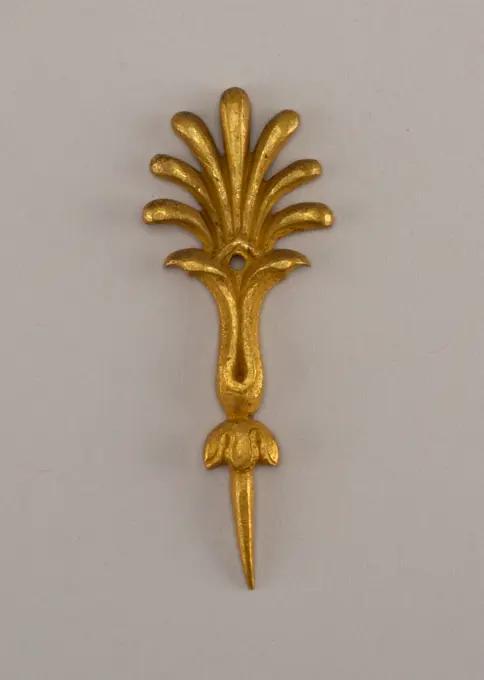
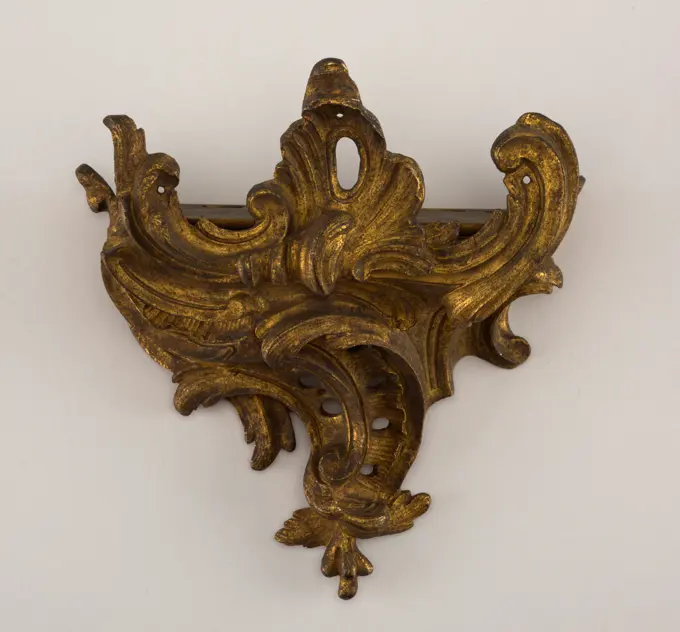
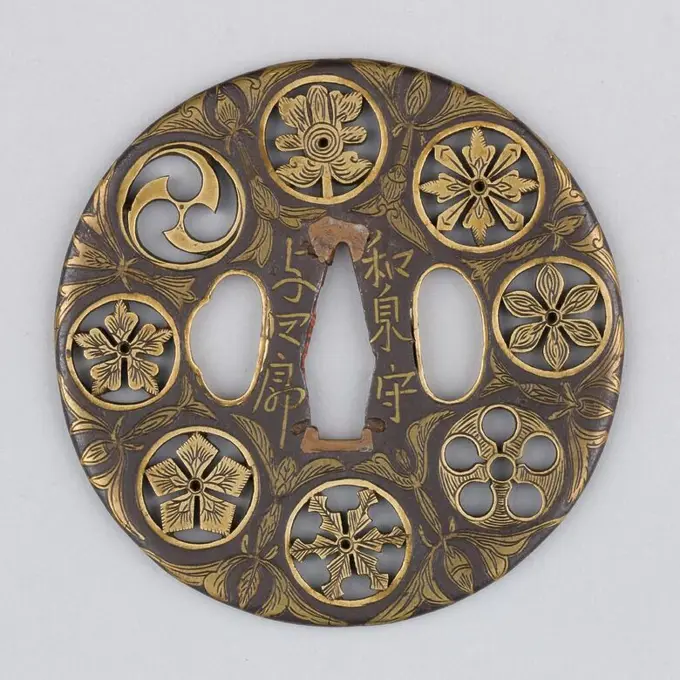
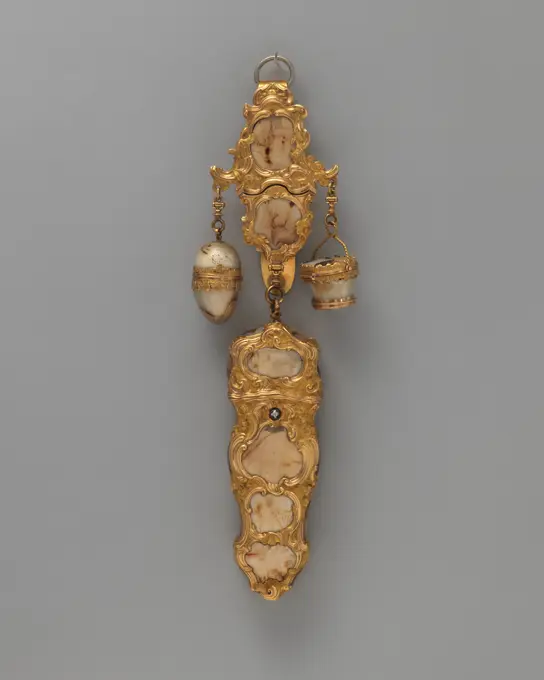
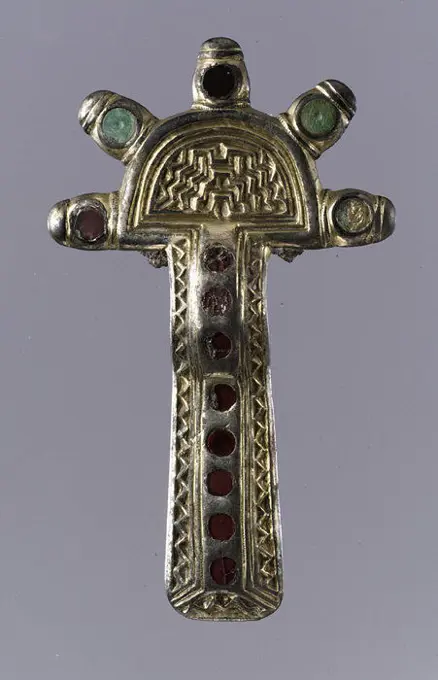
Furniture applique, Gilt bronze, Helmet and flags, oak leaves and shield., France, ca. 1790, metalwork, Decorative Arts, Furniture applique
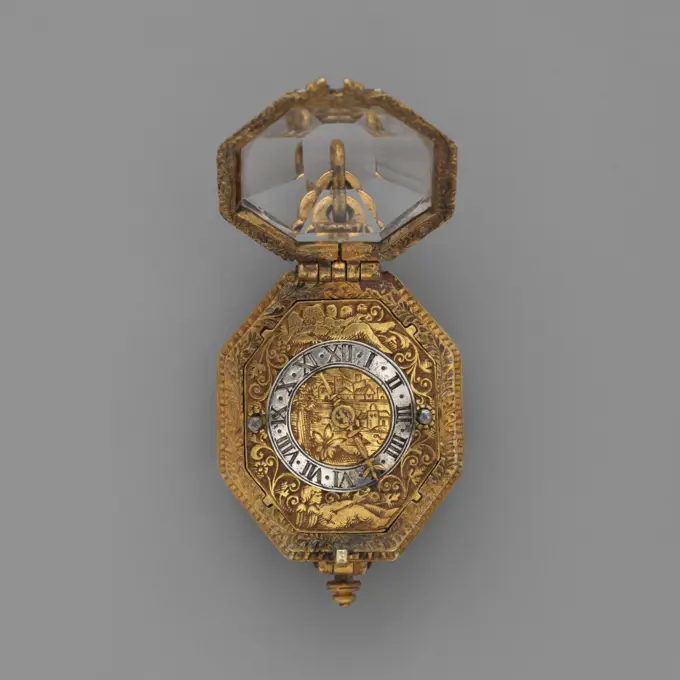
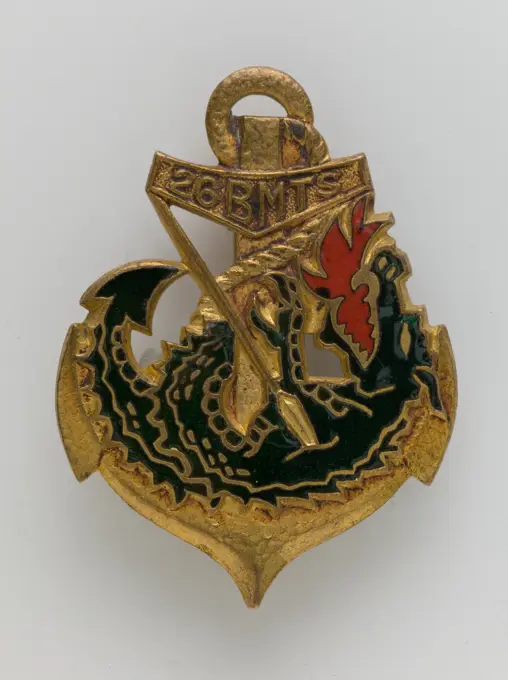
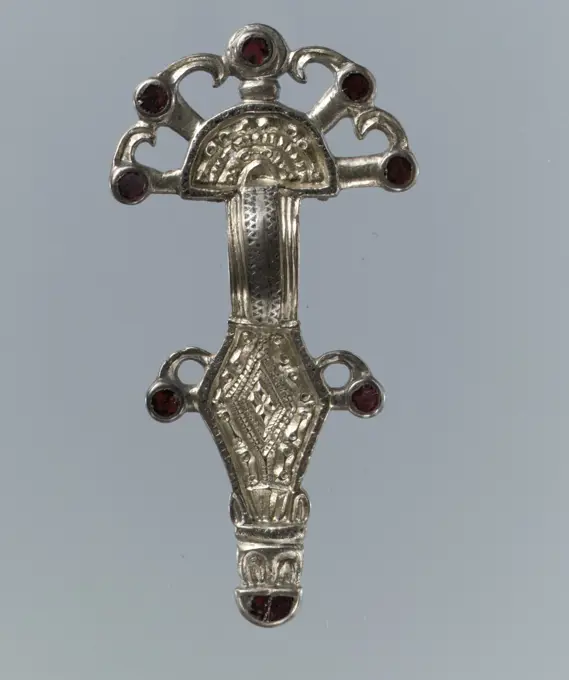
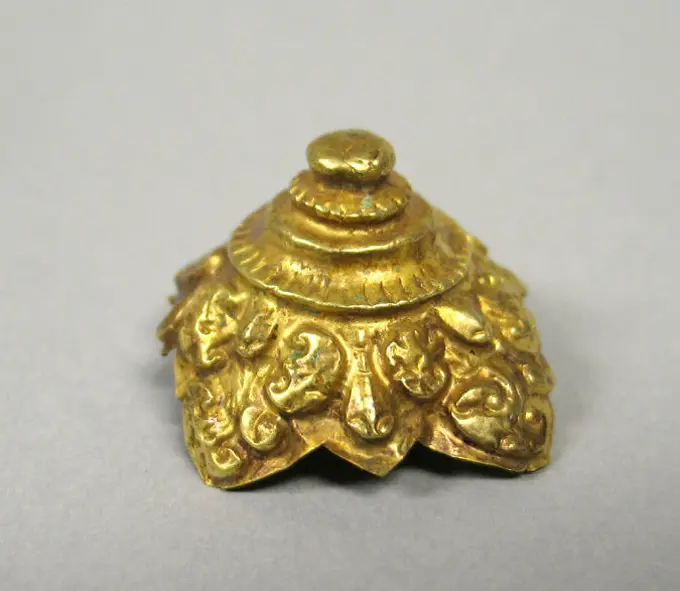
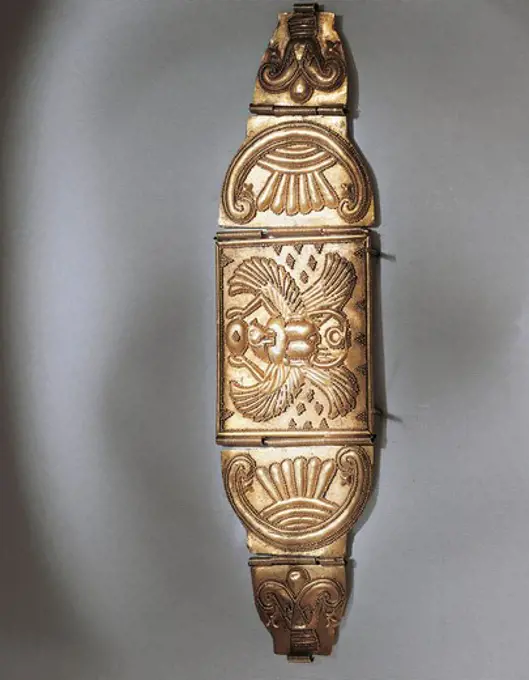
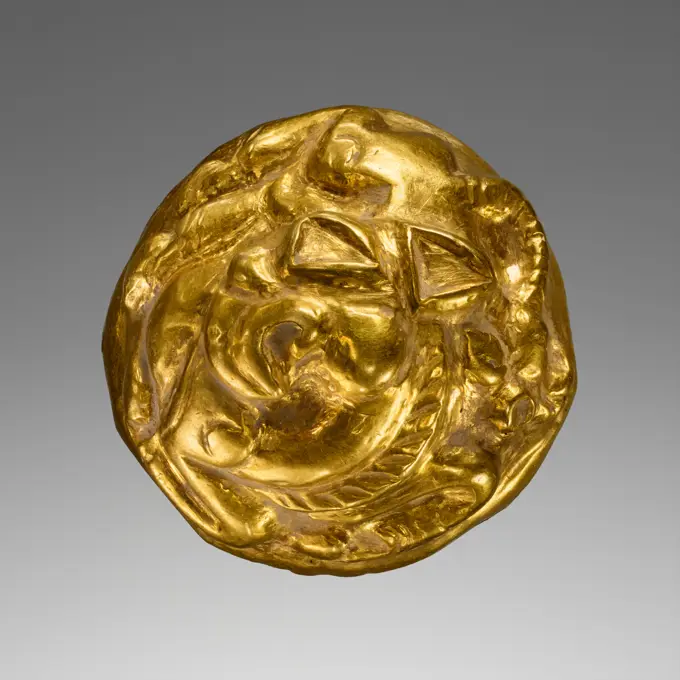
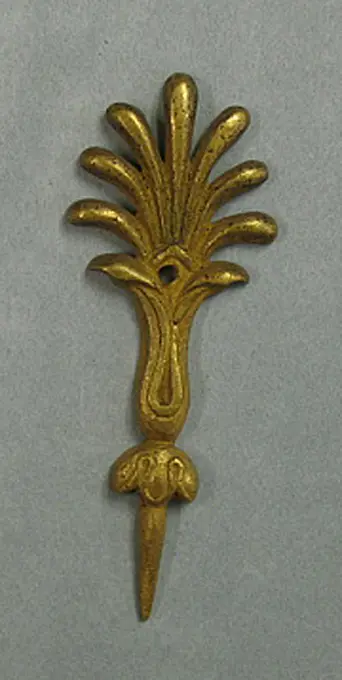
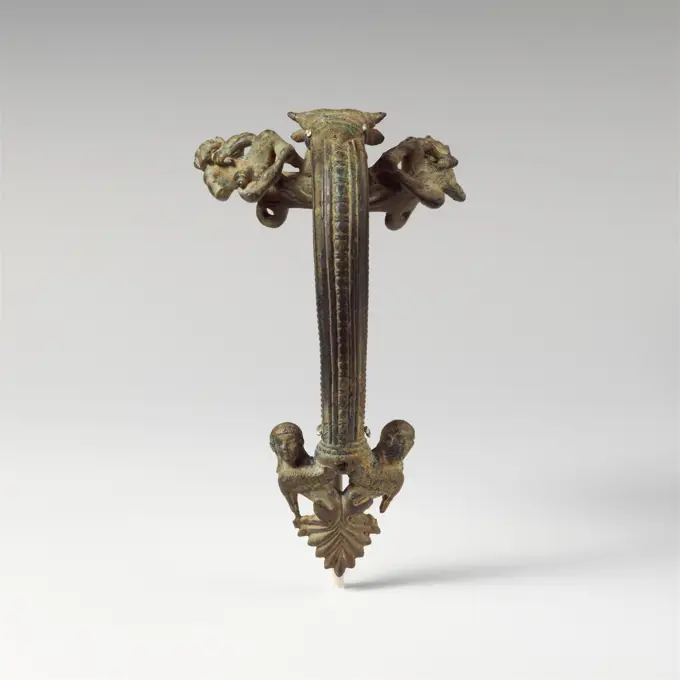
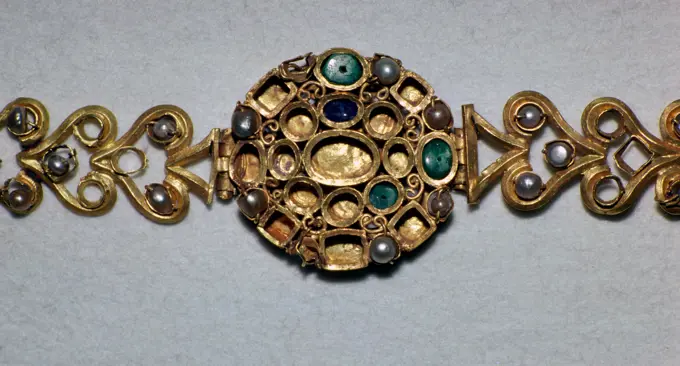
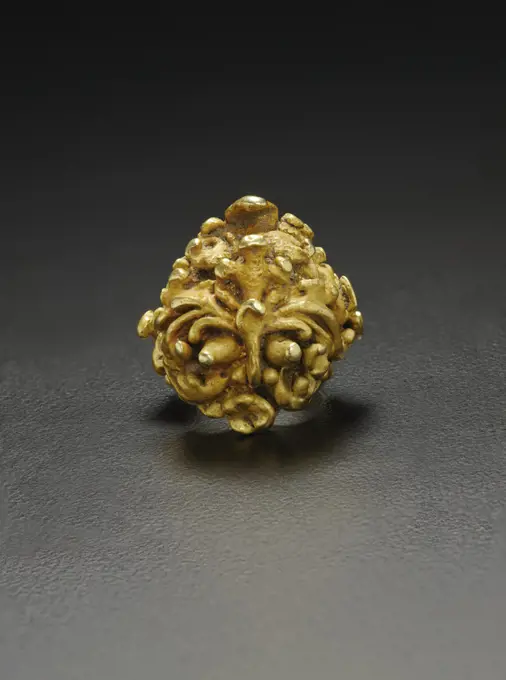
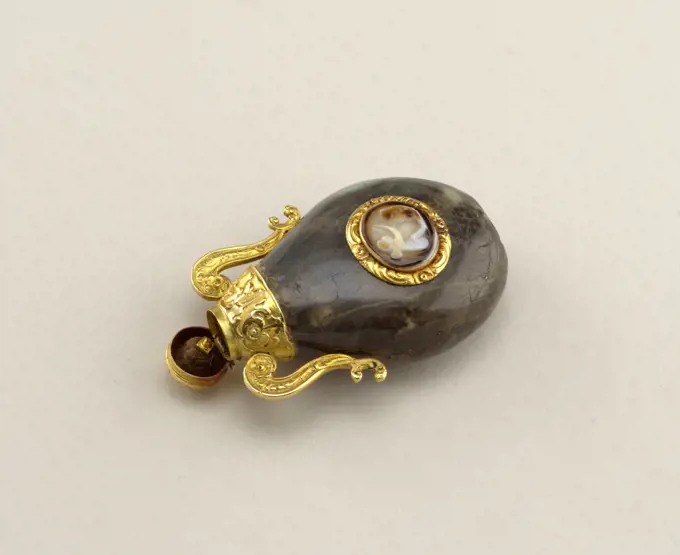
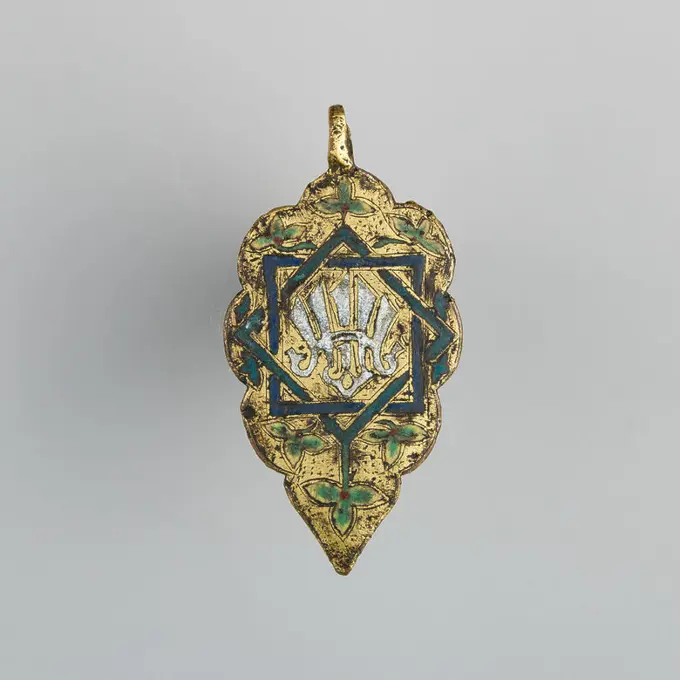
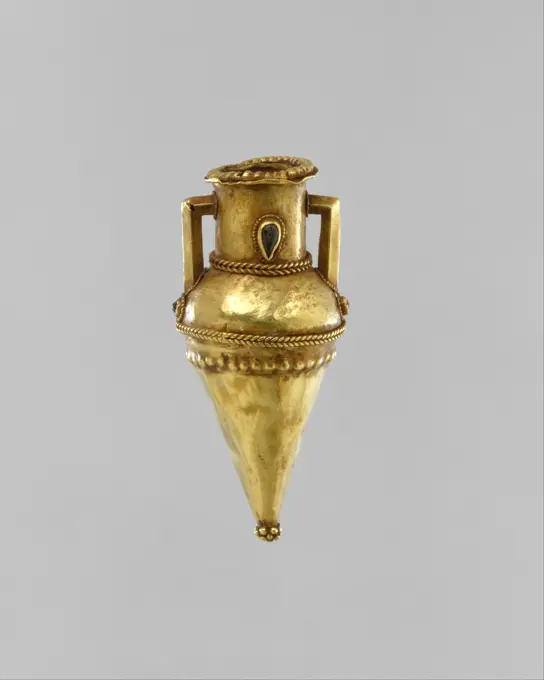
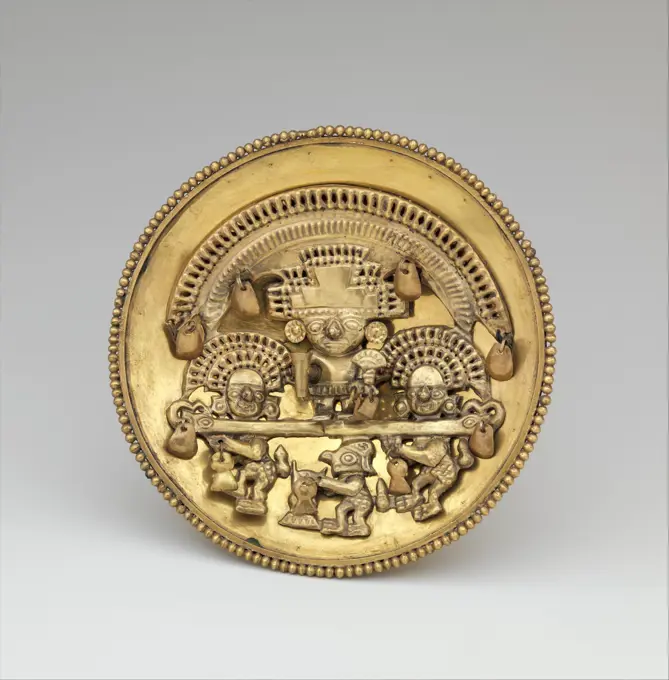
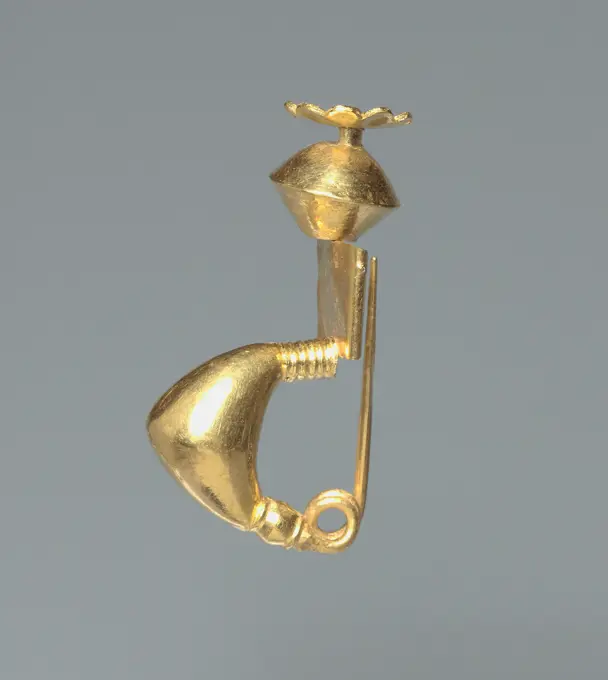
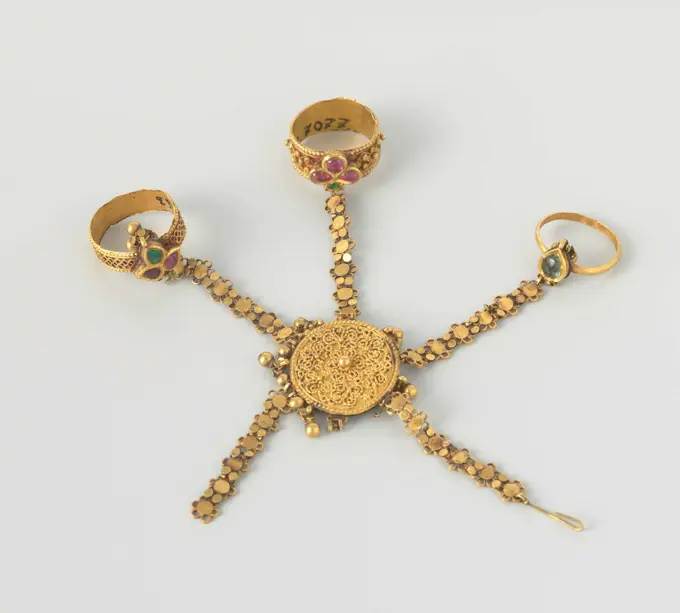
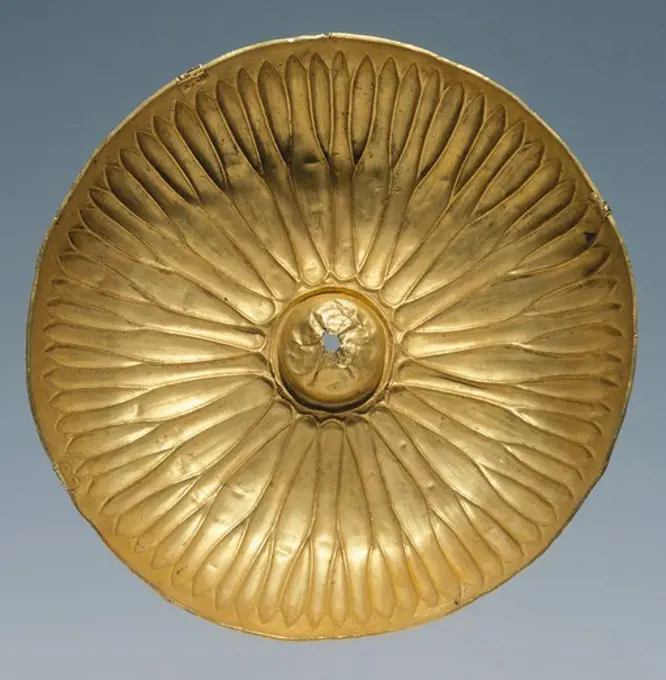
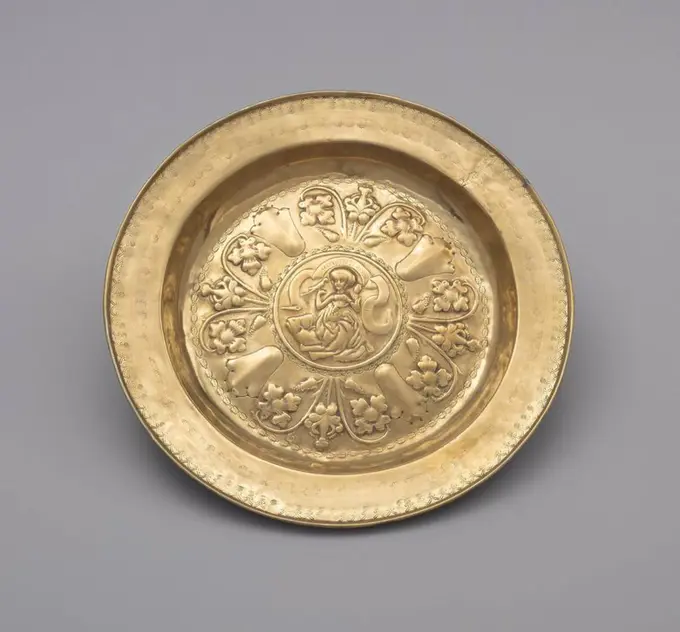
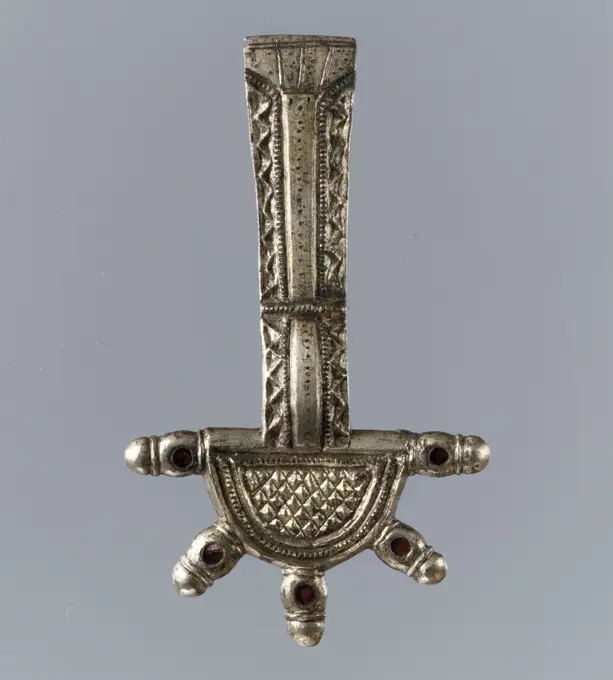
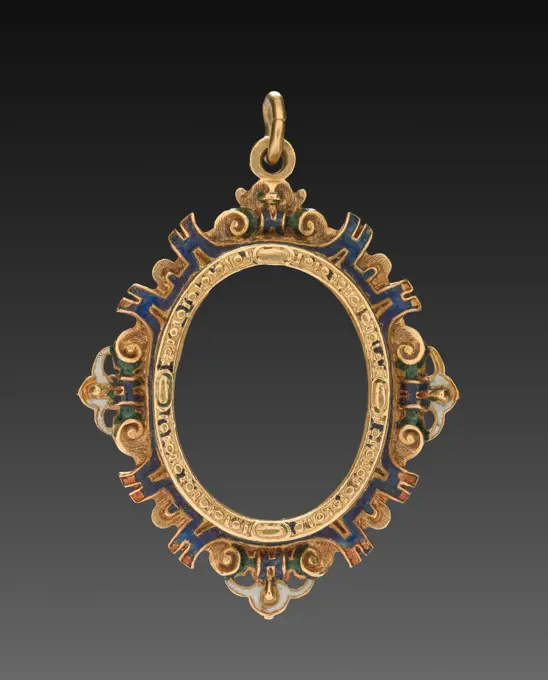
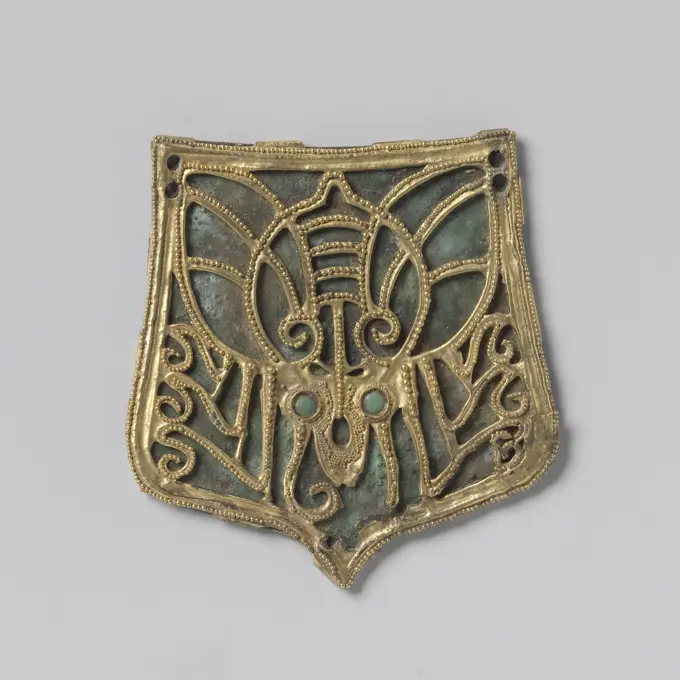
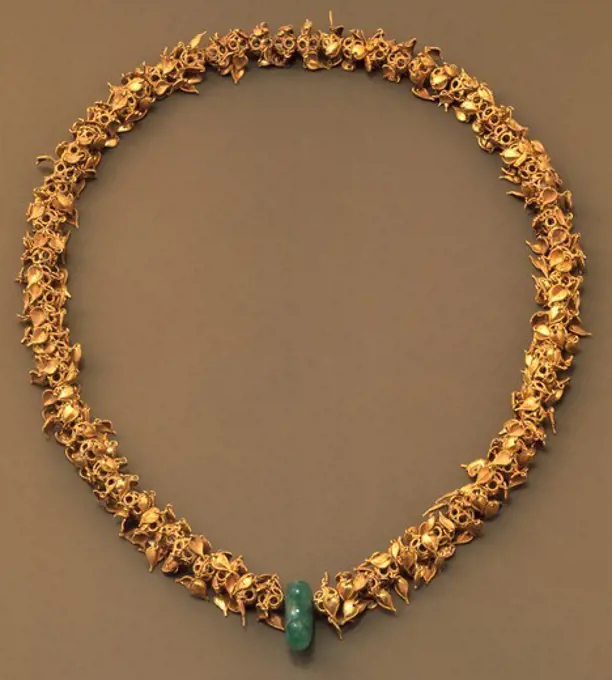
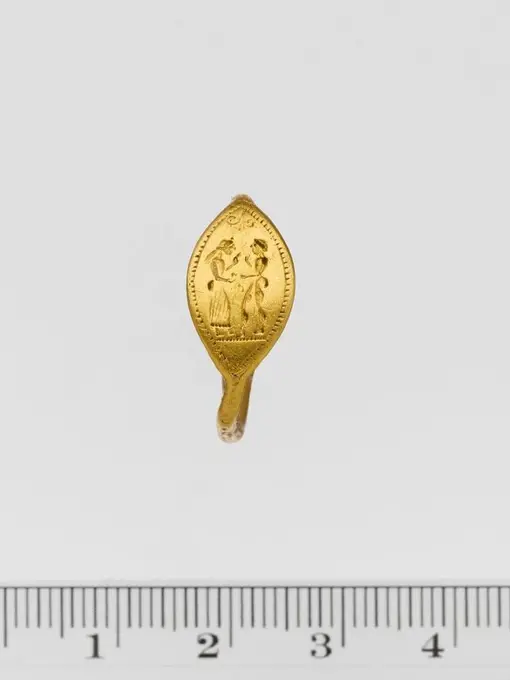
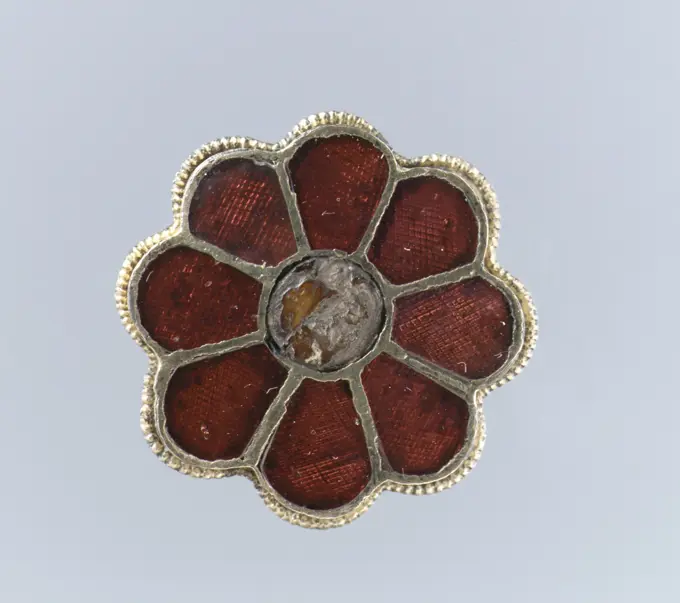
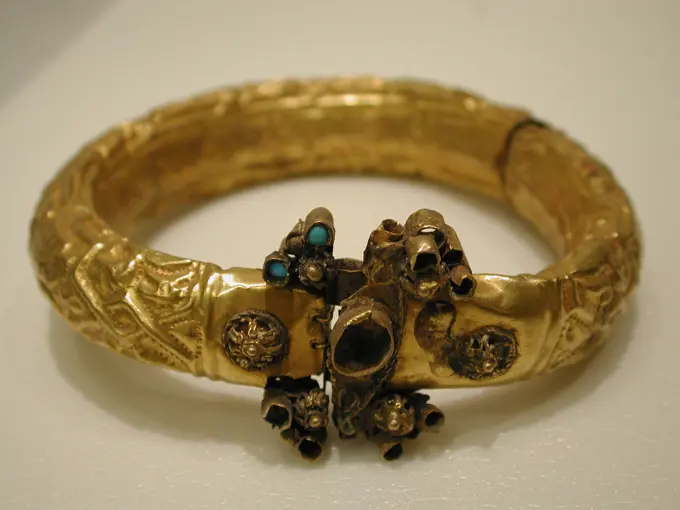
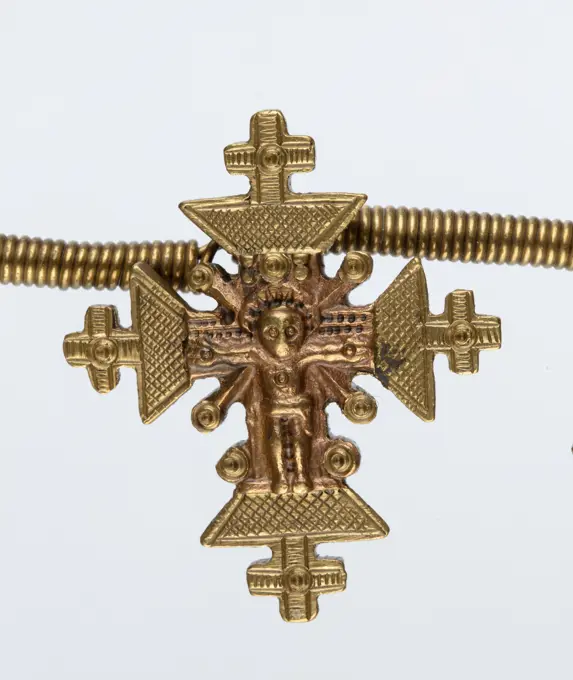
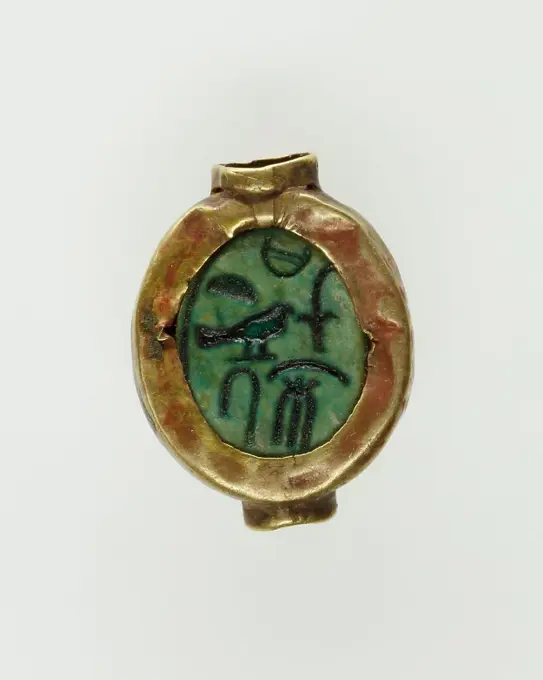
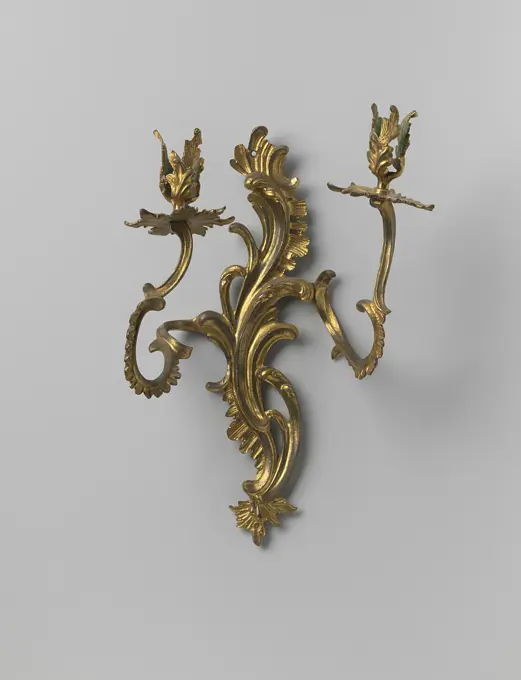
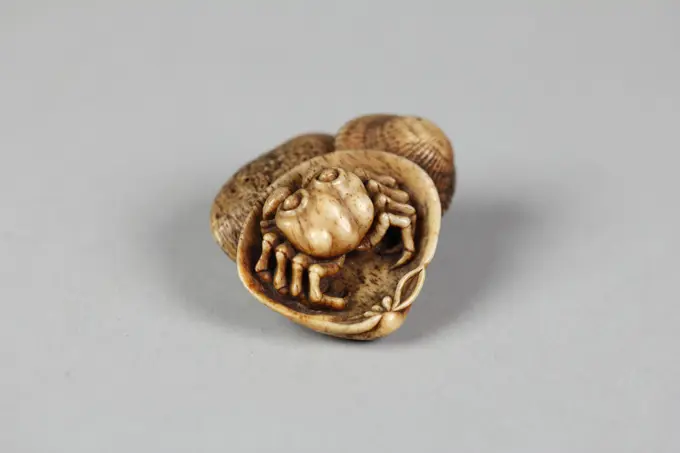
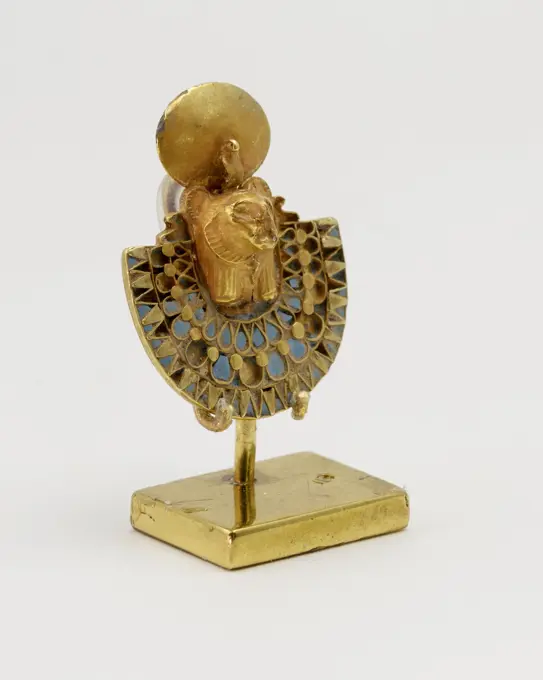
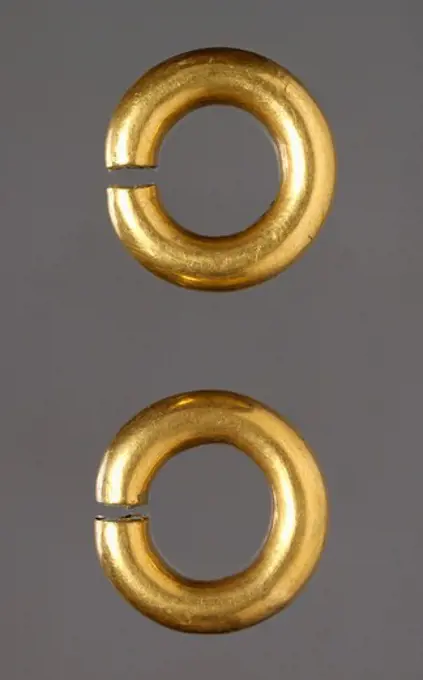
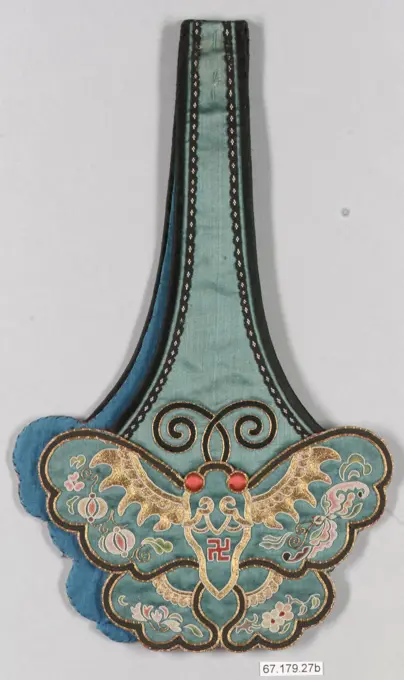
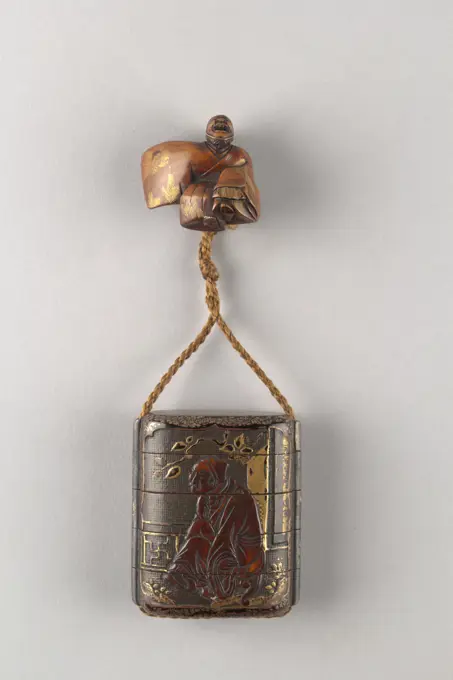
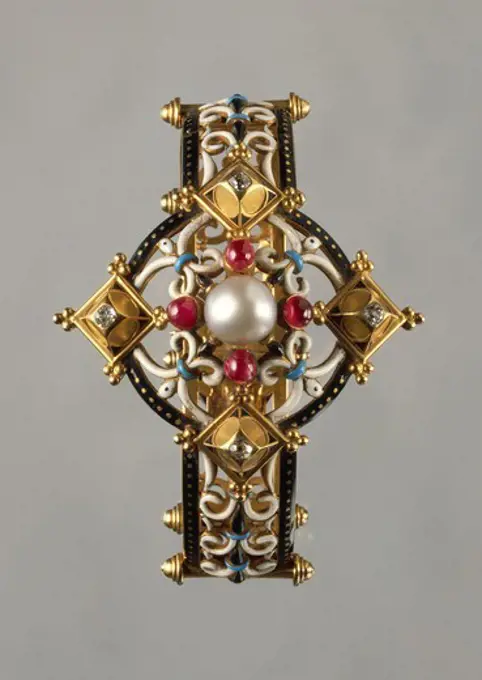
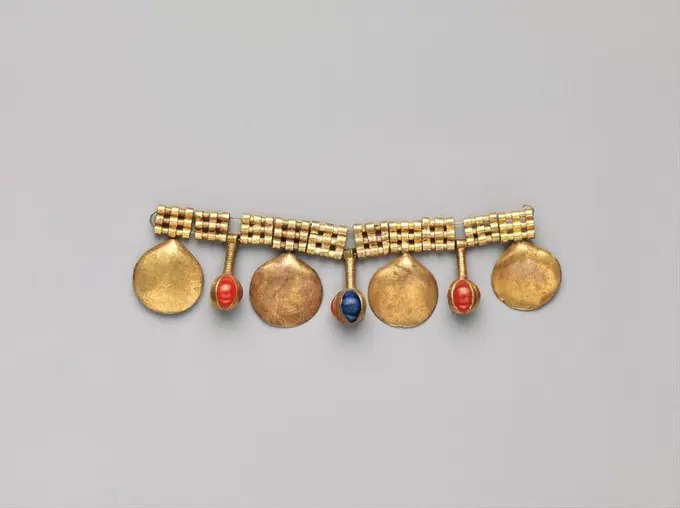
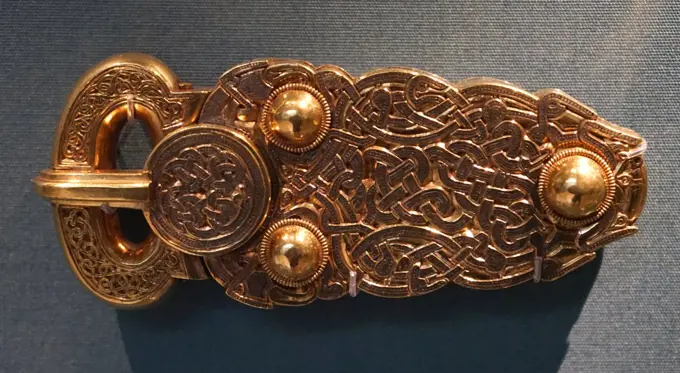
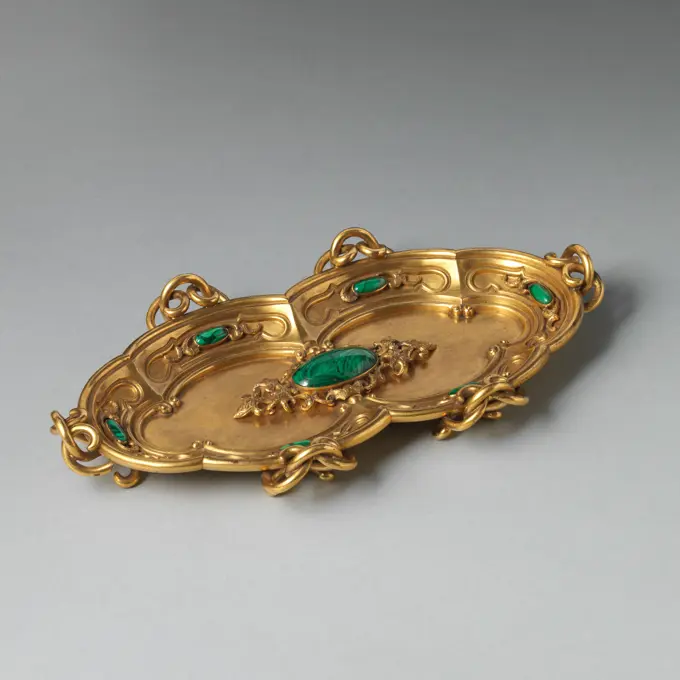
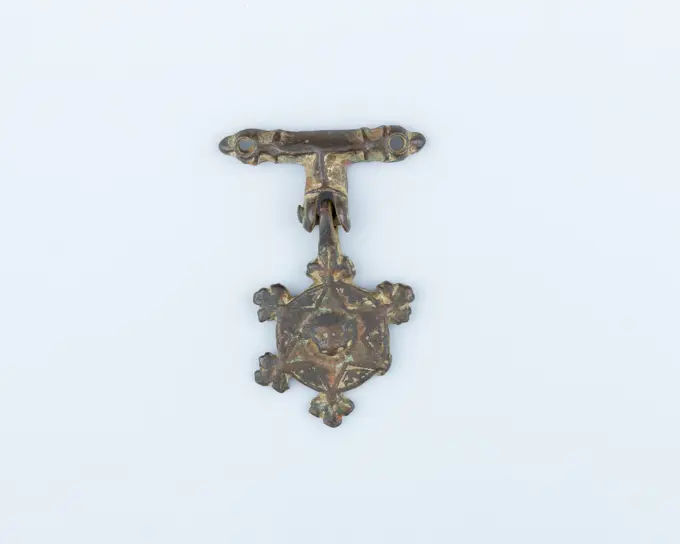
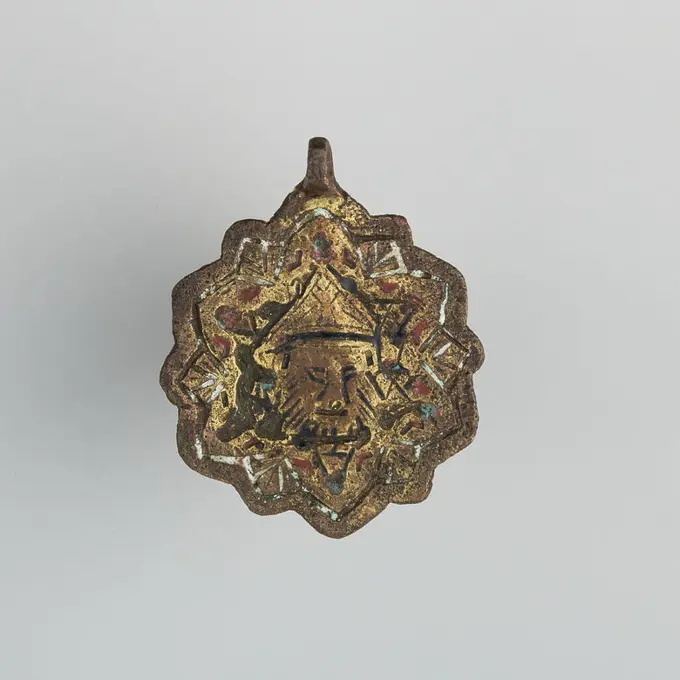
Badge (probably from Horse Harness). Culture: Spanish. Dimensions: H. 2 1/2 in. (6.4 cm); W. 2 1/8 in. (5.4 cm); Wt. 1 oz. (28.3 g). Date: 14th century. Museum: Metropolitan Museum of Art, New York, USA.Button, 900s-1000s. Iran, 10th-11th century. Gold; diameter: 2.4 cm (15/16 in.).Decorated Fitting. Culture: China (Xinjiang Autonomous Region, Central Asia). Dimensions: W. 13/16 in. (2.1 cm); L. 1 3/8 in. (3.5 cm). Date: 7th-9th century.The nomadic communities of Central Asia used such plaques to embellish clothing and horse trappings. As these nomadic cultures herded animals and were constantly moving, their artistic production was expressed in portable objects that marked the wearer's status and wealth. The outstanding preservation of these fragile ornaments suggests they were used in conjunction with burials, where the body was aggrandized with valuable textiles and augmented with gold. Although it is difficult to date and place these objects geographically, their presence in Central Asia and has a long, established history. Museum: Metropolitan Museum of Art, New York, USA.Lid, decorated with three medallions with profile heads and as a crown a button of agate., Anonymous, 1700 - 1725 Cover of gold with three gold medallions with profile heads and as a crown a button from Agate. Dresden (possibly) gold (metal). agate (chalcedony) Cover of gold with three gold medallions with profile heads and as a crown a button from Agate. Dresden (possibly) gold (metal). agate (chalcedony)Mount, Stamped, cast, and chased gilt bronze, Furniture mount composed of rinceau flanking male head wearing victory helmet.., France, ca. 1780, metalwork, Decorative Arts, MountSuspension ring. Culture: Northwest China/Eastern Central Asia. Dimensions: W. 13/16 in. (2.1 cm); L. 1 3/8 in. (3.5 cm). Date: mid-7th-9th century. Museum: Metropolitan Museum of Art, New York, USA.Furniture applique, Gilt bronze, Helmet and flags, oak leaves and shield., France, ca. 1790, metalwork, Decorative Arts, Furniture appliqueMountEarringWatch ca. 1620-30 Watchmaker: Richard Ledertz. Watch. German, Strasbourg. ca. 1620-30. Silver gilt, rock crystal, gilt brass, steel. HorologyMountInsignia of the 26th Senegalese Tirailleurs march battalion (BMTS). Enamelled metal. 1946-1962. General Leclerc Museum of Hauteclocque and the Liberation of Paris, Jean Moulin Museum. Military badgeBow Brooch 500-550 Frankish The bow brooch was a component of many Germanic womens dress. In Frankish territory brooches were generally worn in pairs, as decorative elements on a strap hanging from the belt. The bow refers to the bend or curve that links two terminals.. Bow Brooch 464867 Frankish, Bow Brooch, 500?550, Silver-gilt, niello, garnets, Overall: 1 15/16 x 3 3/4 x 3/8 in. (4.9 x 9.5 x 1 cm). The Metropolitan Museum of Art, New York. Gift of J. Pierpont Morgan, 1917 (17.191.172)Repousse Cover, Quatrefoil form 8th-12th century Indonesia (Central Java). Repousse Cover, Quatrefoil form. Indonesia (Central Java). 8th-12th century. Gold. MetalworkBelt Buckle 7th century Frankish. Belt Buckle 465063 Frankish, Belt Buckle, 7th century, Iron, silver inlay, copper, silver, Overall: 6 7/8 x 3 3/16 x 7/8 in. (17.5 x 8.1 x 2.2 cm). The Metropolitan Museum of Art, New York. Gift of J. Pierpont Morgan, 1917 (17.191.346a-c)Italy, Cagliari, Gold bracelet with scarab, palmettes and lotus flowers, found on From Sardinia, detailSecurity Service BadgeButton with Curled Griffin (Harness Ornament). UnknownMount; bronze, giltBadge (probably Mounting from Horse Harness). Culture: Spanish. Dimensions: H. 2 3/4 in. (7 cm); W. 2 3/4 in. (7 cm); Wt. 1.5 oz. (42.5 g). Date: 15th century. Museum: Metropolitan Museum of Art, New York, USA.Bronze oinochoe (jug) handle with satyrs flanking a head of Acheloos late 6th century B.C. Etruscan Two satyrs flanking the head of Acheloos; below, two sphinxes.. Bronze oinochoe (jug) handle with satyrs flanking a head of Acheloos 252526 Etruscan, Bronze oinochoe (jug) handle with satyrs flanking a head of Acheloos, late 6th century B.C., Bronze, H.: 4 15/16 in. (12.5 cm). The Metropolitan Museum of Art, New York. Fletcher Fund, 1926 (26.60.62)Mount (France); bronze (gilt), goldGold Roman bracelet set with sapphires, emeralds, and pearls, 3rd century. Artist: UnknownNose Ornament with Spiders 100 B.C.-A.D. 200 Salinar Nose ornaments from the little-known Salinar culture, which flourished in the coastal river valleys of northern Peru from around 200 B.C.-300 A.D., are among the earliest body adornments discovered in the region. While some Salinar ornaments are simple in form and structure, otherssuch as the one shown hereare more complex in assembly and iconography. This ornament features four round-bodied spiders, their spindly legs and pincers carefully rendered in thin gold wire. Minute, circular wirework forms a delicate web spun skillfully around the spiders in a semicircular shape. Spider imagery appears in Andean works of art from the middle of the first millennium B.C. until the Spanish Conquest in the sixteenth century. Spiders were particularly important within the cosmology of Peru’s North Coast for their ability to catch and kill live prey, a skill that linked them to warfare and ritual sacrifice. The Moche, who flourished in this regPendant with the Holy Sacrament 1650-1700 Spain. Gold, enamels, and glass .Mount; 1904-21-32Ring, before 1975. Africa, Guinea Coast, Ivory Coast, Senufo, 20th century. Copper alloy; diameter: 4.5 x 2.4 cm (1 3/4 x 15/16 in.).Pendant, 400-700. Panama, International Style, 5th-7th century. Cast gold; average: 8.9 cm (3 1/2 in.).Ear Ornament withFoliage, mid-7th to 10thcentury, Gold; cast, 2.075 × 1.855 cm, 15.149 g (13/16 × 3/4 in., 15.149g), Made in Java, Indonesia, Java, 7th-10thcentury, JewelryFrame, Carved and gilt pine, The moulded central frame projects from a panel with a lozenge ornamentation incised in gesso. It is framed by an aediculum of a kind, the base of which is formed by leaf scrolls which are connected by a hanging palmette. Laterally are curved and foliated pilaster strips. Two foliated volutes form a pediment on top from which lambrequins hang. A palmette stands on top., Italy, 1720-1780, woodwork, Decorative Arts, FrameBottle, Labradorite, gold, carved stone cameos, A carved stone bottle with a gold bordered cameo on the front. Decorative top in gold., Germany, early 18th century, containers, Decorative Arts, BottleFragment of the lace;  XVIII/19th century (1751-00-00-1850-00-00);Gold hilt collar from a sword, from the Staffordshire Hoard. Dated 6th CenturyEscutcheonOpenwork Fitting. Culture: China (Xinjiang Autonomous Region, Central Asia). Dimensions: H. 3/4 in. (1.9 cm); W. 1 in. (2.5 cm); D. 3/4 in. (1.9 cm). Date: 7th-9th century.The nomadic communities of Central Asia used such plaques to embellish clothing and horse trappings. As these nomadic cultures herded animals and were constantly moving, their artistic production was expressed in portable objects that marked the wearer's status and wealth. The outstanding preservation of these fragile ornaments suggests they were used in conjunction with burials, where the body was aggrandized with valuable textiles and augmented with gold. Although it is difficult to date and place these objects geographically, their presence in Central Asia and has a long, established history. Museum: Metropolitan Museum of Art, New York, USA.Bracelet in the form of a snake, anonymous, c. 1800 - c. 1899 Bracelet in the shape of a snake (Naga). Gelang cana. The bracelet is made up of gilded copper and decorated with diamond (brilliant cut - old grinding). Upper bracelet for men or female (dancers or wedding couple). Gianjar gold (metal). copper (metal). diamond (mineral) Bracelet in the shape of a snake (Naga). Gelang cana. The bracelet is made up of gilded copper and decorated with diamond (brilliant cut - old grinding). Upper bracelet for men or female (dancers or wedding couple). Gianjar gold (metal). copper (metal). diamond (mineral)Badge (probably from Horse Harness). Culture: Spanish. Dimensions: H. 3 3/8 in. (8.5 cm); W. 1 11/16 in. (4.3 cm); Wt. 1 oz. (28.3 g). Date: ca. 1400. Museum: Metropolitan Museum of Art, New York, USA.Tas - pendant for Torah. unknown, goldsmithBadge or Harness Pendant ca. 1400 Spanish Heraldry, or coat-of-arms, were vitally important in Europe throughout the Middle Ages and the Renaissance. Heraldic emblems were used to identify noble families, cities, regions, and even countries. In addition to being displayed on shields and flags, heraldry was incorporated into architectural decoration on the interior and the exterior of buildings, on furniture, works of art, clothing, and horse equipment. Harness pendants, like this example, would have been attached to a headstall, bridle, or other straps making up the tack of a horse ridden by a nobleman or noblewoman, or a member of their household. Many harness pendants also have decoration that is simply ornamental, or have symbols that are not specifically heraldic in nature.. Badge or Harness Pendant. Spanish. ca. 1400. Copper, gold, enamel. Miscellaneous-BadgesGold earrings 4th-3rd century B.C. Etruscan Tubular earrings with floral patterns and pendant beads attached.. Gold earrings 245866MountHand guard, anonymous, 1600 - 1900 Irregularly shaped tsuba consisting of two with the open side to each other ces; These are filled with an openwork decoration of dragons in the midst of stylized tiflines; On the edge above and below the central opening and left and right of it faces of strange creatures; The VOC monogram is processed twice on both sides. Japan brass (alloy). Irregularly shaped tsuba consisting of two with the open side to each other ces; These are filled with an openwork decoration of dragons in the midst of stylized tiflines; On the edge above and below the central opening and left and right of it faces of strange creatures; The VOC monogram is processed twice on both sides. Japan brass (alloy).Stick;  XVII century (1601-00-00-1700-00-00);Oval silver loop. Strip decor with 3 rows (2 beads and a hammered), 2 large high and low flower patterns.Gold amphoriskos (oil flask) with inlaid garnets 3rd century B.C. Greek Circle of twisted wire soldered onto top of mouth above everted rim; cylindrical neck; sloping rounded shoulder; conical body with pointed bottom. Two handles, made from two separate sheets of folded metal, square in section, joined at a right angle; lower section attached to shoulder and rising vertically; upper section attached horizontally to neck; ends of handles encircled by beaded wire; on neck two inverted tear-shaped red garnet stones set in plain bezels encircled with beaded wire; at base of neck, two rows of twisted wire; on shoulder below handles, to small round garnet stones, also in a plain setting encircled with beaded wire; below these settings at the top of the conical body are two more rows of twisted wire but smaller than those at the base of the neck; near top of body is a row of beaten out bosses in an irregular line; the top of the pointed bottom is concealed beneath a cluster of sixteen granulEarflare with Multifigure Scene A.D. 1350-1470 Chimú Ear ornaments were an important component of courtly regalia in the ancient Andes from at least the first millennium B.C. to the arrival of the Spaniards in the sixteenth century. Some of the most spectacular examples in the late pre-Hispanic period were made at Chan Chan, capital of the Chimú Empire, in the Moche Valley on Perus North Coast. This earspool, one of a pair, features four figures constructed from several pieces of worked gold sheet attached to a large, concave disk, also made of gold sheet. The principal figure, likely a depiction of political leader known as a cacique or lord in sixteenth-century Spanish texts, wears a large crescent headdress and stands on a litter (a type of conveyance used to carry an individual, or individuals), born aloft by two smaller-scale figures with similar, but smaller headdresses. The lord himself wears large round ear ornaments that have a central boss and decorated borders. His tunic—thFibula (Pin), 300s BC. Italy, Etruscan, 4th Century BC. Gold; overall: 4.2 cm (1 5/8 in.).Earring with pendant Roman. Earring with pendant 243214Pair of hand jewels with rings (hathiphul).Embossed gold patera, from Atanasovo Daskal,Stara Zagora Region, Bulgaria. Goldsmith art. Thracian Civilization, 5th Century BC.Hammered Silver Figure Ornament 11th-late 15th century Chimú or Chancay. Hammered Silver Figure Ornament 309012Plate with a Seated Woman. South Netherlandish or German. Date: 1495-1505. Dimensions: Diameter: 51.4 cm (20 1/4 in.). Brass. Origin: Southern Netherlands. Museum: The Chicago Art Institute, Chicago, USA.Bow Brooch first half 6th century Frankish The bow brooch was a component of many Germanic women's dress. In Frankish territory brooches were generally worn in pairs, as decorative elements on a strap hanging from the belt. The bow refers to the bend or curve that links two terminals.. Bow Brooch 465210 Frankish, Bow Brooch, first half 6th century, Silver-gilt, garnets, Overall: 1 15/16 x 3 5/16 x 1/2 in. (5 x 8.4 x 1.2 cm). The Metropolitan Museum of Art, New York. Gift of J. Pierpont Morgan, 1917 (17.192.151)Stojak. unknown, craftsmanPendant, 1500s. Germany, 16th century. Gold and enamel; overall: 5.8 x 4.7 cm (2 5/16 x 1 7/8 in.).Dressingier, Anonymous, -206 - 220 Applique, A-Jour edited and decorated in granulation technique. China gold (metal). turquoise (mineral) Applique, A-Jour edited and decorated in granulation technique. China gold (metal). turquoise (mineral)Pendant, 1600. Italy, 17th century. Gold, enamel, pearls, rubies; overall: 10.8 cm (4 1/4 in.).Gold necklace, from a tomb at Noso-dong, Kyongju, South Korea. Goldsmith's art, Korean Civilisation, Silla Kingdom, Three Kingdoms period, 5th-6th century.Gold ring depicting a scarab, Italy. Goldsmith art. Greek civilization, Magna Graecia.Oval frame;  IPO .Xix w. (1840-00-00-1840-00-00);Sword Guard (Tsuba). Culture: Japanese. Dimensions: Diam. 3 1/4 in. (8.3 cm); thickness 1/8 in. (0.3 cm); Wt. 4 oz. (10.2 g). Date: 16th century. Museum: Metropolitan Museum of Art, New York, USA.BracketChatelaine 1750-60 British Chatelaines, which hung from the waist, were designed to hold sewing, writing, or toilet implements. Listen to experts illuminate this artwork's story Listen Play or pause #413. Retail Value. High and Low Supported by Bloomberg Philanthropies We're sorry, the transcript for this audio track is not available at this time. We are working to make it available as soon as possible.. Chatelaine. British. 1750-60. Gold, moss agateEraser so called kidBliżej Kultury unknownBow Brooch 500-550 Frankish The bow brooch was a component of many Germanic women's dress. In Frankish territory brooches were generally worn in pairs, as decorative elements on a strap hanging from the belt. The bow refers to the bend or curve that links two terminals.. Bow Brooch 464869 Frankish, Bow Brooch, 500550, Silver, gilt and cast; garnet with unpatterned foil backing; bone; iron spring/pin, Overall: 2 x 3 3/8 x 7/16 in. (5.1 x 8.6 x 1.1 cm). The Metropolitan Museum of Art, New York. Gift of J. Pierpont Morgan, 1917 (17.191.174)MountRoman filigreed gold brooch and pendant, from Hedeby, GermanyCarnavalet Museum, Medals CollectionPriming Flask. Culture: Indian, probably Deccan. Dimensions: L. 9 1/4 in. (23.5 cm); Wt. 4 oz. (107 g). Date: mid-17th century.The inspiration for the carving comes from miniature paintings of composite animals, a popular theme for artists in the Mughal court. Museum: Metropolitan Museum of Art, New York, USA.Buckle 18th-19th century India or China. Buckle 56255Card case, Brass, silver wash, On one side ornament shows a woman in Classical costume feeding an eagle, on the other, Trinity Church, New York; surrounded by leaf forms and scrolls., USA, mid-19th century, metalwork, Decorative Arts, Card caseGold ring. Culture: Greek. Dimensions: Length: 5/8 in. (1.6 cm). Date: 5th century B.C..Man and woman conversing. Museum: Metropolitan Museum of Art, New York, USA.Rosette Brooch 6th century Frankish. Rosette Brooch 464841 Frankish, Rosette Brooch, 6th century, Silver-gilt, garnets and mother-of-pearl, Overall: 7/8 x 1/4 in. (2.2 x 0.7 cm). The Metropolitan Museum of Art, New York. Gift of J. Pierpont Morgan, 1917 (17.191.149)Bracelet 11th-12th century. Bracelet. 11th-12th century. Gold fabricated from sheet, with repousse decoration, punching, twisted wire, and granulation. Made in Syria. JewelryBliżej Kultury unknownScarab Inscribed for Queen Ahmose. Dimensions: L. 1.7 cm (11/16 in.); W. 1.2 cm (1/2 in.); H. 0.6 cm (1/4 in.). Dynasty: Dynasty 18, early. Reign: reign of Thutmose I. Date: ca. 1504-1492 B.C..This ring bezel was found among the hand bones of an unidentified woman who was buried in the tomb of Hatnefer (see 35.3.1). The inscription on the base reads: The King's Great Wife, Ahmose. Ahmose was the principal queen of Thutmose I and the mother of Hatshepsut. Museum: Metropolitan Museum of Art, New York, USA.Wall arm of gold-plated copper, decorated with C and S-filler-shaped acanthus leaves .. Wall arm of gold-plated copper. The applique consists of three cylindling acanthus drinks overlivering. From this, two S and C-shaped volutes are screwed to the left and right, to which the candle holders, formed by three acanthus leaves, are screwed. Roset-shaped fat catchers are applied under the candle holders. See: BK-1953-3-b.Clamshells and Crab 19th century Japan. Clamshells and Crab 59181Amuletic aegis of Bastet or Sakhmet ca. 1070-664 B.C. Third Intermediate Period This small piece represents a so called aegis, which is a protective element that combines a broad collar with the head of a deity. The broad collar was a common jewelry item that consisted of several rows of beads and was worn on the chest. Here the head of a feline goddess is featured; this is possibly Sakhmet. She wears a large sun disk and a uraeus cobra on her head. Underneath her lion ruff one can see part of a human tripartite wig, a common element for animal headed deities.. Amuletic aegis of Bastet or Sakhmet. ca. 1070-664 B.C.. Gold, Egyptian blue. Third Intermediate Period. From EgyptEscutcheonBook lock of silver. Book lock of silver, with marked mark.Bronze hoop earrings, from Nara, Kinki, Japan. Japanese Civilisation, Kofun period, 5th-6th century.Streamer 19th century China This streamer is part of a matching set of four in the Museums collection that were probably once a part of a womans skirt. Although usually such streamers simply come to a point at the bottom, these examples are shaped like large butterflies. On the butterflys back is the longevity symbol, wan, signifying ten thousand years.. Streamer 70478Bird-Shaped Brooch first half 7th century Frankish. Bird-Shaped Brooch 465123Case (Inr) with Design of Chinese Sages Seated on Verandah 17th-18th century Japan. Case (Inr) with Design of Chinese Sages Seated on Verandah. Japan. 17th-18th century. Lacquer, roiro, rubbed fundame, gold and black hiramakie, tortoiseshell; Interior: nashiji and fundame. Edo period (1615-1868). InrMandolin Miniature; Italy; silver filigreeMask, 200-1000. Peru, 3rd-10th Century. Gold; overall: 7 x 8.6 cm (2 3/4 x 3 3/8 in.).Goldsmith's art, 19th century. Enamelled gold bracelet set with precious stones.EarringCase (Inrō) with Design of Maple Tree and Stream 18th-19th century In the style of Ogata Kōrin Japanese. Case (Inrō) with Design of Maple Tree and Stream 58478Jewelry Elements. Dimensions: overall: l. 7 cm (2 3/4 in); spacers: w. 0.7 cm (1/4 in); h. 0.6 cm (1/ 4 in); shells: diam. 1.3 cm (1/2 in); mace beads l. 1.4 cm (9/16 in). Dynasty: Dynasty 12, late. Date: ca. 1878-1805 B.C.. Museum: Metropolitan Museum of Art, New York, USA.Gold Pair of Earrings. Korea, Three Kingdoms period, Old Silla kingdom (57 B.C.-A.D. 668), 5th-7th century. Jewelry and Adornments; earrings. Hammered goldGreat Gold Buckle showcasing early medieval craftsmanship. Dated 7th Century AD.Brush Handle, 2nd-1st century BCE, 3 3/8 x 2 7/16 x 1/4 in. (8.57 x 6.19 x 0.64 cm), Gilt bronze, China, 2nd-1st century BCE, This openwork handle is cast with a dragon rearing up above two tigers who are locked in combat. The naturalistic detailing of the creatures is combined with abstract ornamental scrolling that adds to the dynamism of the design.Pen tray (part of a set) 1851 Asprey British The set (1982.88.1-.8) was shown at the Crystal Palace exhibition in 1851. Except for the paper knife, each piece is engraved underneath with Asprey's name and address and the words Exhibition 1851. Listen to experts illuminate this artwork's story Listen Play or pause #417. The Great Exhibition Supported by Bloomberg Philanthropies We're sorry, the transcript for this audio track is not available at this time. We are working to make it available as soon as possible.. Pen tray (part of a set). British, London. 1851. Gilt bronze, malachite. Metalwork-Gilt BronzeOrnament of Horse Trapping 14th century Spanish. Ornament of Horse Trapping. Spanish. 14th century. Bronze. Miscellaneous-Buckles & OrnamentPlanets-manager. Cornalet Collection Sites 2013-2016. Numismatic.Pure gold jewellery, India Copyright: xHarixMahidhar/DinodiaxPhotoxPlaque (Fantastic Beast). Western Inner Mongolia or Southern Siberia, 4th-3rd century B.C.. Costumes. Bronze