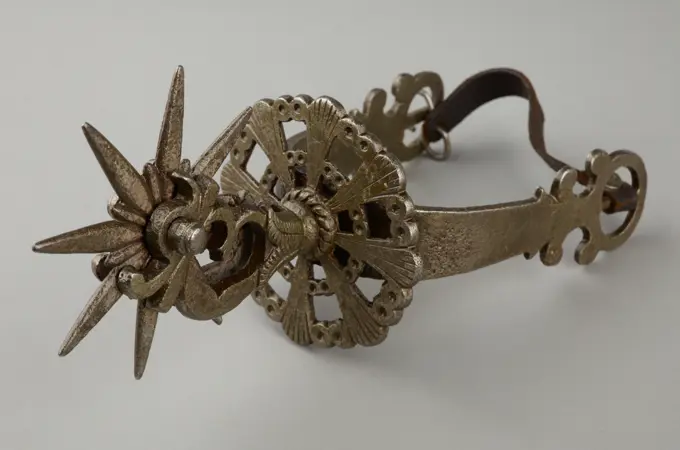
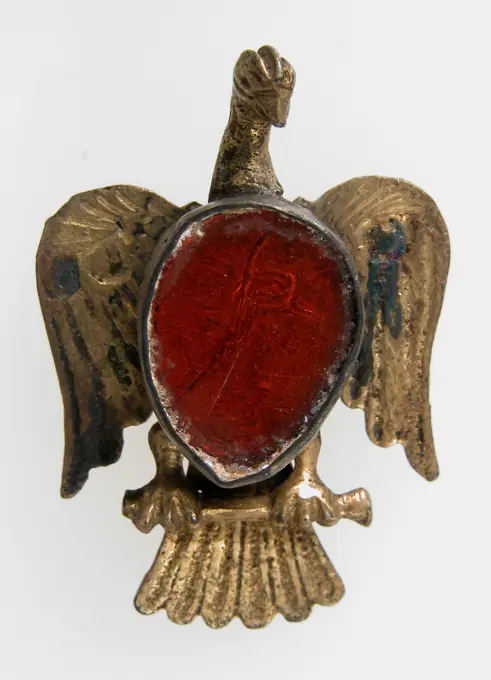
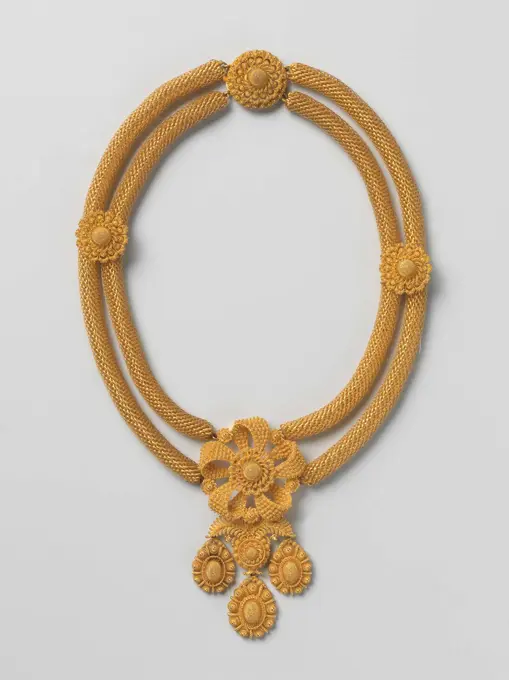
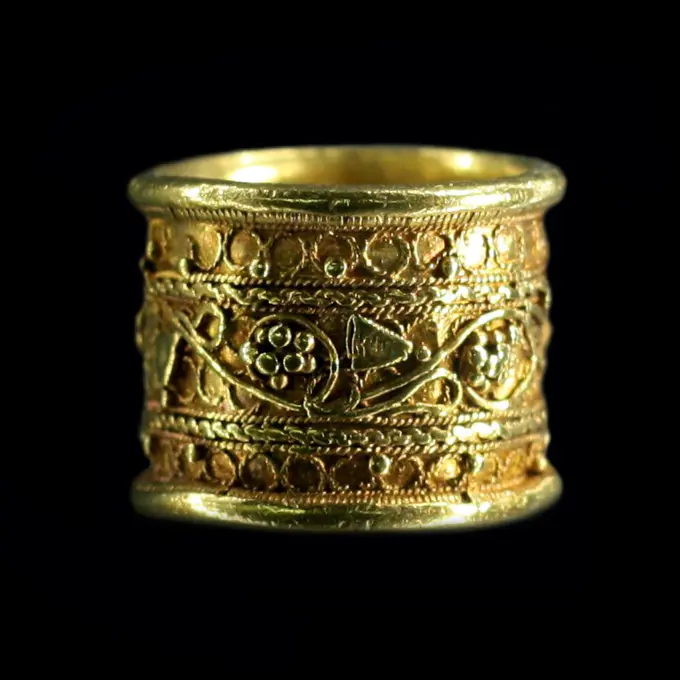
Historical Ornamental Artifacts

Ancient decorative artifacts including badges, buttons, and fittings with intricate designs, reflective of historical craftsmanship and cultural significance.

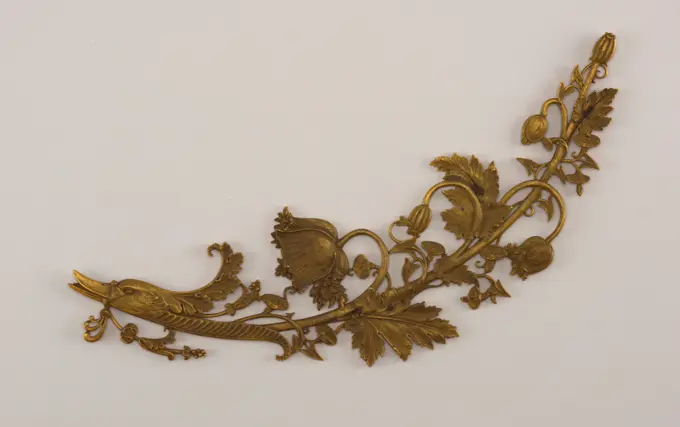
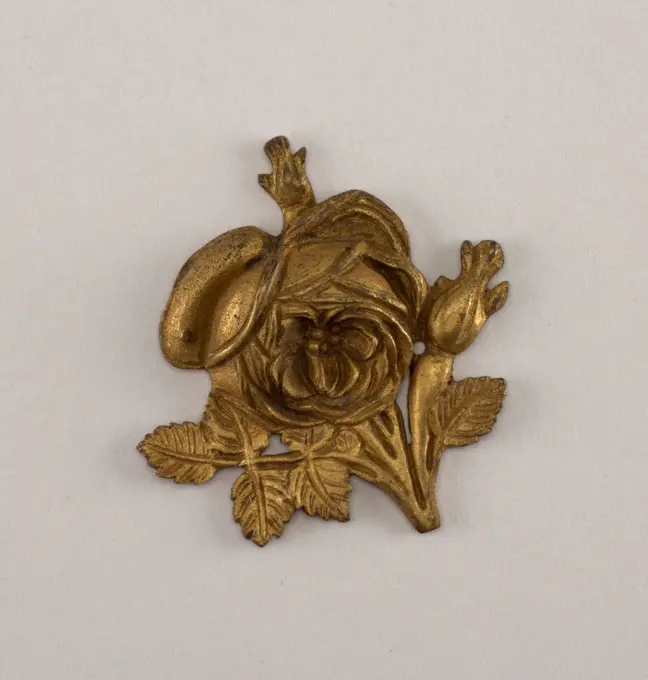
Furniture applique, Gilt bronze, Helmet and flags, oak leaves and shield., France, ca. 1790, metalwork, Decorative Arts, Furniture applique
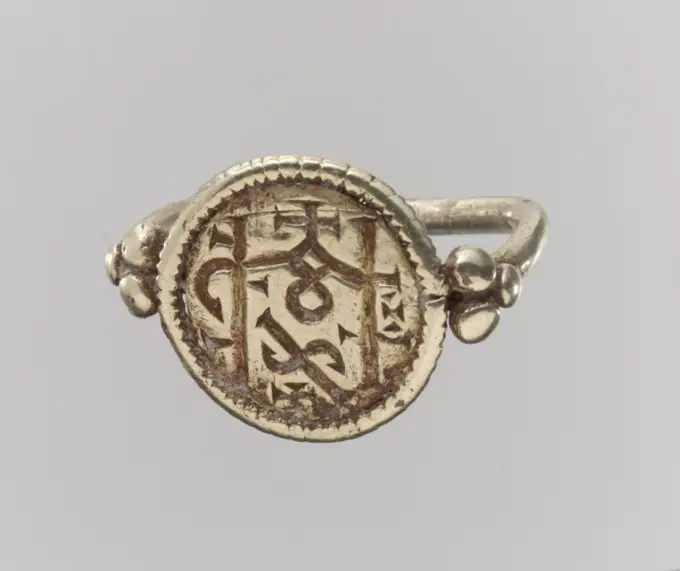
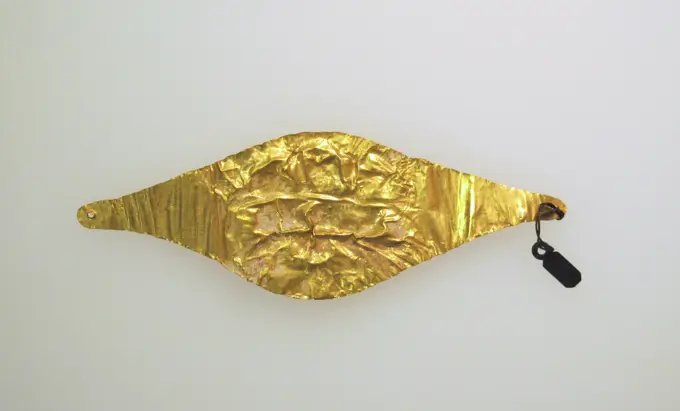
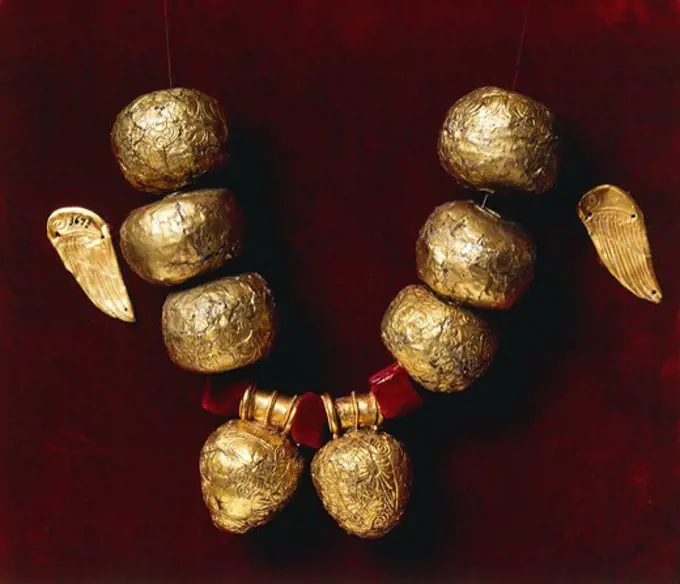
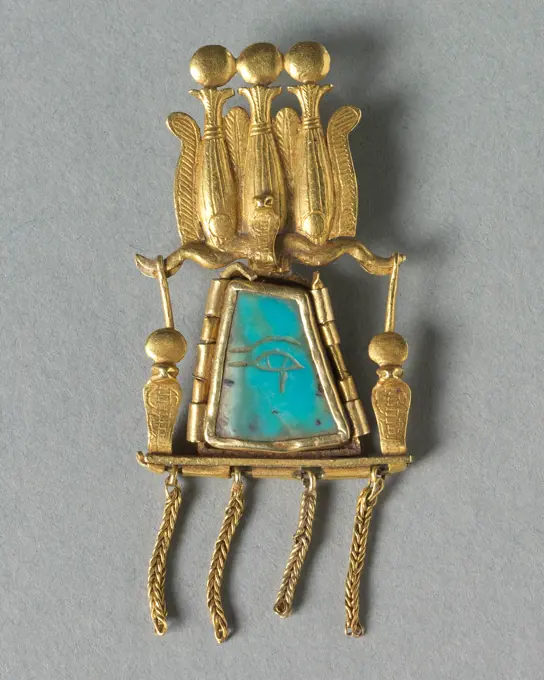
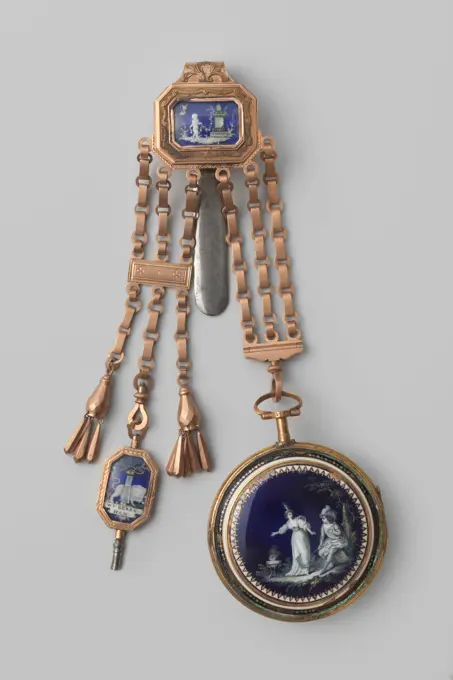
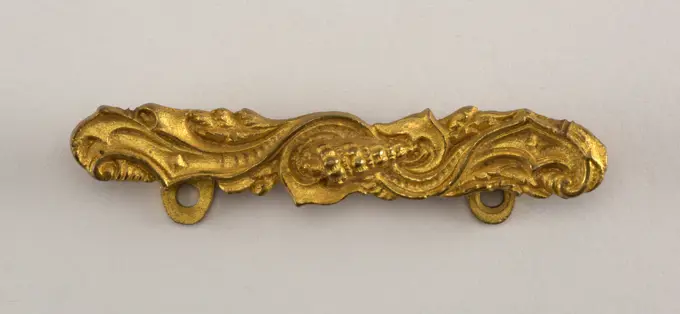
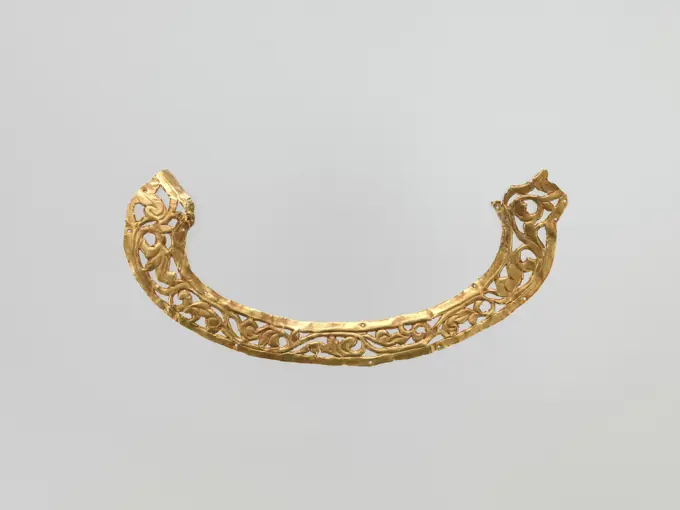
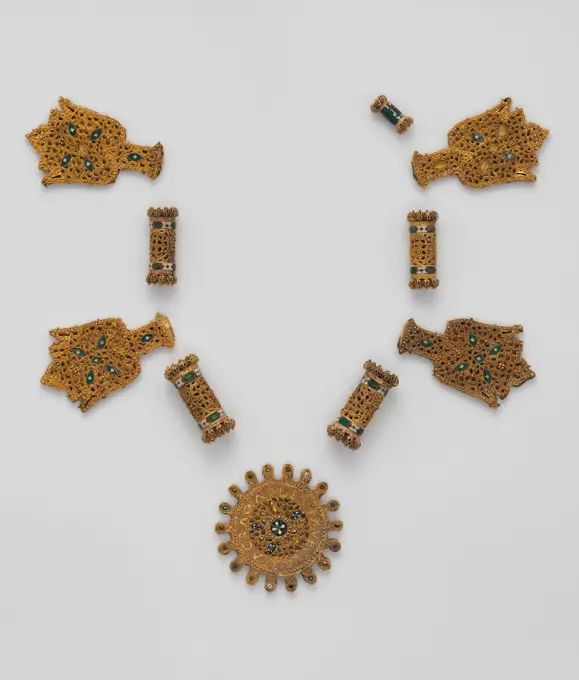
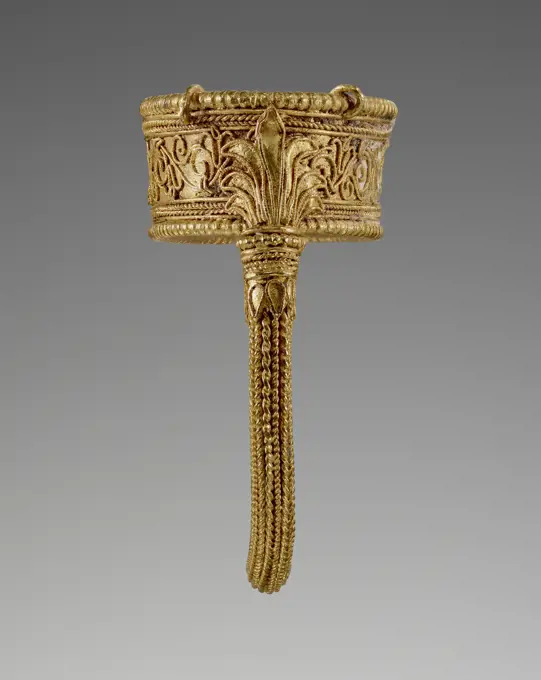
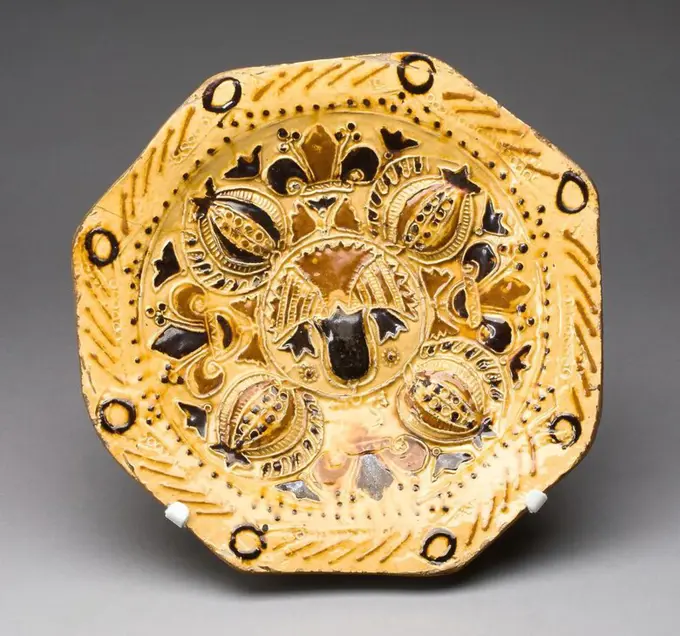
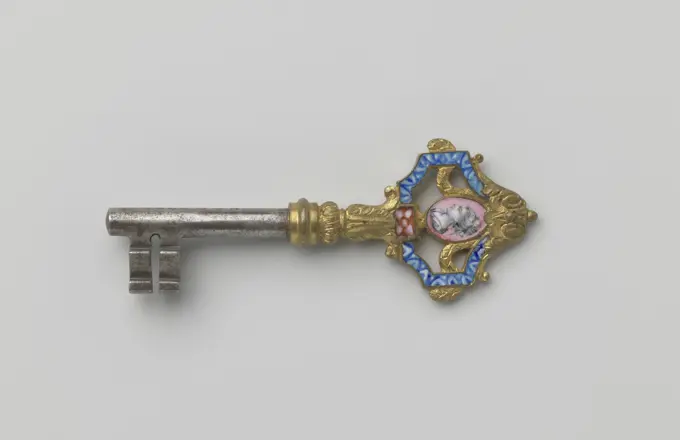
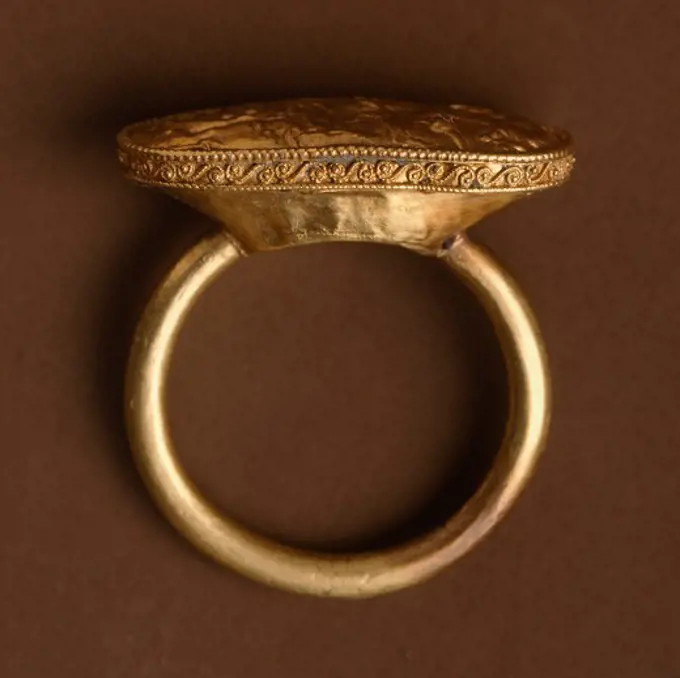
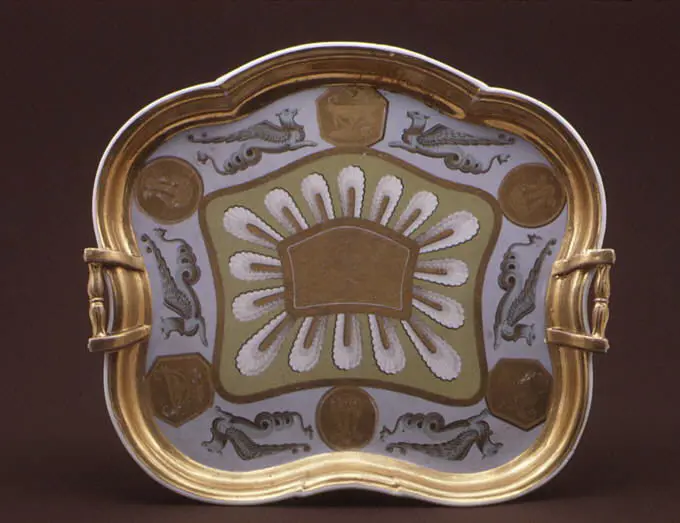
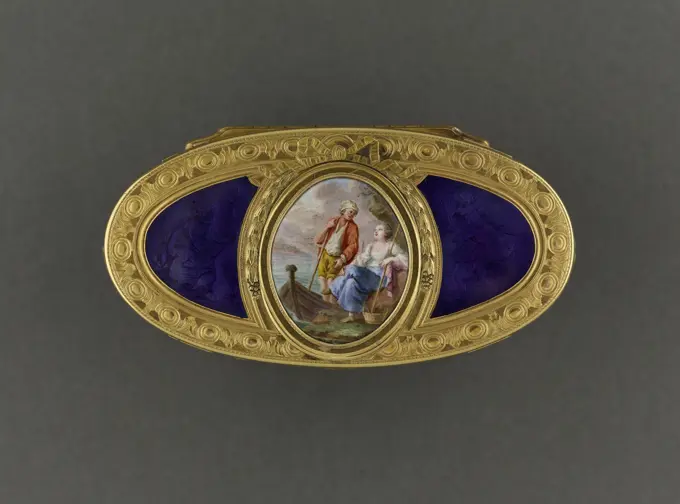
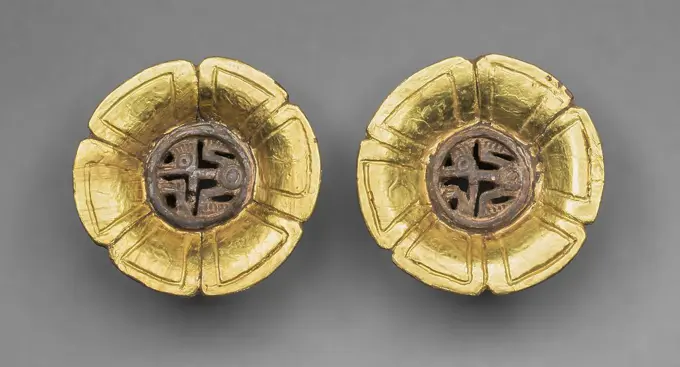
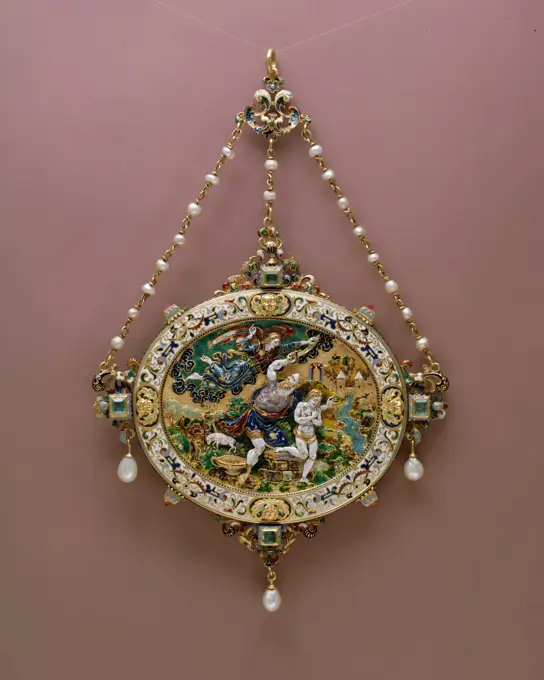
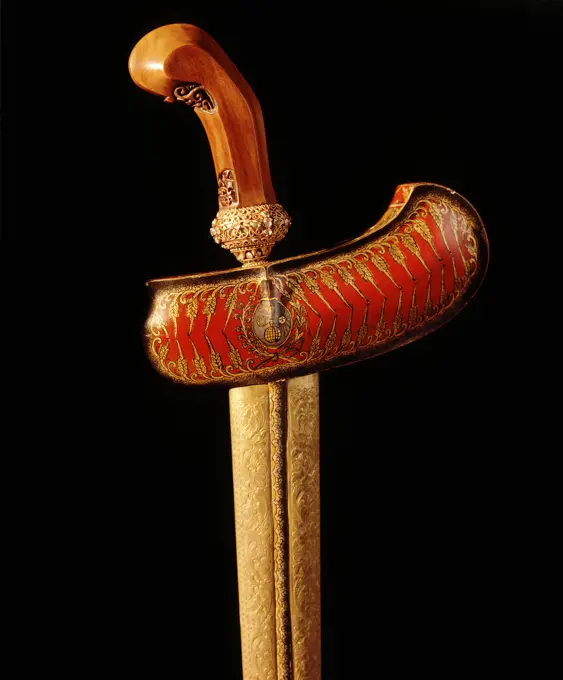
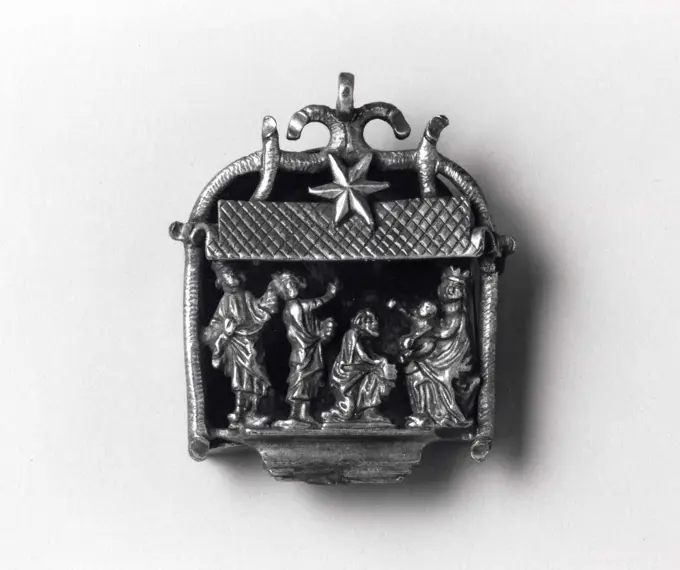
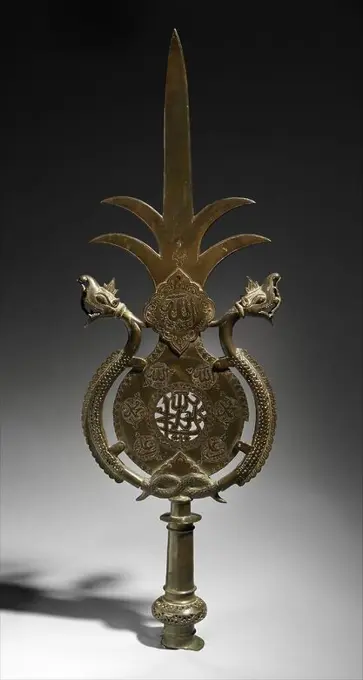
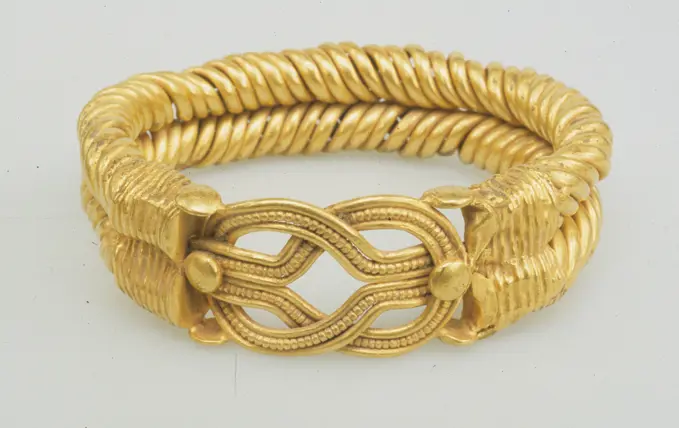
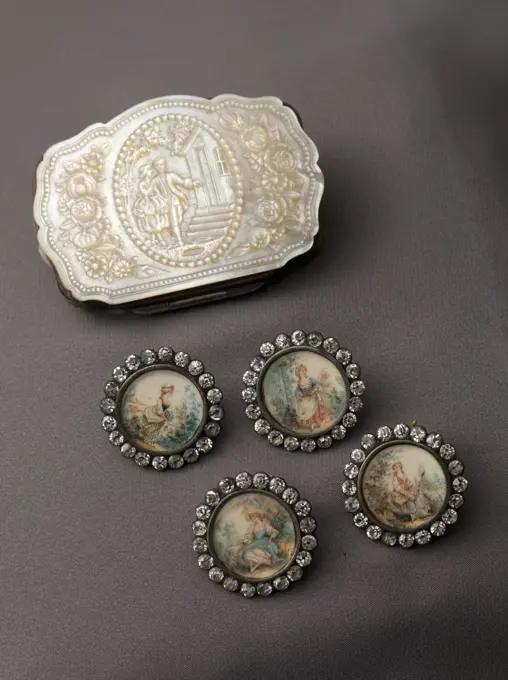
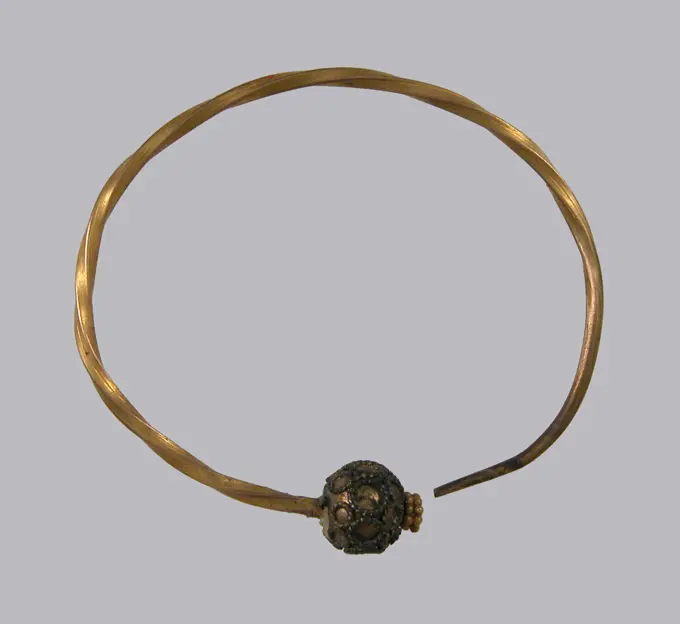
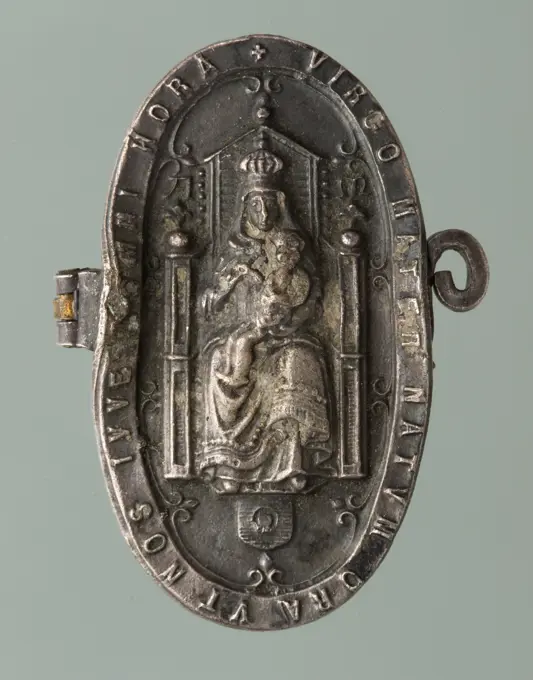
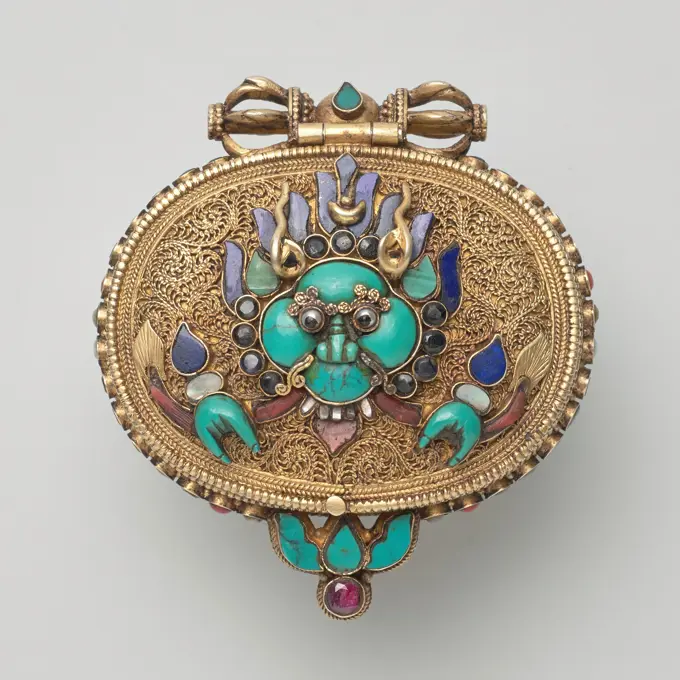
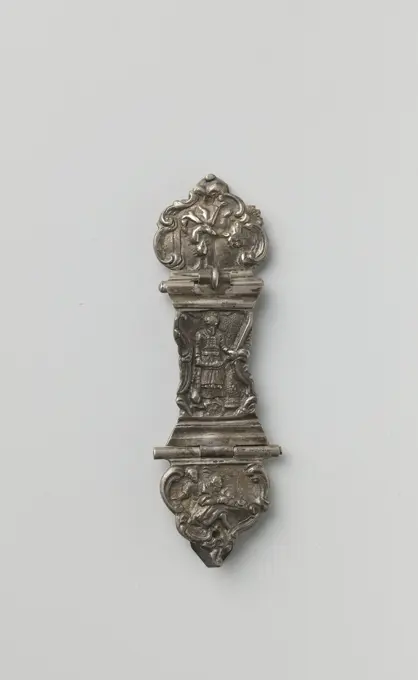
Bracelet (France); gilded metal, agatesWatch. Culture: Swiss, Geneva. Dimensions: Overall: 1 7/8 × 1 1/4 in. (4.8 × 3.2 cm). Maker: Watchmaker: Anthoine Arlaud (born ca. 1590, after 1641). Date: ca. 1620-30.Arlaud, a Huguenot refugee from the French Auvergne, was the first in a dynasty of Geneva watchmakers. He became a burgher in Geneva in 1617. The form of this watch and the scene of the Risen Christ, with the emblems of the Passion, are surely reminders of the brevity of life on earth and of the importance of the salvation of the soul. Museum: Metropolitan Museum of Art, New York, USA.Electrum Signet Ring with Monogram 7th century Frankish. Electrum Signet Ring with Monogram 465145Mouth piece, funerary Greek or Roman. Mouth piece, funerary. Greek or Roman. Gold. Gold and SilverGolden crown in a museum, Crown Of Silla, Gyeongju National Museum, Gyeongju, South KoreaCeltic civilization, Italy, 4th century b.C. Goldsmith's art. Gold necklace with Etruscan pendants.Set of four corner ornaments 17th-18th century French. Set of four corner ornaments 189765 French, Set of four corner ornaments, 17th18th century, Gilt bronze, Overall (each): 5 3/4  7 1/8 in. (14.6  18.1 cm). The Metropolitan Museum of Art, New York. Gift of J. Pierpont Morgan, 1906 (07.225.510.7ad)Vase. Ancient Mediterranean. Date: 301 AD-600 AD. Dimensions: 15.6 x 8.3 x 6.4 cm (6 1/8 x 3 1/4 x 2 1/2 in.). Glass, blown technique. Origin: Mediterranean Region. Museum: The Chicago Art Institute, Chicago, USA.Pair of Eagle Ear Ornaments 15th-16th century Aztec or Mixtec. Pair of Eagle Ear Ornaments. Aztec or Mixtec. 15th-16th century. Gold. Mexico, Mesoamerica. Metal-OrnamentsTassel early 19th century French. Tassel. French. early 19th century. Metal thread. Textiles-TrimmingsAstrolabe with Hebrew characters, c1350. Spanish, gilt brass. Bracket from a book lock (Bible lock) of gold, poured and scilated, with representations in relief of the sacrifice of Abraham and circumcision. The performances are surrounded by Rocaille ornaments.Pendant, 1069-715 BC. Egypt, Third Intermediate Period, Dynasties 21 (1069-945 BC) -22 (945-715 BC). Gold and turquoise; overall: 5.1 x 2.3 cm (2 x 7/8 in.).Torque, 12 1/8 x 11 1/4 x 1/2 in. (30.8 x 28.58 x 1.27 cm), Silver, China. Bracket of a book lock of gold, cast and scilated, with representation in relief the proclamation to Mary. The show is surrounded by Rocaille ornaments. Bible lock.Gold bracelet, from the Vinnica Region, Ukraine. Jewellery. Sarmatic Civilization, 4th-2nd Century BC.Chatelaine of red gold, anonymous, c. 1885 - c. 1900 Chatelaine of red gold with 6 () Necklaces on which a watch key with medallion. On the hook a medallion with an amoret. Netherlands (possibly) gold (metal). Chatelaine of red gold with 6 () Necklaces on which a watch key with medallion. On the hook a medallion with an amoret. Netherlands (possibly) gold (metal).Weight in the Form of Nestled Birds. China. Date: 618 AD-907 AD. Dimensions: H. appro×. 2 1/8 in. Gilt bronze. Origin: China. Museum: The Chicago Art Institute, Chicago, USA.HolderSaddle Pommel 7th-9th century China (Xinjiang Autonomous Region, Central Asia) The nomadic communities of Central Asia used such plaques to embellish clothing and horse trappings. As these nomadic cultures herded animals and were constantly moving, their artistic production was expressed in portable objects that marked the wearers status and wealth. The outstanding preservation of these fragile ornaments suggests they were used in conjunction with burials, where the body was aggrandized with valuable textiles and augmented with gold. Although it is difficult to date and place these objects geographically, their presence in Central Asia and has a long, established history.. Saddle Pommel 65327Elements from a Necklace late 15th-16th century Spanish The consummate skill of goldsmiths in Nasrid Granada is evident in these necklace elements, which combine filigree, granulation, and cloisonné enamelwork. The Latin inscription on the central pendant, "Hail Mary, full of Grace," the salutation of the archangel Gabriel when he revealed to the Virgin Mary that she would give birth to the Christ Child, leaves no doubt that this necklace excavated in Granada before 1916 was meant to be worn by a Christian. Among a series of exceptional works that have been attributed to the same Nasrid workshop are items that were clearly destined for Muslim, Christian, and Jewish patrons.. Elements from a Necklace. Spanish. late 15th-16th century. Gold, cloisonnè enamel. Made in Granada, Spain. Metalwork-GoldStandard surmounted by a ram ca. late 2nd millennium B.C. Iran. Standard surmounted by a ram 327415Golden Artifact In The Gold Museum In La Candelaria, The Old Town Of Bogota, ColombiaBracketRing with Bellerophon Spearing the Chimaera; Attributed to Santa Eufemia Master (Greek (South Italian), active 340 - 320 B.C.); South Italy; about 340 - 320 B.C; Gold; 2 × 1.4 × 0.8 cm (13,16 × 9,16 × 5,16 in.)Fair of coral red velvet with on two planes embroidery of gold thread. Fair of coral red velvet with embroidery of gold thread. Wound gold thread and cannetille gold that is flat and squirted, some sequins. On two turtle-shaped pattes with hard filling, a pattern of a high floral basket standing on a 'lambrequin' and framed by symmetrical wavy tendrils. Two soufflés of unworned red velvet. Finished with gold gallon and lined with bright green side. Simple cutting bracket of base metal.Pendant (one of a pair) second half 15th century probably Northern Italian There is no firm evidence about the original purpose of this type of niello pendant, but theories range from betrothal gifts (those with double portraits) to portable reliquaries (those with religious motifs).. Pendant (one of a pair). probably Northern Italian. second half 15th century. Silver, niello, and gilt silver. Metalwork-Silver In CombinationMount; L x W x D: 4.6 x 7.5 cm (1 13/16 x 2 15/16 in.)Dish. Designed by John Simpson III; English, 1685-1775. Date: 1710-1720. Dimensions: 35.9 × 5.4 cm (14 × 2 1/8 in.). Lead-glazed earthenware, slip decorated. Origin: Staffordshire. Museum: The Chicago Art Institute, Chicago, USA.Brooch made of metal and glass, anonymous, c. 1950 - c. 1960 Brooch in the shape of a flower with moving leaves with a ball closure. Central a round red faceted stone of glass and around 14 smaller stones made of white glass. United Kingdom metal. glass Brooch in the shape of a flower with moving leaves with a ball closure. Central a round red faceted stone of glass and around 14 smaller stones made of white glass. United Kingdom metal. glassKey, c. 1800 - c. 1900 Key with handle consisting of an octagonal frame in which there is a medallion with women-Buste and Garlande. The border is filled with blue and white, the medallion with white and pink. Above the capital formed from Acanthus leaves is a quadruple with red and white enamel. Graved from gilded copper and enamel, beard and shaft of iron.  copper (metal). gilding Key with handle consisting of an octagonal frame in which there is a medallion with women-Buste and Garlande. The border is filled with blue and white, the medallion with white and pink. Above the capital formed from Acanthus leaves is a quadruple with red and white enamel. Graved from gilded copper and enamel, beard and shaft of iron.  copper (metal). gildingSILLA CON INCRUSTACIONES DE NACAR. DETALLE. SIGLO XIX. MUSEU MASTELLARNAU, TARRAGONA.Gold aurei of the Twelve Caesars. Culture: Roman. Dimensions: 7 5/8 × 15/16 in. (19.4 × 2.4 cm)Height (setting of amethyst): 1/2 in. (1.3 cm). Date: ca. A.D. 69-96.Six aurei mounted with 6 oblong amethysts en cabochon in a nineteenth century gold bracelet; aureus of Augustus (the 12 Caesars of Suetonius: Galba, Otho, Vitellius, Vespasian, Titus, Domitian); Minted in Rome. Museum: Metropolitan Museum of Art, New York, USA.Pin 15th-16th century Chimú or Inca. Pin 315616Box 1865 London. Gold . Rawlins and SumnerTanaka ECole Tsuba. Ferhako -ju (fondamé) - Taka - zobazan (Incrustation enl Relief). Musée Cernuschi, Musée for 200e de la Ville.Handle PlateTreasure Box (Papahou) 18th century Maori people Personal ornaments are important objects in Maori culture. Often worn on the head, the most sacred part of the body, these absorb the supernatural power (mana) of their wearers and are carefully handled when not in use. To contain ornaments and other valuable objects, carvers formerly fashioned treasure boxes that were hung from the rafters of houses to keep their precious and powerful contents out of reach. As the boxes were often seen from below, their undersides were also extensively carved.Shallow rectangular treasure boxes such as this work were called papahou. The designs here consist primarily of human figures (tiki) that likely represent ancestors. The lid is adorned with a handle formed by three reclining tiki, two of whom are depicted in the act of procreation, perhaps symbolizing the continuity of the mana of the ancestors through their living descendants.. Treasure Box (Papahou) 311197Door knocker, Venice, Venetieen, Italy, EuropeCapitalBracelet, One of a Pair 18th century This gold bracelet is one of pair (along with 15.95.32) and has been fabricated in openwork gold, and culminates with two facing Makara or dragon heads, which also serve as its clasp. Small metal pellets within the bracelet jingle when it is moved, adding a musical quality to the beauty of the piece. Such sonorous jewels are sometimes known as jhanjhan. The hinge, and another place on the side of this bracelet are inscribed with the Chinese Shou character (longetivity) in flattened wire.. Bracelet, One of a Pair 446732Bronze ritual thunderbolt from Tibet. Dated 19th CenturyMonster Face: Door Ring Holder (Pushou), 500s. China, Henan province, Northern Dynasties period (386-581). Gilt bronze; overall: 13.6 x 20 cm (5 3/8 x 7 7/8 in.).Finger Ring 500-550 Frankish. Finger Ring 465295 Frankish, Finger Ring, 500550, Gold, garnet, mother-of-pearl, Overall: 1 x 13/16 x 5/8 in. (2.5 x 2.1 x 1.6 cm) bezel: 5/8 x 1/4 in. (1.6 x 0.6 cm). The Metropolitan Museum of Art, New York. Gift of J. Pierpont Morgan, 1917 (17.192.228)Silver gilt object with bands of animal decorations from the Staffordshire Hoard. Dated 6th CenturyGold ring, from Cerveteri (Lazio). Etruscan civilization, 6th Century BC.Tray ca. 1815-20 Popov Manufactory. Tray 206821MountFragmentSword Pommel 16th century Italian. Sword Pommel 29113Amulet - filar dżed. unknown, authorJean Georges. Oval box in chopped gold and blue-of-krove enamel on bass-tail. On the lid, a miniature painted on enamel, young girl and fisherman by the shore. 1764-1765. Paris, Cognacq-Jay museum. 56058-4 Basse-Taille, blue-of-royal, box, oval box, lid, email, emaille, young girl, painted miniature, gold chisel, orfevrery, fisherman, shore. Hanger of gold and email, representing the bust of Gustaaf Adolf in a laurel wreath. The medallion is sliced from a coin.Ellen Duncan, Souvenir Spoon, c 1936 Souvenir SpoonPyx 13th century French. Pyx 467487Commemorative pendant of the 100th anniversary of the death of Tadeusz KościuszkoWall pocket whimsey, 1912, 8 5/16 x 7 15/16 x 2 5/16 in. (21.11 x 20.16 x 5.87 cm) (without dangles or hanger), Beads, cotton, sequins, United States, 20th centuryCáliz, Punxo de Barcelona, siglo XV-XVI. Museu Nacional d'Art de Catalunya.Goldsmith's art, England, 16th century. Gold, mother-of-pearl, rubies and emeralds pendant of the Spanish Armada, 1580-1600, mm. 60x22. Side depicting Noah's ark and bearing inscription ""sevas tranquila per undas"" (calm between the waves).Cameo set in a modern ring. UnknownFlower-Shaped Ear Ornaments. Aztec (Mexica); Tenochtitlan, Mexico. Date: 1401-1533. Dimensions: Each 5.7 × 2.9 cm (2 1/4 × 1 1/8 in.). Ceramic and gold foil. Origin: Mexico. Museum: The Chicago Art Institute, FLORENCIA, USA.Fragment of Headdress late 17th-early 18th century China. Fragment of Headdress. China. late 17th-early 18th century. Gold, feathers, pearls. Qing dynasty (1644-1911). JewelryCASCO DE CARLOS V REPRESENTANDO UNA BATALLA - S XVI. Location: PALACIO REAL-REAL ARMERIA DE MADRID. MADRID. SPAIN.Belt buckles Gilded bronze, almandine, silver, gold, glass 2nd half 5 th century Sudrussland; Taman, Krasnodar (Rus)Two squares. UnknownMount, Gilt bronze, Profile bust of Juno with peacock hairpin., France, ca. 1810, metalwork, Decorative Arts, MountSkylight, decorated with tree and horns of abundance, c. 1400 - c. 1950 A forged iron skylight. In the middle a tree, horns of abundance on the sides, supplemented with rich ornaments. Has been completely gilded. Beginning of the style of Louis XIV.  iron (metal) forging A forged iron skylight. In the middle a tree, horns of abundance on the sides, supplemented with rich ornaments. Has been completely gilded. Beginning of the style of Louis XIV.  iron (metal) forgingThe Sacrifice of Isaac probably second half 19th century Probably after a design by Reinhold Vasters German The size and shape of this pendant suggests that its model was not a Renaissance jewel, but perhaps instead an ornamental cartouche from the rim of a Mannerist silver basin, a plaquette of gold, silver, or rock crystal from a jewel casket, or a book cover. The ornament on the frame and the back of the pendant is a mixture of decorative motifs that were in vogue at several different periods during the sixteenth and early seventeenth centuries. The central pattern on the back, ultimately derived from sixteenth-century Moresque ornament, is comparable to one of Reinhold Vasterss designs for a pendant in the Victoria and Albert Museum, London, but the identity of the maker of this pendant remains uncertain.[Clare Vincent, The Jack and Belle Linsky Collection at the Metropolitan Museum of Art, New York, 1984, p. 199, no. 119. The Sacrifice of Isaac. probably French or German. probabTorque, 13 7/8 x 11 11/16 x 1/2 in. (35.24 x 29.69 x 1.27 cm), Silver, ChinaGold torc from Ipswich, Suffolk. Celtic British.Spiral Armlet, 1800s. India. Silver; diameter: 6.4 cm (2 1/2 in.).Javanese Kris. Java, Indonesia.Box second half 14th century A series of intertwined cartouches run around this small brass box: four circular and four oblong. Two of the oblong cartouches contain Arabic inscriptions set within a dense vegetal background. The use of lotus flowers can be seen in the other two oblong cartouches and in a more stylized form in two of the circular cartouches. The remaining two circular cartouches are decorated with a knot terminating in four flower buds, perhaps lotus blossoms. Above the cartouches, the lip of the box, which is convex in profile, is simply ornamented with a geometric zigzag design. Much of the silver inlay has been lost, obscuring the original sharply contrasting lines in silver and brass and decreasing the clarity of the ornament. The fine stippling, which would have held the silver sheets in place, and the black outline have been preserved well. The interior is decorated with a circular motif of fishes, similar in style to a bowl in the collection (91.1.534). The box isFragment, Medium: linen Technique: needle lace, Fragment in a pattern of a trefoil blossom, large leaf and stem with small portions of surrounding design. Trefoil entirely lozenge diaper openwork. Leaf is scalloped., Venice, Italy, 17th century, lace, FragmentMount; L x W x D: 28 x 6.5 x 4 cm (11 x 2 9/16 x 1 9/16 in.)Commemorative Pendant with the Bust of Tadeusz KościuszkoPlate and Nail 15th-16th century European. Plate and Nail. European. 15th-16th century. Iron. Metalwork-IronLength of Passementerie; France; about 1670; Wire, paper, parchment, and silk; 239.4 x 18.4 x 3.8 cm (94 1,4 x 7 1,4 x 1 1,2 in.)Watch 1774-75 Watchmaker: J. Tarts. Watch. British, London. 1774-75. Silver, brass. HorologyPilgrim Badge with Adoration of the Magi late 16th century or 19th century (before 1890) German (possibly Cologne), probably Hanau. Pilgrim Badge with Adoration of the Magi 460380RingGoldsmith's art, Italy, 20th century. Mario Buccellati, carved and embossed gold bracelet, 1929.Gold pendant in the form of a bull's head ca. 1400-1050 B.C. Cypriot Most of the raw materials for Cypriot jewelry came from the East. Gold became plentiful in the Late Bronze Age, when Syria and Egypt were the primary sources. These earrings are a Cypriot creation, an ornament in the form of a bull's head.. Gold pendant in the form of a bull's head. Cypriot. ca. 1400-1050 B.C.. Gold. Late Bronze Age. Gold and SilverPendant ca. 1600 possibly German. Pendant. possibly German. ca. 1600. Gold, enamel, pearls, diamonds, rubiesProcessional Standard ('Alam). Dimensions: H. 38 in. (96.5 cm)W. 12 in. (30.5 cm). Date: late 17th-early 18th century.Standards are used in many parts of the Muslim world by the Shi'a community in processions marking the martyrdom of Imam Husain, grandson of the Prophet Muhammad, who died at the battle of Karbala in A.D. 680. The pierced inscription at the center of this example reads "Allah, Muhammad, 'Ali," and these names are repeated in roundels surrounding the main inscription. Dragons encircle the central section and grasp it with their feet, while their tails intertwine at the bottom. Their bodies are pierced, and they have rounded scales on their backs, with nublike legs. Museum: Metropolitan Museum of Art, New York, USA.Watch-Shaped Vinaigrette. Joseph Taylor; Birmingham, England. Date: 1820-1821. Dimensions: Diam. 3.8 cm (1 1/2 in.). Silver and silver gilt. Origin: Birmingham. Museum: The Chicago Art Institute, Chicago, USA.Bracelet with spirally twisted strands and a Herakles knot at the bezel A.D. 2nd century Roman Period There is a long tradition of bracelets with so-called Herakles knots, but for constructional reasons this one is ascribed to the Roman Period. The woman in the shroud 09.181.8 wears a bracelet with joined twisted tubes that may be similar to this one.. Bracelet with spirally twisted strands and a Herakles knot at the bezel 547938Silver metal wallet and white mother-of-pearl, with floral decor and pearl central medallion representing a couple in the 18th century style. Gouache ivory buttons set back from shepherdesses and peasant women, circulated by twenty rhinestones. Dributing: White mother-of-pearl and silver metal. Buttons: ivory painted with gouache 20 rhinestones, glass, silver metal frame. 1850-1870. Galliera, fashion museum of the city of Paris. In a central medallion a couple dressed in the 18th century manner, framed by garlands of flowers. Accessory, button, circle, female, gouache, painted ivory, silver metal, frame, white mother-of-pearl, wallet, champetre scene, rhinestone, 18th century centuryIkona: Matka Boska "Znamienije". Nieznany warsztat ruski, factoryEarring 6th-7th century Frankish. Earring 465183 Frankish, Earring, 6th7th century, Gold, granulation, filigree wire, Overall: 1 7/16 x 1 5/16 x 1/4 in. (3.7 x 3.3 x 0.6 cm) bead: 3/16 x 1/4 in. (0.5 x 0.6 cm). The Metropolitan Museum of Art, New York. Gift of J. Pierpont Morgan, 1917 (17.192.127)Pilgrim badge: MontpellierGahu Amulet Box, 19th century, 3 3/16 x 2 3/4 x 1 1/16 in. (8.1 x 6.99 x 2.7 cm) (closed), Gilt metal, gold, turquoise, lapis, mother-of-pearl and other gemstones, Tibet, 19th century, Charm, or amulet, cases often contained sacred prayers, objects blessed by a lama (teacher), or even fragments of a monks robe. They were commonly worn by women around the neck and by men attached to a belt or saddlebag. Here, the scrolling filigree work is inlaid with precious stones in the form of a Kirtimukha, or face of glory, meant to ward off evil spirits. The clasp takes the shape of a vajra, or thunderbolt, a symbol of enlightenment.Baroque spurJewel 3rd century () Ostrogothic. Jewel 465228Screw with baluster -shaped trunk, on three shell -shaped legs, anonymous, c. 1600 - c. 1625 The cast and partially accompanying object is composed of the following parts: the baluster with three browned legs, three clamps and the screw. The legs have the shape of a shell. The baluster decorated with grunts has three holes, from which the clamps decorated with curls and cups stick. These can be brought to the desired height using the screw, which is mounted in the baluster. Netherlands (possibly) copper (metal). gilding (material) casting / gilding The cast and partially accompanying object is composed of the following parts: the baluster with three browned legs, three clamps and the screw. The legs have the shape of a shell. The baluster decorated with grunts has three holes, from which the clamps decorated with curls and cups stick. These can be brought to the desired height using the screw, which is mounted in the baluster. Netherlands (possibly) copper (metal). gilding (material) c. Gold necklace. Performed in a Filigrein and round braid. The necklace is decorated with 4 rosettes, the middle rosette of which is sterling. The loose pendant can be attached to the necklace.Ear Ornament Second half of the 8th-second half of the 10th century Indonesia (Java). Ear Ornament 49984Gold Jewish marriage ring, the bezel formed as a high pitched enamel opening by a hinge strap and inscribed inside with a Hebrew inscription Mazel Tov (good luck), the wide hoop decorated with massive double corded borders enclosing five openwork rosettes with green and blue enamelled leaves and corded rings suspended from hoops and double corded work on either side. 16th century.LoopBoekslot with presentation of Mozes, W.N. Ernens, 1814 - 1827 Kerkboekslot of silver, with the representation of Moses. Marked: we, and minerva head. Hoorn (North Holland) silver (metal) Kerkboekslot of silver, with the representation of Moses. Marked: we, and minerva head. Hoorn (North Holland) silver (metal)