Historical Ornamental Artifacts

Ancient decorative artifacts including badges, buttons, and fittings with intricate designs, reflective of historical craftsmanship and cultural significance.

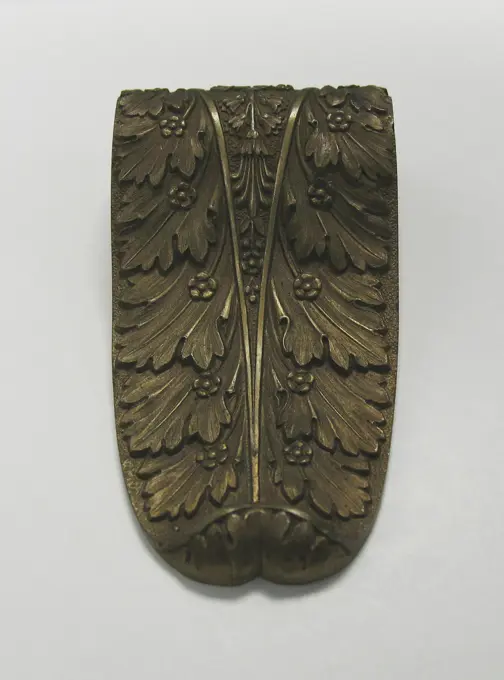
Furniture applique, Gilt bronze, Helmet and flags, oak leaves and shield., France, ca. 1790, metalwork, Decorative Arts, Furniture applique
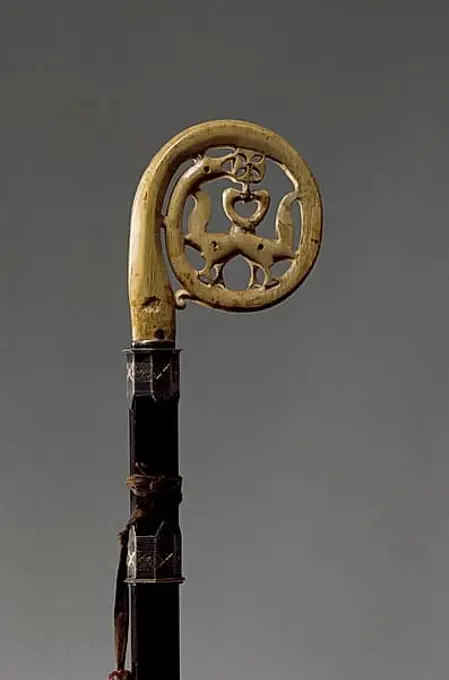
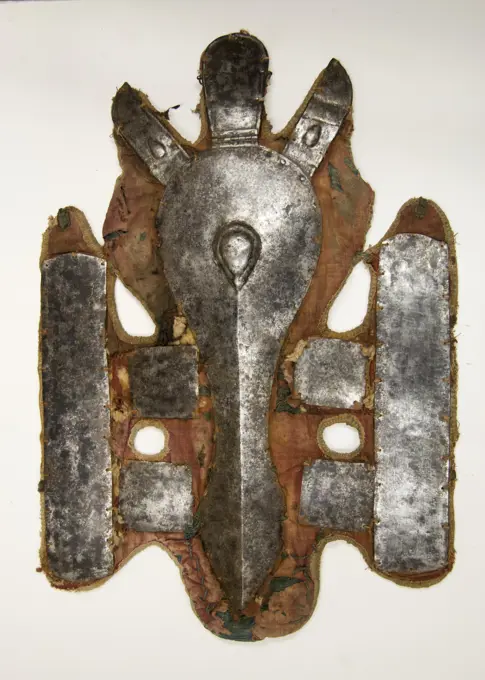
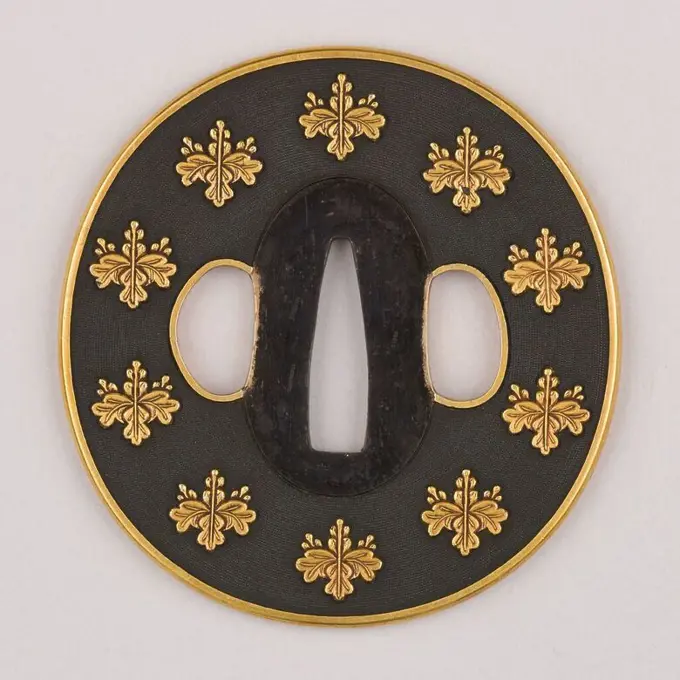
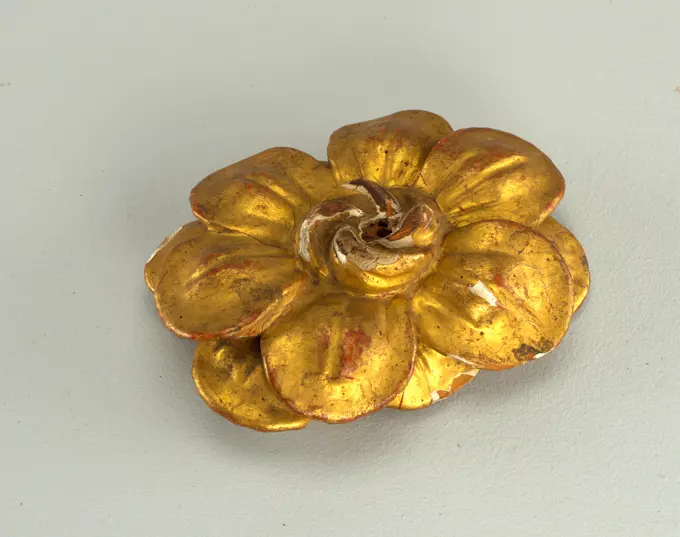
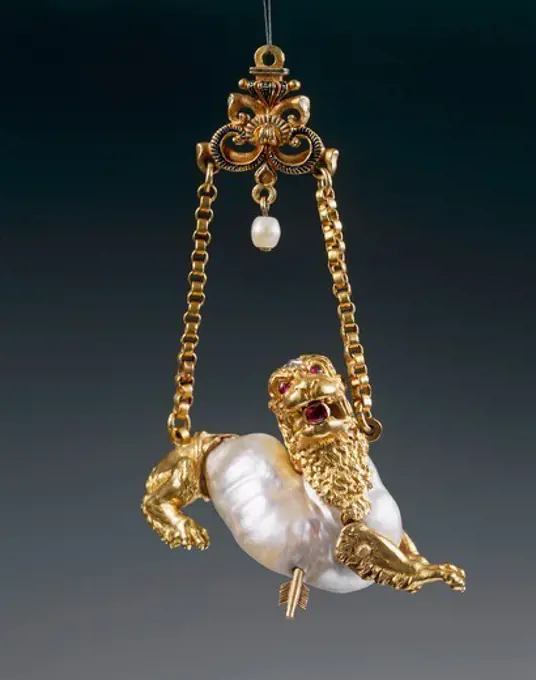
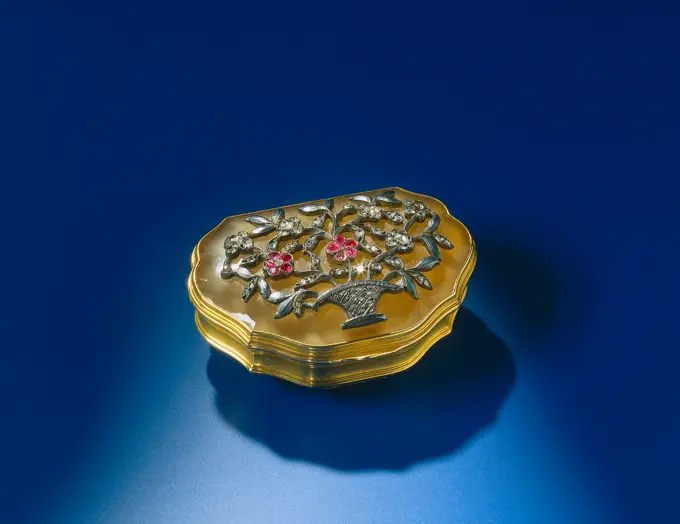
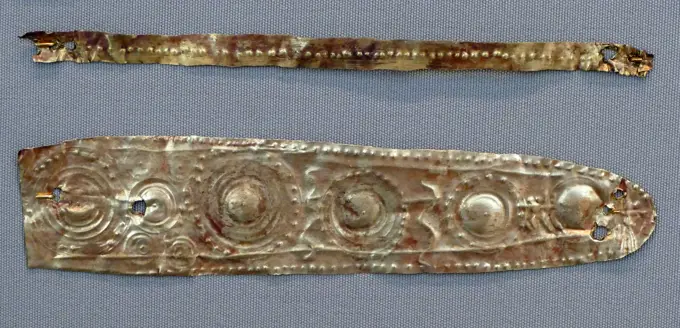
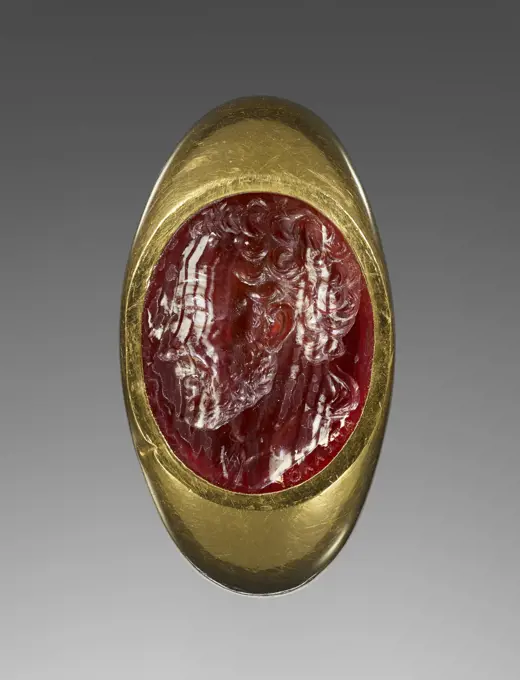
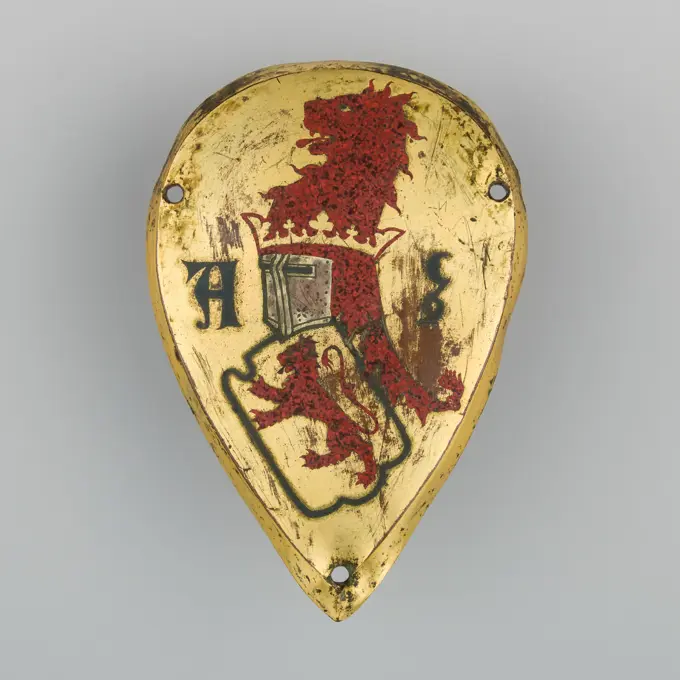
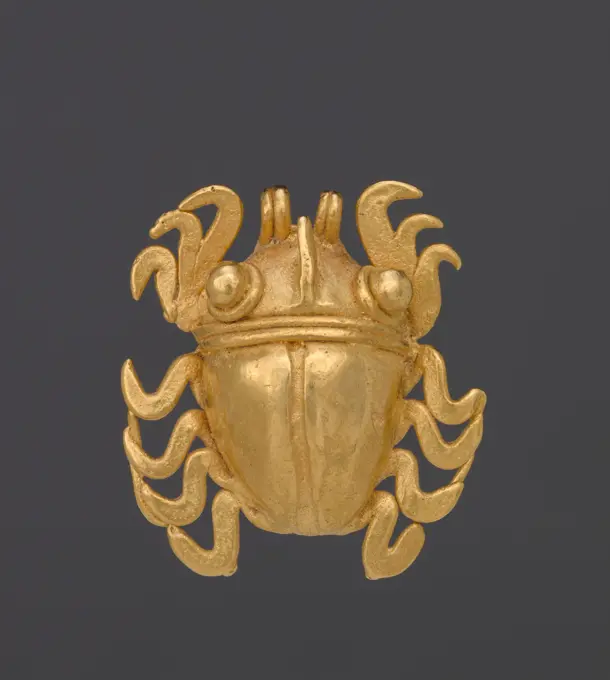
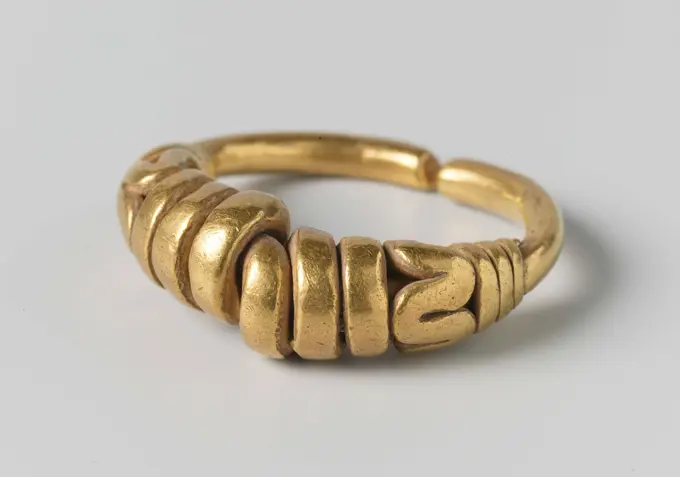
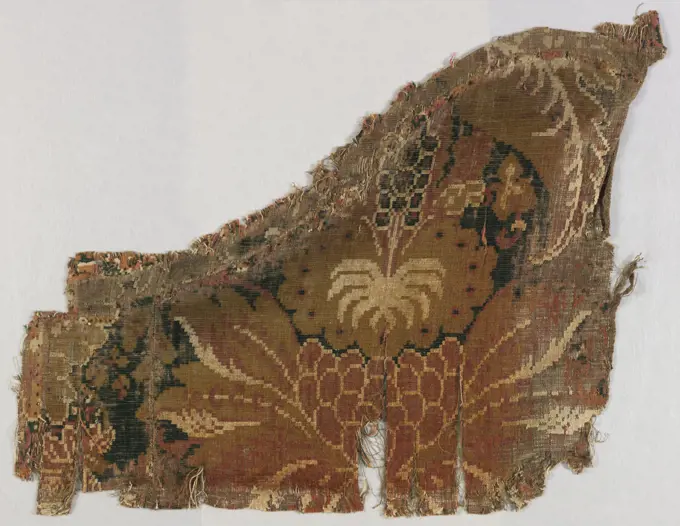
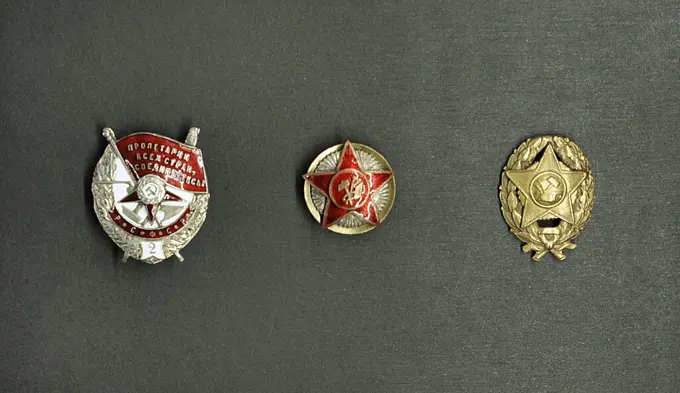
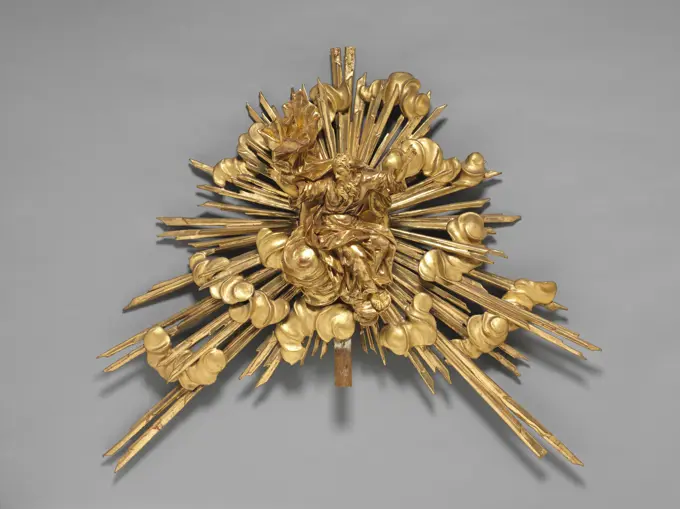
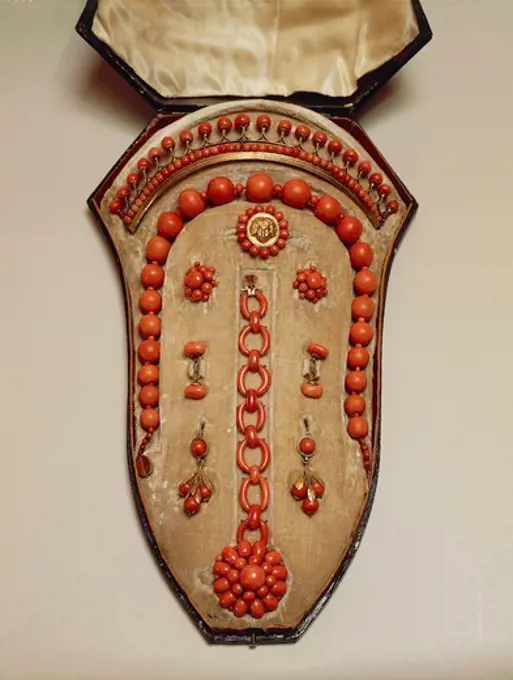
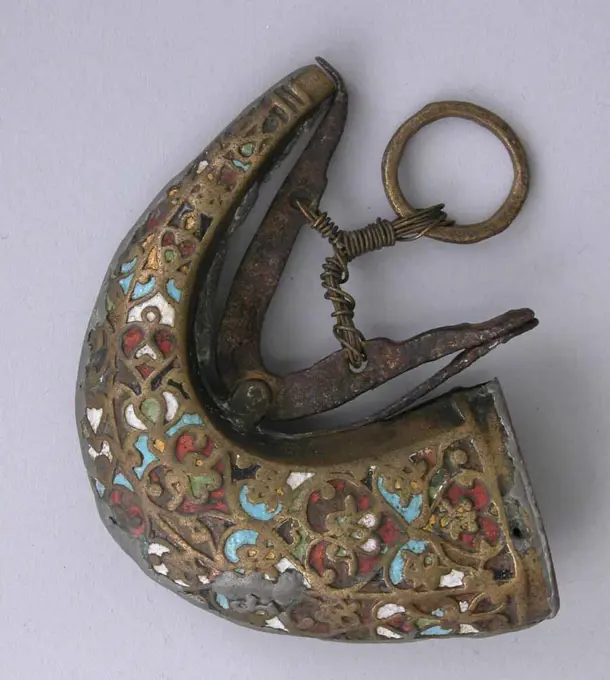
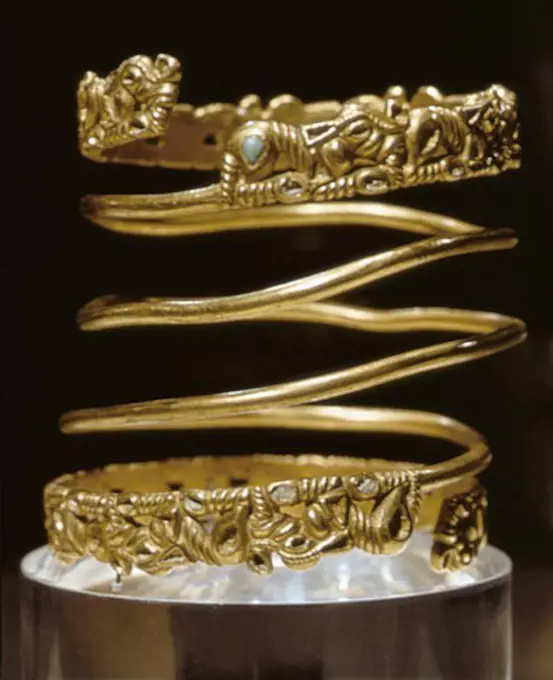
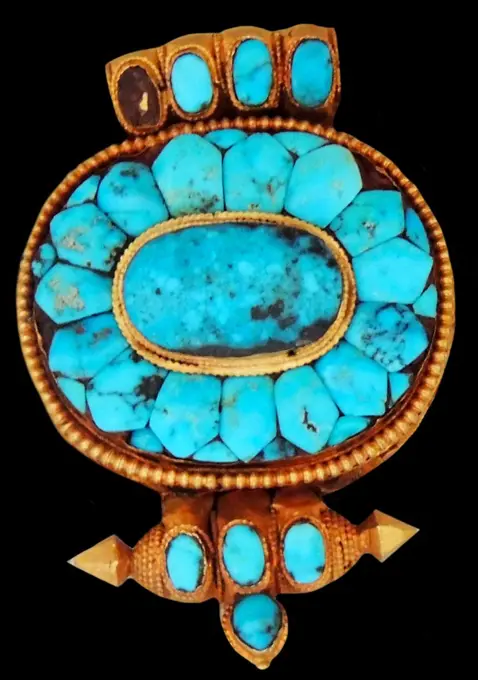
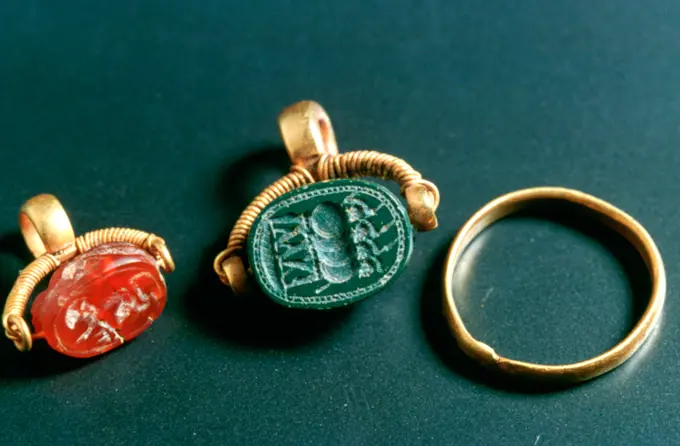
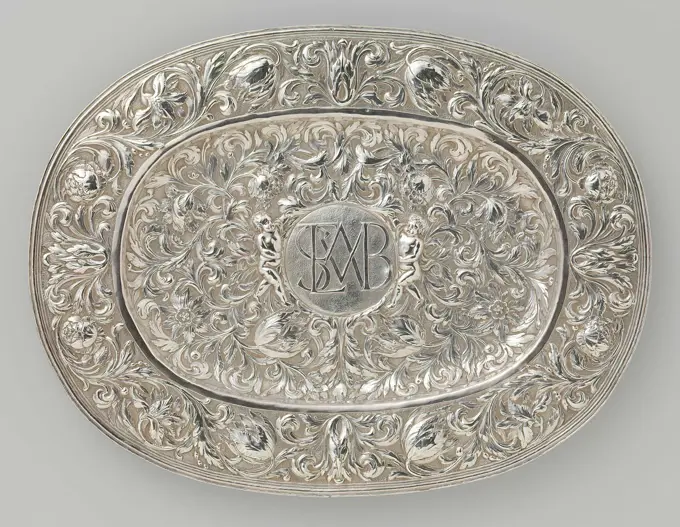
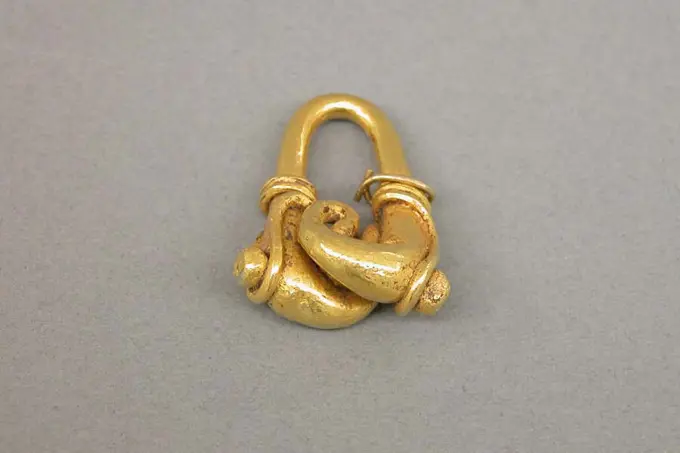
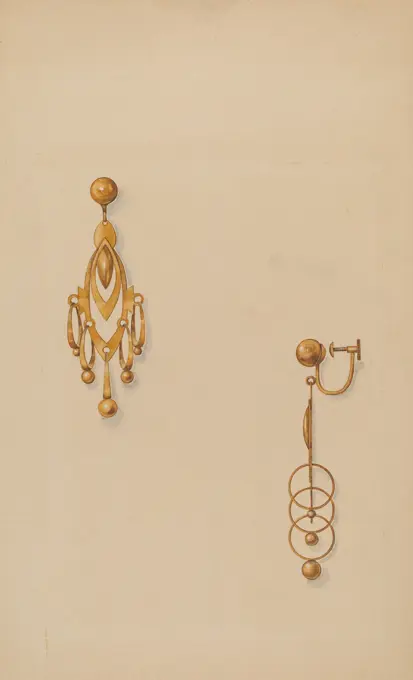
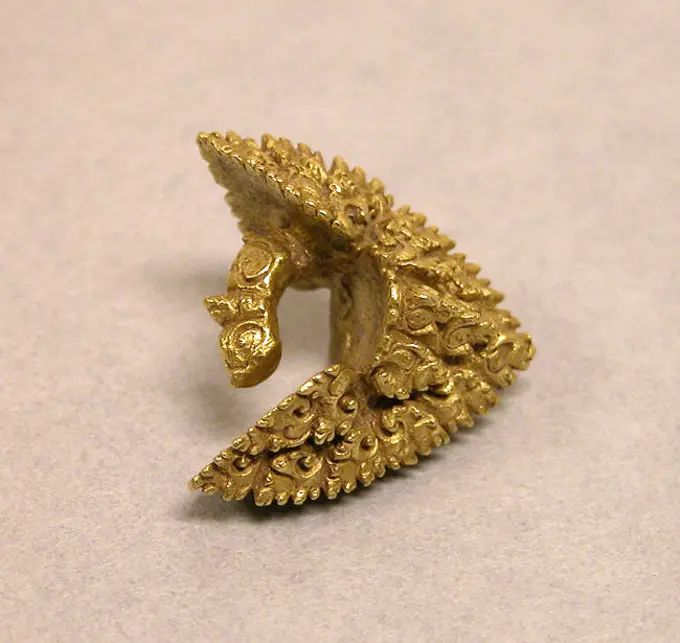
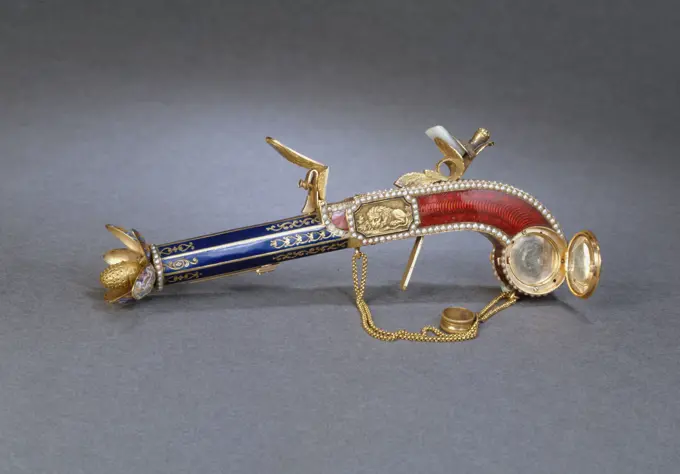
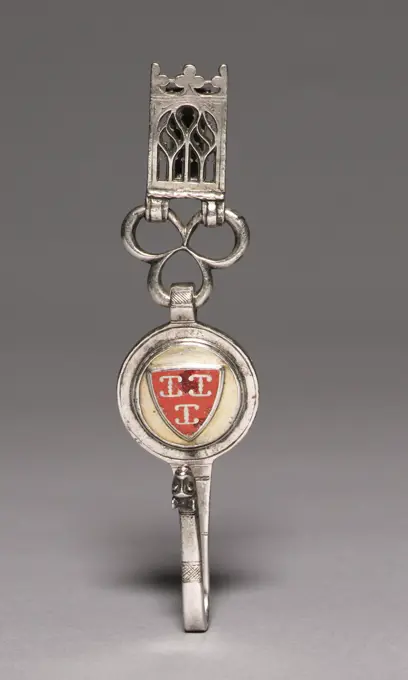
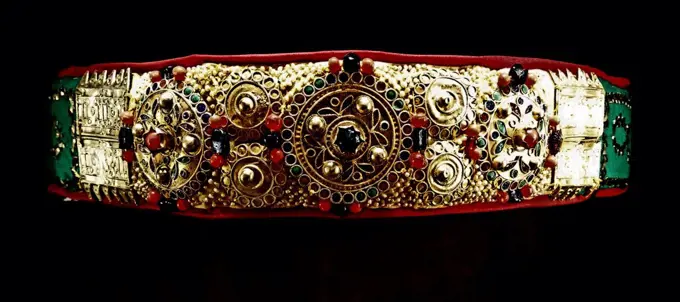
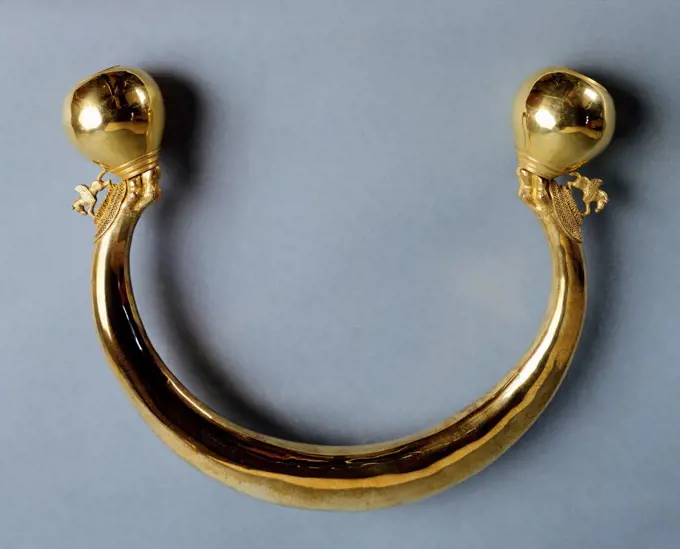
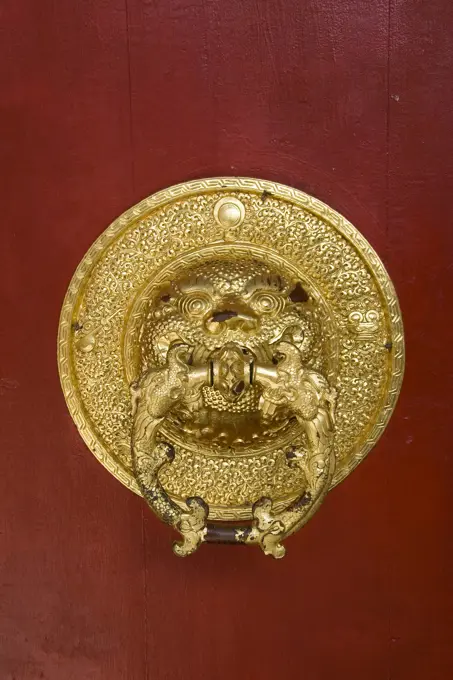
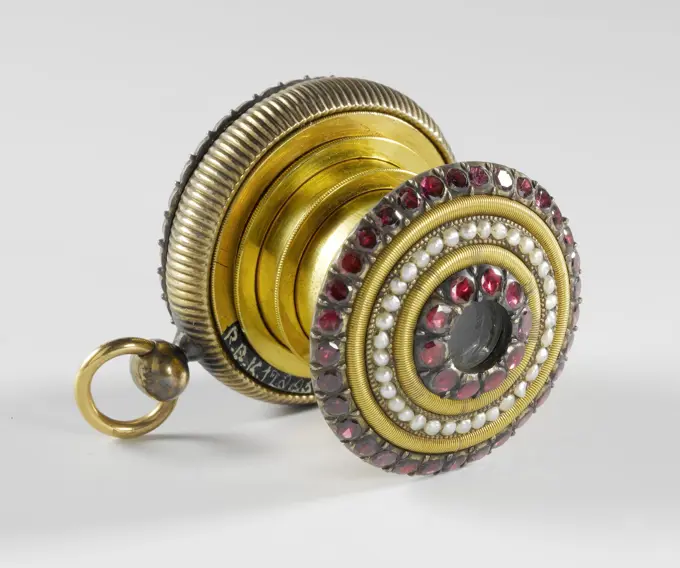
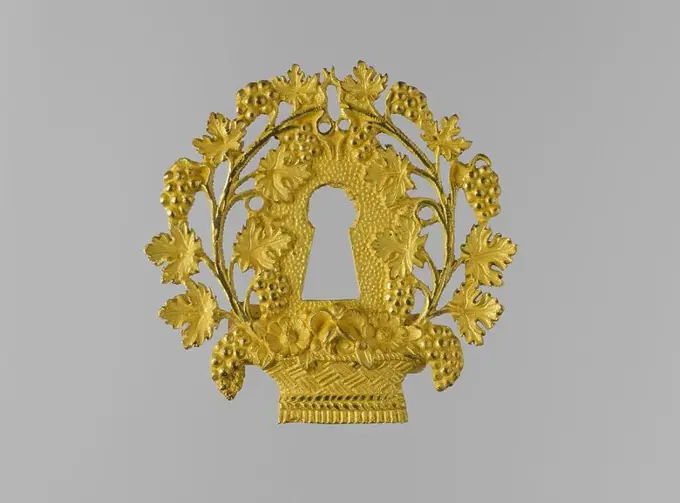
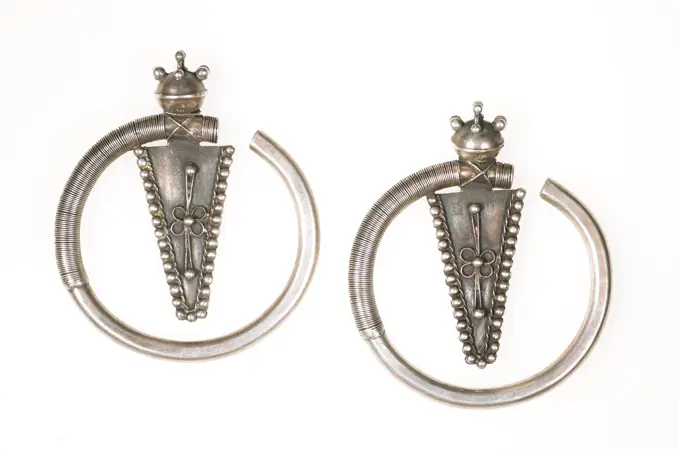
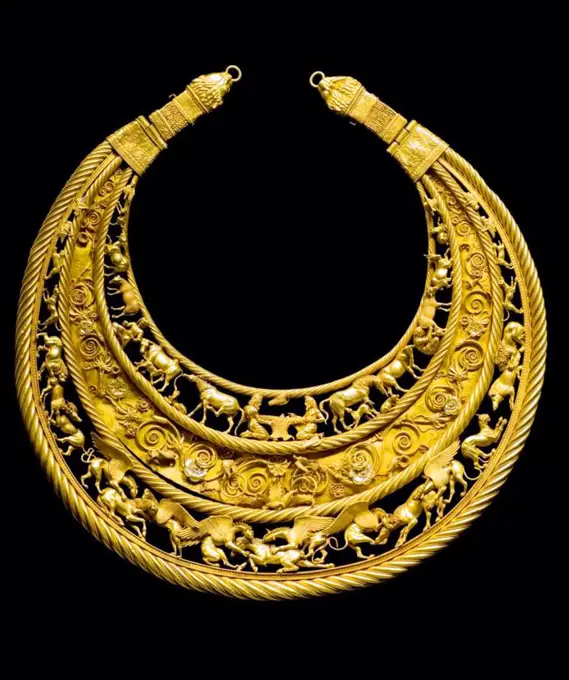
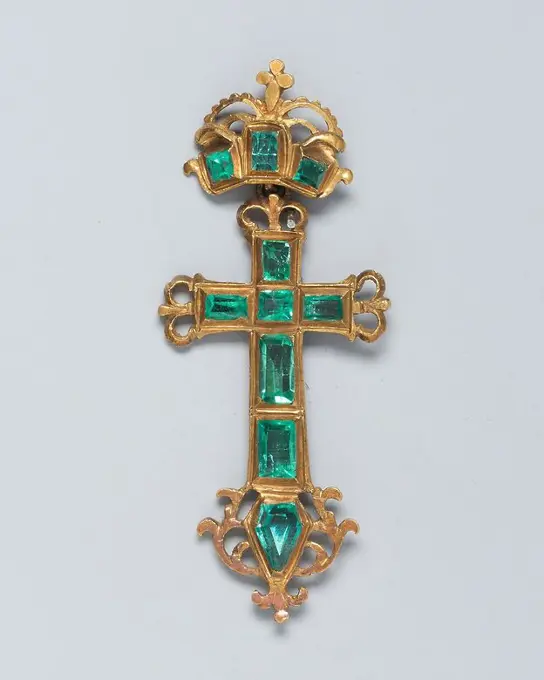
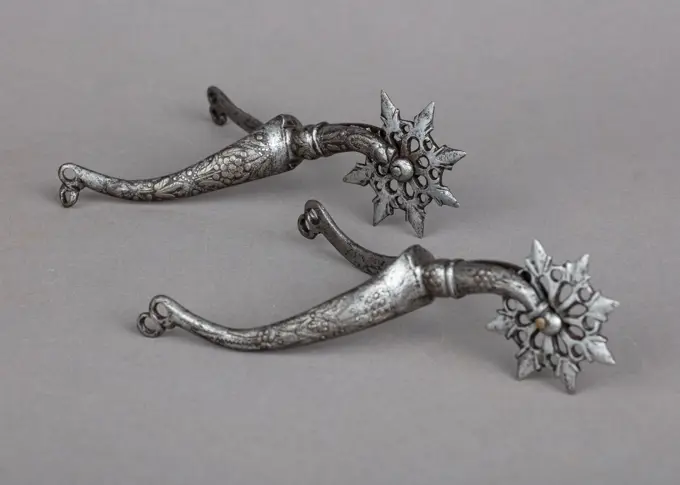
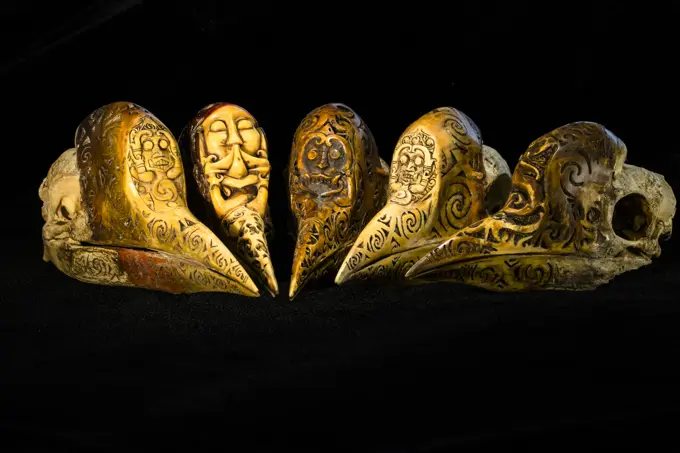
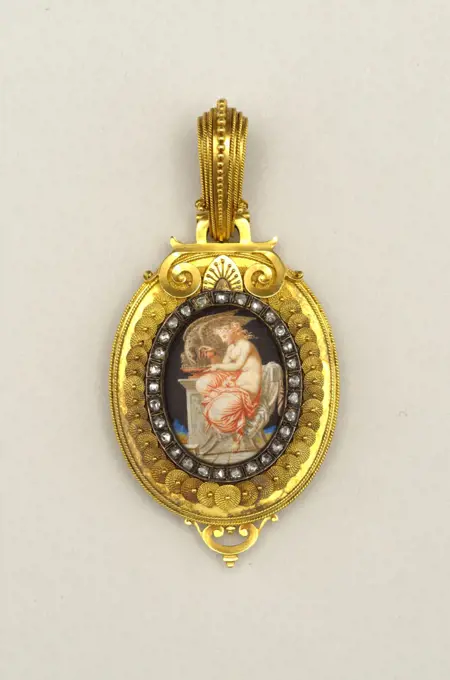
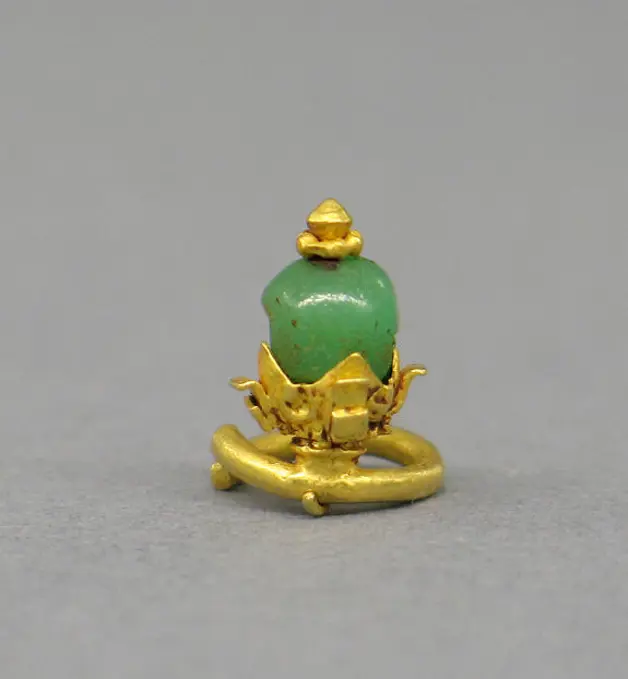
Star shaped EarOrnamentTreasury, so-called Almanni crutch, made of ivory, 2nd half of the 12th century, Siculo-Arabic work, St., Sankt, SaintShaffron 17th century Indian, possibly Deccan Although relatively unsophisticated in its manufacture, this shaffron is exceptionally rare, possibly unique, for its completeness, retaining all of its original plates and its textile backing. Most other surviving Indian shaffrons of this type consist solely of the long, ogival main plate, the shape of which is the defining feature of these shaffrons. A prime example of the type is a shaffron in the Metropolitan Museum's collection (acc. no. 2008.197). The latter is important both because it is very finely made and because it is inscribed with a date, A.H. 1062/A.D. 1617-18), and the name of a sultan of Golconda, providing a chronological and geographical context for all similar shaffrons.. Shaffron. Indian, possibly Deccan. 17th century. Iron alloy, textile, leather. Equestrian Equipment-ShaffronsWatch 1759 Watchmaker: J. Samson. Watch. British, London. 1759. Silver. HorologyREVERSO DE LA MEDALLA DE LA R ACADEMIA. Location: ACADEMIA DE LA LENGUA-COLECCION. MADRID. SPANIEN.Pocket Watch (Switzerland); gold, enamel, glass, steelMedallion. unknown, authorEmbossed silver tiara, Italy. Goldsmith art. Greek civilization, Magna Graecia.Fragment of a Bowl 9th-10th century. Fragment of a Bowl 450170Gold swivel ring with carnelian scarab 4th century B.C. Etruscan On the scarab, seated lion.. Gold swivel ring with carnelian scarab. Etruscan. 4th century B.C.. Carnelian, gold. Classical. GemsRing; Greece; late 5th century B.C; Gold; 1.8 × 1.5 cm (11,16 × 9,16 in.)Disk or Subang Cover with Deer Surrounded by Foliate Last quarter of the 10th-last quarter of the 15th century Indonesia (Java). Disk or Subang Cover with Deer Surrounded by Foliate 50443Sword Guard (Tsuba). Culture: Japanese. Dimensions: H. 3 1/4 in. (8.3 cm); W. 3 3/16 in. (8.1 cm); thickness 1/8 in. (0.3 cm); Wt. 4.9 oz. (138.9 g). Date: late 16th-early 17th century. Museum: Metropolitan Museum of Art, New York, USA.Fragment, Floral; wood, gildedGoldsmith's art, Flanders, 16th century. Enamelled gold, pearls and rubies pendant representing a wounded lion, 1580, mm. 90x57. The scalloped golden box, with a straight back, has a hinged lid. The wall of the box is clay by a profile edge; In this way he is somewhat sphere, rejuvenating to the flat bottom, above it he has been slightly nosed. On the convex section he is engraved at the front with a flower basket. The lid is from Chalcedony, caught in a standing lip. It has an imposed decoration of a cast silver floral basket, with a horrified and engraved details, occupied with diamonds and rubies.Gold grave object from the Pylos Tholos Tombs; 14th century BC; Mycenaean.Pocket watch; Brosy, Johan Gaspar (Fl. Ca 1700-Ca 1750), Grail, Zacharias (Flow. CA 1750-Ca 1800); 1. PO. 18th century (1701-00-00-1750-00-00);Baroque (era), portrait miniatures, men, panoplia (ornament)Head of Demosthenes; Signed by Apelles (Greek, active about 100 - 1 B.C.); 25 - 1 B.C; Gem: carnelian; ring: gold; 1.9 × 1.5 cm (3,4 × 9,16 in.)Medal and Button late 19th century Japan. Medal and Button 60258Messenger Badge 14th century Spanish Before the introduction of regular mail service by governments, letters and messages had to be transported by heralds and trusted messengers employed by feudal lords or city magistrates. These men were identified on their official missions by shield-shaped badges worn on their clothing and displaying the heraldic arms of their employers. In some early examples, these badges were constructed as boxes with lids, probably to store credentials or even small messages on parchment. Many of the badges were made of silver and were often decorated with enamel.. Messenger Badge. Spanish. 14th century. Copper, gold, enamel. Miscellaneous-BadgesInsect Bell Pendant, 400-1100. Isthmian Region (Panama), Coclé, 5th century-12th century. Gold, cast; overall: 2.2 x 1.1 cm (7/8 x 7/16 in.). The identity of the creature depicted in this exquisite small pendant is unclear; it may combine features from the marine and insect worlds. A pellet inside the creature's body rattles when the pendant moves.. Ring, decorated with simple turned motif.Badge of Recognition. Culture: Spanish. Dimensions: H. 5 1/2 in. (14 cm); W. 3 3/4 in. (9.5 cm); Wt. 6.5 oz. (14.2 g). Date: 14th century. Museum: Metropolitan Museum of Art, New York, USA.Textile, Medium: wool, linen Technique: pile weave, Very long narrow vertical symmetrical repeat of floral forms with long spreading and enclosing leaves and some filling decoration. In white, dark green, rust, pink, and dark golden tan wool pile formed by extra pile warps on a ground of very dark linen. Several dark plain cloth selvages., France, late 17th century, woven textiles, TextileBird Headed Pendant 13th-16th century Diquís. Bird Headed Pendant 312238Red Army (1918-1946). From left to right: Order of the Red Banner, the highest individual military award of the Red Army, and Red Army soldiers' breast badges. Latvian War Museum. Riga. Latvia.Diadem, late 19th/20th century. From the Museu Calouste Gulbenkian, Lisbon, Portugal. Altarpiece with Relics - God the Father, 1735-40. Joseph Matthias Götz (German, 1696-1760), and Workshop. Gilded wood, with relics in niches: gilded wood, mother-of-pearl, ebony, red silk, gold wire, seed pearls, rock crystal, pen and ink on paper;Goldsmith's art, Italy, 19th century. Coral and gold parure in its original case. Sicily, around 1850.Hilt 18th century. Hilt 444652Bracelet. 2nd c. BC. Gold and turquoises. From the Sarmatian tribes. Scythian Art. Jewelry. RUSSIA. SAINT PETERSBURG. Saint Petersburg. State Hermitage Museum.Amulet-like ornament worn on the pigtails of servants of Tibetan officials.Gold oval frame Golden oval frame isolated included clipping path Copyright: xZoonar.com/Baloncicix 7442480Ring; Roman Empire; 250 - 400; Gold, agate; 3 × 2.7 cm (1 3,16 × 1 1,16 in.)Buckle, Steel, rock-crystal, foil back., Rectangular buckle with rounded corners; in the shape of a frame with a double row of foil-backed rock crystals held together in four places by bow knots; prongs and fastener of steel., France, 19th century, jewelry, Decorative Arts, BuckleRings with Inscription, Jewelery, Tunisia, c3rd-4th Century. Artist: UnknownLamp tank, oval and completely driven with flour rinks, with a medallion with monogram in the middle of the edge, consisting of the letters SLMVB. Lamp tank, oval and completely driven with flower drinks. In the middle of the edge of the oval scale, which is bordered by a wire profile, is a round medallion with a monogram, presumably consisting of the letters TES (M) AIVB. In the flat, the towers go out of the center, on the edge they have been used or averted or averted. Signature: The Hague; lion; JRL. R (1670); Master's sign attributed to Jonas Gutsche.Ear Ornament with Twisted Wire Design and Foliate Motif second half of the 8th-second half of the 10th century Indonesia (Java). Ear Ornament with Twisted Wire Design and Foliate Motif 50426Inkstand; brass, inlaid marble, glassFigureOrnamentIsidore Steinberg, Earrings, c 1937 EarringsHuang Crescent Shaped Pendant, 475-221 BCE, 1 1/8 x 3 1/2 x 3/16 in. (2.86 x 8.89 x 0.56 cm), Pale green translucent jade with traces of red pigments, China, 5th-3rd century BCEGold earrings. Goldsmith art. Scythian Civilization, 4th Century BC.Wristlet or Anklet for Children, 20th Century. India. Silver; diameter: 5.3 cm (2 1/16 in.).Bliżej Kultury unknownHorse harness in embossed silver 2nd-1st century BC celtic from Villa Vecchia Manerbio. Museum: Museo Civico Romano, Brescia, ITALIA.Ear Ornament, Chiselled Arrowhead 8th-12th century Indonesia (Central Java). Ear Ornament, Chiselled Arrowhead 64243Grape brooch, 1895, from the Hull Grundy collections. Anne Hull Grundy (1926-1984), formed the greatest post-war collection of 19th-century jewellery.Small UsnishaCoverRing Depicting Isis and Horus 305 BCE-30 BCE Egypt. One side of this ring bears the title of a priest of Thoeris named Horemakhbit. The other side shows Isis wearing her tall horned headdress and seated on a throne nursing Horus, surrounded by flowers that represent the papyrus marsh in which she sheltered her son. The name Horemakhbit means ìHorus in the Marshî; therefore the image of Isis and Horus is a visual pun of the priestís name.. Gold . Ancient EgyptianOjime 19th century Japan. Ojime. Japan. 19th century. Edo period (1615-1868). OjimeEnamel gold pistol and pearls forming a perfume case "Paris, Cognacq-Jay museum. 35077-10 Etui, gold email, perfume, pearl, pistolGold and copper alloy spiral with lion-head terminal 2nd half of the 5th century B.C. Greek, Cypriot Gold spiral earring with copper alloy core and a lion-head terminal. One of a pair with 74.51.3367. The lion-head is made in two halves (left and right) from sheet gold.Spirals with ornate animal-head terminals are frequently found in Cypriot tombs of the Classical period. Terracotta and limestone votive statues illustrate that from the Archaic through the Classical period it was customary for Cypriot men and women to wear such ornaments in large holes pierced through their earlobes.. Gold and copper alloy spiral with lion-head terminal 242801Fragment of Headdress China. Fragment of Headdress. China. Gold, feathers, pearls. Qing dynasty (1644-1911). JewelryBox 18th century Tortoiseshell and piqué work by Wilhelm Krüger German. Box 192890Embossed silver phalera, part of equestrian gear, from Manerbio (Lombardy region, Italy)Ornament, one of a pair, 14th-17th century, 2 1/8 x 3 3/8in. (5.4 x 8.6cm), Gold, China, 14th-17th centuryRoman gold hair-ornament from Carthage, 3rd century. Artist: UnknownClavendier (Belt Hook), c. 1400. Netherlands, Gothic period, late 14th century. Silver, gilded silver, champlevé enamel; overall: 15 cm (5 7/8 in.).Pendant with the Virgin 1650-1700 Spain. Silver, silver gilt, rubies, diamonds, and glass .Hexagonal BezelRingWedding Tiara made from silver, enamel, glass, baroque pearls. From Tunisia, North Africa. Dated 11th CenturyDiadema, or Greek-Scythian collar in gold from the Tomb of Vix in Burgundy, France. Goldsmith art. Greek civilization, 6th Century BC.Golden Artifact In The Gold Museum In La Candelaria, The Old Town Of Bogota, Colombia20th Century swan brooch designed by Italian Duke of Verdura. Shoe buckle of silver, the sides of which have the shape of a crown, in flat relief. A hinged closure at the rear.Badge of the Krakow Medical Society unknown labelGolden Handle and Bracket Highly decorative golden handle and bracket on door at Namdroling Monastery Golden Temple, Bylakuppe, near Kushalnagar in Mysore District, Karnataka, India Copyright: xZoonar.com/MahanteshxCxMorabadx 16706738Furniture OrnamentDouble Scroll Fertility Earring 8th-12th century Indonesia (Central Java). Double Scroll Fertility Earring. Indonesia (Central Java). 8th-12th century. Gold. JewelryTassel, Medium: linen Technique: braided and knotted, Linen tassel, braided and knotted. Loop attached to pear shaped tassel from which hang four elements in shape of human figures, attached to one another. From tassel, bottom center, hangs another knotted element., Italy, Europe, 17th century, trimmings, TasselTheater viewer in the form of a pendant (medallion), anonymous, c. 1830 Golden retractable theater viewer with a viewing glass in the shape of a pendant (medallion), decorated with pearls and red sharpened stones. France (possibly) frame: Gold (Metal). Decoration: Pearl. Decoration: Ruby (Mineral). Glasses: Glass forging / inlay (process) / grinding Golden retractable theater viewer with a viewing glass in the shape of a pendant (medallion), decorated with pearls and red sharpened stones. France (possibly) frame: Gold (Metal). Decoration: Pearl. Decoration: Ruby (Mineral). Glasses: Glass forging / inlay (process) / grindingGirdle, 1800s. Tibet. Silver with turquoise; overall: 27.4 x 45.8 cm (10 13/16 x 18 1/16 in.).Snuff Box, 1700s-1800s. France, 18th or 19th century. Mother-of-pearl mounted in gilt metal; overall: 3.9 x 8.6 x 4.5 cm (1 9/16 x 3 3/8 x 1 3/4 in.).Escutcheon. Dimensions: 2 1/4 x 2 3/8 in. (5.7 x 6 cm). Retailer: Henry Kellam Hancock (1816-1851). Date: ca. 1810-30. Museum: Metropolitan Museum of Art, New York, USA.Gold disc from a necklace, decorated with an image of the Three Graces. 2nd CenturyEarth jewel in the form of a ring, 800 - 900 Earth jewel in the form of a ring with perpendicular to a decoration in the form of an oval fruit. Java gold (metal) Earth jewel in the form of a ring with perpendicular to a decoration in the form of an oval fruit. Java gold (metal)Silver bracelet of ten Dutch coins, c. 1940 - c. 1950 Silver bracelet of ten Dutch rising coins with the sculptor of Wilhelmina. The coins are opened around the portrait. Only the mint on which the baking closure is is not opened. Netherlands silver (metal) Silver bracelet of ten Dutch rising coins with the sculptor of Wilhelmina. The coins are opened around the portrait. Only the mint on which the baking closure is is not opened. Netherlands silver (metal)MEDALLAS DE SANTIAGO APOSTOL S XVII. Location: MUSEO DE LAS PEREGRINACIONES. SANTIAGO DE COMPOSTELA. A CORUÑA. SPANIEN. Apóstol Santiago el Mayor.Pair of Earrings, 4 1/4 x 3 3/4 x 1/2 in. (10.8 x 9.53 x 1.27 cm) (a)4 1/4 x 3 3/4 x 1/2 in. (10.8 x 9.53 x 1.27 cm) (b), Silver, ChinaScythian golden pectoral from the royal grave at Tolstaja Mogila kurgan, 4th century BCE. It shows the three tiers of Scythian mythology: the Inner Earth, the Astral-Cosmic sphere and innermost the inhabited world. Museum of Historic Treasures of Ukraine, Kiev. Image released to the press in 2009.Top part of reIIquary unknownPearl and Glass Button, 1790-1800. Made in Birmingham, maker unknownWillem V, Prince of Oranje -Nassau, Anonymous, 1785 - 1795  One -sided silver oval open -up carrier, decorated on the top with openwork bow and carrying eye. Front: breastpiece man inside cable edge. Reverse: Blanco Netherlands silver (metal)Pendant Cross. Spanish or Spanish Colonial. Date: 1550-1600. Dimensions: 6.3 × 2.7 cm (2 1/2 × 1 1/6 in.). Gold and emeralds. Origin: Spain. Museum: The Chicago Art Institute, Chicago, USA.Badge or Harness Pendant ca. 1400 Spanish Heraldry, or coat-of-arms, were vitally important in Europe throughout the Middle Ages and the Renaissance. Heraldic emblems were used to identify noble families, cities, regions, and even countries. In addition to being displayed on shields and flags, heraldry was incorporated into architectural decoration on the interior and the exterior of buildings, on furniture, works of art, clothing, and horse equipment. Harness pendants, like this example, would have been attached to a headstall, bridle, or other straps making up the tack of a horse ridden by a nobleman or noblewoman, or a member of their household. Many harness pendants also have decoration that is simply ornamental, or have symbols that are not specifically heraldic in nature.. Badge or Harness Pendant. Spanish. ca. 1400. Copper, gold, enamel. Miscellaneous-BadgesButton (France); brassTurkish Ottoman style water tap examplesPanel, wood, gold, In center, above, a crescent moon with a semi-elliptical surrounding of rays; below crossed quivers with arrovws, a bow, and intertwined ribbon. At each a hunting horn with an oak branch. In the style of Couvet., France, ca. 1780, woodwork, Decorative Arts, panel, panelBuckle, 1900s. China, 20th century. Jade, amethyst, coral, crystal and agate; overall: 7.7 x 7 cm (3 1/16 x 2 3/4 in.).Two Rowel Spurs 17th century German Despite their similarities, these spurs were not originally part of the same pair. This type of silver-inlaid decoration standing out against a blackened background was very popular on 17th-century German metalwork. In the first half of the 17th century, the fashion trend for gentlemen was to wear boots and spurs even non-riding circumstances, including for dancing or walking around at court. Spurs became then more than equestrian tools, but pieces of male jewelry often enriched by the same goldsmiths also working on armor and weapons. Their decoration was sometimes intended to match the sword hilt and the general outfit and horse tack of their owner. These trendy accessories were also a significant mark of status for gentlemen, sometimes nonetheless copied by the bourgeoisie. This fashion progressively disappeared after the mid-17th century.. Two Rowel Spurs. German. 17th century. Iron alloy, silver, copper alloy. Equestrian Equipment-SpursEarring, 1200s. Cambodia. Bronze; overall: 6.4 x 3.7 cm (2 1/2 x 1 7/16 in.).Helmeted hornbill (Rhinoplax vigil) skulls with Dayak style carvings, National Fish & Wildlife Forensic Centre, Ashland, Oregon, USA. EDITORIAL USE ONLY.Locket, Gold, opaque enamel, rose diamonds, Locekt in two parts joined by a loop at the top. On the face is an oval painting of Hebe with an eagle, encircled by rose diamonds and set in a gold frame. On the back is a deisgn in gold filigree and inside is a removable section of gold with a glass cover., France, mid-19th century, jewelry, Decorative Arts, LocketLiść laurowy - część wieńca (). unknown, authorPair of Ear Clips with Bead in Four-Prong Lotus Base Setting Second half of the 8th-second half of the 10th century Indonesia (Java). Pair of Ear Clips with Bead in Four-Prong Lotus Base Setting 50006Bracelet with Bust of Roma. Culture: Byzantine. Dimensions: Overall: 1 5/8 x 2 3/16 x 2 11/16 x 1 3/4 in. (4.2 x 5.5 x 6.9 x 4.4 cm)Bezel: 1 5/8 x 1/4 in. (4.2 x 0.6 cm)braided wire: 5 11/16 x 3/16 x 5/16 in. (14.5 x 0.5 x 0.8 cm). Date: 400-450.Personifications, like this one of Rome, were creations of the classical world that remained popular in Byzantium.This work was part of a hoard found at the base of the Capitoline Hill, the center of commercial activity in Rome even after the transfer of the imperial capital to Constantinople. The jewelry was probably hidden during the sack of Rome by the Visigoths in 410 or the Vandals in 455. Museum: Metropolitan Museum of Art, New York, USA.Curled EarOrnamentJOYA DE ORO DE LA EDAD DE BRONCE. Location: MUSEO PROVINCIAL. LUGO. SPAIN.