Historical Ornamental Artifacts

Ancient decorative artifacts including badges, buttons, and fittings with intricate designs, reflective of historical craftsmanship and cultural significance.

Furniture applique, Gilt bronze, Helmet and flags, oak leaves and shield., France, ca. 1790, metalwork, Decorative Arts, Furniture applique
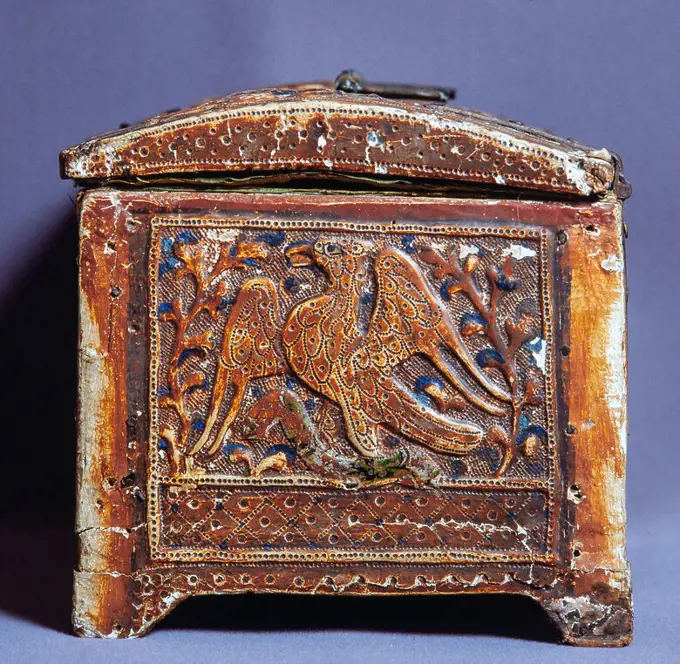
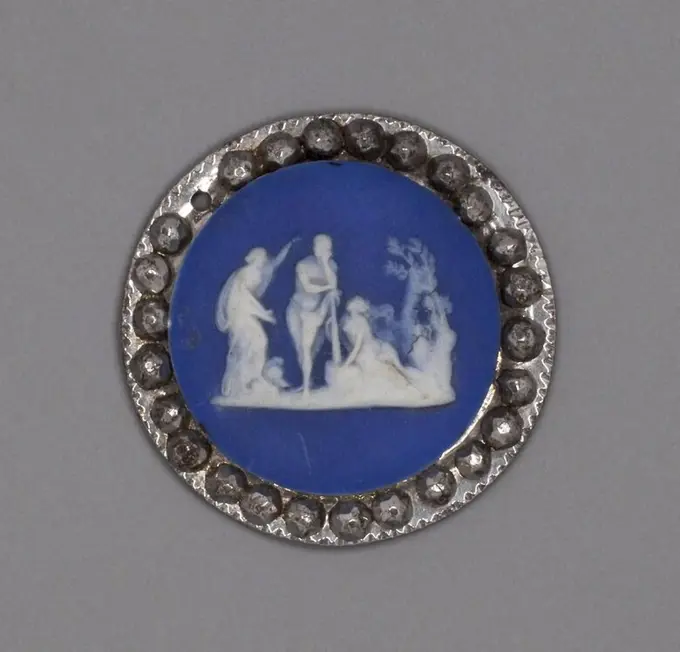
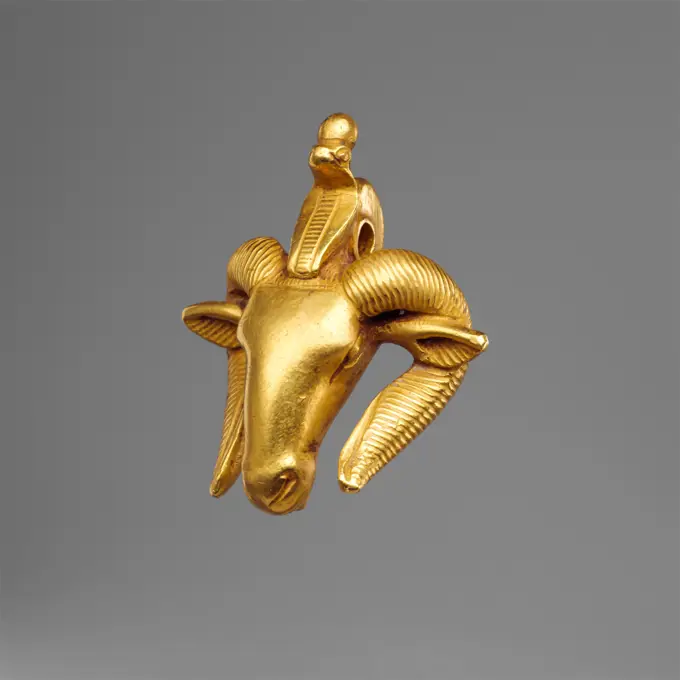
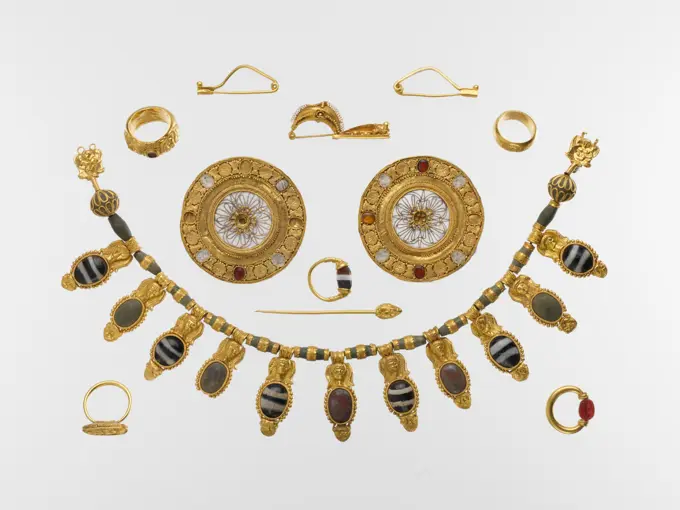
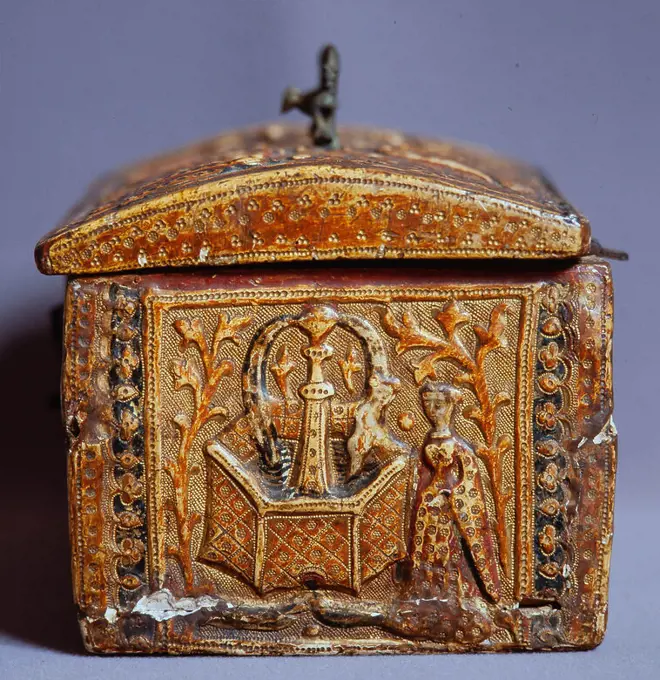
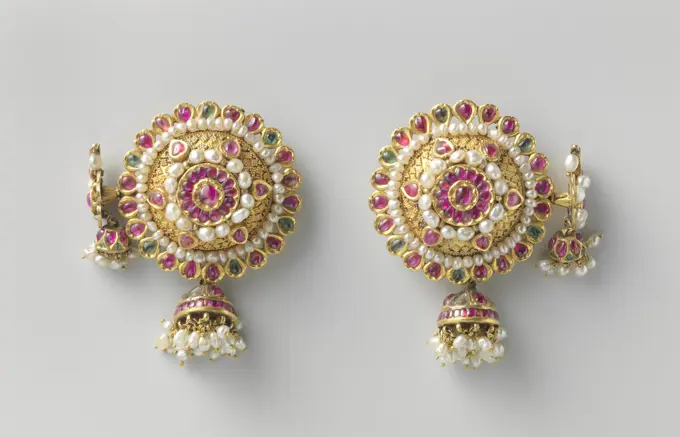
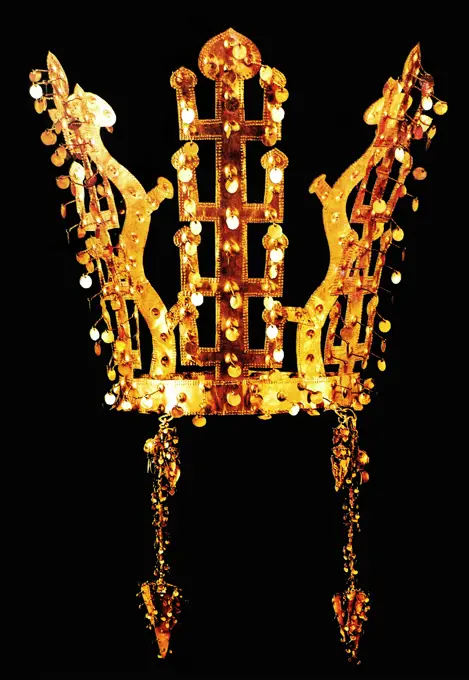
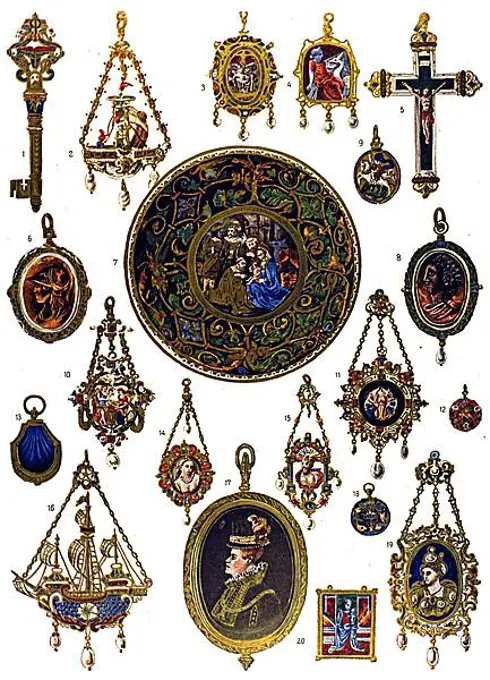
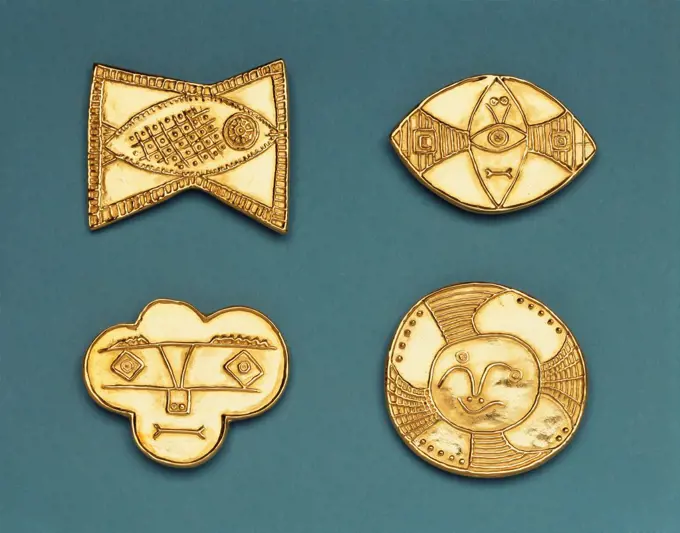
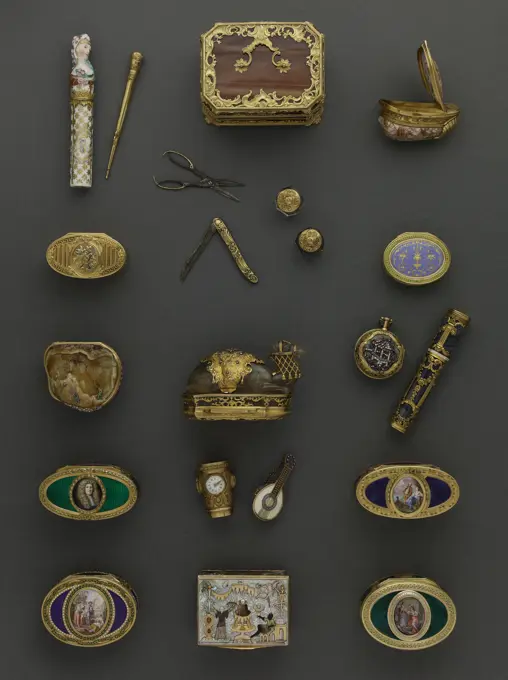
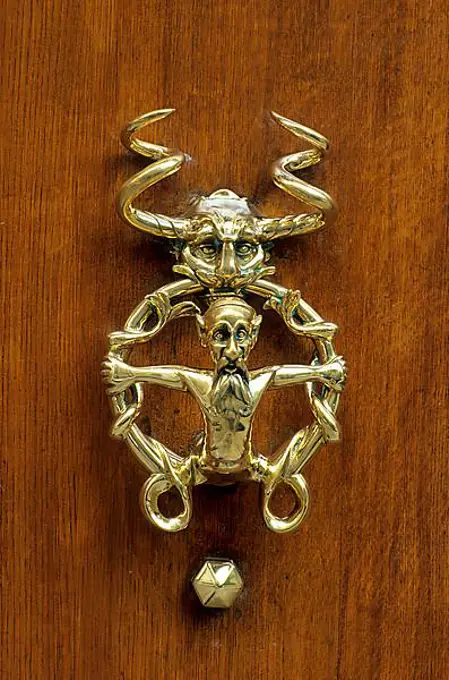
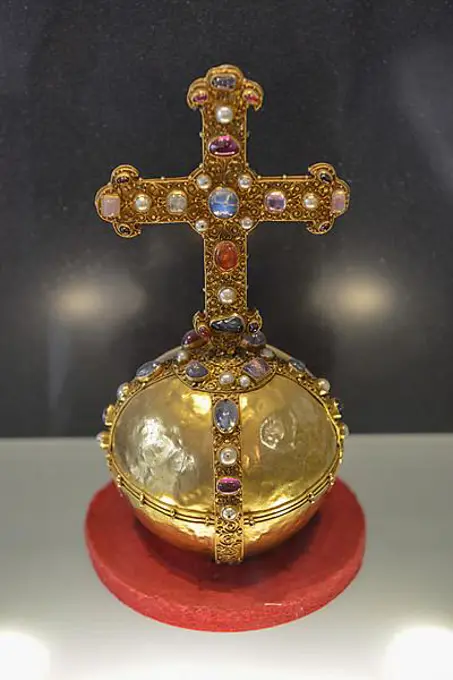
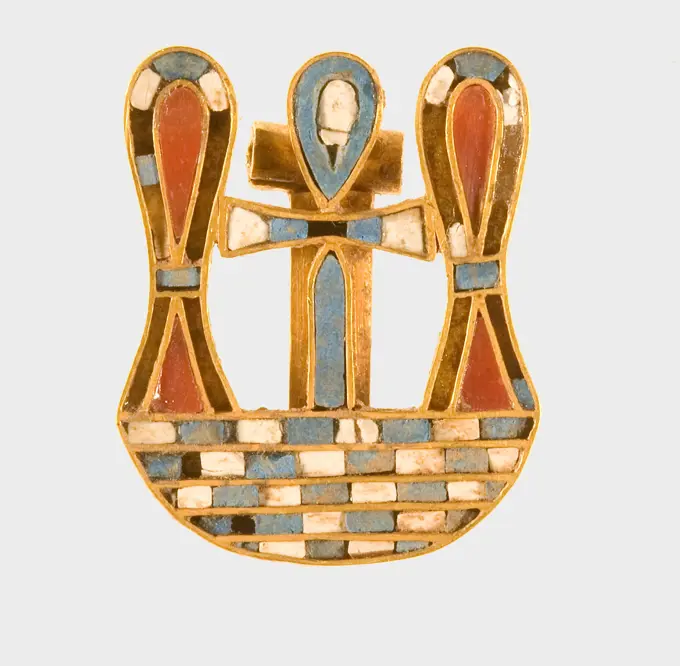
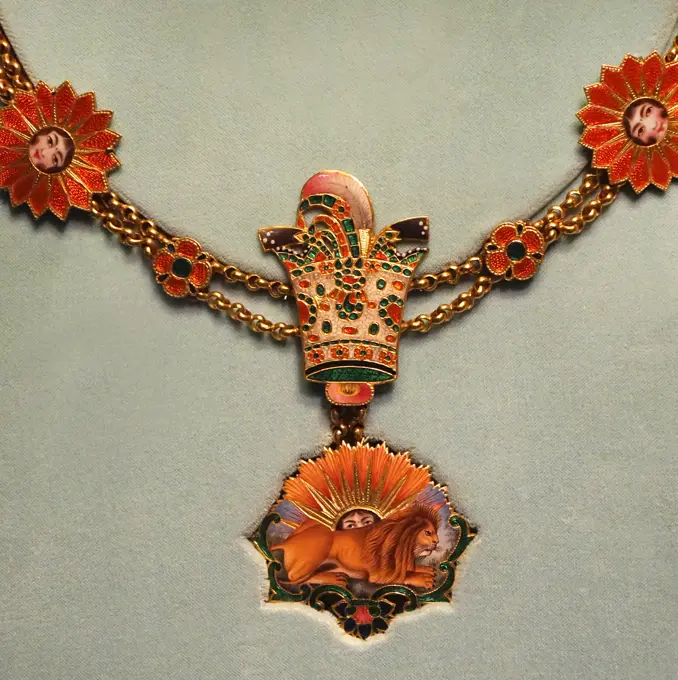
Order of the Lion and the Sun. Iran, Tehran Dated 1826-27. Fath Ali Shah created this order in 1810, to match the orders of chivalry current in Europe. The insignia consists of a collar and plaque, and a jewelled star worn on the breast. The Shah of Persia, awarded this example to John Macdonald Kinneir, who represented the East India Company in Tehran in the 1820s. Gold, gemstones and painted enamel Enamelling signed by Muhammad Ja'far. Dated 19th CenturyReproduction of golden objects, from The Houses and Monuments of Pompeii, by Fausto and Felice Niccolini, Volume II, General Descriptions, Plate XLII, 1854-1896.Earring Indonesia (Central Java) 8th-12th centuryArqueta, siglo XV. Fundación Juan March.Button with Choice of Hercules. Wedgwood Manufactory; England, founded 1759. Date: 1775-1799. Dimensions: Diam. 3.5 cm (1 3/8 in.). Stoneware (jasperware). Origin: Burslem. Museum: The Chicago Art Institute, Chicago, USA.Ram's-head Amulet ca. 712-664 B.C. Third Intermediate Period This amulet was probably made for a necklace worn by one of the Kushite kings. Representations show these pharaohs wearing a ram's-head amulet tied around the neck on a thick cord, the ends of which fall forward over the shoulders. Sometimes a smaller ram's head is attached to each end. Rams were associated with the god Amun, particularly in Nubia, where he was especially revered. Listen to experts illuminate this artwork's story Listen Play or pause #3510. Ram's-head Amulet Supported by Bloomberg Philanthropies We're sorry, the transcript for this audio track is not available at this time. We are working to make it available as soon as possible.. Ram's-head Amulet. ca. 712-664 B.C.. Gold. Third Intermediate Period. Possibly from Nubia; From Egypt and Sudan. Dynasty 25 (Kushite)Two gold fibulae (safety pins) early 5th century B.C. Etruscan Two plain gold fibulae from a tomb group allegedly from Vulci, one of the richest and most impressive sets of Etruscan jewelry ever found.. Two gold fibulae (safety pins) 256976Gold, garnet, and agate necklace and earrings. Culture: Greek. Dimensions: Other (1994.230.4): 15 in. (38.1 cm)Length (1994.230.5): 3 1/8 in. (7.9 cm)Length (1994.230.6): 3 5/16 in. (8.4 cm). Date: 1st century B.C..The necklace and earrings form a matching set; all are decorated with a large cabochon garnet. The chain loops on the earrings are unusual and must have been made to pass round the back of the ear lobe so that the garnet and gold decoration covered the front of the ear itself. Such fine Late Hellenistic parures are rare in comparison to the material from the rich burials of the early part of the Hellenistic period. Museum: Metropolitan Museum of Art, New York, USA.Arqueta, siglo XV. Fundación Juan March.Medallion with flowers, ranks and cherubins, Jacques Vauquer, 1631 - 1686 print Van blad 9 medallion 9 Sharps of clean flowers clean for o'rfeures and grauers. print maker: France (possibly)after design by: France (possibly)publisher: Blois paper engravingOne from a Pair of Palanquin Rings 13th century Cambodia or Thailand. One from a Pair of Palanquin Rings. Cambodia or Thailand. 13th century. Bronze with traces of gilding. Angkor period. MetalworkKnight supporting a shield and leaning against a tree European 18th-19th centuryPair of earrings (phuljhumka), anonymous, c. 1750 A few earrings (Phuljhumka) in the form of a rosette. Inlaid with red and green stones and diamond splinters, lined by an edge of pearls. A clock -shaped golden bell hangs on the rosette. A reduced repetition of the same motif (Murki) has been applied to the side of the rosette. Surat gold (metal). diamond (mineral). pearl A few earrings (Phuljhumka) in the form of a rosette. Inlaid with red and green stones and diamond splinters, lined by an edge of pearls. A clock -shaped golden bell hangs on the rosette. A reduced repetition of the same motif (Murki) has been applied to the side of the rosette. Surat gold (metal). diamond (mineral). pearlGold crown from Geumnyeongchong Tumulus, is the smallest Silla crown discovered thus far, and the simplest. The tree-like prongs, shaped like the Chinese character chul, which means "going out", are placed on the front and sides of the headband. This crown has the distinction of being the only gold crown made solely of gold without any jade accoutrements. The crowns of Silla were made in the Korean kingdom of Silla approximately in the 5th-7th centuries.Retro styled key in water in blue backgroundCorona del conestable de Portugal, Pere Àngel, 1465, 49,3 x 64 x 2,5 cm. Museu dArt de Girona.RingEarring with Foliate Decoration 8th-12th century Indonesia (Central Java). Earring with Foliate Decoration 64435Pieces of jewelry from the 16th century, modern times, Italian ornament, Spitzer collectionXàtiva Cross. Pedro Bernés. 1360. Museum: Catedral de Santa María de Gerona.Berber jewellery, Algeria.Four Gold Medals; Quatre Medailles d'Or: 1.Oval; Ovale 2. Fish; Poisson 3.Visage au sourine; Face of Sourine. 4. Clover-shaped face; Visage en forme de trefle. Pablo Picasso (1881-1973). Each 23 carats. 5cm.Silver gilt box with an image of a seated Buddha.French, Swiss, German and English goldsmiths. Boxes and goldsmiths. 18th century. Paris, Cognacq-Jay museum. 56640-4 German, box, chisel, knife, dromedary, epingle, french, musical instrument, mandoline, object, ofevrery, golden, Switzerland, animalPair of Sword-Grip Ornaments (Menuki) late 16th-early 17th century Japanese Menuki are a pair of ornamental sword fittings attached to either side of a sword hilt.. Pair of Sword-Grip Ornaments (Menuki). Japanese. late 16th-early 17th century. Gold. Sword Furniture-MenukiUndulating RibbonOrnamentDoor knockerFake gold coins around arrow shape made of paperImperial orb replica, city hall, Aachen, North Rhine-Westphalia, Germany, EuropeEarring with pendant of Eros 4th-3rd century B.C.. Earring with pendant of Eros. 4th-3rd century B.C.. Gold. Late Classical or Hellenistic. Gold and SilverBronze door knob Lion head isolated on white backgoundMotto Clasp of Sithathoryunet ca. 1887-1813 B.C. Middle Kingdom. Motto Clasp of Sithathoryunet. ca. 1887-1813 B.C.. Gold, carnelian, paste. Middle Kingdom. From Egypt, Fayum Entrance Area, Lahun, Tomb of Sithathoryunet (BSA Tomb 8), Chamber E, box 4, BSAE excavations 1914. Dynasty 12Golden scepter for king or queen, royal wand with gems for Monarch. Gold sceptre monarchy emperor symbol, imperial coronation rod or mace isolated on white background. Realistic 3d vector illustration. Golden scepter for king or queen, royal wand.Scarab Ring of the Storeroom Overseer Im ca. 1802-1640 B.C. Middle Kingdom. Scarab Ring of the Storeroom Overseer Im. ca. 1802-1640 B.C.. Beryl, gold. Middle Kingdom. From Egypt. Dynasty 13Ring inset with intaglio representing Fortuna. UnknownArched EarOrnamentGold torc from Ipswich, Suffolk. Iron Age. ENGLAND.Auguste Fannière (1818-1900) and Joseph Fannière (1820-1897). Set. But silver, Lapis-Lazuli. Around 1865. Museum of Fine Arts of the City of Paris, Petit Palais. Fashion accessory, jewelryButton, Cut steel, Steel button decorated with faceted steel ornaments, all have a central boss and one of two rings of bosses surrounding it; all have scalloped edge except F,H,K,L,M,N., On card 65, England, 1801-50, costume & accessories, Decorative Arts, ButtonBelt buckle, clasp in two parts. 19th century AD, Eastern Tibet.Pendant (Italy); gold, glass mosaics