Historical Portraits and Frames

A series of antique portraits and decorative frames, highlighting photography and artistry from the 19th century, with a focus on craftsmanship.

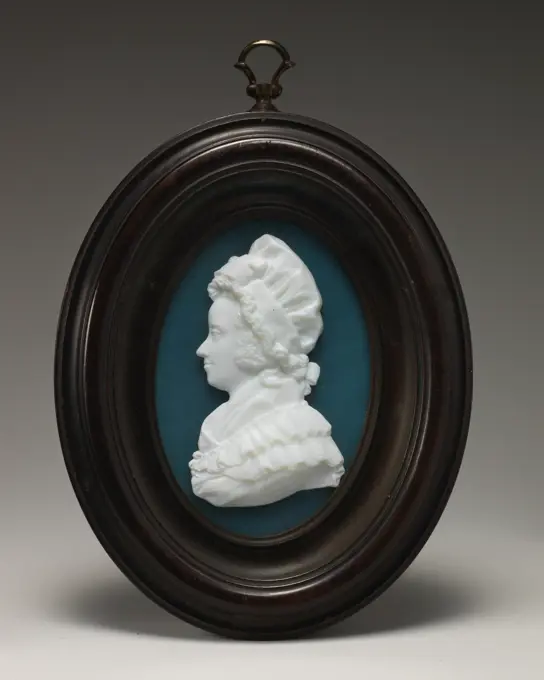
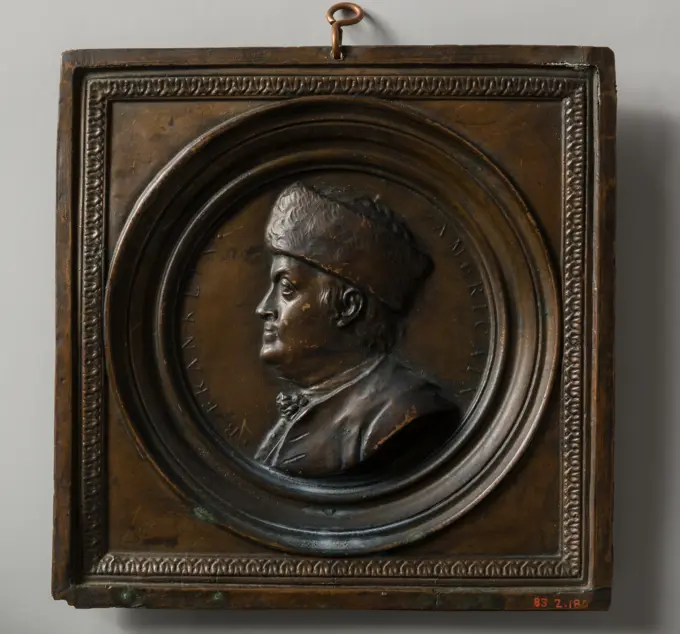
Portrait medallion by Friedrich Wilhelm II, King of Prussia, Johann Heinrich Schepp, 1784 Portrait medallion by Friedrich Wilhelm II, king of Prussia. The king, used to left in profile, wears a tail wink with a bow and under a harness with inner lining a shirt, the board of which is still visible. A cloak with an order sign over the back and shoulder. On the intersection of the left arm the signature with the composite initials of both first names JH and full scoop fec. 1784.  gypsum Portrait medallion by Friedrich Wilhelm II, king of Prussia. The king, used to left in profile, wears a tail wink with a bow and under a harness with inner lining a shirt, the board of which is still visible. A cloak with an order sign over the back and shoulder. On the intersection of the left arm the signature with the composite initials of both first names JH and full scoop fec. 1784.  gypsum
Portrait medallion by Friedrich Wilhelm II, King of Prussia, Johann Heinrich Schepp, 1784 Portrait medallion by Friedrich Wilhelm II, king of Prussia. The king, used to left in profile, wears a tail wink with a bow and under a harness with inner lining a shirt, the board of which is still visible. A cloak with an order sign over the back and shoulder. On the intersection of the left arm the signature with the composite initials of both first names JH and full scoop fec. 1784. gypsum Portrait medallion by Friedrich Wilhelm II, king of Prussia. The king, used to left in profile, wears a tail wink with a bow and under a harness with inner lining a shirt, the board of which is still visible. A cloak with an order sign over the back and shoulder. On the intersection of the left arm the signature with the composite initials of both first names JH and full scoop fec. 1784. gypsum
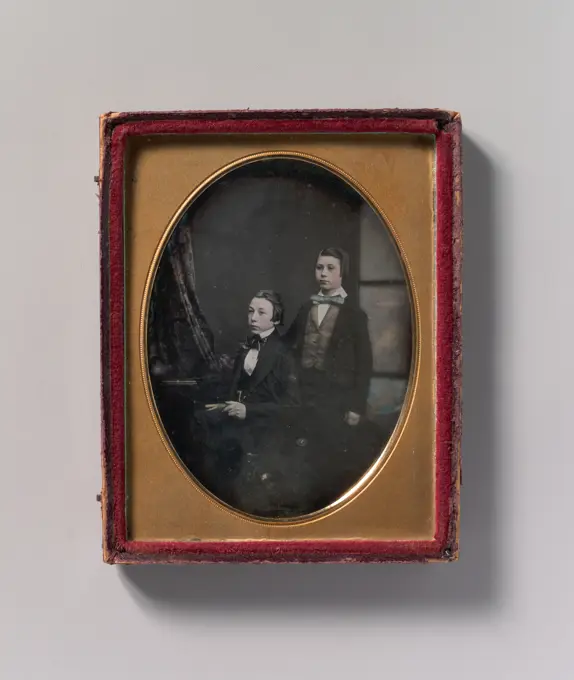
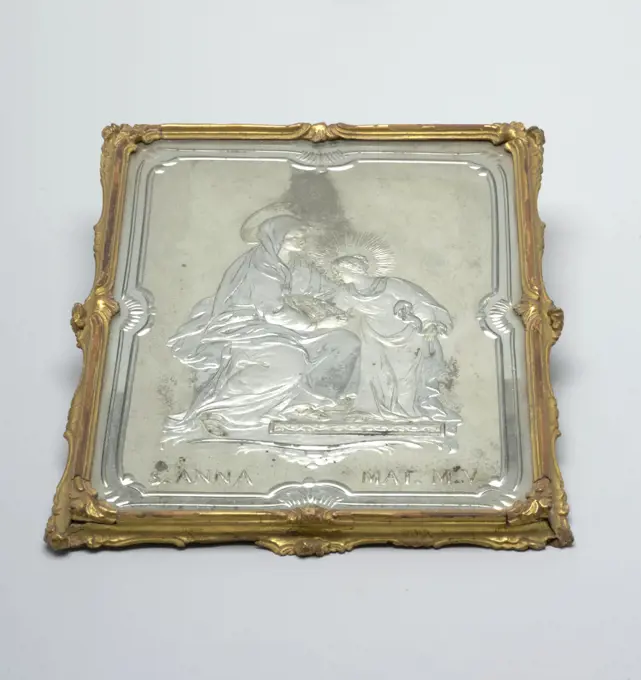
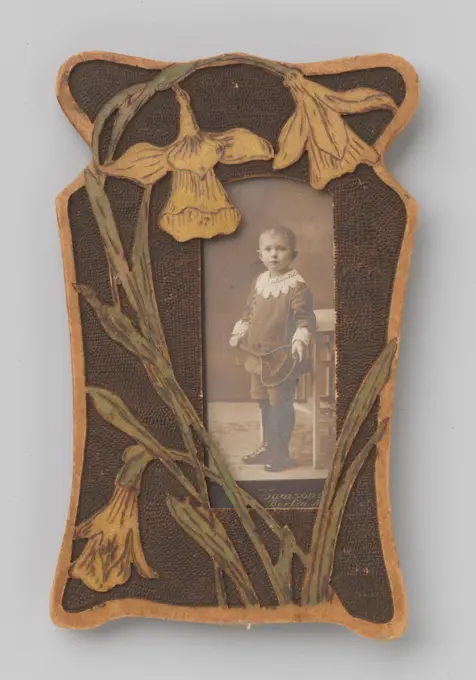
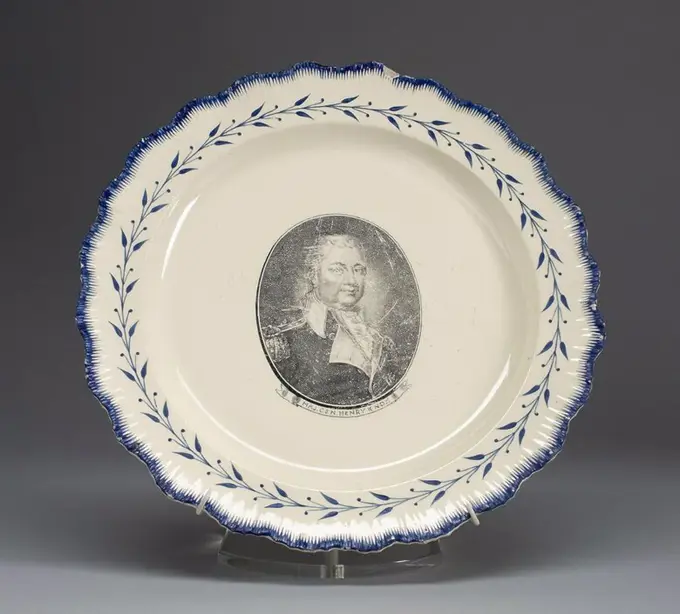
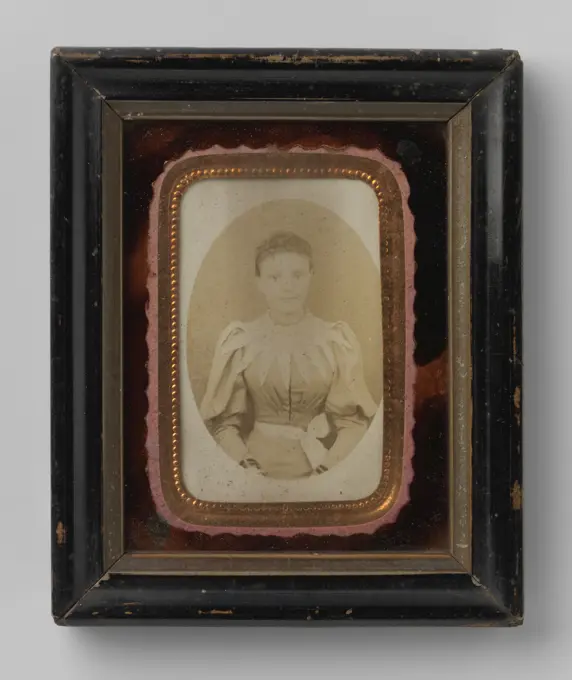
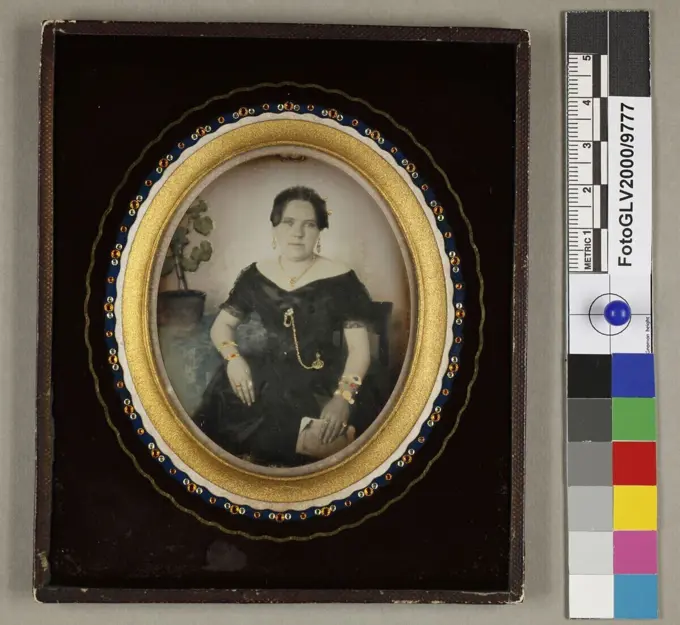
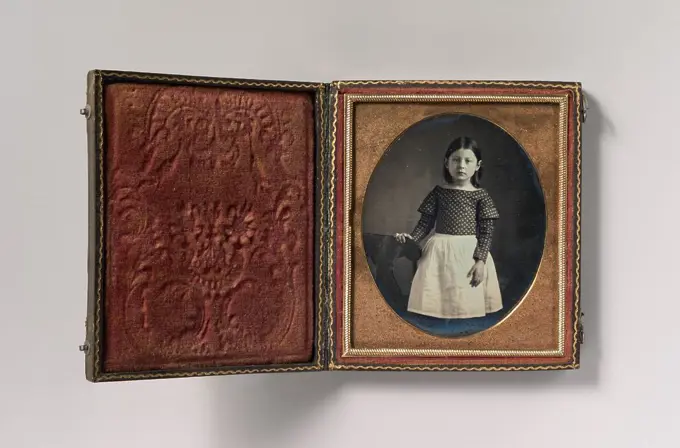
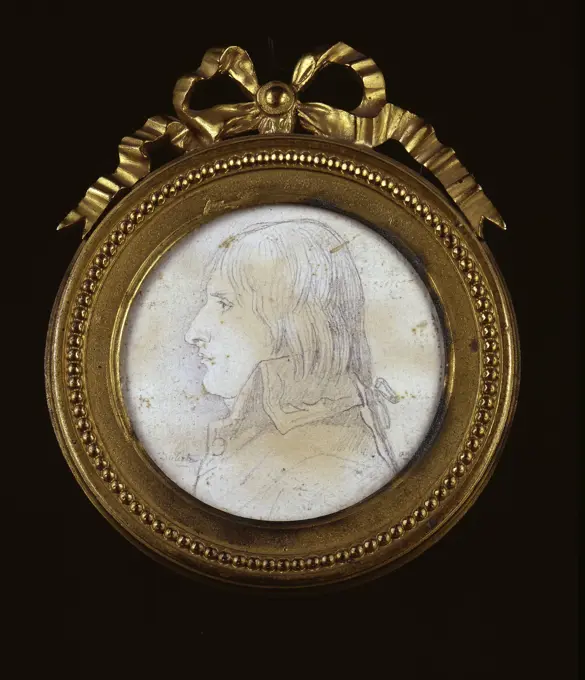
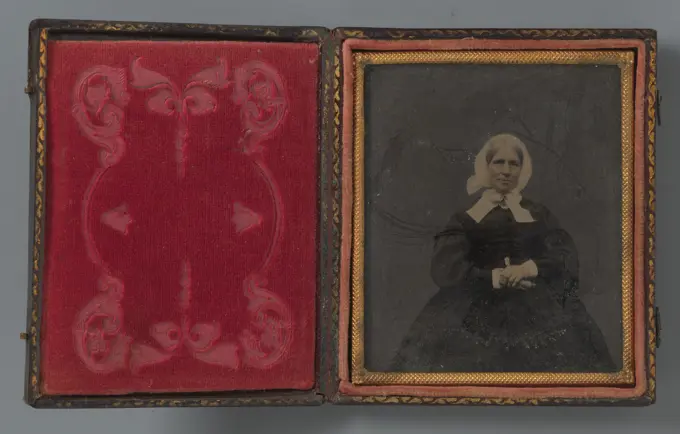
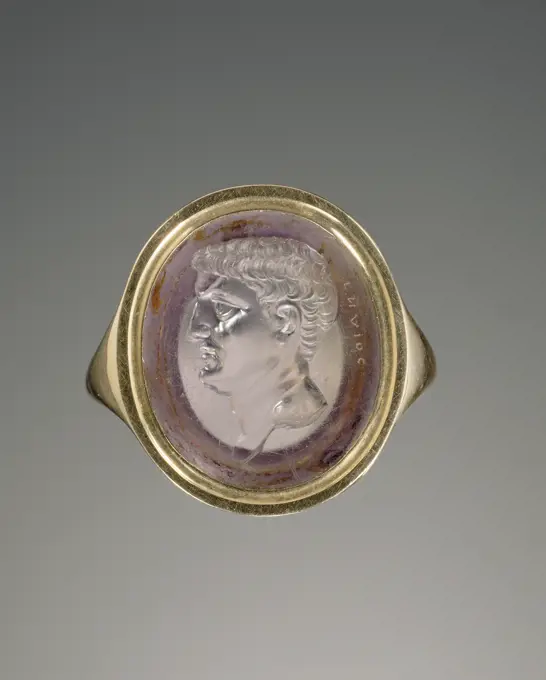
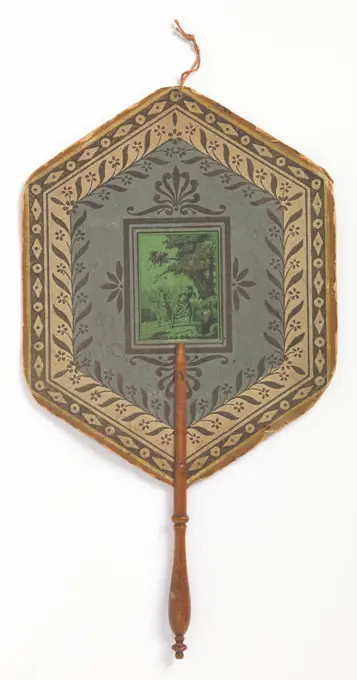
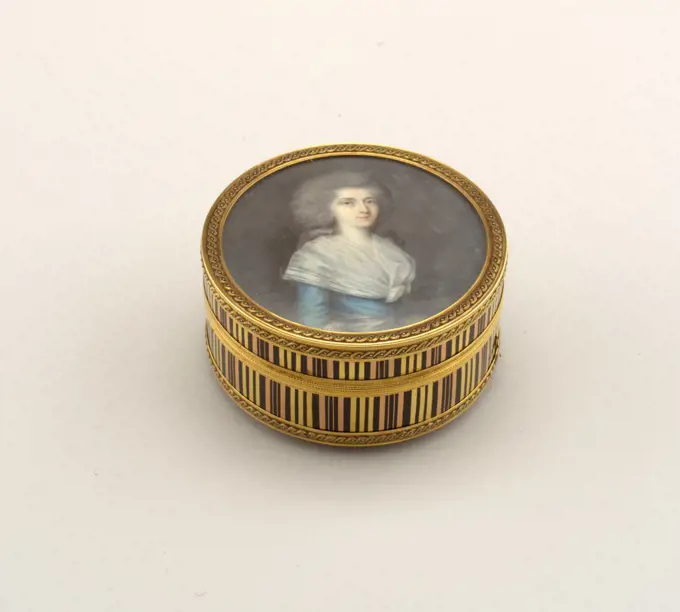
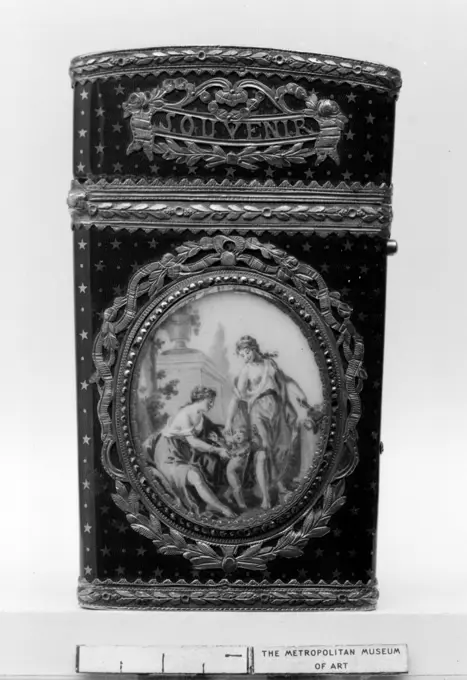
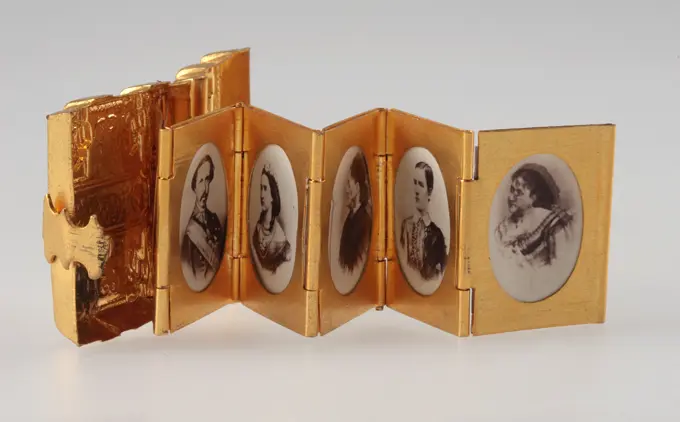
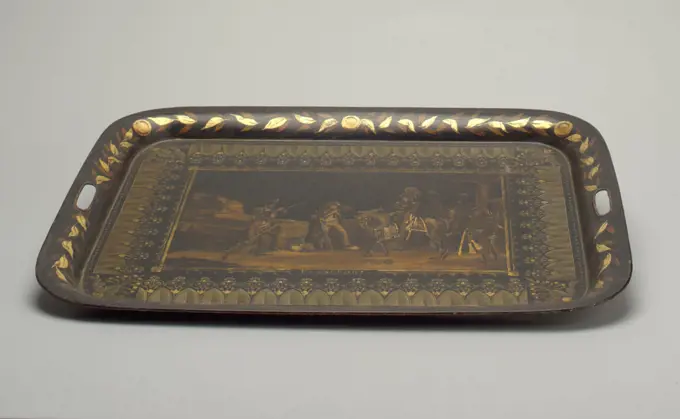
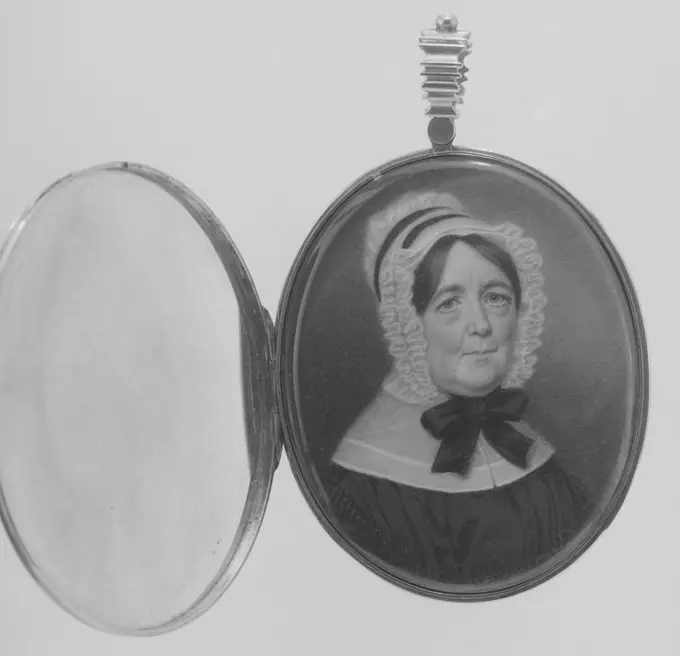
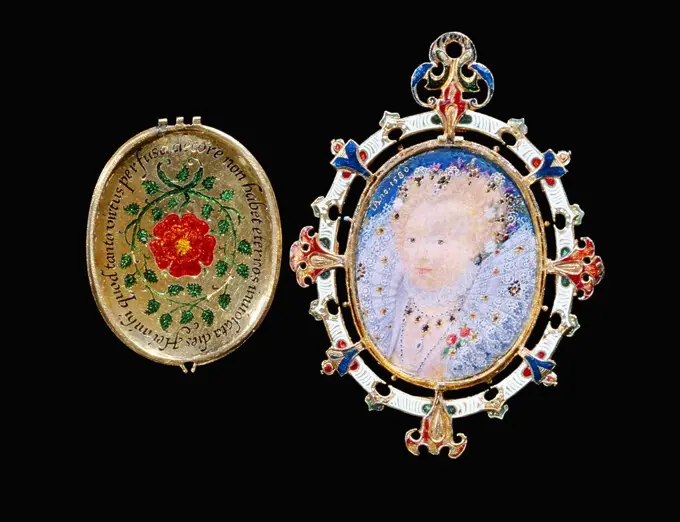
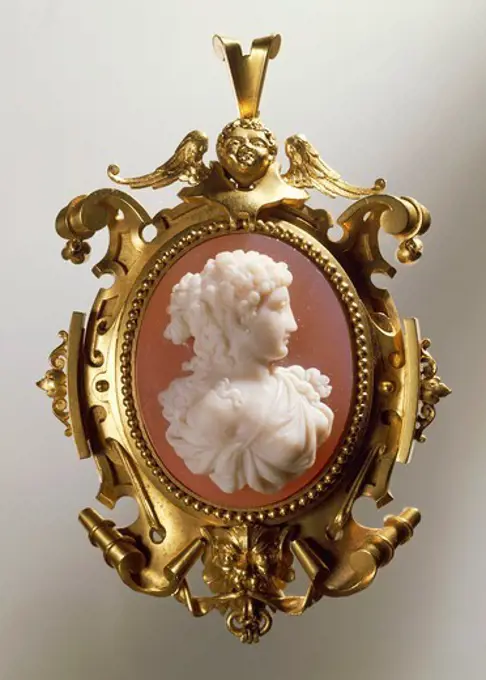
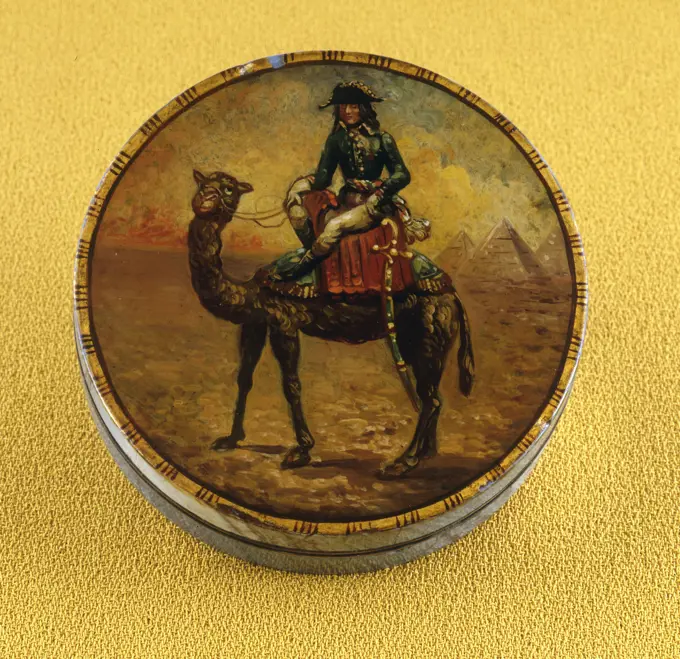
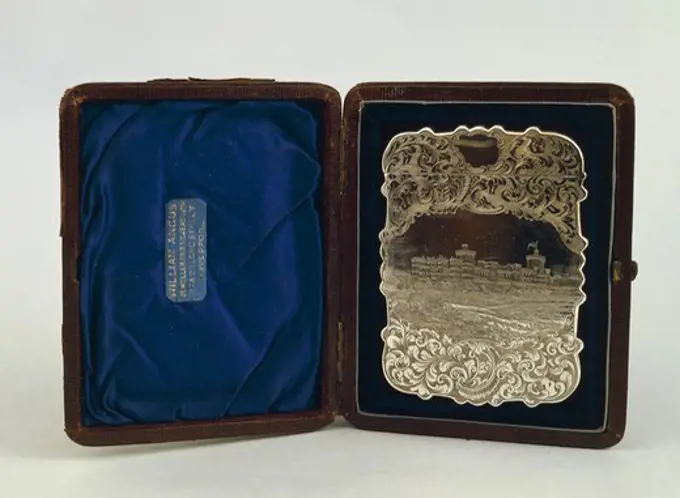
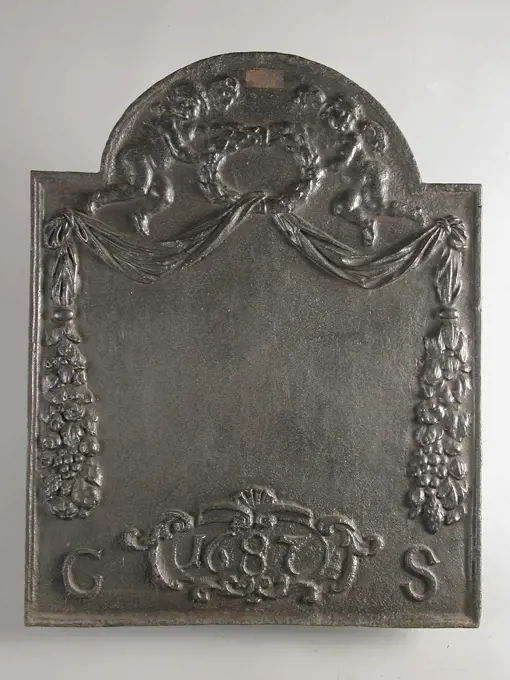
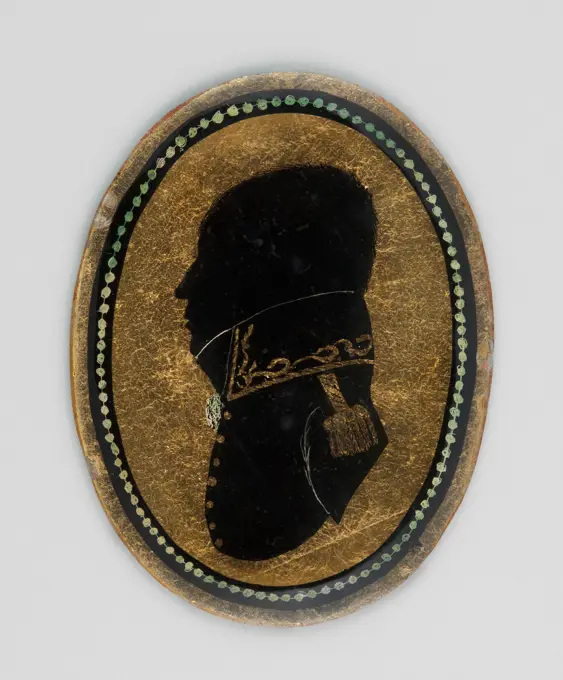
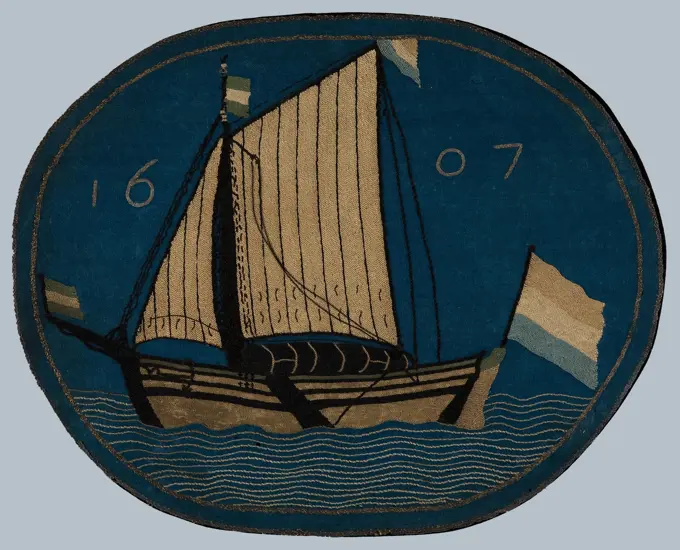
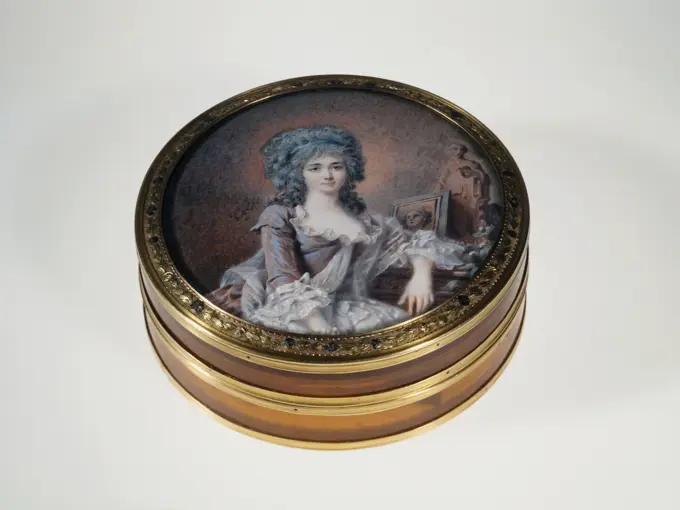
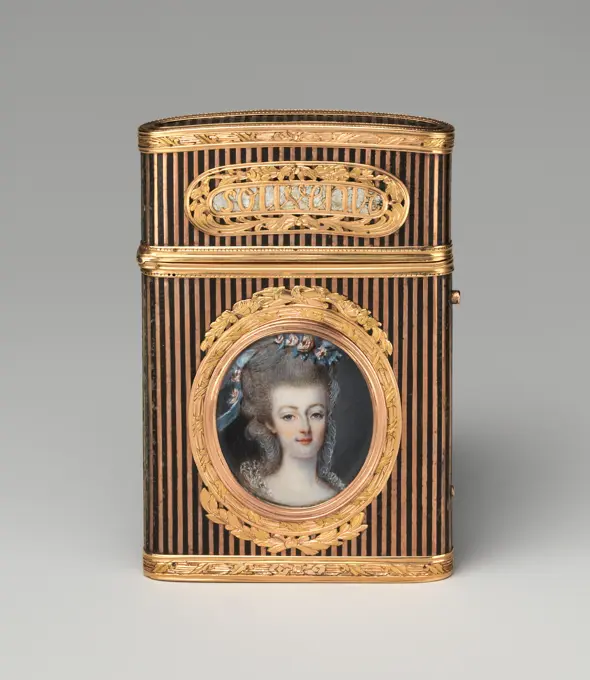
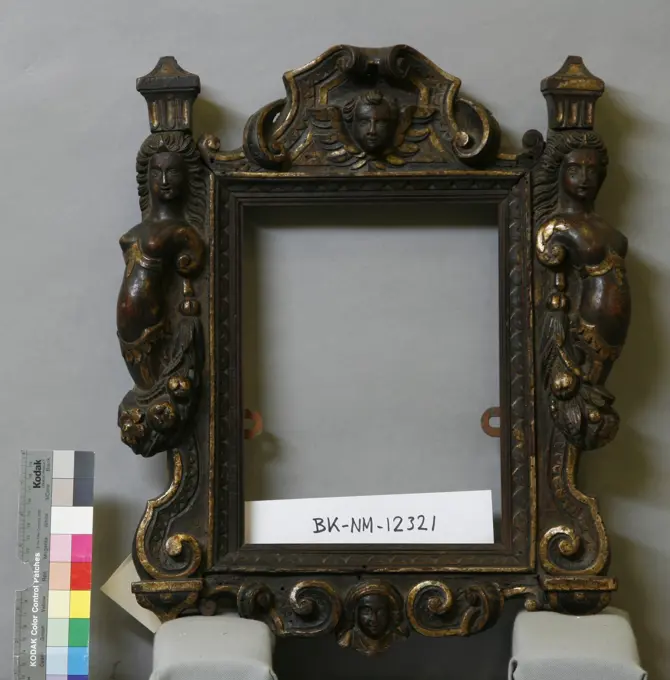
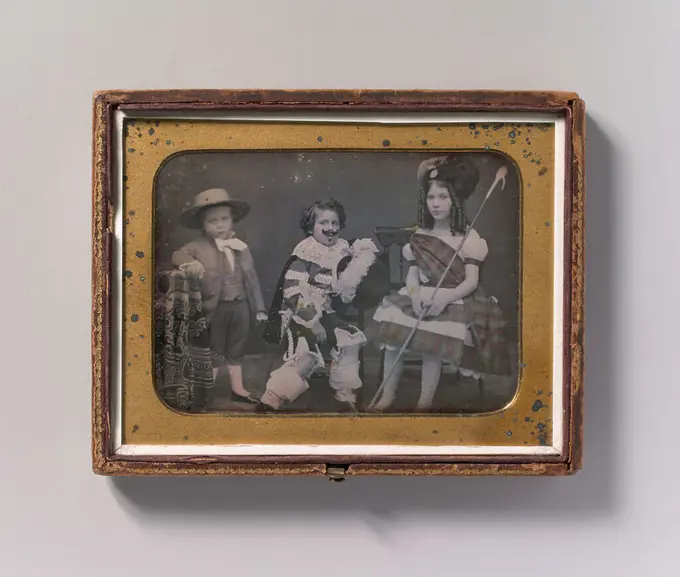
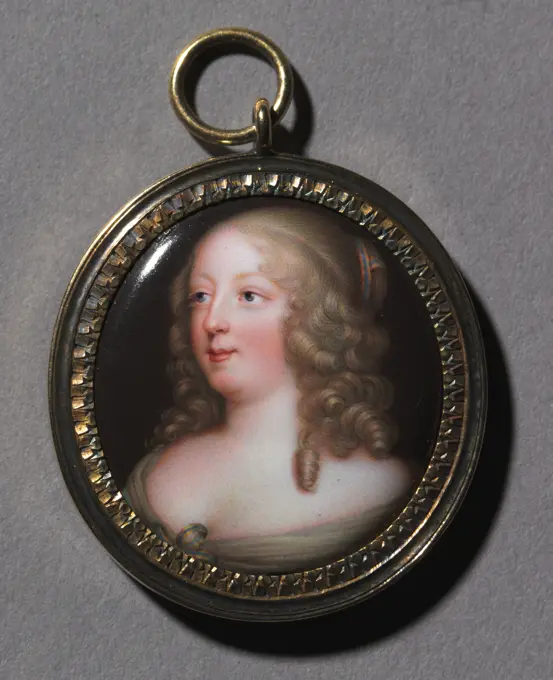
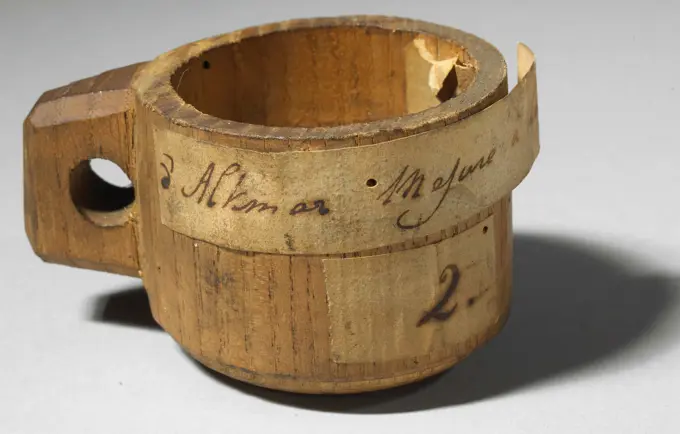
Painter Dipping Brush into Paint Jug late 1850s-60s Unknown. Painter Dipping Brush into Paint Jug. Unknown (American). late 1850s-60s. Ambrotype with applied color. PhotographsTwo Young Men in Bow Ties, One Seated Holding a Book, One Standing 1850s Robert Boning British. Two Young Men in Bow Ties, One Seated Holding a Book, One Standing. Robert Boning (British, 1826-1878). 1850s. Daguerreotype with applied color. PhotographsMirror, Engraved and silvered glass; carved, gessoed, and gilt wood, Rectangular glass panel withshaped engraved borders on matt ground surrounding engraved subject of the youthful Virgin standing with the seated Saint Anne over the legend: 'S. ANNA MAT. M. V.'; within narrow scrolled frame of gilded wood., Venice, Italy, 1730-1760, glasswares, Decorative Arts, MirrorPortrait of an unknown child, 1880 - 1900 photograph. frame  Berlin wood (plant material). glass. baryta paper. cardboard. metal gelatin silver print child. anonymous historical person portrayedPlate. English for the American market; Leeds. Date: 1785-1795. Dimensions: Diam. 24.3 cm (9 9/16 in.). Creamware. Origin: England. Museum: The Chicago Art Institute, Chicago, USA.Portrait of an unknown woman, 1880 - 1900 photograph. frame   wood (plant material). glass. baryta paper. cardboard. metal  anonymous historical person portrayed - BB - womanBliżej KulturyA three-quarter portrait of a woman wearing jewelry, seated next to a table with a green plant. Daguerreotype, colorized, circa 1850.Young Girl Wearing Waist Apron, Resting Hand on Chair. Artist: Unknown (American). Dimensions: Image: 7 x 5.7 cm (2 3/4 x 2 1/4 in.)Plate: 8.3 x 7 cm (3 1/4 x 2 3/4 in.)Case: 1.6 x 9 x 7.9 cm (5/8 x 3 9/16 x 3 1/8 in.). Date: 1840s-50s.The daguerreotype, the first photographic process, was invented by Louis-Jacques-Mandé Daguerre (French, 1787-1851) and spread rapidly around the world after its presentation to the public in Paris in 1839. Exposed in a camera obscura and developed in mercury vapors, each highly polished silvered copper plate is a unique photograph that, when viewed in proper light, exhibits extraordinary detail and three-dimensionality. The daguerreotype soon became extremely popular in the United States, where in the 1840s and 1850s thousands of daguerreotypists vied for clients from Boston and New York to San Francisco. The new medium's success here was built upon the patronage of the average citizen who desired a simple likeness to keep or, perhaps, to send to a lovePortrait medallion by Friedrich Wilhelm II, King of Prussia, Johann Heinrich Schepp, 1784 Portrait medallion by Friedrich Wilhelm II, king of Prussia. The king, used to left in profile, wears a tail wink with a bow and under a harness with inner lining a shirt, the board of which is still visible. A cloak with an order sign over the back and shoulder. On the intersection of the left arm the signature with the composite initials of both first names JH and full scoop fec. 1784.  gypsum Portrait medallion by Friedrich Wilhelm II, king of Prussia. The king, used to left in profile, wears a tail wink with a bow and under a harness with inner lining a shirt, the board of which is still visible. A cloak with an order sign over the back and shoulder. On the intersection of the left arm the signature with the composite initials of both first names JH and full scoop fec. 1784.  gypsumNapoleon, Medallion Portr.,Dutertre,1799Portrait of an unknown woman, anonymous, c. 1855 - c. 1870 photograph   glass. metal. velvet (fabric weave). wood (plant material). paper ambrotype historical persons - BB - womanYoung Man Holding Jacket Lapel. Artist: Unknown (American). Dimensions: Image: 6.7 x 5.5 cm (2 5/8 x 2 3/16 in.)Plate: 8.3 x 7 cm (3 1/4 x 2 3/4 in.)Case: 1 x 9.2 x 8.1 cm (3/8 x 3 5/8 x 3 3/16 in.). Date: 1840s. Museum: Metropolitan Museum of Art, New York, USA.Head of Marc Antony; Signed by Gnaios; gem about 40 - 20 B.C; ring 19th century A.D. or later; Amethyst set in a modern gold ring; 1.7 cm (11,16 in.)Benjamin Franklin, president of the United States, Gottfried Eichler, 1786 locket One -sided medallion in brass ring rear glass on bearing eye and carrying ring. Front: breastpiece man to the left inside. Reverse: label with inscription. Berlin gypsum. brass (alloy). glass castingArthur Wellesley, hertog van Wellington, Gottfried Eichler, 1687 - 1757 locket One -sided medallion in brass ring rear glass on bearing eye and carrying ring. Front: breastpiece man to the left inside. Reverse: label with inscription. Berlin gypsum. brass (alloy). glass castingPortrait of a man holding a pipe, captured in a daguerreotype within a frame, dating from 1845 to 1850.Oval box of black leather, associated with 32 transparents from Mica on which different costumes have been painted with tempera, anonymous, c. 1640 - c. 1660 Oval box of black leather, belonging to 32 transparents (overlay) from Mica on which different costumes have been painted with tempera. The portrait miniature, on which the transparents must be laid, is missing. The terraces show day women's costumes with earrings, brooches and various plums, as well as a widow hood, white and black side hats. Furthermore, Mannen costumes, a turban, queen crown, ermine and various Orales. Northern Netherlands leather. metal Oval box of black leather, belonging to 32 transparents (overlay) from Mica on which different costumes have been painted with tempera. The portrait miniature, on which the transparents must be laid, is missing. The terraces show day women's costumes with earrings, brooches and various plums, as well as a widow hood, white and black side hats. Furthermore, Mannen costumes, a tuPortrait of a sick girl lying in bed, George Nikolaus Ritter, 1800 - 1809, Portrait miniaturePortrait of Charlotte White probably British 19th century View more. Portrait of Charlotte White. probably British. 19th century. Glass, paper. Glass-PaintedW. Spalding. Attributed to Rufus Anson (American, active New York 1851 - 1867)Handscreen, Block or stencil-printed paper leaf with applied lithograph, turned wood handle, Handscreen with a hexagonal leaf; circular medallion with a female figure in classical dress playing with a cherub. Surrounded by stenciled or block-printed borders of stylized floral oranment in brown and white., early 19th century, costume & accessories, HandscreenBox and cover, tortoiseshell, gold (rose), gold (yellow), ivory (painted), Paris, France, ca. 1785, containers, Decorative Arts, Box and coverSouvenir 1783-89 French, Paris In eighteenth-century Europe, Paris led the production of high-quality luxury goods. Parisian goldsmiths made a wide range of small, personal articles such as snuffboxes; étuis to hold sealing wax, tweezers, or utensils for sewing; souvenirs, which contained thin ivory tablets for note taking; and shuttles for knotting lace. Gold snuffboxes and boxes decorated with portrait miniatures were prized and frequently given as royal gifts, often to ambassadors or members of the court in lieu of cash payments for their services. Coveted and admired, these boxes were produced from a variety of materials. The best were skillfully made of gold and embellished with diamonds, enameled decoration, lacquer, and other luxurious materials. By the middle of the century, the taking of snuff had become an entrenched social ritual, and the snuffbox, too, had become an important social prop. Snuffboxes were considered highly fashionable accessories, with some merchants advertiLocket early 19th century possibly German. Locket. possibly German. early 19th century. Glass. Glass-PaintedDoll photograph album -Daguerreotype. Portrait (probably) by Amelia Byam who married John Ericsson on October 15, 1836, then she was 19 years old, then born in 1817. Amelia Byam was half-sister with Mrs. Charles Seidler, one of John Ericsson's first friend in London.tray, tin (), paint, gold, A flat tray decorated with a military scene entitled: Francfort (Frankfurt). Gilt floral border., France, ca. 1830, metalwork, Decorative Arts, trayWatch ca. 1710 Watchmaker: Pierre Gauthier. Watch. French, Paris. ca. 1710. Metal, enamel, gold. HorologyTwo Seated Young Men Holding Ivory-topped Walking Sticks. Artist: Unknown (American). Dimensions: Image: 9.2 x 6.8 cm (3 5/8 x 2 11/16 in.)Plate: 10.8 x 8.3 cm (4 1/4 x 3 1/4 in.)Case: 1 x 11.7 x 9.4 cm (3/8 x 4 5/8 x 3 11/16 in.). Date: 1850s. Museum: Metropolitan Museum of Art, New York, USA.Mrs. A. Otis ca. 1835 American. Mrs. A. Otis 15091Child Wearing Straw Hat, Arm Resting on Table 1840s-50s Unknown. Child Wearing Straw Hat, Arm Resting on Table. Unknown (American). 1840s-50s. Daguerreotype with applied color. PhotographsButton (Haiti); Attributed to Agostino Brunias (Italian, ca. 1730-1796); Made for Toussaint L'Ouverture; gouache paint on tin verre fixé, ivory (backing), glass, gilt metalPortrait of an unknown young man, 1880 - 1900 photograph. frame  Arnhem wood (plant material). glass. paper. cardboard. metal. textile materials albumen print / painting anonymous historical person portrayed. youth, adolescentMan Holding Book, Standing Before a Painted Scenic Backdrop 1850s-60s Unknown. Man Holding Book, Standing Before a Painted Scenic Backdrop. Unknown (British). 1850s-60s. Ambrotype with applied color. PhotographsNude Man Squatting on Chair. Artist: Unknown (American). Dimensions: Image: 5 x 3.8 cm (1 15/16 x 1 1/2 in.)Plate: 6.4 x 5.1 cm (2 1/2 x 2 in.)Case: 1.4 x 7.6 x 6.2 cm (9/16 x 3 x 2 7/16 in.). Date: 1850s-1860s. Museum: Metropolitan Museum of Art, New York, USA.Vase with photographic portraits, c. 1400 - c. 1950 photograph. object. vase   .Cast of a design for a medal with male portrait, anonymous, 1800 - 1972 Related in was of a design for a medal with male portrait.  wax Related in was of a design for a medal with male portrait.  waxHandscreen, Block-printed paper leaf with applied lithograph, turned wood handle, Handscreen with hexagonal leaf, block printed with geometric designs in green, black and white. Circular lithograph applied in the center, with a scene of a lighthouse at night, with sailboats, workers, and a full moon. Reverse: circular lithograph of a cherub on a lion's back, surrounded by block-printed geometric borders in green and white., early 19th century, costume & accessories, HandscreenPierre Jules Cavelier (1814-1894). Eugénie medal. Metal, bronze. Museum of Fine Arts of the City of Paris, Petit Palais. 58766-4 Avers, bronze, medallit, metal, numismatics, profile, portraitMedallion possibly German 19th century View more. Medallion. possibly German. 19th century. Glass. Glass-PaintedN.Hillard-Armada Jewel inner Lid with miniature of Elizabeth 1 enamel set with diamonds outside lid. Museum: Victoria & Albert Museum, LONDRES, UK. ELISABET I DE INGLATERRA.Goldsmith's art, Italy, 19th century. Neo-Baroque gold framed pendant with carnelian cameo. De Felice, around 1840.Wilhelm Breuning, Daguerreotypist from Hamburg. .Carpenter in Top Hat with Hatchet, Compass, Square, and Hand Saw Unknown 1850s-60s View more. Carpenter in Top Hat with Hatchet, Compass, Square, and Hand Saw. Unknown (American). 1850s-60s. Ambrotype with applied color. PhotographsSoup Plate c 1790 England. Creamware .Rembrandt Harmensz. Van Rijn. One-sided medallion in brass ring rear glass to wear eye and carrying ring. Front: breastpiece man with hat on head to the left inscription. Reverse: Label with inscription.Napoleon in Egypt , Tobacco Tin , C19thBenjamin Frederick Augustus Dashiell(1763-1820). Artist: Robert Field, British, ca. 1769-1819BreastPin.  Subject: George Washington, American, 1732-1799, LL.D. 1781Jewelry box, c. 1810-1820, 3 3/4 x 7 x 4 3/4 in. (9.53 x 17.78 x 12.07 cm), Brass, mother-of-pearl, France, 19th centuryMiss Jane Gray 1792 James Tassie British, Scottish. Miss Jane Gray. James Tassie (British, Glasgow, Scotland 1735-1799 London). British, London. 1792. Glass paste. GlassShell on the table, 1887 - 1924    .  molluscs (+ shell, snail-shell etc.)Carpenter in Workshop. Unknown maker, AmericanSilversmith's Art, England 19th century. Taylor and Perry, Silver decorated visiting card holder in its case. Birmingham, 1843.A daguerreotype portrait from around 1850 showing Menate, depicted with colored accents.Fireback with garlands and putti, year 1687 and C S, hob plate cast iron, cast Rectangular with arch at the top. At the top two putti holding laurel wreath. Through the laurel wreath drapery that on the sides turns into flower hanger At the bottom of cartouche with year on both sides of the cartouche initials On both sides of the cartouche: G S; in the cartouche: 1687 living environment interior heating Linker Rottekade Rotterdam Noord Oude Noorden Karnemelkshaven Originating from house on the Left Rottekade close to the Karnemelkshaven Rotterdam.Genera Wysocki profile silhouette;  1812 (1812-00-00-1812-00-00);amateurs, gift (provenance), commanders, generals, Polish miniatures, uniforms, men, profiles, figures, soldiersBlazon of the Groot Schippersgilde, right sailing ship, blazon cushion leaf wool silk, textile woven embroided oval blazon on blue drape embroided with silk representation to the right sailing ship Groot Schippersgilde with mirrored pendant (1) 1607 embroided: 1607 Rotterdam Groot Schippersgilde guildTo Drees-Lent, 1907 photograph. frame Photo of to Drees-Lent between two facet-cut glass plates in silver-colored standard. Back side photo printed and described. This was on the Drees desk. Amsterdam glass. cardboard. photographic support. metalWatch case ca. 1620 British. Watch case. British. ca. 1620. Gold, rock crystal, rubies, emeralds. HorologyDecoration from Tadeusz Kościuszko's CoffinLatest patience games puzzle, The little prisoner , UnknownWilliam Middleton ca. 1752-58 Mary Roberts The set of five miniatures (2007.61-.65)portrays a group of cousins, the children of brothers William (1710-1775) and Henry (1717-1784) Middleton of Charleston, South Carolina, and Suffolk, England.. William Middleton 19427Mirror; engraved and silvered glass, carved, gessoed, and gilt woodPortrait of Woman in Black with Fan; Mexico; about 1850s; Hand-colored DaguerreotypeDefense of Paris by the Polytechnicians on the heights of Saint-Chaumont, March 30, 1814 Morel. Defense of Paris by the Polytechnicians on the heights of Saint-Chaumont, March 30, 1814. Bronze. 1814.Circular miniature representing a young woman artist near a sculpture, on the lid of a circular box in blonde scales, surrounded by three colors. Louis XVI time. Gouache on ivory and watercolor. Paris, Cognacq-Jay museum. 38111-8 Blonde scouring, French school, Louis XVI time, artist, gouache, ivory, circular miniature, watercolorPortrait of Young Woman Matchsafe; Made by Robert Friederich; silver, enamel; 5.2 x 4.5 x 1 cm (2 1/16 x 1 3/4 x 3/8 in. )Gräfin Irma Königsegg, Joseph Borsos -, Photo StudioModel of the Cenotaphium in honor of J. C. J. van Speyk in the Nieuwe Kerk in Amsterdam. Cardboard monument with Amsterdam coat of arms, underneath three wreaths, an anchor surrounded by one in his tail biting hose with two palm branches and an ordinary cross, inscription in gold print. On foot a star surrounded by a wreath flanked by two torches, the right upside down. On a green background and light blue bottom, the sides and top in the form of pillars and vault ornament. In gold plated coffin behind glass. Inscription. Signed: J.t.f. Steenbergen FecitSouvenir 1770-71 Miniature attributed to Louis Marie Sicardi French In eighteenth-century Europe, Paris led the production of high-quality luxury goods. Parisian goldsmiths made a wide range of small, personal articles such as snuffboxes; étuis to hold sealing wax, tweezers, or utensils for sewing; souvenirs, which contained thin ivory tablets for note taking; and shuttles for knotting lace. Gold snuffboxes and boxes decorated with portrait miniatures were prized and frequently given as royal gifts, often to ambassadors or members of the court in lieu of cash payments for their services. Coveted and admired, these boxes were produced from a variety of materials. The best were skillfully made of gold and embellished with diamonds, enameled decoration, lacquer, and other luxurious materials. By the middle of the century, the taking of snuff had become an entrenched social ritual, and the snuffbox, too, had become an important social prop. Snuffboxes were considered highly fashionable acc's Landschip van War Utrecht under command of the Capitein J. P. van Braam, Anonymous, in or after 1783 - 1800 frame. drawing Watercolor of a three-mast for anchor by coast, Steven to the left, three red-white-blue flags. In gilded list behind glass. List above decorated with extensive martial trophy, left flag with "Victoria", right flag with climbing lion with sword and bundle in polychromy. Inscription on oval shield with regard to: SLANDS SHIP / OF War Utrecht / under Command / van den Captn / Commandeur / J. P. van Braam. Northern NetherlandsNetherlands wood (plant material). paper. glass. gilding (material). watercolor (paint) gilding  East-IndiaPortrait of an unknown young man, 1880 - 1910 locket. photograph   baryta paper. glass. metal gelatin silver print historical personsMedallion 1870-1900 After Jean-Baptiste Nini Italian. Medallion. 1870-1900. Copper. Made in FranceMirror or paintery list, anonymous, c. 1550 - c. 1615 Mirror or painter's list of walnut with gilded parts. The styles of the outer edge show CARATIDS adorned with festons, whose lower bodies end in a volute. They wear a kind of structure on the head. The bottom rule is decorated with a girl's head, adorned with a headscarf, amid volutes. On the top line a pediment made of volutes, within which a cherub head. The new sole has a lip connection and iron brackets have been applied, with screws, on the styles. The condition is good, although woodworm holes are visible. Italy (possibly) wood (plant material). walnut (hardwood). gold leaf cutting / gilding Mirror or painter's list of walnut with gilded parts. The styles of the outer edge show CARATIDS adorned with festons, whose lower bodies end in a volute. They wear a kind of structure on the head. The bottom rule is decorated with a girl's head, adorned with a headscarf, amid volutes. On the top line a pediment made of volutes, within whiGoeze, Johann August Ephraim.Three Children in Costume. Artist: Unknown (American). Dimensions: Image: 8.2 x 11.4 cm (3 1/4 x 4 1/2 in.)Plate: 10.8 x 14.3 cm (4 1/4 x 5 5/8 in.)Case: 1.3 x 12.1 x 15.2 cm (1/2 x 4 3/4 x 6 in.). Date: 1850s. Museum: Metropolitan Museum of Art, New York, USA.portrait of a young girl, 1858-1869, Jeremiah Gurney, American, 1812 - 1895, 3 1/4 x 2 3/4 in. (8.26 x 6.99 cm) (image)3 5/8 x 3 3/8 x 3/4 in. (9.21 x 8.57 x 1.91 cm) (mount), Daguerreotype (1/6 plate), hand tinted, United States, 19th centuryunion case(leeg), Littlefield, 1858 - 1866 photograph. union case   glass. metal. velvet (fabric weave). wood (plant material)Portrait of a Woman, c. 1670. Jean Petitot (Swiss, 1607-1691). Enamel in a silver gilt frame; framed: 2.9 x 2.2 cm (1 1/8 x 7/8 in.); unframed: 2.3 x 2.1 cm (7/8 x 13/16 in.).A milk size from Alkmaar. A milk size from ermaar with ear. Marked and v.z.v. label.Cameo. Wedgwood Manufactory; England, founded 1759. Date: 1775-1799. Dimensions: 5 × 2.4 × 0.6 cm (1 5/16 × 15/16 × 1/4 in.). Stoneware (jasperware). Origin: Burslem. Museum: The Chicago Art Institute, Chicago, USA.Commemorative box - The Grand International Building of 1851. For the Exhibition of Art and Industry of all Nations Inconnu / UnknownGeorge VI and Queen Elizabeth Coronation Bank' still bank, 1937, 3 5/8 x 3 7/8 x 1 11/16 in. (9.21 x 9.84 x 4.29 cm), Tin, pigment, England, 20th centuryBox of Perry Pen Nibs. Manufacturer: Josiah Mason. Card box with lid, pen nib mounted on top with gold foil surround containing 50 pen nibsLabel of the pharmacy for Mariahilf in Vienna, UnknownPortrait of an unknown woman, Anonymous, 1855 photograph. brooch   copper (metal). glass. metal. mother of pearl  historical persons. adult womanA pendant commemorating the unveiling of the Adam Mickiewicz monument in Warsaw on December 24, 1898Badge with the Image of Brigadier Józef Piłsudski Central Office of Publishers of the Supreme National CommitteeBellows, from the Novelties series (N228, Type 3) issued by Kinney Bros. 1889 Issued by Kinney Brothers Tobacco Company Trade cards from the "Novelties" series (N228), issued in 1889 to promote Kinney Tobacco Company. There are five types of card within the series. Type 1 cards are round. Type 2 cards are round with colored borders. Type 3 cards are die cut to the shape of a novelty item. Type 4 are also die cut with embossing. Type 5 depict novelties on a rectangular card. Finally, Type 6 are die cut in the shape of an egg.. Bellows, from the Novelties series (N228, Type 3) issued by Kinney Bros.. 1889. Commercial color lithograph. Issued by Kinney Brothers Tobacco CompanyPicture Frame. Silver, enamel, wood painted to imitate snakewood; Silver-gilt, enamel. Photo of Tsar Nicholas and his wife Alexandra with the Tsarevich alexis 1904Firm of Carl Faberge. The firm of Carl Faberge (1846-1920) served as court jeweler to the last two Russian czars.Picture Frame. Silver, enamel, wood painted to imitate snakewood; Silver-gilt, enamel. Photo of Tsar Nicholas and his wife Alexandra with the Tsarevich alexis 1904Firm of Carl Faberge. The firm of Carl Faberge (1846-1920) served as court jeweler to the last two Russian czars.A wallet in which Emperor Napoleon and Bonaparte (1769 1821) received excerpts from foreign magazinesHandkerchief (England); cotton; Frame H x W: 59.1 x 59.1 cm (23 1/4 x 23 1/4 in.) Textile H x W: 50.2 x 50.2 cm (19 3/4 x 19 3/4 in.)View of child and bronzed shoes , Tichnor Brothers Collection, postcards of the United StatesServing tray, from the Novelties series (N228, Type 4) issued by Kinney Bros. 1889 Issued by Kinney Brothers Tobacco Company Trade cards from the "Novelties" series (N228), issued in 1889 to promote Kinney Tobacco Company. There are five types of card within the series. Type 1 cards are round. Type 2 cards are round with colored borders. Type 3 cards are die cut to the shape of a novelty item. Type 4 are also die cut with embossing. Type 5 depict novelties on a rectangular card. Finally, Type 6 are die cut in the shape of an egg.. Serving tray, from the Novelties series (N228, Type 4) issued by Kinney Bros.. 1889. Commercial color lithograph. Issued by Kinney Brothers Tobacco CompanyA girl pours coffee from a cup into a saucer. Colour halftone from an engraving by L. Marin.Commemorative plate of the Central Military Society of StrzeleckiFragment of majolica dish with image of man with hat in blue, plate crockery holder soil find ceramic earthenware glaze tin glaze lead glaze, twisted baked 2x majolica Bottom fragment with image of man with hat blue on white background. Majolica dish on stand. underside covered with milky lead glaze baked archeology Rotterdam Stadscentrum Stadsdriehoek Schielandshuis Korte Hoogstraat decorate interior decor decorate serving food Soil discovery: Gallery garden Schielandshuis.