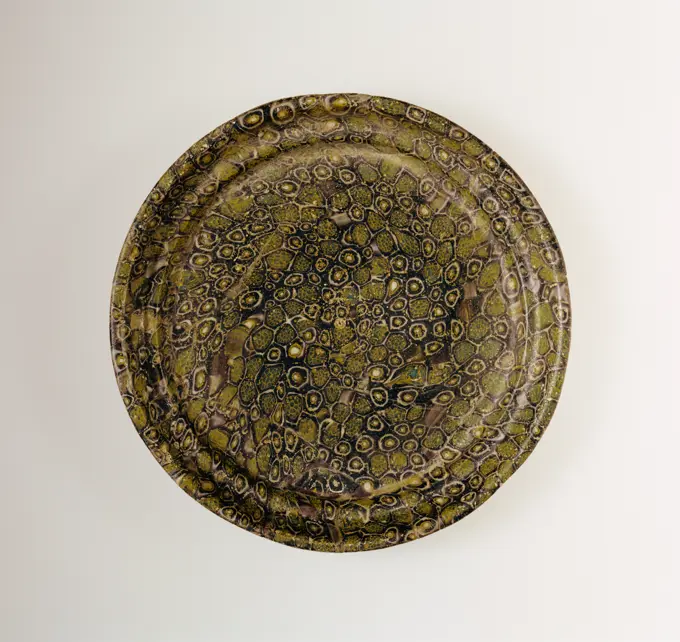
Historical Pottery and Artifacts

Archaeological pottery and artifacts, including molds, buttons, and spindle whorls, showcasing historical craftsmanship from various cultures.
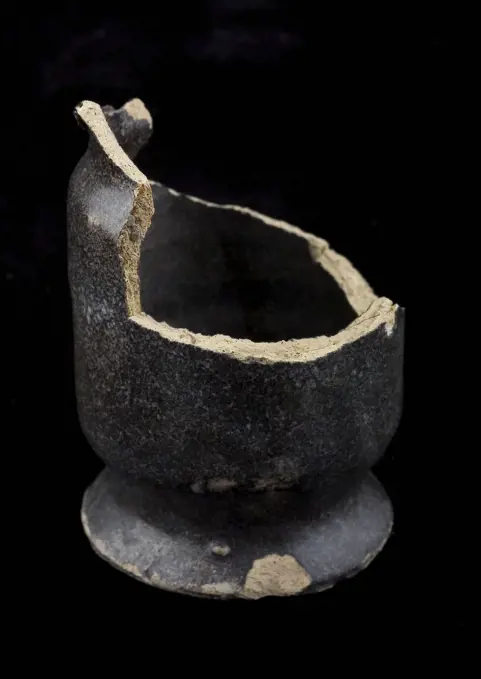
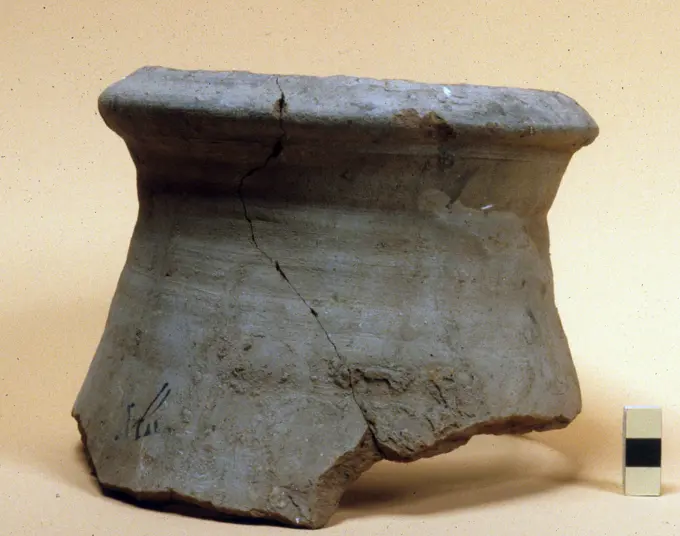
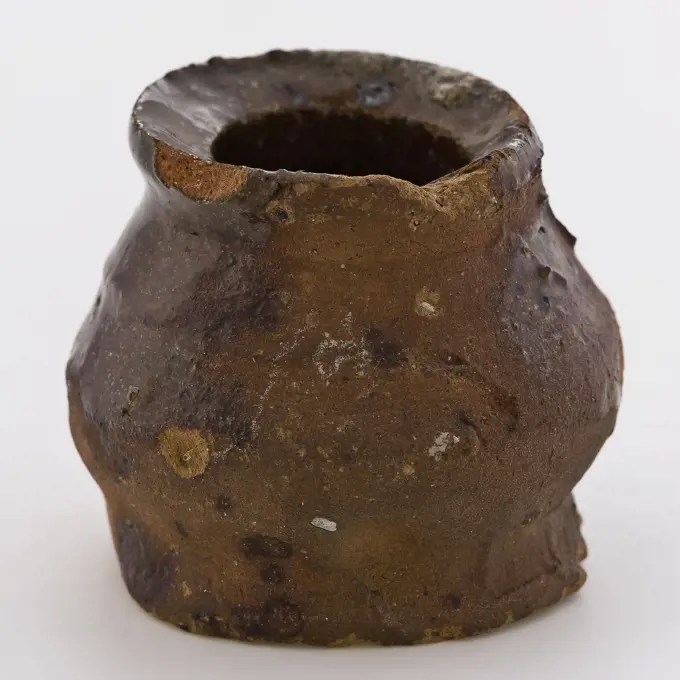
Fragment faience ointment jar, cylindrical, two constrictions, ointment jar holder soil find ceramic earthenware glaze tin glaze, hand turned baked glazed fried Faience ointment jar on stand foot. Cylindrical model with two constrictions Entirely black-gray discolored by staying in the ground or by glazing error during baking. Possibly painted. Dent in the edge of stuck foreign pottery. Yellow shard of archeology Rotterdam City center Stadsdriehoek Oudehaven Newport indigenous pottery packing medicine drug craft pharmacy Soil discovery Old or New Port Rotterdam.
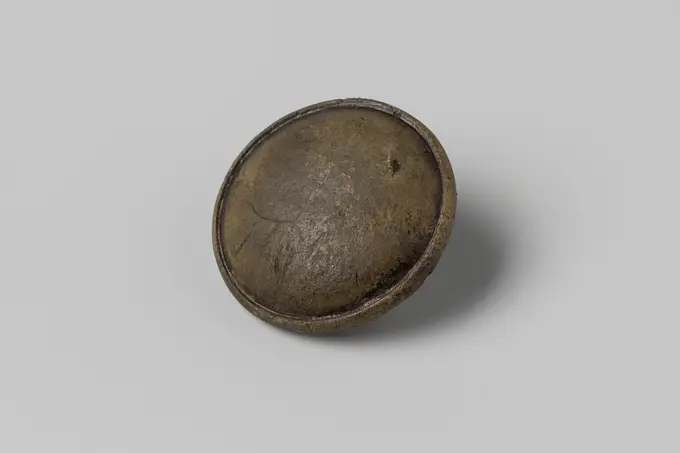
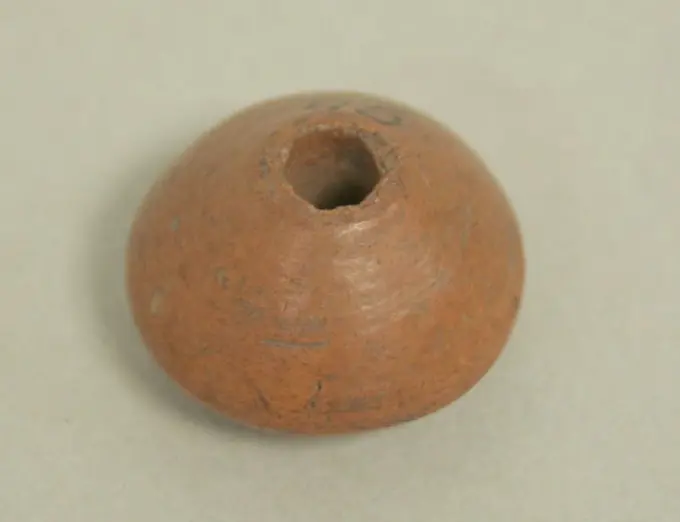
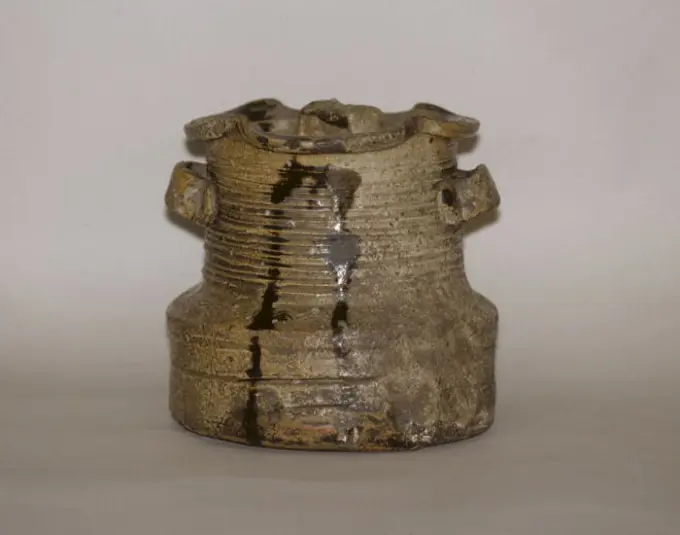
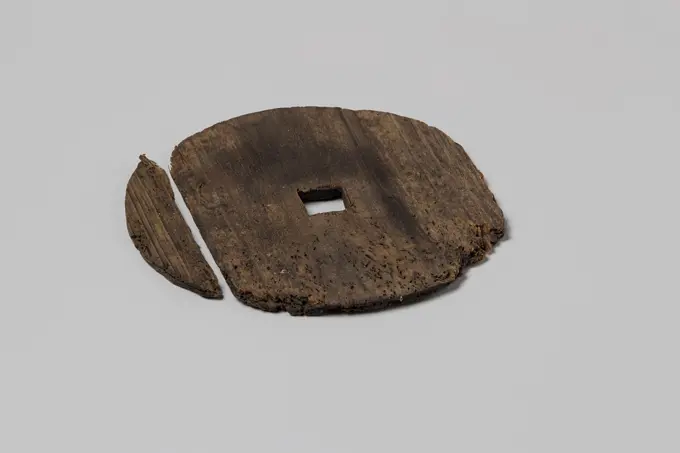
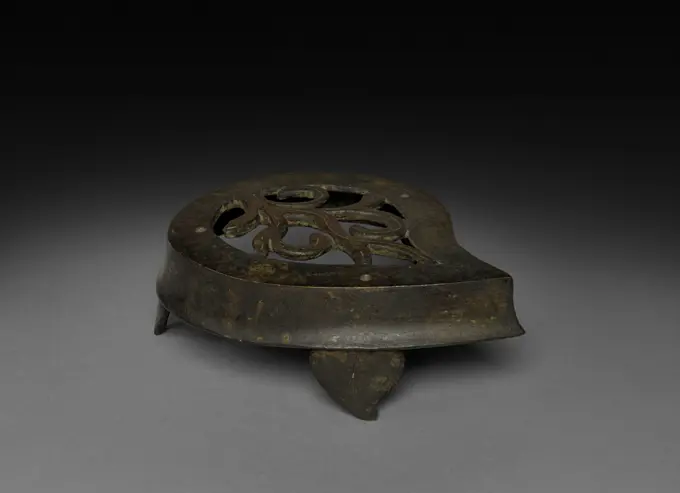
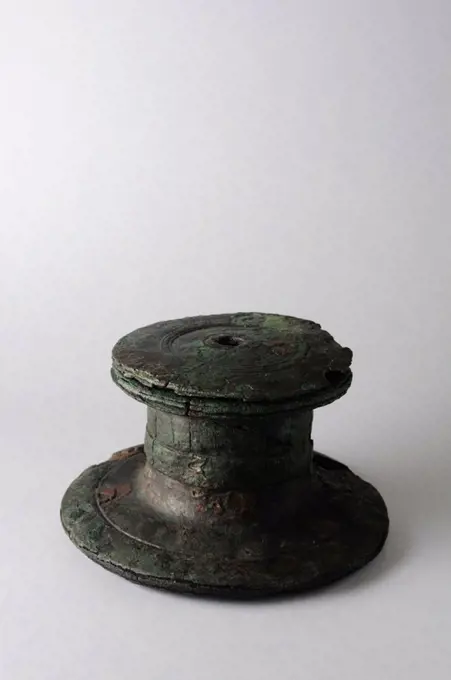
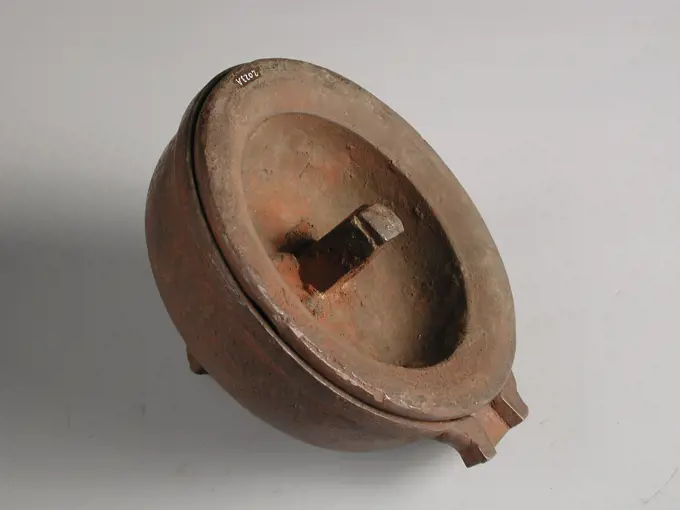
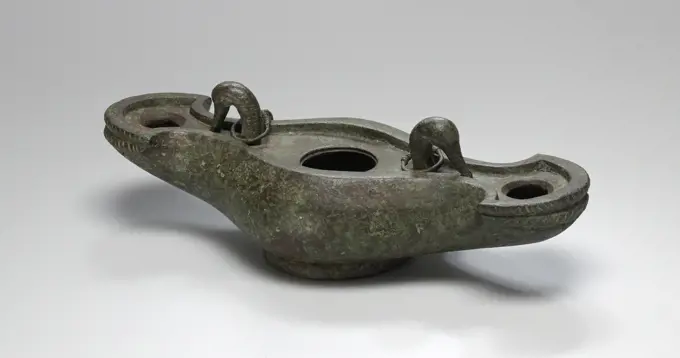
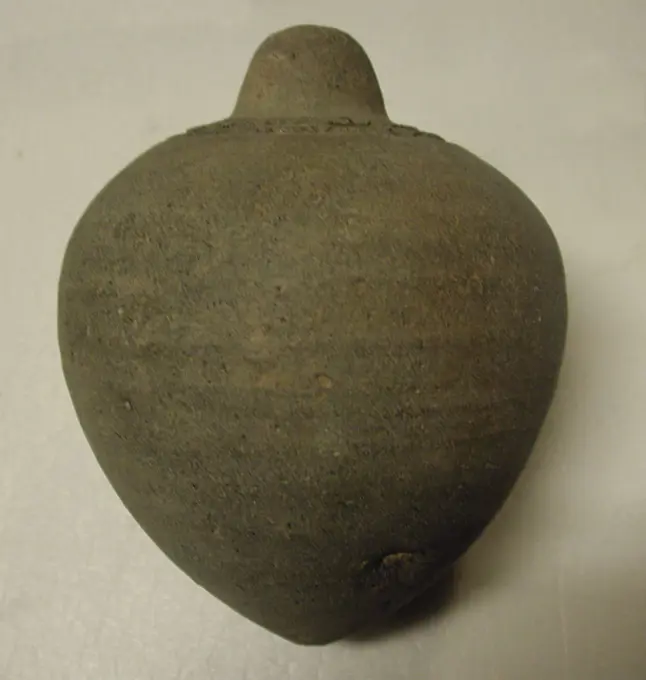
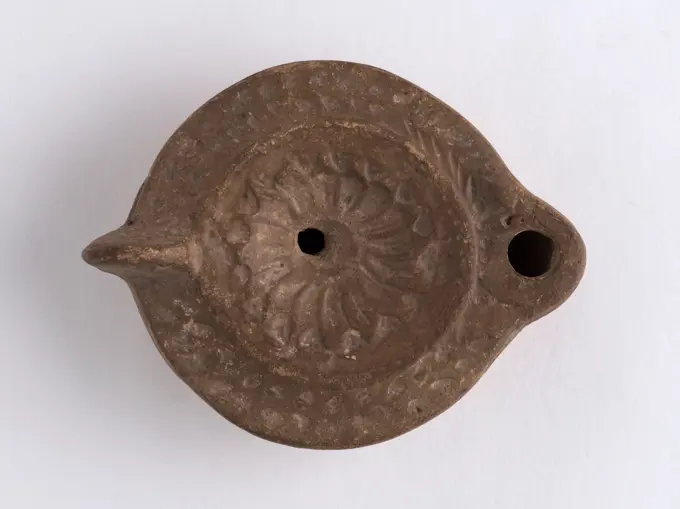
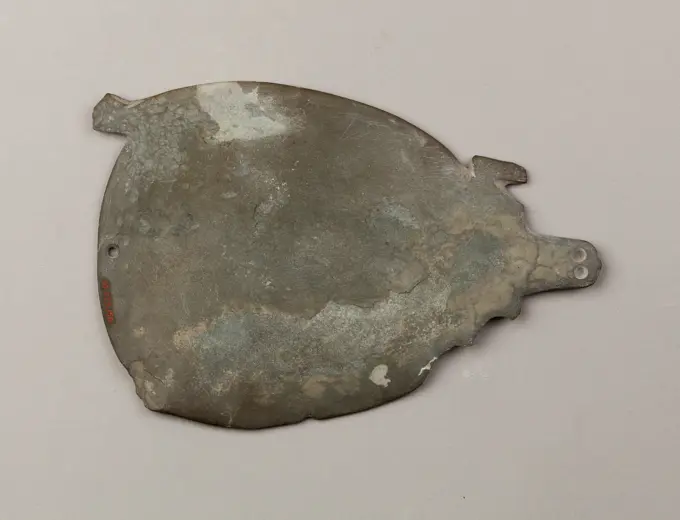
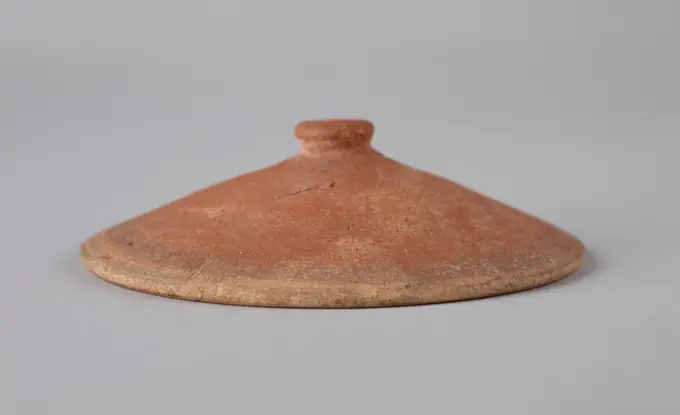
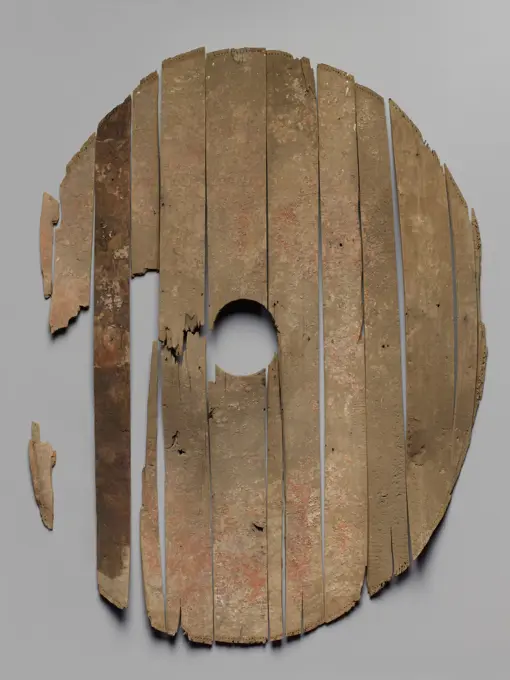
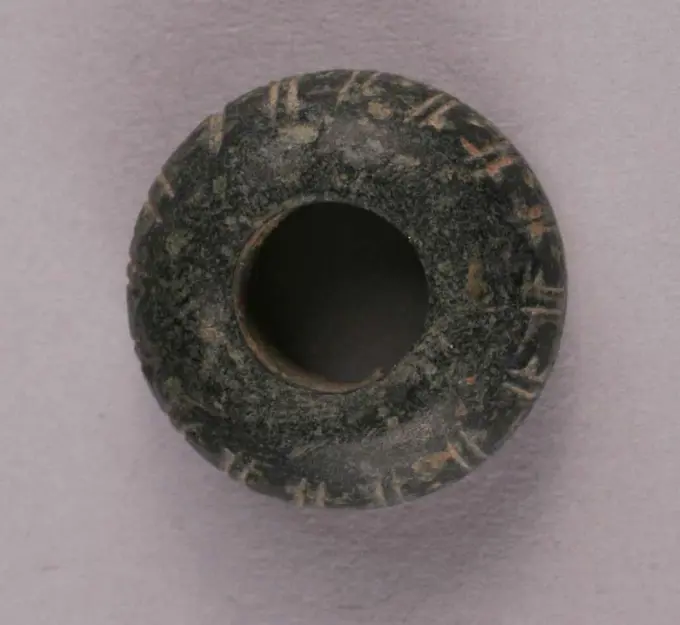
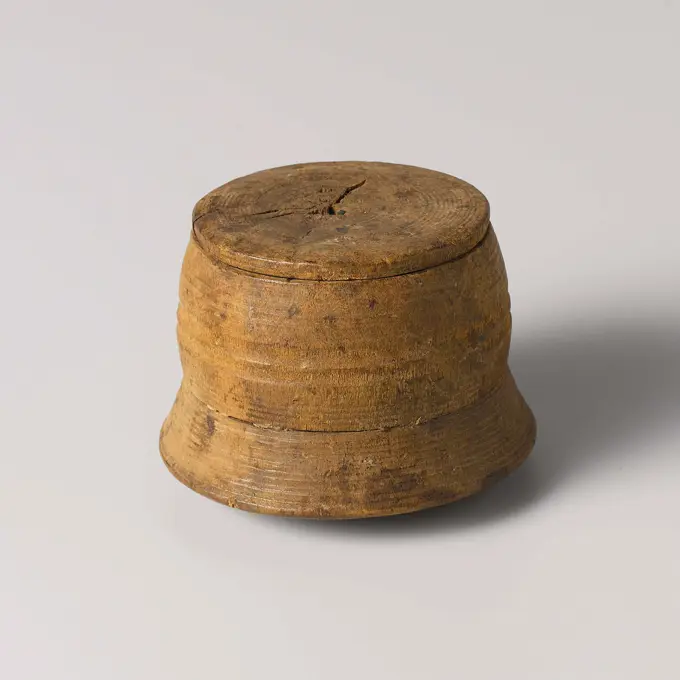
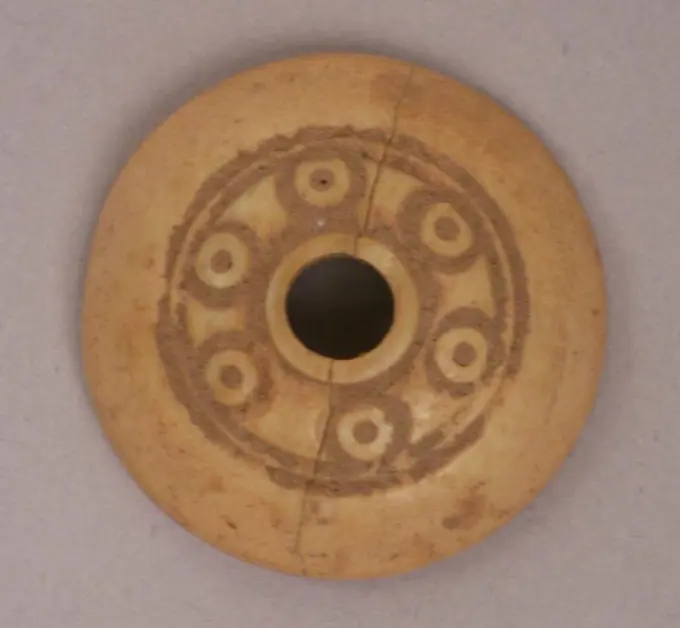
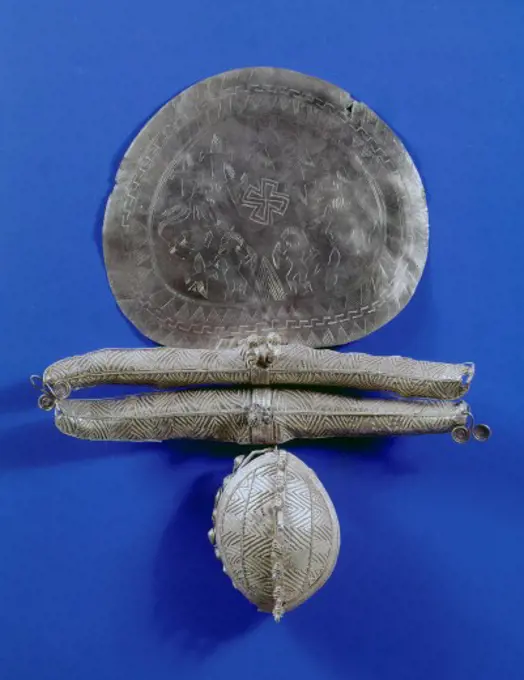
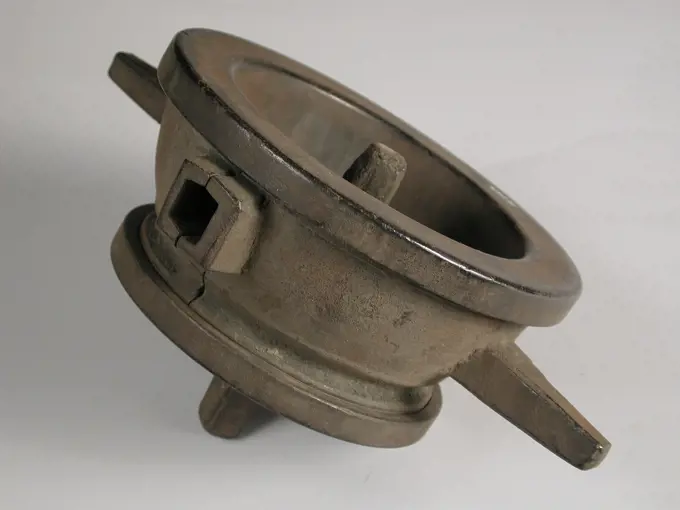
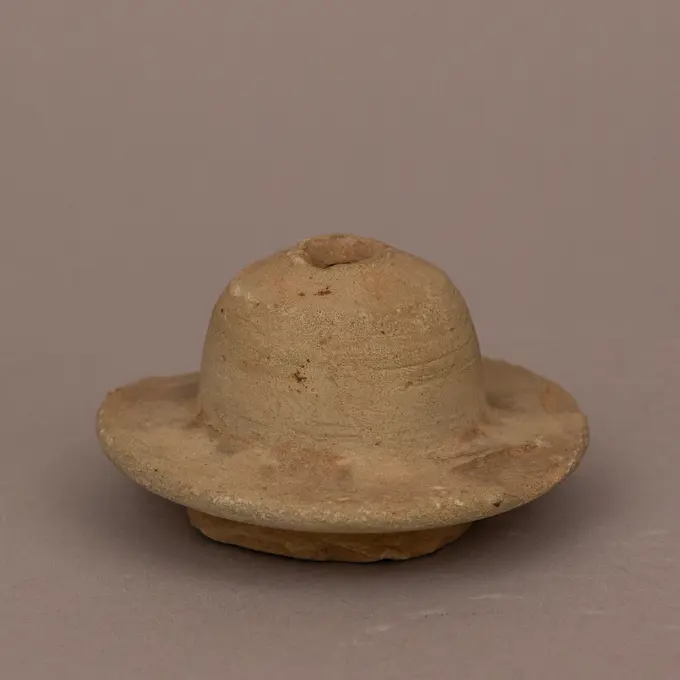
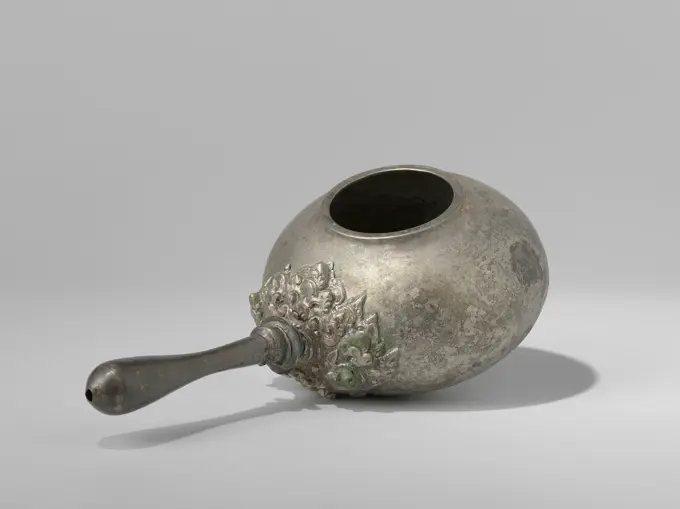
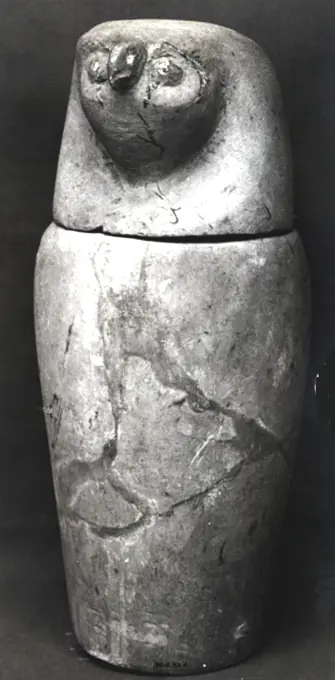
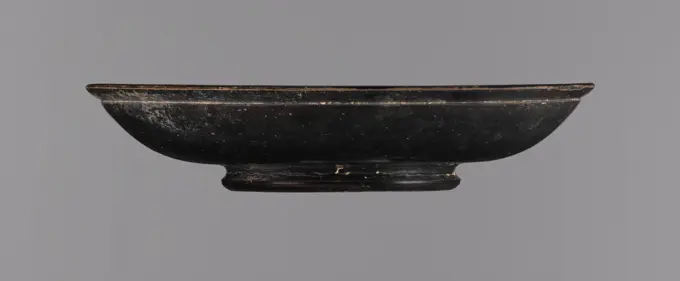
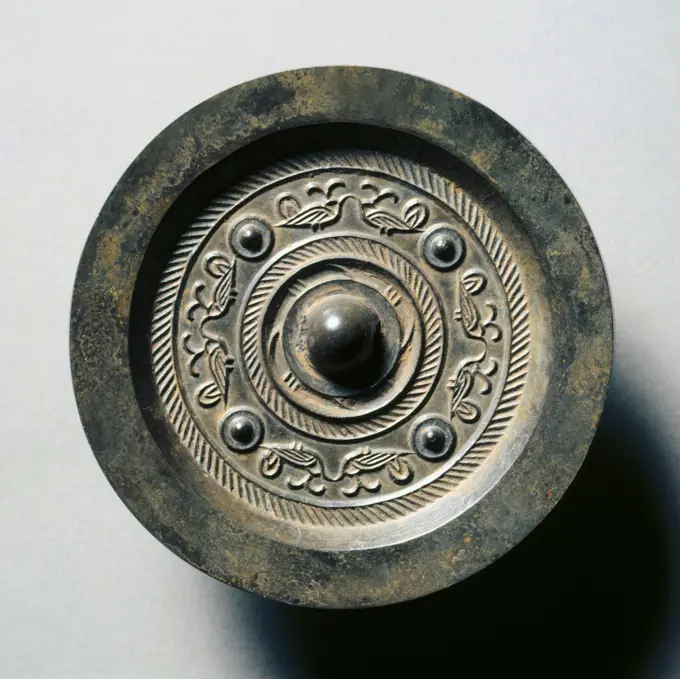
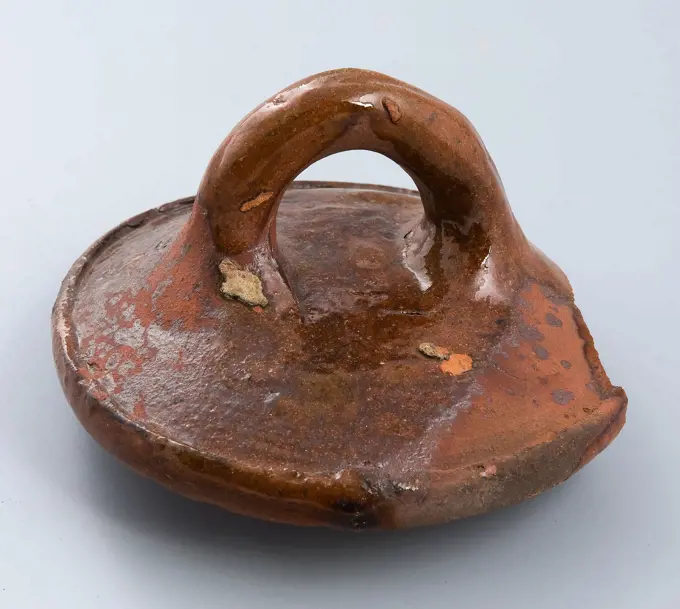
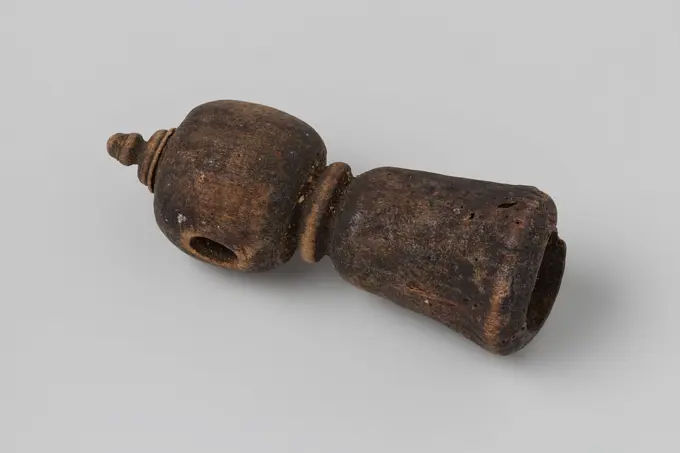
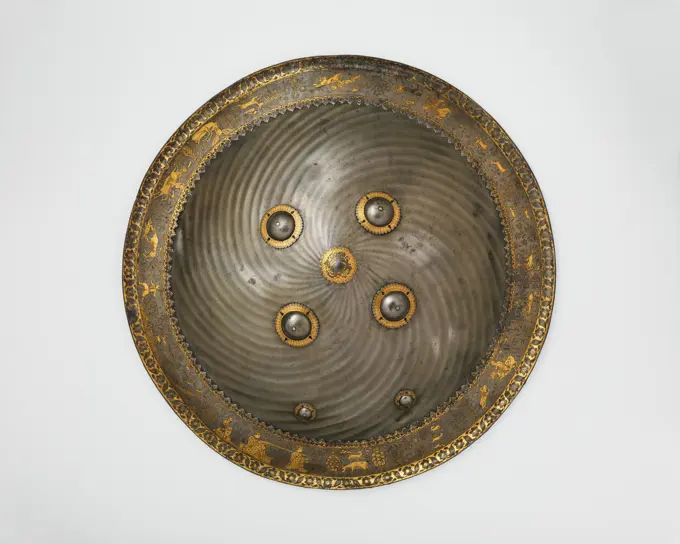
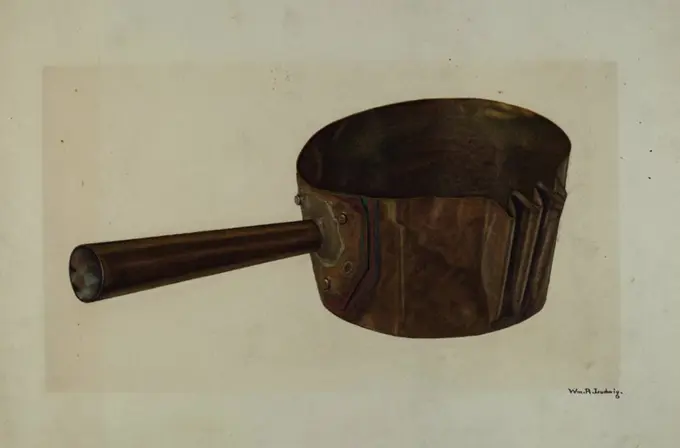
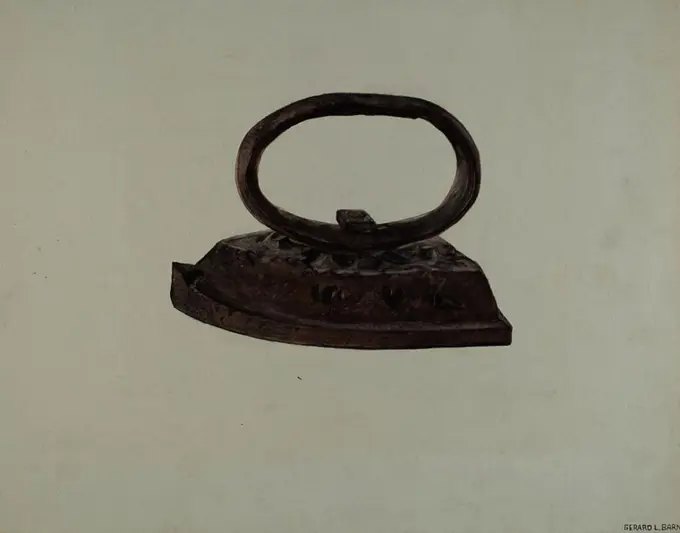
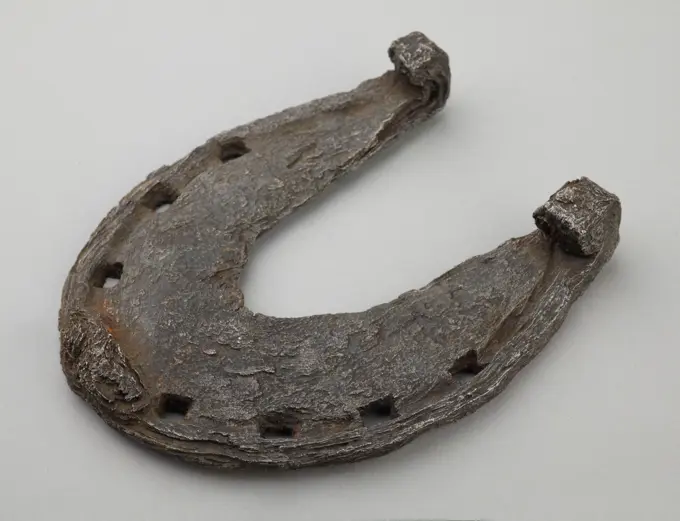
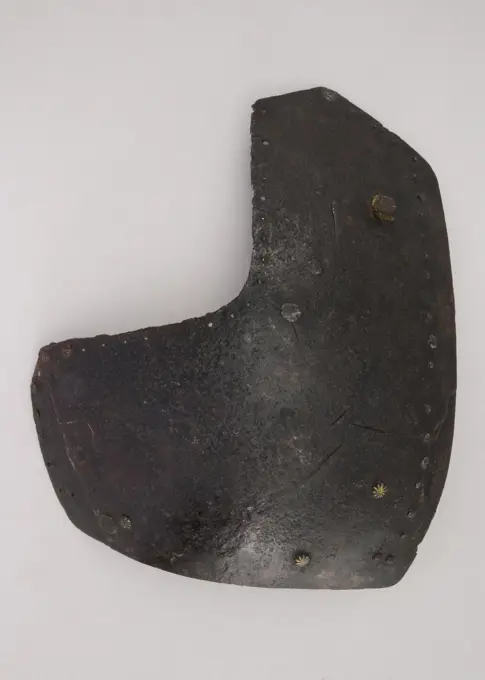
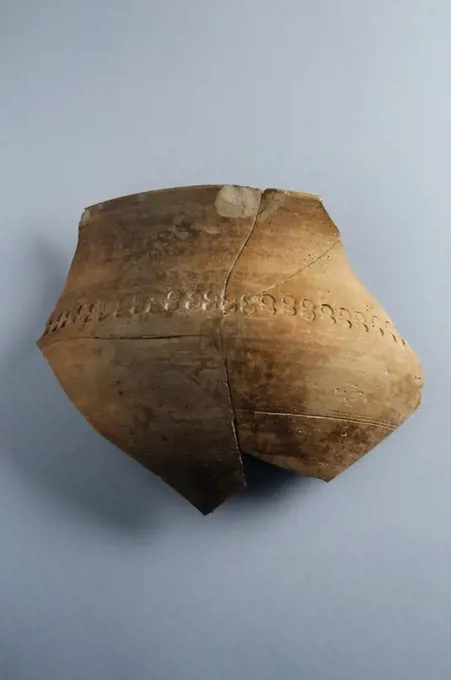
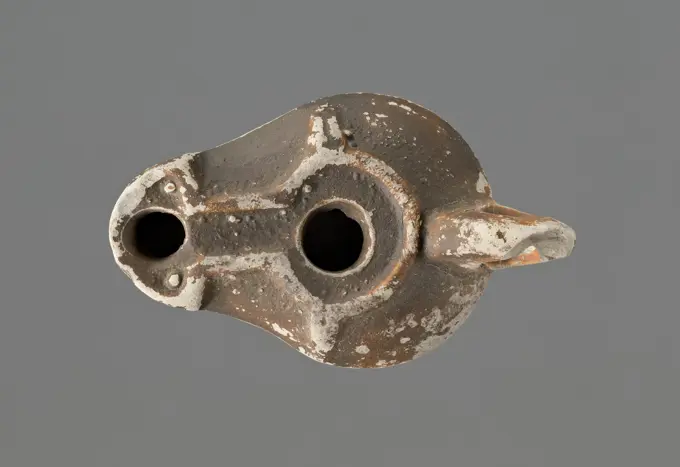
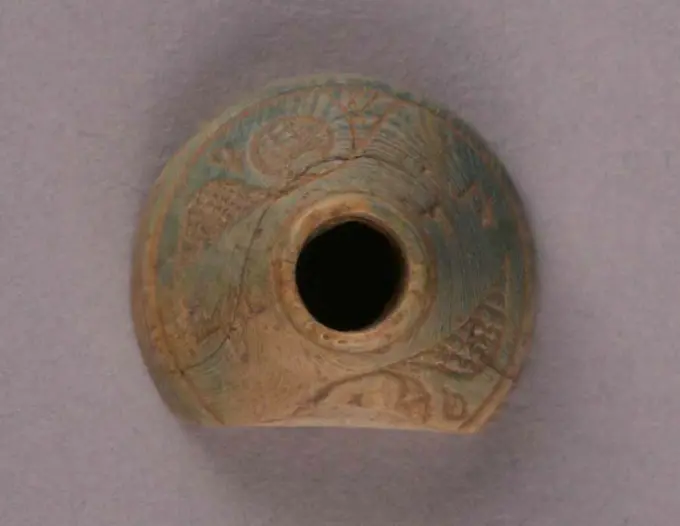
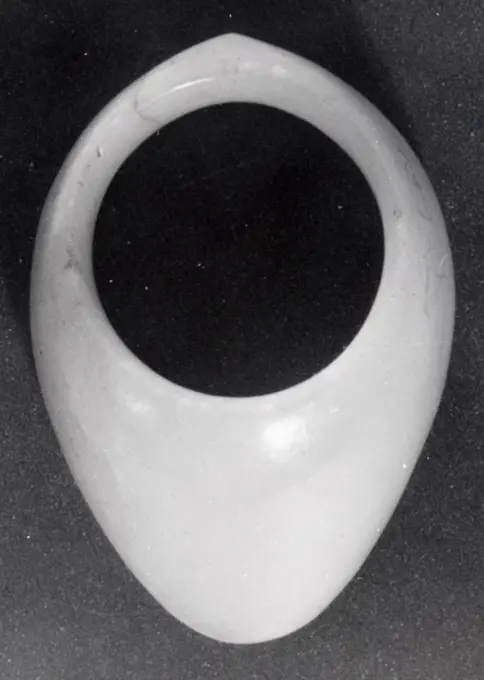
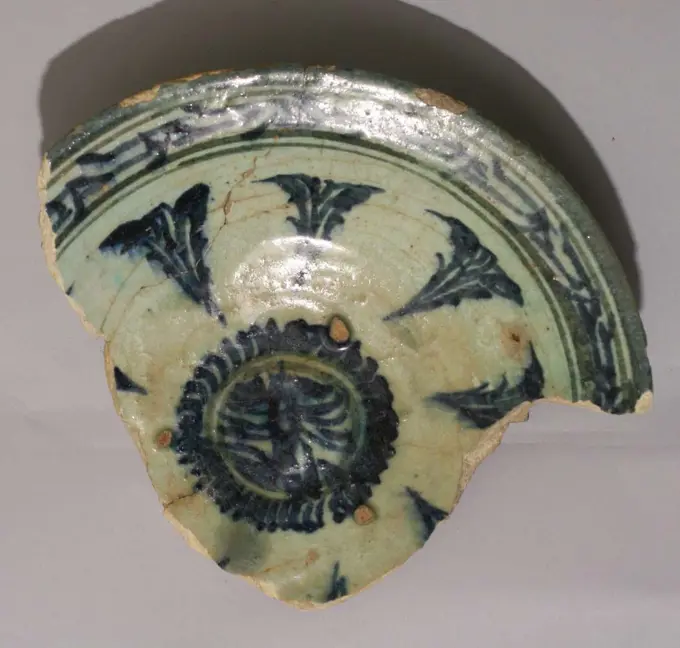
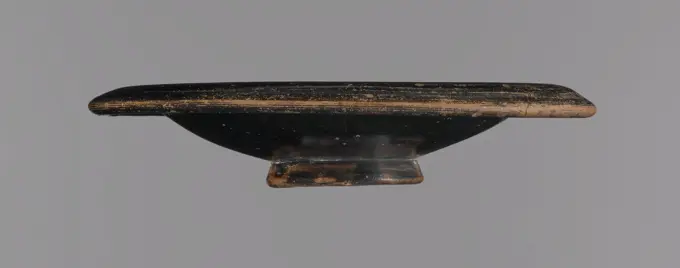
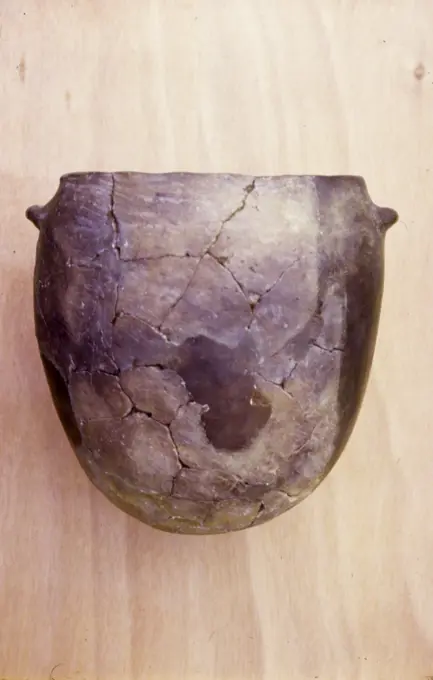
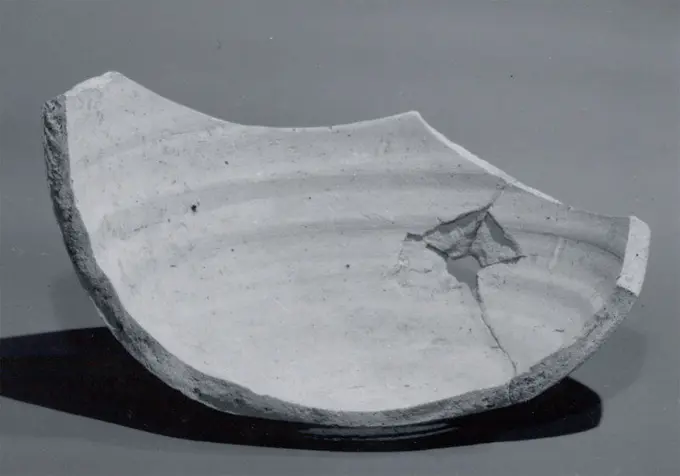
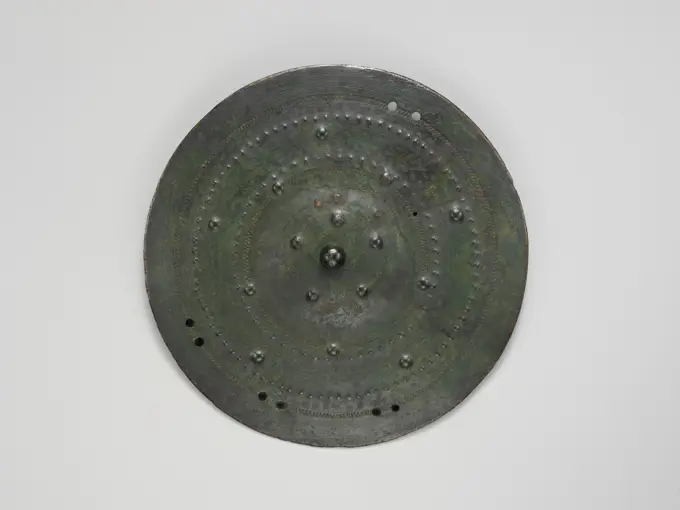
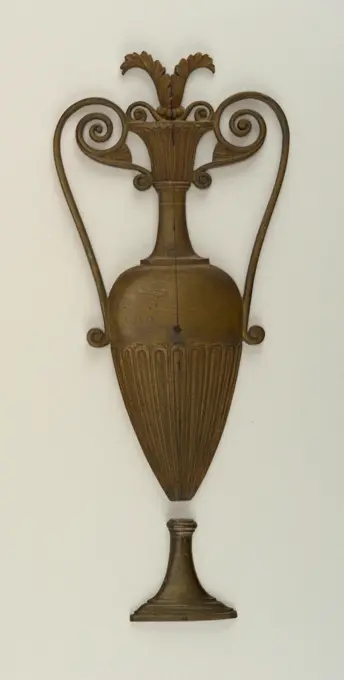
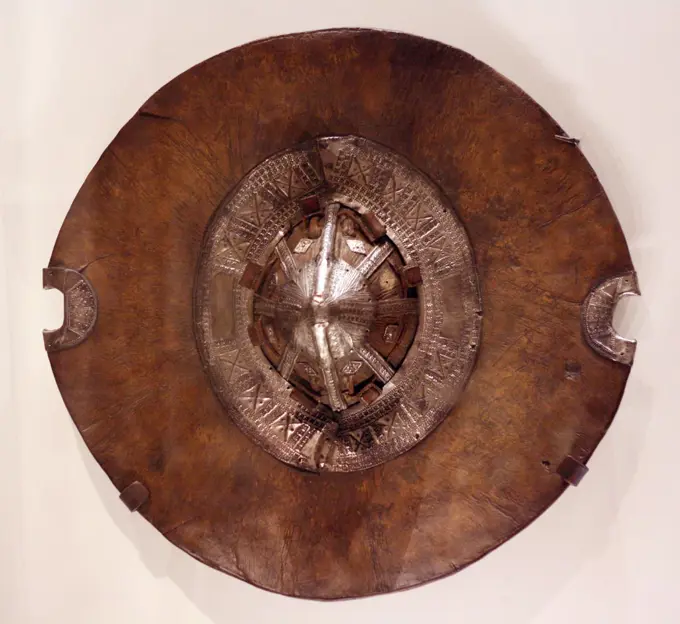
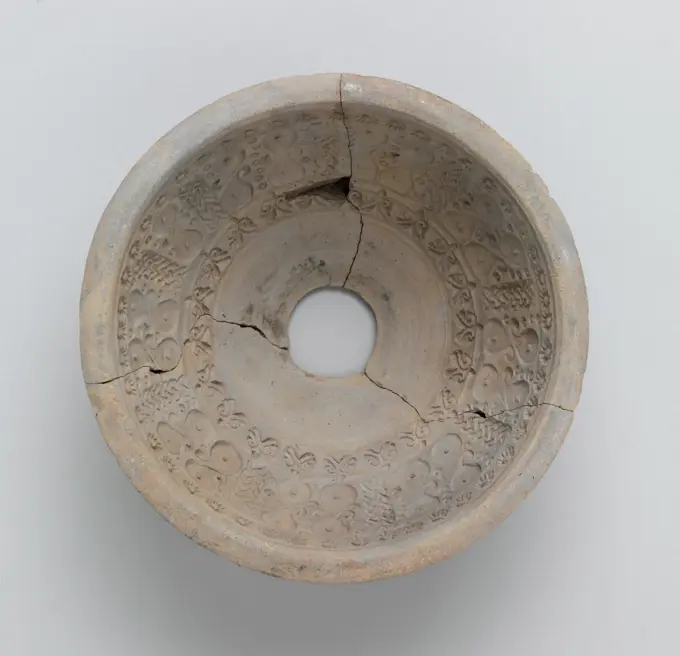
Pottery Mold 12th century Unglazed pottery for daily use formed the highest percentage of the Nishapur ceramics finds. The earliest wares were usually undecorated, but by the twelfth century, vessels were usually made from patterned molds such as this. This example might have been used to make a bowl or the base of a jug, in which case a handle and another molded piece for the top would have been added.. Pottery Mold 449573Button from the wreck of the East India hollandia. Button. (1) ID. NG 1980-27H1185 (2.4D)Spindle Whorl A.D.1-500 North coast (). Spindle Whorl. North coast (). A.D.1-500. Ceramic. Peru. Ceramics-ImplementsFreshwater Jar (Mizusashi) early 17th century Japan Excavations of Momoyama-period urban residential sites show mixtures of wares from various kilns, including Bizen, Mino, and Iga, demonstrating the expanding market for domestic ceramics. Although the actual movement of potters between kilns was regulated and restricted, imitations of other wares, including Iga, have been found in Mino. The potters at the Motoyashiki kiln there emulated the irregular form, rustic surface texture, incidental dents, and ear” lugs that characterize Iga ceramics. Whimsical Mino-Iga water jars like this one were popular in the early seventeenth century.. Freshwater Jar (Mizusashi) 56164Cut. Sandstone with a pale green covered. Provenance: Vietnam. Paris, Cernuschi museum. 79863-9 Cut, archeological object, dishesPot fragment inscribed with the name Hori ca. 1580-1479 B.C. Second Intermediate Period-Early New Kingdom. Pot fragment inscribed with the name Hori. ca. 1580-1479 B.C.. Pottery, ink. Second Intermediate Period-Early New Kingdom. From Egypt, Upper Egypt, Thebes, Southern Asasif, unfinished Temple Area, Pit MMA 1017, embalming cache, MMA excavations, 1920-22. Dynasty 17-18Fragment faience ointment jar, cylindrical, two constrictions, ointment jar holder soil find ceramic earthenware glaze tin glaze, hand turned baked glazed fried Faience ointment jar on stand foot. Cylindrical model with two constrictions Entirely black-gray discolored by staying in the ground or by glazing error during baking. Possibly painted. Dent in the edge of stuck foreign pottery. Yellow shard of archeology Rotterdam City center Stadsdriehoek Oudehaven Newport indigenous pottery packing medicine drug craft pharmacy Soil discovery Old or New Port Rotterdam.Disc for packaging from v.O.c.-ship the 'white lion'. Disc for packaging from v.O.c.-ship the 'white lion'. There is a square hole in the middle. The disc is split in two and lacks a small part.Cut. Porcelain sandstone with cracked celadon covered. Provenance: Vietnam. Paris, Cernuschi museum. 79863-6 Cut, archeological object, dishesHorse foot spoon with rippled handle, tin, marked, spoon cutlery soil find tin metal, w container 5.2 Marked underneath on the spoon blade next to the rat tail tin mark: crowned Tudor rose with initials no longer legible archeology Valckensteyn Poortugaal Albrandswaard Soil discovery Valugreek castle Valckensteyn .Lamp, Asia Minor; 1st century B.C. - 1st century A.D; Terracotta; 2.7 × 6.2 × 10.5 cm (1 1,16 × 2 7,16 × 4 1,8 in.)Leaf-shaped Trivet, early 1900s. Japan, Meiji period (1868-1912) to Taishō period (1912-26). Iron (); overall: 4.1 x 10.5 cm (1 5/8 x 4 1/8 in.).Foot bronze of a candelabrum. Base diameter 165 mm Height 81 mm . Roman period , from the archaeological site of Complutum in Alcala de Henares (Madrid). SPAIN.Two-piece bronze mold for bottom pot or jug, cast molding tool tools base metal bronze, cast twisted Two-piece bronze mold for pouring bottom of pot or jug for bowl with stand ring Rotterdam tin foundry tinplate dinnerware tin Meeuws Druy craft Molds come from the originally 18th century Rotterdam tinnegieter J Druy. The large molds that were not signed or dated were the property of the tinker guild and were rented to the small tin caster.Lamp; Roman Empire; 1st century; Bronze; 5.4 x 24.1 cm (2 1,8 x 9 1,2 in.)Pottery ointment jar, belly model narrow neck and wide stand, ointment jar pot holder soil find ceramic earthenware glaze lead glaze, hand turned glazed baked Pottery ointment jar. Belly model with narrow neck opening and wide standing surface. Red shard of hard-baked earthenware and internally glazed. Stand surface cut loose and untidy finish. Shallow constriction under the neck edge archeology Rotterdam IJsselmonde health care indigenous pottery packing ointment care medication medicine craft pharmacy Soil discovery: IJsselmonde castle well 1 Rotterdam 1972.Spheroconical Vessel 8th-10th century. Spheroconical Vessel. 8th-10th century. Earthenware; incised, unglazed. Excavated in Iran, Nishapur. CeramicsButton or Bead 9th-10th century The dot-in-circle motif recalls designs presumed to be of magical significance, most likely an abstract eye to ward off the evil-eye, which serves an apotropaic function. Easily reproduced with a tool and visible in many cultures and times, this symbol may have lost its meaning, and become simply a decorative pattern, or may have one that we have not yet discovered.. Button or Bead 449267Helmet 16th-19th century Korean. Helmet 32129Oil lamp. Terracotta. High Empire. Roine Rue. Toulouze collection (Anc. Dr Martin), acquisition 1889. Paris, Carnavalet Museum. 50208-2 Toulouze collection, high-Empire, oil lamp, terracottaPharmacy Jar. Culture: French. Dimensions: Overall: 9 1/8 x 4 7/16 in. (23.1 x 11.2 cm). Date: 15th century. Museum: Metropolitan Museum of Art, New York, USA.Stone Tripod Vessel 1st-8th century Mezcala. Stone Tripod Vessel 317583Palette, turtle ca. 3900-3500 B.C. Predynastic, Late Naqada l-Naqada II. Palette, turtle 571440LidFragments of woodenshieldTwo-piece bronze mold for lid of jug, mold casting tool tools base metal bronze, cast twisted Two-piece bronze mold for casting lid top: 2834 149 Rotterdam tin foundry tin pewter dinnerware Meeuws Druy craft Forms originate from the 18th century Rotterdam tinnegieter J Druy. The large molds that were not signed or dated were the property of the tinker guild and were rented to the small tin caster.Upper Arm Defense (Rerebrace). Culture: Italian. Dimensions: H. 5 1/2 in. (14 cm); W. 3 in. (7.6 cm); D. 4 1/2 in. (11.4 cm). Date: ca. 1430-40. Museum: Metropolitan Museum of Art, New York, USA.Pair of Mitten Gauntlets in the Style of Maximillian Armor left gauntlet, ca. 1520-30 and later; right gauntlet, probably 19th century German. Pair of Mitten Gauntlets in the Style of Maximillian Armor 762259Button or Bead or Spindle Whorl 8th-10th century This object was excavated at Nishapur.Nishapur was a vital city in the early and middle Islamic periods, located along one of the main trajectories that connected Iran and West Asia Islamic lands with Central Asia and China. These itineraries are often referred to by the term Silk routes’ but were in fact crucial to the movement of constellations of materials and objects, as well as people and ideas. The diverse population of Nishapur and its surroundings, from the better-researched elite groups of merchants, land-owning aristocracy, and literates, to the less-known artisans, farmers, miners, and servants, were instrumental in adapting global cultural trends to create their own distinctive visual languages. This is seen in the material remains of everyday life in medieval Nishapur - from pots and pans to lighting devices, inkwells, textiles and trimmings, jewelry, games and toys, talismanic devices, weapons, coins, and architectural fraVaseBox, round with lid and a wide base and raised edge. Box, circular with a lid, wide base and raised edge. The broad base and raised edge must first be rotated separately and then attached to each other.Cans snot nose or oil lamp on high foot, spout lamp oil lamp lamp illuminant soil find tin iron tin metal, w 11,2 (foot ) beaten cut tinned soldered Tin snot nose. Oil lamp on high foot. Foot in the form of an inverted funnel. Holder with hanging eye and slot for the nose of the lamp Loose cylindrical container with nose from which the actual fuse hung and burned archeology Rotterdam City triangle Oudehaven illuminated evening night Soil discovery: Oude Haven Rotterdam.Broekeking, Anonymous, 1850 - 1900 fastening Iron, smooth brush with four eyes with which it can be attached to a mast or pump to prevent the penetration of leakage water. unknown iron (metal)Neck and Rim of a Vessel 4th-early 5th century Coptic. Neck and Rim of a Vessel 479107Button or Bead or Spindle Whorl 9th-10th century The dot-in-circle motif recalls designs presumed to be of magical significance, most likely an abstract eye to ward off the evil-eye, which serves an apotropaic function. Easily reproduced with a tool and visible in many cultures and times, this symbol may have lost its meaning, and become simply a decorative pattern, or may have one that we have not yet discovered.. Button or Bead or Spindle Whorl 449290Martavaan from V.O.C. ship De 'Witte Leeuw', Anonymous, Before 1613  Martavaan from V.O.C. ship De 'Witte Leeuw', 50 present. Martaban (possibly) stoneware. porcelain   Sint-Helenafine arts, ancient world, Etruscan, jewelery, Etruscan luxury fibula, gold, height: 19 cm, 7th century BC,Four-piece round mold for bowl or top of pot or jug, cast molding tool tools base metal bronze, cast cast Four-part bronze mold for part of pot or jug Remarkably heavy stand ring on the narrow part of the end product Rotterdam tin foundry tin stain tin Meeuws Druy craft Forms come from the originally 18th century Rotterdam tinnegieter J Druy. The large molds that were not dated or signed were the property of the tinkering guild and were rented to the small tin caster.Vase probably late 7th century Korea. Vase 57515Ornament 5th-8th century. Ornament 449202Pottery lid of cover, raised stand ring and horizontal sausage ear, lid closing part cover pottery earthenware earthenware glaze lead glaze, hand-turned glazed baked earthenware lid of cover up with raised stand ring glazed horizontal sausage door red shard archeology Rotterdam Kralingen-Crooswijk Struisenburg Oostmaaslaan indigenous pottery fire extinguishing heating room kitchen Soil discovery: Oostmaaslaan and 's Gravenweg Rotterdam.Button or Bead or Spindle Whorl 8th-10th century. Button or Bead or Spindle Whorl. 8th-10th century. Stone; incised. Excavated in Iran, Nishapur. StoneLid 9th-10th century. Lid. 9th-10th century. Earthenware; slip covered and unglazed. Excavated in Iran, Nishapur. CeramicsChess Piece, Pawn or Backgammon Piece probably 11th-12th century. Chess Piece, Pawn or Backgammon Piece 451939Slot, 1600 - 1699 A lock with a heart -shaped lid.  iron (metal) A lock with a heart -shaped lid.  iron (metal)Bronze Roman officer's shield. Dated 1st century A.D.Bowl. Dimensions: H. 1 5/8 in. (4.1 cm)D. 4 15/16 in. (12.5 cm). Date: 9th century. Museum: Metropolitan Museum of Art, New York, USA.Silver Wijwaterschep, Anonymous, 1300 - 1600 Holy water scoop, consisting of three parts attached to each other; The body, handle and the decorative piece with driven floralistic motif. Indonesia silver (metal) rejected Holy water scoop, consisting of three parts attached to each other; The body, handle and the decorative piece with driven floralistic motif. Indonesia silver (metal) rejectedPa. German Jar. Dated: c. 1937. Dimensions: overall: 50.9 x 37.9 cm (20 1/16 x 14 15/16 in.). Medium: oil paint on paperboard. Museum: National Gallery of Art, Washington DC. Author: William L. Antrim.Silver kantharos from Monte Pruno, Campania, Italy. Detail of the internal relief. Greek civilization, Magna Graecia.COLADOR DE BRONCE. ROMANO. AJUAR(DEPOSITO: MUSEO ARQUEOLOGICO PROVINCIAL DE CORDOBA).Lazio Latina Sezze Antiquarium Comunale09. Hutzel, Max 1960-1990 German-born photographer and scholar Max Hutzel (1911-1988) photographed in Italy from the early 1960s until his death. The result of this project, referred to by Hutzel as Foto Arte Minore, is thorough documentation of art historical development in Italy up to the 18th century, including objects of the Etruscans and the Romans, as well as early Medieval, Romanesque, Gothic, Renaissance and Baroque monuments. Images are organized by geographic region in Italy, then by province, city, site complex and monument.Canopic jar with falcon lid ca. 1070-343 B.C. Third Intermediate Period-Saite Period. Canopic jar with falcon lid 558389Habburgs Wapen, 1500 - 1700 with the Spanish Habsburgs Semi -round fire brick with originally a Spanish Habsburgs weapon (broken), above it crown. On either side column with a lion and griffin. Profiled edge. Worn out, black. Southern Netherlands earthenware Semi -round fire brick with originally a Spanish Habsburgs weapon (broken), above it crown. On either side column with a lion and griffin. Profiled edge. Worn out, black. Southern Netherlands earthenwareBlack -refyed plate;  III century BC (-300-00-00--201-00-00);Mirror with Four Nipples and Eight Birds, 1st century BC. China, Western Han dynasty (202 BC-AD 9). Bronze; diameter: 9.6 cm (3 3/4 in.); overall: 1 cm (3/8 in.); rim: 0.7 cm (1/4 in.).Bronze batillum (incense shovel) late 1st-early 2nd century A.D. Roman With short handle.. Bronze batillum (incense shovel). Roman. late 1st-early 2nd century A.D.. Bronze. Mid-Imperial. BronzesBowl sherd ca. 8th-7th century B.C. Assyrian. Bowl sherd 324645Fragment earthenware lid, with sausage ear, rim with small lip, lid closure soil find ceramic earthenware glaze lead glaze, hand-turned glazed fried Fragment of ball lid Standing edge. Spicy glazed with lead glaze Curved sausage ear in the middle of the top Misbaksel; crack in the lid is filled with glaze archeology underground pit Rotterdam City Triangle Groenendaal indigenous pottery lid cover cooking pottery craft tableware Soil discovery: underground pit Groenendaal at 90 meters from Mariniersweg about 3 meters -NAP 1975-09-16.Bowl sherd ca. 8th-7th century B.C. Assyrian. Bowl sherd 324651Wooden object from v.O.C.-ship the 'white lion'. Wooden object. Possible button of curtain rod. Consisting of a tapered part and a sphere with a button and a ball, connected by a ring, everything from one piece. On the bottom a hole and in the sphere a hole. The wood has been a little weathered on the underside.Shield with Hunting and Landscape Vignettes second half 17th century The Mughal aesthetics are reflected in its weaponry. This shield, which belongs to the first quarter of eighteenth century, is ornately decorated with inlaid gold decoration on its rim and knob. The subject depicted on the border of the rim shows the ruler who is accompanied by his attendants aims with his rifle, gallops on a horse with a lance in his hand or attacks a furious lion. The hunting scene depicts dynamic movement with dogs and tiger jumping on their prey and an aggressive elephant trampling with a broken chain in its rear foot. The outer border contains stylized floral and leaf motifs characteristic of the period of Mughal Emperor Aurengzeb Alamgir. The central knob of the shield bears an intricately engraved landscape with architecture and rock formation. The profuse ornamentation of this shield suggests that it was likely a royal object.. Shield with Hunting and Landscape Vignettes 452815Vergulde was, anonymous, c. 1400 - c. 1950 Gilded sphere (in two).  iron (metal) forging Gilded sphere (in two).  iron (metal) forging. Wood water shovel, consisting of three parts attached to each other; The body, handle and the decorative piece with driven floralistic motif.Candy Ladle. Dated: c. 1938. Dimensions: overall: 28.7 x 41.2 cm (11 5/16 x 16 1/4 in.). Medium: watercolor and graphite on paperboard. Museum: National Gallery of Art, Washington DC. Author: William Ludwig.Hammered Silver Miniature Drum 11th-mid-15th century Chimú or Chancay. Hammered Silver Miniature Drum 308969Iron. Dated: c. 1941. Dimensions: overall: 24.3 x 31 cm (9 9/16 x 12 3/16 in.). Medium: watercolor, pen and ink, and graphite on paperboard. Museum: National Gallery of Art, Washington DC. Author: Gerard Barnett.Miniature Bottle 11th-late 15th century Chimú or Chancay. Miniature Bottle 308933Excavated horseshoeFragment of a Small BowlRight Breastplate from a Brigandine ca. 1400-1425 Italian This right breastplate was originally pierced with two holes for the attachment of a lance rest. It was once covered with textile.. Right Breastplate from a Brigandine 23150umbo de escudo, Carratiermes, Montejo de Tiermes, siglo V a.C, museo Numantino de Soria, Soria, Comunidad Autónoma de Castilla, Spain, Europe.Jar sherd ca. early 2nd millennium B.C.. Jar sherd 326093Beads 8th-13th century. Beads 856370Half of ankle strap, decorated with concentric circles, anonymous, -600 --100 Half of ankle strap, decorated with concentric circles. Ban Chiang bronze (metal) Half of ankle strap, decorated with concentric circles. Ban Chiang bronze (metal)Fragment of a ceramic pot with stamped decoration. 13, 5 cms x 16 cms Thickness 0, 5 cm - Second Iron Age period , from the archaeological site of " Poligono 25" in Alcalá de Henares -" Burgo de Santiuste Museum" (Madrid .) SPAIN.Pierre Roche (1855-1922). "Aircraft of France". Medal. 1914. Museum of Fine Arts of the City of Paris, Petit Palais. Back, Great War, War 1418, 1914-1918 war, medal, first world war, backOlive lamp; unknown workshop; II-III century AD  (101-00-00-400-00-00);Fragment of a Bowl. Byzantine; Asia Minor, Constantinople. Date: 1201-1300. Dimensions: 3.5 × 7 × 5.4 cm (1 3/8 × 2 3/4 × 2 1/8 in.). Ceramic. Origin: Istanbul. Museum: The Chicago Art Institute, Chicago, USA.Spindle Whorl 9th-10th century Spindle whorls aided in the making of thread by maintaining the momentum of the spindle. This blue-toned, conical spindle whorl was excavated during the Metropolitan Museums excavation at Nishapur, in eastern Iran. Incised lines form crosshatched shapes. This motif is repeated twice around the body with a vertically oriented design marking the space between sets. Two lines of triangles and diamonds are incised on the bottom (reverse) of the spindle whorl. Hundreds of spindle whorls were excavated at Nishapur, providing further evidence that the city possessed a thriving textile industry. Their incised designs exhibit a wide variety of motifs ranging from geometric forms to zoomorphic figures.. Spindle Whorl 455182Archer's Ring 17th century Archery rings were worn on the thumb of the archers release hand to protect it from the thrust of the bowstring. Although other jade archery rings from this period were inset with enamel or gold and worn solely for decorative purposes, the unadorned surface of this ring suggests that it served as a functional object.. Archer's Ring 451118Scabbard Chape (Kojiri). Culture: Japanese. Dimensions: H. 1 3/8 in. (3.5 cm); Wt. 0.5 oz. (14.2 g). Date: 19th century. Museum: Metropolitan Museum of Art, New York, USA.Fragment of a Bowl 14th-15th century. Fragment of a Bowl 445410Emilia-Romagna Ferrara Ferrara Museo Civico di Schifanoia35. Hutzel, Max 1960-1990 General Notes: INCOMPLETE RECORD--NEGATIVES PROCESSED, PRINTS FILED German-born photographer and scholar Max Hutzel (1911-1988) photographed in Italy from the early 1960s until his death. The result of this project, referred to by Hutzel as Foto Arte Minore, is thorough documentation of art historical development in Italy up to the 18th century, including objects of the Etruscans and the Romans, as well as early Medieval, Romanesque, Gothic, Renaissance and Baroque monuments. Images are organized by geographic region in Italy, then by province, city, site complex and monument.Bell 10th-16th century Aztec. Bell 502532Black -refyed plate;  III century BC (-300-00-00--201-00-00);Spindle Whorl 10th-early 16th century Mexican. Spindle Whorl 307711Copper pressed thimble with decoration and marked, thimble sewing machine soil find copper metal, pressed Copper pressed thimble with right rotating spiral on top without groove in the shaft with decorated board with two grooves with vertical grooves where between indistinct decorations archeology Rotterdam railway tunnel seamstress tailor sewing textile processing clothing needle and thread repair Soil discovery: trajectory rail tunnel Rotterdam.Covered Box. Culture: China. Dimensions: H. 1 1/2 in. (3.5 cm); Diam. 2 3/4 in. (7 cm). Museum: Metropolitan Museum of Art, New York, USA.Prehistoric. Stoneage pot, Windmill Hill, Avebury ENGLAND.Dish in the shape of a leaf. Dimensions: L. 19.1 x W. 11.3 x D. 2.5 cm (7 1/2 x 4 7/16 x 1 in.). Dynasty: Dynasty 1. Date: ca. 3100-2900 B.C.. Museum: Metropolitan Museum of Art, New York, USA.Carnavalet Museum, Medals CollectionBowl sherd ca. mid-3rd millennium B.C.. Bowl sherd 326122Bronze shield boss 7th century B.C. Italic Convex bronze disks, often with punched or incised ornament, were frequently attached to wooden, leather or bronze shields. They were probably made for ceremonial or funerary purposes since they are too fragile to have any practical use in combat.. Bronze shield boss 255365Bronze backs of folding mirrors, incised with concentric circles, 4th century BCMountEmbroidered Cap, c. 1836. America, 19th century. Embroidery: linen; overall: 11 x 12 x 12 cm (4 5/16 x 4 3/4 x 4 3/4 in.).African metalwork shield from the Beja people in Sudan, 19th centuryDish. UnknownEpiscopal seal, red and yellow stamped wax, 13th century, Huesca Diocesan Museum, Aragon community, Spain.