Historical Pottery and Artifacts

Archaeological pottery and artifacts, including molds, buttons, and spindle whorls, showcasing historical craftsmanship from various cultures.
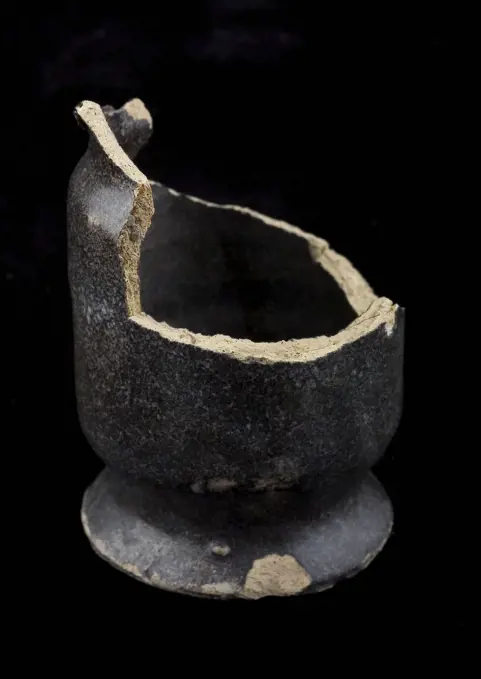
Fragment faience ointment jar, cylindrical, two constrictions, ointment jar holder soil find ceramic earthenware glaze tin glaze, hand turned baked glazed fried Faience ointment jar on stand foot. Cylindrical model with two constrictions Entirely black-gray discolored by staying in the ground or by glazing error during baking. Possibly painted. Dent in the edge of stuck foreign pottery. Yellow shard of archeology Rotterdam City center Stadsdriehoek Oudehaven Newport indigenous pottery packing medicine drug craft pharmacy Soil discovery Old or New Port Rotterdam.
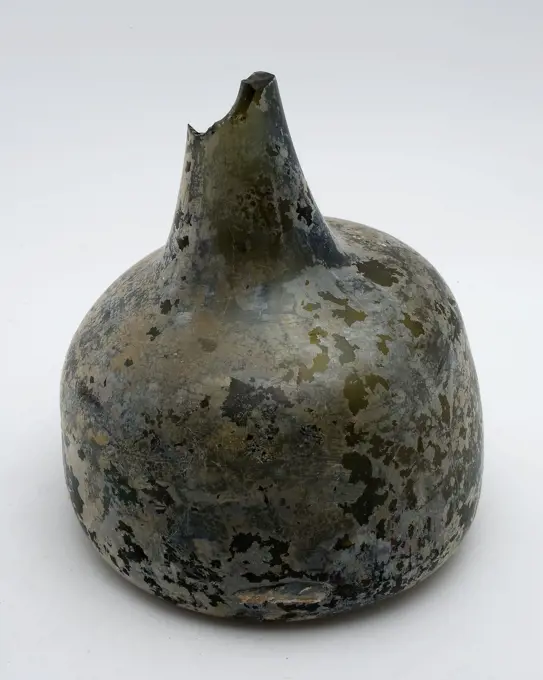
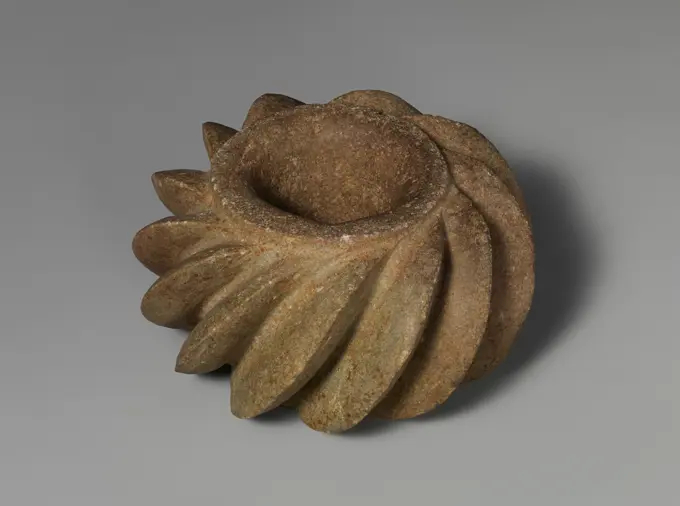
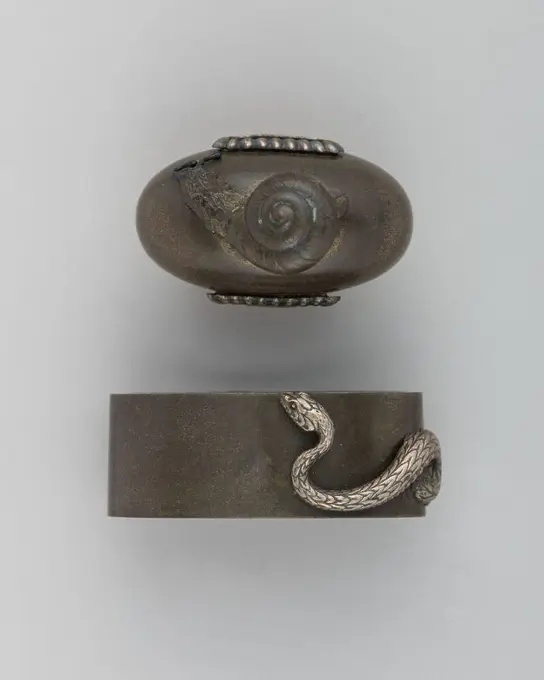
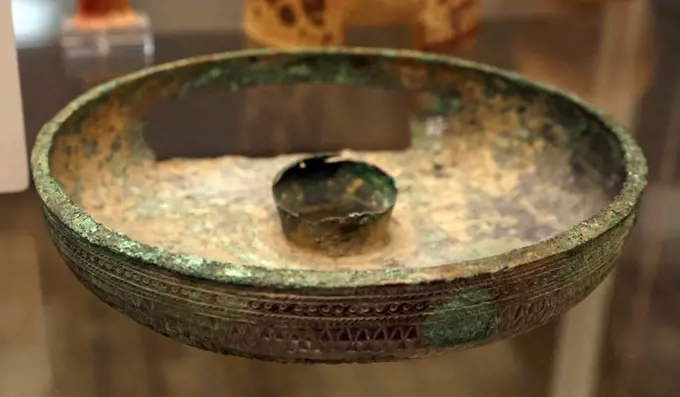
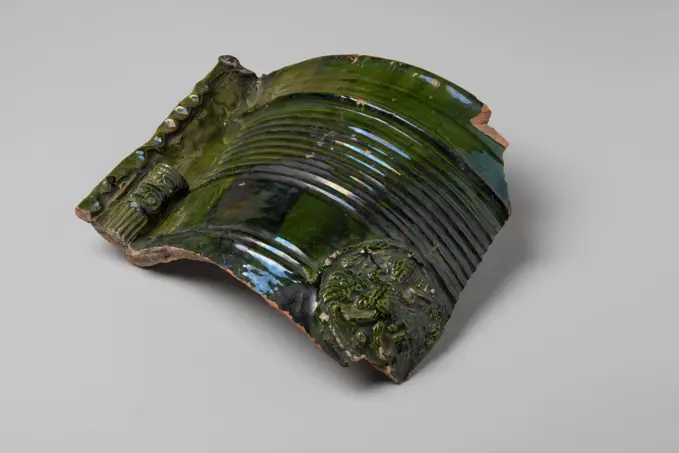
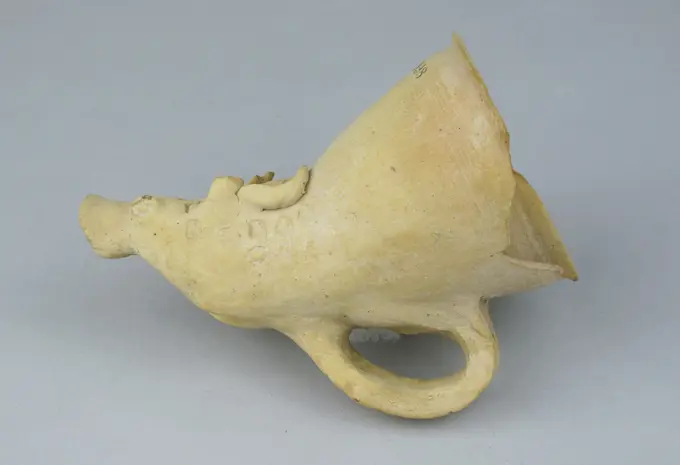
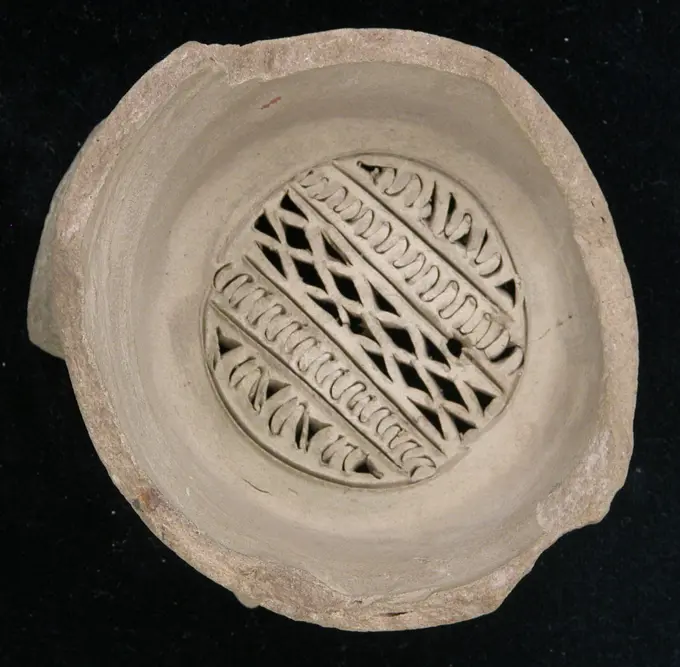
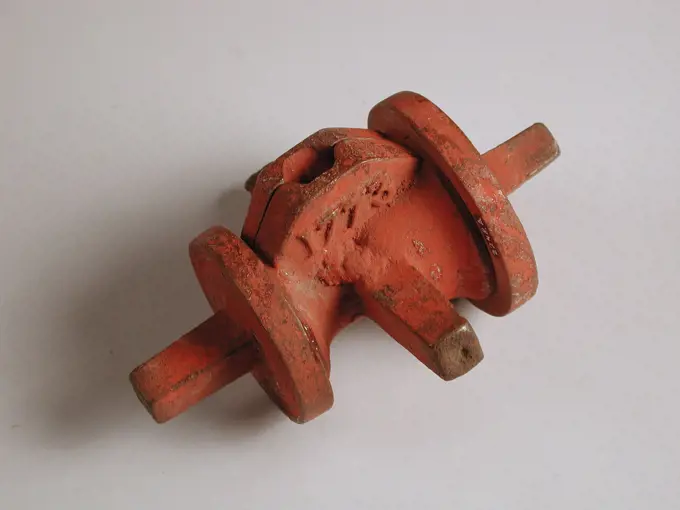
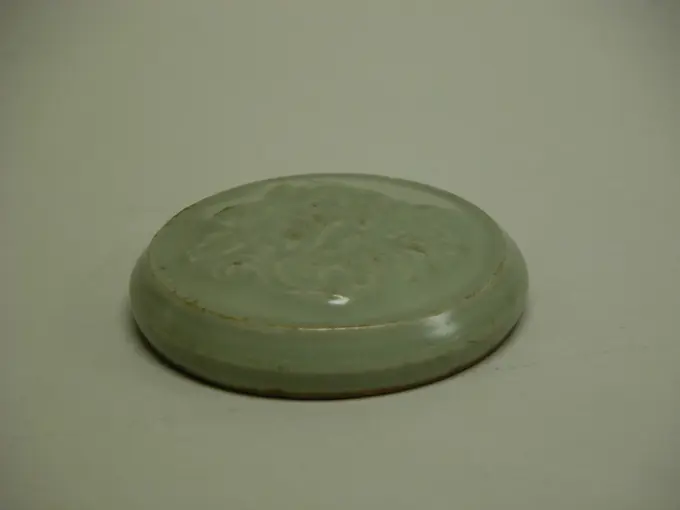
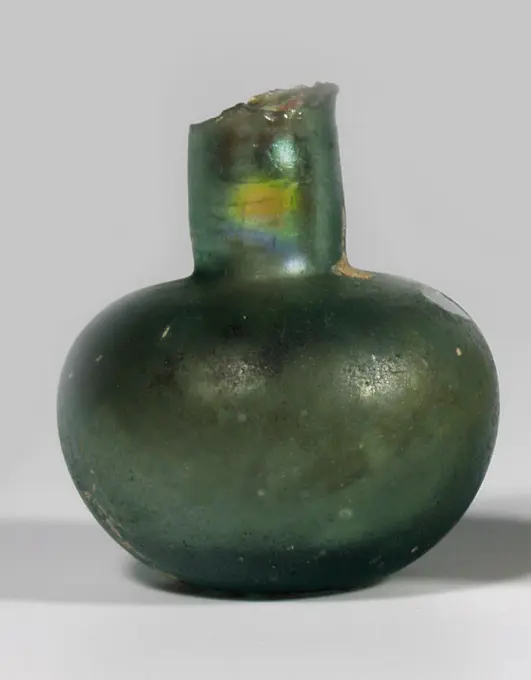
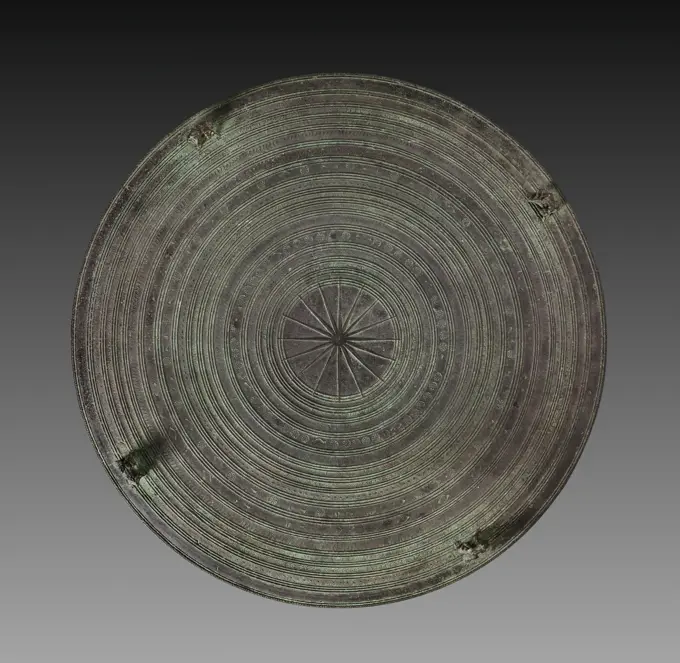
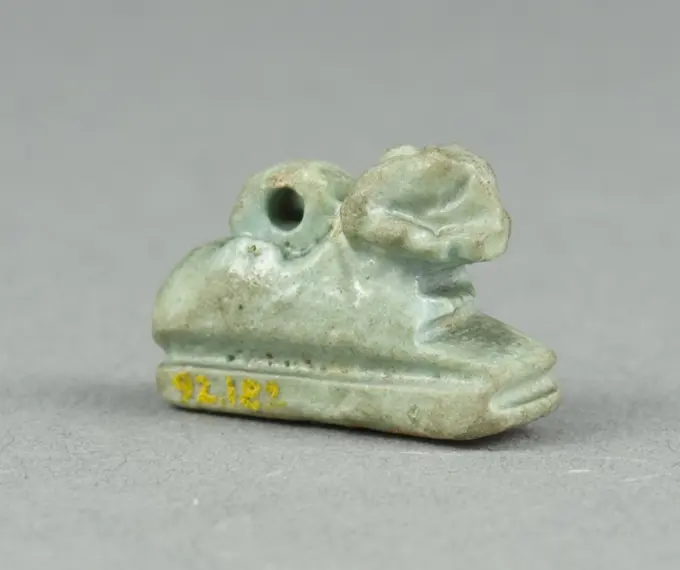
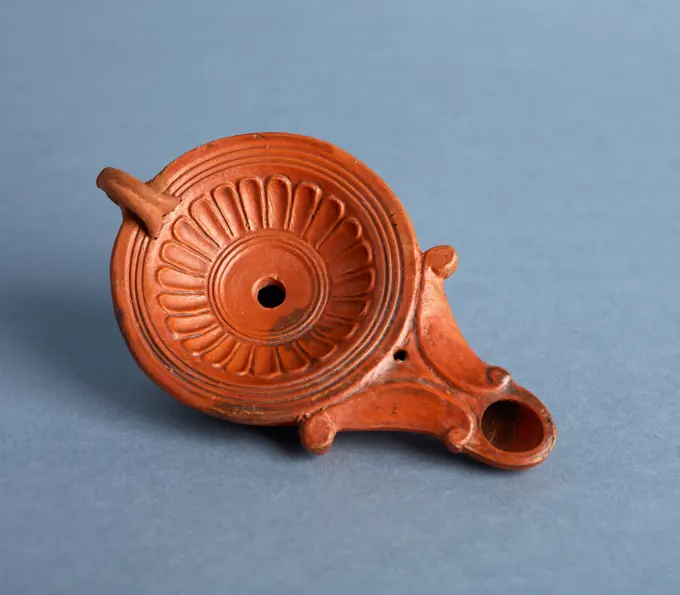
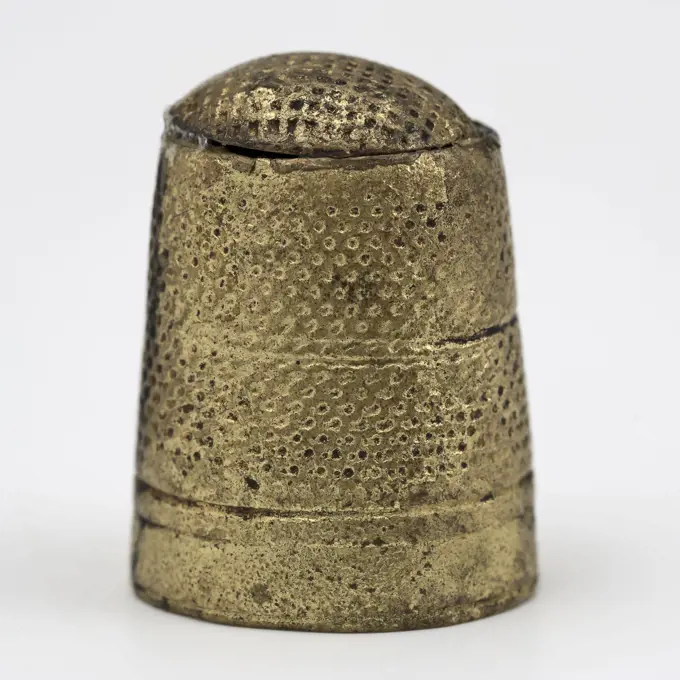
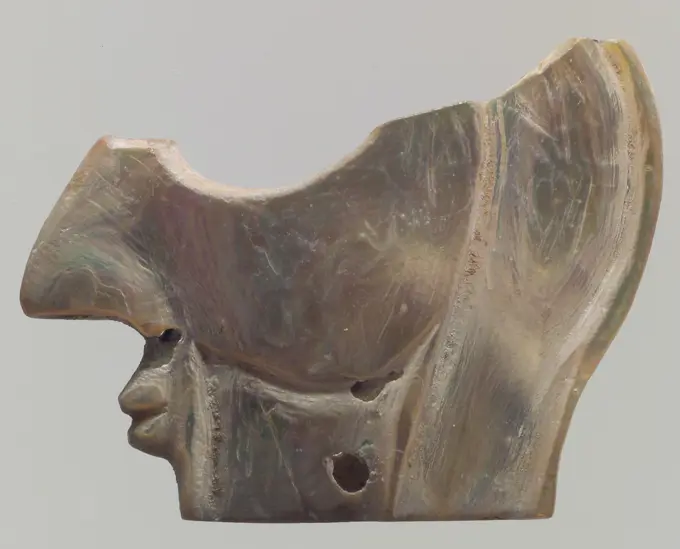
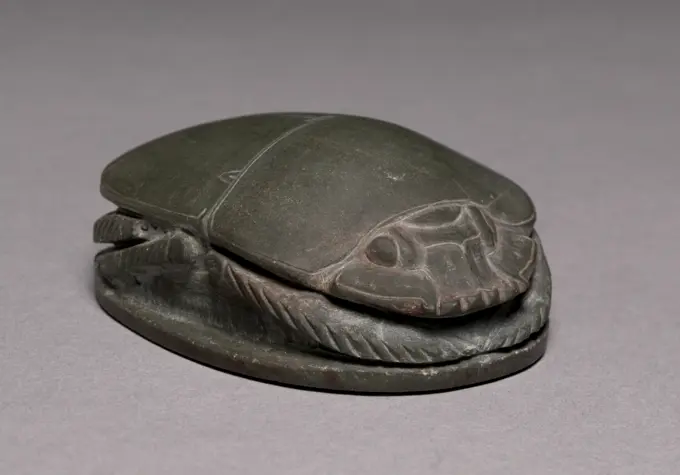
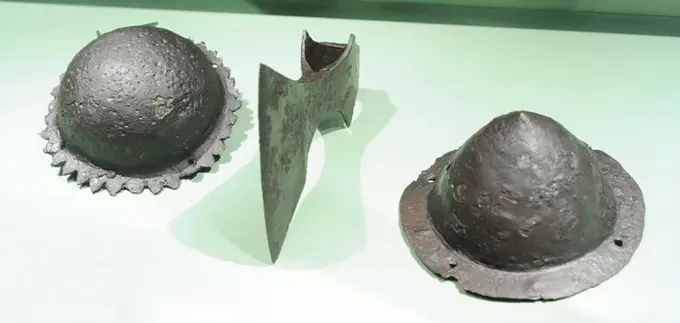
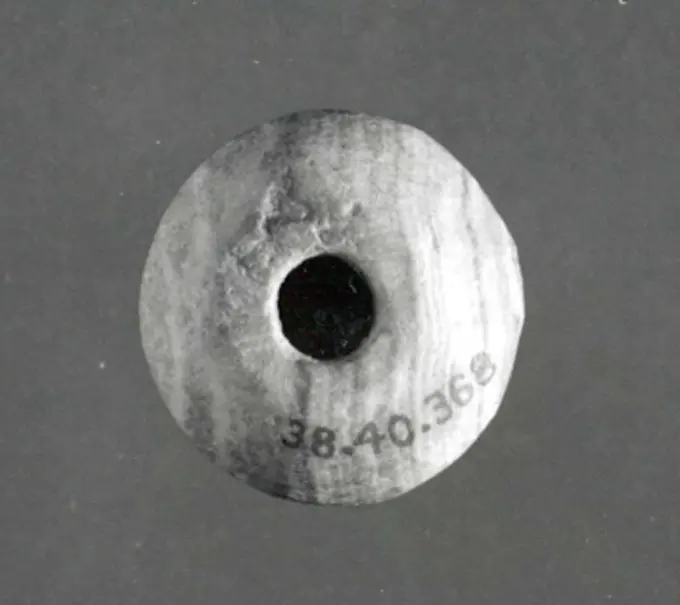
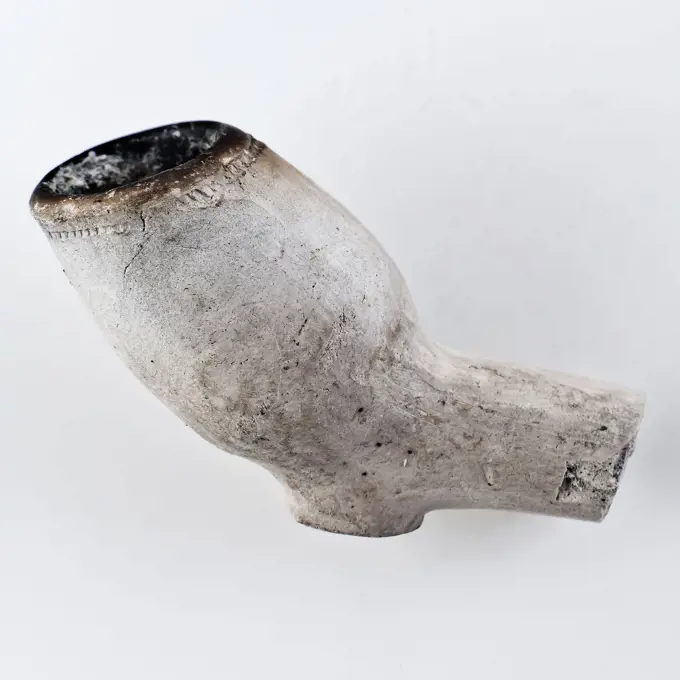
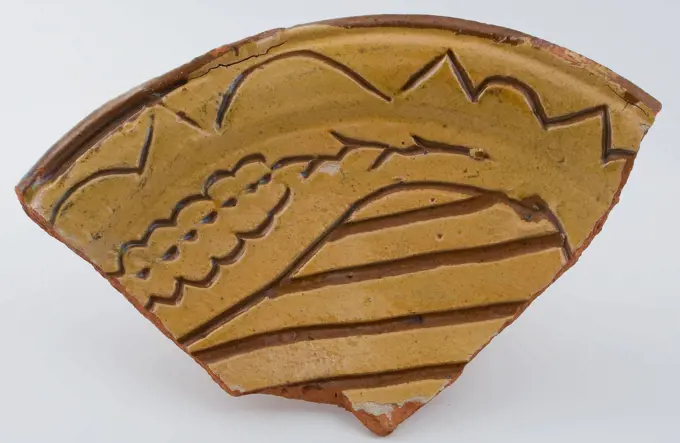
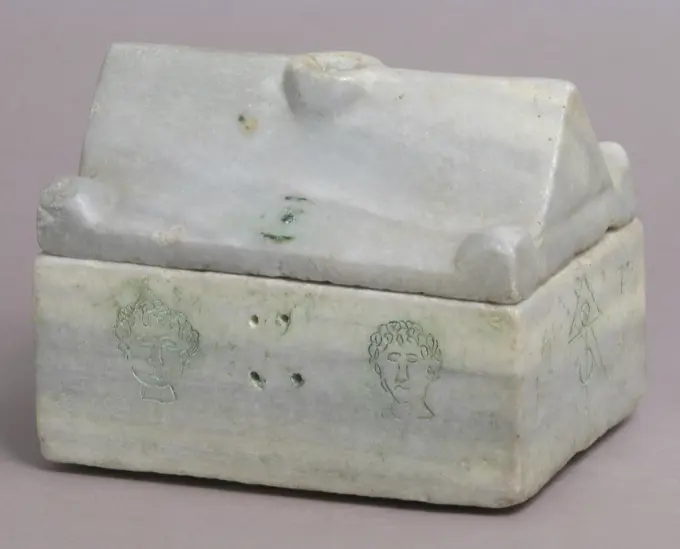
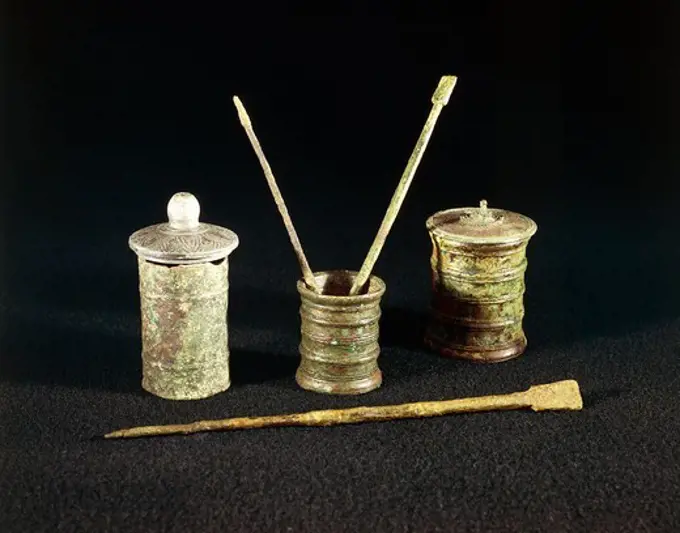
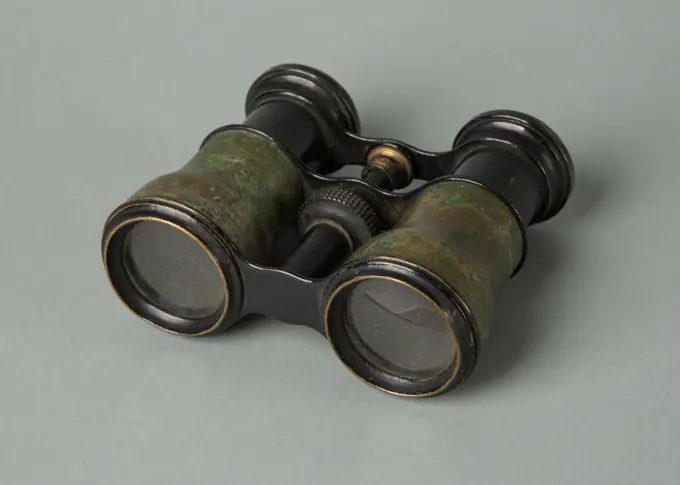
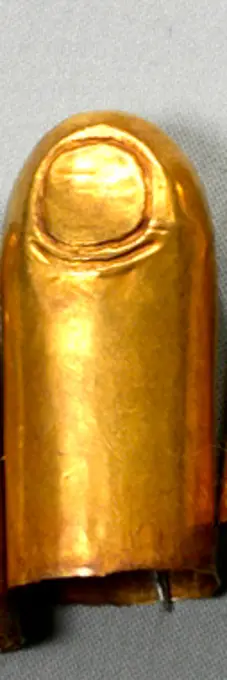
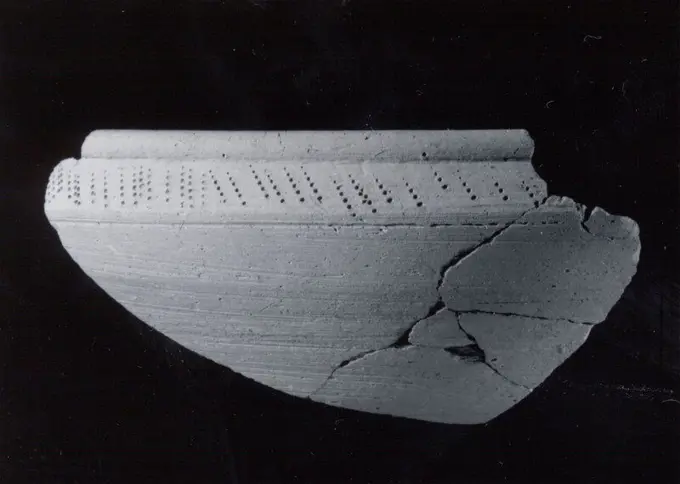
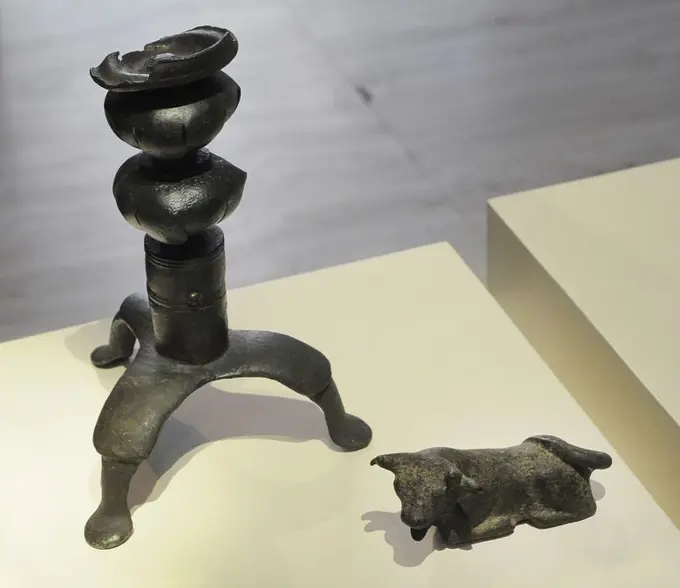
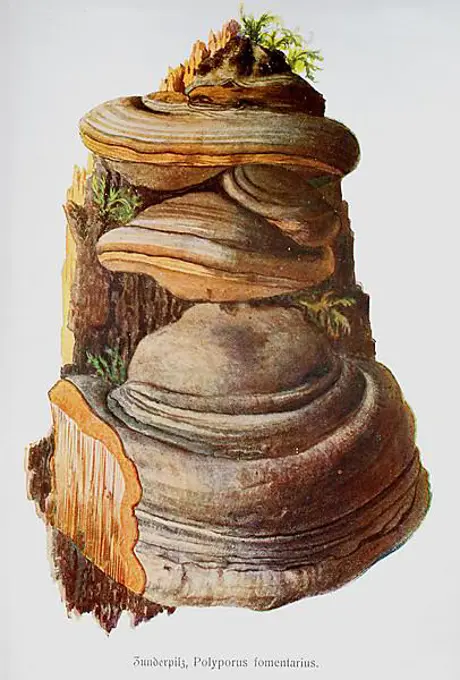
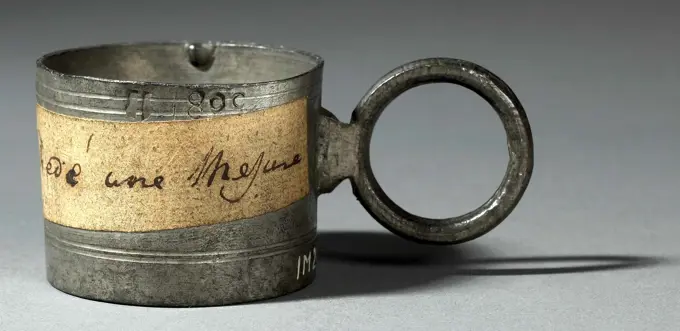
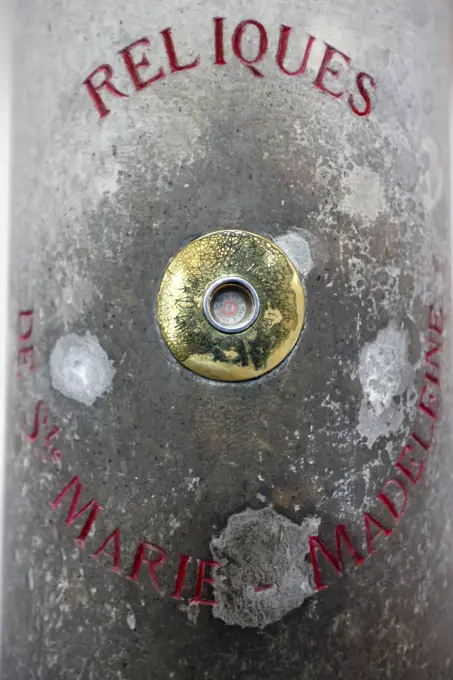
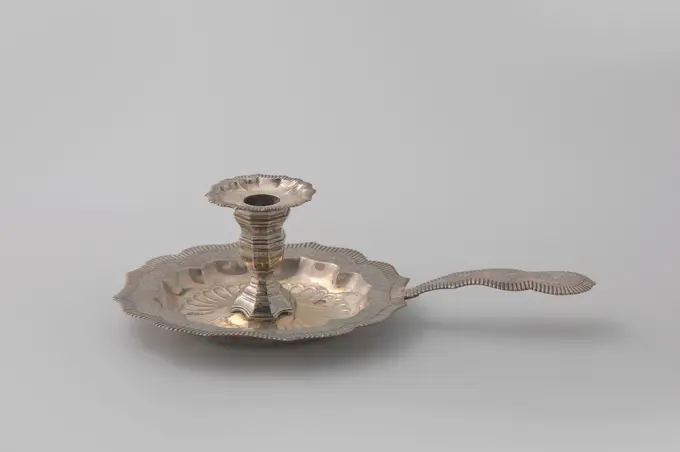
Blaker made of silver, accolade -shaped leaf and long stem finished with ribs list within which engraved tifles on granulated soil., Anonymous, 1770 Blaker with a long silver handle and a leaf with a battery land. The handle and leaf are surrounded by a ribbed frame, within which engraved tifles on a granulated soil. Marked.  silver (metal) Blaker with a long silver handle and a leaf with a battery land. The handle and leaf are surrounded by a ribbed frame, within which engraved tifles on a granulated soil. Marked.  silver (metal)Kazo 19th century Japanese (Ainu). Kazo 500651Bulbous bottle, hammer bottle, bottle holder bottomfound glass, bottom. Body with almost vertically ascending wall to convex shoulders and rejuvenated (dm 5.0 - 2.5 (estimated) neck broken off at approximately 5 cm archeology Rotterdam rail tunnel storage basement kitchen drink table packing Soil discovery: rail tunnel Rotterdam.Reinforce for the Left Pauldron. Northern Italian. Date: 1550-1600. Dimensions: . Steel. Origin: Germany. Museum: The Chicago Art Institute, Chicago, USA.18-cm Segment Shell.Pointed 18 cm of grenade. The grenade is 44.8 cm long and has a 175 mm caliber. He has two rings bronze cams for a drawn loop with three drawing fields. The nose is has the shape of a bottle neck and the pipe hole is filled with a plug with a rope. The convex bottom is secured with a lead ring.Mace Head 4th century B.C.-A.D. 1st century Chavin This carved stone mace head with diagonal flutes is among the most graceful weapons to survive from ancient Perus earliest cultures. The elegant, finely carved swirling ridges below the lip give a fluid character to this weapon that belies its purpose: to crush or splinter opponents bones. These ridges enhance the weapons effectiveness, as, when used, all of the force is concentrated at the narrow edges of the mace head rather than spread out over a broader surface area, similar to the way in which being stepped upon by a stiletto heel is much more painful than being stepped upon by a wider heel. The proper cultural attribution of stone mace heads of this type is unclear. Carved stone mace heads were made as early as the middle of the first millennium B.C. in the Central Andes, by artisans of the Chavín and Cupisnique cultures. A sculpted mace head was excavated from a burial at Kuntur Wasi in the northern highlands of Peru (Fux, 20Cup ca. 1st century A.D. Nabataean. Cup 325915Bell;  19th century (1801-00-00-1900-00-00);Sword-Hilt Collar and Pommel (Fuchigashira). Culture: Japanese. Dimensions: Fuchi (a); H. 1 3/8 in. (3.5 cm); Wt. 0.8 oz. (22.7 g); kashira (b); H. 1 1/8 in. (2.9 cm); Wt. 0.5 oz. (14.2 g). Date: first half 19th century. Museum: Metropolitan Museum of Art, New York, USA.Bronze phialai from Greece. Dated 6th Century BCSharf of earthenware with green glaze, with ribbed surface and among other things a relief of a fabeldier, anonymous, 1500 - 1799   earthenware. glaze   earthenware. glazeVase (USA); Made by George E. Ohr (American, 1857-1918); glazed earthenwareContent measure of 2 deciliters. Chain seam of 2 deciliters (Double Decilitre) with wooden bottom edge. At the bottom of v.z.v. Orange wax seal with inscription. V.Z.V. brands and stamps.Finial 4th-7th century Coptic. Finial 478570Rhyton ca. 400 B.C. Cypriot Rhyton in the shape of an animal's head.. Rhyton. Cypriot. ca. 400 B.C.. Terracotta. Cypro-Classical. VasesStamp 5th-6th century Atlantic Watershed. Stamp 313375THIMATERIO DE BRONCE. TARTESICO. (DEPOSITO: MUSEO ARQUEOLOGICO NACIONAL).Water Filter 10th-12th century. Water Filter 447427Hendrik Jacobus van Kleef I, Four-piece bronze mold for liqueur milk with initials HIVK and 1773, mold casting tool tools equipment raw metal bronze h 14.0, V K and year 1773 (Hendrik Jacobus van Kleef I) Rotterdam tin foundry tin stain tin Meeuws Druy handicrafts Forms come from the originally 18th century Rotterdam tinnegieter J Druy. The large molds that were not signed or dated were the property of the tinker guild and were rented to the small tin caster.Oval bowl ca. 6th-7th century A.D. Sasanian. Oval bowl 322437Lid of a box 12th-13th century China. Lid of a box. China. 12th-13th century. Stoneware with mold decoration under a celadon glaze (Longquan ware). Southern Song dynasty (1127-1279). CeramicsWater Filter 10th-12th century. Water Filter 447433Two-piece bronze mold for lid, mold casting tool tools base metal bronze, cast Two-piece bronze mold for casting lid top: 2834 24 Rotterdam tin foundry tin stain tin Meeuws Druy craft Shapes are from the originally 18th century Rotterdam tinnegieter J Druy. The large molds that were not signed or dated were the property of the tinker guild and were rented to the small tin caster.Bottle. unknown, craftsmanDongson Drum Top, 300-400. Southeast Asia, Thailand, 4th - 5th century. Bronze;Fragments of Ceramics with Opacified Glaze 9th century. Fragments of Ceramics with Opacified Glaze 853313Covered Box on Stand, Carved lacquer, wood, silk, Circular red lacquer box with short circular foot and fitted circular lid, sitting on carved wooden stand; foot carved with a fret or 'lei-wen' pattern. Side of box carved with peony-like flowers interspersed with beribboned Buddhist-taoist symbols set among deeply carved buds and scrolls. Outside edge of lid carved with Eight Buddhist Emblems of Happy Augury interspersed among flowers and scrolls. Top of lid with carved landscape framed by a band of bud-like figures adjacent to inner band of interlocking geometric figures and 'shou' characters., China, 1736-1795, containers, Decorative Arts, Covered Box on StandAmulet of a Recumbent Ram 1069 BCE-332 BCE Egypt. Faience . Ancient EgyptianMONEDA-LIDIA (R 24.292)1/2 DE ESTRATERO-REVERSO 7,13 MM. Location: FABRICA NACIONAL DE MONEDA Y TIMBRE-COLECCION. MADRID. SPAIN.Oil LampTwo-piece bronze mold for screw cap, mold casting tool tools kit metal_metal bronze, cast twisted Two-piece shape for screw cap with coarse thread top: 2834 225 Rotterdam tin casting tin tin Meeuws Druy craft Forms come from the originally 18th century Rotterdam tinnegieter J Druy. The large molds that were not signed or dated were the property of the tinker guild and were rented to the small tin caster.Terracotta fragment of a stamnos (jar) 510-500 B.C. Greek, Attic Part of the rim of a stamnos; the exterior is black glaze; the interior, has the stern of a ship on waves; at the shoulder, a band of tongues, alternating with black and red; below a thin band of reserve. Terracotta fragment of a stamnos (jar). Greek, Attic. 510-500 B.C.. Terracotta; black-figure. Archaic. VasesCopper molded thimble, thimble sewing kit soil find copper metal, cast Copper cast thimble with square wells in lines waffle pattern with groove pass with wheel punch in the shaft with the edge with two grooves archeology Rotterdam City Triangle Oostplein sewing textile processing clothing needle and thread repair Soil discovery: Oostplein Rotterdam.Inlay ca. 2600-2350 B.C. Sumerian. Inlay 325457Ear Ornament (2 of 2), c. 1200-1519. Mexico, Guerrero, Ichcatiopan, Mixtec or Aztec. Obsidian, crystal; overall: 2.5 x 2.2 cm (1 x 7/8 in.). This set of ear ornaments was reputedly found together with the gold and jade pectoral ornament shown nearby. They may have accompanied a noble burial, or perhaps constituted an offering deposit.Second World War (1939-1945). German winter earmuffs. 1941. Metal and felt. Army Museum. Toledo, Spain.Spindle Whorl 10th-early 16th century Mexican. Spindle Whorl 307561Heart Scarab of Nefer, 1540-1296 BC. Egypt, New Kingdom, Dynasty 18. Graywacke; overall: 2.8 x 5 cm (1 1/8 x 1 15/16 in.).Fragment of SilverObject.   Maker: John Swift, BritishPorcelain Brushwasher, 11th-12th century, 1 5/16 x 4 3/16 x 3 7/16 in. (3.33 x 10.64 x 8.73 cm), Hua-chou type ware Porcelain with molded décor under a clear glaze, China, 11th-12th century, Some of the earliest Chinese white wares were fashioned after contemporary silver utensils. Considered similarly attractive, the lustrous white porcelains of late Tang and Song (960-1279), while more fragile than the gold or silver vessels they emulated, were nevertheless cheaper and easier to maintain.Spindle Whorl 10th-early 16th century Mexican. Spindle Whorl 307568Scandinavia. Hield boss, Kolkjon, Tokke k., Telemark. 10th century. Axe, Skarvangen, Vaga, K., Oppland, 10th century. Shield boss, Norderhov, Loten k., Hedmark. 11th century. Historical Museum. Oslo. Norway.Plate with Tughra. Turkey, 1749/1163 A.H.. Metal. Copper, tinnedSpindle whorl 5th-3rd millennium B.C. Iran This stone spindle whorl was excavated in 1937 at a prehistoric site in the vicinity of Nishapur in northeastern Iran. While Nishapur itself was founded by the Sasanian king Shapur I (reigned ca. A.D. 241-272), this whorl shows that human habitation there goes back to the prehistoric period. Furthermore, the prehistoric pottery from Nishapur has close affinities with ceramic materials from Central Asia rather than with contemporary sites in Iran, meaning that in this period its inhabitants were likely culturally linked to their neighbors to the east. At the same time, Nishapurs location on what later became known as the Great Khorasan Road suggests that it was part of the trade network that facilitated the import of precious stones such as lapis lazuli, carnelian and turquoise from Central Asia to Mesopotamia.Spindle whorls were used to make thread. A dowel was inserted through the hole, to which plant fibers or wool were attached. The whorl Clay pipe, marked, with smooth handle, clay pipe smoking equipment smoke floor foundry pottery, pressed finished baked Clay pipe marked with smooth handle. Radiator ring under lip top edge along the entire circumference boiler. Heel mark. heel mark: II letters stand left and right of crowned Tudorroos archeology Rotterdam City Center Cool Schiedamse Vest Mainland City Triangle Runway indigenous earthenware smoking tobacco craft Soil discovery: Vasteland-Baan Schiedamse Vest Rotterdam Complex of discovery with material from pottery and pipe making and house waste from the 17th century.Pottery dish on stand fins, dish with sgraffito and sludge decoration, dish plate crockery holder earth discovery ceramics earthenware glaze lead glaze clay, w 17.4 twisted glazed fired bezel sgraffito Earthenware dish on stand fins Internally glazed Decorated in sludge technique and graffiti technique Decoration consists of coat of arms in brown lines scratched from the yellow ground Next to the shield plume or ear of corn Simple bows and lines along the flag Thick pottery red shard Large shallow dish with curled flag archeology underground pit Rotterdam City center Stadsdriehoek Blaak Groenendaal indigenous pottery import food serve serving table room Soil discovery underground pit Groenendaal direction Blaak 15061977.Reliquary Casket 6th century Byzantine. Reliquary Casket 466039Fragmentary Model of a Weavers Shop ca. 2030-1640 B.C. Middle Kingdom. Fragmentary Model of a Weavers Shop 573649Optometer with approximately 40 lenses. Made from glass and metal, European.Knife leftrations from the wreck of the East Indiesman Hollandia. Knife-Handle, Ferrule; ID. NG 1980-27H426.Roman civilization, Roman schoolboy writing kitVessel ca. 1st century A.D. Nabataean. Vessel 325914Stone Beads probably 8th-12th century. Stone Beads. probably 8th-12th century. Stone. Excavated in Iran, Nishapur. JewelryVase ca. 1882-89 Chelsea Keramic Art Works Steeped in ceramics from birth, Hugh C. Robertson pursued his craft with fierce devotion and a passion for experimentation. From a family of trained English ceramists, he honed his skills in New Jersey before settling in Massachusetts as one of the founders of Chelsea Keramic Art Works and later, Dedham Pottery. Robertsons lifelong explorations in glazes, particularly their color and texture, make him one of the key figures of American art pottery at the turn of the twentieth century.Glazes, an important aspect of the ceramists profession, gradually assumed a dominant role in Hugh Robertsons career and even more so in a series of long-neck vases in the Ellison Collection. He often relied on transparent glazes in a limited range of colors — tertiary olive greens, blue greens, and blues — in a palette popular among Aesthetic and Arts and Crafts movement artists such as James McNeill Whistler and Arthur Wesley Dow. Robertsons orchestration ofFragment facade ornament with frame and curls, façade ornament ornament basement building component sandstone stone paint, sculpted Fragment of larger façade ornament probably basement for pilaster Rectangular with topside. In the middle in high relief framework with curls. downwardly sloping edge at the side.BOTIJO DE GALLO - PINTADO Y VIDRIADO. Location: ALFARERIA. FREGENAL DE LA SIERRA. Badajoz. SPAIN.Roman era. Set of ceramic net weights. 3rd-5th century AD. City History Museum. Barcelona. Catalonia. Spain.BROCHE DE CINTURON. VISIGODO.(DEPOSITO: MUSEO ARQUEOLOGICO NACIONAL).Spindle Whorl, 700s - 900s. Iran, early Islamic period, 8th - 10th century. Bone, incised; overall: 0.6 x 2.7 x 2.7 cm (1/4 x 1 1/16 x 1 1/16 in.).Lion amulet ca. 2110-2030 B.C. Old Kingdom-First Intermediate Period. Lion amulet. ca. 2110-2030 B.C.. Ivory. Old Kingdom-First Intermediate Period. From Egypt. Dynasty 8-11Pomegranate carved in the round ca. 9th-8th century B.C. Assyrian This small ivory pomegranate is carved in the round, with a pointed calyx, the floral element that protects the developing flower at top, and a thin stem projecting from the bottom. It was found in a well in the Northwest Palace of Ashurnasirpal II, where it was probably thrown when the palace was sacked, perhaps during the final defeat of Assyria at the end of the seventh century B.C. Its warm, reddish color, although appropriate for a pomegranate, is actually a stain on the surface of the ivory from long exposure to well water or sludge. The horizontal perforation where the stalk meets the skin suggests that this piece was sewn onto a garment or suspended from a diadem. Symbols of fertility because of their many seeds, pomegranates were favored as decoration on the clothes and jewelry of royal Assyrian women. Pomegranate beads are depicted strung onto necklaces and embroidered on the robes and crowns worn by the figureidol in the form of a weight, limestone, 3000-2500 BC, Gruta do Correio-Mor, Loures, Portugal, Huelva Museum, Huelva, Andalusia, Spain.Roller Stamp 5th-6th century Atlantic Watershed. Roller Stamp 313066Porcupine quill blanket strip made by Hannah Levings on display at the Three Affiliated Tribes Museum on the Fort Berthold Indian Reservation, NDEmilia-Romagna Ferrara Ferrara Museo Civico di Schifanoia13. Hutzel, Max 1960-1990 General Notes: INCOMPLETE RECORD--NEGATIVES PROCESSED, PRINTS FILED German-born photographer and scholar Max Hutzel (1911-1988) photographed in Italy from the early 1960s until his death. The result of this project, referred to by Hutzel as Foto Arte Minore, is thorough documentation of art historical development in Italy up to the 18th century, including objects of the Etruscans and the Romans, as well as early Medieval, Romanesque, Gothic, Renaissance and Baroque monuments. Images are organized by geographic region in Italy, then by province, city, site complex and monument.Binoculars unknown labelSaucer Korea. Saucer 57431Bowl 10th centuryVase 101 CE-200 CE Syria. Glass, mold-blown technique . Ancient LevantineFinger stall ca. 1479-1425 B.C. New Kingdom. Finger stall 547661Carinated bowl sherd ca. mid-3rd millennium B.C.. Carinated bowl sherd 326114Thymiaterion. Bronze. Tripod support. The figure of the bronze bull could be the handle of the candelabra lid. Orientalizing period. 800-601 BC. (8th-7th centuries BC). National Archaeological Museum. Madrid. Spain.Africa, Mozambique, Maputo. Historical object in the Museum of Natural History.Mushroom, Tinder fungus, Polyporus fomentarius, Historical, digitally restored reproduction of an illustration by Emil Doerstling (1859-1940)Anonymous. Corner: "prima academia", 19th century. Steel. Paris, Carnavalet museum. 102011-11Aluminium pot, Village district Manik Gunj, Rural Bangladesh Copyright: xRavixShekhar/DinodiaxPhotoxWorld War One German Gas Mask circa 1915Hat vinegar size from Enschede.Hat Vinegar Size from Enschede with Ear. V.Z.V. labelBenedictine abbey of Vezelay. Relics of Mary Magdalene. Vezelay. France.Marble, Inscribed. Egypt, 1st Dynasty (circa 3050 - 2850 BCE) (inscription likely modern). Tools and Equipment; marbles. Marble